Can postural assessments help identify problems with how a person stands or sits, which can lead to various musculoskeletal issues?
Postural Assessment
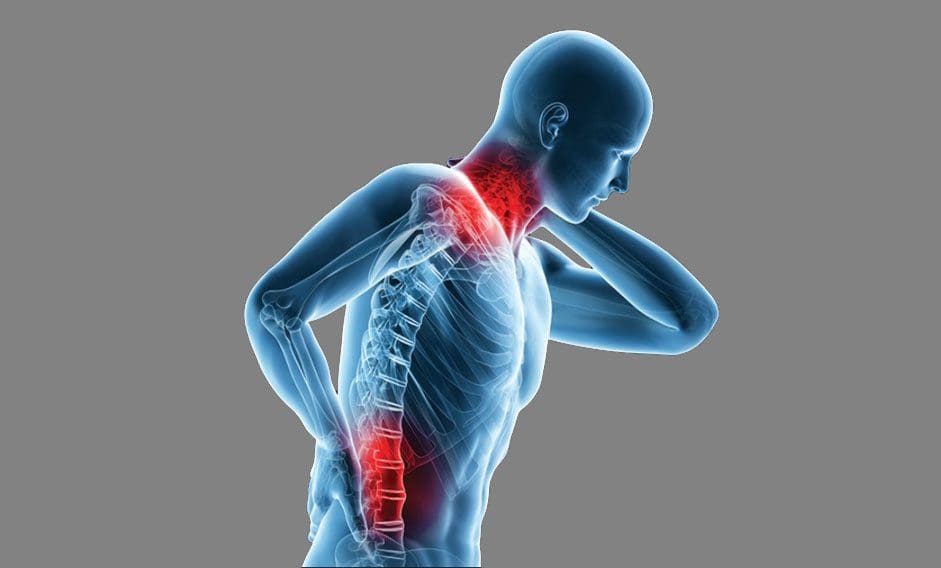
Proper posture is an exercise in which the muscles support the skeleton in a comfortable, stable, and efficient alignment. Healthy posture is present when the body is still and when moving. However, numerous factors can affect and hinder posture. These include daily wear and tear, injury, illness, or a condition. A posture assessment is a process that identifies posture issues and their root causes, often using visual and palpation techniques, and can help determine appropriate treatment or exercises. (Science Direct, 2007)
Visual Assessment
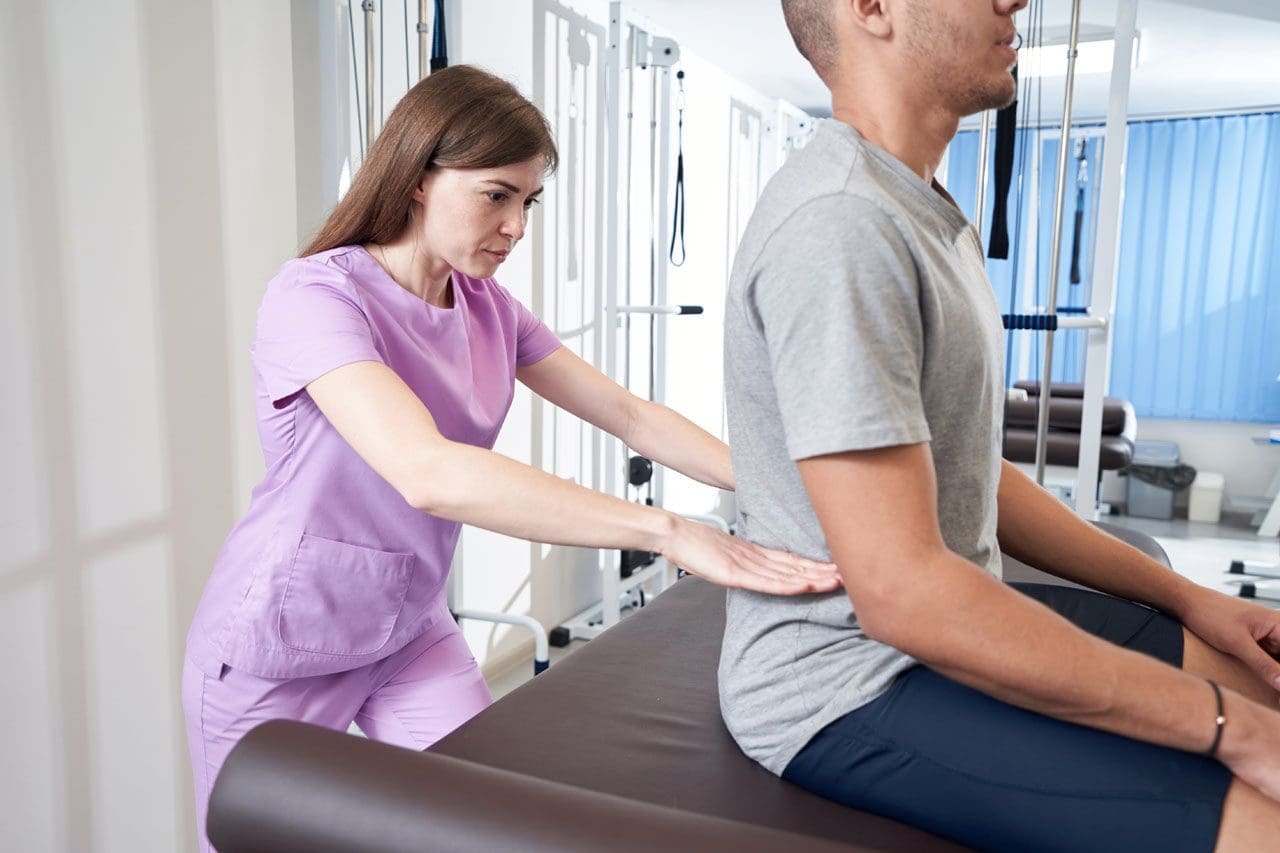
Observing the body’s alignment and symmetry from different angles (anterior, posterior, and lateral views).
Consider their daily activities, work environment, and any previous injuries. (Du, S. H. et al., 2023)
Wall Test
The patient stands against a wall with their feet shoulder-width apart and heels about 6 inches from the baseboard.
If they have good posture, their ears will be vertically aligned with their shoulders, and their head will be no more than three finger widths from the wall. (Physiopedia, 2025)
Professionals Who Can Perform a Posture Assessment
Physiotherapists
Professionals trained in assessing and treating musculoskeletal problems.
Chiropractors
Professionals who focus on the spine and nervous system.
Fitness Professionals
Personal trainers or other fitness professionals can use posture assessments to help clients improve their posture and movement.
Ergonomists
Professionals who specialize in designing workspaces and environments to promote good posture and reduce strain.
Injury Medical Chiropractic & Functional Medicine Clinic
Talk to a healthcare provider to learn what interventions would help the most. Injury Medical Chiropractic and Functional Medicine Clinic works with primary healthcare providers and specialists to develop an optimal health and wellness solution. We focus on what works for you to relieve pain, restore function, and prevent injury. Regarding musculoskeletal pain, specialists like chiropractors, acupuncturists, and massage therapists can help mitigate the pain through spinal adjustments that help the body realign itself. They can also work with other medical professionals to integrate a treatment plan to resolve musculoskeletal issues.
Singla, D., & Veqar, Z. (2014). Methods of postural assessment used for sports persons. Journal of clinical and diagnostic research: JCDR, 8(4), LE01–LE4. https://doi.org/10.7860/JCDR/2014/6836.4266
Du, S. H., Zhang, Y. H., Yang, Q. H., Wang, Y. C., Fang, Y., & Wang, X. Q. (2023). Spinal posture assessment and low back pain. EFORT open reviews, 8(9), 708–718. https://doi.org/10.1530/EOR-23-0025
Broken bones are common injuries. Because children’s bones grow rapidly, they have increased flexibility. When injuries, specifically fractures, occur, they do not always break cleanly across the bone or into pieces. What type of fracture is this, and how are they treated?
Greenstick Fracture
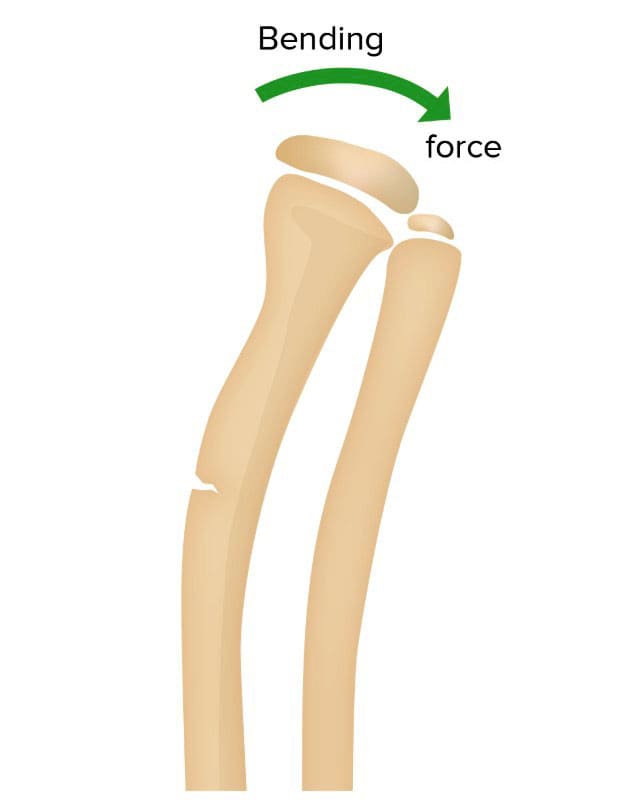
A greenstick fracture is a partial break in a bone that occurs when a bone bends and cracks instead of breaking into separate pieces. (Wolfe J. A. et al., 2019) The term is based on a young green branch that bends and splinters but does not break into pieces when bent. Only one side of the bone is broken, while the other side gets bent. Many children experience at least one fracture during their growing years. This is one of multiple fracture types seen in children. They can happen in adults but are uncommon.
Causes
Greenstick fractures mostly occur in infants or toddlers, sometimes in children during their early adolescent and pre-adolescent years. They are partial-thickness fractures (a break in a bone that doesn’t completely break it) characterized by a break on one side and a bend on the other. Buckle fractures and bow fractures are different types of partial-thickness fractures. Greenstick fractures commonly occur:
In children under 10 years old
Occurs when a child reaches out to break a fall
During motor vehicle collisions
Sports
Direct impacts
Non-accidental trauma
It is more common in long bones, including:
Radius
Ulna
Humerus
Fibula
Tibia
Clavicle
The fracture pattern often indicates a limb’s bending or contortion.
Deformity, such as the affected body part looking crooked or out of alignment.
Treatment
If the bone is not significantly bent out of alignment, a splint or cast may be all that is necessary to treat the break. If the bone is visibly out of alignment, it must be manually straightened before the limb is put into a cast. If the break is severe, surgery may be required. Fortunately, a growing skeleton can remodel bone, so fractured bones can often realign themselves over time with minimal intervention. Healing depends on various factors, including:
Sometimes, the fracture must be bent back and repositioned in a fracture reduction procedure. An anesthetic may be used as the doctor manually realigns the bone into the correct position. After the reduction, a cast or splint will stabilize the bone and maintain proper alignment. Depending on how quickly the bone heals, a cast may be necessary for a few weeks, months, or longer, depending on the patient and/or underlying conditions.
Healing
Healing involves specialized cells that gradually rebuild and fine-tune the new bone.
The average time for a greenstick fracture to heal completely may take four weeks.
Injury Medical Chiropractic & Functional Medicine Clinic
Injury Medical Chiropractic and Functional Medicine Clinic works with primary healthcare providers and specialists to develop an optimal health and wellness solution. We focus on what works for you to relieve pain, restore function, and prevent injury. Regarding musculoskeletal pain, specialists like chiropractors, acupuncturists, and massage therapists can help mitigate the pain through spinal adjustments that help the body realign itself. They can also work with other medical professionals to integrate a treatment plan to resolve musculoskeletal issues.
Building a Stronger Body
References
Wolfe, J. A., Wolfe, H., Banaag, A., Tintle, S., & Perez Koehlmoos, T. (2019). Early Pediatric Fractures in a Universally Insured Population within the United States. BMC pediatrics, 19(1), 343. https://doi.org/10.1186/s12887-019-1725-y
Atanelov, Z., & Bentley, T. P. (2025). Greenstick Fracture. In StatPearls. https://www.ncbi.nlm.nih.gov/pubmed/30020651
Pountos, I., Clegg, J., & Siddiqui, A. (2010). Diagnosis and treatment of greenstick and torus fractures of the distal radius in children: a prospective randomised single-blind study. Journal of children’s orthopaedics, 4(4), 321–326. https://doi.org/10.1007/s11832-010-0269-3
Can correcting body misalignments and the elements of unhealthy posture help achieve a healthy posture?
Healthy Posture
Maintaining a healthy posture is more important than ever, as individuals from all walks of life realize how practicing awkward and unhealthy postures can wreak havoc on their bodies and quality of life. Unhealthy postures include rounding the upper and lower back, slouching, and forward head posture. Over time, these postures make daily activities more difficult or painful. Mobility, stability, and strengthening exercises can address unhealthy posture problems and issues, along with practicing correct sitting, standing, and resting postural habits to reinforce proper alignment daily. A chiropractic and physical therapy team can treat and train individuals to restore correct and healthy posture.
Body Alignment
Ideal posture involves correct body alignment or how the structural parts, such as the head, trunk, hips, knees, etc., relate to an individual’s form. Whether standing, sitting, lying down, or moving, body parts need to be balanced in relationship to each other to avoid unnecessary stress on the spine and musculoskeletal system. (Bone Health & Osteoporosis Foundation, 2024)
Posture Types
Posture is considered static when sitting or standing still and dynamic when moving. Both are categorized as active postures as they require the activation of stabilizing muscles to deal with gravity and maintain alignment. Lying down and remaining still is considered an inactive posture, as muscle involvement is minimal. However, both have the potential to be healthy or unhealthy.
Proper Body Alignment
An easy way to check proper alignment while standing is to stand against a wall with the base of the head, shoulder blades, and buttocks flush against the wall, with enough space for a hand wide enough to slide in between the wall and the small of the back. This exercise correctly lines up the head, shoulders, and hips to reduce or eliminate undue stress on the spine. Body balance is the foundation for active and inactive postures concerning workstations, industrial ergonomics, daily activities, and sports. (Mayo Clinic, 2023) Healthy alignment is a standard position in which all body joints are centered and balanced and the most mechanically efficient position for static or dynamic activities. Biomechanical efficiency (the ability to use the body’s muscles and joints to perform movements while minimizing energy use and maximizing output) enables the muscles surrounding the joints to work in balance and efficiently activate, which, in turn, helps reduce strain, tension, and injury. Balanced muscles also conserve energy, leading to better daily stamina.
Development of Imbalances
Individuals develop position and movement habits in joint positioning that have led to imbalanced muscles. When this is the case, some muscles can be chronically stretched, and others become chronically tight, all to hold the body up or move around, which can lead to postural conditions like upper crossed (Physiopedia, 2024) or lower crossed syndrome (Physiopedia, 2024) which often leads to pain and/or mobility issues.
Posture Assessment
The recommended way to determine if one’s posture is healthy or poor is by conducting a posture assessment. The examination looks at joint positions and gathers visual information about the planes into which parts of each joint move and the axes around which those movements occur (Singla D. and Veqar Z., 2014) (Debra Coglianese et al., 2006). In a posture assessment, body alignment is compared with the ideal standard, a plumb line, usually a string with a small weight attached to the bottom to help maintain straightness. The other end of the string is affixed to the ceiling to be used as an accurate reference for correct alignment. (Singla D. and Veqar Z. 2014) During a posture assessment, the patient stands next to the plumb line while the doctor or therapist compares the relative positions of the following areas:
Ears
Shoulder joint
Spine
Hip joint
Knee joint
Ankle joint
Feet
Any areas that don’t match the reference can indicate misalignments in one or several regions.
Making Corrections
Chiropractic care can help correct unhealthy posture by realigning the spine and strengthening the musculoskeletal system:
Spinal Adjustments
Chiropractors use their hands or instruments to apply controlled force to the spine to realign the vertebrae. This can help relieve pressure on muscles, ligaments, and nerves, which can improve posture.
Corrective Exercises
Chiropractors can create custom exercises to strengthen postural muscles and maintain proper alignment.
Massage Therapy
Chiropractors can use massage therapy to work on strained ligaments and soft tissue.
Guidance and Training
Chiropractors can teach patients how to move to encourage a neutral spine and provide strategies for maintaining healthy posture.
A posture corrector or brace can also help teach and engage the correct muscles to achieve proper alignment. However, it should not be relied on long-term because promoting and activating one’s stabilizing muscles is important rather than relying on a brace for prolonged periods.
Injury Medical Chiropractic and Functional Medicine Clinic
Achieving and maintaining proper posture requires consistent work and development. Retraining the body and maintaining its optimal health requires daily efforts through exercise, conscious position corrections, and ergonomics. Injury Medical Chiropractic and Functional Medicine Clinic works with primary healthcare providers and specialists to develop an optimal health and wellness solution. We focus on what works for you to relieve pain, restore function, and prevent injury. Regarding musculoskeletal pain, specialists like chiropractors, acupuncturists, and massage therapists can help mitigate the pain through spinal adjustments that help the body realign itself. They can also work with other medical professionals to integrate a treatment plan to resolve musculoskeletal issues.
Upper Cross Syndrome
References
Bone Health & Osteoporosis Foundation. (2024). Proper body alignment. https://www.bonehealthandosteoporosis.org/patients/treatment/exercisesafe-movement/proper-body-alignment/
Mayo Clinic. (2023). Mayo Clinic Q and A: Proper posture and body alignment. https://newsnetwork.mayoclinic.org/discussion/mayo-clinic-q-and-a-proper-posture-and-body-alignment/
Singla, D., & Veqar, Z. (2014). Methods of postural assessment used for sports persons. Journal of clinical and diagnostic research: JCDR, 8(4), LE01–LE4. https://doi.org/10.7860/JCDR/2014/6836.4266
Coglianese, D. (2006). Muscles: Testing and Function With Posture and Pain, ed 5 (with Primal Anatomy CD-ROM). Physical Therapy, 86(2), 304-305. https://doi.org/https://doi.org/10.1093/ptj/86.2.304
For individuals who enjoy walking for exercise and health, can knowing when to replace walking shoes help protect their feet and prevent musculoskeletal injuries?
Replacing Walking Shoes
The best walking shoes must be replaced to ensure musculoskeletal health and prevent injuries. Wearing worn-out shoes during prolonged standing, distance walking or running, and high-impact workouts can exacerbate lower back stiffness, soreness, and pain. Comfortable walking shoes offer substantial support and superior cushioning, working to alleviate discomfort and prevent injury. However, they break down cushioning and support with each step. When an individual walks or runs 500 miles, most athletic shoes are ready for replacement and should be recycled or saved for non-exercise purposes.
500-Miles
Most athletic shoes are built to last 350 to 500 miles. (Cook, S. D., Kester, M. A., and Brunet, M. E. 1985) Walkers’ feet don’t impact their feet as hard as runners’, but individuals are unlikely to feel support and cushioning past 500 miles. Weight is also a factor; the more an individual weighs, the faster their shoes wear down.
It is recommended that individuals who walk 30 minutes daily or an average of three to four hours a week replace their shoes every six months.
Individuals who walk 60 minutes daily or seven hours weekly replace their shoes every three months.
Replace walking shoes every three to six months or every 500 miles.
Shoe Wear
When athletic shoes are glued together, they start to wear from the factory to the stores as the adhesive dries out. The air pockets in the cushioning slowly begin to dissipate. Walking shoes are often on sale when old models are discontinued and may already be over a year old. To get the longest life, buy the current model and ask staff how long they have been on the shelf.
Shoe Care
Shoes can last longer by following a few guidelines:
Use walking Shoes only for Walking Exercise
It is recommended not to wear them for daily use.
Use them only for walking.
Wearing them all day exposes them to foot moisture and bacteria, breaking them down faster.
Air Out Shoes Between Uses
Store walking shoes where they are exposed to air so they can dry out completely between uses.
Keeping them in a gym bag won’t allow them to breathe.
Wash Shoes and Air Dry
When washing walking shoes, use gentle soap and cold water to prevent the glue from breaking down.
Always air dry rather than placing them in a dryer.
Avoid heat, as this will contribute to faster glue breakdown.
Replace the Insoles
Individuals who prefer custom insoles should replace them each time shoes are replaced.
However, changing the insole is not a substitute for replacing the shoe.
Cushioning insoles do not provide the same support.
A new insole will not fix a broken-down walking shoe.
Rotate Walking Shoes
Alternate walking shoes every one to two months. The feet sense the difference when the older pair begins to break down. For individuals who walk one or more times daily, alternating shoes allow each pair to dry out fully between uses. Having two pairs of walking shoes to alternate will keep you from replacing them more frequently.
Signs It’s Time
Many wait until their shoes look worn out, with holes and torn laces, before considering replacing them. Here are a few guidelines for when to replace walking shoes:
Worn Tread
Many of today’s walking shoes change color through the sole to alert the individual.
If green turns to pink or some other combination, it’s time to replace the shoes.
Overpronation or Supination
This can lead to the heel of the shoe being worn down on one side more than the other.
This can affect your gait, making it important to replace your walking shoe.
Wrinkles On The Side or Bottom Of The Sole
The breakdown of support and cushioning can cause this.
Weak Ankle Support
This is usually from the uppers being broken down around the ankle.
Wear Patterns
Where and how the soles and heels of walking shoes are worn can tell a foot and shoe professional which shoes the individual should wear. It is recommended that used shoes be taken to the shoe store. They can indicate overpronation, a neutral gait, or supination.
Risks
The risks of wearing worn-out walking shoes include:
Lack of cushioning and support can lead to foot, knee, or leg pain.
Individuals who notice new soreness and aches may indicate that the shoes need replacing.
Recycling
Keeping one or two pairs of used walking shoes is great for household chores. They can also be recycled or donated. Recycled walking shoes are used to make playground and track surfaces. Look for a shoe bin at a community recycling center or athletic shoe store. Shoes in decent condition can be donated to charity clothing centers.
Injury Medical Chiropractic and Functional Medicine Clinic
At Injury Medical Chiropractic and Functional Medicine Clinic, our areas of practice include Wellness & Nutrition, Chronic Pain, Personal Injury, Auto Accident Care, Work Injuries, Back Injury, Low Back Pain, Neck Pain, Migraine Headaches, Sports Injuries, Severe Sciatica, Scoliosis, Complex Herniated Discs, Fibromyalgia, Chronic Pain, Complex Injuries, Stress Management, Functional Medicine Treatments, and in-scope care protocols. We focus on what works for you to achieve improvement goals and create an improved body through research methods and total wellness programs. If other treatment is needed, individuals will be referred to a clinic or physician best suited to their injury, condition, and/or ailment.
Custom Foot Orthotics Benefits
References
Cook, S. D., Kester, M. A., & Brunet, M. E. (1985). Shock absorption characteristics of running shoes. The American journal of sports medicine, 13(4), 248–253. https://doi.org/10.1177/036354658501300406
Rethnam, U., & Makwana, N. (2011). Are old running shoes detrimental to your feet? A pedobarographic study. BMC research notes, 4, 307. https://doi.org/10.1186/1756-0500-4-307
Could stability running shoes help correct foot pronation for runners, athletes, and physically active individuals who tend to have foot pronation issues?
Stability Running Shoes
Stability is having firm, steady balance in the feet and ankles. Individuals with flat feet or feet that tend to pronate or turn inward can seriously compromise their running stability, potentially increasing their risk of injury and making running uncomfortable. Stability running shoes can help because they stabilize the feet and ankles that roll inward. They combine the right alignment, arch support, and cushioning, and this specialty footwear helps hold the feet and ankles steady and can help maintain a straight gait.
Pronation
Pronation occurs when the foot and/or ankle roll inward when running or walking. It’s a common issue, typically caused by pushing off the ground with a big toe and a second toe. Arches can be excessively strained when pronation or overpronation occurs, resulting in ankle or shin pain. Eventually, overpronation can even cause the feet to flatten. Many runners find that the instability of an inward-rolling foot makes them more prone to strained muscles or falls. However, a study determined that foot pronation was not associated with increased injury risk in novice runners wearing non-specialty shoes. (Nielsen R. O. et al., 2014) However, another study found that foot pronation contributed to joint loading or increased stress on the joints of the lower limbs after long-distance running. (Mei Q. et al., 2019) This extra stress could be a factor in the development of osteoarthritis.
Supination
In contrast to pronation, some runners experience the opposite problem of supination. Supination occurs when the ankle or foot rolls outward from the center, which can cause pain or injury as it increases the likelihood of ankle rolls or sprains.
Features
Stability running shoes with the right features can help stabilize the feet and ankles for safer, more efficient running. This could make a major difference in how individuals feel after a run. For example, those with weak ankles should look for ankle support shoes with motion control, arch support, and grippy traction. Stabilizing shoes offer the following structural supports.
Arch Support
The foot is less likely to turn inward with a firm, high arch support.
Midsole Cushioning
Like arch support, cushioning the entire mid-section of the foot helps hold it steady.
For example, in walking shoes for flat feet, extra supportive cushioning in the midfoot helps prevent further arch collapse.
Stability running shoes may advertise having bars, rails, or medial posts to help maintain balance and reduce pronation.
Heel Cups and Heel Counters
A deep heel cup sits under the heel, correctly aligning the foot and ankle.
Heel counters are hard plastic inserts that reinforce the back of a running shoe, increasing overall support and holding the foot in place.
Wider Base
A wider platform underneath the foot is another key to preventing the inward rolling of overpronation.
It’s a common feature of walking shoes for seniors that provide stability for balance issues.
Choose the Right Shoes
Selecting the best shoe for pronation issues does not have to be complex. At many athletic stores, customers start with an in-store gait, foot shape, and running style assessment. Overpronators should look for a shoe with at least some of the features listed, such as arch support, cushioning, heel cups, counters, or a wide base. For narrow or wide feet, seek out shoes made specifically for these issues. In any running shoe, comfort is the number one priority. The feet should feel firmly supported with no pinching, and the toe shoes should have plenty of wiggle room and be able to lace up without hassle.
Benefits
Stability running shoes may also improve performance. A well-cushioned, well-fitting stability shoe can enhance running comfort, making workouts more enjoyable. When running without pain, individuals are more likely to continue running long-term. A stability shoe that prevents overpronation can improve form, allowing faster and more efficient running. A study in the Journal of Orthopaedic and Sports Physical Therapy explored the potential of motion-control shoes, which are somewhat more stabilizing than stability shoes regarding running injuries. The authors concluded that these shoes may reduce the risk of injuries related to overpronation. (Willems T. M. et al., 2021) Another study compared stability shoes to neutral and motion-control shoes in female runners with various degrees of foot pronation. Those who ran in stability shoes missed the fewest days of training, an indicator that they experienced fewer injuries, but those who wore stability shoes reported more pain while running than those who wore neutral shoes. (Ryan M. B. et al., 2011)
Conclusion
Stability running shoes might be the solution for jogging pain and injuries. The only way to find out is to try them for yourself. Look for footwear with sturdy arch support, plenty of cushioning in the midsole, heel support, and a wide sole. At Injury Medical Chiropractic and Functional Medicine Clinic, we focus on what works for you and strive to create fitness and better the body through research methods and total wellness programs. These programs use the body’s ability to achieve improvement goals, and athletes can condition themselves to excel through proper fitness and nutrition. Our providers use an integrated approach to create personalized programs, including Functional Medicine, Acupuncture, Electro-Acupuncture, and Sports Medicine principles.
Correct Foot Pronation
References
Nielsen, R. O., Buist, I., Parner, E. T., Nohr, E. A., Sørensen, H., Lind, M., & Rasmussen, S. (2014). Foot pronation is not associated with increased injury risk in novice runners wearing a neutral shoe: a 1-year prospective cohort study. British journal of sports medicine, 48(6), 440–447. https://doi.org/10.1136/bjsports-2013-092202
Mei, Q., Gu, Y., Xiang, L., Baker, J. S., & Fernandez, J. (2019). Foot Pronation Contributes to Altered Lower Extremity Loading After Long Distance Running. Frontiers in physiology, 10, 573. https://doi.org/10.3389/fphys.2019.00573
Willems, T. M., Ley, C., Goetghebeur, E., Theisen, D., & Malisoux, L. (2021). Motion-Control Shoes Reduce the Risk of Pronation-Related Pathologies in Recreational Runners: A Secondary Analysis of a Randomized Controlled Trial. The Journal of orthopaedic and sports physical therapy, 51(3), 135–143. https://doi.org/10.2519/jospt.2021.9710
Ryan, M. B., Valiant, G. A., McDonald, K., & Taunton, J. E. (2011). The effect of three different levels of footwear stability on pain outcomes in women runners: a randomised control trial. British journal of sports medicine, 45(9), 715–721. https://doi.org/10.1136/bjsm.2009.069849
For individuals with back pain, can sleeping with a pillow between or under their knees help bring relief during sleep?
Sleep With A Pillow Between The Legs
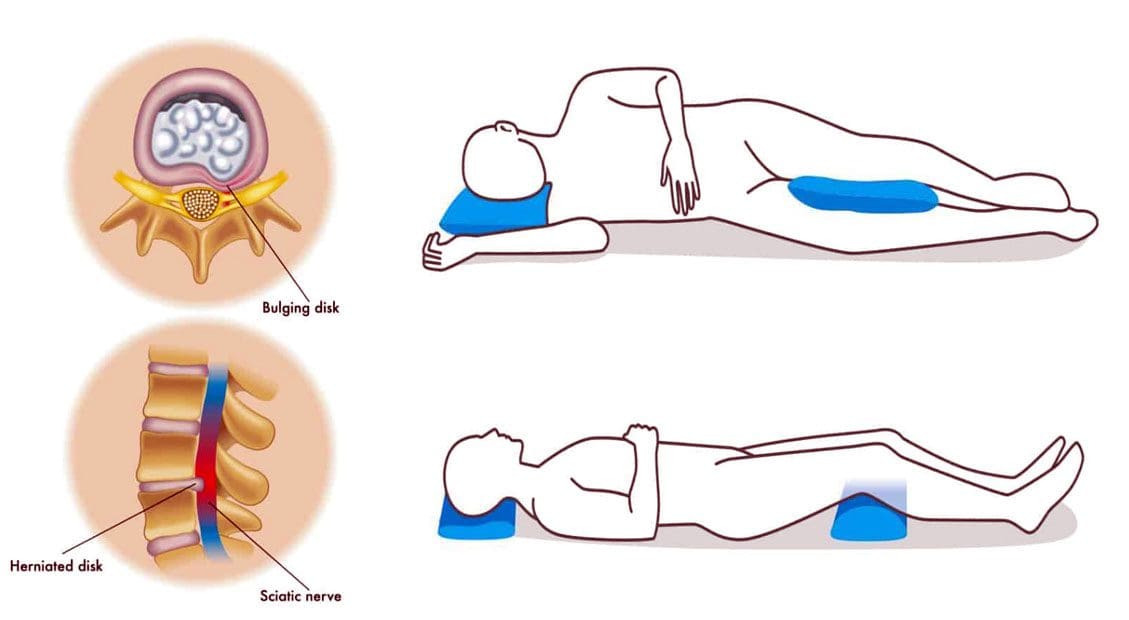
Healthcare providers may recommend that individuals with back pain due to pregnancy or conditions like a herniated disc and sciatica sleep with a pillow between their legs. Sleeping with a pillow between the legs may help relieve back and hip pain, as the position helps maintain pelvis and spinal alignment. Proper spinal alignment can help relieve back stress and pain.
The Benefits
Some potential benefits of sleeping with a pillow between the knees.
Reduce Back and Hip Pain
When sleeping on the side, the spine, shoulders, and hips may twist to maintain the position because the center of gravity is elevated, causing instability. (Gustavo Desouzart et al., 2015) Placing a pillow between the knees may help maintain stability and reduce back and hip pain. (Gustavo Desouzart et al., 2015) The pillow neutralizes the position of the pelvis by slightly elevating the leg on top. This decreases the pressure on the lower back and hip joints, which may help reduce pain and allow for improved sleep.
Reduce Sciatica Symptoms
Sciatica nerve pain travels from the lower back down one leg due to a compressed spinal nerve root in the lower back. (American Academy of Orthopaedic Surgeons, 2021) Sleeping with a pillow between the knees may help reduce symptoms and sensations. A pillow between the legs can help prevent twisting the back, rotating the spine, or tilting the pelvis during sleep.
Reduce Herniated Disc Symptoms
A herniated disc can pressure the spinal nerves, leading to pain and numbness. (Penn Medicine. 2024) Sleeping on the side can worsen herniated disc pain; however, placing a pillow between the knees keeps the pelvis in neutral alignment and prevents spinal rotation. Sleeping on the back with a pillow under the knees can also help reduce pressure on the disc. (University of Central Florida. N.D.)
Improve Posture
Maintaining healthy posture while sitting or standing is important to neuromusculoskeletal health and injury prevention. Proper alignment during sleep can help improve posture (Doug Cary et al., 2021). According to one study, individuals spend more than half of their time sleeping in a side-lying posture. (Eivind Schjelderup Skarpsno et al., 2017) Sleeping on the side with the top leg frequently falls forward, bringing the pelvis into a forward tilt that places added pressure on the hips and spine connective tissues. This position disrupts the body’s natural alignment. (Doug Cary et al., 2021) Placing a pillow between the knees improves sleeping posture by lifting the top leg and prevents forward shifting. (University of Rochester Medical Center. 2024)
Increased weight leads to increased pressure on joints.
Significant change in the center of gravity.
Hormonal changes make connective tissues more lax.
Pregnant women with hip or back pain are often recommended to sleep with a pillow between their knees to relieve pain and discomfort. Doctors agree that lying on the left side is the best sleep position during the second and third trimesters. This position ensures optimal blood flow for the mother and baby and helps kidney function. (Standford Medicine, 2024) Placing a pillow between the knees can help reduce the pressure on the joints and also help maintain the left-side lying position. (O’Brien LM, Warland J. 2015) (Standford Medicine, 2024) Larger maternity pillows supporting the abdomen and lower back can provide more comfort.
Consult a healthcare provider about sleeping with a pillow between the knees to see if it is right for you.
What Causes Disc Herniation?
References
Desouzart, G., Matos, R., Melo, F., & Filgueiras, E. (2015). Effects of sleeping position on back pain in physically active seniors: A controlled pilot study. Work (Reading, Mass.), 53(2), 235–240. https://doi.org/10.3233/WOR-152243
American Academy of Orthopaedic Surgeons. (2021). Sciatica. OrthoInfo. https://orthoinfo.aaos.org/en/diseases–conditions/sciatica
Penn Medicine. (2024). Herniated disc disorders. Penn Medicine. https://www.pennmedicine.org/for-patients-and-visitors/patient-information/conditions-treated-a-to-z/herniated-disc-disorders
University of Central Florida. (N.D.). The best sleeping position for lower back pain (and the worst). UFC Health Services. https://ucfhealth.com/our-services/lifestyle-medicine/best-sleeping-position-for-lower-back-pain/
Cary, D., Jacques, A., & Briffa, K. (2021). Examining relationships between sleep posture, waking spinal symptoms and quality of sleep: A cross sectional study. PloS one, 16(11), e0260582. https://doi.org/10.1371/journal.pone.0260582
Skarpsno, E. S., Mork, P. J., Nilsen, T. I. L., & Holtermann, A. (2017). Sleep positions and nocturnal body movements based on free-living accelerometer recordings: association with demographics, lifestyle, and insomnia symptoms. Nature and science of sleep, 9, 267–275. https://doi.org/10.2147/NSS.S145777
University of Rochester Medical Center. (2024). Good sleeping posture helps your back. Health Encyclopedia. https://www.urmc.rochester.edu/encyclopedia/content.aspx?ContentTypeID=1&ContentID=4460
Casagrande, D., Gugala, Z., Clark, S. M., & Lindsey, R. W. (2015). Low Back Pain and Pelvic Girdle Pain in Pregnancy. The Journal of the American Academy of Orthopaedic Surgeons, 23(9), 539–549. https://doi.org/10.5435/JAAOS-D-14-00248
Standford Medicine. (2024). Sleeping positions during pregnancy. Standford Medicine Children’s Health. https://www.stanfordchildrens.org/en/topic/default?id=sleeping-positions-during-pregnancy-85-P01238
O’Brien, L.M., Warland, J. (2015). Maternal sleep position: what do we know where do we go? BMC Pregnancy Childbirth, 15, Article A4 (2015). https://doi.org/doi:10.1186/1471-2393-15-S1-A4
Many individuals attribute to some degree, their neck or back pain to unhealthy posture. Can knowing the causes and underlying factors help guide lifestyle adjustments and seeking medical rehabilitative treatment?
Unhealthy Posture Causes
Numerous factors can cause individuals to practice unhealthy postures regularly.
Unhealthy posture can also be brought on by an injury, illness, or genetics.
A combination of these factors is also common.
Practicing healthy posture is a form of exercise where the muscles support the skeleton in stable and efficient alignment that is present in stillness and movement.
Injury and Muscle Guarding
After an injury, muscles can spasm to protect the body and help stabilize injuries and protect against further injury.
However, movements become limited and can lead to pain symptoms.
Prolonged muscle spasms lead to weakened muscles over time.
The imbalance between muscles guarding the injury and those still operating normally can lead to posture problems.
Musculoskeletal treatment with massage, chiropractic, and physical therapy can help restore optimal functioning.
Muscle Tension and Weakness
If certain muscle groups become weak or tense, posture can be affected, and pain symptoms can develop.
Muscle weakness or tension can develop when individuals hold a prolonged position day after day or when performing routine tasks and chores in a way that places tension on the muscles or uses them in an unbalanced way.
Postural retraining and physical therapy adjustments can help strengthen the muscles and relieve pain symptoms.
Daily Habits
As individuals find ways to accommodate muscle spasms, weakness, tension, and/or imbalances, the mind and body can forget and abandon healthy posture.
The body then begins compensating using alternate, awkward, and counterproductive muscle contractions and stretching that compromise body and spinal alignment.
Use of Technology
Technology – whether sitting at a desk/workstation, using a tablet or cell phone, or working with several devices can gradually shift the body out of alignment. (Parisa Nejati, et al., 2015)
Individuals constantly looking down at their phone may develop a text neck, a condition in which the neck is held in flexion or forward tilting too long, which can lead to pain.
Mental Attitude and Stress
Individuals under stress or are experiencing stressful situations can begin to have posture problems. (Shwetha Nair et al., 2015)
Stress can contribute to over-contracting muscles, which can cause muscle tension, shallow breathing, posture problems, and pain symptoms.
Being aware of body position and correcting and adjusting posture can help to counteract stress. (Shwetha Nair et al., 2015)
Wearing down the outside or inside of the shoes faster from things like weight-bearing habits will imbalance kinetic forces that translate up the ankle, knee, hip, and lower back leading to pain symptoms in any or all of these joints.
Heredity and Genetics
Sometimes the cause is hereditary.
For example, Scheuermann’s disease is a condition in which adolescent males develop a pronounced kyphosis curve in the thoracic spine. (Nemours. KidsHealth. 2022)
Consult Injury Medical Chiropractic and Functional Medicine Clinic for an evaluation, and let us help you by developing a personalized treatment and rehabilitation program.
The Path To Healing
References
Czaprowski, D., Stoliński, Ł., Tyrakowski, M., Kozinoga, M., & Kotwicki, T. (2018). Non-structural misalignments of body posture in the sagittal plane. Scoliosis and spinal disorders, 13, 6. https://doi.org/10.1186/s13013-018-0151-5
Nejati, P., Lotfian, S., Moezy, A., & Nejati, M. (2015). The study of correlation between forward head posture and neck pain in Iranian office workers. International journal of occupational medicine and environmental health, 28(2), 295–303. https://doi.org/10.13075/ijomeh.1896.00352
Nair, S., Sagar, M., Sollers, J., 3rd, Consedine, N., & Broadbent, E. (2015). Do slumped and upright postures affect stress responses? A randomized trial. Health psychology : official journal of the Division of Health Psychology, American Psychological Association, 34(6), 632–641. https://doi.org/10.1037/hea0000146
Silva, A. M., de Siqueira, G. R., & da Silva, G. A. (2013). Implications of high-heeled shoes on body posture of adolescents. Revista paulista de pediatria : orgao oficial da Sociedade de Pediatria de Sao Paulo, 31(2), 265–271. https://doi.org/10.1590/s0103-05822013000200020
IFM's Find A Practitioner tool is the largest referral network in Functional Medicine, created to help patients locate Functional Medicine practitioners anywhere in the world. IFM Certified Practitioners are listed first in the search results, given their extensive education in Functional Medicine




 Causes