Many individuals are trying to get fit and stay active through physical activity and exercise. Getting back to a previous fitness routine is an achievable and realistic goal. Fitness means having the energy and strength to perform physical activity and the body feeling as good as possible. Getting fit improves total health. But it does not require training like an athlete. Just walking for a half-hour every day can help individuals reach an adequate fitness level that helps them feel better and increase energy levels.
Benefits of Getting Fit
Getting the body fit and in shape:
Increases endurance
Increases muscle strength
Delivers oxygen and nutrients to tissues
Improves cardiovascular health
Helps release toxins
Improves overall energy levels
Improves sleep
Handle stress better
Being fit allows the body to work harder without as much work, the mind is better focused, the body burns more calories, even when at rest, and proper weight is maintained. Fitness reduces the risk of falls, heart attack, diabetes, high blood pressure, and certain cancers.
How Much Physical Activity Is Needed?
Experts say the goal should be one, or a combination, of these:
Moderate aerobic activity, like brisk walking, for at least 2½ hours a week.
It is up to the individual how many days to exercise, but it is best to be active at least three days a week.
Activity is recommended at least 10 minutes at a time. For example, an individual could:
Take a 10-minute walk three times a day, five days a week.
Take a half-hour walk three days a week.
On the other four days, take a 15-minute walk.
Take a 45-minute walk every other day.
Vigorous exercise is recommended at least three days a week for at least 10 minutes at a time. This activity makes the body breathe harder and increases heart rate. More vigorous activities, like running, could be included for at least one hour a week. This can be spread out 75 minutes, whichever way is more convenient for the individual. For example, an individual could:
Run for 25 minutes 3 times a week.
Run for 15 minutes 5 times a week.
Children as young as preschool age need activity as well. Encourage children ages 6 to 17 to engage in moderate to vigorous exercise for at least 1 hour every day.
Types of Physical Activity
Aerobic fitness
This makes the body breathe faster and makes the heart work harder.
Activities include walking, running, cycling, and swimming.
It is also known as cardio or cardiovascular training.
Muscle fitness
Muscle strength means building stronger muscles and increasing the length of time they can be used.
Activities like weight lifting, push-ups, squats, and resistance bands can improve muscular fitness.
Flexibility
Flexibility is the ability to move the joints and muscles through their full range of motion.
Moderate physical activity is safe for most individuals, but it’s recommended to talk to a doctor before engaging in physical activity/exercise. To help get started:
Make physical activity part of everyday
Make a regular habit of using stairs, not elevators, and walking, bicycling to do errands near home.
Start walking
Walking is a great fitness activity that most individuals can do.
Make it a habit to take a daily walk with family, friends, coworkers, or pets.
Find a workout partner
Working out with a partner can make exercising more enjoyable.
Find fun activities that you can stick with
Vary activities, so they don’t become boring and monotonous.
Use a calorie-burning application to determine how many calories are burned during exercise and daily activities.
Body Composition
Damaged Collagen
There are several reasons the body’s collagen production can slow down or become less efficient. The quality of the collagen made can decrease as well. Environmental factors can be avoided to protect collagen production; however, damage from disease and natural processes is inevitable. Aging is the most common cause of decreased natural collagen. As the body ages, collagen production and quality decrease. This leads to thinner, more fragile skin and achy joints. Certain chronic diseases like lupus and rheumatoid arthritis cause collagen deficiency, leading to issues that include:
UV exposure can accelerate the average rate of collagen damage that comes with aging.
UV exposure damage can also play a role in certain skin cancers.
Excessive sugar and fat intake increases inflammation and decreases protein synthesis.
References
American College of Sports Medicine, et al. (2009). Position stand: Exercise and physical activity for older adults. Medicine and Science in Sports and Exercise, 41(7): 1510–1530.
Anspaugh DJ, et al. (2011). Building muscular strength and endurance. Wellness: Concepts and Applications, 8th ed., pp. 111–137. New York: McGraw-Hill.
Centers for Disease Control and Prevention (2004). Strength training among adults aged 65 or older. MMWR, 53(2): 25–28.
U.S. Department of Health and Human Services (2008). 2008 Physical Activity Guidelines for Americans (ODPHP Publication No. U0036). Washington, DC: U.S. Government Printing Office. Available online: http://www.health.gov/paguidelines/guidelines/default.aspx.
Williams MA, et al. (2007). Resistance exercise in individuals with and without cardiovascular disease: 2007 update: A scientific statement from the American Heart Association Council on Clinical Cardiology and Council on Nutrition, Physical Activity, and Metabolism. Circulation, 116(5): 572–584.
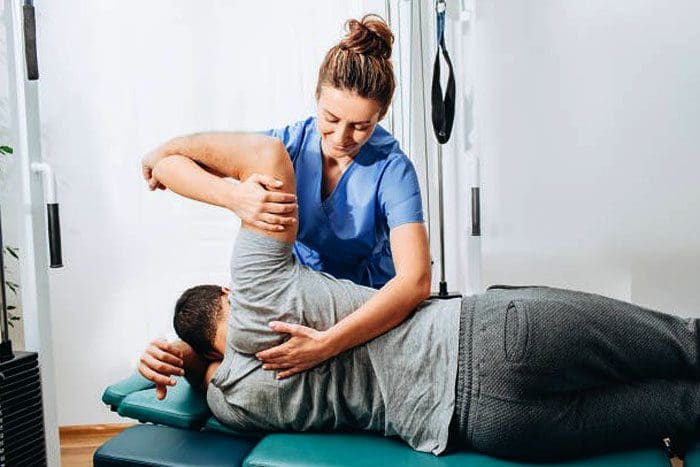
Moving every part of the body freely, without pain or stiffness, is necessary for a high quality of life. As the body ages, it begins to lose its natural flexibility. One of the most common problems with mobility and flexibility is tight and misaligned backs, shoulders, necks, and legs that can cause pain when moving. This means having a limited range of motion that can cause negative body compensation patterns that can lead to further dysfunction and injury. Maintaining healthy mobility requires a conscious effort to keep every joint, muscle, ligament, and tendon in shape. Chiropractic treatment can restore range of motion and strengthen the body.
Restore Range of Motion
Range of motion or R.O.M. is the measurement of movement around a joint or body part expressed in degrees. It is tied with the flexibility around a joint and plays a role in moving well without pain or discomfort. After an injury, trauma, or medical problem, the range of motion can be limited. Individuals with back, neck, shoulder, and leg pain feel stiff, tight, and sore in these areas and cannot move freely. Range of motion is vital for physical activity, athletic activity, and preventing injuries. When an individual pushes the body too hard and tries to move in an uncomfortable way, they can cause a tear or sprain, leading to added inflammation, stiffness, and further limited mobility.
Factors That Contribute To A Lack Of Flexibility
Age
Body age impacts flexibility. As the body gets older, it becomes stiff and can begin to present with pain, which restricts movements.
Limited Physical Activity or Exercise
Being sedentary with minimal physical activity contributes to a lack of flexibility, muscle loss, disrupted circulation, and weight gain.
Work
An individual’s profession can affect the body’s flexibility. A job that has little to no movement regularly, like being seated for most of the time, will contribute to reduced flexibility.
Obesity
Carrying additional body weight can significantly limit movement and decrease flexibility.
Flexibility Improvement
Staying Active
Regular physical activity/exercise will help maintain body health and flexibility. Activities can include:
Sports
Walking
Jogging
Weight lifting
Swimming
Yoga
Regular Stretching
Regular stretching will keep the muscles loose and the joints flexible. Incorporate stretching into a daily routine throughout the day and a wind-down stretch before going to bed.
Maintaining Proper Hydration
When the body is dehydrated, it causes the muscles to stiffen and tighten up, decreasing elasticity. Staying hydrated will help maintain flexibility by re-lubricating the muscles, ligaments, and tendons.
Healthy Diet
Losing excess weight and maintaining a healthy weight range through proper nutrition will reduce inflammation, improve mobility and flexibility.
Chiropractic Restoration
When normal movement is not possible, discomfort and pain will worsen as the muscles become tighter, causing the tendons and ligaments to shorten and stick together, placing added stress on the areas, leading to pain and inflammation. The body was made to be in motion, and when it does not move and stretch out, it stiffens up. Trying to use the muscles even when they are stiff and strained can make the condition worse, limiting the range of motion further causing the slightest movements to cause discomfort and pain. A chiropractor can provide adjustments, soft and deep-tissue massage to the tight areas to loosen the muscles, improve circulation, flexibility, mobility, and restore range of motion.
Body Composition
Myth Eating at Night Causes Fat Gain
The myth is eating right before sleeping causes the body to turn whatever was eaten straight into fat. However, the fact is that it is not about when an individual eats but rather the calorie intake and exercise level. According to the C.D.C., it’s the calories that are burned over a 24-hour period that determine fat gain/loss, and not when those calories are taken in. Far from being a fat gain guarantee, healthy nighttime meals were shown to:
They had no effect on weight gain among overweight and obese individuals that participated in a high-intensity cardiovascular exercise program during the day.
What can make the myth true is when eating and drinking foods/drinks with a high caloric content: This includes:
An extra 500-1000 calories after 8 pm is easy to add if not careful. Remember, it’s about the calories themselves, not the time.
References
Marcano-Fernández, Francesc et al. “Physical outcome measures: The role of strength and range of motion in orthopedic research.” Injury vol. 51 Suppl 2 (2020): S106-S110. doi:10.1016/j.injury.2019.11.017
Mortazavi, Fatemeh, and Ali Nadian-Ghomsheh. “Stability of Kinect for a range of motion analysis in static stretching exercises.” PloS one vol. 13,7 e0200992. 24 Jul. 2018, doi:10.1371/journal.pone.0200992
O’Sullivan, Kieran et al. “The effect of warm-up, static stretching and dynamic stretching on hamstring flexibility in previously injured subjects.” B.M.C. musculoskeletal disorders vol. 10 37. 16 Apr. 2009, doi:10.1186/1471-2474-10-37
Simão, Roberto et al. “The influence of strength, flexibility, and simultaneous training on flexibility and strength gains.” Journal of strength and conditioning research vol. 25,5 (2011): 1333-8. doi:10.1519/JSC.0b013e3181da85bf
Finding the right physical activity that elevates heart rate and maintains it for 30 minutes a day increases the amount of oxygen delivered to the heart, brain, and muscles. Some form of aerobic activity will keep individuals moving in a healthy direction. This benefits the:
Heart
Muscles
Mood
Self-esteem
Amount of energy
It helps to lower:
Blood pressure
Cholesterol
Blood sugar
Body fat
Anxiety
Depression
Fatigue
Finding What Works For You
Doctors and health experts agree that individuals need to perform normal/moderate activity balanced with vigorous/intense activity. Some ideas for both types include:
Sports – soccer, field hockey, tennis, basketball, flag football, volleyball
Hiking
Cycling
Mountain biking
Skating and skateboarding
Horseback riding
House and Yard Work/Chores
Moderate house and yard work exercises:
Sweeping
Vacuuming
Mopping
Washing the car by hand
Sweeping the garage, walkways, sidewalk, or patio
Mowing the lawn
Raking the lawn
Labor intense gardening
Vigorous house and yard work exercises:
Shoveling dirt, rocks, etc
Carrying groceries upstairs
Carrying boxes
Moving furniture
Cleaning and organizing the house
Mix it up
Finding the activities that work for you are important. But mix them up, so you don’t get bored and tired of them. For example, if getting bored with walking, try a light aerobics class, dancing, or something similar.
Try new routes for walking and biking.
Change the room for exercising or stretching.
Exercise at different times, so it doesn’t just become a chore.
Mix up the amount of time exercising. Do a full 30 minute or longer workout one day, then break the workout into smaller 15, 10, 5-minute workouts other days.
Having options allows you to pick and choose what suits your mood and schedule.
Job Physical Activity
If job occupation includes sitting for long periods, try adding short bursts of activity throughout the day:
If the commute permits, walk, jog, or bicycle to work.
Park several blocks away or the furthest in the parking lot to get some walking in.
Use the stairs instead of the elevator for a few floors.
Get coffee or use the bathroom on another floor using the stairs the farthest from the office.
Need to talk to a coworker, take a walk to their office or station instead of e-mail or phone.
Finding breaks to take quick walks and stretch out.
Get Involved In Competition
Competition can motivate individuals as it:
Requires specific and measurable goals to work toward. An example could be training to walk or run a race.
Learning the details of an event and preparing/training can generate or restore the excitement and challenge of the activity.
Instead of entering a competition, an individual can help with organizing and planning. This can provide friendship with other individuals interested in the same activity that can lead to working out together and staying motivated.
CrossFit Training
CrossFit training is a combination of various exercises to work out various muscle groups. CrossFit can be beneficial because:
It prevents boredom by providing a variety of workouts.
It helps maintain balance among various muscle groups.
For example, runners that have powerful leg muscles cross-train to strengthen the upper body.
It reduces the risk of injuries because the combination of exercises allows muscles to recover while working out a different set of muscles.
Whatever the case, it’s all about finding what works for you. But the objective is to keep the body moving to maintain overall health.
Body Composition
Why the brain needs sugar?
The brain needs half of the body’s energy supply because of its complex system. The brain needs glucose for brain cell energy. As neurons cannot store energy, they need a constant fuel supply to function properly. The ability to think, learn and recall information is connected with the body’s glucose levels. When blood glucose levels are low, the ability to think clearly is slowed down as the production of neurotransmitters is reduced, leading to communication disruption. Natural sugars can increase brain health for optimal functioning. When consuming naturally occurring sugar like apples and bananas, sugar is released incrementally into the bloodstream. This maintains energy levels at a steady pace, and the body does not crave more sugar.
References
Berg JM, Tymoczko JL, Stryer L. Biochemistry. 5th edition. New York: W H Freeman; 2002. Section 30.2, Each Organ Has a Unique Metabolic Profile. Available from: https://www.ncbi.nlm.nih.gov/books/NBK22436/
Ainsworth BE, et al. (2011). Compendium of Physical Activities Tracking Guide. Columbia, SC: Prevention Research Center, Norman J. Arnold School of Public Health, University of South Carolina. Available online: http://prevention.sph.sc.edu/tools/compendium.htm.
Tennis is a sport that can be enjoyed by individuals of all ages and provides optimal physical activity and cardiovascular exercise. Although it can be leisurely, it does require being light on the feet with quick, starting, stopping, turning, and twisting movements for those new to playing tennis. If back pain is present, playing can be difficult. One study showed almost 40% of tennis players missed one or more tournaments because of low back pain/problems. A 2016 study found that tennis players with low back pain have difficulty moving their muscles with ease.
Know and Understand the Risks
Playing tennis has its risks when it comes to back pain. What can bring on or worsen back pain are the repetitive motions, like swinging, serving, volleying, and the uneven force placed on the body. This force is the power and momentum that is used for certain swings like serving and forehands. What happens is it does not evenly distribute through the body, increasing the potential to cause strains and sprains. For example, the serving motion repeatedly puts a hyperextension force through the spine. The result is overuse injuries.
Preparation
No one wants to injure their back for those new to tennis and those who have been playing for years. This is where off-court conditioning comes in and preventive measures. This includes:
Don’t play for too long when starting or multiple days in a row
Gradually increase the frequency and intensity
Focus on the fundamental skills rather than trying to blast the ball like the pros.
Trying to smash the ball too soon can result in a rotator cuff injury.
Stay Aware of Your Body
Playing tennis can cause an individual to become distracted; however, it’s crucial to be mindful of the body and what’s going on.
Pay attention to the heat.
Humidity
Proper rest between games
Hydration to prevent muscle cramping
Stretching before and after playing
Warming up and cooling down
Take a break and stretch out if pain symptoms present.
Never play through the pain that could result in worsening or creating new injuries.
Pay attention to proper form.
Apply modifications to prevent and avoid worsened back pain. This could be serving more simply or hitting around a stroke that generates pain symptoms.
Cooling Down
After a match, rehydrate the body and cool down. This could be a little walking around the court, if possible getting in a pool or water splash park, and let the musculoskeletal system recover. Do some spinal exercises afterward, like yoga poses. Applying anti-inflammatory creams or gels can help keep the muscles loose and promote circulation. Anti-inflammatory foods can help with pain and inflammation.
Spinal Conditions
There are individuals with spinal conditions that should not play tennis. These include:
Acute disc herniation
Active bone injury/s – fractures and stress fractures
Spinal instability – spondylolisthesis
Post-spine surgery
A spinal condition involving nerves and/or the spinal cord
Consult a doctor before adding tennis to a physical regimen. Tennis is an aerobic activity that has several benefits. It keeps the body physically active for mental and physical wellness. The hormones released can help mitigate musculoskeletal pain and negative emotions like depression and anxiety that can come from experiencing back pain.
Body Composition
Magnesium
Magnesium supports a healthy immune system. It helps maintain:
Aids muscle relaxation after exercise/physical activity
Magnesium is essential in several biochemical reactions; a slight deficiency can increase cardiovascular disease risk. Deficiency can also lead to an increased risk of insulin resistance. Magnesium-rich foods are also high fiber foods. Dietary fiber helps with:
Digestion
Helps control weight
Reduces cholesterol
Stabilizes blood sugar
Recommended sources of Magnesium include:
Green vegetables – spinach, swiss chard, and turnip greens
Nuts – almonds and cashews
Seeds
Legumes
Cocoa
References
Clinics in Sports Medicine. (April 1988) “Low back pain in the competitive tennis player.” https://europepmc.org/article/med/2968850
Journal of Science and Medicine in Sport. (April 2016) “Trunk muscle activation, fatigue and low back pain in tennis players” https://www.sciencedirect.com/science/article/abs/pii/S1440244015000845
Jahnen-Dechent, Wilhelm, and Markus Ketteler. “Magnesium basics.” Clinical kidney journal vol. 5,Suppl 1 (2012): i3-i14. doi:10.1093/ndtplus/sfr163
Katz, David L et al. “Cocoa and chocolate in human health and disease.” Antioxidants & redox signaling vol. 15,10 (2011): 2779-811. doi:10.1089/ars.2010.3697
Wang, Jinsong, et al. “Dietary magnesium intake improves insulin resistance among non-diabetic individuals with metabolic syndrome participating in a dietary trial.” Nutrients vol. 5,10 3910-9. 27 Sep. 2013, doi:10.3390/nu5103910
Brain fog, memory problems, concentration, and the inability to form clear thoughts is an issue that many will face at some point. The progression of losing the ability to focus or think clearly can lead to decreased productivity with normal daily tasks, work, or taking care of a household. It can be a short-term issue experience caused by sleep deprivation or stress. However, if these issues are allowed to continue it can negatively change an individual’s quality of life.
Affected Productivity Factors
Causes that can lead to poor productivity include:
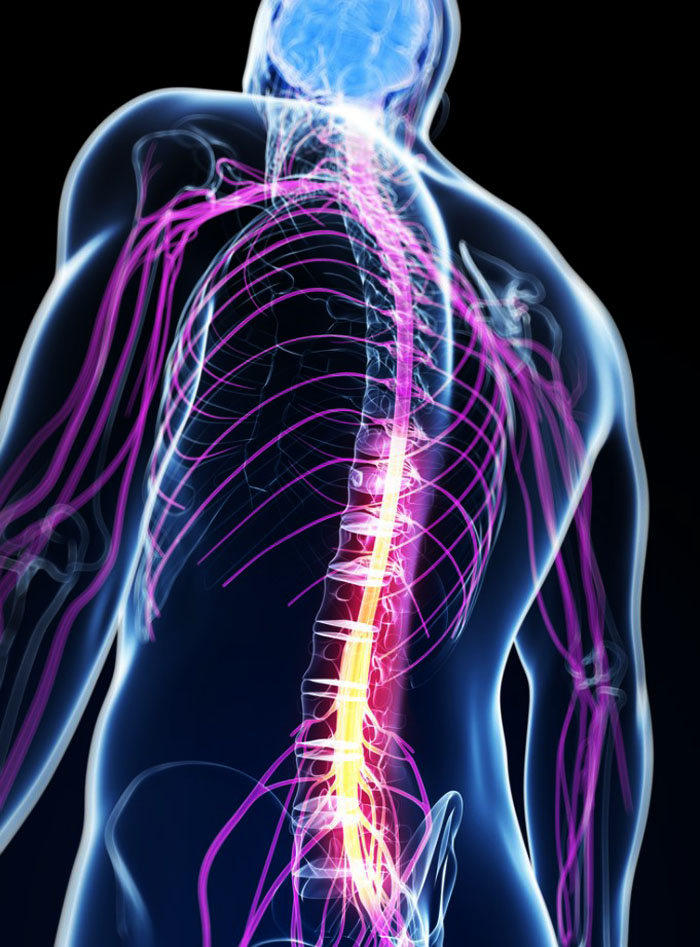
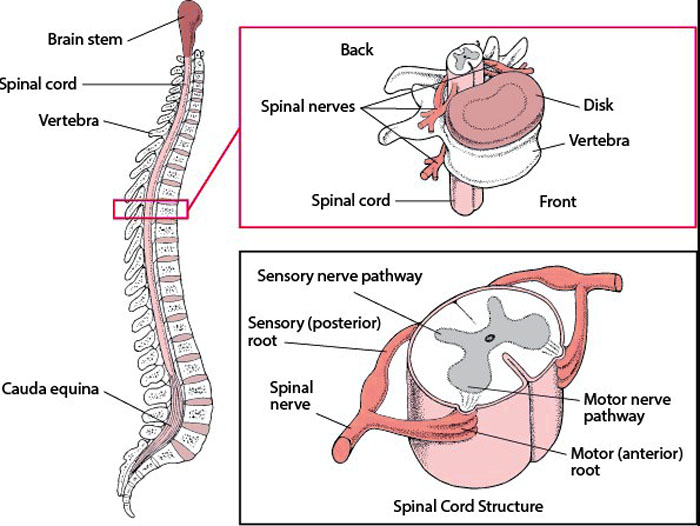
The underlying issue/s associated with brain function and the ability to focus are connected to the spine being out of alignment. Individuals often have poor spinal alignment without even realizing it is happening. It affects the body’s blood and nerve transmitting abilities to complete normal daily tasks. Chiropractic treatment is an expert-based approach that focuses on restoring spinal alignment to increase an individual’s health and brain function. Proper spinal alignment allows the nerves to relay messages clearly and optimally through the spinal cord to the brain. This allows for:
Clear thinking
Improved memory
Better decision making
Staying focused on tasks
Chiropractic Optimal Nerve Flow
When the central nervous system/brain/spinal cord is not transmitting properly it can lead to significant issues with concentration and productivity. When nerve energy and brain function is optimized productivity is improved. Research has shown that chiropractic can help:
Reduce the risk of disease
Prevent injuries
Prevent pain conditions
Improved quality of life
Chiropractic medicine can increase the ability to focus, optimize brain health, and more.
Body Composition
Tracing the sources of fatigue
There is a difference between being tired periodically from a long day and being tired daily. Being tired daily is also known as Chronic Fatigue Syndrome. This is a fatigue condition that has lasted longer than 6 months. It is typical to experience many of the symptoms of fatigue that disrupt the ability to achieve health goals like:
Weight loss
Muscle gain
Maintaining body weight
Symptoms include:
Constantly tired
Reduced appetite
Moodiness
Reaction time slows down
Memory Loss
Dizziness
The nature of hectic daily schedules can allow sources of fatigue to pile up. The objective is to find a balance between home, work, physical activity, diet, etc. Chiropractic medicine and health coaching can help develop an optimal plan to get healthy.
Disclaimer
The information herein is not intended to replace a one-on-one relationship with a qualified health care professional, licensed physician, and is not medical advice. We encourage you to make your own health care decisions based on your research and partnership with a qualified health care professional. Our information scope is limited to chiropractic, musculoskeletal, physical medicines, wellness, sensitive health issues, functional medicine articles, topics, and discussions. We provide and present clinical collaboration with specialists from a wide array of disciplines. Each specialist is governed by their professional scope of practice and their jurisdiction of licensure. We use functional health & wellness protocols to treat and support care for the musculoskeletal system’s injuries or disorders. Our videos, posts, topics, subjects, and insights cover clinical matters, issues, and topics that relate to and support, directly or indirectly, our clinical scope of practice.* Our office has made a reasonable attempt to provide supportive citations and has identified the relevant research study or studies supporting our posts. We provide copies of supporting research studies available to regulatory boards and the public upon request. We understand that we cover matters that require an additional explanation of how it may assist in a particular care plan or treatment protocol; therefore, to further discuss the subject matter above, please feel free to ask Dr. Alex Jimenez or contact us at 915-850-0900.
Dr. Alex Jimenez DC, MSACP, CCST, IFMCP, CIFM, CTG*
email: [email protected]
phone: 915-850-0900
Licensed in Texas & New Mexico
References
Craniocervical Junction Disorder. USC Spine Center Web site. http://spine.keckmedicine.org/treatments-services/craniocervical-junction-disorder/. Accessed August 25, 2017.
Anderson, Brian, and Adam Pitsinger. “Improvement in chronic muscle fasciculations with dietary change: a suspected case of gluten neuropathy.” Journal of chiropractic medicine vol. 13,3 (2014): 188-91. doi:10.1016/j.jcm.2014.01.002
Ross, Amanda J, et al. “What is brain fog? An evaluation of the symptom in postural tachycardia syndrome.” Clinical autonomic research: official journal of the Clinical Autonomic Research Society vol. 23,6 (2013): 305-11. doi:10.1007/s10286-013-0212-z
Participating in any sports or physical activities strengthens the mind and body. But working out and engaging in these types of activities too much or without rest periods wears down the body. There is the feeling of a good workout with some sore muscles and achiness that lets you know the activity is working positively.
However, soreness can quickly lead to pain and further injury if ignored. The lower back is a common area of soreness after working out playing sports, and where muscle spasms, pulls, and pinches occur. Being able to distinguish between workout soreness and pain is critical for maintaining a healthy spine.
A constant-sore back or feelings of sharp pains is not normal. If there is a feeling of low back pain during or after a physical routine, stop and take a moment to examine the tingling, discomfort, or pain being experienced. If unsure if the soreness or pain is a cause for concern call or video conference with a chiropractor to discuss what is going on.
Physical activity and pain
Individuals participating in physical/sports activities have an increased risk of low back pain because of the consistent running, twisting, and jumping. Any of these movements place pressure on the spine along with the surrounding ligaments and muscles, which can lead to injury.
Repetitive twisting and turning, stresses the muscles around the spine, which can cause frequent muscle sprains. Running and jumping also wears down the vertebrae and discs. Impact activities can also cause injuries to the spine, nerve roots, and surrounding tissues. The most common back problems include:
Muscle sprains
Osteoarthritis
Bulging discs
Herniated discs
Sciatica
Fractures are less common but still pose a risk
Individuals should watch for achiness or stiffness that lasts longer than a few days and does not alleviate with ice or anti-inflammatory over the counter medication, or sharp pain that happens with specific movement/s, along with any pain, numbness, tingling that runs down the leg/s or to other areas should consult a medical professional.
Treatment and prevention
Maintaining the body’s health is critical. If the lower back begins to present discomfort or hurts, do not ignore it. Many will play through the pain when they should be taking a break. And ignoring any back pain could create new injuries or worsen the condition. Continued pressure on the back will worsen any strains or fractures and will hinder the body from healing properly.
Individuals tend to take on awkward/uncomfortable postures and move in awkward ways to avoid or compensate for the pain. This places added pressure in the wrong places and can cause/worsen an injury or condition. Pay attention to the pain. Try ice and heat therapy at home to see if it eases up. Using a foam roller or self-massage device can help if the back pain is muscular. However, if the pain is sharp, shooting, or does not go away, visit a chiropractor for diagnosis and treatment.
A chiropractor will conduct imaging tests and physical exams to identify the root cause. Once a diagnosis has been reached a treatment plan will be implemented through:
Massage
Stretches
Therapeutic exercises
Spinal adjustments
Health coaching
Visiting a chiropractic professional will improve the condition and strengthen the spine.
Fit Body Composition
Muscle recovery
When engaging in physical activity there is microscopic damage to the muscle cells. The stress and fatigue the body goes through during physical activity cause hormone and enzyme levels to fluctuate, increasing inflammation. This leads to:
Fat loss
Increased metabolism
Increased strength
Muscle growth
However, it happens through proper recovery. There are different types of recovery: immediate, short-term, and training.
Immediate recovery is the short time between movements. For example, when jogging, immediate recovery is the time between each stride.
Short-term is the time between sets of exercises. For example, the rest periods between exercise intervals.
Training recovery is the period between one workout session ending and the next beginning.
Research has shown that rest time is not a one size fits all. Everyone is different and therefore should consult a fitness trainer, or sports chiropractor and experiment with what feels right. For some individuals, 24 hours works. For others, it can be 48 or 72 hours to feel fully recovered. It depends on age, fitness level, physical activity intensity, diet, sleep, and more.
Dr. Alex Jimenez�s Blog Post Disclaimer
The scope of our information is limited to chiropractic, musculoskeletal, physical medicines, wellness, and sensitive health issues and/or functional medicine articles, topics, and discussions. We use functional health & wellness protocols to treat and support care for injuries or disorders of the musculoskeletal system. Our posts, topics, subjects, and insights cover clinical matters, issues, and topics that relate and support directly or indirectly our clinical scope of practice.*
Our office has made a reasonable attempt to provide supportive citations and has identified the relevant research study or studies supporting our posts. We also make copies of supporting research studies available to the board and or the public upon request. We understand that we cover matters that require an additional explanation as to how it may assist in a particular care plan or treatment protocol; therefore, to further discuss the subject matter above, please feel free to ask Dr. Alex Jimenez or contact us at 915-850-0900. The provider(s) Licensed in Texas& New Mexico*
References
Smith, Jo Armour et al. �Risk Factors Associated With Low Back Pain in Golfers: A Systematic Review and Meta-analysis.��Sports health�vol. 10,6 (2018): 538-546. doi:10.1177/1941738118795425
Chronic pain and a healthy spine can require activity modification. This is so an individual can participate in activities in a way to help prevent pain from presenting. This could include:
Avoiding staying in static positions for too long
Continuous stretches throughout the day
Planning ahead when participating in physical activities that cause pain
Dietary adjustments to reduce inflammation and gain strength/flexibility
Customized exercise program
Health coaching guide
Activity Modification
Chiropractic treatment not only involves correcting spinal alignment but also continuing an individual’s health education. The objective is to treat the source, not the symptoms. The goal with activity modification is to change the habit into a positive technique. Rigorous spinal adjustments will only help to a point if the habit continues. Whether there are any underlying conditions or it is an individual’s lifestyle, variables like:
These are the primary factors when it comes to spinal health. With recurring spinal problem/s, a chiropractor needs to trace back any kinetic behavior that could have contributed to inflammation causing pain symptoms. Recognizing poor kinetic habits and teaching activity modification are core objectives of chiropractic medicine.
Identification
Poor habits need to be identified. Two common are forward head posture and anterior pelvic tilt. These are signs of bad habits that affect spine health. Misaligned biomechanics can be a first clue in understanding why the individual continues to experience pain.
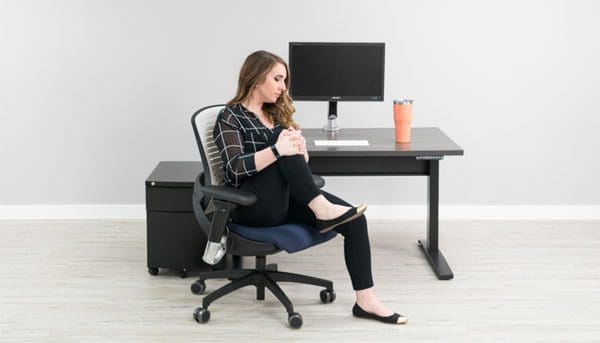
Consistent shifting of the body to not stay in one position for too long is recommended, but when there is recurring pain this is where a chiropractor can show an individual better methods and techniques of shifting to avoid the pain. Poor posture could be traced to sitting at a disproportionate desk with no ergonomic support. And a constant forward head position on the cervical spine, nerves, shoulders, can generate enormous strain.
Modification
Precision adjustments will alleviate the effects of spinal misalignment. But modifications need to become second nature. Chiropractic modification approaches will correct poor posture and body mechanics. A chiropractor will educate an individual to be mindful of certain movements and reinforce proper positioning.
Once an individual is familiar with a healthy way of moving/shifting to restore optimal mechanics, then the individual can learn to engage in other activities with the newfound activity modification tools. This will help break the cycle of chronic spinal misalignments.
Positive Change
Corrective relief and teaching proactive wellness is the primary role of chiropractic medicine. Activity modification can be an individual’s first line of defense for changing poor habits responsible for chronic pain and recurring musculoskeletal problems. Educating individuals on how to preserve spinal adjustments and adopting long-term, healthy habits will promote overall wellness.
Chiropractic Care Crossfit Rehabilitation
Dr. Alex Jimenez�s Blog Post Disclaimer
The scope of our information is limited to chiropractic, musculoskeletal, physical medicines, wellness, and sensitive health issues and/or functional medicine articles, topics, and discussions. We use functional health & wellness protocols to treat and support care for injuries or disorders of the musculoskeletal system. Our posts, topics, subjects, and insights cover clinical matters, issues, and topics that relate and support directly or indirectly our clinical scope of practice.*
Our office has made a reasonable attempt to provide supportive citations and has identified the relevant research study or studies supporting our posts. We also make copies of supporting research studies available to the board and or the public upon request. We understand that we cover matters that require an additional explanation as to how it may assist in a particular care plan or treatment protocol; therefore, to further discuss the subject matter above, please feel free to ask Dr. Alex Jimenez or contact us at 915-850-0900. The provider(s) Licensed in Texas& New Mexico*
References
Geneen, Louise J et al. �Physical activity and exercise for chronic pain in adults: an overview of Cochrane Reviews.��The Cochrane database of systematic reviews�vol. 4,4 CD011279. 24 Apr. 2017, doi:10.1002/14651858.CD011279.pub3
IFM's Find A Practitioner tool is the largest referral network in Functional Medicine, created to help patients locate Functional Medicine practitioners anywhere in the world. IFM Certified Practitioners are listed first in the search results, given their extensive education in Functional Medicine