When muscle pains and aches present from health conditions, work, exercise, housework, etc., many individuals turn to topical sprays, creams, ointments, and gels to bring relief. Can magnesium spray be beneficial in the fight against neuromusculoskeletal pain?
Magnesium Spray
Magnesium spray is a liquid form of magnesium applied externally to the skin that has been marketed to promote muscle relaxation, improve sleep, and manage migraines. However, studies of its effectiveness have had mixed results. Some studies have shown that topical use can:
Improve chronic muscle and joint pain. Example: fibromyalgia.
Decrease the frequency and severity of nerve pain symptoms. Example: peripheral neuropathy.
Reduce the incidence and severity of an intubation-related sore throat after surgery.
Further studies of various groups are necessary to clarify the optimal dose for each condition and to determine how topical magnesium affects magnesium blood levels.
What is It?
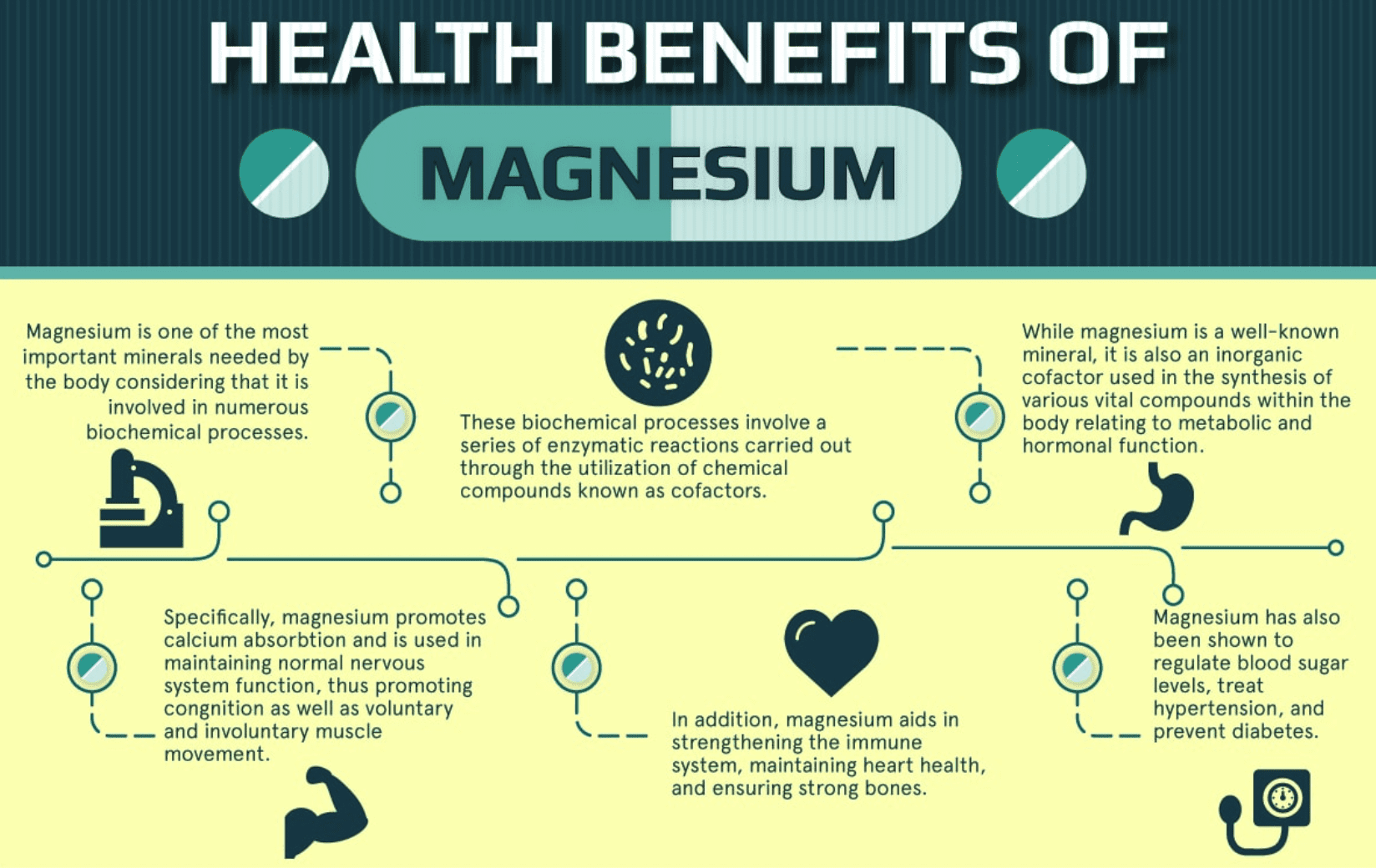
Magnesium is a mineral that has an important role in many of the body’s processes and is essential for the following (Gröber U. et al., 2017)
Nerve transmission
Muscle contraction
Blood pressure regulation
Blood sugar regulation
Protein production
DNA and RNA production
Currently, there is no recommended dosage for topical magnesium use. However, some major health institutions have established a recommended daily amount taken by mouth. Listed are the recommended daily magnesium intake based on age and other factors. (National Institutes of Health Office of Dietary Supplements, 2022)
14 to 18 years old: 410 mg for males, 360 mg for females and when lactating, and 400 mg when pregnant.
19 to 30 years old: 400 mg for males, 310 mg for females and when lactating, and 350 mg when pregnant.
31 to 50 years old: 420 mg for males, 320 mg for females and when lactating, and 360 mg when pregnant.
51 years old and above: 420 mg for males and 320 mg for females.
Although self-care is appropriate for minor injuries or exercise, individuals are encouraged to see their healthcare provider for severe musculoskeletal pain symptoms.
Benefits
Though taking oral magnesium supplements is common, there is limited research on using magnesium on the skin to improve magnesium levels. Studies comparing the absorption of magnesium taken by mouth with the spray applied to the skin require further research. However, some studies look at the localized effect of magnesium spray on improving a sore throat after surgery and nerve, muscle, and joint pain.
Intubation-Related Sore Throat
Topical magnesium reduced the severity of sore throat after surgery in individuals undergoing tracheal intubation compared to a placebo. (Kuriyama, A. et al., 2019) However, further studies are necessary to clarify the optimal dose.
Nerve Pain
Peripheral neuropathy is nerve damage that causes a tingling and numbing sensation in the arms or legs. In a study of individuals with chronic kidney disease, the daily application of magnesium sprays to limbs affected by peripheral neuropathy for twelve weeks decreased the frequency and severity of nerve pain symptoms. However, one limitation was that it was performed mostly in females. (Athavale, A. et al., 2023)
Chronic Muscle and Joint Pain
A small study assessed whether applying magnesium to the skin could improve the quality of life of female participants with fibromyalgia – a chronic condition that causes muscle and joint pain, fatigue, and other symptoms. The study found that four sprays of magnesium chloride applied twice daily to the upper and lower limbs for four weeks could benefit those with fibromyalgia. However, further research with larger studies is needed to confirm the results. (Engen D. J. et al., 2015)
Does The Spray Increase Overall Magnesium Levels?
Magnesium is transported into cells through magnesium transporters. The outer layer of the skin does not contain these transporters, so absorption occurs in the small areas of the sweat glands and hair follicles. (Gröber U. et al., 2017) One study suggested that applying magnesium to the skin can help with magnesium deficiency within four to six weeks, compared to four to 12 months in the case of oral magnesium supplementation. However, there is minimal research on topical magnesium and its impact on magnesium levels. Another study suggested that 56 mg of magnesium cream applied daily on the skin for 14 days had no statistically significant effect on magnesium blood levels. Although the results were statistically insignificant, a clinically relevant increase in magnesium blood levels was observed. (Kass, L. et al., 2017) Because it remains unclear if magnesium absorption via the skin is more effective than by mouth, further studies are necessary to confirm the amount of magnesium absorbed into the skin.
Using The Spray
In one study, a magnesium chloride solution was poured into a spray bottle and applied as follows (Engen D. J. et al., 2015)
The solution was sprayed into the palm and applied evenly on the affected area.
There is a four-hour wait time between spray dose applications.
Individuals should wait at least one hour after application before showering or washing the product off.
Leave the product on the skin throughout the day and wash it off before bed.
Rinse the solution off with water if the skin becomes irritated.
Avoid applying to open wounds.
Precautions
Avoid magnesium chloride sprays if you are allergic to them or their components. If you have a severe allergic reaction, such as itching, hives, or shortness of breath, seek immediate medical attention. Topically applied magnesium solution has no known side effects other than skin irritation. (Engen D. J. et al., 2015)
Injury Medical Chiropractic and Functional Medicine Clinic works with primary healthcare providers and specialists to develop a personalized treatment plan through an integrated approach to treating injuries and chronic pain syndromes, improving flexibility, mobility, and agility programs to relieve pain and help individuals return to optimal function. If other treatments are needed, Dr. Jimenez has teamed up with top surgeons, clinical specialists, medical researchers, and rehabilitation providers to provide the most effective treatments.
Why Choose Chiropractic?
References
Gröber, U., Werner, T., Vormann, J., & Kisters, K. (2017). Myth or Reality-Transdermal Magnesium?. Nutrients, 9(8), 813. https://doi.org/10.3390/nu9080813
National Institutes of Health Office of Dietary Supplements. (2022). Magnesium. Retrieved from https://ods.od.nih.gov/factsheets/Magnesium-HealthProfessional/#h2
Kuriyama, A., Maeda, H., & Sun, R. (2019). Topical application of magnesium to prevent intubation-related sore throat in adult surgical patients: a systematic review and meta-analysis. Application topique de magnésium pour prévenir les maux de gorge liés à l’intubation chez les patients chirurgicaux adultes: revue systématique et méta-analyse. Canadian journal of anaesthesia = Journal canadien d’anesthesie, 66(9), 1082–1094. https://doi.org/10.1007/s12630-019-01396-7
Athavale, A., Miles, N., Pais, R., Snelling, P., & Chadban, S. J. (2023). Transdermal Magnesium for the Treatment of Peripheral Neuropathy in Chronic Kidney Disease: A Single-Arm, Open-Label Pilot Study. Journal of palliative medicine, 26(12), 1654–1661. https://doi.org/10.1089/jpm.2023.0229
Engen, D. J., McAllister, S. J., Whipple, M. O., Cha, S. S., Dion, L. J., Vincent, A., Bauer, B. A., & Wahner-Roedler, D. L. (2015). Effects of transdermal magnesium chloride on quality of life for patients with fibromyalgia: a feasibility study. Journal of integrative medicine, 13(5), 306–313. https://doi.org/10.1016/S2095-4964(15)60195-9
Kass, L., Rosanoff, A., Tanner, A., Sullivan, K., McAuley, W., & Plesset, M. (2017). Effect of transdermal magnesium cream on serum and urinary magnesium levels in humans: A pilot study. PloS one, 12(4), e0174817. https://doi.org/10.1371/journal.pone.0174817
For individuals with aches and pains throughout their body, can a foot detox help bring relief?
Foot Detox
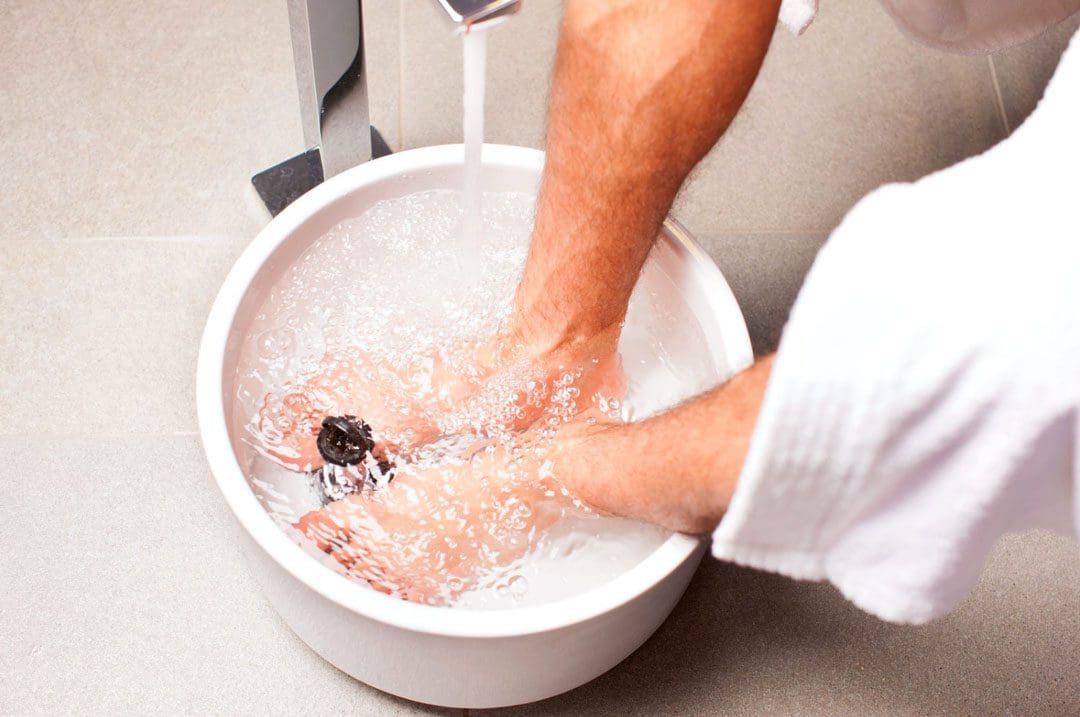
A foot detox involves soaking the feet in an ionic bath to help remove toxins from the body. They can also be performed using acupressure, scrubs, foot masks, and pads. Combined with eliminating toxins, detox is also believed to help enhance blood circulation and provide body pain and discomfort relief. However, current evidence is limited and there has been no evidence to support that toxins can be released from the feet using an ionic bath. However, they have been found to provide other benefits, which include:
Relaxation
Lower stress levels
Enhanced skin health and hydration.
Reduced inflammation in individuals with skin disorders.
Foot detoxes are considered generally safe, but individuals are recommended to speak to their healthcare provider.
Potential Benefits
The potential health benefits include:
Reduces inflammation and swelling.
Improves stress levels and mood.
Can help with weight management.
Can help with heart health and increased blood circulation.
However, most reports surrounding the benefits of foot detox are not proven by research investigating whether the health claims are scientifically accurate. One study in 2012 found that foot detoxes did not produce the intended results and could not help remove toxins from the body. (Deborah A. Kennedy, et al., 2012) Other research surrounding foot baths and massages showed that they could help reduce symptoms of mood disorders like schizophrenia because of the relaxing effect they produce. (Kazuko Kito, Keiko Suzuki. 2016)
Ways Toxins are Removed From the Body
Toxins are filtered out of the body in a variety of ways. Breathing out expels carbon dioxide from the body. Another way is through the body’s natural processes. The body has organs and other systems to filter out and release toxins.
Specific organs, such as the liver, kidneys, and lymph nodes, filter and remove harmful and unneeded substances. (UW Integrative Health. 2021)
The health claims surrounding toxin removal through the feet are currently insubstantial because no evidence supports the effectiveness and the anecdotal evidence is not based on science.
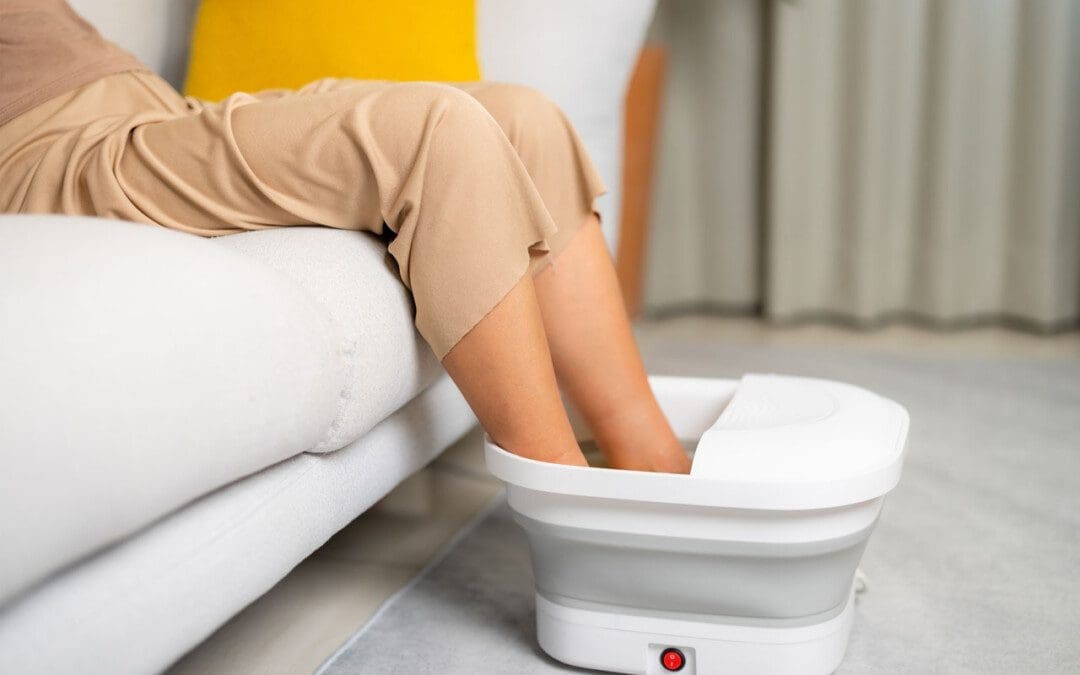
Foot detoxes can be an enjoyable experience that can help relieve sore feet, relax the body, and offer relief for certain foot ailments. They could be an excellent addition to a self-care routine. Some of the most commonly used natural foot detoxes include the following.
Epsom Salt Foot Bath
Combining Epsom salts with warm water and soaking the feet for 20–30 minutes can help promote relaxation.
Apple cider vinegar foot baths are made by diluting 1 cup of vinegar in warm water and soaking the feet for 20–30 minutes.
There is limited research available to confirm the health claims.
The studies that have been done have found the reverse effect, that bathing the feet in apple cider vinegar and water can irritate the skin. (Lydia A Luu, et al., 2021)
Baking Soda and Sea Salt
Sea salt combined with baking soda dissolved in a bath and soak the feet for up to 30 minutes. While research is limited, some evidence supports the health benefits associated with sea salt that include: (Ehrhardt Proksch, et al., 2005)
Reduces inflammation in skin conditions, like atopic dermatitis.
Foot baths should be avoided for the following:
There are open sores on the feet that could be irritated by salt and other foot bath ingredients.
Individuals with a pacemaker or any electrical body implant.
Pregnant women.
Consult a healthcare provider before trying any new health protocols.
Foot Orthotics Benefits
References
Kennedy, D. A., Cooley, K., Einarson, T. R., & Seely, D. (2012). Objective assessment of an ionic footbath (IonCleanse): testing its ability to remove potentially toxic elements from the body. Journal of environmental and public health, 2012, 258968. https://doi.org/10.1155/2012/258968
Kito, K., & Suzuki, K. (2016). Research on the Effect of the Foot Bath and Foot Massage on Residual Schizophrenia Patients. Archives of psychiatric nursing, 30(3), 375–381. https://doi.org/10.1016/j.apnu.2016.01.002
UW Integrative Health. Improving your health by removing toxins from your body.
Akyuz Ozdemir, F., & Can, G. (2021). The effect of warm salt water foot bath on the management of chemotherapy-induced fatigue. European journal of oncology nursing: the official journal of European Oncology Nursing Society, 52, 101954. https://doi.org/10.1016/j.ejon.2021.101954
Vakilinia, S. R., Vaghasloo, M. A., Aliasl, F., Mohammadbeigi, A., Bitarafan, B., Etripoor, G., & Asghari, M. (2020). Evaluation of the efficacy of warm salt water foot-bath on patients with painful diabetic peripheral neuropathy: A randomized clinical trial. Complementary therapies in medicine, 49, 102325. https://doi.org/10.1016/j.ctim.2020.102325
Luu, L. A., Flowers, R. H., Gao, Y., Wu, M., Gasperino, S., Kellams, A. L., Preston, D. C., Zlotoff, B. J., Wisniewski, J. A., & Zeichner, S. L. (2021). Apple cider vinegar soaks do not alter the skin bacterial microbiome in atopic dermatitis. PloS one, 16(6), e0252272. https://doi.org/10.1371/journal.pone.0252272
Proksch, E., Nissen, H. P., Bremgartner, M., & Urquhart, C. (2005). Bathing in a magnesium-rich Dead Sea salt solution improves skin barrier function, enhances skin hydration, and reduces inflammation in atopic dry skin. International journal of dermatology, 44(2), 151–157. https://doi.org/10.1111/j.1365-4632.2005.02079.x
Kanwar A. J. (2018). Skin barrier function. The Indian Journal of Medical Research, 147(1), 117–118. https://doi.org/10.4103/0971-5916.232013
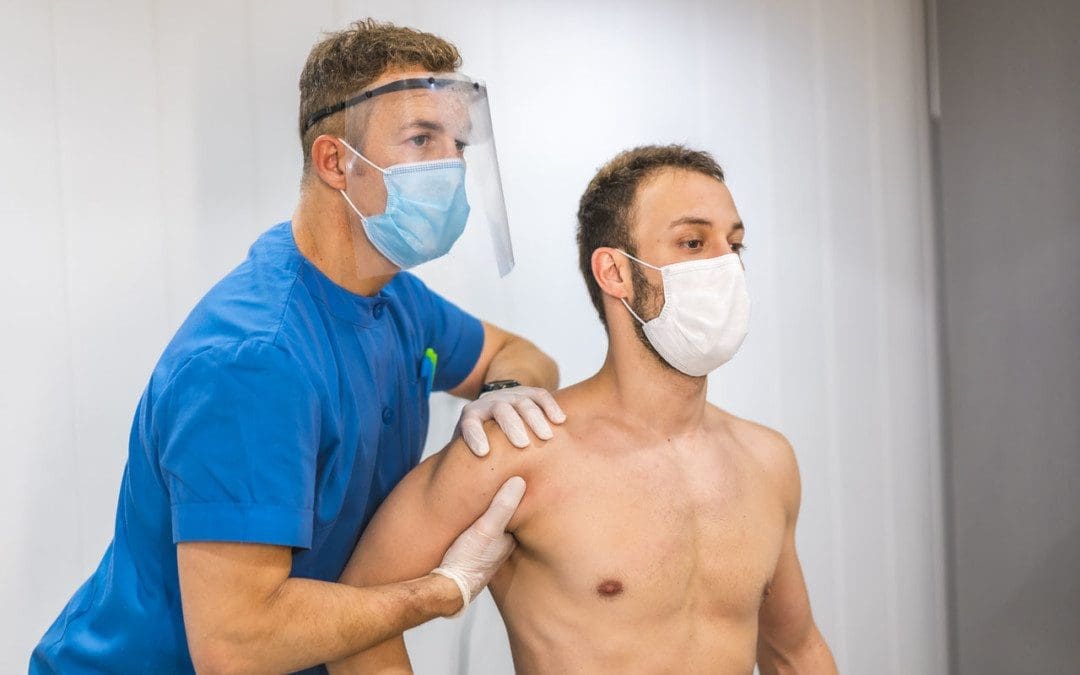
Individuals can experience back muscle rigidity for years and not realize it. This is because the muscles tighten incrementally, and slowly the body begins to acclimate to the feeling and positioning that it becomes normal. And it continues with gradually increased aches and pains. Not until an individual has experienced a therapeutic massage and chiropractic adjustment do they realize just how tight and stiff they were. This is when individuals realize how their musculoskeletal system works and need to maintain loose, flexible muscle tissue for mobility and function. Injury Medical Chiropractic and Functional Medicine Clinic can treat, rehabilitate, educate, and improve an individual’s overall health.
Muscle Rigidity
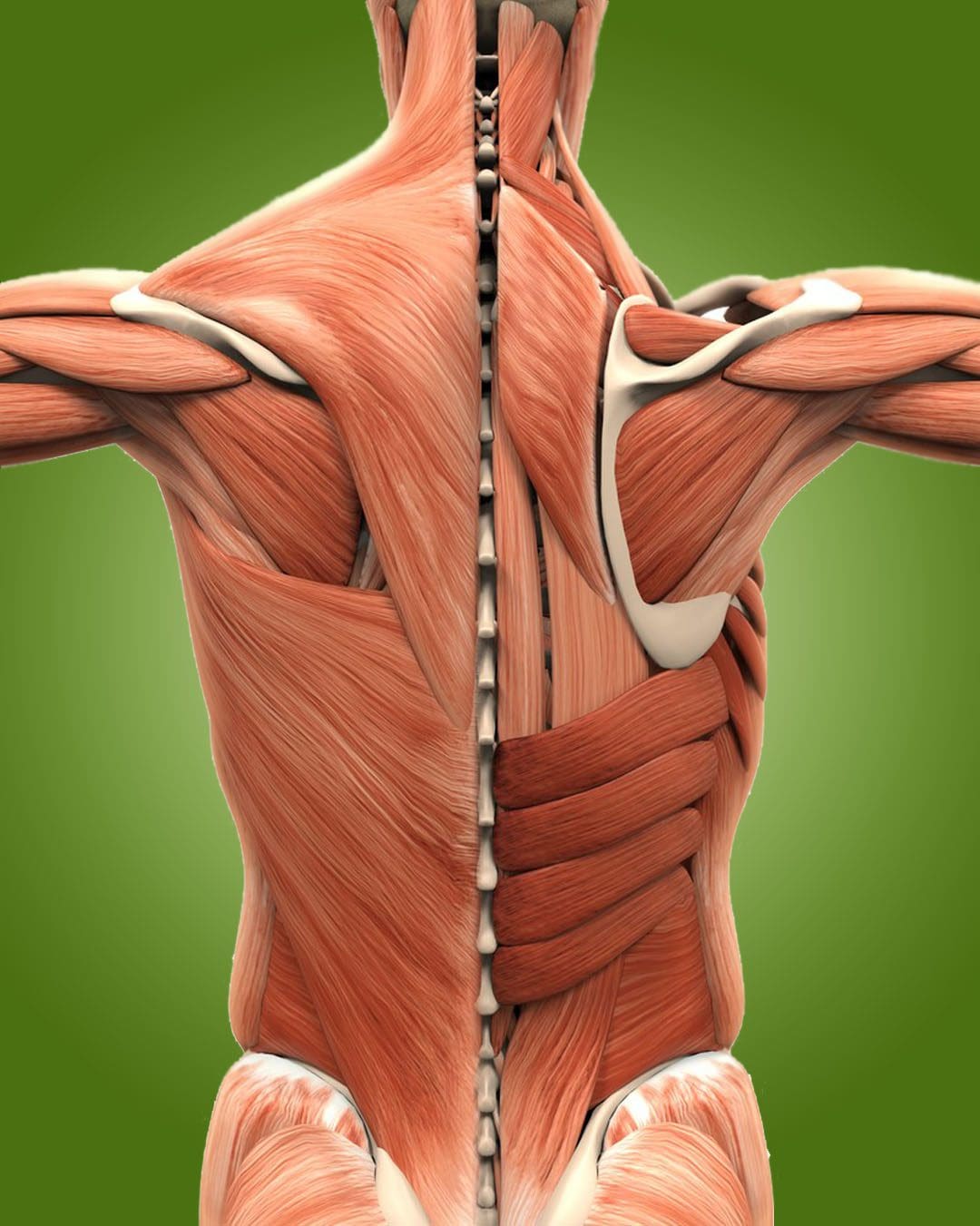
When the body needs to move, the brain sends a nerve signal to the muscles in that region, causing the muscles to tighten or contract. Muscles can contract a little or a lot, depending on the activity. After contracting, the muscles relax until the next time they are needed. Muscle rigidity happens when a muscle or a group of muscles stays fully or partly contracted for an extended period. The nerve signals keep telling the muscle to contract even when the muscle is no longer needed. This can last for several hours or days.
The longer the muscle remains contracted, the more symptoms present and persist. Muscle rigidity is often triggered by stress. Stress affects the body’s nervous system, including nerves and their function. The nervous system can respond to stress by generating additional pressure on the blood vessels, reducing blood circulation, and causing tension and pain.
Causes
Certain medications, such as statins, can cause muscle rigidity, and several conditions can also contribute to it. These include:
Dehydration is a condition as a result of not drinking enough water.
A repetitive strain injury is an injury to the muscles or nerves due to muscle overuse.
Pinched nerves.
Delayed-onset muscle soreness is stiffness and pain that develops hours or days after strenuous physical activity and exercise.
Chronic fatigue syndrome is a condition that causes extreme fatigue, sleep problems, and pain.
Myofascial pain syndrome is a chronic disorder where pressure on sensitive muscle points causes pain.
Rheumatoid arthritis is a chronic inflammatory disorder affecting the joints.
Fibromyalgia is a chronic disorder that can cause muscle soreness, pain, and rigidity.
Claudication is a condition in which cramping occurs due to a lack of blood flow to the muscles, usually in the legs.
Lyme disease and Rocky Mountain spotted fever wick-borne illnesses that can cause nerve damage.
Amyotrophic lateral sclerosis is a neurodegenerative disease that causes nerve problems and a loss of voluntary muscle control.
Chronic exertional compartment syndrome is a muscle and nerve condition that causes pain and swelling.
Dystonia is a condition that causes random/involuntary muscle contractions.
Lupus is a chronic inflammatory disease that can cause joint pain and stiffness.
Parkinson’s disease is a neurological disease that affects movement.
Polymyalgia rheumatica is a chronic inflammatory disease that can cause muscle pain and stiffness.
Bacterial and Viral infections.
Treatment
The objective of treatment is to train the muscles to relax completely. The specific treatment used can vary depending on the cause and severity.
Chiropractic
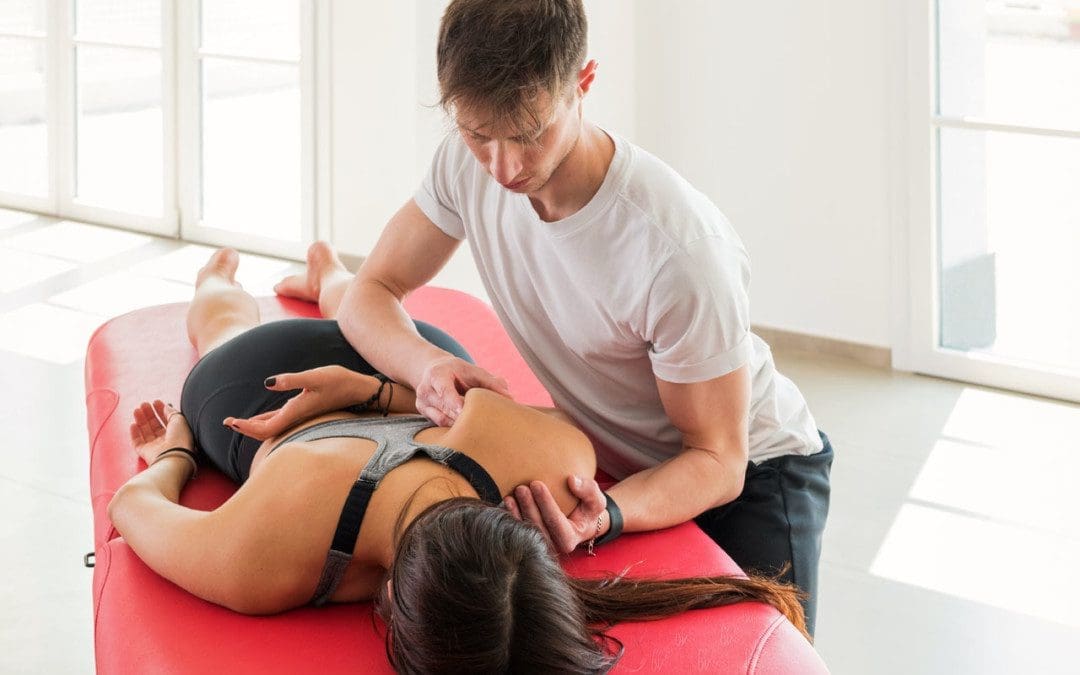
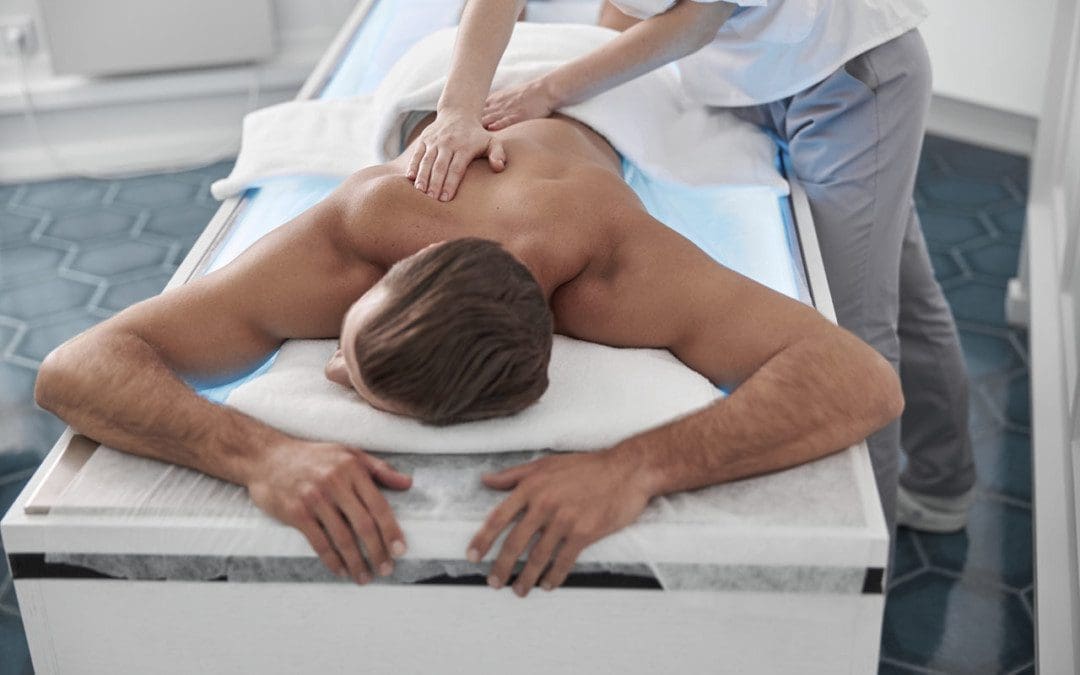
Chiropractic treatment will address the condition or injury and then the muscle rigidity. Treatment involves massaging (manually and percussively) the areas to relax and stretch the tight tissues. Chiropractic releases and realigns the misaligned joints and bones to their proper position. The central nervous system recognizes the new positioning as naturally energy efficient. However, there will still be aches and soreness as the body adjusts until it becomes more consistent and normal for the individual.
Home Therapy
Home therapy is recommended with physical therapy and/or chiropractic to maintain flexibility and make necessary changes/adjustments to a treatment plan as the patient progresses and the muscles start to adhere to the massaging, manipulation, and training. They can include the following:
Applying a warm compress or heating pad to the affected area increases circulation.
Targeted gentle stretches.
Avoiding certain activities that could trigger the muscle to become rigid again until the body is ready.
Chandwani D, Varacallo M. Exertional Compartment Syndrome. [Updated 2022 Sep 4]. In: StatPearls [Internet]. Treasure Island (FL): StatPearls Publishing; 2022 Jan-. Available from: https://www.ncbi.nlm.nih.gov/books/NBK544284/
Chu, Eric Chun-Pu et al. “Chiropractic care of Parkinson’s disease and deformity.” Journal of medicine and life vol. 15,5 (2022): 717-722. doi:10.25122/jml-2021-0418
Joshi, Aditi et al. “Effectiveness of Myofascial Release (MFR) vs. High-Frequency Transcutaneous Electrical Nerve Stimulation (TENS) for Pain Relief and Functional Improvement in College Students With Trapezius Myalgia.” Cureus vol. 14,10 e29898. 4 Oct. 2022, doi:10.7759/cureus.29898
Tan, Xueli, et al. “The efficacy of music therapy protocols for decreasing pain, anxiety, and muscle tension levels during burn dressing changes: a prospective randomized crossover trial.” Journal of burn care & research: official publication of the American Burn Association vol. 31,4 (2010): 590-7. doi:10.1097/BCR.0b013e3181e4d71b
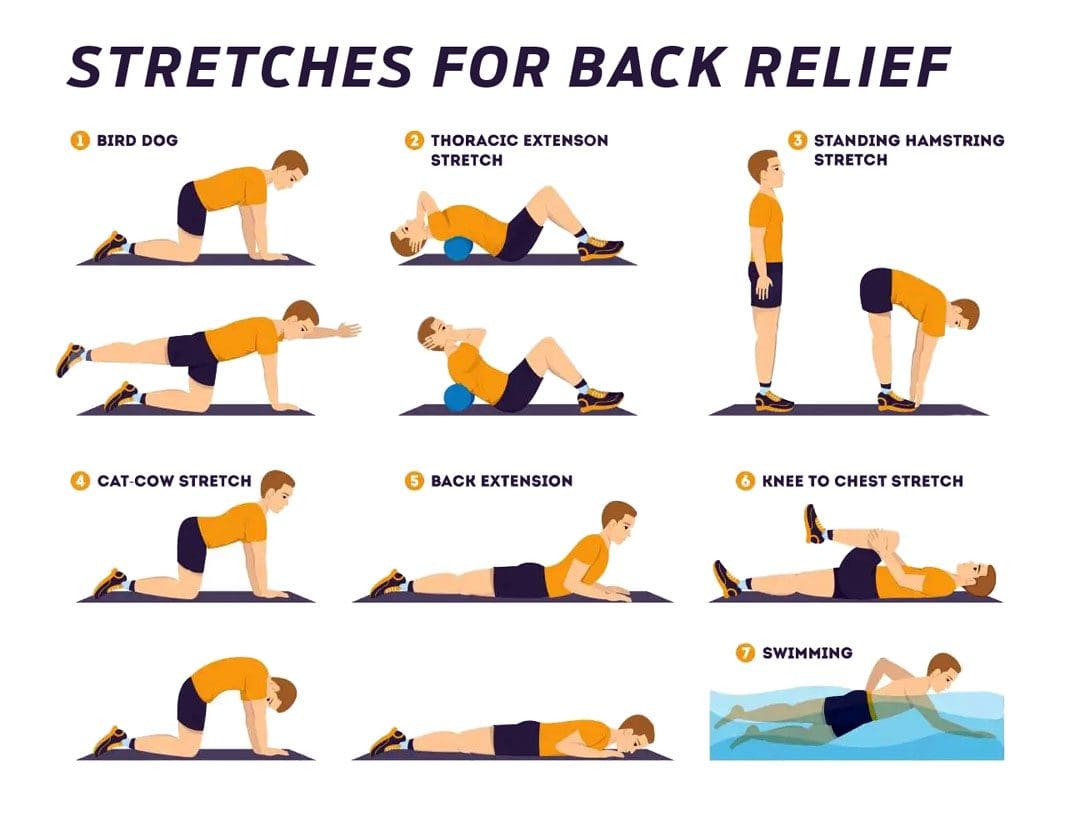
Stretching Objective: The body needs to be flexible to maintain a full range of motion. Stretching keeps the muscles supple, strong, and healthy; without it, the muscles shorten and become stiff and tight. Then, when the muscles are needed, they are weak and unable to extend fully. This increases the risk of joint pain, strains, injuries, and muscle damage. For example, sitting in a chair for a long time results in tight glute muscles and hamstrings, which leads to back discomfort symptoms and inhibits walking. Injury Medical Chiropractic and Functional Medicine Clinic can help individuals develop a personalized stretching program to maintain smooth mobility, flexibility, and function.
Stretching Objective
Benefits
The body needs to be flexible to maintain mobility, balance, and independence. The benefits of regularly stretching include:
When the muscles are stretched, so are the muscle spindles. The spindle records the change in length and speed and transmits the signals through the spinal cord, which conveys the information. This triggers the stretch reflex, which tries to resist the change by causing the stretched muscle to contract. Muscle spindle function helps maintain muscle tone and protects the body from injury. One of the reasons for holding a stretch for a specific amount of time is because, as the muscle stays in a stretched position, the spindle acclimates to the new condition and reduces its resistance signaling, gradually training the stretch receptors to allow greater lengthening of the muscles.
Chiropractic Stretch Training
However, stretching once won’t generate maximum flexibility. Tight muscles may have taken months or years to develop; therefore, it will take time to achieve flexibility and must be continually worked on to maintain it. Chiropractors and physical therapists are body movement experts and can assess individual muscle strength and develop a customized stretching program.
Muscle Spindle Activation
References
Bhattacharyya, Kalyan B. “The stretch reflex and the contributions of C David Marsden.” Annals of Indian Academy of Neurology vol. 20,1 (2017): 1-4. doi:10.4103/0972-2327.199906
Behm, David G et al. “Acute effects of muscle stretching on physical performance, range of motion, and injury incidence in healthy active individuals: a systematic review.” Applied physiology, nutrition, and metabolism = Physiologie applique, nutrition et metabolism vol. 41,1 (2016): 1-11. doi:10.1139/apnm-2015-0235
Berg, K. Stretching fundamentals. In: Prescriptive Stretching. 2nd ed. Kindle edition. Human Kinetics; 2020.
da Costa, Bruno R, and Edgar Ramos Vieira. “Stretching to reduce work-related musculoskeletal disorders: a systematic review.” Journal of rehabilitation medicine vol. 40,5 (2008): 321-8. doi:10.2340/16501977-0204
Page, Phil. “Current concepts in muscle stretching for exercise and rehabilitation.” International journal of sports physical therapy vol. 7,1 (2012): 109-19.
Witvrouw, Erik, et al. “Stretching and injury prevention: an obscure relationship.” Sports medicine (Auckland, N.Z.) vol. 34,7 (2004): 443-9. doi:10.2165/00007256-200434070-00003
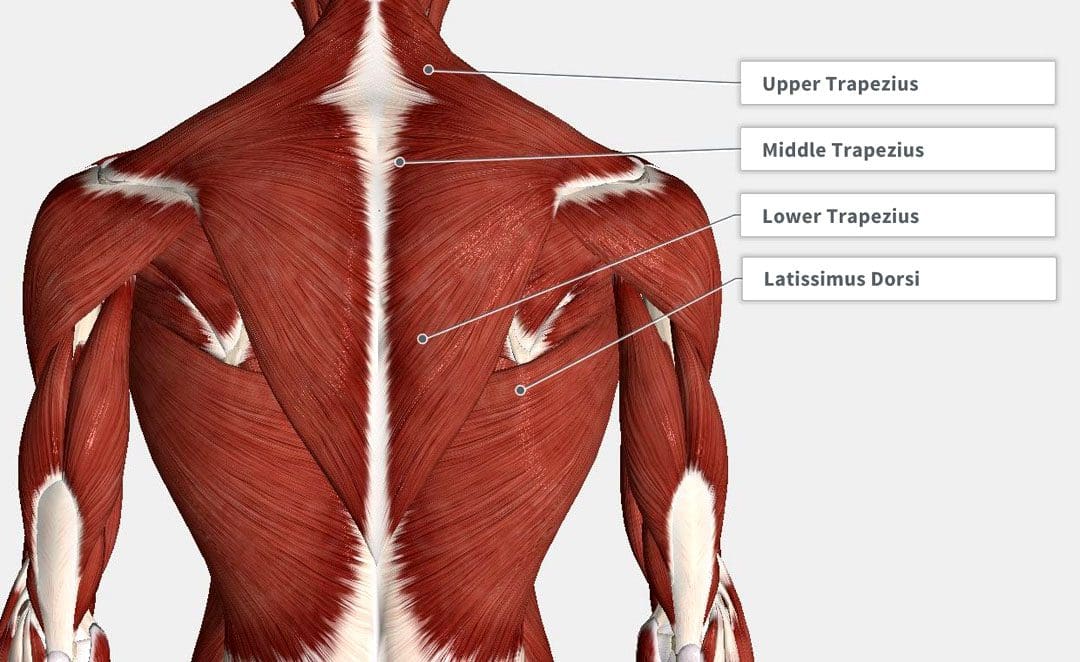
Neck aches, soreness, and pain symptoms are not always neck-related. Tight thoracic or mid-back muscles can pull on the neck muscles causing various symptoms. Upper back tightness occurs anywhere from the neck’s base to the bottom of the rib cage. The bones in the upper area don’t move or flex as much as the neck and low back. This can lead individuals to believe there is nothing wrong with the mid-back, as there are no pain symptoms or signs of discomfort. However, individuals don’t realize how tight the muscles are, which can go on for years, causing neck issues. Injury Medical Chiropractic and Functional Medicine Clinic can relieve symptoms, release, and relax tight muscles, increase circulation, and restore optimal function.
Mid-Back Muscle Tightness
The upper and middle back is the thoracic spine. The thoracic spine has twelve small bones called vertebrae. Each vertebra on the thoracic spine is connected to a pair of ribs. The ribs wrap around the body and attach to a long, flat sternum bone. This forms the rib cage. The bones in the upper back work with the ribs to stabilize the back and protect vital organs, including the heart and lungs. The tightening and pulling eventually cause neck aches that can come out of nowhere; even when not moving and looking straight ahead, there can be persistent dull achiness or stinging sensations.
Causes
Unhealthy posture, disc problems, injuries, fractures, or other issues or conditions can cause mid-back muscle tightness.
Posture
Constant sitting or standing combined with unhealthy posture and being hunched over can cause the muscles to tighten, limiting mobility.
Holding Onto Stress
Chronic stress can cause muscle tightening, whether it is in the low back, mid-back, neck, or elsewhere.
Hereditary
Individual genetic makeup may make the body more susceptible to muscle tightness.
For example, individuals with a lot of muscle tone vs. individuals with less muscle tone may experience muscle tightness more often.
Adequate Hydration
Being properly hydrated is important for muscle and joint lubrication.
Water provides nutrients to contracting muscles.
This keeps the body loose and ready for movement.
Muscle Imbalance and Underlying Weakness
Individuals that tend to work one side of the body more than the other or have repeatedly been moving in a certain way for years can cause muscle imbalances and trigger points to develop.
If muscle tightness continues, even after stretching, it could be an underlying weakness.
The muscles can sometimes seize up and guard, so they feel tight when they have become chronically weak and not strong enough to meet the physical demands.
Chiropractic Care
Chiropractic care involves various therapies to address the root cause fully and relieve neck aches. These include:
Massage therapies to break up compacted muscle tissue.
Remove trigger points.
Relax the muscles to a pliable state.
Perform chiropractic adjustments to realign the spine.
Stretching and strengthening.
Posture training that includes stretches/exercises.
Nutritional plans to help strengthen muscles.
Thoracic Tension Release
References
Gatt, Adrianna, et al. “Anatomy, Fascia Layers.” StatPearls, StatPearls Publishing, Jul 25, 2022.
Liebsch, Christian, and Hans-Joachim Wilke. “How Does the Rib Cage Affect the Biomechanical Properties of the Thoracic Spine? A Systematic Literature Review.” Frontiers in bioengineering and biotechnology vol. 10 904539. Jun 15, 2022, doi:10.3389/fbioe.2022.904539
Maciejewska-Skrendo, Agnieszka et al. “Genetics of Muscle Stiffness, Muscle Elasticity and Explosive Strength.” Journal of human kinetics vol. 74 143-159. 31 Aug. 2020, doi:10.2478/hukin-2020-0027
Modes RJ, Lafci Fahrioglu S. Anatomy, Back. [Updated 2022 Feb 5]. In: StatPearls [Internet]. Treasure Island (FL): StatPearls Publishing; 2022 Jan-. Available from: https://www.ncbi.nlm.nih.gov/books/NBK539746/
Page, Phil. “Current concepts in muscle stretching for exercise and rehabilitation.” International journal of sports physical therapy vol. 7,1 (2012): 109-19.
Petrofsky, Jerrold et al. “The Efficacy of Sustained Heat Treatment on Delayed-Onset Muscle Soreness.” Clinical journal of sports medicine: official journal of the Canadian Academy of Sports Medicine vol. 27,4 (2017): 329-337. doi:10.1097/JSM.0000000000000375
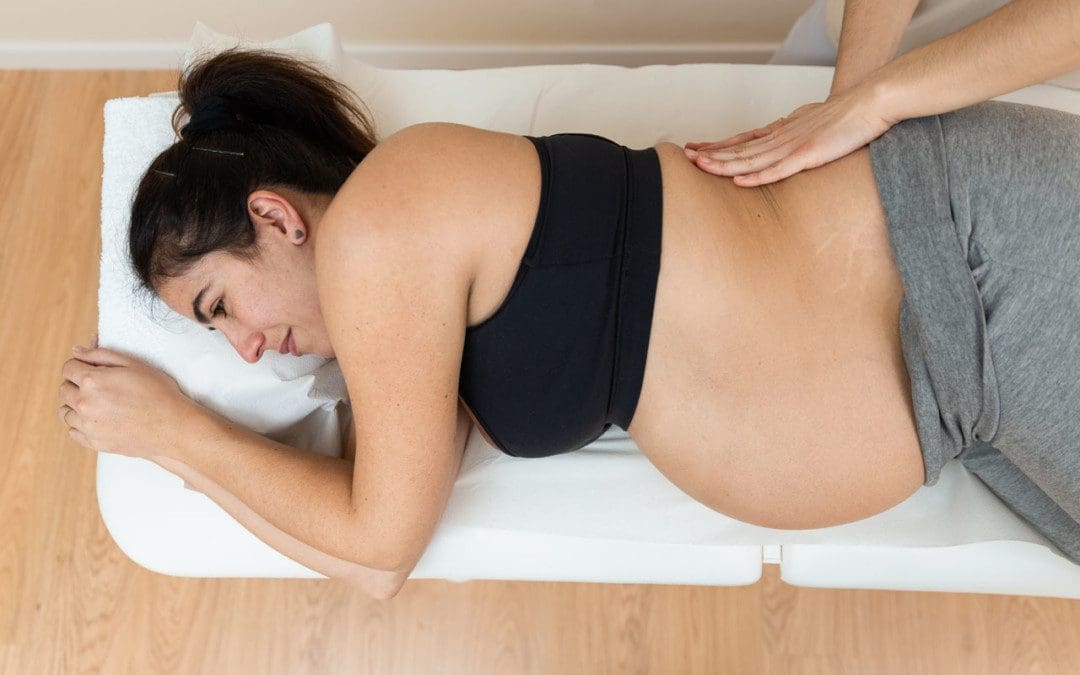
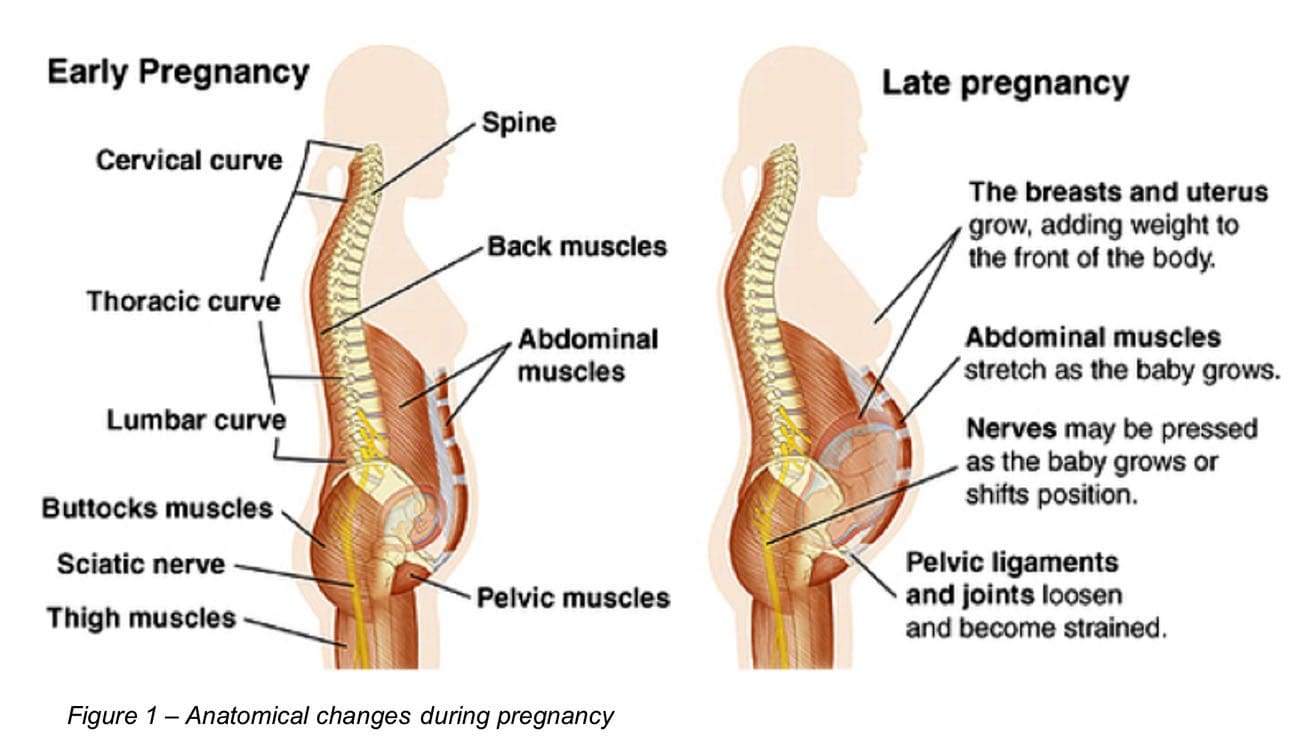
The body experiences physical changes during pregnancy. As the baby grows, the body has to adjust, which can cause unfamiliar aches and pains. A common issue for pregnant women is sciatica symptoms or lumbar radiculopathy, which radiates discomfort sensations that travel down the lower spine, down the back of the thigh, and into the foot. Chiropractic care and massage therapy can realign the spine and hips, therapeutically massage circulation through the body, relieve symptoms, and restore function.
Pregnancy Sciatica
The sciatic nerve is the largest in the body and the main nerve in the legs. In most cases, sciatica happens when this nerve gets compressed by bulging, slipped, or ruptured spinal discs, arthritis, or spinal stenosis.
Symptoms
Aches and pains that result from sciatica range from mild to severe sensations. Symptoms include:
Pain that travels from the pelvis down the back of the leg.
A burning sensation in the low back and buttocks.
Jolting pain that feels like an electric shock.
Numbness, muscle weakness, or tingling in one leg or foot.
Tingling sensation in one part of the body and pain in another.
Pain that worsens when coughing, sneezing or sitting for long periods.
Causes
Sciatica during pregnancy can be caused by:
Weight gain is going to pull the spine and muscles down.
Increased fluid retention can place added pressure on the nerve as it passes through the pelvis.
The expanding uterus can press down on the nerve in the lower part of the spine.
The growing belly and breasts shift the center of gravity forward and stretch the lordotic curve causing the muscles in the:
Buttocks and pelvis to tighten up and compress the sciatic nerve.
The baby’s head can rest directly on the nerve when settling into the proper birth position in the third trimester.
A herniated or slipped disc caused by the extra pressure of the growing uterus can be the cause, although this is less common.
Pregnancy also causes the body to release a hormone called relaxin, designed to relax the ligaments and prepare the pelvis for childbirth.
Loose ligaments can cause spinal compression and affect the sciatic nerve.
Sciatica will most likely occur during the third trimester when mother and baby are bulking up, but it can develop earlier, although this is less common. Most women experience symptoms on one side, though it can affect both legs. The condition can be constant or intermittent, depending on the amount of pressure placed on the nerve, and can remain for a few months after giving birth when the excess weight and fluid are gone.
Treatment Techniques
Simple home remedies and treatment to help ease the symptoms. These include:
Sleep on Your Side
Rest on the side of the body that does not present symptoms when lying down.
Prenatal massage can reduce stress, improve blood circulation, and regulate hormones.
Chiropractic and Physical Therapy
Chiropractic is non-invasive and drug-free, making it a safe and gentle option for mom and baby.
A professional chiropractor can evaluate the condition.
Identify and remove interferences in the nervous system from the source.
Realign the bones.
Provide a personalized treatment plan to alleviate symptoms and stretches and strength-building exercises.
Sciatica In Pregnancy
References
American Pregnancy Association: “Prenatal Massage Therapy.
American Pregnancy Association: “Sciatic Nerve Pain During Pregnancy: Causes and Treatment.”
FRIEDMANN, E. “Narrowing of the spinal canal due to thickened lamina a cause of low-back pain and sciatica.” Clinical orthopedics vol. 21 (1961): 190-7.
Goldsmith, Laura T, and Gerson Weiss. “Relaxin in human pregnancy.” Annals of the New York Academy of Sciences vol. 1160 (2009): 130-5. doi:10.1111/j.1749-6632.2008.03800.x
KULOWSKI, J. “Unusual causes of low back pain and sciatica during pregnancy.” American journal of obstetrics and gynecology vol. 84 (1962): 627-30. doi:10.1016/0002-9378(62)90156-4
Trager, Robert J et al. “Ischial osteochondroma as an unusual source of pregnancy-related sciatic pain: a case report.” Chiropractic & manual therapies vol. 30,1 45. 17 Oct. 2022, doi:10.1186/s12998-022-00451-3
Look how young children position their backs. There is a natural S curve, and their movements are effortless. As the body ages, too much sitting, slouching, and inactivity can cause muscle fatigue and tension leading to posture issues. Rounded shoulders describe a resting position that has shifted the shoulders out of the body’s natural alignment, which can worsen if left untreated. Chiropractic care can realign the shoulders, as well as the spine, and restore musculoskeletal health to optimum levels.
Rounded Shoulders
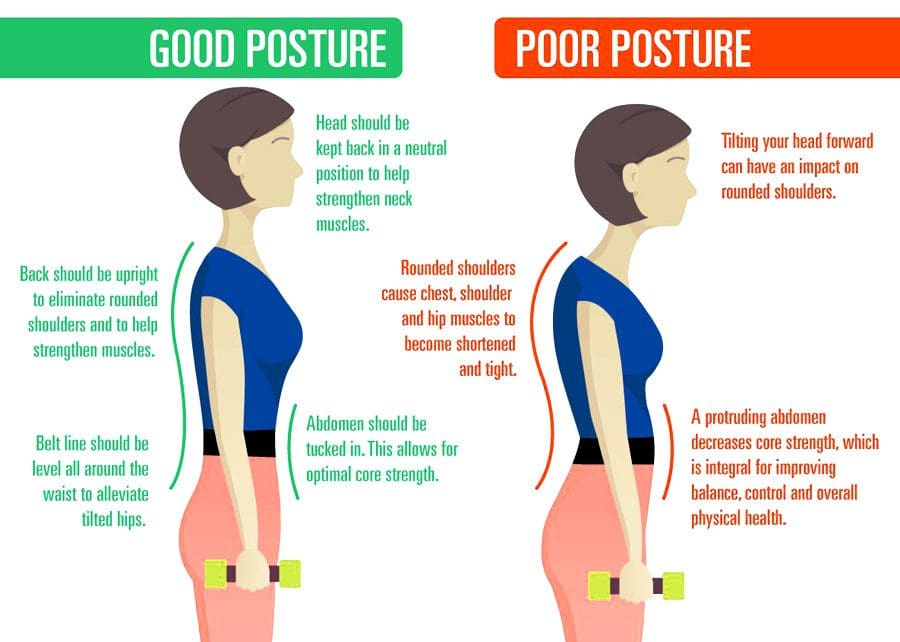
Rounded shoulders are an excessive thoracic kyphosis referring to an uneven forward rounding or curvature of the middle and upper back. Rounded shoulders shift out of proper alignment with the spine, causing posture-related problems like shoulder/neck/back discomfort, tightness, stiffness, and pain. Overall unhealthy posture contributes to the following:
The head constantly being in a forward or backward position
Headaches
Body aches and pains
Muscle fatigue
Chronic back soreness
Bent knees when standing or walking
Body movement dysfunction
Joint problems
Potbelly
Rounded shoulders
Body responses to rounded shoulders include:
Chronic musculoskeletal aches and pains
Breathing problems
Limited body function
Impaired mobility performance
Increased mental and musculoskeletal stress
Causes
Rounded shoulders are typically caused by unhealthy posture, but can also be caused by muscle imbalances from, for example, overfocusing on building chest strength but neglecting the core and upper back. Other causes include:
Standing and sitting for long periods
Stress
Lack of physical activity
Environmental factors
Too much exercise, sports, and physical activities
Musculoskeletal Imbalance
Postural imbalances anywhere in the body can cause rounded shoulders.
For example, when an individual tilts their head forward to look at their phone, the upper back has to round forward to hold the head. Constantly tilting can begin to generate an unhealthy muscle memory causing the neck and shoulder muscles to remain in a semi-flexed position that starts to become the norm.
Another example is when the arms are held out and in front for prolonged periods, like driving, typing, and cooking, the chest muscles get shortened. As time goes on, this causes the shoulder blades to move forward on the ribcage, making the upper back and shoulder area hunch awkwardly and unhealthily.
Stress
When the brain perceives a threat, the body physically prepares to take action through the fight or flight response. Common reactions include:
Jaw tensing
Tightening the abdominal muscles
Holding one’s breath
Rounding the shoulders
Stressors can include:
Job worries
Money issues
Relationship problems
Family responsibilities
All can cause changes in the body that result in rounded shoulders.
Environmental Factors
Respiratory conditions like asthma, COPD, and allergies can affect the body’s breathing and the ability of the diaphragm to contract and relax correctly.
Ribcage restrictions caused by chronic breathing problems can result in the thoracic/middle back tightening up, causing excessive shoulder rounding.
Exercise and Physical Activities
Exercise and physical activities can contribute to rounded shoulders because of the long periods of spinal flexion. These can include:
Bike riding, martial arts, and swimming.
Knitting requires the arms to be out in front.
Gardening requires kneeling and being hunched over.
Chiropractic Treatment
Chiropractic adjustments, therapeutic massage, and decompression therapy can unlock tight shoulder and chest muscles. A chiropractor uses gentle targeted adjustments to relieve pain, restore function, and retrain the muscles.
The doctor will look at the individual’s resting position while standing.
An individual with slumped shoulders can slouch, even when standing up straight.
Their hands will likely face behind them, with their thumbs pointed at each other.
Once the adjustments are made, a correct standing posture will make the hands face the body with the thumbs facing ahead.
Exercises will be recommended to strengthen the core and stretches to maintain the adjustments.
Posture Chiropractic
References
Fathollahnejad, Kiana, et al. “The effect of manual therapy and stabilizing exercises on forward head and rounded shoulder postures: a six-week intervention with a one-month follow-up study.” BMC musculoskeletal disorders vol. 20,1 86. 18 Feb. 2019, doi:10.1186/s12891-019-2438-y
Go, Seong-Uk, and Byoung-Hee Lee. “Effects of scapular stability exercise on shoulder stability and rehabilitative ultrasound images in office workers.” Journal of physical therapy science vol. 28,11 (2016): 2999-3002. doi:10.1589/jpts.28.2999
Kwon, Jung Won, et al. “Changes in upper-extremity muscle activities due to head position in subjects with a forward head posture and rounded shoulders.” Journal of physical therapy science vol. 27,6 (2015): 1739-42. doi:10.1589/jpts.27.1739
Lee, Do Youn, et al. “Changes in rounded shoulder and forward head posture according to exercise methods.” Journal of physical therapy science vol. 29,10 (2017): 1824-1827. doi:10.1589/jpts.29.1824
Park, Sang-In, et al. “Effects of shoulder stabilization exercise on pain and functional recovery of shoulder impingement syndrome patients.” Journal of physical therapy science vol. 25,11 (2013): 1359-62. doi:10.1589/jpts.25.1359
IFM's Find A Practitioner tool is the largest referral network in Functional Medicine, created to help patients locate Functional Medicine practitioners anywhere in the world. IFM Certified Practitioners are listed first in the search results, given their extensive education in Functional Medicine



 Stretching Objective