ClickCease
+1-915-850-0900 spinedoctors@gmail.com
Select Page

Sciatica is one of the most common causes of chronic lower back and leg pain. It occurs when the sciatic nerve—the longest nerve in the body—is irritated or compressed, often due to disc herniation, spinal degeneration, inflammation, or biomechanical imbalance. For years, treatment options focused mainly on pain medications, steroid injections, or surgery when symptoms became severe.

In 2026, sciatica care has entered a new phase. Treatment is no longer just about “blocking pain.” Instead, the focus is on precision diagnosis, nerve healing, inflammation reduction, and functional recovery, with fewer complications and faster healing times. These advances also emphasize integrated, interdisciplinary care, combining chiropractic treatment with the diagnostic and clinical oversight of nurse practitioners (NPs).

This article explains the most important innovations shaping sciatica treatment in 2026, using easy-to-understand language while staying grounded in current clinical research and real-world outcomes.


Understanding Sciatica: Why Better Solutions Were Needed

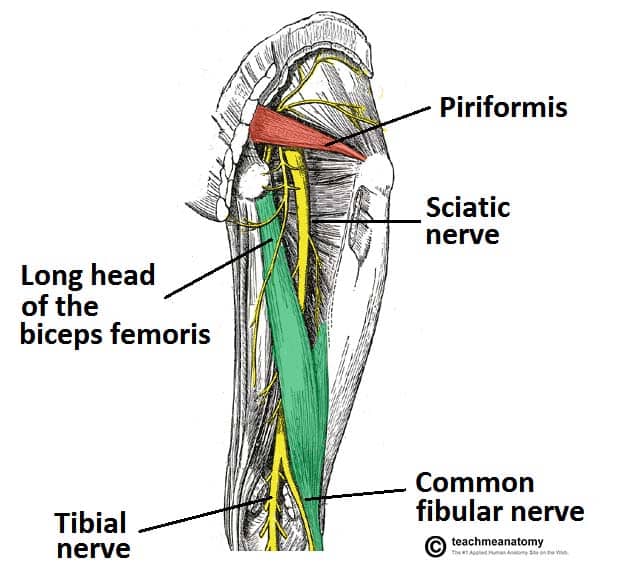
Sciatica is not a single disease. It is a symptom caused by pressure or irritation along the sciatic nerve, usually beginning in the lower spine and traveling into the buttock and leg. Pain can feel sharp, burning, electric, or aching and may include numbness or weakness.

Common contributors include:

  • Herniated or bulging lumbar discs

  • Spinal stenosis

  • Degenerative disc disease

  • Muscle imbalance or pelvic instability

  • Inflammation around nerve roots

Traditional treatments often relied on:

  • Long-term anti-inflammatory or pain medications

  • Opioids for severe cases

  • Epidural steroid injections

  • Surgery as a last resort

While these approaches helped some patients, they did not always address the underlying cause, and many carried risks such as dependency, complications, or prolonged recovery (Stanford Health Care, n.d.).


What Has Changed in 2026?

By 2026, sciatica treatment emphasizes early, targeted, and minimally invasive care. Research and clinical experience now show that addressing nerve irritation early and restoring healthy movement patterns can prevent chronic pain and disability (BioSpace, 2025).

Key changes include:

  • Improved imaging and diagnostics

  • Precision-guided nerve procedures

  • Regenerative medicine options

  • Advanced neuromodulation technologies

  • Integrated chiropractic and NP-led care models


Advanced Diagnostic Imaging: Seeing the True Source of Pain

https://www.itnonline.com/sites/default/files/napolifig2.jpg
https://images.ctfassets.net/222znibi5gto/spu_wysiwyg_fid35790_asset/7a7c68346491082a38f6345ed10b0be8/mri_lateral_lumbar_spine_disc_protrusion44757427_M.jpg
https://www.frontiersin.org/files/Articles/1176001/fnhum-17-1176001-HTML/image_m/fnhum-17-1176001-g001.jpg

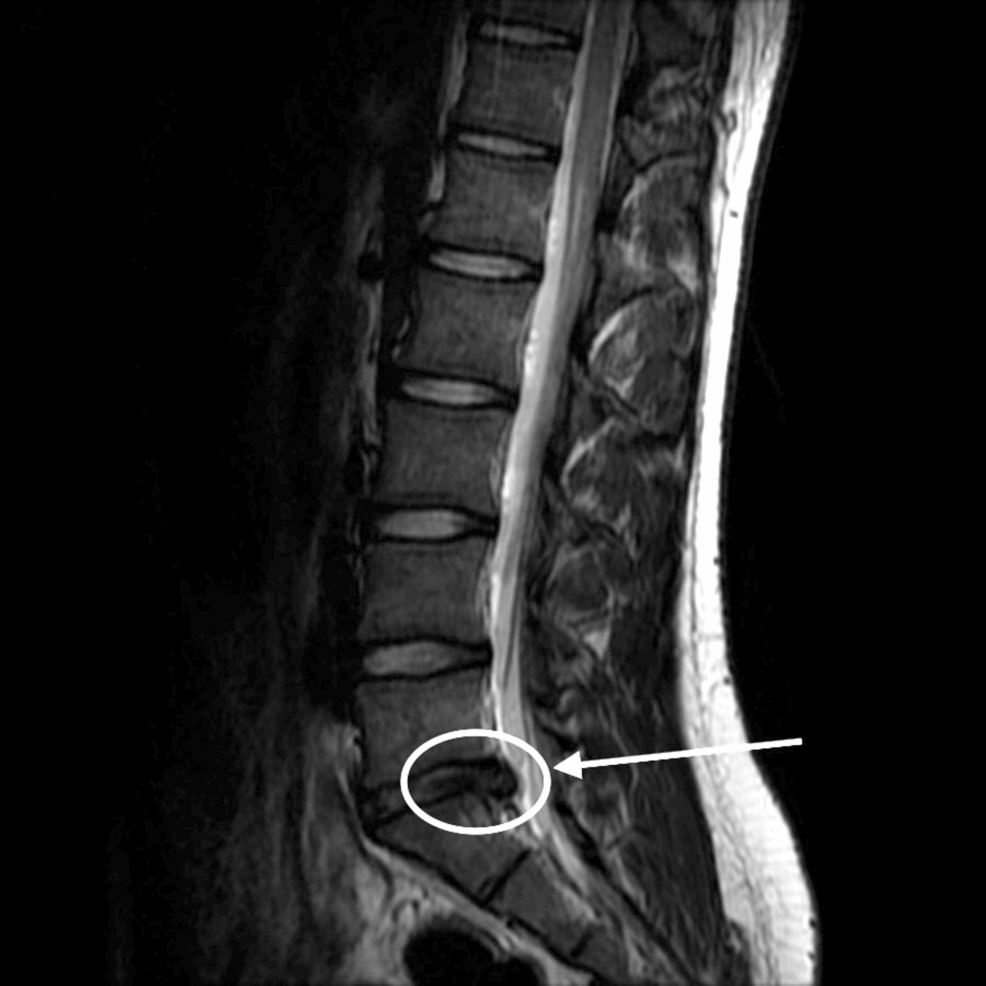
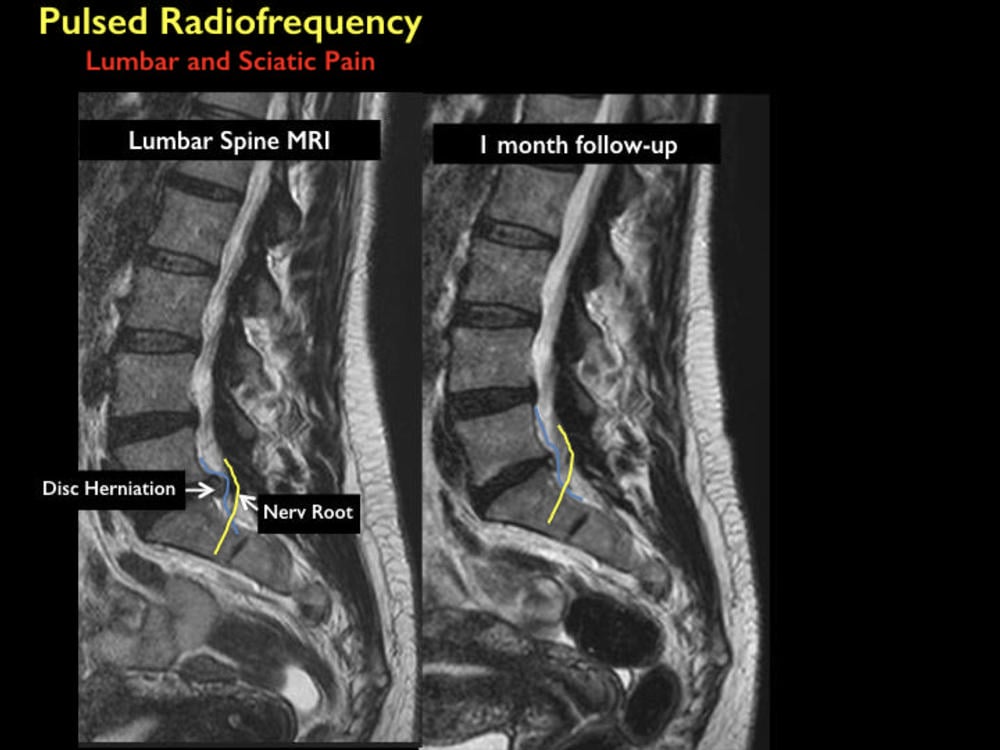
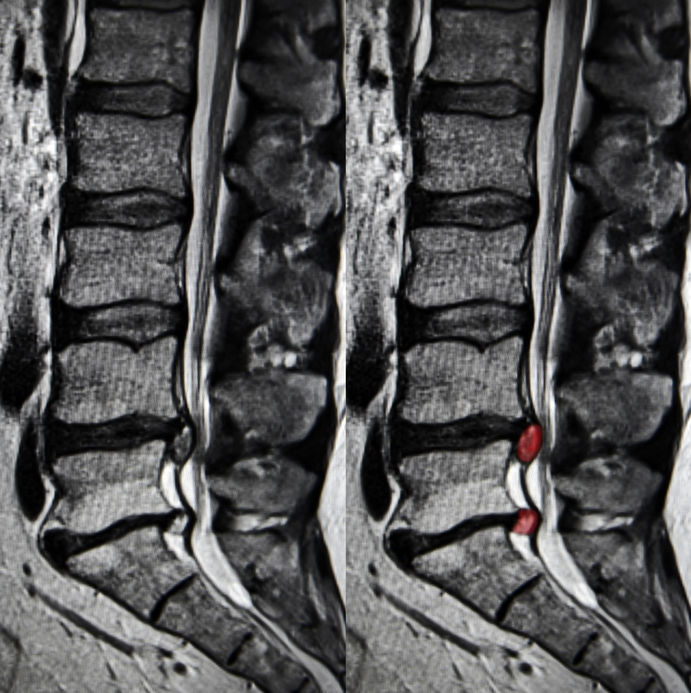
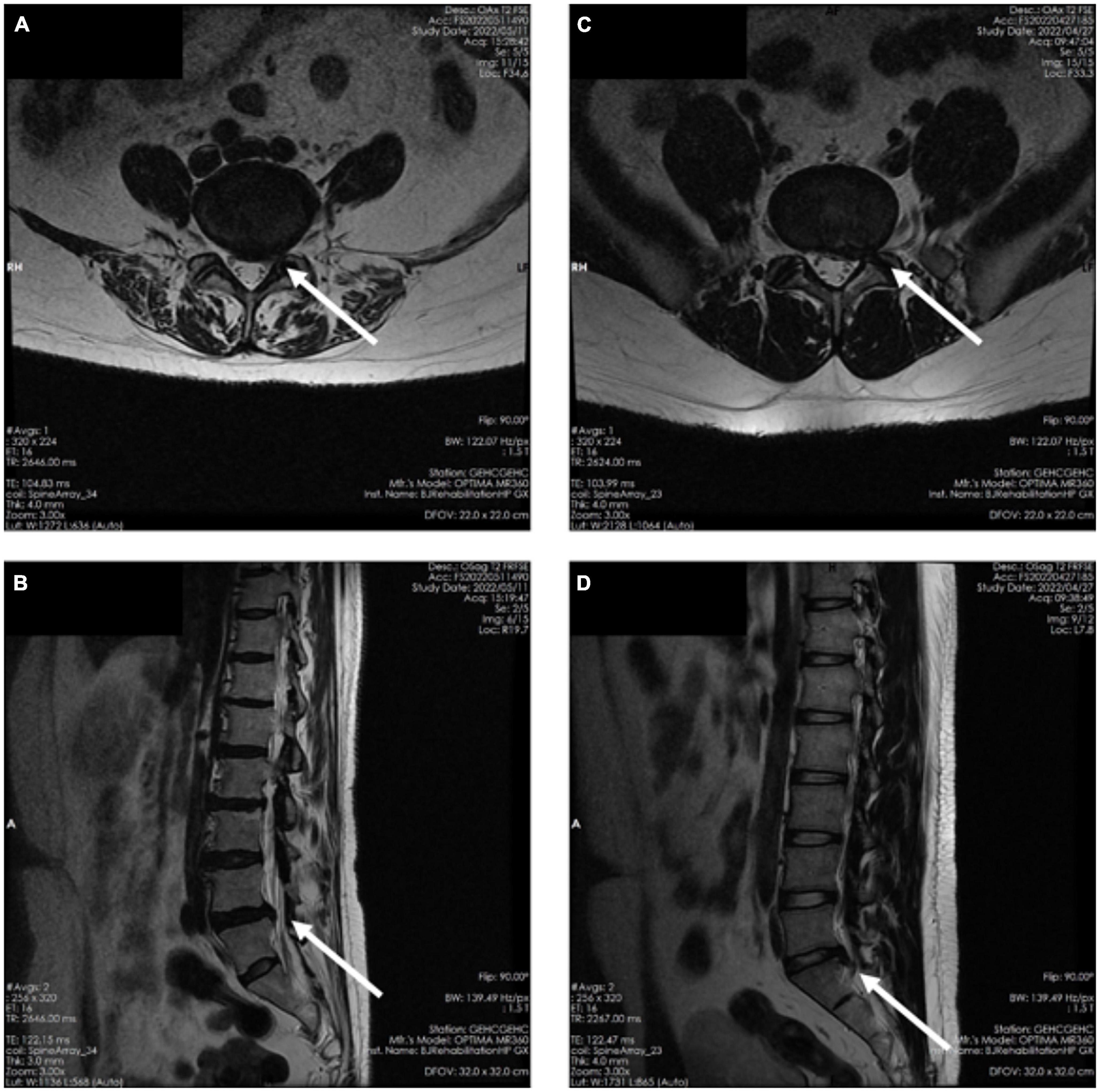
One of the biggest improvements in sciatica care is high-resolution MRI technology. Modern imaging allows clinicians to:

  • Identify the exact nerve root involvement

  • Distinguish disc-related pain from muscular or inflammatory causes

  • Detect subtle nerve inflammation missed in earlier imaging methods

Enhanced MRI protocols now guide treatment decisions more accurately, reducing unnecessary procedures and improving outcomes (Stanford Health Care, n.d.).

Nurse practitioners play a critical role here by:

  • Ordering and interpreting imaging

  • Correlating findings with physical symptoms

  • Coordinating referrals and follow-up care


Minimally Invasive Pain Procedures: Precision Without Surgery

Improved Nerve Blocks

Modern nerve blocks are no longer “blind injections.” In 2026, they are image-guided and highly targeted, delivering medication exactly where inflammation and irritation occur.

Benefits include:

  • Faster pain relief

  • Reduced medication dosage

  • Improved diagnostic clarity

  • Lower complication risk

Nerve blocks are now often used as diagnostic tools to help clinicians determine whether pain is mechanical, inflammatory, or neuropathic in origin (Apollo Spine & Pain, 2026a).


Radiofrequency Ablation (RFA)

Radiofrequency ablation uses controlled heat to disrupt pain signals traveling through irritated nerves. Newer RFA systems are more precise and selective than earlier versions.

Key advantages:

  • Long-lasting pain relief

  • Minimal tissue damage

  • Short recovery time

  • Reduced reliance on medications

RFA is especially helpful for chronic sciatica that does not respond to conservative care (Apollo Spine & Pain, 2026b).


Spinal Cord Stimulation: Rewiring Pain Perception

https://www.mskcc.org/sites/default/files/patient_ed/about_your_scs-170347/about_your_scs-fig_1-en.png
https://www.mdpi.com/jcm/jcm-11-06672/article_deploy/html/images/jcm-11-06672-g002-550.jpg
Innovations in Sciatica Treatment for Chronic Pain Relief

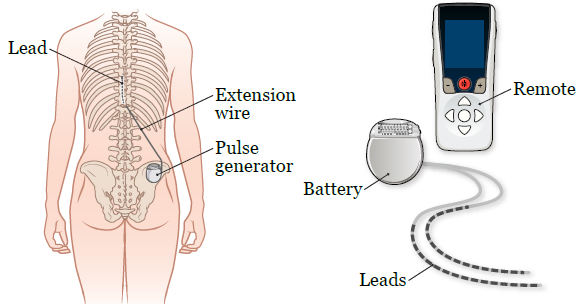
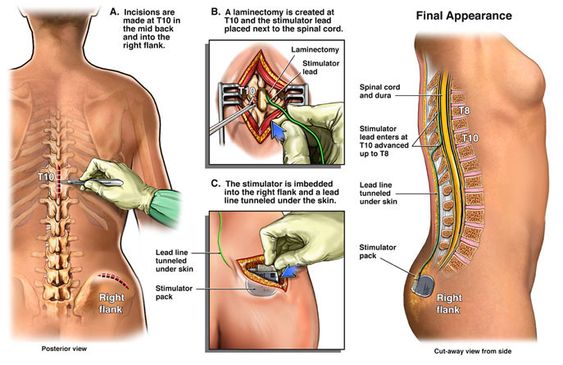
Spinal cord stimulation (SCS) has evolved significantly. New devices are smaller, smarter, and more adaptive. They deliver gentle electrical signals that change how the brain interprets pain signals from the sciatic nerve.

Modern SCS systems offer:

  • Personalized stimulation patterns

  • Adjustable settings via external controllers

  • Reduced side effects compared to older models

SCS is now used earlier in care for select patients, helping many avoid surgery altogether (Pain and Spine Specialists, n.d.).


Regenerative Medicine: Supporting Nerve Healing

Platelet-Rich Plasma (PRP)

PRP therapy uses a patient’s own blood components to promote healing and reduce inflammation. In sciatica care, PRP is increasingly used around:

  • Inflamed nerve roots

  • Degenerative disc structures

  • Surrounding soft tissues

Research suggests PRP may:

  • Reduce inflammation

  • Support tissue repair

  • Improve long-term outcomes

While still evolving, regenerative therapies are driving growth in the global sciatica treatment market (Grand View Research, n.d.; PMC, 2024).


Therapeutic Exercise Innovations: Movement as Medicine

Nerve Flossing and Targeted Rehab

Exercise therapy in 2026 is more specific and personalized. One standout approach is nerve flossing, which involves controlled movements designed to improve nerve mobility and reduce irritation.

Benefits include:

  • Improved nerve glide

  • Reduced stiffness

  • Decreased pain during daily activities

Programs are now customized using imaging findings and functional testing, ensuring exercises match the patient’s specific condition (Goodman Campbell, 2026).


Chiropractic Care: A Drug-Free Foundation

Chiropractic care remains central to non-surgical sciatica treatment. Modern chiropractic approaches focus on restoring spinal alignment, reducing nerve compression, and improving movement patterns.

Common techniques include:

  • Spinal adjustments

  • Flexion-distraction therapy

  • Soft tissue mobilization

  • Low-level laser therapy

Research continues to associate chiropractic care with reduced opioid use and improved pain outcomes (ReachMD, 2024; UH Hospitals, 2025).


Integrated Care: Chiropractors and Nurse Practitioners Working Together

One of the most important shifts in 2026 is the collaborative care model. Instead of isolated treatment, patients benefit from coordinated care involving chiropractors and nurse practitioners.

This model allows for:

  • Accurate diagnosis and imaging oversight

  • Conservative, drug-free pain management

  • Monitoring of neurological symptoms

  • Reduced opioid exposure

Clinical observations from Dr. Alexander Jimenez, DC, APRN, FNP-BC, highlight that patients receiving coordinated chiropractic and NP care often experience:

  • Faster recovery

  • Better functional improvement

  • Fewer invasive interventions

  • Greater long-term pain control

His integrative approach emphasizes treating the cause of nerve irritation, not just the symptoms (Jimenez, n.d.).


Why These Innovations Matter

Together, these advances represent a major shift in sciatica care:

  • From surgery-first to conservative-first

  • From symptom masking to root-cause resolution

  • From isolated care to interdisciplinary teamwork

Patients now have more options, fewer risks, and better long-term outcomes.


Conclusion: The Future of Sciatica Care Is Personalized and Precise

By 2026, sciatica treatment has become more effective, safer, and patient-centered. Innovations in diagnostics, minimally invasive procedures, regenerative medicine, and integrative chiropractic-NP–NP care are reducing the need for surgery and long-term medication use.

The focus is no longer just pain relief—it is nerve health, mobility restoration, and sustainable recovery. As research and technology continue to evolve, patients suffering from sciatica can expect even more targeted, evidence-based solutions in the years ahead.


References

BioSpace. (2025). Sciatica market size to reach USD 3.4 billion by 2035.
https://www.biospace.com/press-releases/sciatica-market-size-to-reach-usd-3-4-billion-by-2035-impelled-by-advancements-in-regenerative-therapies

Stanford Health Care. (n.d.). Sciatica: Advanced treatment options.
https://stanfordhealthcare.org/medical-conditions/back-neck-and-spine/sciatica.html

Apollo Spine & Pain. (2026a). Sciatica pain management solutions.
https://www.apollospineandpain.com/sciatica-pain-management-solutions

Apollo Spine & Pain. (2026b). Pain management breakthroughs to watch in 2026.
https://www.apollospineandpain.com/pain-management-breakthroughs-watch-2026

Goodman Campbell. (2026). Most successful treatments for sciatica.
https://www.goodmancampbell.com/2026/01/what-is-the-most-successful-treatment-for-sciatica/

Pain and Spine Specialists. (n.d.). Sciatica pain relief devices.
https://painandspinespecialists.com/types-of-sciatica-pain-relief-devices/

UH Hospitals. (2025). Chiropractic care associated with reduction in opioid use disorder.
https://news.uhhospitals.org/news-releases/articles/2025/10/new-study-shows-chiropractic-care-associated-with-reduction-in-opioid-use-disorder

ReachMD. (2024). Chiropractic manipulation as an alternative to opioids for sciatica.
https://reachmd.com/news/chiropractic-manipulation-a-viable-alternative-to-opioids-for-sciatica/2471078/

Grand View Research. (n.d.). Sciatica treatment market report.
https://www.grandviewresearch.com/industry-analysis/sciatica-treatment-market-report

Jimenez, A. (n.d.). Clinical insights on integrative sciatica care.
https://dralexjimenez.com/
https://www.linkedin.com/in/dralexjimenez/

General Disclaimer, Licenses and Board Certifications *

Professional Scope of Practice *

The information herein on "Innovations in Sciatica Treatment for Chronic Pain Relief" is not intended to replace a one-on-one relationship with a qualified health care professional or licensed physician and is not medical advice. We encourage you to make healthcare decisions based on your research and partnership with a qualified healthcare professional.

Blog Information & Scope Discussions

Welcome to El Paso's Premier Wellness and Injury Care Clinic & Wellness Blog, where Dr. Alex Jimenez, DC, FNP-C, a Multi-State board-certified Family Practice Nurse Practitioner (FNP-BC) and Chiropractor (DC), presents insights on how our multidisciplinary team is dedicated to holistic healing and personalized care. Our practice aligns with evidence-based treatment protocols inspired by integrative medicine principles, similar to those on this site and on our family practice-based chiromed.com site, focusing on naturally restoring health for patients of all ages.

Our areas of multidisciplinary practice include  Wellness & Nutrition, Chronic Pain, Personal Injury, Auto Accident Care, Work Injuries, Back Injury, Low Back Pain, Neck Pain, Migraine Headaches, Sports Injuries, Severe Sciatica, Scoliosis, Complex Herniated Discs, Fibromyalgia, Chronic Pain, Complex Injuries, Stress Management, Functional Medicine Treatments, and in-scope care protocols.

Our information scope is multidisciplinary, focusing on musculoskeletal and physical medicine, wellness, contributing etiological viscerosomatic disturbances within clinical presentations, associated somato-visceral reflex clinical dynamics, subluxation complexes, sensitive health issues, and functional medicine articles, topics, and discussions.

We provide and present clinical collaboration with specialists from various disciplines. Each specialist is governed by their professional scope of practice and their jurisdiction of licensure. We use functional health & wellness protocols to treat and support care for musculoskeletal injuries or disorders.

Our videos, posts, topics, and insights address clinical matters and issues that are directly or indirectly related to our clinical scope of practice.

Our office has made a reasonable effort to provide supportive citations and has identified relevant research studies that support our posts. We provide copies of supporting research studies upon request to regulatory boards and the public.

We understand that we cover matters that require an additional explanation of how they may assist in a particular care plan or treatment protocol; therefore, to discuss the subject matter above further, please feel free to ask Dr. Alex Jimenez, DC, APRN, FNP-BC, or contact us at 915-850-0900.

We are here to help you and your family.

Blessings

Dr. Alex Jimenez DC, MSACP, APRN, FNP-BC*, CCST, IFMCP, CFMP, ATN

email: coach@elpasofunctionalmedicine.com

Multidisciplinary Licensing & Board Certifications:

Licensed as a Doctor of Chiropractic (DC) in
Texas & New Mexico*
Texas DC License #: TX5807, Verified: TX5807
New Mexico DC License #: NM-DC2182, Verified: NM-DC2182

Multi-State Advanced Practice Registered Nurse (APRN*) in Texas & Multi-States 
Multi-state Compact APRN License by Endorsement (42 States)
Texas APRN License #: 1191402, Verified: 1191402 *
Florida APRN License #: 11043890, Verified:  APRN11043890 *
License Verification Link: Nursys License Verifier
* Prescriptive Authority Authorized

ANCC FNP-BC: Board Certified Nurse Practitioner*
Compact Status: Multi-State License: Authorized to Practice in 40 States*

Graduate with Honors: ICHS: MSN-FNP (Family Nurse Practitioner Program)
Degree Granted. Master's in Family Practice MSN Diploma (Cum Laude)


Dr. Alex Jimenez, DC, APRN, FNP-BC*, CFMP, IFMCP, ATN, CCST

My Digital Business Card


Licenses and Board Certifications:

DC: Doctor of Chiropractic
APRNP: Advanced Practice Registered Nurse 
FNP-BC: Family Practice Specialization (Multi-State Board Certified)
RN: Registered Nurse (Multi-State Compact License)
CFMP: Certified Functional Medicine Provider
MSN-FNP: Master of Science in Family Practice Medicine
MSACP: Master of Science in Advanced Clinical Practice
IFMCP: Institute of Functional Medicine
CCST: Certified Chiropractic Spinal Trauma
ATN: Advanced Translational Neutrogenomics

Memberships & Associations:

TCA: Texas Chiropractic Association: Member ID: 104311
AANP: American Association of Nurse Practitioners: Member  ID: 2198960
ANA: American Nurse Association: Member ID: 06458222 (District TX01)
TNA: Texas Nurse Association: Member ID: 06458222

NPI: 1205907805

National Provider Identifier

Primary Taxonomy Selected Taxonomy State License Number
No 111N00000X - Chiropractor NM DC2182
Yes 111N00000X - Chiropractor TX DC5807
Yes 363LF0000X - Nurse Practitioner - Family TX 1191402
Yes 363LF0000X - Nurse Practitioner - Family FL 11043890
Mastodon