Our brain is one of our most important organs that controls everything that we do. From learning how to walk at our earlier stages, learning new motor skills, to remembering nostalgic events in our lives. However, when tragedy strikes, our brain is the first one to get impacted.
The brain has many functions in the past that were structured, fixed, and therefore, hard-wired. That changed in the 1970s when neuroscientists discovered that the brain was the opposite of what they originally thought. It turns out that the brain is continuously changing and gathering information for many life events called neuroplasticity.
Our brain�s neuroplasticity has helped us re-learned simple motor skills by training our bodies to do these functions through rehabilitation from any brain injuries that anyone has been through. However, for some people, when they are recovering from any tragic events can encounter many mental struggles and have a hard time to bounce back. The most common mental struggles are apparently stress.
Good Stress: Increases energy, strengthens the immune system, immune to other stressful situations.
Bad Stress: High blood pressure, mental health problems, weaker immune system.
These two categories can make our brain go into overdrive, however, once you find out what stresses you out; you can actually find many ways to de-stress and relax. Some examples are taking up a hobby to make your brain learn a new technique, while others are either exercising or talking to someone.
When you�re exercise, not only your whole body feels good, but also you can let out whatever is frustrating you when you put the work in. And when you are done exercising for thirty minutes to an hour, you will feel a whole lot better with a clear head. When you�re talking to someone, it feels pretty good to have somebody there to listen to your problems and sometimes they will give you some advice and maybe something to drink so you can feel relaxed a bit and let your worries slip away.
Other times when you want to keep your brain healthy is to eat some really good food. Some of the food we eat have been known to keep our brain�s motor skill running and making your body feel good. Omega-3s, antioxidants, L-theanine supplements are consumed to calm down the neurotransmitters that are in our brain.
Neurotransmitters
This leads to our neurotransmitters, GABA and Glutamate, to be monitored by MRS (magnetic resonance spectroscopy). When these two neurotransmitters are being monitored, doctors have found out that the patient�s glutamate is in overdrive and that they need to increase the patient�s GABA in order to lower the excitotoxicity and protecting the brain�s grey matter or else the brain will get destroyed.
Some of the best ways to ease an anxious mind are to figure out what is causing our brains to be extremely anxious in any situations that are thrown to us. Our brain is like the CPU of a computer that we programmed and managed so we can have these thoughts, passion, and desires that are wired into our minds. The brain is an intricated network of neurons and receptors that co-exist to various internal and external stimulations.
So, if we were to find the �virus� that is causing our brains to be overwork and anxious, we can change our mind to make it mellow out and tell ourselves that we are fine. Our brain has six brainwaves that are well known and here is a very quick outline of what each wave does.
Infra-low: The �reset� wavelength helps our brain slow down and reset our thought process.
Delta: These waves help us go into a deep meditative state.
Theta: These waves benefit our memories, intuition and learning process.
Alpha: These waves make us feel calm and be at a resting state.
Beta: These waves are split into three sections and each section deals with our waking state: Idling, calculated thoughts and learning new experiences.
Gamma: These waves make us have a quiet, calm healthy mind when we need peace and quiet.
The first five brain waves are key for us to have a calm, collected healthy mind when we have to go to sleep. We all know that having 8 hours of sleep is essential for us to have a healthy mind. When we don�t get enough sleep, we feel grouchy or even more tired when we have to get up to go to school or work. So, we have a bit of caffeine to lift our spirits up, and of course, go through the day. Even if we have some time to spare a quick nap for about thirty minutes seems to help our brain process what we learned and then feel refreshed after that nap.
Proper Sleep = Healthy Mind
Like the last paragraph stated, when we don�t get enough sleep, we feel more tired when we have to get up and start our day. However, let�s say someone is very anxious or has depression can suffer from hypersomnia. When a person suffers from hypersomnia, it takes that person�s willpower to actually get up and go out of their bedroom.
What they think is that �I don�t feel well� but; it is actually their brain producing so much glutamate and have less GABA that may be a factor to these triggers. But when we find supplements that can help our brain rewired itself naturally with these supplements that we find in food. As Hippocrates stated, �Let food be thy medicine and let medicine be thy food.�
All in all, our brain is one of the most valuable organs that we must take care of. Whether it be taking up a new hobby, going to eat some good food to fuel our brain cells and protect it at the same time, or even finding a quiet place to meditate. We have to have to make sure our brain�s neurochemistry is doing okay and that it is healthy enough to experience new things that we encounter throughout our lives.
El Paso, TX Neck Pain Chiropractic Treatment
Sandra Rubio discusses the symptoms, causes, and treatments of neck pain. Headaches, migraines, dizziness, confusion, and weakness in the upper extremities are a few of the typical symptoms. Trauma from an accident, such as that from an automobile accident or a sports injury, or an aggravated illness because of improper posture can commonly cause neck pain and other ailments. Dr. Alex Jimenez uses spinal alterations and manual manipulations, one of other chiropractic treatment techniques like deep-tissue massage, to reestablish the alignment of the cervical spine and improve neck pain. Chiropractic care with Dr. Alex Jimenez is your non-surgical choice for restoring general patient well-being.
Neck pain is a frequent health issue, with roughly two-thirds of the people being influenced by neck pain at any time throughout their lifetimes. Numerous other health issues can cause pain arising in the upper back, or the spine. Neck pain can result emanating from the vertebrae, or because of muscular tightness in both the neck and the upper back. Joint disruption in the neck causes migraines, and headache, as does joint disturbance at the trunk, or can generate a variety of other symptoms. Neck pain affects about 5 percent of the worldwide population as of 2010, based on figures.
NCBI Resources
The relationship between the body and the mind is still far from being fully understood. However, there is no denying the significant connection between our physical health and our mental health. When your body is healthier, your mood is more level and positive. Just like keeping a food diary can help you identify a food allergy, keeping an anxiety diary can help you see what things in your life are triggering your anxiety. Triggers for anxiety�can include a wide range of things, not all of them related to human interactions. All for a healthy mind!
Research has found about 35% of Americans experience symptoms of a warning stroke. However, only 3% seek out immediate medical attention. A stroke occurs when the blood supply to part of the brain is blocked or reduced, which deprives brain tissue of oxygen and nutrients. Within minutes, brain cells start to die.
Adults who have had a sign of a�temporary blockage aka, a Transient Ischemic Attack (TIA)waited/rested until symptoms had subsided instead of calling 911. This is according to the research from the American Heart Association/American Stroke Association (AHA/ASA).
Only a formal medical diagnosis with brain imaging can determine whether someone is having a TIA or stroke. If you or someone experiences warning signs that come on suddenly or go away,�CALL 911 IMMEDIATELY!
Stroke: Early Signs
Ischemic strokes occur when a clot blocks blood flow to the brain.
This type may be treated immediately with a special clot-busting drug
A device called a stent retriever may also be used to remove the clot and help prevent long-term disability.
TIA precedes about 15% of strokes
People who have had TIA are at greater risk for stroke within three months
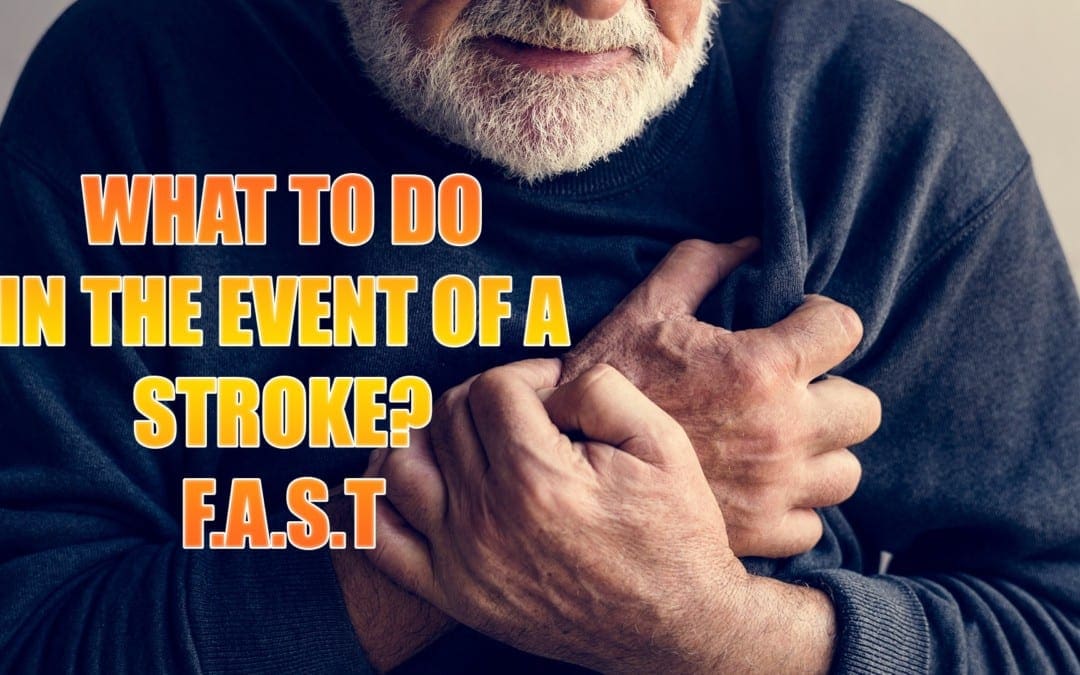
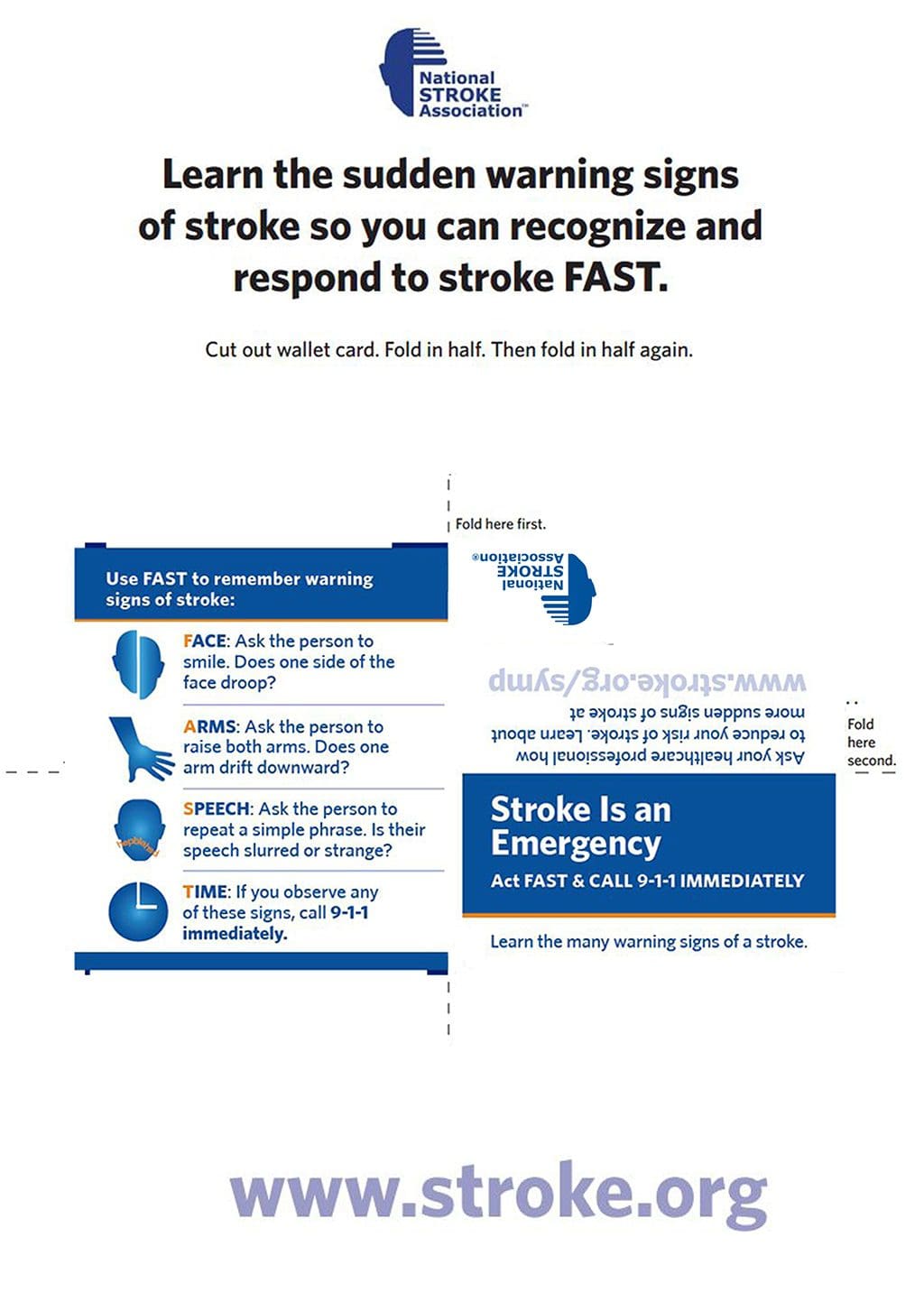
Use The Acronym F.A.S.T. To Help Remember Common Signs:
�
Face Drooping
Arm Weakness
Speech Difficulty
Time To Call 911
Other Warnings Signs:
Confusion
Dizziness
Loss Of Balance/Coordination
Numbness Or Weakness Of Face, Arm or Leg, Particularly On One Side Of The Body
Trouble Speaking Or Understanding
Trouble Walking
Unexplained Severe Headache
Vision Loss In One Or Both Eyes
Injury Medical Clinic: Stress Management Care & Treatments
How important is nutrition for our brain health? In the current work force, we are continuously stressed, often forced to finish tasks faster in order to meet ever so demanding deadlines. In addition, we are expected to maintain our optimal mental health, as this can be an essential�part towards delivering quality work. When our mental health is being affected by our hectic lifestyles, however, several practices which can help you start thinking more clearly can include sleeping properly, controlling stress, and even taking nutritional supplements for your brain health.
One nutritional supplement which has been widely recognized for its ability to boost brain health is curcumin, the active ingredient found in turmeric. Well-known for its antioxidant properties and its capacity to control inflammation in the human body, this powerful herb can also promote good mood and cognition. Another specific group which has reported significant benefits with the increased use of curcumin, is the elderly population. Below, we will discuss how curcumin can help boost brain health as well as demonstrate additional benefits this golden gem can have on our overall health and wellness.
Curcumin: a Golden Gem for Brain Health
In accordance with the Journal of Pharmacology, curcumin is made-up of a variety of substances which can encourage biological mechanisms that counteract age-related cognitive decline, dementia, or mood disorders. One randomized, double-blind, placebo-controlled trial analyzed the acute, of approximately 1 and 3 hours following a single dose, chronic, of approximately 4 weeks, and acute-on-chronic, of approximately 1 and 3 hours after one dose subsequently after chronic treatment, consequences of a curcumin formulation on cognitive function, mood, and blood biomarkers in 60 healthy adults ranging from the 60 to 85 years of age. After about one hour of application, the curcumin had considerably enhanced the participant’s functionality on attention and working memory tasks, in comparison with the placebo. Working memory and mood, which included general fatigue, change in calmness, contentedness and fatigue triggered by emotional strain were fundamentally improved following chronic therapy.
Curcumin boosts BDNF (brain-derived neurotrophic factor), the brain hormone which helps boost the development of new neurons that are in charge of improving memory and learning as well as supplying a substantial option for countering the aging brain. Additionally, this powerful ingredient increases blood circulation to the brain, also providing a much better attention span for greater work productivity.
Appreciating its anxiolytic effects can be one of the greatest benefits of carrying curcumin. According to the Journal of Clinical Psychopharmacology, a randomized double-blinded and double-blind trial with 60 subjects experiencing stress-related symptoms, including exhaustion, were to get routine curcumin nutritional supplements, and placebo for 30 days. The results indicated a greater quality of life, and diminished stress and fatigue for those receiving regular curcumin intakes. This progressive compound is believed to be able to help alleviate depression by altering the release of dopamine and serotonin, two powerful hormones which help keep the human mind and body at ease. Curcumin also promotes the optima health and wellness of inflammation pathways from the brain, which ultimately will help improve energy, mood, and production levels.
Curcumin may additionally promote cognition via its powerful antioxidant action which improves the bioavailability of DHA, the potent omega-3 fatty acid demonstrated to boost brain health. A research study in the American Journal of Geriatric Psychiatry revealed that curcumin really does protect the brain from neurodegeneration. The evaluation and analysis included 40 participants ranging from the ages of 51 to 84 years of age. Each individual subject consumed 90mg of curcumin twice per day or placebo for 18 weeks. The results indicated enhanced long-term healing, visual memory, and focus. With its tremendous medicinal properties, curcumin can also support neuroplasticity, which empowers the brain to change and fortify itself even through the natural degeneration with aging.
Curcumin can also promote anti-seizure action. With its antioxidant properties, this golden gem can help slow down reactive astrocyte expression, which helps cells survive within the mind. According to the Neuropharmacology Laboratory, Department of Pharmacology, the antioxidant properties of curcumin helped alleviate migraines, cognitive impairment, and cognitive stress in rats. A dental pre-treatment of curcumin was given to male rats which were additionally treated together with Pentylenetrazole, or PZT, every other day. The study demonstrated that curcumin enhanced the seizure score and indicated a diminished amount of myoclonic jerks. Furthermore, the outcome measures of the research study demonstrated that curcumin restructures seizures, oxidative stress, and brain function. Moreover, it helps protect memory function which may also be jeopardized by seizure activity.
Using its capability to strengthen fatty acids in the mind, curcumin helps athletes achieve better physical performance by boosting critical thinking, improving problem solving, and developing improved choices. The neuroprotective properties in curcumin also help regenerate tissues. In reality, based on Stem Cell Research and Therapy, a research study was conducted between the effects of curcumin on endogenous stem cells which were impartial. The study demonstrated that curcumin played an essential role in the healing of cells from combating the activation of microglia cells. Scientists in the Institute of Neuroscience and Medicine in Julich, Germany, observed the effects of impartial stem cell generation. During a 72-hour period, the evaluation and analysis demonstrated and indicated that the turmeric curcumin improved cellular generation by up to 80 percent. This shows how powerful curcumin could be for successful brain health function.
Dr. Alex Jimenez’s Insight
Nutrition is a fundamental factor in overall health and wellness. In today’s stressful world, however, it can often become difficult to eat a proper meal, let alone making sure we are taking in all the necessary nutrients we require on a regular basis. That, plus the added pressure of the workforce can have detrimental effects on our brain health. Dietary supplements, such as curcumin, have been demonstrated to have tremendous benefits on brain health. Although we may not always have the “free time” to sit down and have a properly balanced meal, taking nutritional supplements like curcumin, among others, can help improve the human body’s general well-being.
While many research studies have found that natural remedies and botanicals, such as dietary supplements apart from vitamins and minerals, continue to be the most common complementary health approach in the United States today, more and more alternative treatment options, such as chiropractic care, have started to incorporate these into their practices. As a matter of fact, a majority of chiropractors give nutritional advice, as well as recommendations for other lifestyle recommendations, as a general part of their treatment plan. Because chiropractic care is based on the notion of naturally treating the human body as a whole, enhancing it’s own healing properties without the use of drugs and/or medications as well as other invasive procedures, this healthcare profession relies on offering the necessary health maintenance components for optimal health and wellness. These components can include nutrition, water, rest, exercise, and clean air. Many chiropractors also offer curcumin supplements to help promote recovery.
This exceptional nutritional supplement, curcumin, helps improve mental clarity, improve cognition, improve endurance, and supplies anxiolytic benefits. Whether it’s more work fabricating, or a much better disposition, curcumin is a hidden golden gem for health.�The scope of our information is limited to chiropractic as well as to spinal injuries and conditions. To discuss the subject matter, please feel free to ask Dr. Jimenez or contact us at�915-850-0900�.
Curated by Dr. Alex Jimenez
Additional Topics: Back Pain
Back pain is one of the most prevalent causes for disability and missed days at work worldwide. As a matter of fact, back pain has been attributed as the second most common reason for doctor office visits, outnumbered only by upper-respiratory infections. Approximately 80 percent of the population will experience some type of back pain at least once throughout their life. The spine is a complex structure made up of bones, joints, ligaments and muscles, among other soft tissues. Because of this, injuries and/or aggravated conditions, such as herniated discs, can eventually lead to symptoms of back pain. Sports injuries or automobile accident injuries are often the most frequent cause of back pain, however, sometimes the simplest of movements can have painful results. Fortunately, alternative treatment options, such as chiropractic care, can help ease back pain through the use of spinal adjustments and manual manipulations, ultimately improving pain relief.
After a neurological exam, physical exam, patient history, x-rays and any previous screening tests, a doctor may order one or more of the following diagnostic tests to determine the root of a possible/suspected neurological disorder or injury. These diagnostics generally involve neuroradiology, which uses small amounts of radioactive material to study organ function and structure and ordiagnostic imaging, which use magnets and electrical charges to study organ function.
Neurological Studies
Neuroradiology
MRI
MRA
MRS
fMRI
CT scans
Myelograms
PET scans
Many others
Magnetic Resonance Imaging (MRI)
Shows organs or soft tissue well
No ionizing radiation
Variations on MRI
Magnetic resonance angiography (MRA)
Evaluate blood flow through arteries
Detect intracranial aneurysms and vascular malformations
Magnetic resonance spectroscopy (MRS)
Assess chemical abnormalities in HIV, stroke, head injury, coma, Alzheimer’s disease, tumors, and multiple sclerosis
Functional magnetic resonance imaging (fMRI)
Determine the specific location of the brain where activity occurs
Computed Tomography (CT or CAT Scan)
Uses a combination of X-rays and computer technology to produce horizontal, or axial, images
Shows bones especially well
Used when assessment of the brain needed quickly such as in suspected bleeds and fractures
Myelogram
Contrast dye combined with CT or Xray
Most useful in assessing spinal cord
Stenosis
Tumors
Nerve root injury
Positron Emission Tomography (PET Scan)
Radiotracer is used to evaluate the metabolism of tissue to detect biochemical changes earlier than other study types
Used to assess
Alzheimer’s disease
Parkinson’s disease
Huntington’s disease
Epilepsy
Cerebrovascular accident
Electrodiagnostic Studies
Electromyography (EMG)
Nerve Conduction Velocity (NCV) Studies
Evoked Potential Studies
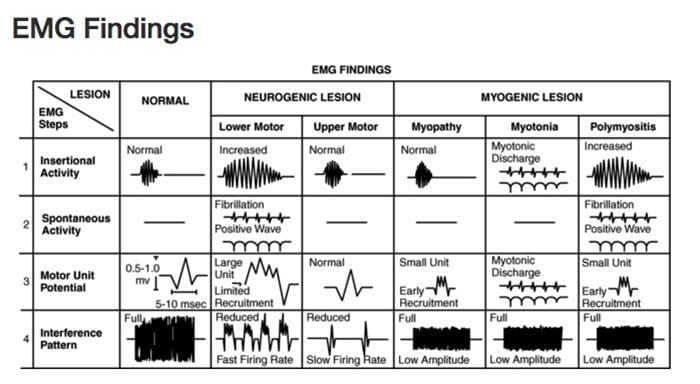
Electromyography (EMG)
Detection of signals arising from the depolarization of skeletal muscle
May be measured via:
Skin surface electrodes
Not used for diagnostic purposes, more for rehab and biofeedback
Needles placed directly within the muscle
Common for clinical/diagnostic EMG
Diagnostic Needle EMG
Recorded depolarizations may be:
Spontaneous
Insertional activity
Result of voluntary muscle contraction
Muscles should be electrically silent at rest, except at the motor end-plate
Practitioner must avoid insertion in motor end-plate
At least 10 different points in the muscle are measured for proper interpretation
Procedure
Needle is inserted into the muscle
Insertional activity recorded
Electrical silence recorded
Voluntary muscle contraction recorded
Electrical silence recorded
Maximal contraction effort recorded
Samples Collected
Muscles
Innervated by the same nerve but different nerve roots
Innervated by the same nerve root but different nerves
Different locations along the course of the nerves
Helps to distinguish the level of the lesion
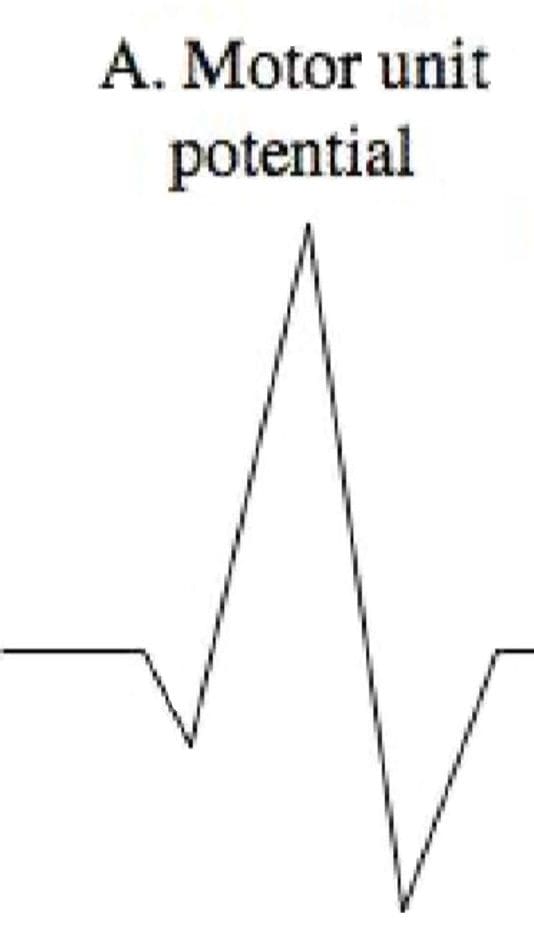
Motor Unit Potential (MUP)
Amplitude
Density of the muscle fibers attached to that one motor neuron
Proximity of the MUP
Recruitment pattern can also be assessed
Delayed recruitment can indicated loss of motor units within the muscle
Early recruitment is seen in myopathy, where the MUPs tend to be of low amplitude short duration
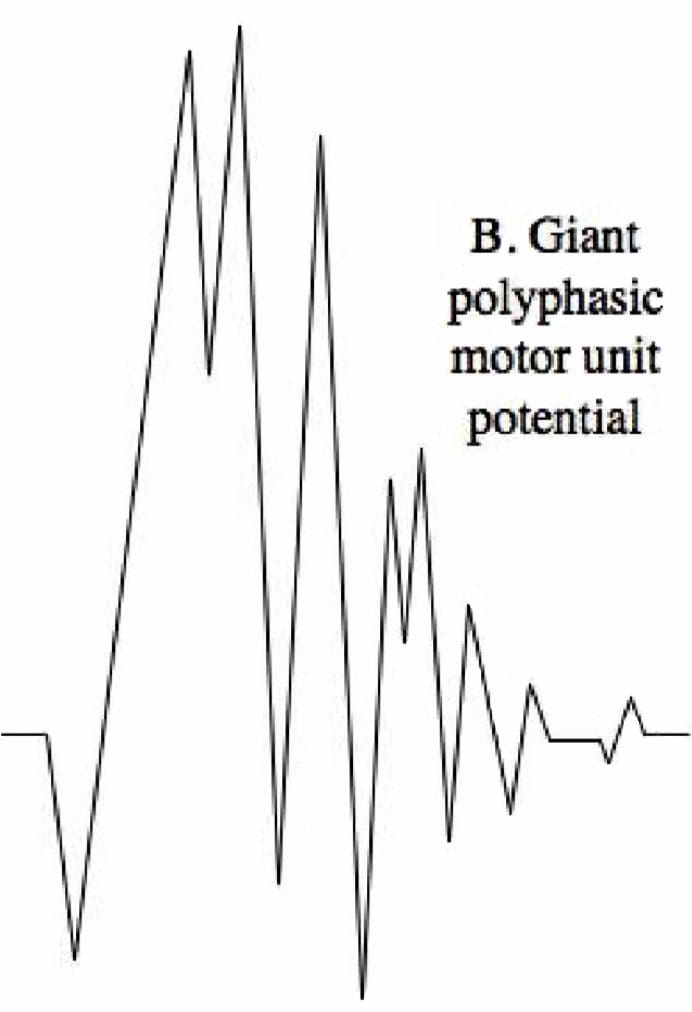
Polyphasic MUPS
Increased amplitude and duration can be the result of reinnervation after chronic denervation
Complete Potential Blocks
Demyelination of multiple segments in a row can result in a complete block of nerve conduction and therefore no resulting MUP reading, however generally changes in MUPs are only seen with damage to the axons, not the myelin
Damage to the central nervous system above the level of the motor neuron (such as by cervical spinal cord trauma or stroke) can result in complete paralysis little abnormality on needle EMG
Denervated Muscle Fibers
Detected as abnormal electrical signals
Increased insertional activity will be read in the first couple of weeks, as it becomes more mechanically irritable
As muscle fibers become more chemically sensitive they will begin to produce spontaneous depolarization activity
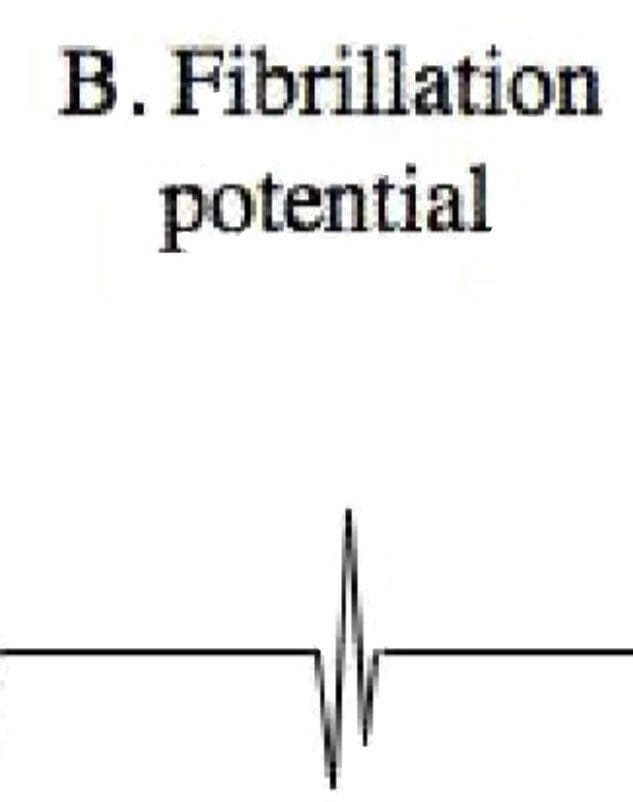
Fibrillation potentials
Fibrillation Potentials
DO NOT occur in normal muscle fibers
Fibrillations cannot be seen with the naked eye but are detectable on EMG
Often caused by nerve disease, but can be produced by severe muscle diseases if there is damage to the motor axons
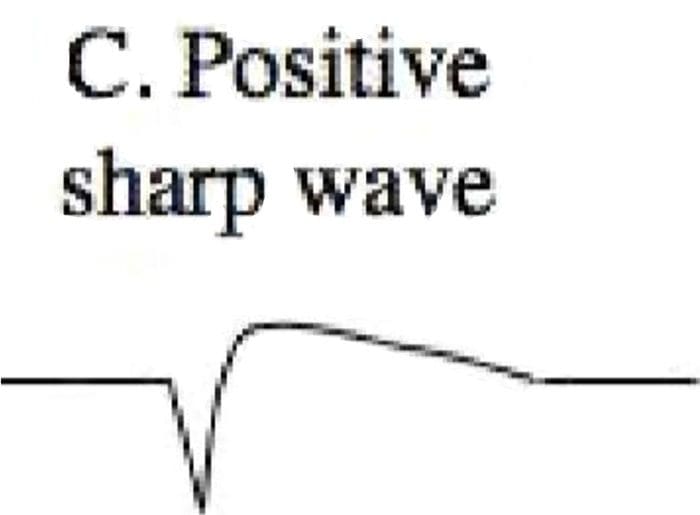
Positive Sharp Waves
DO NOT occur in normally functioning fibers
Spontaneous depolarization due to increased resting membrane potential
Abnormal Findings
Findings of fibrillations and positive sharp waves are the most reliable indicator of damage to motor axons to the muscle after one week up to 12 months after the damage
Often termed �acute� in reports, despite possibly being visible months after onset
Will disappear if there is complete degeneration or denervation of nerve fibers
Nerve Conduction Velocity (NCV) Studies
Motor
Measures compound muscle action potentials (CMAP)
Sensory
Measures sensory nerve action potentials (SNAP)
Nerve Conduction Studies
Velocity (Speed)
Terminal latency
Amplitude
Tables of normal, adjusted for age, height and other factors are available for practitioners to make comparison
Terminal Latency
Time between stimulus and the appearance of a response
Useful in assessing demyelinative peripheral neuropathies
Sources
Alexander G. Reeves, A. & Swenson, R. Disorders of the Nervous System. Dartmouth, 2004.
Day, Jo Ann. �Neuroradiology | Johns Hopkins Radiology.� Johns Hopkins Medicine Health Library, 13 Oct. 2016, www.hopkinsmedicine.org/radiology/specialties/ne uroradiology/index.html.
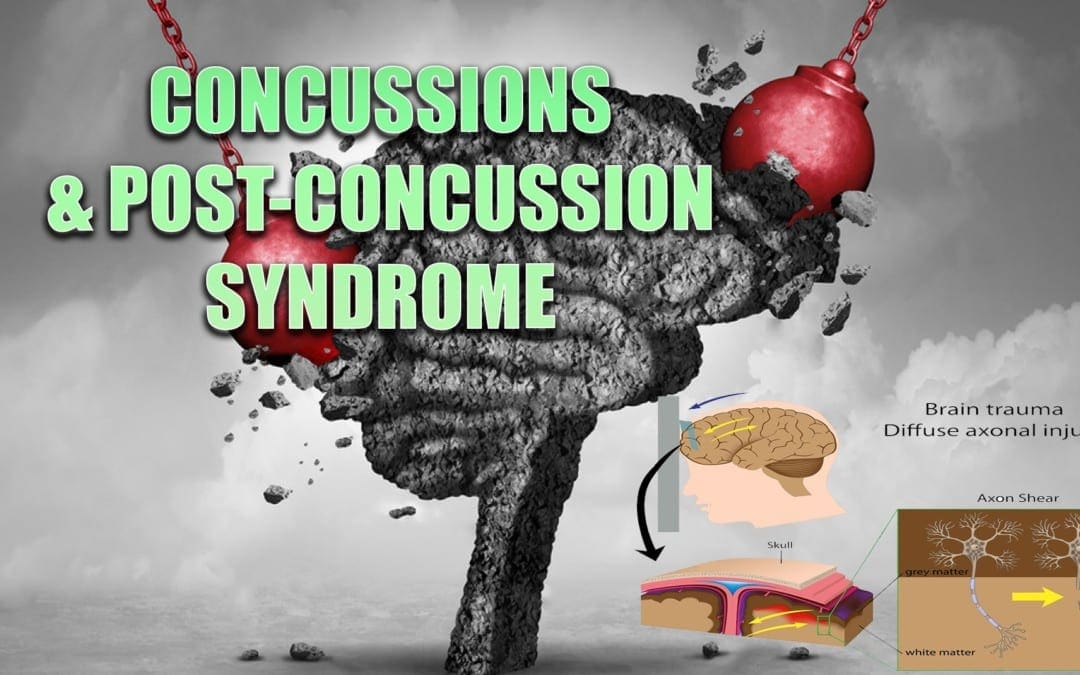
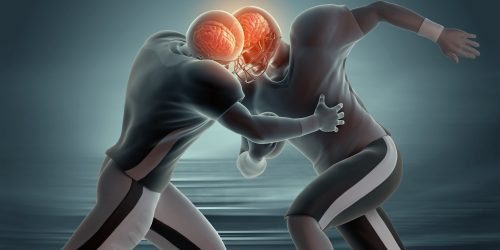
Concussions are traumatic brain injuries that affect brain function. Effects from these injuries are often temporary but can include headaches, problems with concentration, memory, balance and coordination. Concussions are usually caused by a blow to the head or violent shaking of the head and upper body. Some concussions cause loss of consciousness, but most do not. And it is possible to have a concussion and not realize it. Concussions are common in contact sports, such as football. However, most people gain a full recovery after a concussion.
Can also happen due to excessive shaking of the head or acceleration/deceleration
Mild injuries (mTBI/concussions) are the most common type of brain injury
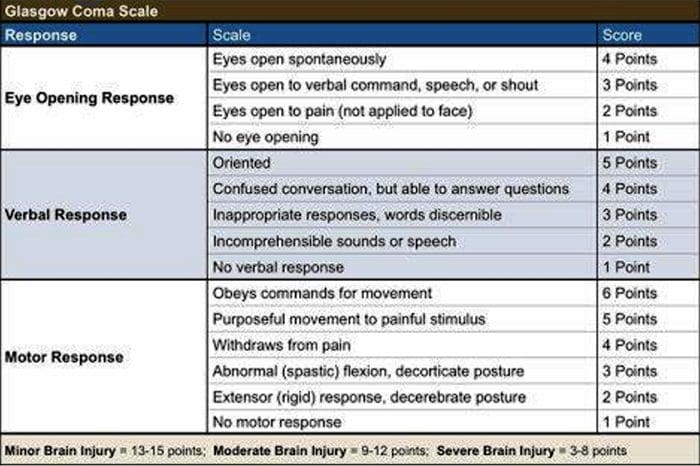
Glasgow Coma Scale
Common Causes Of Concussion
Motor vehicle collisions
Falls
Sports injuries
Assault
Accidental or intentional discharge of weapons
Impact with objects
Prevention
Prevention of concussive injuries can be paramount
Encourage Patients To Wear Helmets
Competitive sports, especially boxing, hokey, football and baseball
Horseback riding
Riding bicycles, motorcycles, ATVs, etc.
High elevation activates such as rock climbing, zip lining
Skiing, snowboarding
Encourage Patients To Wear Seatbelts
Discuss the importance of wearing seatbelts at all times in vehicles with all of your patients
Also encourage use of appropriate booster or car seats for children to ensure adequate fit and function of seat belts.
Driving Safely
Patients should never drive while under the influence of drugs, including certain medications or alcohol
Never text and drive
Make Spaces Safer For Children
Install baby gates and window latches in the home
May in areas with shock-absorbing material, such as hardwood mulch or sand
Supervise children carefully, especially when they�re near water
Prevent Falls
Clearing tripping hazards such as loose rugs, uneven flooring or walkway clutter
Using nonslip mats in the bathtub and on shower floors, and installing grab bars next to the toilet, tub and shower
Ensure appropriate footwear
Installing handrails on both sides of stairways
Improving lighting throughout the home
Balance training exercises
Balance Training
Single leg balance
Bosu ball training
Core strengthening
Brain balancing exercises
Concussion Verbiage
Concussion vs. mTBI (mild traumatic brain injury)
mTBI is the term being used more commonly in medical settings, but concussion is a more largely recognized term in the community by sports coaches, etc.
The two terms describe the same basic thing, mTBI is a better term to use in your charting
Evaluating Concussion
Remember that there does not always have to be loss of consciousness for there to be a concussion
Post-Concussion Syndrome can occur without LOC as well
Symptoms of concussion may not be immediate and could take days to develop
Monitor for 48 post head injury watching for red flags
Blurred eyesight or other vision problems, such as dilated or uneven pupils
Confusion
Dizziness
Ringing in the ears
Nausea or vomiting
Slurred speech
Delayed response to questions
Memory loss
Fatigue
Trouble concentrating
Continued or persistent memory loss
Irritability and other personality changes
Sensitivity to light and noise
Sleep problems
Mood swings, stress, anxiety or depression
Disorders of taste and smell
Mental/Behavioral Changes
Verbal outbursts
Physical outbursts
Poor judgment
Impulsive behavior
Negativity
Intolerance
Apathy
Egocentricity
Rigidity and inflexibility
Risky behavior
Lack of empathy
Lack of motivation or initiative
Depression or anxiety
Symptoms In Children
Concussions can present differently in children
Excessive crying
Loss of appetite
Loss of interest in favorite toys or activities
Sleep issues
Vomiting
Irritability
Unsteadiness while standing
Amnesia
Memory loss and failure to form new memories
Retrograde Amnesia
Inability to remember things that happened before the injury
Due to failure in recall
Anterograde Amnesia
Inability to remember things that happened after the injury
Due to failure to formulate new memories
Even short memory losses can be predictive of outcome
Amnesia may be up to 4-10 times more predictive of symptoms and cognitive deficits following concussion than is LOC (less than 1 minute)
Return To Play Progression
Baseline: No Symptoms
As the baseline step of the Return to Play Progression, the athlete needs to have completed physical and cognitive rest and not be experiencing concussion symptoms for a minimum of 48 hours. Keep in mind, the younger the athlete, the more conservative the treatment.
Step 1: Light Aerobic Activity
The Goal: Only to increase an athlete�s heart rate.
The Time: 5 to 10 minutes.
The Activities: Exercise bike, walking, or light jogging.
Absolutely no weight lifting, jumping or hard running.
Step 2: Moderate activity
The Goal: Limited body and head movement.
The Time: Reduced from typical routine.
The Activities: Moderate jogging, brief running, moderate-intensity stationary biking, and moderate-intensity weightlifting
Step 3: Heavy, non-contact activity
The Goal: More intense but non-contact
The Time: Close to typical routine
The Activities: Running, high-intensity stationary biking, the player�s regular weightlifting routine, and non- contact sport-specific drills. This stage may add some cognitive component to practice in addition to the aerobic and movement components introduced in Steps 1 and 2.
Step 4: Practice & full contact
The Goal: Reintegrate in full contact practice.
Step 5: Competition
The Goal: Return to competition.
Microglial Priming
After head trauma microglial cells are primed and can become over active
To combat this, you must mediate the inflammation cascade
Prevent repeated head trauma
Due to priming of the foam cells, response to follow-up trauma may be far more severe and damaging
What Is Post-Concussion Syndrome (PCS)?
Symptoms following head trauma or mild traumatic brain injury, that can last weeks, months or years after injury
Symptoms persist longer than expected after initial concussion
More common in women and persons of advanced age who suffer head trauma
Severity of PCS often does not correlate to severity of head injury
PCS Symptoms
Headaches
Dizziness
Fatigue
Irritability
Anxiety
Insomnia
Loss of concentration and memory
Ringing in the ears
Blurry vision
Noise and light sensitivity
Rarely, decreases in taste and smell
Concussion Associated Risk Factors
Early symptoms of headache after injury
Mental changes such as amnesia or fogginess
Fatigue
Prior history of headaches
Evaluation Of PCS
PCS is a diagnosis of exclusion
If patient presents with symptoms after head injury, and other possible causes have been ruled out => PCS
Use appropriate testing and imaging studies to rule out other causes of symptoms
Headaches In PCS
Often �tension� type headache
Treat as you would for tension headache
Reduce stress
Improve stress coping skills
MSK treatment of the cervical and thoracic regions
Constitutional hydrotherapy
Adrenal supportive/adaptogenic herbs
Can be migraine, especially in people who had pre-existing migraine conditions prior to injury
Reduce inflammatory load
Consider management with supplements and or medications
Reduce light and sound exposure if there is sensitivity
Dizziness In PCS
After head trauma, always assess for BPPV, as this is the most common type of vertigo after trauma
Dix-Hallpike maneuver to diagnose
Epley�s maneuver for treatment
Light & Sound Sensitivity
Hypersensitivity to light and sound is common in PCS and typically exacerbates other symptoms such as headache and anxiety
Management of excess mesencephalon stimulation is crucial in such cases
Sunglasses
Other light blocking glasses
Earplugs
Cotton in ears
Treatment Of PCS
Manage each symptom individually as you otherwise would
Manage CNS inflammation
Curcumin
Boswelia
Fish oil/Omega-3s � (***after r/o bleed)
Cognitive behavioral therapy
Mindfulness & relaxation training
Acupuncture
Brain balancing physical therapy exercises
Refer for psychological evaluation/treatment
Refer to mTBI specialist
mTBI Specialists
mTBI is difficult to treat and is an entire specialty both in the allopathic and complementary medicine
Primary objective is to recognize and refer for appropriate care
Pursue training in mTBI or plan to refer to TBI specialists
Sources
�A Head for the Future.� DVBIC, 4 Apr. 2017, dvbic.dcoe.mil/aheadforthefuture.
Alexander G. Reeves, A. & Swenson, R. Disorders of the Nervous System. Dartmouth, 2004.
�Heads Up to Health Care Providers.� Centers for Disease Control and Prevention, Centers for Disease Control and Prevention, 16 Feb. 2015, www.cdc.gov/headsup/providers/.
�Post-Concussion Syndrome.� Mayo Clinic, Mayo Foundation for Medical Education and Research, 28 July 2017, www.mayoclinic.org/diseases-conditions/post- concussion-syndrome/symptoms-causes/syc-20353352.
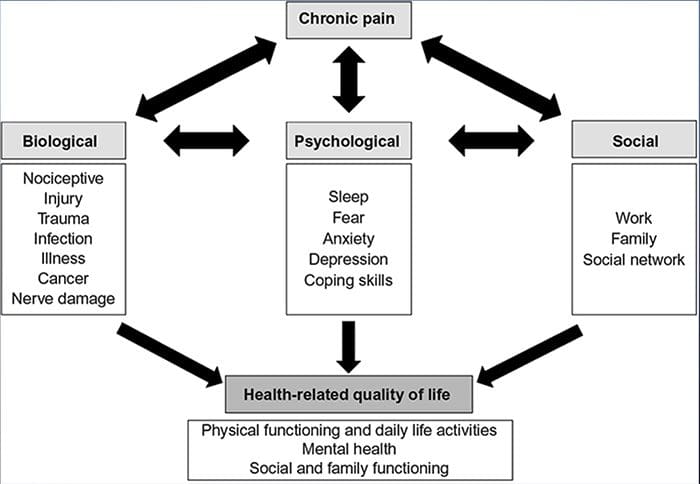
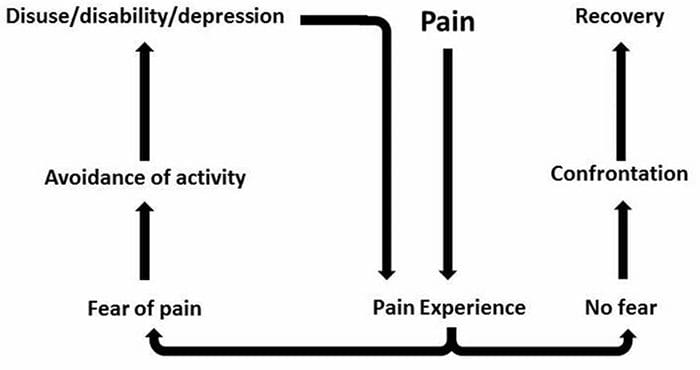
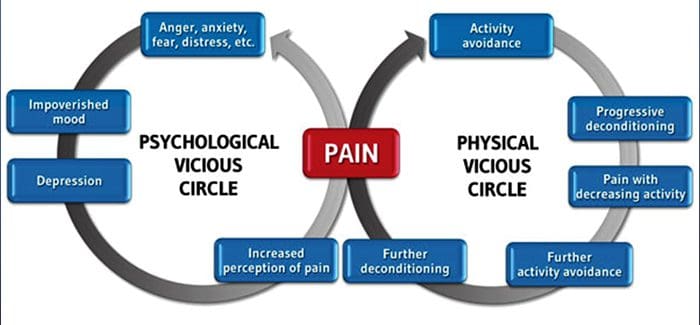
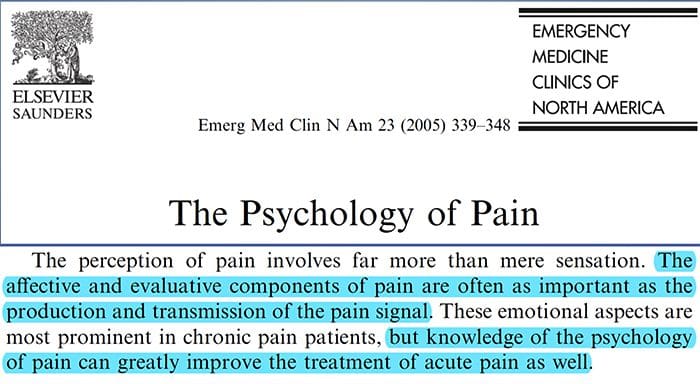
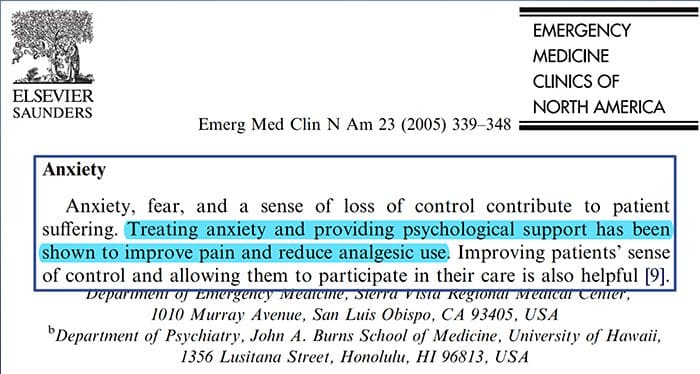
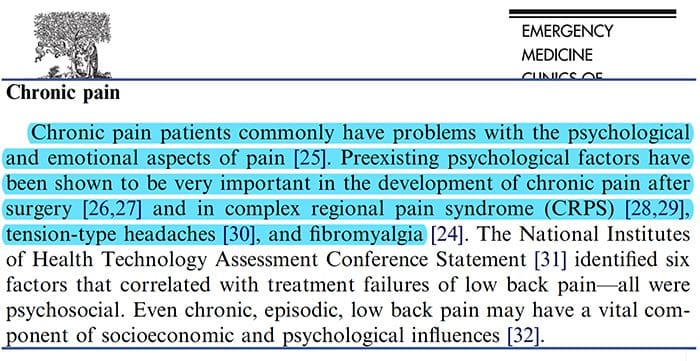
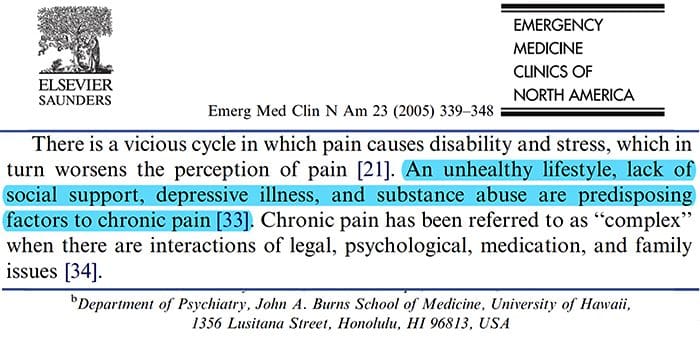
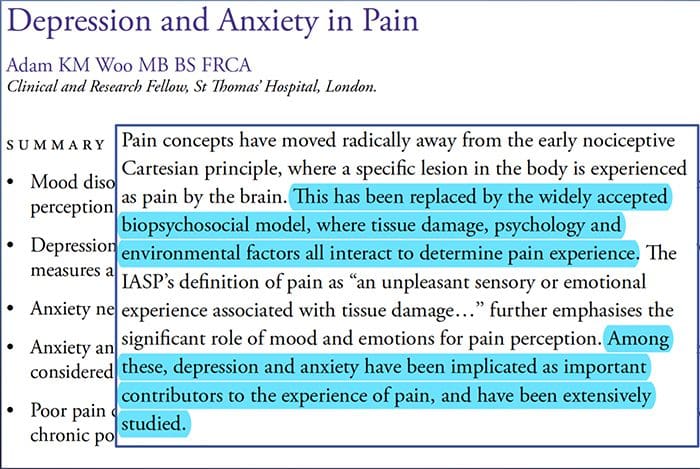
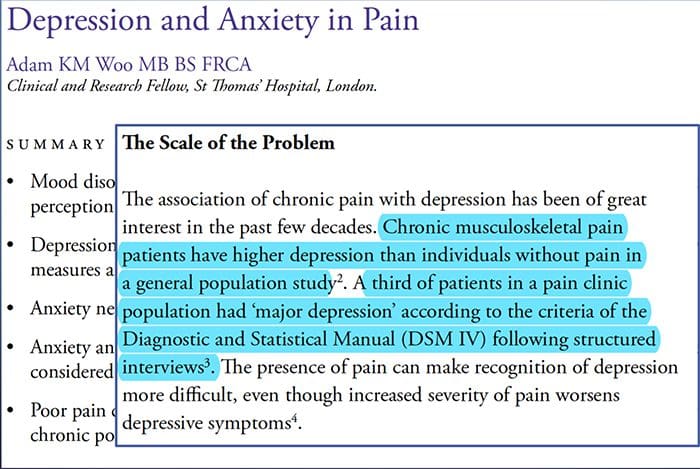
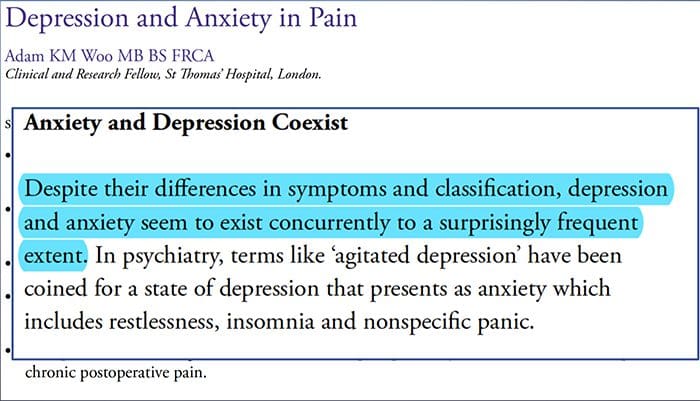
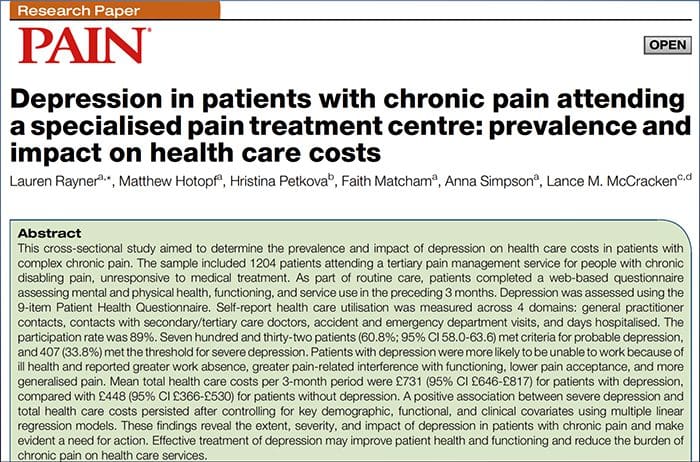
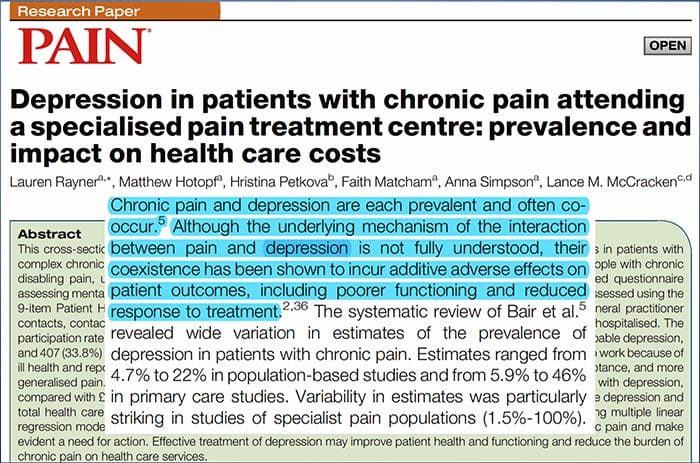
Pain Anxiety Depression�Everyone has experienced pain, however, there are those with depression, anxiety, or both. Combine this with pain and it can become pretty intense and difficult to treat. People that are suffering from depression, anxiety or both tend to experience severe and long term pain more so than other people.
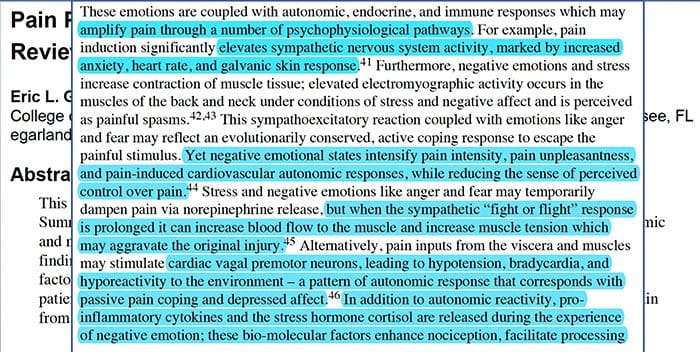
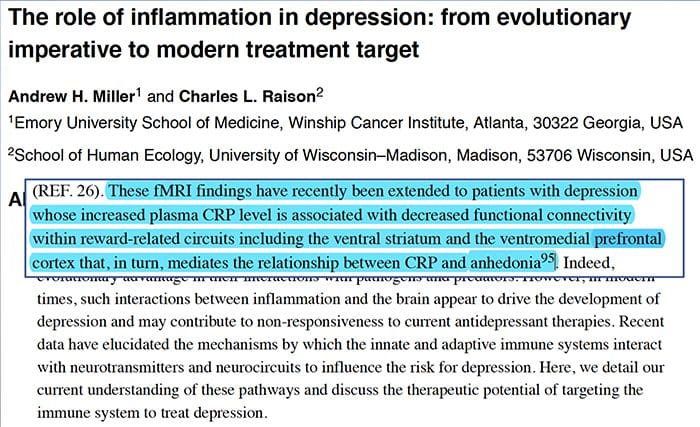
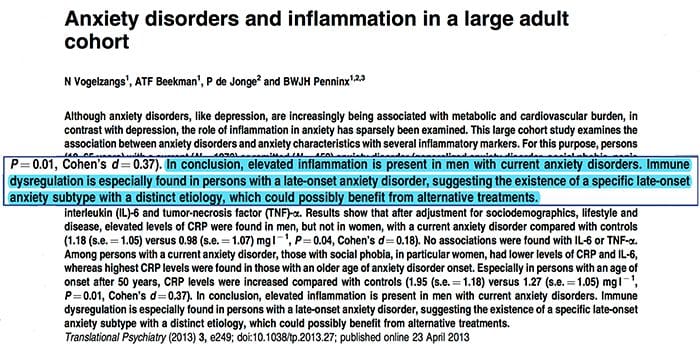
The way anxiety, depression, and pain overlap each other is seen in chronic and in some disabling pain syndromes, i.e. low back pain, headaches, nerve pain and fibromyalgia. Psychiatric disorders contribute to the pain intensity and also increase the risk of disability.
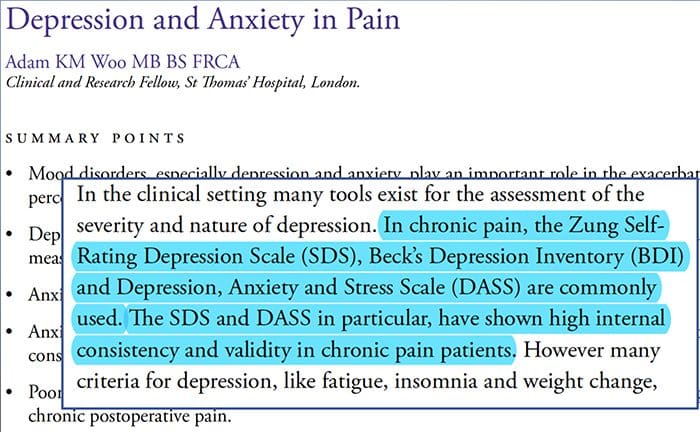
Depression:�A (major depressive disorder or clinical depression) is a common but serious mood disorder. It causes severe symptoms that affect how an individual feels, thinks, and how the handle daily activities, i.e. sleeping, eating and working. To be diagnosed with depression, the symptoms must be present for at least two weeks.
Persistent sad, anxious, or �empty� mood.
Feelings of hopelessness, pessimistic.
Irritability.
Feelings of guilt, worthlessness, or helplessness.
Loss of interest or pleasure in activities.
Decreased energy or fatigue.
Moving or talking slowly.
Feeling restless & having trouble sitting still.
Difficulty concentrating, remembering, or making decisions.
Thoughts of death or suicide & or suicide attempts.
Aches or pains, headaches, cramps, or digestive problems without a clear physical cause and/or that do not ease with treatment.
Not everyone who is depressed experiences every symptom. Some experience only a few symptoms while others may experience several. Several persistent symptoms in addition to low mood are�required�for a diagnosis of major depression. The severity and frequency of symptoms along with the duration will vary depending on the individual and their particular illness. Symptoms can also vary depending on the stage of the illness.
PAIN ANXIETY DEPRESSION
Objectives:
What is the relationship?
What is the neurophysiology behind it?
What are the central consequences?
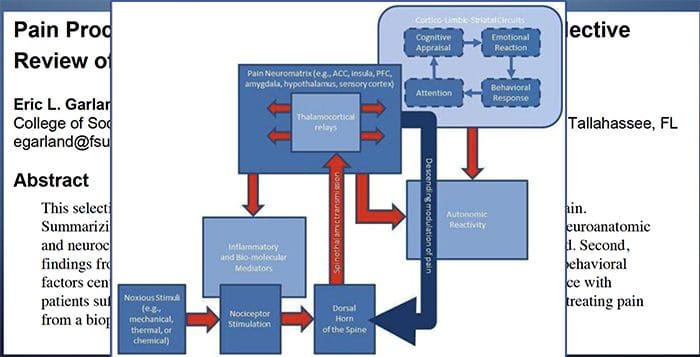
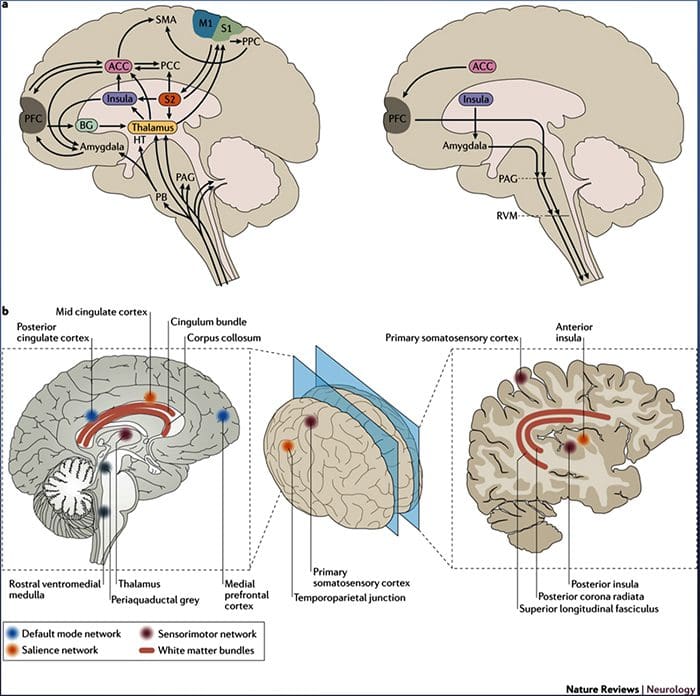
Brain Changes In Pain
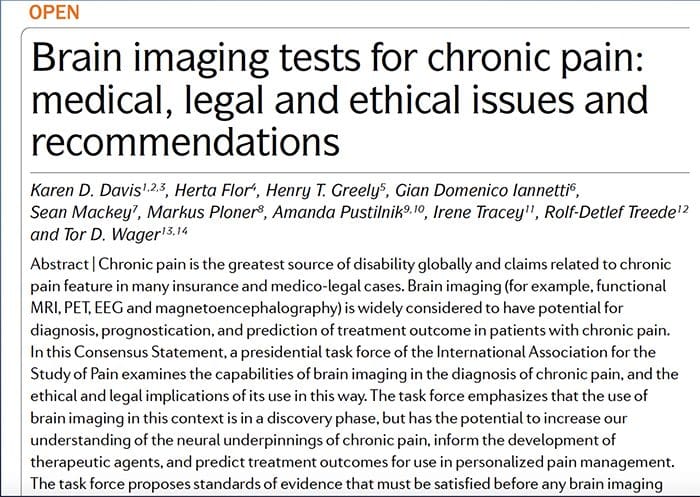
Figure 1 Brain pathways, regions and networks involved in acute and chronic pain
Davis, K. D. et al. (2017) Brain imaging tests for chronic pain: medical, legal and ethical issues and recommendations Nat. Rev. Neurol. doi:10.1038/nrneurol.2017.122
PAIN, ANXIETY AND DEPRESSION
Conclusion:
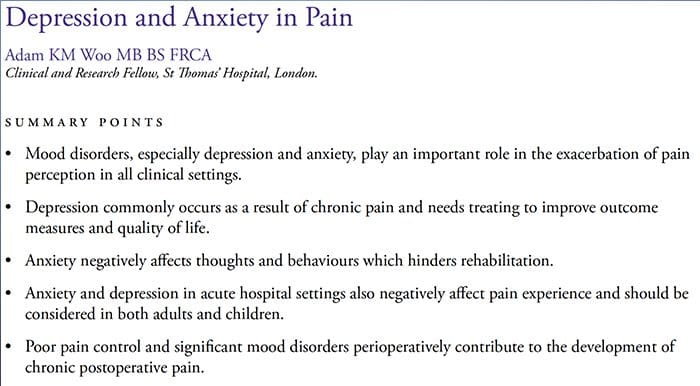
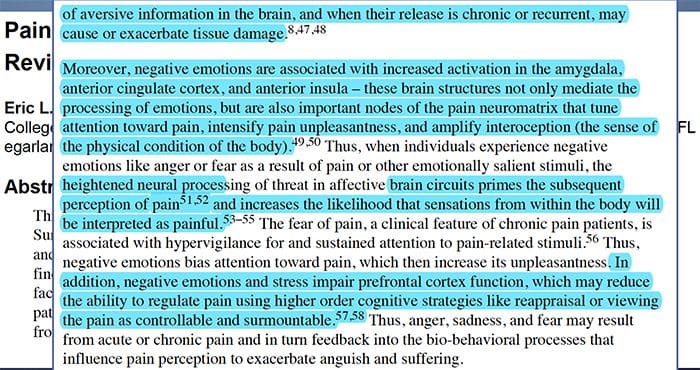
Pain, especially chronic is associated with depression and anxiety
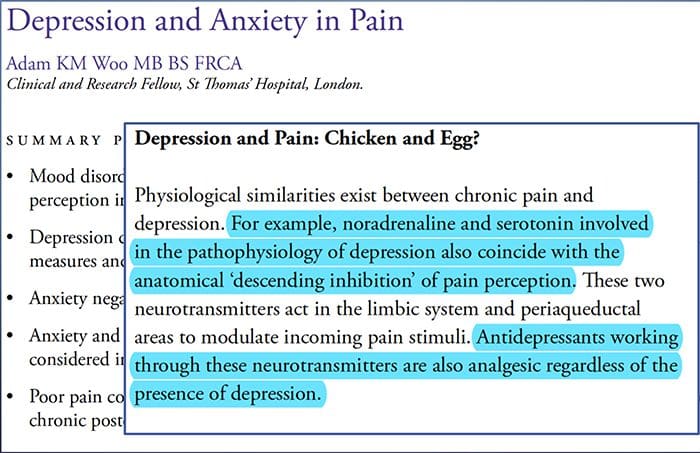
The physiological mechanisms leading to anxiety and depression can be multifactorial in nature
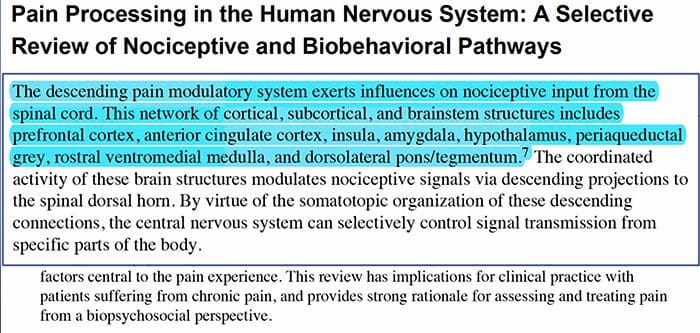
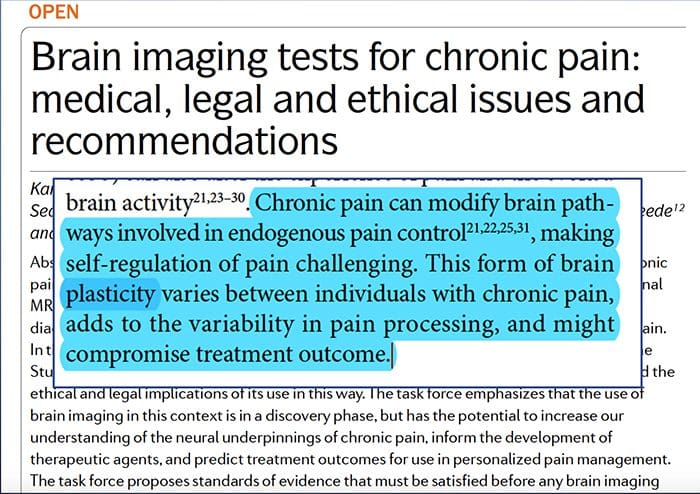
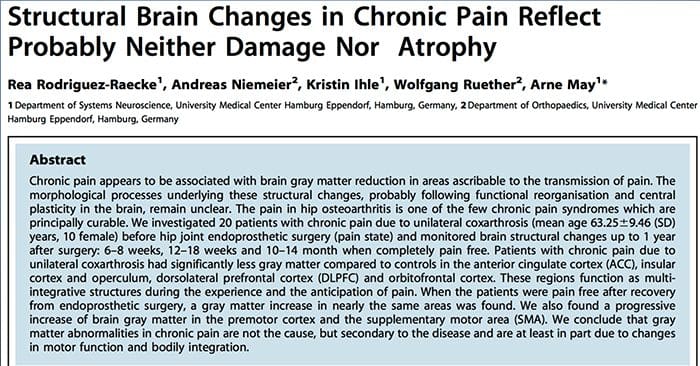
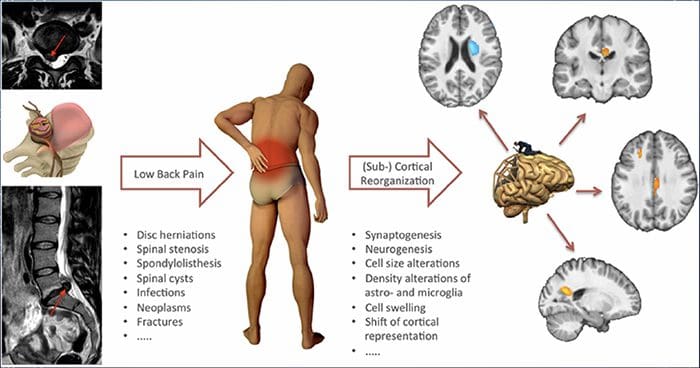
Pain causes changes in brain structure and function
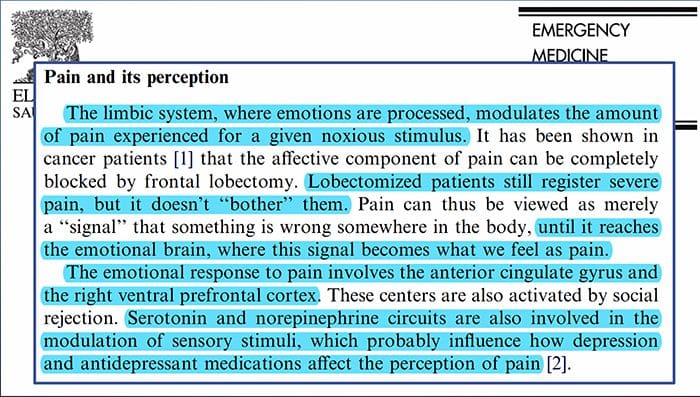
This change in structure and function can alter the ability for the brain to modulate pain as well as control mood.
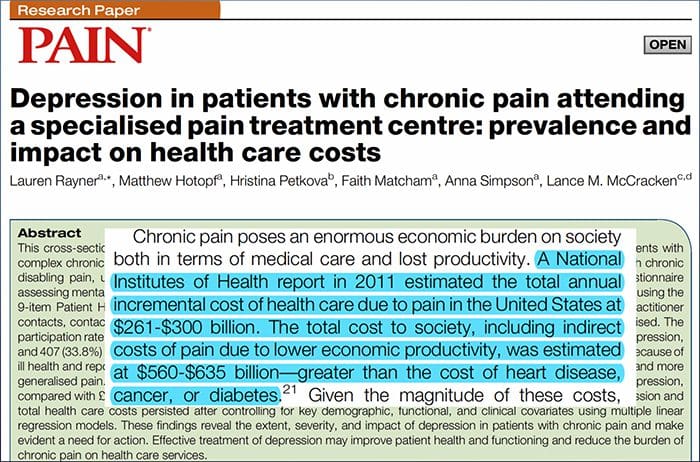
Defeat Chronic Pain: If you are one of the estimated 50 to 100 million Americans who struggles with Chronic Pain, you are aware of just how miserable and life-altering it can be. There is not a single area of you life that remains unaffected. You no longer sleep well. Your SEX LIFE is non-existent. Everyday activities have become your own personal �Mount Everest �. You cannot concentrate because the pain IS ALWAYS ON YOUR MIND. It is wearing you out, physically, mentally, and emotionally. It’s sapping your ability to think clearly or make decisions. In short we’re here to defeat chronic pain.
People can see the pain on your face and in your eyes. Chronic Pain and the inability to do the things you love, is making you feel DEPRESSED (not the other way around like your doctor may have suggested). Recent studies have even shown that brains of people suffering with Chronic Pain, show patterns of atrophy that are virtually indistinguishable from what is seen in patients with dementia or ALZHEIMER’S. In fact, a recent study from a prominent Canadian University showed that Chronic Pain causes the brain to degenerate at almost 10 times the rate of someone without pain!
Although Chronic Pain may seem hopeless, there are some things that you can do to help yourself � even though your doctor undoubtedly failed to educate you in this regard. Some of the most basic of these include eating only healthy foods (I recommend a PALEO DIET), taking only WHOLE FOOD SUPPLEMENTS, drinking more WATER, giving up the CIGARETTES, and EXERCISING to the degree that you can (difficult when suffering with Chronic Pain or FIBROMYALGIA).
Although DOING THESE SIMPLE THINGS will certainly help a large percentage who suffer and be able to defeat chronic pain; there is a significant percentage of you whose pain is not greatly diminished by these measures. It is for you that I created this website. But before we move on to treatment of Chronic Pain, you must first understand what Chronic Pain is and how it really works.
Defeat Chronic Pain: It Works Like This
For years, neuro-scientists have known that Chronic Pain can cause brain atrophy (shrinkage) that is indistinguishable from Alzheimer�s or Dementia. More recently, the prestigious Journal of Neuroscience reported research from McGill University showing that, “The longer the individual has had Fibromyalgia, the greater the gray matter loss, with each year of Fibromyalgia being equivalent to 9.5 times the loss in normal aging”. Think about this statement for a moment. Every single year you live with some sort of CHRONIC PAIN SYNDROME (or syndromes as the case may be) is the equivalent of nearly 10 times the brain loss seen in the normal aging process. Re-read this paragraph until the urgency of your situation sinks in!
Although there are several types of pain (the study of Chronic Pain can get extremely complex), we are going to try and keep this as simple as possible. For our purposes, there are two types of Chronic Pain. It has to do with where the pain comes from. Chronic Pain originates in one of the two following areas.
The Central Nervous System
The Body
As we will discuss shortly, Chronic Pain that arises in the CNS is frequently ‘learned’ pain. Let me explain. In order to learn how to SHOOT FREE THROWS, use chop sticks, PLAY THE PIANO, speak Swahili, you have to practice. Everyone remembers the old adage; Practice makes Perfect. If you stimulate pain pathways in the Brain & Nervous System long enough, or are exposed to enough stressors in your life (CHEMICAL, AUTOIMMUNE, EMOTIONAL, DIETARY, FOOD SENSITIVITIES, PHYSICAL, BACTERIAL, VIRAL, PARASITIC, FUNGAL, MOLD, ELECTROMAGNETIC, etc), you can alter the way your Brain and Central Nervous System function.
Hopefully your pain, even though severe, is still Type II (THE THREE TYPES OF PAIN). As people start losing control of numerous areas of physiology (DIGESTION, HORMONAL, IMMUNITY, BLOOD SUGAR REGULATION, HYPERSENSITIVITY, DYSBIOSIS, etc), the problems ramp up. Over time this pain can (will) become locked into the brain. Although pathological Pain Syndromes arising from a malfunctioning CNS are not the most common causes of Chronic Pain, if this is where you are at, you are going to have to find a way to deal with these underlying issues (FUNCTIONAL NEUROLOGY can be a fantastic starting point). Although I provide information that helps many people help themselves with the severe metabolic and neurological problems, this website is chiefly devoted to defeat chronic Pain that is not locked into the Brain, but is instead originating from the body (Type II Pain).
Defeat Chronic Pain: Nociception
“Simple Nociception” is the most basic type of pain. If someone steps on your toe, it hurts. This is normal, and means that your nervous system is functioning properly. Get the person off your toe, and the pain goes away — almost immediately. Simple. There are several different types of Nociceptive Pain, but the one that we are most concerned about on this website is the one that has to do with ‘deep’ musculoskeletal pain, otherwise known as Deep Somatic Pain (Greek �Soma� = body). Deep Somatic Pain is pain that originates in tissues that are considered to be ‘deep’ in the body. Although we do not always think of many of these tissue types as being deep, this category includes things like LIGAMENTS, TENDONS, MUSCLES, FASCIA, blood vessels, and bones. There are two main types of Nociceptors, chemical and mechanical.
I. Chemical Nociception
The Chemical Nociceptors are stimulated by noxious chemicals. The chief of these are the chemicals we collectively refer to as INFLAMMATION (bear in mind that once Inflammation is involved, we begin moving away from Type I pain and into Type II pain — Nociception is still involved, but so is the Inflammatory Cascade). Inflammation is actually made up of a large group of chemicals manufactured within your body as part of the normal Immune System response. They have names like prostaglandins, leukotrienes, histamines, cytokines, kinins, etc, etc, etc. When these chemicals are out of increased beyond what’s needed for normal tissue repair, the result will be a whole host of health problems —- and Chronic Pain.
Although “SYSTEMIC INFLAMMATION” is at the root of the vast majority of America’s health problems (DIABETES, CANCER, FIBROMYALGIA, THYROID PROBLEMS, ARTHRITIS, HEART DISEASE, and numerous others), you will soon see that even though Inflammation is always involved with the tissues of the “Deep Soma,” it sometimes gets more credit than it deserves. However, you also have to be aware that exposing MICROSCOPIC SCAR TISSUE to chronic inflammation can potentially hyper-sensitize nerves. This hypersensitization makes the nerves within Scar Tissue as much as 1,000 times more pain sensitive than normal (the work of the famous neurologist, DR. CHAN GUNN).
INCREASED TISSUE ACIDITY (usually caused by hypoxia — diminished tissue oxygen levels) is another common form of Chemical Nociception. This frequently occurs as the result of a JUNKY DIET, but is also caused by relentless Mechanical / Neurological / Immune System Dysfunction. It is a big reason that my Decompression Protocols utilize OXYGEN THERAPY extensively.
II. Mechanical Nociception
As you can imagine, Mechanical Dysfunction stimulates the Mechanical Nociceptors. This group of nociceptors (pain receptors) is stimulated by constant mechanical stress in the tissues of the Deep Soma — particularly ligaments, tendons, and fascia. Mechanical tension, mechanical deformation, mechanical pressure, etc are the things that cause Mechanical Nociception, which can in turn, cause pain — chronic, unrelenting, pain. Remove the offending mechanical stressor, and you can oftentimes remove the pain. Sounds simple, doesn�t it? Unfortunately, nothing is ever quite as simple as it initially appears.
Be aware that Nociceptive Pain can actually become Brain-Based over time. This is called ‘Supersensitivity’ and is caused by alterations in the Brain and Central Nervous System that perpetuate the pain cycle (many in the medical community are calling it CENTRALIZATION OR CENTRAL SENSITIZATION. In Mechanical Nociception, even though the injured tissue has, according to all of the medical tests, HEALED, it has healed improperly; i.e. microscopic scar tissue and tissue adhesion — particularly in the FASCIA. I probably do not need to tell you that this can be really really bad news — particularly because it is a significant feature of what I call “CHRONIC PAIN’S PERFECT STORM“.
As nerve function and PROPRIOCEPTION become increasingly fouled up, degenerative arthritis and joint deterioration begin to set in (HERE). Because of involvement in the Brain or Central Nervous System, this kind of pain is often referred to as Neuropathic Pain or Neruogenic Pain. Sometimes people end up with HYPERALGIA (Extreme sensitivity to pain. Stimulus that should cause a little pain, causes extraordinary amounts of pain). Or they end up with ALLODYNIA (Stimulus which do not normally elicit any pain at all, now causes pain). Sometimes these two overlap. Stay with me and you will begin to understand why.
Defeat Chronic Pain: Hypersensitized Nerves Relationship To Injured Or Damaged Fascia
Think of nerve endings as the twigs at the very end of a tree limb. Nerves (just like a tree) begin with a large trunk, which splits / divides into smaller and smaller branches until eventually you arrive at the end � the tiny twig (or nerve ending) at the end of the very smallest branches.
If you have ever seen a �topped� tree, you can understand what happens to nerve endings that are found in microscopic scar tissue. Professional Tree Trimmers cut (or �top�) the largest branches just above where the trunk splits into two or three limbs. What happens to these stubs? Instead of having limbs that continue to branch out and divide into ever-smaller limbs in a normal fashion, you get a stub or stump, that in a short matter of time, swells up and has hundreds of tiny twig-like limbs growing from it. �Topping� stimulates the growth of twigs from the stump. The injured nerves found in microscopic scar tissue act in much the same way.
As the larger nerves that are found in soft tissues are injured, you end up with an inordinate number of immature nerve endings (twigs) growing out of an inflamed nerve �stump�. As you might imagine, extra pain receptors are never a good thing! And because there in Inflammation present, this often leads to Microscopic Scar Tissue, which, even though it is up to 1,000 times more pain-sensitive than normal tissue, cannot be seen with even the most technologically advance imaging techniques such as CT / MRI (HERE). This is a commonly seen phenomenon in Facial Adhesions, and is why even though the people living this nightmare believe that because their pain is so severe that it should make their MRI “Glow Red”, it shows nothing. This tends to lead to deer-in-the-headlight looks when you ask your doctor what might be causing your pain, not to mention accusations of malingering, drug seeking, or attempting to get on Disability.
Defeat Chronic Pain: Nerves Are Like Tree Branches
Uninjured Nerves
Photo by Stephen McCulloch
Injured Nerves
Photo by Linda Bailey
Defeat Chronic Pain: Fascial Adhesions
Microscopic Scar Tissue & Chronic Pain
One of the biggest revelations for many people suffering with Chronic Pain is the absurd numbers of CHRONIC PAINSYNDROMES brought on by microscopic scarring of the FASCIA. It gets even worse once you realize that this Fascia is the most pain-sensitive tissue in the body —- yet it does not show up on even the most technologically advanced imaging techniques, including MRI. Simply read our “Fascia” page to see why microscopic scarring of this specific “Connective Tissue” is at the root of all sorts of Chronic Pain Cases — not to mention ILL HEALTH.
IFM's Find A Practitioner tool is the largest referral network in Functional Medicine, created to help patients locate Functional Medicine practitioners anywhere in the world. IFM Certified Practitioners are listed first in the search results, given their extensive education in Functional Medicine






 Diagnostic Needle EMG
 Polyphasic MUPS
 Complete Potential Blocks
 Positive Sharp Waves
 Abnormal Findings