Traumatic Brain Injury El Paso: Traumatic brain injuries (TBI) and concussions can affect far more than the head. Many patients also experience neck pain, dizziness, headaches, vision changes, sleep disruption, and difficulties with memory, focus, and mood. This category brings together evidence-informed resources on recognizing TBI symptoms, understanding post-concussion syndrome, and navigating recovery after motor vehicle accidents, sports injuries, falls, or workplace trauma.
At El Paso Back Clinic, our integrative team emphasizes whole-person rehabilitation. You’ll find guides on cervical spine alignment and whiplash management, vestibular and oculomotor exercises, balance and coordination training, cervical soft-tissue care, and graded return-to-work or return-to-play plans. We also cover nutrition for brain healing, hydration, sleep hygiene, stress regulation, and when to consider advanced imaging and referrals.
Because every brain injury is unique, we focus on individualized, function-first strategies that support neuroplasticity while protecting the healing brain. This section includes articles that describe how gentle chiropractic care can help reduce headaches caused by neck issues, improve posture, calm the visual and balance systems through targeted rehabilitation, and how working with other healthcare providers can help gather information for personal injury cases. Whether you’re a patient, athlete, parent, or care professional, explore step-by-step checklists, FAQs, and practical recovery tips tailored to the El Paso community.
Start with our concussion basics, then dive into return-to-activity protocols, symptom trackers, and home-care tools designed to make progress measurable and safe. If you’re recovering from a recent TBI or seeking a second opinion, these resources can help you ask better questions, understand your options, and move forward with confidence.
Understanding the Gut-Brain Connection After Traumatic Brain Injury: How Chiropractic Care Can Help Restore Balance
A woman is experiencing gut pain symptoms after sustaining a head injury in a motor vehicle crash.
Traumatic brain injury, often called TBI, happens when a sudden blow or jolt to the head disrupts normal brain function. This can range from mild concussions to severe cases that change lives forever. However, many people are unaware that TBI doesn’t just affect the head—it can also impact the entire body, particularly the gut. The gut and brain communicate with each other constantly through a network known as the gut-brain axis. When TBI occurs, this chat becomes disrupted, leading to issues such as leaky gut, imbalanced gut bacteria, and poor digestion. These issues can exacerbate the brain injury by spreading inflammation throughout the body. On the other hand, simple changes like chiropractic adjustments may help alleviate issues by calming nerves, reducing inflammation, and strengthening the gut-brain connection.
In this article, we’ll break down how TBI harms the gut, the symptoms it causes, and why the gut matters for healing the brain. We’ll also examine how integrative chiropractic therapy—think spinal adjustments to enhance nerve signals—can alleviate digestive issues and promote recovery. Drawing from recent studies and expert insights, we’ll keep it straightforward so you can grasp the science without getting lost in jargon.
What Is Traumatic Brain Injury, and Why Does It Matter for Gut Health?
TBI strikes about 69 million people worldwide each year, from car crashes to sports hits (Dhar et al., 2024). Right after the injury, the brain swells and releases signals that stress the body. This stress doesn’t stay in the head; it travels down nerves and hormones to the belly. The gut-brain axis is like a two-way street: the brain instructs the gut when to digest food, and the gut sends back signals that influence mood and focus.
When TBI blocks this street, the gut suffers. One significant change is increased gut permeability, also known as “leaky gut.” Normally, the gut wall acts like a tight filter, letting nutrients in but keeping junk out. After a TBI, that filter loosens, allowing bacteria and toxins to slip into the blood. This sparks body-wide inflammation, which in turn inflames the brain further (Nicholson et al., 2019).
Here’s a quick list of how TBI disrupts the gut-brain axis:
Nerve Signal Glitches: The vagus nerve, a key player in the autonomic nervous system, gets thrown off, slowing gut movement and causing backups.
Hormone Shifts: Stress hormones, such as cortisol, spike, weakening the gut lining.
Immune Overdrive: Brain damage triggers alarm signals that activate gut immune cells, resulting in swelling.
These changes don’t just cause tummy troubles—they can drag out brain fog, fatigue, and even raise risks for long-term issues like depression or Alzheimer’s (Nicholson et al., 2019). Restoring the gut could significantly contribute to the recovery from traumatic brain injury.
The Gut’s Hidden Role in Brain Healing
Your gut isn’t just for breaking down lunch; it’s a powerhouse for brain health. It houses trillions of bacteria—the microbiome—that make feel-good chemicals like serotonin, which boosts mood and sleep. Approximately 90% of serotonin originates from the gut, rather than the brain (Nicholson et al., 2019). After a TBI, this factory slows down, leaving you irritable or exhausted.
The gut also absorbs key nutrients essential for brain repair, such as omega-3s for nerve growth and B vitamins for energy. When gut issues arise, you miss them, stalling the healing process. Additionally, healthy gut bacteria combat inflammation, facilitating the brain’s ability to rewire itself through neuroplasticity—the brain’s capacity to form new neural pathways.
Microbiome Magic: Good bacteria produce short-chain fatty acids (SCFAs) that calm brain swelling and support new cell growth.
Barrier Buddies: A strong gut wall blocks toxins that could cross the blood-brain barrier and worsen damage.
Mood Messengers: Gut signals via the vagus nerve influence stress and focus, key for rehab.
Studies indicate that TBI patients with gut imbalances have slower recovery and more cognitive slips (Hassan et al., 2020). However, nourishing the gut with the right foods or therapies can help reverse the situation.
How TBI Leads to Leaky Gut and Bacterial Imbalance
Leaky gut starts fast after TBI—sometimes in hours. Brain trauma intensifies stress responses, flooding the body with catecholamines that disrupt the gut’s tight junctions, the “zippers” that hold cells together (Pitman et al., 2021). Proteins like occludin and ZO-1 break down, letting bacteria sneak out.
This leakage triggers a firestorm: toxins enter the bloodstream, activating immune cells to release cytokines such as TNF-α and IL-6. These chemicals not only inflame the gut but also travel to the brain, fueling secondary damage (Dhar et al., 2024). In one study, TBI mice exhibited 2.5 times more gut leaks, which was linked to higher mortality rates from infections (Nicholson et al., 2019).
Dysbiosis, or bacterial imbalance, worsens. TBI alters the microbiome, with harmful bacteria, such as Proteobacteria, proliferating while beneficial ones, like Firmicutes, decline (Wang et al., 2021). This imbalance reduces SCFA production, which normally helps soothe inflammation. Human data support this—patients post-TBI have altered gut microbiomes for years, linked to poorer cognitive skills (Hassan et al., 2020).
Key signs of this gut takeover include:
Early Warning: Within days, slower gut motility leads to bloating and irregular poops.
Long Haul: Chronic dysbiosis increases the likelihood of ongoing inflammation and nutrient deficiencies.
Feedback Loop: Leaky gut feeds brain inflammation, which in turn worsens gut leaks—a vicious cycle.
Breaking this loop is crucial; without it, TBI recovery stalls (Cognitive FX, 2023).
Common Digestive Woes After a Brain Injury
TBI’s gut punch shows up in everyday gripes that sap energy and joy. Nausea strikes hard early on, often accompanied by vomiting or dry heaves, making eating a chore (Cognitive FX, 2023). Constipation is sneaky—slowed nerves mean food lingers too long, causing hard stools and belly pain. Diarrhea flips the script, from bacterial overgrowth or stress.
Other hits:
Bloating and Gas: Trapped air from poor motility feels like a balloon in your gut.
Appetite Crash: Loss of hunger leads to weight drops and missing nutrients.
Acid Issues: Reflux or heartburn from weakened barriers irritates the throat.
These aren’t just annoyances; they link to brain symptoms. For example, gut inflammation can amp up headaches or dizziness (Flint Rehab, 2023). In severe cases, feeding intolerance affects up to 50% of patients, hiking infection risks (Dhar et al., 2024). Spotting these early lets you act fast.
Inflammation: The Bridge Between Gut Chaos and Brain Strain
Inflammation is the troublemaker tying gut woes to brain hurt. After a TBI, damaged brain cells release danger signals (DAMPs) that alert the immune system. This revs up gut cytokines, which leak through the damaged wall and reach the brain, causing swelling of neurons (Pitman et al., 2021).
The gut, which contains 70% of immune cells, amplifies this process. Dysbiosis releases pro-inflammatory signals, while low SCFAs allow swelling to run rampant (Wang et al., 2021). Result? A body-wide storm that delays healing and sparks issues like epilepsy or PTSD (Hassan et al., 2020).
Chronic Creep: Lingering inflammation is linked to diseases years later, according to long-term studies.
Taming this fire is key; therapies that cool gut swelling often ease brain fog too (Nicholson et al., 2019).
Enteric Nervous System: The Gut’s Brain Goes Haywire
The enteric nervous system (ENS), your gut’s own nerve web, acts like a mini-brain, controlling wiggles and juices. TBI zaps it via vagus glitches and hormone floods, leading to dysfunction (Nicholson et al., 2019). Serotonin levels in the colon decrease, slowing peristalsis—the wave that propels food through the digestive tract (Traumatic brain injury alters the gut-derived serotonergic system, 2022).
This means gastroparesis (stomach paralysis) or spasms, which can worsen leaks and dysbiosis. ENS glia, support cells, become reactive, adding to swelling (Dhar et al., 2024). In patients, this ties to incontinence or pain lasting months.
Quick facts on ENS fallout:
Signal Static: Vagus tone drops, cutting anti-inflammatory acetylcholine.
Peristalsis Problems: Uneven waves cause backups or rushes.
Repair Potential: Boosting vagal signals can reset the ENS, per animal tests.
Restoring ENS flow could smooth digestion and brain signals alike.
Chiropractic Therapy: A Natural Treatment for Gut-Brain Blues
Integrative chiropractic care excels in this area, utilizing spinal adjustments to optimize the nervous system. Misaligned vertebrae, common after TBI whiplash, pinch nerves and disrupt gut chats (Auburn Chiropractors, 2023). Adjustments realign the spine, easing pressure and boosting vagus tone to promote better motility and reduced swelling.
Vagal Revival: A higher tone helps combat dysbiosis and leaky gut, according to studies on autonomic shifts.
Dr. Alexander Jimenez, a chiropractor with over 20 years in functional medicine, observes this in practice. At his clinic, TBI patients report less nausea and steadier bowels after adjustments, thanks to better spine-gut links. “Spinal care isn’t just for backs—it’s key to whole-body healing, including the gut-brain tie,” Jimenez notes in his wellness posts (Jimenez, 2023). His approach combines adjustments with nutrition, aligning with research on multi-modal solutions.
Real Ways Chiropractic Eases Digestive Drama Post-TBI
Patients under chiropractic care see quick wins. Adjustments lower cortisol, easing stress that tightens gut junctions (Eugene Chiropractor, 2023). A study-linked review shows reduced gastrointestinal symptoms in brain injury cases through vagus stimulation (Northwest Florida Physicians Group, 2023).
Benefits include:
Motility Makeover: Faster transit cuts constipation by 30–50%, according to some reports.
Barrier Build: Less permeability means fewer toxins, aiding brain clarity.
Pain Peace: Fewer headaches from gut-brain loops.
When combined with probiotics, it becomes a potent combination—Jimenez frequently pairs them for microbiome resets (Jimenez, 2023).
Blending Chiropractic with Other Gut-Healing Tools
Chiropractic isn’t a solo approach; it often teams with diet and supplements. Eat anti-inflammatory foods like salmon and greens to feed beneficial bacteria (Flint Rehab, 2023). Probiotics, such as Lactobacillus, help rebuild diversity by reducing cytokines (Li et al., 2024).
Nutrient Power: Omega-3s and fibers repair leaks.
Stress Soothers: Yoga plus adjustments amp vagal calm.
Med Check: Swap gut-hurting pills for gentler options.
Jimenez emphasizes the importance of personalization: “Tailor care to the patient’s axis—test microbiome, adjust spine, track progress” (Jimenez, 2023). This holistic approach aligns with studies on enteral nutrition following TBI (Zhang et al., 2024).
Long-Term Outlook: Healing the Gut for Lasting Brain Gains
Gut fixes post-TBI pay off big. Early action reduces chronic risks, such as neurodegeneration (Wang et al., 2021). Patients with balanced microbiomes show better memory and mood years out (Hassan et al., 2020).
Future paths? More trials on chiropractic for TBI patients, according to experts (Psychology Today, 2025b). Jimenez pushes for integrated clinics: “Chiro plus gut therapy—it’s the future for TBI survivors.”
Wrapping Up: Take Charge of Your Gut-Brain Health
TBI disrupts the gut-brain axis, but knowledge and action can help rebuild it. From leaky gut to dysbiosis, these hits cause real pain—but chiropractic offers a gentle reset. Start with a check-up, tweak your plate, and align your spine. Your body thanks you.
Dhar, R., et al. (2024). Dysregulated brain-gut axis in the setting of traumatic brain injury: Review of mechanisms and anti-inflammatory pharmacotherapies. PMC, 11083845. https://pmc.ncbi.nlm.nih.gov/articles/PMC11083845/
Brain Injury Risks in Martial Arts: Understanding Dangers and Recovery Paths
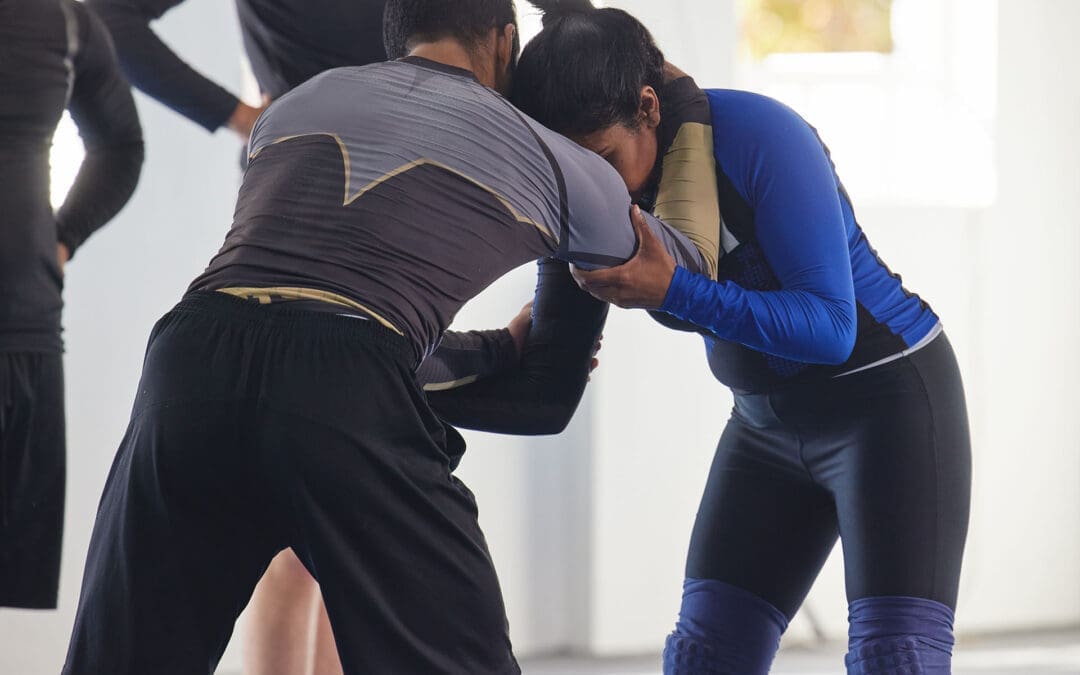
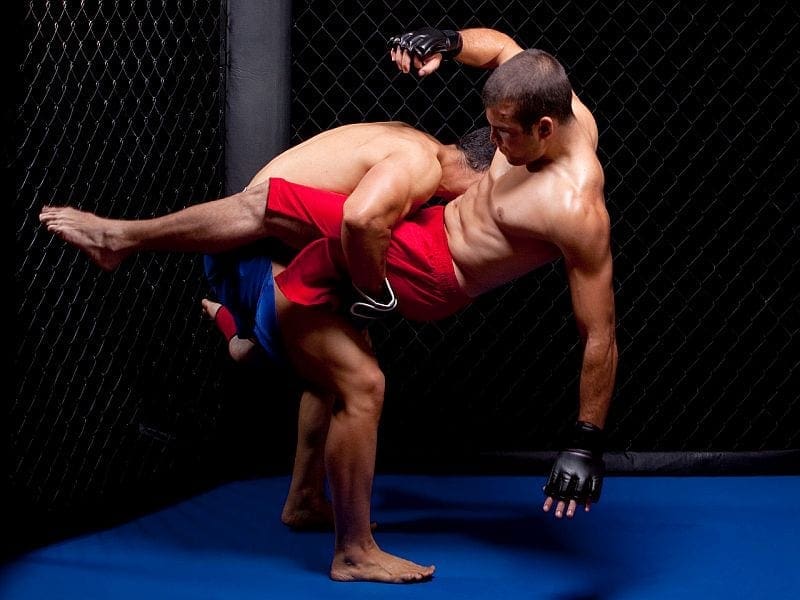
Martial arts, such as mixed martial arts (MMA), combine striking, grappling, and high-energy moves. These sports draw millions of fans and fighters worldwide. But they come with real risks to the brain. Repeated hits to the head can cause short-term problems like dizziness and confusion. Over time, these can lead to bigger issues, such as memory loss or even diseases like chronic traumatic encephalopathy (CTE). This article examines these dangers and how integrative chiropractic care can aid fighters in their recovery. It draws on studies and expert views to demonstrate why early action is crucial.
The rise of MMA has made it one of the fastest-growing sports. Fighters train hard, often taking hundreds of blows in a single session. While gloves and rules help, the brain still takes a hit. Research shows that even light taps can add up, altering how the brain functions (Bernick et al., 2015). Fighters need to know the signs and seek care fast. This knowledge can save careers and lives.
Short-Term Symptoms: What Happens Right After a Hit
When a fighter lands a punch or kick to the head, the brain inside the skull shakes. This jolt can cause a concussion, a type of traumatic brain injury (TBI). Short-term symptoms can develop rapidly and persist for days or weeks.
Vertigo and Dizziness: Fighters often feel the room spin. This comes from the inner ear and brain signals getting mixed up. Balance issues make simple tasks, such as walking, difficult.
Disorientation and Confusion: Right after a blow, a fighter might not know where they are or what just happened. This “fog” can last minutes to hours.
Headaches and Nausea: Sharp pain in the head pairs with an upset stomach. Lights and sounds feel too loud, adding to the stress.
Fatigue and Sleep Changes: Even after rest, fighters often feel exhausted. They might sleep too much or struggle to fall asleep.
These signs show the brain needs time to reset. In MMA, knockouts (KOs) or technical knockouts (TKOs) are common. A study of over 800 UFC fights found 13% ended in KOs and 21% in TKOs, mostly from head strikes (Babić et al., 2014). During a TKO, a fighter takes about 18 head hits in the last 30 seconds. That’s a lot for the brain to handle at once.
Dr. Alexander Jimenez, a chiropractor with over 30 years of experience in sports medicine, frequently sees these symptoms in his clinic. He notes that many fighters push through the pain, thinking it’s just part of training. However, ignoring early signs can exacerbate the situation (Jimenez, 2024a). His patients report quick relief from gentle adjustments that ease neck tension tied to these issues.
Medical teams at fights check pupils and ask basic questions to spot problems. If a fighter blacks out for more than 30 seconds, it’s a red flag. They might need scans to rule out bleeding (Fagan, 2020). Rest is key here—no sparring until cleared.
Long-Term Repercussions: The Hidden Cost of Repeated Hits
The real worry starts after many fights. Each hit, even if it doesn’t knock you out, chips away at brain health. Over the years, this has led to cognitive slowdown and diseases like CTE.
Cognitive Impairment: Memory slips and trouble focusing become normal. Fighters might forget training moves or struggle with decisions in the ring.
Slower Processing Speed: The brain takes longer to react. This shows up in tests where fighters with more bouts score lower (Bernick et al., 2015).
Neurodegenerative Disorders like CTE: CTE builds up from repeated trauma. It causes protein clumps in the brain, leading to mood swings, aggression, and dementia later in life (Meehan et al., 2019).
Studies link exposure to fighting to smaller brain parts, such as the thalamus, which is involved in thinking and movement. One review found 58% to 78% of MMA injuries involve the head, raising CTE odds (Stern et al., 2021). Women might face extra risks due to longer fights and more head strikes per minute (Kavanagh et al., 2022).
Psychological effects grow, too. Anxiety and depression hit hard, with 33% of TBI patients facing major mood issues in the first year (Reis, 2023). Behavioral changes, such as snapping at loved ones, can strain relationships. Physically, tremors and poor balance make daily life tough.
A survey of MMA fighters showed over 60% worry about brain damage. One vet in his 30s noticed stuttering and word loss after years of sparring (Rogers, 2020). CTE cases, like Gary Goodridge’s in 2012, highlight the stakes—no cure exists, only prevention.
Dr. Jimenez observes similar patterns among martial artists. In his practice, he uses functional assessments to spot early decline. He stresses that starting care soon can slow progression (Jimenez, 2024b).
Psychological, Behavioral, and Physiological Effects Over Time
Brain injuries don’t stay in one spot—they spread. Psychological strain increases when fighters begin to doubt their skills. Behavioral shifts, such as increased aggression, can end careers outside the ring.
Psychological Toll: Depression and panic attacks are common. Fighters feel isolated, hiding symptoms to stay competitive.
Behavioral Changes: Impulse control fades, leading to risky choices. Irritability spikes, affecting team dynamics.
Physiological Shifts: Sleep disruption, hormone imbalance, and the body heals more slowly. This cycle feeds more injuries.
These effects worsen with time. A video on concussions notes that most gym coaches miss signs, letting issues grow (Concussions in Combat Sports, 2023). The National Institute of Neurological Disorders and Stroke lists long-term risks like post-traumatic dementia from even mild hits (National Institute of Neurological Disorders and Stroke, 2023).
Fighters report feeling “off” after sessions, with speech changes that fade only after breaks (Rogers, 2020). Physiological changes include less blood flow to the brain, starving cells of oxygen.
Dr. Jimenez incorporates mental health assessments into his treatment plans. His holistic approach, which combines nutrition and therapy, helps patients rebuild their confidence (Jimenez, 2024a).
How Integrative Chiropractic Care Steps In
Integrative chiropractic care provides a comprehensive approach to addressing brain injuries. It goes beyond pain meds, targeting the spine-brain link. Chiropractors, such as Dr. Jimenez, use hands-on methods to realign the body and enhance healing.
This care mixes adjustments, therapy, and lifestyle tips. It’s safe, drug-free, and works in conjunction with doctors for optimal results (Carr Chiropractic Clinic, n.d.). For martial artists, it means a faster return to training without the risk of re-injury.
Symptom Relief: Manipulation cuts headaches and dizziness. Soft tissue work relaxes tight muscles.
Studies back this. Adjustments improve blood flow, key for brain repair (Apex Chiropractic, n.d.). Patients see gains in weeks, not months.
Key Benefits of Chiropractic for Brain Recovery
Chiropractic shines in recovery. It tackles root causes, not just signs. For TBIs, this translates to better long-term outcomes.
Here’s how it helps:
Improved Balance: Neck exercises strengthen stabilizers, reducing the risk of falls. Fighters regain ring control faster.
Increased Cerebrospinal Fluid Circulation: Adjustments clear blockages, flush toxins, and deliver nutrients to the brain.
Stimulation of Brain Neuroplasticity: The brain rewires itself. Gentle pressure sparks new connections, aiding memory and speed.
One clinic reports that patients with concussions experience improved vision and coordination after sessions (Calibration Mansfield, n.d.). Dr. Jimenez utilizes tools such as digital X-rays to track progress, noting quicker healing in athletes (Jimenez, 2024b).
For MMA injuries, care focuses on managing pain and accelerating tissue repair (Turnersville Chiropractic, 2023). It’s holistic—adding diet and exercise for full strength.
Real-World Examples and Expert Insights
Take Paula, a TBI survivor treated at a chiropractic center. After accidents, she battled depression and pain. With adjustments, laser therapy, and balance training, she was able to run half-marathons again (Reis, 2023). Stories like hers show hope.
Dr. Jimenez shares cases of martial artists regaining their agility after injury. His LinkedIn posts highlight non-invasive wins over surgery (Jimenez, 2024b). He teams with therapists for team-based care.
A YouTube doc on fighting concussions stresses protocols. Coaches must identify issues early, and chiropractic care can serve as a first step (Concussions in Combat Sports, 2023).
Prevention Tips for Fighters
Staying safe starts in the gym. Cut heavy sparring and focus on drills. Use better gear and track hits.
Train Smart: Limit head contact. Add brain games, such as puzzles, for protection.
Monitor Symptoms: Log headaches or fog. Rest at the first sign.
Seek Pros Early: Chiropractors identify issues before they become a problem.
Rule changes, such as longer counts after knockdowns, could help (Babić et al., 2014). Fighters own their health—listen to your body.
Why Choose Integrative Care for Lasting Health
Brain risks in martial arts are serious, but recovery is possible. Short-term issues like vertigo typically subside with rest. Long-term threats like CTE require immediate action. Integrative chiropractic bridges the gap, addressing spinal issues and promoting brain repair.
Benefits stack up: better flow, rewiring, and balance. Experts like Dr. Jimenez prove it works for athletes. Don’t wait—start care to fight smarter, not harder.
Bernick, C., Banks, S., Shin, K., & Rao, V. (2015). Repeated head trauma is associated with smaller thalamic volumes and slower processing speed. British Journal of Sports Medicine, 49(15), 1007. https://bjsm.bmj.com/content/49/15/1007
Stern, R. A., et al. (2021). Head injury in mixed martial arts: A review of epidemiology, affected brain structures and risks of cognitive decline. PubMed. https://pubmed.ncbi.nlm.nih.gov/33538222/
Discover the impact of stress on traumatic brain injury. Insights into coping strategies can enhance recovery and well-being.
Understanding Traumatic Brain Injury: How Stress Impacts the Body and Brain, and How Chiropractic Care Can Help
Traumatic brain injury (TBI) represents one of the most complex medical conditions affecting millions of people each year. While many people think of TBI as simply a physical injury to the head, it actually triggers a complicated chain of events throughout the entire body. Understanding how TBI affects both the brain and body, especially in relation to stress, can help individuals seek appropriate treatment and improve their recovery outcomes. This article explores the relationship between TBI and stress, examines how these conditions affect cognitive function and the body’s autonomic nervous system, and discusses how chiropractic care combined with other integrative treatments can support healing and prevent long-term problems. ninds.nih+1
What Is Traumatic Brain Injury?
A traumatic brain injury occurs when an external force causes the brain to function differently than it should. This injury can happen in several ways, including a bump, blow, or jolt to the head, or when an object penetrates the skull and enters the brain tissue. Not all blows or jolts to the head result in a TBI, but when they do, the consequences can range from temporary disruptions in brain function to severe and permanent disability.cdc+1 TBI can be classified into different types based on how the injury occurs. Penetrating TBI, also called open TBI, happens when an object like a bullet or bone fragment pierces the skull and damages brain tissue. Non-penetrating TBI, also known as closed head injury or blunt TBI, occurs when an external force moves the brain within the skull without breaking through the skull itself. This type of injury commonly results from falls, motor vehicle crashes, sports activities, or physical assaults.ncbi.nlm.nih+2
The severity of TBI ranges from mild to severe. Mild TBI, often called a concussion, may cause temporary changes in how the brain works but typically does not show up on standard brain imaging tests. Moderate and severe TBIs involve more significant damage and usually require immediate medical attention. Falls represent the most common cause of TBI, accounting for nearly half of all TBI-related emergency department visits, particularly among children and older adults. Motor vehicle accidents, sports injuries, and assaults also contribute significantly to TBI statistics. biausa+4 Understanding TBI requires recognizing that the injury occurs in two phases. The primary injury happens at the moment of impact, causing immediate damage to brain tissue, blood vessels, and nerve cells. However, a secondary injury phase follows, during which the brain experiences additional damage from processes triggered by the initial trauma. These secondary injury mechanisms include inflammation, oxidative stress, disruption of the blood-brain barrier, and excitotoxicity. This secondary phase can continue for days, weeks, or even months after the initial injury, making prompt and appropriate treatment essential for preventing long-term complications. frontiersin+4
How TBI Affects Brain Function and Causes Cognitive Problems
One of the most challenging aspects of TBI involves the cognitive changes that can occur. Cognitive function refers to how the brain processes information, encompassing abilities such as attention, memory, learning, reasoning, and problem-solving. When someone experiences a TBI, these cognitive abilities often become impaired, creating significant difficulties in daily life. alz+2 Disturbances in attention, memory, and executive functioning represent the most common cognitive consequences of TBI at all severity levels. Executive functions encompass complex thinking skills, including planning, organizing, decision-making, and problem-solving. Many people with TBI find it harder to focus on tasks, take longer to process thoughts, and struggle to remember new information. These cognitive impairments can persist long after the initial injury and significantly impact a person’s ability to return to work, school, or their previous level of functioning. pubmed.ncbi.nlm.nih+3
The cognitive effects of TBI vary depending on which parts of the brain are damaged and the severity of the injury. Research shows that processing speed becomes the most impacted cognitive domain following moderate to severe TBI, with over forty percent of individuals showing impaired speed with or without other cognitive problems. In contrast, individuals with mild TBI exhibit a more even distribution of impairments across various cognitive domains, including processing speed, memory, and executive function. Slow processing speed can persist for years after moderate to severe TBI and has the strongest relationship with functional outcomes. jamanetwork Memory problems after TBI can take different forms. Some individuals struggle to learn and remember new information, a condition called anterograde amnesia. Others may have difficulty recalling events that happened immediately before or after the injury, known as post-traumatic amnesia. These memory difficulties can significantly impact daily functioning, making it hard to remember appointments, follow instructions, or maintain social relationships. headway+4 The mechanisms behind these cognitive impairments involve damage to specific brain structures and disruption of neural networks. TBI can cause diffuse axonal injury, a condition characterized by widespread damage to the brain’s white matter. White matter contains the nerve fibers that allow different brain regions to communicate with each other. When these connections become damaged, the flow of information throughout the brain becomes disrupted, leading to cognitive difficulties. Additionally, TBI can cause focal injuries to specific brain regions that control particular cognitive functions. ninds.nih+1
The Complex Relationship Between TBI and Stress
The relationship between TBI and stress operates in multiple directions, creating a complicated pattern that affects recovery. First, the event causing a TBI often represents a traumatic experience that triggers significant psychological stress. Second, TBI itself creates physiological stress on the body as it attempts to heal from the injury. Third, dealing with the symptoms and consequences of TBI creates ongoing stress that can interfere with recovery. pmc.ncbi.nlm.nih+2 At the physiological level, stress activates the body’s stress response systems, particularly the hypothalamic-pituitary-adrenal (HPA) axis and the locus coeruleus-norepinephrine system. The HPA axis represents a complex set of interactions between three structures: the hypothalamus in the brain, the pituitary gland, and the adrenal glands. When a person experiences stress, the hypothalamus releases corticotropin-releasing hormone (CRH), which signals the pituitary gland to release adrenocorticotropic hormone (ACTH). This hormone then stimulates the adrenal glands to produce cortisol. Cortisol, often referred to as the stress hormone, helps the body respond to stress by increasing blood sugar levels, suppressing the immune system, and providing energy for the fight-or-flight response. pubmed.ncbi.nlm.nih+4
TBI disrupts the normal functioning of the HPA axis, leading to abnormal stress responses. Research shows that approximately one-quarter of all TBI cases result in adrenal insufficiency due to suppressed HPA axis activation. However, many individuals with TBI actually show elevated cortisol levels, particularly in the acute phase after injury. Studies have found that cortisol remains elevated in people with mild TBI for at least one month after injury. This elevation in cortisol can have significant consequences because chronically high cortisol levels can impede physical and psychological recovery through multiple mechanisms, including altered metabolism, increased neuroinflammation, and activation of pathways linked to psychiatric symptoms. pmc.ncbi.nlm.nih+5 The stress response after TBI becomes particularly problematic because individuals with TBI often suffer from poor stress tolerance. They may have impairments in their ability to evaluate stressors appropriately and difficulty initiating and stopping neuroendocrine stress responses. This dysfunction means that even relatively minor stressors can trigger exaggerated stress responses in people recovering from TBI. The combination of altered stress physiology and reduced stress tolerance creates a situation where stress itself becomes a barrier to recovery. powerofpatients+2 Research on animals and humans demonstrates that stress following TBI can worsen outcomes. In animal studies, rats exposed to social stress immediately before mild TBI showed greater anxiety-like behavior and impaired fear extinction compared to animals that experienced either stress or TBI alone. This finding suggests that stress concurrent with TBI produces more severe psychological outcomes than either insult by itself. The combination of stress and TBI also had greater effects on brain chemistry, particularly affecting serotonin systems associated with anxiety and fear learning. frontiersin
How Stress and TBI Interact to Affect Cognitive Function
The interaction between stress and TBI creates a particularly challenging situation for cognitive function. Both stress and TBI independently impair cognitive abilities, but when they occur together, their effects can compound each other. Understanding these interactions helps explain why some people recover well from TBI while others struggle with persistent cognitive difficulties. pmc.ncbi.nlm.nih+2 Stress affects the brain through multiple mechanisms. Chronic or severe stress reduces levels of brain-derived neurotrophic factor (BDNF), a protein essential for brain health and neuroplasticity. BDNF helps the brain form new neural connections and adapt to challenges. When stress decreases BDNF levels, it impairs the brain’s ability to recover from injury. Stress also increases oxidative stress and inflammation in the brain. Oxidative stress occurs when there are too many reactive oxygen species (ROS) relative to the body’s antioxidant defenses. These reactive molecules can damage brain cells and interfere with normal brain function. pmc.ncbi.nlm.nih+3 TBI similarly increases oxidative stress and inflammation in the brain. The initial mechanical injury damages cells and blood vessels, triggering inflammatory responses that are designed to clear away the damaged tissue. However, when inflammation becomes excessive or prolonged, it can cause additional damage to healthy brain tissue. Studies show that systemic low-grade chronic inflammation can persist for up to one year after mild TBI, much longer than previously recognized. This prolonged inflammation contributes to ongoing cognitive difficulties and other symptoms. journals.plos+5
The combination of stress and TBI creates overlapping pathological processes that intensify cognitive impairment. Both conditions disrupt the balance between excitatory and inhibitory neurons in key brain regions, such as the prefrontal cortex, hippocampus, and amygdala. The prefrontal cortex regulates executive functions, including planning, decision-making, and working memory. The hippocampus plays a crucial role in forming new memories and spatial navigation. The amygdala plays a crucial role in processing emotions, particularly fear and anxiety. When these regions become dysfunctional due to the combined effects of stress and TBI, multiple aspects of cognitive and emotional functioning become impaired. mayoclinic+2 Environmental factors also play an important role in how stress and TBI interact to affect cognitive outcomes. Studies show that environmental enrichment—access to stimulating, complex environments with opportunities for physical activity, cognitive challenge, and social interaction—promotes recovery after TBI. Conversely, lack of environmental enrichment may contribute to cognitive decline in the post-acute phase after TBI. This finding suggests that the environment where a person recovers can significantly influence their outcomes. Barriers such as limited access to resources, inadequate social support, transportation difficulties, and challenging home environments can all impede recovery and contribute to worse outcomes.frontiersin+3
Autonomic Dysfunction After TBI
Beyond cognitive problems, TBI frequently causes autonomic dysfunction, which refers to impaired functioning of the autonomic nervous system (ANS). The ANS controls involuntary bodily functions like heart rate, blood pressure, digestion, breathing, and temperature regulation. It consists of two main branches: the sympathetic nervous system, which activates the body’s “fight or flight” response, and the parasympathetic nervous system, which promotes “rest and digest” functions. pmc.ncbi.nlm.nih+4 The central autonomic network—the brain structures that control the ANS—includes the cerebral cortex (particularly the insular and medial prefrontal regions), amygdala, hypothalamus, and brainstem centers. Because TBI can damage any of these structures, it frequently disrupts normal autonomic function. Studies show that autonomic dysfunction occurs commonly after TBI at all severity levels and contributes significantly to the symptoms people experience. neurologyopen.bmj+3
Signs and symptoms of autonomic dysfunction after TBI are broad and can affect multiple body systems. Common symptoms include headaches, dizziness, balance and coordination problems, nausea, vomiting, sensitivity to light and sound, fatigue, and difficulty concentrating. Autonomic dysfunction can also cause cardiovascular symptoms, such as abnormal heart rate and blood pressure changes, orthostatic intolerance (feeling dizzy or faint when standing up), and exercise intolerance. Gastrointestinal symptoms, including bloating, constipation, diarrhea, and nausea, are also common. Other manifestations include abnormal sweating, dry eyes and mouth, changes in skin color, temperature regulation problems, and visual blurring. concussionalliance+2 Research using heart rate variability (HRV) as a measure of autonomic function shows that both sympathetic and parasympathetic dysfunction occur after TBI. Heart rate variability refers to the variation in time between consecutive heartbeats. Healthy individuals exhibit high HRV, indicating a good balance between sympathetic and parasympathetic activity, as well as the ability to adapt to changing demands. After TBI, many people show decreased HRV, suggesting an autonomic imbalance. This imbalance typically involves increased sympathetic activity and decreased parasympathetic activity, resulting in the body remaining stuck in a heightened state of arousal with difficulty returning to a relaxed state. hellonote+4
The presence of autonomic dysfunction correlates with increased morbidity and mortality in moderate and severe TBI. Autonomic imbalance can lead to cardiac complications, including irregular heart rhythms, sudden cardiac events, and increased blood pressure. Studies show that decreased baroreflex sensitivity—a measure of ANS activity—correlates with increased risk of these cardiac complications. Perturbations of the ANS may result in dangerous heart rhythms and sudden cardiac death. jamanetwork+1 Autonomic dysfunction also affects recovery outcomes more broadly. Research shows that patients with autonomic dysfunction after TBI experience longer periods of post-traumatic amnesia, longer hospital stays, and higher overall healthcare costs. The autonomic symptoms themselves negatively impact quality of life and correlate with other symptoms, such as fatigue, pain, and negative perceptions of health status. Understanding and addressing autonomic dysfunction represents an important but often overlooked aspect of TBI care. pmc.ncbi.nlm.nih+2
Stress, Anxiety, and Reduced Stress Tolerance After TBI
Clinical evidence demonstrates that mild TBI increases the risk for anxiety disorders. Studies show that anxiety symptoms and disorders occur frequently in the first year after mild TBI, with rates significantly higher than in the general population. In military populations, research found that forty-four percent of those with mild TBI screened positive for post-traumatic stress disorder (PTSD), compared to only sixteen percent of those with bodily injuries but no TBI. This elevated risk for anxiety and PTSD after TBI creates significant challenges for recovery. apa+4 The relationship between TBI and PTSD illustrates how these conditions can coexist and interact. TBI and PTSD share overlapping symptoms, making diagnosis complicated. Both conditions can cause problems with memory, concentration, sleep, irritability, and emotional regulation. However, the mechanisms differ: PTSD results from psychological trauma and involves fear conditioning and altered fear responses, while TBI involves physical brain damage that disrupts neural circuits. When both conditions occur together—which happens frequently because brain injuries often result from traumatic events—the symptoms can compound each other and create more severe impairment. pmc.ncbi.nlm.nih+3
Interestingly, research shows that mild TBI actually increases the risk for developing PTSD, a finding that contradicts earlier beliefs that TBI protects against PTSD. Multiple large-scale studies demonstrate that individuals who sustain a mild TBI are significantly more likely to develop PTSD compared to those with no TBI. The mechanisms behind this increased risk remain under investigation, but likely involve altered stress reactivity, enhanced fear conditioning, and dysfunction in brain regions that regulate fear and anxiety. ptsd.va+2 Reduced stress tolerance represents another significant problem after TBI. Individuals with TBI often find that situations that would have been manageable before their injury now feel overwhelming. They may experience heightened emotional reactions to minor stressors and struggle to regulate their stress responses. This reduced stress tolerance stems partly from damage to brain regions involved in emotional regulation and stress appraisal, and partly from the ongoing physiological stress created by the injury itself. abct+1
The chronic activation of stress systems takes a toll on the body. Prolonged elevation of cortisol and sustained sympathetic nervous system activation can lead to multiple adverse effects, including suppressed immune function, increased inflammation, disrupted sleep, mood disturbances, cardiovascular problems, and metabolic dysfunction. These effects create a vicious cycle in which stress impairs recovery, leading to more stress, which in turn further impairs recovery. eihmd+6
The Role of Environmental Factors in TBI Recovery
Environmental factors significantly influence recovery outcomes after TBI. These factors include both the physical environment (such as noise levels, lighting, and crowding) and the social environment (including support systems, access to healthcare, socioeconomic status, and cultural factors). pubmed.ncbi.nlm.nih+4 Research consistently demonstrates that environmental enrichment promotes better outcomes after TBI. Animal studies have shown that housing injured animals in enriched environments—with opportunities for physical activity, cognitive stimulation, and social interaction—leads to improved cognitive function, enhanced neuroplasticity, and better structural recovery of the brain compared to animals housed in standard conditions. Human studies similarly find that greater participation in intellectual and social leisure activities associates with better cognitive outcomes and lower rates of decline. frontiersin
Conversely, lack of environmental enrichment may contribute to post-acute cognitive and neural decline after TBI. Studies document that a significant percentage of TBI survivors experience cognitive decline rather than improvement in the months and years following their injury. This decline may result partly from reduced access to stimulating environments after discharge from intensive rehabilitation services. When people return home from rehabilitation facilities, they may find themselves in environments that are less cognitively and physically stimulating than the structured therapy environment. Additionally, cognitive, physical, or emotional impairments from the TBI may prevent individuals from effectively engaging with potentially enriching environments. frontiersin
Specific environmental barriers commonly reported by TBI survivors include transportation difficulties, challenging physical surroundings (such as poor lighting, excessive noise, or crowding), unsupportive government policies, negative attitudes from others, and challenges posed by the natural environment. These barriers affect multiple aspects of community integration, including employment, social participation, and overall life satisfaction. Addressing these environmental barriers represents an important target for improving outcomes after TBI. biausa+2
Overlapping Risk Profiles: TBI and Comorbid Conditions
TBI creates increased risk for numerous comorbid conditions, creating overlapping risk profiles that complicate treatment and recovery. Research shows that TBI of any severity is associated with increased risk for neurological, psychiatric, cardiovascular, and endocrine conditions. pmc.ncbi.nlm.nih+3 In a large cohort study examining long-term health outcomes after TBI, researchers found that individuals with TBI had a dramatically increased risk for multiple neuropsychiatric conditions. For neurological outcomes, TBI increased the risk of stroke by approximately two-fold, seizure disorders by over three-fold, and dementia by over three-fold. Psychiatric outcomes showed similarly striking increases: depression risk increased by over two-fold, anxiety disorders by over two-fold, sleep disorders by two-fold, suicidality by over two-fold, and substance misuse by over two-fold. Cardiovascular conditions, including hypertension, hyperlipidemia, obesity, and coronary artery disease, all showed increased risk after TBI. Even endocrine conditions like hypothyroidism, diabetes, and hormonal dysfunction occurred more frequently in individuals with a history of TBI. pmc.ncbi.nlm.nih
The relationship between TBI and PTSD represents a particularly important example of overlapping risk profiles. These conditions frequently coexist because brain injuries often occur during traumatic events. The coexistence creates diagnostic challenges due to overlapping symptoms like memory problems, concentration difficulties, sleep disturbances, irritability, and mood changes. Both conditions share certain pathophysiological features, including neuroinflammation, excitotoxicity, and oxidative damage. When TBI and PTSD occur together, they create more complex symptom presentations and greater functional impairment than either condition alone. journals.sagepub+6 Depression represents another common comorbidity after TBI, affecting over half of individuals in some studies. The neuroinflammation and neurochemical changes caused by TBI contribute to the development of depression. Additionally, the functional limitations and life changes resulting from TBI create psychological stress that can trigger or worsen depression. frontiersin+3 Understanding these overlapping risk profiles helps clinicians provide more comprehensive care. Rather than treating TBI in isolation, healthcare providers need to screen for and address comorbid conditions. This comprehensive approach improves overall outcomes and quality of life for TBI survivors. frontiersin+1
Chiropractic Care After Accidents and Injuries-Video
How Chiropractic Care Can Help TBI Recovery
Chiropractic care offers a non-invasive approach to supporting recovery after TBI, particularly when combined with other integrative treatments. While chiropractic care cannot reverse the primary brain injury, it can address many secondary issues that contribute to ongoing symptoms and impaired recovery. pinnaclehealthchiro+6 The foundation of chiropractic care for TBI involves spinal adjustments to restore proper alignment and improve nervous system function. The spine houses the spinal cord, which serves as the primary pathway for communication between the brain and the rest of the body. When vertebrae become misaligned due to trauma—which commonly occurs in accidents that also cause TBI—these misalignments can interfere with nerve signals and contribute to symptoms like pain, headaches, dizziness, and tension. calibrationmansfield+5 Chiropractic adjustments help restore proper spinal alignment, which can relieve pressure on nerves and improve the flow of information throughout the nervous system. This improved communication supports the brain’s healing process and can reduce many TBI-related symptoms. Research shows that chiropractic adjustments can improve overall nervous system function, which proves crucial in the recovery process. neurotraumacenters+5
One important mechanism through which chiropractic care supports recovery from TBI involves restoring cerebrospinal fluid (CSF) flow. Cerebrospinal fluid protects and nourishes the brain, removing waste products and delivering nutrients. After TBI, CSF flow can become disrupted, potentially impeding brain healing. Manual chiropractic adjustments and soft tissue therapy help restore normal CSF flow throughout the brain and spinal cord. This restoration of CSF dynamics represents an essential aspect of brain health and recovery. withinchiro+2 Chiropractic care also addresses musculoskeletal issues that commonly accompany TBI. Many people who sustain a TBI also experience whiplash, neck injuries, or other soft tissue damage. These injuries can cause chronic pain, muscle tension, and reduced mobility, all of which interfere with recovery and quality of life. Chiropractic treatments, including spinal manipulation, soft tissue therapy, myofascial release, and trigger point therapy, help address these musculoskeletal problems. By alleviating physical pain and tension, these treatments support overall healing and enhance the person’s ability to engage in other aspects of recovery. pinnaclehealthchiro+3
Another significant benefit of chiropractic care involves its effects on the autonomic nervous system. As discussed earlier, TBI frequently disrupts autonomic function, resulting in issues with stress regulation, sleep, digestion, cardiovascular function, and other involuntary bodily processes. Chiropractic adjustments help restore balance to the autonomic nervous system by promoting parasympathetic activation. The parasympathetic branch of the ANS controls the body’s rest, digest, and healing responses. By enhancing parasympathetic function, chiropractic care helps shift the body out of the chronic fight-or-flight state that often follows TBI and into a state more conducive to healing. txmac+9 Research demonstrates that chiropractic adjustments can reduce levels of cortisol, the primary stress hormone. Studies have shown that patients receiving chiropractic care experience decreased cortisol levels, along with reduced self-reported stress and improved relaxation. By reducing cortisol and promoting autonomic balance, chiropractic care helps address the stress dysregulation that commonly occurs after TBI. northbayspineandrehab+5 Chiropractic care also improves blood flow, which proves essential for brain healing. Adequate blood circulation delivers oxygen and nutrients to injured brain tissue while removing waste products. Spinal adjustments improve blood flow throughout the body, including to the brain. This enhanced circulation supports the metabolic processes required for tissue repair and neuroplasticity. hmlfunctionalcare+3
Several specialized chiropractic techniques have shown particular promise in treating TBI. Chiropractic neurology focuses on enhancing brain and nervous system function through non-invasive methods, utilizing techniques such as spinal adjustments, sensory therapies, and targeted exercises to stimulate neuroplasticity. This approach addresses conditions like TBI by enhancing neural pathways and brain function. Upper cervical chiropractic techniques, which focus on precise adjustments to the upper neck, can be particularly beneficial for TBI patients as they help optimize brainstem function and reduce pressure on critical neural structures. neurochiro+6
Integrative Approaches: Combining Chiropractic Care with Other Treatments
The most effective approach to TBI recovery typically involves combining chiropractic care with other integrative treatments. This multimodal approach addresses the complex and multifaceted nature of TBI, targeting multiple mechanisms of healing simultaneously. pmc.ncbi.nlm.nih+6 Massage therapy represents an important complementary treatment to chiropractic care for TBI. Massage helps reduce muscle tension, improve circulation, decrease pain, and promote relaxation. After TBI, many individuals experience chronic muscle tension, particularly in the neck and shoulders, which can contribute to headaches and other symptoms. Massage therapy addresses this tension through various techniques, including myofascial release, trigger point therapy, and Swedish massage. Research indicates that massage therapy offers effective short-term relief for chronic pain, enhancing both physical function and quality of life.thinkvida+7 Acupuncture offers another valuable complementary therapy for TBI recovery. This traditional Chinese medicine practice involves inserting thin needles at specific points on the body to restore the flow of energy and promote overall well-being and healing. Scientific research has demonstrated that acupuncture produces measurable physiological effects relevant to TBI recovery. Studies show that acupuncture promotes neurological recovery after TBI by activating the BDNF/TrkB signaling pathway. BDNF represents a crucial protein for brain health, supporting neuronal survival, neuroplasticity, and cognitive function. By enhancing BDNF levels, acupuncture supports the brain’s natural healing processes.pmc.ncbi.nlm.nih+5
Research demonstrates that acupuncture improves multiple aspects of neurological function after TBI, including motor function, sensory abilities, cognitive performance, and synaptic plasticity. In animal studies, acupuncture treatment significantly reduced neurological deficit scores, improved motor coordination, enhanced memory and learning, and increased markers of neuroplasticity compared to control groups. When researchers blocked the BDNF pathway using a specific inhibitor, these beneficial effects of acupuncture disappeared, confirming that the BDNF mechanism underlies acupuncture’s therapeutic effects. pmc.ncbi.nlm.nih Acupuncture also helps reduce neuroinflammation and improve blood flow to affected brain regions. It can alleviate specific TBI-related symptoms such as headaches, dizziness, brain fog, sleep disturbances, and mood problems. Many patients report significant symptom relief and improved quality of life with acupuncture treatment. wildcoasthealth+2
Exercise represents another critical component of comprehensive TBI rehabilitation. Physical activity promotes neuroplasticity, improves cognitive function, enhances mood, and supports overall brain health. Aerobic exercise increases blood flow to the brain, stimulates the release of neurotrophic factors like BDNF, and promotes the growth of new neurons and synapses. Studies show that exercise improves cardiorespiratory fitness, cognitive function, balance, gait, and quality of life in TBI survivors. neuropt+5 However, exercise prescription after TBI requires careful consideration. Research indicates that exercise intensity and timing are significant factors. Exercise that exceeds an individual’s tolerance can activate stress responses and potentially impede recovery. Therefore, exercise programs for TBI should be individualized based on symptom tolerance and gradually progressed as recovery advances. The concept of sub-symptom threshold exercise—activity that does not exacerbate symptoms—has shown particular promise for recovery from TBI. neuliferehab+2
Recommended exercise parameters for TBI recovery include low-resistance, rhythmic, dynamic activities such as walking, jogging, cycling, or using an elliptical machine. Exercise intensity should generally range from 60 to 90 percent of the age-predicted maximum heart rate, with sessions lasting 20 to 40 minutes, performed three to four times per week. These parameters can be adjusted based on individual tolerance and recovery status. neuropt+1 Additional complementary therapies that may benefit TBI recovery include nutritional interventions, stress management techniques, sleep optimization, and cognitive rehabilitation. Nutritional supplementation with vitamins, minerals, omega-3 fatty acids, and antioxidants may support brain healing by reducing inflammation, combating oxidative stress, and providing building blocks for neural repair. Stress management techniques such as meditation, mindfulness practices, breathing exercises, and biofeedback can help address the stress dysregulation common after TBI. Addressing sleep disturbances proves crucial since quality sleep supports brain healing and cognitive recovery. dralexjimenez+9
Dr. Alexander Jimenez’s Integrative Approach to TBI and Injury Care in El Paso
Dr. Alexander Jimenez, DC, APRN, FNP-BC, exemplifies the integrative approach to treating TBI and other injuries at his clinic in El Paso, Texas. His unique dual credentials as both a Doctor of Chiropractic and a board-certified Family Practice Nurse Practitioner enable him to provide comprehensive care that addresses both the biomechanical and medical aspects of injury. dralexjimenez+1 Dr. Jimenez’s clinic specializes in treating various injuries from work accidents, sports activities, personal incidents, and motor vehicle accidents. His practice focuses on evidence-based treatment protocols inspired by principles of integrative medicine, emphasizing the natural restoration of health for patients of all ages. The clinic’s areas of practice include wellness and nutrition, chronic pain management, personal injury care, auto accident rehabilitation, work injuries, back and neck pain, migraine headaches, sports injuries, sciatica, complex herniated discs, stress management, and functional medicine treatments. dralexjimenez+1
A key aspect of Dr. Jimenez’s practice involves correlating patient injuries with dual-scope diagnosis, treatment procedures, diagnostic assessments, and advanced neuromusculoskeletal imaging. This comprehensive approach ensures accurate diagnosis and targeted treatment. Dr. Jimenez utilizes sophisticated diagnostic tools to accurately identify the specific nature and extent of injuries, including those related to TBI complications. dralexjimenez+1 For patients with TBI, Dr. Jimenez’s integrative approach combines multiple treatment modalities to address the complex nature of these injuries. His treatment protocols may include chiropractic adjustments to restore spinal alignment and improve nervous system function, functional medicine interventions to address underlying metabolic and inflammatory issues, acupuncture to promote neurological recovery and reduce symptoms, nutritional support to provide the building blocks for healing, and targeted rehabilitation exercises to restore function and prevent long-term complications. dralexjimenez+1
Dr. Jimenez’s clinic also provides comprehensive support for the legal aspects of injury cases. When patients sustain injuries in motor vehicle accidents or other incidents that may involve legal claims, accurate and thorough medical documentation becomes essential. Dr. Jimenez provides detailed reports that link injuries to the accident, document treatment plans and their necessity, and support compensation claims. His documentation is legally admissible, and he can provide expert testimony to explain his findings clearly to judges, juries, and insurance adjusters.zdfirm+3 The medical evidence Dr. Jimenez provides includes establishing causation—linking the injuries directly to the accident through diagnostic tests and clinical observations. For example, he can demonstrate how the forces involved in a collision cause specific injuries like whiplash, herniated discs, or TBI. His reports detail the severity of injuries, their impact on function and quality of life, and the necessity of ongoing care to achieve optimal recovery. dralexjimenez Dr. Jimenez works closely with personal injury attorneys, providing tailored reports that meet insurance and court standards. His dual licensure enhances his credibility as an expert witness, allowing him to explain both chiropractic and medical aspects of injuries comprehensively. He helps patients navigate insurance claims to ensure their treatments receive proper coverage. This collaboration between medical care and legal support helps ensure that injury victims receive fair compensation for their medical expenses, lost wages, pain and suffering, and long-term care needs. dralexjimenez
The integrative medicine approach used at Dr. Jimenez’s clinic addresses the root causes of symptoms rather than simply masking them with medication. For TBI patients, this means investigating and treating the underlying inflammatory processes, oxidative stress, hormonal imbalances, autonomic dysfunction, and other factors that contribute to persistent symptoms. The clinic uses advanced assessments, including functional medicine health evaluations that examine personal history, nutrition, activity patterns, environmental exposures, and psychological factors. This comprehensive evaluation enables the development of truly personalized treatment plans that address each patient’s unique needs and requirements. wellnesscenterfw+3
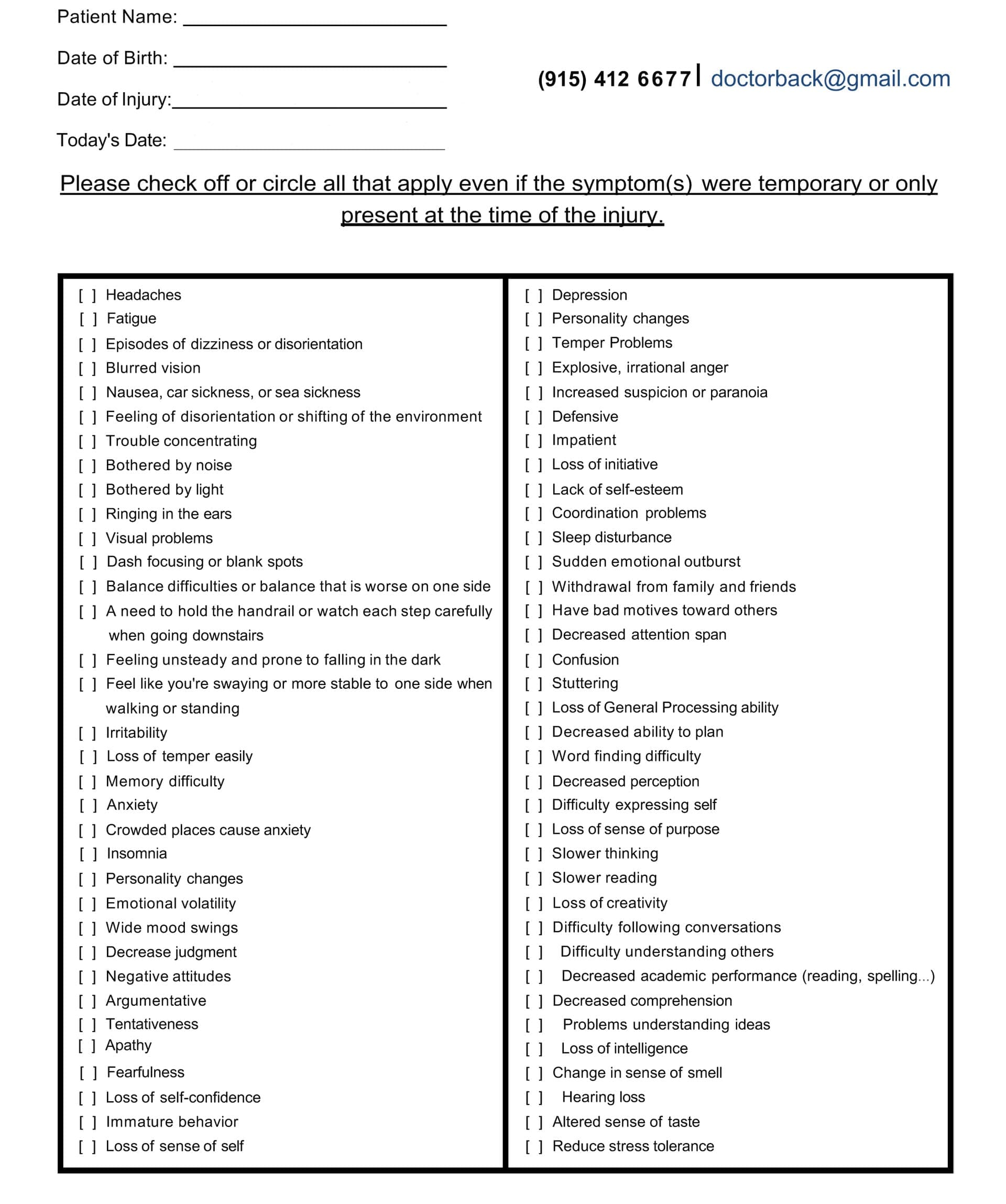
An Example of A TBI Symptom Questionnaire
Promoting Natural Healing and Preventing Long-Term Problems
One of the most important goals in TBI treatment involves promoting the brain’s natural healing mechanisms while preventing the development of long-term problems. The brain possesses remarkable plasticity—the ability to reorganize, adapt, and form new neural connections. This neuroplasticity underlies recovery after brain injury. psychiatrictimes+4 Neuroplasticity-based rehabilitation strategies aim to maximize the brain’s reorganization potential. These approaches involve intensive, repetitive practice of functional tasks, which drives the formation of new neural circuits. The principle “neurons that fire together wire together” explains how repeated activation of specific neural pathways strengthens those connections. Through consistent practice and appropriate challenges, new pathways can compensate for damaged brain regions. pmc.ncbi.nlm.nih+2
Effective rehabilitation requires a multidisciplinary approach that integrates physical therapy, occupational therapy, cognitive rehabilitation, speech therapy, psychological support, and complementary treatments. Each discipline targets different aspects of function while working toward common goals. The collaboration between healthcare providers ensures comprehensive care that addresses the complex needs of TBI survivors.p mc.ncbi.nlm.nih+4 Early intervention proves crucial for optimizing outcomes. The brain shows heightened plasticity in the early weeks and months after injury, creating a window of opportunity for rehabilitation. However, neuroplasticity continues throughout life, meaning that improvement remains possible even years after injury with appropriate interventions. The key lies in providing continued stimulation, challenge, and support for neural adaptation. ncbi.nlm.nih+3
Preventing long-term problems requires addressing multiple factors. First, controlling inflammation and oxidative stress helps limit secondary brain damage. Strategies to reduce inflammation include maintaining a healthy diet rich in anti-inflammatory foods, managing stress effectively, ensuring adequate sleep, and potentially using targeted supplements or medications under the guidance of a medical professional. frontiersin+8 Second, maintaining cardiovascular health and metabolic function supports brain healing. Regular exercise, proper nutrition, adequate hydration, and effective management of conditions such as hypertension and diabetes all contribute to optimal brain health. kesslerfoundation+2 Third, addressing psychological health proves essential. The high rates of depression, anxiety, and PTSD after TBI necessitate screening and treatment for these conditions. Psychological interventions, including cognitive behavioral therapy, stress management training, mindfulness practices, and, when appropriate, psychiatric medication, can significantly improve outcomes and quality of life. concussionalliance+6 Fourth, promoting environmental enrichment and social support enhances recovery. Encouraging individuals with TBI to engage in cognitively stimulating activities, maintain social connections, pursue hobbies and interests, and stay physically active promotes continued brain adaptation and prevents decline. pubmed.ncbi.nlm.nih+2 Fifth, monitoring for and treating comorbid conditions prevents complications. Given the increased risk for multiple medical and psychiatric conditions after TBI, regular medical follow-up and comprehensive health management become important. wellnesscenterfw+2
Conclusion
Traumatic brain injury represents a complex medical condition that affects not only the brain but the entire body, particularly through its interactions with stress systems and autonomic function. Understanding TBI requires recognizing both the immediate physical damage and the secondary processes that can continue for months or years after injury. The relationship between TBI and stress operates in multiple directions: TBI disrupts stress regulation systems, stress worsens TBI outcomes, and the experience of living with TBI creates ongoing stress. Cognitive impairments affecting attention, memory, processing speed, and executive function represent common consequences of TBI that significantly impact daily functioning. Autonomic dysfunction creates additional symptoms affecting multiple body systems and interferes with stress regulation. Environmental factors, comorbid conditions, and the quality of rehabilitation and support all influence recovery trajectories. Chiropractic care, particularly when combined with other integrative treatments, offers valuable support for TBI recovery. By addressing spinal alignment, improving nervous system function, restoring cerebrospinal fluid flow, reducing stress hormone levels, promoting autonomic balance, and enhancing blood flow, chiropractic care targets multiple mechanisms relevant to healing. Combined with massage therapy, acupuncture, targeted exercise, nutritional support, and other complementary therapies, this integrative approach provides comprehensive treatment that addresses the multifaceted nature of TBI.
Dr. Alexander Jimenez’s practice in El Paso exemplifies this integrative approach, combining his dual expertise as a chiropractor and nurse practitioner to provide evidence-based care for TBI and other injuries. His comprehensive treatment protocols, advanced diagnostic capabilities, and support for the legal aspects of injury cases ensure that patients receive thorough care addressing both their medical needs and practical concerns. The path to recovery from TBI requires patience, comprehensive care, and attention to multiple aspects of health. By addressing physical injuries, supporting natural healing processes, managing stress and autonomic dysfunction, promoting neuroplasticity through targeted rehabilitation, and preventing long-term complications, individuals with TBI can achieve a meaningful recovery and an improved quality of life. While TBI presents significant challenges, the combination of modern medical understanding, integrative treatment approaches, and the brain’s remarkable capacity for adaptation offers hope for healing and a return to well-being.
References
Alam, M. M., Lee, J., & Lee, S. Y. (2017). Recent progress in the development of THIQ derivatives as neuroprotective agents for the treatment of neurodegenerative diseases. International Journal of Molecular Sciences, 18(8), 1713. https://doi.org/10.3390/ijms18081713
Baguley, I. J., Heriseanu, R. E., Cameron, I. D., Nott, M. T., & Slewa-Younan, S. (2008). A critical review of the pathophysiology of dysautonomia following traumatic brain injury. Neurocritical Care, 8(2), 293-300.
Barlow, K. M. (2016). Traumatic brain injury. Handbook of Clinical Neurology, 136, 883-906.
Bryant, R. A., & Harvey, A. G. (1999). Postconcussive symptoms and posttraumatic stress disorder after mild traumatic brain injury. Journal of Nervous and Mental Disease, 187(5), 302-305.
Chamoun, R., Suki, D., Gopinath, S. P., Goodman, J. C., & Robertson, C. (2010). Role of extracellular glutamate measured by cerebral microdialysis in severe traumatic brain injury. Journal of Neurosurgery, 113(3), 564-570.
Coronado, V. G., Xu, L., Basavaraju, S. V., McGuire, L. C., Wald, M. M., Faul, M. D., Guzman, B. R., & Hemphill, J. D. (2011). Surveillance for traumatic brain injury-related deaths. Morbidity and Mortality Weekly Report Surveillance Summaries, 60(5), 1-32.
Elder, G. A., & Cristian, A. (2009). Blast-related mild traumatic brain injury: Mechanisms of injury and impact on clinical care. Mount Sinai Journal of Medicine, 76(2), 111-118.
Fann, J. R., Burington, B., Leonetti, A., Jaffe, K., Katon, W. J., & Thompson, R. S. (2004). Psychiatric illness following traumatic brain injury in an adult health maintenance organization population. Archives of General Psychiatry, 61(1), 53-61.
Ghajar, J. (2000). Traumatic brain injury. Lancet, 356(9233), 923-929.
Guglielmino, C., & Dean, P. J. (2022). The pathophysiological bases of comorbidity: Traumatic brain injury and post-traumatic stress disorder. Frontiers in Neurology, 12, 654210.
Hoge, C. W., McGurk, D., Thomas, J. L., Cox, A. L., Engel, C. C., & Castro, C. A. (2008). Mild traumatic brain injury in U.S. soldiers returning from Iraq. New England Journal of Medicine, 358(5), 453-463.
Huang, S., Wu, B., Liu, J., Jiang, Q., Wang, Y., Li, M., Zhang, J., Luo, A., Zhou, Y., & Guan, S. (2017). Recent advances in pathophysiology of traumatic brain injury. Translational Neuroscience and Clinics, 3(1), 7-14.
Jamshidi, N., & Cohen, M. M. (2017). The clinical efficacy and safety of tulsi in humans: A systematic review of the literature. Evidence-Based Complementary and Alternative Medicine, 2017, 9217567.
King, C., Robinson, T., Dixon, C. E., Rao, G. R., Larnard, D., & Nemoto, C. E. (2010). Brain temperature profiles during epidural cooling with the ChillerPad in a monkey model of traumatic brain injury. Journal of Neurotrauma, 27(10), 1895-1903.
Kumar, A., & Loane, D. J. (2012). Neuroinflammation after traumatic brain injury: Opportunities for therapeutic intervention. Brain, Behavior, and Immunity, 26(8), 1191-1201.
Leddy, J. J., Haider, M. N., Ellis, M., & Willer, B. S. (2018). Exercise is medicine for concussion. Current Sports Medicine Reports, 17(8), 262-270.
Li, H., Tang, Z., Chu, P., Song, Y., Yang, Y., Sun, B., Niu, Y., Wang, Y., Mao, X., Lin, C., Huang, X., Ma, K., & Bian, J. M. (2014). Neuroprotective effect of phosphocreatine on oxidative stress and mitochondrial dysfunction induced by glutamate in hippocampal HT22 cells. Neurochemical Research, 39(7), 1205-1215.
Logsdon, A. F., Lucke-Wold, B. P., Turner, R. C., Huber, J. D., Rosen, C. L., & Simpkins, J. W. (2018). Role of microvascular disruption in brain damage from traumatic brain injury. Comprehensive Physiology, 8(3), 1147-1169.
Maas, A. I., Stocchetti, N., & Bullock, R. (2008). Moderate and severe traumatic brain injury in adults. Lancet Neurology, 7(8), 728-741.
McAllister, T. W. (2011). Neurobiological consequences of traumatic brain injury. Dialogues in Clinical Neuroscience, 13(3), 287-300.
McKee, A. C., & Daneshvar, D. H. (2015). The neuropathology of traumatic brain injury. Handbook of Clinical Neurology, 127, 45-66.
Meyer, D. L., Davies, D. R., Barr, J. L., Manzerra, P., & Forster, G. L. (2012). Mild traumatic brain injury in the rat alters neuronal number in the limbic system and increases conditioned fear and anxiety-like behaviors. Experimental Neurology, 235(2), 574-587.
Prins, M., Greco, T., Alexander, D., & Giza, C. C. (2013). The pathophysiology of traumatic brain injury at a glance. Disease Models & Mechanisms, 6(6), 1307-1315.
Rabinowitz, A. R., & Levin, H. S. (2014). Cognitive sequelae of traumatic brain injury. Psychiatric Clinics of North America, 37(1), 1-11.
Riggio, S., & Wong, M. (2009). Neurobehavioral sequelae of traumatic brain injury. Mount Sinai Journal of Medicine, 76(2), 163-172.
Risdall, J. E., & Menon, D. K. (2011). Traumatic brain injury. Philosophical Transactions of the Royal Society B: Biological Sciences, 366(1562), 241-250.
Sharp, D. J., Scott, G., & Leech, R. (2014). Network dysfunction after traumatic brain injury. Nature Reviews Neurology, 10(3), 156-166.
Smith, D. H., Johnson, V. E., & Stewart, W. (2013). Chronic neuropathologies of single and repetitive TBI: Substrates of dementia? Nature Reviews Neurology, 9(4), 211-221.
Stern, R. A., Riley, D. O., Daneshvar, D. H., Nowinski, C. J., Cantu, R. C., & McKee, A. C. (2011). Long-term consequences of repetitive brain trauma: Chronic traumatic encephalopathy. PM&R, 3(10 Suppl 2), S460-S467.
Summers, C. R., Ivins, B., & Schwab, K. A. (2009). Traumatic brain injury in the United States: An epidemiologic overview. Mount Sinai Journal of Medicine, 76(2), 105-110.
Taylor, C. A., Bell, J. M., Breiding, M. J., & Xu, L. (2017). Traumatic brain injury-related emergency department visits, hospitalizations, and deaths. Morbidity and Mortality Weekly Report Surveillance Summaries, 66(9), 1-16.
Thurman, D. J., Alverson, C., Dunn, K. A., Guerrero, J., & Sniezek, J. E. (1999). Traumatic brain injury in the United States: A public health perspective. Journal of Head Trauma Rehabilitation, 14(6), 602-615.
Van Reekum, R., Cohen, T., & Wong, J. (2000). Can traumatic brain injury cause psychiatric disorders? Journal of Neuropsychiatry and Clinical Neurosciences, 12(3), 316-327.
Vasterling, J. J., Bryant, R. A., & Keane, T. M. (2012). PTSD and mild traumatic brain injury. Guilford Press.
Wang, M. L., Yu, M. M., Yang, D. X., Liu, Y. L., Wei, X. E., & Li, W. B. (2018). Neurological symptoms and their associations with inflammatory biomarkers following traumatic brain injury. Frontiers in Neurology, 13, 876490.
Werner, C., & Engelhard, K. (2007). Pathophysiology of traumatic brain injury. British Journal of Anaesthesia, 99(1), 4-9.
Xiong, Y., Gu, Q., Peterson, P. L., Muizelaar, J. P., & Lee, C. P. (1997). Mitochondrial dysfunction and calcium perturbation induced by traumatic brain injury. Journal of Neurotrauma, 14(1), 23-34.
Yuh, E. L., Mukherjee, P., Lingsma, H. F., Yue, J. K., Ferguson, A. R., Gordon, W. A., Valadka, A. B., Schnyer, D. M., Okonkwo, D. O., Maas, A. I., Manley, G. T., & TRACK-TBI Investigators. (2013). Magnetic resonance imaging improves 3-month outcome prediction in mild traumatic brain injury. Annals of Neurology, 73(2), 224-235.
What Happens to Your Spine After a Crash, Work Injury, Sports Hit, or Head-First Fall?
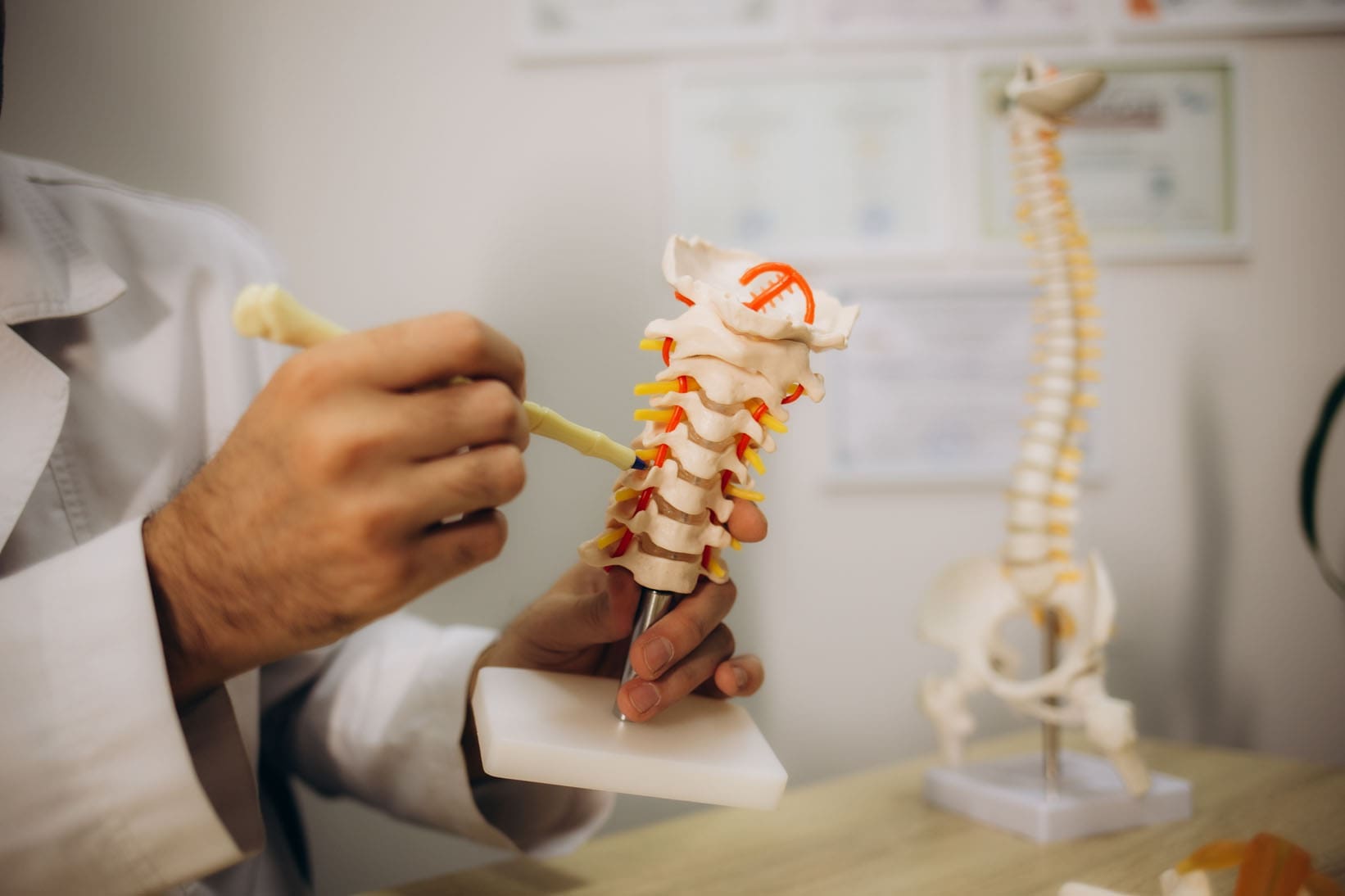
The doctor explains to a patient, who may have a head injury from an accident, what happens to the spine after a high-impact collision using a vertebral column model.
Overview: Why high-impact events strain the spine (and sometimes the brain)
When you are involved in a car accident, get hurt at work, collide in sports, or fall and hit your head, your spine absorbs fast, complex forces. These include flexion and extension (bending forward and back), rotation (twisting), lateral bending, and compression (axial loading). Sudden acceleration or deceleration—especially with rotation—can cause joints to move beyond their normal range, resulting in the stretching or tearing of soft tissues. In higher-energy trauma, vertebrae and discs can fail, and the spinal cord can be injured. The result ranges from temporary pain and stiffness to lasting changes in strength, sensation, and autonomic function if the cord is involved (Mayo Clinic, 2024; NINDS, 2025). Mayo Clinic+1
These same rapid movements can also cause brain injury. When the head moves quickly and stops suddenly, the brain can strike the inside of the skull, stretching delicate nerve fibers and triggering a concussion or a more serious traumatic brain injury (TBI). Because the brain and spine share protective bones, connective tissues, cerebrospinal fluid (CSF), and vascular pathways, injury to one often affects the other. Imaging—typically CT for bones and MRI for soft tissues and the spinal cord—helps map what happened, allowing your team to guide safe care (UT Southwestern; Utz et al., 2014). UT Southwestern Medical Center+1
The forces that damage the spine
Hyperextension and hyperflexion: Whipping motions (for example, rear-end collisions) can over-stretch ligaments and joint capsules, irritate facet joints, and provoke muscle spasm—commonly called “whiplash.” In severe cases, hyperextension can fracture the posterior elements of the C2 vertebra (a “hangman’s fracture”) (Torlincasi, 2022). NCBI
Axial compression: A head-first impact loads the spine in a vertical direction. If the neck is slightly flexed, axial compression can cause vertebrae to collapse or a vertebral body to burst. In sports, this mechanism is strongly linked to catastrophic cervical injuries (Boden, 2008). PubMed
Torsion and lateral bending: Twisting and side-bending add shear forces that can tear annular fibers in discs and sprain supporting ligaments.
Deceleration with rotation: High-speed stops—common in crashes—can combine rotation with hyperflexion or extension, increasing the risk of disc herniation, ligament failure, and even vascular injury to the carotid or vertebral arteries (van den Hauwe et al., 2020). NCBI
Common spinal injuries after high-impact events
1) Soft-tissue injuries (strains, sprains, and whiplash)
What happens: Muscles and tendons strain; ligaments sprain. The facet joints can become inflamed; posture and movement patterns change to guard the area.
How it feels: Neck or back pain, stiffness, headaches, limited range of motion, and sometimes dizziness or visual strain.
Why it matters: Even when X-rays are normal, these injuries can disturb joint mechanics and load discs and nerves abnormally, delaying recovery and sometimes causing chronic pain.
2) Disc injuries (bulges and herniations)
What happens: The inner gel of the disc pushes through weakened outer fibers (annulus). A herniation can compress nearby nerves, causing radiating pain, numbness, or weakness.
Symptoms: Sharp neck or back pain accompanied by arm or leg symptoms (radiculopathy). Coughing or sneezing can worsen it.
Evidence Suggests That Disc herniation and nerve irritation are common after rapid flexion-extension and axial loading; severe cases may contribute to cord compression syndromes that require urgent attention (Mayo Clinic, 2024). Mayo Clinic
What happens: Sudden load exceeds bone strength. In the neck, a C2 “hangman’s fracture” is a classic hyperextension injury; other levels can fracture from compression or flexion-distraction.
How it feels: Severe focal pain, limited motion, neurologic changes if nerves are involved.
Evidence: Hangman’s fractures involve bilateral C2 pars/pedicle fractures from extreme hyperextension and deceleration—often diving or motor-vehicle collisions (Torlincasi, 2022). CT rapidly detects fractures; MRI checks ligaments and cord (Utz et al., 2014). NCBI+1
4) Spinal cord injury (SCI)
What happens: The cord, or cauda equina, is damaged by compression, contusion, or transection. Secondary cascades—such as edema, ischemia, and inflammation—can worsen deficits over time.
How it feels: Loss of strength or sensation below the injury, reflex changes, spasticity, balance problems, and bowel/bladder or autonomic dysfunction. Some effects can be permanent (Mayo Clinic, 2024; NINDS, 2025). Mayo Clinic+1
What happens: The carotid or vertebral arteries tear or dissect during high-energy neck trauma, risking delayed stroke.
Why it matters: Complications often occur hours to days after injury. Early identification and timely antithrombotic therapy lower the risk of ischemic events (van den Hauwe et al., 2020). NCBI
Sports, work, and falls: settings that raise risk
Sports: Football, ice hockey, wrestling, diving, skiing/snowboarding, rugby, and cheerleading have the highest risk for catastrophic spinal injuries. Axial loading to the crown of the head with slight neck flexion can cause cervical fracture and quadriplegia in any sport (Boden, 2008). PubMed
Work: Heavy lifting, falls from height, and high-energy impacts around vehicles and machinery threaten the spine.
Falls with head impact: Head-first falls concentrate force into the upper cervical spine and brain, raising the risk of combined neck injury and concussion/TBI (Weill Cornell Medicine Neurosurgery, n.d.; NINDS, 2025). NINDS
The brain–spine connection: why TBIs and spine injuries overlap
Fast acceleration-deceleration events that injure the neck also cause the brain to shake. The brain can bump the skull, causing stretch and shear of axons (diffuse axonal injury). Secondary biochemical cascades—excitotoxicity, oxidative stress, and neuroinflammation—can prolong symptoms such as headaches, dizziness, cognitive impairment, sleep disturbances, and mood changes (Mayo Clinic, 2024; NINDS, 2025). Clinically, many people present with a combined pattern, including neck pain and limited motion, vestibular symptoms, visual strain, and cognitive complaints, all of which occur after the same incident. A coordinated plan that screens for red flags, protects the spine, and addresses vestibular/ocular issues tends to help. Mayo Clinic+1
Head Injury/TBI Symptom Questionnaire:
Head Injury/TBI Symptom Questionnaire
How clinicians figure out what’s wrong
History and red-flag screen Loss of consciousness, severe or worsening headache, focal weakness/numbness, gait problems, bowel/bladder changes, saddle anesthesia, midline tenderness, or high-risk mechanism triggers urgent imaging and referral.
Physical and neurological exam Range of motion, palpation, motor/sensory/reflex testing, gait and balance, and provocative maneuvers help localize likely pain generators and nerve involvement.
Imaging strategy
CT quickly detects fractures and acute instability.
MRI is superior for ligaments, discs, cord edema/contusion, and nerve root compression.
Vascular imaging (CTA/MRA) is considered when signs or fracture patterns raise suspicion for BCVI (Utz et al., 2014; van den Hauwe et al., 2020). PubMed+1
Sports and work considerations Return-to-play or return-to-work decisions require symptom-guided progression and objective measures (strength, balance, vestibulo-ocular function, and safe lifting mechanics).
What recovery looks like: evidence-informed options
Acute protection and symptom control: Relative rest from provocative motions, pain-modulating strategies, and careful mobilization as tolerated.
Rehabilitation: A graded plan to restore mobility, strength, coordination, and endurance while protecting healing tissues.
Medication and interventional options: Based on the diagnosis and response, primary care, PM&R, neurology, pain management, or spine surgery may add targeted medications, injections, or consider operative care for unstable injuries or progressive neurological deficits.
Education and pacing: Clear timelines, ergonomic coaching, sleep support, and gradual exposure reduce flare-ups and promote consistent gains.
For moderate-to-severe SCI, long-term rehabilitation focuses on function, adaptive strategies, spasticity management, and prevention of complications; research continues on neuroregeneration and advanced technologies (NINDS, 2025; Mayo Clinic, 2024). NINDS+1
Where integrative chiropractic care fits
Important note: Chiropractic does not treat or reverse spinal cord injury. In an integrative model, chiropractic focuses on the mechanical and neuromusculoskeletal contributors to pain and movement limits, and works alongside medical specialists to co-manage complex cases.
What integrative chiropractic care emphasizes:
Thorough medical screening and referral when needed Chiropractors trained in trauma-informed assessment screen for red flags (neurological deficits, cord compression signs, suspected fracture or BCVI). Concerning findings prompt immediate imaging and referral to emergency, neurology, or spine surgery (UT Southwestern; Utz et al., 2014). UT Southwestern Medical Center+1
Gentle, graded manual care For appropriate cases (after imaging or when clinical decision rules indicate safety), joint mobilization or carefully selected adjustments may reduce painful joint restriction, improve movement, and support posture. Soft-tissue therapy helps calm protective spasm and restore glide.
Sensorimotor retraining Cervical stabilization, scapular control, proprioceptive drills, and graded vestibular/oculomotor exercises can help reduce dizziness, improve gaze stability, and normalize head–neck control patterns that often persist after crashes and sports impacts (UT Southwestern; Dr. Jimenez, 2025). UT Southwestern Medical Center+1
Posture, breathing, and load-management Rib-cage mechanics, diaphragmatic breathing, and dynamic posture training lower strain on the neck and lower back during daily tasks and lifting (Dr. Jimenez, 2025). El Paso, TX Doctor Of Chiropractic
Circulation and CSF considerations (clinical observation) Some integrative chiropractic programs incorporate strategies to optimize cervical mobility and thoracic outlet mechanics as part of a comprehensive plan that supports fluid dynamics and symptom relief. This is a developing area; clinicians should avoid over-promising benefits in serious neurological disease. In Dr. Jimenez’s clinic, CSF flow is considered within a broader framework of posture and movement for symptom-driven care (Jimenez, 2025). El Paso, TX Doctor Of Chiropractic
Whole-person coordination Chiropractors and nurse practitioners (NPs) can coordinate with PM&R, neurology, radiology, physical therapy, and behavioral health to align goals, including restoring motion, quieting pain, normalizing movement patterns, and supporting a return to activity. Dr. Alexander Jimenez, DC, APRN, FNP-BC, documents these collaborative pathways in his clinical articles and patient education resources (Jimenez, 2025). El Paso, TX Doctor Of Chiropractic+2 El Paso, TX Doctor Of Chiropractic+2
Step-by-step recovery roadmap (what a typical plan may include)
Day 0–7: Protect and clarify
Red-flag screen; order imaging when indicated.
Calm pain and inflammation; protect the neck/back from high loads.
Begin gentle motion (as tolerated) to avoid stiffness.
If a concussion/TBI is suspected, initiate a symptom-paced, relative rest plan with light activity and screen time limits; add vestibular/ocular drills as appropriate.
Weeks 2–6: Restore motion and control
Progress manual care (mobilization/adjustment as appropriate).
Sports safety insight: Catastrophic neck injuries often occur with axial loading to the crown in slight neck flexion. Coaching “heads-up” posture and avoiding head-first contact reduces risk (Boden, 2008). PubMed
Special situations that need immediate care
Progressive weakness, numbness, or trouble walking
Bowel or bladder changes; saddle anesthesia
Severe midline spine tenderness after high-risk trauma
Suspected fracture or dislocation
Stroke symptoms after neck trauma (possible BCVI): sudden one-sided weakness, facial droop, vision/language changes, or severe new headache—call emergency services (van den Hauwe et al., 2020). NCBI
Dr. Alexander Jimenez’s clinical observations (El Paso, TX)
Drawing from a dual-scope practice as a Doctor of Chiropractic and Board-Certified Family Nurse Practitioner, Dr. Jimenez highlights:
Early triage matters: identify red flags and co-manage quickly with imaging and specialty referrals when indicated.
Gentle first, then graded: start with low-load mobility and stabilization; add manual care and progressive loading as tissues tolerate.
Sensorimotor work is a staple: vestibular/ocular drills, as well as balance training, help patients with combined neck pain and concussion symptoms move forward.
High-impact events stress the spine through flexion/extension, rotation, and compression—causing soft-tissue injury, disc herniation, fractures, and, in severe cases, spinal cord injury.
The same forces often injure the brain; combined neck and concussion symptoms are common after crashes and sports impacts.
CT and MRI complement each other: CT for bone, MRI for ligaments, discs, cord, and nerves; screen for BCVI when red flags or fracture patterns suggest vascular risk.
Integrative chiropractic care involves a team-based approach, which includes carefully screening patients, using gentle manual methods when appropriate, retraining movement and balance, and collaborating with medical specialists.
With a clear roadmap and coordinated care, most people improve and return to their normal activities. For severe SCI, long-term rehabilitation and assistive strategies remain essential.
Discover how chiropractic care can help alleviate migraines and head injuries for enhanced wellness and pain relief.
Understanding Traumatic Brain Injury: How Head Injuries Cause Headaches, Migraines, and Cognitive Problems
Traumatic brain injury represents one of the most serious health conditions affecting millions of people each year. When someone experiences a blow to the head or a sudden jolt that shakes the brain inside the skull, the resulting damage can create a wide range of symptoms that affect daily life. Understanding how these injuries work and what symptoms they cause helps people recognize when they need medical attention and what treatment options are available.
What Is Traumatic Brain Injury?
Traumatic brain injury, commonly called TBI, occurs when an external force damages the brain. This injury happens when the head receives a sudden impact, causing the brain to move rapidly inside the skull. The Centers for Disease Control and Prevention reports that TBI represents a major cause of death and disability in the United States. These injuries range from mild concussions to severe brain damage that can permanently change a person’s life. mayoclinic+2
The brain sits protected inside the skull, surrounded by cerebrospinal fluid that acts like a cushion. When someone experiences a violent blow to the head, the brain can strike the inside of the skull, causing bruising, torn tissues, bleeding, and other physical damage. Sometimes the injury happens even without the head hitting anything directly—rapid acceleration or deceleration can shake the brain violently enough to cause damage. clevelandclinic+1
TBI occurs through several different mechanisms. Direct impact injuries happen when something strikes the head with force, such as during a fall, a sports collision, or an assault. Penetrating injuries occur when an object breaks through the skull and enters the brain tissue. Blast injuries, common in military settings, create pressure waves that damage brain structures. Motor vehicle accidents represent one of the leading causes of traumatic brain injury, often combining multiple injury mechanisms including impact, acceleration, and deceleration forces. americanbrainfoundation+2
Medical professionals classify TBI into three severity levels based on symptoms and diagnostic findings. Mild TBI, also known as a concussion, represents the most common form and may cause temporary confusion, headache, and other symptoms that typically resolve within weeks. Moderate TBI involves loss of consciousness lasting from several minutes to hours and confusion that can persist for days or weeks. Severe TBI results from crushing blows or penetrating injuries that cause extended unconsciousness, significant brain damage, and potentially permanent disability. mayoclinic+1
The immediate effects of TBI depend on which parts of the brain sustained damage and how severe that damage was. The frontal lobes, which control thinking, planning, and emotional regulation, are often affected by injury in TBI. Damage to the temporal lobes can affect memory and language. The brainstem, which controls basic life functions like breathing and heart rate, can be injured in severe TBI, creating life-threatening emergencies. alz+1
How TBI Causes Headaches and Migraines
Headaches represent one of the most common and persistent symptoms following traumatic brain injury. Research shows that between 30% and 90% of people who experience TBI develop headaches afterward. These post-traumatic headaches can begin immediately after the injury or develop days or even weeks later. Understanding why TBI causes headaches requires looking at the complex changes happening inside the brain and surrounding structures after injury. connectivity+3
When the brain experiences trauma, several physical and chemical changes occur that trigger headache pain. The initial impact can damage blood vessels in the brain, causing bleeding and inflammation. This inflammation triggers the release of pain-causing chemicals that activate nerve endings throughout the head and neck region. The meninges, the protective membranes that cover the brain, contain numerous pain-sensitive nerve fibers that respond to inflammation by sending pain signals. pmc.ncbi.nlm.nih+2
Brain tissue itself does not contain pain receptors, but the structures surrounding the brain are highly sensitive to pain. The blood vessels, meninges, and cranial nerves all possess pain receptors that can generate headache sensations. After a TBI, these structures may become more sensitive, a condition known as central sensitization, where the nervous system becomes hyperresponsive to pain signals. ncbi.nlm.nih+1
The connection between TBI and headaches also involves disruption of normal brain chemistry. The brain relies on neurotransmitters—chemical messengers that allow nerve cells to communicate—to function properly. Traumatic injury can disturb the balance of these neurotransmitters, particularly serotonin, which plays a crucial role in pain regulation. When serotonin levels drop or become imbalanced, the brain’s pain-filtering systems may not work correctly, allowing pain signals to reach consciousness more easily. migrainedisorders+2
Migraines represent a specific type of severe headache that many people develop after experiencing TBI. Research published in scientific journals demonstrates that people who have had a traumatic brain injury face a significantly increased risk of developing migraines compared to those who have never experienced head trauma. One study found that TBI approximately doubles the risk of developing new migraine headaches. pmc.ncbi.nlm.nih
The mechanisms linking TBI to migraines involve complex changes in brain function. The trigeminal nerve, which provides sensation to much of the face and head, becomes activated during migraines. This activation releases inflammatory substances called neuropeptides that cause blood vessel dilation and further inflammation. After TBI, the trigeminal nerve system may become more easily triggered, lowering the threshold for migraine attacks. emedicine.medscape+2
Brain imaging studies reveal that inflammation and altered connectivity between different brain regions persist long after the initial injury. These changes in how different parts of the brain communicate with each other can make the brain more susceptible to migraine triggers. The brain regions involved in pain processing, sensory filtering, and stress response show altered function in people with post-traumatic migraines. sciencedirect
Clinical Insights from Dr. Alexander Jimenez on Head Injury Assessment
Dr. Alexander Jimenez, a dual-credentialed chiropractor and nurse practitioner practicing in El Paso, brings a unique perspective to evaluating and treating patients with traumatic brain injury and post-traumatic headaches. His clinic specializes in treating injuries from various sources, including workplace accidents, sports injuries, personal injuries, and motor vehicle accidents. The dual-scope approach allows for a comprehensive assessment that combines chiropractic evaluation of neuromusculoskeletal function with advanced medical diagnostic capabilities. advantagehcs
When patients present with head injuries, Dr. Jimenez’s clinical approach emphasizes thorough neurological examination to identify the full extent of injury. This assessment includes evaluating cranial nerve function, testing reflexes, assessing balance and coordination, and screening for cognitive changes. The clinic utilizes advanced neuromusculoskeletal imaging to visualize structural damage that may contribute to ongoing symptoms. These imaging techniques include computed tomography (CT) scans, which excel at detecting skull fractures, bleeding, and swelling in the acute phase after injury. Magnetic resonance imaging (MRI) provides superior detail of soft tissue damage, including subtle brain injuries that may not appear on CT scans. pmc.ncbi.nlm.nih+4
Dr. Jimenez emphasizes that proper documentation of injuries plays a critical role, particularly in cases involving motor vehicle accidents or workplace injuries where legal and insurance considerations arise. Detailed medical records, which document the mechanism of injury, initial symptoms, physical examination findings, diagnostic test results, and treatment plans, serve essential functions in both patient care and legal proceedings. These records establish the connection between the traumatic event and the patient’s symptoms, which becomes crucial when seeking compensation for injuries. njadvocates+3
Cognitive Function Changes After TBI
The brain serves as the central control center for all mental processes, including thinking, learning, remembering, and decision-making. When traumatic injury damages brain tissue, these cognitive functions often become impaired. Understanding how TBI affects cognitive function helps patients and families recognize symptoms and seek appropriate treatment. pubmed.ncbi.nlm.nih+1
Cognitive impairment represents one of the most challenging consequences of traumatic brain injury because it affects so many aspects of daily life. The severity and pattern of cognitive problems depend on which brain regions sustained damage and how extensive that damage was. Research involving thousands of patients shows that cognitive impairment occurs across all severity levels of TBI, though more severe injuries generally produce more pronounced deficits. jamanetwork+1
Memory problems rank among the most common cognitive complaints after TBI. Short-term memory, which involves holding information in mind for brief periods, often becomes impaired. People may struggle to remember conversations, appointments, or where they placed items. Long-term memory, particularly the formation of new memories, can also be disrupted. The hippocampus, a brain structure critical for memory formation, is particularly vulnerable to injury during trauma. headway+1
Attention and concentration difficulties create significant challenges for people recovering from TBI. The ability to focus on tasks, filter out distractions, and shift attention between different activities may be compromised. These problems make it difficult to perform work duties, follow conversations, or engage in activities that require sustained mental effort. Divided attention—the ability to manage multiple tasks simultaneously—becomes especially problematic. uwmsktc.washington+1
Processing speed, which refers to how quickly the brain can take in information, understand it, and respond, typically slows after TBI. This slowing affects many aspects of functioning, from reading comprehension to reaction times while driving. Simple tasks that once seemed automatic may now require conscious effort and extra time. jamanetwork
Executive functions encompass higher-level cognitive abilities, including planning, organizing, problem-solving, and self-monitoring. The frontal lobes, which control these functions, are often damaged in TBI. Impairment of executive functions can make it difficult to manage daily responsibilities, make appropriate decisions, or adapt to changing situations. People may struggle with initiating tasks, following multi-step instructions, or recognizing and correcting errors. alz+1
Language and communication abilities can be affected by TBI, although the specific deficits vary depending on the location of the injury. Some people struggle to find the right words, form sentences, or comprehend complex language. Others may struggle with the social aspects of communication, such as interpreting social cues, taking turns in conversation, or adapting their communication style to different situations. uwmsktc.washington+1
Head Symptoms Associated with Cognitive Impairment
The cognitive changes that occur after TBI often coincide with physical symptoms affecting the head. These symptoms interconnect in ways that compound difficulties and interfere with recovery. Headaches themselves can worsen cognitive function by creating pain that distracts from mental tasks and disrupts concentration. The constant presence of head pain makes it harder to think clearly, remember information, or engage in problem-solving. pmc.ncbi.nlm.nih+2
Mental fog or clouded thinking represents a common complaint among people with TBI. This sensation of thinking through a haze makes mental tasks feel effortful and exhausting. The brain appears to operate more slowly, and thoughts may feel disorganized or disjointed. This mental fog often accompanies headaches and worsens with mental exertion. concussionalliance+1
Dizziness and balance problems frequently occur after TBI, creating a sense of instability or spinning that originates from dysfunction in the vestibular system. The inner ear structures that control balance can be damaged during head trauma, or the brain regions that process balance information may become impaired. These balance problems affect the ability to walk steadily, drive safely, or perform activities requiring coordination. mentalhealth.va+2
Pressure sensations inside the head trouble many people with TBI. This feeling of tightness, fullness, or pressure can be localized to specific areas or felt throughout the entire head. Sometimes, this pressure sensation accompanies actual changes in intracranial pressure due to swelling or fluid accumulation; however, it often represents altered sensory processing rather than true pressure changes. connectivity
Facial pain and jaw discomfort can develop after head trauma, particularly when the temporomandibular joint (TMJ) sustains injury during the trauma. The TMJ connects the jawbone to the skull, allowing for chewing and speaking. Injury to this joint or the surrounding muscles can create pain that radiates throughout the face, head, and neck. elizabethsandelmd+1
Types of Headaches Following Traumatic Brain Injury
Post-traumatic headaches can take several different forms, each with distinct characteristics and mechanisms. Recognizing the type of headache helps guide the development of appropriate treatment strategies. The International Classification of Headache Disorders provides standardized criteria for diagnosing different headache types, which healthcare providers use to categorize post-traumatic headaches. nature+2
Acute Post-Traumatic Headache
Acute post-traumatic headache develops within seven days of the injury or within seven days of regaining consciousness after the injury. These headaches typically resolve within three months of their onset. The pain may feel dull and constant or sharp and intermittent, depending on the underlying cause. Acute post-traumatic headaches often accompany other symptoms such as nausea, dizziness, sensitivity to light and sound, and cognitive difficulties. ncbi.nlm.nih+1
Persistent Post-Traumatic Headache
When headaches continue beyond three months after the traumatic injury, they are classified as persistent or chronic post-traumatic headaches. Research indicates that approximately 20% to 50% of people who develop headaches after TBI continue experiencing them long-term. These persistent headaches can last for months or even years after the initial injury. The chronic nature of these headaches has a significant impact on quality of life, interfering with work, relationships, and daily activities.ichd-3+3
Persistent post-traumatic headaches can evolve over time, changing in frequency, intensity, or character. Some people experience daily headaches, while others have episodic attacks separated by pain-free periods. The unpredictability of these headaches creates additional stress and anxiety, which can further worsen the headache pattern. pmc.ncbi.nlm.nih+1
Migraine-Type Post-Traumatic Headaches
Many post-traumatic headaches display characteristics typical of migraines. These headaches involve moderate to severe throbbing or pulsating pain, usually affecting one side of the head. The pain intensifies with physical activity such as walking or climbing stairs. Nausea and vomiting commonly accompany migraine-type headaches. Sensitivity to light (photophobia) and sound (phonophobia) makes it difficult to tolerate normal environmental stimuli. neurology+3
Migraine headaches can include an aura phase, which involves temporary neurological symptoms that typically develop before the headache pain begins. Visual auras are most common and may include seeing flashing lights, zigzag lines, or temporary blind spots. Some people experience sensory auras characterized by tingling or numbness, typically affecting one side of the body. Language disturbances or difficulty speaking can occur during the aura phase. mayoclinic+1
The relationship between TBI and migraines extends beyond the immediate post-injury period. People who experience migraines after TBI often develop chronic migraine disorder, defined as having headache on 15 or more days per month, with at least eight days meeting migraine criteria. This chronic pattern significantly disrupts functioning and requires comprehensive management strategies. pmc.ncbi.nlm.nih
Tension-Type Headaches After TBI
Tension-type headaches represent another common pattern of post-traumatic headache. These headaches create a sensation of pressure or tightness, often described as feeling like a tight band around the head. The pain is typically mild to moderate in intensity and affects both sides of the head. Unlike migraines, tension-type headaches usually do not cause nausea or vomiting and do not worsen significantly with routine physical activity. americanmigrainefoundation+3
Muscle tension in the head, neck, and shoulder regions contributes to tension-type headaches. After TBI, muscle tightness often increases due to several factors, including pain, altered posture, stress, and direct muscle injury during the trauma. This muscle tension creates sustained contraction that generates pain signals and reduces blood flow to affected tissues. physio-pedia+3
The psychological stress associated with recovering from TBI can trigger or worsen tension-type headaches. Anxiety about symptoms, worry about returning to normal activities, and frustration with ongoing limitations create emotional tension that manifests as physical muscle tightness. Sleep disturbances, common after TBI, also contribute to tension-type headaches by preventing adequate rest and recovery. aafp+1
Cervicogenic Headaches
Cervicogenic headaches originate from problems in the neck (cervical spine) but are experienced as headaches in the head. These headaches are particularly common after motor vehicle accidents and other traumas that create whiplash-type injuries to the neck. The sudden acceleration-deceleration forces during these injuries can damage the joints, ligaments, muscles, and nerves of the cervical spine. pmc.ncbi.nlm.nih+3
Cervicogenic headaches typically affect one side of the head and may be accompanied by neck pain and stiffness. The pain often starts at the base of the skull and radiates forward toward the forehead, temple, or area around the eye. Certain neck movements or sustained neck positions can trigger or worsen these headaches. Pressing on specific tender points in the neck may reproduce the headache pain, helping healthcare providers identify cervicogenic headaches. clevelandclinic+1
The upper cervical spine, particularly the C1-C3 vertebrae and their associated nerves, plays a crucial role in cervicogenic headaches. These upper cervical nerves share connections with the trigeminal nerve, which provides sensation to much of the head and face. When injury or dysfunction affects the upper cervical spine, pain signals can be referred along these nerve connections, creating headache sensations. physio-pedia
Dr. Jimenez’s clinic places particular emphasis on evaluating cervical spine involvement in patients presenting with post-traumatic headaches. The dual chiropractic and medical training allows for comprehensive assessment of both spinal mechanics and neurological function. This evaluation includes examining neck range of motion, palpating for areas of tenderness or restriction, testing nerve function, and reviewing imaging studies to identify structural problems. pubmed.ncbi.nlm.nih+3
Cluster Headaches and Trigeminal Autonomic Cephalalgias
Though less common than other headache types, cluster headaches and related conditions can occasionally develop after traumatic brain injury. Cluster headaches create severe, excruciating pain localized around one eye or on one side of the head. The pain reaches maximum intensity quickly and typically lasts 15 minutes to three hours. During attacks, people often feel restless and agitated rather than still, which distinguishes cluster headaches from migraines. pmc.ncbi.nlm.nih+2
Cluster headaches earn their name because they occur in clusters or cycles, with multiple attacks happening daily for weeks or months, followed by periods of remission. The attacks often occur at the same time each day and may wake people from sleep. Autonomic symptoms accompany the pain, including tearing, redness of the eye, nasal congestion or runny nose, eyelid drooping, and sweating on the affected side of the face. practicalneurology+2
The trigeminal autonomic reflex pathway, which connects the trigeminal nerve with autonomic nerve centers in the brainstem, becomes activated during these headaches. This activation causes autonomic symptoms, such as tearing and nasal congestion. Head trauma can potentially damage or alter the function of these neural pathways, though the exact mechanisms linking TBI to cluster headaches require further research. pmc.ncbi.nlm.nih
Sensory Dysfunction and Associated Head and Neck Symptoms
Traumatic brain injury often damages the sensory systems that allow people to perceive and interpret information from their environment. These sensory problems create significant challenges and often contribute to headaches and other symptoms affecting the head and neck region. Understanding these sensory changes helps explain why people with TBI experience such complex and varied symptoms. tbi.vcu+2
Light Sensitivity (Photophobia)
Sensitivity to light represents one of the most common and distressing sensory problems after TBI. Research indicates that between 40% and 80% of people with traumatic brain injury develop photophobia. This heightened sensitivity makes normal lighting levels feel uncomfortably bright or even painful. Indoor lighting, computer screens, and especially sunlight can trigger discomfort, eye pain, squinting, and worsening of headaches. connectivity+1
The mechanisms underlying photophobia after TBI involve several interconnected systems. The visual pathways that transmit light information from the eyes to the brain can become hypersensitive after injury. The trigeminal nerve, which provides sensation to the eyes and face, becomes more reactive to light stimulation. This nerve connects directly to pain-processing regions in the brain, explaining why bright light can trigger or worsen headaches. theraspecs+1
Brain regions involved in processing visual information and filtering sensory input may function abnormally after TBI. The brain normally filters out irrelevant sensory information, allowing people to focus on important stimuli while ignoring background noise or changes in lighting. After traumatic injury, this filtering system may malfunction, causing the brain to become overwhelmed by sensory input that would normally be manageable. connectivity+1
Photophobia significantly impacts daily functioning. Many people need to wear sunglasses even indoors, avoid bright environments, and limit screen time. These restrictions can interfere with work, social activities, and leisure pursuits. The constant need to manage light exposure can create additional stress and contribute to social isolation. theraspecs+1
Sound Sensitivity (Phonophobia)
Increased sensitivity to sound, called phonophobia or hyperacusis, commonly occurs alongside light sensitivity after TBI. Everyday sounds such as traffic noise, conversations, music, or household appliances may seem unbearably loud. This heightened sensitivity can trigger headaches, increase stress, and make it difficult to concentrate. mindeye+1
The auditory system processes sound through complex pathways that involve the inner ear, the auditory nerve, and multiple brain regions. After TBI, any component of this system may become damaged or dysfunctional. The cochlea in the inner ear can be injured by traumatic forces, resulting in hearing loss or tinnitus. The auditory nerve pathways may be stretched or damaged, which can alter how sound signals are transmitted to the brain. tbi.vcu
Central auditory processing, which involves how the brain interprets and makes sense of sounds, often becomes impaired after TBI. People may have difficulty distinguishing speech from background noise, determining the direction of sounds, or processing rapid sequences of auditory information. These processing problems make noisy environments particularly challenging and exhausting. tbi.vcu+1
The brain regions that regulate sensory gating—the ability to filter out unimportant sounds—may not function normally after TBI. This filtering failure means that all sounds reach consciousness with similar intensity, creating a sense of being bombarded by noise. The constant sensory overload contributes to mental fatigue, stress, and headaches. mindeye+1
Visual Disturbances
Visual problems affect approximately 40% to 50% of people with traumatic brain injury. These problems range from difficulty focusing to double vision, blurred vision, and loss of visual field. The visual system relies on precise coordination between the eyes, the muscles that move them, and the brain regions that process visual information. Trauma can disrupt any part of this complex system. salusuhealth+1
Eye movement problems create particular difficulties after TBI. The cranial nerves that control the muscles of the eye may be damaged, causing weakness or incoordination of eye movements. This can result in double vision (diplopia), where the two eyes do not align properly, creating separate images. Reading becomes exhausting because the eyes struggle to track smoothly across lines of text. frontiersin+2
Visual processing deficits affect how the brain interprets visual information, even when the eyes themselves function normally. People may experience difficulty with depth perception, making it challenging to judge distances or navigate stairs. Visual memory problems can make it hard to recognize faces or remember visual information. Visual attention deficits affect the ability to scan the environment effectively and notice important visual details. salusuhealth+1
The connection between vision and balance becomes apparent when visual problems contribute to dizziness and instability. The brain relies on visual information to maintain balance and orient the body in space. When visual input becomes distorted or unreliable after TBI, balance systems struggle to compensate, creating feelings of unsteadiness. frontiersin
Balance and Vestibular Dysfunction
The vestibular system, located in the inner ear, detects head movements and helps maintain balance and spatial orientation. This system can be damaged during head trauma, creating persistent dizziness, vertigo, and balance problems. Vestibular dysfunction affects approximately 30% to 65% of people with TBI. pmc.ncbi.nlm.nih+2
Vertigo, the sensation that the environment is spinning or moving when it is actually still, creates significant distress and disability. This spinning sensation can be constant or triggered by specific head movements. Benign paroxysmal positional vertigo (BPPV), which occurs when calcium crystals in the inner ear become displaced, commonly develops after head trauma. pmc.ncbi.nlm.nih
Balance problems make it difficult to walk steadily, especially on uneven surfaces or in low-light conditions when visual cues are limited. The brain normally integrates information from the vestibular system, vision, and sensors in muscles and joints to maintain balance. When one of these systems becomes impaired after TBI, the brain struggles to compensate, creating unsteadiness and increasing fall risk. frontiersin
Post-traumatic dizziness often worsens with head movements, busy visual environments, and cognitive demands. This dizziness can trigger or worsen headaches, creating a cycle where headache and dizziness reinforce each other. The constant sense of imbalance creates anxiety and limits activities, contributing to deconditioning and further functional decline. pmc.ncbi.nlm.nih+1
Altered Sensation in the Head and Neck
Changes in sensation throughout the head and neck region are commonly experienced following a TBI. These changes can include numbness, tingling, burning sensations, or areas of increased sensitivity. The cranial nerves, which provide sensation to the face, scalp, and neck, may be damaged during trauma. matrixneurological+1
The trigeminal nerve, the largest cranial nerve, supplies sensation to most of the face and head. This nerve has three main branches that provide feeling to the forehead and eyes, the cheeks and nose, and the jaw and chin. Injury to any branch of the trigeminal nerve can create altered sensation in the corresponding region. pmc.ncbi.nlm.nih
The occipital nerves, which emerge from the upper cervical spine and travel up the back of the head to the scalp, often become irritated or compressed after neck injuries. This creates pain, numbness, or tingling in the back of the head and sometimes radiates over the top of the head toward the forehead. Occipital neuralgia, inflammation or injury to these nerves, causes sharp, shooting, electric-shock-like pains in the distribution of the nerve. physio-pedia
Neck pain and stiffness frequently accompany head symptoms after TBI, particularly when cervical spine injury occurred during the trauma. The neck muscles may go into spasm as a protective response to injury, creating sustained tension that contributes to both neck pain and headaches. Ligament injuries in the cervical spine can lead to instability and persistent pain. Intervertebral disc injuries, including herniation or bulging, may compress nerve roots and create radiating pain into the arms along with headaches. elizabethsandelmd+1
Dr. Jimenez’s integrative approach emphasizes thorough evaluation of these sensory symptoms and their relationship to neuromusculoskeletal dysfunction. His clinical observations note that addressing cervical spine dysfunction through targeted chiropractic care often improves not only neck pain but also associated headaches and sensory symptoms. The neck and head share extensive neural connections, meaning that problems in one region frequently affect the other. wilbeckchiro+4
Understanding Migraines: Causes, Symptoms, and Connection to TBI
Migraines represent more than just severe headaches—they are complex neurological events involving multiple brain systems. Understanding what happens during a migraine helps explain why they become more common after traumatic brain injury and how to manage them effectively. ncbi.nlm.nih+1
What Happens in the Brain During a Migraine
Migraines involve a cascade of neurological changes that unfold over hours or even days. The process typically begins in the brainstem and hypothalamus, brain regions that regulate pain, arousal, and autonomic functions. These areas show altered activity even before headache pain begins. migrainedisorders+1
The cortical spreading depression represents a key mechanism in migraine pathogenesis. This phenomenon involves a wave of electrical silence that spreads across the brain’s surface at a rate of 2 to 3 millimeters per minute. As this wave passes through different brain regions, it temporarily suppresses normal brain activity. When the wave affects visual areas, it creates the visual aura symptoms that some people experience. The spreading depression also triggers inflammatory responses that contribute to headache pain. migrainedisorders
The trigeminal vascular system plays a central role in generating migraine pain. The trigeminal nerve sends branches to blood vessels surrounding the brain and in the meninges. When these nerve endings become activated, they release inflammatory substances, including calcitonin gene-related peptide (CGRP), substance P, and neurokinin A. These neuropeptides cause blood vessels to dilate, increase blood flow, and trigger inflammatory responses. The combination of vascular changes and inflammation activates pain receptors, creating the throbbing headache pain characteristic of migraines. emedicine.medscape+1
Neurotransmitter imbalances contribute significantly to migraine development. Serotonin, a neurotransmitter involved in pain regulation, mood, and blood vessel control, shows abnormal levels during migraines. Serotonin levels typically drop during migraine attacks, and this decrease may trigger the cascade of events that produce headache pain. Other neurotransmitters, including dopamine, norepinephrine, and glutamate, also show altered function during migraines. emedicine.medscape+1
Migraine Triggers and Risk Factors
Migraines can be triggered by numerous factors that vary from individual to individual. Common triggers include hormonal changes, particularly fluctuations in estrogen levels that occur during menstrual cycles. Many women experience migraines specifically related to their menstrual periods. Stress and emotional tension represent frequent migraine triggers, as does the relief after stress ends. Sleep disturbances, whether too little sleep, too much sleep, or irregular sleep patterns, often precipitate migraine attacks. clevelandclinic+1
Dietary factors can trigger migraines in individuals who are susceptible to them. Common food triggers include aged cheeses, processed meats containing nitrates, chocolate, alcohol (especially red wine), and foods containing monosodium glutamate (MSG). Skipping meals or fasting can also trigger migraines in some people. Caffeine presents a paradox—regular consumption followed by sudden withdrawal can trigger migraines, but caffeine can also help treat migraine pain when taken appropriately. mayoclinic
Environmental factors, including bright lights, loud sounds, strong smells, and changes in weather or barometric pressure, trigger migraines in many people. These sensory triggers become particularly problematic for people with TBI, who already experience heightened sensory sensitivity. The combination of post-TBI sensory dysfunction and migraine susceptibility creates a situation where many everyday environmental factors can trigger debilitating headaches. nature+4
Phases of a Migraine Attack
Migraines typically progress through distinct phases, though not every person experiences all phases or experiences them in the same order. The prodrome phase occurs hours or days before the onset of headache pain. During this phase, people may notice subtle changes, including mood alterations, food cravings, increased thirst, frequent urination, or neck stiffness. These prodrome symptoms result from changes in the hypothalamus and other brain regions that precede the headache. mayoclinic+1
The aura phase, which occurs in approximately 25% to 30% of people with migraines, involves temporary neurological symptoms that typically last between 5 and 60 minutes. Visual auras are the most common and may include seeing bright spots, flashing lights, zigzag lines, or the development of blind spots in the visual field. Sensory auras cause tingling or numbness that typically starts in the hand and spreads up the arm to the face. Speech and language disturbances can occur, making it difficult to find words or speak clearly. emedicine.medscape+1
The headache phase brings the characteristic migraine pain—moderate to severe, typically pulsating or throbbing, usually affecting one side of the head. The pain often intensifies with physical activity. Nausea and vomiting commonly accompany the headache. Photophobia and phonophobia make it difficult to tolerate light and sound. Many people need to lie down in a dark, quiet room during this phase. The headache phase typically lasts 4 to 72 hours if untreated. mayoclinic
The postdrome phase follows the resolution of headache pain. People often describe feeling drained, exhausted, or as if they are “hungover” during this phase. Some experience lingering head discomfort or unusual sensations. Mood changes, difficulty concentrating, and fatigue can persist for a day or more after the headache resolves. mayoclinic
How TBI Changes Migraine Patterns
Traumatic brain injury can transform migraine patterns in several ways. People who never experienced migraines before their injury may develop new-onset migraines afterward. Those who had occasional migraines before TBI often find that their migraines become more frequent, severe, or difficult to treat after injury. The study of TBI patients shows that injury severity correlates with increased migraine risk—more severe injuries create a higher likelihood of developing post-traumatic migraines. neurology+1
The mechanisms linking TBI to altered migraine patterns involve lasting changes in brain structure and function. Inflammation in the brain can persist for months or years after the initial injury. This ongoing inflammation lowers the threshold for migraine attacks, making them easier to trigger. Damage to brain regions involved in pain processing and sensory filtering creates hypersensitivity that contributes to both more frequent migraines and heightened sensitivity to migraine triggers. nature+1
Post-traumatic migraines often prove more difficult to treat than migraines unrelated to injury. Standard migraine medications may be less effective, and patients may require combination approaches involving multiple treatment modalities. The presence of other post-TBI symptoms, including cognitive impairment, mood changes, sleep disturbances, and neck pain, complicates treatment and may interfere with recovery from migraines. pmc.ncbi.nlm.nih+1
Diagnostic Assessment and Imaging for TBI and Headaches
Proper diagnosis of traumatic brain injury and post-traumatic headaches requires a comprehensive evaluation combining clinical assessment with appropriate imaging studies. Dr. Jimenez’s dual-scope practice enables thorough diagnostic workups that address both neurological and neuromusculoskeletal aspects of patient injuries. ncbi.nlm.nih+2
Clinical Evaluation
The diagnostic process begins with a detailed history-taking. Healthcare providers need to understand the mechanism of injury—how the trauma occurred, what forces were involved, whether loss of consciousness occurred, and what symptoms developed immediately afterward. Information about symptom progression helps distinguish between the effects of acute injury and complications that develop over time.advantagehcs+1
Neurological examination assesses multiple domains of function. Mental status testing evaluates the level of consciousness, orientation, memory, and cognitive abilities. Cranial nerve examination tests the function of the twelve nerve pairs that emerge from the brain and control functions including vision, eye movements, facial sensation and movement, hearing, and swallowing. Motor examination assesses muscle strength, tone, and coordination. Sensory testing evaluates the ability to perceive touch, temperature, pain, and position sense. Reflex testing provides information about the integrity of nerve pathways. ncbi.nlm.nih
Specialized testing may include vestibular evaluation for balance problems, vision testing for visual disturbances, and cognitive screening tools to identify specific areas of impairment. Headache characteristics are carefully documented, including location, quality, intensity, duration, frequency, triggers, and associated symptoms. This information helps classify the type of headache and guide treatment selection. ncbi.nlm.nih+1
A Questionnaire Example for TBI Symptoms
Imaging Studies
Computed tomography (CT) scans represent the first-line imaging study for acute traumatic brain injury. CT excels at detecting skull fractures, bleeding inside or around the brain, brain swelling, and other acute complications requiring immediate intervention. The speed of CT scanning makes it ideal for the emergency evaluation of head-injured patients. CT provides excellent visualization of bone structures, helping identify fractures that may contribute to ongoing symptoms. elementimaging+1
Magnetic resonance imaging (MRI) provides superior detail of brain tissue and detects injuries that may not appear on CT scans. MRI is particularly valuable for evaluating mild to moderate TBI, where CT may appear normal despite ongoing symptoms. Different MRI sequences highlight distinct tissue characteristics, enabling a comprehensive assessment of structural damage. Diffusion tensor imaging (DTI), an advanced MRI technique, can detect damage to white matter tracts—the nerve fiber bundles that connect different brain regions. This technique helps explain persistent symptoms when conventional imaging appears normal. pubmed.ncbi.nlm.nih+1
Cervical spine imaging plays an important role when neck injury accompanies head trauma. X-rays provide a basic evaluation of cervical vertebral alignment and identify obvious fractures or dislocations. CT offers more detailed bone visualization and can detect subtle fractures that are often missed on X-rays. MRI excels at showing soft tissue injuries, including ligament tears, disc herniations, and spinal cord damage. These cervical spine imaging studies help identify structural problems contributing to neck pain and cervicogenic headaches. pmc.ncbi.nlm.nih+2
Dr. Jimenez’s clinic utilizes advanced neuromusculoskeletal imaging as part of a comprehensive patient evaluation. This imaging approach examines not only the brain and skull but also the cervical spine, surrounding soft tissues, and musculoskeletal structures that may contribute to symptoms. The integration of imaging findings with clinical examination results enables an accurate diagnosis that informs treatment planning. advantagehcs+1
Functional Assessment
Beyond structural imaging, functional assessments evaluate how injuries affect daily activities and quality of life. Standardized questionnaires assess the impact of headaches, cognitive function, emotional well-being, and the ability to perform work, social, and recreational activities. These assessments provide objective measures of symptom severity, helping to track recovery progress over time. ncbi.nlm.nih
Neuropsychological testing provides a comprehensive evaluation of cognitive abilities, encompassing attention, memory, language, visual-spatial skills, and executive functions. These tests identify specific areas of impairment and help develop targeted rehabilitation strategies to address them. Serial testing over time documents cognitive recovery and helps determine readiness to return to work or other demanding activities. pubmed.ncbi.nlm.nih+2
Treatment Approaches: Integrative Medicine for TBI and Headaches
Managing traumatic brain injury and post-traumatic headaches requires comprehensive approaches that address multiple aspects of the condition. Dr. Jimenez’s integrative medicine practice in El Paso combines chiropractic care, medical management, physical rehabilitation, and complementary therapies to promote natural healing and optimal recovery. northwestfloridaphysiciansgroup+3
Chiropractic Care for Post-Traumatic Headaches and Neck Pain
Chiropractic treatment focuses on addressing neuromusculoskeletal dysfunction that contributes to pain and other symptoms. Following TBI, particularly when accompanied by whiplash or neck injury, the cervical spine often develops misalignments, restricted motion, and muscle tension that contribute to headaches. Chiropractic evaluation identifies these mechanical problems through a physical examination and a review of imaging. pubmed.ncbi.nlm.nih+3
Spinal manipulation, the hallmark of chiropractic treatment, involves applying controlled forces to joints to restore normal motion and alignment. For post-traumatic headaches, chiropractors typically focus on the cervical spine, particularly the upper cervical region, where dysfunction commonly contributes to head pain. Research supports the effectiveness of spinal manipulation for certain types of headaches, particularly tension-type and cervicogenic headaches. Evidence-based guidelines recommend chiropractic manipulation as a treatment option for adults with cervicogenic headaches. oakbrookmedicalgroup+4
Soft tissue techniques address muscle tension, trigger points, and fascial restrictions that contribute to pain and discomfort. These techniques may include massage, myofascial release, and instrument-assisted soft tissue mobilization. Releasing tight muscles and improving tissue quality helps reduce pain, improve range of motion, and support healing. drjeffreystinson+2
Dr. Jimenez’s chiropractic approach emphasizes gentle, specific adjustments tailored to each patient’s condition and tolerance. Following TBI, care must be taken to avoid aggressive treatment that could worsen symptoms. The dual medical training allows Dr. Jimenez to recognize situations where chiropractic care should be modified or delayed pending further medical evaluation. northwestfloridaphysiciansgroup+1
Exercise Therapy and Physical Rehabilitation
Exercise therapy plays a crucial role in the recovery from TBI. Research demonstrates that appropriate exercise can enhance neuroplasticity—the brain’s ability to reorganize and form new neural connections. This neuroplasticity represents the foundation for recovery, allowing undamaged brain regions to compensate for injured areas. pmc.ncbi.nlm.nih+3
Aerobic exercise provides multiple benefits for people recovering from TBI. Cardiovascular activity increases blood flow to the brain, delivering oxygen and nutrients needed for healing. Exercise stimulates the release of brain-derived neurotrophic factor (BDNF), a protein that supports neuron survival and growth. Regular aerobic exercise can help reduce headache frequency and intensity, while also improving mood, sleep, and cognitive function. flintrehab+2
Strength training helps restore muscle function that may have declined during the acute injury phase. Building strength in the neck and shoulder muscles provides better support for the cervical spine, reducing mechanical stress that contributes to cervicogenic headaches. Core strengthening improves posture and reduces compensatory muscle tension. rehabpartners+1
Balance and coordination exercises help address vestibular dysfunction and reduce the risk of falls. These exercises typically begin with simple activities and progress to more challenging tasks as abilities improve. Vestibular rehabilitation specifically targets the balance system through exercises that retrain the brain to process vestibular information correctly. physio-pedia+2
Cognitive exercises help restore mental functions affected by TBI. These activities challenge attention, memory, processing speed, and executive functions in a progressive and structured manner. The principle of neuroplasticity applies to cognitive recovery—repeatedly practicing specific mental tasks strengthens the neural pathways supporting those abilities. psychiatrictimes+3
Dr. Jimenez’s clinic incorporates targeted exercise programs as a central component of rehabilitation. Exercise prescriptions are tailored to each patient’s specific impairments, functional goals, and symptom tolerance. The programs typically start conservatively and progress gradually, respecting the principle that excessive exertion can worsen post-traumatic symptoms, particularly headaches.flintrehab+2
Massage Therapy for Pain Relief and Healing
Massage therapy offers multiple benefits for people recovering from traumatic injuries. Therapeutic massage reduces muscle tension, improves circulation, decreases pain, and promotes relaxation. These effects make massage particularly valuable for managing post-traumatic headaches, especially tension-type and cervicogenic headaches linked to muscle dysfunction.excelsiainjurycare+2
The mechanisms through which massage therapy provides benefits involve both local and systemic effects. Locally, massage increases blood flow to treated tissues, delivering oxygen and nutrients while removing metabolic waste products. Massage helps release trigger points—hyperirritable spots in muscle tissue that create local and referred pain. Breaking up fascial adhesions and scar tissue improves tissue mobility and reduces pain.news.harvard+2
Systemically, massage therapy influences the nervous system in ways that reduce pain perception and promote healing. Massage activates sensory receptors that send signals to the spinal cord, where they can inhibit pain signals from reaching the brain. This mechanism, sometimes referred to as “closing the gate,” helps explain how massage therapy provides pain relief. Massage also triggers the release of endorphins, the body’s natural pain-relieving chemicals. multicaremedicalcenters+1
Research demonstrates that massage therapy accelerates muscle healing after injury. Studies show that massage reduces inflammation in injured muscles while promoting the development of new mitochondria—the cellular structures responsible for producing energy. These effects translate to faster recovery and stronger healed tissue. news.harvard
For TBI patients, massage therapy addresses both direct head and neck injuries and secondary muscle tension that develops as the body compensates for pain and dysfunction. The relaxation effects of massage help reduce stress and anxiety, which commonly worsen after TBI and can trigger or intensify headaches. Many patients report improved sleep quality after massage therapy, and better sleep supports overall healing. lhphysicaltherapy+3
Dr. Jimenez’s integrative approach includes massage therapy as part of comprehensive treatment plans. Licensed massage therapists work in coordination with other healthcare providers to address soft tissue dysfunction that contributes to patient symptoms. Treatment frequency and techniques are adjusted according to the patient’s response and treatment goals. dominguezinjurycenters+2
Chiropractic Care for Healing After Trauma- Video
Acupuncture for Neurological Recovery
Acupuncture, a component of traditional Chinese medicine, involves inserting thin needles into specific points on the body to influence health and healing. Growing research evidence supports acupuncture’s effectiveness for treating various conditions related to TBI, including headaches, pain, cognitive impairment, and emotional disturbances.iamdesignedtoheal+1
Multiple mechanisms appear to mediate the effects of acupuncture on the nervous system. Acupuncture stimulation influences neurotransmitter levels, including the increase of serotonin and endorphins that help regulate pain and mood. Functional brain imaging studies demonstrate that acupuncture modulates activity in brain regions associated with pain processing, emotional regulation, and sensory integration. These changes help explain how acupuncture can reduce pain, improve mood, and enhance cognitive function. pmc.ncbi.nlm.nih+1
For TBI specifically, research suggests that acupuncture may promote neurological recovery through several pathways. Acupuncture appears to reduce neuroinflammation, a type of brain inflammation that persists after injury and contributes to ongoing symptoms. Studies in animal models demonstrate that acupuncture can enhance neuroplasticity, supporting the brain’s natural healing processes. Acupuncture also improves cerebral blood flow, ensuring adequate oxygen and nutrient delivery to healing brain tissue.pmc.ncbi.nlm.nih
Clinical studies report positive outcomes when acupuncture is incorporated into TBI rehabilitation programs. Patients receiving acupuncture show improvements in consciousness levels, cognitive function, motor abilities, and quality of life compared to those receiving standard care alone. For post-traumatic headaches, acupuncture demonstrates effectiveness comparable to or exceeding conventional treatments, often with fewer side effects.iamdesignedtoheal+1
Acupuncture treatment for TBI typically involves multiple sessions over weeks or months. Specific acupuncture points are selected based on the patient’s symptoms and treatment goals. The treatment is generally safe when performed by qualified practitioners, with minimal risk of adverse effects. iamdesignedtoheal+1
Dr. Jimenez’s clinic offers acupuncture as part of integrated treatment protocols for TBI and post-traumatic headaches. The combination of acupuncture with chiropractic care, exercise therapy, and massage therapy provides comprehensive support for healing and symptom management. This multimodal approach addresses injury causes through multiple pathways, enhancing overall treatment effectiveness. dominguezinjurycenters+1
Managing Injury Cases: Documentation and Coordinated Care
Traumatic brain injuries often occur in contexts requiring careful documentation and coordination between healthcare providers, employers, insurance companies, and legal professionals. Dr. Jimenez’s practice handles injuries from multiple sources and provides comprehensive medical and legal documentation needed for these cases. gbw+4
Work-Related Injuries
Workplace injuries, including those causing TBI, require specific procedures and documentation. Employers must provide workers’ compensation coverage that pays for medical treatment and lost wages resulting from work-related injuries. Proper documentation establishes that the injury occurred at work and defines the scope of medical treatment needed. koszdin+2
Immediate documentation begins at the time of injury. Employees should report injuries to their supervisor as soon as possible, providing details about how the injury occurred. Employers must complete incident reports that document the circumstances of the injury. Seeking prompt medical evaluation creates an official record of injuries and symptoms. jobsitecare+1
Healthcare providers treating work injuries must document the mechanism of injury, examination findings, diagnoses, treatment plans, work restrictions, and prognosis. This documentation guides workers’ compensation case management and determines which treatments receive coverage. Detailed records establish causation—the connection between workplace activities and resulting injuries. aafp+1
Dr. Jimenez’s clinic has extensive experience managing work-related injuries, including TBI from falls, struck-by accidents, and other workplace incidents. The practice provides thorough documentation meeting workers’ compensation requirements while ensuring patients receive comprehensive, evidence-based care. Clear communication with employers and case managers facilitates the appropriate authorization of treatment and planning for return to work. axiomllc+2
Sports Injuries
Athletic activities create a significant risk for traumatic brain injury, particularly in contact sports. Proper management of sports-related TBI requires expertise in both acute injury assessment and rehabilitation planning. Return-to-play decisions must strike a balance between the athlete’s desire to compete and safety considerations aimed at preventing reinjury. austinoi+2
Sports injury assessment begins with determining the severity of the injury and identifying factors that require immediate intervention. Athletes showing signs of serious TBI, including prolonged loss of consciousness, worsening symptoms, seizures, or neurological deficits, require emergency medical evaluation. For mild concussions, initial management emphasizes rest and gradual return to activities. physio-pedia+2
Rehabilitation for sports injuries follows a structured progression that gradually increases physical and cognitive demands. Athletes typically begin with gentle aerobic exercise that does not provoke symptoms, then progress through sport-specific drills, non-contact practice, and finally full-contact practice before returning to competition. Each stage should be completed without symptom recurrence before proceeding to the next stage. aspenridgephysicaltherapy+3
Documentation of sports injuries supports the provision of appropriate care and protects against premature return to play. Medical clearance from qualified healthcare providers is essential before athletes resume full participation. Some jurisdictions have laws requiring medical clearance for athletes who have sustained concussions. rehabpartners+1
Dr. Jimenez’s practice specializes in treating athletes from various sports, offering comprehensive evaluation and rehabilitation services. The clinic’s integrative approach combines medical assessment, imaging when needed, chiropractic care for associated musculoskeletal injuries, and targeted rehabilitation programs. This coordinated care supports a safe and effective return to athletic activities while minimizing the risk of reinjury. austinoi+3
Motor Vehicle Accident Injuries
Motor vehicle accidents represent a leading cause of traumatic brain injury. These incidents often combine multiple injury mechanisms, including direct head impact, rapid acceleration-deceleration forces, and whiplash-type neck injuries. The complex nature of MVA injuries requires comprehensive evaluation and treatment. cdc+3
TBI from motor vehicle accidents may not be immediately apparent. People can sustain concussions even without hitting their heads, as the rapid motion alone can injure the brain. Delayed symptom onset is common—some symptoms may not appear until hours or days after the accident. This delayed presentation highlights the importance of a thorough medical evaluation, even when initial symptoms appear minor. clevelandclinic+2
Legal and insurance considerations add complexity to MVA injury cases. Establishing the connection between the accident and resulting injuries requires detailed documentation. Medical records must describe the accident mechanism, the timing of symptom onset, examination findings, diagnostic test results, treatment provided, and any resulting functional limitations. This documentation supports insurance claims and potential legal actions. baumgartnerlawyers+3
Dr. Jimenez’s clinic regularly treats patients injured in motor vehicle accidents, providing both medical care and necessary documentation to support their claims. The practice recognizes the importance of a thorough initial evaluation to identify all injuries, including those that may not manifest immediately. Detailed records document the full scope of injuries and their impact on function. The clinic coordinates care with other specialists when needed and communicates with insurance companies and legal representatives as appropriate. njadvocates+2
Personal Injury Cases
Personal injuries from falls, assaults, or other incidents may result in TBI requiring medical treatment and potentially legal action. These cases require careful documentation linking injuries to the incident in question. Medical records provide crucial evidence establishing injury severity, necessary treatment, and prognosis. halemonico+3
A timely medical evaluation after an injury strengthens personal injury claims. Delays between injury and medical care can create questions about whether symptoms truly resulted from the incident or developed from other causes. Comprehensive initial evaluation documents all injuries and establishes the baseline from which recovery will be measured. baumgartnerlawyers+1
Ongoing documentation tracks recovery progress, treatment effectiveness, and remaining limitations. This information establishes damages—the losses and expenses resulting from the injury. Medical records that describe pain, functional limitations, treatment requirements, and the impact on daily activities support compensation claims.gbw+2
Dr. Jimenez provides a thorough medical and chiropractic evaluation for patients with personal injuries. The practice creates detailed records suitable for legal proceedings while maintaining focus on optimal patient care. Expert testimony may be provided when cases proceed to litigation, explaining injuries, treatment, and prognosis to judges and juries. njadvocates+2
Preventing Long-Term Problems Through Comprehensive Care
The integrated, patient-centered approach to TBI and post-traumatic headache management aims to prevent chronic problems that can persist for years. Early, comprehensive intervention provides the best opportunity for complete recovery. Understanding the principles that guide effective rehabilitation enables patients and their families to engage actively in the healing process. frontiersin+4
Addressing Root Causes
Effective treatment must address the underlying causes of symptoms rather than simply masking pain or other manifestations. For post-traumatic headaches, this means identifying and treating all contributing factors, including cervical spine dysfunction, muscle tension, neurological impairments, and sensory processing problems. Symptom management alone, without addressing root causes, often leads to persistent, treatment-resistant problems.traditionhealth+3
Dr. Jimenez’s diagnostic approach aims to identify all factors contributing to a patient’s symptoms. This comprehensive evaluation considers not only the direct effects of head trauma but also associated injuries to the neck, effects on posture and movement patterns, nutritional status, sleep quality, stress levels, and other factors influencing healing. Treatment plans target identified problems through appropriate interventions. traditionhealth+2
The functional medicine perspective emphasizes that optimal healing requires addressing the body’s overall health status. Nutrition provides building blocks for tissue repair and neurotransmitter production. Sleep allows the brain to clear metabolic waste products and consolidate memories. Stress management prevents the chronic activation of stress response systems, which can worsen symptoms and impair healing. Physical activity promotes neuroplasticity and cardiovascular health. This holistic view acknowledges that seemingly unrelated factors can have a significant impact on recovery from TBI. elevatewellnesschiro+2
Promoting Natural Healing
The body possesses a remarkable capacity for healing when provided with appropriate support. Neuroplasticity allows the brain to reorganize after injury, with undamaged regions developing new capabilities to compensate for lost functions. This recovery process is most effective when patients receive proper treatment and actively engage in rehabilitation. pmc.ncbi.nlm.nih+2
Chiropractic care supports natural healing by restoring normal biomechanics, reducing pain, and eliminating interference with the nervous system’s function. Manual therapy enhances joint mobility, alleviates muscle tension, and promotes healing responses. These treatments work in conjunction with the body’s inherent healing mechanisms, rather than suppressing symptoms artificially. jacksonhealingarts+3
Integrative medicine combines the best of conventional medical care with evidence-based complementary therapies. This approach recognizes that different treatment modalities offer unique benefits, and combining them often produces superior results compared to any single intervention. For TBI, this may involve using medications to manage severe symptoms while also employing chiropractic care, exercise therapy, acupuncture, and massage to address the root causes and promote healing. drestner+3
Patient Education and Empowerment
Education empowers patients to actively participate in their own recovery. Understanding their condition, what to expect during recovery, and how different treatments work helps patients make informed decisions and maintain motivation. Dr. Jimenez’s practice emphasizes patient education, ensuring people understand their diagnoses, treatment options, and self-care strategies. newmedicalchoices+2
Self-management skills are essential for long-term success. Patients learn to identify and avoid triggers that exacerbate symptoms, recognize warning signs that require medical attention, and implement strategies for managing symptoms when they occur. Activity pacing—balancing activity with rest to avoid symptom exacerbation—helps people gradually expand their functional capacity without creating setbacks. physio-pedia+2
Lifestyle modifications support healing and prevent future problems. This may include adjusting work or school schedules to accommodate cognitive limitations, modifying physical activities to reduce the risk of injury, implementing stress management techniques, improving sleep hygiene, and optimizing nutrition. These changes create an environment conducive to healing and help prevent chronic disability. elevatewellnesschiro+1
Long-Term Follow-Up and Monitoring
Recovery from TBI often takes months or years, requiring ongoing monitoring and treatment adjustment. Some symptoms resolve quickly while others persist or develop later. Regular follow-up visits enable healthcare providers to monitor progress, identify emerging issues, adjust treatments as necessary, and offer ongoing support. krwlawyers+3
Functional outcome assessment measures recovery in terms of real-world abilities, rather than relying solely on symptom checklists. Can the person return to work or school? Can they drive safely? Can they manage household responsibilities? Can they participate in social and recreational activities? These functional measures provide meaningful indicators of recovery and help identify areas needing continued intervention. krwlawyers
Preventing secondary complications represents an important aspect of long-term care. Depression, anxiety, social isolation, physical deconditioning, and chronic pain syndromes can develop after TBI, creating additional barriers to recovery. Early identification and treatment of these complications prevents them from becoming entrenched problems. mayoclinic+3
Dr. Jimenez’s practice provides continued support throughout the recovery process. The clinic’s comprehensive approach addresses not only physical symptoms but also the cognitive, emotional, and social challenges that accompany TBI. Coordination with other specialists ensures patients receive all needed services. The goal is complete recovery, allowing people to return to their previous level of function or achieve the best possible outcome given the severity of their injuries. advantagehcs
Conclusion
Traumatic brain injury creates complex challenges affecting physical, cognitive, and emotional functioning. Headaches and migraines represent some of the most common and disabling symptoms following TBI, resulting from inflammation, altered brain chemistry, sensory processing dysfunction, and associated neck injuries. Understanding how these symptoms develop and interconnect provides the foundation for effective treatment. Post-traumatic headaches take various forms, including migraine-type headaches, tension-type headaches, cervicogenic headaches, and others. Each headache type involves distinct mechanisms and responds best to targeted interventions. A comprehensive diagnostic evaluation identifies the specific factors contributing to an individual’s symptoms, enabling personalized treatment planning. The integrative medicine approach employed by Dr. Alexander Jimenez in El Paso combines chiropractic care, medical management, physical rehabilitation, massage therapy, and acupuncture to address the multifaceted aspects of TBI and its associated consequences. This coordinated, multimodal treatment strategy targets root causes rather than simply masking symptoms, promoting natural healing and preventing chronic disability.
Proper management of TBI requires not only skilled clinical care but also careful documentation, particularly for injuries occurring in work, sports, or motor vehicle accident contexts. Comprehensive medical records establish the connection between traumatic events and resulting symptoms, support insurance claims, and provide evidence in legal proceedings when necessary. Early, aggressive intervention provides the best opportunity for complete recovery from TBI. The brain’s neuroplasticity—its ability to reorganize and form new connections—represents the foundation for healing. Appropriate exercise, manual therapies, cognitive rehabilitation, and other interventions enhance neuroplasticity and support functional recovery. Patient education and empowerment facilitate active participation in the healing process, leading to improved outcomes and reduced long-term complications. Recovery from traumatic brain injury and post-traumatic headaches often requires patience and persistence. While some symptoms resolve quickly, others may persist for months or years. Comprehensive, patient-centered care addresses the full range of physical, cognitive, and emotional challenges, helping people achieve the best possible outcomes and return to meaningful, productive lives.
I Am Designed to Heal. (2024, December 11). How acupuncture supports recovery from traumatic brain injury (TBI). https://iamdesignedtoheal.com/
International Classification of Headache Disorders. (2018, February 5). 5.2 Persistent headache attributed to traumatic injury to the head. https://ichd-3.org/
JAMA Network. (2023, November 30). Profiles of cognitive functioning at 6 months after traumatic brain injury. https://jamanetwork.com/
How Head Trauma Can Trigger Sciatica: The Hidden Link and Ways to Heal
A doctor of chiropractic explains to an automobile accident patient how a head injury can cause sciatica and lower back problems.
Head injuries can occur in car crashes, sports-related falls, or everyday slips. They shake the brain and body in ways you might not expect. One surprising outcome? Sciatica. That’s the sharp pain shooting down your leg from a pinched sciatic nerve. Many people don’t connect a bump on the head to that nagging leg ache. However, science reveals a clear connection between the two. This article breaks it down simply. We’ll explore how head trauma messes with your spine and nerves. We’ll also cover how gentle chiropractic care can help ease pain and speed up recovery. If you’ve had a head injury and now feel leg pain, this could explain why—and what to do next.
What Is Head Trauma and How Does It Relate to Sciatica?
Head trauma means any blow to the skull that jars the brain. It ranges from mild concussions to severe traumatic brain injuries (TBI). A concussion might leave you dizzy for days. A serious TBI could mean hospital stays and long-term changes. These injuries don’t just affect thinking. They ripple through the whole body.
Sciatica is a type of pain caused by the sciatic nerve. This nerve starts in your lower back and runs down each leg. It’s the longest nerve in your body. When irritated, it causes burning, tingling, or shooting pain from the butt to the foot. Common causes include herniated discs or tight muscles. But head trauma adds a twist. It can trigger changes deep within your nervous system that lead to nerve trouble.
Studies show that up to 78% of TBI survivors deal with ongoing pain. That includes back and leg aches, such as sciatica. Why? The brain controls everything, including how your spine moves. A head hit disrupts that control.
Dr. Alexander Jimenez, a chiropractor in El Paso, Texas, frequently observes this phenomenon in his clinic. As a Doctor of Chiropractic and Nurse Practitioner, he treats patients after accidents. He notes that head trauma often hides as simple bumps but leads to widespread pain. In his observations, many patients come in with leg pain that they attribute to old falls or crashes. His team uses functional medicine to trace the issue back to the brain-spine connection.
How Head Trauma Alters Brain Control Over Spinal Muscles
Your brain is like a boss for your muscles. It sends signals down the spinal cord to maintain balance. Head trauma throws that off. A TBI damages brain areas that regulate movement. This leads to spasticity—tight, jerky muscles in the legs and back.
Think of it this way: Normally, your brain tells spinal muscles to relax and stretch smoothly. After a head injury, those signals glitch. Muscles in the lower back get out of sync. They pull unevenly on the spine. Over time, this puts strain on the sciatic nerve roots as they exit the lower back.
One study found that mild TBIs cause extra sensitivity in the legs. It’s as if the brain amplifies pain signals through chemicals called chemokines. These build up in the spinal cord, making nerves fire too easily. For sciatica, this means even small movements cause more pain.
Dr. Jimenez observes this in athletes after concussions. “Patients tell me their legs feel heavy, like they’re fighting their own body,” he shares in his wellness podcasts. His clinic uses nerve tests to spot these glitches early. By addressing them, they prevent the pain from becoming chronic.
This muscle chaos doesn’t stop at the back. It can weaken core support, leading to poor posture. Slouching adds pressure on the sciatic nerve. It’s a slow build, but real.
Head Injury/TBI Symptom Questionnaire:
Head Injury/TBI Symptom Questionnaire
Misalignment and Muscle Impairment: Irritating the Sciatic Nerve
Head trauma often hits the neck hard. The force whips the head forward and back—like in a car crash. This misaligns the upper spine, particularly the top vertebrae, known as the atlas and axis. That misalignment travels down like a domino fall.
Impaired muscles from brain signals exacerbate the condition. Tight neck muscles pull the spine off-kilter. In the lower back, this squeezes discs and nerves. The sciatic nerve can become pinched between bones or become inflamed. Result? That classic leg zap.
Research backs this. Up to 8% of severe TBI cases come with spine injuries. Even mild ones raise the risk. A study on 180 patients showed that older folks or those with low consciousness scores face higher odds. The neck shift stresses the whole chain, irritating the sciatic nerve.
Concussions alone can spark lower back pain. The brain’s balance center gets knocked. Muscles overwork to compensate, tiring the back. Dr. Jimenez refers to this as the “cascade effect” in his LinkedIn posts. He treats it with targeted adjustments to reset muscle tone.
Raising the Risk of Further Spinal Damage
Head trauma doesn’t just irritate—it invites more trouble. A damaged brain means slower reflexes. You might stumble more easily, leading to falls that jar the spine again. Plus, inflammation from TBI spreads. It swells the tissues around the spine, causing the discs to bulge and the nerves to become vulnerable.
One key risk: Concomitant injuries. That’s when head and spine hits happen together. In motor vehicle crashes—the top TBI cause—neck strains often tag along. This doubles the chance of disc slips that pinch the sciatic nerve.
Dr. Jimenez observes this in patients involved in car accidents. “A rear-end collision jars the brain and twists the lumbar spine,” he explains in his functional medicine series. His observations show early chiropractic checks cut re-injury risks by improving stability.
The Role of Swelling and Heterotopic Ossification in Nerve Crushing
TBI triggers swelling fast. Brain tissue bruises, and fluids build up. This chaos can spread to the body. In rare but serious cases, it leads to heterotopic ossification (HO). That’s when bone grows in soft tissues—like muscles or around nerves.
Around the sciatic nerve, HO is sneaky. It starts after hip or pelvic trauma, tied to the head hit. Scar tissue hardens into bone, encasing the nerve. Over months, this crushes it. Symptoms creep in: Numbness, weakness, foot drop.
A case report described a young man following traumatic brain injury (TBI). Seventeen months later, bilateral sciatic entrapment from hip HO caused severe pain. Surgery freed the nerve, but prevention is key. Anti-inflammatory drugs or radiation cut HO risks.
Dr. Jimenez warns of this in his injury recovery blogs. He uses imaging to identify early signs of HO in TBI patients with leg pain. His integrative plans include nutrition to fight inflammation and slow bone overgrowth.
Upper Neck Misalignment: Starting a Pain Cascade to the Sciatic Nerve
The upper neck is ground zero for many head traumas. Whiplash from falls or sports bends it unnaturally. This throws off the atlas—the top bone. It shifts pressure down the spine.
The cascade? Misaligned neck pinches nerves there. Signals to the lower back get scrambled. Muscles tighten unevenly, pulling on the lumbar joints. This stresses the sciatic nerve roots, causing inflammation and pain.
Inflammation plays a big role. Concussion swelling in the neck disrupts blood flow and nerve signals, causing significant complications. It causes the brain to misread pain, amplifying the sensation of hurt in the leg.
Dr. Jimenez’s clinical notes highlight this in veterans with whiplash-TBI. “Neck shifts create a domino pain chain,” he says. His team uses precise X-rays to map it, then adjusts to break the cycle.
Integrative Chiropractic: A Path to Relief and Recovery
Integrative chiropractic blends hands-on care with wellness tools. It’s perfect for post-head injury sciatica. No drugs or surgery—just realignment and support.
First, it realigns the spine. Gentle adjustments fix neck and back shifts. This eases nerve pressure fast. For sciatica, lumbar tweaks reduce the disc bulge on the nerve.
Second, it boosts nervous system function. Adjustments reduce interference, allowing brain signals to flow more smoothly. This calms spastic muscles and dials down pain sensitivity.
Third, it fights inflammation. Soft tissue work, like massage, releases tight spots. Add nutrition advice, including anti-inflammatory foods, and use swelling drops.
Finally, it restores cerebrospinal fluid (CSF) flow. CSF cushions the brain and spine. Trauma clogs it, raising pressure. Craniosacral therapy—light touches on the skull and sacrum—clears the path. Patients report clearer heads and less pain.
Dr. Jimenez integrates all this. His clinic mixes adjustments with functional tests. “We trace sciatica back to the head hit, then rebuild from there,” he observes. Patients who have been in accidents often experience mobility gains within weeks. One testimonial: A crash survivor ditched leg braces after targeted care.
Studies agree. Chiropractic reduces TBI pain by 50% in some individuals. For post-concussion, it eases dizziness and back aches.
Real-Life Stories and Expert Tips
Take Sarah, a soccer player Dr. Jimenez treated. A header caused a concussion and later sciatica. Adjustments realigned her neck, easing leg pain. Now she plays pain-free.
Tips from experts: Start care early. Get imaging if pain lingers post-injury. Pair chiropractic care with rest and omega-3 fatty acids for managing inflammation.
Wrapping It Up: Take Control of Your Recovery
Head trauma to sciatica seems far-fetched, but the links are strong. From brain glitches to bone growth, it stresses the sciatic nerve. Integrative chiropractic offers hope—realigning, calming, and healing.
Don’t ignore the signs. See a pro like Dr. Jimenez for a check. Your body can bounce back stronger.
Common Sports Head Injuries: From Concussions to Severe Trauma
Sports bring excitement, fitness, and teamwork, but they also come with risks. One of the biggest dangers is head injuries. These can happen in any sport, from a quick bump in soccer to a hard tackle in football. The most common sports head injury is a concussion, which is a mild traumatic brain injury. But more serious ones, like brain contusions, intracranial hematomas, and skull fractures, can also occur. Understanding these injuries helps athletes, coaches, and families stay safe. This article examines the causes, signs, and treatment options, including the role of chiropractic and integrative care.
What Are Sports Head Injuries?
Head injuries in sports happen when there’s a strong force to the head or body that makes the brain move inside the skull. This can damage brain cells and change how the brain works. Common types include concussions, which are mild, and more severe ones like fractures or bleeds. According to experts, concussions make up most of these injuries, often from a blow to the head or violent shaking (Cleveland Clinic, 2024). These shakes or hits stretch nerves and blood vessels, leading to problems.
Sports head injuries are a big issue because they can affect thinking, balance, and even emotions. In the U.S., about 300,000 concussions happen each year from sports (Bailes & Cantu, 2001). While many people recover quickly, ignoring them can lead to long-term troubles like memory loss or mood changes.
The Most Common Injury: Concussions
A concussion is the top head injury in sports. It’s a mild traumatic brain injury that changes how the brain functions for a short time. It occurs when the brain bounces against the skull due to a hit or jolt. You don’t always pass out; many people stay awake but feel off.
Causes of Concussions
Concussions come from direct hits, like a helmet clash in football, or indirect ones, like a body check that shakes the head. In soccer, heading the ball can cause one to suffer a concussion (Arsenian Law Offices, n.d.). Rotational forces, where the head twists, are especially bad because they shear brain tissues (Bailes & Cantu, 2001). Sports like football, soccer, and hockey are the most prone to collisions.
Data shows that in high school sports, football has the highest rate, with tackling causing 63% of concussions (CDC, n.d.). Girls’ soccer follows, with heading the ball linked to one in three cases. Even non-contact sports like basketball can lead to them from falls or player bumps.
Symptoms of Concussions
Symptoms can appear immediately or develop later. Common ones include headache, dizziness, nausea, confusion, and sensitivity to light or noise (Mayo Clinic, 2024a). You might feel foggy, have trouble focusing, or forget things. Emotional signs, such as irritability or sadness, can also appear (Cleveland Clinic, 2024).
In some cases, people look dazed, slur their speech, or have seizures (Mayo Clinic, 2024a). Drowsiness is another sign (American Academy of Orthopaedic Surgeons, n.d.). If symptoms worsen, such as repeated vomiting or unequal pupils, it’s an emergency.
Headaches are a big part of concussions. They can come from a brain injury or related neck strain. In sports, post-traumatic headaches happen after impacts, and things like dehydration or poor posture make them worse (Studio Athletica, n.d.).
Diagnosis of Concussions
Doctors evaluate for concussions with a physical exam, asking about symptoms and testing balance, memory, and reflexes. Tools like the Sport Concussion Assessment Tool (SCAT) help evaluate (Kazl & Giraldo, 2013). Imaging, like CT scans, isn’t always needed unless symptoms are severe, as concussions don’t usually show on scans (American Academy of Orthopaedic Surgeons, n.d.).
Head Injury/TBI Symptom Questionnaire
More Severe Sports Head Injuries
While concussions are common, sports can cause worse injuries. These need immediate medical help to avoid lasting damage or death.
Skull Fractures
A skull fracture is a break in the bone around the brain. In sports, it often results from hard falls or hits, such as in cycling or hockey (Children’s Minnesota, n.d.). Symptoms include headaches, swelling, bruising around the eyes or ears, and fluid from the nose or ears. It often comes with a concussion.
Treatment is rest and pain meds. Surgery is typically only required when the fracture is depressed or open. Follow-up checks ensure healing, and activity limits help recovery (Children’s Minnesota, n.d.).
Brain Contusions and Bleeds
Brain contusions are bruises on the brain from impacts. They cause swelling and can lead to bleeding. Symptoms depend on location but include confusion, weakness, or coma (Bailes & Cantu, 2001).
Intracranial hematomas are blood clots inside the skull. Types include:
Epidural Hematoma: From artery tears, often with skull fractures. It begins with a lucid period, followed by headache and confusion (Bailes & Cantu, 2001).
Subdural Hematoma: From vein tears, common in sports. It’s the top cause of severe head injury deaths in athletes. Symptoms range from alert to coma (Bailes & Cantu, 2001; Slobounov et al., 2020).
These need CT scans for diagnosis. Treatment may include surgery to remove blood and reduce pressure (WebMD, n.d.).
Sports with the Highest Risk
Some sports have more head injuries due to contact. Football tops the list, with 38.9% of concussions (Neural Effects, n.d.). Soccer, lacrosse, hockey, and wrestling follow (CDC, n.d.). In wrestling, takedowns cause 59% of concussions. Even basketball sees them from collisions.
Other risky sports include boxing, where repeated head blows lead to chronic issues, and cycling from crashes (Arsenian Law Offices, n.d.). Knowing these helps with prevention.
When to Seek Help
Any head hit needs watching. Go to a doctor if you have headaches, confusion, vomiting, or seizures (Cleveland Clinic, n.d.). Emergency signs include loss of consciousness, fluid from the ears, or worsening symptoms.
For athletes, stop playing right away. Second impacts can cause swelling or death (Cleveland Clinic, 2024).
Treatment and Recovery
Most concussions heal with rest. Avoid screens, exercise, and thinking tasks at first. Gradually add activities (Mayo Clinic, 2024b). Pain meds like acetaminophen help headaches.
For severe injuries, hospital stays, scans, and surgery may be needed (WebMD, n.d.). Recovery follows a 6-stage plan: rest, light exercise, sport drills, non-contact practice, full-contact practice, and then play (Kazl & Giraldo, 2013).
Chiropractic and Integrative Care
Chiropractic care helps with concussion symptoms by fixing spine misalignments from the injury. These can cause neck pain, headaches, and nerve issues. Adjustments improve alignment, reduce inflammation, and boost blood flow to the brain (Aurora Chiropractic, n.d.).
It targets musculoskeletal symptoms, such as stiffness, and neurological ones, including dizziness and focus problems. Techniques include spinal manipulation, soft tissue work, and exercises for balance (Mountain Movement Center, n.d.). This supports the body’s natural healing process.
Chiropractors work in teams with doctors, therapists, and nutritionists. Integrative care includes diet changes for anti-inflammation and gradual activity (Think Vida, n.d.). It helps athletes return stronger (Grant Chiropractic, n.d.).
Dr. Alexander Jimenez, a chiropractor with over 30 years of experience, notes that head injuries are frequently associated with spinal issues. He employs integrative methods, such as adjustments and functional medicine, to address root causes, thereby helping patients alleviate pain, improve balance, and promote recovery without surgery (Jimenez, n.d.; LinkedIn, n.d.). His work demonstrates that chiropractic care reduces chronic symptoms and enhances performance.
Prevention Tips
Wear helmets and gear. Learn safe techniques, like proper tackling. Coaches should educate themselves on concussion signs (CDC, n.d.). Rules against head-first contact help too.
Conclusion
Sports head injuries, especially concussions, are serious but manageable with knowledge and care. From causes like blows to treatments including chiropractic, staying informed keeps everyone safe. Always seek help for hits, and use team approaches for the best recovery.
Bailes, J. E., & Cantu, R. C. (2001). Classification of sport-related head trauma: A spectrum of mild to severe injury. Journal of Athletic Training, 36(3), 236–243. https://pmc.ncbi.nlm.nih.gov/articles/PMC155412/
Kazl, C., & Giraldo, C. (2013). Sports chiropractic management of concussions using the Sport Concussion Assessment Tool 2 symptom scoring, serial examinations, and graded return to play protocol: A retrospective case series. Journal of Chiropractic Medicine, 12(4), 252–259. https://pmc.ncbi.nlm.nih.gov/articles/PMC3838718/
Marshall, S., Bayley, M., McCullagh, S., Velikonja, D., & Berrigan, L. (2012). Clinical practice guidelines for mild traumatic brain injury and persistent symptoms. Canadian Family Physician, 58(3), 257–267. https://pmc.ncbi.nlm.nih.gov/articles/PMC3959977/
Slobounov, S. M., Haibach, P., & Newell, K. M. (2020). A foundational “survival guide” overview of sports-related head injuries. Frontiers in Neurology, 11, 571125. https://pmc.ncbi.nlm.nih.gov/articles/PMC7755598/
IFM's Find A Practitioner tool is the largest referral network in Functional Medicine, created to help patients locate Functional Medicine practitioners anywhere in the world. IFM Certified Practitioners are listed first in the search results, given their extensive education in Functional Medicine