Sports Injury Recovery Using PRF and Chiropractic Care
Abstract: Sports injuries to ligaments, tendons, and muscles often heal slowly because these tissues receive limited blood flow. Platelet-rich plasma (PRP) and platelet-rich fibrin (PRF) use a concentrated portion of a person’s own blood to deliver growth factors that support natural repair. PRF forms a gel-like biological scaffold that releases those factors over a longer time. When this treatment is combined with integrative chiropractic care, the plan addresses both cellular tissue repair and the mechanical problems that caused or followed the injury. Multidisciplinary clinics that use both methods create a clear, non-surgical path back to activity. This article explains the treatments, how they work together, and how a coordinated medical and chiropractic team supports recovery.
Clarifying the Terminology: PRP and PRF
To clarify a quick terminology point, the medical therapy used for sports injuries is known as Platelet-Rich Plasma (PRP) or Platelet-Rich Fibrin (PRF). While it is occasionally mislabeled as “Platelet Fibrin Plasma” or abbreviated as “PFP,” the core treatment remains the same: isolating a highly concentrated portion of your blood to accelerate the healing of damaged ligaments, tendons, and muscles.
PRP is the liquid form. A small blood sample is drawn and spun at higher speeds, often with an anticoagulant so the material stays fluid for injection. The concentrated platelets release growth factors relatively quickly at the injury site.
For sports injuries, the next-gen biological scaffold known as platelet-rich fibrin (PRF) is spun at a slower pace without anticoagulants to form a thick gel-like matrix that gradually releases growth factors. Unlike conventional PRP, which dissolves rapidly, PRF naturally clots because it forms a solid, three-dimensional structure. At the precise location of a sports injury, this clotted mesh mechanically captures platelets, white blood cells, and stem cells.
Both options use the patient’s own blood, so the risk of rejection or disease transmission stays very low. Ultrasound guidance is often used for accurate placement.
How the PRF Scaffold Supports Healing
A sports injury can leave tissue weak or incompletely repaired. PRF supplies a temporary framework that guides the body’s natural process:
The fibrin gel clots on its own and stays at the injury site.
Platelets and supportive cells remain trapped inside the mesh.
Growth factors leave the matrix slowly, signaling nearby cells to build collagen and new blood vessels.
The structure encourages organized tissue rather than messy scar tissue.
Studies on ligaments and tendons show that this sustained release can improve tensile strength and the orderly arrangement of collagen fibers in certain models when compared with liquid PRP. The scaffold effect is especially beneficial for tissues that heal slowly, such as the Achilles tendon, rotator cuff, patellar tendon, or medial collateral ligament.
Sports Injuries Commonly Treated with These Therapies
PRP and PRF are used for many overuse and traumatic problems:
Tendon conditions such as tennis elbow, golfer’s elbow, jumper’s knee, and Achilles tendinopathy
Ligament sprains or partial tears in the ankle, knee, or elbow
Muscle strains that take a long time to resolve
Selected joint irritations and early cartilage issues
Active people often choose these options when rest, physical therapy, or anti-inflammatory measures have not produced full recovery and when surgery is not the first choice. Results depend on the severity of the injury, overall health, and consistent follow-through with rehabilitation. Some research shows faster return to activity or improved function when biologics are added to a solid rehab plan; other studies demonstrate more modest gains.
How Integrative Chiropractic Care Fits into the Plan
Integrative chiropractic care looks at the whole movement system, not only the painful spot. After an injury, joints may lose normal motion, muscles may tighten or weaken unevenly, and posture or gait may change. These mechanical imbalances place extra stress on the healing tissue and can slow recovery or raise the chance of re-injury.
Chiropractic care uses precise adjustments, soft-tissue work, and movement retraining to restore proper joint motion and muscle balance. This reduces abnormal loading on the injured ligament or tendon. When the structure is better aligned, the biological repair from PRF or PRP has a clearer path. Progressive exercises then load the new tissue in a controlled way so it becomes strong and organized.
The Dual Approach: Cellular Repair Plus Mechanical Correction
When utilized in conjunction with integrative chiropractic therapy, Platelet-Rich Fibrin (PRF) repairs biological tissue at the cellular level, and the two modalities work together to alleviate sports injuries by addressing the underlying structural and mechanical abnormalities.
PRF works at the cellular level by supplying growth factors and a scaffold that help the body rebuild damaged tissue.
Chiropractic care works at the structural level by correcting the joint and muscle imbalances that contributed to the injury or developed because of it.
A thorough, non-surgical rehabilitation plan is developed by multidisciplinary clinics because injuries are often co-managed utilizing both modalities. The regenerative injection starts the healing process. Chiropractic visits and rehabilitation keep the body moving correctly while the tissue matures. Patients typically progress from protected movement to sport-specific drills under guidance. This coordinated method aims for both repaired tissue and restored function.
Clinical Observations and the Team Approach in El Paso
At Injury Medical Clinic PA in El Paso, Texas, care follows an evidence-based model. Dr. Alexander Jimenez, DC, APRN, FNP-BC, CCST, CFMP, IFMCP, ATN, provides chiropractic care, functional medicine insight, personal-injury evaluation, and rehabilitation planning. Clinical observations from practice show that biologics work best when biomechanics are optimized and when metabolic factors—such as vitamin D status, inflammation control, and nutrition—are addressed. Patients who follow progressive loading and correct movement patterns tend to show steadier, longer-lasting gains.
Dr. Maria Guadalupe Cardenas, MD (Board Certified in Internal Medicine) (NPI #1164426749, Texas MD License #J2933), with over 40 years of experience as an internist, works with Dr. Alex Jimenez, DC, and serves as the Medical Director and Collaborative Physician at his practice, Injury Medical Clinic PA, in El Paso, Texas. This is a multidisciplinary setup common in integrative or injury care clinics, where an MD provides medical direction alongside a chiropractor.
The team integrates chiropractic care (Dr. Jimenez) with medical oversight by Dr. Cardenas (internal medicine), as well as functional medicine, personal injury care, rehabilitation, and related services. This collaboration allows careful patient selection, imaging when needed, and monitoring of overall health factors that influence healing.
What the Recovery Journey Looks Like
A typical course begins with a full evaluation of the injury, movement patterns, and health history. If PRF or PRP is appropriate, the injection is performed under guidance. Short rest follows, then gradual reintroduction of movement. Chiropractic adjustments and soft-tissue work address surrounding restrictions. Rehabilitation exercises progress from simple range-of-motion and activation drills to strength and sport-specific tasks.
Most people notice early changes in pain and swelling over weeks. Tissue quality and function continue to improve over months as the scaffold does its work and controlled loading strengthens the repair. Return-to-activity decisions are based on strength, control, and absence of pain rather than a fixed calendar. Consistent follow-through with the full plan—biologic treatment plus mechanical correction plus progressive exercise—supports the best chance of durable recovery.
Bringing the Pieces Together
PRP and especially PRF concentrate the body’s own healing signals and deliver them exactly where they are needed. PRF’s gel scaffold keeps those signals working longer and provides physical support for new tissue. When this biological tool is combined with integrative chiropractic care that restores proper joint motion and movement patterns, the result is a dual strategy: cellular repair plus mechanical balance. Multidisciplinary teams that include medical oversight and chiropractic expertise help patients move through the process safely and systematically. For many people dealing with stubborn sports injuries, this combination provides a practical, non-surgical route toward stronger tissue and better function.
When Micro-Fragmented Adipose Tissue Helps Heal Complex Injuries
Abstract: Injuries from car accidents or workplace events can create lasting problems in joints, tendons, ligaments, and cartilage. This article explains when micro-fragmented adipose tissue (MFAT) is recommended as a regenerative option. It focuses on more complex, severe, or slow-to-heal cases that have not improved enough with conservative care or basic injections such as platelet-rich plasma. Readers will learn how MFAT works, why it is chosen for larger tears and moderate-to-severe joint problems, and how it can be safely combined with integrative chiropractic care when treatments are properly sequenced. The discussion also covers the multidisciplinary team approach used at Injury Medical Clinic PA in El Paso, Texas.
What Is Micro-Fragmented Adipose Tissue?
MFAT starts with a small sample of a person’s own fat, usually taken from the abdomen or side. The tissue is gently cleaned and broken into tiny pieces. These micro-fragments keep natural supportive cells, signaling factors, and a soft framework that can cushion and help repair damaged areas.
The processed material is then injected into the injured joint, tendon, or soft-tissue site, often with ultrasound guidance for accuracy. Because the material comes from the patient’s own body, the risk of rejection is very low. MFAT supplies both biological signals that calm inflammation and a physical scaffold that supports tissue rebuilding.
When Is MFAT Recommended for Injuries?
When using regenerative therapies for various types of injuries, whether from motor vehicle accidents or work-related events, MFAT is recommended for more complex, severe, or slow-to-heal injuries. These include moderate-to-severe post-traumatic joint degeneration, significant cartilage defects, or larger partial tendon or ligament tears. MFAT could be recommended when conservative care, such as physical therapy or basic injections (such as PRP), fails to restore function.
For moderate-to-severe joint damage, cartilage defects, and larger partial soft-tissue tears, MFAT is the recommended treatment. It can be safely and effectively combined with integrative chiropractic care, provided the treatments are sequenced to facilitate biological healing and restore biomechanical alignment.
A careful evaluation that includes imaging, physical exam findings, and overall health status helps determine whether MFAT is appropriate. The goal is to reduce pain, improve joint support, and aid tissue repair while supporting the body’s natural healing capacity.
How MFAT Compares to Other Regenerative Options
PRP uses concentrated platelets from a blood sample. It delivers growth factors that stimulate healing and is often tried earlier for milder soft-tissue problems or early joint wear. MFAT, by contrast, brings a denser mix of signaling cells plus a natural matrix. This combination is better suited for larger or more advanced problems where simple growth-factor signals alone may not be enough.
In practice:
PRP may be selected first for mild-to-moderate tendon irritation or smaller tears.
MFAT is frequently preferred for moderate-to-severe joint damage, bigger partial tears, or cases that did not respond fully to prior PRP.
Both treatments use the patient’s own tissue and can be performed on an outpatient basis. The choice depends on the size and severity of the injury, previous treatment results, and the specific needs of the joint or soft tissue.
How Integrative Chiropractic Care Fits With MFAT
Regenerative injections address the biological side of healing. Integrative chiropractic care addresses the mechanical side. After an accident or work injury, joints can lose proper alignment, muscles can tighten, and movement patterns can change. These mechanical stresses can slow biological repair or place extra load on recovering tissues.
Chiropractic adjustments, soft-tissue work, and guided movement restore better alignment and joint motion. When the body is mechanically balanced, the regenerative signals from MFAT can work in a more favorable environment. The two approaches complement each other when sequenced carefully:
Early care focuses on reducing acute inflammation and restoring basic motion.
Regenerative injection is timed so the tissue has a stable base for healing.
Ongoing chiropractic and rehabilitation support proper loading while the biological repair continues.
This combined plan helps protect the healing tissue and supports longer-term function.
The Multidisciplinary Team at Injury Medical Clinic PA
At Injury Medical Clinic PA in El Paso, Texas, care is delivered through a coordinated team. Dr. Alexander Jimenez, DC, APRN, FNP-BC, CCST, CFMP, IFMCP, ATN, provides chiropractic care focused on spinal and joint mechanics, along with functional medicine and rehabilitation guidance.
Working alongside him is Dr. Maria Guadalupe Cardenas, MD. She is board-certified in internal medicine, holds NPI #1164426749 and Texas MD License #J2933, and brings more than 40 years of experience as an internist. Dr. Cardenas serves as Medical Director and Collaborative Physician. She provides medical oversight, helps evaluate overall health factors that affect healing, and ensures advanced procedures stay within safe medical guidelines.
This arrangement is common in integrative injury clinics. The medical director supplies diagnostic clarity and medical direction, while the chiropractic and functional-medicine side focuses on biomechanics, nervous-system function, and whole-person recovery. The team integrates chiropractic care from Dr. Jimenez with medical oversight by Dr. Cardenas, as well as functional medicine, personal injury care, rehabilitation, and related services.
Clinical Observations From Practice
Dr. Alexander Jimenez has observed that injury patients often present with mixed tissue and mechanical problems. Larger partial tears or joint surface damage after crashes or workplace incidents frequently respond more completely when biological support is added to careful biomechanical care.
In his clinical experience, sequencing matters. Restoring alignment and reducing abnormal joint stress creates a better setting for regenerative therapies. Patients who receive both tissue-focused injections and ongoing movement correction tend to regain function more steadily than those treated with either approach alone. Functional-medicine elements—nutrition, sleep, and inflammation control—further support the body’s repair capacity. These observations align with the clinic’s emphasis on coordinated, patient-centered plans rather than isolated procedures.
What Patients Can Expect
MFAT is performed in a single outpatient visit under local anesthesia. A small volume of fat is harvested, processed, and injected. Most people resume light activity within days and begin structured rehabilitation after an initial rest period. Improvement often appears over several weeks to a few months as the tissue responds.
Results vary with the severity of the original injury, the patient’s overall health, and adherence to the recovery plan. MFAT is not a guaranteed cure, yet it offers a non-surgical option that can reduce pain, improve joint support, and help many people return to daily activities.
Moving Forward With a Clear Plan
Complex injuries demand more than a single treatment. When larger tears, cartilage problems, or post-traumatic joint changes do not improve with conservative care, MFAT can provide the structural and cellular support needed for better healing. Pairing it with properly timed integrative chiropractic care addresses both the tissue itself and the mechanical forces that act on it.
At Injury Medical Clinic PA, this combination is delivered under the medical direction of Dr. Maria Guadalupe Cardenas and the hands-on musculoskeletal expertise of Dr. Alexander Jimenez and the team. The result is a practical, coordinated path that respects both biology and biomechanics. Anyone recovering from a motor-vehicle or work-related injury can discuss whether this approach fits their specific situation with a qualified care team.
Regenerative Options for Disc Herniations After Car and Work Accidents: How PRP, MFAT, and Integrative Chiropractic Care Support Recovery
Abstract: Car crashes and workplace accidents often damage the soft cushions between the bones of the spine. These injuries can create disc protrusions, extrusions, or tears in the outer ring of the disc. Many people feel sharp pain, numbness, or weakness that travels into the arms or legs. This article explains the most common types of these disc problems. It also shows how regenerative treatments such as platelet-rich plasma (PRP), microfragmented adipose tissue (MFAT), platelet-fibrin products, and supportive IV infusions can help the body repair tissue.
Integrative chiropractic care plays a key role by improving spinal movement and reducing pressure on the injured discs. At Injury Medical Clinic PA in El Paso, Texas, a team led by Dr. Alexander Jimenez and Medical Director Dr. Maria Guadalupe Cardenas combines these approaches for personal injury patients. The goal is clearer healing without jumping straight to surgery when possible.
Understanding Disc Herniations After Accidents:
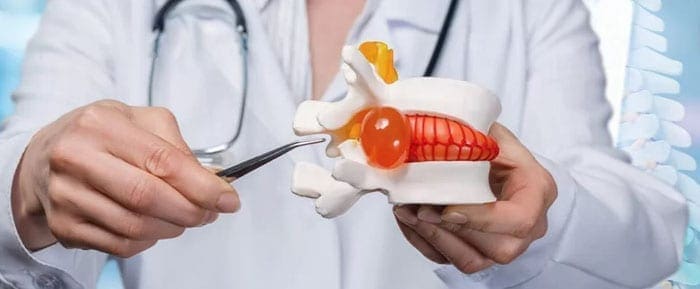
Spinal discs sit between the vertebrae like shock absorbers. Each disc has a tough outer ring called the annulus fibrosus and a soft, gel-like center called the nucleus pulposus. Sudden forces from a motor vehicle accident or a heavy lift at work can crack or push this material out of place. When that happens, the disc may press on nearby nerves and cause pain, tingling, or muscle weakness.
These injuries are common after rear-end collisions, side impacts, or falls at work. The good news is that many people improve with non-surgical care. Regenerative therapies use the patient’s own blood or fat tissue to deliver growth factors that support repair. Integrative chiropractic care helps restore proper joint motion so the disc can heal under less stress. Together they form a practical path for many patients.
Common Types of Disc Injuries from MVAs and Work Accidents:
Doctors describe disc injuries by how far the material has moved and whether the outer ring is torn. The three types most often linked to trauma are protrusions, extrusions, and annular tears.
Disc protrusion: The soft center pushes against the outer ring but stays mostly contained. The base of the bulge is wider than the tip. This creates a localized bump that can still irritate a nerve.
Disc extrusion: The soft material breaks through the outer ring and extends farther into the spinal canal. A narrow neck often connects the extruded piece to the rest of the disc. This type can put stronger pressure on nerves.
Annular tear: A crack forms in the tough outer ring. Even without a large bulge, the tear can leak inflammatory chemicals or allow the soft center to start moving outward. Tears are frequently found with both protrusions and extrusions.
These patterns appear on MRI after many car accidents and workplace injuries. Trauma can happen in a single hard impact or from repeated strain that finally overwhelms the disc.
How Accidents Cause These Injuries:
In a car crash, the body is thrown forward or sideways while the seat belt holds the torso. This rapid bending and twisting loads the discs unevenly. The same forces occur when a worker lifts a heavy object incorrectly or falls from a height. The outer ring can tear, and the soft center can shift. Once the disc is damaged, nearby muscles tighten, and joints lose normal motion. This extra stress can slow natural healing.
Early evaluation with imaging and a full exam helps match the right treatment to the exact type and severity of the injury.
Regenerative Therapies That Support Healing:
Regenerative treatments aim to repair tissue rather than only mask pain. They use concentrated cells and growth factors taken from the patient’s own body.
Platelet-Rich Plasma (PRP): A small amount of blood is drawn and spun in a centrifuge to concentrate the platelets. These platelets release growth factors that calm inflammation and encourage collagen production. PRP can be injected near the disc or into the epidural space under imaging guidance. Studies show it can reduce pain and improve function in many people with herniated discs. Results vary with the size of the tear and how long the problem has existed.
Platelet-Fibrin Products (PFP) and Microfragmented Adipose Tissue (MFAT): PFP creates a natural scaffold that holds growth factors in place longer. MFAT is made from a small sample of the patient’s own fat. The fat is processed into tiny pieces that contain supportive cells and signaling molecules. These materials can help larger or more chronic disc problems by providing structure and reducing ongoing inflammation. Early research and clinical use suggest they support matrix repair inside the disc.
Supportive IV Infusions: Intravenous nutrient and anti-inflammatory infusions deliver vitamins, minerals, and other compounds directly into the bloodstream. They help lower overall inflammation and supply building blocks the body needs for tissue repair. When combined with local regenerative injections, IV support can improve the healing environment for the spine.
Efficacy depends on the severity of the tear, the patient’s overall health, and consistent follow-up care. Mild-to-moderate protrusions and annular tears often respond best. More severe extrusions may still improve enough to avoid or delay surgery.
The Role of Integrative Chiropractic Care:
Chiropractic care restores proper motion to the spinal joints and reduces mechanical stress on the injured disc. Gentle adjustments, spinal decompression, and soft-tissue work help the vertebrae move more freely. This unloading allows the regenerative materials to work in a better environment.
Patients often notice less muscle guarding and improved posture after a series of visits. When chiropractic care is paired with PRP or MFAT, the combination addresses both the biology of the tissue and the biomechanics of the spine. Clinical observations show that many personal-injury patients regain function faster with this dual approach.
A Team Approach at Injury Medical Clinic PA in El Paso.
At Injury Medical Clinic PA, a coordinated team delivers care. Dr. Alexander Jimenez, DC, APRN, FNP-BC, CCST, CFMP, IFMCP, ATN, provides the chiropractic and functional-medicine side of treatment. He focuses on spinal alignment, rehabilitation exercises, and root-cause factors such as inflammation and nutrition.
Dr. Maria Guadalupe Cardenas, MD, Board Certified in Internal Medicine (NPI #1164426749, Texas MD License #J2933), serves as Medical Director and Collaborative Physician. With more than 40 years of experience as an internist, she supplies medical oversight, reviews patient health status, and helps guide the safe use of regenerative procedures. This multidisciplinary model is common in modern injury clinics: the chiropractor restores movement while the medical doctor ensures overall medical safety and coordination.
Together, the team also includes functional-medicine strategies, personal-injury documentation, and rehabilitation services. Patients receive a clear plan that may combine spinal adjustments, imaging-guided injections, supportive IV therapy, and progressive exercise. Dr. Jimenez’s clinical observations, available through his practice sites, note that many accident-related disc patients improve mobility and reduce pain when biomechanics and regenerative support are used together.
What Patients Can Expect:
Most people start with a detailed history, physical exam, and review of imaging. If regenerative therapy is appropriate, the injection is performed under guidance to place the material accurately. Mild soreness can follow for a few days. Improvement often begins within several weeks and continues over months as tissue remodels.
Chiropractic visits continue in parallel to keep the spine moving well. Home exercises and nutrition guidance support the process. Follow-up imaging or exams track progress. Not every disc injury responds the same way, so the team adjusts the plan based on individual response.
Conclusion:
Disc protrusions, extrusions, and annular tears from car and work accidents are serious but often manageable without immediate surgery. Targeted regenerative therapies such as PRP, MFAT, and supportive IV infusions supply the body with tools to repair tissue. Integrative chiropractic care reduces mechanical stress and improves joint function. At Injury Medical Clinic PA in El Paso, the collaboration between Dr. Alexander Jimenez and Dr. Maria Guadalupe Cardenas brings both chiropractic expertise and medical direction under one roof. This combined approach gives many patients a practical path toward reduced pain and restored activity. Anyone dealing with post-accident disc problems should seek a thorough evaluation to learn which options fit their specific injury.
IV Infusion Therapy for Neuropathy Relief in El Paso
Abstract: Neuropathy and nerve pain can cause burning, tingling, numbness, or sharp feelings that interfere with daily life. This article explains how intravenous (IV) infusion therapy may help manage certain symptoms based on the underlying cause. It covers intravenous immunoglobulin (IVIG) for immune-related neuropathies and lidocaine or ketamine infusions that can block ongoing pain signals. Nutrient IVs can also address shortages that affect nerve health. The post shows how integrative chiropractic care reduces mechanical pressure on nerves and improves mobility. Together, these approaches can ease symptoms, though they do not repair the original nerve damage. Readers will also learn about the multidisciplinary team at Injury Medical Clinic PA in El Paso, Texas.
Understanding Neuropathy and Nerve Pain
Neuropathy occurs when nerves outside the brain and spinal cord become damaged or irritated. Common causes include diabetes, vitamin shortages, autoimmune problems, chemotherapy, injuries, or chronic inflammation. People often feel burning, tingling, numbness, weakness, or shooting pain, especially in the hands and feet. These sensations can make walking, sleeping, or everyday tasks more difficult.
Because the causes differ from person to person, treatment must match the specific problem. Care teams review history, symptoms, blood work, and nerve tests before choosing options. For many people, the main goal is better comfort and function, since complete repair of damaged nerves is not always possible.
How IV Infusion Therapy May Help Manage Specific Types of Neuropathy
IV infusion therapy delivers fluids, vitamins, minerals, or medications directly into the bloodstream. This method allows the body to absorb the substances quickly and fully. Depending on the underlying cause, certain IV treatments can temporarily ease nerve-related discomfort.
IVIG for Immune-Mediated Neuropathies: When the immune system attacks the nerves—as in chronic inflammatory demyelinating polyneuropathy (CIDP) or Guillain-Barré syndrome—doctors may use intravenous immunoglobulin (IVIG). IVIG supplies healthy antibodies from donors. These antibodies help calm the overactive immune response, reduce inflammation around the nerves, and can improve strength and comfort for some patients. Sessions usually last several hours and may be repeated according to the care plan. Results vary, and the treatment supports function rather than fully reversing nerve damage (CSP Rx, n.d.).
Lidocaine and Ketamine Infusions to Block Persistent Pain Signals: Lidocaine is a local anesthetic that blocks sodium channels on nerve cells. When given by IV, it can quiet overactive pain signals from damaged nerves. Studies show short-term pain reduction that sometimes lasts days to a few weeks. The benefit is often clearer in conditions such as post-herpetic neuralgia or certain chemotherapy-related neuropathies (Kim et al., 2018; Orthopedic Reviews, 2021).
Ketamine
Ketamine works mainly by blocking NMDA receptors in the central nervous system. It can interrupt the cycle of ongoing pain signals. Some clinics combine low-dose ketamine with lidocaine. Lidocaine often provides quicker relief, while ketamine may help extend the benefit by resetting pain pathways (Charlotte Ketamine Center, n.d.). Both options require careful medical screening and monitoring.
Nutrient Support Through IV Delivery: Many people with neuropathy also have low levels of B vitamins, magnesium, or antioxidants. Vitamin B12 helps maintain the protective covering around nerves. Alpha-lipoic acid acts as an antioxidant that may reduce oxidative stress linked to diabetic neuropathy. Magnesium can calm nerve excitability. Custom or Myers’-style IV formulas deliver these nutrients directly. They support energy, hydration, and nerve comfort as part of a larger plan, especially when oral supplements are poorly absorbed (Purely IV, n.d.; Pain Relief Centers TX, n.d.).
IV therapies do not cure the underlying nerve damage. They can temporarily disrupt pain signaling or correct nutrient shortages so patients feel better while other care continues.
How Integrative Chiropractic Care Fits into Treatment
Integrative chiropractic care focuses on the spine, joints, and soft tissues that can place extra mechanical pressure on nerves. Misalignments or restricted movement in the spine or extremities may irritate nerve roots or reduce healthy blood flow to the nerves. Gentle adjustments, mobilization, soft-tissue work, and guided exercise aim to restore better alignment and motion.
By reducing physical stress on the nervous system, chiropractic techniques can lessen irritation, improve mobility, and support better overall function. Many patients notice less stiffness, better balance, and easier movement. Chiropractic care does not reverse nerve damage either, but it addresses the mechanical side of the problem that medicines alone cannot fix (Pain and Wellness Institute, n.d.; Madisonville, KY, Chiropractor, n.d.).
Combining IV Infusion Therapy and Integrative Chiropractic Care
When used together, IV infusions and chiropractic care create a complementary approach. The IV treatments can temporarily quiet pain signals and supply nutrients that nerves need. At the same time, chiropractic techniques reduce mechanical pressure and improve joint and soft-tissue mobility.
This combination helps many people manage day-to-day symptoms more effectively. Patients often report better comfort, improved energy for activity, and greater ease with rehabilitation exercises. The key point remains: these methods manage symptoms and support function. They do not address the original nerve injury. Progress is usually gradual and works best as part of a full plan that may also include lifestyle changes, physical therapy, and medical monitoring (LI Chiro PT, 2024; Dr. Alex Jimenez, n.d.).
A Multidisciplinary Team Approach in El Paso
At Injury Medical Clinic PA in El Paso, Texas, care is delivered through a coordinated team. Dr. Maria Guadalupe Cardenas, MD, is board-certified in internal medicine. She holds NPI #1164426749 and Texas MD License #J2933. With more than 40 years of experience as an internist, she serves as Medical Director and Collaborative Physician. She provides medical oversight, helps with diagnostic clarity, and ensures treatments stay within safe medical guidelines.
Dr. Alexander Jimenez, DC, APRN, FNP-BC, CCST, CFMP, IFMCP, ATN, leads the chiropractic and integrative side of care. The team blends chiropractic adjustments and rehabilitation with medical direction from Dr. Cardenas. They also include functional medicine strategies, personal injury evaluation, and supportive therapies. This model is common in modern integrative and injury clinics. An MD supplies medical governance while the chiropractor focuses on biomechanics and movement. Together they create individualized plans that address both the medical and mechanical aspects of neuropathy and nerve pain.
Clinical Observations from Dr. Alexander Jimenez
Dr. Jimenez has observed that patients with nerve-related symptoms often benefit when mechanical issues and nutrient or inflammatory factors are handled at the same time. In his clinical experience shared through practice resources, restoring better spinal and joint motion can improve nerve communication and reduce secondary irritation. When IV nutrient support is added under proper medical direction, patients frequently report steadier energy and less intensity of burning or tingling sensations during daily activities. He emphasizes careful evaluation, patient education, and realistic expectations: symptom management and functional gains are the realistic targets, not complete reversal of established nerve damage. These observations align with the multidisciplinary structure at Injury Medical Clinic PA, where medical and chiropractic perspectives inform each plan (Dr. Alex Jimenez, n.d.; LinkedIn profile of Dr. Alexander Jimenez).
Moving Forward with Realistic Expectations
Neuropathy and nerve pain require patient, individualized care. IV infusions such as IVIG, lidocaine, ketamine, or nutrient formulas can interrupt pain signals or correct shortages for some people. Integrative chiropractic care can ease mechanical pressure and support better mobility. Used together under medical and chiropractic guidance, they offer a practical way to manage symptoms and improve quality of life.
Anyone considering these options should start with a thorough evaluation by qualified clinicians. The combination works best as part of a broader strategy that may include exercise, nutrition, and ongoing monitoring. In El Paso, the collaborative model at Injury Medical Clinic PA—led by Dr. Maria Guadalupe Cardenas, MD, as Medical Director and Dr. Alexander Jimenez providing chiropractic and integrative care—illustrates how internal medicine oversight and hands-on musculoskeletal treatment can support patients seeking this balanced path.
Van Den Heuvel, S. A. S., et al. (2017). Intravenous lidocaine for chemotherapy-induced peripheral neuropathy. Related findings summarized in Orthopedic Reviews and PMC sources above.
Potential Benefits of Combining Epidural Spinal Injections with Integrative Chiropractic Care for Back Injuries After a Motor Vehicle Accident
Abstract
Epidural Injections & Chiropractic After Car Accidents: Motor vehicle accidents frequently cause back injuries and trauma that lead to acute nerve inflammation, restricted joint movement, and physical tension. Epidural spinal injections can reduce inflammation around irritated nerves. Integrative chiropractic care can then improve joint mobility and ease muscular tension. When these two approaches work together, patients often experience better symptom relief and improved function. This article explains the potential benefits of the combination, how each method works, and how a coordinated multidisciplinary team supports recovery through functional medicine, personal injury care, and rehabilitation.
Understanding Back Injuries and Trauma from Motor Vehicle Accidents
A sudden collision can force the spine into unnatural positions. This often results in soft-tissue damage, disc irritation, ligament strain, and inflammation around spinal nerves. Pain may appear right away or develop over the following days. Common symptoms include lower back or neck pain that radiates into the arms or legs, stiffness, reduced movement, and ongoing muscular tightness.
Acute nerve inflammation can create sharp, radiating discomfort. At the same time, joints may lose normal motion and surrounding muscles tighten to protect the injured area. These changes can slow recovery and limit daily activities if not addressed properly. Early, coordinated care helps reduce these barriers and supports the body’s natural healing process.
How Epidural Spinal Injections Alleviate Acute Nerve Inflammation
An epidural spinal injection places anti-inflammatory medication and a local anesthetic into the space surrounding the spinal nerves. The anesthetic often provides quick relief. The steroid then works over several days to lower swelling around the irritated nerves.
This reduction in acute nerve inflammation can ease radiating pain and make movement more comfortable. Many people notice less intensity in nerve-related symptoms, which allows them to participate more fully in other forms of care. Results vary from person to person, yet the injection is frequently considered when rest and basic measures have not controlled strong nerve irritation after an accident.
Epidural injections are not a complete solution on their own. Their main value is creating a quieter environment around the nerves so the body can respond better to restorative therapies.
How Integrative Chiropractic Care Improves Joint Mobility and Reduces Tension
Integrative chiropractic care focuses on the spine, joints, and soft tissues. After a motor vehicle accident, spinal joints often become restricted, and muscles remain tight in a protective pattern. These restrictions limit range of motion and maintain extra pressure on already irritated nerves.
Chiropractic adjustments gently restore proper joint motion. Soft-tissue techniques help release physical tension and improve local circulation. Mobilization and specific rehabilitative exercises further expand range of motion in a safe, controlled way. Over time, these steps reduce protective muscle guarding and give the spine a more stable foundation for healing.
Clinical experience shows that restoring alignment and mobility early helps prevent compensatory patterns that can turn short-term injuries into longer-term problems. By improving joint mechanics, chiropractic care lowers ongoing stress on the nerves and supports better overall function.
Potential Benefits of Combining the Two Approaches
Combining integrative chiropractic care with epidural spinal injections may prove advantageous for back injuries and trauma from motor vehicle accidents. The injections alleviate inflammation of the acute nerves, while chiropractic care enhances joint mobility and alleviates physical tension.
When nerve inflammation decreases, patients usually tolerate hands-on care and movement exercises more comfortably. Improved joint motion then reduces the mechanical stress that can keep inflammation active. This creates a supportive cycle that addresses both the chemical side of the injury (nerve swelling) and the mechanical side (restricted joints and tight muscles).
Potential benefits commonly observed include:
Reduced intensity of radiating nerve pain
Greater ability to move the spine through a fuller, more comfortable range of motion
Less muscular tension and protective spasm
Improved comfort during daily activities and rehabilitation
Lower risk of developing chronic compensatory patterns
Support for a more complete return to normal function
Clinical observations from integrative practices note that calming nerve inflammation while restoring joint function produces stronger results than either method used alone. The combination helps create better conditions for healing tissues.
A Multidisciplinary Team Approach in El Paso
At Injury Medical Clinic PA in El Paso, Texas, care for motor vehicle accident injuries follows a coordinated multidisciplinary model. Dr. Alexander Jimenez, DC, APRN, FNP-BC, CCST, CFMP, IFMCP, ATN, provides integrative chiropractic care focused on restoring joint mobility, reducing physical tension, and guiding rehabilitation. He also applies functional medicine principles that examine inflammation patterns, nutrition, and overall recovery capacity. His clinical observations, available through practice resources, emphasize treating the injured area as part of a connected system rather than in isolation.
Working with him is Dr. Maria Guadalupe Cardenas, MD. She is board-licensed in internal medicine, holds NPI #1164426749 and Texas MD License #J2933, and has more than 40 years of experience as an internist. Dr. Cardenas serves as medical director and collaborative physician at the practice. In this role, she provides medical oversight, helps ensure accurate diagnosis, and guides safe care planning for complex injuries.
This multidisciplinary setup is common in integrative and injury care clinics. An MD supplies medical direction while a chiropractor delivers hands-on neuromusculoskeletal care. The team also integrates functional medicine, personal injury documentation and support, rehabilitation exercises, and related services. The result is a coordinated plan that addresses both the local injury and the wider needs of the recovering patient.
Dr. Jimenez’s clinical observations highlight that injection-based approaches work best when mechanical alignment and movement are restored at the same time. This prevents repeated stress on healing tissues and supports more complete recovery from back injuries involving nerve irritation.
What the Recovery Process Often Looks Like
Recovery begins with a thorough evaluation that may include history, physical examination, and imaging when needed. If significant acute nerve inflammation is present, an epidural injection may be recommended first. As symptoms ease, integrative chiropractic care and progressive movement work begin. Functional medicine support and structured rehabilitation help rebuild strength, stability, and coordinated motion.
Progress is monitored through regular re-examinations that track pain levels, joint mobility, muscular tension, and daily function. Patients are encouraged to stay active within safe limits and to follow any nutrition or lifestyle recommendations that support tissue repair. Many people notice steady gains in comfort and mobility over weeks to months as inflammation settles and joint mechanics improve.
Supporting Long-Term Function After Trauma
Back injuries and trauma from motor vehicle accidents affect both nerves and the mechanical structures that support movement. Epidural spinal injections can help reduce inflammation in acute nerves. Integrative chiropractic care can then enhance joint mobility and alleviate physical tension. When these methods are used together under medical oversight, they offer a practical path toward reduced symptoms and restored function.
At Injury Medical Clinic PA, the collaboration between Dr. Alexander Jimenez’s integrative chiropractic and functional expertise and Dr. Maria Guadalupe Cardenas’s medical direction creates a clear, coordinated approach. The team focuses on calming nerve irritation, restoring healthy movement, and supporting the body through rehabilitation and personal injury care so patients can return to their usual activities with greater ease and confidence.
Anyone dealing with ongoing symptoms after a motor vehicle accident can benefit from a thorough evaluation to determine whether this combined approach is appropriate for their specific situation.
Auto and Work Accident Joint Pain Regenerative Care
Abstract: Joint pain from automobile or work accidents often comes from damaged ligaments, tendons, cartilage, and irritated nerves. Regenerative medicine and specialized injections can lower inflammation, deliver growth factors that speed tissue repair, and soothe tense nerves. Key treatments include Platelet-Rich Plasma (PRP), Micro-Fragmented Adipose Tissue (MFAT), and epidural spinal injections, along with platelet-fibrin products (PFP) and peptide therapies. These options aim to fix the cause of joint weakness rather than just hide the pain. Results improve when paired with physical therapy to build muscle strength and integrative chiropractic care to restore proper movement. This article explains each approach and shows how a multidisciplinary team supports recovery.
Why Accidents Leave Joints Painful and Unstable
A car crash or workplace injury can stretch or tear the soft tissues that hold joints steady. Ligaments may loosen. Cartilage can wear thin. Nerves near the spine or joints can become irritated and tense. The body starts to heal, but limited blood flow and continued stress from poor movement often leave the repair incomplete.
Pain, swelling, and weakness can last for months. Regular pain pills only cover the discomfort for a short time. They do not rebuild tissue or correct the movement problems that continue to stress the joint.
What Regenerative Medicine Offers
Regenerative medicine uses materials from the patient’s own body to support natural repair. Doctors collect a small sample of blood or fat, process it to concentrate healing factors, and inject the material into the injured area under imaging guidance. The goal is to lower inflammation, bring growth factors to the tissue, and help the body rebuild stronger structures.
These are outpatient procedures. Most people return to light activity the same day. Improvement usually builds over weeks to months as the tissue continues to strengthen.
Key Regenerative Treatments for Accident-Related Joint Pain
Platelet-Rich Plasma (PRP): A blood sample is spun in a centrifuge to concentrate platelets. These platelets release growth factors such as PDGF, TGF-β, and VEGF. When injected into a joint or soft-tissue injury, the growth factors attract repair cells, control inflammation, and support new collagen production. PRP is often used for partial tears, tendon injuries, and early joint changes after trauma.
Micro-Fragmented Adipose Tissue (MFAT): A small amount of the patient’s own fat is processed into tiny fragments rich in regenerative signaling cells. Injected into larger partial tears or more advanced joint damage, MFAT provides cushioning and biological signals. It helps calm chronic inflammation and supports structural repair.
Epidural Spinal Injections: When an accident irritates spinal nerves—common after disc injury or severe whiplash—epidural injections place anti-inflammatory or regenerative material around the nerves. This reduces swelling and soothes tense nerves. Radiating pain often decreases, making movement and rehabilitation easier.
Platelet-Fibrin Products (PFP) and Peptide Therapies: PFP forms a natural fibrin scaffold that holds growth factors at the injury site longer. This provides slow-healing ligaments and tendons extra time to rebuild. Certain peptides act as signaling molecules that encourage new blood vessel growth and help regulate inflammation in soft tissues. Early evidence shows they can work well alongside other regenerative options for musculoskeletal injuries.
Targeted Healing That Addresses the Real Problem
Regenerative treatments share three main actions:
They lower the inflammation that keeps joints swollen and stiff.
They deliver concentrated growth factors that speed tissue repair.
They soothe nerves that are feeling tense so pain signals quiet down.
These treatments are different from regular pain pills because they try to fix the cause of joint weakness. Instead of only covering symptoms, they give the body tools to rebuild.
Combined Care for Stronger, Longer-Lasting Results
Healing tissue is only part of the solution. If the joint continues to move poorly, new stress can slow progress or cause re-injury.
To get better results, it is best to combine regenerative injections with:
Physical therapy to rebuild muscular strength and joint stability
Integrative chiropractic care to restore proper movement, improve posture, and reduce repeated stress on the healing area
Chiropractic adjustments and soft-tissue work help the body move correctly so repaired tissue is protected. Physical therapy then strengthens the supporting muscles. Together they create a more stable and functional joint.
A Multidisciplinary Team Approach in El Paso
At Injury Medical Clinic PA in El Paso, Texas, care is provided by a coordinated team. Dr. Alexander Jimenez, DC, APRN, FNP-BC, CCST, CFMP, IFMCP, ATN, leads the chiropractic, functional medicine, and rehabilitation components. He focuses on restoring joint and spinal function, addressing root causes, and supporting recovery after personal injury.
Dr. Maria Guadalupe Cardenas, MD, Board Certified in Internal Medicine (NPI #1164426749, Texas MD License #J2933), serves as Medical Director and Collaborative Physician. With over 40 years of experience as an internist, she provides medical oversight, reviews complex cases, and helps ensure every regenerative procedure is safe and appropriate.
This multidisciplinary setup is common in integrative and injury-care clinics. An MD supplies medical direction while a chiropractor delivers hands-on care. The team also integrates functional medicine for nutrition and lifestyle support, personal-injury care, and structured rehabilitation. Patients receive a complete plan that addresses both the biological damage and the mechanical problems left by the accident.
Clinical Observations From Practice
Dr. Alexander Jimenez has observed that regenerative therapies produce stronger and longer-lasting results when mechanical and internal support are added. Accidents often damage several tissues at the same time—muscles, ligaments, discs, and nerves. Biologics help lower inflammation and jump-start repair. Chiropractic care restores healthy movement patterns. Functional medicine strategies support the internal conditions needed for healing.
Progress is measured through improved range of motion, reduced pain, better strength, and the ability to return to daily activities or work. Clear documentation of these changes also supports personal-injury recovery.
A Clear Path Toward Better Function
Joint pain after an automobile or work accident does not have to become a permanent problem. Regenerative medicine—PRP, MFAT, epidural spinal injections, PFP, and peptide therapies—lowers inflammation, delivers growth factors, and soothes tense nerves. These treatments aim to fix the cause of joint weakness rather than simply hide the pain.
When they are combined with physical therapy and integrative chiropractic care under medical oversight, many people regain strength, stability, and comfortable movement. A thorough evaluation that includes history, examination, and appropriate imaging helps determine the best combination for each person. The focus remains on supporting the body’s natural ability to heal and restoring lasting function.
Sciatica causes sharp, shooting pain that starts in the low back and travels down one leg. Many people also feel numbness, tingling, or weakness that makes walking, sitting, or sleeping difficult. The sciatic nerve becomes irritated when a disc, joint misalignment, or tight muscle presses on it. Inflammation adds chemical irritation on top of the physical pressure. Lasting relief often requires addressing both the mechanical compression and the cellular damage so the nerve can recover more fully.
Some of the peptides that have been studied for their ability to heal nerves and reduce pain are BPC-157, ARA-290, and the structural extracellular matrix sequences IKVAV and YIGSR. When these peptides are combined with Integrative Chiropractic Care, the mechanical relief of nerve compression is paired with cellular regeneration. This combined approach is used at Injury Medical Clinic PA in El Paso, Texas.
Understanding Sciatica and Why Dual Support Matters
The sciatic nerve is the longest nerve in the body. Herniated discs, spinal stenosis, lumbar misalignments, or piriformis tightness can compress it. Local inflammation then sensitizes the nerve and slows natural repair. Treating only the structure leaves residual tissue damage. Treating only the chemistry leaves ongoing mechanical stress. Combining both creates a clearer path to recovery.
Specific Peptides Studied for Nerve Repair and Pain Modulation
Research has examined several peptides for their effects on peripheral nerves and neuropathic pain.
BPC-157 (Body Protection Compound-157): This stable gastric peptide supports systemic and local tissue healing. In animal models of a transected sciatic nerve, BPC-157 improved axonal regeneration, increased the density and size of regenerative fibers, enhanced myelination, and restored motor function measured by electromyography and walking scores. It also reduces inflammation and promotes new blood vessel growth around injured tissue. Clinicians often consider it when chemical irritation of the nerve root contributes to leg symptoms.
ARA-290 (also called cibinetide): This peptide is derived from erythropoietin and activates the innate repair receptor. It targets neuropathic pain and nerve flare-ups without raising red blood cell counts. Studies show it inhibits the NLRP3 inflammasome in Schwann cells after sciatic nerve injury, reduces neuroinflammation, and supports functional recovery. Human trials in small-fiber neuropathy demonstrated lower pain scores and measurable increases in nerve fiber density.
Structural extracellular matrix sequences: IKVAV and YIGSR: These short peptides come from laminin, a major protein that guides nerve growth. IKVAV promotes neurite outgrowth and neural adhesion and helps limit fibrous scar formation after injury. YIGSR supports Schwann cell attachment, proliferation, and axonal guidance. Both have been incorporated into experimental scaffolds and hydrogels that improve regeneration across gaps in the sciatic nerve in preclinical studies.
These peptides act as signaling molecules. They support the body’s own repair processes once mechanical pressure is reduced.
How Integrative Chiropractic Care Provides Mechanical Relief
Integrative Chiropractic Care focuses on the physical causes of nerve compression. Gentle spinal adjustments restore proper joint motion in the lumbar spine and pelvis. Flexion-distraction and non-surgical spinal decompression techniques create space around the nerve roots and improve disc nutrition. Soft-tissue methods release tight muscles, such as the piriformis, that can compress the sciatic nerve. Targeted exercises then strengthen supporting muscles so the relief lasts.
Dr. Alexander Jimenez, DC, APRN, FNP-BC, CFMP, IFMCP, ATN, has observed that restoring spinal alignment and nerve glide reduces ongoing irritation. This creates a more favorable environment for tissue healing. His clinical observations emphasize non-surgical recovery for personal injury cases, chronic low-back pain, and severe sciatica through precise biomechanical correction combined with regenerative support.
The Synergistic Effect of Combining Peptides with Integrative Chiropractic Care
Mechanical relief and cellular regeneration work best together. Chiropractic adjustments reduce or remove the physical pressure that keeps the nerve inflamed and poorly nourished. Peptides then help axons regrow, calm residual inflammation, improve local blood flow, and support the extracellular matrix that guides new fibers. The result is often faster functional improvement and reduced risk of lingering symptoms.
At Injury Medical Clinic PA in El Paso, Texas, this combination is delivered in a multidisciplinary setting. Dr. Alex Jimenez provides chiropractic care focused on alignment, decompression, and rehabilitation. Dr. Maria Guadalupe Cardenas, MD (Board Certified in Internal Medicine, NPI #1164426749, Texas MD License #J2933), serves as the Medical Director and Collaborative Physician. With over 40 years of experience as an internist, she provides medical oversight so protocols remain safe and compliant. This multidisciplinary setup is common in integrative or injury care clinics, where an MD provides medical direction alongside a chiropractor.
The team integrates chiropractic care from Dr. Jimenez with medical oversight by Dr. Cardenas. It also includes functional medicine testing, personal injury care, structured rehabilitation, and related services. Patients receive coordinated support that addresses both structure and cellular healing under one clinical roof.
A Clear Journey Through Care
Thorough evaluation identifies the exact sources of compression and inflammation through history, examination, and imaging when needed.
Integrative Chiropractic Care restores motion and reduces mechanical stress on the sciatic nerve.
Peptide support, when clinically appropriate and under medical oversight, aids axonal repair and pain modulation.
Functional medicine and rehabilitation rebuild strength, movement patterns, and overall resilience.
Ongoing monitoring adjusts the plan as function returns.
Dr. Jimenez’s clinical observations, available through his practice resources, highlight that many patients notice reduced leg pain and improved walking once the mechanical component is corrected and cellular support is added. The approach stays conservative, evidence-informed, and patient-centered.
Moving Forward with Informed Care
Sciatica does not have to mean long-term limitation. Some peptides studied for their ability to heal nerves and reduce pain—BPC-157, ARA-290, and matrix sequences like IKVAV and YIGSR—offer targeted support for nerve repair and pain control in the research literature. When these are combined with skilled Integrative Chiropractic Care that relieves nerve compression, patients gain both mechanical freedom and cellular recovery tools. In El Paso, the collaborative model at Injury Medical Clinic PA—led by Dr. Alex Jimenez with medical direction from Dr. Maria Guadalupe Cardenas—illustrates how this dual approach can be delivered safely within a multidisciplinary practice focused on functional outcomes.
Always work with qualified licensed providers who can evaluate your individual situation, order appropriate testing, and supervise any regenerative therapies. Personalized care that pairs structural correction with cellular support offers a practical path toward lasting relief.
IFM's Find A Practitioner tool is the largest referral network in Functional Medicine, created to help patients locate Functional Medicine practitioners anywhere in the world. IFM Certified Practitioners are listed first in the search results, given their extensive education in Functional Medicine