When Micro-Fragmented Adipose Tissue Helps Heal Complex Injuries
Abstract: Injuries from car accidents or workplace events can create lasting problems in joints, tendons, ligaments, and cartilage. This article explains when micro-fragmented adipose tissue (MFAT) is recommended as a regenerative option. It focuses on more complex, severe, or slow-to-heal cases that have not improved enough with conservative care or basic injections such as platelet-rich plasma. Readers will learn how MFAT works, why it is chosen for larger tears and moderate-to-severe joint problems, and how it can be safely combined with integrative chiropractic care when treatments are properly sequenced. The discussion also covers the multidisciplinary team approach used at Injury Medical Clinic PA in El Paso, Texas.
What Is Micro-Fragmented Adipose Tissue?
MFAT starts with a small sample of a person’s own fat, usually taken from the abdomen or side. The tissue is gently cleaned and broken into tiny pieces. These micro-fragments keep natural supportive cells, signaling factors, and a soft framework that can cushion and help repair damaged areas.
The processed material is then injected into the injured joint, tendon, or soft-tissue site, often with ultrasound guidance for accuracy. Because the material comes from the patient’s own body, the risk of rejection is very low. MFAT supplies both biological signals that calm inflammation and a physical scaffold that supports tissue rebuilding.
When Is MFAT Recommended for Injuries?
When using regenerative therapies for various types of injuries, whether from motor vehicle accidents or work-related events, MFAT is recommended for more complex, severe, or slow-to-heal injuries. These include moderate-to-severe post-traumatic joint degeneration, significant cartilage defects, or larger partial tendon or ligament tears. MFAT could be recommended when conservative care, such as physical therapy or basic injections (such as PRP), fails to restore function.
For moderate-to-severe joint damage, cartilage defects, and larger partial soft-tissue tears, MFAT is the recommended treatment. It can be safely and effectively combined with integrative chiropractic care, provided the treatments are sequenced to facilitate biological healing and restore biomechanical alignment.
A careful evaluation that includes imaging, physical exam findings, and overall health status helps determine whether MFAT is appropriate. The goal is to reduce pain, improve joint support, and aid tissue repair while supporting the body’s natural healing capacity.
How MFAT Compares to Other Regenerative Options
PRP uses concentrated platelets from a blood sample. It delivers growth factors that stimulate healing and is often tried earlier for milder soft-tissue problems or early joint wear. MFAT, by contrast, brings a denser mix of signaling cells plus a natural matrix. This combination is better suited for larger or more advanced problems where simple growth-factor signals alone may not be enough.
In practice:
PRP may be selected first for mild-to-moderate tendon irritation or smaller tears.
MFAT is frequently preferred for moderate-to-severe joint damage, bigger partial tears, or cases that did not respond fully to prior PRP.
Both treatments use the patient’s own tissue and can be performed on an outpatient basis. The choice depends on the size and severity of the injury, previous treatment results, and the specific needs of the joint or soft tissue.
How Integrative Chiropractic Care Fits With MFAT
Regenerative injections address the biological side of healing. Integrative chiropractic care addresses the mechanical side. After an accident or work injury, joints can lose proper alignment, muscles can tighten, and movement patterns can change. These mechanical stresses can slow biological repair or place extra load on recovering tissues.
Chiropractic adjustments, soft-tissue work, and guided movement restore better alignment and joint motion. When the body is mechanically balanced, the regenerative signals from MFAT can work in a more favorable environment. The two approaches complement each other when sequenced carefully:
Early care focuses on reducing acute inflammation and restoring basic motion.
Regenerative injection is timed so the tissue has a stable base for healing.
Ongoing chiropractic and rehabilitation support proper loading while the biological repair continues.
This combined plan helps protect the healing tissue and supports longer-term function.
The Multidisciplinary Team at Injury Medical Clinic PA
At Injury Medical Clinic PA in El Paso, Texas, care is delivered through a coordinated team. Dr. Alexander Jimenez, DC, APRN, FNP-BC, CCST, CFMP, IFMCP, ATN, provides chiropractic care focused on spinal and joint mechanics, along with functional medicine and rehabilitation guidance.
Working alongside him is Dr. Maria Guadalupe Cardenas, MD. She is board-certified in internal medicine, holds NPI #1164426749 and Texas MD License #J2933, and brings more than 40 years of experience as an internist. Dr. Cardenas serves as Medical Director and Collaborative Physician. She provides medical oversight, helps evaluate overall health factors that affect healing, and ensures advanced procedures stay within safe medical guidelines.
This arrangement is common in integrative injury clinics. The medical director supplies diagnostic clarity and medical direction, while the chiropractic and functional-medicine side focuses on biomechanics, nervous-system function, and whole-person recovery. The team integrates chiropractic care from Dr. Jimenez with medical oversight by Dr. Cardenas, as well as functional medicine, personal injury care, rehabilitation, and related services.
Clinical Observations From Practice
Dr. Alexander Jimenez has observed that injury patients often present with mixed tissue and mechanical problems. Larger partial tears or joint surface damage after crashes or workplace incidents frequently respond more completely when biological support is added to careful biomechanical care.
In his clinical experience, sequencing matters. Restoring alignment and reducing abnormal joint stress creates a better setting for regenerative therapies. Patients who receive both tissue-focused injections and ongoing movement correction tend to regain function more steadily than those treated with either approach alone. Functional-medicine elements—nutrition, sleep, and inflammation control—further support the body’s repair capacity. These observations align with the clinic’s emphasis on coordinated, patient-centered plans rather than isolated procedures.
What Patients Can Expect
MFAT is performed in a single outpatient visit under local anesthesia. A small volume of fat is harvested, processed, and injected. Most people resume light activity within days and begin structured rehabilitation after an initial rest period. Improvement often appears over several weeks to a few months as the tissue responds.
Results vary with the severity of the original injury, the patient’s overall health, and adherence to the recovery plan. MFAT is not a guaranteed cure, yet it offers a non-surgical option that can reduce pain, improve joint support, and help many people return to daily activities.
Moving Forward With a Clear Plan
Complex injuries demand more than a single treatment. When larger tears, cartilage problems, or post-traumatic joint changes do not improve with conservative care, MFAT can provide the structural and cellular support needed for better healing. Pairing it with properly timed integrative chiropractic care addresses both the tissue itself and the mechanical forces that act on it.
At Injury Medical Clinic PA, this combination is delivered under the medical direction of Dr. Maria Guadalupe Cardenas and the hands-on musculoskeletal expertise of Dr. Alexander Jimenez and the team. The result is a practical, coordinated path that respects both biology and biomechanics. Anyone recovering from a motor-vehicle or work-related injury can discuss whether this approach fits their specific situation with a qualified care team.
Regenerative Options for Disc Herniations After Car and Work Accidents: How PRP, MFAT, and Integrative Chiropractic Care Support Recovery
Abstract: Car crashes and workplace accidents often damage the soft cushions between the bones of the spine. These injuries can create disc protrusions, extrusions, or tears in the outer ring of the disc. Many people feel sharp pain, numbness, or weakness that travels into the arms or legs. This article explains the most common types of these disc problems. It also shows how regenerative treatments such as platelet-rich plasma (PRP), microfragmented adipose tissue (MFAT), platelet-fibrin products, and supportive IV infusions can help the body repair tissue.
Integrative chiropractic care plays a key role by improving spinal movement and reducing pressure on the injured discs. At Injury Medical Clinic PA in El Paso, Texas, a team led by Dr. Alexander Jimenez and Medical Director Dr. Maria Guadalupe Cardenas combines these approaches for personal injury patients. The goal is clearer healing without jumping straight to surgery when possible.
Understanding Disc Herniations After Accidents:
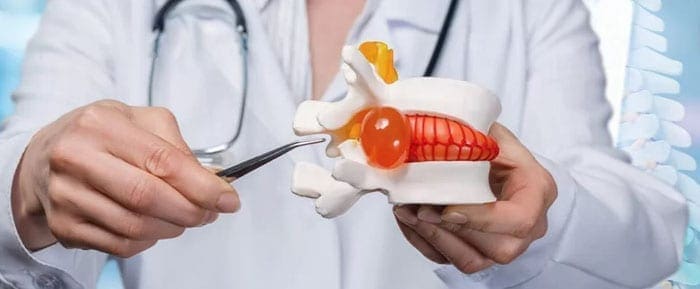
Spinal discs sit between the vertebrae like shock absorbers. Each disc has a tough outer ring called the annulus fibrosus and a soft, gel-like center called the nucleus pulposus. Sudden forces from a motor vehicle accident or a heavy lift at work can crack or push this material out of place. When that happens, the disc may press on nearby nerves and cause pain, tingling, or muscle weakness.
These injuries are common after rear-end collisions, side impacts, or falls at work. The good news is that many people improve with non-surgical care. Regenerative therapies use the patient’s own blood or fat tissue to deliver growth factors that support repair. Integrative chiropractic care helps restore proper joint motion so the disc can heal under less stress. Together they form a practical path for many patients.
Common Types of Disc Injuries from MVAs and Work Accidents:
Doctors describe disc injuries by how far the material has moved and whether the outer ring is torn. The three types most often linked to trauma are protrusions, extrusions, and annular tears.
Disc protrusion: The soft center pushes against the outer ring but stays mostly contained. The base of the bulge is wider than the tip. This creates a localized bump that can still irritate a nerve.
Disc extrusion: The soft material breaks through the outer ring and extends farther into the spinal canal. A narrow neck often connects the extruded piece to the rest of the disc. This type can put stronger pressure on nerves.
Annular tear: A crack forms in the tough outer ring. Even without a large bulge, the tear can leak inflammatory chemicals or allow the soft center to start moving outward. Tears are frequently found with both protrusions and extrusions.
These patterns appear on MRI after many car accidents and workplace injuries. Trauma can happen in a single hard impact or from repeated strain that finally overwhelms the disc.
How Accidents Cause These Injuries:
In a car crash, the body is thrown forward or sideways while the seat belt holds the torso. This rapid bending and twisting loads the discs unevenly. The same forces occur when a worker lifts a heavy object incorrectly or falls from a height. The outer ring can tear, and the soft center can shift. Once the disc is damaged, nearby muscles tighten, and joints lose normal motion. This extra stress can slow natural healing.
Early evaluation with imaging and a full exam helps match the right treatment to the exact type and severity of the injury.
Regenerative Therapies That Support Healing:
Regenerative treatments aim to repair tissue rather than only mask pain. They use concentrated cells and growth factors taken from the patient’s own body.
Platelet-Rich Plasma (PRP): A small amount of blood is drawn and spun in a centrifuge to concentrate the platelets. These platelets release growth factors that calm inflammation and encourage collagen production. PRP can be injected near the disc or into the epidural space under imaging guidance. Studies show it can reduce pain and improve function in many people with herniated discs. Results vary with the size of the tear and how long the problem has existed.
Platelet-Fibrin Products (PFP) and Microfragmented Adipose Tissue (MFAT): PFP creates a natural scaffold that holds growth factors in place longer. MFAT is made from a small sample of the patient’s own fat. The fat is processed into tiny pieces that contain supportive cells and signaling molecules. These materials can help larger or more chronic disc problems by providing structure and reducing ongoing inflammation. Early research and clinical use suggest they support matrix repair inside the disc.
Supportive IV Infusions: Intravenous nutrient and anti-inflammatory infusions deliver vitamins, minerals, and other compounds directly into the bloodstream. They help lower overall inflammation and supply building blocks the body needs for tissue repair. When combined with local regenerative injections, IV support can improve the healing environment for the spine.
Efficacy depends on the severity of the tear, the patient’s overall health, and consistent follow-up care. Mild-to-moderate protrusions and annular tears often respond best. More severe extrusions may still improve enough to avoid or delay surgery.
The Role of Integrative Chiropractic Care:
Chiropractic care restores proper motion to the spinal joints and reduces mechanical stress on the injured disc. Gentle adjustments, spinal decompression, and soft-tissue work help the vertebrae move more freely. This unloading allows the regenerative materials to work in a better environment.
Patients often notice less muscle guarding and improved posture after a series of visits. When chiropractic care is paired with PRP or MFAT, the combination addresses both the biology of the tissue and the biomechanics of the spine. Clinical observations show that many personal-injury patients regain function faster with this dual approach.
A Team Approach at Injury Medical Clinic PA in El Paso.
At Injury Medical Clinic PA, a coordinated team delivers care. Dr. Alexander Jimenez, DC, APRN, FNP-BC, CCST, CFMP, IFMCP, ATN, provides the chiropractic and functional-medicine side of treatment. He focuses on spinal alignment, rehabilitation exercises, and root-cause factors such as inflammation and nutrition.
Dr. Maria Guadalupe Cardenas, MD, Board Certified in Internal Medicine (NPI #1164426749, Texas MD License #J2933), serves as Medical Director and Collaborative Physician. With more than 40 years of experience as an internist, she supplies medical oversight, reviews patient health status, and helps guide the safe use of regenerative procedures. This multidisciplinary model is common in modern injury clinics: the chiropractor restores movement while the medical doctor ensures overall medical safety and coordination.
Together, the team also includes functional-medicine strategies, personal-injury documentation, and rehabilitation services. Patients receive a clear plan that may combine spinal adjustments, imaging-guided injections, supportive IV therapy, and progressive exercise. Dr. Jimenez’s clinical observations, available through his practice sites, note that many accident-related disc patients improve mobility and reduce pain when biomechanics and regenerative support are used together.
What Patients Can Expect:
Most people start with a detailed history, physical exam, and review of imaging. If regenerative therapy is appropriate, the injection is performed under guidance to place the material accurately. Mild soreness can follow for a few days. Improvement often begins within several weeks and continues over months as tissue remodels.
Chiropractic visits continue in parallel to keep the spine moving well. Home exercises and nutrition guidance support the process. Follow-up imaging or exams track progress. Not every disc injury responds the same way, so the team adjusts the plan based on individual response.
Conclusion:
Disc protrusions, extrusions, and annular tears from car and work accidents are serious but often manageable without immediate surgery. Targeted regenerative therapies such as PRP, MFAT, and supportive IV infusions supply the body with tools to repair tissue. Integrative chiropractic care reduces mechanical stress and improves joint function. At Injury Medical Clinic PA in El Paso, the collaboration between Dr. Alexander Jimenez and Dr. Maria Guadalupe Cardenas brings both chiropractic expertise and medical direction under one roof. This combined approach gives many patients a practical path toward reduced pain and restored activity. Anyone dealing with post-accident disc problems should seek a thorough evaluation to learn which options fit their specific injury.
Potential Benefits of Combining Epidural Spinal Injections with Integrative Chiropractic Care for Back Injuries After a Motor Vehicle Accident
Abstract
Epidural Injections & Chiropractic After Car Accidents: Motor vehicle accidents frequently cause back injuries and trauma that lead to acute nerve inflammation, restricted joint movement, and physical tension. Epidural spinal injections can reduce inflammation around irritated nerves. Integrative chiropractic care can then improve joint mobility and ease muscular tension. When these two approaches work together, patients often experience better symptom relief and improved function. This article explains the potential benefits of the combination, how each method works, and how a coordinated multidisciplinary team supports recovery through functional medicine, personal injury care, and rehabilitation.
Understanding Back Injuries and Trauma from Motor Vehicle Accidents
A sudden collision can force the spine into unnatural positions. This often results in soft-tissue damage, disc irritation, ligament strain, and inflammation around spinal nerves. Pain may appear right away or develop over the following days. Common symptoms include lower back or neck pain that radiates into the arms or legs, stiffness, reduced movement, and ongoing muscular tightness.
Acute nerve inflammation can create sharp, radiating discomfort. At the same time, joints may lose normal motion and surrounding muscles tighten to protect the injured area. These changes can slow recovery and limit daily activities if not addressed properly. Early, coordinated care helps reduce these barriers and supports the body’s natural healing process.
How Epidural Spinal Injections Alleviate Acute Nerve Inflammation
An epidural spinal injection places anti-inflammatory medication and a local anesthetic into the space surrounding the spinal nerves. The anesthetic often provides quick relief. The steroid then works over several days to lower swelling around the irritated nerves.
This reduction in acute nerve inflammation can ease radiating pain and make movement more comfortable. Many people notice less intensity in nerve-related symptoms, which allows them to participate more fully in other forms of care. Results vary from person to person, yet the injection is frequently considered when rest and basic measures have not controlled strong nerve irritation after an accident.
Epidural injections are not a complete solution on their own. Their main value is creating a quieter environment around the nerves so the body can respond better to restorative therapies.
How Integrative Chiropractic Care Improves Joint Mobility and Reduces Tension
Integrative chiropractic care focuses on the spine, joints, and soft tissues. After a motor vehicle accident, spinal joints often become restricted, and muscles remain tight in a protective pattern. These restrictions limit range of motion and maintain extra pressure on already irritated nerves.
Chiropractic adjustments gently restore proper joint motion. Soft-tissue techniques help release physical tension and improve local circulation. Mobilization and specific rehabilitative exercises further expand range of motion in a safe, controlled way. Over time, these steps reduce protective muscle guarding and give the spine a more stable foundation for healing.
Clinical experience shows that restoring alignment and mobility early helps prevent compensatory patterns that can turn short-term injuries into longer-term problems. By improving joint mechanics, chiropractic care lowers ongoing stress on the nerves and supports better overall function.
Potential Benefits of Combining the Two Approaches
Combining integrative chiropractic care with epidural spinal injections may prove advantageous for back injuries and trauma from motor vehicle accidents. The injections alleviate inflammation of the acute nerves, while chiropractic care enhances joint mobility and alleviates physical tension.
When nerve inflammation decreases, patients usually tolerate hands-on care and movement exercises more comfortably. Improved joint motion then reduces the mechanical stress that can keep inflammation active. This creates a supportive cycle that addresses both the chemical side of the injury (nerve swelling) and the mechanical side (restricted joints and tight muscles).
Potential benefits commonly observed include:
Reduced intensity of radiating nerve pain
Greater ability to move the spine through a fuller, more comfortable range of motion
Less muscular tension and protective spasm
Improved comfort during daily activities and rehabilitation
Lower risk of developing chronic compensatory patterns
Support for a more complete return to normal function
Clinical observations from integrative practices note that calming nerve inflammation while restoring joint function produces stronger results than either method used alone. The combination helps create better conditions for healing tissues.
A Multidisciplinary Team Approach in El Paso
At Injury Medical Clinic PA in El Paso, Texas, care for motor vehicle accident injuries follows a coordinated multidisciplinary model. Dr. Alexander Jimenez, DC, APRN, FNP-BC, CCST, CFMP, IFMCP, ATN, provides integrative chiropractic care focused on restoring joint mobility, reducing physical tension, and guiding rehabilitation. He also applies functional medicine principles that examine inflammation patterns, nutrition, and overall recovery capacity. His clinical observations, available through practice resources, emphasize treating the injured area as part of a connected system rather than in isolation.
Working with him is Dr. Maria Guadalupe Cardenas, MD. She is board-licensed in internal medicine, holds NPI #1164426749 and Texas MD License #J2933, and has more than 40 years of experience as an internist. Dr. Cardenas serves as medical director and collaborative physician at the practice. In this role, she provides medical oversight, helps ensure accurate diagnosis, and guides safe care planning for complex injuries.
This multidisciplinary setup is common in integrative and injury care clinics. An MD supplies medical direction while a chiropractor delivers hands-on neuromusculoskeletal care. The team also integrates functional medicine, personal injury documentation and support, rehabilitation exercises, and related services. The result is a coordinated plan that addresses both the local injury and the wider needs of the recovering patient.
Dr. Jimenez’s clinical observations highlight that injection-based approaches work best when mechanical alignment and movement are restored at the same time. This prevents repeated stress on healing tissues and supports more complete recovery from back injuries involving nerve irritation.
What the Recovery Process Often Looks Like
Recovery begins with a thorough evaluation that may include history, physical examination, and imaging when needed. If significant acute nerve inflammation is present, an epidural injection may be recommended first. As symptoms ease, integrative chiropractic care and progressive movement work begin. Functional medicine support and structured rehabilitation help rebuild strength, stability, and coordinated motion.
Progress is monitored through regular re-examinations that track pain levels, joint mobility, muscular tension, and daily function. Patients are encouraged to stay active within safe limits and to follow any nutrition or lifestyle recommendations that support tissue repair. Many people notice steady gains in comfort and mobility over weeks to months as inflammation settles and joint mechanics improve.
Supporting Long-Term Function After Trauma
Back injuries and trauma from motor vehicle accidents affect both nerves and the mechanical structures that support movement. Epidural spinal injections can help reduce inflammation in acute nerves. Integrative chiropractic care can then enhance joint mobility and alleviate physical tension. When these methods are used together under medical oversight, they offer a practical path toward reduced symptoms and restored function.
At Injury Medical Clinic PA, the collaboration between Dr. Alexander Jimenez’s integrative chiropractic and functional expertise and Dr. Maria Guadalupe Cardenas’s medical direction creates a clear, coordinated approach. The team focuses on calming nerve irritation, restoring healthy movement, and supporting the body through rehabilitation and personal injury care so patients can return to their usual activities with greater ease and confidence.
Anyone dealing with ongoing symptoms after a motor vehicle accident can benefit from a thorough evaluation to determine whether this combined approach is appropriate for their specific situation.
Auto and Work Accident Joint Pain Regenerative Care
Abstract: Joint pain from automobile or work accidents often comes from damaged ligaments, tendons, cartilage, and irritated nerves. Regenerative medicine and specialized injections can lower inflammation, deliver growth factors that speed tissue repair, and soothe tense nerves. Key treatments include Platelet-Rich Plasma (PRP), Micro-Fragmented Adipose Tissue (MFAT), and epidural spinal injections, along with platelet-fibrin products (PFP) and peptide therapies. These options aim to fix the cause of joint weakness rather than just hide the pain. Results improve when paired with physical therapy to build muscle strength and integrative chiropractic care to restore proper movement. This article explains each approach and shows how a multidisciplinary team supports recovery.
Why Accidents Leave Joints Painful and Unstable
A car crash or workplace injury can stretch or tear the soft tissues that hold joints steady. Ligaments may loosen. Cartilage can wear thin. Nerves near the spine or joints can become irritated and tense. The body starts to heal, but limited blood flow and continued stress from poor movement often leave the repair incomplete.
Pain, swelling, and weakness can last for months. Regular pain pills only cover the discomfort for a short time. They do not rebuild tissue or correct the movement problems that continue to stress the joint.
What Regenerative Medicine Offers
Regenerative medicine uses materials from the patient’s own body to support natural repair. Doctors collect a small sample of blood or fat, process it to concentrate healing factors, and inject the material into the injured area under imaging guidance. The goal is to lower inflammation, bring growth factors to the tissue, and help the body rebuild stronger structures.
These are outpatient procedures. Most people return to light activity the same day. Improvement usually builds over weeks to months as the tissue continues to strengthen.
Key Regenerative Treatments for Accident-Related Joint Pain
Platelet-Rich Plasma (PRP): A blood sample is spun in a centrifuge to concentrate platelets. These platelets release growth factors such as PDGF, TGF-β, and VEGF. When injected into a joint or soft-tissue injury, the growth factors attract repair cells, control inflammation, and support new collagen production. PRP is often used for partial tears, tendon injuries, and early joint changes after trauma.
Micro-Fragmented Adipose Tissue (MFAT): A small amount of the patient’s own fat is processed into tiny fragments rich in regenerative signaling cells. Injected into larger partial tears or more advanced joint damage, MFAT provides cushioning and biological signals. It helps calm chronic inflammation and supports structural repair.
Epidural Spinal Injections: When an accident irritates spinal nerves—common after disc injury or severe whiplash—epidural injections place anti-inflammatory or regenerative material around the nerves. This reduces swelling and soothes tense nerves. Radiating pain often decreases, making movement and rehabilitation easier.
Platelet-Fibrin Products (PFP) and Peptide Therapies: PFP forms a natural fibrin scaffold that holds growth factors at the injury site longer. This provides slow-healing ligaments and tendons extra time to rebuild. Certain peptides act as signaling molecules that encourage new blood vessel growth and help regulate inflammation in soft tissues. Early evidence shows they can work well alongside other regenerative options for musculoskeletal injuries.
Targeted Healing That Addresses the Real Problem
Regenerative treatments share three main actions:
They lower the inflammation that keeps joints swollen and stiff.
They deliver concentrated growth factors that speed tissue repair.
They soothe nerves that are feeling tense so pain signals quiet down.
These treatments are different from regular pain pills because they try to fix the cause of joint weakness. Instead of only covering symptoms, they give the body tools to rebuild.
Combined Care for Stronger, Longer-Lasting Results
Healing tissue is only part of the solution. If the joint continues to move poorly, new stress can slow progress or cause re-injury.
To get better results, it is best to combine regenerative injections with:
Physical therapy to rebuild muscular strength and joint stability
Integrative chiropractic care to restore proper movement, improve posture, and reduce repeated stress on the healing area
Chiropractic adjustments and soft-tissue work help the body move correctly so repaired tissue is protected. Physical therapy then strengthens the supporting muscles. Together they create a more stable and functional joint.
A Multidisciplinary Team Approach in El Paso
At Injury Medical Clinic PA in El Paso, Texas, care is provided by a coordinated team. Dr. Alexander Jimenez, DC, APRN, FNP-BC, CCST, CFMP, IFMCP, ATN, leads the chiropractic, functional medicine, and rehabilitation components. He focuses on restoring joint and spinal function, addressing root causes, and supporting recovery after personal injury.
Dr. Maria Guadalupe Cardenas, MD, Board Certified in Internal Medicine (NPI #1164426749, Texas MD License #J2933), serves as Medical Director and Collaborative Physician. With over 40 years of experience as an internist, she provides medical oversight, reviews complex cases, and helps ensure every regenerative procedure is safe and appropriate.
This multidisciplinary setup is common in integrative and injury-care clinics. An MD supplies medical direction while a chiropractor delivers hands-on care. The team also integrates functional medicine for nutrition and lifestyle support, personal-injury care, and structured rehabilitation. Patients receive a complete plan that addresses both the biological damage and the mechanical problems left by the accident.
Clinical Observations From Practice
Dr. Alexander Jimenez has observed that regenerative therapies produce stronger and longer-lasting results when mechanical and internal support are added. Accidents often damage several tissues at the same time—muscles, ligaments, discs, and nerves. Biologics help lower inflammation and jump-start repair. Chiropractic care restores healthy movement patterns. Functional medicine strategies support the internal conditions needed for healing.
Progress is measured through improved range of motion, reduced pain, better strength, and the ability to return to daily activities or work. Clear documentation of these changes also supports personal-injury recovery.
A Clear Path Toward Better Function
Joint pain after an automobile or work accident does not have to become a permanent problem. Regenerative medicine—PRP, MFAT, epidural spinal injections, PFP, and peptide therapies—lowers inflammation, delivers growth factors, and soothes tense nerves. These treatments aim to fix the cause of joint weakness rather than simply hide the pain.
When they are combined with physical therapy and integrative chiropractic care under medical oversight, many people regain strength, stability, and comfortable movement. A thorough evaluation that includes history, examination, and appropriate imaging helps determine the best combination for each person. The focus remains on supporting the body’s natural ability to heal and restoring lasting function.
Regenerative Therapies for Personal Injury: How PRP, PFP, MFAT, and Epidural Injections Support Healing
A personal injury from a car accident, fall, or sports event can leave lasting damage. Muscles, ligaments, and tendons may tear. Spinal nerves can become irritated or compressed. Everyday activities like walking, sleeping, or working become increasingly difficult. Many people face long recovery times, strong pain medicines, or surgery. Regenerative therapies offer another choice. These treatments use materials from your body to speed tissue repair and calm inflamed nerves. They help patients regain function and create clear records of active healing that can support injury claims.
These options promote healing of both new and long-term tissue injuries. They reduce swelling and deliver natural repair signals. At Injury Medical Clinic PA in El Paso, Texas, these therapies are part of a full plan that includes chiropractic care, medical oversight, functional medicine, and rehabilitation.
How These Therapies Help After Personal Injury
Regenerative treatments speed the repair of damaged muscles, ligaments, and tendons. They also calm irritated spinal nerves. This makes it easier to sleep, move, and join physical therapy. Patients often need fewer strong medicines and can avoid or delay surgery. Follow-up checks show real tissue-level progress. That documented recovery can strengthen personal injury claims.
The therapies work by concentrating the body’s own healing tools and placing them exactly where they are needed. Areas with poor blood flow, such as tendons and spinal discs, respond especially well.
PRP (Platelet-Rich Plasma): Concentrated Growth Factors from Your Blood
PRP starts with a small blood draw from your arm. The blood spins in a machine that concentrates the platelets. Platelets are the natural parts of blood that help clotting and repair. When injected into the injured area, the platelets release growth factors. These growth factors stimulate cell repair, lower inflammation, and speed healing of torn ligaments, muscles, and tendons.
PRP works well for many soft-tissue injuries common in accidents. It supports recovery after whiplash or a torn tendon. Results usually appear over several weeks as the body responds to the concentrated signals. Rehabilitation exercises help the improvements last longer.
Key points about PRP:
Uses only your own blood
Releases growth factors that call in repair cells
Reduces inflammation in soft tissues
Supports healing of ligaments, muscles, and tendons
PFP (Platelet-Fibrin Products): A Scaffold for Longer Healing Signals
PFP concentrates proteins from the blood that trap growth factors. This creates a supportive matrix or “scaffold” at the injury site. The scaffold holds the healing signals in place longer so they continue working over time.
PFP is often chosen for tissues that have not responded to simpler treatments. It provides prolonged support for stubborn ligament, tendon, or disc injuries. In chronic personal injury cases, the longer-lasting signals give the body more time to rebuild.
Key points about PFP:
Forms a natural supportive scaffold
Delivers growth factors over an extended period
Helps tissues that heal slowly
Uses your own blood proteins
MFAT (Micro-Fragmented Adipose Tissue): Signaling Cells from Your Fat
MFAT begins with a small sample of the patient’s fat tissue, usually taken gently from the abdomen or side. The fat is processed to keep its rich concentration of signaling cells. These cells are then injected into the damaged area.
MFAT is frequently used for more serious joint damage, cartilage defects, and larger partial tears. The signaling cells provide structural support and assist tissue repair. For bigger injuries from accidents, MFAT supplies both cells and a natural framework that aids rebuilding.
Key points about MFAT:
Uses a small amount of your own fat
Rich in regenerative signaling cells
Supports structure in joints and larger tears
Helps calm chronic inflammation
Epidural Spinal Injections: Direct Relief for Nerve Inflammation
Severe nerve inflammation can occur when a herniated disc compresses a nerve root. This causes sharp pain, numbness, or weakness that may travel into an arm or leg. An epidural spinal injection places an anti-inflammatory substance—such as cortisone or regenerative biologics—directly into the spinal area. Imaging guidance keeps the placement accurate.
The injection reduces nerve irritation. Many patients find it easier to sleep, walk, and take part in physical rehabilitation. Regenerative versions also deliver growth factors that support longer-term calming of the nerve and surrounding tissues.
Key points about epidural injections:
Targets severe nerve inflammation from compressed roots
Can use cortisone or regenerative materials
Improves sleep, walking, and therapy participation
Creates space for other healing steps
Matching the Right Plan to Your Specific Injury
The clinic reviews the exact injuries you are dealing with so the team can recommend the best integrative chiropractic treatment plan. A herniated disc that presses on a nerve may start with an epidural to calm the irritation, followed by targeted PRP or PFP near the disc. Whiplash often involves stretched or torn neck ligaments and muscles that respond well to PRP or PFP. A torn tendon in the shoulder, knee, or elsewhere may benefit from PRP for smaller tears or MFAT for larger or joint-related damage.
Your care team looks at imaging, examination findings, and overall health. They explain the options in clear language so you understand which combination fits your situation best. Functional medicine can also identify nutrition or inflammation factors that affect how quickly tissues heal.
The Multidisciplinary Team at Injury Medical Clinic PA
Dr. Alexander Jimenez, DC, APRN, FNP-BC, CCST, CFMP, IFMCP, ATN, has observed that regenerative therapies produce stronger results when paired with mechanical and internal support. The biological signals from PRP, PFP, or MFAT plant the seeds of repair. Chiropractic adjustments restore proper alignment and joint movement so healing tissues are not under constant stress. Rehabilitation builds strength and correct patterns. Functional medicine addresses root factors such as nutrition, inflammation, and lifestyle. Personal injury care includes thorough documentation of progress. His clinical observations show lasting gains in mobility and pain reduction when these elements work together.
Dr. Maria Guadalupe Cardenas, MD (Board Certified in Internal Medicine, NPI #1164426749, Texas MD License #J2933), has over 40 years of experience as an internist. She works with Dr. Alex Jimenez, DC, and serves as the medical director and collaborative physician at his practice, Injury Medical Clinic PA, in El Paso, Texas. This is a multidisciplinary setup common in integrative or injury care clinics, where an MD provides medical direction alongside a chiropractor. The team integrates chiropractic care (Dr. Jimenez) with medical oversight by Dr. Cardenas (internal medicine), as well as functional medicine, personal injury care, rehabilitation, and related services. Shared records keep care coordinated and complete.
Moving Toward Better Function and Documented Recovery
These regenerative therapies give patients real options after personal injury. They speed tissue repair, calm irritated nerves, restore function, and create objective records of active healing. When combined with chiropractic care under medical oversight and functional medicine support, the approach addresses both the local damage and the wider factors that help recovery last.
If you are dealing with a herniated disc, whiplash, torn tendon, or other personal injury, the team at Injury Medical Clinic PA can help you understand the best plan for your needs. A clear evaluation creates a personalized path focused on natural healing and return to daily life.
Unlocking the Body’s Healing Potential: Integrating PRP, Peptides, and Advanced Chiropractic Care
Abstract
Welcome to our educational series. As Dr. Alex Jimenez, I am dedicated to bringing you the latest in evidence-based, integrative healthcare. Today, we will explore the fascinating world of platelet-rich plasma (PRP) and peptide therapies, powerful tools in regenerative medicine. This post will take you on a journey through the science behind these treatments, from the meticulous laboratory process of preparing PRP to its application in treating joint pain and promoting tissue regeneration.
We will discuss the physiological mechanisms that make these therapies so effective, including how they stimulate the body’s natural healing cascade. Furthermore, we will explore how these advanced regenerative techniques are seamlessly integrated into our multidisciplinary practice at Injury Medical Clinic. Here, under the collaborative medical direction of Dr. Maria Guadalupe Cardenas, MD, we combine these innovative treatments with foundational care like integrative chiropractic, physical therapy, and functional medicine to create a holistic and personalized path to wellness for our patients in El Paso, Texas.
Our Collaborative Approach to Integrative Healthcare
At the Injury Medical Clinic, our philosophy is rooted in a comprehensive, patient-centered model. My journey as a doctor of chiropractic, advanced practice registered nurse, and certified functional medicine practitioner has shown me that the most effective healing occurs when we address the body as an interconnected system. This is why our practice is built on a multidisciplinary foundation.
I work in close collaboration with Dr. Maria Guadalupe Cardenas, MD, our esteemed medical director. With over 40 years of experience as a board-certified internist, Dr. Cardenas provides essential medical oversight, ensuring that our treatments are safe, effective, and grounded in sound medical principles. This partnership between a chiropractor (DC) and a medical doctor (MD) is a cornerstone of our integrative approach. It allows us to bridge the gap between different healthcare disciplines, offering our patients the best of both worlds.
Our team integrates a wide range of services:
Chiropractic Care: We focus on optimizing musculoskeletal function, correcting spinal misalignments, and relieving nerve pressure, which is often the foundational step in recovery.
Medical Oversight: Dr. Cardenas provides medical evaluations, diagnostics, and collaborative treatment planning, particularly for personal injury cases and complex chronic conditions.
Regenerative Medicine: We utilize advanced therapies like PRP and peptides to stimulate the body’s own healing mechanisms.
Physical Therapy & Rehabilitation: Our programs are designed to restore strength, mobility, and function, helping patients return to their daily activities without pain.
Functional Medicine: We investigate the root causes of illness, looking at genetics, lifestyle, and environmental factors to create personalized wellness plans.
This synergistic model ensures that every patient receives a tailored treatment protocol that addresses their unique needs, whether they are recovering from a personal injury or seeking solutions for chronic pain. Our primary focus at elpasobackclinic.com remains on physical medicine—chiropractic and rehabilitation—while leveraging these advanced biological treatments as powerful adjuncts to accelerate healing.
The Science and Art of Preparing Platelet-Rich Plasma (PRP)
One of the most exciting frontiers in regenerative medicine is the use of Platelet-Rich Plasma (PRP). PRP is a concentrated solution derived from a patient’s own blood, rich in platelets and growth factors that orchestrate the body’s natural healing and repair processes. Preparing PRP is a precise laboratory procedure that requires both technical skill and a deep understanding of the underlying biology.
The Centrifugation Process
The journey begins with a simple blood draw, similar to what you would have for routine lab work. This whole blood is then placed in a specialized centrifuge, a machine that spins at high speeds to separate the blood into its different components based on their density.
Red Blood Cells: Being the densest, these cells settle at the very bottom of the tube.
Plasma: This is the liquid component of blood, which is the least dense and rises to the top.
The Buffy Coat: Between these two layers lies a thin, whitish layer known as the “buffy coat.” This is the treasure we are after. It contains a high concentration of platelets and white blood cells.
After the initial spin, the plasma layer, which now contains a high concentration of platelets, is carefully separated. This is what we call platelet-rich plasma.
The Importance of Technique: A Clinical Observation
During the extraction process, precision is paramount. The goal is to collect the maximum amount of PRP without disturbing the layers below it. We use a gel separator in our collection tubes, which forms a physical barrier between the red blood cells and the plasma after centrifugation.
A critical detail in this process is ensuring the tip of the collecting syringe does not touch or puncture this gel separator. If the gel is disturbed, it can cause the red blood cells to leak back into the plasma. This would contaminate the PRP, diminishing its purity and efficacy. Should this happen, the sample would need to be re-spun to separate the components again, a step we strive to avoid to maintain the highest quality of the preparation. This meticulous attention to detail is why I prefer a technique where I have maximum control, anchoring my hand and using a steady, precise motion to draw the plasma from just above the gel layer. It’s an art form guided by science.
The final product is a golden-hued liquid, densely packed with the healing potential of the patient’s own body. We can use this powerful biologic for various applications, from injecting it into arthritic joints to using it in aesthetic procedures like microneedling to rejuvenate the skin.
Applying PRP: From Joint Injections to Topical Creams
Once we have prepared the PRP, it’s ready to be deployed to the areas of the body that need it most. The versatility of PRP is one of its greatest strengths.
Joint Injections: For patients suffering from osteoarthritis or ligament and tendon injuries, injecting PRP directly into the affected joint can be transformative. We recently had a case where we prepared multiple tubes of PRP for a single patient to treat her ankle, knee, and hip. The concentrated growth factors in the PRP, such as Platelet-Derived Growth Factor (PDGF) and Transforming Growth Factor-Beta (TGF-β), signal local stem cells to migrate to the area of injury. They then initiate a cascade of repair processes, including the formation of new cartilage, ligaments, and blood vessels. This reduces inflammation, alleviates pain, and, most importantly, promotes true tissue regeneration rather than just masking symptoms. This approach aligns perfectly with the chiropractic goal of restoring function, as healthier joints move better and with less pain.
Topical Applications: Not all PRP is used for injections. Any leftover PRP can be repurposed for topical use. For instance, it can be mixed with a specialized carrier cream, like Pro-Cell, which is designed to stabilize the platelets and allow for transdermal absorption. This PRP-infused cream can then be taken home by the patient and applied to the skin, prolonging the regenerative effects of a procedure like microneedling or providing anti-inflammatory benefits to a sore joint.
Enhancing Healing with Peptides: The Next Level of Regenerative Therapy
While PRP harnesses the body’s existing healing components, we can further amplify this process by introducing peptides. Peptides are short chains of amino acids, which are the building blocks of proteins. They act as signaling molecules in the body, telling cells what to do. Certain peptides have powerful regenerative, anti-inflammatory, and healing properties.
In our practice, we often combine PRP treatments with the application of specific peptides to enhance the therapeutic outcome. For example, after performing a PRP treatment for hair restoration on the scalp, we can apply a specialized peptide solution to the area.
The PRP, which we’ve already injected, has created micro-channels in the skin and initiated the healing response. By massaging the peptide solution into the scalp immediately after, we leverage these open channels for enhanced absorption. The peptides can then penetrate deeper into the hair follicles, providing an additional layer of stimulation. For instance, a peptide like GHK-Cu (Copper Peptide) is known to stimulate hair growth by enlarging the follicle size and prolonging the growth phase of the hair cycle.
This combination therapy is synergistic. The PRP prepares the tissue and starts the healing process, while the peptides provide specific, targeted instructions to the cells to amplify that regeneration.
The Patient Experience: A Moment of Relief
Patients are often curious and a bit apprehensive about these procedures. A common question is, “What will it feel like?” When treating the scalp, for instance, patients may experience a temporary sensation of pressure or a feeling like a tension headache. As one patient described it, it felt like a “headache on the scalp,” not a deep, internal pain.
This sensation is a normal response to the injections and the volume of fluid being introduced. However, it is typically very brief. My clinical observation is that this feeling of “heaviness” or pressure resolves within minutes. The massaging of the peptides afterward is often described as the best part of the treatment—it feels soothing and helps to distribute the peptides evenly. This immediate transition from a strange pressure to a relaxing massage is reassuring for patients and is an integral part of the positive therapeutic experience we aim to create.
The Role of Integrative Chiropractic Care in Regenerative Medicine
So, where does chiropractic fit into this picture of high-tech regenerative therapies? It’s the foundation upon which everything else is built.
The central nervous system, which is housed and protected by the spine, is the master controller of every function in the body, including healing and regeneration. Spinal misalignments (subluxations) can create nerve interference, hindering the body’s ability to heal itself efficiently.
My role as a chiropractor is to identify and correct these misalignments through specific chiropractic adjustments. By restoring proper spinal alignment and motion, we achieve several critical goals:
Optimize Nerve Function: A well-aligned spine allows for clear communication between the brain and the rest of the body. This ensures that the healing signals initiated by treatments like PRP are transmitted effectively.
Improve Biomechanics: When we inject a joint like the knee or hip with PRP, we want that joint to function in a mechanically sound environment. If the patient has poor posture, an imbalanced gait, or spinal misalignments, these conditions place abnormal stress on the joint, which can counteract the benefits of the regenerative injection. Chiropractic care and physical therapy correct these biomechanical faults, creating an optimal environment for the repaired tissue to thrive.
Reduce Systemic Inflammation: Spinal misalignments can contribute to a state of chronic, low-grade inflammation. Chiropractic adjustments have been shown to help down-regulate inflammatory processes, creating a more favorable systemic environment for healing.
Therefore, we see chiropractic care not as a separate treatment but as an essential, integrated component of our regenerative protocols. We first ensure the body’s framework and communication systems are functioning optimally. Then, we introduce advanced therapies like PRP and peptides to target specific areas of injury and accelerate the healing that the body is now better equipped to perform. This holistic approach, combining hands-on structural care with cutting-edge biological treatments under medical supervision, is the future of musculoskeletal and personal injury medicine. It allows us to help our patients not just manage their pain but truly heal and regain their quality of life.
References
Everhart, J. S., Jayaram, P., & Dragoo, J. L. (2020). Autologous biologics in the treatment of knee osteoarthritis: A systematic review of the past 10 years of clinical evidence. The American Journal of Sports Medicine, 48(8), 2027–2040.https://journals.sagepub.com/doi/abs/10.1177/0363546519894762
Pickart, L., & Margolina, A. (2018). Regenerative and protective actions of the GHK-Cu peptide in the light of the new gene data. International Journal of Molecular Sciences, 19(7), 1987.https://www.mdpi.com/1422-0067/19/7/1987
Roy, R. A., Boucher, J. P., & Comtois, A. S. (2010). Inflammatory response following a short-term course of chiropractic treatment in subjects with and without chronic low back pain. Journal of Chiropractic Medicine, 9(3), 107–114.https://www.ncbi.nlm.nih.gov/pmc/articles/PMC3081333/
How an Integrative Approach Speeds Healing and Restores Mobility After Accidents or Work Injuries
Many people who suffer injuries in car accidents or on the job start with rest, ice, and basic pain relief. These steps can lower swelling at first. Yet soft tissue damage, stretched ligaments, and bulging discs often fail to heal fully on their own. Pain lingers. Movement stays limited. Daily tasks become harder than they should be.
An integrative wellness strategy changes this path. It combines structural corrections, cellular repair, and nutritional support. The goal is not only to reduce inflammation early on. The plan then realigns the body, regenerates damaged tissue, and rebuilds normal function. This multilayer method calms irritated nerves, rebuilds ligaments and discs, and restores healthy spinal mechanics. Providers layer these tools so patients feel better today while the body activates its own long-term repair systems.
Why Injuries Sometimes Fail to Heal Alone
Soft tissues and spinal discs receive limited blood flow. After a sudden impact—such as a rear-end collision or a workplace fall—ligaments can stretch or tear. Discs can bulge or lose height. Muscles tighten to protect the area. Rest may quiet the acute phase, but it rarely rebuilds strength or alignment.
Without further help, the body can settle into a cycle of stiffness, nerve irritation, and reduced mobility. Traditional options that only mask symptoms leave the underlying damage in place. When problems persist, regenerative and structural methods become useful next steps.
The Three Layers of Integrative Care
An effective plan works on three levels at once:
Structural (mechanical) care realigns joints and reduces pressure on discs and nerves.
Cellular therapies deliver growth factors and supportive cells that stimulate tissue repair.
Nutritional and systemic support supplies the building blocks the body needs to heal from the inside.
Together, these layers move treatment from short-term relief toward lasting restoration.
Structural Corrections: Chiropractic Care and Spinal Decompression
Chiropractic adjustments gently restore proper joint motion. When vertebrae or extremity joints are out of their ideal position, surrounding muscles and ligaments remain under uneven stress. Precise adjustments ease that stress, calm nerve signals, and improve overall posture and movement patterns.
Spinal decompression adds another structural tool. Controlled traction creates a gentle stretch that lowers pressure inside bulging or herniated discs. This can improve nutrient flow into the disc and reduce irritation on nearby nerves. Patients often notice less radiating pain and freer movement as alignment improves.
These mechanical steps prepare the body for deeper healing. New tissue grows stronger when joints move correctly, and load is shared evenly.
Cellular Healing: Regenerative Therapies That Rebuild Tissue
When soft tissue damage or disc problems do not resolve with rest and structural care alone, regenerative options can activate repair at the cellular level.
Platelet-rich plasma (PRP) starts with a simple blood draw. The sample is spun to concentrate platelets and growth factors. When injected near injured ligaments, tendons, or discs, these factors signal the body to reduce inflammation and begin rebuilding. Higher platelet doses tend to deliver stronger signals for repair.
Micro-fragmented adipose tissue (MFAT) uses a small sample of the patient’s own fat. Gentle processing yields tissue rich in regenerative cells and a supportive matrix. MFAT is often chosen for larger joints or areas that need cushioning and structural support in addition to growth factors.
Laser therapy (Class 4) and shockwave treatments further support cellular activity. Laser light boosts energy production inside cells and lowers inflammatory signals. Shockwave creates controlled micro-stress that encourages new blood vessel growth and collagen production. Both methods pair well with injections because they improve the local healing environment.
These biological tools do not simply hide pain. They aim to rebuild damaged ligaments and disc tissue so the spine and joints can function more normally again.
Nutritional and Systemic Support: IV Therapy and Functional Care
Tissue repair requires raw materials. IV nutrition delivers vitamins, minerals, amino acids, and other nutrients directly into the bloodstream. This approach bypasses digestion and can quickly raise levels needed for collagen production, energy, and inflammation control.
Functional medicine principles guide the choice of nutrients and lifestyle steps. Addressing gut health, sleep, and overall inflammation creates a stronger foundation so structural and cellular work can succeed. Patients often notice better energy and faster progress when systemic support is part of the plan.
How the Layers Work Together
The real power appears when these strategies are layered. Early care focuses on calming inflammation and protecting the area. Structural corrections then restore alignment so forces move through the body correctly. Regenerative injections and laser or shockwave treatments supply the biological signals that rebuild tissue. Nutritional support keeps the repair process well supplied.
The result is more than temporary pain relief. Nerve irritability decreases. Ligaments and discs regain strength. Spinal mechanics return toward normal. Patients regain mobility and can return to work or daily activities with greater confidence.
Expert Multidisciplinary Care in El Paso
In El Paso, Texas, Injury Medical Clinic PA offers this layered approach under one coordinated team. Dr. Alexander Jimenez, DC, APRN, FNP-BC, CCST, CFMP, IFMCP, ATN, provides chiropractic care, functional medicine guidance, and clinical insights drawn from years of treating personal injury and complex musculoskeletal cases. His observations, shared in clinical writings, emphasize that combining high-quality regenerative tools, such as PRP, with precise structural corrections yields more durable results than either method alone. Fixing both the chemistry of tissue repair and the biomechanics of movement helps prevent re-injury and supports long-term function.
Dr. Maria Guadalupe Cardenas, MD, Board Certified in Internal Medicine (NPI #1164426749, Texas MD License #J2933), brings more than 40 years of experience as an internist. She serves as medical director and collaborative physician at the practice. This multidisciplinary arrangement is common in integrative and injury-care clinics. An MD provides medical direction and oversight while working alongside the chiropractor. The team integrates chiropractic adjustments and decompression (led by Dr. Jimenez), medical evaluation and collaborative care (under Dr. Cardenas), functional medicine, personal injury documentation and rehabilitation, and related services. Patients receive coordinated plans that address structural alignment, cellular healing, and overall health in a single setting.
What Patients Can Expect on the Path to Recovery
Most people begin with a thorough exam that includes movement testing, imaging review when needed, and a clear discussion of goals. Care then progresses through the layers described above. Progress is measured not only by reduced pain scores but by real gains in range of motion, strength, and the ability to perform everyday tasks.
Because the methods use the patient’s own tissues whenever possible and avoid heavy reliance on long-term medications or surgery, side effects remain generally mild. Temporary soreness after injections or mild fatigue after intensive sessions are the most common short-term responses.
Moving Beyond Symptom Relief
Accident and work injuries do not have to lead to years of limited mobility. An integrative strategy that starts with inflammation control and progresses through structural realignment, tissue regeneration, and nutritional support provides the body with the tools it needs to heal more completely. By calming nerves, rebuilding soft tissues and discs, and restoring healthy mechanics, this approach helps patients regain function and return to the activities that matter most.
When injuries persist despite rest, seeking a coordinated team that understands both the mechanical and biological sides of recovery can make a meaningful difference.
IFM's Find A Practitioner tool is the largest referral network in Functional Medicine, created to help patients locate Functional Medicine practitioners anywhere in the world. IFM Certified Practitioners are listed first in the search results, given their extensive education in Functional Medicine