Back Clinic El Paso Chiropractic News. Dr. Jimenez brings various articles dealing with the local chiropractic community and what they are up to. Chiropractors are known for safely and effectively treating acute back and neck pain, as well as headaches. While a medical doctor might prescribe pain medicine, muscle relaxers, or anti-inflammatory drugs. Then an orthopedic doctor may suggest surgery, a chiropractor will treat your problems by hand, through manipulation of the spine.
Chiropractors bring the musculoskeletal structure into proper alignment. Chiropractors help to change the position of your body through proper pressure to particular points along the spine that is not properly aligned. This results in the all-familiar popping that people are used to. The noise is created from a change in pressure in your joints as gas bubbles are released. Adjusting the spine with their hands at particular pressure points, chiropractors can unblock nerve energy and allow it to flow in a much smoother way down your spine and throughout the entire body. Regular visits can realign your spine to optimize overall health. For answers to any questions you may have please call Dr. Jimenez at 915-850-0900
Metabolic Syndrome affects many people. In fact, more than a quarter of the United States has it! Metabolic Syndrome is not a disease, but instead a cluster of disorders. These disorders on their own are not necessarily alarming but when you have more than one, the body starts to feel the repercussions.
Symptoms
Those with metabolic syndrome often suffer from frequent headaches, inflammation, nausea, fatigue, joint pain, and many more. On top of these symptoms, metabolic syndrome can put individuals at a higher risk for Type 2 Diabetes, Heart Disease, Stroke, Obesity, Sleep Apnea, and Kidney Disease.
Risk Factors
Individuals who have an “apple or pear” body shape, are at an increased risk for developing metabolic syndrome. There are no “obvious” signs of metabolic syndrome, but rather one with metabolic syndrome has 3/5 of these risk factors.
A fasting blood glucose level of 100 mg/DL
High Blood Pressure, measuring 130/85
High Triglycerides
Low HDL (Good Cholesterol)� measuring <40mg/DL Men & <50mg/DL Women
Excess Waist Fat (>40in Men & >35in Women)
What Can You Do About It?
Of course, no one wants to be left feeling sick and stranded. There are ways to help prevent metabolic syndrome at home. Below there are five tips for each risk factor and how to prevent/reduce your symptoms.
A Fasting Blood Glucose Level Of 100 mg/DL
Ketogenic Diet
Increase Fiber
Control Portions
Set “Carb Goals”
Choose complex carbs over simple carbs
High Blood Pressure, measuring 130/85
Reduce Sodium
Lower caffeine
DASH diet (Dietary Approaches to Stop Hypertension)
Boost Potassium
Read Food labels
High Triglycerides
Limit sugar intake
Increase fiber
Establish a regular eating pattern
Eat more “tree nuts” ( almonds, cashews, pecans)
Switch to unsaturated fats
Low HDL ( Good Cholesterol) measuring <40mg/DL Men & <50mg/DL Women
Reduce Alcohol
Do not smoke
Choose better fats
Purple Produce (antioxidants to help inflammation)
Increase fish consumption
Excess Waist Fat >40 in Men & >35 in Women
Ketogenic Diet
Exercise Daily
Walk after dinner
Grocery Shop without Aisles
Increase in Water Consumption
Solutions
Aside from doing these tricks and tips at home, a doctor or health coach will be able to further assist one in healing. The main goal is to take these symptoms and disorders and correct them before they become a full-blown diagnosis.
Rather than just running a basic blood panel, they now have tests that allow us to see multiple different levels and numbers. these elaborate blood tests provide great insight to allow us to see the full picture. By completing these labs, it allows the doctor to evaluate the patients better and provide a more specific treatment plan.
In addition to detailed lab work, there are all-natural supplements that have been shown to help improve these symptoms along with proper diet and exercise. Some of these supplements include Vitamin D, Berberine, and Ashwagandha.
On top of these things, there is also an app that is available to download. This app is called, “Dr. J Today”. This app connects you directly to our clinic and allows us to monitor your diet, supplements, activity, BMI, water weight, muscle mass, and more! This app also gives you a direct portal to message Dr.Jimenez or myself.
As stated before, our main goal is to help you decrease your symptoms before they turn into a full-blown diagnosis. One thing we want to surround our patients with is knowledge and a team atmosphere. With the right team, anything is possible and better health is more attainable than you think!
Having Type 1 Diabetes, I have experienced metabolic syndrome before. It is one of my least favorite feelings that exist. I want our patients to know that they do not have to feel that way and there are treatment plans that can help! I will help to create a personalized plan that is tailed to you, so success is the only option. – Kenna Vaughn, Senior Health Coach�
The scope of our information is limited to chiropractic, musculoskeletal, and nervous health issues or functional medicine articles, topics, and discussions. We use functional health protocols to treat injuries or disorders of the musculoskeletal system. Our office has made a reasonable attempt to provide supportive citations and has identified the relevant research study or studies supporting our posts. We also make copies of supporting research studies available to the board and or the public upon request. To further discuss the subject matter above, please feel free to ask Dr. Alex Jimenez or contact us at 915-850-0900.
Q: Can back pain be hereditary and run in the family? I’m 24 and have chronic low back pain. But I found out that my mother, grandmother, and brother also have back pain. None of us were diagnosed with any type of spine condition. So I’m wondering if there is a hereditary/gene link or if it’s just a coincidence? El Paso, TX.
A: Back pain is a very common problem, and it is not uncommon that you and family members have back pain. Every year, 13 million people visit a chiropractor for chronic back pain. I can’t say without further study and research of your family whether the chronic low back pain is directly associated with your genes. But there are studies that support the connection between back pain and genetics.
Research in the past was difficult to rule out environmental factors like stress, smoking, and diet as the only cause of back pain. But today, there is evidence that shows genetics do have a role in back pain.
Doctors are finding that chronic back pain does show a significant genetic hereditary link. Specifically the development of low spine degenerative disc disease, which is a disc-related condition associated with normal wear and tear.
In fact, several twin sibling studies and genetic marker studies have researched this connection. Below are a couple of studies that stand out in the correlation between back pain and genetics.
Back Pain & Hereditary Genes Studies
A spinal study, which began in 1991, was a multidisciplinary, multinational research project on the cause of disc degeneration. The most significant findings were that there was a substantial influence of genetic/hereditary influence in lumbar disc degeneration.
It identified the specific genes that are associated with disc degeneration. However, environmental factors, work, sports, injuries, etc are also part of the condition, what the study found is that there is a connection of disc degeneration through genetic influences.
A study on genetics and lumbar disc disease found evidence that back pain could run in families. Specifically, lumbar disc disease could be inherited. The severity of the disease could not be determined or a patients’ response to various treatments. But it does suggest that genetics do play a role. Other findings include:
People that have lumbar disc disease were more likely to have family members with the disease.
The risk of inheriting the disease increased in both close and distant relatives.
Research is still ongoing to identify the exact genes that influence disc degeneration and back pain.
And as you said that you or your family have not been diagnosed with a spine condition,� this could be something to talk to your doctor or chiropractor about, along with creating a back pain treatment plan. For now, you can do physical therapy, chiropractic massage, CrossFit rehabilitation, etc to reduce and prevent back pain. Hopefully, it is a coincidence, but if it is genetics, not to worry as there is a treatment plan for that as well. But do not wait to make an appointment and let the pain get any worse.
Our team has taken great pride in bringing our families and injured patients only clinically proved treatment protocols. �By teaching complete holistic wellness as a lifestyle, we also change not only our patient�s lives but their families as well.� We do this so that we may reach as many El Pasoans who need us, no matter the affordability issues.
How to eliminate Back Pain naturally | (2020) Foot Levelers |El Paso, Tx
NCBI Resources
Lumbar spine disc herniation is a well-known type of injury that often causes impairing low back pain, however, it can also compress the nerve roots in the area and generate radicular pain and other symptoms along the lower extremities, such as altered sensations and muscle weakness.
Fact: Chiropractors are known for treating back pain. But they do so much more than that. They are licensed in all fifty states, and there are more than 60,000 practicing chiropractors in America.
Chiropractic treatment is gaining wider acceptance by the medical, legal, and patient communities because of its�beneficial record of positive results and medication-free care.
There have been several studies documenting the safety and effectiveness of chiropractic treatment/care.
Here are some facts and stats about chiropractic medicine.
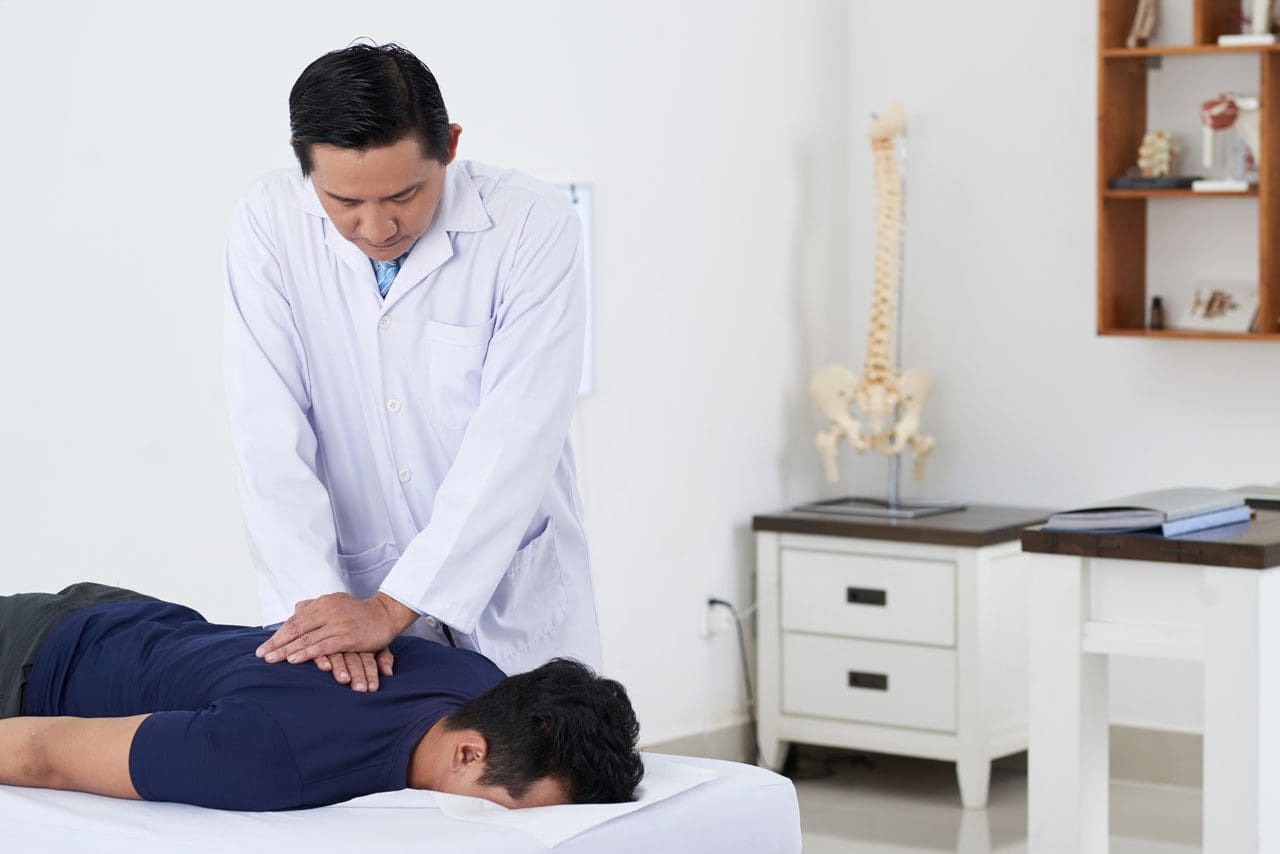
Chiropractor doing pushing motion to adjust spine of a male patient
Chiropractic Facts
Around 35-40% of chiropractic patients’ reason for treatment involves upper or low back pain.
Chiropractors perform 95.5% of adjustments in the world.
However, people also go to chiropractors for:
Neck pain
Headaches
Vehicle accident injuries
Whiplash
Repetitive motion injuries
Strains
Sports injuries
Chiropractic care helps with rheumatoid arthritis, osteoarthritis or any type of arthritis.
Treatments provided by chiropractors include:
Spinal manipulation/adjustment
Physical therapy
Exercises
Stretches
Massage
Nutrition
Health Coaching
Weight loss
These chiropractic treatments are performed around 1 million times every day.
A chiropractor can be your primary health provider. As they must:
Complete 3 to 4 years of undergraduate education
A 4-year chiropractic college program
Must be licensed by the state they practice in.
The Council on Chiropractic Education (CCE), recognized by the United States Office of Education, is responsible for the accreditation programs and institutions that offer a Doctor of Chiropractic (DC) degree.
Chiropractors do not prescribe medications as part of a treatment plan.
Doctors and physicians can provide referrals or co-workers, friends and family are also positive resources to find the right chiropractor.
Safe Adjustment Facts
A chiropractic adjustment is much safer than taking medications or undergoing surgery. A chiropractic adjustment involves some:
Prep Massage
Stretching
Breathing
Expert help in body realignment
Any type of complication from a chiropractic adjustment is extremely rare.
Does it hurt
Chiropractic adjustments are relatively painless, but new�patients can involuntarily stiffen or resist the adjustment and feel slight discomfort. A qualified chiropractor will know this and wait until the patient relaxes, before continuing the adjustment.
If the patient has recently been involved in some type of trauma, like whiplash from an accident, work, sports, personal injury then there will be pain from the injury. An experienced chiropractor will know how to minimize the pain, as they perform the treatment.
And once it’s over patients feel:
Relief
Improved mobility
Calmness
A sense of well being/euphoria
Can other health professionals also perform these adjustments?
Yes, some osteopaths or DO’s can perform these treatment techniques, but make sure they are state-licensed.
Our team has taken great pride in bringing our families, and injured patients only clinically proved treatment protocols. �By teaching holistic wellness as a lifestyle, we change not only our patient�s lives but their families as well.� We do this so that we may reach as many El Pasoans who need us, no matter the affordability issues.
Sciatica Treatment | El Paso, Tx.
Sciatica is a collection of symptoms characterized by pain which extends down the length of the legs from the lower back.
Approximately 90 percent of sciatica, or sciatic nerve pain, develops when a spinal disc herniation compresses a spinal nerve along the lumbar spine.
Piriformis syndrome and pregnancy are other common causes of sciatica.
NCBI Resources
Fortunately, self-management and time can be the best treatment. Allowing the body to heal itself is the way to go. But if rest is not enough then chiropractic treatment may be just what is needed to kick in the body�s self-healing function. If you decide to give chiropractic treatment a try, don�t be nervous, as a�chiropractor will monitor progress throughout the treatment.
In any case,�chiropractors are qualified to discuss the benefits and risks of other treatments, depending on the condition.
Hopefully, this article has given you the basics of�chiropractic medicine and how it works so you can make the best choice.
Physical therapists or PT’s are healthcare professionals that help treat/rehabilitate patients of all ages with various types of injuries.
Personal
Work
Sports
Auto Accidents
A primary care physician, physiatrist, orthopaedist, spine surgeon, or neurosurgeon may refer an individual to a physical therapist as part of a non-surgical�treatment plan.
A physical therapy program may be an integral part of your after-care following surgery.
Some treatments are done prior to active therapeutic exercise.
Conditions therapists treat
Sciatica
Whiplash
Rheumatoid arthritis
Degenerative disc disease
Spondylosis (spinal arthritis)
Post spine surgery therapy
Therapists want to help patients rebuild strength, flexibility, and endurance after any type of intense surgery, as well as help with any specific physical necessities related to post-surgery.
Team Care
Therapists often work directly for or with a doctor/chiropractor to coordinate a treatment plan.
A doctor may send the therapist:
Diagnosis
Current medications
Imaging/scan results
During the consultation, the physical therapist talks about medical history, diagnosis, and symptoms.
This can include:
Conditions
Medications being taken
Diet
Supplements
Type of Pain like:
Acute
Chronic
Episodic
The location of the pain that will also include:
Severity
Type
Factors that decrease or increase pain
Training
Physical therapists have completed an accredited physical therapy program and passed a required state licensing examination.
Therapists graduate with a Doctor of Physical Therapy (DPT) degree.
The American Board of Physical Therapy Specialties through a series of classes/tests therapists can become board-certified specialists in specific areas like:
Orthopedics
Pediatrics
Geriatrics
Sports
These are just a few, but there are many areas of specialization.
Physical Therapist
Many states allow individuals to go to a physical therapist without a referral from a doctor.
Definitely ask your doctor for a recommendation, but also think about what you want in a therapist.
Male or female physical therapist, which is right for you
Take Charge
Physical therapists are valuable healthcare professionals and members of the medical community.
Physical therapy can be challenging but don’t let that get you down, because they will help get you back to optimal health, along with building a stronger, healthier body.
Whiplash Massage Therapy El Paso, TX Chiropractor
Physical therapist Sandra Rubio describes how whiplash-associated disorders resulting from an automobile accident can cause symptoms of neck pain.
An injury to the cervical spine can damage the complex structures of the neck, including:
Vertebrae
Intervertebral discs
Soft tissues
Tendons
Ligaments
Muscles
Neck pain can come from various structures in the neck including vascular, nerve, airway, digestive, and musculature or it can originate from other areas of the human body.
Most cases can be treated with assistance or using self-help suggestions and techniques.
NCBI Resources
Physical therapy includes both active and passive treatments. Passive treatments help to unwind the body and the physique. As an individual does not need to actively participate, they�re known as passive. A physical treatment program may begin with treatments that are passive, but the goal is to get into treatments that are more active.
As a doctor who practices functional medicine, Dr. Jimenez utilizes the Neural Zoomer Plus. This is a blood test that analyzes neurological autoantibodies which offer very specific antibody-to-antigen recognition. The Neural Zoomer Plus tests the reactivity an individual has to 48 neurological antigens. These neurological antigens may be related to neurological disease and can help individuals assess the presence of a neurological condition.
There are 48 markers that are measured and they can be summed up and categorized into 7 larger groups. These groups include demyelination antigens, blood-brain barrier disruption, optical and autonomic nervous system disorders, peripheral neuropathy, neuromuscular disorders, brain autoimmunity, brain inflammation, and infections. (For a full list of the markers that the Neural Zoomer Plus measures, click here).�
The truth of the matter is that autoimmune disorders affect 5-10% of the general population and can target virtually and structure within the central or peripheral nervous system. Symptoms of an autoimmune disorder involving the CNS/PNS include but are not limited to:�
Having the tools to prevent a disease or disorder can be life-changing. With the ability to assess these markers, the rate of cognitive decline can steadily reduce. If you suffer from any of the above symptoms, the Neural Zoomer Plus may be right for you.
The intention of having our patients complete a Neural Zoomer Plus is to help us detect an individual’s IgA, IgG, and IgM sensitivity to antigens, down to the peptide level. Once we receive the results, not only do we have a resource that aids in the early detection of neurological diseases, but we also have a path. This path allows us to create a personalized prevention plan that will focus on the patient along with their lifestyle. – Kenna Vaughn, Senior Health Coach�
Plantar fasciitis/heel pain syndrome is the most common cause of heel pain, that results from a gradual degeneration of the plantar fascia or sudden trauma. Individuals describe the pain like sharp stabbing or deep aching in the middle of the heel or along the bottom of the foot that happens when walking or standing. Pain arises in the morning after taking the first few steps or after extended periods of sitting/lying down/non-activity.
As the foot relaxes in the evening, the fascia gains new tears in the morning, that stars the painful cycle all over.
Either one heel or both, the condition can become chronic and can be difficult to heal without a combination of conservative treatments.
Causes:
Improper footwear
Strenuous activity
Obesity
Over-pronation
High arches or flat feet
Poor shock absorption shoes
Plantar fasciitis is commonly seen in middle-aged patients.
We also see it often in those who place a great deal of stress on their feet like:
Runners
Athletes�
Soldiers
This condition affects approximately 2 million people in the United States a year.
There are doctors that believe bone spurs are the cause, and surgery is needed. However, bone spurs are not the cause of plantar fasciitis. Surgery will not eliminate the pain but may weaken or even rupture the plantar fascia
Custom orthotics can help hold the adjustments and position the foot for healing; in all shoes for best results
Rehabilitative exercises
At Home:
Ice and massage on the sore area using a FootWheel� or a golf ball
Run and walk on soft surfaces
Stretch the plantar fascia and the calf muscle area to prevent inflammation.
Recommended Stretches:
Taking a lunge position with the injured foot behind and keep your heels flat on the floor, lean into a wall, and bend the knees.
A stretch should be felt in the sole and the Achilles tendon area.
Hold the stretch for 20-30 seconds.
Try this stretch with the back leg straight.
Rest
Prevention
Stretch before activity
Maintain proper weight
Wear supportive footwear
Custom orthotics are recommended to keep the foot in proper alignment and reduce stress on the plantar fascia.
Recovery
Recovery can take time, but rest assured that 90% of patients recover in 6�9 months.
Shoe Guide
The average American takes around 5 – 6 thousand steps a day. Wearing the right shoe and orthotic is important for the health of your feet and your whole body.
Here is a quick reference guide for choosing shoes that are right for you
Get Shoes With:
Square or wide toe box
Heel lower than two inches in height
1/2 inch of space between the long toe and tip of the shoe
Arch support For all 3 arches
Wiggle room for toes, especially the big toe
Don’t Get Shoes With:
Really high heels, but if you must then try to do so for no more than two hours
Stiletto heels are terrible with balance, again if you must try thicker heels
Pointy toed shoes
Flat footwear like sandals, but if you must then wear them with custom orthotics
Other considerations:
Don’t go by the size alone
Various manufacturers size differently, plus feet grow larger as we age. With pregnancy, you can gain up in size
Because the feet swell throughout the day, up to 8%, you should shoe shop at the end of the day to ensure the fit is correct and proper.
Reduce *PLANTAR FASCIITIS PAIN* with Custom Foot Orthotics | El Paso, TX (2019)
Foot problems can affect the overall well-being of the human body. Many health issues which affect the foot can result in poor posture, low back pain, and sciatica. These imbalances can ultimately result in a variety of other health issues. Custom-made foot orthotics can help promote and support overall well-being by relieving foot problems. The following video discusses how many health issues which affect the foot can cause a variety of foot problems, including poor posture, low back pain, and sciatica. Dr. Alex Jimenez is the non-surgical choice for foot problems and other health issues. Dr. Alex Jimenez can help promote and support overall well-being with the use of custom-made foot orthotics and other treatments approaches.
What’s Afoot
Feet are important. When you consider what your feet go through, taking 8,000 steps over the course of a day, according to the�Illinois Podiatric Medical Association�(IPMA), it�s easy to see how 75 percent of all Americans will have some type of�foot pain�at some point in their lives.�Plantar fasciitis�is a common and very painful foot condition that can become chronic if not treated. It is also a condition that responds very well to chiropractic care.
NCBI Resources
While�chiropractic care can be an effective treatment for plantar fasciitis�on its own, it is also a very good complement to other treatments for the condition. Patients may use chiropractic in conjunction with physical therapy, massage, and even injections to manage the pain and treat the condition. It can also help with speeding healing and helping to provide better mobility.
Over-the-counter or (OTC) orthotic insoles are foot supports that can be made from various materials which include:
Foam
Leather
Plastic
OTC insoles are designed to fit inside your shoe.
These have become popularized through T.V. commercials, fancy packaging and can be bought at pretty much any grocery/pharmacy store.
OTC’s can be marketed to:
Provide comfort�
Bring pain relief from common conditions:
Bunions
Plantar fasciitis
Arch support problems
OTC insoles are also available to fit in a variety of shoes:
High heels
Athletic shoes
Boots
That work with every individual’s lifestyle.
OTC insoles are dangerous and can cause more harm than help.
Many people do not realize their feet could be the cause of:
Knee
Hip
Back pain
This is why Chiropractors treat issues, such as plantar fasciitis by performing lower back adjustments and look to the feet when diagnosing and treating patients.
Patients must be cautioned against self-diagnosing and using OTC orthotics.
Custom made orthotic insoles are a great solution.
Here are the three bad things that OTC insoles can do to your body.
1. OTC Insoles Do Not Provide Support
Every person�s body is unique.
We are all different:
Heights
Weights
Have different body compositions
This also means that our feet are unique, with some of us even having two feet that completely different from one another. Because of our unique body composition, there is really no one-size-fits-all cure. When it comes to the feet, customization is the key. Ineffective support can lead to increased pain and discomfort.
The way to avoid ineffective support is to seek professional advice first.
You see the scanners inside the stores to help you find which insole is right for you, however, these are designed to sell, sell, sell.
Getting a foot scan by a medical professional that can assess your body and feet in person is the way to go.
They will talk with you, personally about treatment options and will help you find the best solution.
2. Make Physical Discomfort Worse & Cost You More Money because now you need Treatment
OTC insoles are typically made of inexpensive materials.
OTC insoles wear down faster and require constant replacement.
You could purchase the wrong type of OTC insole, which can create more pain and discomfort.� When experiencing pain or discomfort, our bodies are under stress. Stress also increases from financial burdens or seeking medical treatment which can be time-consuming and uncertain.
Self-diagnosing your issues while standing in a store can be dangerous, instead relieve your stress by seeking expert help.
Custom orthotics are also covered by some insurance providers.
3. The function of Your Foot/Ankle Worsens
Body function goes down when insoles are not properly prescribed or fitted.
The wrong insole can make a well-fitting shoe too tight for example.
Wrong insoles can redistribute body weight the wrong way to think that the foot pain is alleviated but then the ankles get sore or we can’t bend our feet.
Bad insoles can also make it difficult to run or walk.
Wearing the wrong insole can create new injuries.
Orthotics alter the way our bodies move and affect how we walk, stand, and absorb shock.
Selecting the right orthotic is essential to how our body functions every day.
Custom orthotics are designed specifically for an individual�s body:
Stabilize joints
Reduce pain
Prevent deformity
Create proper posture�
Improve foot function
Remember that it’s not possible to purchase� OTC insoles designed specifically for an individual.
But you can get custom fit orthotics to:
Relieve discomfort
Help your body operate properly
Save you stress and money
Proven Reduced Back Pain with *FOOT ORTHOTICS* | El Paso, Tx
Kent S. Greenawalt, President, and CEO of Foot Levelers discuss how custom foot orthotics can help reduce back pain, low back pain, and sciatica. In a recent research study published by the American Congress of Rehabilitation Medicine (ACRM), researchers demonstrated that Foot Levelers custom foot orthotics help considerably reduce back pain and several of its associated health issues. The research study also demonstrated that Foot Levelers custom foot orthotics and chiropractic care help tremendously reduce low back pain and sciatica. Foot Levelers custom foot orthotics and chiropractic care helped improve the patient’s overall health and wellness. Dr. Alex Jimenez is a chiropractor in El Paso, TX who can help provide these benefits through the utilization of chiropractic care and Foot Levelers custom foot orthotics, among other treatments.
What’s Afoot
If you have low back pain�or have had it, you are not alone. Experts estimate that around�80% of people�will experience some type of back problem at some point in their lives.�The Global Burden of Disease 2010�lists low back pain as the number one cause of disability worldwide. The good news is the majority of back pain is mechanical in origin or is not organic. This means that infection, cancer, fracture, inflammatory arthritis, and other serious conditions are not the cause. In fact, you may benefit by looking to your feet, knees,�and hips as the culprits.
NCBI Resources
Experienced chiropractors understand there are some other treatments in addition to chiropractic care that help aid pain management, increase mobility, and decrease healing time. Depending on the condition, individuals may experience a wide array of benefits from blending these treatments into their chiropractic treatment. One such treatment is orthotics or inserts. If life were a sandbox, chiropractic care and orthotics would be the best of friends. They treat muscle and skeletal conditions, as does chiropractic treatment.
IFM's Find A Practitioner tool is the largest referral network in Functional Medicine, created to help patients locate Functional Medicine practitioners anywhere in the world. IFM Certified Practitioners are listed first in the search results, given their extensive education in Functional Medicine







 �
�