The spine consists of soft tissues, ligaments, the spinal cord, nerve roots, and cartilage, forming an S-shaped curve with three regions: cervical, thoracic, and lumbar. Its primary functions are to keep the body upright, provide mobility, and support the upper body’s weight. Injuries or other factors can cause mild to severe pain-like symptoms that affect the spine’s three regions, leading to misalignment and disc herniation, which can cause further complications. Fortunately, non-surgical treatments like spinal decompression can restore the spine’s functionality by realigning the body and restoring the spinal discs. This article will discuss how disc herniation affects the spine and body and how decompression therapy can treat it. We work with certified medical providers who use our patients’ valuable information to provide non-surgical treatments, including spinal decompression, to relieve pain-like symptoms associated with disc herniation and prevent chronic musculoskeletal issues. We encourage patients to ask essential questions and seek education about their condition. Dr. Jimenez, D.C., provides this information as an educational service. Disclaimer
How Does Disc Herniation Affect The Spine?
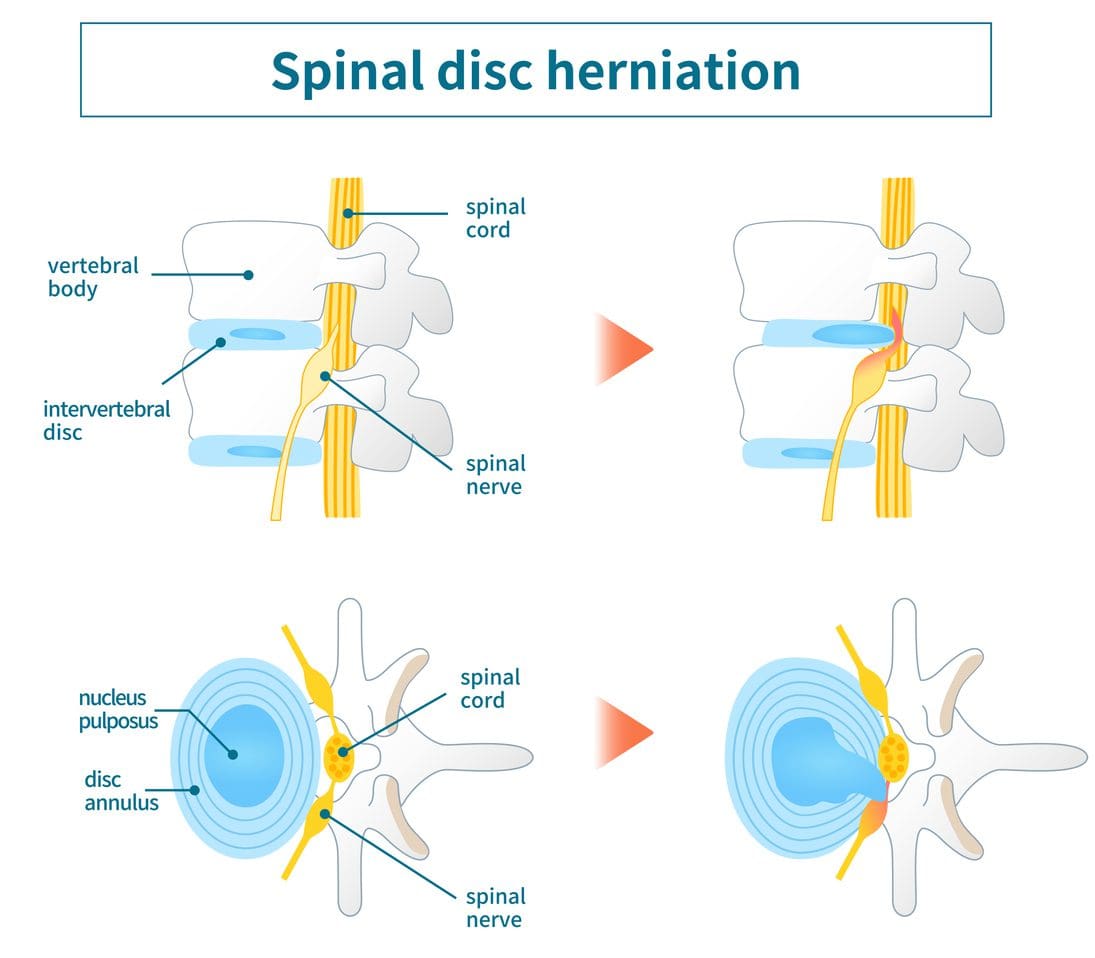
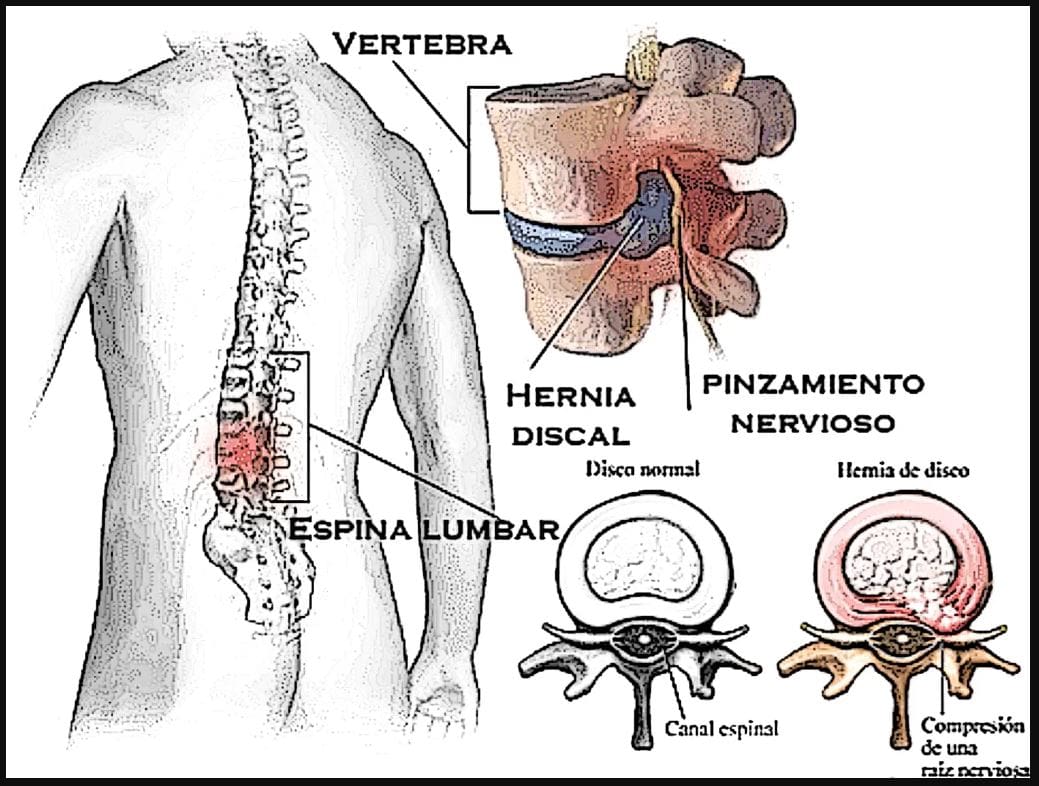
Do you experience stiffness or tingling in your neck, shoulders, or low back? Do you have radiating pain that is similar to other musculoskeletal conditions? Or do you feel aches and pains during stretching? These symptoms are often associated with spinal disc herniation, as research studies revealed, where the nucleus pulposus within the spine displaces and compresses the spinal nerve or cord. This can be caused by poor posture, incorrect lifting of heavy objects, or excessive twisting and turning, leading to wear and tear on the spinal disc. Left untreated, this can cause neurologic compromise or activity limitation to the rest of the body, as additional research shows. The three spinal regions can all be affected by this condition, causing a range of issues such as:
Numbness and tingling in the arms, hands, and fingers
Muscle weakness and stiffness in the neck and shoulders
Gait disturbances
Paralysis
Cardiovascular abnormalities
Back pain
Muscle weakness in hips, legs, buttocks, and feet
Sciatic nerve mimicry
An Overview Of Disc Herniation-Video
Have you been experiencing numbness, tingling sensations, or instability when walking? These issues could be caused by disc herniation, which occurs when the spinal cord and nerves are compressed or aggravated by the nucleus pulposus. This can cause pain in the cervical, thoracic, and lumbar areas and affect the functioning of your extremities. Research studies have revealed the severity of the herniation depends on the section affected, the size of the spinal canal, and pressure on the nerves. However, non-surgical, safe, and gentle treatments, such as chiropractic care and decompression therapy, can alleviate the effects of disc herniation. Watch the video above to learn more about the causes of disc herniation and the available treatments.
Decompression Therapy Treating Disc Herniation
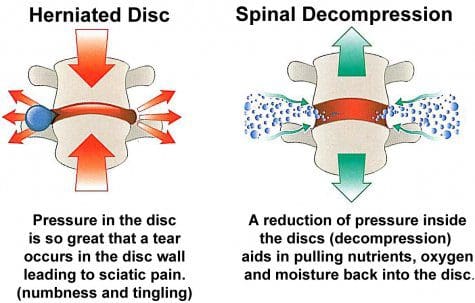
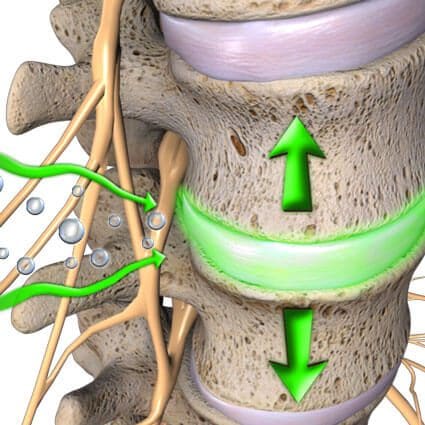
If you are experiencing disc herniation, some treatments can help restore functionality to your spine. According to research studies, decompression therapy is one such treatment that works by using negative pressure within the spinal disc to increase hydration. This process pulls nutrients and oxygenated blood back into the disc, reducing pressure on the entrapped surrounding nerve root. Additionally, decompression therapy relieves the associated symptoms caused by disc herniation. In “The Ultimate Spinal Decompression,” written by Dr. Perry Bard, D.C., and Dr. Eric Kaplan, D.C., FIAMA, they explain that individuals with a herniated disc who use decompression therapy will feel negative or non-gravitational pressure within their spinal canal, which reduces the pressure from inside the disc. Decompression therapy helps restore the spine’s functionality and facilitates natural healing.
Other Treatments For Disc Herniation
Combining decompression therapy with chiropractic care can be effective in treating disc herniation. Chiropractic care involves spinal adjustments and manual manipulation to restore the natural alignment of the spine, which can relieve pressure on nerves caused by disc herniation. Gradual realignment of the vertebrae can help alleviate symptoms and reduce pain and discomfort while restoring the spine’s strength, flexibility, and mobility.
Conclusion
If the spinal cord is affected by environmental factors or injuries, it can cause pain and discomfort to the person. This is known as disc herniation, where the nucleus pulposus in the spine protrudes out of the spinal socket and presses on the spinal nerve. This can lead to neurological problems and affect the three spinal regions, causing mild to severe issues depending on the pressure on the spinal cord. However, non-surgical treatments like chiropractic care and decompression therapy can safely and gently manipulate the spine, realigning and hydrating the disc so the body can heal naturally. This can relieve pain and discomfort in the spine and restore mobility to the body.
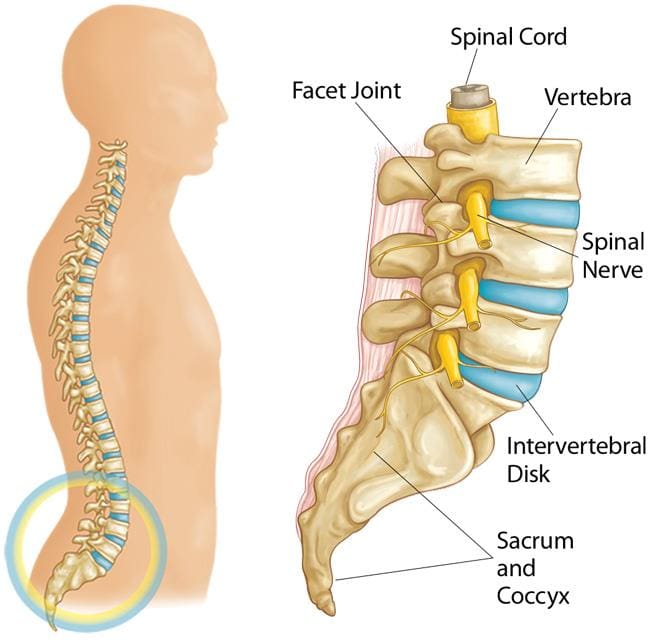
Misalignment of the spine can occur due to various factors, causing stress and joint shifting. The spine plays an important role by supporting the body’s weight and maintaining stability, consisting of vertebrae, facet joints, spinal nerves and cord, and intervertebral discs. The surrounding muscles, tissues, and ligaments protect the spinal cord from damage. However, the spine may develop chronic conditions due to axial load pressure, affecting the body. Fortunately, non-surgical and non-invasive treatments can realign the spine and naturally heal the body. This article discusses spinal subluxation and its symptoms, along with the effectiveness of spinal decompression in alleviating subluxation. We utilize and incorporate valuable information about our patients to certified medical providers using non-surgical therapies like spinal decompression to alleviate pain-like symptoms associated with spinal subluxation. We encourage referring patients to associated medical providers based on their findings while supporting that education is a remarkable tool to ask our providers essential questions at the patient’s request. Dr. Jimenez, D.C., comprises this information as an educational service. Disclaimer
What Is Spinal Subluxation?
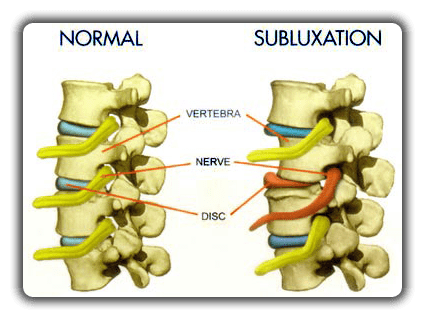
Are you experiencing muscle tightness in your neck, back, or shoulders? Do you feel pain radiating down your arms or legs? Or are you experiencing muscle aches in different parts of your body? These issues may be caused by spinal subluxation, which research shows can occur in the cervical, thoracic, and lumbar spine sections. A spinal subluxation can be caused by traumatic injuries or normal factors that cause the spinal vertebrae to shift out of alignment. This can cause a lot of discomfort. Studies also reveal that spinal subluxation can interfere with neuron communication between the brain and the rest of the body, leading to unwanted symptoms that affect the functioning of the nervous and organ systems and overall health.
Symptoms Associated With Spinal Subluxation
A spinal subluxation happens when the spine shifts out of alignment due to traumatic or normal factors. According to Dr. Eric Kaplan, D.C, FIAMA, and Dr. Perry Bard, D.C., in their book “The Ultimate Spinal Decompression,” biomechanical instability can cause the surrounding muscles and joints to destabilize or increase antagonist coactivation to stabilize the body. Simple movements like bending, twisting, or turning can cause the surrounding muscles to overstretch and make the body feel unstable. Research studies mentioned that displacement in any part of the spinal skeletal frame could press against the surrounding nerves, which can cause neuron signals to be hardwired and create too much or too little communication with the surrounding muscles and joints. Other symptoms associated with spinal subluxation include:
Muscle tightness around the back
Pain and discomfort
Headaches
Limited mobility
Tingling sensations
Digestive and respiratory issues
Low energy
Thoracic Spine Pain- Video
Do you experience pain or discomfort when twisting, turning, or bending? Have you felt muscle aches, pain, or tenderness in your back, or do you feel unsteady when walking? These symptoms may be caused by spinal misalignment or subluxation. Subluxation occurs as pressure compresses spinal discs, causing vertebrae to shift from their normal position. A subluxation can occur in different spine sections, resulting in overlapping risks. This causes pain in various body parts, known as referred pain. Fortunately, non-surgical treatments like chiropractic care and spinal decompression can reduce the effects of subluxation, realign the spine, and promote natural healing for muscles, ligaments, and joints. The video above explains thoracic spine pain symptoms and how manual and mechanical manipulation can alleviate pain-like symptoms, rehydrate spinal discs, and kick-start the body’s natural healing process.
If you suffer from muscle pain associated with spinal subluxation, you can alleviate the associated pain symptoms in several ways. One option is spinal decompression, a non-surgical treatment shown to effectively reduce residual pain and disability, improve range of motion, and modulate neural mechanical sensitivity, as research studies mentioned. Through gentle spine stretching, spinal decompression helps realign the body and allows spinal discs to return to their original position. This, in turn, will enable nutrients, fluids, and oxygenated blood to rehydrate the discs and promote natural healing. For added benefits, spinal decompression can be combined with additional treatments, such as physical therapy and chiropractic care. Best of all, it is a safe and non-invasive treatment allowing individuals to be more mindful of how they move their bodies.
Conclusion
Spinal misalignment or subluxation can occur over time due to traumatic injuries or normal factors. This can cause the spinal vertebrae to shift out of alignment, leading to referred muscle pain and chronic issues that can eventually result in disability. However, non-surgical and non-invasive treatments like spinal decompression use mechanical traction to gently stretch the spine and realign it, releasing the body’s natural healing process. Additionally, non-surgical treatments like spinal decompression help individuals be more mindful of their bodies and prevent new injuries from occurring. Combining spinal decompression with other therapies can promote health and wellness in many individuals.
References
Kaplan, E., & Bard, P. (2023). The Ultimate Spinal Decompression. JETLAUNCH.
The human body has muscles surrounding and protecting the spine to prevent pain and disability. The spine is divided into three sections in the body: cervical, thoracic, and lumbar, which form an S-shape curve to promote stability and good posture. The spine has several discs, facet joints, and spinal nerves that work with the surrounding muscles, making the body mobile. However, various factors can pressure the spine, compressing the spinal discs and invoking referred pain to the surrounding muscles and tissues in different locations, leading to overlapping risk profiles if left untreated. This article focuses on the lumbar spine, explaining what vertebral pain syndrome is and how non-surgical treatments such as spinal decompression can restore mobility to the lumbar spine. We utilize and incorporate valuable information about our patients to certified medical providers using non-surgical therapies like spinal decompression to alleviate vertebral pain syndrome associated with the lumbar spine. We encourage while referring patients to associated medical providers based on their findings while supporting that education is a remarkable tool to ask our providers the essential questions at the patient’s request. Dr. Jimenez, D.C., comprises this information as an educational service. Disclaimer
An Overview Of the Lumbar Spine
We will concentrate on the lumbar spine, one of the three spine sections. The lumbar spine or low back begins at the T12 (the last thoracic vertebra) and ends at the S1 (the sacrum). It comprises five vertebrae with a common structure supporting the low back. These vertebrae are as follows:
The body
Pedicles
Laminae
Transverse processes
Spinous process
Superior/inferior articular processes
The lumbar spine has bigger and stronger bones that provide stability to the upper and lower parts of the body. Research studies reveal that the lumbar spine performs three essential functions that enable the body to function properly:
It supports the upper body.
It absorbs axial forces that move from the head to the trunk. This allows the muscles in the trunk to move without causing pain.
The lumbar spine forms a canal that safeguards the spinal cord and nerves.
The Structures Of the Lumbar Spine
The spine comprises several structures, including the vertebrae, spinal cord, spinal nerves, facet joints, and intervertebral discs. Each structure plays a unique role in keeping our bodies functioning properly. The vertebrae protect the spinal cord and nerves from injury, while the facet joints guide the motion of the vertebrae and help maintain stability. The spinal cord and nerves work with the central nervous system to send signals from the brain to the body for coordinating reflex actions. Intervertebral discs act as shock absorbers, allowing the spine to be flexible. Muscles, tissues, and ligaments protect the entire lumbar spine structure from pain. However, traumatic injuries or unwanted pressures can cause misalignment and low back pain. Low back pain is a common musculoskeletal complaint, and several factors can contribute to its development, often confused with vertebral pain syndrome associated with the lumbar spine, as research studies reveal.
Move Better, Live Better- Video
Do you have stiffness in your lower back or experience constant aches in certain regions? These may be signs of low back pain related to vertebral pain syndrome. Research shows that pathologic degeneration in the lumbar spine can cause low back pain, affecting all components. Several mechanical, traumatic, nutritional, and genetic factors contribute to spinal degeneration. However, non-surgical treatments can help reduce muscle pain and alleviate unwanted pressure on spinal discs. Chiropractic care and spinal decompression are two treatments that enhance mobility and function in the spine, relieving pain. The video above talks more about these treatments.
What Is Vertebral Pain Syndrome?
Experiencing pressure on the lumbar spine can result in various issues that can worsen low back pain. One of these issues is called vertebral pain syndrome. In “The Ultimate Spinal Decompression,” Dr. Eric Kaplan, D.C., FIAMA, and Dr. Perry Bard, D.C., explain that this syndrome occurs when environmental factors start affecting the lumbar spine. It can be caused by visceral pain in the lower back that disrupts neuron signals in the lumbar spine. This can irritate spinal nerves, leading to referred pain in the lower body. The book also mentions that vertebral pain syndrome can happen when the vertebrae end plates on spinal discs wear thin, causing pressure to move with the disc. This can inflame the spine, causing chronic low back pain.
How Spinal Decompression Alleviate Vertebral Pain Syndrome
How can non-surgical spinal decompression treatments help alleviate vertebral pain syndrome in the lumbar spine? Research studies revealed that spinal decompression could reduce pressure on the spinal disc and gently stretch the spine, restoring disc height. This treatment can relieve many people from low back pain and its associated symptoms. Moreover, it can rehydrate spinal discs by promoting the flow of blood and nutrients, which aids in the healing process to reduce the effects of vertebral pain syndrome.
Conclusion
Taking care of your spine is crucial as everyday factors can put pressure on it, causing damage to the spinal discs. This can lead to vertebral pain syndrome, which can cause lumbar back pain and referred pain linked to visceral problems. Luckily, spinal decompression therapy can ease the effects of this syndrome by gently stretching the spine and restoring hydration to the discs. Incorporating spinal decompression into your routine allows you to enjoy a pain-free life without worrying about lower back pain.
Kang, J.-I., Jeong, D.-K., & Choi, H. (2016). Effect of spinal decompression on the lumbar muscle activity and disk height in patients with herniated intervertebral disk. Journal of Physical Therapy Science, 28(11), 3125–3130. https://doi.org/10.1589/jpts.28.3125
Kaplan, E. & Bard, P. (2023). The Ultimate Spinal Decompression. JETLAUNCH.
Back problems can affect everyone. The most healthy individuals can experience back issues from time to time because of unhealthy postures, standing or sitting for extended periods at a job or school, athletes, and individuals with previous injuries. Back soreness and pain symptoms are common in today’s active and inactive world. The pain can range from dull and constant aches to sharp and sudden piercing sensations. This causes pressure to build up against different regions of the spine. Individuals trying to reposition the body can cause an imbalance in the spine that often leads to more pain and problems. It is impossible to adjust one’s spine effectively and should be evaluated and treated by a professional chiropractor and therapy team.
Professional Chiropractor
Problems With DIY adjustments
Self-cracking or having a friend/family/spouse walk on their back or squeeze the body to achieve the crack or pop forces an increase in mobility that can lead to overexerting the spine.
Can loosen all of the joints instead of just the tight joints.
This can overly loosen already flexible joints that must compensate for the stiff joints.
The muscles have to work overtime to maintain stability, adding stress which increases muscle tension.
This can cause the health of compressed segments to continue to decline and worsen and/or cause further injury.
It can cause abnormal vertebral degeneration.
It can be dangerous if the individual has weak bones.
Injuries can include herniated and dislocated discs.
In the worst-case scenario, fractures and broken vertebrae.
Although rare, there is the possible risk of rib fracture or subluxation.
This can cause pain and symptoms to turn into a serious health or chronic condition.
Chiropractic Training
Chiropractors are trained medical specialists on the body’s structure and function. Chiropractors know the correct positioning and function of every area of the spine, from the neck to the tailbone. The most common injuries that chiropractic treats include:
Muscle Strains
Sciatica
Overuse/Repetitive Strains
Neck Sprains
Whiplash
Headaches
Herniated Discs
Dislocations
Fractures
Proper Realignment
Individuals think the popping sound is the goal; however, it’s not what relieves the pain or symptoms. The relief comes from the improved movement of the joints. The term for the popping sound is cavitation. Chiropractic manipulation is a specific force applied in a specific direction to a particular joint. During a professional realignment session, the pressure inside the joint decreases, releasing gasses within the synovial fluid into the joint space. That’s the popping sound. When a professional chiropractor performs adjustments/cavitations, they:
ImproveJoint function.
Relax the muscles.
Relieve nerve irritation.
There’s also the possibility of an unknown underlying cause for the pain symptoms. Therefore, friends and family should not attempt back adjustments unless they are professional chiropractors. When symptoms persist, treatment from a professional licensed chiropractic clinic is safer and more effective, and early treatment can prevent permanent damage caused by chronic inflammation. Professional chiropractor treatments include:
Adjustments
To gently realign joints to decrease pain and increase range of motion.
Soft-Tissue Therapy
Relaxes tight muscles, relieves spasms, and releases tension in the tissues that surround the muscle fascia.
Exercises and Stretches
Restore and maintain joint stability and mobility.
Joint Bracing and Kinesio Taping
Supports sprained joints or muscles during recovery.
Referrals to Medical Experts
For guidance on diet and nutrition to reduce inflammation and promote healthy weight.
The Path To Healing
References
Dunning, James, et al. “CAVITATION SOUNDS DURING CERVICOTHORACIC SPINAL MANIPULATION.” International Journal of sports physical therapy vol. 12,4 (2017): 642-654.
Evans, David W, and Nicholas Lucas. “What is manipulation? A new definition.” BMC musculoskeletal disorders vol. 24,1 194. 15 March 2023, doi:10.1186/s12891-023-06298-w
Hardy, Katie, and Henry Pollard. “The organization of the stress response, and its relevance to chiropractors: a commentary.” Chiropractic & osteopathy vol. 14 25. 18 October 2006, doi:10.1186/1746-1340-14-25
LaPelusa, Andrew. and Bruno Bordoni. “High-Velocity Low Amplitude Manipulation Techniques.” StatPearls, StatPearls Publishing, 6 February 2023.
Navid, Muhammad Samran, et al. “The effects of chiropractic spinal manipulation on central processing of tonic pain – a pilot study using standardized low-resolution brain electromagnetic tomography (sLORETA).” Scientific Reports vol. 9,1 6925. 6 May. 2019, doi:10.1038/s41598-019-42984-3
When it comes to our muscles, many of us often don’t stretch each muscle group at least two to three times per week. From waking up in the morning, we stretch our arms, legs, and back to relieve any stiffness or soreness from the previous day. However, many individuals deal with musculoskeletal issues that can affect not only the back and the neck but also the upper and lower extremities of the body, causing pain-like symptoms that can worsen throughout the entire day if not treated right away. When this happens, musculoskeletal pain can lead to overlapping risk problems that can cause the body to be misaligned and dysfunctional. Hence why numerous therapies help reduce the effects of musculoskeletal pain and help restore the body naturally. Today’s article looks at how musculoskeletal pain affects the body and how treatments like MET can be used as self-help methods to reduce musculoskeletal pain. We utilize valuable information about our patients to certified medical providers using MET therapy to relieve musculoskeletal pain by incorporating various exercises and stretches. We encourage and refer patients to associated medical providers based on their diagnosis while supporting that education is a remarkable and fantastic way to ask our providers the essential questions at the patient’s acknowledgment. Dr. Alex Jimenez, D.C., comprises this information as an educational service. Disclaimer
Musculoskeletal Pain Affecting The Body
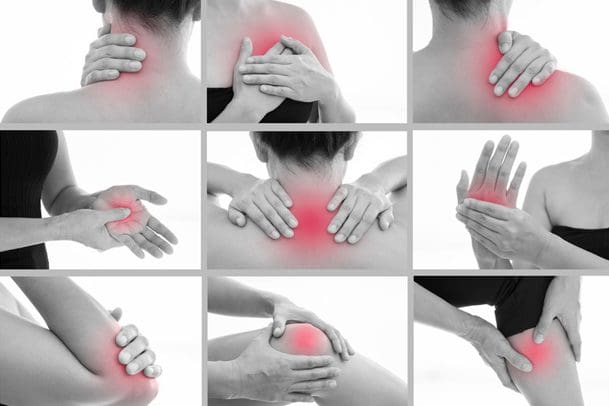
Are you experiencing muscle stiffness or weakness in your back, neck, or shoulders? Do you feel pain when stretching or hunched over due to discomfort? Musculoskeletal pain is a common issue that can interfere with daily activities. Research studies show that this type of pain can cause symptoms that overlap with neuropathic or visceral pain. This means that problems with one muscle or organ in the body can lead to pain in other areas, causing significant discomfort.
Further research has shown that musculoskeletal pain can originate in the muscle tissues and persist for over three months, affecting many individuals’ social and emotional skills, work productivity, and independence. Several environmental factors like obesity, stress, poor sleep, inadequate nutrition, and lack of physical activity can overwork the muscles and joints, leading to trigger points and muscle strain in the musculoskeletal system, resulting in bodily misalignment.
Improving Athletic Performance Through Chiropractic- Video
Are you experiencing pain in specific areas of your body? Does the pain worsen when you are active or when you stretch? These pains are often associated with musculoskeletal issues, which can greatly affect your daily life. Research studies have revealed that musculoskeletal pain can significantly reduce a person’s productivity and job performance. Fortunately, several treatments are available to alleviate musculoskeletal pain and its symptoms. Many people seek chiropractic care or MET therapy to help realign their spine, stretch their muscles, and improve joint mobility. The video above demonstrates how chiropractic care uses manual manipulation to relieve musculoskeletal pain by stretching the muscles and realigning the spine.
MET Self-Help Methods For Musculoskeletal Pain
According to a book called “Clinical Applications of Neuromuscular Techniques” by Dr. Leon Chaitow, N.D., D.O., and Dr. Judith Walker DeLany, L.M.T., musculoskeletal pain can cause the soft tissues in the body to shorten and lead to disability. To alleviate the effects of musculoskeletal pain, people often seek the help of pain specialists such as chiropractors or massage therapists. These specialists often use muscle energy techniques (MET) to stretch the soft tissues and muscles and provide relief. Below are some exercises and techniques that are commonly used in MET therapy.
MET Neck Relaxation Techniques
The neck comprises soft tissues and is part of the musculoskeletal system. Two relaxation techniques can stretch out the shortened muscles to relieve soreness and stiffness in the scalene muscles. These techniques can help release tightness and improve the neck’s range of motion.
Phase 1:
Sit close to the table with the elbows and hands resting on the table surface on each side of the face.
Turn your head to the right or left as far as you can comfortably in one direction while letting your hands move with your face until you reach a pain-free rotation limit.
Afterward, use your left hand as resistance when turning your head to the left while using 25% or less of your strength to build up a force to match the resistance and start turning your head slowly.
Hold this push for 7-1o seconds and slowly stop turning your head to the left or right.
Return to a neutral position and turn to the right or left again to see how far you can stretch without pain.
You should notice the neck stretch is farther than it was previously.
This is known as post-isometric relaxation in MET therapy, as it allows the tight muscles to relax and stretch farther without pain than before.
Phase 2:
While lying on the table, the hands and elbows should be on the sides of the face.
Turn your head to the right to stretch as far as you can comfortably in one direction.
Use your right hand as resistance to attempt to turn without pain by using only 25% or less of your strength.
Slowly turn your head and maintain the turn and resistance for 7-10 seconds.
Slowly stop the resistance effort to see how far your neck can turn without pain. If you are experiencing pain, you use too much strength and reduce the contraction level where no pain is experienced.
This is known as reciprocal inhibition in MET therapy, as it achieves a different release for tight neck muscles.
Flexion Exercises Using MET
Flexion exercises in MET therapy help stretch the postural muscles and legs, feeling stiff. This allows spine flexibility while stretching out and reducing mechanical stresses in the surrounding muscles.
While sitting on the floor, your legs should be straight out, and your toes pointed towards the ceiling.
Bend comfortably as far as you can and grasp one leg with each hand.
Hold the position for 30 seconds and do four deep breathing cycles while allowing your head to hang down and relax into the stretch. *You will feel the stretch on your lower back and the back of your legs.
As you release during the fourth breathing cycle, ease yourself further down the legs and hold for another 30 seconds.
After 30 seconds, slowly return to an upright position by lightly pushing upwards from the hands.
Alternatively, you can bend one leg and do the same sequence on each leg to stretch out any leg muscles that are cramping or stiff. This flexion exercise help reduces pain and prevents trigger points from re-forming in the muscle fibers.
Extension Exercises Using MET
The extension exercises in MET therapy help the muscles and joints in the body group to increase movement without pain. This allows the body to be mobile and reduces the effects of musculoskeletal pain.
Lie on your stomach on a carpeted floor with a pillow to support your head and neck while your legs are together.
Bend your knees as comfortably as possible, and bring your heels towards your backside.
Now slowly grasp your legs and gently bend backward as far as possible without pain. Your back should be slightly arched.
Lift your head and shoulders gently to increase the arch in your back slowly and without pain.
Hold the position for four slow deep breaths, and hold your breath for 15 seconds on the last breathing cycle.
As you release, bring your body down slowly, from the legs to the stomach and finally, the shoulders and neck to rest.
This extension exercise, known as the boat position, helps lengthen and stretch the back and leg muscles while reducing pain and restoring mobility in the spine.
Conclusion
It is crucial to be aware of musculoskeletal pain in your body, whether in the morning or during work. This type of pain can lead to discomfort in other areas and even impair your ability to function. Fortunately, MET therapy can alleviate musculoskeletal pain by stretching the muscles and tissues and providing immediate relief. By utilizing stretching and physical therapy, you can help your body heal naturally and be more mindful of what triggers pain. Stretching can also prevent future injuries and promote a pain-free lifestyle.
References
Buck, Rhiannon, et al. “Working with Musculoskeletal Pain.” Reviews in Pain, June 2009, www.ncbi.nlm.nih.gov/pmc/articles/PMC4590039/.
Chaitow, Leon, and Judith Walker DeLany. Clinical Applications of Neuromuscular Techniques. Churchill Livingstone, 2003.
El-Tallawy, Salah N, et al. “Management of Musculoskeletal Pain: An Update with Emphasis on Chronic Musculoskeletal Pain.” Pain and Therapy, June 2021, www.ncbi.nlm.nih.gov/pmc/articles/PMC8119532/.
Puntillo, Filomena, et al. “Pathophysiology of Musculoskeletal Pain: A Narrative Review.” Therapeutic Advances in Musculoskeletal Disease, 26 Feb. 2021, www.ncbi.nlm.nih.gov/pmc/articles/PMC7934019/.
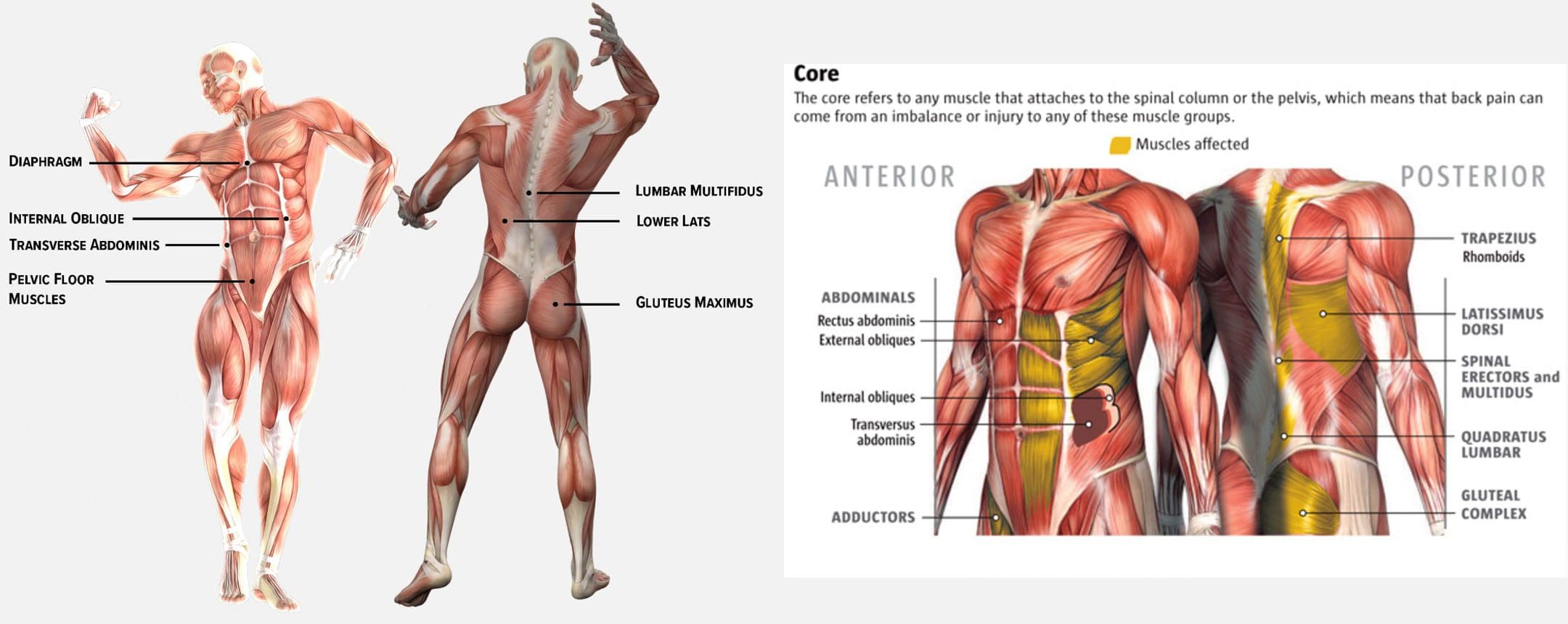
The body’s core muscles are used for stability, balance, lifting, pushing, pulling, and movement. Engaging the core muscles means bracing and tightening the abdominal muscles, which include the latissimus dorsi/lats, paraspinal muscles, gluteus maximus/glutes, and trapezius/traps. When engaged, the trunk muscles help maintain spinal stability, support the spine and pelvis in sitting and resting positions and during dynamic movements, and help prevent injury.
Engaging The Core
To know how to engage the core, individuals need to understand what the core is. The most important muscles for engaging the core include: These muscles are involved every time the body inhales and exhales, in posture control, and when using the bathroom, they start and stop the process.
Rectus Abdominis
The rectus abdominis muscle is responsible for the six-pack.
It’s a long, flat muscle that extends from the pubic bone to the sixth and seventh ribs.
The rectus abdominis is primarily responsible for bending the spine.
External Obliques
These are the muscles on either side of the rectus abdominis.
The external obliques allow the torso to twist, bend sideways, flex the spine, and compress the abdomen.
Internal Obliques
The internal obliques lie below the external obliques.
They work with the external obliques in the same functions.
Transverse Abdominis
This is the deepest layer of muscle in the abdomen.
It completely wraps around the torso and extends from the ribs to the pelvis.
The transverse abdominis are not responsible for spine or hip movement but for stabilizing the spine, compressing the organs, and supporting the abdominal wall.
Latissimus Dorsi
Commonly known as the lats, these muscles run along both sides of the spine from just below the shoulder blades to the pelvis.
The lats help stabilize the back, especially when extending the shoulders.
They also contribute to body ability when twisting from side to side.
Erector Spinae
The erector spinae muscles are on each side of the spine and extend down the back.
These muscles are responsible for extending and rotating the back and side-to-side movement.
These are considered postural muscles and are almost always working.
What Not To Do
Individuals learn from mistakes, which might make learning how to engage the core easier by understanding what not to do. Common examples of failing to or not engaging the core correctly.
The back slumps when sitting down – the upper body lacks strength and stability.
When bending, the stomach sticks out more.
Swaying or leaning far to one side when walking – lack of lower body strength causes balance and stability problems.
The lower abdomen and back present with discomfort and pain symptoms.
Training
Engaging the core decreases the chance of sustaining an injury at home, work, or exercising and can help with chronic back pain. It creates a stable musculature around the spine that keeps the vertebrae from over-flexing, over-extending, and bending too far to one side. Engaging the core muscles can mean different things, depending on what is trying to be achieved.
For example, if doing bending work, the muscles needed, and the order in which they contract differs from when trying to maintain balance while standing on one leg.
The muscles engaged will differ in their movement depending on whether an individual is:
Trying to move the spine or stabilize it.
Pushing or pulling weight.
Standing, sitting, or lying down.
For a strong and functional core, the objective is to be able to engage the core in any situation. Engaging the core can be challenging, but with training and practice, the body becomes stronger. Practice engaging the core throughout daily activities that include.
Bracing the core while standing, sitting at a workstation or desk, and walking.
Day-to-day activities, like reaching for something from a high shelf, grocery shopping, and taking the stairs.
Injury Medical Chiropractic and Functional Medicine Clinic can create a personalized program to address musculoskeletal issues, core training, targeted exercise, stretching, nutrition, massage, and adjustments to get the body to optimal health and maintain health.
The Non-Surgical Solution
References
Eickmeyer, Sarah M. “Anatomy and Physiology of the Pelvic Floor.” Physical Medicine and rehabilitation clinics of North America vol. 28,3 (2017): 455-460. doi:10.1016/j.pmr.2017.03.003
Lawson, Samantha, and Ashley Sacks. “Pelvic Floor Physical Therapy and Women’s Health Promotion.” Journal of Midwifery & Women’s Health vol. 63,4 (2018): 410-417. doi:10.1111/jmwh.12736
Seaman, Austin P et al. “Building a Center for Abdominal Core Health: The Importance of a Holistic Multidisciplinary Approach.” Journal of gastrointestinal surgery: official journal of the Society for Surgery of the Alimentary Tract vol. 26,3 (2022): 693-701. doi:10.1007/s11605-021-05241-5
Vining, Robert, et al. “Effects of Chiropractic Care on Strength, Balance, and Endurance in Active-Duty U.S. Military Personnel with Low Back Pain: A Randomized Controlled Trial.” Journal of Alternative and complementary medicine (New York, N.Y.) vol. 26,7 (2020): 592-601. doi:10.1089/acm.2020.0107
Weis, Carol Ann, et al. “Chiropractic Care for Adults With Pregnancy-Related Low Back, Pelvic Girdle Pain, or Combination Pain: A Systematic Review.” Journal of Manipulative and physiological therapeutics vol. 43,7 (2020): 714-731. doi:10.1016/j.jmpt.2020.05.005
Zachovajeviene, B et al. “Effect of the diaphragm and abdominal muscle training on pelvic floor strength and endurance: results of a prospective randomized trial.” Scientific Reports vol. 9,1 19192. 16 Dec. 2019, doi:10.1038/s41598-019-55724-4
As humans, there are a variety of stressors experienced daily. Stress collects in various body areas, most commonly the upper back, jaw, and neck muscles. Stress leads to tension in the muscles. The built-up tension can cause the spinal bones to shift out of alignment, irritating the nerves between the spinal bones. A cycle begins as increased nerve tension causes the muscles to continue to contract/tighten. The extra muscle tension continues to pull the spinal bones out of alignment, making the spine stiff and less flexible affecting posture, balance, coordination, and mobility, causing the spine to become further unstable. Chiropractic treatment at regular intervals is recommended to help realign and maintain proper position.
Why The Spine Goes Out of Alignment
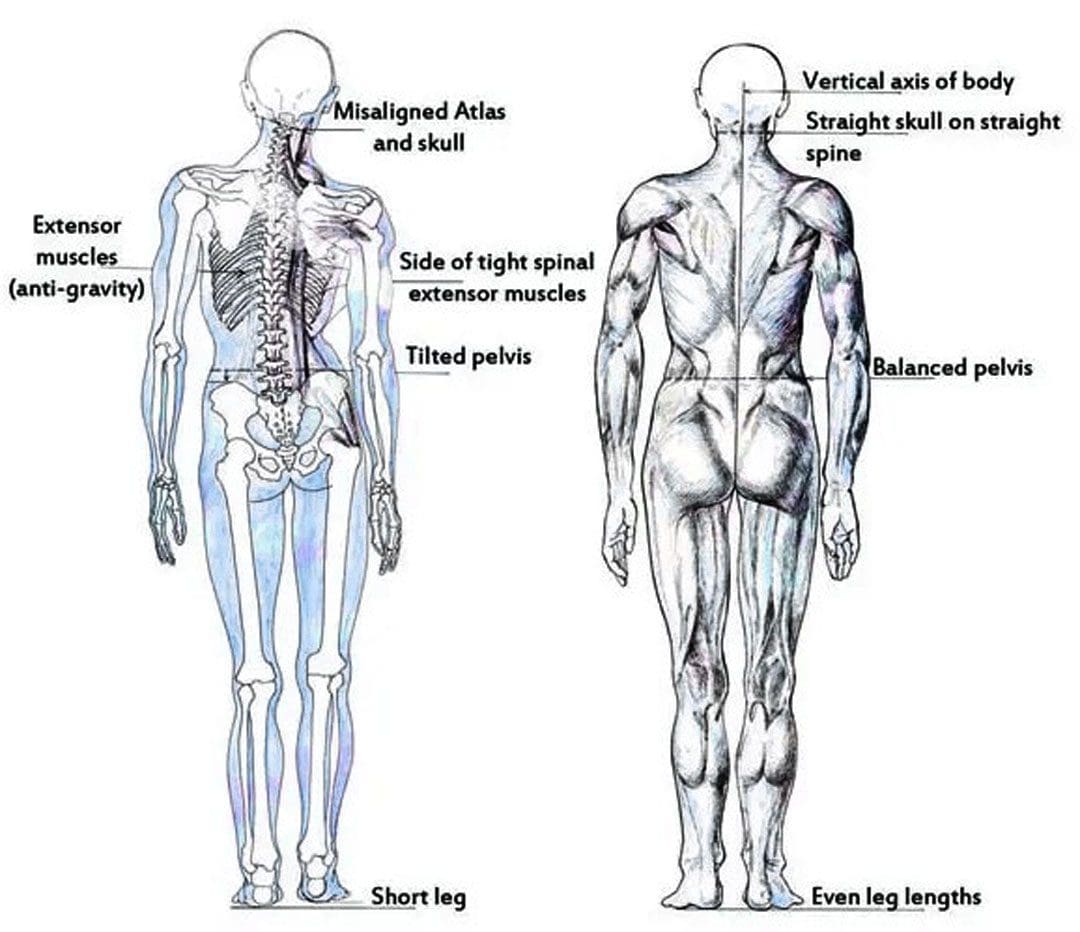
The nerves in the body are intricately linked to the spinal cord, and small distortions in the alignment can cause nerves to misfire and malfunction. When the spine goes out of alignment, the nervous system/brain and nerves get stuck in a stressed or tense state. Even a minor misalignment can cause a series of discomfort symptoms to travel throughout the body.
Causes
Causes of misalignment that creates tension in the nerves and muscles include:
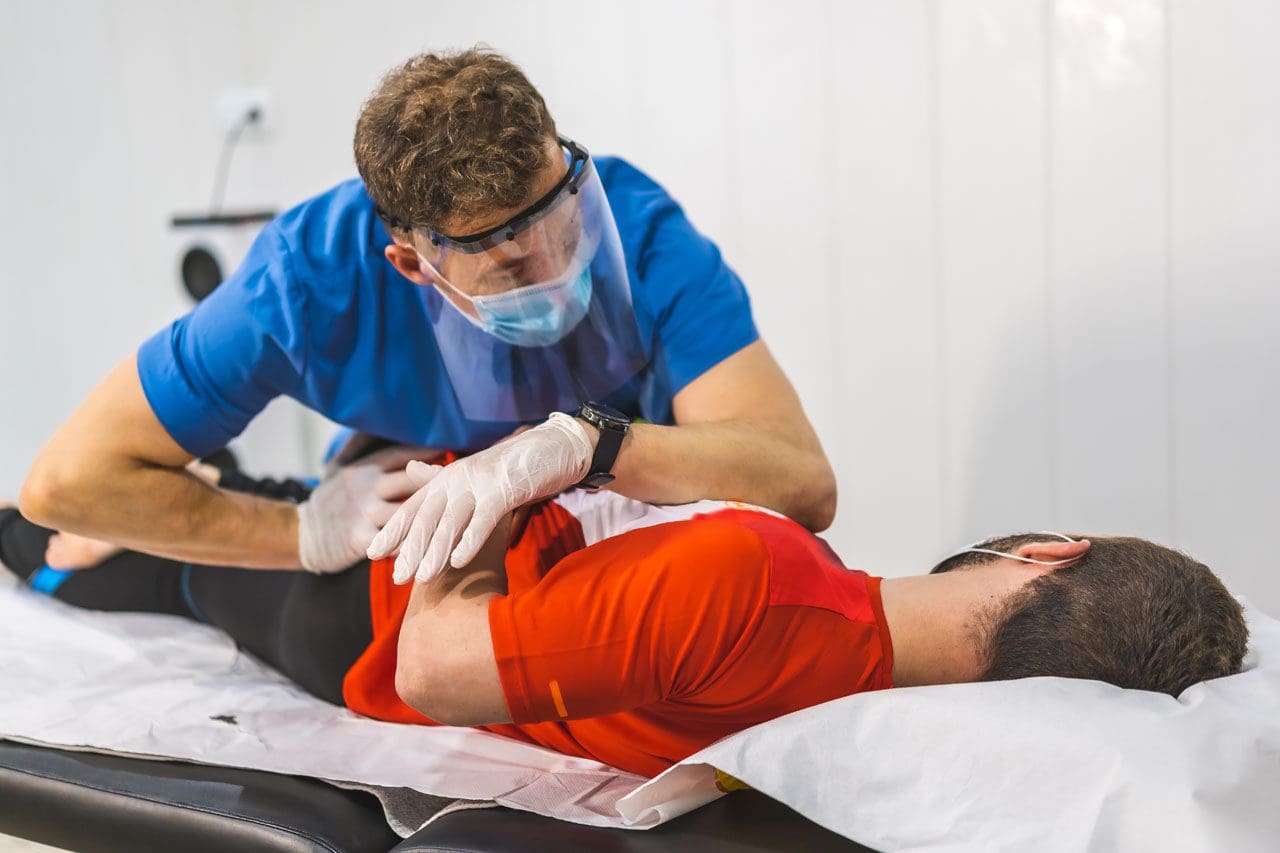
A chiropractor will feel/palpate the spine to see if the bones are in alignment, move well, or are out of alignment and not moving correctly or moving at all.
Posture Exam
If the head, shoulders, and hips are uneven or the shoulders and head are pulling forward, the spinal bones are out of alignment/subluxations.
Balance and Coordination
Unhealthy balance and coordination can indicate the brain, nerves, and muscles are malfunctioning by spinal misalignment.
Range of Motion
A loss of spinal movement flexibility can show tension in the nerves, muscles, and misalignments.
Muscle Test
Loss of strength in a muscle can indicate the nerve signals are weak.
Orthopedic Tests
Tests that put the body in stressful positions focus on what tissue/s may be injured and the causes.
X-rays
X-rays look for abnormalities, dislocations, bone density, fractures, hidden/invisible injuries, and infections.
Injury Medical Chiropractic and Functional Medicine Clinic provide personalized treatment plans. These specific therapies are made to generate long-term spine benefits. Spinal manipulation, deep tissue massage, MET, and other manual therapy techniques, combined with exercise, help get the bones moving properly, the muscles functioning correctly, and the spine back into proper form. Treatment relieves muscle spasms, tension, and joint dysfunction, increases circulation, and retrains the muscles to remain relaxed.
The Natural Way to Heal
References
Ando, Kei et al. “Poor spinal alignment in females with obesity: The Yakumo study.” Journal of Orthopaedics vol. 21 512-516. 16 Sep. 2020, doi:10.1016/j.jor.2020.09.006
Le Huec, J C et al. “Sagittal balance of the spine.” The European spine journal: official publication of the European Spine Society, the European Spinal Deformity Society, and the European Section of the Cervical Spine Research Society vol. 28,9 (2019): 1889-1905. doi:10.1007/s00586-019-06083-1
Meeker, William C, and Scott Haldeman. “Chiropractic: a profession at the crossroads of mainstream and alternative medicine.” Annals of internal medicine vol. 136,3 (2002): 216-27. doi:10.7326/0003-4819-136-3-200202050-00010
Oakley, Paul A et al. “X-Ray Imaging is Essential for Contemporary Chiropractic and Manual Therapy Spinal Rehabilitation: Radiography Increases Benefits and Reduces Risks.” Dose-response: a publication of International Hormesis Society vol. 16,2 1559325818781437. 19 Jun. 2018, doi:10.1177/1559325818781437
Shah, Anoli A, et al. “Spinal Balance/Alignment – Clinical Relevance and Biomechanics.” Journal of biomechanical engineering, 10.1115/1.4043650. 2 May. 2019, doi:10.1115/1.4043650
IFM's Find A Practitioner tool is the largest referral network in Functional Medicine, created to help patients locate Functional Medicine practitioners anywhere in the world. IFM Certified Practitioners are listed first in the search results, given their extensive education in Functional Medicine









 Why The Spine Goes Out of Alignment