Back Clinic Sciatica Chiropractic Team. Dr. Alex Jimenez organized a variety of article archives associated with sciatica, a common and frequently reported series of symptoms affecting a majority of the population. Sciatica pain can vary widely. It may feel like a mild tingling, dull ache, or burning sensation. In some cases, the pain is severe enough to make a person unable to move. The pain most often occurs on one side.
Sciatica occurs when there is pressure or damage to the sciatic nerve. This nerve starts in the lower back and runs down the back of each leg as it controls the muscles of the back of the knee and lower leg. It also provides sensation to the back of the thigh, part of the lower leg, and the sole of the foot. Dr. Jimenez explains how sciatica and its symptoms can be relieved through the use of chiropractic treatment. For more information, please feel free to contact us at (915) 850-0900 or text to call Dr. Jimenez personally at (915) 540-8444.
Sciatica Pain Relief: How PRP, PFP, mFAT, and Regenerative Epidurals Help Heal Your Spine
If you feel sharp pain shooting down one leg, tingling in your foot, or weakness that makes standing or walking difficult, you may be dealing with sciatica. This happens when something in the lower back presses on or irritates the long sciatic nerve that runs from the spine down each leg. Common causes include bulging or torn spinal discs, tight or damaged ligaments, or swollen tissues that pinch the nerve.
The body wants to heal these problems. However, spinal discs and ligaments have very poor natural blood flow. Healing signals move slowly, and inflammation can last a long time. Treatments such as PRP, Platelet-Fibrin Products (PFP), mFAT, and certain epidural injections deliver concentrated help straight to the irritated areas. They calm nerve inflammation and support the repair of the discs and ligaments that keep the sciatic nerve aggravated.
In El Paso, Texas, Dr. Alexander Jimenez, DC, APRN, FNP-BC, CCST, CFMP, IFMCP, ATN, and his team at Injury Medical Clinic PA use these options as part of a full care plan. They work closely with Dr. Maria Guadalupe Cardenas, MD, a board-certified internal medicine physician with over 40 years of experience (NPI #1164426749, Texas MD License #J2933). She serves as Medical Director and Collaborative Physician, providing medical oversight for safety and whole-person health. This team approach combines chiropractic care, functional medicine, personal injury support, rehabilitation, and regenerative procedures under one roof.
Here is how each treatment works and why combining them with chiropractic care often brings better, longer-lasting results.
PRP Injections: Your Body’s Own Healing Cells at Work
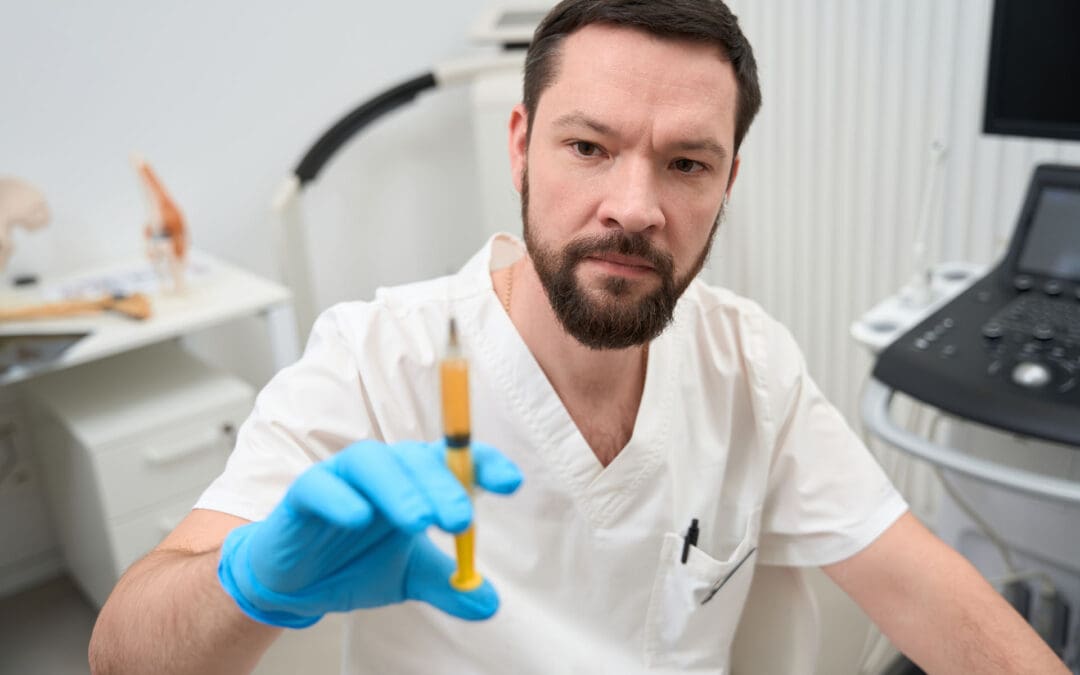
PRP stands for Platelet-Rich Plasma. A small sample of your blood is centrifuged to concentrate the platelets. These platelets release natural growth factors—proteins that tell the body to reduce swelling and start repair. The concentrated PRP is then injected near the irritated sciatic nerve or into damaged disc or ligament areas, often with image guidance for precision.
The growth factors help lower inflammation around the nerve, support repair of small tears in spinal discs, and aid nerve recovery. Many people experience longer pain relief compared with traditional steroid shots because PRP works on the actual tissue damage instead of only masking symptoms. It is considered very safe because it uses your blood components.
Key benefits of PRP for sciatica include:
Reduces nerve root inflammation
Supports disc and ligament healing
Often provides relief that lasts longer than steroids alone
Minimally invasive with low risk of side effects
Patients frequently notice gradual improvement over weeks to months as the tissues stabilize and the pressure on the sciatic nerve decreases (Naples Regenerative Institute, n.d.; Integrative Rehab Medicine, n.d.).
PFP: A Natural Scaffold for Steady, Long-Term Support
PFP, or Platelet-Fibrin Products, builds on PRP by adding something extra. It forms a natural, gel-like “scaffold” or framework from components in your blood. Once placed in the damaged area, this scaffold slowly and steadily releases healing growth factors.
Think of it as a built-in slow-release system. Instead of a one-time burst of signals, the scaffold provides ongoing support to ligaments and discs that have been stretched, torn, or weakened. This sustained action helps restore structure and strength in the tissues that may be rubbing or pressing on the sciatic nerve.
PFP is especially beneficial when longer-term tissue rebuilding is needed. It provides a supportive environment while the body works to repair itself (Health Coach Clinic, n.d.).
mFAT: Using Your Own Fat Tissue for Cushioning and Repair
mFAT stands for Microfragmented Adipose Tissue. A small amount of fat is gently taken from an area such as the abdomen or thigh through a minor procedure. The fat is then cleaned and broken into tiny pieces that can be injected into worn or degenerated areas of the spine or nearby joints.
Fat tissue naturally contains special repair cells and supportive factors. When processed into microfragments, these cells and signals can act as both a protective cushion and active helpers. They help calm long-term inflammation and support rebuilding of damaged discs or joints.
mFAT is often chosen for cases where discs or joints have worn down over the years. It delivers cushioning plus regenerative signals in one treatment. Improvement can appear gradually over several weeks to months as inflammation decreases and tissue quality improves (Fu & Wang, 2025; University of Iowa Health Care, n.d.).
Common advantages of mFAT include:
Uses your own tissue
Provides both cushioning and repair support
Helps with chronic inflammation in degenerated areas
Minimally invasive alternative to more aggressive options
Traditional Epidural Injections vs. Regenerative Epidurals
Epidural injections place medicine into the space surrounding the spinal nerves.
Traditional epidurals usually contain a corticosteroid (strong anti-inflammatory) and a numbing medicine. They work quickly to shrink swelling around irritated nerve roots. This can bring fast relief from severe sciatica pain, allowing people to move more comfortably and begin other therapies. However, these shots mainly reduce symptoms. They do not repair torn discs or weakened ligaments, and repeated use can carry risks such as tissue weakening or blood sugar changes (Orthopedic Specialists of the St. Louis Region, 2026).
Regenerative epidurals take a different approach. Instead of steroids, physicians may use platelet lysate—a processed form of PRP factors—or other orthobiologics. These calm nerve inflammation while also delivering healing signals to the surrounding tissues. The goal is faster comfort plus actual support for tissue repair, without the typical downsides of repeated steroid exposure (Integrative Rehab Medicine, n.d.).
Why Combining Chiropractic Care with Regenerative Treatments Works So Well
Injections deliver powerful healing materials directly to the problem spots. Yet spinal discs and ligaments have a limited blood supply, so these tissues need help reaching deep tissues effectively. This is where chiropractic care adds important value.
Dr. Alex Jimenez performs gentle spinal adjustments to improve joint movement and alignment. These adjustments can quickly reduce mechanical pressure on the sciatic nerve caused by misaligned vertebrae or tight muscles. Better movement also increases local blood flow and nutrient delivery.
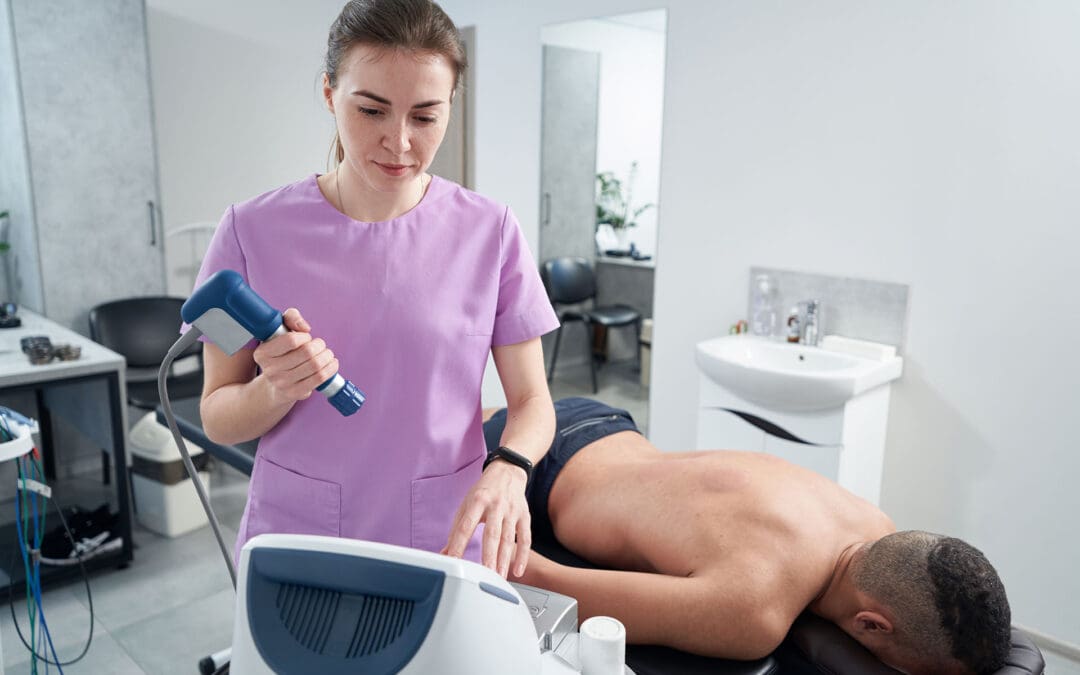
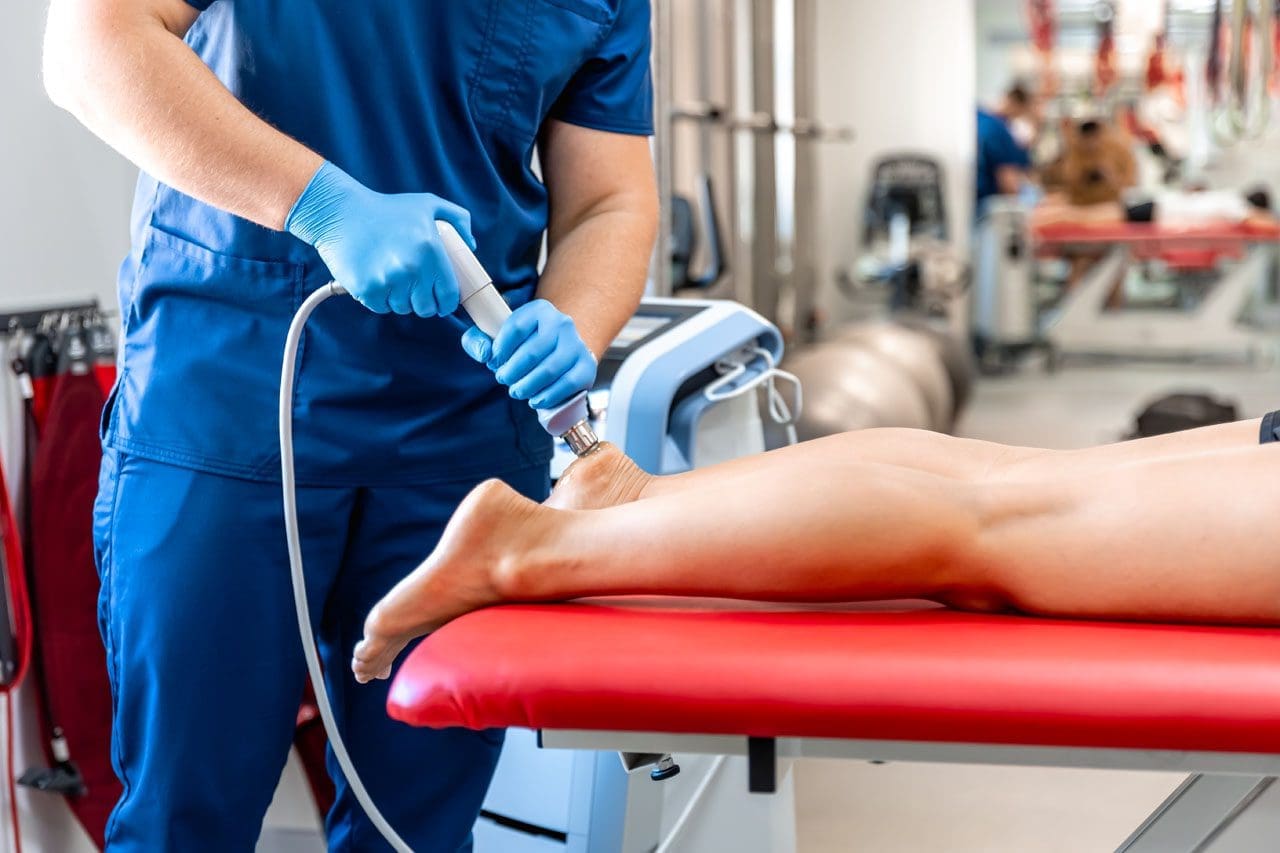
When injections and adjustments work together, the results are often stronger than either alone. The injections provide concentrated repair signals. Chiropractic care and supportive therapies (such as shockwave) improve circulation, so those signals penetrate more deeply into low-blood-flow areas like discs and ligaments. This combination addresses both the mechanical pressure on the nerve and the biological inflammation and tissue damage.
Dr. Jimenez’s clinical observations from helping thousands of patients with back and leg pain show that this integrated method helps many people move better and experience lasting relief. It focuses on restoring function rather than only covering symptoms.
At Injury Medical Clinic PA in El Paso, this care happens in a true multidisciplinary setting. Chiropractic expertise from Dr. Jimenez pairs with medical oversight from Dr. Maria Guadalupe Cardenas, MD. As an experienced internist and Medical Director, she ensures procedures are appropriate for each person’s overall health, coordinates with other treatments, and supports safe, personalized plans. The team also includes functional medicine, personal injury documentation and care, and rehabilitation services—all working together for comprehensive support.
A Clear Path Forward
Sciatica does not have to mean ongoing pain or limited activity. By calming inflammation, supporting tissue repair, and restoring proper spinal mechanics, these treatments help the body overcome its natural healing challenges in the spine.
Many people in El Paso and surrounding areas have found meaningful improvement through this combined approach. A careful evaluation, including history, exam, and any needed imaging, helps determine the best starting plan for your specific situation.
If sciatica is affecting your daily life, work, or sleep, consider reaching out to a team experienced in both regenerative injections and integrative chiropractic care. The goal is simple: help your spine heal so the sciatic nerve can calm down and you can return to the activities you enjoy.
El Paso’s Integrated Injury Clinic: One-Stop Care for Faster Recovery and Strong Legal Support
If you got hurt in a car crash or at work in El Paso, Texas, you know how frustrating it can be. You go to one place for an exam, another for therapy, and still another for special treatments. Papers get lost. Your story gets told many times. Healing slows down. An integrated, multidisciplinary injury clinic solves this problem. Everything happens under one roof. A team of experts works together on your care. They handle medical checks, hands-on therapy, and advanced healing methods. At the same time, they build clear, complete records that help your legal or workers’ compensation case.
This kind of care is different from going to separate offices. You get faster answers, smoother progress, and stronger support for your claim.
Why an Integrated Health System Works Better
Ordinary clinics often focus on one thing. You might get only adjustments or only medications. An integrated clinic brings many experts together in the same place. They share one plan for you. This stops gaps in care and mixed messages.
Here are the main advantages:
One team, one story: Every provider sees your full history and current progress. No one works in the dark.
Faster decisions: If you need a new test or different therapy, the group talks it over quickly.
Better healing: Treatments work in tandem. Chiropractic care improves movement while medical oversight watches your overall health.
Clear records from day one: Everything gets written down in one system. This matters a lot for insurance and legal needs.
Patients who use this model often feel less stressed. They spend less time driving between offices and more time actually getting better.
How the Team Works Together for You
In a true multidisciplinary setup, each expert brings their skills. Nurse practitioners handle full health evaluations. They can order tests, manage medications as needed, and monitor for other health issues that might slow healing.
Physical therapists, massage therapists, and chiropractors team up on your body’s movement. They improve flexibility, strength, and posture. Chiropractic adjustments help the spine and joints work better. Physical therapy builds safe exercises. Massage eases tight muscles. Together, they create a plan that fits your exact injuries.
This is not random care. It is coordinated. Everyone knows what the others are doing. That teamwork often leads to quicker pain relief and better long-term results.
Special Treatments That Help Serious or Lasting Injuries
Some injuries need more than basic care. Car accidents and work injuries can damage deep tissues, nerves, or joints. An integrated clinic offers modern options that directly target the problem.
Here are treatments often used together:
Spinal decompression: A special table gently stretches your spine. This takes pressure off pinched nerves and bulging discs. Many people feel relief from sciatica or radiating leg pain.
MLS laser and shockwave therapy: These use light or sound waves to wake up your body’s healing cells. They lower swelling and help soft tissues repair without drugs or surgery.
Epidural injections: When nerves are very irritated, guided injections can calm the area so you can move and heal.
Regenerative therapies: Treatments such as PRP (platelet-rich plasma), PRF (platelet-rich fibrin), and MFAT (micro-fragmented adipose tissue) use components of your blood or fat. They are placed exactly where tissue is damaged to support natural repair.
These options go beyond what a basic clinic usually offers. They aim at the root of the injury rather than merely masking pain.
Strong Medical-Legal Documentation That Protects Your Case
When your injury comes from a car accident or a job, good records are just as important as good treatment. Insurance companies and lawyers need proof. They want to see what happened, how bad it is, and that the care you received was necessary.
An integrated team creates one complete file. It includes:
Your accident story and first exam findings
Objective tests like range of motion, strength checks, and imaging
Daily notes on how you feel and what treatments you receive
Progress reports that show improvement or ongoing limits
A final summary that explains the lasting effects on your life and work
This kind of documentation helps personal injury lawyers build a stronger case. It shows a clear link between the crash or incident and your injuries. It also proves you followed a real treatment plan.
Many clinics work directly with attorneys. They send updates quickly and often handle cases on a lien basis. This means you can focus on healing while the legal side stays organized.
Expert Care Led by Dr. Alex Jimenez and Dr. Maria Guadalupe Cardenas in El Paso
At Injury Medical Clinic PA in El Paso, this integrated model is led by experienced professionals who understand both health and legal needs.
Dr. Alexander Jimenez, DC, APRN, FNP-BC, CCST, CFMP, IFMCP, ATN, is dual-licensed as a chiropractor and board-certified family nurse practitioner. He has spent decades helping people with car accident injuries, work injuries, whiplash, sciatica, and soft tissue damage. His clinical observations focus on treating the whole person. He looks at root causes, not just symptoms. He stresses careful documentation with clear findings and progress measures, especially when a case involves an auto or work injury claim. His practice combines chiropractic care, functional medicine, rehabilitation, and regenerative options under one roof.
Working alongside him is Dr. Maria Guadalupe Cardenas, MD. She is board-certified in internal medicine with over 40 years of experience. Her NPI is 1164426749, and her Texas MD license is J2933. She serves as Medical Director and Collaborative Physician. In this multidisciplinary setting, she provides medical oversight, reviews overall health, guides advanced procedures, and helps ensure compliance with Texas rules.
Together, they create a powerful team. Chiropractic care from Dr. Jimenez addresses alignment, nerves, and movement. Medical direction from Dr. Cardenas provides safety, diagnostic, and medication management as needed. Functional medicine, personal injury documentation, and rehabilitation services all connect in the same location. This is the kind of collaborative model common in high-quality integrative injury clinics.
Your Simple Path to Recovery in El Paso
Here is what the journey usually looks like:
You call or come in for an evaluation. A nurse practitioner or medical director, along with the chiropractic team, sees you together.
They create one clear plan that may include adjustments, therapy, advanced treatments, or regenerative options.
You receive care in one place. Notes stay organized from the first visit to the last.
Progress is tracked and shared with your lawyer or insurance when needed.
You heal with less stress and stronger support for your claim.
Many patients notice they move better sooner and have less confusion about next steps.
Choose Coordinated Care for Your Injury
If you want care that treats your injury and protects your legal position, an integrated multidisciplinary clinic in El Paso is worth considering. You get medical diagnostics, physical therapy, advanced healing therapies, and solid documentation all in one coordinated system. Dr. Alex Jimenez and Dr. Maria Guadalupe Cardenas lead a team that puts your recovery and your case first.
You do not have to piece your care together alone. One roof, one team, one clear plan can make a real difference in how fast you feel better and how well your case is supported.
IV Infusion Therapy: How It Delivers Vitamins and Nutrients Straight to Your Body
IV infusion therapy puts vitamins, minerals, and fluids directly into your bloodstream. This bypasses the digestive tract, so your body can use more of the nutrients more quickly and fully. Clinics often use it to support immune function, fix dehydration, ease chronic fatigue, and correct nutritional shortfalls that oral supplements sometimes cannot fix well.
Many people feel run down, foggy, or slow to recover because their gut does not absorb everything from food or pills. IV therapy changes that by sending the mixture straight into circulation through a small tube placed in the arm. The result is higher amounts of nutrients reaching your cells faster than you can usually get from eating or swallowing capsules.
How Intravenous Therapy Works
Intravenous (IV) therapy uses a sterile mix of vitamins, minerals, and amino acids. A trained professional inserts a thin catheter into a vein, usually in the arm or hand. The liquid then drips in over 30 to 60 minutes while you rest in a comfortable chair.
Because it bypasses the stomach and intestines, the body absorbs nearly 100 percent of the nutrients. Oral supplements often lose a large portion during digestion. IV delivery avoids that loss and gives a rapid boost when someone needs quick rehydration or higher nutrient levels.
Why People Choose IV Infusion Therapy
Clinics report several common reasons patients try this therapy. Here are the main ones explained simply:
Fast hydration and electrolyte balance — After illness, intense workouts, travel, or long days, fluids and minerals go straight in to restore balance quickly.
More steady energy — B vitamins, magnesium, and other nutrients help cells produce energy. Many people notice less afternoon drag and better focus.
Immune support — High amounts of vitamin C, zinc, and antioxidants can give the body’s defense system extra help during cold and flu season or times of stress.
Recovery from physical stress — Athletes, active workers, and people healing from injuries often use it to supply building blocks for tissue repair and to reduce downtime.
Filling nutrition gaps — When digestion is off due to stress, medications, or long-term conditions, IV can deliver what the gut is missing.
These effects happen because the nutrients reach cells directly. Still, results vary from person to person. What works well for one individual may feel different for another.
IV Therapy Inside an Integrative Care Team
When an integrative chiropractic and functional medicine clinic offers IV therapy, patients gain extra layers of support. The approach focuses on three important ideas: personalized and data-driven treatment, a comprehensive care team, and a root-cause focus.
The team reviews lab work, health history, symptoms, and lifestyle before recommending a formula. They do not use a one-size-fits-all drip. Instead, they match the mix to what the person actually needs. This data-driven step helps avoid unnecessary or poorly matched nutrients.
A full care team means different experts work together. Chiropractic care addresses spinal alignment and nerve function. Functional medicine explores gut health, inflammation, and lifestyle factors. Medical oversight adds safety checks and the ability to handle more complex health pictures. Rehabilitation and personal injury support fit in when someone is recovering from accidents or ongoing pain.
It is crucial to consult a qualified healthcare professional to ensure the treatment aligns with your unique health profile and objectives, as individual needs and responses to IV therapies can vary.
How One El Paso Clinic Combines These Services
At Injury Medical Clinic PA in El Paso, Texas, this team model is in action every day. Dr. Alexander Jimenez, DC, APRN, FNP-BC, CFMP, IFMCP, ATN, CCST, brings decades of experience in chiropractic care and advanced functional and integrative approaches. He works closely with Dr. Maria Guadalupe Cardenas, MD, a board-certified internist (NPI #1164426749, Texas MD License #J2933) with more than 40 years of experience.
Dr. Cardenas serves as Medical Director and Collaborative Physician. Her role provides medical direction and oversight for procedures such as IV infusions. This partnership is common in integrative or injury-focused clinics: the chiropractor handles structural and nervous system care, while the medical doctor ensures the safe, appropriate use of advanced therapies.
Patients receive coordinated care. Someone coming in after a car accident might receive chiropractic adjustments for whiplash, rehabilitation exercises, and, when appropriate, IV nutrients to support healing and energy. The medical oversight helps the team monitor interactions, select safe doses, and track lab results when needed. Dr. Jimenez has observed in his clinical work that patients with lingering fatigue, slow recovery, or chronic discomfort after injuries often respond better when nutrition and hydration are optimized alongside hands-on treatments.
This multidisciplinary setup allows the clinic to address the whole person rather than isolated symptoms. Chiropractic improves movement and nerve signaling. Functional medicine targets underlying drivers like inflammation or gut issues. IV therapy provides rapid nutritional support when oral intake is insufficient. Personal injury and rehabilitation services tie everything together, helping patients return to daily life with less pain and greater function.
What a Typical Session Looks Like
Most visits follow a clear, comfortable flow:
You meet with a provider to review your health history, current symptoms, and any recent labs.
The team selects or customizes a nutrient formula based on your goals.
A small catheter is placed in your arm (most people feel only a quick pinch).
You relax for 30–60 minutes while the solution drips in. Many people read, listen to music, or nap.
The catheter is removed, and you receive simple aftercare instructions, such as drinking extra water and resting as needed.
The whole process is designed to be low-stress. Clinics with proper medical oversight keep emergency supplies and trained staff on hand.
Safety and Smart Choices
IV therapy is generally well tolerated when performed by licensed professionals in a clinical setting. Mild side effects can include temporary bruising or soreness at the insertion site. More serious risks, such as infection or nutrient overload, are rare but possible, which is why medical supervision matters.
Experts note that while many people report feeling better, high-quality studies on broad wellness benefits for otherwise healthy individuals are still limited. IV therapy works best as one tool inside a larger plan that includes good nutrition, movement, sleep, and treatment of any underlying conditions. It is not a replacement for a healthy lifestyle or prescribed medical care.
People with certain conditions (kidney disease, heart issues, or specific medication regimens) should always check with their doctor first. In a clinic like the one described, the collaborative MD-NP team helps screen for these factors before any drip begins.
Putting It All Together
IV infusion therapy gives your body a direct route for vitamins, minerals, and fluids when you need fast, high-level support. By skipping digestion, it delivers higher usable amounts in less time. In an integrative setting that includes chiropractic care, functional medicine, rehabilitation, and strong medical oversight, it becomes part of a broader strategy aimed at addressing root causes and achieving lasting improvement.
Whether you are dealing with everyday fatigue, recovering from physical stress, or simply want to optimize how you feel, the key is to work with qualified professionals who personalize their approach. Clinics that combine these services under proper medical direction, such as the team model in El Paso, demonstrate how different therapies can support one another for better overall results.
Talk with your healthcare provider to see if IV infusion therapy fits your health picture. When used thoughtfully, it can be a helpful step on the path to feeling stronger, recovering faster, and supporting your body’s natural ability to heal and perform.
Platelet-Rich Plasma (PRP) Therapy for Spinal Care: A Natural Path to Pain Relief and Healing
Platelet-rich plasma (PRP) therapy helps people with back pain find relief without surgery. Doctors take a small sample of the patient’s own blood and turn it into a powerful healing mixture. This mixture uses the body’s natural platelets to reduce swelling and repair damaged areas of the spine. Many patients with mild to moderate spine problems choose PRP after other treatments like physical therapy do not fully work.
What Is Platelet-Rich Plasma Therapy?
PRP therapy is a simple treatment that comes from the patient’s blood. A nurse or doctor draws a small amount of blood from the arm. Then the blood spins in a machine called a centrifuge. This step pulls out the platelets and makes them extra strong. The result is platelet-rich plasma, rich in growth factors. These growth factors act like signals that tell the body to start healing. PRP does not use drugs or chemicals from outside the body. It works with what the patient already has inside. This makes it a safe and natural choice for many people who want to avoid surgery.
How PRP Therapy Supports Spinal Healing
The spine has discs, facet joints, ligaments, and nerves that can wear down over time. PRP goes right to these spots and gets to work. The growth factors reduce inflammation and kick-start tissue repair. For example, they help degenerated discs hold more water and stay flexible. They also calm painful facet joints and strengthen loose ligaments. Because PRP comes from the patient’s own blood, the body accepts it and begins repairing the damage quickly. Studies show PRP can even help nerves heal and reduce chronic pain signals.
Releases growth factors that tell cells to grow and repair
Lowers swelling around discs and joints
Builds new blood vessels so nutrients can reach damaged areas
Helps ligaments and tendons get stronger
Supports natural disc repair without cutting into the body
Key Benefits of PRP for Back and Spine Issues
Patients often notice real changes after PRP. The treatment gives long-lasting pain relief instead of short-term fixes like steroid shots. Many people move better and feel more active in daily life. PRP also cuts the need for strong pain pills. Because it is minimally invasive, patients avoid hospital stays and big scars. Recovery is quick, and the risk of side effects stays low since the body uses its own material. Over time, PRP may slow down further spine wear.
Natural healing that lasts months or even years
Less pain without heavy medication
Better mobility and daily function
Quick return to normal activities
Lower chance of allergic reactions
Works well with other non-surgical care
Common Spinal Conditions PRP Can Help
Doctors use PRP for several spine problems that cause daily discomfort. It works best when the damage is mild to moderate. Conditions include degenerative disc disease, where discs lose height and cause stiffness. Spinal stenosis, which narrows the space around nerves, also responds well. Facet joint arthritis causes sharp pain that PRP can help ease. Herniated discs and ligament strains improve, too. Even chronic low back pain and sciatica often get better. Patients who tried rest, therapy, or meds without complete success often turn to PRP next.
The Step-by-Step PRP Procedure
The whole process feels straightforward and takes about an hour. First, the nurse draws blood from the arm. Next, the blood spins in the centrifuge to create the PRP. Then the doctor uses ultrasound or X-ray guidance to place the PRP exactly where it is needed. Patients stay awake and feel only mild pressure. No stitches or long cuts are involved. The clinic sends the patient home the same day with simple care instructions.
Blood draw (small amount from the arm)
Centrifuge step to concentrate platelets
Ultrasound-guided injection into the spine
Short rest period before going home
Follow-up visits to check progress
Who’s a Good Candidate for PRP Therapy?
PRP is suitable for people with mild to moderate spinal wear who have not found sufficient relief from physical therapy or medication. It is not usually the first choice for very severe damage. A doctor checks imaging and health history to decide. Patients who want to stay active and avoid surgery often like this option. Good health and realistic goals help the treatment work best.
Integrative Spinal Care: Combining PRP with Chiropractic and Functional Medicine
In clinics that blend different care styles, PRP becomes even more effective. An Advanced Practice Registered Nurse (APRN/FNP-BC) with functional medicine training (CFMP, IFMCP, ATN, CCST) can administer precise, ultrasound-guided PRP injections. At the same time, chiropractic adjustments keep the spine aligned. Nutritional support from functional medicine fixes any missing vitamins or inflammation triggers in the body. This team approach creates the perfect setting for repair. The body gets structural help, cellular healing, and inside support all at once.
Insights from Dr. Alexander Jimenez on PRP and Spine Health
Dr. Alexander Jimenez, DC, APRN, FNP-BC, sees PRP as part of whole-body healing in El Paso, Texas. As both a chiropractor and nurse practitioner, he combines spinal adjustments with regenerative shots and metabolic checks. His clinical work shows that patients with sciatica or disc problems heal faster when PRP teams up with chiropractic care and proper nutrition. Dr. Jimenez notes that this mix helps clear waste from injured tissues, builds stronger blood flow, and stops pain cycles. Many of his patients return to work and sports with less discomfort and more confidence.
What to Expect During Recovery
Most people feel mild soreness for a few days after the shot, like a deep bruise. Ice packs and gentle movement help. Light activities can start right away, but heavy lifting waits one to two weeks. Full benefits build over four to six weeks as the growth factors continue to work. Some patients need a second shot after a month or two for the best results. Follow-up visits track progress and adjust the plan.
Evidence and Safety of PRP Therapy
Research backs PRP for spine care. Clinical reviews show pain drops and better movement in patients with degenerative discs and facet problems. Nerve repair studies also point to positive results. Side effects are rare because the treatment uses the patient’s own blood. No major complications appear in most studies. Doctors continue to track long-term outcomes, but current data look promising for people who want natural options.
Conclusion
Platelet-rich plasma therapy offers a fresh way to handle spinal pain and damage. It uses the body’s own tools to reduce swelling, repair tissues, and restore movement. When paired with expert chiropractic and functional medicine, the results can feel even better. Patients who have struggled with ongoing back issues often discover new hope through PRP. Talking with a trained provider helps decide if this path fits personal needs. With steady advances in regenerative care, many more people may soon enjoy life with less spine pain and more freedom.
Sciatica Relief in El Paso: How Integrative Chiropractic Care Supports Healing and Mobility
Sciatica can make daily life challenging. It often causes pain that starts in the lower back or buttocks and travels down the leg. Some people also feel tingling, numbness, burning, or weakness. In many cases, the problem begins when a lumbar disc, tight soft tissue, joint irritation, or spinal narrowing compresses a nerve root. Because sciatica can have multiple causes, treatment works best when it focuses on the whole person, not just the pain. That is why a chiropractic rehabilitation model aligns well with this topic for El Paso Back Clinic. The clinic publicly describes itself as a chiropractic rehabilitation and integrated medicine center focused on injury recovery, movement, function, and whole-person care. (Berry et al., 2019; El Paso Back Clinic, n.d.-a; El Paso Back Clinic, n.d.-b).
At El Paso Back Clinic, the public-facing message centers on chiropractic care, rehabilitation, mobility, flexibility, nutrition, and integrated support. The site describes Dr. Alexander Jimenez as both a chiropractor and a family nurse practitioner, leading a multidisciplinary team that blends evidence-based care with natural and functional approaches. That positioning is relevant for sciatica because many people improve with conservative care built around assessment, education, movement, and structured rehabilitation before more invasive options are considered. (El Paso Back Clinic, n.d.-a; El Paso Back Clinic, n.d.-c; Jimenez, n.d.).
What Sciatica Really Means
Sciatica is a symptom pattern, not a stand-alone diagnosis. It usually describes pain that follows the path of the sciatic nerve, often from the lower back into the buttocks, thigh, calf, or foot. A careful exam usually includes a history, strength testing, reflexes, sensation testing, and nerve tension testing. This matters because sciatica-like pain can arise from lumbar disc herniation, degenerative disc changes, facet joint irritation, spinal stenosis, piriformis-related irritation, or combined movement-related problems. When the source is correctly identified, treatment can be more specific and effective. (Berry et al., 2019).
Why a Chiropractic and Physical Rehabilitation Approach Fits So Well
Current guidance for lumbosacral radicular pain supports a stepped, conservative approach as first-line treatment. That usually means education, staying active, exercise therapy, and treatment matched to the patient’s symptoms and function. Recent guideline work also emphasizes clear communication, a gradual return to activity, and exercise therapy tailored to the person’s needs and tolerance. In other words, successful care is not just about lying down and waiting. It is about restoring motion, building support around the spine, and helping the nervous system calm down while the tissues recover. (Apeldoorn et al., 2024; Schmid & Tampin, 2023).
This conservative framework matches the public model of El Paso Back Clinic. The clinic’s website describes a whole-person plan that addresses posture, movement, daily habits, flexibility, strength, and nutrition. It also highlights chiropractic adjustments, rehabilitation-based care, and functional support rather than making injections the center of the message. That is a strong fit for a sciatica article aimed at a chiropractic and physical therapy audience. (El Paso Back Clinic, n.d.-d; El Paso Back Clinic, n.d.-e; El Paso Back Clinic, n.d.-f).
How Integrative Chiropractic Care May Help Sciatica
Chiropractic care for sciatica is not just one quick adjustment. In a more integrative setting, it can include a mix of spinal manipulation or mobilization, soft-tissue work, guided stretching, core-stability work, gait and posture correction, mobility drills, and progressive strengthening. The goal is to reduce mechanical stress, improve joint motion, improve movement patterns, and support the body’s own recovery. El Paso Back Clinic’s public materials describe a broader plan, including adjustments, exercises, and wellness strategies designed to restore mobility and reduce pressure on irritated structures. (El Paso Back Clinic, n.d.-b; El Paso Back Clinic, n.d.-d; El Paso Back Clinic, n.d.-e).
A 2024 narrative review on lumbar disc herniation with radiculopathy reported that spinal mobilization with leg movement, lumbar stabilization exercises, and manipulation can reduce symptoms and improve stability and mobility in selected patients. The same review emphasized that weak core muscles and poor spinal stability can delay healing, which is why structured rehabilitation matters so much. This supports a chiropractic rehabilitation strategy that focuses on both pain relief and rebuilding support around the lumbar spine. (El Melhat et al., 2024).
The Role of Exercise, Rehab, and Movement Training
For many people with sciatica, movement is medicine when it is used the right way. Recent physical therapy guidance recommends exercise therapy for patients who need help with daily activities, participation, or movement-related limits. The program should match irritability, tolerance, and function. In early stages, that may mean gentle pain-relieving movements, walking progressions, and avoiding positions that sharply increase symptoms. Later, it often expands into core work, hip strength, endurance, balance, and return-to-activity training. (Apeldoorn et al., 2024).
This is one of the biggest advantages of an integrative chiropractic clinic with a rehabilitation mindset. A patient is not just told where the pain is. They are shown how to move better, sit and lift with less strain, rebuild spinal support, and reduce the repeated stresses that may have contributed to the problem. El Paso Back Clinic’s site repeatedly highlights mobility, flexibility, sports medicine concepts, rehabilitation, and personalized exercise support as part of care. (El Paso Back Clinic, n.d.-d; El Paso Back Clinic, n.d.-f).
Common parts of a chiropractic rehabilitation plan for sciatica
Spinal adjustments or mobilization to improve motion
Soft tissue work for tight lumbar, hip, and gluteal tissues
Nerve-friendly movement progressions
Core stabilization exercises
Hip and pelvic strength work
Posture and ergonomic coaching
Walking programs and activity modification
Nutrition and inflammation support when needed
These tools do not all apply to every patient, but together they show why conservative care can be more than temporary pain relief. It can help correct the patterns that keep irritating the sciatic nerve. (Apeldoorn et al., 2024; El Melhat et al., 2024; El Paso Back Clinic, n.d.-e).
Clinical Observations from Dr. Alexander Jimenez
Dr. Alexander Jimenez’s public pages describe a dual-scope model that blends chiropractic care with nurse practitioner-level medical evaluation, functional medicine, and individualized rehabilitation planning. His clinic materials emphasize non-surgical recovery, movement restoration, advanced assessment, and whole-person healing. At El Paso Back Clinic, sciatica care is presented as a process of locating the source of the problem, improving alignment and mechanics, and guiding the patient back toward better function. That practical, layered approach is especially useful for chronic or recurring sciatica, where structural, inflammatory, stress-related, and lifestyle factors may overlap. (Jimenez, n.d.; El Paso Back Clinic, n.d.-a; El Paso Back Clinic, n.d.-b).
Where PRP Fits In
Platelet-Rich Plasma is made from a patient’s own blood and is used in regenerative medicine to deliver concentrated platelets and growth factors to a target area. In lumbar radiculopathy research, PRP injections have shown promising results in pain and function, and some studies suggest longer-lasting improvement than steroid injections in selected patients. Still, PRP is best presented as an adjunct option for carefully chosen cases, not as the foundation of care for every person with sciatica. (Gupta et al., 2024; Saraf et al., 2023).
That is also the most natural fit for a chiropractic and rehab-focused clinic. The main message should remain focused on conservative care, mechanical correction, mobility, strength, and function. PRP can be discussed as a secondary option for patients with persistent disc-related irritation who have not improved sufficiently with conservative care and who want a non-surgical option that goes beyond short-term symptom control. (Schmid & Tampin, 2023; Gupta et al., 2024; Saraf et al., 2023).
Why Whole-Person Care Matters
Sciatica is often worse when movement quality, stress load, inflammation, sleep, conditioning, and work demands are ignored. That is why integrative care can be valuable. A patient may need chiropractic treatment for joint motion, rehabilitation for core support and hip control, coaching on posture and lifting, and broader wellness strategies to reduce ongoing irritation. El Paso Back Clinic publicly describes this kind of combined approach, which includes chiropractic, rehabilitation, functional medicine, nutrition, and injury recovery planning. (El Paso Back Clinic, n.d.-c; El Paso Back Clinic, n.d.-f; Jimenez, n.d.).
Final Thoughts
For El Paso Back Clinic, the strongest sciatica message is clear: chiropractic rehabilitation should lead the conversation. People searching for help with sciatic pain often want answers that feel practical, natural, and functional. They want to know whether they can move again, work again, sleep better, and get back to life without jumping straight to drugs or procedures. A chiropractic and physical therapy-based strategy speaks directly to those goals. PRP can stay in the background as an advanced regenerative option for selected cases, but the heart of the article should stay on spinal mechanics, rehabilitation, movement, and whole-person recovery. That approach is consistent with both modern stepped-care guidance and the public identity of El Paso Back Clinic. (Apeldoorn et al., 2024; Schmid & Tampin, 2023; El Paso Back Clinic, n.d.-a).
Integrative Chiropractic Care at El Paso Back Clinic: Natural Recovery Without Surgery
Many people struggle with back pain, joint stiffness, or injuries from daily life, work, or accidents. They look for lasting relief that helps them move freely again. At El Paso Back Clinic, integrative chiropractic care stands out as a natural, effective way to address these issues. Led by Dr. Alexander Jimenez, the clinic focuses on fixing the root causes of pain through structural chiropractic adjustments and supportive therapies. This approach restores proper alignment, improves movement, and accelerates the body’s natural healing without the need for surgery or heavy medications.
The team at El Paso Back Clinic believes in treating the whole person. They combine hands-on chiropractic care with physical therapy and other non-invasive methods to create lasting results. By focusing on structure and function, patients often avoid surgery and return to active, pain-free lives. This integrative style has helped countless individuals in El Paso recover from personal injuries, auto accidents, and chronic back problems.
What Makes Integrative Chiropractic Care Different?
Integrative chiropractic care at El Paso Back Clinic goes beyond quick fixes. It looks at how the spine, nerves, muscles, and joints work together. When the spine is out of alignment, it can press on nerves and cause pain, weakness, or limited motion. Chiropractic adjustments gently realign the body to free up those nerves and restore normal function.
Unlike traditional care, which might only mask symptoms, this method treats the root cause. Structural chiropractic adjustments correct posture issues, ease muscle tension, and improve overall body mechanics. When paired with physical therapy exercises, patients build strength and flexibility that lasts.
Here are the main benefits of this approach:
It uses natural techniques to reduce inflammation and promote better blood flow.
It restores functional movement so everyday tasks feel easier.
It helps prevent future injuries by fixing poor alignment early.
It fits perfectly with the body’s own repair systems for long-term wellness.
Dr. Jimenez and his team emphasize that true healing starts with proper structure. Their clinical observations show that patients who receive consistent chiropractic care often report faster recovery and greater confidence in their bodies. (Jimenez, n.d.-c)
How Supportive Therapies Enhance Chiropractic Results
While structural chiropractic care forms the foundation, El Paso Back Clinic sometimes uses supportive therapies to further enhance healing. These non-surgical options work in the background to stimulate the body’s natural processes. They include concentrated healing cells from a patient’s own blood or fat, along with signaling molecules like peptides. These tools act as gentle stimulants that help repair damaged tissues and lower swelling.
For example, platelet-rich plasma (PRP) and similar options can support tissue repair after chiropractic adjustments have created better alignment. Shockwave therapy is another tool that pairs well with chiropractic care. It sends sound waves to increase blood flow and break down scar tissue, making adjustments more effective and recovery quicker.
The clinic’s integrative practice keeps these supportive methods secondary to the main chiropractic focus. The goal remains the same: fix the root problem and restore normal movement. This combination helps patients with back pain, sciatica, or soft tissue injuries heal faster without invasive procedures.
Key ways these supportive tools work alongside chiropractic care include:
They speed up the body’s natural repair after adjustments open up better nerve pathways.
They reduce inflammation so patients feel relief sooner during physical therapy sessions.
They support long-term tissue strength, helping chiropractic corrections last longer.
They fit into a holistic plan that avoids surgery and heavy reliance on pain pills.
This balanced method has shown strong results in personal injury and sports-related cases. (StemWave, 2024; El Paso Chiropractic, n.d.)
Dr. Alexander Jimenez’s Integrative Approach at El Paso Back Clinic
Dr. Alexander Jimenez, DC, APRN, FNP-BC, leads the clinical team at El Paso Back Clinic with more than 30 years of experience. As a chiropractor first, he specializes in structural care that restores spinal alignment and functional movement. His dual background allows him to blend chiropractic adjustments with advanced rehabilitation techniques for complete recovery.
At the clinic, Dr. Jimenez focuses on finding and treating the true source of pain. He uses gentle adjustments, spinal decompression, and targeted exercises to resolve issues like herniated discs, sciatica, and scoliosis. Supportive regenerative options stay in the background as beneficial additions that enhance the primary chiropractic work.
His clinical observations highlight how this integrative style helps patients recover from trauma with greater strength and confidence. Many who visit El Paso Back Clinic after car accidents or work injuries see big improvements in mobility and daily function. Dr. Jimenez often notes that addressing structure first sets the stage for the body to heal naturally. (Personal Injury Doctor Group, 2026)
What patients can expect at the clinic includes:
Thorough exams that spot hidden alignment problems or nerve pressure.
Customized chiropractic plans that include physical therapy and movement training.
Supportive therapies are used only when needed to enhance overall outcomes.
Focus on nutrition and lifestyle tips to keep the body strong between visits.
The clinic’s multidisciplinary team of chiropractors and physical therapists works together under Dr. Jimenez’s guidance. This team approach ensures every patient receives care tailored to their needs. (Jimenez, n.d.-a)
Real Results for Personal Injuries and Everyday Back Problems
Life can bring sudden injuries from auto accidents, sports injuries, or repetitive work strain. These issues often lead to back pain, stiff joints, or limited motion. At El Paso Back Clinic, integrative chiropractic care shines in these cases by correcting structure and supporting natural recovery.
For auto accident victims, chiropractic adjustments help with whiplash and spinal misalignment that can cause long-term discomfort. Physical therapy builds strength, while supportive therapies in the background reduce swelling and speed tissue repair. Sports injuries, such as strains or tendon problems, also respond well. Athletes regain a full range of motion and return to play with less risk of re-injury.
Patients often notice these advantages:
Faster return to work or favorite activities, with less downtime.
Reduced need for pain medications that can have side effects.
Stronger, more stable joints thanks to proper alignment and support.
Overall, a better quality of life with less daily discomfort.
One review of integrative care found that patients with chronic back issues experienced steady progress and avoided surgery when chiropractic was the primary focus. (Ortho Edge El Paso, n.d.; West Texas Pain, n.d.)
The clinic’s location in El Paso makes it convenient for local families and workers seeking natural solutions. Many patients report feeling renewed energy after a few sessions of structured chiropractic care.
Why This Chiropractic-First Method Promotes Lasting Wellness
Traditional treatments sometimes rely on temporary relief or major operations. Integrative chiropractic care at El Paso Back Clinic takes a smarter path. It works with the body’s design by correcting alignment and supporting its natural repair abilities.
Younger bodies heal quickly on their own, but aging or repeated stress can slow the process. Chiropractic adjustments keep the spine and joints in proper position so healing happens efficiently. Supportive therapies like shockwave therapy or concentrated healing cells remain in the background to provide an extra nudge when needed.
This non-surgical style offers clear advantages:
No scars or infection risks that come with operations.
Better long-term mobility and fewer flare-ups.
A focus on prevention ensures problems do not become big ones.
Improved posture and movement that benefit overall health.
Experts agree that fixing the root cause leads to the best recovery. When chiropractic care leads the way, patients often experience lasting relief and greater confidence in their bodies. (New Regen Ortho, n.d.; Serenity Health Care Center, n.d.)
At El Paso Back Clinic, the emphasis remains on empowering patients through structure and function. Dr. Jimenez’s team helps people of all ages live more active, pain-free lives.
Moving Forward With Natural, Effective Care
Integrative chiropractic care at El Paso Back Clinic provides a clear path for anyone dealing with back pain or injury. Structural adjustments form the core, restoring alignment and functional movement. Supportive therapies work quietly in the background to stimulate the body’s natural healing without surgery or strong drugs.
This holistic method addresses the root causes of problems and helps patients recover faster from personal injuries, auto accidents, and sports injuries. Under Dr. Alexander Jimenez’s guidance, the clinic delivers care that fits real life and delivers real results.
If back pain or limited motion holds you back, consider the integrative chiropractic approach at El Paso Back Clinic. It proves that sometimes the best way forward is to work with the body’s own systems through skilled, hands-on care.
Restore Flexibility and Mobility with Integrative Chiropractic Care and Shockwave Therapy at El Paso Back Clinic
Many El Paso residents wake up with stiff joints or tight muscles, making simple daily tasks feel hard. Reaching overhead, bending down, or walking for long stretches can become painful or limited. At El Paso Back Clinic, integrative chiropractic care combined with Extracorporeal Shockwave Therapy (ESWT) offers a natural solution. This approach restores proper joint alignment, reduces muscle tension, and resolves soft-tissue restrictions, allowing patients to move freely again. Led by Dr. Alexander Jimenez, DC, APRN, FNP-BC, the clinic’s team uses gentle adjustments, stretching, exercises, and advanced shockwave treatments to help people regain flexibility and enjoy life in El Paso.
What Integrative Chiropractic Care Does for Flexibility at El Paso Back Clinic
Integrative chiropractic care at El Paso Back Clinic treats the whole body instead of just one problem area. It corrects small misalignments, called subluxations, in the spine and joints. These misalignments put pressure on nerves and tighten muscles. Regular adjustments gently move everything back into place. This restores proper joint alignment, eases tension, and lets the nervous system send clearer signals to the muscles.
When joints line up correctly, range of motion improves right away. Stiffness fades, and daily movements become smoother and more efficient. Patients at the clinic often say they feel looser and more energetic after just a few visits. (Gentle Chiro, n.d.) The care also includes stretching and therapeutic exercises to maintain gains over time. Muscles and joints start working together as a team, building resilience that lasts.
How Chiropractic Adjustments Restore Joint Alignment and Reduce Stiffness
Adjustments form the core of care at El Paso Back Clinic. The team uses precise, gentle pressure to correct subluxations. This simple step brings clear benefits that patients notice quickly:
Better range of motion, so joints glide freely without catching
Less muscle tension around the back, neck, and limbs
Improved nervous system function for better balance and coordination
Smoother daily activities like turning your head while driving or reaching for groceries
Lower risk of future stiffness because proper alignment trains the body to stay balanced
Many people in El Paso report that these changes make physical activities feel easier and less tiring. (Rodgers Stein Chiropractic, n.d.) The adjustments help the body move more efficiently without pain, supporting an active lifestyle.
Adding Stretching and Therapeutic Exercises for Long-Term Results
Adjustments open the door to better movement, but stretching and exercises keep it open. At El Paso Back Clinic, the rehabilitation team creates simple home programs that match each patient’s needs. Dynamic stretches warm up the body before activity. Static stretches hold the new mobility after adjustments. Therapeutic exercises strengthen the muscles that support the joints.
These steps build endurance and agility. Patients find they can stay active longer without soreness. The clinic’s sports medicine approach helps people return to hiking in the Franklin Mountains, playing with family, or working without the same old limitations. (Chiropractic Fitness, n.d.) Consistent practice turns short-term gains into lasting flexibility.
Introducing Extracorporeal Shockwave Therapy (ESWT) at El Paso Back Clinic
ESWT uses focused sound waves to reach deep into muscles, tendons, and ligaments. The waves create tiny pulses that restart healing in areas stuck with scar tissue or chronic tightness. This noninvasive treatment increases blood flow, breaks down old buildup, and reduces inflammation. At El Paso Back Clinic, ESWT is available as a key component of advanced care plans for patients who need additional support for soft tissue problems.
Why Combining Chiropractic Care and ESWT Delivers Stronger Flexibility Gains
The real power at El Paso Back Clinic comes from pairing chiropractic adjustments with ESWT. Adjustments fix the mechanical side—joint position and nerve signals—while ESWT handles the soft-tissue side—scar tissue, poor circulation, and stubborn tension. Together, they create faster, longer-lasting results than either method alone.
This dual approach works in several key ways:
Chiropractic restores spinal and joint mobility
ESWT breaks down scar tissue and releases tight fascia
The pair reduces inflammation and collagen cross-linking that causes stiffness
Blood flow improves, helping muscles and tendons heal
Patients regain a greater range of motion because both structure and tissue health get better at once
Clinic reports show that this combination can significantly improve outcomes compared with standard care. Many El Paso patients with ongoing tightness notice a real return of freedom of movement.
Common Conditions That Benefit from This Integrated Approach
El Paso Back Clinic uses this combined approach to treat several conditions that rob people of flexibility. Here are some of the most common:
Frozen shoulder – Adjustments free stuck joints while ESWT dissolves scar tissue and calcium deposits. Patients often regain full arm motion without pain.
Achilles tendinopathy – Chiropractic realigns the lower body to ease strain. Shockwave therapy stimulates the growth of new blood vessels and clears chronic buildup, so walking and running feel normal again.
General chronic muscle tension – Tightness in the back, neck, or legs from stress, work, or old injuries—responds well. The therapies release trigger points and restore smooth movement.
Post-injury stiffness from car accidents or sports – The clinic specializes in personal injury care. The combination speeds recovery and safely rebuilds mobility.
Other issues, such as plantar fasciitis and tennis elbow, also improve because the care addresses both alignment and tissue damage. (Bend Total Body Chiropractic, n.d.)
Clinical Insights from Dr. Alexander Jimenez at El Paso Back Clinic
Dr. Alexander Jimenez, DC, APRN, FNP-BC, leads El Paso Back Clinic with more than 30 years of experience. As both a Doctor of Chiropractic and a board-certified Family Nurse Practitioner, he brings a unique integrative perspective to every patient. In his clinical work in El Paso, Dr. Jimenez sees how chiropractic adjustments correct subluxations and improve nervous system function, thereby boosting flexibility and range of motion. When combined with ESWT, the results are even stronger for soft tissue injuries from accidents or overuse.
Dr. Jimenez often notes that this teamwork helps patients break down scar tissue, reduce inflammation, and restore proper movement patterns faster than traditional methods alone. His approach includes personalized functional medicine, nutritional support, and rehabilitation exercises to help patients build lasting resilience. At the clinic’s convenient El Paso locations, patients receive complete care that addresses the root causes of stiffness and helps them return to daily life and favorite activities with confidence.
Tips to Get the Most from Care at El Paso Back Clinic
Start with a full evaluation so the team can build a plan that fits your body and lifestyle. Attend regular adjustments and ESWT sessions as recommended. Follow the simple stretching and exercise routine at home every day. Support your progress with good posture, daily walks, proper hydration, and enough rest. The friendly staff at El Paso Back Clinic makes the process easy and supportive. Many patients see big improvements in flexibility within just a few weeks when they stay consistent.
A Natural Path to a More Flexible, Resilient Life in El Paso
Integrative chiropractic care and ESWT at El Paso Back Clinic offer a powerful, drug-free way to fight stiffness and reclaim natural movement. By correcting joint alignment, releasing muscle tension, and healing soft tissues, this approach makes daily life and physical activity feel effortless again. Muscles and joints work in harmony, the nervous system functions smoothly, and the body stays strong through the years.
Whether you deal with occasional tightness or a specific injury, the experienced team at El Paso Back Clinic can help. Contact the clinic today to schedule an evaluation and discover how these natural tools can work for you. With the right plan, better flexibility and mobility are well within reach for El Paso residents.
IFM's Find A Practitioner tool is the largest referral network in Functional Medicine, created to help patients locate Functional Medicine practitioners anywhere in the world. IFM Certified Practitioners are listed first in the search results, given their extensive education in Functional Medicine