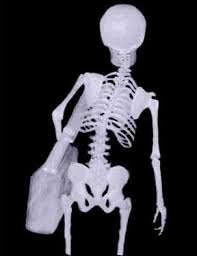
Soldiers routinely carry between 50 and 100 pounds of gear i.e. body armor, weapons, flack vests, rucksacks, and ammo.�This weight is directly affecting their spine and increasing spine related problems for military men and women. Carrying gear weighing over 10% of a persons body weight is known to cause damage to the spine and vertebral discs. It is no surprise that the main complaint from soldiers returning home would be neck & back pain, followed by hip and knee problems. The VA has seen over 396,000 veterans already for these musculoskeletal problems, which is roughly 31% of the returning soldiers. It is assumed many more have not sought medical care or have gone to private medical center.
The Spine Maximum Load Restriction
The spine is made to hold a human being up right, and allow freedom of movement. Like any structure there are �maximum load restrictions�. When we increase the weight placed on the spine by more than 10% of our normal body weight it begins to stress and degenerate the vertebral discs that act like the shock absorbers between the spinal vertebrae. If these discs become worn and degenerated the spine can no longer function correctly. Compensation and adaptation sets into the spine and other structures such as the hips, knees, and muscles of the back.
Posture Misalingment Will Degenerate The Spine & Cause Back Pain.
An excess amount of weight on the spine puts the body into a compromised postural position to balance the weight. This causes the postural distortions patterns, which are known to degenerate the spine and cause back pain. Soldiers are trained to handle extreme situations. They are �mentally tough� and physically fit, however the spine can�t be trained to withstand these extreme loads. Forcing ones body to maintain extreme stress and weight bearing begins to slowly deteriorate the spine.
Anybody Overloaded With Weight Will Damage The Spine
A soldier may be tough and made to deal with the pain and stress, however, as they age, these traumas to the spine weaken the spine reducing them to canes, wheel chairs, and in some cases in ability to even get out of bed. The pain is traumatic and the damage is done. Soldiers often experience the most extreme situation in excess weight bearing, however, many of our population is suffering from the same thing. According to the Center for Disease Control 70% of adults are overweight with 35% being considered obese. This excess weight in the form of fat is placing the same stress on societies spines as well.
Carrying 15 Pounds or More Can Lead To Spinal Disease.
A backpack, military gear, or body fat for a long period of time will damage the spine. To know for sure if you are developing these postural distortion patterns get a Posture Diagnosis Online from the American Posture Institute.
Military Health & Chiropractic
6 Bits of Advice
Habits
1. Reduce The Weight.
The most obvious way to change the problem is to reduce the amount of�weight you carry. Make purses, bags, and etc. lighter. Soldiers, look for options to reduce your load, or exchange items with lighter options.
2. Distribute The Weight Evenly
Extra weight should be evenly distributed on the body. Use two straps, one on both shoulders. Try to keep the weight as high up on the back as possible to reduce the stress on the low back. When possible use hip straps/support to help distribute the weight.
3. Maintain Proper Posture With Excess Weight.
Proper posture is crucial. Do not allow yourself to go into incorrect postural position. This will increase the stress on the muscles that protect your spine. Too much stress and these muscles give out and your spine takes the damage.
Rehabilitation
4. Strengthen The Postural Muscles
Core exercises will strengthen muscles that support the spine. Planking is an excellent exercise. Lay with your chest on the floor. Support your body weight on your toes and your elbows/forearms. Lift your body off the ground and maintain this position as long as possible.
5. Lose Weight.
Reduce extra body weight, which will remove stress from the spine and pressure from the vertebral discs.
Spinal Alignment
6. Spine Distraction TherapyThis therapy can be done at home to relieve stress on the vertebral discs. Lay with your upper body on a bed or soft surface. Let your legs hang off. The surface needs to be high enough that your knees don�t touch the ground. Allow gravity to pull your lower body down, which will expand the space between the vertebrae and allow the discs to return to a normal position.
Soldiers routinely carry between 50 and 100 pounds of gear i.e. body armor, weapons, flack vests, rucksacks, and ammo.
This weight is directly affecting the spine and increasing spine related problems for military men and women. Carrying gear weighing over 10% of a persons body weight is known to cause damage to the spine and vertebral disc.
For Answers to any questions you may have please call Dr. Jimenez at 915-850-0900
Proper posture is necessary to maintain overall well being, while incorrect posture can lead to serious spine problems. In the modern day, individual’s sit for extended periods of time, whether its for work or for leisure time. Although you may not be aware, �we take throughout this time period can tremendously influence our overall health and wellness. Posture is the position in which people hold their body when sitting or standing. Although the body can take a specific posture according to what feels comfortable or how the individual’s attitude is expressed,
It�s been embedded into our culture that sitting tall while holding your head high reveals health, poise, and professionalism from each individual who practices proper posture, but besides visually looking well, good posture is essential because it keeps us healthy from within.
How Proper Posture Affects The Body
When an individual maintains the muscles and other tissues supporting the structure of the neck and back remain strong while the spine preserves its natural and healthy alignment. Studies have previously concluded that good posture can help you have more energy, less stress, as well as prevent fatigue. As a matter of fact, good posture is crucial if you want to maintain an ideal physical fitness. Ultimately, a proper posture is a sign of good health.
If you have bad posture, not only will it create spine complications along with pain and discomfort in the present, but gradually, incorrect posture can have negative effects later in life if not corrected in time.
The Effects Of Incorrect Posture
One of the most distinguished negative effects associated among individuals with incorrect posture includes a change in the spinal curve. The spine is naturally designed to have a slight S-shaped curvature, however, after an extended period of time practicing incorrect posture when sitting or standing, the spine is put under a tremendous amount of pressure. This occurs because the spine is repeatedly being forced into an unnatural position. The altered spinal curve can not only lead to chronic pain and discomfort, but it can impede the spine from naturally absorbing shock as well as maintain proper balance.
Also, studies have found that sitting all day with bad posture can impact the digestive organs. Poor posture can actually compress the digestive organs and restrict them from functioning to their full potential. As a result, the body�s normal digestive process can be greatly slowed down, affecting the individual�s metabolism. Over time, long-term compression of the digestive organs can severely debilitate the body�s ability to consume and process food. You may ultimately face life-altering metabolic issues if the incorrect posture is not corrected.
Both an Australian study on poor posture and life expectancy and an English study on poor posture and sitting concluded that individuals who consistently sit using back posture have an increased risk of developing cardiovascular complications. Another study found that individuals who sit most of the day had an increased chance of 147% in developing cardiovascular disease. Additionally, sitting for extended periods of time prevents the body from getting the necessary circulation it needs, leading to the formation of varicose veins, veins that have become enlarged and twisted. This issue is particularly common in women.
The Importance of Maintaining Correct Posture
Many people who maintain poor posture may suffer from chronic back pain and spending enough time sitting with bad posture can eventually cause disc degeneration. These complications are often diagnosed back to posture problems due to the extra stress that has been put on the spine.
Overall, incorrect posture impacts much more than the way you look. Once you�ve become aware of your own body�s posture, its important to take the time to stand up and move throughout your day, sitting up straight with your shoulders back and your spine straight as well as make sure to visit your chiropractor for regular adjustments. Taking a moment in your life to do these things can not only help you have a better posture, but it can also prevent you from dealing with numerous health complications in the future.
With an incorrect posture, the structure and function of the spine can be greatly affected, leading to issues and other serious complications if left uncorrected for an extended period of time. Because the spine is ultimately essential towards the balance and support of the body, it’s important to seek medical care as soon as possible to avoid complications related to an incorrect posture.
For more information, please feel free to ask Dr. Jimenez or contact us at 915-850-0900 .
By Dr. Alex Jimenez
Additional Topics: Low Back Pain After Auto Injury
After being involved in an automobile accident, the sheer force of the impact can cause damage or injury to the body, primarily to the structures surrounding the spine. An auto collision can ultimately affect the bones, muscles, tendons, ligaments and other tissues surrounding the spine, commonly the lumbar region of the spine, causing symptoms such as low back pain. Sciatica is a common set of symptoms after an automobile accident, which may require immediate medical attention to determine its source and follow through with treatment.
The bipedal posture of humans carries many benefits for us, but alternatively, this standing posture also adds pressure on the spine as well as other bones and surrounding muscles of the body. Together with an individual�s improper sitting position and the natural wear and tear degeneration of tissues through age, it�s not uncommon for individual�s to develop symptoms of back pain. In fact, back pain is considered to be the second most common cause people seek medical attention, only next to upper-respiratory infections. According to some experts, as many as 80% of individuals may experience back complications at some point in their lives.
Although back pain and its associated symptoms is common among the population, treating your injury or condition is crucial for individuals to achieve a healthy lifestyle. Chiropractic care focuses on the structure and function of the human body, primarily that of the spine. A chiropractor can diagnose a possible injury or condition causing back complications and determine the most appropriate treatment for each individual using spinal adjustments, manual manipulation and occasionally, recommending exercise and dietary lifestyle changes to improve a person�s wellbeing. Chiropractic adjustments can be an effective treatment for back pain as well as other types of pain.
Additionally, before relying on chiropractic care for diagnosing and treating a back complication, the common injuries or conditions relating to back pain can be prevented in a variety of ways such as,�maintaining a healthy diet and weight are important towards preventing back pain,�avoiding prolonged inactivity or bed rest, staying active, warming up or stretching before exercising or participating in other physical activities to avoid further injuries, maintaining a proper posture, wearing comfortable, low-heeled shoes, and sleeping on a mattress of medium firmness to minimize any curve in the spine.
Many people frequently experience back complications resulting from their everyday life routines. Back injuries can range from a sharp pain to a dull ache, typically associated with symptoms of tingling, numbness, and/or burning sensations.�While a majority of back complications can be considered minor injuries that usually heal rapidly, some complications can often develop into chronic back pain and chiropractic treatment can help. For more information, please feel free to ask Dr. Jimenez or contact us at (915) 850-0900.
Chronic low back pain as well as radiating discomfort down one or both legs could indicate the presence of an injury or condition, such as lumbar stenosis. Spinal stenosis in the lumbar spine commonly develops with age, characterized as the narrowing of the spinal canal in the lower back. When this reduction in the vertebrae occurs, extra pressure is placed on the nerves as well as the spinal cord. Because these nerves run from the lower back to the legs, symptoms of leg pain, heaviness and/or cramping may also develop.
Anatomy of the Spinal Canal
The spinal canal located in the region of the lumbar spine is the most frequent section affected by spinal stenosis. The lumbar spine is made up of five vertebrae extending between the ribcage and pelvis, medically labelled from top to bottom as L1 through L5. Each of these vertebrae are properly separated by intervertebral discs which function as shock absorbers, cushioning and distributing the pressure being exerted onto the spine.
Each vertebrae of the spine contain what is identified as vertebral arches, protruding arch-shaped bones which create the necessary space within the spinal bones for the spinal cord. That space is referred to as the spinal canal. When the structure of the spine is healthy and it functions effectively, the spinal canal should properly be capable of protecting the spinal cord, providing the necessary and safest space required to maintain overall wellness.
Symptoms of Lumbar Spinal Stenosis
Individuals suffering from spinal stenosis in the lumbar spine commonly describe experiencing symptoms of pain and discomfort along the lower back, hips, buttocks and/or legs. Other prevalent symptoms of the condition include: lower back pain that radiated down one or both buttocks, legs, and/or feet; worsening pain in the lower extremities when walking; tingling sensations or numbness in one or both legs or feet; weakness in one or both legs or feet; restricted mobility or difficulty walking; and issues controlling bladder or bowel movements, a complication which may require immediate medical care.
Sciatica, best known as a set of symptoms rather than a single condition or disorder, can be a common diagnosis for determining the presence of an issue affecting the lower spine. Symptoms of sciatica include a collection of pain and discomfort, tingling sensations and numbness, burning sensations, and muscle weakness. Symptoms of sciatica can indicate a serious complication along the lumbar spine.
For individuals experiencing spinal stenosis in the upper back, referred to as cervical stenosis, the symptoms will be similar along the neck, shoulders, arms and/or hands.
Causes of Lumbar Spinal Stenosis
The gradual degeneration of the spine caused by the natural changes that come with age are the most common cause for the narrowing of the spinal canal, mostly due to the repetitive stress and pressure of the surrounding tissues over the course of several years. As the spinal canal becomes narrower over time, a number of conditions and disorders can develop, causing the compression or impingement of the spinal cord and leading to the irritation and inflammation of the nerve roots. This process will ultimately cause symptoms to manifest along the lower back, buttocks, and/or legs.
Lumbar spinal stenosis can also be caused by the degeneration of the intervertebral discs found between each vertebrae of the spine. Spinal disc shrinkage can impede the disc�s ability to properly separate the individual bones of the spine. This problem can generally lead to a much more severe condition referred to as a lumbar disc herniation. Also, if the spinal cord ligaments have expanded due to the natural wear and tear alteration of the structures of the body, lumbar stenosis can develop. Consequently, the degeneration of the vertebrae in the spine is the most common cause for lumbar spinal stenosis.
Diagnosing Lumbar Stenosis
When visiting a healthcare professional, such as a chiropractor, for the diagnosis of lumbar spinal stenosis, the doctor will primarily conduct a thorough physical examination of the patient to determine the source of the issue. The doctor of chiropractic, or other healthcare specialist, may also extensively review the individual�s medical history, referring them to receive other necessary or additional X-rays or MRI scans. By examining the patient�s symptoms as well as analyzing the test results, a chiropractor will be able to diagnose the individual�s injury or condition to discuss the best possible treatment options for you, including the thorough discussion of the benefits and risks of each option. Finally, the healthcare professional and patient can decide together on the preferred treatment procedure to follow to begin the rehabilitation process and restore their original health and wellness.
Treating Lumbar Spinal Stenosis
Chiropractic focuses on the diagnosis, treatment and prevention of injuries and/or conditions of the musculoskeletal and nervous system. A chiropractor may commonly utilize spinal adjustments and manual manipulations to carefully correct any misalignments in the spine that may be causing the impingement or compression of the spinal nerves. The chiropractic adjustments can help decrease the stress and pressure being placed against the structures and other tissues of the spine, reducing the symptoms of pain and discomfort associated with spinal stenosis along the different regions of the spine. Furthermore, the chiropractor may recommend a series of stretches and exercises according to the individual�s complications to speed up the rehabilitation process and help them regain their original strength, flexibility and mobility.
In the case that other forms of treatment are required to treat the individual�s injuries and/or conditions, the healthcare specialist will refer the patient to other professionals for treatment. A modification of the patient�s physical activities may be recommended as well. Other healthcare providers may provide the use of medications and other treatment methods or techniques, including physical therapy, to help improve the symptoms. While many individuals may try a number of conservative treatments to solve the issue, if the individual�s condition is severe enough to require spinal surgery, a healthcare provider may refer the patient to the appropriate doctor for treatment.
For more information, please feel free to ask Dr. Jimenez or contact us at 915-850-0900 .
By Dr. Alex Jimenez
Additional Topics: Low Back Pain After Auto Injury
After being involved in an automobile accident, the sheer force of the impact can cause damage or injury to the body, primarily to the structures surrounding the spine. An auto collision can ultimately affect the bones, muscles, tendons, ligaments and other tissues surrounding the spine, commonly the lumbar region of the spine, causing symptoms such as low back pain. Sciatica is a common set of symptoms after an automobile accident, which may require immediate medical attention to determine its source and follow through with treatment.
Numbness in any portion of the hand or in specific fingers, followed by a tingling sensation and sharp pain traveling through the hands can occur as a result of various underlying conditions. Many people report symptoms suggesting the development of carpal tunnel syndrome but, although diagnosis might indicate the cause for the condition, sometimes a diagnosis could point to the incorrect root of the problem.
The median nerve and various other tendons travel from the forearm to the hand through a small indentation in the wrist known as the carpal tunnel. The role of the median nerve is to provide movement and feeling in the thumb and first three fingers, excluding the smallest finger in the hand. When an individual begins experiencing the associated symptoms of carpal tunnel syndrome, such as tingling, numbness, weakness, or pain in the fingers or hand, these could be the result to an impingement of the median nerve at the carpal tunnel, generally caused by irritation on the nerves of the wrist.
Thoracic Outlet Syndrome
Although many people could experience numbness in their fingers, the compression could be occurring at another region within the body. Regardless of the cause of your symptoms, if you�re experienced numbness in the hands and fingers, you should consider seeking chiropractic care.
Carpal tunnel syndrome is a condition caused by an impingement of the median nerve found at the wrist, usually causing symptoms of hand and finger numbness, tingling sensations, weakness, and pain. But, occasionally, the symptoms associated with carpal tunnel syndrome can be caused by complications to the spine, generally the cervical spine. For more information on the subject matter, please feel free to ask Dr. Jimenez or contact us at (915) 850-0900.
After being diagnosed with carpal tunnel syndrome, it�s associated symptoms are often a cause for anyone to seek immediate medical attention. Carpal tunnel syndrome is a condition caused when the median nerve, found within the carpal tunnel of the wrist, is compressed as a result of irritation, inflammation, or other underlying condition, and is characterized by symptoms of numbness and tingling sensations, weakness, and pain in part of the hand or certain fingers.
Natural Relief for Carpal Tunnel Syndrome
Although carpal tunnel syndrome is well-known as a complication of the wrist, spinal chiropractic adjustments can help with the condition. In fact, many cases of carpal tunnel syndrome can relate to complications on the cervical spine or neck. The median nerve or other nerves that travel through the hands may be impinged at the wrist but those same nerves originate from the neck. Any spinal complication causing a subluxation or misalignment of the spine, restricted mobility in the vertebra, or direct trauma from an injury to the spine, can interfere with the nerve impulse transmissions that trail down the arms and into the hands. A neck issue as the origin of carpal tunnel syndrome can commonly be determined when both hands are affected by the condition and its symptoms.
Preventing Workplace Pain
A chiropractor can help diagnose the source of an individual�s carpal tunnel syndrome. Chiropractic adjustments to the spine will gradually assist to re-align the spine and slowly release compression of the nerves that could be occurring on the spine.
Carpal tunnel syndrome is most commonly a condition affecting the median nerve at the wrist but most frequently, this condition could be caused by spinal complications. Chiropractic treatment can help alleviate carpal tunnel syndrome and its symptoms by progressively re-aligning the spine through spine adjustments in order to release the compression of the nerves at the level of the spine that could be resulting in numbness, tingling, and pain in the hands and fingers. For more information, please feel free to ask Dr. Jimenez or contact us at (915) 850-0900.
Carpal tunnel syndrome is a condition involving numerous symptoms affecting the hands and wrists. This painful condition is caused when the median nerve, found within the carpal tunnel of the wrist along with other tendons in the hand, becomes compressed.
The median nerve functions by controlling nerve sensations and impulses from the palm area of the fingers and the thumb as well as to the muscles in the hand, providing feeling and movement. When the tendons become irritated, causing inflammation and swelling, an impingement of the median nerve occurs, resulting in carpal tunnel syndrome. The pinched nerve may then develop a variety of symptoms most commonly associated to the condition.
Symptoms of Carpal Tunnel Syndrome
Trauma from an accident to the hand or wrist and/or overuse from repetitive activities, such as constant typing on a keyboard, are common reasons carpal tunnel syndrome develops. The added pressure begins to irritate and compress the median nerve, leading to the impairing symptoms of pain, among others.
The most common symptoms include pain, numbness, a tingling sensation, and weakness on the hands, wrists, and forearms. Pain and numbness in these areas is usually intense. The discomfort from these symptoms can affect an individual�s everyday lifestyles. Gripping objects may become difficult as carpal tunnel syndrome progresses over time due to loss of muscle strength. The tingling sensations radiating from the hand is often described as a feeling of �pins and needles� through the hands, wrists, and forearms.
IFM's Find A Practitioner tool is the largest referral network in Functional Medicine, created to help patients locate Functional Medicine practitioners anywhere in the world. IFM Certified Practitioners are listed first in the search results, given their extensive education in Functional Medicine


 Soldiers routinely carry between 50 and 100 pounds of gear i.e. body armor, weapons, flack vests, rucksacks, and ammo.�This weight is directly affecting their spine and increasing spine related problems for military men and women. Carrying gear weighing over 10% of a persons body weight is known to cause damage to the spine and vertebral discs. It is no surprise that the main complaint from soldiers returning home would be neck & back pain, followed by hip and knee problems. The VA has seen over 396,000 veterans already for these musculoskeletal problems, which is roughly 31% of the returning soldiers. It is assumed many more have not sought medical care or have gone to private medical center.
 absorbers between the spinal vertebrae. If these discs become worn and degenerated the spine can no longer function correctly. Compensation and adaptation sets into the spine and other structures such as the hips, knees, and muscles of the back.