by Dr Alex Jimenez DC, APRN, FNP-BC, CFMP, IFMCP | Chiropractic
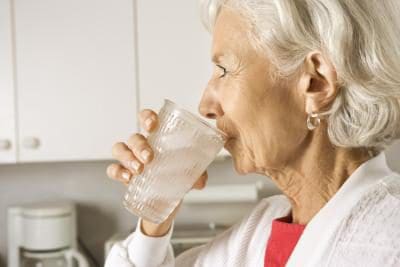
Hydration is key to staying and feeling healthy. Your body has an intricate system of keeping fluids and electrolytes balanced, and proper hydration is a main component of this process. If this system is not functioning properly, you may suffer the dangerous consequences of dehydration. In the elderly, this regulation system may no longer function properly on its own, making dehydration more common — making adequate hydration even more important.
Dehydration is a risk factor for increased morbidity and mortality, especially in the elderly. This condition can lead to hospitalization, infection, loss of cognitive function, and even death if not treated immediately. Due to changes in the body during aging, such as a decrease in total body water as well as a decrease in being able to sense thirst, dehydration can happen quickly in the elderly. Staying hydrated every day is the best way to prevent this.
Symptoms of dehydration include dry mouth, no urine or very concentrated urine, sunken eyes, lethargy, low blood pressure, rapid heart rate and dry skin. Symptoms of dehydration should not be overlooked. If you suspect that you are dehydrated, try drinking small, frequent amounts of fluids such as water. If your symptoms do not improve, call your doctor or go to the hospital, as severe dehydration may requires medical attention.
Water needs vary from day to day and from person to person. However, the general recommendation for fluids is at least 6 to 8 cups, or 48 to 64 fluid ounces daily. Your fluid needs may be increased if you are losing excess water through sweat or urine. As a rule of thumb, you should drink 4 ounces of water every 15 to 20 minutes during periods of excess loss.
Because the thirst mechanism in the elderly may be dysfunctional, focus on drinking small, frequent amounts of fluid throughout the day rather than waiting to feel thirsty. Water is the best option for hydration, but any fluids count toward the daily requirement. If you are drinking juice or soda, try mixing it with half a glass of water to cut down on the sugar and calorie content. Additionally, you can get fluids through foods such as soups, fresh fruits and vegetables, and ice pops.
Sourced from:�livestrong.com
Hydration is important to ensure the proper function of all the structures in the body. When people age, the body’s normal amount of water decreases naturally, making dehydration more likely to occur. As a result, the proper hydration is much more important in older adults. By following several hydration tips, elderly patients can maintain the correct levels of water in their body to ensure their overall health.
For more information, please feel free to ask Dr. Jimenez or contact us at 915-850-0900 .

by Dr Alex Jimenez DC, APRN, FNP-BC, CFMP, IFMCP | Chiropractic
As we get older, body water content decreases, the risk for dehydration increases, and the consequences become more serious. Dehydration has been associated with increased mortality rates among hospitalized older adults�and can precipitate emergency hospitalization and increase the risk of repeated stays in hospital.
Dehydration is a frequent cause of hospitalization of older adults and one of the ten most frequent diagnoses responsible for hospitalization in the United-States. Evidence suggests high dehydration rates of elderly patients within hospitals and other health care institutions. Dehydration has also been associated with various morbidities, such as impaired cognition or acute confusion, falling or constipation.
The cost associated with dehydration may be very high: a study conducted in 1999 in the United States evaluated the avoidable costs of hospitalizations due to dehydration at $1.14 billion.
Why are the elderly more susceptible to dehydration?
The amount of body water decreases by approximately 15% (about 6 L) between the ages of 20 and 80. With this decrease, the body becomes more susceptible to dehydration from the loss of a small amount of body water.
Moreover, the elderly often experience diminished thirst sensation which leads to a reduced fluid consumption. Also as a consequence of aging, the kidneys have a reduced ability to concentrate urine and retain water during water deprivation.�In addition, aging kidneys are less able to conserve or excrete sodium.
Insufficient fluid intakes can also be the result of limitations such as reduced swallowing capacity, decreased mobility, or comprehension and communication disorders. Disease-related factors, such as incontinence can increase water losses. Dehydration may also be caused by warm temperature, inadequate staffing in institutions, or use of laxatives or diuretics.
Preventing Dehydration in the Elderly
Prevention is primarily based on ensuring adequate fluid intake. Raising awareness of the elderly, their families and caregivers on the risks of dehydration and its consequences is fundamental for dehydration prevention, and can lead to cost-savings in geriatric institutions.
SOME STRATEGIES FOR ENCOURAGING FLUIDS CONSUMPTION
- Offer fluids regularly during the day
- Make liquids readily available all day (at bedside or chairside in geriatric institutions) by placing containers such as small bottle of water or sippy cups
- Encourage consumption of fluids with medication
- Provide preferred beverages
- Prescribe and safeguard a minimum intake of 1.5 L in periods of increased risk for dehydration
Sourced through Scoop.it from: www.h4hinitiative.com
Water is the substance of life and as important as it is for every organism, older adults are required to drink more water than the average adult. Because the body’s water content decreases with age as the structures and functions of the body change and degenerate naturally, staying hydrating is ultimately essential. In fact, dehydration in older adults can lead to complications.
Chiropractic for Older Adults
Additionally, seeking medical care from a qualified healthcare professional, such as a chiropractor, can help determine the presence of other complications. Spinal degeneration may begin to occur with age and chiropractic treatment can help both prevent further issues and relieve symptoms of back and neck pain. Also, a chiropractor can instruct the individual on other nutritional plans.
For more information, please feel free to ask Dr. Jimenez or contact us at 915-850-0900 .�

by Dr Alex Jimenez DC, APRN, FNP-BC, CFMP, IFMCP | Chiropractic
As the body ages, changes in the gastrointestinal tract occur, reducing the absorption of nutrients and slowing down intestinal motility. As a result, malabsorption, nutrient deficiency and constipation are relatively common health problems that affect elderly people of both genders.
A high-fiber diet helps to stimulate intestinal motility and prevent constipation. There is also evidence dietary fiber helps to lower cholesterol levels and regulate blood glucose levels. Ask your doctor about the benefits of adding more fiber to your diet.
Dietary fiber is common in plant foods such as fruits, vegetable and legumes. Although dietary fiber cannot be digested or absorbed, it still contributes to health in a variety of ways. Dietary fiber comes in two types: soluble and insoluble fiber. Soluble fiber dissolves in water and becomes gel-like, causing it to stick to bile, toxins and other debris and drag them from your body. Insoluble fiber attracts water like a sponge and acts to clean your intestines, increase intestinal motility and stimulate regular bowel movements. Constipation is more common in the elderly due to reduced intestinal peristalsis or rhythmic contractions, inactive lifestyles and diets low in fiber.
The Institute of Medicine of the National Academies recommends that total fiber intake for adults older than 50 should be at least 30 grams per day for men and 21 grams for women. Because insoluble fiber absorbs water, you need to drink plenty of water, too, or a high-fiber diet can lead to constipation and compound existing problems with bowel movements. Elderly people sometimes have difficulty regulating fluid levels because their thirst mechanism may be suppressed, so a conscious effort to drink a total of eight to 10 glasses of water is a good idea. Purified water, fresh juice, herbal tea and other non-caffeinated liquids are best.
Most whole grains, vegetables, fruits and legumes are sources of insoluble and soluble fiber. For example, multi-grain bread, wheat germ, brown rice, broccoli, spinach, celery, carrots, zucchini, apples, pears, most berries, chickpeas, lentils and virtually all beans are especially good sources of dietary fiber. Furthermore, psyllium is a high-fiber compound you can mix into water or fruit juice. Nut and seeds contain fiber also, but you may find it difficult to properly chew them if you have dental problems or dentures. Consequently, softer sources of fiber, such as beans and whole-grain bread, are not only easier to chew, but are usually much more affordable.
In addition to combating constipation, dietary fiber may help reduce high cholesterol and regulate blood sugar levels, thus lowering your risk of heart disease and type-2 diabetes, according to the book �Human Metabolism: Functional Diversity and Integration.� High-fiber diets also make you feel full for longer periods of time, which may help you reduce your calorie consumption and lose excess weight.
Sourced through Scoop.it from: healthyeating.sfgate.com
As previously discussed, with age, the body begins to change, especially the digestive system, where it’s normal function slows down, requiring additional care to optimize health. Fiber is an essential part of our diet, and for seniors, an intake of the proper amount of fiber can ensure the digestive system is functioning to its fullest.
For more information, please feel free to ask Dr. Jimenez or contact us at 915-850-0900 .�

by Dr Alex Jimenez DC, APRN, FNP-BC, CFMP, IFMCP | Chiropractic, Scoop.it
As you grow older, individuals are more likely to suffer from indigestion, constipation and other ailments of the digestive system, mainly due to the fact that age can indeed affect the structures and their function. Although a natural process, several issues and conditions may develop as a result.
Sacramento gastroenterologist Roger Mendis, M.D., of Sutter Medical Foundation quoted this exact theory �Aging doesn�t necessarily mean you will start to have GI problems, but it definitely increases the odds that you might. Everything changes as our body ages, and some of those changes do impact your GI tract.� Because of this, the health of an individual’s digestive system is essential, and learning to identify these specific complications can be the first step for taking action.
Below are some of the reasons that problems with digestion might begin after the age of 60, even in healthy adults.
- Sluggish Metabolism
A slower metabolism can trigger constipation. The work of the colon involves the coordinated contraction of smooth muscle in the gut. Activity level, diet, water intake and metabolism all play a role in digestive health. As we age, our metabolism may slow, as does our activity level, resulting in harder, drier stools that are more difficult to pass. Drinking more water, modest activity (walking) and incorporating fiber into the diet may be beneficial in maintaining healthy bowel habits.
- Susceptibility to Diverticulosis
Almost half of older adults will have this condition, in which small pouches develop in the lining of the colon. Most adults remain symptom free, but these diverticula pouches can also cause constipation and discomfort. If the pouches become inflamed (diverticulitis), they can cause pain, fever and abdominal tenderness. Bleeding may occur in a minority of individuals.
- Seemingly Unrelated Conditions
Health problems like diabetes or thyroid conditions can impact your metabolism and your digestive system, causing constipation or diarrhea. Diabetes may cause slowing of the stomach emptying or �gastroparesis.�
- Medications
As we age, we are more likely to take medications for other conditions, such as heart disease or arthritis. Calcium channel blockers, often prescribed for heart conditions, can cause constipation. Pain relievers, particularly narcotic pain relievers, are well known to cause constipation. And aspirin or other non-steroidal anti-inflammatory (NSAID) pain relievers, sold over-the-counter, can upset the stomach and cause GI bleeding.
- Being Overweight
As your metabolism slows, it takes more effort to keep the pounds off. Increased weight can lead to increased acid reflux and heart burn, as abdominal fat pushes the stomach into the chest.
- Inactivity
Painful arthritis can cause us to become more sedentary as we age, and that too can slow digestion. Your digestive system works best when you are active and mobile. If aging means you spend more time sitting and less time moving, your GI tract may become sluggish.
- Increased Sensitivity
Aging may impact your �iron stomach.� While Dr. Mendis says it hard to pinpoint exactly why, older adults commonly find they can no longer tolerate the spicy foods, alcohol or coffee in the quantities they used to love. Complaints of being more �gassy,� more apt to have heartburn or dyspepsia are common, but generally not serious issues.
Sourced through Scoop.it from: www.mylifestages.org
While age can alter several functions of the body, most commonly slowing down the digestive system, not many individuals understand the impact aging can have on their overall health if they do not follow specific guidelines to maintain their function. When it comes to digestive health, it’s essential to be aware of the natural changes which affect the digestive system.
For more information, please feel free to ask Dr. Jimenez or contact us at 915-850-0900 .

by Dr Alex Jimenez DC, APRN, FNP-BC, CFMP, IFMCP | Chiropractic, Scoop.it
Aging puts the body at higher risk for an assortment of health ailments and conditions.
With age, many bodily functions slow down, including your digestive tract, it just might not work as efficiently or as quickly as it used to. The muscles in the digestive tract become stiffer, weaker, and less efficient. Your tissues are also more likely to become damaged because new cells aren’t forming as quickly as they once did.As a result, digestive tract problems that can occur as people age.
It�s important that you to seek help for any digestive discomforts and not simply brush them off as part of aging.
Seniors may also have unusual symptoms of more serious digestive disorders that can easily be missed. Gastroesophageal reflux disease (GERD) tends to be more serious in seniors, but older adults may show less common reflux symptoms, such as coughing or wheezing, according to the University of Maryland Medical Center.
The main reason that aging affects the digestive tract is that aging usually brings on other health conditions � and medication to deal with those conditions.
- Diabetes and gastroparesis. “As people age, they get diabetes, and that can cause a lot of [movement] problems in the bowel,” says Francisco J. Marrero, MD, a gastroenterologist with the Digestive Health Center at Lake Charles Memorial Health System in Louisiana. “They also get gastroparesis � that’s probably the most significant effect of aging on the bowels.” Gastroparesisis a disorder in which food takes a long time to clear the stomach, resulting in many unpleasant symptoms. Gastroparesis tends to be more common in women, notes the American College of Gastroenterology, and causes frequent bloating and nausea.
- Artery blockages. Dr. Marrero says blockages in older people are also very common. Blockages in arteries can affect blood flow to the bowels, a condition called intestinal ischemia, during which blood flow to the intestines decreases in a fashion similar to what happens with a heart attack. “More systemic problems that are more common with age are really the reason for digestive tract issues,� he explains.
- Arthritis and hypertension. Many older people also take a variety of medications to manage chronic conditions like arthritis and high blood pressure, and the drugs used to treat both of those conditions can have digestive tract side effects.
“Older people tend to have more joint problems with arthritis and therefore may need medication to treat that,” Marrero says. “They are at increased risk of peptic ulcer disease when they take nonsteroidal anti-inflammatory drugs [NSAIDs], a fact often overlooked in people that are prescribed those medications.”
People taking over-the-counter NSAIDs for everyday aches and pains are also at risk of developing ulcers and other digestive tract problems. “They should always be on something to protect their stomachs,” Marrero recommends. Senior women, in particular, are more susceptible to developing an inflammation of the stomach called gastritis, which can result from frequent use of NSAIDs, according to the American College of Gastroenterology.
Sourced through Scoop.it from: www.everydayhealth.com
As people age, it’s important to maintain a close overview of their health, as many of the functions of the body naturally change with time. From degeneration of the joints, among others, the function of the digestive tract may slow down, and it’s essential to be aware of its effects and what to do to ease these bodily functions.
For more information, please feel free to ask Dr. Jimenez or contact us at 915-850-0900 .

by Dr Alex Jimenez DC, APRN, FNP-BC, CFMP, IFMCP | Chiropractic, Scoop.it, Seniors, Spinal Hygiene, Spine Care
The aging process can cause a variety of conditions and health issues that mostly occur to the elderly. From chronic pain, arthritis, loss of mobility, and other issues, as a person get older, many health complications can affect individuals, however, senior citizens have found that chiropractic provides some great benefits for the older demographic.
Improved Range of Motion
Regular chiropractic care has been shown to increase spinal range of motion as well as in the extremities. Limited range of motion can occur due to age or inactivity, sometimes a combination of the two.
An improved range of motion can allow elderly patients to actively engage with their environment. Increased range of motion is one of the most common and necessary benefits of chiropractic treatment.
Preventing Joint Degeneration
When there’s a spinal subluxation, or misalingment, it can cause other areas of the body to also become misaligned and compensation of movement can create further issues for these individuals. Additionally, this can result in an abnormal wearing down of the joints. Over time, the joints can degenerate, becoming painful, causing difficulty in mobility and flexibility.
Chiropractic care is a very effective treatment for decreasing the degeneration of the spine and even other joints. When the body is in proper alignment it no longer has to adapt through postural compensation. This reduces stress on the spine and joints while relieving pain and restoring mobility.
Symptoms Relief
Chiropractic has long been recognized for its effectiveness in providing drug-free pain relief for back pain to headaches and arthritis. While pain medication and anti-inflammatory drugs only temporarily relieve the symptoms, chiropractic can treat the complication at the source and relieve the pain for good.
Spinal alignments and other chiropractic techniques help to relieve pain for a variety of issues, not just back and neck pain. What�s more, chiropractic does not have the undesirable, sometimes dangerous side effects that drugs can.
Increased Balance and Coordination
The aging process can have a significant impact on a person�s balance and coordination. This can have a variety of causes including degenerative changes to the spine, typically in the neck area. Injury to this area is another culprit.
There are special receptors that reside along the cervical spine in the rear of the joints. These receptors work to send vital messages to the brain regarding coordination and balance. When the spine and especially the neck are out of alignment, it can hinder how these receptors send and receive messages to the brain. The result is a condition called loss of proprioception, or sense of body awareness.
Elderly patients affected by this can be prone to falling, and such, can cause further issues for the individual.
Injuries from falling are one of the most common reasons elderly people visit emergency departments each year. Chiropractic can help realign the neck and spine, allowing the messages to move much easier, thus restoring balance and coordination.
Overall Health and Wellness
Proper spinal alignment can greatly benefit a person�s health, wellbeing, and even their mood. It allows them to become more active so they get exercise. They sleep better and have more energy.
An aligned spine also lets them more fully engage with their family, friends, and the world. They can get out and do things they were once unable to do and when they are active and happier the entire body benefits.
Sourced through Scoop.it from: www.sceniccitychiro.com
Insight
With age come a variety of natural, wear-and-tear conditions and unfortunately sometimes injuries which can cause difficulties for older adults. However, chiropractic has been demonstrated to benefit elderly patients, helping to increase their range of motion, decreasing the degeneration of joints and relieving painful symptoms. among other benefits.
For more information, please feel free to ask Dr. Jimenez or contact us at 915-850-0900 .

by Dr Alex Jimenez DC, APRN, FNP-BC, CFMP, IFMCP | Chiropractic, Scoop.it
Physical therapy helps people of all ages who have medical conditions, illnesses or injuries that limit their regular ability to move and function.
A customized physical therapy program can help individuals return to their prior level of functioning, and encourage activities and lifestyle changes that can help prevent further injury and improve overall health and well being. Primary care doctors often refer patients to physical therapy at the first sign of a problem, since it is considered a conservative approach to managing problems. Wondering what makes physical therapy so important? There are 10 ways physical therapy may benefit you.
- Reduce or eliminate pain.�Therapeutic exercises and manual therapy techniques such as joint and soft tissue mobilization or treatments such as ultrasound, taping or electrical stimulation can help relieve pain and restore muscle and joint function to reduce pain. Such therapies can also prevent pain from returning.
- Avoid surgery.�If physical therapy helps you eliminate pain or heal from an injury, surgery may not be needed. And even if surgery is required, you may benefit from pre-surgery physical therapy. If you are going into a surgery stronger and in better shape, you will recover faster afterwards in many cases. Also, by avoiding surgery, health care costs are reduced.
- Improve mobility.�If you�re having trouble standing, walking or moving�no matter your age�physical therapy can help. Stretching and strengthening exercises help restore your ability to move. Physical therapists can properly fit individuals with a cane, crutches or any other assistive device, or assess for orthotic prescription. By customizing an individual care plan, whatever activity that is important to an individual�s life can be practiced and adapted to ensure maximal performance and safety.
- Recover from a stroke.�It�s common to lose some degree of function and movement after stroke. Physical therapy helps strengthen weakened parts of the body and improve gait and balance. Physical therapists can also improve stroke patients� ability to transfer and move around in bed so that they can be more independent around the home, and reduce their burden of care for toileting, bathing, dressing and other activities of daily living.
- Recover from or prevent a sports injury.�Physical therapists understand how different sports can increase your risk for specific types of injuries (such as stress fractures for distance runners). They can design appropriate recovery or prevention exercise programs for you to ensure a safe return to your sport.
- Improve your balance and prevent falls�. When you begin physical therapy, you will get screened for fall risk. If you�re at high risk for falls, therapists will provide exercises that safely and carefully challenge your balance as a way to mimic real-life situations. Therapists also help you with exercises to improve coordination and assistive devices to help with safer walking. When the balance problem is caused by a problem in one�s vestibular system, Physical therapists can perform specific maneuvers that can quickly restore proper vestibular functioning, and reduce and eliminate symptoms of dizziness or vertigo.
- Manage diabetes and vascular conditions. As part of an overall diabetes management plan, exercise can help effectively control blood sugar. �Additionally, people with diabetes may have problems with sensation in their feet and legs. Physical therapists can help provide and educate these patients on proper foot care to prevent further problems down the road.
- Manage age-related issues�. As individuals age, they may develop arthritis or osteoporosis or need a joint replacement. Physical therapists are experts in helping patients recover from joint replacement, and manage arthritic or osteoporotic conditions conservatively.
- Manage heart and lung disease.�While patients may complete cardiac rehabilitation after a heart attack or procedure, you also may receive physical therapy if your daily functioning is affected. For pulmonary problems, physical therapy can improve quality of life through strengthening, conditioning and breathing exercises, and help patients clear fluid in the lungs.
- Manage Women�s Health and other conditions.�Women have specific health concerns, such as with pregnancy and post-partum care. Physical therapists can offer specialized management of issues related to women�s health. Additionally, PT can provide specialized treatment for: �Bowel incontinence, breast cancer, constipation, fibromyalgia, lymphedema, male pelvic health, pelvic pain, and urinary incontinence.
If you have questions about how physical therapy may help you or someone you care about, please don�t hesitate to ask your health care provider or local PT for information.
Sourced through Scoop.it from: www.burke.org
Remaining physically active is essential for people of all ages towards maintaining overall health, especially for elderly patients. And, when an injury or a condition has challenged an individual’s lifestyle, physical therapy can have tremendous benefits for them.
For more information, please feel free to ask Dr. Jimenez or contact us at 915-850-0900 .








