Many people enjoy spending quality time in the comfort of their own homes. As a matter of fact, a majority of Americans devote up to 90 percent of their time indoors but unfortunately, this may actually be causing more harm than good. According to a 2009 research study published in the journal Environmental Science & Technology, the average household contains over 500 toxic chemicals.
Further evidence from this study and several others also determined that the indoor air of a home and/or apartment is as much as 5 times more polluted than outdoor air. Some of these indoor pollutants can even be up to 100 times greater than outdoor pollutant levels. The Environmental Protection Agency, or EPA, has announced that poor indoor air quality is one of the leading risks to public health.
The indoor air we often breathe in can be a dangerous combination of cleaning chemicals, air fresheners, insecticides and pesticides as well as plastics and furnishings. With so many questionable pollutants swirling in the air around our homes, “you definitely may need to take any measure, whenever possible, to lower your exposure to these unhealthy chemicals,” stated Phil Brown, PhD, director of the Social Science Environmental Health Research Institute at Northeastern University in Boston.
In addition, reducing contact with these pollutants and chemicals can bring about some helpful benefits. Depending on the individual’s sensitivities, they may experience fewer allergy and asthma symptoms as well as less frequent headaches and skin irritations. According to Phil Brown, you may even lower your risk of developing infertility and cancer.
How to Improve Indoor Air Quality
While others would advice you to get rid of carpeting and trash old furniture, environmental health experts have found low-effort, high-impact ways to substantially decrease a household’s toxic indoor air load, ultimately boosting your overall health and wellness. The following have been ranked and listed from easiest to most difficult tasks for improving your indoor air quality. Trying a couple or more of these can really help cleanse the air of your home:
Avoid starting your car’s ignition while it’s still in the garage. Carbon monoxide fumes emitted from car exhaust have almost the same specific gravity as that of air. Because of this, carbon monoxide is able to rapidly travel along air currents and right into your home. Make sure to point your car exhaust out towards the garage door and always open the garage door first before starting your car’s ignition.
Leave your shoes at the door. Leaving footwear behind at the door can prevent a variety of toxic chemicals from being tracked into your home, including road sealants, pesticides and lead dust, to name a few.
Crack the windows. Increase ventilation by opening a few windows for at least 5 to 10 minutes per day, making sure to particularly open those found on opposite sides of the house to encourage cross circulation. Windows can be left open for longer periods of time if the weather permits.
Bring a part of nature inside your home. Along with the Associated Landscape Contractors of America, or ALCA, NASA conducted a research study regarding the benefits of plants on indoor air quality. They reported that household plants were capable of removing up to 87 percent of indoor air pollutants in approximately 24 hours. Its recommended to utilize about 15 to 18 considerably sized houseplants in 6 to 8 inch diameter containers for an 1,800 square-foot house to benefit from the air cleansing capabilities of plants indoors. Below are some examples of houseplants you can use:
Air Purifying Houseplants (Pet Owners Beware: these are poisonous to cats and dogs)
The Feston Rose plant (Lantana): eliminates formaldehyde
Devil�s Ivy (pothos, golden pothos): eliminates formaldehyde
English Ivy: eliminates benzene, trichloroethylene and formaldehyde
Snake plant: best for filtering formaldehyde, ammonia and xylene
Rubber plant: eliminates VOCs, bioeffluents
Dracaena (corn plant): eliminates formaldehyde
Peace Lily: removes VOCs, formaldehyde, benzene, trichloroethylene, toluene and xylene.
Detoxifying Plants (Safe for cats and dogs)
Areca Palm: removes toluene and xylene
Money Tree Plant: filters benzene, formaldehyde, toluene and xylene
Spider plant: removes formaldehyde, benzene, carbon monoxide, toluene and xylene (safe for pets)
Bamboo Palm: removes formaldehyde, xylene and toluene
Variegated Wax Plant: filters benzene and formaldehyde
Liriope (lily turf): filters ammonia, formaldehyde, xylene, and toluene
Boston Fern: removes formaldehyde, xylene and toluene
Dwarf Date Palm: eliminates xylene, toluene and formaldehyde
Phalaenopsis (moth orchids): remove xylene and toluene
Gerber Daisey: removes trichloroethylene (dry cleaning chemical), and benzene
African Violets: removes formaldehyde, xylene and toluene
Avoid using toxic cleaning chemicals. Most commercial cleaning supplies can drastically increase VOC, or volatile organic compound, levels in your home. VOCs found in these products have been associated with asthma, headaches, neurological disorders and cancer. The Environmental Working Group, or EWG, has an extensive list on household cleaning products, ranging from lowest to highest toxicities.
Do not use non-stick cookware, such as Teflon and Calphalon. According to the EWG, non-stick pots and pans can emit toxic fumes within 2 to 5 minutes when heated on a stove top. Safer alternatives to these include stainless steel and cast iron cookware.
Toss out the dryer sheets. Most dryer sheets can actually coat clothes with chemicals like quaternary ammonium compounds, many of which have been linked to the development of asthma, as well as acetone found in nail polish remover. Plus, without the extra chemical cover, your towels will be much more absorbent than they were before ditching the dryer sheets.
Cleanse your dry cleaning. Make sure to remove the bags and air out your clothes in the garage or outside for a day or two to remove some of the solvent, called perchloroethylene, which can adhere to the fibers of your dry cleaning. Inhaling this chemical can trigger eye irritation and vision problems, headaches, dizziness and respiratory complications, according to the Environmental Working Group. You could also go to a green cleaner. Simply make sure they use liquid carbon dioxide or the wet-cleaning method, since other eco-alternative can be just as toxic.
Eliminate other possible volatile organic compounds or VOCs. Exchange your vinyl shower curtain out for one made of cotton, nylon, polyester, EVA or PEVA plastic. In a 2008 research study, vinyl curtains were found to release approximately 108 volatile organic compounds. These chemicals can become gaseous at room temperature, resulting in symptoms of nausea, dizziness, headaches, and eye or throat irritation. These can also be found in a majority of paints. Make sure to look for cans labeled with low or zero VOCs.
Pass on the pesticides. Coming in contact with some pesticides can be harmful to your well-being. Some formulations may lead to eye, skin and nerve damage, causing symptoms of nausea and headaches. Instead, try switching to natural agents in order to get rid of those pesky pests. Diatomaceous earth can be used to kill ants and flees, cedarcide can be used to kill fleas and boric acid can be used to kill cockroaches, ants and termines.
Avoid using plastic containers and never expose them to heat. Although plastic containers and/or water bottles are reported to be BPA free, there are still numerous other chemicals found within the plastic containers. Bisphenol A, or BPA, was replaced with bisphenol S, or BPS, however, Scientific American has determined that this compound is even more toxic than its predecessor, which affects our hormones. In addition, chemicals from plastic containers are more likely to leach out when heated in a microwave or when they’re left in a hot car. Exposure to acidic and oily foods can also cause chemicals in plastics to seep out of the containers.
What is in Your Indoor Air?
According to the American Lung Association, some of the most common pollutants and chemicals found in your indoor air at home and/or apartment can include: asbestos; bacteria and viruses; paint products; carbon monoxide; cleaning supplies; formaldehyde; lead; mold; radon; residential wood burning; and tobacco smoke. These contaminants can cause various health risks, such as: headache; dizziness; weakness; nausea; anxiety; cancer; heart disease; stroke; asthma and respiratory diseases.
If your home has carpeting, furniture and commercial household cleaners, you can assume you have some degree of indoor air pollution. The American Lung Association developed these questions to help you determine sources of your chemical pollution in your home or apartment.
Do you permit smoking indoors?
Is your house/apartment carpeted?
Can you see or smell mold?
Does the humidity of your home regularly rise above 50%?
Do you have an attached garage?
Do you store paints, solvents, gas containers, lawn mowers in your garage, basement, home?
Do you use air fresheners?
Do you use pesticides in or around your home?
Do you have your home tested for Radon?
Chance are you have answered yes to one or more of these questions. Start taking steps to clean up the air in your home. It�s the single best thing you can do for yourself, children, family and pets. Your body will thank you.
For more information, please feel free to ask Dr. Jimenez or contact us at 915-850-0900 .
By Dr. Alex Jimenez
Additional Topics: What is Chiropractic?
Chiropractic care is an well-known, alternative treatment option utilized to prevent, diagnose and treat a variety of injuries and conditions associated with the spine, primarily subluxations or spinal misalignments. Chiropractic focuses on restoring and maintaining the overall health and wellness of the musculoskeletal and nervous systems. Through the use of spinal adjustments and manual manipulations, a chiropractor, or doctor of chiropractic, can carefully re-align the spine, improving a patient�s strength, mobility and flexibility.
Meditation and other forms of mental training are becoming more and more popular each year. The rise of the number of practitioners is undeniable proof about the importance of this mental exercise. The term is mostly associated with religious connotations, but the truth is, contrary to popular belief, this practice is very helpful and should be done on a daily basis. You should even start making this a hobby the moment you realize the various benefits it could bring to your health. Here are the six proven mental health benefits of meditation that you need to know:
Gives Mental Strength & Emotional Intelligence
Meditating by itself is a very helpful therapy for people whose aim is to better one�s self-judgment. The act of meditating is geared towards a better understanding of the different factors that constitutes to a person�s life and existence. Constantly doing the practice have been proven to improve mental strength as well as emotional intelligence. As a result, a person becomes sharper and wiser regarding decision making.
Improves Cognition Power
Another important reason why meditation should be part of your daily routine is its ability to improve cognition power. As we all know, a lot of disorders, or better yet, the highly anticipated ones is not due to aging but is due to the deterioration of the brain�s mental prowess including that of cognition. This fact is fairly evident to monks or hermits, these individuals often meditate a lot which is why they remain sharp despite old age.
Regulates Mood & Anxiety Disorders
One of the best things about meditation is the fact that it often leads to mind and self-control. The better judgment gained out of constant meditation often regulates mood and improves various forms of anxiety disorders. The awareness of one�s self and the strengthening of the brain�s cognition power is very helpful in regulating a person�s mood and in turn, will reduce anxiety disorders. If you are a person who�s mood swings are becoming frequent than usual, you better start meditating as early as today.
Decreases Stress &�Anxiety
Stress and anxiety are closely related to a person�s ability to regulate his mood as well as factors like anxiety disorders. When one is meditating, he is brought to a different state of mind, a state where he becomes free of any stress, anxiety, and corrosion. Constantly doing it will help the person become more vigilant, will see things differently and will be able to respond to different situations accordingly. This is because, when one engages on meditation, self-knowledge is increased. Hence, a person becomes more capable of defeating or reducing stress as well as anxiety.
In relation, certain drugs have been developed to aid an individual and simulate the same results. Smart drugs as how they are called in the market are supplements that enhance the brain�s power to perform at its peak. Hence, be sure to check out helpful nootropics information when available as these drugs are becoming more effective on today�s generation of users.
Improves Mood & Psychological Well-Being
A person�s psychological well-being is pretty much a result of the person�s ability to manage stress and all forms of anxiety on a daily basis. One�s existence is a constant battle to defeat every possible factor that would impede the brain�s state and mental health to be in its best shape. It is, therefore, important to regularly practice meditation as this has been proven to improve a person�s mood and the overall psychological well-being.
Reduces Panic Disorder Symptoms
Lastly, meditation is also helpful in reducing the symptoms of panic disorder. Once a person�s self-awareness is heightened, he becomes more and more capable of facing all sorts of challenges in life. In medical terminology, panic disorder is the frequent experience of fear without any tangible reason or cause. A person�s brain is so powerful that it can read between the lines, predict outcomes, as well as calculate solutions. When a person�s mental state is not stable, panic disorder comes in and attacks the vulnerable victim.
Call Today!
About the Author:�Anna Brecken is a writer for�NootropicNation. She has extensive knowledge of Nootropics. She also writes for several other supplement and brain enhancement websites.
High-intensity exercise may help older adults reverse certain aspects of the “cellular” aging process, a new study suggests.
It’s no secret that regular exercise is healthy for young and old alike. But researchers said the new findings point to particular benefits from “high-intensity interval training” for older adults. That’s the type of workout that combines brief bursts of vigorous exercise with periods of moderate activity: A person might, for example, go all-out on a stationary bike for a few minutes, ease up for the next few, and then start again.
In this study, older adults who performed that type of exercise showed greater changes at the cellular level, compared to those who worked out more moderately. Specifically, interval training gave a bigger boost to mitochondrial function in the muscle. Mitochondria are the “powerhouses” within body cells that break down nutrients to be used for energy. The training also revved up activity in more genes related to mitochondrial function and muscle growth.
How Exercise Can Help the Aging Process
The study findings suggest that interval training can turn back the clock in ways that moderate aerobic exercise and strength training do not, according to lead researcher Dr. K. Sreekumaran Nair. But, he stressed, the findings do not mean older adults should jump into a vigorous exercise regimen.
“If you’re sedentary, you should talk to your doctor before you start exercising,” said Nair. He’s an endocrinologist at the Mayo Clinic in Rochester, Minn. “And then,” he said, “you can start with walking, and build yourself up to a fast pace.” For older adults who want to progress to a more-intense regimen, Nair said, it’s best to start with supervision. But he also stressed that intense exercise is not a must. “Any regular exercise will bring health benefits — absolutely,” he added.
This study demonstrated that, he pointed out. Even though interval training had the biggest effects on aspects of cellular aging, other types of exercise boosted older adults’ fitness levels and muscle strength.
Benefits of Exercise in Adults Study
The study, published recently in Cell Metabolism, involved 72 younger and older adults who were sedentary.
Nair’s team randomly assigned each of them to one of three supervised exercise groups. One group did high-intensity interval training three days a week: They pedaled on an exercise bike at their maximum speed for 4 minutes, before easing up for 3 minutes; they repeated that process four times. They also worked out more moderately — walking on a treadmill — twice a week.
A second group performed moderate aerobic exercise — using an exercise bike at a less-intense pace — five days a week, for 30 minutes. They also did some light strength-training four days a week.
The third group performed strengthening exercises only, two days a week.
After 12 weeks, all of the groups were showing positive changes — younger and older exercisers alike, the researchers found.
People who performed moderate aerobic exercise boosted their fitness levels — the body’s ability to supply blood and oxygen to working muscles. And the improvement was greater for older adults, who generally started out with lower fitness levels than younger people. Meanwhile, people who performed strength-training — alone or with aerobic exercise — increased their muscle strength.
The interval-training group showed only small gains in strength. But the training improved mitochondrial function in the muscles, especially among older adults.
Dr. Chip Lavie is medical director of cardiac rehabilitation and prevention at the John Ochsner Heart and Vascular Institute in New Orleans. He said this is a “great” study that demonstrates the benefits of different forms of exercise. According to Lavie, it adds to other evidence that high-intensity interval training is “probably the best form of exercise.”
Many studies, he said, have found that interval training beats moderate aerobic exercise when it comes to improving fitness and the heart’s structure and function.
“It would be ideal to get more people to do high-intensity interval training,” Lavie said, “and it’s possible for more-motivated individuals.” But, he added, the reality is, many people may not have the motivation or ability.
In that case, Lavie advised finding a moderate regimen you can live with — such as 30 to 40 minutes of walking or using an exercise bike or elliptical machine most days of the week.
SOURCES: K. Sreekumaran Nair, M.D., Ph.D., professor, medicine, Mayo Clinic, Rochester, Minn.; Chip Lavie, M.D., medical director, cardiac rehabilitation and prevention, and director, exercise laboratories, John Ochsner Heart and Vascular Institute, New Orleans; March 7, 2017, Cell Metabolism
For more information, please feel free to ask Dr. Jimenez or contact us at 915-850-0900 .
Additional Topics: Chiropractic Care for Older Adults
With the progression of age, it’s common for the human body to naturally begin to degenerate. Although degenerative changes in the body are normal, it’s also common for complications associated with aging to develop. Chiropractic care is a safe and effective, alternative treatment option utilized by many individuals to prevent, diagnose and treat injuries and conditions associated with the structures of the spine. Research studies have demonstrated that chiropractic treatment can help older adults find relief from their neck pain and back pain.
Synopsis: Finding the right healthcare provider for you isn�t always easy, especially if they aren�t in the mainstream. This article provides tips and strategies for people looking to find a healthcare provider that will meet their specific needs.
�
The term �alternative healthcare,� sometimes lumped into CAM (Complementary and Alternative Medicine) isn�t always associated with good things in the general populace. The phrase all on its own lends itself to sounding very much second class.
Yet alternative healthcare is anything but; many practitioners are utilizing the latest treatments that�for reasons of funding or sometimes more sinister political agendas �simply don�t have enough studies yet done to fully back the care as �mainstream.�
Finding those expert caregivers isn�t always easy. Doctors aren�t like restaurants; it can be difficult to base your decisions on their online reviews because every patient�s circumstances are unique.
Luckily, there are a few tricks to finding good healthcare.
Determine the Type of Care You Need
Before you seek care, you need to figure out what you actually need care for. Different specialties handle treatments that may be specific to your particular needs. For instance, a Chiropractor deals with the musculoskeletal system and the nervous system.
Functional medicine doctors handle many traditional complaints with minimal use of drugs and surgery and are more open to alternative treatments. Chinese medicine has also proven effective for numerous problems, from allergy elimination to pain relief. Physical therapists can help with recovery from injuries.
If you aren�t sure what the best type of doctor is, consider visiting major websites. For instance, the IAOMT.org� website is a good place to visit if you need dental care that goes beyond what your regular dentist may offer. FunctionalMedicine.org�helps you locate a variety of practitioners based on their field of expertise.
Worst case scenario, you may be in for one �wasted� trip to one of these doctors to determine who is best to visit.
Be Prepared to Travel
The type of doctor you need to see may not live nearby; some patients travel hundreds of miles to see a specialist that can deal with their condition. My own doctor drives nearly two hours to see a chiropractor that can address his specific condition (there are other chiropractors in the area, but none with the technique he needs).
This is especially true if you live in a more rural area, as some smaller towns may only have a small handful of traditional doctors and few if any alternatives. You can get good results by searching online by using a Virtual Private Network (VPN) to alter your IP address.
You might consider this strategy because local results tend to be more thorough and exact while doing searches about a distant area give broader and less helpful results. A VPN is just an app that lets you connect to remote servers found in other locations; for instance, you could access a server in Los Angeles even if you live in Nevada and get results local to LA.
Obviously, local docs are preferable, but that�s not always good enough.
Seek Referrals
Another great way to find doctors that can help is by seeking referrals. This can be done directly through your current doctor or by seeking out patients that have similar problems. Those that experience good results tend to want to spread their success by recommending good doctors.
One place to find concentrated reviews for specific doctors and practices is on Facebook. In many cases, there are support groups that have formed to discuss dealing with varying diagnoses and diseases.
These Facebook groups usually have members that are seeing physicians or have already been to physicians and want to share their knowledge. In some cases, Facebook groups are even run by practitioners that hope to spread awareness of the treatments they have available.
Healthgrades.com�is nice for reviews as well, but you should always be cautious of reviews that you can�t discuss with the reviewer.
Check Magazine Directories
Nationwide, you can access health directories to look for doctors available in your area. One of the more well-known sources is a magazine called Natural Awakenings. They publish listings of doctors practicing alternative medicine; you�ll find them available for free at grocery stores and some newsstands.
These types of magazines are also a great place to read about the latest advances in treatment and about different types of care being offered. While the publishing standards aren�t quite as high as a scientific journal such as The Lancet, they serve as a good starting point, particularly for treatments that don�t lend well to randomized controlled studies.
Go to Expos
Serving as both an advertising opportunity for businesses and as an educational tool for patients, natural health expos held across the country are a great place to meet with doctors and staff face to face without having to actually pay for an office visit.
These conventions are perfect for viewing a variety of different professions and seeing what each has to offer. You�ll be given dozens of pamphlets; some will offer free samples of products, while others will actually demonstrate what it is they do.
You can use these opportunities to ask specific health questions to �interview� each doctor to see if they�re the right fit for your needs. It�s also a good place to shop around for different prices because many alternative treatments aren�t covered by insurance (or the offices themselves are cash practices and don�t take insurance at all).
6. Taking Control of Your Health
When visits to your doctor let you down or you�re just looking for better alternatives, you�re in for a bit of work. The process for finding a truly appropriate doctor for your condition(s) may be tedious and sometimes even expensive.
Yet the results are certainly worth the time and money. When you�ve put the time in to find that doctor that fits just right, the results will speak for themselves. Having a good healthcare practitioner to serve as a pillar of support in your life can truly turn around an otherwise dark situation.
And for those that already feel healthy, remember that prevention is the best medicine. Seeking a doctor that believes in maintaining maximum healthy function is a great way to avoid chronic diseases later in life.
Will you be at the helm of your health? Tell us what great healthcare means to you and how you intend to get it.
About the Author: Cassie is a health enthusiast and technology writer. From her own experiences, she has learned a multitude of ways to efficiently locate doctors to treat conditions in ways that might otherwise be foreign to her primary care doctor.
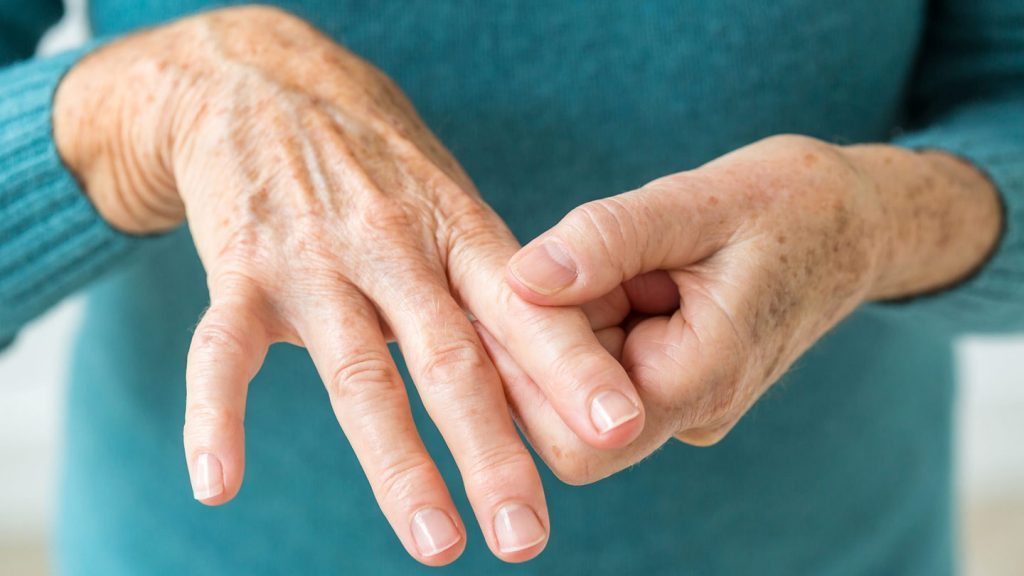
Rheumatoid arthritis is the most prominent autoimmune arthritis. It is caused by a defective immune system that causes your defense system to target your joint linings. It affects the wrist and small joints of your hands, including the knuckles, other joints in your fingers and can eventually spread to your knees too.
It is considered one of the most disabling forms of arthritis as it affects both sides of the body, making it different from other forms of arthritis. It can also affect skin, eyes, lungs, heart, blood and even your nerves which is why it is one of the most feared forms of arthritis.
Over the years, several ways of treating rheumatoid arthritis have been discovered. Although there is still no cure for the condition, the treatment can significantly heal those that are newly diagnosed and can slow down the process that in the patients that have been suffering from the condition for a while.
When your immune system attacks your own body, certain chemicals lead to pain and inflammation on your joints. Medical experts are still unclear about what is the exact cause of inflammation in joints. Some suggest that is due to genetic make-up of the individual while other blame environmental factors such as cigarette smoke and infections.
New treatments have been introduced by rheumatologists to suppress the pain and reduce the inflammation caused by this condition. A major reason for why the inflammation needs to be controlled is because of its effect on your heart health. Inflammation can lead to the buildup of plaque in the walls of your arteries. People with this form of arthritis are advised to consult with their doctors regarding the prevention of heart disease.
Other than medication, regular exercise, specific foods and drinks also help you treat rheumatoid arthritis.
A Virginia-based rheumatologist, Mahsa Tehrani has found that certain organic teas help with the reducing of inflammation caused by rheumatoid arthritis.
�Tea has fantastic�anti-inflammatory properties�which can theoretically help with the underlying inflammation,� she claims.
Here�s a list of teas Tehrani recommends:
Ginger Tea
Ginger tea is known for helping with healing the digestive system but an Italian study in 2016 found that patients that were given regular doses of ginger reported a better quality of life and significant improvement in pain. To make the tea, just slice up some ginger root and let it steep in boiling water for 10minutes. Note that ginger can act as a blood thinner, so if you�re already on blood-thinning medication, opt for a different tea.
Green Tea
Amongst the many benefits of green tea, is its ability to block the effects of RA without impacting cellular function. According to medical experts, green tea can be considered an alternative to medicine in the future for those suffering from RA.
Rose Hip Tea
Rose hip tea is not as common as other teas. The rose hip is the fruit of the rose plant that appears when the plant is not flowering. The fruit is a concentrated source of vitamin C and is regularly used in home remedies. A study published in Australian Family Physician in July 2012 found that the composition of nutrients found in the rose-hips have anti-inflammatory properties which benefit those with arthritis.
Black Tea
The box of regular black tea bags is loaded with quercetin, a bioflavonoid which has anti-inflammatory effects. However excessive amounts of black tea can have adverse effects, the high caffeine content can leave you feeling jittery and can reduce the impact of medication.
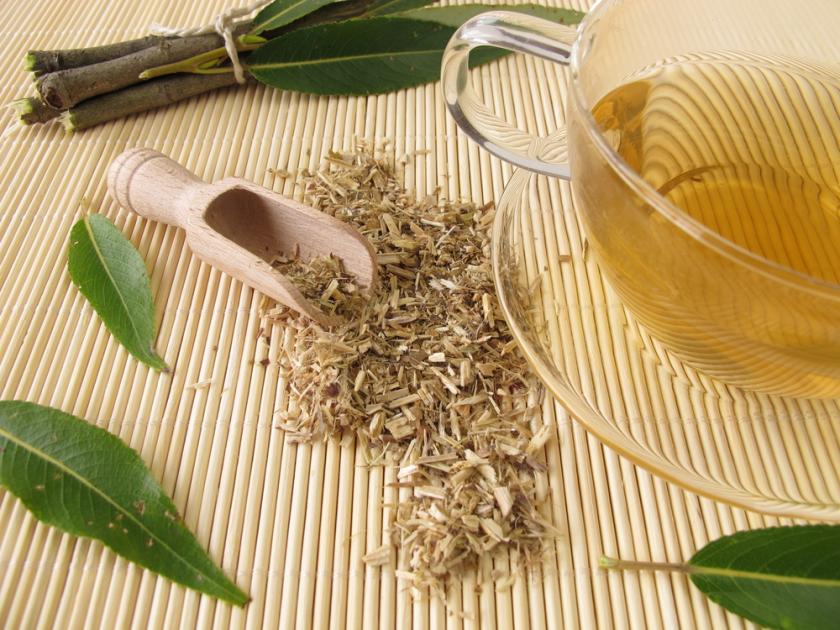
Willow Bark Tea
Willow bark tea is an ancient Chinese remedy. Its effects are similar to those of aspirin and several medical studies have found that it helps with joint pain and osteoarthritis. The study revealed that willow bark extracts have anti-inflammatory and pain-killing effects. That being said, willow bark extracts should not be consumed with people on many medications, pregnant women and those younger than 16.
Nettle Leaf Tea
Nettle leaf has been used in Europe to relieve muscle, joint pain, and arthritis for many years. A study published in 2015 found the antioxidant activity in the nettle leaf extracts hinders one of the main enzymes responsible for inflammation. Nettle is easily available in most grocery stores. Pregnant women and those with kidney and bladder issues should are advised not to consume nettle.
Rheumatoid Arthritis may be the most disabling forms of arthritis and it may not be curable, however, early detection and proper treatment can help mitigate its effects. Medication significantly reduces the symptoms of RA but those suffering can look for alternative solutions as well.
About the Author:
Rachael Everly is an undergraduate student who loves to write on the topics related business, finance, health, lifestyle and education. Follow @Rachael Everly for further updates.
Let�s chat about chiropractic and pregnancy. For those of you that didn�t read my last post, What I Wish I Would�ve Known the First Time Around, I am the daughter of a chiropractor. My dad, Dr. Robert J. Natusch, Jr, DC, recently retired after near 40 years with offices in Northern New Jersey. My brother and sister-in-law are both licensed chiropractors at their family owned and operated practice, Upper Valley Chiropractic in Lebanon, New Hampshire (you can find them on Facebook).
Chiropractic � a Lifestyle of Health
My two siblings and I grew up vaccine-free, drug-free, and antibiotic-free. We never took over-the-counter pain meds or pills, even for headaches. If we had an issue, my dad would give us an adjustment and my mom gave us an herbal or holistic remedy and sent us on our way. To me, that was normal!
I was born at home. Those in attendance for my birth aside from my mom and dad? My older brother (21 months older) and my aunt, to tend to my brother while my mom and dad labored with me. I was mere minutes old when I received my first adjustment. It was our way of life and continues to be for my husband, our two sons, and I. It is our weekly preventative healthcare maintenance. Dr. John Tenpenny is our �primary� care doctor and if you�re in Florida, I highly recommend him.
Why the Two Go Together
Since you�re reading this, I�m guessing you�re curious how chiropractic care and pregnancy can be in the same sentence. Some feel those two are taboo and many were shocked when I told them I�d continue to see my chiropractor weekly through my 9 months of pregnancy. The gasps came when I told them my chiropractor adjusted me while I was in labor with my childrenand he came to my house again after my children were born to give them their first adjustments, too! I�m sure I�m a smidge biased, but thankfully, this has become much more mainstream. And personally, I feel moms and babes are all the better for it!
I don�t have many official references for this post, except what I�ve heard my dad repeat in his lectures my entire life.
�It is vital for moms to get adjusted through their pregnancy and beyond. Since you�re gradually adding weight to your abdomen, that causes lower back stress. Your whole posture and skeletal structure slowly alters for the duration of the pregnancy. This can amplify current misalignments.�
But, let�s get a little more in depth as to why this is important while you�re growing another human being inside you.
(Please remember, I am not a licensed chiropractor. This post is not intended to diagnose, cure, or treat any disease or health concern. This information is for educational purposes only.)
This image shows a few vertebrae within your spine. The vertebrae are your bones. The blue and red slivers are your sponge-like discs that cushion your vertebrae so your bones don�t rub on each other and cause pain. The yellow parts are the nerves nestled safely in between your vertebrae which send and receive signals to and from your brain to your organs. When that perfect structure is altered by things like bad posture, carrying your baby on your hip, sleeping on a pillow, crossing your legs, tripping, falling, carrying a purse on one shoulder, car accidents, sports, etc., etc. those messages are not able to be sent or received properly. It�s like a garden hose with the water on full blast, but there�s a kink in the line. The water won�t be at its fullest potential because there is a blockage.�
That�s the red nerve and disc within this picture. The organs which are connected to that nerve are not sending and receiving the complete message to and from the brain because the vertebra is putting pressure (a kink) in that nerve. That causes pain which may even be felt elsewhere in the body and not felt within the spine. You may treat the symptom of pain unsuccessfully until you get to the source which lies within the spine.
Just think for a moment, does that nerve have anything to do with the organ that helps grow your baby? Maybe it�s the one that represents your uterus. If left unadjusted, your body is not able to operate to its fullest potential and ability when growing your little one. Messages are not being sent or received fully. The consequences of not rectifying the issue may not reveal itself until delivery!
A simple adjustment (or series of adjustments depending on the severity and years of your life without chiropractic care) can aid in rectifying the issue and allowing your body to operate at its fullest potential and health while growing your baby.
Call Today!
How The Pelvis Benefits From Chiropractic
Let�s take a moment to look at how God designed our birthing pelvis.
Our pelvis is designed with a cartilage substance to connect our pubic (pubis) bone. During pregnancy, labor, and birth, the body sends signals to control that cartilage. When it softens, it�s time for the baby to soon make his arrival! If there is a communication kink somewhere within the spine, those signals would not be clearly communicated. You�d be so much better off addressing the misalignment (know as a subluxation) now � well before delivery day � so your body can relax in its designed location.
When people ask me if it�s safe to be adjusted during pregnancy, the analogy of the kinked water hose comes to mind. Our female bodies are created and designed to grow and carry a baby. A chiropractor�s job is to keep my spine in the correct alignment so my body can function to its fullest potential. During the most spine-altering 9 months in my life, I would never think to neglect my weekly chiropractic adjustments! That�s like deciding to stay home from the grocery store when you need food.
Every parent can say they only want the best, optimal health for their child once they are born. Being under a chiropractor�s care allows you the ability to give your child the best, optimal health while they are in your womb.
Though the most visible kinesiology tape users might be professional athletes, Olympians, or weekend warriors � a much smaller clientele is also proving the advantages of this unique treatment. With a special line designed for sensitive skin and playful prints and colors that will speak to the sticker and Band-Aid loving child, it�s not surprising that kinesiology tape is quickly becoming more than an athlete�s aid.
While the uses and applications of kinesiology tape for pediatric treatment are growing daily, here is a quick run down of how kinesiology tape is being used in pediatric care today:
Pain &�Swelling Relief
� When kinesiology tape is applied to an injured or inflamed area, children can enjoy some relief without having to take pain medication or sit through icing and therapy treatments.
Orthopedic Treatment
� Children often don�t understand the purpose behind rehabilitation exercises, so kinesiology tape provides an additional or alternative treatment for children with orthopedic injuries, weak or underdeveloped muscles, gait abnormalities, paralysis � even poor posture.
Neuromuscular Disorders
� Kinesiology tape has proven effective to activate weak muscles and inhibit overactive muscles.� With a simple and safe taping application, children suffering from neuromuscular conditions like cerebral palsy, or muscular dystrophy could see improvements in symptoms and movement ability. It has also been shown to improve muscle tone in genetic disorders like Downs Syndrome and other conditions causing either spasticity, atrophy or poor muscle tone.
For children dealing with serious medical conditions, a colorful and painless treatment that can be worn for several days, even while playing and bathing, can make a big difference in their comfort level.
Interested in learning more about pediatric kinesiology taping? Dr. Kenzo Kaze, the creator of Kinesio Tape, provides step by step guidelines for taping infants and children in his manual, Kinesio Taping in Pediatrics available at Theratape.com.
For a list of successful case studies where kinesiology tape has provided improvement for children, check out Theratape�s research compilation as well as this case report (pdf) from Novel Physiotherapies. Hopefully, as more and more case studies document positive results, the use of kinesiology tape in pediatric care will continue to expand and increase.
Since its establishment five months ago, the new in-house fraud unit at the Division of Workers� Compensation has opened more than 40 investigations and hired additional fraud investigators to extend its reach.
�It�s a huge benefit to have a fraud unit that is 100 percent dedicated to workers� compensation,� said Commissioner of Workers� Compensation Ryan Brannan. �In-house investigators are more exposed to workers� compensation issues, so they are aware of the latest schemes.�
Teresa Carney, DWC�s Director of System Monitoring and Oversight, said that in an effort to coordinate anti-fraud efforts, the unit reaches out to insurance carriers, district attorneys, fraud prevention groups, and DWC employees.
�We can�t do it alone,� she said. �Workers� compensation fraud impacts all Texans, and we want to work with people who want to help stop workers� compensation fraud. Many complaints come from injured employees or insurance carriers, but we can also be proactive by reviewing the claim or medical billing data already on hand or tap people in our Hearings Division or maybe a field office, who help in the workers� compensation system every day.�
The fraud team was set up in May and has already issued warning and education letters as well as referred a case for prosecution. In one recent case, a Houston health clinic owner entered a guilty plea and was sentenced to seven years deferred adjudication and ordered to pay $88,000 in restitution.
Carney says that while the fraud unit does catch and punish bad actors, it�s important to remember there�s a lot of good in the workers� compensation system as well.
�When you are looking for fraud, you only see a small part of the workers� compensation system,� she said. �We know there�s also lots of good stuff happening�when people get their workers compensation benefits on time, they get back to work, everyone is happy. We like to think our work helps the system work better and that leads to more of the good stories.�
For more information, please feel free to ask Dr. Jimenez or contact us at 915-850-0900 .�
Additional Topics: What is Chiropractic?
Chiropractic care is an well-known, alternative treatment option utilized to prevent, diagnose and treat a variety of injuries and conditions associated with the spine, primarily subluxations or spinal misalignments. Chiropractic focuses on restoring and maintaining the overall health and wellness of the musculoskeletal and nervous systems. Through the use of spinal adjustments and manual manipulations, a chiropractor, or doctor of chiropractic, can carefully re-align the spine, improving a patient�s strength, mobility and flexibility.
IFM's Find A Practitioner tool is the largest referral network in Functional Medicine, created to help patients locate Functional Medicine practitioners anywhere in the world. IFM Certified Practitioners are listed first in the search results, given their extensive education in Functional Medicine