Back Clinic Chiropractic. This is a form of alternative treatment that focuses on the diagnosis and treatment of various musculoskeletal injuries and conditions, especially those associated with the spine. Dr. Alex Jimenez discusses how spinal adjustments and manual manipulations regularly can greatly help both improve and eliminate many symptoms that could be causing discomfort to the individual. Chiropractors believe among the main reasons for pain and disease are the vertebrae’s misalignment in the spinal column (this is known as a chiropractic subluxation).
Through the usage of manual detection (or palpation), carefully applied pressure, massage, and manual manipulation of the vertebrae and joints (called adjustments), chiropractors can alleviate pressure and irritation on the nerves, restore joint mobility, and help return the body’s homeostasis. From subluxations, or spinal misalignments, to sciatica, a set of symptoms along the sciatic nerve caused by nerve impingement, chiropractic care can gradually restore the individual’s natural state of being. Dr. Jimenez compiles a group of concepts on chiropractic to best educate individuals on the variety of injuries and conditions affecting the human body.
Travel arrangements are in place for the UTEP men�s basketball team�s trip to Costa Rica Aug. 15-20.
The Miners have games scheduled versus McGill University on Aug. 16 and Aug. 17 (both at 7 p.m.), and the University of British Columbia on Aug. 18 (11:30 a.m.). All three games will be played at the Ciudad Deportiva, Av. Francia Hatillo #2 in San Jose and all games will be governed by FIBA rules.
Cultural aspects of the trip will include a city tour, visits to the Holy Spirit Orphanage and Crocodile Bridge, and a Zip Line experience.
The Miners will play three games on their first foreign tour in 12 years.
The Miners will leave El Paso on Tuesday morning, Aug. 15, and fly to Dallas. They will connect on American Airlines Flight #986 to San Jose (Costa Rica), departing DFW Airport at 2:50 p.m. Arrival at San Jose Juan Santamaria International Airport in Costa Rica is set for 6:02 p.m. local time.
The team hotel for the first three nights (Aug. 15-17) is the Costa Rica Marriott San Jose. The team hotel for the last two nights (Aug. 18-19) is the Los Suenos Marriott Ocean & Golf Resort. The Miners will return to El Paso on Sunday, Aug. 20. The return flight to Dallas from San Juan (Costa Rica) is American #2436, departing at 6:55 a.m.
The Miners will scrimmage at the Don Haskins Center on Saturday, Aug. 12 prior to embarking on their trip. Details will be announced in July.
Doctor of Chiropractic, Dr. Alexander Jimenez discusses chiropractic care for back pain.
Back pain, especially lower back pain, is a constant for many people in El Paso and around the world. Chiropractors have always been known as �back pain doctors� to a certain degree, and while they can treat a much wider range of ailments, this moniker is certainly true. El Paso chiropractic care for back pain includes a range of individualized treatments designed to remove the pain permanently.
Some Facts About Back Pain
One estimate places the number of back pain sufferers in America at roughly 31 million.
Here are some other interesting facts that illustrate just how serious the problem is:
A 2010 report entitled Global Burden of Disease placed lower back pain as the leading cause of disability around the world.
Back pain is one of the most common reasons for missed work days and the second-leading reason for doctor�s visits behind infections in the upper-respiratory tract.
50 percent of all working Americans say they experience back pain symptoms each year.
Mechanical issues cause the majority of back pain cases, meaning they are not the result of an underlying health condition.
Conservatively, Americans spend about $50 billion on back pain.
Some experts say that as much as 80% of the population will experience back pain at some point in their lives.
Why Do I Have Back Pain?
The causes of back pain can vary quite a bit. With so many muscles, bones, ligaments, and joints all working together in a complex structure, strains and other injuries leading to back pain are common. You may be experiencing back pain due to improper lifting, poor posture, stress, being overweight, a past sports injury, or a car accident. Conditions like arthritis and osteoporosis also cause back pain, as does disease that originates in certain internal organs.
Chiropractic To The Rescue
Chiropractic care is a safe and effective way to treat many types of back pain. With proper chiropractic care for back pain, you will have greater mobility and fewer flare ups. For many patients eliminating the side effects of prescription pain medication is a welcomed benefit they never even considered. Chiropractic treatment focuses on the underlying cause of the back pain while most conventional treatments focus on the symptoms. When only treating the symptom or the pain you may experience relief, but whatever is causing that pain will still be there.
Reputable chiropractors will also suggest lifestyle changes you can make to help prevent back pain from returning. These include maintaining a healthy weight, avoiding prolonged sitting, staying active throughout your life, staying hydrated, wearing low-heel shoes, stretching your body, and using proper body posture. By helping yourself and receiving high quality chiropractic care, back pain should be a thing of the past.
Doctor of Chiropractic, Dr. Alexander Jimenez shares a few tips on how to prevent back pain, treating injuries and stretching.
Since chiropractors see the results of poor lifestyle choices on a daily basis, it�s only natural to formulate opinions and offer tips to patients so they can help themselves. From sore backs, necks, shoulders, irregular sleeping patterns to back pain, we provide help in a wide range of areas. Here are 3 tips from a El Paso chiropractor that will help keep your body operating efficiently.
1) Try Not To Sit So Much
Sitting seems like a relatively innocent activity, but the negative effects that prolonged sitting creates are numerous. Extensive sitting has always been associated with back pain and spinal issues, but recent research also suggests a link between too much sitting and heart disease. If you have a sedentary job like so many people do, make a point of getting up and moving around at least once per hour. You can take phone calls standing up, buy an adjustable standing desk, do deep knee bends, jumping jacks or just go for a quick walk. The key is to stand up and move around to relieve pressure and stay healthy.
2) Get Injuries Treated Promptly
Another important tip from a El Paso chiropractic team is to get quick treatment if you�ve suffered an injury. A little twist or tweak now can lead to years of discomfort and improper muscle function if you just leave it alone. It�s always wise to apply ice to injuries to help reduce swelling, but visiting a chiropractor as soon as possible will help with the healing process and keep your muscles and joints functioning at full capacity.
Leaving minor injuries may not cause a great deal of pain, but the effects will be felt in the future. Many people end up using various pain medications or having reduced mobility as they get older because they chose to leave an injury alone.
3) Incorporate Stretching Into Your Day
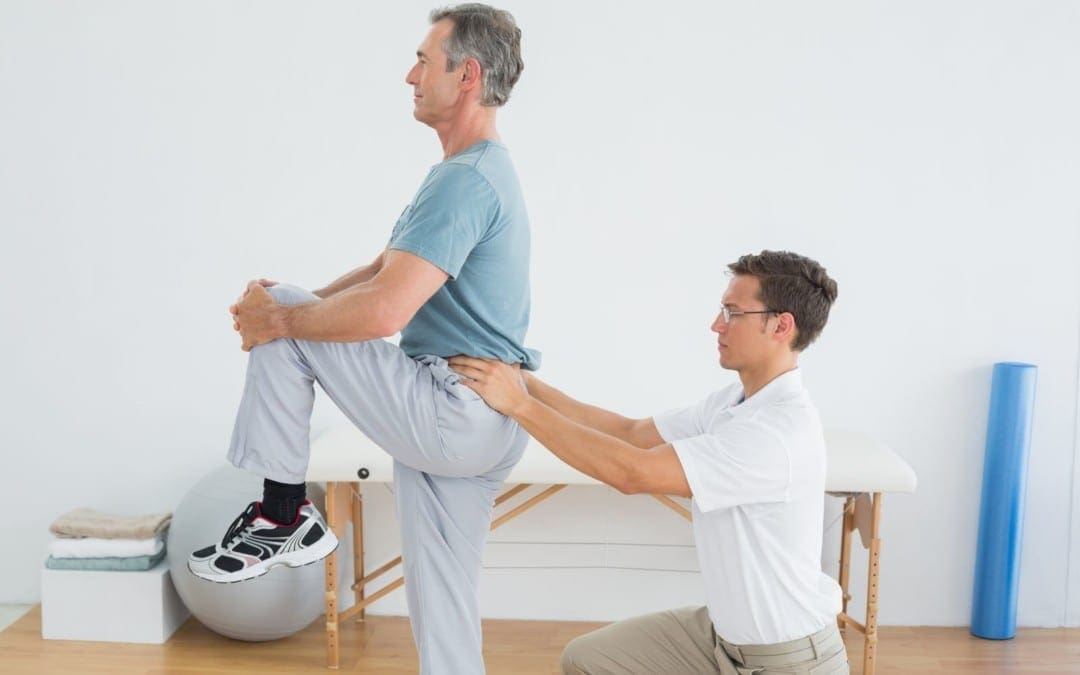
Treating injuries promptly is a good idea, but preventing them altogether is even better. Keeping your muscles, tendons, and ligaments flexible with daily stretching will help you avoid many common injuries. You can incorporate the stretches into your morning routine or as part of your daily workout regimen. As you age, those muscles will become tighter and tighter leaving you prone to injury. Working for long hours hunched over a desk also shortens muscles and opens the door to injury. Stretching tips from a El Paso chiropractor include your hamstrings, quadriceps, calves, chest, hips, and back. It only takes a few minutes a day, but you�ll notice the results for the rest of your life.
Doctor of Chiropractic, Dr. Alexander Jimenez gives insights into selecting a chiropractor.
One of the most common questions I get asked as a doctor is how do I find a great chiropractor in El Paso?� In some cities there are dozens to choose from and it can be difficult to know if the doctor you are considering is right for you.� This article will help to walk you through the steps that I would use to find a great doctor to take care of me.
Most patients choose their chiropractor based on the look of the outside of the office or how nice their website is.� I agree that a doctor that keeps up their office and that has a great website is probably a good choice, but there�s more to it than that.� Chiropractic is a very diverse profession so there are some deeper questions to ask.
To Know If A Chiropractor Is Right For You Is To Talk To Them
Learn about who they are as a person and why they became a chiropractor.� There are many different styles of adjusting and many different philosophies in the chiropractic field.� When you find a passionate doctor you have found what you�re looking for.
Ultimately you need to find someone that really cares about you and your well being.� A doctor that is going to be focused on your health and that has a plan to get you back on track.� If you feel uncomfortable then do your homework and you�ll find the best choice for you.
If you have been struggling with a health condition and it feels like you�re going around in circles, I encourage you to give us a call today.� If for any reason we feel that we cannot help you we will get you pointed in the right direction.� We are here to be a resource for you in any way that we can.
Today Is A Great Day To Improve Your Health
If you live in El Paso we encourage you to give our team�a call today.� Our friendly staff will setup a time for you to come in and learn about who we are and what we can do for you.
Doctor of Chiropractic, Dr. Alex Jimenez goes through some tips on how to avoid back injuries.
When it comes to avoiding back injuries, your fate is largely in your own hands. It�s true that an unexpected fall or auto accident may cause an injury that�s beyond your control, but a large percentage of back injuries are caused by your own actions, which means you can take measures to prevent them or stop them from getting worse. Here are a few valuable back injury tips from a El Paso chiropractor.
Pay Attention to Your Lifting Technique
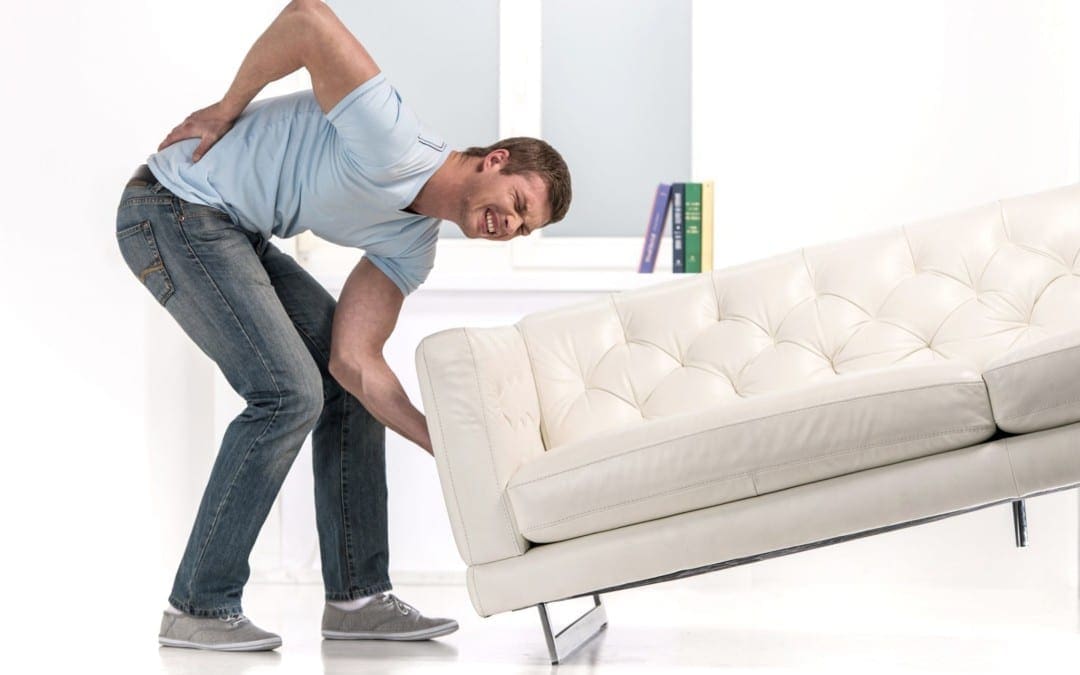
How you lift boxes, laundry baskets, children�s toys, a pair of shoes or just about anything else, has a bearing on the health of your back. When you lift correctly your spine is in the proper alignment and there is no added stress placed on your back. This means you should bend your knees and keep your back as straight as possible when you pick anything up off the floor.
If you have a lot of lifting to do try to place items on a table or chair so there isn�t as much bending required picking it up. Your back is not designed to work like a crane so anytime you use it that way you are putting stress on your back that doesn�t need to be there. Take a balanced stance, lift with your legs and move your feet if you need to change direction while holding the object.
Sensible Body Management
Performing activities with your back health in mind is a great strategy to help you avoid back injuries. That means stretching before any type of physical activity, taking it slow if you have a lot of repetitive lifting to do, and taking breaks to rest and stretch during the activity.
Getting yourself into good physical condition also protects your back and helps to avoid injuries. This includes losing weight in your midsection, and strengthening core muscles, to make lifting and general movement less stressful on your back. Most El Paso chiropractors will also tell you that sleeping on a firm mattress is another way you can nurture your back and prevent injuries.
Don�t Let Injuries Linger
If you end up with a back injury despite your efforts to avoid it, you should seek treatment with a El Paso chiropractor as soon as you can. Spinal misalignment, bulging discs, herniated discs, and other injuries often only get worse if you let them linger. Prompt treatment will restore blood flow to the area, relieve any compressed nerves and get you back to normal in the shortest time possible.
Doctor of Chiropractic, Dr. Alexander Jimenez looks at four ways of reducing back pain.
1. Understand The Way Your Spine Works
The best approach to take care of your spine and prevent back pain is to begin with a superb understanding of how the spine works. By understanding how your backbone works when you’re performing jobs that are day-to-day or moving during your day, you may be able to take care of your spine and keep it working for a long time with fewer problems and less back pain.
2. Incorporate Safe Body Mechanics Into Activities
Use good body mechanics during day-to-day jobs at home and work. What does that mean? Good body mechanics means while you go, keeping your back in a safe posture that is balanced. You can help to prevent back pain and injury, by remembering several easy notions. You should employ your leg and arm muscles when lifting and stooping �not your back muscles. Second, keep your back straight when bending and lifting. And last but not the very least, be sure to bend at your hips and knees, not at your waist.
An example of correctly bending at the hips and knees
3. Exercise On A Regular Basis
Regular care of stuff we possess helps to keep them working efficiently, with less effort and safely. Exactly the same is true of the back.
Exercising on a regular basis really helps to keep up long term to a healthy back.
Regular exercise helps to increase endurance and reduces fatigue.
But Don’t I Get Enough Exercise At Work?
Many people believe their occupations provide enough exercise�specially occupations which are physical and could include manual labor. Regrettably this really isn’t accurate. Individuals need daily exercise to state and strengthen their muscles to perform job tasks safely and efficiently.
Exercise could be fun! There are lots of types of exercise. One method when selecting to start a workout program to ensure success would be to pick some form of exercise that fits into your lifestyle. If exercise is accessible and convenient, you’ll be prone to continue exercising on a longterm basis. As an example, determining to swim daily or do water aerobics without easy use of a pool year round would make success less likely and consistency difficult.
A typical exercise that a lot of people start successfully with is walking. Walking just takes a superb pair of walking shoes, may be done any day of the year, and is usually simple to fit right into a daily program.
Remember, whatever type of exercise you decide on, always start out small (10 minutes vs 60 minutes), and slowly increase your own exercise time. This may help to make sure your success at getting started and sticking with a fitness plan. Add two or one stretching exercises, like a calf stretch, for your routine for one more benefit.
An example of a calf stretch
4. Fuel Your Body With Proper Nutrition
Eating a healthy diet supplies the fuel your body has to make energy. And energy must do work, meaning the jobs we do throughout the day, like work tasks and exercise. Appropriate nutrition also helps to maintain your ideal body weight. Weight management is a great way to restrain stress on the joints in your body, including the spine.
Unsure where to start to understand about proper nutrition and establishing a healthier diet for you personally as well as your lifestyle? Then take a look at Introduction to Nutrition. By integrating these suggestions into your everyday life, you’ll be able to promote a healthier back�and lifestyle�for a long time.
Because degenerative disc disease, or DDD, can weaken the structures of the spine significantly, you might need to focus on strengthening your back, neck, and core muscles to improve the condition. Subsequently, the proper care and treatment for DDD can help support the spine better, which might result in decreased pain. A healthcare professional may often recommend physical therapy to help treat degenerative disc disease.
Physical therapy includes both passive and active treatments. Passive treatments help relax you and your body. They are called passive because these do not require individuals to actively participate in the treatment. If you’re experiencing severe pain, you’ll most likely start with passive treatments while your own body heals and/or recovers from the symptoms of the disorder. However, the goal of physical therapy is to get the patients into treatments that are lively. These are curative exercises that reinforce the body to ensure the spine has better support and structure.
Passive Physical Therapy for DDD
Your physical therapist may give you one of the following passive treatments:
Deep tissue massage: This technique targets chronic muscle tension that could build up through daily life stress and spasms. You could also have spasms or muscle tension due to strains or sprains from sports injuries or other injuries. A physical therapist may utilize direct pressure and friction to release the tension in your soft tissues, such as ligaments, tendons and muscles.
Hot and cold treatments: The physical therapist will switch between cold and hot therapies. Through the use of heat, the physical therapist will achieve an increased blood flow to the target area. More oxygen and nutrients are brought to the affected region as a result of an increased blood circulation. Good circulation is also needed to remove waste by-products developed by muscle spasms.
Cold therapy, also called cryotherapy, slows circulation, helping to reduce inflammation, muscle spasms, and pain. An ice massage or an ice pack can be used to perform cold therapy. Another cryotherapy option is a spray called fluoromethane, which can cool the body’s tissues. A physical therapist may work with you to additionally stretch the muscles that are affected.
Spinal traction: By extending the back, spinal traction works to alleviate pain caused by muscle tightness or compressed nerves. The physical therapist can achieve that manually by using their own body or mechanically with unique machines. Particularly in case your nerve has been pinched by the foramen, the place where the nerve exits the spinal canal, traction may strive. By stretching the spine to readjust the vertebrae, it is believed to help widen the foramen and improve symptoms of DDD.
Active Physical Therapy for DDD
In the active portion of physical therapy, your therapist is going to educate you on various exercises to improve your flexibility, strength, core stability, and range of motion, or how readily your joints move. Your physical therapy program is individualized, taking into consideration history and your well-being. Your exercises might not be acceptable for another individual with degenerative disc disease.
Degenerative disc disease, or DDD, may not entirely “go away” once the individual’s discs have begun to degenerate. You can’t reverse the process and because of that, your physical therapist will help you learn how to work with it and how to limit the pain. You’ll understand body mechanics and how to avoid situations that can aggravate pain and other symptoms.
The specialist will also show you how to correct your posture and integrate ergonomic principles into your daily activities if needed. This is all part of the “self-care” or “self-treatment” aspect of physical therapy: Through physical therapy, you learn good habits and principles that allow you to take better care of the body.
Your physical therapist could also propose a personalized exercise program for you personally. The goals may include: strengthening abdominal and back muscles, increasing muscle endurance (so that your more powerful muscles can work harder longer), and getting your body to carry your weight more proficiently. An exercise program comes with a different bonus�it can assist you to drop some weight. Extra weight can exacerbate pain so your physical therapist can work along with one to establish goals and after that follow through, if you need certainly to lose excess weight.
The scope of our information is limited to chiropractic and spinal injuries and conditions. To discuss options on the subject matter, please feel free to ask Dr. Jimenez or contact us at 915-850-0900 .
By Dr. Alex Jimenez
Additional Topics: Whole Body Wellness
Maintaining overall health and wellness through a balanced nutrition, regular physical activity and proper sleep is essential for your whole body�s well-being. While these are some of the most important contributing factors for staying healthy, seeking care and preventing injuries or the development of conditions through natural alternatives can also guarantee overall health and wellness. Chiropractic care is a safe and effective treatment option utilized by many individuals to ensure whole body wellness.
IFM's Find A Practitioner tool is the largest referral network in Functional Medicine, created to help patients locate Functional Medicine practitioners anywhere in the world. IFM Certified Practitioners are listed first in the search results, given their extensive education in Functional Medicine