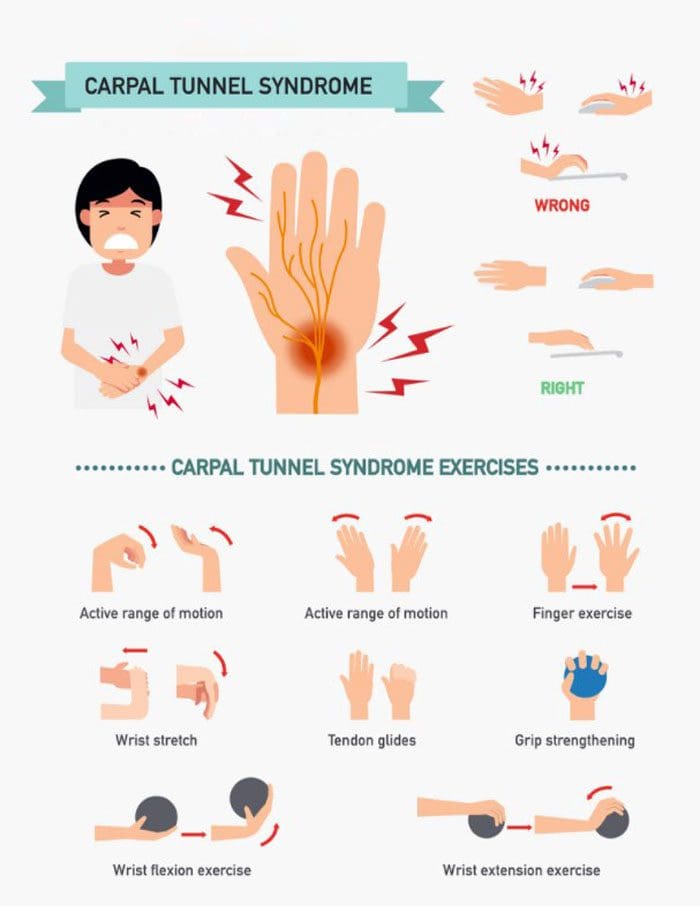
Today, we are constantly tapping, scrolling, clicking, using our hands, fingers, and thumbs on smartphones, tablets, computers, etc. Constant repetitive use has increased the development of carpal tunnel syndrome. If tingling, numbness, soreness, or electrical sensations have begun to develop in the hands, especially the index finger, thumb, or palm, carpal tunnel prevention measures can help before it becomes severe.
Pinched Nerve
Carpal tunnel syndrome is the medical terminology for a pinched nerve. It is the median nerve that passes through the narrow carpal tunnel passageway of ligaments and bones at the base of the hand. This tunnel houses the median nerve and the tendons that allow the fingers to bend. The median nerve generates physical sensation in the index, middle, ring finger, and palm near the thumb. Compression of the nerve or inflammation can cause tingling, numbness, and pain in any and/or all of the hand areas. It can also cause the fingers to bend awkwardly; however, this symptom develops over time. There are so many different causes of carpal tunnel syndrome that it is almost impossible to avoid with the constant overuse/repetition of the hands.
Work – tasks, typing, mouse use, writing, scanning, etc.
School
Injury
Doctors recommended approach for carpal tunnel prevention is to take action at the first sign/symptom. The most effective preventative measures include:
Using a computer mouse – moving, clicking, using the scrolling wheel, etc.
Writing
Cooking – chopping, slicing, mixing, squeezing, etc.
Drawing
Make sure to take frequent breaks from the motion.
Carpal tunnel is more likely to develop if the nerves and muscles are overused for a long time without stopping. When focused on a task, we often don’t realize how the repetitive motions cause strain until a sting or pinch makes us stop. Taking a hand break is essential to give the muscles, tendons, ligaments, and nerves time to relax and stay loose. The break only has to be a few minutes to be effective.
Repetitive Movements and Proper Hand Form/Posture
Repetitive hand or wrist motions in everyday activities sometimes cannot be helped. It is recommended to try to switch hands when performing the task, space it out over the day, take frequent breaks, stretch, and gently shake out the hands throughout the day. Make sure any pressure on the hands or wrists is as light as possible and evenly distributed. Keep the wrists straight or slightly bent and use light tools if possible. Proper posture is crucial for carpal tunnel prevention. Many individuals don’t realize the back, neck, and wrists are intricately connected. Poor posture like hunching over the computer, shoulders rolled forward, and forward neck posture can cause the nerves and muscles of the arm to become compressed, causing tingling, numbing, pain symptoms because they’re not properly aligned. The compression can run down the arms and affect the wrists and hands as well.
Carpal Tunnel Prevention Supportive Accessories
It is also recommended to consider integrating supportive accessories, like ergonomic keyboards, mice, wrist splints, keypad cushions, etc. These tools can support the body and keep the wrists and hands healthy, comfortable, and pain-free. Wrist splints can help by keeping the wrist in a straight, neutral position without thinking about it. This reduces stress on the area and absorbs the pressure of everyday tasks on the carpal tunnel and median nerve. Individuals can also wear the splint at night to support and train the wrist to stay straight throughout the day. Taking action before the symptoms become severe is highly recommended. Talk to a chiropractor or physical therapist for exercises, stretches, and general tips to help with carpal tunnel prevention.
Body Composition
A Snack and A Meal
Without proper planning, the calories an individual consumes from snacks can add up. A recent survey found that snacking contributes 586 calories for men and 421 calories for women per day. Weight loss, weight gain, and weight maintenance come down to calories in vs. calories out.
Eating snacks that are too high in calories or snacking too much can disrupt and derail health goals.
It’s essential to know what a snack consists of, what to look for on a label, and how to plan.
Snacks come in a range of calories, depending on individual goals.
For many, 100-200 calories are recommended for snacks.
Individuals that need increased calories may require a higher calorie snack.
The number of snacks eaten per day depends on individual needs and goals.
It’s best to plan and factor snacks into the overall meal plan to avoid overeating.
LeBlanc, Kim Edward, and Wayne Cestia. “Carpal tunnel syndrome.” American family physician vol. 83,8 (2011): 952-8.
Page, Matthew J et al. “Splinting for carpal tunnel syndrome.” The Cochrane database of systematic reviews vol. 2012,7 CD010003. 11 Jul. 2012, doi:10.1002/14651858.CD010003
Shiri, Rahman, and Kobra Falah-Hassani. “Computer use and carpal tunnel syndrome: A meta-analysis.” Journal of the neurological sciences vol. 349,1-2 (2015): 15-9. doi:10.1016/j.jns.2014.12.037
The body needs consistent energy to get through the day. The central nervous system runs from the brain, down through the spine, and then towards every organ and region of the body. The central nervous system works by sending signals to the organs or the body’s moving parts. But when there is a kink, misalignment, damage, or injury in the spine or other joints, the signals don’t get sent or received correctly.
Pressure builds on the nerves causing the signals/messages sent from the brain to the body to start to slow down and the body’s responses. This includes not just physical reactions but the body’s metabolism. Slow metabolism causes the body to become sluggish and slow. Regular chiropractic adjustments can remove the kinks restoring proper energy flow. When the body’s cells and organs are sending and receiving the signals correctly, the body gets the full force of the energy that the body has stored.
Energy Drain
Spinal misalignments can cause a multitude of symptoms. The most common problem is pain. Misalignments can also lead to energy-draining problems. These include:
Headaches
Difficulty concentrating
Joint pain
Inflammation
The body absorbs toxins from the air, water, food, or direct contact. A buildup of toxins can make the body sluggish. Chiropractic adjustments release these toxins so that the body can rid itself of them. Being out of alignment and balance requires the body to use more energy to get anything done. Even easy to do activities, chores, tasks, etc. When the body’s natural balance is restored, the result is more available energy.
Stress Management
Stress management is vital as chronic stress increases the risk of developing health problems. Learning to manage stress can help increase energy. Therapeutic massage can help with stress relief. A chiropractor will determine the best type of massage for each individual’s situation. The physiological effects of massage to reduce stress include:
Increased endorphins, serotonin, dopamine.
Decreased cortisol.
Increased tissue elasticity.
Endorphins, serotonin, and dopamine are neurotransmitters that are released by the autonomic system when stimulated.
Endorphins are responsible for relieving anxiety.
Serotonin prevents depression and gives a sense of well-being.
Dopamine increases motivation and prevents self-doubt.
When the body lacks these positive hormones, an individual can become stressed, anxious, and overwhelmed. A therapeutic massage stimulates the autonomic system, increasing the release of positive hormones. Increasing the level of positive hormones reduces stress and anxiety and improves overall mood.
When a decrease in cortisol occurs, stress is also reduced. Cortisol is a negative hormone released from the adrenal gland when stimulated by the brain’s hypothalamus region. The adrenal gland is located on top of the kidneys. Cortisol is released into the blood and is transported around the body. Cortisol increases:
Stress
Anxiety
Depression
Responsible for the fight or flight response.
When large amounts of cortisol are released in response to pain, stress levels increase, and the immune system is suppressed. A massage helps flush out the cortisol from the blood and replace it with the positive hormone endorphins, serotonin, and dopamine, decreasing stress and increasing relaxation.
Central Nervous System and Chiropractic
Chiropractic looks for the root cause of the problem and addresses that issue. Individuals can keep their bodies stay in balance by:
Chiropractic treatment can help improve quality of life and overall health.
Body Composition
Neglecting A Healthy Diet
Individuals might begin a weight loss journey by going to the gym, which is great, but neglecting a healthy diet is just wasting energy. Fat loss happens when the body is in a caloric/energy deficit. This means an individual has to take in fewer calories than the body is using. According to the CDC, individuals need to reduce food intake by at least 500 calories a day to lose around a pound of body fat a week.
Individuals that start increasing exercise/workouts make the body instinctively want to increase calorie intake.
Eating more calories than are burned means the individual is wasting the workout.
For example, the body needs a 2,100 calorie diet to maintain its weight, and on average, an individual eats 2,100 calories.
This means the weight won’t change much, if at all.
If an individual burns 300 calories from a workout, the body needs 2,400 calories to maintain weight.
If no changes are made to the diet, the individual will be in a negative -300 caloric deficit.
Suppose an individual starts increasing their caloric intake because they think their metabolism is speeding up, which is not how it works, then the individual negates any energy deficit that they worked for, leading to no fat loss.
References
Carlson, Linda E et al. “Integrative Approaches to Stress Management.” Cancer journal (Sudbury, Mass.) vol. 25,5 (2019): 329-336. doi:10.1097/PPO.0000000000000395
Kültür, Turgut et al. “Evaluation of the effect of chiropractic manipulative treatment on oxidative stress in sacroiliac joint dysfunction.” Turkish Journal of physical medicine and rehabilitation vol. 66,2 176-183. 18 May. 2020, doi:10.5606/tftrd.2020.3301
Salleh, Mohd Razali. “Life event, stress, and illness.” The Malaysian Journal of medical sciences: MJMS vol. 15,4 (2008): 9-18.
Back pain usually comes from lifting an object the wrong way or awkwardly moving the body, injuring the spinal structures or muscles. However, sometimes it could be signs/symptoms of a more serious medical condition. The back pain could be caused by:
How to know when the root cause of back pain is from something else in the body? There are two types of pain that pain specialists look at. These are visceral pain and somatic pain. Visceral pain comes from damage or injury to the organs or organ tissues. This internal pain can radiate to the spine from conditions like:
Pancreatitis
Ulcerative colitis
Crohn’s disease
Gall stones
Cancers
Kidney pain
Urinary tract infections
Somatic pain is injury or damage to the muscles, skin, and soft tissues. It can be caused by:
Regular wear and tear
Aging
Injury
Sedentary lifestyle
However, visceral pain can cause somatic/bodily pain to flare up. The stress the body is going through because of the medical condition can cause inflammation.
Kidney Infections and Stones
The kidneys are located in the rear of the body toward the middle of the back. The kidneys:
Filter waste products from the body
Regulate bodily fluids
Perform other vital functions.
Kidney infections and kidney stones can easily mimic a sprain or strain in the back. Infections or stones can also present with other symptoms like:
Side and groin pain could accompany the back pain.
The pain does not go away after shifting positions or lying down.
Urinary Tract Infection UTI
Upper urinary tract infections in the kidneys or ureters can cause back pain. Upper UTIs happen when a lower UTI in the bladder or urethra goes unnoticed or does not respond to antibiotic treatment. Infections can occur at any age, with women and older men being more susceptible. The pain usually presents in the lower back and groin area. Other possible symptoms include:
Pain in the back, sides of the lower abdomen between the lower ribs and hips.
Fever
Vomiting
Frequent urination in small amounts
Burning during urination
Strong urge to urinate
Foul-smelling urine
Cloudy urine
Fatigue.
The pain can feel like:
Cramping pain
Pressure
Soreness
Pancreatitis
Pancreatitis is inflammation of the pancreas, the long flat organ located in the upper abdomen behind the stomach. It assists digestion and sugar management. The American Pancreatic Associationreports acute pancreatitis can make individuals feel sick with moderate to severe abdominal pain that can radiate to the back and often worsens after eating. The pain is felt in the upper to middle back. Other possible symptoms include:
Abdominal pain that radiates to the back
Abdominal pain after eating
Fever
Nausea
Vomiting
Tenderness in the abdomen
The pain can feel like a pulled muscle or joint pain that increases and decreases at first and then strengthens after eating or lying down.
Inflammatory Bowel Diseases IBD
Ulcerative colitis and Crohn’s disease are inflammatory bowel diseases not to be confused with irritable bowel syndrome.
Ulcerative colitis affects the colon.
Inflamed intestinal areas characterize Crohn’s disease.
Both can cause spreading back pain.
A study found 25% of individuals with IBD have chronic back pain. Other possible symptoms include:
The pain can feel mild or severe, like a cramp in the lower abdomen around the low back. It can present in cycles as a flare-up, then goes away. It’s essential to read the body’s warning signs and not push through the pain or ignore it. If any back pain goes on for more than a week, consult a doctor or chiropractor for a thorough examination. A pain specialist could be recommended if there is chronic back pain from a severe medical condition. A primary doctor or specialist helps keep the medical condition in check, while a pain specialist and/or chiropractor can alleviate chronic musculoskeletal pain from inflammation, irritation, and overstimulated nerves.
Body Composition
Personalized Lifestyle Medicine
Personalized lifestyle medicine develops customized treatment/health plans to fit the individual. It includes:
Research on how the body works as an integrated system.
Combines new technology approaches in medicine.
The relationship between nutrients and gene expression.
Life and behavioral sciences.
Nutrigenomics testing helps individuals understand the influence of dietary components on their genes, which can help prevent the development of certain chronic diseases.
References
American Pancreatic Association (Pancreapedia). (2015). Pathogenesis and Treatment of Pain in Chronic Pancreatitis. https://pancreapedia.org/reviews/pathogenesis-and-treatment-of-pain-in-chronic-pancreatitis
American College of Rheumatology. (2019). The U.S. Prevalence of Inflammatory Bowel Disease and Associated Axial Pain: Data from the National Health & Nutrition Examination Survey (NHANES). https://acrabstracts.org/abstract/the-us-prevalence-of-inflammatory-bowel-disease-and-associated-axial-pain-data-from-the-national-health-nutrition-examination-survey-nhanes/
The body is a well-working machine that can endure anything that is thrown in its way. However, when it gets an injury, the body’s natural healing process will ensure that the body can get back to its daily activities. The healing process of an injured muscle varies throughout the body. Depending on how severe the damage is and how long the healing process will take, the body can recover to a mere few days to a few months. One of the most gruelly healing processes that the body has to endure is a ruptured calcaneal tendon.
The Calcaneal Tendon
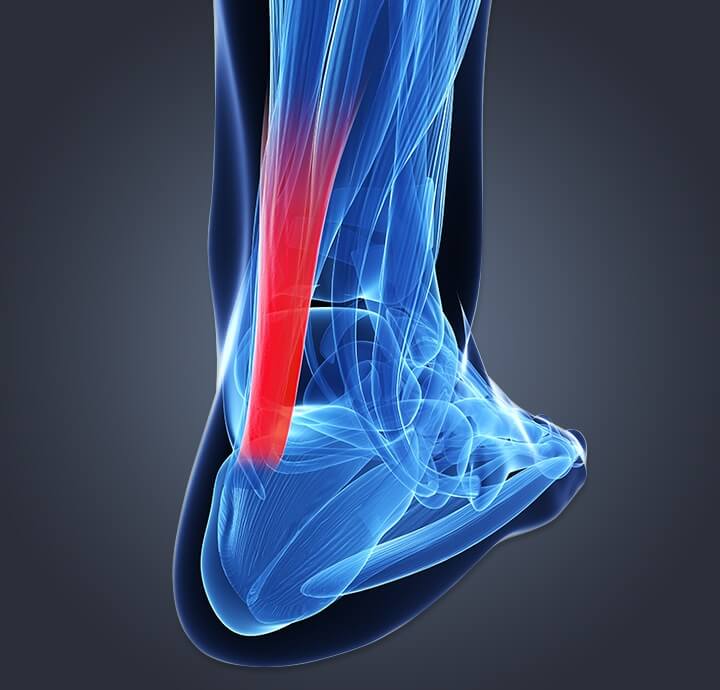
The calcaneal tendon or the Achilles tendon is a thick tendon that is located in the back of the leg. This muscle-tendon is what makes the body move while walking, running, or even jumping. Not only that, the calcaneal tendon is the strongest tendon in the body, and it connects the gastrocnemius and soleus muscles at the heel bone. When the calcaneal tendon is ruptured, the healing process can last from weeks to months until it is fully healed.
The Healing Effects of Low Laser Therapy
One of the ways that can help the damaged calcaneal tendons’ healing process is low laser therapy. Studies have shown that low laser therapy can speed up the damaged tendon repair after a partial lesion. Not only that but the combination of ultrasound and low laser therapy has been studied to be the physical agents for treating tendon injuries. The studies showed that the combination of low laser therapy and ultrasound has beneficial properties during the recovery process of treating calcaneal tendon injuries.
The study found that when patients are being treated for their calcaneal tendons, their hydroxyproline levels around the treated area are significantly increased with ultrasound and low laser therapy. The body’s natural biochemical and biomechanical structures on the injured tendon increase, thus affecting the healing process. Another study has shown that low laser therapy can help reduce fibrosis and prevent oxidative stress in the traumatized calcaneal tendon. The study even showed that after the calcaneal tendon is traumatized, inflammation, angiogenesis, vasodilation, and the extracellular matrix are formed in the affected area. So when patients are being treated with low laser therapy for about fourteen to twenty-one days, their histological abnormalities are alleviated, reducing collagen concentration and fibrosis; preventing oxidative stress from increasing in the body.
Conclusion
Overall, it is said that the effects of low laser therapy can help speed up the healing process of repairing the calcaneal tendon. The promising results have been proven since low laser therapy can help repair the damaged tendon, reducing oxidative stress and preventing fibrosis from escalating, causing more problems on the injured tendon. And with the combination of ultrasound, the calcaneal tendon can recover faster so the body can continue its everyday activities without any prolonged injuries.
References:
Demir, Huseyin, et al. “Comparison of the Effects of Laser, Ultrasound, and Combined Laser + Ultrasound Treatments in Experimental Tendon Healing.” Lasers in Surgery and Medicine, U.S. National Library of Medicine, 2004, https://pubmed.ncbi.nlm.nih.gov/15278933/.
Fillipin, Lidiane Isabel, et al. “Low-Level Laser Therapy (LLLT) Prevents Oxidative Stress and Reduces Fibrosis in Rat Traumatized Achilles Tendon.” Lasers in Surgery and Medicine, U.S. National Library of Medicine, Oct. 2005, https://pubmed.ncbi.nlm.nih.gov/16196040/.
Oliveira, Fla’via Schlittler, et al. Effect of Low Level Laser Therapy (830 Nm … – Medical Laser. 2009, http://medical.summuslaser.com/data/files/86/1585171501_uLg8u2FrJP7ZHcA.pdf.
Wood, Viviane T, et al. “Collagen Changes and Realignment Induced by Low-Level Laser Therapy and Low-Intensity Ultrasound in the Calcaneal Tendon.” Lasers in Surgery and Medicine, U.S. National Library of Medicine, 2010, https://pubmed.ncbi.nlm.nih.gov/20662033/.
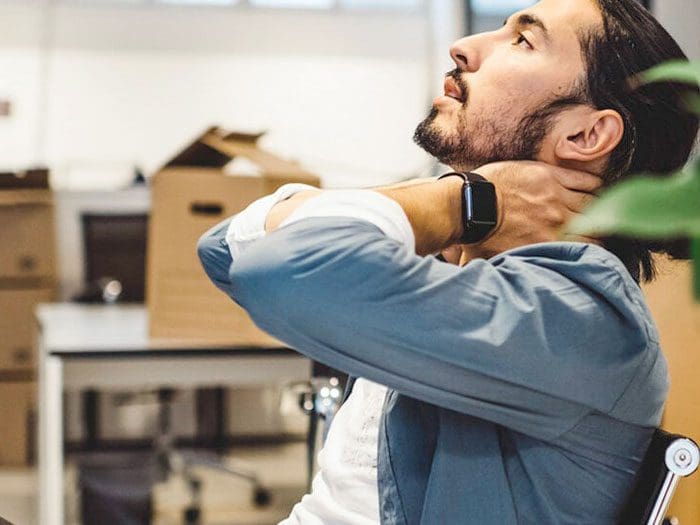
Waking up with neck soreness, stiffness, achiness, and pain can take a toll throughout the day. Individuals, that experience this regularly wonder what happened while laying down in bed? Individuals can wake up with one or a combination of these symptoms after sleeping. A few ways to prevent neck pain after sleeping and self-care to relieve any symptoms.
What Is Happening?
The spine keeps the body upright and moving and regularly resists gravity and other forces acting upon it. The neck, aka the cervical spine, is a little more delicate. The neck has the important job of holding up the head. The human head weighs around 10 to 12 lbs, and that’s using proper posture. According to a study, the head’s weight can increase up to 60 lbs. with a 60-degree tilt. This can happen from looking down at a phone for too long. All that weight makes the muscles that support the head and neck work overtime contributing to fatigued muscles.
Then when sleeping, cervical spinal misalignment starts to set in, producing torticollis. Torticollis, aka wry neck, is a condition where the neck gets twisted or tilted at an awkward angle. Babies can be born with it, known as congenital torticollis, and individuals can develop it from various sources. It can be temporary, chronic, and it can be caused by acute trauma. Torticollis is not considered a condition like ankylosing spondylitis but more like a symptom with overlapping sources.
The neck’s ligaments can become irritated and inflamed.
Neck muscle spasms can cause soreness and inflammation.
Either of these can be caused by sleeping in an awkward position or by using the wrong pillow.
Waking With Neck Pain
When waking up with neck pain, it could be that the pillow no longer provides sufficient support, the pillow is too thick, placing the neck in an awkward position, the individual’s sleeping position strains the muscles and ligaments, or a combination. It is usually a pillow that is too soft with no support that causes neck pain. Maintaining spinal alignment when sleeping is just as crucial as during the day, as it helps to prevent overly taxing the muscles and ligaments.
How to control posture when sleeping?
The pillow could be the answer. A firm pillow will keep the spine in a straight line from the atlas, which is the first cervical vertebra/C1, down to the coccyx or the tailbone. The way an individual sleeps also affects how they wake up. The most recommended sleeping position for individuals with morning neck pain is on the back. Back sleeping might not work for everyone as it can aggravate conditions like sleep apnea. If that is the case, sleeping on the side is the next recommended position. It is recommended to avoid sleeping on the stomach. The head could slip down the pillow edge causing the head to be in a tilted position. This can place added pressure on the nerves that start in the neck, leading to further neck pain or radiculopathy pain that spreads out to the arms or legs.
What To Do?
If neck pain presents after waking, get some ice or a cold pack on it. Try 20 minutes on, 20 minutes off. This will reduce inflammation. Also, over-the-counter nonsteroidal anti-inflammatory medications like ibuprofen can help. If neck pain continues, switch from ice to heat also 20 minutes on, 20 off. If the pain is caused by spasming muscle/s, heat can relax the area and increase blood circulation. A gentle massage on and around the area can help spread the circulation and ease the spasm.
Stretching the neck
Stretching the neck will keep the muscles loose and reduce the risk of ligament, muscle and tendon strains, and torticollis.
Body composition change and losing fat mass are also related to sleep. Losing fat requires the body to be in a caloric deficit. This means having the body use more energy than the body takes in. This is accomplished by restricting calories through diet or increasing calories used through physical activity/exercise. However, most individuals utilize a combination. This can be referred to as calories in/calories out. Losing sleep can sabotage fat loss goals by stealing both the calories in and calories out.
References
Hansraj, Kenneth K. “Assessment of stresses in the cervical spine caused by posture and position of the head.” Surgical technology international vol. 25 (2014): 277-9.
Preventing Neck Pain from Sleeping: National Sleep Foundation. (n.d.) “How to Prevent Neck Pain While Sleeping.” sleep.org/articles/prevent-neck-pain-while-sleeping/
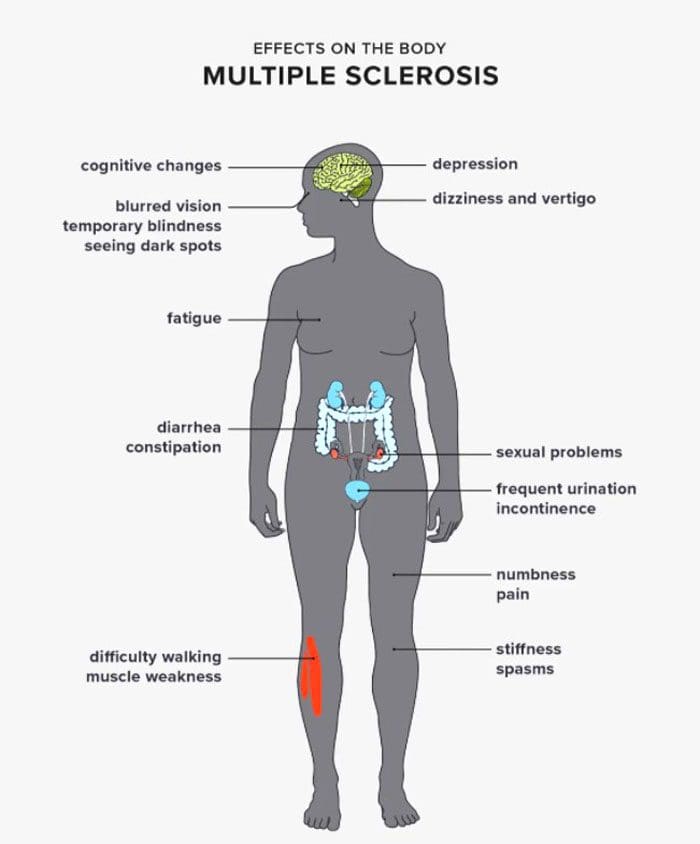
Multiple sclerosis and sciatica can exist side by side or have overlapping symptoms. The sciatic nerve begins at the lower back, then through the hips into the buttocks, and separates into both legs into the feet. Sciatica is a type of pain caused by a compressed/pinched or damaged/injured sciatic nerve. The sensation radiates across the nerve with frequency and severity at varying levels, depending on the individual’s body position and/or movement. Individuals with multiple sclerosis can also experience sciatica, believing it’s their multiple sclerosis. Neuropathic pain is a common symptom in multiple sclerosis or MS. It is caused by injury or damage to the nerves of the central nervous system and can cause burning, or sharp, stabbing sensations.
Multiple Sclerosis and Sciatic Nerve Pain Difference
MS is an autoimmune disorder where the immune system attacks the protective layer around nerve fibers known as myelin. This affects the central nervous system pathways that regulate feeling and sensation in the body. It can cause painful sensations that include:
Muscle spasms
Burning, tingling, or aching in the lower legs
Electrical shock-like sensations travel from the back toward the legs.
Migraines
The painful sensations result from the damaged nerve fibers creating interference in the brain’s neural pathways.
Sciatica works differently
An autoimmune response does not damage the sciatic nerve’s pathway, but an added stress/pressure compresses the sciatic nerve. The pain is usually caused by a quick, jerking, twisting, bending, reaching motion that pinches or twists the nerve. Herniated discs and bone spurs are another common cause, along with being overweight can place intense pressure on the sciatic nerve. The critical difference is that multiple sclerosis causes the central nervous system’s signaling pathways to malfunction.
MS and Sciatica
Most individuals, around 40%, will at some point experience some form of sciatica symptoms. This is from age, and all the wear and tear the low back goes through daily. This is why it’s not unusual for individuals with MS to experience sciatica as well. MS can cause body changes that affect activity levels.
Decreased mobility can lead to sitting for extended periods that can strain the muscles, tendons, and ligaments, causing sciatica.
There is evidence that the lesions that present from MS can extend to the sciatic nerve.
One study compared 36 individuals with MS to 35 individuals that don’t have it.
The research found that those with MS had slightly more lesions on the sciatic nerve than those without MS.
Sciatica Care
It can be challenging to figure out the types of pain being experienced. Sciatica travels down the length of the nerve uniquely and is often felt in only one leg. The pain, tingling, numbness, electrical sensations can present only in the lower back, the buttock, the back of the leg, hamstring, calf, and foot, or in a combination of all the areas. Treatments for sciatica depend on the severity. They include:
Medications – anti-inflammatories, muscle relaxants, tricyclic antidepressants, and antiseizure medications.
Steroid injections – corticosteroids
Surgery is a last resort reserved for severe cases that did not improve with other treatments and therapies.
It can be easy to mistake sciatica as a symptom or related condition of multiple sclerosis. Chiropractic can help alleviate sciatica, and although treatment cannot directly treat MS or its symptoms, it can relieve pain and discomfort.
Body Composition
Diabetic Nephropathy
Diabetic nephropathy or diabetic kidney disease is the result of mismanaged diabetes. Kidney failure is a severe medical emergency and can be fatal if not treated. Chronic low kidney function results in:
Fluid retention in the body.
Inability to filter out metabolites and waste from the blood.
Increased risk of infections.
Common symptoms of diabetic kidney disease include:
Increased blood pressure
This is the result of increased stress on the body.
The kidneys can no longer filter out all the metabolites and excess fluid needed to stabilize the blood pressure.
Chronic kidney damage results in the protein being excreted through urine.
Fatigue
Poor kidney function affects every organ in the body.
The organs have to work harder to compensate, leading to fatigue and low energy.
Lower extremity edema
Fluid retention usually presents in the lower extremities.
Puffy, swollen ankles and legs may appear shiny or waxy.
This is common in individuals that have severe diabetic nephropathy.
Shortness of breath
As the fluid builds up in the body, additional weight can get stored on and around the lungs.
This can make breathing very difficult when lying down or when engaged in physical activity.
Impaired cognition
Metabolites in the blood can cause brain damage when not filtered properly.
Memory loss
Mood changes
Loss of consciousness
References
Jende JME, et al. (2017). Peripheral nerve involvement in multiple sclerosis: Demonstration by magnetic resonance neurography. DOI:
10.1002/ana.25068
Mayo Clinic Staff. (2019). Sciatica.
mayoclinic.org/diseases-conditions/sciatica/symptoms-causes/syc-20377435
Murphy KL, et al. (2017). Chapter 4: Neuropathic pain in multiple sclerosis—current therapeutic intervention and future treatment perspectives.
ncbi.nlm.nih.gov/books/NBK470151/
Pain and itching. (n.d.).
nationalmssociety.org/Symptoms-Diagnosis/MS-Symptoms/Pain
Samson K. (2017). In the pipeline-multiple sclerosis neurography, MRI reveals peripheral nerve lesions in MS patients. DOI:
10.1097/01.NT.0000527861.27137.b0
Sciatica: Of all the nerves. (2016).
health.harvard.edu/pain/sciatica-of-all-the-nerve
When dealing with any kind of pain, many types of remedies can help alleviate the source of the pain. Whether muscle pain or cardiac tissue pain, the effects can be long-term if not appropriately treated. Doctors have discovered that low laser therapy can help repair injured muscles that patients have experienced. With low laser therapy, the beneficial effects can help repair injuries that the bodies’ skeletal and cardiac muscles have endured.
When the body gets injured, many people endure the pain later or during the accident. Sometimes the pain is short-termed or long-termed, depending on how severe the injury is. Short-term pain or “acute” pain can be simple, like a sprained joint; however, long-term pain or “chronic” pain, it’s more severe to the body and can have lasting effects. Chronic pain can hinder a person’s body from doing the most straightforward task. When people deal with chronic pain, it can drastically affect the body’s musculoskeletal system and even their cardiovascular system.
When the body’s musculoskeletal system is damaged, many complications can start affecting the joints in many different parts of the body. Chronic pain can cause inflammation throughout the body, causing a person not to have the energy to do any task they planned for the day. Sometimes the pain can be excruciating where the body just completely shuts down. When doctors see their patients, they ask them, “Where does it hurt?” meaning where the pain feels more excruciating on the person’s body. The patient will always tell their physicians that the pain is on their joints or back. So doctors would recommend low laser therapy.
Low Laser Therapy
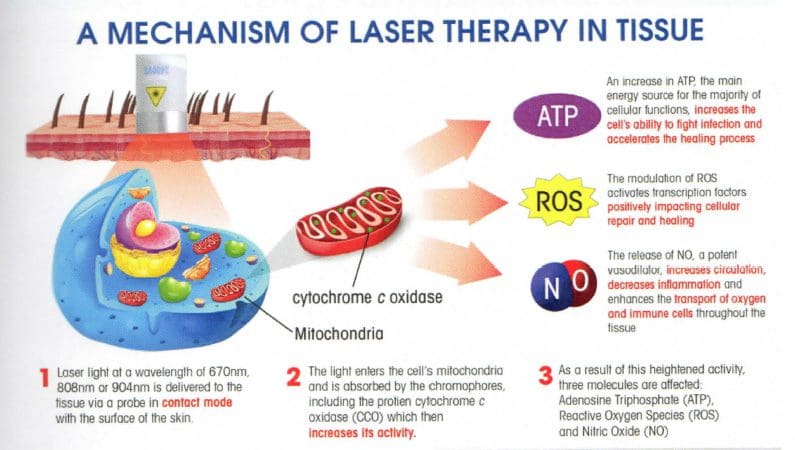
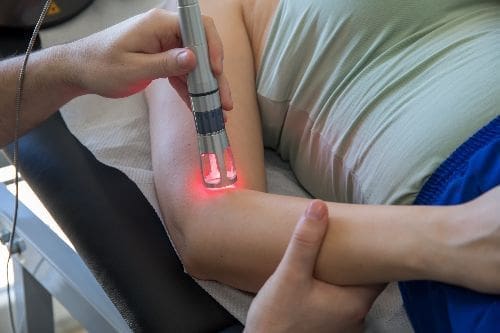
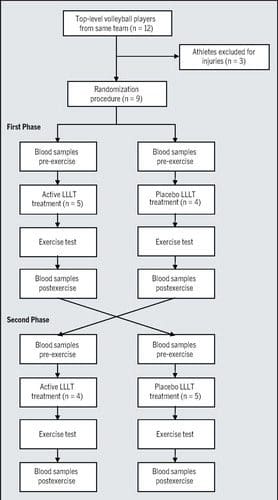
With low laser therapy or phototherapy, the effects from the treatment can alleviate the pain from the body. Studies show that the application of low laser therapy in injured muscles can significantly enhance muscle regeneration in multiple and frequent applications. Low laser therapy does target the injured muscles because it uses irradiation, which targets the affected muscle while increasing the body’s natural antioxidants and cytoprotective heat shock proteins (HSP-70i). Phototherapy can even help reduce muscle fatigue in athletes when they are in a post-exercise routine.
Studies have found that physical therapists use phototherapy as another form of recovery treatment for athletes. What the laser does is that when it is placed on the affected muscle and joint pain, the infrared wavelength penetrates the skin and starts to affect the targeted area. The infrared wavelengths cause therapeutic effects by decreasing oxidative stress accumulated by the body while also reactivating oxygen species production, improving the body’s mitochondrial function, etc. Another study also shows that phototherapy can also repair cardiac tissue. The study shows that when doctors use phototherapy, it directly affects the intracellular mechanisms in the heart while also activating heat-independent tissues without causing tissue damage to the heart. The study also shows that phototherapy can be effective in various complications, such as lymphoedema and muscular trauma.
Conclusion
All in all, low laser therapy has beneficial properties in preventing muscle and cardiac muscle tissue damage. Its infrared radiation can help patients go about their day without the pain and suffering that their body endures. By reducing ventricular dilatation and preserving the body’s mitochondria while elevating the HSP-70i, the body can start on the road to recovery.
References:
Leal Junior, Ernesto Cesar Pinto, et al. “Effects of Low-Level Laser Therapy (LLLT) in the Development of Exercise-Induced Skeletal Muscle Fatigue and Changes in Biochemical Markers Related to Postexercise Recovery.” Journal of Orthopaedic & Sports Physical Therapy, Aug. 2010, https://www.jospt.org/doi/10.2519/jospt.2010.3294.
Kazemi Khoo, Nooshafarin, et al. “Application of Low-Level Laser Therapy Following Coronary Artery Bypass Grafting (CABG) Surgery.” Journal of Lasers in Medical Sciences, Laser Application in Medical Sciences Research Center, 2014, https://www.ncbi.nlm.nih.gov/pmc/articles/PMC4291821/.
Oron, Uri. “Photoengineering of Tissue Repair in … – Medical Laser.” Photoengineering of Tissue Repair in Skeletal and Cardiac Muscles, 2006, http://medical.summuslaser.com/data/files/91/1585172203_ls8S6pcJwigZfZQ.pdf.
IFM's Find A Practitioner tool is the largest referral network in Functional Medicine, created to help patients locate Functional Medicine practitioners anywhere in the world. IFM Certified Practitioners are listed first in the search results, given their extensive education in Functional Medicine