The body is a connected whole and more than just separate parts and regions. When back pain presents, it might not be the back muscles or spine but could be tense, tight hips, and hamstrings causing low back pain. How it happens, how to stretch and loosen up, and target these areas could help alleviate the pain.
The Hips and Hamstrings
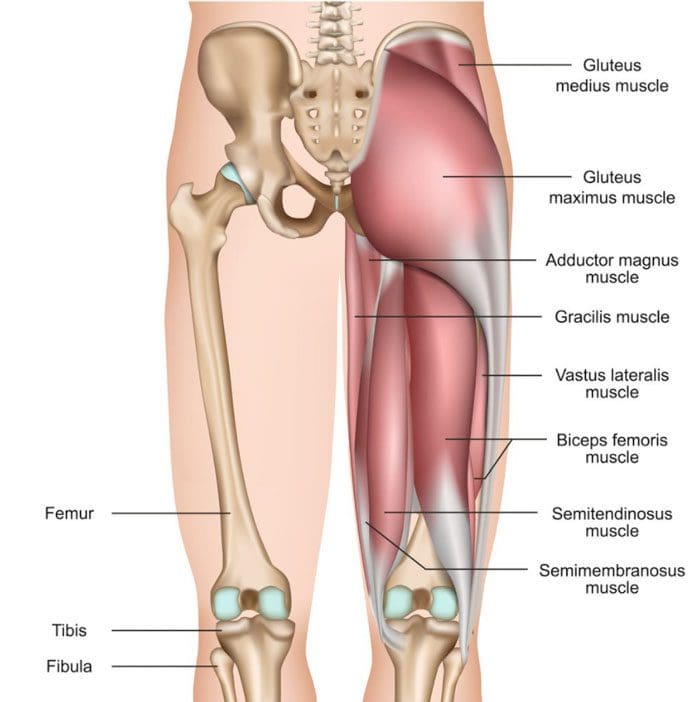
When the hip flexors and hamstrings become tense, the tightness can alter the pelvic alignment. This affects spinal alignment leading to discomfort and low back pain. The hip flexors are a group of muscles around the front of the hips, and they activate when moving the leg and knee upward. The hamstrings are the muscles in the back of the thighs that allow for flexion of the knees and hip extension. Muscle tightness in the hips and/or hip joint stiffness can also contribute to low back pain. Not being able to rotate, flex, or extend the hip forward or backward can affect:
Walking
Running
Swinging
Twisting movements
This increases mechanical strain on the lower back.
Losing the ability to function through the entire length of motion can also indicate muscle weakness and a lack of joint movement where the joint around the muscle becomes stiff. This can be caused by:
A lack of movement
Arthritis
Age-related changes
Stretching and Treatment
Stretching exercises can be the first line of treatment. It is recommended to start with gentle stretches targeting these areas. What works best for the individual is the stretch they are comfortable repeating enough to make a difference. Warming up the muscles first will generate the best results. An easy place to begin is a gentle forward fold stretch.
Stand up straight, or sit with the legs extended out in front.
Then, reach with the fingers toward the toes. Don’t worry if you can’t reach them.
If the stretching does not bring relief, it is recommended to progress to a personalized treatment and stretching program with a chiropractor or physical therapist. Chiropractic and physical therapy can relieve the problems without medication, injections, or surgery and provide lifelong techniques for maintaining optimal flexibility, mobility, and strength. The hands-on treatment loosens and relieves the tense tightness, reinforcing the flexibility and range of motion. Treatment includes:
Joint mobilization to the hips and spine.
Soft tissue mobilization.
A personalized strengthening program with stretches and exercises that target the specific muscles.
Health coaching.
Anti-inflammatory diet recommendations.
Body Composition
Monounsaturated Fats
Monounsaturated fat is considered healthy fat. This type of fat makes up a significant component of the Mediterranean diet. Studies have shown monounsaturated fats like extra-virgin olive oil can help prevent adverse events related to cardiovascular disease. A meta-analysis evaluating diets high in monounsaturated fats indicated a significant reduction in:
Triglycerides
Bodyweight
Systolic blood pressure in individuals with type II diabetes.
A significant increase in HDL or good cholesterol.
Another study showed the protective effects of monounsaturated fatty acids reduced the risk factors associated with metabolic syndrome and cardiovascular disease. Monounsaturated fats can have a positive impact on overall health. Monounsaturated fat sources include:
Olive, peanut, and canola oil
Avocados
Almonds
Pecans
Hazelnuts
Sesame and pumpkin seeds
References
Estruch, Ramón et al. “Retraction and Republication: Primary Prevention of Cardiovascular Disease with a Mediterranean Diet. N Engl J Med 2013;368:1279-90.” The New England journal of medicine vol. 378,25 (2018): 2441-2442. doi:10.1056/NEJMc1806491
Gillingham, Leah G et al. “Dietary monounsaturated fatty acids are protective against metabolic syndrome and cardiovascular disease risk factors.” Lipids vol. 46,3 (2011): 209-28. doi:10.1007/s11745-010-3524-y
American College of Physicians. (February 2017) “American College of Physicians issues guideline for treating non-radicular low back pain” https://www.acponline.org/acp-newsroom/american-college-of-physicians-issues-guideline-for-treating-nonradicular-low-back-pain
MedlinePlus. (2019) Hip flexor strain – aftercare https://medlineplus.gov/ency/patientinstructions/000682.htm
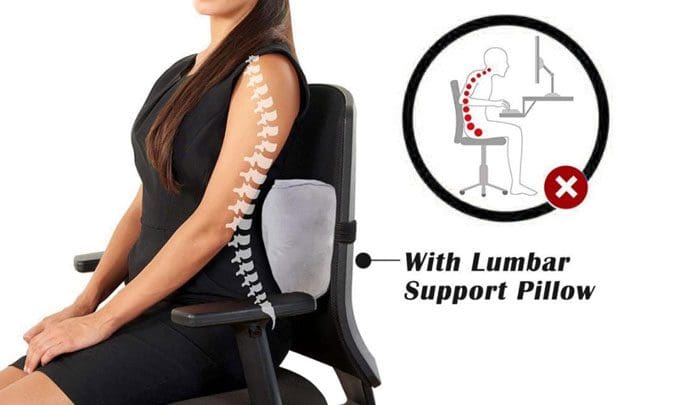
The low back is made up of five vertebrae, L1 to L5. Pain in the low back is common, specifically because of all the sitting at work, school, and home. Individuals dealing with low back pain know how difficult it can be to sit without discomfort and have found that a low back support pillow can help.
Low Back Support Pillow
A lumbar pillow is a pillow that supports the low back region of the spine. Different types include:
Specially shaped pillows made from materials like memory foam.
Lumbar pillows can be used on any chair at the office or home.
They are also helpful for travel with small-sized versions that can be packed and easy to carry.
How Lumbar Pillows Help
According to the CDC, the average adult spends around 6.5 and 8 hours a day sitting. Constant sitting hurts the body, specifically the spine and the back muscles, and is a significant cause of muscle stress. Properly supporting the low back helps remove the stress and strain. A low back support pillow can help correct sitting posture.
Pillow Options
There are plenty of options for low-back support pillow shapes, sizes, fillings, and materials. These include:
Some look like a half-cylinder in shape, rectangular, and curved.
Personal preference and comfort are different for everybody, and it could take some trial and error to find the right lumbar pillow. Some pillows are customizable, allowing the ability to add or remove filling as needed. Talking with a spine specialist, orthopedist or chiropractor can help in figuring out what type is best. Pillows come in various price ranges, with some at $10-15, while others can cost $100 or more. However, any pillow that provides enough support for the low spine’s natural curvature can work. It is important to be comfortable and supported to prevent pain and injury no matter where you sit.
Body Composition
Fermentable and Nonfermentable Fiber
The entire body can host trillions of beneficial bacteria. The majority live in the intestines and are referred to as the gut microbiome. Also known as the forgotten organ, these bacteria have a say in the body’s composition and overall health. The beneficial bacteria thrive on fermentable fiber, and fermentation in the gut produces short-chain fatty acids like:
These help suppress gut inflammation and can reduce the risk of various digestive disorders like:
Irritable bowel syndrome
Crohn’s disease.
Ulcerative colitis.
Foods that are rich in fermentable fibers include:
Oats
Barley
Fruit
Vegetables
Cereal fibers that are rich in cellulose, like wheat bran, are nonfermentable.
References
“What is Memory Foam?” Sleep Foundation, Seattle, WA. August 2020. https://www.sleepfoundation.org/mattress-information/what-is-memory-foam
“Association Between Sitting Time and Cardiometabolic Risk Factors After Adjustment for Cardiorespiratory Fitness, Cooper Center Longitudinal Study, 2010–2013.” Centers for Disease Control, Atlanta, GA. December 2016. https://www.cdc.gov/pcd/issues/2016/16_0263.htm
“Ergonomics for Prolonged Sitting.” The University of California at Los Angeles, Los Angeles, CA. https://www.uclahealth.org/spinecenter/ergonomics-prolonged-sitting
“Workplace sitting is associated with self-reported general health and back/neck pain: a cross-sectional analysis in 44,978 employees.” BMC Public Health, London, UK. May 2021. https://pubmed.ncbi.nlm.nih.gov/33957889/
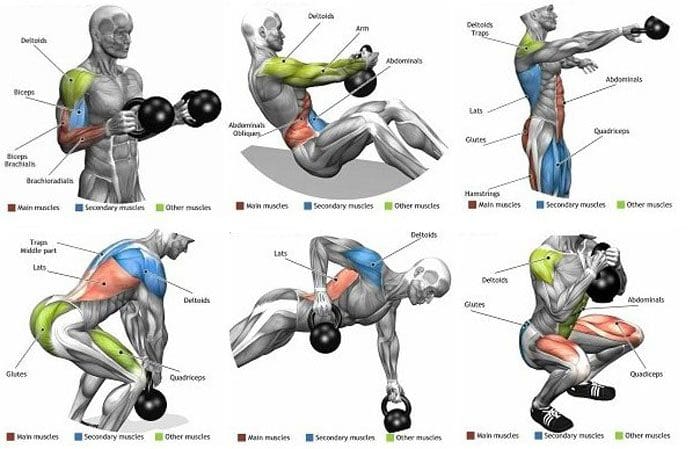
Kettlebell training for the back muscles and back pain prevention can be part of a recommended treatment plan. When experiencing low back pain, many sports medicine experts recommend kettlebell exercise to strengthen the core and posterior chain. However, if not used correctly, kettlebell exercises can worsen back pain.
Kettlebell
They are made of cast iron or steel and are named for resembling a tea kettle with an oversized handle. They can be used in one and two-handed movements.
Exercises and Movements for Back Pain
For individuals that are not experiencing back pain, kettlebell training can be excellent for maintenance and injury prevention. They strengthen the core and back muscles.
The kettlebell swing is an essential exercise and is one of the most important exercises when dealing with back pain issues.
A kettlebell is placed on the floor about 12 inches in front while standing with the feet a little wider than hip-distance.
The hips become the hinge.
Extend the arms down to the bell and grip it.
Begin swinging it up and down through the legs and then upward and outward to chest level.
The shoulders are to stay relaxed.
The hips are used to thrust and create momentum to swing the kettlebell.
Keep the spine neutral throughout the exercise to prevent injury.
The arms are to hold the bell only.
Don’t swing with the arms or shoulders, but push through with the hips.
The exercise can be swung up over the head but is not recommended for those with back pain.
Benefits
They are portable and don’t require a lot of space.
With kettlebells, an individual can train more easily than with barbells.
Kettlebell workouts provide strength training and cardiovascular fitness.
Once the proper technique is learned, individuals can set up a regular regimen at home.
Proper Form and Mistakes
Proper form is crucial. The primary movement most individuals have difficulty with is getting the proper hinging motion at the hip. Most individuals flex at the lower back and place increased pressure on the discs. Proper hip hinge motion means:
Keeping the low back straight
Flexing at the hip
Pushing back out with the buttocks when performing the swing motion.
When done correctly, an individual should be able to stop at any stage and hold that position.
Posture Form Tips
Form issues with kettlebells include:
Hip Hinge
When picking up the kettlebell, remember to hip hinge instead of squatting to maintain the back in a neutral position.
Drive the hips back in the same way when sitting down on a low chair.
Arching the back
If the pelvis is tilted too far forward, the back arches a lot.
This can narrow where the nerves leave the spine in the low back.
Keep the abdominals tight to prevent the pelvis from tilting forward.
Using the incorrect weight can also cause problems; this could be going too heavy or too light.
Too heavy increases the risk of straining the body and back.
A kettlebell that is too light does not provide the correct resistance to strengthen the muscles.
Another common mistake is overtraining. Specifically, individuals over 50 whose bodies don’t recover as quickly.
Individuals over 50 are recommended to spread out the workout days with more than one rest day.
Common Injuries
Proper training before working with kettlebells is highly recommended, especially for those already dealing with back pain. Individuals are encouraged to work with a physical therapist, sports chiropractor, or personal trainer who can teach proper techniques and specific exercises, observe the individual’s process, and make corrections. Improper technique can lead to:
Muscle strains.
Muscle spasms.
Compressed or pinched nerves.
Added stress to pre-existing low back conditions.
Impact injuries to the wrist and forearm.
Body Composition
Exercise Ball Pikes
Exercise ball pikes are an advanced total body workout. Muscle groups worked out include:
Deep abdominals
Hip abductors
Quadriceps
Deltoids
Scapula stabilizers
Pectoralis major/minor
To do the exercise:
Start in a pushup position with the arms on the floor in front.
Lift the legs, so the tops of the feet rest on the exercise/stability ball.
Knees should be bent to start the movement.
Extend the legs out as straight as possible.
Hold the position for a few seconds.
Return to the starting position.
References
Common Injuries Associated with Kettlebells: ACSM’s Health & Fitness Journal (March/April 2017) “Managing Risks of Training with Kettlebells to Achieve Optimum Benefits.” https://journals.lww.com/acsm healthfitness/Fulltext/2017/03000/MANAGING_RISKS_OF_TRAINING_WITH_KETTLEBELLS_TO.6.aspx
We see it on all types of athletes nowadays. They are wearing tape that looks like it’s for an injury. It is for injuries, but it can also be used as a preventative measure to avoid injuries. It is known as Kinesiology, Kinesio, KT, and elastic tape. It reduces swelling, increases mobility, and expedites recovery. It can be beneficial with back soreness/pain.
Tape
When it comes to Kinesio tape for back pain, medical professionals reported the tape is most effective when incorporated with other pain treatments. A study found that taping various areas of the body safely relieved knee pain and reduced the need for pharmacological treatment for knee osteoarthritis. It is applied to the body to support a joint, improve circulation, or provide proprioception feedback to the brain. The tape can help increase awareness of a specific painful area, reminding the individual to maintain proper posture and not move in a way that causes pain. Online videos can teach how to tape a particular area of the body. Examples include:
Each joint and muscle requires various tapings or different patterns and directions. Applying the tape to body areas that an individual can reach and access, like the knee and ankle, can be simple. But it can be a challenge to apply it to the shoulder or back. This is when a physical therapist, chiropractor, medical clinician, partner, family member, or friend can help with the application. Kinesiology tape is designed to adhere for an average of three to four days, even when bathing.
Benefits
Kinesio taping for low back pain with help should be done in a shortened muscle position, meaning the person helping should apply the tape while the person experiencing back pain stands up straight. The taping can be two stripes going up and down, or it can be done with strips fanning out towards the buttocks. This gives support to the spine/back muscles and decreases pain.
Recovery and Prevention
Recovery from a spine condition or injury prevention, kinesiology tape can be used without any risk. It can help reduce pain, improve circulation, and provide muscle support. For a minor sprain or strain, the tape could help on its own. But for an individual experiencing severe back pain, it is recommended to seek professional medical care along with a stretching and strengthening regimen. The tape is recommended to be used as part of a complete treatment plan.
Body Composition
Five-Day Training Plan
The idea of training five times a week can be pretty intimidating. This is not about pushing yourself to your breaking point Monday through Friday. The objective of working out this frequently is about exercising normally, not like a professional athlete. That’s why many individuals divide up the areas they work out each day. Particular attention is given to one muscle group or system, letting the others rest and recover. This workout strategy is called a split and is favored by the bodybuilding community. Five-day splits are utilized to target different major muscle group/s every day. A standard training plan includes:
This is just one of the many programs that trainers, athletes, and fitness individuals have developed. Some individuals replace shoulders day with cardio; some do abs every day; it depends on what fitness goal the individual is going for.
References
Journal of Bodywork and Movement Therapies. (April 2016) “Kinesio taping for chronic low back pain: A systematic review” https://pubmed.ncbi.nlm.nih.gov/27634093/
Therapeutic Advances in Musculoskeletal Disease. (August 2019) “The effectiveness of Kinesio Taping® for pain management in knee osteoarthritis: a randomized, double-blind, controlled clinical trial” https://journals.sagepub.com/doi/full/10.1177/1759720X19869135
What are the potential benefits for back pain?: Asian Journal of Sports Medicine. (June 2015) “Low Back Pain in Athletes” https://www.ncbi.nlm.nih.gov/pmc/articles/PMC4592766/
Relaxing the low back muscles. The low back supports the weight of the upper body and provides mobility. The lumbar spine/low back is a complex structure of interconnecting:
Bones
Joints
Nerves
Ligaments
Muscles
All work together to provide support, strength, and flexibility.
However, this complex structure is highly susceptible to injury and pain. The muscles in the low back support the spinal column and are responsible for flexing, rotating the hips when walking. The nerves in the low back supply sensation and power the muscles in the pelvis, legs, and feet. The most common acute low back pain cases are brought on from injury to the:
Muscles
Ligaments
Joints
Discs
The body also reacts to injury by triggering an inflammatory response. Inflammation can cause severe pain. The key is relaxing the muscles and keeping them loose.
Lower back pain causes
The most common cause is muscle spasms, which can be triggered by:
Quick awkward movements like twisting, reaching, and/or bending at the wrong angle can set off pain symptoms.
If the same back muscles are getting strained and/or pulled continuously, this could indicate an underlying problem with a misaligned vertebra.
Correct improper postures
Improper posture and body positioning eventually present with discomfort and pain. Individuals are constantly hunched over and slumped in front of computers and devices, along with sitting with crossed legs, sleeping on a non-supportive mattress, and there is a perfect recipe for low back pain. Adjusting sitting, desk, and computer ergonomics and using smart devices with posture awareness will go a long way to correct improper posture.
Stretch and loosen tight muscles
Stretch out throughout the day and before going to bed. Sitting all day at work, then going home and sitting all evening is not healthy for the body’s muscles. The muscles shorten, as do the ligaments and tendons. Stretching keeps the body loose and limber. Try out different forms of stretching, as well as foam rolling for the back.
Get the body moving
Cramped or pulled muscles need time to recover. Too much rest or being completely inactive makes sense but is not recommended. Light movement keeps the blood flowing, especially in and around the injured/sore area. This increases healing and shortens recovery time. Just some light walking is recommended. Getting up and moving while relaxing around the house will get the muscles back in shape.
Body Composition
Benefits of collagen
Gastrointestinal Health
Collagen generates a protective barrier effect on the intestinal mucosa that lines the digestive tract. One study found that collagen supplementation protects against the breakdown of the intestinal wall after a burn injury. A lack of collagen from aging or other factors could impair the structure of the intestinal mucosa. This could lead to digestive problems like leaky gut syndrome and irritable bowel syndrome.
Joint Health and Mobility
Collagen provides structure and cushion in the joints. As the body ages, the cushion wears down, and joint mobility decreases. This increases the risk of injury. Taking collagen supplements can help improve symptoms of osteoarthritis, rheumatoid arthritis, and other conditions.
References
Finta, Regina et al. “The effect of diaphragm training on lumbar stabilizer muscles: a new concept for improving segmental stability in the case of low back pain.” Journal of pain research vol. 11 3031-3045. 28 Nov. 2018, doi:10.2147/JPR.S181610
Lugo, James P et al. “Efficacy and tolerability of an undenatured type II collagen supplement in modulating knee osteoarthritis symptoms: a multicenter randomized, double-blind, placebo-controlled study.” Nutrition journal vol. 15 14. 29 Jan. 2016, doi:10.1186/s12937-016-0130-8
National Institute of Neurological Disorders and Stroke. Pain: Hope Through Research. https://www.ninds.nih.gov/Disorders/Patient-Caregiver-Education/Hope-Through-Research/Pain-Hope-Through-Research. June 9, 2017.
Recent studies have begun to show that back pain apps can enhance the body’s recovery when combined with conservative treatments and physical activity/exercise. Low back pain – LBP can interfere with everyday activities, work, school, and sleep making life miserable. All around the world low back pain is one of the leading causes of disability. Studies have shown how physical activity/exercise, mindfulness, and spinal manipulation can reduce symptoms more effectively. Exercise has been shown to reduce anxiety and increase positive outlook/mood. However, the biggest problem for individuals is finding activities/exercises that they can enjoy and sticking with them. Individuals that use back pain apps have reported the benefits of being guided through the exercises and meditation that help decrease their pain.
Back Pain Apps
Several back pain apps utilize the brain and body connection. They provide exercises for the body and meditation to help the mind relax and work out and through the pain. The brain is the computer, the software is the mind and the hardware is the body. The brain is linked to the nervous system. Apps that help with psychosocial and behavioral issues have shown the ability to reverse the negative thinking of individuals with chronic pain. For individuals that don’t like exercising, there are apps to help address various barriers and obstacles.
They’re ready when and where you are
They track progress
They match guidance messages based on responses
They provide positive reinforcement
Before starting, if the answer is yes to any of the following questions consult with a physician first:
Is leg pain presenting?
Is there constant pain at night?
Is there a history of a recent accident or injury?
Effectiveness of Apps
A 12-week controlled trial in 2019, of individuals with low back pain, found that those who used an app did statistically better, in reducing their pain compared to the control group. The trial consisted of:
Those in the treatment group that completed the program found their pain level (based on a 100-point scale) had reduced 62% from a level of 44 to 14. Compared to an 8% reduction in the control group. However, scientific evidence on specific apps is limited and requires further research. However, the apps that scientists studied include:
A review of 25 apps for low back pain found the higher the price, the higher the app scored in the scientific study. The apps with the top scores included:
Strengthening exercises
Stretching
Core stability exercises
They were:
Interesting
Entertaining
Interactive
Customizable
The Lower Back Pain App, developed by a physiotherapist, scored the highest. It is a 10-week program where users are directed each week to perform three exercises twice daily. The exercises focus on:
Spinal mobility
Stability
Muscle strengthening
Instructions are given through videos and writing.
Back Pain Specific Apps
A variety of back pain-specific applications are available. Try them out and see which fits your style. They are there to guide, strengthen the body, help relax, and lessen the pain.
Body Composition
Chronic Stress
Chronic stress is like poison to the body. It negatively impacts every aspect of the body’s health and is more dangerous because of its ability to present without realizing it. One of the body’s systems responsible for handling difficult situations is the immune system. Specifically, cells of the immune systems have receptors that recognize stress hormones like cortisol. Acute stress can cause immune system problems by increasing the release of inflammatory cytokines that are a special type of immune cell. Stress, immunity, and disease can affect each other. But these relationships can be moderated by:
What is important is to develop a healthy strategy to relieve the symptoms of stress like meditating, exercising, and spending time with friends/family.
References
Best Evidence Rehabilitation for Chronic Pain Part 3: Low Back Pain https://www.ncbi.nlm.nih.gov/pmc/articles/PMC6679058/
Current Directions in Stress and Human Immune Function. Current opinion in psychology vol. 5 (2015): 13-17. doi:10.1016/j.copsyc.2015.03.007 https://www.ncbi.nlm.nih.gov/pmc/articles/PMC4465119/
The Role of Psychosocial Processes in the Development and Maintenance of Chronic Pain https://pubmed.ncbi.nlm.nih.gov/27586832/#affiliation-1
Assessment of the Quality of Mobile Applications (Apps) for Management of Low Back Pain Using the Mobile App Rating Scale (MARS) https://www.ncbi.nlm.nih.gov/pmc/articles/PMC7763508/#B12-ijerph-17-09209
Surgical versus nonsurgical treatment of chronic low back pain: A meta-analysis based on current evidence https://pubmed.ncbi.nlm.nih.gov/26406211/
Randomized controlled trial of a 12-week digital care program in improving low back pain https://www.ncbi.nlm.nih.gov/pmc/articles/PMC6550254/#CR8
Evaluation of Self-Management Support Functions in Apps for People With Persistent Pain: Systematic Review https://mhealth.jmir.org/2019/2/e13080/
App-based multidisciplinary back pain treatment versus combined physiotherapy plus online education: a randomized controlled trial https://www.nature.com/articles/s41746-019-0109-x
Tennis is a sport that can be enjoyed by individuals of all ages and provides optimal physical activity and cardiovascular exercise. Although it can be leisurely, it does require being light on the feet with quick, starting, stopping, turning, and twisting movements for those new to playing tennis. If back pain is present, playing can be difficult. One study showed almost 40% of tennis players missed one or more tournaments because of low back pain/problems. A 2016 study found that tennis players with low back pain have difficulty moving their muscles with ease.
Know and Understand the Risks
Playing tennis has its risks when it comes to back pain. What can bring on or worsen back pain are the repetitive motions, like swinging, serving, volleying, and the uneven force placed on the body. This force is the power and momentum that is used for certain swings like serving and forehands. What happens is it does not evenly distribute through the body, increasing the potential to cause strains and sprains. For example, the serving motion repeatedly puts a hyperextension force through the spine. The result is overuse injuries.
Preparation
No one wants to injure their back for those new to tennis and those who have been playing for years. This is where off-court conditioning comes in and preventive measures. This includes:
Don’t play for too long when starting or multiple days in a row
Gradually increase the frequency and intensity
Focus on the fundamental skills rather than trying to blast the ball like the pros.
Trying to smash the ball too soon can result in a rotator cuff injury.
Stay Aware of Your Body
Playing tennis can cause an individual to become distracted; however, it’s crucial to be mindful of the body and what’s going on.
Pay attention to the heat.
Humidity
Proper rest between games
Hydration to prevent muscle cramping
Stretching before and after playing
Warming up and cooling down
Take a break and stretch out if pain symptoms present.
Never play through the pain that could result in worsening or creating new injuries.
Pay attention to proper form.
Apply modifications to prevent and avoid worsened back pain. This could be serving more simply or hitting around a stroke that generates pain symptoms.
Cooling Down
After a match, rehydrate the body and cool down. This could be a little walking around the court, if possible getting in a pool or water splash park, and let the musculoskeletal system recover. Do some spinal exercises afterward, like yoga poses. Applying anti-inflammatory creams or gels can help keep the muscles loose and promote circulation. Anti-inflammatory foods can help with pain and inflammation.
Spinal Conditions
There are individuals with spinal conditions that should not play tennis. These include:
Acute disc herniation
Active bone injury/s – fractures and stress fractures
Spinal instability – spondylolisthesis
Post-spine surgery
A spinal condition involving nerves and/or the spinal cord
Consult a doctor before adding tennis to a physical regimen. Tennis is an aerobic activity that has several benefits. It keeps the body physically active for mental and physical wellness. The hormones released can help mitigate musculoskeletal pain and negative emotions like depression and anxiety that can come from experiencing back pain.
Body Composition
Magnesium
Magnesium supports a healthy immune system. It helps maintain:
Aids muscle relaxation after exercise/physical activity
Magnesium is essential in several biochemical reactions; a slight deficiency can increase cardiovascular disease risk. Deficiency can also lead to an increased risk of insulin resistance. Magnesium-rich foods are also high fiber foods. Dietary fiber helps with:
Digestion
Helps control weight
Reduces cholesterol
Stabilizes blood sugar
Recommended sources of Magnesium include:
Green vegetables – spinach, swiss chard, and turnip greens
Nuts – almonds and cashews
Seeds
Legumes
Cocoa
References
Clinics in Sports Medicine. (April 1988) “Low back pain in the competitive tennis player.” https://europepmc.org/article/med/2968850
Journal of Science and Medicine in Sport. (April 2016) “Trunk muscle activation, fatigue and low back pain in tennis players” https://www.sciencedirect.com/science/article/abs/pii/S1440244015000845
Jahnen-Dechent, Wilhelm, and Markus Ketteler. “Magnesium basics.” Clinical kidney journal vol. 5,Suppl 1 (2012): i3-i14. doi:10.1093/ndtplus/sfr163
Katz, David L et al. “Cocoa and chocolate in human health and disease.” Antioxidants & redox signaling vol. 15,10 (2011): 2779-811. doi:10.1089/ars.2010.3697
Wang, Jinsong, et al. “Dietary magnesium intake improves insulin resistance among non-diabetic individuals with metabolic syndrome participating in a dietary trial.” Nutrients vol. 5,10 3910-9. 27 Sep. 2013, doi:10.3390/nu5103910
IFM's Find A Practitioner tool is the largest referral network in Functional Medicine, created to help patients locate Functional Medicine practitioners anywhere in the world. IFM Certified Practitioners are listed first in the search results, given their extensive education in Functional Medicine