Integrative Chiropractic Care at El Paso Back Clinic: Natural Recovery Without Surgery
Many people struggle with back pain, joint stiffness, or injuries from daily life, work, or accidents. They look for lasting relief that helps them move freely again. At El Paso Back Clinic, integrative chiropractic care stands out as a natural, effective way to address these issues. Led by Dr. Alexander Jimenez, the clinic focuses on fixing the root causes of pain through structural chiropractic adjustments and supportive therapies. This approach restores proper alignment, improves movement, and accelerates the body’s natural healing without the need for surgery or heavy medications.
The team at El Paso Back Clinic believes in treating the whole person. They combine hands-on chiropractic care with physical therapy and other non-invasive methods to create lasting results. By focusing on structure and function, patients often avoid surgery and return to active, pain-free lives. This integrative style has helped countless individuals in El Paso recover from personal injuries, auto accidents, and chronic back problems.
What Makes Integrative Chiropractic Care Different?
Integrative chiropractic care at El Paso Back Clinic goes beyond quick fixes. It looks at how the spine, nerves, muscles, and joints work together. When the spine is out of alignment, it can press on nerves and cause pain, weakness, or limited motion. Chiropractic adjustments gently realign the body to free up those nerves and restore normal function.
Unlike traditional care, which might only mask symptoms, this method treats the root cause. Structural chiropractic adjustments correct posture issues, ease muscle tension, and improve overall body mechanics. When paired with physical therapy exercises, patients build strength and flexibility that lasts.
Here are the main benefits of this approach:
It uses natural techniques to reduce inflammation and promote better blood flow.
It restores functional movement so everyday tasks feel easier.
It helps prevent future injuries by fixing poor alignment early.
It fits perfectly with the body’s own repair systems for long-term wellness.
Dr. Jimenez and his team emphasize that true healing starts with proper structure. Their clinical observations show that patients who receive consistent chiropractic care often report faster recovery and greater confidence in their bodies. (Jimenez, n.d.-c)
How Supportive Therapies Enhance Chiropractic Results
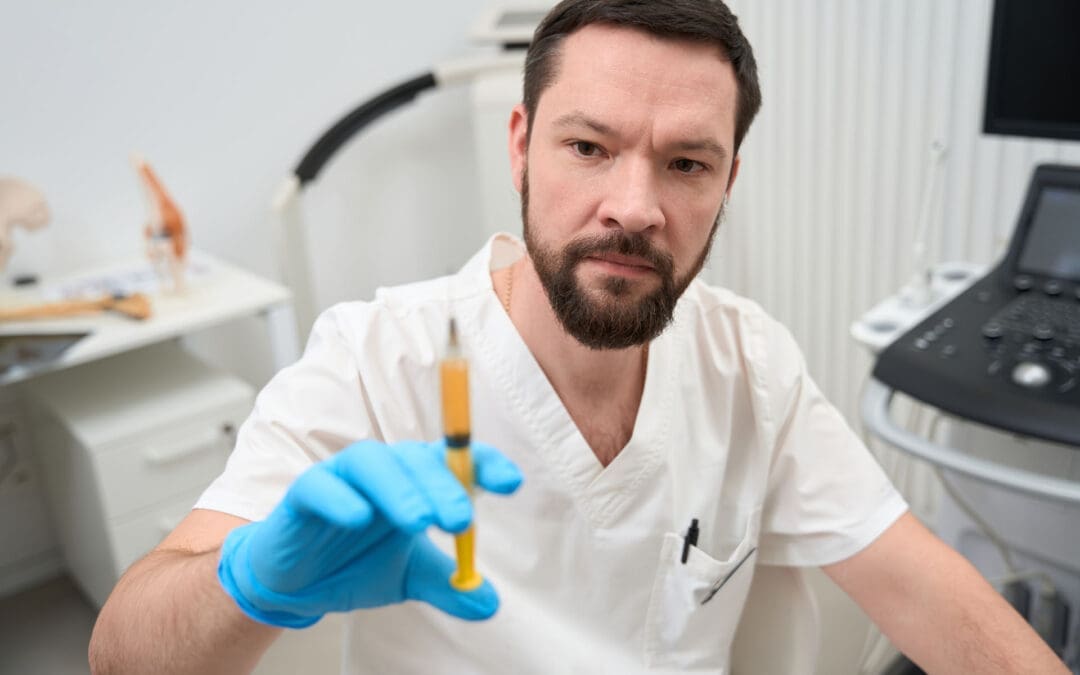
While structural chiropractic care forms the foundation, El Paso Back Clinic sometimes uses supportive therapies to further enhance healing. These non-surgical options work in the background to stimulate the body’s natural processes. They include concentrated healing cells from a patient’s own blood or fat, along with signaling molecules like peptides. These tools act as gentle stimulants that help repair damaged tissues and lower swelling.
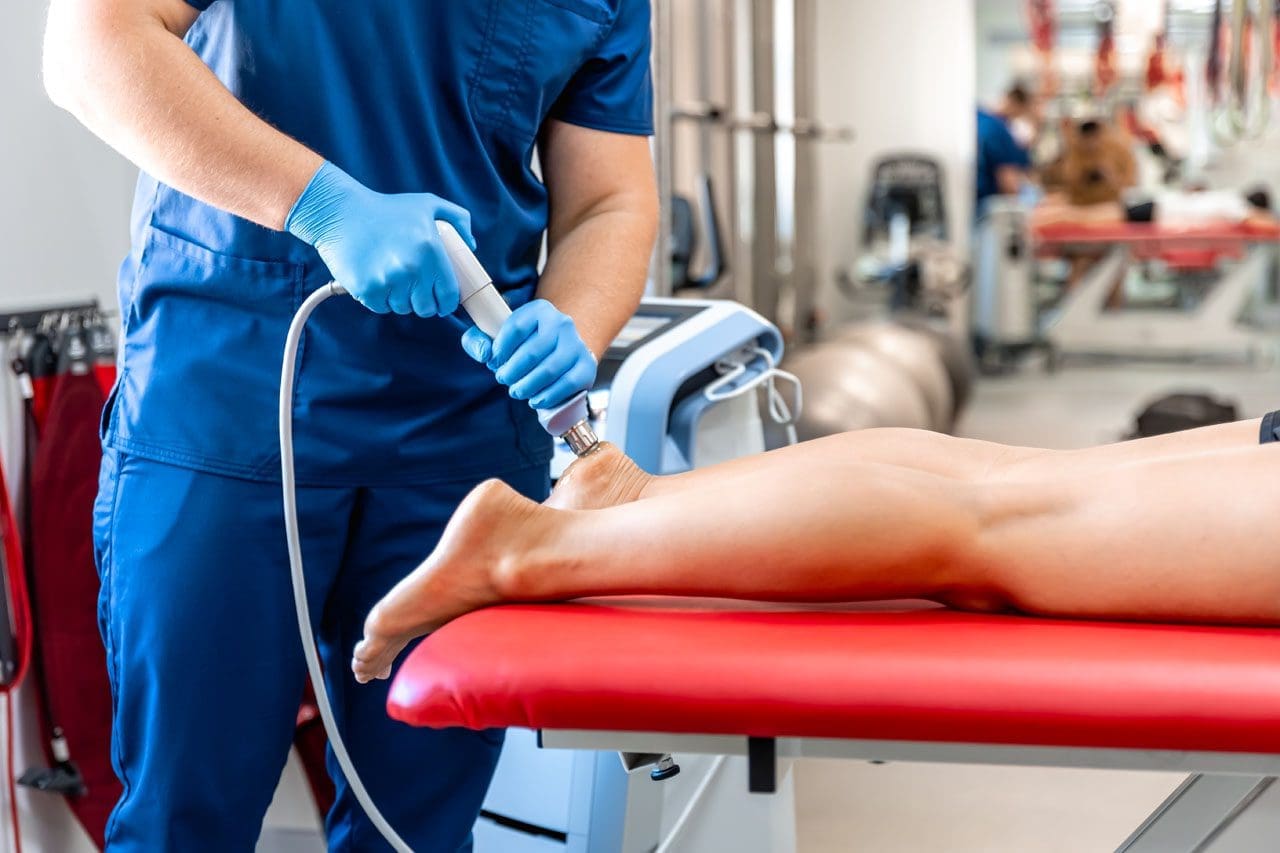
For example, platelet-rich plasma (PRP) and similar options can support tissue repair after chiropractic adjustments have created better alignment. Shockwave therapy is another tool that pairs well with chiropractic care. It sends sound waves to increase blood flow and break down scar tissue, making adjustments more effective and recovery quicker.
The clinic’s integrative practice keeps these supportive methods secondary to the main chiropractic focus. The goal remains the same: fix the root problem and restore normal movement. This combination helps patients with back pain, sciatica, or soft tissue injuries heal faster without invasive procedures.
Key ways these supportive tools work alongside chiropractic care include:
They speed up the body’s natural repair after adjustments open up better nerve pathways.
They reduce inflammation so patients feel relief sooner during physical therapy sessions.
They support long-term tissue strength, helping chiropractic corrections last longer.
They fit into a holistic plan that avoids surgery and heavy reliance on pain pills.
This balanced method has shown strong results in personal injury and sports-related cases. (StemWave, 2024; El Paso Chiropractic, n.d.)
Dr. Alexander Jimenez’s Integrative Approach at El Paso Back Clinic
Dr. Alexander Jimenez, DC, APRN, FNP-BC, leads the clinical team at El Paso Back Clinic with more than 30 years of experience. As a chiropractor first, he specializes in structural care that restores spinal alignment and functional movement. His dual background allows him to blend chiropractic adjustments with advanced rehabilitation techniques for complete recovery.
At the clinic, Dr. Jimenez focuses on finding and treating the true source of pain. He uses gentle adjustments, spinal decompression, and targeted exercises to resolve issues like herniated discs, sciatica, and scoliosis. Supportive regenerative options stay in the background as beneficial additions that enhance the primary chiropractic work.
His clinical observations highlight how this integrative style helps patients recover from trauma with greater strength and confidence. Many who visit El Paso Back Clinic after car accidents or work injuries see big improvements in mobility and daily function. Dr. Jimenez often notes that addressing structure first sets the stage for the body to heal naturally. (Personal Injury Doctor Group, 2026)
What patients can expect at the clinic includes:
Thorough exams that spot hidden alignment problems or nerve pressure.
Customized chiropractic plans that include physical therapy and movement training.
Supportive therapies are used only when needed to enhance overall outcomes.
Focus on nutrition and lifestyle tips to keep the body strong between visits.
The clinic’s multidisciplinary team of chiropractors and physical therapists works together under Dr. Jimenez’s guidance. This team approach ensures every patient receives care tailored to their needs. (Jimenez, n.d.-a)
Real Results for Personal Injuries and Everyday Back Problems
Life can bring sudden injuries from auto accidents, sports injuries, or repetitive work strain. These issues often lead to back pain, stiff joints, or limited motion. At El Paso Back Clinic, integrative chiropractic care shines in these cases by correcting structure and supporting natural recovery.
For auto accident victims, chiropractic adjustments help with whiplash and spinal misalignment that can cause long-term discomfort. Physical therapy builds strength, while supportive therapies in the background reduce swelling and speed tissue repair. Sports injuries, such as strains or tendon problems, also respond well. Athletes regain a full range of motion and return to play with less risk of re-injury.
Patients often notice these advantages:
Faster return to work or favorite activities, with less downtime.
Reduced need for pain medications that can have side effects.
Stronger, more stable joints thanks to proper alignment and support.
Overall, a better quality of life with less daily discomfort.
One review of integrative care found that patients with chronic back issues experienced steady progress and avoided surgery when chiropractic was the primary focus. (Ortho Edge El Paso, n.d.; West Texas Pain, n.d.)
The clinic’s location in El Paso makes it convenient for local families and workers seeking natural solutions. Many patients report feeling renewed energy after a few sessions of structured chiropractic care.
Why This Chiropractic-First Method Promotes Lasting Wellness
Traditional treatments sometimes rely on temporary relief or major operations. Integrative chiropractic care at El Paso Back Clinic takes a smarter path. It works with the body’s design by correcting alignment and supporting its natural repair abilities.
Younger bodies heal quickly on their own, but aging or repeated stress can slow the process. Chiropractic adjustments keep the spine and joints in proper position so healing happens efficiently. Supportive therapies like shockwave therapy or concentrated healing cells remain in the background to provide an extra nudge when needed.
This non-surgical style offers clear advantages:
No scars or infection risks that come with operations.
Better long-term mobility and fewer flare-ups.
A focus on prevention ensures problems do not become big ones.
Improved posture and movement that benefit overall health.
Experts agree that fixing the root cause leads to the best recovery. When chiropractic care leads the way, patients often experience lasting relief and greater confidence in their bodies. (New Regen Ortho, n.d.; Serenity Health Care Center, n.d.)
At El Paso Back Clinic, the emphasis remains on empowering patients through structure and function. Dr. Jimenez’s team helps people of all ages live more active, pain-free lives.
Moving Forward With Natural, Effective Care
Integrative chiropractic care at El Paso Back Clinic provides a clear path for anyone dealing with back pain or injury. Structural adjustments form the core, restoring alignment and functional movement. Supportive therapies work quietly in the background to stimulate the body’s natural healing without surgery or strong drugs.
This holistic method addresses the root causes of problems and helps patients recover faster from personal injuries, auto accidents, and sports injuries. Under Dr. Alexander Jimenez’s guidance, the clinic delivers care that fits real life and delivers real results.
If back pain or limited motion holds you back, consider the integrative chiropractic approach at El Paso Back Clinic. It proves that sometimes the best way forward is to work with the body’s own systems through skilled, hands-on care.
El Paso Back Clinic Shockwave Therapy: A Non-Surgical Option for Chronic Pain
Why Real ESWT Matters for Deep Healing at an Integrative El Paso Back Clinic
When people hear the term shockwave therapy, they often assume every machine is the same. It is not.
Some devices are true medical Extracorporeal Shockwave Therapy (ESWT) systems. Other devices are weaker radial pressure wave tools that are sometimes marketed as shockwave devices, even though they work differently. That difference matters if your goal is real tissue healing, not just short-term soreness relief. Mayo Clinic explains that focused shockwave (FSW) and radial pressure wave (RPW) are distinct waveforms, and only FSW is considered a “true shockwave” in a strict physical sense.
For a clinic like El Paso Back Clinic, where patients often come in with chronic pain, sports injuries, auto injuries, soft-tissue damage, and complex back conditions, the type of device and the treatment plan can make a big difference. The clinic’s site emphasizes multidisciplinary care, non-surgical recovery, and an integrative model that includes chiropractic, rehab, and functional medicine support.
This article explains, in plain language, what “real” shockwave therapy is, why focused shockwave is different from weaker devices, and how it fits into a complete recovery program in an integrative chiropractic setting.
What Is Real Shockwave Therapy?
Extracorporeal Shockwave Therapy (ESWT) is a non-invasive treatment that sends acoustic energy (sound waves) into injured tissue from outside the body. It is used in musculoskeletal care to help reduce pain and support healing in stubborn injuries. UCHealth describes ESWT as a noninvasive option for people who have not responded well to more conventional treatments, noting that it delivers high-energy acoustic waves to injured areas.
Mayo Clinic also describes shockwave therapy as a growing tool in physical medicine and sports medicine, especially for tendon and fascia problems.
In simple terms
Shockwave therapy is used to help the body “restart” healing in tissue that has been painful or stuck for a long time, such as:
tendons
fascia
ligaments
some chronic soft-tissue injuries
certain bone healing problems (in selected cases)
Mayo Clinic lists many musculoskeletal uses, including plantar fasciitis, Achilles tendinopathy, patellar tendinopathy, and lateral epicondylitis (tennis elbow).
Not All “Shockwave” Machines Are the Same
This is the most important part of the topic.
Many clinics use the word shockwave, but there are two main categories of devices used in musculoskeletal care:
Focused Shockwave (FSW / F-ESWT)
Radial Pressure Wave (RPW / radial therapy)
Mayo Clinic clearly explains that these are different technologies and should not be treated as identical. In fact, Mayo states that only focused shockwave generates a true shockwave, while radial devices generate a radial pressure wave.
Why that matters
The difference is not just marketing. It affects:
how deep the energy goes
how precise the treatment is
how much energy reaches the target tissue
what conditions may respond best
If a patient has a deep tendon problem, scar tissue, or a stubborn chronic injury, the provider should know exactly what machine is being used and why.
Focused Shockwave vs. Radial Pressure Wave
Here is the practical difference in plain language.
Focused Shockwave (FSW)
Focused shockwave is designed to deliver energy to a specific target depth. It is more precise and is often the better choice when the provider wants to treat a deeper structure or a smaller, more exact area. Mayo Clinic notes that focused shockwave has different physical properties and can be used alone or in combination with radial treatment, depending on the condition.
Radial Pressure Wave (RPW)
Radial therapy spreads energy more broadly and is often more surface-level. Mayo Clinic explains that radial devices generate pressure waves and notes tissue penetration of about 4 to 5 cm in its 2022 discussion of radial ESWT.
That does not mean radial is “bad.” It means it is different. In many cases, radial therapy remains helpful. But if a clinic claims “shockwave” and the patient expects high-energy focused treatment, the patient should ask which device is being used.
Quick comparison
Focused shockwave
More precise targeting
True shockwave physics
Often used for deeper or more exact lesions
Better fit for some regenerative goals
Radial pressure wave
Broader spread
Pressure-wave technology
Often, more superficial or diffuse treatment
Can still be useful in the right case
Why Energy Dose Matters
Real ESWT is not just “machine on, machine off.” It is dosed.
One of the main ways clinicians describe ESWT dose is Energy Flux Density (EFD), and the standard unit is mJ/mm² (millijoules per square millimeter). A PubMed Central review explains that EFD is the professional parameter used to describe shockwave energy flow through tissue, and specifically notes the unit of measurement as mJ/mm².
This is important because:
stronger energy is not always better
tissue type matters
the diagnosis matters
different injuries need different treatment settings
A quality clinic should be able to explain the treatment plan in a way that matches your condition, rather than using the same approach for every patient.
Does Shockwave Therapy Create “Microtrauma”?
Many people explain shockwave therapy by saying it creates “microtrauma” that triggers healing. That is a common explanation, and Mayo Clinic Sports Medicine uses this language in a patient-friendly way, noting that acoustic waves can create microtrauma to help reinitiate a healing response in tendons.
That said, many experts also describe the process in a more modern way as mechanotransduction—meaning the waves create a mechanical signal that helps cells activate repair pathways. Mayo Clinic’s 2025 article also highlights mechanotransduction and regenerative effects like cellular signaling and neovascular changes.
A simple way to think about it
Shockwave therapy helps by:
stimulating local tissue response
improving healing signaling
reducing pain pathways over time
helping stubborn tissue become more “active” in repair
So the short answer is:
Yes, “microtrauma” is a common way to explain it.
But the bigger idea is that the shockwave creates a healing signal, not uncontrolled tissue damage.
FDA Regulation and Why It Matters
Another reason patients should ask questions is that regulatory status matters.
The FDA has approved/cleared specific extracorporeal shockwave devices for specific uses. For example, the FDA PMA listing for the OrthoSpec Extracorporeal Shock Wave Therapy device states that it is indicated for adults with proximal plantar fasciitis (with or without a heel spur) who have had symptoms for 6 months or more and have failed conservative treatment.
That helps patients understand two important points:
real ESWT is a recognized medical technology
device claims should match actual indications and training
If a clinic says “shockwave,” it is fair to ask:
What exact device is this?
Is it focused or radial?
Is it FDA-cleared/approved for a musculoskeletal indication?
These are smart questions, not rude questions.
Why Real ESWT Is Useful in an Integrative Chiropractic Clinic
Shockwave therapy can be very effective, but it works best when the diagnosis is correct, and the rest of the care plan supports healing.
That is where an integrative clinic model is helpful.
The El Paso Back Clinic describes on its website a multidisciplinary, non-surgical, and functional recovery approach that includes chiropractic care, rehab, and broader wellness support. It also describes care for back, auto, and sports injuries, tendinopathy-related issues, and chronic pain.
Why this pairing makes sense
Shockwave therapy targets soft tissue and the healing response.
Chiropractic and rehab help restore:
joint motion
spinal alignment
posture
movement control
load tolerance
When these are combined, the patient gets a more complete plan.
Example of an integrative recovery setup
A patient with chronic Achilles pain, plantar fasciitis, or post-accident scar tissue restriction may benefit from:
Focused shockwave or radial therapy (depending on the tissue depth and goal)
Chiropractic adjustments to improve joint mechanics
Mobility work to reduce compensation patterns
Strength training/rehab exercise to improve tissue tolerance
Lifestyle support (sleep, inflammation control, nutrition)
This is especially important for back and soft-tissue injuries, as pain often has multiple causes. The tissue may be irritated, but there may also be a movement issue, posture problem, or old compensation pattern keeping it from healing.
Clinical Observations in Dr. Alexander Jimenez’s Integrative Model
Public information on dralexjimenez.com and El Paso Back Clinic describes Dr. Alexander Jimenez as a Doctor of Chiropractic and board-certified Family Nurse Practitioner (DC, APRN, FNP-BC) who uses a multidisciplinary, integrative approach focused on non-surgical recovery, diagnostics, and personalized care.
His El Paso Back Clinic content also emphasizes:
advanced injury rehabilitation
chronic pain care
sports injury care
auto injury care
functional medicine support
team-based recovery planning
These clinic observations support the idea that shockwave therapy should not be used as a stand-alone “gadget” treatment. Instead, it fits best within a broader care plan that includes biomechanics, rehab, and whole-person recovery.
Why dual training matters in this setting
In a clinic model that blends chiropractic and nurse practitioner perspectives, the provider can often look at a case more completely, including:
musculoskeletal pain drivers
nerve irritation patterns
inflammation
healing delays
activity limitations
overall recovery readiness
That type of clinical reasoning is helpful when deciding whether a patient should receive:
focused shockwave
radial therapy
chiropractic and rehab only
imaging first
referral or co-management
What Conditions Often Respond to Shockwave Therapy?
Shockwave therapy is often used for chronic injuries that have not improved enough with standard care.
Mayo Clinic and UCHealth commonly describe these types of cases:
Plantar fasciitis
Tennis elbow (lateral epicondylitis)
Achilles tendinopathy
Patellar tendinopathy
Shoulder tendinopathy
Other chronic tendon or fascia pain problems
Mayo’s clinical articles also note that ESWT has roles in treating tendons, ligaments, fascia, and even in selected bone-healing situations.
It may be especially helpful when:
pain has lasted for months
the patient plateaued in regular therapy
surgery is being considered, but not yet desired
the injury is painful with loading (walking, running, lifting, gripping)
the provider wants a non-invasive option
How to Tell if a Clinic Is Offering “Real” Shockwave Therapy
Because the market uses confusing language, patients should ask direct questions before paying for treatment.
Ask these questions
Is this focused shockwave (FSW) or radial pressure wave (RPW)?
What condition are you treating, and why is this device the right choice?
How do you set the energy dose (EFD/mJ/mm2)?
How many sessions are usually recommended for my condition?
Will I also get rehab or movement treatment?
If my pain is deep, how will you target it?
Is the device FDA-cleared/approved for musculoskeletal use?
A strong clinic should be comfortable answering these questions in simple language.
Why Device Hype Alone Is Not Enough
Some clinics advertise shockwave therapy as a miracle treatment. That is not the best way to present it.
Shockwave therapy can be a powerful tool, but results depend on:
Even the best technology will not work well if the diagnosis is wrong or if the patient returns to the same harmful movement pattern right away.
This is one reason integrated care models, like the one described at El Paso Back Clinic and Dr. Jimenez’s clinical sites, can be so useful for complex injuries: patients receive more than one treatment option and more than one clinical lens.
Bottom Line: Focused ESWT Is the Better Choice for True Regenerative Shockwave Goals
If your goal is real regenerative shockwave therapy, focused shockwave (FSW/F-ESWT) is usually the benchmark because it is the true shockwave form and offers more precise targeting. Mayo Clinic makes this distinction very clearly.
Radial devices can still be helpful in many cases, but they are not the same technology. Patients should not be told they are identical.
For patients in El Paso dealing with:
chronic tendon pain
back-related soft tissue problems
sports injuries
accident-related soft tissue injury
stubborn pain that has not improved
An integrative clinic model like El Paso Back Clinic can be a strong fit because it combines:
non-invasive care
structural assessment
chiropractic and rehab
broader healing support
multidisciplinary planning
That is often what it takes to move from “temporary pain relief” to true recovery.
When You Don’t Stretch: Why Muscles Get Stiff, Movement Gets Harder, and Injuries Become More Likely
A patient with chronic back pain does targeted stretches.
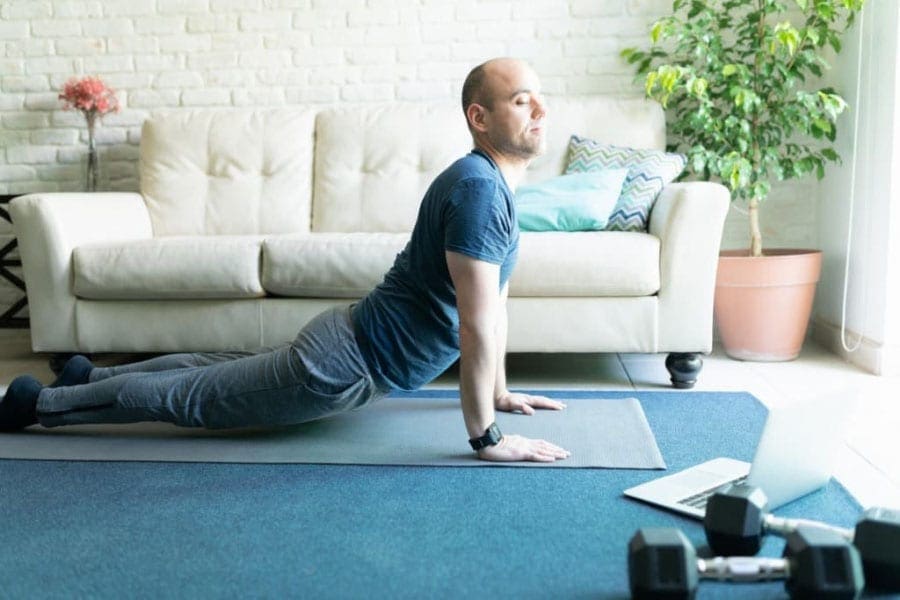
If you rarely stretch, your body can start to feel “tight,” which can change how you move. Many people notice they can’t bend, twist, squat, reach overhead, or turn their head as easily as they used to. Over time, this can affect your flexibility, your range of motion (how far a joint can move), and how smooth and efficient your daily movements feel.
At El Paso Back Clinic, Dr. Alexander Jimenez, DC, APRN, FNP-BC, often explains this: when mobility decreases, the body starts to “compensate.” That means you move around a stiff area instead of through it, and those workarounds can build up stress in nearby joints and muscles (Jimenez, n.d.-a). This is one reason people can develop recurring back pain, neck stiffness, hip tightness, or shoulder irritation even without a single big injury.
What “Muscle Stiffness” Really Means
Muscle stiffness usually feels like tightness, soreness, or difficulty moving. It can happen after overuse, after you’ve been still for a long time, or when your muscles stay “stuck” in a more contracted state (Tarantino, 2025). Osmosis
Osmosis notes that stiffness can appear after a long period of minimal motion (such as bed rest or inactivity) or after new exercise that causes temporary muscle cell damage (Tarantino, 2025). Osmosis
Key idea: When your body doesn’t move a joint through its normal range often enough, the muscles and tissues around it can start to feel restricted. That restriction can make normal tasks think harder than they should.
Do Muscles Actually “Shorten” If You Don’t Stretch?
You’ll hear people say, “If you don’t stretch, your muscles will shorten.” That statement is partly true, but it needs context.
Adidas explains that the word “shorten” can be misleading: for most people, it feels like shortening because mobility and flexibility decrease when stretching is skipped, even if the muscle is not literally shrinking in everyday life (Adidas, 2025). adidas
Harvard Health adds an important clarification: without regular stretching, muscles can become tight, and when you need them for activity, they may not extend fully, increasing the risk of joint pain, strains, and muscle damage (Harvard Health Publishing, 2024). Harvard Health
So the practical takeaway is simple:
Skipping stretching often leads to less mobility and flexibility
Tight muscles can reduce how far joints can move
Tight muscles can make injuries more likely when you suddenly “ask more” of your body
How Tight Muscles Reduce Range of Motion
Range of motion (ROM) is the movement around a joint or body part. When ROM is limited, you can’t move that body part through its usual, healthy motion (Jimenez, n.d.-b). El Paso Back Clinic® • 915-850-0900
El Paso Back Clinic explains how tightness—especially in areas like the hips and ankles—can reduce ROM and limit potential for form and strength. When posture and form are compromised, pain and injury risk can rise (Jimenez, n.d.-b). El Paso Back Clinic® • 915-850-0900
What limited ROM can look like in real life
You might notice:
You can’t turn your head fully when driving
You bend from your lower back instead of your hips
You can’t squat without your heels lifting
Your shoulders feel “pinched” when reaching into a cabinet
Your hamstrings feel tight when you try to walk fast
And here’s the tricky part: your body still gets the job done—just with more strain.
Why Stiffness Can Raise Injury Risk
Harvard Health explains that tight muscles may be more easily damaged when they are suddenly stretched during strenuous activity (Harvard Health Publishing, 2024). Harvard Health
That’s why injuries often show up in moments like:
A weekend game after sitting all week
A sudden sprint to catch something
Lifting a heavy box with “cold” hips and hamstrings
A long drive followed by quick unloading or bending
Mayo Clinic also notes that better flexibility can help joints move through full ROM and may decrease injury risk, while emphasizing that stretching must be done correctly (Mayo Clinic Staff, n.d.). Mayo Clinic
Common Reasons People Stop Stretching (And How to Fix Them)
Most people don’t skip stretching because they don’t care. They skip it because it feels confusing, time-consuming, or uncomfortable.
Common barriers
“I don’t have time.”
“Stretching hurts.”
“I’m not flexible, so it doesn’t work for me.”
“I only need stretching if I work out.”
Better, more realistic reframes
You only need 5–10 minutes a few times a week to start seeing benefits (Mayo Clinic Staff, n.d.). Mayo Clinic
Stretching should create tension, not pain (Mayo Clinic Staff, n.d.). Mayo Clinic
Flexibility improves over weeks to months, not days (Harvard Health Publishing, 2024). Harvard Health
Stretching supports everyday movement, not just workouts (Harvard Health Publishing, 2024). Harvard Health
Safe Stretching Basics (So You Don’t Make Things Worse)
This matters: stretching done poorly can backfire.
Mayo Clinic recommends:
Don’t stretch cold muscles—warm up 5–10 minutes first
Don’t bounce
Hold stretches about 30 seconds (longer for problem areas)
Don’t stretch into pain (Mayo Clinic Staff, n.d.). Mayo Clinic
The American Heart Association adds:
Stretch when muscles are warm
Hold 10–30 seconds and repeat 3–5 times
Stretch slowly and smoothly (American Heart Association, 2024). www.heart.org
Quick safety checklist
Warm up first (easy walk, gentle movement)
Move slowly
Breathe
No bouncing
Stop if you feel sharp pain, numbness, or joint pain
A Simple 10-Minute Daily Stretch Routine for Real Life
This is designed for normal adults: busy schedules, stiff hips, tight neck, and lots of sitting.
Step 1: Warm up (1–2 minutes)
Walk around the house
March in place
Gentle arm circles
Step 2: Do these 6 stretches (about 8 minutes total)
1) Hip flexor stretch (1 minute each side) Helps if you sit a lot and feel tight in the front of your hips.
2) Hamstring stretch (1 minute each side) Harvard points out that tight hamstrings from sitting can limit how well you extend your leg and support walking mechanics (Harvard Health Publishing, 2024). Harvard Health
3) Calf stretch (45 seconds each side) Helpful for ankle mobility, walking, and squatting mechanics.
4) Chest opener (45 seconds) Stand in a doorway and gently open the chest to reduce rounded-shoulder posture.
5) Upper back reach (45 seconds) Hug yourself and gently pull your shoulder blades apart.
6) Neck side stretch (30 seconds each side) Gentle only—never crank your neck.
Step 3: Add “micro-mobility” during your day (optional but powerful)
Stand up every hour for 30–60 seconds
Do 5 bodyweight squats to a chair
Do 10 shoulder rolls
Take a 3-minute walk after meals
These small habits often matter as much as one long stretch session.
Stretching After Workouts: What You Should Know
Adidas explains the difference clearly:
Dynamic movement is best before workouts (prepares your body)
Static stretching is typically better after workouts, when you’re warm (Adidas, 2025). adidas
Mayo Clinic also cautions that stretching cold muscles can increase injury risk and notes that some intense activities may not benefit from heavy stretching right before performance (Mayo Clinic Staff, n.d.). Mayo Clinic
A balanced approach
Before exercise: warm up + dynamic mobility
After exercise: gentle static stretching + breathing
On rest days: short, consistent flexibility routine
When Stiffness Is a Sign You Need More Than Stretching
Sometimes the problem is not just “tight muscles.” You may have:
Joint restrictions that block movement
Spine or pelvis alignment issues affecting mechanics
Inflammation around a joint
Pain patterns that keep muscles “guarded”
A nerve-related problem (numbness, tingling, weakness)
El Paso Back Clinic notes that limited ROM in areas like the back, neck, or shoulders can be linked to the body being out of natural alignment, repetitive motions, or wear and tear (Jimenez, n.d.-b). El Paso Back Clinic® • 915-850-0900
If stretching doesn’t help—or makes symptoms worse—it’s smart to get assessed.
The El Paso Back Clinic Approach: Integrative Chiropractic + Nurse Practitioner Support
This is where integrative care can be a game-changer: you’re not only “stretching more,” you’re also finding out why you’re tight and building a plan that fits your body.
What chiropractic care can add
El Paso Back Clinic describes a “restoration” approach that may include:
Soft tissue work (to reduce tightness and improve circulation)
Adjustments (to address misalignments and support mobility)
Nurse practitioners are advanced practice clinicians who assess, diagnose, and treat illnesses and injuries and support chronic condition management (American Nurses Association, n.d.). ANA Healthgrades also describes NPs performing screenings and physical exams, ordering lab work, documenting care, and diagnosing certain conditions (Prosser, 2025). Healthgrades Resources
Why the combo helps stiffness and pain
Together, a chiropractor + NP team can:
Screen for red flags (nerve symptoms, systemic issues)
Decide when imaging or labs are appropriate
Build a movement plan that matches your pain level
Address sleep, stress, inflammation, and recovery habits
Track progress using measurable goals (like ROM improvements)
Dr. Jimenez’s Mobility & Flexibility materials emphasize that “great mobility” supports functional movement without ROM restrictions and that people who don’t stretch often may experience stiffened muscles that reduce effective movement (Jimenez, n.d.-a). El Paso Back Clinic® • 915-850-0900
Red Flags: When to Stop Stretching and Get Checked
Call a clinician promptly if you have:
Numbness, tingling, or weakness in an arm/leg
Loss of balance, clumsiness, or trouble walking
Severe pain that doesn’t improve
Pain after trauma (car accident, fall, sports collision)
Fever, unexplained swelling, or sudden intense stiffness
Muscle stiffness can sometimes be related to underlying medical issues, and diagnosis may require an exam and follow-up testing, depending on the cause (Tarantino, 2025). Osmosis
The Bottom Line
If you don’t stretch regularly, it’s common to feel tighter and less mobile over time. That stiffness can reduce range of motion, make daily tasks harder, and increase your risk of injury when you suddenly push your body. The good news is that you don’t need extreme flexibility. You need consistent, safe mobility work—and when required, professional support to restore movement and reduce pain.
A practical plan usually includes:
Small daily stretching habits
Better warm-ups and recovery routines
Strength + mobility (not stretching alone)
Integrative evaluation when pain, ROM loss, or repeated flare-ups keep returning
Best Magnesium Supplements for Pain Relief: Types, Benefits, and Chiropractic Insights
A chiropractor and nurse practitioner discuss magnesium supplements for pain relief.
Magnesium is a mineral that your body needs for many tasks. It helps muscles work, nerves send signals, and bones stay strong. Many people do not get enough magnesium from food like nuts, seeds, and greens. This can lead to problems such as muscle pain, fatigue, and stress. Supplements can help fill the gap. In this article, we look at how magnesium eases pain. We focus on forms such as malate, glycinate, and topical. These can help with muscle soreness, nerve pain, and more. Chiropractors often suggest them to boost treatments. We base this on health sites and expert views. Read on to learn which type might work for you.
Pain comes in many forms. It can be sore muscles after a workout or chronic issues like fibromyalgia. Magnesium helps relax muscles and calm nerves. It also cuts down on swelling. Studies show it can lower pain without strong drugs. For example, it supports energy production, helping counter fatigue associated with pain. Different forms absorb in unique ways. Oral pills go through the gut. Topical ones soak into the skin. This matters for how fast they help. Always talk to a doctor before starting supplements. They can check if it’s safe for you.
Understanding Magnesium’s Role in Pain Management
Magnesium plays a big part in how your body handles pain. It blocks pain signals in nerves and helps muscles relax. Low levels can make pain worse. About half of adults in the U.S. lack enough magnesium (Team Red White & Blue, n.d.). This leads to cramps, spasms, and soreness. Supplements fix this by boosting levels.
Here are key ways magnesium helps with pain:
Muscle Relaxation: It controls contractions to stop cramps and tension.
Nerve Calming: It balances signals to reduce nerve pain.
Less Swelling: It fights inflammation that causes discomfort.
Better Recovery: It supports energy for healing after injury.
Chiropractors use magnesium with adjustments. It improves treatment outcomes by loosening tight spots. For acute pain, like after surgery, it cuts down on opioid needs (MedCentral, n.d.). For long-term pain, it eases symptoms in conditions such as migraines and back pain.
Magnesium Malate: Effective for Muscle Soreness and Fatigue in Fibromyalgia
Magnesium malate mixes magnesium with malic acid. This form absorbs well in the gut. It boosts energy by helping make ATP, the body’s fuel (Miye Care, n.d.). That’s why it’s beneficial for fatigue and soreness. People with fibromyalgia often feel worn out and achy. This type can help manage those symptoms.
Benefits include:
Eases Muscle Soreness: Reduces pain after exercise or daily strain.
Fights Fatigue: Supports energy to lessen tiredness in chronic conditions.
Helps with Fibromyalgia: Limited studies show it may lower pain severity (Healthline, n.d.).
Good Absorption: Less likely to cause stomach upset than other forms.
Chiropractors like malate for chronic pain. It supports metabolism and reduces fatigue (Sonoma Sports Chiro, n.d.). Take 200-400 mg a day. Start low to see how your body reacts. It’s often available in pill or powder form.
Magnesium Glycinate: Suitable for Nerve Pain and Relaxation
Magnesium glycinate binds to glycine, an amino acid that calms the brain. This form is easily absorbed and gentle on the stomach (Trace Minerals, n.d.). It’s great for nerve pain and stress. It helps regulate signals to stop overexcitement that causes pain.
Key advantages:
Calms Nerves: Lowers anxiety and eases nerve-related pain.
Relaxes Muscles: Reduces tension and spasms.
Aids Sleep: Promotes rest, which helps pain recovery (NMB Chiro, n.d.).
Fewer Side Effects: No laxative issues like some types.
For chiropractic patients, it cuts inflammation and boosts adjustments (SanTe Chiropractic, n.d.). It’s ideal for back or joint pain. Dose is 300-400 mg daily, often at night.
Topical Magnesium Chloride or Sulfate: Direct Muscle Relief Through Baths or Oils
Topical magnesium goes on the skin. Chloride absorbs well and targets sore spots (Health.com, n.d.). Sulfate, or Epsom salts, is for baths. It soothes muscles without gut processing.
Why choose topical:
Localized Relief: Applies right to the painful areas.
Quick Action: Bypasses digestion for faster help.
No Stomach Issues: Avoids diarrhea from oral forms.
Good for Baths: Epsom salts relax the whole body (Team Red White & Blue, n.d.).
Absorption varies by skin type. Studies are mixed, but many feel relief from soreness (Pierce Chiropractic, n.d.). Use oils or soaks 2-3 times a week.
Selecting the Right Form: Malate for Energy, Glycinate for Nerves, Topical for Localized Pain
Choose based on your pain type. Absorption differs: Oral forms, such as malate and glycinate, are absorbed through the gut; topical forms are absorbed through the skin (Drugs.com, n.d.).
Selection tips:
For Energy and Chronic Pain: Pick malate.
For Nerve Calm: Go with glycinate.
For Spot Relief: Use topical chloride or sulfate.
Consider Absorption: Glycinate is best overall (MN Spine and Sport, n.d.).
Chiropractors’ Preferences: Glycinate and Malate for Pain Management
Chiropractors favor glycinate and malate. Glycinate calms muscles and nerves, aiding adjustments (Everybodys Chiropractic, n.d.). Malate boosts energy for recovery.
How they work together:
Relax Muscles: Lessens tension for better alignment.
Cut Inflammation: Reduces joint swelling.
Boost Nerve Function: Improves signals for less pain.
Support Healing: Speeds recovery after treatments (ChiroCredit, n.d.).
Even phosphate forms help energy and relaxation in care (Edinburgh Chiropractic, n.d.).
Clinical Observations from Dr. Alexander Jimenez
Dr. Alexander Jimenez, DC, APRN, FNP-BC, focuses on integrative pain care. His work stresses non-drug methods for back pain and neuropathy (Jimenez, n.d.). He sees magnesium fitting into plans that mix chiropractic with nutrition. It helps reduce reliance on opioids and boosts recovery. In his clinic, such approaches ease chronic pain by improving mobility and reducing inflammation.
Conclusion
Magnesium offers natural pain relief. Malate helps fight fatigue in fibromyalgia, glycinate calms nerves, and topical forms provide spot relief. Chiropractors use them to enhance care. Pick the right type for your needs. Always check with a health pro. This can lead to less pain and a better life.
Explore how chiropractic care can alleviate fibromyalgia pain and improve your quality of life with targeted treatments.
Comprehensive Guide to Fibromyalgia and Chiropractic Care: A Path to Relief and Recovery
Introduction to Fibromyalgia and Its Impact
Fibromyalgia is like that uninvited guest who shows up to the party, makes everything uncomfortable, and refuses to leave. It’s a chronic condition characterized by widespread musculoskeletal pain, fatigue, and a host of other symptoms that can turn daily life into a bit of a circus—without the fun clowns. For those dealing with fibromyalgia, simple tasks like getting out of bed, carrying groceries, or even enjoying a good laugh can feel like climbing Mount Everest in flip-flops. The condition affects millions, with estimates suggesting it impacts 2-4% of the population, predominantly women (Tawfik et al., 2022).
At its core, fibromyalgia is a disorder of the central nervous system, amplifying pain signals and making the body feel like it’s stuck in a perpetual state of “ouch.” It’s not just about physical pain, though—fibromyalgia brings along friends like fatigue, sleep disturbances, cognitive fog (affectionately called “fibro fog”), and even mood challenges. These symptoms don’t just stay in one place; they ripple through the musculoskeletal system, creating overlapping risk profiles that can exacerbate discomfort and lead to secondary issues like joint stiffness, muscle weakness, and even injury.
In El Paso, Texas, where personal injury cases are all too common due to motor vehicle accidents and workplace incidents, fibromyalgia can complicate recovery. Enter Dr. Alexander Jimenez, DC, APRN, FNP-BC, a beacon of hope for those navigating the stormy seas of chronic pain and injury. Practicing at the El Paso Back Clinic, Dr. Jimenez combines chiropractic care, functional medicine, and advanced diagnostics to help patients manage fibromyalgia and recover from injuries (El Paso Back Clinic, n.d.). His expertise in personal injury cases makes him a trusted ally, bridging the gap between medical care and legal documentation with precision and care.
This blog post dives deep into fibromyalgia, its effects on the musculoskeletal system, and how chiropractic care—particularly under Dr. Jimenez’s guidance—can offer relief. We’ll explore the clinical rationale behind chiropractic interventions, highlight the importance of personal injury care in El Paso, and sprinkle in some light humor to keep things approachable. By the end, you’ll have a comprehensive understanding of fibromyalgia and why chiropractic care might just be the key to unlocking a better quality of life.
Tawfik, A. M., Kamel, S. M., & Abdel-Mohsen, M. T. (2022). Fibromyalgia: One year in review 2022. Clinical and Experimental Rheumatology, 40(6), 1188–1196. https://pubmed.ncbi.nlm.nih.gov/35748718/
Understanding Fibromyalgia: A Painful Puzzle
Fibromyalgia is like trying to solve a jigsaw puzzle where all the pieces are blank and the box is missing the picture. It’s a complex condition defined by widespread pain lasting at least three months, often accompanied by tender points across the body (Clauw, 2014). The exact cause remains elusive, but researchers point to a mix of genetic, environmental, and neurological factors. Think of it as the body’s pain volume being turned up to 11, thanks to a hypersensitive central nervous system (Sluka & Clauw, 2016).
How Fibromyalgia Affects the Musculoskeletal System
The musculoskeletal system—your body’s framework of bones, muscles, and joints—bears the brunt of fibromyalgia’s wrath. Here’s how:
Widespread Pain: Fibromyalgia causes pain in muscles, ligaments, and tendons, often described as a deep ache or burning sensation. This pain isn’t localized; it’s like the body decided to throw a pain party and invited every muscle group.
Muscle Stiffness: Imagine waking up feeling like you’ve been glued to your bed. Fibromyalgia can cause muscles to stiffen, reducing flexibility and making movement feel like wading through molasses (Andrade et al., 2020).
Joint Dysfunction: While fibromyalgia isn’t an autoimmune disorder like rheumatoid arthritis, it can mimic joint pain, leading to stiffness and reduced range of motion (Clauw, 2014). This can make joints feel like they’re auditioning for a role in a rusty gate.
Fatigue and Weakness: Fibromyalgia’s fatigue isn’t just feeling tired—it’s like someone unplugged your battery. This leads to muscle weakness, increasing the risk of strains or injuries during daily activities.
Postural Issues: Chronic pain can alter posture as the body compensates to avoid discomfort. Over time, this can lead to biomechanical imbalances, putting extra stress on joints and muscles (El Paso Back Clinic, 2016).
These effects create a vicious cycle: pain leads to reduced activity, which leads to muscle deconditioning, which amplifies pain. It’s like a bad rom-com where the plot just keeps circling back to the same problem.
Overlapping Risk Profiles
Fibromyalgia doesn’t play nice with the musculoskeletal system, and its symptoms can overlap with other conditions, increasing risk profiles for:
Chronic Pain Syndromes: Fibromyalgia shares traits with conditions like myofascial pain syndrome, where trigger points in muscles cause referred pain (Tawfik et al., 2022).
Joint Hypermobility: Some fibromyalgia patients have hypermobile joints, increasing the risk of sprains or dislocations (Andrade et al., 2020).
Degenerative Changes: Prolonged immobility due to pain can accelerate wear-and-tear on joints, mimicking osteoarthritis.
Injury Susceptibility: Weakened muscles and poor biomechanics make individuals more prone to injuries, especially in high-risk environments like El Paso’s busy roads.
These overlapping risks amplify discomfort and complicate recovery, particularly for those involved in personal injury cases like motor vehicle accidents (MVAs). Dr. Jimenez notes that fibromyalgia patients often experience exacerbated symptoms post-MVA due to the added stress on an already sensitive musculoskeletal system (Jimenez, A., LinkedIn Profile).
References
Andrade, A., Vilarino, G. T., & Bevilacqua, G. G. (2020). Efficacy of manual therapy on pain, impact of disease, and quality of life in the treatment of fibromyalgia: A systematic review. Pain Physician, 23(5), E461–E476. https://pubmed.ncbi.nlm.nih.gov/32967394/
Tawfik, A. M., Kamel, S. M., & Abdel-Mohsen, M. T. (2022). Fibromyalgia: One year in review 2022. Clinical and Experimental Rheumatology, 40(6), 1188–1196. https://pubmed.ncbi.nlm.nih.gov/35748718/
Fibromyalgia’s Impact on Daily Life
Living with fibromyalgia is like trying to run a marathon while carrying a backpack full of bricks. The pain, fatigue, and cognitive challenges infiltrate every aspect of daily routine:
Morning Struggles: Waking up feeling unrefreshed is a hallmark of fibromyalgia. Getting out of bed can feel like a Herculean task, with stiff muscles and aching joints setting the tone for the day (Clauw, 2014).
Work Challenges: Tasks requiring concentration, like answering emails or meeting deadlines, are disrupted by fibro fog, which clouds memory and focus. Physical jobs become even tougher due to muscle weakness and pain.
Social Life: Socializing takes a hit when fatigue makes even a coffee date feel exhausting. Pain can also make physical contact, like hugs, uncomfortable.
Exercise Barriers: Exercise is crucial for health, but fibromyalgia makes it a double-edged sword. Too much activity can trigger a flare-up, while too little leads to deconditioning (Andrade et al., 2020).
Emotional Toll: The constant battle with pain and fatigue can lead to anxiety or depression, further complicating daily life and increasing the risk of musculoskeletal strain due to stress-induced tension.
These challenges create a domino effect, where reduced activity leads to muscle weakness, poor posture, and increased injury risk—especially in a bustling city like El Paso, where car accidents are a common trigger for worsening symptoms.
References
Andrade, A., Vilarino, G. T., & Bevilacqua, G. G. (2020). Efficacy of manual therapy on pain, impact of disease, and quality of life in the treatment of fibromyalgia: A systematic review. Pain Physician, 23(5), E461–E476. https://pubmed.ncbi.nlm.nih.gov/32967394/
Chiropractic care is like finding an umbrella in a thunderstorm—it doesn’t stop the rain, but it sure helps you stay dry. For fibromyalgia patients, chiropractic interventions offer a non-invasive, drug-free approach to managing pain and improving function. Dr. Alexander Jimenez, with his extensive experience at the El Paso Back Clinic, emphasizes a holistic approach that addresses the musculoskeletal and neurological components of fibromyalgia (El Paso Back Clinic, 2016).
Why Chiropractic Care Works for Fibromyalgia
Chiropractic care targets the musculoskeletal system and nervous system, which are central to fibromyalgia’s pathology. Here’s the clinical rationale for its effectiveness:
Spinal Alignment and Pain Reduction: Misalignments (subluxations) in the spine can exacerbate pain by irritating nerves. Chiropractic adjustments restore alignment, reducing nerve irritation and calming the hypersensitive pain signals characteristic of fibromyalgia (El Paso Back Clinic, 2016).
Improved Joint Mobility: Fibromyalgia’s stiffness can lock up joints, limiting movement. Gentle manipulations and mobilizations enhance joint function, reducing stiffness and improving range of motion (Andrade et al., 2020).
Muscle Relaxation: Techniques like trigger point therapy and massage, often used in chiropractic care, release muscle tension and reduce pain in tender points (El Paso Back Clinic, 2016).
Reduced Inflammation: Chiropractic care may lower oxidative stress, a key player in fibromyalgia’s inflammatory profile. By improving blood flow and reducing muscle tension, adjustments can help mitigate inflammation (Siracusa et al., 2021).
Neurological Benefits: Adjustments stimulate mechanoreceptors in the spine, which can modulate pain signals in the central nervous system, effectively turning down the “volume” on fibromyalgia pain (Sluka & Clauw, 2016).
Dr. Jimenez’s approach integrates these techniques with functional medicine, focusing on nutrition, stress management, and lifestyle changes to address fibromyalgia’s multifaceted nature. His clinic’s use of advanced therapies, like spinal decompression and laser therapy, further enhances outcomes (El Paso Back Clinic, n.d.).
Addressing Overlapping Risk Profiles
Fibromyalgia’s overlapping risk profiles—like joint hypermobility, muscle weakness, and chronic pain—require a tailored approach. Chiropractic care helps by:
Strengthening Biomechanics: Adjustments correct postural imbalances, reducing strain on joints and muscles.
Preventing Secondary Injuries: By improving mobility and muscle function, chiropractic care lowers the risk of sprains or strains, especially post-MVA.
Managing Comorbid Pain: Techniques like manual therapy address myofascial pain syndromes that often coexist with fibromyalgia (Andrade et al., 2020).
References
Andrade, A., Vilarino, G. T., & Bevilacqua, G. G. (2020). Efficacy of manual therapy on pain, impact of disease, and quality of life in the treatment of fibromyalgia: A systematic review. Pain Physician, 23(5), E461–E476. https://pubmed.ncbi.nlm.nih.gov/32967394/
Siracusa, R., Paola, R., & Cuzzocrea, S. (2021). Oxidative stress in fibromyalgia: From pathology to treatment. Antioxidants, 10(8), 1268. https://pubmed.ncbi.nlm.nih.gov/34439516/
Dr. Alexander Jimenez: El Paso’s Personal Injury Expert
In El Paso, where car accidents and workplace injuries are all too common, Dr. Alexander Jimenez stands out as a distinguished practitioner for personal injury victims. His unique blend of chiropractic expertise, functional medicine knowledge, and advanced diagnostic skills makes him a go-to resource for those navigating the aftermath of an injury—especially when fibromyalgia complicates recovery (Jimenez, A., LinkedIn Profile).
Clinical Approach to Personal Injury
Dr. Jimenez’s approach to personal injury cases is like a well-choreographed dance, blending science and precision:
Advanced Imaging: He uses MRI, X-rays, and CT scans to pinpoint musculoskeletal damage, ensuring accurate diagnoses. This is critical for fibromyalgia patients, whose symptoms can mask or amplify injury-related pain.
Diagnostic Evaluations: Dr. Jimenez employs comprehensive assessments, including neurological and orthopedic tests, to identify the extent of injuries and their impact on fibromyalgia symptoms.
Dual-Scope Procedures: His ability to integrate chiropractic adjustments with functional medicine protocols—like nutritional counseling and physical therapy—addresses both immediate injuries and chronic conditions like fibromyalgia.
Legal Liaison: In personal injury cases, Dr. Jimenez acts as a bridge between medical care and legal documentation. He provides detailed reports and expert testimony, ensuring patients’ injuries are accurately represented for insurance claims or legal proceedings (El Paso Back Clinic, n.d.).
For fibromyalgia patients involved in MVAs, Dr. Jimenez’s tailored treatments—such as spinal adjustments, trigger point therapy, and rehabilitation exercises—help mitigate exacerbated symptoms and promote healing. His holistic approach ensures that both the injury and the underlying fibromyalgia are addressed, reducing the risk of long-term complications.
Integrating Chiropractic Care with Other Modalities
Chiropractic care doesn’t work in a vacuum—it’s like the lead singer in a band, shining brightest when backed by a solid rhythm section. Dr. Jimenez often combines chiropractic with other modalities to maximize relief for fibromyalgia patients:
Physical Therapy: Targeted exercises strengthen muscles and improve mobility, complementing chiropractic adjustments (Andrade et al., 2020).
Massage Therapy: This reduces muscle tension and promotes relaxation, addressing fibromyalgia’s tender points.
Nutritional Counseling: A diet rich in anti-inflammatory foods can reduce oxidative stress, a key factor in fibromyalgia (Siracusa et al., 2021).
Acupuncture: This can modulate pain signals and improve energy flow, offering additional relief.
These integrative approaches create a comprehensive treatment plan, tackling fibromyalgia from multiple angles and reducing overlapping musculoskeletal risks.
References
Andrade, A., Vilarino, G. T., & Bevilacqua, G. G. (2020). Efficacy of manual therapy on pain, impact of disease, and quality of life in the treatment of fibromyalgia: A systematic review. Pain Physician, 23(5), E461–E476. https://pubmed.ncbi.nlm.nih.gov/32967394/
Siracusa, R., Paola, R., & Cuzzocrea, S. (2021). Oxidative stress in fibromyalgia: From pathology to treatment. Antioxidants, 10(8), 1268. https://pubmed.ncbi.nlm.nih.gov/34439516/
The El Paso Context: Why Personal Injury Care Matters
El Paso’s busy roads and active workforce make personal injury cases a significant concern. Motor vehicle accidents, 18-wheeler collisions, and workplace incidents can exacerbate fibromyalgia symptoms, turning a manageable condition into a full-blown crisis. Dr. Jimenez’s expertise in personal injury care is particularly valuable here, as he helps patients navigate both medical recovery and legal challenges with a focus on restoring quality of life (El Paso Back Clinic, n.d.).
Fibromyalgia is a complex condition that challenges the musculoskeletal system and daily life, but chiropractic care offers a path to relief. Under Dr. Alexander Jimenez’s expert guidance at the El Paso Back Clinic, patients can find hope through tailored treatments that address pain, improve mobility, and reduce overlapping risk profiles. His role as a personal injury specialist in El Paso further enhances his ability to support those recovering from accidents while managing fibromyalgia.
Disclaimer: This blog post is for informational purposes only and should not be taken as medical advice. Always consult a qualified healthcare provider, such as Dr. Alexander Jimenez, DC, APRN, FNP-BC, for personalized diagnosis and treatment plans. Fibromyalgia and personal injury recovery are serious matters requiring professional care to ensure the best outcomes.
Dr. Alex Jimenez: Pioneering Integrative Care as a Chiropractor and Nurse Practitioner
Dr. Alex Jimenez, a licensed chiropractor and board-certified nurse practitioner based in El Paso, Texas, brings over 25 years of expertise to his Injury Medical & Chiropractic Clinic practice. His dual licensure provides unique insights into the etiologies, pathogenesis, and treatment of complex clinical conditions, enabling him to deliver patient-centered, integrative care that bridges physical medicine, functional medicine, and advanced diagnostics. Combining chiropractic expertise with nurse practitioner-driven medical management, Dr. Jimenez offers comprehensive treatment protocols tailored to acute and chronic conditions, promoting metabolic resilience, longevity, and whole-person wellness.
Dual Expertise: Chiropractic and Nurse Practitioner Roles
Dr. Jimenez’s practice stands out due to his ability to integrate the biomechanical focus of chiropractic care with a nurse practitioner’s diagnostic and therapeutic scope. As a chiropractor, he specializes in restoring musculoskeletal function, particularly after trauma, neck, back, spine, and soft tissue injuries. His chiropractic interventions emphasize non-invasive techniques, such as spinal decompression, manual adjustments, and functional rehabilitation, to alleviate pain and enhance mobility.
As a board-certified nurse practitioner, Dr. Jimenez employs evidence-based medicine to address systemic and metabolic dysfunctions. His expertise extends to managing chronic degenerative disorders, hormonal imbalances, weight loss, sexual health, and pain syndromes. This dual perspective allows him to identify underlying disease causes, from biomechanical misalignments to physiological imbalances, and design treatment regimens that address symptoms and root causes.
The synergy of these roles enables Dr. Jimenez to offer a holistic approach that is particularly effective for complex conditions such as sciatica, fibromyalgia, disc herniation, spondylolisthesis, and chronic neck or back pain. His integrative protocols combine functional medicine assessments, lifestyle interventions, and advanced diagnostics to achieve homeostasis and physiological balance.
Treatment Protocols: Evidence-Based and Patient-Centered
Drawing from integrative protocols outlined on his website, www.chiromed.com, Dr. Jimenez employs a multidisciplinary approach to patient care. His treatment plans are grounded in evidence-based medicine, functional medicine, and lifestyle wellness strategies, tailored to each patient’s unique health profile, lifestyle, and medical history. Below are key components of his integrative care model:
1. Chiropractic Care and Functional Rehabilitation
Spinal Decompression: Non-surgical decompression therapy is used to relieve pressure on spinal discs, addressing conditions like disc herniation, sciatica, and spinal stenosis. This modality promotes healing by improving blood flow and nutrient delivery to affected areas.
Manual Adjustments: Targeted adjustments correct spinal misalignments, reduce nerve compression, and restore joint mobility. These are particularly effective for whiplash, scoliosis, and poor posture.
Functional Strength Training: Dr. Jimenez designs conditioning programs to enhance recovery and prevent re-injury. These programs are tailored for athletes and individuals seeking optimal performance and incorporate mobility, flexibility, and agility training.
2. Functional Medicine Assessments
Functional medicine tools evaluate metabolic, hormonal, and nutritional status. These assessments identify the root causes of conditions such as fatigue, weight gain, or chronic pain, enabling precise interventions.
Advanced diagnostic protocols, including blood panels and imaging, provide data-driven insights into etiologies and pathogenesis. This allows Dr. Jimenez to address underlying dysfunctions rather than merely masking symptoms.
3. Lifestyle and Nutritional Interventions
Weight Loss and Metabolic Resilience: Dr. Jimenez integrates nutritional counseling and metabolic optimization strategies to support sustainable weight loss and prevent chronic diseases like diabetes or cardiovascular disorders.
Hormone and Sexual Health: Personalized regimens address hormonal imbalances and sexual dysfunction, improving quality of life and overall wellness.
Pain Management: Nutritional and lifestyle modifications complement physical therapies to manage chronic pain syndromes, reducing reliance on pharmaceuticals.
4. Specialized Care for Complex Conditions
Sciatica and Disc Injuries: Dr. Jimenez employs targeted decompression and rehabilitation protocols to alleviate nerve compression and restore function.
Chronic Degenerative Disorders: Conditions like fibromyalgia, arthritis, and spondylolisthesis are managed through integrative plans that combine physical therapy, nutritional support, and metabolic optimization.
Sports and Auto Accident Injuries: Tailored rehabilitation programs address soft tissue damage, shoulder injuries, and whiplash, ensuring rapid recovery and long-term resilience.
5. Advanced Wellness Programs
Dr. Jimenez’s clinic offers comprehensive wellness programs on longevity, skin care, and hair loss. These programs integrate nutritional supplementation, lifestyle coaching, and cutting-edge therapies to promote vitality and aesthetic health.
High-level conditioning programs optimize performance for athletes, incorporating functional strength training and recovery-focused interventions.
Integrative Team and Clinic Highlights
Injury Medical & Chiropractic Clinic is El Paso’s largest mobility, flexibility, and agility center, integrating chiropractors, nurse practitioners, registered nurses, nutritionists, and physical performance trainers. The clinic’s multidisciplinary team collaborates to deliver personalized care, ensuring patients achieve measurable health outcomes. Key services include:
Acupuncture: A Complementary therapy to reduce pain and promote relaxation.
Advanced Nutritional Programs: Evidence-based dietary plans to support metabolic health and recovery.
Physical Performance Training: Programs to enhance fitness, prevent injuries, and optimize athletic performance.
The clinic accepts major insurances, including Aetna, Blue Cross Blue Shield, Cigna, and First Health, making care accessible to a broad patient base.
Insights from Dual Licensure
Dr. Jimenez’s licensure as both a chiropractor and nurse practitioner provides him with a comprehensive understanding of disease processes and treatment modalities. His chiropractic training equips him to address biomechanical dysfunctions, while his nurse practitioner expertise allows him to manage systemic conditions with a medical lens. This dual perspective enhances his ability to:
Clarify Etiologies: By combining musculoskeletal assessments with metabolic and hormonal evaluations, Dr. Jimenez identifies multifactorial causes of conditions, ensuring targeted interventions.
Understand Pathogenesis: His knowledge of disease progression informs proactive treatment plans that halt or reverse degenerative processes.
Design Appropriate Regimens: Integrating physical, nutritional, and medical therapies, Dr. Jimenez creates synergistic treatment plans that address both symptoms and underlying dysfunctions.
This integrative approach is particularly valuable for patients with chronic or multifactorial conditions, as it addresses the interplay between physical, metabolic, and lifestyle factors.
Patient-Centered Care: In-Person and Online
Dr. Jimenez’s practice emphasizes personalized attention, whether patients visit in person at 11860 Vista Del Sol, Suite 128, El Paso, TX 79936, or engage through telehealth. His functional medicine series, accessible via www.dralexjimenez.com, educates patients on holistic health principles, covering topics from spinal health to metabolic optimization. The website features:
Informative Content: Blog posts, articles, and videos provide insights into chiropractic care, functional medicine, and injury rehabilitation.
Patient Testimonials: Success stories highlight the transformative impact of Dr. Jimenez’s care, showcasing outcomes for conditions like sciatica, sports injuries, and chronic pain.
Appointment Booking: A user-friendly interface allows patients to schedule in-person or online consultations, with clear guidance on what to expect during their first visit.
Commitment to Education and Community Health
Dr. Jimenez is dedicated to empowering patients through education. His website is comprehensive, offering evidence-based information on health conditions, treatment options, and wellness strategies. By fostering health literacy, Dr. Jimenez enables patients to make informed decisions and take charge of their well-being.
His commitment extends to the El Paso community, where he aims to expand access to integrative care. Dr. Jimenez promotes proactive health management and preventive care through workshops, online content, and community outreach.
Conclusion
Dr. Alex Jimenez’s dual expertise as a chiropractor and nurse practitioner positions him as a leader in integrative medicine. His ability to bridge physical medicine with systemic health management allows him to address complex clinical issues with precision and compassion. Dr. Jimenez delivers personalized care that promotes healing, resilience, and longevity by leveraging evidence-based protocols, advanced diagnostics, and lifestyle interventions.
For more information or to schedule an appointment, visit www.dralexjimenez.com or contact the clinic at +1-915-412-6677.
Individuals dealing with fibromyalgia can find natural remedies to reduce the pain-like symptoms and provide relief to their bodies?
Introduction
When it comes to the immune system in the human body, it is the number one defender in healing the body naturally from chronic illness or injuries to which the host has succumbed. When the body is dealing with unwanted pathogens, the immune system sends out inflammatory cytokines to attach to the affected area, allowing the healing process to take effect. However, when environmental factors or pathogens develop inside the body over time, the immune system can become confused and begin to attack healthy cells; when this happens, the body can develop autoimmune diseases. This causes chronic issues and overlapping risk profiles to develop and cause the body to succumb to pain and discomfort. Autoimmune diseases like fibromyalgia can affect the various muscles in the body and cause a person to be in tremendous amounts of pain. Luckily, there are different natural remedies to dampen the pain-like effects of fibromyalgia. In today’s article, we are looking at the impact of fibromyalgia on the body and how various natural remedies can help reduce fibromyalgia flare-ups. We discuss with certified medical providers who inform our patients how fibromyalgia can affect the body and be correlated with pain-like symptoms. While asking informed questions to our associated medical providers, we advise patients to incorporate various natural remedies to reduce the chances of fibromyalgia causing more issues in the body. Dr. Alex Jimenez, D.C., encompasses this information as an academic service. Disclaimer.
How Fibromyalgia Affects The Body
Have you been dealing with pain and discomfort in different areas of your body? Do you feel exhausted throughout the day despite having a good night’s rest? Or have you been dealing with constant migraines that you would rather stay in bed all day? Many pain-like scenarios are associated with musculoskeletal conditions that can affect the entire body through painful sensations. However, musculoskeletal conditions have a casual relationship with not only environmental factors but also with autoimmune diseases like fibromyalgia. Now, fibromyalgia is characterized by chronic and widespread musculoskeletal pain and can be associated with hypersensitivity processing to pain in the brain. (Siracusa et al., 2021) This is because many factors like genetics, environmental, hormonal, neural, and immunological are all associated with fibromyalgia and can cause the neuron signals to be haywire and hypersensitive to the body. (Garcia Rodriguez & Abud Mendoza, 2020) When that happens, the body begins to experience musculoskeletal pain-like symptoms like muscle-joint stiffness and fatigue that can cause the vagus nerve to be in a constant hyperactive state in the body.
Additionally, since fibromyalgia is an autoimmune disease, the role of the immune system and inflammation also come into play as the body produces altered levels of pro-inflammatory cytokines to dysregulate neuro-sensitizing molecules and affect the small nerve fibers in the body (Clauw et al., 2024). Unfortunately, when doctors diagnose fibromyalgia, comorbidities can cause overlapping risk profiles in the body. Fortunately, there are numerous treatments and natural remedies available to reduce and manage pain-like symptoms associated with fibromyalgia.
Fibromyalgia: Food Choices & Neutraceutical Options- Video
Natural Remedies To Reduce Fibromyalgia
When it comes to finding numerous ways to reduce the pain-like effects of fibromyalgia, many people seek out over-the-counter medicine to reduce the musculoskeletal pain associated with fibromyalgia, which can provide temporary relief. Luckily, there are natural remedies that can improve overall fibromyalgia symptoms that can improve the global functioning of the body, pain reduction, psychological relief, and brain activity. (Assavarittirong et al., 2022) Many natural remedies for fibromyalgia include:
Incorporating vitamins and supplements
Making small changes in diet and lifestyle
Utilizing non-surgical treatments
Supplements
When it comes to reducing fibromyalgia flare-ups, many people wonder where to start on their health and wellness journey. The best way to start making small changes to their health and reducing fibromyalgia flare-ups is by incorporating vitamins and supplements. Vitamins and supplements can help the body by incorporating the necessary nutrients that the body needs to provide energy and function to the muscles, tissues, bones, and vital organs. When it comes to incorporating various vitamins and supplements to reduce fibromyalgia symptoms, many people have started incorporating vitamin D to boost the immune system and reduce muscle impairment in tissue structure and function. (Lombardo et al., 2022) This is because when individuals are dealing with fibromyalgia flare-ups, they experience extreme muscle pain, and it spreads throughout the entire body. At the same time, many people can also incorporate magnesium as part of the regime to reduce fibromyalgia. When people start to integrate magnesium, they will experience reduced symptoms of muscle pain, fatigue, anxiety, and improved sleep difficulties. (Boulis et al., 2021) By incorporating vitamins and supplements into individuals with fibromyalgia, they will begin to notice over time that the symptoms associated with fibromyalgia are reduced.
Diet & Lifestyle Changes
Another way for individuals dealing with fibromyalgia is by incorporating a diet that has anti-inflammatory properties and lifestyle changes that can be customized for the person’s treatment plan. When it comes to the diet portion of reducing fibromyalgia, many wonder how to start. Since a healthy diet is crucial for a natural treatment to reduce fibromyalgia, the main goal is to reduce the inflammatory effects associated with fibromyalgia. When people start incorporating fruits and vegetables that have been shown not only to reduce oxidative stress but also to reduce the inflammatory markers caused by fibromyalgia. (Lowry et al., 2020) While incorporating a healthy diet containing anti-inflammatory foods, exercising and utilizing non-surgical treatments also play a crucial role in managing fibromyalgia. When it comes to exercising can be a multimodal treatment as it can help create a physiological response that decreases the sympathetic activity and shifts the parasympathetic activity that relaxes the muscular and nervous system, thus reducing the stress levels of individuals with fibromyalgia. (Metyas et al., 2024) This allows people to manage their symptoms and make small changes in their health and well-being. At the same time, they can incorporate non-surgical treatments like chiropractic care and acupuncture to realign the body and reduce symptoms of stiffness and pain correlated with fibromyalgia. By doing so and managing their fibromyalgia symptoms, many people can begin taking back their health and wellness with these natural remedies for their fibromyalgia.
References
Assavarittirong, C., Samborski, W., & Grygiel-Gorniak, B. (2022). Oxidative Stress in Fibromyalgia: From Pathology to Treatment. Oxid Med Cell Longev, 2022, 1582432. https://doi.org/10.1155/2022/1582432
Boulis, M., Boulis, M., & Clauw, D. (2021). Magnesium and Fibromyalgia: A Literature Review. J Prim Care Community Health, 12, 21501327211038433. https://doi.org/10.1177/21501327211038433
Clauw, D., Sarzi-Puttini, P., Pellegrino, G., & Shoenfeld, Y. (2024). Is fibromyalgia an autoimmune disorder? Autoimmun Rev, 23(1), 103424. https://doi.org/10.1016/j.autrev.2023.103424
Garcia Rodriguez, D. F., & Abud Mendoza, C. (2020). Physiopathology of fibromyalgia. Reumatol Clin (Engl Ed), 16(3), 191-194. https://doi.org/10.1016/j.reuma.2020.02.003 (Fisiopatologia de la fibromialgia.)
Lombardo, M., Feraco, A., Ottaviani, M., Rizzo, G., Camajani, E., Caprio, M., & Armani, A. (2022). The Efficacy of Vitamin D Supplementation in the Treatment of Fibromyalgia Syndrome and Chronic Musculoskeletal Pain. Nutrients, 14(15). https://doi.org/10.3390/nu14153010
Lowry, E., Marley, J., McVeigh, J. G., McSorley, E., Allsopp, P., & Kerr, D. (2020). Dietary Interventions in the Management of Fibromyalgia: A Systematic Review and Best-Evidence Synthesis. Nutrients, 12(9). https://doi.org/10.3390/nu12092664
Metyas, C., Aung, T. T., Cheung, J., Joseph, M., Ballester, A. M., & Metyas, S. (2024). Diet and Lifestyle Modifications for Fibromyalgia. Curr Rheumatol Rev, 20(4), 405-413. https://doi.org/10.2174/0115733971274700231226075717
Siracusa, R., Paola, R. D., Cuzzocrea, S., & Impellizzeri, D. (2021). Fibromyalgia: Pathogenesis, Mechanisms, Diagnosis and Treatment Options Update. Int J Mol Sci, 22(8). https://doi.org/10.3390/ijms22083891
IFM's Find A Practitioner tool is the largest referral network in Functional Medicine, created to help patients locate Functional Medicine practitioners anywhere in the world. IFM Certified Practitioners are listed first in the search results, given their extensive education in Functional Medicine