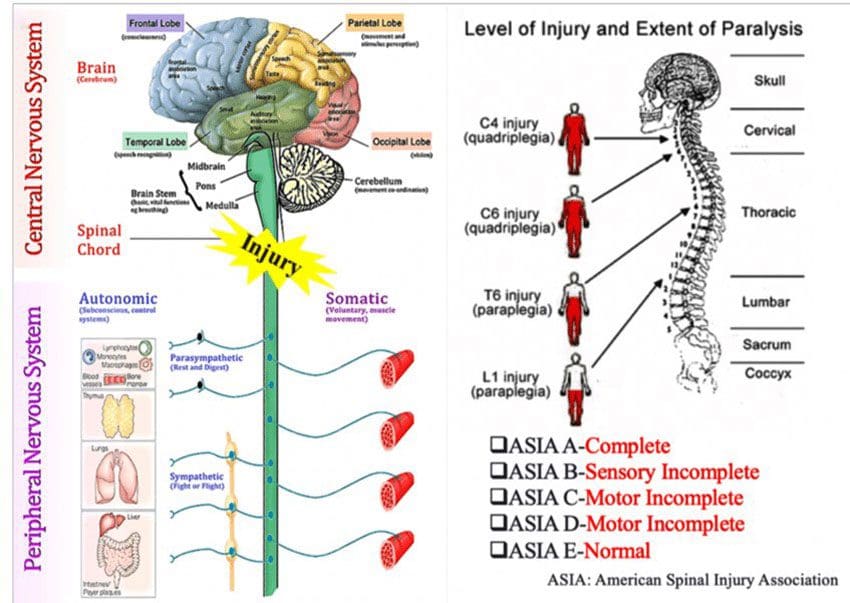
Spinal cord injuries or SCI’s don’t just happen from intense force/high-energy trauma like hard falls or auto accidents. Non-traumatic spinal cord injuries are more common. However, traumatic spinal cord injuries tend to get the most attention. This can cause problems as it can delay treatment for individuals with a non-traumatic injury. Awareness is vital because spinal cord disorders tend to not get recognized for their impact on overall health.
Non-traumatic Spinal Cord Injury
Non-traumatic spinal cord injuries is an umbrella term that includes several disorders, like:
Understanding these disorders helps determine a correct diagnosis. Degenerative cervical myelopathy or DCM is the most common form of a non-traumatic spinal cord injury. It is a slow progressive injury that causes continued compression usually brought on by spondylosis or osteoarthritis of the spine’s joints. DCM can have a devastating effect on the quality of life if not diagnosed and treated as it can have a ripple effect by raising the risk of falls, leading to a traumatic spinal cord injury. Being aware can help in preventing the damage.
Other Causes and Complications
Other causes for non-traumatic spinal cord injury include:
One of the most significant risk factors is age. This is due to an increased risk of conditions like osteoarthritis and hypertension as individuals get older, which is why individuals with a non-traumatic spinal cord injury are, on average, older than individuals that suffer a traumatic spinal cord injury. Weakness, instability, and loss of muscle control are common complications that can develop as the non-traumatic spinal cord injury progresses. Other complications that can present include:
Chronic pain
Sleep disturbance
Constipation
Urinary incontinence
Urinary tract infections
Impotence
Pressure ulcers/bed sores if immobilized
Possible blood clots that can lead to deep vein thrombosis
Depression and anxiety
Treatment
With a traumatic spinal cord injury, treatment depends on the severity of the injury. With non-traumatic spinal cord injuries, treatment depends on what type of condition is involved. The primary treatment for non-traumatic spinal cord injuries typically involves various forms of rehabilitation to minimize further damage to the spinal cord. Surgery may be necessary if the spine needs to be decompressed.
Body Composition
Extracellular Water and Intracellular Water
Extracellular Water – ECW
Extracellular is the water located outside the body’s cells.
Allows molecules to be transported to the different organelles inside the cell.
Picks up where the extracellular water leaves off by continuing the pathway for fuel/energy to be transported to the cells.
References
Badhiwala, Jetan H et al. “Degenerative cervical myelopathy – update and future directions.” Nature reviews. Neurology vol. 16,2 (2020): 108-124. doi:10.1038/s41582-019-0303-0
Handbook of Clinical Neurology (2012) “Spinal Cord Injury.” https://www.sciencedirect.com/topics/medicine-and-dentistry/non-traumatic-spinal-cord-injury
Milligan, James et al. “Degenerative cervical myelopathy: Diagnosis and management in primary care.” Canadian family physician Medecin de famille canadien vol. 65,9 (2019): 619-624.
Physical Management in Neurological Rehabilitation (2004) “Spinal cord injury.” https://www.sciencedirect.com/topics/medicine-and-dentistry/non-traumatic-spinal-cord-injury
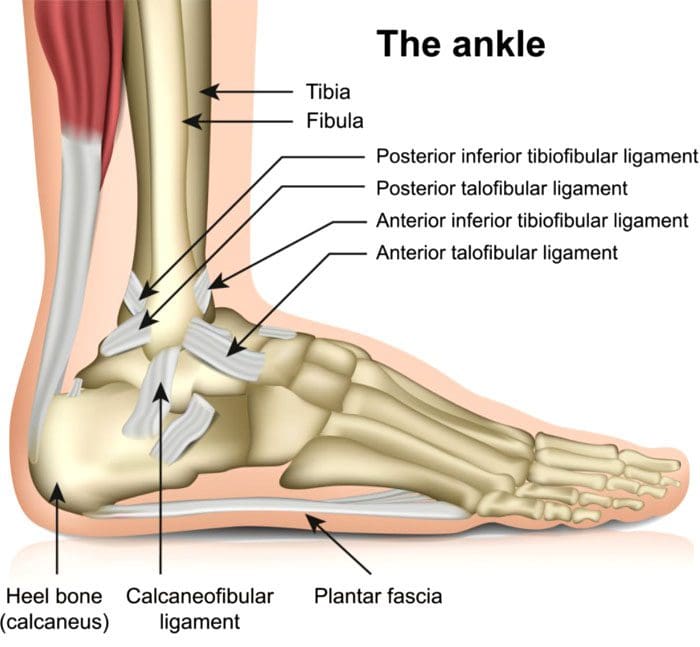
The ankles provide an essential role in total body function. They work as a complex system within the feet to carry the body’s weight and support movement. Any imbalance can cause ankle instability that can cause other areas of the body to go out of balance. This is most often caused by an injury, like an ankle sprain. If not properly addressed, it can lead to chronic instability and long-term health issues throughout the musculoskeletal system. Chiropractic treatment can rehabilitate ankle injuries, strengthen the muscles to prevent instability.
Ankle Instability
The entire body is an extensive, complicated, and interconnected system. Every part influences the next as individuals go about their everyday routines. Imbalances can occur in the spine, hips, legs, and knees, leading to limping, ankle pain, or injury. The most common causes of ankle instability include:
Poor foot or ankle mechanics
Knee or hip imbalances
Ankle sprains
Muscle strain
Tendonitis
Arthritis
Fractures
Chronic inflammation from illness or injury.
Finding The Imbalances
Understanding where the imbalances are and systematically addressing them is the recommended course of action. If an ankle injury is present, local symptoms and dysfunction need to be addressed. However, it is important to assess other body areas to ensure any other dysfunctions are also addressed. This prevents unnecessary re-injury, aggravation, and other problems.
Chiropractic
One or more treatment options will be utilized for proper recovery when dealing with ankle instability.
Joint adjustments of the lower body and spine to support nerve and blood circulation.
Chiropractic is recommended for determining any body imbalances that need to be addressed with high-quality research-based care and can expedite the recovery process.
Body Composition
Compression Garments and Socks
These were only used to treat individuals with circulatory problems but are now available to the public. Recovery is about giving the body a chance to relax, recuperate, and recover from swelling, with the objective to resume physical activity. Compression garments come in shirts, pants, sleeves, and socks. The garments and socks are used for quicker recovery time, improved circulation and oxygen delivery to the muscles, and to reduce lactic acid build-up.
References
Anguish, Ben, and Michelle A Sandrey. “Two 4-Week Balance-Training Programs for Chronic Ankle Instability.” Journal of athletic training vol. 53,7 (2018): 662-671. doi:10.4085/1062-6050-555-16
Czajka, Cory M et al. “Ankle sprains and instability.” The Medical clinics of North America vol. 98,2 (2014): 313-29. doi:10.1016/j.mcna.2013.11.003
Gribble, Phillip A. “Evaluating and Differentiating Ankle Instability.” Journal of athletic training vol. 54,6 (2019): 617-627. doi:10.4085/1062-6050-484-17
Lubbe, Danella et al. “Manipulative therapy and rehabilitation for recurrent ankle sprain with functional instability: a short-term, assessor-blind, parallel-group randomized trial.” Journal of manipulative and physiological therapeutics vol. 38,1 (2015): 22-34. doi:10.1016/j.jmpt.2014.10.001
Chiropractic Reset: Traveling is not an easy adjustment as it disrupts the body’s internal clock. When flying even just 3 hours, the body can start to experience symptoms like:
Fatigue
Confusion
Insomnia
Joint and muscle pain
Stiffness
Stomach problems
Nausea
Hunger
Bad mood
Not only is the flight a physical challenge, but so are the long lines, backed-up traffic, lost luggage, etc. All take a toll on the mind and body; a chiropractic reset can help restore the body’s balance and energy levels.
Jet Lag
Jet lag happens when the brain region known as the hypothalamus or center that controls sleep cycles, appetite, and temperature conflicts with travel changes. A survey from international flight attendants found that despite being used to long air travel:
90% had fatigue over the first five days.
94% had a lack of energy/motivation.
93% had broken sleep.
70% had ear, nose, or throat issues.
Scientists have estimated that it takes a full day to recover for every hour of time difference. The direction traveled can affect how intense the symptoms are since it’s easier for the body to delay its internal clock than speed it up. Traveling east is more difficult on the body compared to traveling west.
Ways To Limit The Effects
Workout
Get a thorough physical workout the day before you fly.
It doesn’t matter; it can be an hour on an elliptical machine, a mile jog, or a vigorous swim.
The objective is to get the lymph system moving to help prevent edema in the legs, hands and flush toxins from the body.
Take a Walk Every Hour
Try and get up at least once an hour for long trips and every half hour for shorter ones.
If possible, try to get a flight that gets to your destination in the evening.
Then, stay up until 10 pm local time.
If you have to take a nap, set the alarm not to surpass two hours.
Avoid caffeine and alcohol
You don’t have to go without alcohol or caffeine, but they should be cut out a few hours before sleeping.
Both can affect the ability to fall asleep, stay asleep, and the quality of sleep.
Change sleep patterns beforehand
In the week leading up to the trip, start adjusting sleep time and wake time to get closer to the new time zone.
This way, upon arrival, the body is basically adjusted.
Skip the big meal
To help the digestive system, try not to eat a massive meal upon arrival.
Allow body functions like sleep and digestion to adjust to the changes.
Bask in the sun
Daylight has a significant effect on the body’s clock.
Get outside to wake up the brain to help the body and mind adjust to the daytime hours.
Melatonin
This is a hormone in the body that helps control the circadian rhythm.
Melatonin is dependent on the amount of light the body is exposed to.
When there’s light, melatonin release is stopped.
When dark, melatonin release is stimulated.
It is recommended not to take melatonin before leaving, or it will make the jet lag worse.
Wait until landing in the new time zone to supplement one hour before regular sleep time at the new location.
Continue for three nights or until the body has adjusted.
Pycnogenol
Pycnogenol has been studied for its effect of reducing jet lag symptoms.
It reduces cerebral and joint swelling, which leads to fewer short-term memory problems, fatigue, and cardiac issues.
It has been shown to decrease deep vein thrombosis and superficial vein thrombosis, typical side effects of long flights.
Recommendations are to take three times a day for up to five days maximum of seven days after landing.
Chiropractic Reset
Chiropractic reset adjustments the day before and especially after the flight can restore balance to the nervous system and the body. This will help reset sleeping and waking patterns after the stress of flying.
Body Composition
Metabolic Syndrome
Metabolic syndrome is a name for a set of symptoms and conditions that revolve around cardiovascular health.
Obesity and a high amount of visceral fat are significant risk factors for being diagnosed with metabolic syndrome.
Body composition analysis can be thought of as a tool for understanding the approach to preventing the onset of metabolic syndrome. Knowing how to identify the risks can support individuals in making informed decisions on their healthcare journey.
References
Belcaro, G et al. “Jet-lag: prevention with Pycnogenol. Preliminary report: evaluation in healthy individuals and hypertensive patients.” Minerva cardioangiologica vol. 56,5 Suppl (2008): 3-9.
Janse van Rensburg, Dina C Christa et al. “How to manage travel fatigue and jet lag in athletes? A systematic review of interventions.” British journal of sports medicine vol. 54,16 (2020): 960-968. doi:10.1136/bjsports-2019-101635
Straub, WF et al. “The effect of chiropractic care on jet lag of Finnish junior elite athletes.” Journal of manipulative and physiological therapeutics vol. 24,3 (2001): 191-8.
Zerón-Rugerio, María Fernanda et al. “Eating Jet Lag: A Marker of the Variability in Meal Timing and Its Association with Body Mass Index.” Nutrients vol. 11,12 2980. 6 Dec. 2019, doi:10.3390/nu11122980
Changing positions and posture. Individuals who have to sit at a desk, workstation, or cubicle for most of the day increase their risk of back pain, contributing to other health issues. GetAmericaStanding.org reports the average adult sits for ten hours or more a day. Prolonged sitting at home and work without movement, physical activity, exercise can lead to issues like:
Pain
Irritability
Cardiovascular problems
Obesity
Diabetes
Long periods of inactivity are associated with increased mortality as sedentariness causes the same damage related to smoking and obesity. It can be challenging to find ways to remain active while sitting at work; this is where changing positions and posture, also known as dynamic sitting throughout the day, can help.
Changing Positions and Posture Throughout the Day
Constantly sitting in a chair means the body remains static, causing blood and energy circulation to slow down, stressing the body’s muscles. Changing the body’s positions regularly along with short periods of activity like standing up, walking around while on the phone, and stretching helps to work out the muscles and keep circulation at optimal levels.
The Importance of Changing Positions and Posture
The body was meant to move and requires movement to stay healthy.
Staying in one position for too long can lead to loss of core strength from the abdominal musculature becoming deconditioned. Muscle deconditioning leads to weakness and tightness. The imbalance affects the spinal support system leading to back, hip, and leg pain. Moving around and doing quick mini-workouts can help strengthen the body, increase core strength, improve posture, burn calories and prevent pain and injury.
The Basics
According to a 2018 study, researchers found improvements in cardiometabolic health among individuals that would stand up, sit less, and move more. Ways to adjust the work or home office to make changing positions and posture easier include.
Sit-stand desks can be raised and lowered throughout the day to change position regularly.
Treadmill desks are actual treadmills that are fitted with a desk so individuals can work and walk simultaneously.
These small changes and adjustments can make a big difference when experiencing body pain from too much sedentariness. However, it is crucial to know if other issues are causing the health problem/s. If back or any pain is associated with any of the following, consult a medical professional.
Trauma from an accident or injury.
Balance issues.
Weakness in the legs.
Infection.
Fever.
Unexplained weight loss.
Overflow urinary incontinence is when the bladder fills up and empties without feeling the need to urinate.
Severe constipation.
Body Composition
How to Read Blood Pressure Measurements
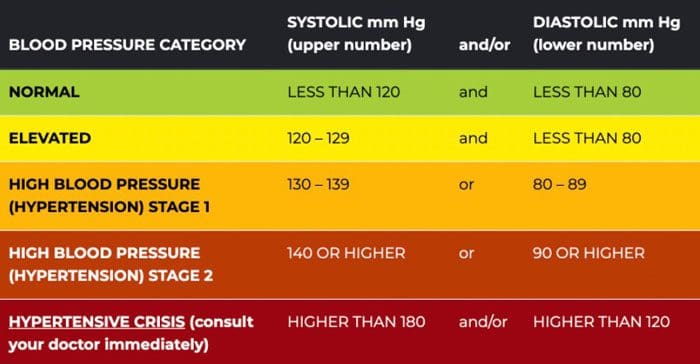
An individual’s blood pressure includes:
Systolic Blood Pressure
This is the first or top number listed on a blood pressure reading and is the measurement of the pressure that the blood exerts against the walls of the arteries.
A normal systolic reading should be less than 120 mm Hg.
Diastolic Blood Pressure
This is the second number that measures the force of the blood against the artery walls when the heart is resting between beats.
A normal diastolic reading is less than 80 mm Hg.
Pulse
The pulse is the number of beats per minute the heart is beating.
A normal adult pulse is between 60 to 100 beats per minute.
When checking blood pressure, a doctor will read out a vital sign in the normal range of 120/80 mmHg or below. Anything above that could be an indication of an underlying health condition.
References
“Ergonomics for Prolonged Sitting.” The University of California at Los Angeles, Los Angeles, CA. https://www.uclahealth.org/spinecenter/ergonomics-prolonged-sitting
“Workplace sitting is associated with self-reported general health and back/neck pain: a cross-sectional analysis in 44,978 employees.” BMC Public Health, London, UK. May 2021. https://pubmed.ncbi.nlm.nih.gov/33957889/
“Active Sitting Guide: 6 Reasons To Really Consider It.” The Ergonomics Health Association. (n.d.) https://ergonomicshealth.com/active-sitting-guide/
“Cardiometabolic Impact of Changing Sitting, Standing, and Stepping in the Workplace.” Medicine & Science in Sports & Exercise, Indianapolis, IN. March 2018. https://oce.ovid.com/article/00005768-201803000-00015/HTML
“Reducing occupational sitting time and improving worker health: the Take-a-Stand Project, 2011.” Preventing Chronic Disease, Atlanta, GA. 2012.
“Office exercise: Add more activity to your day.” The Mayo Clinic, Rochester, MN. October 2019. https://www.mayoclinic.org/healthy-lifestyle/adult-health/in-depth/office-exercise/art-20047394
“The Tools: Put an End to Your Sedentary Lifestyle.” Ergotron, St. Paul, MN. (n.d.). https://www.juststand.org/the-tools/
Trying to fit exercise into a busy day can be a struggle to find a 30–45-minute window. However, research has found that mini workouts and accumulated exercises over the day are as effective as one complete session. Studies show that short workout sessions take the place of one long workout by breaking up the routine into several small ones and are just as effective.
The benefits of short, multiple exercise sessions are that they provide increased flexibility in an individual’s daily schedule, allowing them to focus on their health while navigating family, work, and other obligations. Performing mini-workouts throughout the day makes it easier to stay committed to an exercise program, experience the benefits, and achieve their health goals.
Increase Brain Health and Mood
Shorter duration workouts save time, allow multiple forms of exercise into a single day, and improve neurological, physical, and psychological benefits.
Performing an exercise as short as 3–5 minutes throughout the day can benefit the brain and mood.
Lower Blood Pressure
A study compared the effects of short aerobic exercise sessions and continuous exercise on 24-hour ambulatory blood pressure.
The study found that doing three 10-minute walks during the day morning, midday, and late afternoon lowered blood pressure more than doing one 30-minute walk in prehypertensive individuals.
Easier to Exercise
Performing high-intensity workouts for a long time is not easy, even for seasoned athletes.
This is why mini workout sessions appeal to fitness fans of all levels.
Decreasing the time allows the individual to exercise at higher intensities.
Reduce the Stress of Working Out
Incorporating shorter workouts can reduce the stress or fear that individuals have towards working out.
When looking at fitness from this perspective, shortened workouts naturally become a part of the day that helps relieve stress.
Achieve Fitness Goals
Shorter workouts allow individuals with busy schedules to focus on what they can perform in controlled sessions throughout the day without feeling overwhelmed by committing to an entire workout session.
Mini workouts are easy to schedule, more sustainable to perform, and easier to commit to long-term.
They allow for more focused and intensive exercise, especially when easily distracted.
Plan Ahead and Follow Through
The recommended way to accumulate a balance of strength, cardio, and mobility exercises throughout the day is to set up a plan. Find a routine that is enjoyable and not a chore, then set up the office space, work area, home to accommodate the exercises. For cardiovascular and strengthening benefits, an example of Tabata or HIIT workout.
Five exercises.
Two minutes on each exercise with a work-rest ratio of 30 seconds on, 30 seconds off.
Depending on an individual’s fitness level, the work-rest ratio can be modified.
To improve mobility and strength, use weights or resistance bands.
Focus on proper form.
Try shorter workouts for a quick burst of exercise:
Pick two to three exercises like bicep curls, shoulder presses, bodyweight squats, calf raises, lunges, or planks.
How much physical activity do adults need? (2015, June 4) cdc.gov/physicalactivity/basics/adults/
Mayo Clinic Staff. (2014, October 10). Depression and anxiety: Exercise eases symptoms mayoclinic.org/diseases-conditions/depression/in-depth/depression-and-exercise/art-20046495
Mayo Clinic Staff. (2015, April 16). Exercise and stress: Get moving to manage stress mayoclinic.org/healthy-lifestyle/stress-management/in-depth/exercise-and-stress/art-20044469
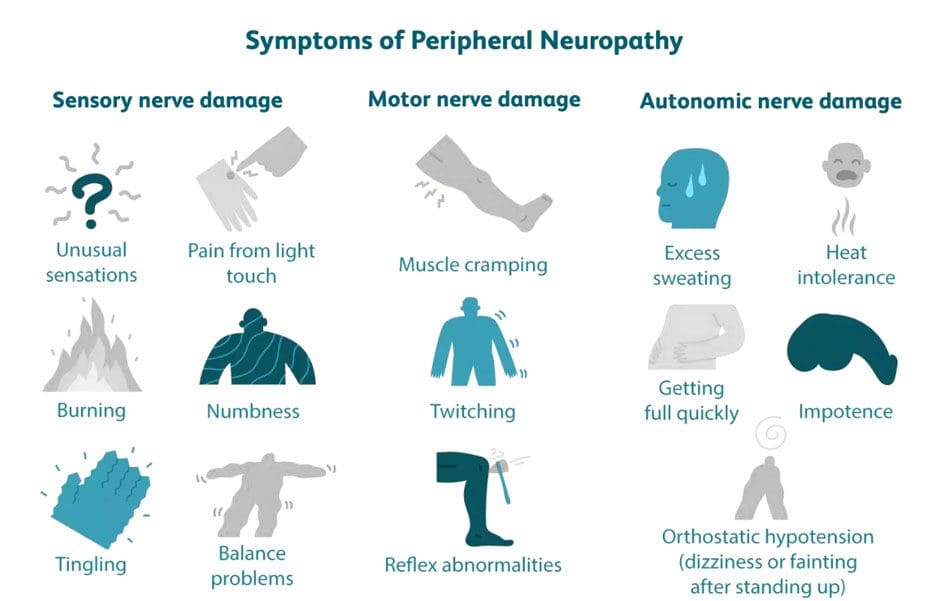
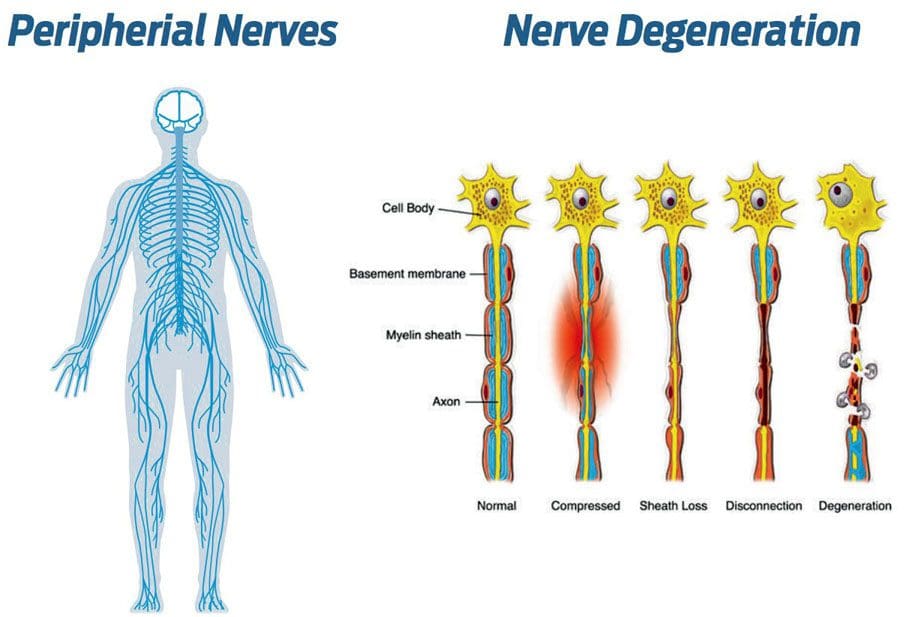
Neuropathy is a painful condition that causes tingling, numbness, burning sensations in the hands and feet, and other symptoms throughout the body. Neuropathy can make life difficult. There is no cure for neuropathy, but symptoms can be managed with medications, antidepressants, anticonvulsants, and pain relievers. Another treatment option to help relieve neuropathy symptoms is chiropractic.
Symptoms
Symptoms vary from individual to individual depending on their health condition and how the nerves have been impacted. Common symptoms include:
Pain
Numbness
Tingling
Pins-and-needles feeling when touching something hot or cold.
Some individuals lose the sense of feeling like clothing on their body, even though it’s rubbing against the skin but feel as if it is not there.
Other changes can be familiar objects looking different than usual.
Lessened or heightened sense of smell.
Negative impact on mood.
Protective Sheathing Of The Nerves
Neuropathic pain is caused by damage and degeneration to the nerves or the protective covering/sheathing of the nerves. Various causes include:
Diabetes.
Injury.
Infections.
Medication side effects.
Exposure to toxins.
Stages
The symptoms of neuropathy depend on the location and severity of the nerve damage. The stages include:
Numbness and Pain
Stage one consists of numbness and pain.
Some individuals describe a tingling or numbing sensation.
What feels like pinpricks in the hands and/or feet.
This stage can last for months, but most individuals recover within a year.
Constant Pain
Stage two is characterized by continuous pain.
Some individuals may experience shooting pains that come and go.
Intense burning sensations around the waistline.
Numbness on one side of the body with stabbing pain.
This stage can last for a year or more and worsen until the individual is incapacitated.
Loss of motor skills like walking and falling over.
Doctors treat the symptoms so they don’t get worse.
Loss Of Sensation
The final stage is the loss of sensation.
This occurs when the nerve endings are destroyed and can no longer send messages to the brain.
Treatments To Help Relieve Symptoms
Treatments usually involve:
Antidepressants.
Pain medications.
Anti-seizure medications.
Pain-relieving creams.
All can help manage pain and inflammation.
Chiropractic Can Also Help Relieve Symptoms
Chiropractors use hands-on methods to adjust and realign joints, muscles, spinal discs, and ligaments to function more efficiently and bring relief from pressure on the nerves. Neuropathies are often caused by nerve compression in body areas that have been altered by injury or disease that affects ligaments, discs, spinal muscles, sacroiliac joint dysfunction, hip adhesions, leg length discrepancies, etc. These can contribute to pain and numbness in the peripheral nerves that supply the legs, feet, arms, hands, and neck. While a chiropractor cannot cure neuropathy, they can help relieve symptoms, make it much more manageable, and improve quality of life.
Body Composition
Common Cold
The common cold, also known as upper respiratory tract inflammation, is the most common infectious respiratory disease because of its effect on the nose and throat. The average adult will catch 2–3 colds a year, according to the CDC. A virus that causes a cold can enter the respiratory tract directly when inhaling droplets expelled from an infected person or by direct skin contact, like touching the face with a hand that came in contact with the virus. Cold symptoms vary but usually include:
Runny or stuffy nose
Sneezing
Coughing
Headaches
Body aches
The duration of a cold differs; however, most individuals with a healthy immune system recover in 7–10 days. However, individuals with a compromised immune system, asthma, or COPD have an increased risk of developing more serious illnesses like bronchitis or pneumonia. Hundreds of viruses can cause colds. Human Rhinoviruses are common culprits and are constantly mutating, which is why there is no cure. Several medications or natural treatments help alleviate cold symptoms; it is recommended to combat the illness effectively through a healthy immune system response. Doctors recommend proper rest, eating a nutrient-rich diet, and maintaining proper H2O hydration to boost the immune system.
References
D’Angelo, Kevin et al. “The effectiveness of passive physical modalities for the management of soft tissue injuries and neuropathies of the wrist and hand: a systematic review by the Ontario Protocol for Traffic Injury Management (OPTIMa) collaboration.” Journal of manipulative and physiological therapeutics vol. 38,7 (2015): 493-506. doi:10.1016/j.jmpt.2015.06.006
Kissel, Jaclyn A, and Cristina Leonardelli. “Isolated musculocutaneous neuropathy: a case report.” The Journal of the Canadian Chiropractic Association vol. 63,3 (2019): 162-170.
Passioti, Maria et al. “The common cold: potential for future prevention or cure.” Current Allergy and asthma reports vol. 14,2 (2014): 413. doi:10.1007/s11882-013-0413-5
T Francio, Vinicius. “Chiropractic care for foot drop due to peroneal nerve neuropathy.” Journal of bodywork and movement therapies vol. 18,2 (2014): 200-3. doi:10.1016/j.jbmt.2013.08.004
In today’s podcast, Dr. Alex Jimenez DC, Health Coach Kenna Vaughn, Truide Torres, Alexander Jimenez, and Astrid Ornelas discuss and focus on a deeper look at understanding metabolic syndrome.
Dr. Alex Jimenez DC*: It is a special day, guys. Today we’re going to be talking about metabolic syndrome. We’re going to be focusing on the sciences and the understanding of what metabolic syndrome is. Today, we’re going to be bringing out some specialists and people from all over the globe in different directions to discuss the topics of metabolic disorders and how it affects people in our local communities. The particular issue that we’re going to be talking about today is metabolic syndrome. Metabolic syndrome affects a whole lot of people now in terms of it to be diagnosed with metabolic syndrome; we have to have a couple of disorders situations that present them that are things such as blood sugar issues, high blood pressure, the ability to have triglycerides off high-density lipoproteins and also the measurements of belly fat in our diet. So today, one of the remarkable things that we’re going to be doing is bringing a panel to us to you guys to see what metabolic syndrome is now. Today is a special day because we’re going live on Facebook Live, and we’re presenting the information for the first time. So this is our first go at it, guys. So give us a thumbs up if you feel we did well. If not, let us also know because we’re learning and going through a process to get to our communities and teach them about metabolic disorders. Today, we have Astrid Ornelas, who will be talking about metabolic syndrome and specific dietary nutritional dynamics to help improve it. We also have Kenna Vaughn, which is our coach, that’s going to be discussing how we interact with patients. We also have our patient here, Trudy, a live individual who has had metabolic syndrome. And in the distance, we also have Alexander Jimenez, who’s out at the National Unity, Health Science, and Medical School, to discuss the associated and linked to metabolic disorders to give us detailed information. Detailed insights as to what metabolic syndrome is and how it affects our communities. Now what to be critical about it is, is this is a severe subject matter. It seems kind of that we chose this particular topic because that it’s affecting so many people. So many of my patients that we see today, even though I have a musculoskeletal practice, are directly related to inflammatory disorders. And when we’re dealing with inflammatory issues, we’re going to be dealing with insulin and how it affects the body. Now, as insulin goes in this process, every one of these particular dynamics that we’re going to be discussing and our future podcasts when we deal with metabolic syndrome is directly related to insulin and its effects on the body. So as we go through these dynamics, what we want to do is we want to bring out each point. I can present today Kenna Vaughn; who will be talking about what happens when we offer a patient and what we do when a patient has metabolic disorders? So we’re going to present it to Kenna. Kenna, can you tell us a bit about what happens when a patient presents with metabolic syndrome, what they look for, what we look for, how we assess it, and how we treat the issues?
Kenna Vaughn: I’d love to. So when the patient first comes in, and we see those signs of metabolic syndrome, the patient isn’t always aware because, on their own, these symptoms that make up metabolic syndrome are not necessarily a red flag. However, when we start to see them getting combined, we realize that we need to take control of this right now. So when that patient first comes in, and they’re telling us about the symptoms that they’re having, we start tracking it, and we make a detailed history on them to see if it’s something that has been going on for a long time, if it’s more recent, things like that. And then we’re going to take it from there. And we do more detailed lab work, and then we look at the kind of even their genetics. Genetics is a huge part of it. And we see what diet would best work for them and just make those realistic goals. But we also really want to make sure we give them that education they need to be successful. Education is tremendous, especially when it comes to something that can be as confusing as metabolic syndrome.
Dr. Alex Jimenez DC*: We discuss how we can give our patients take home dynamics and things of value to change the metabolic syndrome once we determine that someone has metabolic issues. Now the whole idea is to create a direct path from the kitchen to genetics. And somehow someway we have to bring science to the kitchen to understand what we can eat and what we can do and how we can avoid certain foods to change the dynamics expressed at our genetic code level. So we’re going to try to give a little bit of broad, you know, expansive understanding of the processes that can take on each of these five particular issues. One at a time. So in terms of, let’s say, the kitchen, how do we help people help themselves in the kitchen, Kenna?
Kenna Vaughn: One thing that we love to do in the kitchen is smoothies. Smoothies are so beneficial because not only are you feeding your body the proper nutrients you need. You can also provide the right nutrients to your cells, which will make the difference inside your body. And you’ll still feel satisfied and full, not going to be something that’s, you know, you’re left hungry like you just ate a little bit of birdseed. So it’s something that I recommend everybody starts with. One great thing to add to those smoothies is going to be flax seeds. So flax seeds are very high in fiber, a good fiber. So if you put those flax seeds into the blender first and blend them up, opening them up, you start adding in your healthy fats like avocados to make your smoothie nice and smooth. And the almond milk, low calorie, and low carb fruits, things like that. It’s going to just unleash a powerhouse inside that gut. So one main thing that it’s going to do is the fiber is going to stick around. So it’s going to feed your prebiotics and your probiotics every single bug in that gut. And it’s also going to help take things out of your body system that usually gets reabsorbed, such as salt, and let it be able to get excreted the way that it should be, rather than sticking around, like I said, getting reabsorbed and just causing these underlying issues.
Dr. Alex Jimenez DC*: So these dynamics and mainly when dealing with flaxseed, I know Alexander knows a bit of the flax seed dynamics in terms of how it works with cholesterol. And that’s one of the issues, the HDL component. Tell me a bit of what you’re what you’ve seen in terms of the flaxseed, Alex, in terms of our experiences with flaxseed and diminishment of cholesterol and helping out with metabolic syndrome.
Alexander Isaiah: So, flaxseeds are suitable not only for nutrients but like Kenna said, they’re outstanding in dietary fiber. So we have to ask ourselves, why is dietary fiber essential? We can’t digest it, but it can bind to other things that are within our gut. And one of the main things that it does to lower cholesterol is it binds to bile. Now, bile from our gallbladder is around ninety-five percent cholesterol. And I’m sorry, 80 percent cholesterol and ninety-five percent of it gets recycled and reused most of the time. So why have a large amount of fiber within the gut? The fiber binds to the cholesterol. The body’s mechanism to compensate for that is to pull cholesterol from other parts of the body, specifically from the serum of the blood, and pull it back in to rejuvenate those levels of bile. So not only are you forcing your gut to work properly that it is meant to, but you’re also lowering your cholesterol within the inner side of the body.
Dr. Alex Jimenez DC*: So the component of cholesterol can be assisted by fiber. Now, I know that Astrid got some ideas about lowering the blood pressure and bringing a little bit of control in nutraceuticals. And in that respect, she’s been going over some particular topics, and she’s the resident scientist that helps us see the NCBI, which is the national research center that provides daily information about what’s happening with metabolic syndrome out there. So she will be presenting a little bit of some nutraceutical topics that we can touch upon at this present time. Astrid, hello.
Astrid Ornelas: Hello. So, first of all, for those people who are barely coming into the podcast who are barely coming in to listen to us. I want to bring up again what metabolic syndrome is. So metabolic syndrome, as many of you might know, it’s not a condition or disease in itself. It’s more so a cluster of a collection of, I guess, other health issues that can increase the risk of things like heart disease, stroke, and even diabetes. So with that being said, the metabolic syndrome doesn’t have any apparent symptoms, but probably one of the most visible, I guess. You know health issues that are obvious in people with metabolic syndrome is waist fat. So with that being said, some of the nutraceuticals I want to talk about today, as you can see, I’ve listed several nutraceuticals that I discussed the last time. And these nutraceuticals can help with metabolic syndrome in a variety of ways. But I added several on here that specifically target weight loss. Since, as I mentioned, one of the apparent signs of metabolic syndrome is excess waist fat. So I want to bring in one of the nutraceuticals that is that several research studies and I’ve written articles on it that can help promote weight loss in people with metabolic syndrome is niacin. Now niacin, it’s a vitamin B3, and you can usually find it when you buy those supplements that have a kind of B-complex. It has a collection of various of the different B vitamins. So niacin, several research studies have found that it can help reduce inflammation associated with obesity people that have excess weight, of course. Usually, these people have increased blood sugar and blood sugar levels, leading to inflammation. So taking B vitamins, specifically vitamin B3, or as it’s well known for niacin, can help reduce inflammation. It can also help promote metabolism, our body’s capacity to convert carbohydrates, proteins, and fats into energy. So when we take vitamin B and specifically niacin vitamin B3, I want to emphasize that research studies have found that it can help burn calories much more efficiently.
Dr. Alex Jimenez DC*: When we’re dealing with niacin and the nutraceuticals, we are going. I know Alexander’s got some issues. Are you still with us, Alexander? Yeah, I’m here. It’s OK. It’s all good. I can see that we deal with and we’re learning about our technical issues as we go through them. I’m going to go back to Astrid, specifically about belly fat. Now she had mentioned the belly fat. Let’s be very specific when we’re dealing with belly fat. We’re dealing with issues where a male has a greater than 40-inch waist. OK. And for females, they have a greater than 35. Is that correct? Yes. So when we do the measurements, that’s one of the components. So as we discuss these particular issues, we want to make sure that when we’re talking about the belly fat and the weight gains and the BMI issues and the BIA issues, it’s the basal metabolic rate and impedance assessments that we do. We’re looking for those particular aspects. So she’s mentioning in the niacin and terms of niacin, what’s your experience with niacin, Alex with your dynamics that you have put in place?
Alexander Isiah: Niacin, or vitamin B3, is an excellent vitamin B because it is a free product. It reacts to a specific response precisely where it takes hold during glycolysis and the citric acid cycle. It plays a significant role in the citric acid cycle because it is used as the pre-product to synthesize NADH. Now, if someone has metabolic syndrome, this can upregulate that citric acid cycle. So if they’re trying to burn fat or use their carbohydrates at a more efficient rate, it will help upregulate that cycle and allow them to use their mitochondrial metabolism a lot better.
Dr. Alex Jimenez DC*: That’s awesome. Now, going back to Astrid, tell me a bit about what supplements we have here. We may not get through all of them, but little by little. We’ll break this thing down, so we’ll give you guys tidbits. So that useful information so that we can take on metabolic syndrome and change people’s lives. Go ahead.
Astrid Ornelas: OK, so the next nutraceuticals I’m going to talk about, I’m going to talk about these two together vitamin D and calcium, specifically vitamin D3. I want to emphasize that. But both of these nutraceuticals can also help promote fat mass loss. And several research studies have also found that this one, just like B vitamins, just like niacin, vitamin B3, could also help improve metabolism to make the body more efficiently burn calories. And then the next nutraceuticals I want to talk about is DHEA. Now I want to, I guess, one of the things that I want to highlight about the DHEA is that, first of all, this is a hormone. This is a hormone that is naturally produced in the body. But then, of course, you know, some people can supplement it if you talk to your health care professional. And they determined that you need more DHEA in your body because your body’s not naturally producing enough of it, then they can supplement that as well. So specifically about the DHEA, according to the Washington University School of Medicine, DHEA can also help metabolize fat much more efficiently. I guess one of the things that I wanted to discuss goes together with the DHEA. So when we consume excess calories, you know, the daily caloric intake on average, according to researchers, we need to take 2000 calories. But so what happens to the body when we eat excess calories now? These calories are stored in the body as fat. So when the body naturally produces, I guess, sufficient amounts of DHEA, our body can metabolize DHEA. I mean, metabolize fat. I’m sorry, much more efficiently so that our body gets rid of excess fat rather than storing it.
Dr. Alex Jimenez DC*: Got it! So let me ask you, DHEA is a hormone, and one of the things that I notice is that it is a hormone found over the counter. And one of the unique things with some passages of recent laws is that DHEA made it through the FDA to be used over the counter. So you’ll see the product is dispersed through all the stores and depending on the quality, you can see it more every day. And the reason you see it more common over the last couple of years is that the FDA found it, and then through a loophole, it was allowed to remain in the markets. Go ahead. Kenna wants to mention something regarding this particular component in the assessment of those specific issues.
Kenna Vaughn: I was going to add something when it comes to talking about body fat and how Astrid was saying that body fat gets stored. So what happens is when you have those excess calories, you create these things in your body called triglycerides. And triglycerides are composed of glycerol and fatty acids; and however, those in general triglycerides are too big to enter that cell membrane. So what happens is another hormone that controls almost everything, and it’s called insulin, and the insulin gets called in. And from here, we have the lipo…
Dr. Alex Jimenez DC*: Lipoprotein lipase?
Kenna Vaughn: Yes, that one. It’s a tongue twister, so that gets called in and then kind of breaks those apart. The insulin is coming in again and activating something called the glut4transporter, which will open up that cell membrane. And now we’re going to see that fat cells get stored full of glucose, triglycerides, and fat. So that’s how those fat cells go from not having anything to then having those excess calories. Now they’re being converted through this process. Now they’re getting nice and full, and they’re hanging around your belly.
Dr. Alex Jimenez DC*: I’ve noticed that certain people have more efficient LPLs, which is lipoprotein lipase. Some people may say that you know what? I gain weight by just looking at food, and it may happen more as you get older. A whole different control system controls this particular issue. What kind of control systems are the ones that control lipoprotein lips and the glut4, along with hormone-sensitive lipase, that you have there?
Kenna Vaughn: Insulin controls everything else. And it’s like I said, it’s that hormone, and it’s going to come in. And also, on top of that, we have PH that affects enzymes, temperature, and things along that line.
Dr. Alex Jimenez DC*: You know, a lot of things that when we look at enzymes, we realize that the thing that determines the enzyme’s activity or sensitivity or ability to function is encoded in the genetics in terms of lipoprotein lipase and the breakdown of the fatty acids. I know, Alex, you have some points there in terms of the fat breakdown information. What do you have there that you can help the public understand a little bit more?
Alexander Isaiah: So, without going too much into the biochemical pathways, this is just showing the mitochondria’s inner mitochondrial matrix. So after I guess you’ve been well-fed and all your cells are satisfied with energy production through ATP synthesis, if you have overconsumption of caloric intake, specifically through glucose, you end up having a large amount of acetyl-CoA being produced or hanging around in the end here. So what the body does is buy high levels of insulin. This enzyme, called citrate synthase, is induced. So what citrate synthase does is use oxygen acetate and acetyl-CoA to make citrate. Now, citrate can then exit the mitochondrial matrix, and then significant accumulations of citrate will start accumulating in the sidewall of the cell. As that happens, ATP citrate lies will break them apart again and bring acetyl-CoA and auxtyl-acetate. Because auxtyl-acetate and acetyl-CoA don’t have specific membrane transporters, they can’t cross that mitochondrial membrane. Only specific ones like citrate do so as acetyl-CoA gets taken out into the cell; taking a look over here, we have acetyl-CoA, which gets turned into methylmalonyl-CoA. And it’s actually this enzyme acetyl-CoA carboxylic is induced by insulin. So usually, acetyl-CoA carboxylic has a phosphate group on it, which inhibits its activity. But when it interacts with insulin, insulin turns on a protein phosphatase. So phosphatase are enzymes that take phosphates off, and then it becomes acetyl-CoA carboxylic. So now acetyl-CoA carboxylic is active to make methylmalonyl-CoA. Now, why is this important? So methylmalonyl-CoA is like putting the boulder on top of the hill; you’re going to start a different chemical process. So methylmalonyl-CoA inhibits fatty acid breakdown and begins fatty acid synthesis. So when you start making methylmalonyl-CoA, you’re going to, without going too much into fatty acid synthesis. The end goal is palmitate, which is the type of fatty acid. Now, palmitate chains will combine with glucose to form triglycerides. So here, we can see how a large dietary intake of carbohydrates, glucose levels, proteins, and insulin activates triglycerides. And if you have diabetes, you pretty much get halted in specific pathways. And that’s why you end up with too much acetyl-CoA. You have too many ketone bodies floating around in the blood, so you are going through without going too much in-depth; we can see that having a large number of dietary triglycerides, large amounts of glucose will force more triglycerides or try sealed glycerol within these kinds of microns within the lumen of the blood vessels. And this is going to cause a chain of reactions. So without breaking down too much here, we’re showing where it’s all going, so we have acetyl-CoA going to methylmalonyl-CoA, going to palmitate, and then we have palmitate forming these triglycerides. So like Kenna said, these triglycerides can’t enter the adipocytes. The adipocytes are fat cells without lipoprotein lipase. So with the combination of lipoprotein lipids allows these cells to get in there. You allow for the storage of the fat, so the cool part to notice is that by doing so, the first one will use fatty acids to be your heart. The heart relies on around 80 percent of its energy from fatty acids. Then it’s going to be your muscle cells. But this is in conjunction if you’re exercising regularly. If you’re not doing that, the adipose cells will favor storing the triglycerides or triglycerol more often. And then you’re also going to use more LDL, which means you have the potential to have more oxidized LDL, causing a higher event of atherosclerosis formation.
Dr. Alex Jimenez DC*: You know, as you go through this process, it seems natural, but for a lot of us, it’s a deep, deep story, and it’s far, and it’s dynamic. And what I want to do is to bring the people back to Kenna as to the diets. In terms of getting this basic understanding. How is it that we assess an individual where these particular issues? I can assure you that when we first evaluate a metabolic syndrome patient. We do a lot of blood work, blood assessment, a lot of enzyme testing. We can even do DNA testing. So we got to go back to a patient and describe precisely how we can better improve their lives by our assessments. So, Kenna, you got some cool stuff in there for us. What do you have in front of you?
Kenna Vaughn: Yes, in front of me, I have a sample report from one of our patients on who we ran the DNA blood test. And one of those things that we can see is a gene pulled up right here, and it’s called TAS1R2. And what this gene does is it’s a tissue that can be found in the gastrointestinal tract, the hypothalamus, and the pancreas. And it’s known for regulating your metabolism and energy, and homeostasis. Also affects that food intake beyond the detection of your sweet taste on the tongue. What does that mean? So what that means is it is nicknamed the sweet gene. So, somebody with this gene is more likely to be drawn to sweet foods because it’s almost like their sweetness is enhanced. So when they taste ice cream, it’s a 10 out of 10, no matter the flavor, versus someone who doesn’t have this gene. Maybe it’s more of a seven out of 10. It hits them differently.
Dr. Alex Jimenez DC*: That makes perfect sense. Or some people that, you know, they love that ice cream and that dynamics, I know that I want to take a little bit of a detour because a lot of patients will wonder, Well, what are we going to do to get into being assessed and what kind of things we can? How does someone get? Where do they go? And for that, we have our clinical liaison here, Trudy, who walks patients in and first determines that the patient is qualified because we do have questionnaires that assess the determination of if someone is a talented individual or does have presentations that are predisposing to metabolic syndrome that require further assessment. And once we do in the situation that a person does have it, they want to understand what to do. So actually, Trudy, you do us help people and guide them through the process. What do we do in the office to help guide an individual through the beginnings of metabolic assessment?
Trudy Torres: OK, well, basically, you know, when people call in, we go ahead and email them a questionnaire. It does take about 45 minutes because it’s a very in-depth questionnaire. We want to pinpoint and get to the bottom of their main concerns. The main issues that we’re going to target for the process to be successful. Once we get that questionnaire back, we set up an appointment with Dr. Jimenez and our health coach Kenna, and they will go in-depth as far as the target areas that we need to address for the process to be successful. And that’s one of the things that I wanted to ask Kenna because I know it can be a bit overwhelming as far as what is it that they get? And as far as what is the following process? So once we get the questionnaire, I know that’s when they’re going to go ahead and do the different types of lab work to determine what will be successful in the kitchen.
Dr. Alex Jimenez DC*: I know you see the patients when they walk in; how do they feel in terms of that Trudy? What is it that they typically will tell you before being further assessed?
Trudy Torres: Well, they’re tired of, you know, all the different changes that you go through as, unfortunately, as we age. You know, some of the DNA genes that we have, that they’re dormant, you know, they become active. And that’s when you start to experience a different type of bad syndromes, you know, like metabolic syndrome. And that’s one of the things that we address. You know that we go ahead and do the DNA testing and see what different genes are dormant that are not dormant.
Dr. Alex Jimenez DC*: I think that also, you know, whether you’ve noticed too and you’ve mentioned this to me, they’re just tired of feeling bad. They’re just tired of feeling like; I guess crap is a good word, right? So they’re tired of just they don’t recover. They don’t sleep well. They feel stressed. They feel like they’re being choked with high blood pressure. It’s not. Their lives are different. They’re in distress. They don’t sleep. So these are issues that the patients present to you, and I know you help them guide them. And then, Kenna, tell me a bit of the assessment you do to qualify an individual on the metabolic syndrome programs we have?
Kenna Vaughn: Like we were saying before, we go through that detailed history to look at that family history. And then we also decide, like Miss Trudy noted, the lab work gives us a lot of these underlying answers because the lab work we do is more detailed than the basic. So we get more numbers, more genetic codes, and more of all of these things. And from there, we’re able to take it and see what will be the most successful path for this patient. What supplements are they going to be able to intake better? What diet is best for them, whether it be the ketogenic diet or the Mediterranean diet? Everybody’s body is different because everybody’s insulin sensitivity is different, and everyone’s hormones change, especially for females. It’s different than male patients, and we create that individualized package for them because we want them to leave at the end of everything, not just that first visit. Still, we want them to leave feeling empowered and healthy and strong and not just they’re alive, but that they’re living. And that makes a massive difference to their families and their friends. And just everything gets impacted, all from the start of these questionnaires.
Dr. Alex Jimenez DC*: You touched on a subject matter there about being left alone. We go through a process, and we do keep connectivity with our patients. With today’s technology, there’s no reason we can’t have a person or an individual connected to our office and give us information such as BMI BIA information, which is basal metabolic stuff, the scale weight, the fat densities. We can have this information today. We have Fitbits that connect to us, and we can understand that that data is now available in a private way, and someone on the other side is reading that tell us what you do with individuals in terms of the coaching that we offer people; for specific metabolic syndrome?
Kenna Vaughn: Of course. For coaching, we have a scale. And like Dr. Jimenez was saying, this scale not only tells you your weight, but it also sends your weight, your water intake, how much of your weight is water weight, how much of your weight is lean muscle? And it also can track it and see the percentages of where you’re changing. So we can follow that maybe the number on the scale hasn’t moved. And some people might start to feel discouraged. But when we look at the numbers of what that scale tells us, we can see that you are losing body fat and being replaced by muscle. So even though that number is the same, your body inside is chemically changing. You’re making those differences you need to make to keep up with it and not to quit because, as I said, it can be discouraging for certain people.
Dr. Alex Jimenez DC*: So there’s a Mind-Body connection here. A mental component, teamwork dynamics, is essential when we’re working through metabolic syndrome. We can’t leave people here, here, take the football and run 80 plays. No, you have to huddle in each time to discuss and change the adaptive processes. Regarding the other areas with fat analysis, I know Alex has some additional areas and Astrid that will be discussing in a few minutes. But I’m going to focus on Alex right now to tell us a bit of what people can do with exercise or fitness that could stimulate or dynamically change their metabolic processes at the biochemical level.
Alexander Isaiah: Well, I would first, in all honesty, be honest with yourself; you will probably be the best observer of your situation. We all know what foods we do well with. We all know what foods we don’t do well with. We’ve always had some intuition as we’ve grown into the people we are today, knowing what foods work well for us and what foods don’t work well for us. For example, I know that if I consume a large carbohydrate consumption, I tend to put on weight pretty quickly. But I am pretty active. So the days that I have strenuous activity, I make sure that I have a balanced meal with proteins, fats, and a decent amount of carbohydrates. But the days that I’m not very active or haven’t gone to the gym. I make sure that most of my caloric intake sometimes comes from good fats or proteins. And that’s going to be the best thing is just be honest with yourself. See how you’re doing, find your BMI, find your basal metabolic rate, and then put numbers on paper. Because if you keep track of things. Odds are you’re going to do better and control the way your body’s responding. The next thing is I would find a health coach like Kenna, to stay on track and find any recommendations. The good part is that we have the internet out there and sources like yourself, Dr. Jimenez, that can provide information to the public on a new level and be able to understand and grasp the concept from a different perspective and give people more information that they didn’t know that they had at their fingertips.
Dr. Alex Jimenez DC*: I’m going to take it back to Astrid. Thank you, Alex. But one of the things is I want people to understand we’re going to assault. We’re going to assault on metabolic syndrome because this is a big problem and affects many in all communities around the United States. And we have to have an open forum to be able to open up. And sometimes, we don’t have 10 seconds, and this is not a 10 second, two-minute thing. We must understand that there needs to be a teamwork integrative medicine approach that helps the patients. So I know we’re going to go with a couple, I don’t think we make it through all of them, but we’re going to get through as best as we can because this is all recorded and can be dynamic and time purposes used later. Tell us a bit of the omega, berberine, and all the other supplements you had planned to talk about.
Astrid Ornelas: OK. Well, first of all, for those of you who are barely coming into the podcast right now, the nutraceuticals that are currently listed up there can all help improve metabolic syndrome in one way or another. The majority of these specifically target they specifically lower help lower the risk factors that can cause that could increase the risk of developing issues like heart disease, stroke, and diabetes. But I want to emphasize several of these because they do they’re more efficient at promoting weight loss associated with metabolic syndrome. You know, if you’re going to improve metabolic syndrome, you want to promote weight loss, so that the last nutraceutical we talked about that’s up there was DHEA. The next nutraceutical I want to talk about is NRF2. So just like DHEA, it is a naturally produced hormone in our body. Well, NRF2 is also found in our body naturally. But unlike DHEA, which is a hormone, NRF2’s actual name, I guess the full name is the NRF2 pathway. It’s what’s known as a transcription factor, or it’s an element that regulates several cell processes if you will. And so I’ve done quite a few articles on this myself, and there are several research studies out there, quite a few to be exact, but NFR2 can also help improve metabolism. So if you improve your metabolism, especially in people who have metabolic syndrome, your metabolism can make it much more efficient for you to burn calories and therefore burn fat more efficiently.
Dr. Alex Jimenez DC*: The Omegas and NRF2, what we’re dealing with here, along with berberine, is inflammatory issues, OK? So what we want to deal with is when someone has metabolic syndrome, we suffer from inflammation, and inflammation is rampant. And that’s what’s causing the discomfort, the joint pain, the overall swelling, the bloating. Those are the kind of things that help, and they affect the blood pressure in insulin does happen, and we haven’t talked about that yet. But we’re going to be discussing that. I know Alex has got some ideas about Nrf2 factors and Omegas and berberine, and tell me a bit of what you’ve seen in terms of the nutraceuticals, and you read in terms of its effect on metabolic syndrome.
Alexander Isaiah: So the way we need to look at the different types of fatty acids is that most of the surface of each cell is composed of a fatty acid. It depends on what type gets incorporated based on the consumption or dietary intake that you have daily. So the main two components that your body’s going to use is cholesterol. That’s why we still need cholesterol and healthy fats that we get. But at the same time, if you’re taking in a lot of red meats, you’re also going to use arachidonic acid, which makes different types of fatty acids. And it also makes a transcription factor called PGE two, which is known for its very informative process or aspects. So what fish oils do, specifically EPA and DHEA, are by incorporating these into the cell membrane. You upregulate NRF2 and downregulate NF Kappa B, which is the inflammatory response. And not only by doing that, but as we talked about before with green tea extract and turmeric, otherwise known as curcumin. These also inhibit the pathways for inflammation. Now there could be the argument Well, do these pathways inhibit the inflammation? So let’s say I get sick or something, right? Well, the cool part is that two different pathways are stimulating the same response. By doing the dietary regimen of curcumin, fish oils, or even green tea, you’re inhibiting it from the body overexpressing these genes. Now, suppose you still get sick in a sense, right. In that case, you could still allow these cells to proliferate, specifically your macrophages, to do their job correctly, so you’re not inhibiting them by overstimulating them. You’re allowing them to be more proficient in their job. And suppose you are virally infected or with some unknown pathogen or let’s say. In that case, a cell decides to go rogue and start producing cancer cells, allowing the body to be more proficient in extracting these pathogens.
Dr. Alex Jimenez DC*: In essence, we’ve learned that if we try to suppress inflammation, we create a huge problem. The question is, let’s stop inflammation from progressing to be too extreme. So, in essence, to keep it at a workable dynamics, and that’s what these curcumins and the green teas do. I know Astrid has something to mention in terms of this particular concept. Tell me a bit about what you’re thinking.
Astrid Ornelas: Yeah. So as Alex mentioned, green tea is a fantastic drink. It’s actually in my nutraceutical list that’s up there, and I wanted to talk about green tea because it’s a very easily accessible drink, you know, for those of you who like tea. Green tea is delicious as well. And green tea has a variety of research studies demonstrated to be super beneficial for people with metabolic syndrome. So as many of you know, green tea contains caffeine. Of course, it has much less caffeine than a cup of coffee, for example, but it still does have caffeine, and green tea is also a powerful antioxidant. That’s another of the things that it’s very well known for. But just like NF2, you know that the interruptive pathway, green tea, has been demonstrated to help improve metabolism tremendously. You see, it promotes the body’s ability to burn calories, to burn fat. And because of its caffeine, I guess amount because even though it is less than a cup of coffee, but it’s just enough, it can help improve exercise performance. And you know, for those people who are looking to lose weight because of the, you know, the issues that they have associated with metabolic syndrome. Drinking green tea can help promote and improve their exercise performance so that they’re more able to engage and participate more efficiently in their exercise and physical activity to burn fat.
Dr. Alex Jimenez DC*: So basically, you’re indicating that as a good option instead of, let’s say, a whatever kind of drink or a juicy drink, it’s wise to keep sort of in the background green tea throughout the day. Is that correct? Or how much the water is good? The green tea’s good; a little bit of coffee and a little bit of this fluid is essential to keep our bodies hydrated through the process. Since it’s already available, green tea is a great option not only for metabolic processes to stop inflammation but also to help with the burning of the fat too?
Astrid Ornelas: Yeah, definitely. Green tea is a great drink. You can pretty much have it throughout your day. You know it has less caffeine than, say, you know, coffee, as I mentioned. And it will, you know, for those who have green tea, I love green tea, and I will have it. And you do get that little, that extra amount of energy. You feel it when you have green tea. But, yeah, you can have it throughout your day. And you know, it’s essential to stay hydrated, drink plenty of water. And you just want to make sure that if you do exercise enough, you don’t want to lose your electrolytes. So, you know, drink plenty of water and just stay hydrated.
Dr. Alex Jimenez DC*: I know that we’re going over there. I know that Kenna wants to speak something, and we’re going to go in that direction right now because Kenna wants to talk about specific dietary changes and things that we can do from a health coach’s point of view.
Kenna Vaughn: I just wanted to say that green tea is super beneficial from Astrid’s point. But I don’t particularly appreciate drinking green tea, which means that all hope is lost. They do have green tea and capsules as well, so you can still get all of those great benefits without actually drinking it because, for some people, it’s, you know, their coffee over tea. So you don’t have to drink the tea. You can still get all those great benefits that attitude was talking about but through capsules.
Dr. Alex Jimenez DC*: yeah, we got exciting, sneaky ways to help people. To help people understand and to come into our office. What can they do, Trudy, in terms of being facilitated in the office if they want to make, if they’re going to have questions or for any doctor, they have out wherever they may be because this is reaching far.
Trudy Torres: I know this can be very overwhelming to just the regular population. You see, we went in too deep, you know, as far as all the physiology behind it and everything else. One of the things that I can tell you is that when you call our office, we’re going to walk you step by step. You’re not going to be alone. You’re going to walk out with a lot of information and know what works for you. Like Kenna was saying, everybody’s different. This is not a cookie-cutter program. We take the time and talk one on one with everybody who walks in and make sure that when they walk out and have a lot of information with them, they also walk out with just the lab work; they will walk out with recipes. Kenna is going to be constantly following up with you. It’s a highly successful approach when you have accountability from a health coach. So you’re not going to be by yourself.
Dr. Alex Jimenez DC*: You know again where our goal is to make the kitchen to the genes and from the genes to the kitchen, we got to give the understanding maybe not of the deep biochemistry as Alex has taken us into or the nutraceutical dynamics, just know that there are ways that we can monitor. We can assess; we can periodically evaluate. We have diagnostic tools to determine blood assessments that are way beyond what was done ten years ago. We have dynamic metabolic testing in our office to determine fundamental critical aspects of weight density, the limb way to the body, and how much water you have. We use things like phase angle to assess the health of the cells and how they’re functioning. So there’s a lot that goes on in this process. So I want to take the opportunity to thank my guests today because from Alexander, all the way far on the north side of the United States, to Astrid, who assesses things at the NCBI because we need to have our finger right on the research that has been done. To our clinical liaison, which is Trudy, and one of our dynamic health coaches. I can be a health coach, but sometimes I’m with a patient, but she’s really with you all the time, and she can connect with you via email, which is Kenna. So together, we have come with an intention, and our purpose is to understand what the process is. A metabolic syndrome to break it down to deep levels will get down to them as you can see, to the genes, to the kitchen. And that’s what our goal is to educate people on how to feed our children. We intuitively know how to feed our families. Moms know what to do. However, today’s technology and research offer us the ability to break it down and specific to the sciences. And sometimes, when we get a little older, we realize that our bodies change and our genetics change, and that’s preordained based on our past, our peoples, our ontogeny, which is the generations in the past. But we have to realize that we can make a change and we can stimulate. We can activate genetic codes. We can suppress genes that want to get active if you improperly diet or do a proper diet. So our goal today is to bring this awareness, and I want to thank you guys for allowing us to listen in. We look forward to getting different subjects, maybe not as intense or dynamic, but this was our first run at the process. And we’re going to learn, and please ask questions so that we can kind of make it better for you and give you the information you need. So we thank you very much, and I want to tell you from all of us out here in El Paso that we look forward to offering the world information into metabolic syndrome that affects so many people. So thank you, guys. Thank you for everything.
IFM's Find A Practitioner tool is the largest referral network in Functional Medicine, created to help patients locate Functional Medicine practitioners anywhere in the world. IFM Certified Practitioners are listed first in the search results, given their extensive education in Functional Medicine