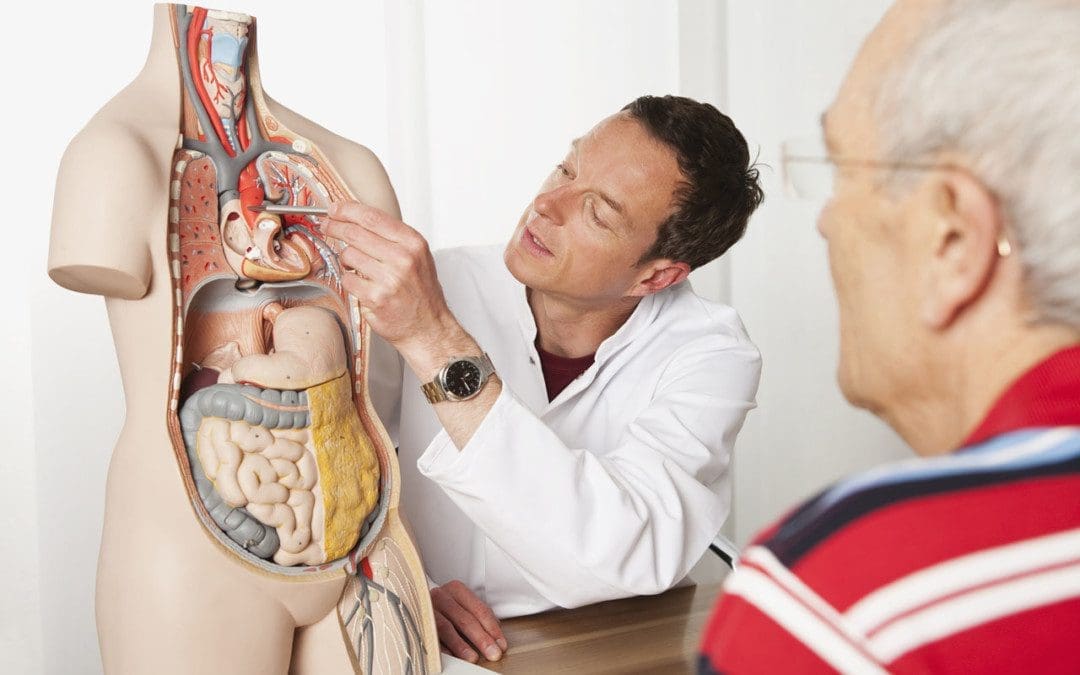
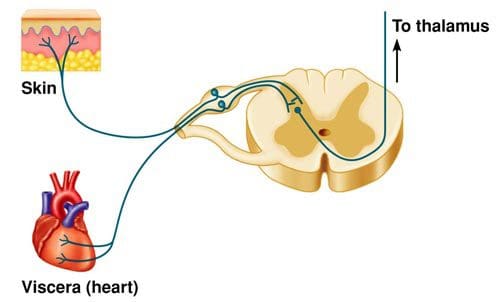
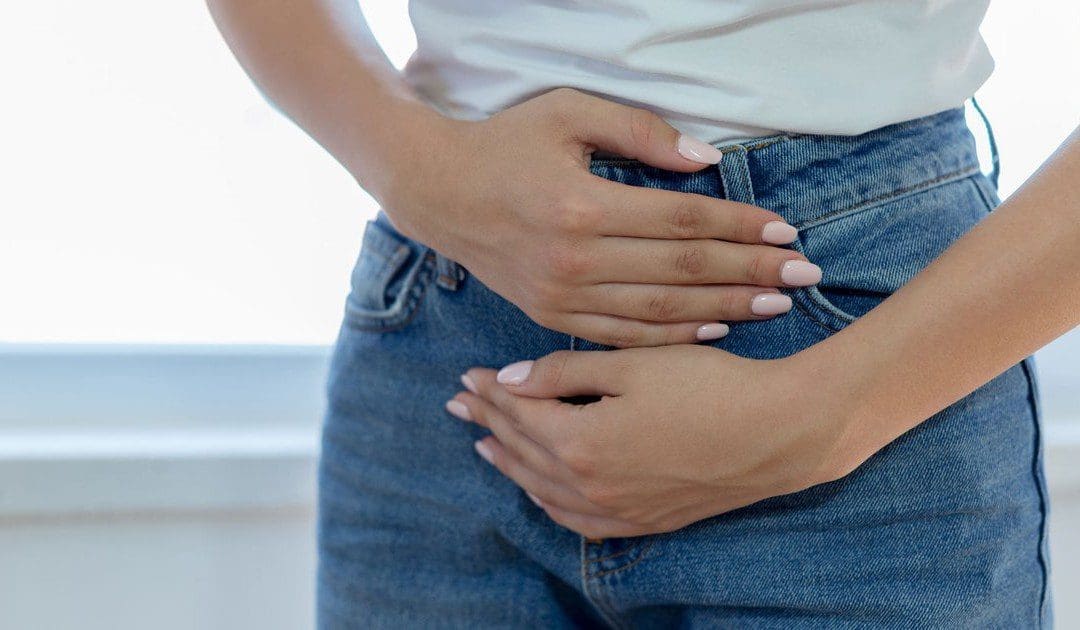
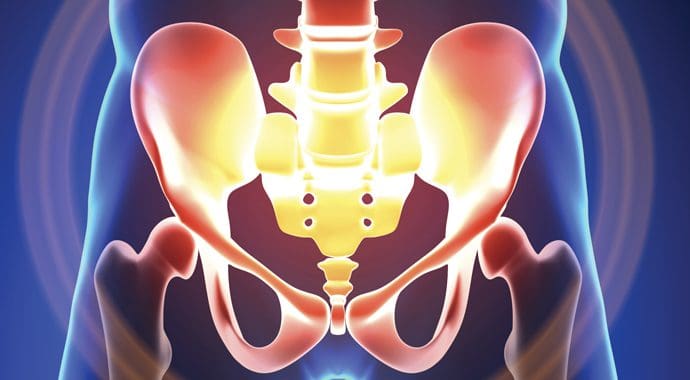
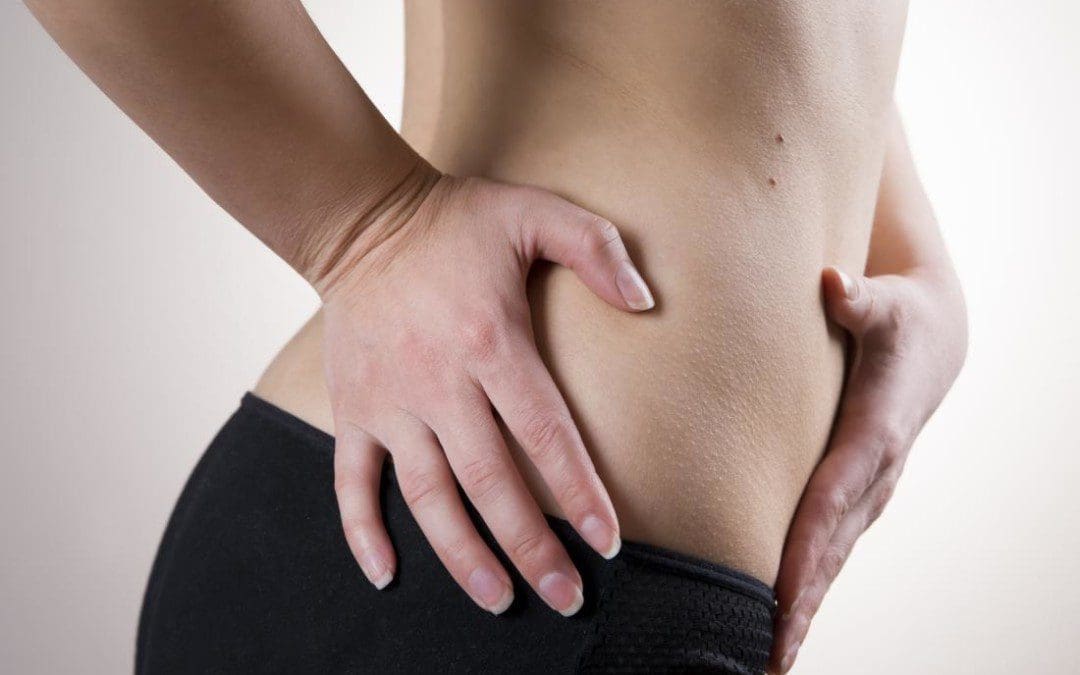
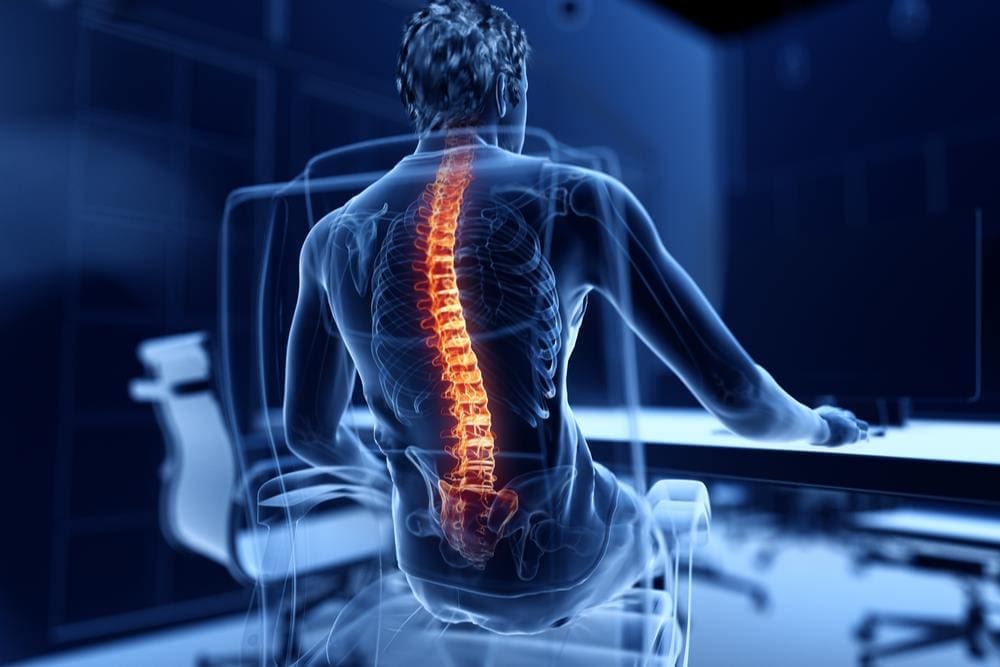
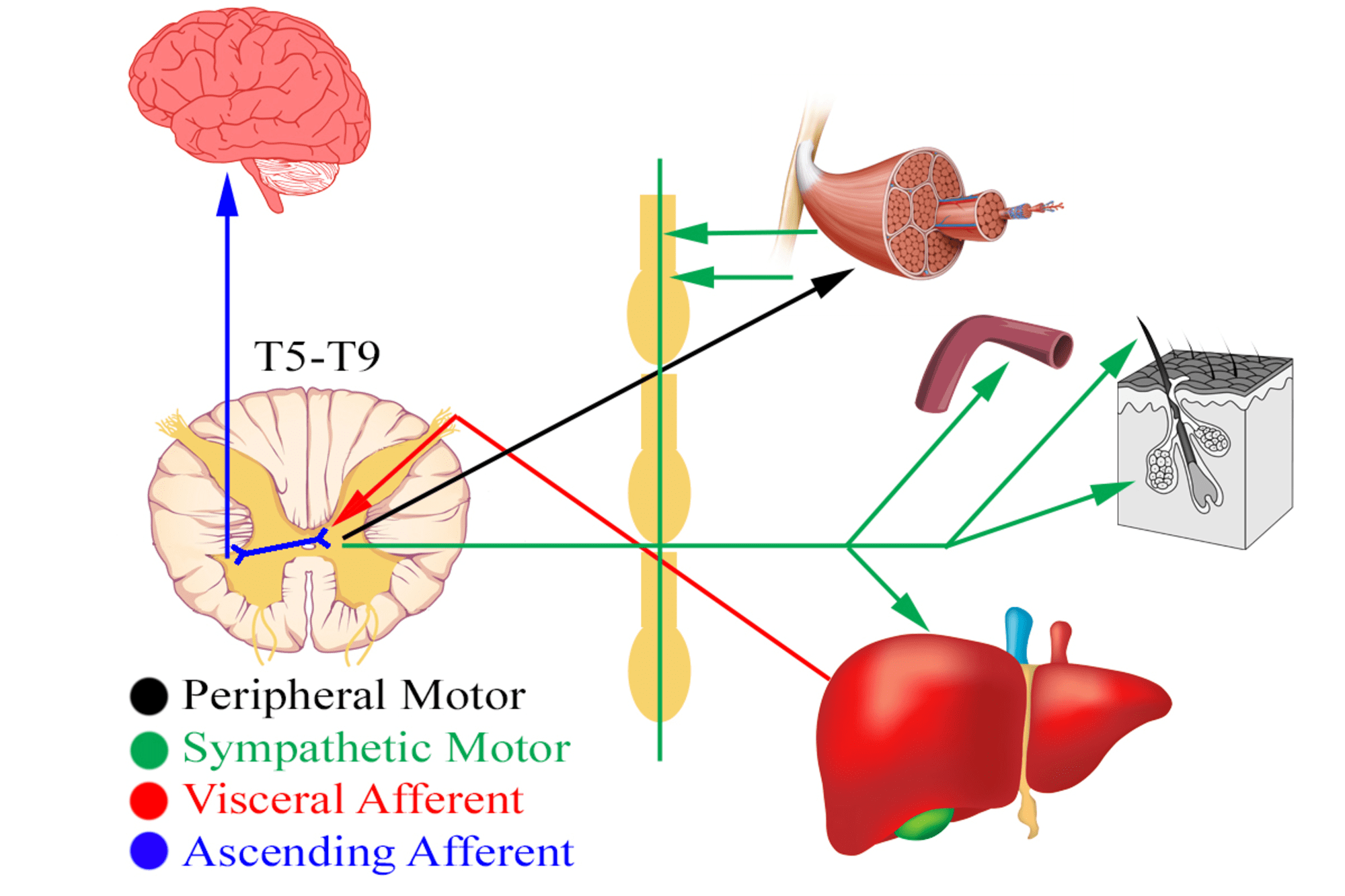
Low back and mid-back pain could be caused by abdominal or pelvic organ distress/irritation or infection that an individual doesn’t know about. This could be a viscerosomatic reflex. This can be the case when there is no back injury, muscle strain, or sprain that would coincide with back aching and soreness. Identifying the symptoms and diagnosing the underlying cause is the first step in getting ultimate pain relief.
The Organs
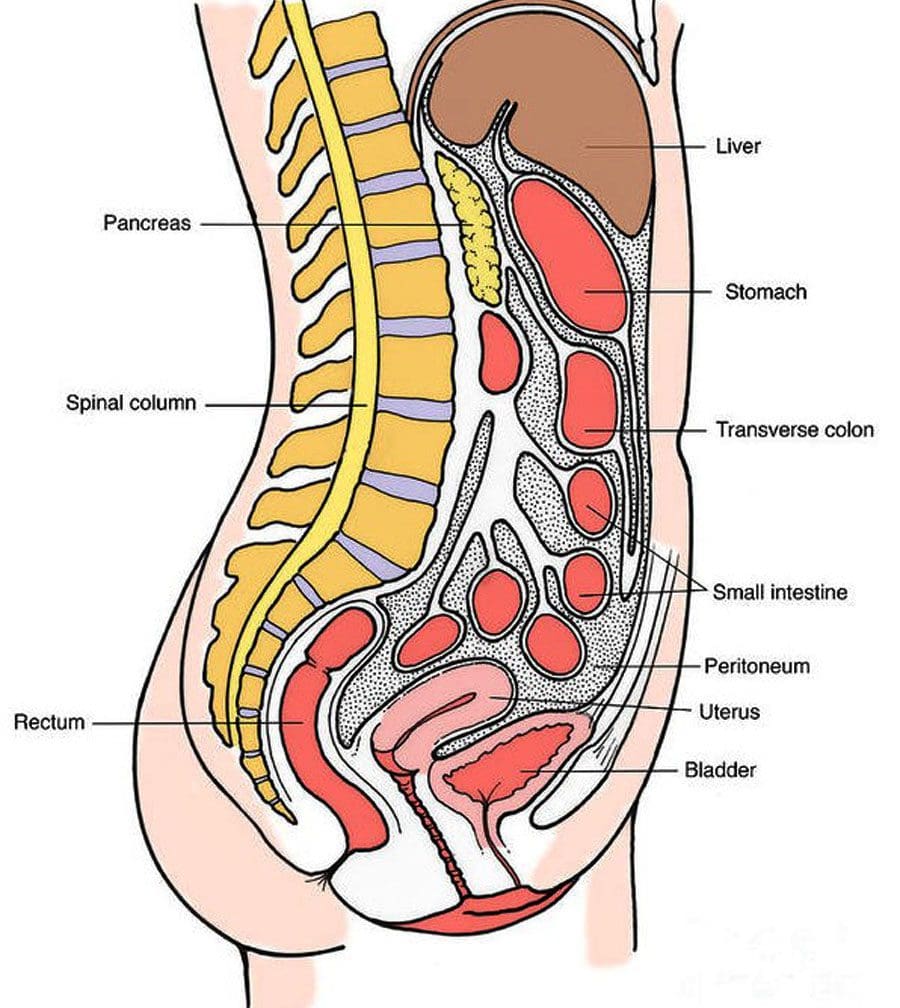
Inflammation and other issues with any internal organs in the central, abdominal, or pelvic region can produce low back pain. These include the following:
Heart
Lungs
Stomach
Intestines
Liver
Gallbladder
Viscerosomatic reflex pain can also be felt in a completely different body part than where the organ is located. This can cause an individual to think something is wrong in that body region when there is not.
Kidneys
The kidneys help remove liquid waste from the body.
Urine that contains more chemical substances than what can be diluted can cause kidney stones to form and sharp pain in the side and the lower back.
Kidney stones can also cause difficulty urinating and blood to show up in the urine.
Inflammation of the large intestine/colon and/or ulcerative colitis can also cause:
Low back pain.
Abdominal cramps
Rectal pain.
Visceral Pain
Visceral pain is different as it can be harder to pinpoint a source and feels like a dull aching or tightening pressure. The pain originates in the organs of the respiratory system, stomach, or pelvis that is often described as a dull ache but is also described as:
It can accompany other symptoms like nausea, vomiting, sweating, or heart palpitations.
Psychological symptoms like depression can begin to present.
Chiropractic Care
Chiropractic focuses on healing the musculoskeletal system of aches and pain, muscle stiffness, and/or chronic conditions that complement traditional medical care. Adjustments can correct the body’s alignment and how the body physically functions. A chiropractor will use manual or mechanical decompression techniques to realign the spine. This will release the muscle, tendon, ligament, and nerve tension, bringing pain relief, and improving nervous system function, and viscerosomatic reflex. Treatments include:
Adjustments
Will gently realign the joints to decrease pain and increase range of motion.
Soft-tissue therapy
Will relax tight muscles, relieve spasms, and release tension in the surrounding connective tissues.
Exercises and stretches
Will restore and maintain joint stability and mobility.
Joint bracing and Kinesio taping
Will support sprained joints or muscles as the healing process continues.
Integrative medicine expert referrals
Experts will guide individuals on diet and nutrition to reduce inflammation and promote healthy eating for overall health.
DRX9000 Low Back Pain, Sciatica, Herniated Disc
References
Bath M, Owens J. Physiology, Viscerosomatic Reflexes. [Updated 2022 May 8]. In: StatPearls [Internet]. Treasure Island (FL): StatPearls Publishing; 2022 Jan-. Available from: https://www.ncbi.nlm.nih.gov/books/NBK559218/
Beal, M C. “Viscerosomatic reflexes: a review.” The Journal of the American Osteopathic Association vol. 85,12 (1985): 786-801.
Lefebvre R, Peterson D, Haas M. Evidence-Based Practice and Chiropractic Care. (https://www.ncbi.nlm.nih.gov/pmc/articles/PMC3716373/) J Evid Based Complementary Altern Med. 2012;18(1):75-79. Accessed 4/25/2022.
Sikandar, Shafaq, and Anthony H Dickenson. “Visceral pain: the ins and outs, the ups and downs.” Current opinion in supportive and palliative care vol. 6,1 (2012): 17-26. doi:10.1097/SPC.0b013e32834f6ec9
Zhou, QiQi, and G Nicholas Verne. “New insights into visceral hypersensitivity–clinical implications in IBS.” Nature reviews. Gastroenterology & hepatology vol. 8,6 (2011): 349-55. doi:10.1038/nrgastro.2011.83
In the body’s upper half, the cardiovascular system’s heart helps pump nutrient-riched oxygenated blood all around the body to the corresponding muscles, tissues, and organs to keep the body functional. The heart is protected by the ribcage and muscles surrounding the heart organ from any external factors that can cause harm to the body. When these factors do cause an effect on the body, it can lead to many issues like thoracic back pain, cardiovascular problems, gut disorders, and even chest pains. These issues affect a person, causing them to feel crummy and dampen their outlook. Today’s article will look at chest pains, how it affects the gut and heart in the body, and how viscerosomatic dysfunction is associated with chest pains. We refer patients to certified, skilled providers specializing in osteopathic and cardiovascular treatments that help those suffering from chest pains and cardiovascular disorders. We also guide our patients by referring to our associated medical providers based on their examination when it’s appropriate. We find that education is critical for asking insightful questions to our providers. Dr. Alex Jimenez DC provides this information as an educational service only. Disclaimer
Can my insurance cover it? Yes, it may. If you are uncertain, here is the link to all the insurance providers we cover. If you have any questions or concerns, please call Dr. Jimenez at 915-850-0900.
What Are Chest Pains?
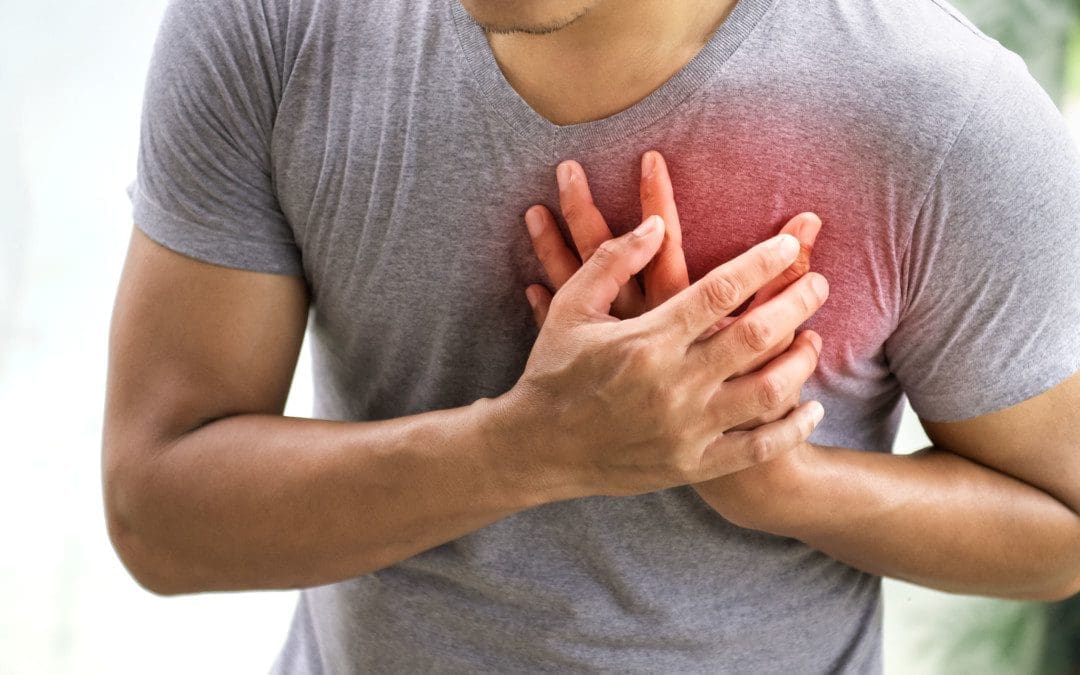
Have you noticed your heart is beating irregularly? How about acid reflux that is affecting your chest constantly? Have you felt muscle stiffness or tenderness in the middle regions of your back? Or have you felt your chest harden and stiffen after something impacted you? Many of these symptoms are tell-tale signs of you experiencing chest pains in your upper body. Research studies have defined chest pains as a common type of visceral pain that is a dull, deep pressure that squeezes the chest. This results in the visceral afferent nerves aggravated as they cause shoulder pain, jaw pain, or thoracic back pain since the nerve root reaches the spinal cord. Additional research studies have found that chest pains can have a variety of cardiac disorders as they can cause dysfunction in the muscles and skeletal joints within the chest walls or the thoracic regions of the spine. When the thoracic region of the spine becomes affected due to chest pains, it can cause herniation on the spinal discs, thus resulting in unwanted pain and discomfort to the individual. Chest pain can even affect the gut system and the heart itself.
How Does It Affect The Gut & The Heart?
Research studies have mentioned that chest pains can affect the gut system and the heart organ itself due to environmental changes that can affect the gut system. The gut microbiota helps metabolize homeostasis in the body for the gut system. When the gut has been impaired, the harmful bacteria travel through the systemic circulation and heighten the inflammatory effects that cause the development of cardiovascular diseases in the heart. At the same time, additional research studies have mentioned that any symptoms accompanying angina pain are conceptualized as a warning to individuals developing coronary artery disease. When this happens, not all ischemic episodes in the heart are indistinguishable when it comes to chest pains and can result from abnormalities of the thoracic regions.
Viscerosomatic Reflexes Overview-Video
Have you experienced irregular chest pains that pop up randomly? How about discomfort in the thoracic regions of your back? Do you feel gastrointestinal inflammatory issues like acid reflux or IBS (irritable bowel syndrome) cause you pain? These symptoms are associated with chest pains in the body due to viscerosomatic dysfunction. Research studies have found that visceral pain is a complex disorder since it can affect one internal organ in the body. In contrast, the corresponding nerve or muscle gets involved as well. Visceral pain is also associated with GI disturbances and changes in the body’s temperature, blood pressure, and heart rate, which are considered autonomic signs that the body is dysfunctioning. The video above gives an insightful overview explanation of what the viscerosomatic reflexes and nerves do when they are not aggravated.
Viscerosomatic Dysfunction Associated With Chest Pains
Since visceral pain is complex and can affect the internal organs, research studies have found that viscerosomatic dysfunction in the thoracic-upper abdominal regions can cause the thoracic and esophagus to become hypersensitive to environmental factors that irritate the airways that connect the entrance of the gut to the esophageal tube. Additional research studies have even found that non-cardiac chest pains are another form of viscerosomatic dysfunction that causes the esophageal opening of the stomach to become dysmotility and hypersensitive causing gastroesophageal reflux disease. This causes many individuals to develop chest pains and can affect a person’s mortality. Adjusting certain habits affecting the chest, gut, or back can reduce the effects that viscerosomatic dysfunction is causing to the person’s body so that they can get their sense of purpose back.
Conclusion
The body’s upper half has the cardiovascular system, where the heart makes sure to pump blood and nutrients to every muscle, tissue, and organ required to keep the body functional. When environmental factors cause issues affecting the body, it can cause various problems in the gut, chest, and heart; this is known as visceral pain and is a complex disorder that can affect the upper abdominal-thoracic region of the body. Visceral pain can cause the gut system to develop gastroesophageal reflux disease, chest pains, and cardiovascular disorders that can make the thoracic region of the spine herniated and stiff if it is not taken care of. When individuals start to take care of themselves and reduce the visceral pain from the affected organ, their bodies will begin to heal naturally and make them continue their health and wellness journey.
References
Brumovsky, P R, and G F Gebhart. “Visceral Organ Cross-Sensitization – an Integrated Perspective.” Autonomic Neuroscience: Basic & Clinical, U.S. National Library of Medicine, 16 Feb. 2010, https://www.ncbi.nlm.nih.gov/pmc/articles/PMC2818077/.
Börjesson, M. “Visceral Chest Pain in Unstable Angina Pectoris and Effects of Transcutaneous Electrical Nerve Stimulation. (TENS). A Review.” Herz, U.S. National Library of Medicine, Apr. 1999, https://pubmed.ncbi.nlm.nih.gov/10372297/.
Johnson, Ken, and Sassan Ghassemzadeh. “Chest Pain – StatPearls – NCBI Bookshelf.” In: StatPearls [Internet]. Treasure Island (FL), StatPearls Publishing, 1 Aug. 2021, https://www.ncbi.nlm.nih.gov/books/NBK470557/.
Sikandar, Shafaq, and Anthony H Dickenson. “Visceral Pain: The Ins and Outs, the Ups and Downs.” Current Opinion in Supportive and Palliative Care, U.S. National Library of Medicine, Mar. 2012, https://www.ncbi.nlm.nih.gov/pmc/articles/PMC3272481/.
Stochkendahl, Mette J, et al. “Diagnosis and Treatment of Musculoskeletal Chest Pain: Design of a Multi-Purpose Trial.” BMC Musculoskeletal Disorders, BioMed Central, 31 Mar. 2008, https://www.ncbi.nlm.nih.gov/pmc/articles/PMC2315652/.
Tang, W H Wilson, et al. “Gut Microbiota in Cardiovascular Health and Disease.” Circulation Research, U.S. National Library of Medicine, 31 Mar. 2017, https://www.ncbi.nlm.nih.gov/pmc/articles/PMC5390330/.
The body is held up by skeletal joints that keep the body upright and provide everyday movements for the body to go anywhere at any time. The musculoskeletal system provides the muscles, tissues, and ligaments that encase the skeletal joints protecting them from unknown factors that can cause harm to the body. The internal organs also have a purpose in the body as they help provide the nutrients and necessary hormones to the muscles and joints that need these nutrients to function. When environmental factors affect the body, either internal or external, it can cause the body to become dysfunctional and even cause unwanted symptoms that affect the internal organs that correspond to the muscles suffering. Today’s article looks at pelvic pain, how gut disorders are associated with pelvic pain, and how viscerosomatic pain affects the pelvis. We refer patients to certified, skilled providers specializing in osteopathic and gut treatments that help those with gut disorders and pelvic pain issues. We also guide our patients by referring to our associated medical providers based on their examination when it’s appropriate. We find that education is critical for asking insightful questions to our providers. Dr. Alex Jimenez DC provides this information as an educational service only. Disclaimer
Can my insurance cover it? Yes, it may. If you are uncertain, here is the link to all the insurance providers we cover. If you have any questions or concerns, please call Dr. Jimenez at 915-850-0900.
What Is Pelvic Pain?
Have you been experiencing gut issues that are affecting your pelvic region? Has your gut been feeling inflammatory effects? Have you noticed that you need to go to the bathroom more frequently than usual? Many of these symptoms are some of the signs that are associated with pelvic pain. Research studies have defined pelvic pain as disabling, chronic, and persistent pain that commonly affects women. Pelvic pain can range from acute to chronic depending on how severe the pain affects the pelvic region of the body. Additional research studies have mentioned that pelvic pain in its chronic form can become a multifactorial disorder that can cause pain in the gastrointestinal, pelvic musculoskeletal, or nervous system, making the immune, neurological, and endocrine metabolism dysfunctional. When pelvic pain begins to affect the gastrointestinal system, it can lead to various gut disorders that can cause the pain to become worse if it is not treated.
How Do Gut Disorders Associate Pelvic Pain?
Research studies have mentioned that since pelvic pain is a multifactorial disorder, it can cause pain to arise in the internal organs in the gastrointestinal system. When pelvic pain starts to affect the gastrointestinal system, it can cause the development of gut disorders to affect the body further. When gut disorders co-exist with pelvic pain, it can cause an enhancement to the overall pain symptoms that are becoming the result of viscerosomatic dysfunction through the cross-organ sensitization mechanisms. Additional information studies have mentioned that gut disorders like IBS (irritable bowel syndrome) can cause changes in thermal/visceral pain sensitivity that overlap in the lower body’s pelvic region, further enhancing rectal/thermal pain. This can cause a person to become miserable and even affect their quality of life since they are suffering from so much pain.
Visceral Afferent Nerves Being Affected By Pelvic Pain-Video
Have you experienced gut issues like IBS (irritable bowel syndrome), inflammation, or IBD (inflammatory bowel disease)? Have you felt pain in your pelvic region constantly? Has the pain-affected certain areas in your body, not just your pelvis? If you have these symptoms, it might be due to your visceral nerves being involved. The video above explains what the visceral afferent nerves from the pelvic region are doing to keep the body functioning in the lower extremities. The visceral afferent nerves become aggravated by environmental factors affecting the body, including the gut system. Symptoms of inflammation and gut disorders from persistent aspects of many forms of stress or trauma can cause visceral pain to affect the body, thus causing pelvic pain, gut issues, lower back pain, and other body pains.
How Viscerosomatic Pain Affects The Pelvis
The body’s viscerosomatic pain can be complex since the organs also affect the corresponding muscles. The way the pain is described in the body from viscerosomatic pain ranges from dull to excruciating pain. Research studies have mentioned that the burden of viscerosomatic pain emanates from the internal thoracic, pelvic, and abdominal organs associated with the muscles. For visceral pain to affect the pelvic region, research studies have shown that the nociceptive pain from the pelvic area is usually visceral from the results from the pelvic organs that are poorly localized and can overlap with the somatic sensory tracts that are located in the spinal cord. When this happens, it can cause significant discomfort to the pelvic organs in the body and affect the individual with excruciating painful symptoms.
Conclusion
The body provides everyday movements held by the skeletal joints that help the body go anywhere. While the musculoskeletal system and the internal organs help give the muscles, tissues, ligaments, and nutrients the body needs to function. When environmental factors affect the body, it can lead to various issues that cause gut disorders and even pain in the pelvic region, known as visceral pain. Visceral pain is a complex disorder since the affected organs also affect the corresponding muscles. For visceral pain to affect the pelvic area, it can lead to dull excruciating pain in the pelvic organs and affect the individual. Visceral pain can also overlap the sensory somatic tracts in the spinal cord, causing unbearable painful symptoms to the body while inflammatory issues in the gut system are developing. When people realize that the pain is affecting them, they can start to find treatments from their specialized providers to help alleviate their pain.
References
Dydyk, Alexander M, and Nishant Gupta. “Chronic Pelvic Pain – Statpearls – NCBI Bookshelf.” In: StatPearls [Internet]. Treasure Island (FL), StatPearls Publishing, 11 Nov. 2021, https://www.ncbi.nlm.nih.gov/books/NBK554585/.
Grinberg, Keren, et al. “New Insights about Chronic Pelvic Pain Syndrome (CPPS).” International Journal of Environmental Research and Public Health, MDPI, 26 Apr. 2020, https://www.ncbi.nlm.nih.gov/pmc/articles/PMC7246747/.
Origoni, Massimo, et al. “Neurobiological Mechanisms of Pelvic Pain.” BioMed Research International, Hindawi Publishing Corporation, 2014, https://www.ncbi.nlm.nih.gov/pmc/articles/PMC4119661.
Udoji, Mercy A, and Timothy J Ness. “New Directions in the Treatment of Pelvic Pain.” Pain Management, U.S. National Library of Medicine, Sept. 2013, https://www.ncbi.nlm.nih.gov/pmc/articles/PMC3979473/.
Verne, G Nicholas, et al. “Viscerosomatic Facilitation in a Subset of IBS Patients, an Effect Mediated by N-Methyl-D-Aspartate Receptors.” The Journal of Pain, U.S. National Library of Medicine, Sept. 2012, https://www.ncbi.nlm.nih.gov/pmc/articles/PMC3489925/.
Yuan, Tian, and Beverley Greenwood-Van Meerveld. “Abdominal and Pelvic Pain: Current Challenges and Future Opportunities.” Frontiers in Pain Research (Lausanne, Switzerland), Frontiers Media S.A., 4 Feb. 2021, https://www.ncbi.nlm.nih.gov/pmc/articles/PMC8915637/.
The body works by ensuring that the brain in the central nervous system and the gut in the gut system are metabolizing homeostasis and regulating the immune system for optimal functionality. With the gut-brain axis having a bi-directional partnership in relaying the information back and forth, the body can function normally without any disturbances that can harm the body. However, various factors can affect the brain, and the gut as disorders like inflammation, bacterial overgrowth, and food sensitivities can affect the intestinal walls. When gut disorders affect the body, the corresponding muscles and tissues also become affected through visceral pain. Today’s article looks at the gut microbiota’s role in the body, how visceral pain affects the gut microbiota, and how pelvic pain with abdominal bloating is associated with gut disorders. We refer patients to certified, skilled providers specializing in osteopathic and chiropractic treatments. We also guide our patients by referring to our associated medical providers based on their examination when it’s appropriate. We find that education is critical for asking insightful questions to our providers. Dr. Alex Jimenez DC provides this information as an educational service only. Disclaimer
Can my insurance cover it? Yes, it may. If you are uncertain, here is the link to all the insurance providers we cover. If you have any questions or concerns, please call Dr. Jimenez at 915-850-0900.
How The Gut Microbiome Helps The Body
Have you experienced inflammatory effects located in your gut? Have you felt muscle stiffness around the pelvic region of your body? Have you experienced bloating or other abdominal issues that are affecting your body? These could be signs that could be affecting your gut microbiota. Research studies have mentioned that the gut microbiota in the body plays a vital role in influencing beneficial bacteria in the intestines while supporting the body’s homeostasis and regulating metabolism. The gut system is sustainable from environmental factors that cause dysbiosis and numerous gut disorders affecting the host’s body structure. Additional research also mentioned that when various ecological factors do affect the gut system, it can alter the gut’s composition and threaten to impose on the gut’s integrity. When the gut system begins to be involved, the rest of the body starts to be dysfunctional. Corresponding muscles, tissues, and organs will experience pain and other disorders that can make people feel like something is off with their bodies. At the same time, their gut system is being affected.
Visceral Reflexes Overview- Video
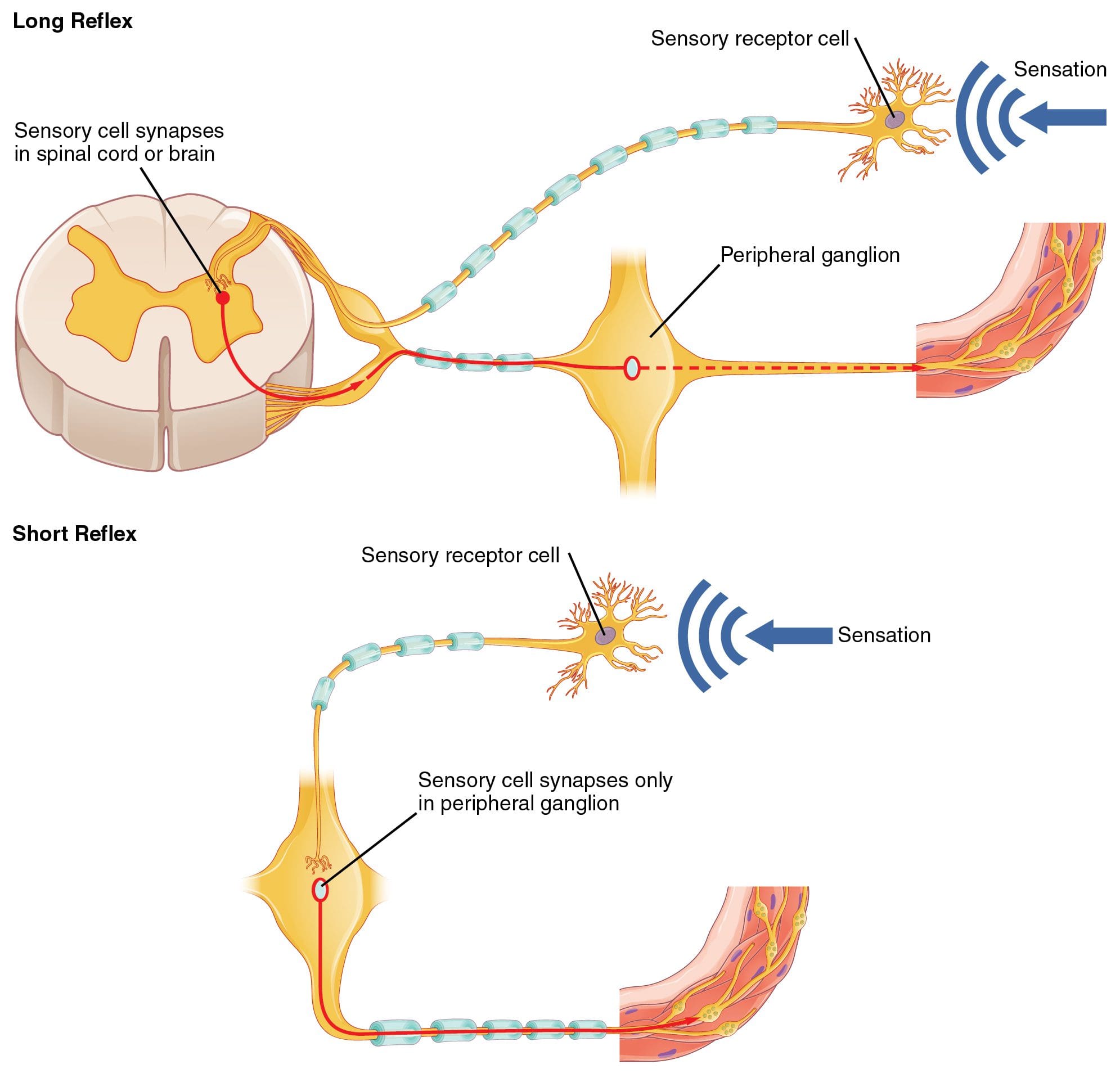
Have you felt gut disorders affecting your joints or muscles? Have you been feeling dysfunctional in your urinary tract? Or what about cardiovascular issues that seem to cause problems in your arms or legs? Many of these symptoms are caused by visceral pain where the visceral reflexes are damaged and affect the corresponding muscles in the body. The video above explains how visceral reflexes work in the body and how they send information to the brain when changes affect the connected components in the body. Research shows that when gut issues impact visceral pain, it can affect the mechanics mediating visceral nociception. Whenever gut issues move the visceral reflexes, it can cause nerve termination to the spinal cord, and gastrointestinal factors like inflammation and oxidative stress will begin to rise in the body.
Visceral Pain & The Gut Microbiome
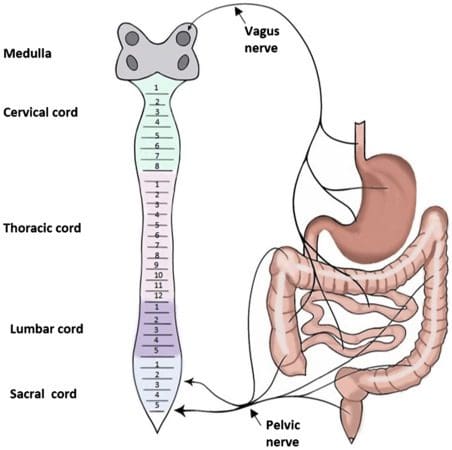
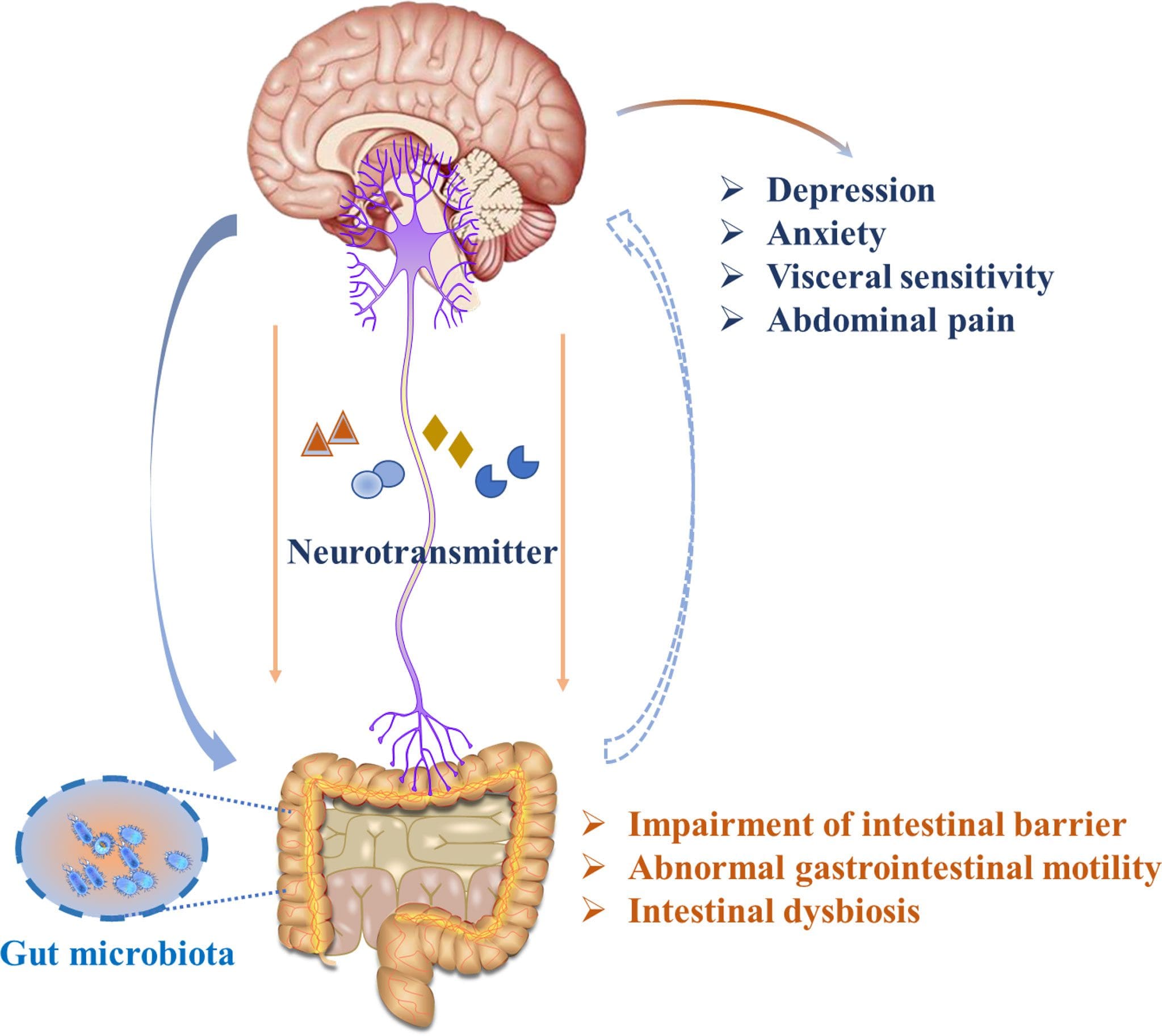
Whenever environmental factors affect the gut microbiota, it can cause the body to become dysfunctional and correspond with the affected muscles, tissues, joints, and organs suffering from gut disorders. Research studies have found that the gastrointestinal tract receives a dual innervation from the spinal neuron and the vagus nerve. When the gastrointestinal system becomes dysfunctional and starts promoting inflammatory markers that affect the viscerosomatic nerves, these nerves can become hypersensitive. Research studies have defined visceral pain as one of the most prevalent pains associated with gut disorders. When it comes to visceral pain and the gut impacting the body, many people experience the pain coming from their internal organs and hurting their quality of life. Additional research studies have noticed that hypersensitive visceral pain can cause functional and morphological alteration in the gut and nervous systems. This will cause other disorders that become affected by gut issues caused by visceral pain.
Pelvic Pain & Abdominal Bloating Associated With Gut Disorders
Research studies have mentioned that when the viscerosomatic nerves become hypersensitive due to gut disorders, it can affect the lower gastrointestinal organs and joints like the vagal, pelvic, and splanchnic afferents. When the gut system is experiencing issues like inflammation and stress, which causes the visceral nerves to be hypersensitive, many people will begin to experience pelvic pain and abdominal bloating associated with gut disorders. For pelvic pain, research studies found that pelvic pain occurs when there are peripheral somatic neuropathies start to mimic inner organs pathology. At the same time, the visceral pathology can change the peripheral somatic nerves to cause more pain in the pelvic region in the lower abdomen. As for abdominal bloating, research studies have concluded that alterations in the viscerosomatic reflexes cause abdominal wall protrusion. This causes the gut intestinal walls to be bloated and cause discomfort to the individual, and eventually causes pelvic pain as both are associated with gut disorders affecting the viscerosomatic nerves.
Conclusion
The gut system helps the body by regulating the body’s homeostasis and metabolizing the immune system. When environmental factors affect the gut system, they can also affect the corresponding muscles, tissues, joints, and organs. This is known as visceral pain, where the viscerosomatic nerves are damaged due to gut issues like stress or inflammation that are the products of gut disorders. When alternations in the viscerosomatic nerves or the intestinal walls, it can cause dysfunction in the body, like pelvic pain and abdominal bloating that can cause discomfort to the individual. By figuring out what is causing these issues affecting the gut, the body will begin to heal itself.
References
Azpiroz, Fernando, and Juan-R Malagelada. “Abdominal Bloating.” Gastroenterology, U.S. National Library of Medicine, Sept. 2005, https://pubmed.ncbi.nlm.nih.gov/16143143/.
Farmer, Adam D, and Qasim Aziz. “Gut Pain & Visceral Hypersensitivity.” British Journal of Pain, SAGE Publications, Feb. 2013, https://www.ncbi.nlm.nih.gov/pmc/articles/PMC4590155/.
Hills, Ronald D, et al. “Gut Microbiome: Profound Implications for Diet and Disease.” Nutrients, MDPI, 16 July 2019, https://www.ncbi.nlm.nih.gov/pmc/articles/PMC6682904/.
Lucarini, Elena, et al. “Deepening the Mechanisms of Visceral Pain Persistence: An Evaluation of the Gut-Spinal Cord Relationship.” Cells, MDPI, 24 July 2020, https://www.ncbi.nlm.nih.gov/pmc/articles/PMC7464824/.
Perry, C P. “Peripheral Neuropathies Causing Chronic Pelvic Pain.” The Journal of the American Association of Gynecologic Laparoscopists, U.S. National Library of Medicine, May 2000, https://pubmed.ncbi.nlm.nih.gov/10806280/.
Pusceddu, Matteo M, and Melanie G Gareau. “Visceral Pain: Gut Microbiota, a New Hope?” Journal of Biomedical Science, BioMed Central, 11 Oct. 2018, https://www.ncbi.nlm.nih.gov/pmc/articles/PMC6182804/.
Sikandar, Shafaq, and Anthony H Dickenson. “Visceral Pain: The Ins and Outs, the Ups and Downs.” Current Opinion in Supportive and Palliative Care, U.S. National Library of Medicine, Mar. 2012, https://www.ncbi.nlm.nih.gov/pmc/articles/PMC3272481/.
Thursby, Elizabeth, and Nathalie Juge. “Introduction to the Human Gut Microbiota.” The Biochemical Journal, Portland Press Ltd., 16 May 2017, https://www.ncbi.nlm.nih.gov/pmc/articles/PMC5433529/.
Vermeulen, Wim, et al. “Neuroanatomy of Lower Gastrointestinal Pain Disorders.” World Journal of Gastroenterology, Baishideng Publishing Group Co., Limited, 28 Jan. 2014, https://www.ncbi.nlm.nih.gov/pmc/articles/PMC3921524/.
The body has many nerve roots that are intertwined and coming out from the spinal cord, which is part of the nervous system. One of the main components of the nervous system is the vagus nerve, which is part of the parasympathetic nervous system as it helps inform the brain about the state of the inner organs in the body. The vagus nerve helps maintain the body’s metabolism and homeostasis from diseases and injuries that occur either inside or outside the body. Many inner organs, muscles, or tissues get affected when a person has suffered from an injury or developed infections in their body. They can cause many symptoms that can dysfunction the body. It can affect the spine, nerve roots, internal organs, and joints, making the individual feel a sense of hopelessness. Today’s article will look at the unique connection of viscerosomatic reflexes and how it affects the body, as well as how viscerosomatic pain can affect the spine causing the individual many spinal issues. We refer patients to certified, skilled providers specializing in osteopathic and chiropractic treatments. We also guide our patients by referring to our associated medical providers based on their examination when it’s appropriate. We find that education is critical for asking insightful questions to our providers. Dr. Alex Jimenez DC provides this information as an educational service only. Disclaimer
Can my insurance cover it? Yes, it may. If you are uncertain, here is the link to all the insurance providers we cover. If you have any questions or concerns, please call Dr. Jimenez at 915-850-0900.
What Are Viscerosomatic Reflexes?
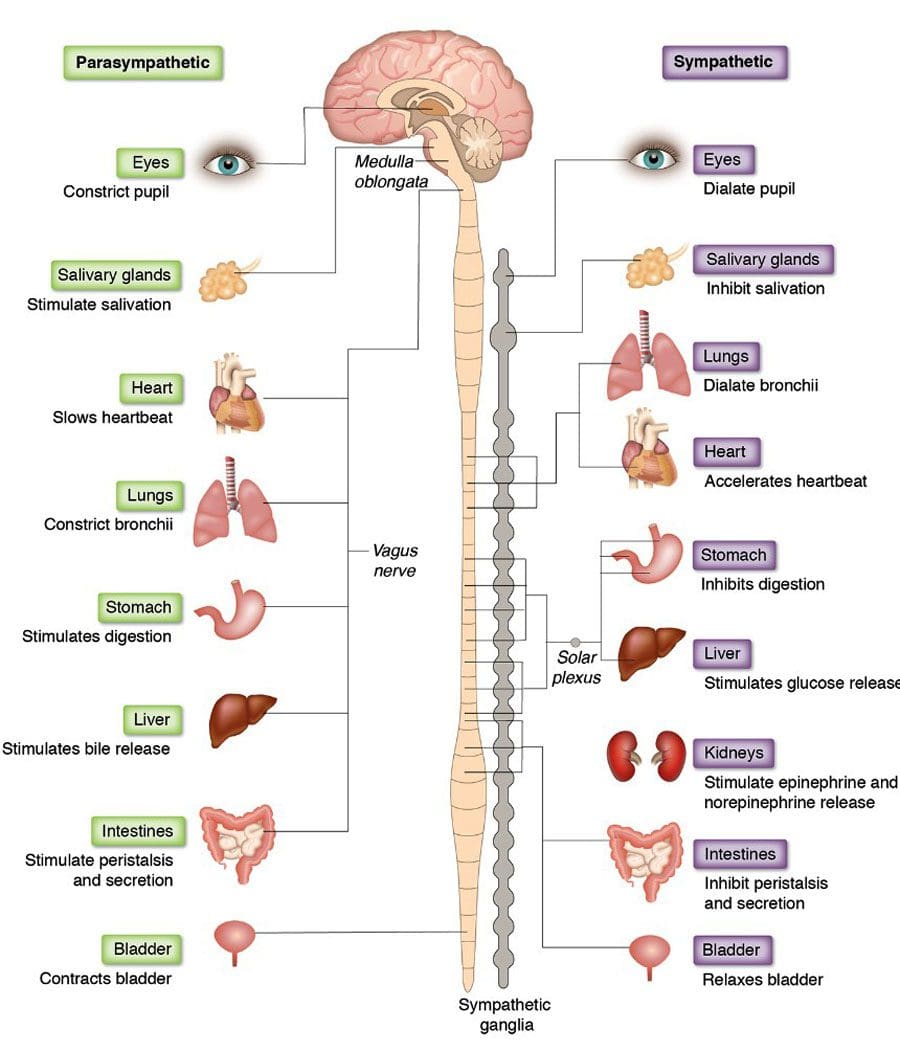
Have you experienced pain in your arms, legs, or back? How about feeling dysfunctional in your urinary tract? Have you noticed that not only your chest has started to hurt but also your gut and lower back? Many of these are signs of you having pain due to your viscerosomatic reflexes in your body. Research studies have defined viscerosomatic as regular visceral activity in the body stimulated by the somatosensory nerves that can help recognize abnormal viscerosomatic reflexes. These nerves are connected to the central nervous system, which travels through the spinal cord and can affect the body. The best example is when a doctor is giving a reflex test and uses a rubber mallet to hit the knee to see if a person still has reflexes in their body. Since the vagus nerve is part of the parasympathetic nervous system, when it becomes damaged, it can cause numerous effects on the body research studies have found that any visceral disturbances that are affecting the human body can cause an increase in muscle tension and decrease the pain in the corresponding spinal ligament that can restrict the muscle mobility to the tissues and affecting either the motor or sympathetic nerve. This causes the body to experience pain affecting one part of the body to the corresponding affected nerve.
How Does It Affect The Body?
Since the body has so many connections like the gut-brain axis, which helps regulate the body’s metabolism and homeostasis, the endocrine system that allows the transport of hormones to the rest of the muscles, tissues, and organs through the nerve roots, and the nerve roots themselves are connected as they help with the sensory-motor function with the arms and legs, so the body can move around. When these connections are being damaged and start to affect the rest of the body, it can lead to other health problems that do affect the body. Research studies have found that when the body is suffering from visceral pain in the organs can affect different areas. A couple of examples include:
Bladder issues affecting the perineal area
Cardiovascular disorders causing arm and neck pain
GI disorders causing discomfort
Even though visceral pain’s effects are not life-threatening, it can dampen a person’s mood by causing a negative impact associated with distress, sleep, and work disturbances, and even causing sexual dysfunction in the body.
An Overview Of Viscerosomatic Reflexes-Video
Have you experienced cardiovascular issues that are causing arm and neck pain? Have you been feeling some discomfort in your gut or your pelvic area? Have you been experiencing pain that is negatively impacting your quality of life? This could be due to viscerosomatic pain affecting your body and causing these symptoms. The video above explains how the viscerosomatic reflexes are connected to their corresponding muscles and organs. When the body is suffering from issues that affect the related muscles, it is known as viscerosomatic pain. Research studies have shown that individuals suffering from viscerosomatic pain will have multifaceted problems in the viscerosomatic reflexes. This type of pain does affect the spinal neurons causing the visceral neurons to become overly sensitive in the body and the affected areas.
How Does Viscerosomatic Pain Affect The Spine?
Research studies have found that viscerosomatic can affect the spine by affecting the gut system. Many individuals that are suffering from IBS (irritable bowel syndrome) will often complain about being in pain in their torso areas. They don’t realize that processing the visceral and somatic stimuli can cause the gut to become hypersensitive and affect the spinal cord neurons to overlap. Another research study has mentioned that pelvic pain in an individual can cause more symptoms that involve many organ systems causing visceral symptoms combined with somatovisceral convergence. When viscerosomatic pain affects many body parts, it can be difficult for a diagnosis to be conducted.
Conclusion
The body has many nerve roots that connect the body by branching out of the spine and providing sensory-motor functions to the corresponding muscles and tissues. When the body becomes injured, it can cause nerve not only damage to the body but also affect the muscles and organs. This is known as viscerosomatic pain and can be challenging to diagnose due to its being multifaceted with multiple symptoms. This pain can cause the affected organs to become hypersensitive and impact a person’s quality of life. When the body starts healing from viscerosomatic pain, the effects will become less for the individual as they heal the affected organs.
References
Bath, Megan, and Justin Owens. “Physiology, Viscerosomatic Reflexes.” In: StatPearls [Internet]. Treasure Island (FL), StatPearls Publishing, 8 May 2022, https://www.ncbi.nlm.nih.gov/books/NBK559218/.
Hoffman, Donna. “Understanding Multisymptom Presentations in Chronic Pelvic Pain: The Inter-Relationships between the Viscera and Myofascial Pelvic Floor Dysfunction.” Current Pain and Headache Reports, U.S. National Library of Medicine, Oct. 2011, https://pubmed.ncbi.nlm.nih.gov/21739128/.
Sengupta, Jyoti N. “Visceral Pain: The Neurophysiological Mechanism.” Handbook of Experimental Pharmacology, U.S. National Library of Medicine, 2009, https://www.ncbi.nlm.nih.gov/pmc/articles/PMC3156094/.
Sikandar, Shafaq, and Anthony H Dickenson. “Visceral Pain: The Ins and Outs, the Ups and Downs.” Current Opinion in Supportive and Palliative Care, U.S. National Library of Medicine, Mar. 2012, https://www.ncbi.nlm.nih.gov/pmc/articles/PMC3272481/.
Silva, Andréia Cristina de Oliveira, et al. “Effect of Osteopathic Visceral Manipulation on Pain, Cervical Range of Motion, and Upper Trapezius Muscle Activity in Patients with Chronic Nonspecific Neck Pain and Functional Dyspepsia: A Randomized, Double-Blind, Placebo-Controlled Pilot Study.” Evidence-Based Complementary and Alternative Medicine : ECAM, Hindawi, 11 Nov. 2018, https://www.ncbi.nlm.nih.gov/pmc/articles/PMC6252226/.
Verne, G Nicholas, et al. “Viscerosomatic Facilitation in a Subset of IBS Patients, an Effect Mediated by N-Methyl-D-Aspartate Receptors.” The Journal of Pain, U.S. National Library of Medicine, Sept. 2012, https://www.ncbi.nlm.nih.gov/pmc/articles/PMC3489925/.
The body requires energy to move around and get to places as fast as possible. The primary energy source is the blood glucose in the body, which helps provide power for the body and the brain, muscle cell tissues, and the blood cells that travel to each body’s organs. When disruptive forces start to affect the body, like chronic stress, endocrine disruptors, or lifestyle choices, it can cause the glucose levels to either increase or decrease depending on the severity. When glucose levels become too high, it can cause hyperglycemia or diabetes to develop. When they are too low, it can cause hypoglycemia. The body also suffers when there aren’t enough nutrients, minerals, or vitamins to provide energy to the body as symptoms of fatigue and insulin resistance begin to rise. Fortunately, there are ways to boost the body’s glucose levels naturally. Today’s article focus on a mineral known as magnesium, its benefits, and how it affects insulin resistance in the body. Refer patients to certified, skilled providers specializing in endocrine treatments for individuals with insulin resistance. We guide our patients by referring to our associated medical providers based on their examination when it’s appropriate. We find that education is critical for asking insightful questions to our providers. Dr. Alex Jimenez DC provides this information as an educational service only. Disclaimer
Can my insurance cover it? Yes, it may. If you are uncertain, here is the link to all the insurance providers we cover. If you have any questions or concerns, please call Dr. Jimenez at 915-850-0900.
What Is Magnesium?
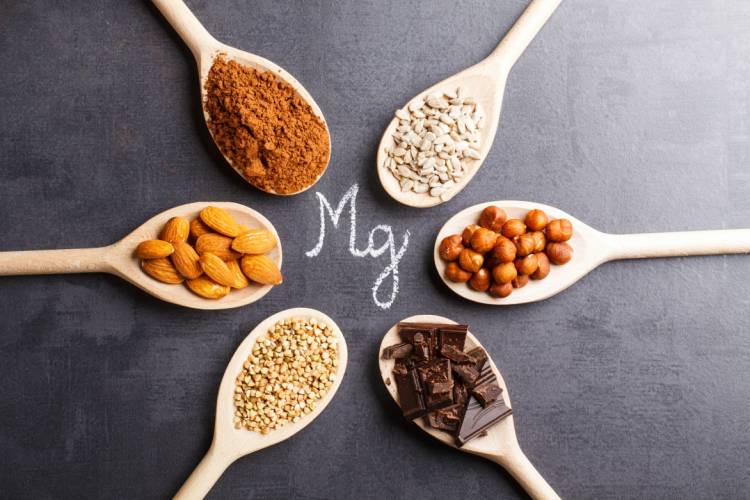
Have you been feeling weird pins and needles sensations in certain parts of your body? Are you suffering from chronic fatigue and muscle cramps? Have you lost your sense of appetite? Or have you felt muscle spasms in your arms or legs? Many of these symptoms are signs that your body is suffering from low levels of magnesium in your body. Research studies have defined magnesium as the fourth most common mineral in the body that provides fundamental functions for regulation. Magnesium can be found in certain foods like leafy greens, chocolate, nuts, fruits, and meats that are riched with this mineral and can be regulated in homeostasis in the intestines, kidneys, and bones in the body. Additional research studies have shown that magnesium is essential for maintaining the body’s normal organ and cellular function. Magnesium also ensures that each organ functions normally and is transported through the entire body by the blood cells. Magnesium also plays a vital role in the body’s energy production as it helps regulate glycemic control.
What Are Its Benefits?
As the fourth common mineral in the body, magnesium helps the body in many ways as it provides energy to other organs and body systems. Some of the benefits that magnesium provides, as research has shown, include:
Reducing insomnia
Prevent metabolic syndrome
Reduce migraines and headaches
Helps with pregnancies
Reduce asthmatic symptoms
Relieve muscle cramps
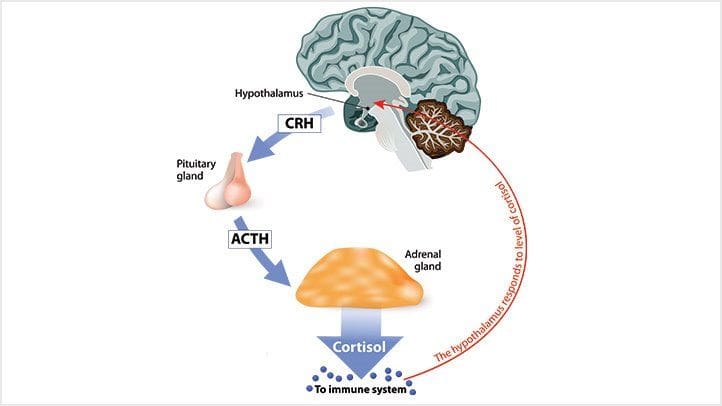
Additional information has shown that magnesium can help those with anxiety by modulating the HPA (hypothalamic pituitary adrenal) axis and substrating the stress response system in the body. Magnesium also plays a role when it comes to glucose levels in the body and affects insulin resistance.
An Overview Of Magnesium & Insulin Resistance-Video
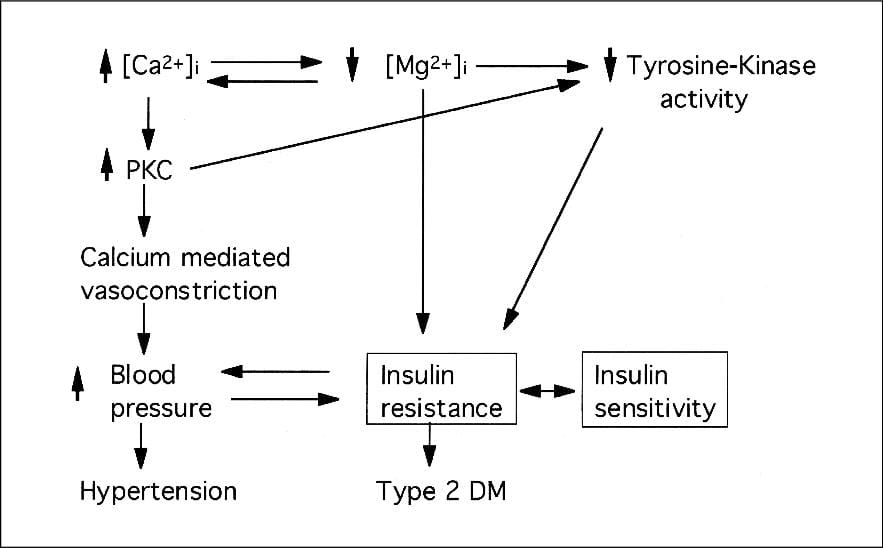
Are you feeling migraines and headaches popping up out of nowhere? Have your muscles started to ache and cramped? Have you been experiencing asthmatic symptoms more frequently? Or have your blood glucose levels begun to rise? If you have been suffering from any of these symptoms, you could suffer from magnesium deficiency. The video above explains what happens when the body is experiencing insulin resistance due to magnesium deficiency. Research studies have found that magnesium deficiency is not uncommon worldwide, as early signs of magnesium deficiency can cause nausea, vomiting, and weakness in the body while causing metabolic syndrome and type 2 diabetes. Surprisingly, diabetes is one of the most common causes of magnesium deficiency and insulin resistance.
How Does Magnesium Affect Insulin Resistance?
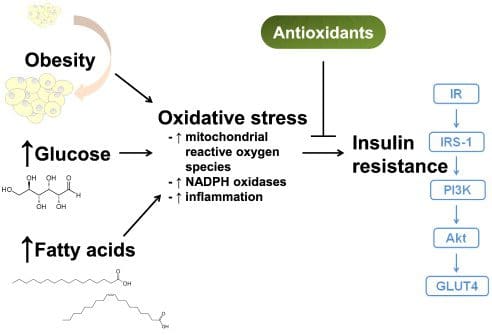
Research studies have found that magnesium deficiency in the body can increase the risk of insulin resistance and cause the body to become dysfunctional. When metabolic imbalances are associated with trending low or alert, low magnesium levels in the body, it can increase the serum CRP-hs, cause headaches, weight gain, and an increased risk for metabolic syndrome, insulin resistance, and type 2 diabetes. The intestines will be impaired in intestinal absorption while the blood glucose levels will increase and cause type 2 diabetes to form. However, additional information has also been provided that when an individual begins to take magnesium regularly, it can help dampen the effects of insulin resistance by regulating the blood glucose levels in the body. Many individuals with pre-existing diabetes can take a bit of magnesium to improve their blood glucose levels and continue on their health journey.
Conclusion
Incorporating supplements and minerals like magnesium could help lower the risk of insulin resistance and manage type 2 diabetes. The body needs the energy to function normally and move around constantly. Magnesium is a common mineral that can help regulate the organ’s functions and helps regulate blood glucose levels. When the body starts to suffer from magnesium deficiency, it can cause various issues that can make a person miserable while the body starts to become dysfunctional. Incorporating magnesium as part of a healthy lifestyle for the body can provide the necessary energy that a person needs to function and help them along their health and wellness journey.
References
Al Alawi, Abdullah M, et al. “Magnesium and Human Health: Perspectives and Research Directions.” International Journal of Endocrinology, Hindawi, 16 Apr. 2018, https://www.ncbi.nlm.nih.gov/pmc/articles/PMC5926493/.
Boyle, Neil Bernard, et al. “The Effects of Magnesium Supplementation on Subjective Anxiety and Stress-A Systematic Review.” Nutrients, MDPI, 26 Apr. 2017, https://www.ncbi.nlm.nih.gov/pmc/articles/PMC5452159/.
Gröber, Uwe, et al. “Magnesium in Prevention and Therapy.” Nutrients, MDPI, 23 Sept. 2015, https://www.ncbi.nlm.nih.gov/pmc/articles/PMC4586582/.
Kostov, Krasimir. “Effects of Magnesium Deficiency on Mechanisms of Insulin Resistance in Type 2 Diabetes: Focusing on the Processes of Insulin Secretion and Signaling.” International Journal of Molecular Sciences, MDPI, 18 Mar. 2019, https://www.ncbi.nlm.nih.gov/pmc/articles/PMC6470576/.
Razzaque, Mohammed S. “Magnesium: Are We Consuming Enough?” Nutrients, MDPI, 2 Dec. 2018, https://www.ncbi.nlm.nih.gov/pmc/articles/PMC6316205/.
Schwalfenberg, Gerry K, and Stephen J Genuis. “The Importance of Magnesium in Clinical Healthcare.” Scientifica, Hindawi, 2017, https://www.ncbi.nlm.nih.gov/pmc/articles/PMC5637834/.
Wang, Jinsong, et al. “Dietary Magnesium Intake Improves Insulin Resistance among Non-Diabetic Individuals with Metabolic Syndrome Participating in a Dietary Trial.” Nutrients, MDPI, 27 Sept. 2013, https://www.ncbi.nlm.nih.gov/pmc/articles/PMC3820051/.
As the world is in constant motion, many people have to endure stressful situations affecting their bodies and health. The body needs hormones like cortisol to keep functioning as it affects the immune, nervous, cardiovascular, and musculoskeletal systems, to name a few. Another essential function the body needs is glucose, which requires energy to be in constant motion. Situations that cause the cortisol levels and glucose levels to rise in the body can lead to chronic issues like diabetes and chronic stress. This causes the individual to be miserable and be in a serious situation if it is not controlled right away. Today’s article examines how cortisol and glucose affect the body and the interwoven connection between stress and diabetes. Refer patients to certified, skilled providers specializing in stress management and endocrine treatments for diabetic individuals. We guide our patients by referring to our associated medical providers based on their examination when it’s appropriate. We find that education is critical for asking insightful questions to our providers. Dr. Alex Jimenez DC provides this information as an educational service only. Disclaimer
Can my insurance cover it? Yes, it may. If you are uncertain, here is the link to all the insurance providers we cover. If you have any questions or concerns, please call Dr. Jimenez at 915-850-0900.
How Does Cortisol Affect The Body?
Have you been experiencing sleeping problems at night? What about frequent headaches that are a nuisance throughout the entire day? Or have you noticed excessive weight loss or weight gain around your midsection? Some of these symptoms are signs that your cortisol and glucose levels are high and can affect your body. Cortisol is a hormone produced in the endocrine system and can be beneficial or harmful to the body if it is not regularly checked. Research studies have defined cortisol as one of the prominent glucocorticoids secreted out due to the response of the body’s biochemicals, characterized by the HPA (hypothalamic‐pituitary‐adrenal) axis helps cognitive events. However, when the cortisol levels turn chronic in the body due to circumstances that cause the body to become dysfunctional, it can significantly impact a person and cause an imbalance in the HPA axis. Some of the symptoms that chronic cortisol leads to the body can include:
Hormonal imbalances
Insulin resistance
Weight gain
Increases in visceral “belly” fat
Increased cortisol output
Immune problems
Allergies and Asthma
Inflamed Joints
Poor exercise recovery
Additional information has provided that the presence of cortisol in the body can help increase blood glucose availability to the brain. With cortisol providing organ functionality, the blood glucose provides energy for the body.
How Cortisol & Glucose Work In The Body
Cortisol helps stimulate mass glucose mobilization in the liver, allowing block protein synthesis to push amino acids into sugar for the body. This is known as fatty acid liberation biotransformed into glucose. When this happens, it helps stimulate visceral fat storage if excess glucose is not utilized, thus causing weight gain. Research studies have shown that a lack of cortisol can cause a decrease in hepatic glucose production in the body. This will cause hypoglycemia, where the body doesn’t have enough glucose in its system. Additional research shows that cortisol responds to any stressor that affects a person with low glucose levels but can also become positive after a glucose load. Managing the body’s glucose and cortisol levels can help progress the development of diabetes.
How Cortisol Is Linked With Type 2 Diabetes- Video
Have you experienced stressful situations that cause your muscles to tense up? How about feeling your blood sugar either spiking up or down? Do you feel inflammatory effects all over your body that makes them ache? Stress can cause harmful effects to the body, activating inflammation, increasing sympathetic tone, and reducing glucocorticoid responsiveness. Stress can also be linked to diabetes, as the video above shows how the stress hormone cortisol is linked with type 2 diabetes. Research studies have mentioned that cortisol can become negatively associated with the mechanics of insulin resistance, increasing the beta-cell function and increasing the insulin released in the body. This can become dangerous for many individuals that have pre-existing diabetes and have been dealing with stress constantly.
The Interwoven Connection Between Stress & Diabetes
The interwoven connection between stress and diabetes is shown as research studies have found that the pathophysiology of anxiety and diabetes has increased insulin resistance risk for the body. When a person is dealing with chronic stress, it can cause them to have many issues like:
Cold intolerance
Diminished cognition and mood
Food sensitivities
Low energy throughout the day
When this happens, the body is at a high risk of developing insulin resistance and type 2 diabetes. Research studies have mentioned that type 2 diabetes is characterized by insulin resistance and beta-cell dysfunction. The glucocorticoid in the body can become excessive to affect the cells, causing dysfunctionality. Additional research studies have shown that any perceived stress can become a vital risk factor that not only affects the body, like hypertension, BMI (body mass index), or diet quality but can cause a rise in type 2 diabetes. When individuals find ways to lower their chronic stress, it can help manage their glucose levels from reaching critical levels.
Conclusion
The body’s chronic stress can cause insulin resistance and cause diabetes to become pre-existing. The body needs cortisol and glucose to keep functioning and have the energy to move. When people start to suffer from chronic stress and diabetes, it can become challenging to manage; however, making minor changes to the body like finding ways to lower stress, eating healthy foods, and monitoring glucose levels can help the body reset the glucose and cortisol levels to normal. Doing this can relieve many individuals who want to continue their health journey being stress-free.
References
Adam, Tanja C, et al. “Cortisol Is Negatively Associated with Insulin Sensitivity in Overweight Latino Youth.” The Journal of Clinical Endocrinology and Metabolism, The Endocrine Society, Oct. 2010, https://www.ncbi.nlm.nih.gov/pmc/articles/PMC3050109/.
De Feo, P, et al. “Contribution of Cortisol to Glucose Counterregulation in Humans.” The American Journal of Physiology, U.S. National Library of Medicine, July 1989, https://pubmed.ncbi.nlm.nih.gov/2665516/.
Hucklebridge, F H, et al. “The Awakening Cortisol Response and Blood Glucose Levels.” Life Sciences, U.S. National Library of Medicine, 1999, https://pubmed.ncbi.nlm.nih.gov/10201642/.
Joseph, Joshua J, and Sherita H Golden. “Cortisol Dysregulation: The Bidirectional Link between Stress, Depression, and Type 2 Diabetes Mellitus.” Annals of the New York Academy of Sciences, U.S. National Library of Medicine, Mar. 2017, https://www.ncbi.nlm.nih.gov/pmc/articles/PMC5334212/.
Kamba, Aya, et al. “Association between Higher Serum Cortisol Levels and Decreased Insulin Secretion in a General Population.” PloS One, Public Library of Science, 18 Nov. 2016, https://www.ncbi.nlm.nih.gov/pmc/articles/PMC5115704/.
Lee, Do Yup, et al. “Technical and Clinical Aspects of Cortisol as a Biochemical Marker of Chronic Stress.” BMB Reports, Korean Society for Biochemistry and Molecular Biology, Apr. 2015, https://www.ncbi.nlm.nih.gov/pmc/articles/PMC4436856/.
Thau, Lauren, et al. “Physiology, Cortisol.” In: StatPearls [Internet]. Treasure Island (FL), StatPearls Publishing, 6 Sept. 2021, https://www.ncbi.nlm.nih.gov/books/NBK538239.
IFM's Find A Practitioner tool is the largest referral network in Functional Medicine, created to help patients locate Functional Medicine practitioners anywhere in the world. IFM Certified Practitioners are listed first in the search results, given their extensive education in Functional Medicine