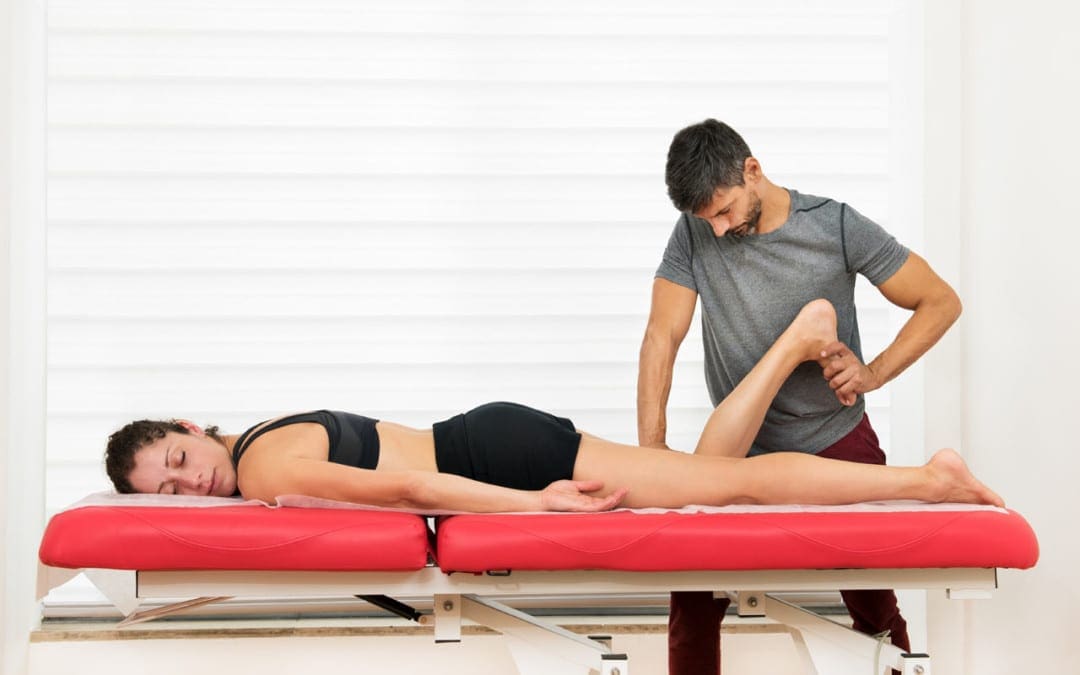
Tight and sore hamstrings commonly occur during workout and exercise, but can just as easily result from a fall or other accident. Individuals usually experience pain located at the back of the thigh with associated weakness along with the feeling of the muscles becoming tighter and a consistent soreness. Consistent tightness in the back of the legs is not only uncomfortable but can also make movement difficult.
Many individuals stretch every day, do yoga, etc trying to relieve hamstring tension, with short-term relief only to have the tightness return. This is frustrating but more importantly, indicates that the problem might not have to do with the muscle�s length. There could be an underlying issue that needs to be identified and addressed. A chiropractic approach will diagnose and treat the root of the pain, not just the symptoms.
Hamstring/s Tightness
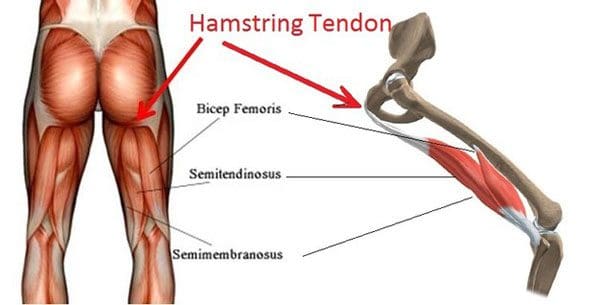
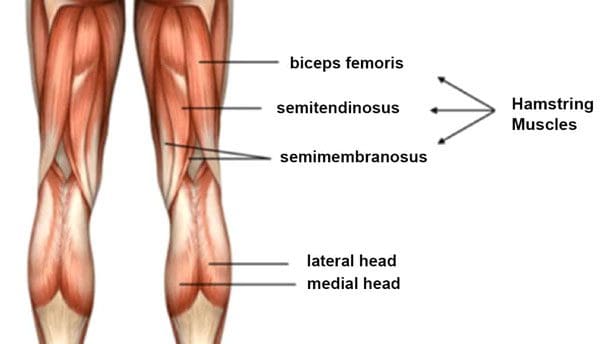
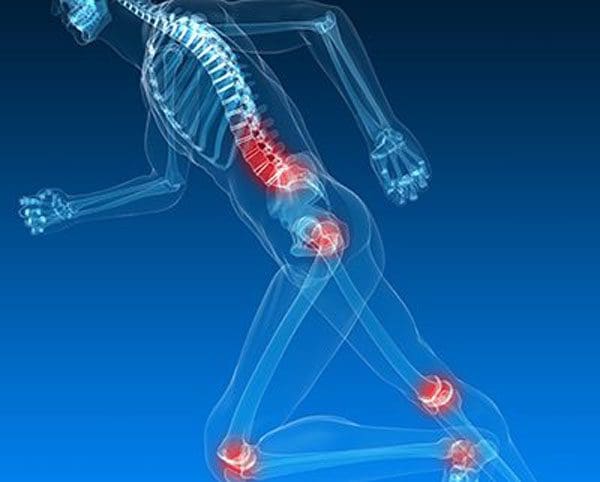
The hamstring is not a single string. It is a set of three muscles that run along the back of the thigh. The muscles allow for the bending of the leg at the knee. With a hamstring strain, one or more of these muscles can become overloaded and can start to tear. Strains often happen during activities that involve running, jumping, and/or sudden stopping and starting. This is where stretching doesn't help, however, a chiropractic adjustment can help.
Weak Muscle Compensation
One possible cause for the tightness has to do with various related muscles and not the hamstrings themselves. Muscles that typically stabilize and facilitate movement could be too weak or are not functioning properly. What usually happens is that the muscles that are active have to work harder to compensate for the others that are not working/functioning properly.
The tension in the hamstrings can be alleviated through chiropractic exercises/stretches that activate the stabilizing muscles and get the circulation moving to promote strength and take the pressure off the hamstrings.
These muscle weaknesses can be caused by spinal misalignments that pull the body in an awkward fashion, throwing the body's balance off. Each condition feeds the other as the hamstrings have to work harder, the body leans to the side that doesn't cause pain, causing the spine to shift out of alignment and so begins the awkward body shifting to avoid the pain cycle. A chiropractic adjustment will restore balance and stability to the entire body.
A Pelvic Tilt
Pelvic tilt could be a contributing factor for tightness and soreness. This comes from:
Poor posture
Lack of physical activity
Weight gain
These factors can cause the pelvis to shift forward ever so slightly. But just that slight tilting could be pulling on the hamstrings. In order to rectify the tilt, exercise is recommended, and chiropractic manipulation to realign any spinal shifting.
Sciatic Irritation
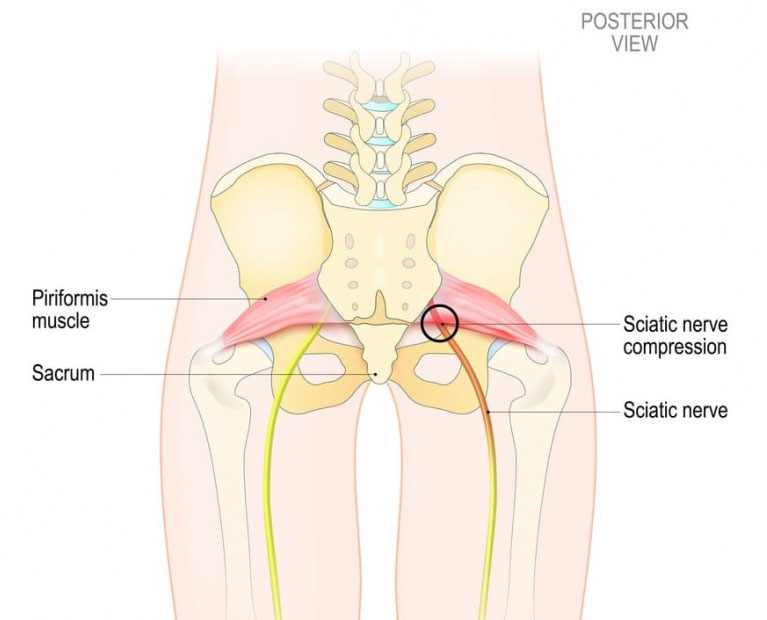
Another issue is sciatic nerve irritation that could mimic tightness in the muscles. The sciatic nerve runs down the back of the leg and the irritation could make the hamstring appear to be tight. This is where stretching the hamstrings can worsen the condition by irritating the sciatic nerve, causing inflammation.
The sciatic nerve could also be experiencing irritation from spinal misalignment. A vertebral disc could be bulging or herniated. This could inflame the nerve root. A bone spur or inflamed joint could be impinging/compressing on the nerve root exits.
A chiropractic treatment plan will relieve the tension being placed on the nerve and allow for proper blood circulation and transmission of signals without interruptions. Talk to a chiropractor about an examination to identify the exact root causing the discomfort.
Advanced Chiropractic Treatment
Dr. Alex Jimenez�s Blog Post Disclaimer
The scope of our information is limited to chiropractic, musculoskeletal, physical medicines, wellness, and sensitive health issues and/or functional medicine articles, topics, and discussions. We use functional health & wellness protocols to treat and support care for injuries or disorders of the musculoskeletal system. Our posts, topics, subjects, and insights cover clinical matters, issues, and topics that relate and support directly or indirectly our clinical scope of practice.*
Our office has made a reasonable attempt to provide supportive citations and has identified the relevant research study or studies supporting our posts. We also make copies of supporting research studies available to the board and or the public upon request. We understand that we cover matters that require an additional explanation as to how it may assist in a particular care plan or treatment protocol; therefore, to further discuss the subject matter above, please feel free to ask Dr. Alex Jimenez or contact us at 915-850-0900. The provider(s) Licensed in Texas& New Mexico*
References
Hoskins, Wayne, and Henry Pollard. �Hamstring injury management--Part 2: Treatment.��Manual therapy�vol. 10,3 (2005): 180-90. doi:10.1016/j.math.2005.05.001
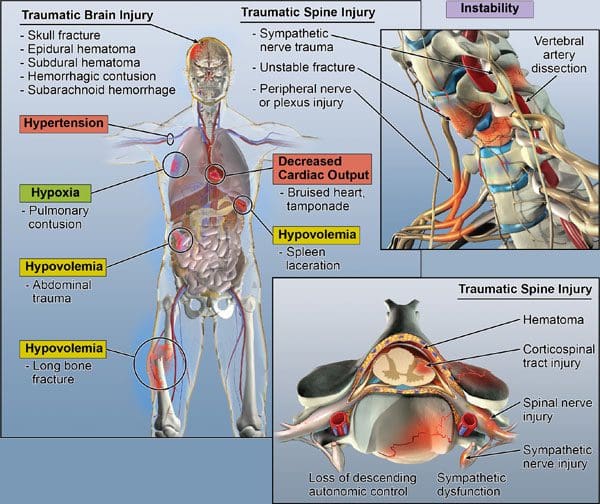
With an intense automobile, work, sporting/fitness accidents, and natural disasters, individuals can experience multiple traumas, also known as polytrauma. Recovery and rehabilitation can be challenging journeys. Multiple traumas are serious medical emergencies only given to individuals going through difficult situations. Polytrauma references multiple severe traumas that occurred at the same time. An individual can experience a:
Physical therapy and chiropractic rehabilitation could be part of a treatment program. This is to restore the body's mobility, function and promote the body's natural healing abilities. The importance of creating the proper rehabilitation program can make all the difference, and restoring the integrity of the spine is critical.
Spinal Stabilization
Any trauma, despite its severity, can have the potential to interfere/disrupt spinal functions.
Suffering a concussive hit to the head could cause damage to the cervical spine.
Falling off a ladder could shift the vertebral discs.
Hitting the knee on an object can cause a spinal misalignment from shifting the weight to the other leg for a day or two.
Spinal misalignments and/or dysfunction are common in multiple trauma cases. Dealing with broken bones and substantial wounds often means the spine could need to be realigned even if there are no localized injuries to the back or neck. Spinal misalignment, translation/rotation, herniated discs, or other conditions can hinder the overall recovery process and present new health issues.
Nerve Damage
Often, a lasting issue from multiple traumas is nerve damage. The severity can destroy nerve endings, making it impossible to regain feeling or movement in certain areas of the body. The nerve damage can be regenerated if the impediment is rooted in the spine and is addressed in time.
Correcting spinal discs that have shifted along with subluxations that can compress the nerves and interfere with signal communication can help restore the areas directly affected. Example: Broken arms or legs can lose sensations that can be regained by spinal realignment. Some arteries follow the spinal pathway. Proper circulation/blood flow is achieved when the spinal integrity is restored, which is essential in natural recovery.
Trauma Beyond the Injury
Developing the correct rehabilitation treatment plan could mean the difference in a speedy and healthy recovery. Chiropractic can be an integral part of the recovery process, especially for a body that has sustained severe musculoskeletal injuries. The spine is an extension of the central nervous system. This means that bringing relief to the spine can affect positive healing in the injured areas. The critical role of the spine in an individual's rehabilitation and whole well-being is why no matter the extent of the trauma, we deliver relief.
Auto Accident Injury Treatment
References
Kroupa, J. K definici polytraumatu a polytraumatismu [Definition of "polytrauma" and "polytraumatism"].Acta chirurgiae orthopaedicae et traumatologiae Cechoslovaca vol. 57,4 (1990): 347-60.
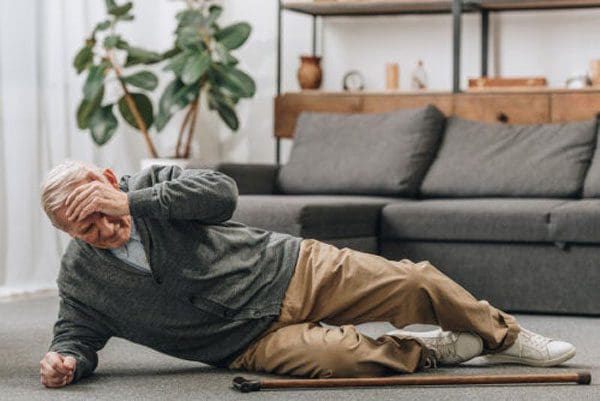
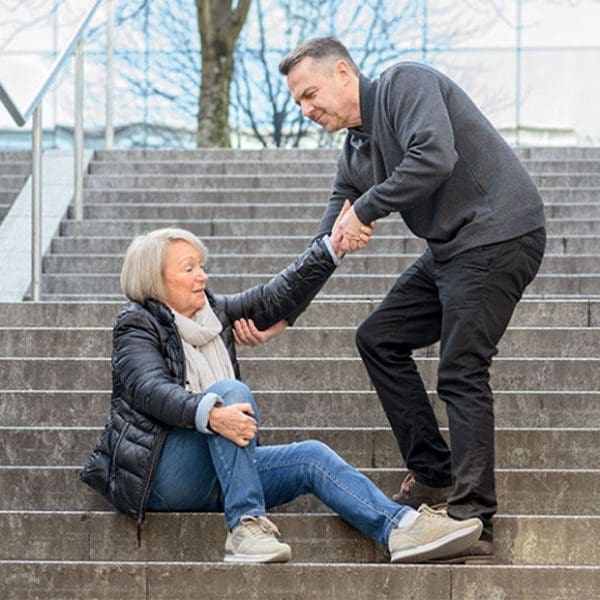
As individuals advance in age, the risk of falling starts to become a regular concern. An average of one in four adults over 65 suffers from a fall every year. Around twenty percent of falling accidents result in serious injury. However, experiencing one fall increases the risk of future falls significantly. The most common injuries sustained include:
Hip fracture
Head injury
These injuries usually necessitate hospitalization. Therefore minimizing the risks is important for increasing/enhancing an individual's quality of life and help minimize the financial burdens that can come with these types of accidents.
Risk Factors for Falling
Various factors can determine an increased risk of falling. If there are two or more at the same time, the risk goes up significantly. These factors include:
A physical therapist or chiropractor can assess the home for safety and possible tripping hazards
Regular vision check-ups at least every two years
Spinal Health
Restoring balance to the body will make the biggest difference in increasing overall health. However, pain, stiffness, and poor health can make getting started a difficult challenge. With the right chiropractic and physical therapy team, getting started does not have to be as challenging, with the transition being made as easily and as smooth as possible.
An essential building block for overall optimal health begins with spinal alignment. When the spine is misaligned it can lead to poor nerve circulation/energy. This slows down and interferes with the body's functions. This is often manifested with poor balance, weakness, and pain. Chiropractic spinal alignment addresses whole-body health. A chiropractic practitioner is specialized in non-invasively and systematically restoring not only the alignment of the spine but the entire body.
Chiropractic Health
Find a chiropractor and talk to them about any health concerns, including falls. A customized chiropractic adjustment treatment plan will be developed along with a fitness and stretching regimen, and dietary adjustments will significantly optimize health and help prevent falls.
Sports Injuries Chiropractic Treatment
Dr. Alex Jimenez�s Blog Post Disclaimer
The scope of our information is limited to chiropractic, musculoskeletal, physical medicines, wellness, and sensitive health issues and/or functional medicine articles, topics, and discussions. We use functional health & wellness protocols to treat and support care for injuries or disorders of the musculoskeletal system. Our posts, topics, subjects, and insights cover clinical matters, issues, and topics that relate and support directly or indirectly our clinical scope of practice.*
Our office has made a reasonable attempt to provide supportive citations and has identified the relevant research study or studies supporting our posts. We also make copies of supporting research studies available to the board and or the public upon request. We understand that we cover matters that require an additional explanation as to how it may assist in a particular care plan or treatment protocol; therefore, to further discuss the subject matter above, please feel free to ask Dr. Alex Jimenez or contact us at 915-850-0900. The provider(s) Licensed in Texas& New Mexico*
References
Hawk, Cheryl et al. �Pilot study of the effect of a limited and extended course of chiropractic care on balance, chronic pain, and dizziness in older adults.��Journal of manipulative and physiological therapeutics�vol. 32,6 (2009): 438-47. doi:10.1016/j.jmpt.2009.06.008
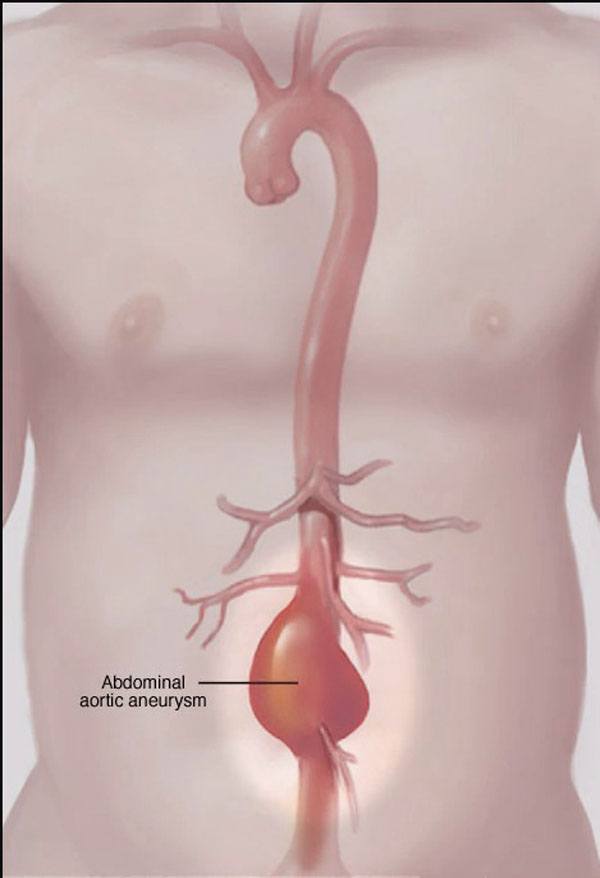
An abdominal aortic aneurysm is an enlarging of the lower portion of the aortic artery that resides in the abdomen. The aorta is the body�s main artery that supplies blood to the body and stretches from the heart down into and through the abdomen. The abdominal aorta is the part that sits within the abdomen. It is below the kidneys and in close proximity to the front of the spine. Because of this closeness sudden intense pain can be felt in the lower back along with sciatica symptoms.
Abdominal Aorta Function
Its function is to deliver blood from the heart throughout the body. It circulates blood down through the chest and abdomen. Smaller arteries branch off the artery to the different organs and systems of the body.
Enlargement/Weakening
If it becomes weak or expands in size, the condition is known as an aortic aneurysm. This condition can cause severe abdominal pain, back pain, sciatica and can lead to artery leakage or rupture. This is when it becomes an emergency. Being the largest blood vessel in the body means that a rupture can cause life-threatening bleeding.
Aneurysms can develop anywhere on the artery, but most occur in the abdomen portion. Depending on the size and growth rate, treatment/therapies can vary from observation to emergency surgery. Abdominal aneurysms usually progress slowly without symptoms, making them difficult to detect. However, some abdominal aneurysms never rupture. They can start small and remain the same size while others can expand over time, and others faster.
Rupture
A weakened aorta can develop a leak known as a rupture. Blood can also begin to accumulate and pool up between layers in the arterial walls can also lead to rupture known as a dissection. Internal bleeding is the primary complication of an abdominal aneurysm. Loss of blood is considered a potentially fatal medical emergency. Mortality rates increase when the artery leaks. The risk for rupture depends on the:
Size
Aneurysms that are smaller than 5 cm in diameter are considered a low risk for rupture. Aneurysms larger than 5 cm are considered high risk. The size is often the best predictor for predicting the chance of rupture.
Growth Rate
Expansion of more than half a centimeter over 6 months is considered accelerated growth and is a high risk. A faster growth rate has been seen in individuals that smoke or have high blood pressure. Abdominal pain, lower back pain, sciatica, or other symptoms usually do not present until the artery has ruptured. However, in a significantly expanded aneurysm, symptoms similar to a rupture can occur.
Symptoms
In most cases, the aneurysm develops slowly with no symptoms or minor symptoms like a nagging/gnawing or throbbing sensation in or around the abdomen. This type of aneurysm can be detected from a standard physical exam or from the monitoring of another condition. Symptoms depend on the location and can include some combination of the following:
Deep, constant pain in the abdomen or on the side. It could also be a stabbing pain deep inside that is felt between the sternum and the belly button. The pain can be continuous with no relief from rest or adjusting positions. Severe pain can cause individuals to bend over and down.
Difficulty standing or the ability to straighten the upper body.
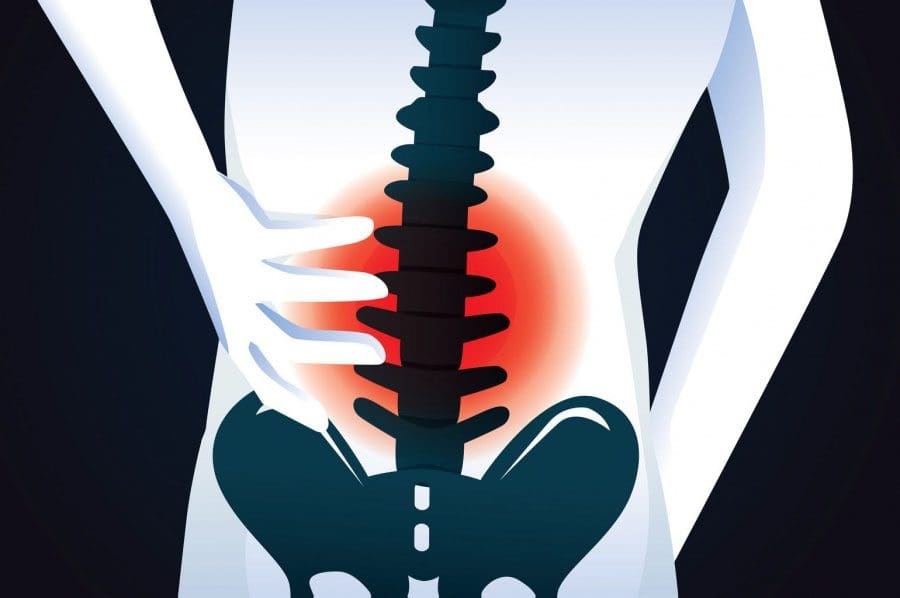
Low back pain caused by the abdominal pain radiating/spreading out into the lower spine from the aorta�s closeness to the spine. The pain can also spread to the groin, pelvis, and legs.
Sciatica symptoms typically come from low back pain.
A pulse near or around the bellybutton. Tenderness, along with a pulsing sensation can be felt. The pulse can be felt through the skin and could be sensitive to touch or pressure.
Blood loss will result in low blood pressure, known as hypotension. This causes lightheadedness, dizziness, nausea/vomiting, blurred vision, and confusion. Symptoms are exacerbated when standing generating the feeling of the need to sit or lie down.
Shock symptoms from the internal bleeding. This includes:
Sudden and rapid heartbeat
Shallow breathing
Clammy skin
Cold sweats
General weakness
Confusion
Agitation
Anxiety
Loss of consciousness
Causes
Various causes can be involved in developing an abdominal aneurysm, including:
Hardening of the arteries known as atherosclerosis. It happens when fat along with other substances build up on the lining of blood vessel/s.
High blood pressure can damage and weaken the walls of the aorta.
Aortic infection is rare but a bacterial or fungal infection could cause an abdominal aneurysm.
Trauma like being in an automobile accident can cause an aneurysm.
Risk Factors
The pathology principally stays asymptomatic until a rupture occurs. This pathology affects mostly men with quite a few risk factors. Risk factors include:
Men develop abdominal aneurysms more often than women.
Smoking is the strongest risk factor. It weakens the aortic walls and increases the risk of developing an aneurysm, and rupture. The longer an individual smokes or chews tobacco, the higher the chances.
Individuals aged 65 and older are the most targeted group for this condition.
A family history of abdominal aneurysms increases the risk.
Aneurysm in another blood vessel, like the artery behind the knee or the chest aortic region, could increase the risk.
Sciatic Nerve Compression
Sciatica is usually caused by compression on the nerve. Spinal and non-spinal disorders are known to cause pain include:
Low back misaligned vertebral body/s
Herniated/bulging/slipped discs
Pregnancy/childbirth
Spinal tumors
Diabetes
Constipation
Sitting too long
Sciatic nerve compression can cause a loss of feeling known as sensory loss, paralysis of a limb, or group of muscles known as monoplegia, and insomnia.
Proper Diagnosis Is Essential
Because of the many disorders that can cause sciatica, a doctor's first step is to determine the cause. This involves forming a diagnosis based on a thorough review of an individual's medical history, a physical and neurological examination. The sciatic nerve has several smaller nerves that branch off. These smaller nerves enable movement motor function and feeling sensory functions in the thighs, knees, calves, ankles, feet, and toes.
If a chiropractor determines the patient's disorder requires treatment by another specialist, then the individual will be referred to the proper doctor. In some cases, the chiropractor could be called upon to continue spinal therapy and help manage the individual's treatment plan with the other specialist/s.
Sciatica Pain Treatment
Dr. Alex Jimenez�s Blog Post Disclaimer
The scope of our information is limited to chiropractic, musculoskeletal, physical medicines, wellness, and sensitive health issues and/or functional medicine articles, topics, and discussions. We use functional health & wellness protocols to treat and support care for injuries or disorders of the musculoskeletal system. Our posts, topics, subjects, and insights cover clinical matters, issues, and topics that relate and support directly or indirectly our clinical scope of practice.*
Our office has made a reasonable attempt to provide supportive citations and has identified the relevant research study or studies supporting our posts. We also make copies of supporting research studies available to the board and or the public upon request. We understand that we cover matters that require an additional explanation as to how it may assist in a particular care plan or treatment protocol; therefore, to further discuss the subject matter above, please feel free to ask Dr. Alex Jimenez or contact us at 915-850-0900. The provider(s) Licensed in Texas& New Mexico*
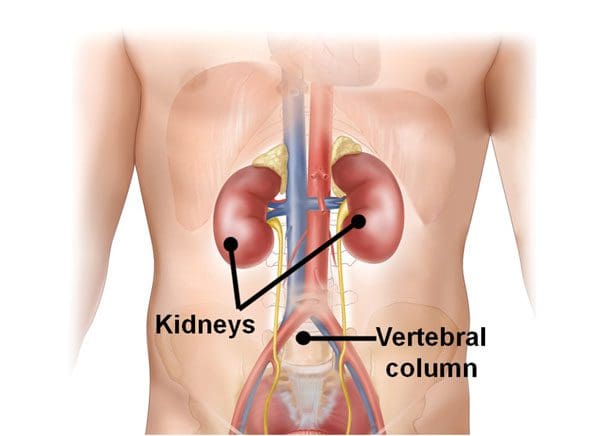
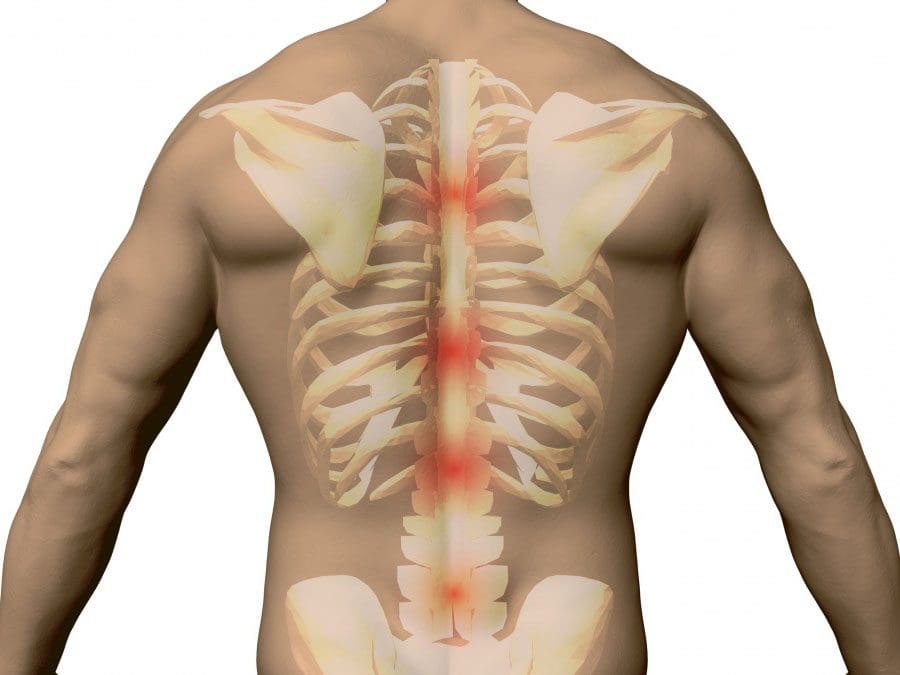
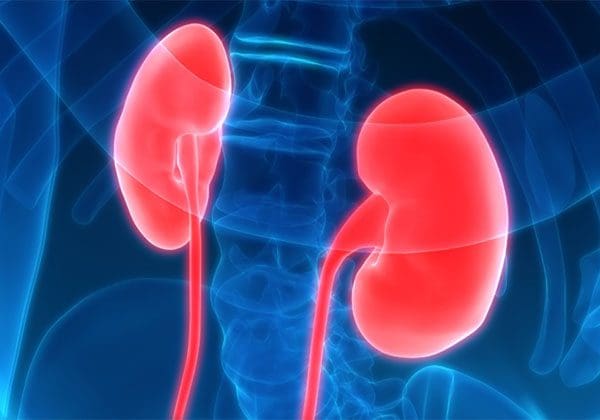
Trying to understand what is causing back pain that comes out of nowhere, whether a spinal issue or a kidney issue can be quite challenging. Doing a self-examination, retracing steps, and constantly thinking about it is exhausting. The right healthcare professional that has experience in spinal issues, as well as, understanding various health conditions that can contribute to spine pain, and making the correct diagnosis can help in developing the proper treatment plan or refer the individual to the proper specialist.
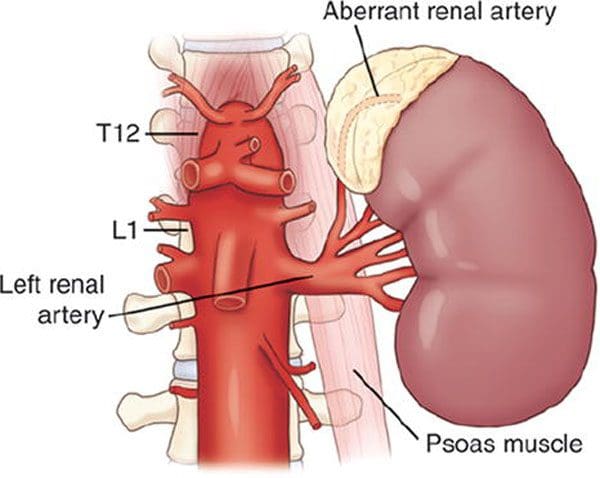
The Kidneys
The organs are located below the ribs, close to the middle/thoracic back. Healthy kidneys support and help with:
These can easily be mistaken for mid and upper back pain. However, if there is persistent soreness or irritation it could mean a more significant health issue associated with the kidneys could be present.
Spine Problem or Stone/s
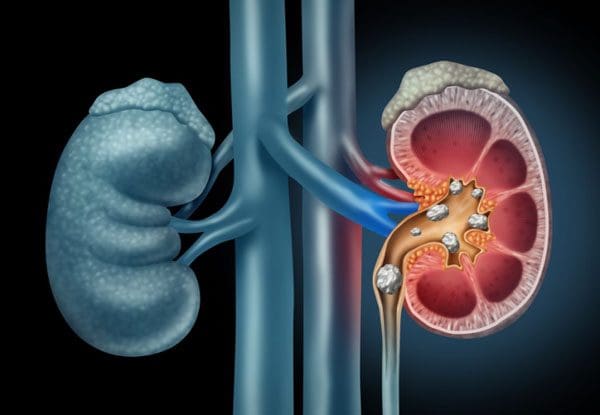
If there is a feeling of kidney pain it is possible to come from one of two places and/or both. This could be distension/ballooning of the capsule called the ureter that surrounds the kidneys. The ureters are the tubes that are attached to each kidney and transport urine from the kidneys to the bladder. Urine contains salts and minerals. These minerals can clump together creating a kidney stone and block the ureters. The ureter contracts from the stone that is creating the blockage.
When there is a blockage from a stone, the urine can back up and cause the capsule to expand causing pain. The pain location is usually on one side and is categorized as a dull ache - meaning the pain is constantly present and causing discomfort. Chronic back pain caused by nerve compression is typically on one side like sciatica.
The pain from a stone can be only slight unless the stone is trying to move. Then the pain can be severe and last for several minutes before it passes. However, if the pain is excruciating and a kidney stone is suspected, go to the hospital and get an examination. Collecting the stone is crucial when it passes in order to be analyzed. A stone analysis will help in figuring the proper treatment to prevent another kidney stone/s from developing.
Spine Problem or Infection
A kidney infection could be another cause of back pain. Kidney infection/s are typically caused by bacteria. A dull throbbing could be sensed in the middle and/or upper back.
Symptoms
Signs and symptoms associated with infection often include back, side, and groin pain as well as a combination of symptoms like:
Chills
Fever
Burning sensation when urinating
Constant sensation of needing to use the bathroom
Nausea
Vomiting
Causes
Causes that can increase the chances of developing an infection.
Kidney stone/s
Nerve damage that affects the bladder
Spinal damage that does not allow the bladder to be emptied
Urinary tract infection
Older individuals can develop kidney infections without any underlying conditions. There are rare genetic diseases like polycystic kidney disease and Fabry disease that can cause kidney pain and be mistaken for back pain.
Telling the Difference
There is no quick and easy way to figure out if it is back or kidney pain. Especially, if a constant aching is present. Seeing an experienced doctor or chiropractor is the recommended option for getting a formal and accurate diagnosis. A physical exam, family, and personal medical history will be collected along with various tests. Tests can include:
Urine analysis
Culture
Abdominal X-ray
CT scan
MRI
Pain medications and specific fluids are usually prescribed along with time to pass the stone. Antibiotics can be prescribed for kidney infections, chiropractic treatment can be suggested for spinal alignment/myofascial tense muscle release, and home remedies can help treat any discomfort. These can include:
Using ice/heat on the area where there is discomfort
The scope of our information is limited to chiropractic, musculoskeletal, physical medicines, wellness, and sensitive health issues and/or functional medicine articles, topics, and discussions. We use functional health & wellness protocols to treat and support care for injuries or disorders of the musculoskeletal system. Our posts, topics, subjects, and insights cover clinical matters, issues, and topics that relate and support directly or indirectly our clinical scope of practice.*
Our office has made a reasonable attempt to provide supportive citations and has identified the relevant research study or studies supporting our posts. We also make copies of supporting research studies available to the board and or the public upon request. We understand that we cover matters that require an additional explanation as to how it may assist in a particular care plan or treatment protocol; therefore, to further discuss the subject matter above, please feel free to ask Dr. Alex Jimenez or contact us at 915-850-0900. The provider(s) Licensed in Texas& New Mexico*
References
Tozzi, P et al. �Low back pain and kidney mobility: local osteopathic fascial manipulation decreases pain perception and improves renal mobility.��Journal of bodywork and movement therapies�vol. 16,3 (2012): 381-391. doi:10.1016/j.jbmt.2012.02.001
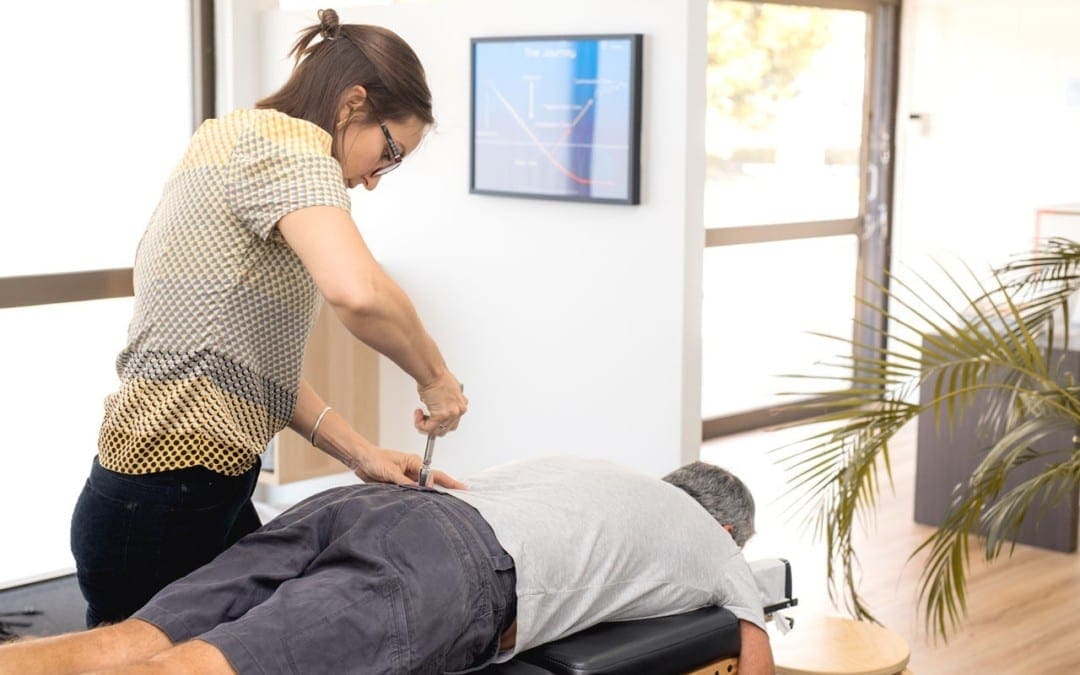
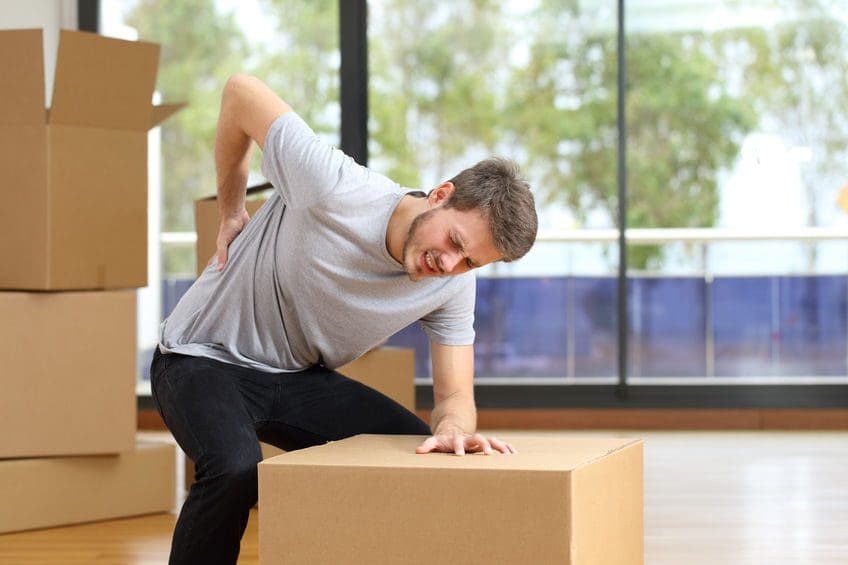
Taking an active role in personal spinal healthcould mean the difference between having to deal/manage back pain for the rest of your life and not having to. Most of us have experienced some form of back pain, whether lifting an object, bending, reaching, twisting, etc. Fortunately, it is usually not serious and we move on with our lives. However, not paying attention to those not so serious backaches can lead to chronic backaches that can lead to serious chronic back pain.
Chronic backache/s can be annoying, frustrating, and debilitating, especially when the cause is not obvious, cannot be found, or figured out. When back pain occurs from trauma or an automobile accident it's a lot easier to diagnose.
But when it is the result of a gradual build-up of activities like sitting all day at a desk, in a truck or lifting objects, loading, unloading, pushing, pulling, stocking for several years, it could be a lot more serious than the individual might think. This is because although they are barely beginning to feel the ache or pain, the damage has been ongoing/worsening and has finally reared its ugly head.
Finding the Right Help
Getting on the right track means searching for a spinal professional that can identify and treat the source of the back pain, help with posture, diet advice, and help reach optimal health. Finding the source of the pain can be a challenge, but it is not impossible. The key is finding a knowledgeable, experienced back pain specialist and taking an active role in your spine's health.
Chiropractors, doctors, and physicians begin with at least 4-6 weeks of non-invasive treatment. These start with tests, scans, x-rays, then move on to treatment, which can consist of ice/heat, physical therapy, adjustments, re-alignment combined with exercises, stretches. Prescription medication/s or surgery is the last option for fear of worsening conditions along with medication abuse. This approach has seen an increase in relief and favorable outcomes.
Patient Active Role
Many individuals have gone down the path of being over-medicated and are exhausted with the whole experience of being constipated, constant brain fog, etc. Those same individuals are taking that active role and getting involved by dealing with their back pain in a natural non-invasive way. Preparing before meeting with a spine professional is important to give as much information as possible.
Tips
Preparation
Write down notes about what is being felt in and around the body, not just the back. This is because of the psychological aspect of pain, which can manifest in a variety of ways.
Try To Go Back To When The Pain Started
Think about when the pain first began
Sitting at work/home one day when there was what you thought was a little shift or tingle
Sports activity
Exercising
Popping, clicking, grinding sensations and sounds
Warming, electrical, shooting sensation/s pain
Tingling/numbness in the leg, foot, toes
Try to describe all the details with the doctor/chiropractor even what you might consider trivial
Emotions/Stress Triggers need to be taken into account
Work
Bills
Marriage
Divorce
Children
Major life changes and stress affects the whole body, especially the spine
Family Friend Perspective and Support
Bringing along a close family member or friend that knows your activity habits could help the doctor get a better idea of what is causing the pain. Family or friends can remember a trip, fall, dance moment that didn't go so well, work accident, etc.
Medical History
Prior medical injuries and conditions will help provide additional information as to whether there is a pattern when back pain strikes. This can be extremely important even if it does not seem to be related to the pain symptoms. Tell the doctor about any physical therapy or other holistic/conservative treatments performed before and after the pain began. Also, inform them of any medications, supplements, vitamins, herbs, over-the-counter medications that were taken prior to the pain and currently being taken. If there has been unexplained weight loss, fever, urination/bowel changes, should also be discussed.
Physical Tests
Unless the patient is in too much pain, the meeting with the chiropractic physician will be active, meaning the doctor may have the patient perform a series of movements like:
Sitting
Standing
Walking
Bending forward, backward, and to the side
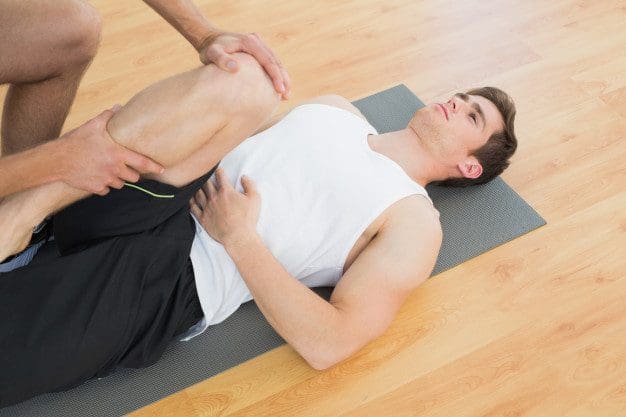
Lifting the legs straight up while standing and lying down
Inform the doctor of any numbness or tingling pain while performing these musculoskeletal exercises/tests.
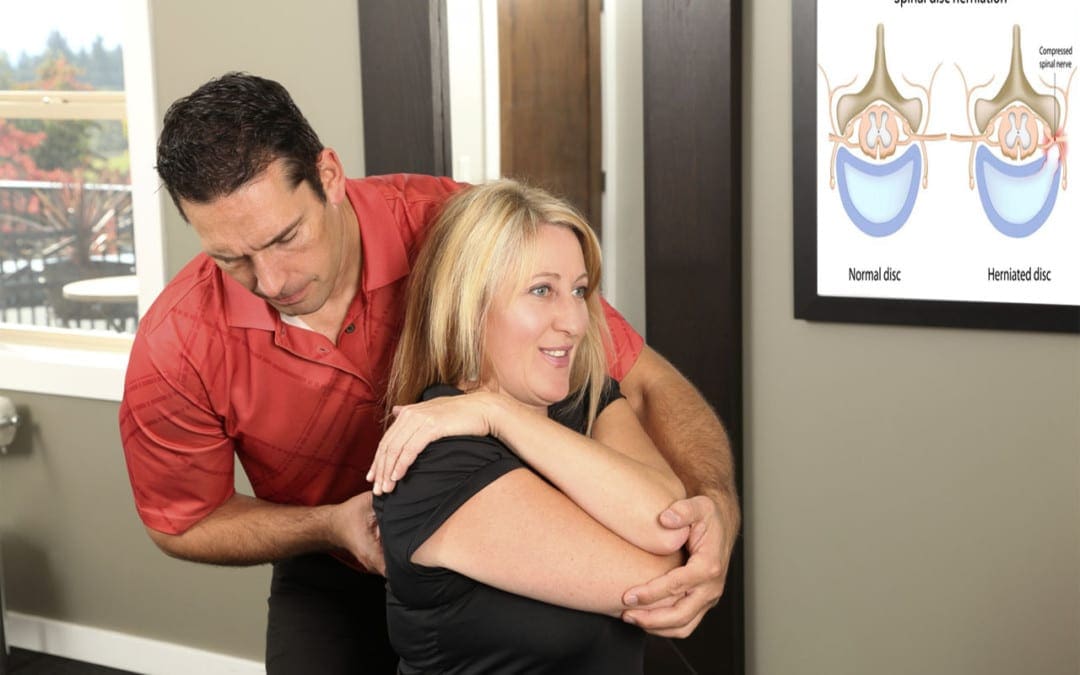
With a patient that can't perform the exercises, the doctor will examine the patient while lying down, by carefully and slowly palpating the painful area/s, moving the leg/s, and raising the patient up, all the while taking notes of what position/s cause discomfort and pain.
Options
Depending on the physician's assessment, initial treatment will take time, require the individual to take an active role, and possibly recommend the individual try different treatment options. Ask the doctor all the questions you have during the visit like:
Could there be more than one cause for my back pain?
Do the treatments hurt?
The treatment will keep me pain-free or just tolerable?
Are there self-therapies to assist healing and recovery?
If seeing a general physician you could ask for a recommended spine specialist
The ultimate goal is for the individual to live a happy, fulfilling life that is pain-free. The doctor will do everything they can to bring an optimum level of care. If the quality of life still does not improve or when various attempts for pain relief have proven unsuccessful, then a doctor could recommend stronger medications and surgical options. Don't wait to get professional medical help! The longer an individual waits the worse the cause of the back pain gets. Get involved and take an active role in your spinal health.
Personal Injury Chiropractic Care
Dr. Alex Jimenez�s Blog Post Disclaimer
The scope of our information is limited to chiropractic, musculoskeletal, physical medicines, wellness, and sensitive health issues and/or functional medicine articles, topics, and discussions. We use functional health & wellness protocols to treat and support care for injuries or disorders of the musculoskeletal system. Our posts, topics, subjects, and insights cover clinical matters, issues, and topics that relate and support directly or indirectly our clinical scope of practice.*
Our office has made a reasonable attempt to provide supportive citations and has identified the relevant research study or studies supporting our posts. We also make copies of supporting research studies available to the board and or the public upon request. We understand that we cover matters that require an additional explanation as to how it may assist in a particular care plan or treatment protocol; therefore, to further discuss the subject matter above, please feel free to ask Dr. Alex Jimenez or contact us at 915-850-0900. The provider(s) Licensed in Texas& New Mexico*
Analgesics are pain-relieving medications, also known as painkillers. These can be over-the-counter and prescription medications. Either could be part of a treatment plan for spine-related pain. Individuals dealing with back or neck conditions, typically take analgesics to reduce symptoms.
Analgesics are available over-the-counter/OTC and with a prescription
Prescription analgesics usually include the more powerful form of over-the-counter medications
Analgesics can be specialized with some to relieve pain, with others reducing inflammation/pain
Over-the-counter
Acetaminophen, Non-steroidal anti-inflammatory drugs, and topical analgesics are the most commonly used medications for various pain symptoms. Over-the-counter analgesics are most effective when taken at the first sign/presentation of acute pain. Whiplash, along with muscle sprains and strains are common injuries known to cause short term pain that can be mild to severe. Follow the medication's instructions on dosage recommendations and precautions.
If the medication does not work or helps manage the pain, and/or pain symptoms worsen, contact your healthcare provider. This could be an indicator that a more powerful prescription analgesic is needed to help manage the pain, along with added therapy like physical therapy, and chiropractic to help avoid dependence on the prescription meds.
Acetaminophen
Tylenol is one form of medication taken for different types of pain and is one of the most popular over-the-counter analgesics. Acetaminophen's purpose is exclusively to relieve pain. It does not reduce inflammation.
Non-steroidal anti-inflammatory drugs - NSAIDs
Non-steroidal anti-inflammatory drugs work to reduce inflammation and pain. Types of over-the-counter These include:
Aspirin
Ibuprofen
Naproxen
Topical analgesics
Topical analgesics like capsaicin cream and salicylates are an alternative to analgesics taken by mouth. These creams, balms, gels, and sprays are applied to the painful area. It is a very common application and is widely used for joint, muscle, and back pain. Salicylates are plant-based chemicals that operate to decrease the body's production of prostaglandins. These are lipids that let the body know that there is a problem causing inflammation and pain.
Prescription
A doctor could prescribe an analgesic as part of a treatment plan to help manage short-term and chronic pain. It is extremely important to precisely follow the doctor's instructions on how much and when to take the medication. Remember that any of these medications have the potential for side effects, which includes the risk of negative interactions when taken with other meds. Be sure to talk with a doctor about potential risks, and keep them informed about all medications like blood pressure and diabetes meds and natural herbs/vitamins/supplements taken for other medical conditions.
COX-2 Inhibitors
Cyclo-oxygenase-2 or COX-2 inhibitors are a prescription NSAID medication type that is formulated to target specific enzymes that trigger inflammation. Inflammation is not just a symptom but can also be a cause of pain related to many different spinal disorders. COX-2 inhibitors have a lower risk of causing/contributing to gastrointestinal problems.
There are other potential side effects and risks associated with COX-2 inhibitors. Potential side effects include an increased risk of cardiovascular problems, like a heart attack or blood clots. COX-2 inhibitors reduce the risk of stomach problems than classic NSAIDs but if gastrointestinal conditions exist to talk with a doctor before taking these medications.
Opioids
These are highly potent analgesics and are no longer the first type of pain-relieving medication that a doctor prescribes. They are now to be the last resort for reducing moderate to severe pain symptoms. These medications work by decreasing the perception and reaction to the pain. Opioids are prescribed for short-term use following surgical procedures and trauma. However, there are different situations where use is appropriate. When opioids are recommended, the doctor will begin with the lowest strength/dosage to manage the pain. Types of opioids include:
Analgesic medications are commonly used for various types of pain-causing conditions. When they are used properly with a doctor�s supervision they are safe and effective at managing pain and discomfort. If new symptoms present and/or the pain worsens or becomes different contact your doctor on appropriate instructions.
Chiropractic Neck Pain Treatment
Dr. Alex Jimenez�s Blog Post Disclaimer
The scope of our information is limited to chiropractic, musculoskeletal, physical medicines, wellness, and sensitive health issues and/or functional medicine articles, topics, and discussions. We use functional health & wellness protocols to treat and support care for injuries or disorders of the musculoskeletal system. Our posts, topics, subjects, and insights cover clinical matters, issues, and topics that relate and support directly or indirectly our clinical scope of practice.*
Our office has made a reasonable attempt to provide supportive citations and has identified the relevant research study or studies supporting our posts. We also make copies of supporting research studies available to the board and or the public upon request. We understand that we cover matters that require an additional explanation as to how it may assist in a particular care plan or treatment protocol; therefore, to further discuss the subject matter above, please feel free to ask Dr. Alex Jimenez or contact us at 915-850-0900. The provider(s) Licensed in Texas& New Mexico*
IFM's Find A Practitioner tool is the largest referral network in Functional Medicine, created to help patients locate Functional Medicine practitioners anywhere in the world. IFM Certified Practitioners are listed first in the search results, given their extensive education in Functional Medicine