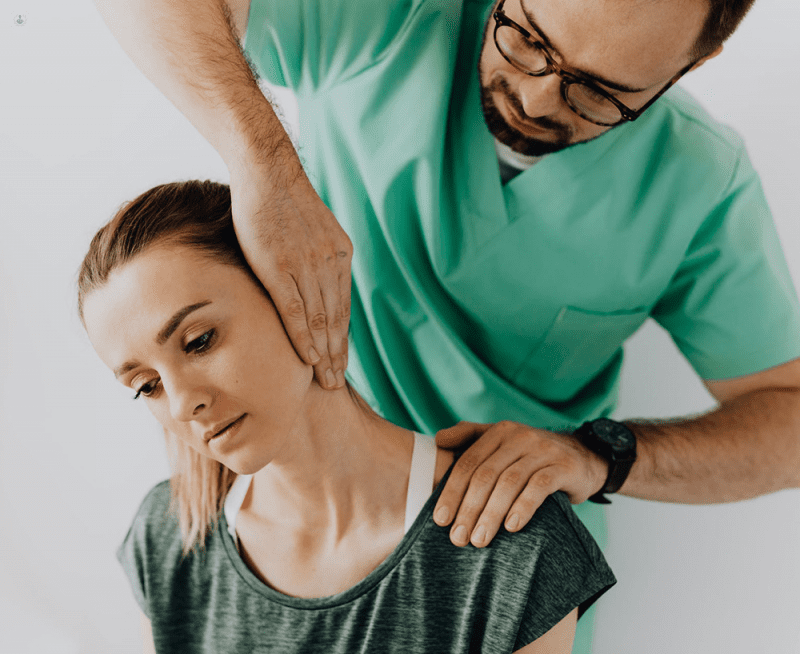
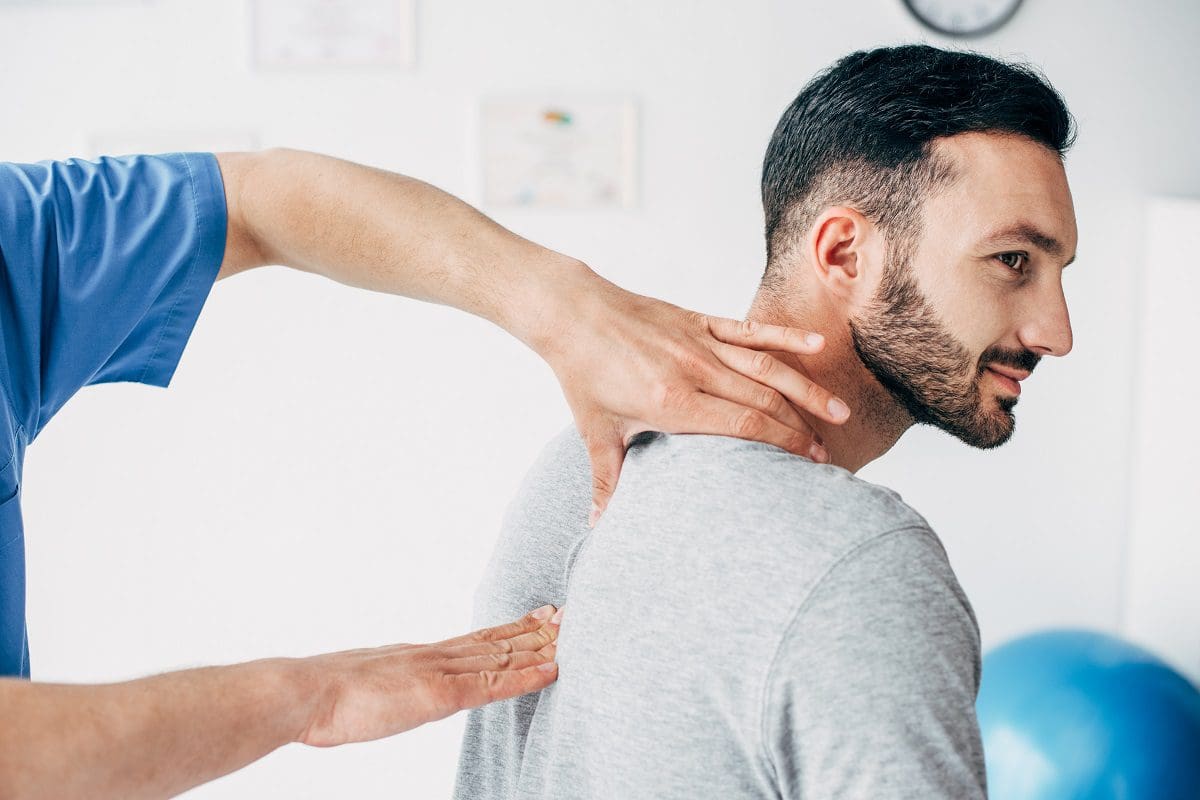
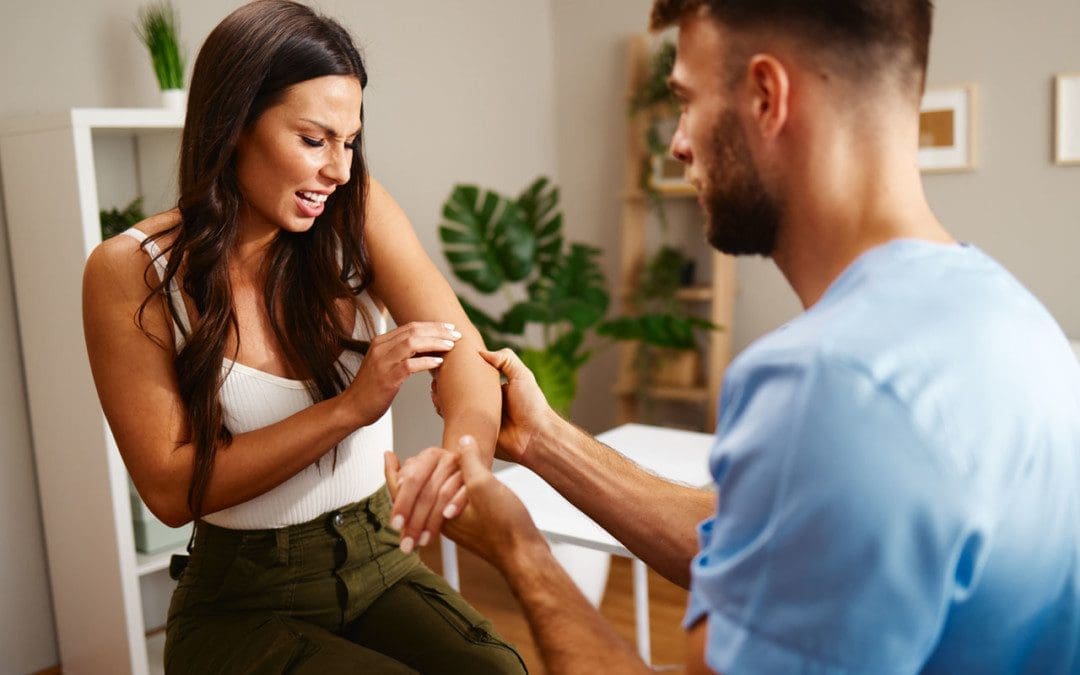
The spine consists of soft tissues, ligaments, the spinal cord, nerve roots, and cartilage, forming an S-shaped curve with three regions: cervical, thoracic, and lumbar. Its primary functions are to keep the body upright, provide mobility, and support the upper body’s weight. Injuries or other factors can cause mild to severe pain-like symptoms that affect the spine’s three regions, leading to misalignment and disc herniation, which can cause further complications. Fortunately, non-surgical treatments like spinal decompression can restore the spine’s functionality by realigning the body and restoring the spinal discs. This article will discuss how disc herniation affects the spine and body and how decompression therapy can treat it. We work with certified medical providers who use our patients’ valuable information to provide non-surgical treatments, including spinal decompression, to relieve pain-like symptoms associated with disc herniation and prevent chronic musculoskeletal issues. We encourage patients to ask essential questions and seek education about their condition. Dr. Jimenez, D.C., provides this information as an educational service. Disclaimer
How Does Disc Herniation Affect The Spine?
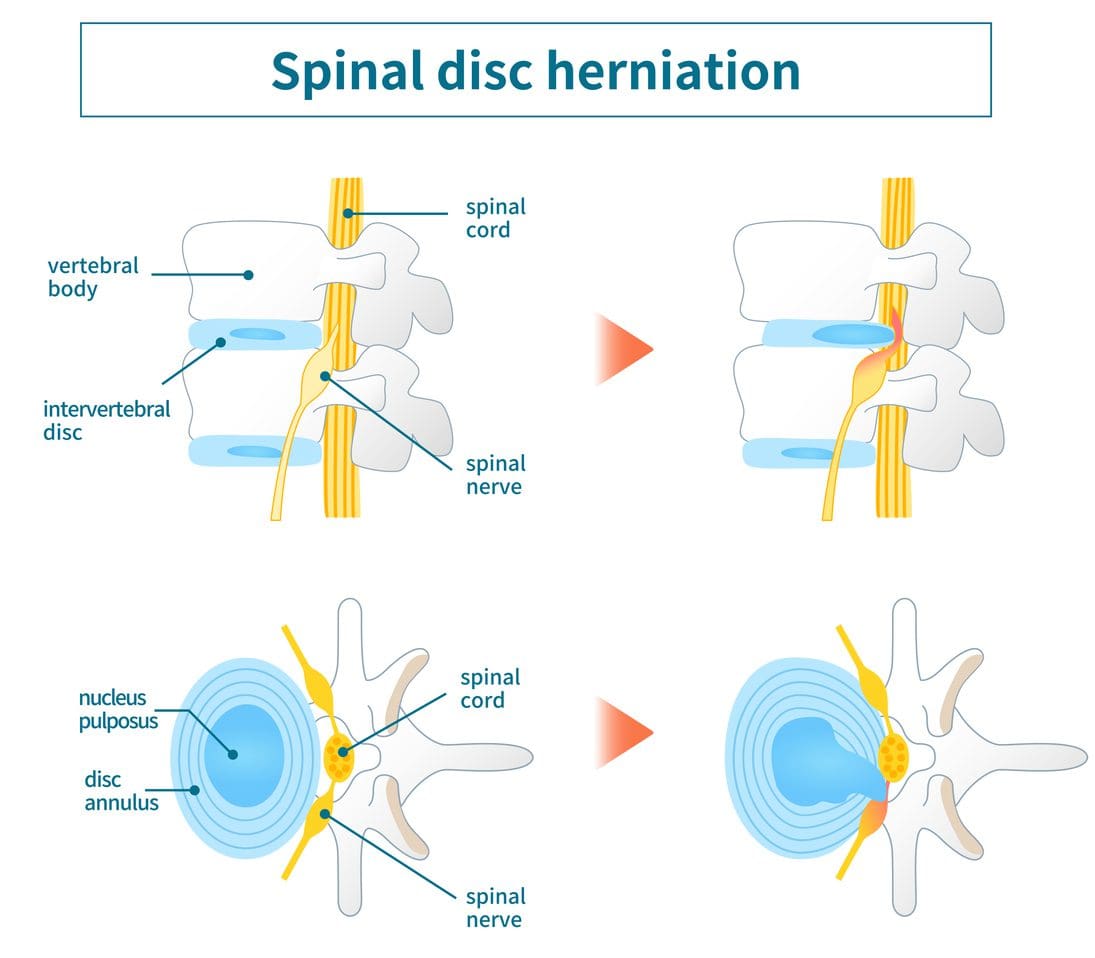
Do you experience stiffness or tingling in your neck, shoulders, or low back? Do you have radiating pain that is similar to other musculoskeletal conditions? Or do you feel aches and pains during stretching? These symptoms are often associated with spinal disc herniation, as research studies revealed, where the nucleus pulposus within the spine displaces and compresses the spinal nerve or cord. This can be caused by poor posture, incorrect lifting of heavy objects, or excessive twisting and turning, leading to wear and tear on the spinal disc. Left untreated, this can cause neurologic compromise or activity limitation to the rest of the body, as additional research shows. The three spinal regions can all be affected by this condition, causing a range of issues such as:
Numbness and tingling in the arms, hands, and fingers
Muscle weakness and stiffness in the neck and shoulders
Gait disturbances
Paralysis
Cardiovascular abnormalities
Back pain
Muscle weakness in hips, legs, buttocks, and feet
Sciatic nerve mimicry
An Overview Of Disc Herniation-Video
Have you been experiencing numbness, tingling sensations, or instability when walking? These issues could be caused by disc herniation, which occurs when the spinal cord and nerves are compressed or aggravated by the nucleus pulposus. This can cause pain in the cervical, thoracic, and lumbar areas and affect the functioning of your extremities. Research studies have revealed the severity of the herniation depends on the section affected, the size of the spinal canal, and pressure on the nerves. However, non-surgical, safe, and gentle treatments, such as chiropractic care and decompression therapy, can alleviate the effects of disc herniation. Watch the video above to learn more about the causes of disc herniation and the available treatments.
Decompression Therapy Treating Disc Herniation
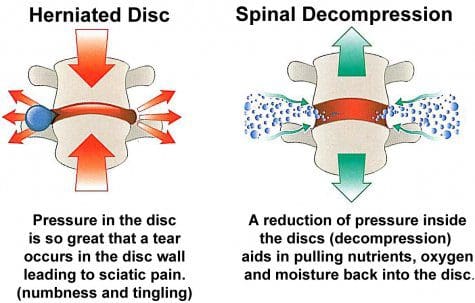
If you are experiencing disc herniation, some treatments can help restore functionality to your spine. According to research studies, decompression therapy is one such treatment that works by using negative pressure within the spinal disc to increase hydration. This process pulls nutrients and oxygenated blood back into the disc, reducing pressure on the entrapped surrounding nerve root. Additionally, decompression therapy relieves the associated symptoms caused by disc herniation. In “The Ultimate Spinal Decompression,” written by Dr. Perry Bard, D.C., and Dr. Eric Kaplan, D.C., FIAMA, they explain that individuals with a herniated disc who use decompression therapy will feel negative or non-gravitational pressure within their spinal canal, which reduces the pressure from inside the disc. Decompression therapy helps restore the spine’s functionality and facilitates natural healing.
Other Treatments For Disc Herniation
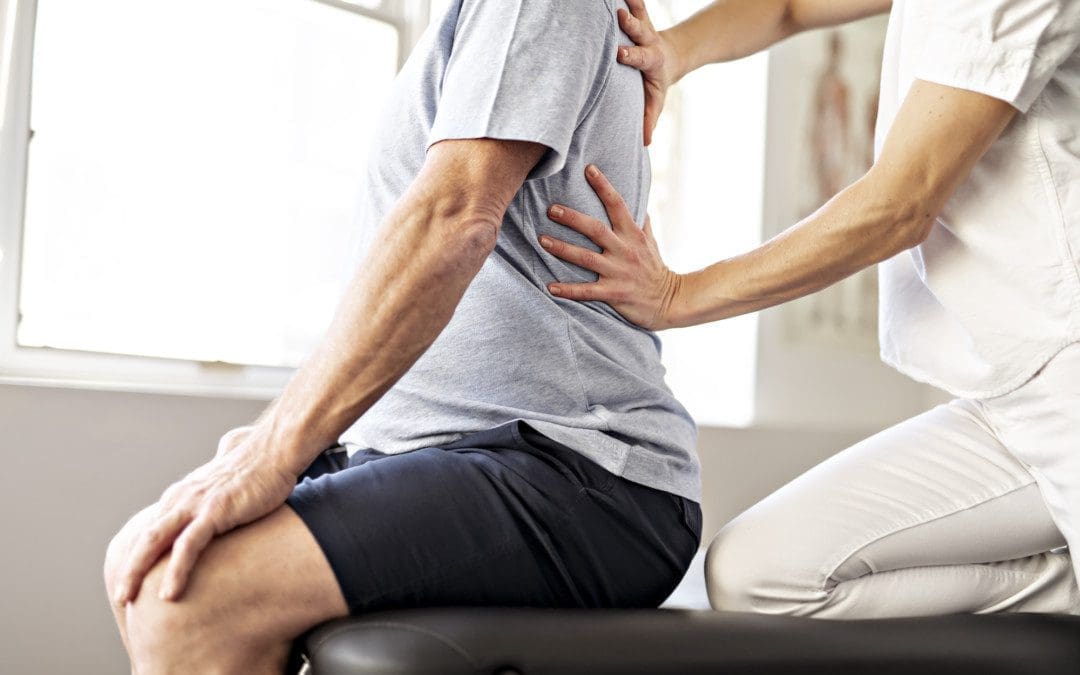
Combining decompression therapy with chiropractic care can be effective in treating disc herniation. Chiropractic care involves spinal adjustments and manual manipulation to restore the natural alignment of the spine, which can relieve pressure on nerves caused by disc herniation. Gradual realignment of the vertebrae can help alleviate symptoms and reduce pain and discomfort while restoring the spine’s strength, flexibility, and mobility.
Conclusion
If the spinal cord is affected by environmental factors or injuries, it can cause pain and discomfort to the person. This is known as disc herniation, where the nucleus pulposus in the spine protrudes out of the spinal socket and presses on the spinal nerve. This can lead to neurological problems and affect the three spinal regions, causing mild to severe issues depending on the pressure on the spinal cord. However, non-surgical treatments like chiropractic care and decompression therapy can safely and gently manipulate the spine, realigning and hydrating the disc so the body can heal naturally. This can relieve pain and discomfort in the spine and restore mobility to the body.
Low back pain is a common issue worldwide that can cause individuals to miss work and require emergency care. This type of pain occurs in the lumbar region of the spine, which supports the upper body and is surrounded by muscles, ligaments, and tissues. If left untreated, it can cause disability. Fortunately, treatments available can reduce pain and alleviate other symptoms. This article will explain how low back pain occurs, how it relates to disorders, and how spinal manipulation and decompression treatment can help. We utilize and incorporate valuable information about our patients to certified medical providers using non-surgical therapies like spinal decompression to alleviate pain-like symptoms associated with the low back and reduce its correlating musculoskeletal disorders. We encourage referring patients to associated medical providers based on their findings while supporting that education is a remarkable tool to ask our providers essential questions at the patient’s request. Dr. Jimenez, D.C., comprises this information as an educational service. Disclaimer
How Does Low Back Pain Occur?
Do you frequently experience discomfort or pain in your lower back? Does it bother you when you bend down or lift heavy objects? Or are you dealing with radiating pain similar to sciatic nerve pain? These are all common symptoms associated with low back pain. Research studies have revealed that low back pain can stem from various potential sources, including anatomical, neurological, and psychological factors, making identifying the pain’s root cause complex. Additionally, research studies have revealed that low back pain can vary among many individuals and are complex, depending on how severe the symptoms affect the body. Low back pain can occur when the spinal discs in the lumbar regions of the spine become compressed due to unwanted pressure or axial overload or when the surrounding muscles are overused or underused.
Disorders Correlating With Low Back Pain
Low back pain is a complex musculoskeletal disorder caused by various factors. Research studies have revealed two types of low back pain: specific and non-specific. Non-specific low back pain is usually caused by overuse of muscles or wear and tear on the spinal vertebrae and joints. On the other hand, specific low back pain is caused by a relationship between environmental factors and the pain itself, such as compressed neural structures, joint inflammation, or spinal instability. Studies also suggest low back pain can affect an individual’s health and daily activities. Low back pain can also cause referred pain, meaning it can be felt in a different area of the body, affecting vital organs or muscles. For example, sciatic nerve pain is often associated with low back pain.
The Path To Healing- Video
Have you been experiencing aches and pain in your lumbar spine? Does it hurt when you twist or bend over or lift something heavy? These pains are often related to low back pain, which can also be connected to other chronic conditions that affect the body. Low back pain is a common and complex issue affecting the body’s upper and lower parts. The lumbar region of the body is responsible for stabilizing the upper body’s weight, and the surrounding muscles, ligaments, and tissues protect the spinal cord. When the body experiences unwanted pressure or pathological factors, it can lead to low back pain and its associated symptoms. Unfortunately, back pain can significantly impact daily life, causing people to miss work or be unable to participate in regular activities. However, treatments available can reduce the effects of low back pain and its associated symptoms. The video above demonstrates how chiropractic care and spinal decompression can help alleviate low back pain, restore stability and mobility to the lumbar region, and improve a person’s quality of life.
How Spinal Manipulation & Decompression Treatment Relieves Low Back Pain
Many treatments available can help individuals struggling with low back pain. According to “The Ultimate Spinal Decompression” by Dr. Eric Kaplan, D.C., FIAMA, and Dr. Perry Bard, D.C., chiropractic care is one such treatment that can be effective. This type of care uses spinal manipulation to alleviate the effects of low back pain. Chiropractic care can offer relief by gently re-aligning the spine and reducing subluxation. Studies have shown that this treatment, known as decompression treatment, can reduce stress on posterior muscles, improving pain intensity and functionality. Additionally, decompression treatment can further help by stretching the lumbar spine and rehydrating discs. Both of these treatments are non-invasive, gentle, and non-surgical and can increase mobility and stability in the lumbar spine while reducing pain.
Conclusion
Low back pain can significantly affect a person’s ability to move around and maintain balance. It’s a common issue that can lead to disability and extended periods away from work, depending on its intensity. The causes can arise from various factors, including environmental factors and unwanted pressure. However, non-surgical, gentle, and non-invasive treatments can help alleviate the symptoms of low back pain. These treatments can realign the lumbar spine and stretch the affected muscles, relieving pain. By utilizing these treatments, individuals can become more mindful of their back health and prevent future injuries.
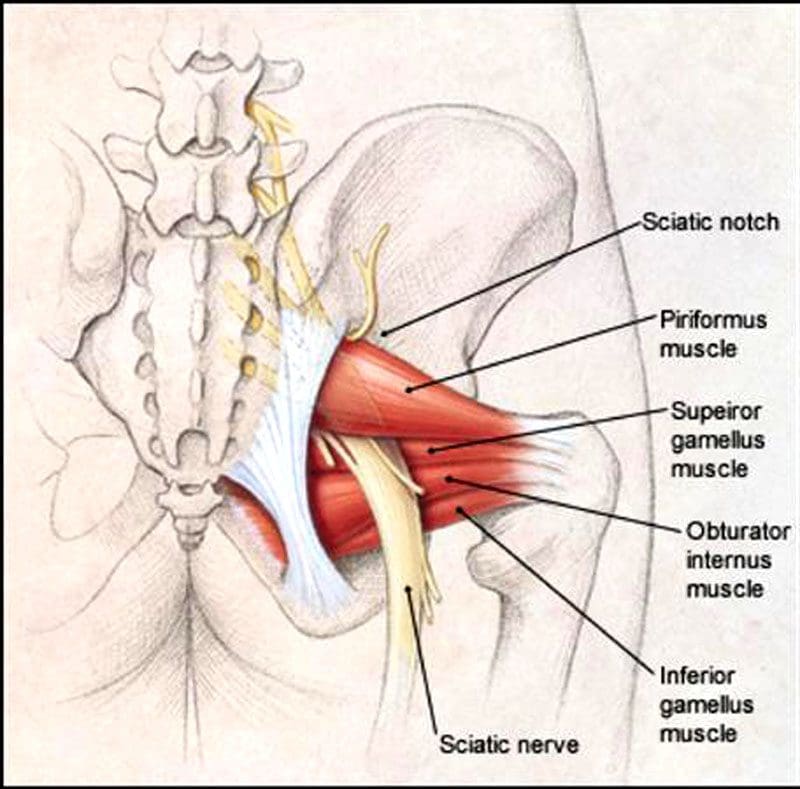
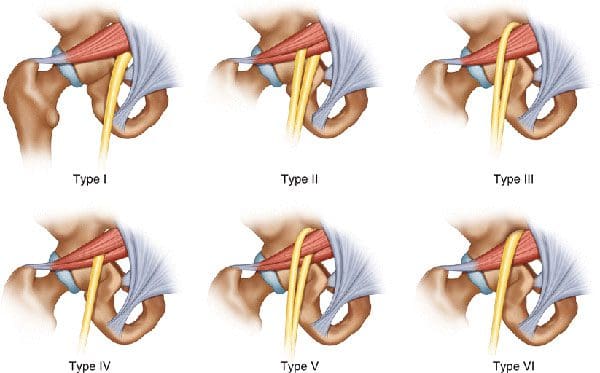
The piriformis is a large and powerful muscle beneath the gluteal/buttocks muscles. It runs from the bottom of the sacrum, where the base of the spine and pelvis converge to the top of the femur. This muscle plays a critical role in running motion; it helps externally rotate the hips and upper leg outward, provides hip flexibility and stability, and stabilizes the pelvis. The sciatic nerve passes next to, over, under, or through the piriformis muscle. When the piriformis contracts or spasms, it can irritate, become entangled and compress the nerve, resulting in painful symptoms. This can lead to various problems and is how piriformis syndrome occurs.
Running Piriformis Syndrome
The proper function of the piriformis muscle is essential for athletes who participate in running sports. Repetitive activities, like running, can fatigue the muscle and irritate and inflame the nerve.
Symptoms
Piriformis syndrome can be challenging to diagnose because it can be confused for a herniated disc, sciatica, a proximal hamstring strain/high hamstring tendinitis, or lower back problems. A few symptoms that can help determine whether the piriformis is the cause include:
Sitting, Stairs, Squatting Discomfort or Pain
Individuals don’t always experience discomfort while running.
Instead, it’s sitting, climbing stairs, and squatting where pain symptoms present.
Pain while running, specifically an overstretched sensation when going up a hill or increasing speed, is more associated with a proximal hamstring strain.
Tenderness
The area around the piriformis is tender.
Applying pressure can cause discomfort or pain around the area and radiate down the leg.
Centered Pain
Piriformis syndrome is usually felt in the middle of the glutes.
A proximal hamstring strain typically causes non-radiating pain at the bottom of the glutes, where the hamstrings connect to the pelvis.
Causes
Pelvic misalignment.
Pelvic misalignments created by other conditions, like a tilted pelvis, functional leg-length discrepancy, or practicing unhealthy posture, make the piriformis work harder to compensate, which leads to tightness and/or spasms.
Sudden increases in distance or workout intensity can worsen any weakness in the piriformis and other gluteal muscles.
Continuing to run, which is possible, can worsen and prolong the condition.
When running, the muscle’s signal transmissions are interrupted by inflammation and/or compression and cannot synchronize with each other.
The result is the inability to withstand the repetitive strain of running.
Resting may not be enough to alleviate piriformis syndrome. This is especially true if the problem involves spine and pelvic misalignment. Chiropractic can provide significant relief from running piriformis syndrome. A combination of spinal, pelvic, and extremity adjustments, therapeutic massage, MET, decompression, stretches, and anti-inflammatory nutrition will take the pressure off overly tight areas, realign the body, and maintain nervous system function.
Running form could be evaluated and checked for leg-length discrepancies and muscle-strength imbalances.
Running can continue if the individual can do so without pain or symptoms.
But it is recommended to avoid slanted surfaces, which increase the risk of pelvic misalignment.
Avoid long runs, which increase the chance of overload and fatigue.
The goal is to relax and release the piriformis.
If it’s impinging on the sciatic nerve, loosening and releasing the muscle will significantly lessen radiating pain.
Orthotics may be recommended for excessive overpronation or inward movement of the foot when landing.
Other treatments to stop piriformis spasms.
Ice and take over-the-counter anti-inflammatory medications can be used during acute phases when the area is tender.
Work out tight spots using a foam roller or percussive massager.
Stretching and loosening the muscle before and after runs can help it relax and increase blood flow.
Ahmad Siraj, Sidra, and Ragini Dadgal. “Physiotherapy for Piriformis Syndrome Using Sciatic Nerve Mobilization and Piriformis Release.” Cureus vol. 14,12 e32952. 26 Dec. 2022, doi:10.7759/cureus.32952
Chang A, Ly N, Varacallo M. Piriformis Injection. [Updated 2022 Sep 4]. In: StatPearls [Internet]. Treasure Island (FL): StatPearls Publishing; 2023 Jan-.
Heiderscheit, Bryan, and Shane McClinton. “Evaluation and Management of Hip and Pelvis Injuries.” Physical Medicine and rehabilitation clinics of North America vol. 27,1 (2016): 1-29. doi:10.1016/j.pmr.2015.08.003
Julsrud, M E. “Piriformis syndrome.” Journal of the American Podiatric Medical Association vol. 79,3 (1989): 128-31. doi:10.7547/87507315-79-3-128
Kraus, Emily, et al. “Piriformis Syndrome With Variant Sciatic Nerve Anatomy: A Case Report.” PM & R: the Journal of Injury, Function, and Rehabilitation vol. 8,2 (2016): 176-9. doi:10.1016/j.pmrj.2015.09.005
Lenhart, Rachel, et al. “Hip muscle loads during running at various step rates.” The Journal of Orthopedic and sports physical therapy vol. 44,10 (2014): 766-74, A1-4. doi:10.2519/jospt.2014.5575
Sulowska-Daszyk, Iwona, and Agnieszka Skiba. “The Influence of Self-Myofascial Release on Muscle Flexibility in Long-Distance Runners.” International Journal of environmental research and public health vol. 19,1 457. Jan 1, 2022, doi:10.3390/ijerph19010457
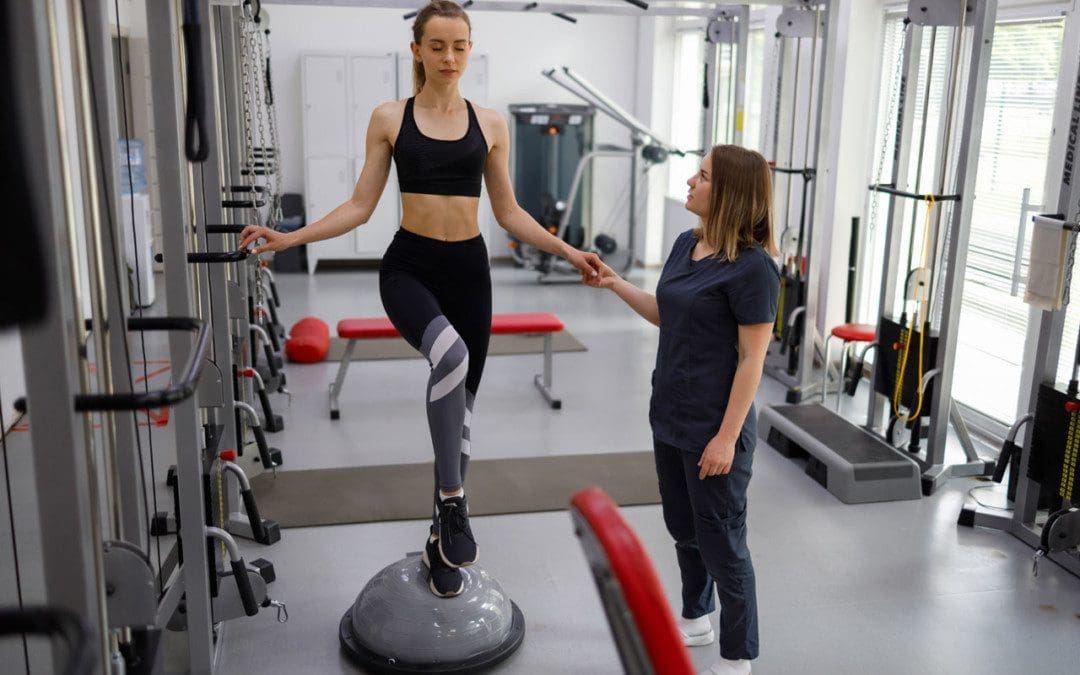
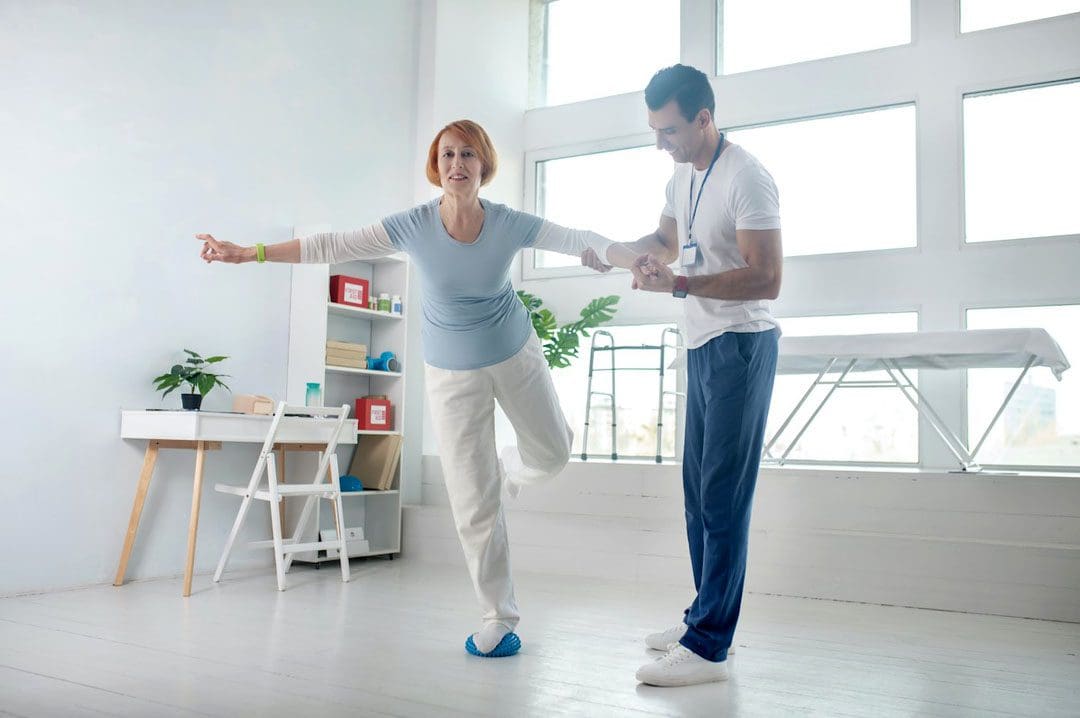
Body balance is essential for walking, tying shoelaces, picking up objects, etc. Balance is an acquired skill that the body develops in response to different activities and surroundings. Everyone can benefit from improving and maintaining their balance muscles regardless of age. Balance exercises condition and strengthen the core muscles. Balance training helps improve posture and stability; athletes find it provides increased agility and added power; seniors utilize it to prevent injuries and maintain mobility, and fitness enthusiasts use it to improve workouts. Injury Medical Chiropractic and Functional Medicine Clinic provide whole-body realignment, rehabilitation, postural and balance training, and nutritional advice.
Balance Exercises
Being able to move around efficiently requires healthy postural alignment and balance. The systems responsible for balance can be affected by the following:
Gradual changes brought on by aging.
Back problems.
Foot problems.
Injury.
Side effects from medications.
Arthritis.
Stroke.
Parkinson’s disease.
Multiple sclerosis.
However, it was found that all responded well to exercises designed to improve balance.
Definition
Balance is the ability to control the body in space and distribute weight evenly to maintain uprightness. There are two types.
Dynamic Balance
The ability to remain stable while performing movements or actions that require displacing or moving the body.
Individuals use this type of balance each time the body takes a step in any direction.
Dynamic balance is required when the body is in motion, like walking.
A healthy dynamic balance is essential for the body’s ability to react to sudden changes.
Static Balance
The ability to maintain a stationary position during movements like bending, twisting, reaching, and swaying around the axis of the body.
Both types are essential and can be improved with targeted exercises.
Benefits
Everyone can benefit from balance exercises and can help at different stages of life and fitness levels.
General Public
Balance training:
Teaches the body to use the core for stabilization.
Creates muscular balance.
Improves neuromuscular coordination and communication between the brain and muscles.
Individuals can start incorporating balance exercises into everyday routines. A few ways to do this include:
When picking up an object, reach over to pick them up on one leg, with the other lifting straight into the air behind to engage the abs.
Sit on a stability ball at work, school, or when watching TV.
Stand on one foot while engaged in static balance activities like washing dishes, brushing teeth, etc., and alternate the feet.
Athletes
Proprioceptive training is used with athletes for rehabilitation and prevention of injuries. Proprioception is the sense of body position.
Practicing balance exercises increases the sense of control and awareness of the muscles and joints and how they function when in motion.
Balance training increases power because the individual learns to use their center of gravity more efficiently.
A stronger and more active core helps to increase jump height, throwing, swinging, shifting, and running.
Seniors
Seniors can use balance exercise programs to improve stability for falling prevention and injuries.
Exercises
Below are basic instructions for the following balance exercises:
Tree Pose
Tree pose can be done on the floor, a mat, or Bosu. It strengthens the ankles, improves balance, and engages the core.
Stand with feet together, spine tall and straight, and arms outstretched.
If using a BOSU, use either the ball or the flat side.
Gradually lift the left foot to the side of the calf and balance on the right foot.
Gradually lift arms overhead to make the branches.
Hold for 30 seconds, then switch to the other leg.
Single Leg Deadlift
This exercise strengthens the hamstrings and glutes, works on balance, and activates the abdominal wall. It can be done with or without weights like dumbells.
Stand on the floor with feet together.
Place most of the weight onto the right foot.
Stare at a focal point in front and on the floor
Slowly lower the torso to the ground while lifting the left leg behind.
Keep the spine neutral and reach the hands toward the floor.
Stop when the back is parallel to the floor.
Don’t tighten or stiffen the right knee but keep it moveable.
Squeeze the hamstrings, glutes, and abs while slowly returning to an upright position.
Lie on your back and extend your arms and legs toward the ceiling.
Pull the abdominals in toward the midline.
Lower the right leg and extend the left arm back.
Return to the starting position and repeat with the opposite arm and leg.
Keep switching sides until the set is complete.
The Chiropractic Approach
References
Bruijn, Sjoerd M, and Jaap H van Dieën. “Control of human gait stability through foot placement.” Journal of the Royal Society, Interface vol. 15,143 (2018): 20170816. doi:10.1098/rsif.2017.0816
Dunsky, Ayelet, et al. “Balance Performance Is Task Specific in Older Adults.” BioMed research international vol. 2017 (2017): 6987017. doi:10.1155/2017/6987017
Feldman, Anatol G. “The Relationship Between Postural and Movement Stability.” Advances in experimental medicine and biology vol. 957 (2016): 105-120. doi:10.1007/978-3-319-47313-0_6
Hlaing, Su Su et al. “Effects of core stabilization exercise and strengthening exercise on proprioception, balance, muscle thickness and pain-related outcomes in patients with subacute nonspecific low back pain: a randomized controlled trial.” BMC musculoskeletal disorders vol. 22,1 998. 30 Nov. 2021, doi:10.1186/s12891-021-04858-6
Kim, Beomryong, and Jongeun Yim. “Core Stability and Hip Exercises Improve Physical Function and Activity in Patients with Nonspecific Low Back Pain: A Randomized Controlled Trial.” The Tohoku Journal of experimental medicine vol. 251,3 (2020): 193-206. doi:10.1620/tjem.251.193
Prado, Erick Tadeu et al. “Hatha yoga on body balance.” International Journal of Yoga vol. 7,2 (2014): 133-7. doi:10.4103/0973-6131.133893
Thomas, Ewan, et al. “Physical activity programs for balance and fall prevention in elderly: A systematic review.” Medicine vol. 98,27 (2019): e16218. doi:10.1097/MD.0000000000016218
When it comes to our muscles, many of us often don’t stretch each muscle group at least two to three times per week. From waking up in the morning, we stretch our arms, legs, and back to relieve any stiffness or soreness from the previous day. However, many individuals deal with musculoskeletal issues that can affect not only the back and the neck but also the upper and lower extremities of the body, causing pain-like symptoms that can worsen throughout the entire day if not treated right away. When this happens, musculoskeletal pain can lead to overlapping risk problems that can cause the body to be misaligned and dysfunctional. Hence why numerous therapies help reduce the effects of musculoskeletal pain and help restore the body naturally. Today’s article looks at how musculoskeletal pain affects the body and how treatments like MET can be used as self-help methods to reduce musculoskeletal pain. We utilize valuable information about our patients to certified medical providers using MET therapy to relieve musculoskeletal pain by incorporating various exercises and stretches. We encourage and refer patients to associated medical providers based on their diagnosis while supporting that education is a remarkable and fantastic way to ask our providers the essential questions at the patient’s acknowledgment. Dr. Alex Jimenez, D.C., comprises this information as an educational service. Disclaimer
Musculoskeletal Pain Affecting The Body
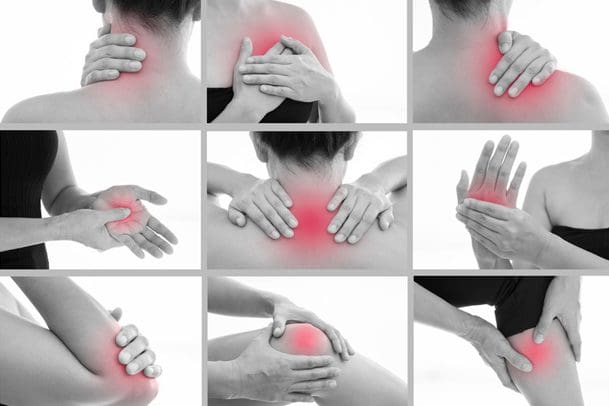
Are you experiencing muscle stiffness or weakness in your back, neck, or shoulders? Do you feel pain when stretching or hunched over due to discomfort? Musculoskeletal pain is a common issue that can interfere with daily activities. Research studies show that this type of pain can cause symptoms that overlap with neuropathic or visceral pain. This means that problems with one muscle or organ in the body can lead to pain in other areas, causing significant discomfort.
Further research has shown that musculoskeletal pain can originate in the muscle tissues and persist for over three months, affecting many individuals’ social and emotional skills, work productivity, and independence. Several environmental factors like obesity, stress, poor sleep, inadequate nutrition, and lack of physical activity can overwork the muscles and joints, leading to trigger points and muscle strain in the musculoskeletal system, resulting in bodily misalignment.
Improving Athletic Performance Through Chiropractic- Video
Are you experiencing pain in specific areas of your body? Does the pain worsen when you are active or when you stretch? These pains are often associated with musculoskeletal issues, which can greatly affect your daily life. Research studies have revealed that musculoskeletal pain can significantly reduce a person’s productivity and job performance. Fortunately, several treatments are available to alleviate musculoskeletal pain and its symptoms. Many people seek chiropractic care or MET therapy to help realign their spine, stretch their muscles, and improve joint mobility. The video above demonstrates how chiropractic care uses manual manipulation to relieve musculoskeletal pain by stretching the muscles and realigning the spine.
MET Self-Help Methods For Musculoskeletal Pain
According to a book called “Clinical Applications of Neuromuscular Techniques” by Dr. Leon Chaitow, N.D., D.O., and Dr. Judith Walker DeLany, L.M.T., musculoskeletal pain can cause the soft tissues in the body to shorten and lead to disability. To alleviate the effects of musculoskeletal pain, people often seek the help of pain specialists such as chiropractors or massage therapists. These specialists often use muscle energy techniques (MET) to stretch the soft tissues and muscles and provide relief. Below are some exercises and techniques that are commonly used in MET therapy.
MET Neck Relaxation Techniques
The neck comprises soft tissues and is part of the musculoskeletal system. Two relaxation techniques can stretch out the shortened muscles to relieve soreness and stiffness in the scalene muscles. These techniques can help release tightness and improve the neck’s range of motion.
Phase 1:
Sit close to the table with the elbows and hands resting on the table surface on each side of the face.
Turn your head to the right or left as far as you can comfortably in one direction while letting your hands move with your face until you reach a pain-free rotation limit.
Afterward, use your left hand as resistance when turning your head to the left while using 25% or less of your strength to build up a force to match the resistance and start turning your head slowly.
Hold this push for 7-1o seconds and slowly stop turning your head to the left or right.
Return to a neutral position and turn to the right or left again to see how far you can stretch without pain.
You should notice the neck stretch is farther than it was previously.
This is known as post-isometric relaxation in MET therapy, as it allows the tight muscles to relax and stretch farther without pain than before.
Phase 2:
While lying on the table, the hands and elbows should be on the sides of the face.
Turn your head to the right to stretch as far as you can comfortably in one direction.
Use your right hand as resistance to attempt to turn without pain by using only 25% or less of your strength.
Slowly turn your head and maintain the turn and resistance for 7-10 seconds.
Slowly stop the resistance effort to see how far your neck can turn without pain. If you are experiencing pain, you use too much strength and reduce the contraction level where no pain is experienced.
This is known as reciprocal inhibition in MET therapy, as it achieves a different release for tight neck muscles.
Flexion Exercises Using MET
Flexion exercises in MET therapy help stretch the postural muscles and legs, feeling stiff. This allows spine flexibility while stretching out and reducing mechanical stresses in the surrounding muscles.
While sitting on the floor, your legs should be straight out, and your toes pointed towards the ceiling.
Bend comfortably as far as you can and grasp one leg with each hand.
Hold the position for 30 seconds and do four deep breathing cycles while allowing your head to hang down and relax into the stretch. *You will feel the stretch on your lower back and the back of your legs.
As you release during the fourth breathing cycle, ease yourself further down the legs and hold for another 30 seconds.
After 30 seconds, slowly return to an upright position by lightly pushing upwards from the hands.
Alternatively, you can bend one leg and do the same sequence on each leg to stretch out any leg muscles that are cramping or stiff. This flexion exercise help reduces pain and prevents trigger points from re-forming in the muscle fibers.
Extension Exercises Using MET
The extension exercises in MET therapy help the muscles and joints in the body group to increase movement without pain. This allows the body to be mobile and reduces the effects of musculoskeletal pain.
Lie on your stomach on a carpeted floor with a pillow to support your head and neck while your legs are together.
Bend your knees as comfortably as possible, and bring your heels towards your backside.
Now slowly grasp your legs and gently bend backward as far as possible without pain. Your back should be slightly arched.
Lift your head and shoulders gently to increase the arch in your back slowly and without pain.
Hold the position for four slow deep breaths, and hold your breath for 15 seconds on the last breathing cycle.
As you release, bring your body down slowly, from the legs to the stomach and finally, the shoulders and neck to rest.
This extension exercise, known as the boat position, helps lengthen and stretch the back and leg muscles while reducing pain and restoring mobility in the spine.
Conclusion
It is crucial to be aware of musculoskeletal pain in your body, whether in the morning or during work. This type of pain can lead to discomfort in other areas and even impair your ability to function. Fortunately, MET therapy can alleviate musculoskeletal pain by stretching the muscles and tissues and providing immediate relief. By utilizing stretching and physical therapy, you can help your body heal naturally and be more mindful of what triggers pain. Stretching can also prevent future injuries and promote a pain-free lifestyle.
References
Buck, Rhiannon, et al. “Working with Musculoskeletal Pain.” Reviews in Pain, June 2009, www.ncbi.nlm.nih.gov/pmc/articles/PMC4590039/.
Chaitow, Leon, and Judith Walker DeLany. Clinical Applications of Neuromuscular Techniques. Churchill Livingstone, 2003.
El-Tallawy, Salah N, et al. “Management of Musculoskeletal Pain: An Update with Emphasis on Chronic Musculoskeletal Pain.” Pain and Therapy, June 2021, www.ncbi.nlm.nih.gov/pmc/articles/PMC8119532/.
Puntillo, Filomena, et al. “Pathophysiology of Musculoskeletal Pain: A Narrative Review.” Therapeutic Advances in Musculoskeletal Disease, 26 Feb. 2021, www.ncbi.nlm.nih.gov/pmc/articles/PMC7934019/.
Throughout the world, pain and stress are related to musculoskeletal disorders affecting joints and muscles. Many musculoskeletal disorders will have correlating symptoms with overlapping risk profiles that can make a person’s life difficult. Pain and stress have two forms: acute and chronic, which are associated with numerous everyday factors that a person goes through. Even though pain and stress can impact a person’s life, there are multiple ways to reduce these two by calming the mind and doing meditative breathing techniques to relax the body and clear the mind. What is truly amazing is that meditative breathing techniques can be combined with stretching techniques like MET (muscle energy techniques. Today’s article looks at how stress and pain affect the musculoskeletal system, the breathing connection for musculoskeletal pain, and how MET therapy is combined with breathing exercises. We utilize and provide valuable information about our patients to certified medical providers who use soft tissue stretching methods like MET to reduce musculoskeletal stress on the body. We encourage patients by referring them to our associated medical providers based on their findings. We support that education is a marvelous way to ask our providers the most interesting questions at the patient’s acknowledgment. Dr. Alex Jimenez, D.C., incorporates this information as an educational service. Disclaimer
Stress & Pain Affect The Musculoskeletal System
Have you been dealing with shoulder, neck, or back pain? What about feeling an overwhelming pressure that is causing you to stress out? Or do you feel muscle pain and joint stiffness affecting your daily routine? Many of these issues correspond with stress and pain from numerous factors associated with the musculoskeletal system. Research studies revealed that pain and stress are considered two sides of the same coin regarding the musculoskeletal system. Pain and stress are two distinguished symptoms that overlap each other when musculoskeletal disorders affect the body. Pain is a collection of emotional and sensory perceptions that work with musculoskeletal motor behavior. At the same time, stress is characterized by challenging emotional or physiological events that cause adaptive or maladaptive changes to regain homeostasis. With these two factors working together to affect the musculoskeletal system, the body may develop symptoms and cause the individual to be miserable.
The Breathing Connection For Musculoskeletal Pain & Stress
One of the major correspondents that work with pain and stress is anxiety. In “Clinical Applications of Neuromuscular Techniques,” authors Dr. Leon Chaitow, N.D., D.O., and Judith Walker DeLany, L.M.T., mentioned that anxiety aggravates all chronic pain and stress. However, there is a solution to reduce pain and stress in the musculoskeletal system. When pain and stress are combined with anxiety, it can cause breathing disorders and produce inflammatory cytokines and elevated cortisol levels to contribute. But incorporating some deep breathing techniques can help reduce stress and pain affecting the body. Research studies have revealed that slow deep breathing has been known to reduce the effects of musculoskeletal pain and help lower cortisol levels. Breathing techniques are popular in meditation and yoga practices. Deep breathing and mindfulness can help the body relax from everyday factors and calm the individual. Additional studies have mentioned that breathing exercise programs effectively improve lung function, reduce musculoskeletal pain associated with the back, and help improve a person’s quality of life.
The Natural Way To Heal- Video
Have you been dealing with musculoskeletal pain throughout your entire body? Do you feel constantly stressed throughout your whole life? Or have you felt anxious that it is making your muscles tense constantly? When many people feel constant stress and are in pain, it can lead to musculoskeletal disorders that can cause many individuals to be miserable. When this happens, overlapping risk profiles affect the musculoskeletal, organs, and nervous systems. At the same time, fortunately, numerous treatments can help reduce pain and stress that is affecting the body. Chiropractic care is non-invasive and can help many individuals be mindful of their bodies. The video above explains how chiropractic care can help realign the body from spinal subluxation and mitigate the effects of muscle pain and stress in the muscle fibers.
MET Therapy Combined With Breathing Exercises
When the body has been dealing with musculoskeletal pain on top of stress, it can cause the individual to be miserable and try to find some relief. Luckily there are available treatments that can help restore the body naturally and reduce the effects of stress and pain. Treatment like MET (muscle energy technique) and breathing exercises allow the muscles to relax and properly stretch to relieve muscle pain. Research studies have revealed that breathing exercises and MET therapy can reduce a person’s symptoms and help regain the muscle and joint range of motion. These two combined treatments can help many individuals dealing with musculoskeletal pain associated with stress to be more aware of what is affecting their bodies. They can help them along their health and wellness journey without medicine.
Conclusion
Overall, pain and stress are part of numerous conditions and disorders that can affect the musculoskeletal system and cause overlapping risk profiles that can cause the individual to be miserable. When pain and stress affect the body, it can cause the muscles, tissues, ligaments, joints, and organs to work harder than before and develop chronic musculoskeletal disorders. Fortunately, treatments like MET (muscle energy technique) and breathing exercises allow the body to relax and help reduce muscle pain symptoms affecting the body. When a person incorporates these treatments as part of their daily routine, they can become more aware of what is affecting their bodies and improve what is going on in their daily lives. This allows them to continue their health and wellness journey pain-free.
References
Abdallah, Chadi G, and Paul Geha. “Chronic Pain and Chronic Stress: Two Sides of the Same Coin?” Chronic Stress (Thousand Oaks, Calif.), U.S. National Library of Medicine, Feb. 2017, https://www.ncbi.nlm.nih.gov/pmc/articles/PMC5546756/.
Anderson, Barton E, and Kellie C Huxel Bliven. “The Use of Breathing Exercises in the Treatment of Chronic, Nonspecific Low Back Pain.” Journal of Sport Rehabilitation, U.S. National Library of Medicine, 24 Aug. 2016, https://pubmed.ncbi.nlm.nih.gov/27632818/.
Chaitow, Leon, and Judith Walker DeLany. Clinical Applications of Neuromuscular Techniques. Churchill Livingstone, 2003.
Joseph, Amira E, et al. “Effects of Slow Deep Breathing on Acute Clinical Pain in Adults: A Systematic Review and Meta-Analysis of Randomized Controlled Trials.” Journal of Evidence-Based Integrative Medicine, U.S. National Library of Medicine, 2022, https://www.ncbi.nlm.nih.gov/pmc/articles/PMC8891889/.
Zaccaro, Andrea, et al. “How Breath-Control Can Change Your Life: A Systematic Review on Psycho-Physiological Correlates of Slow Breathing.” Frontiers in Human Neuroscience, U.S. National Library of Medicine, 7 Sept. 2018, https://www.ncbi.nlm.nih.gov/pmc/articles/PMC6137615/.
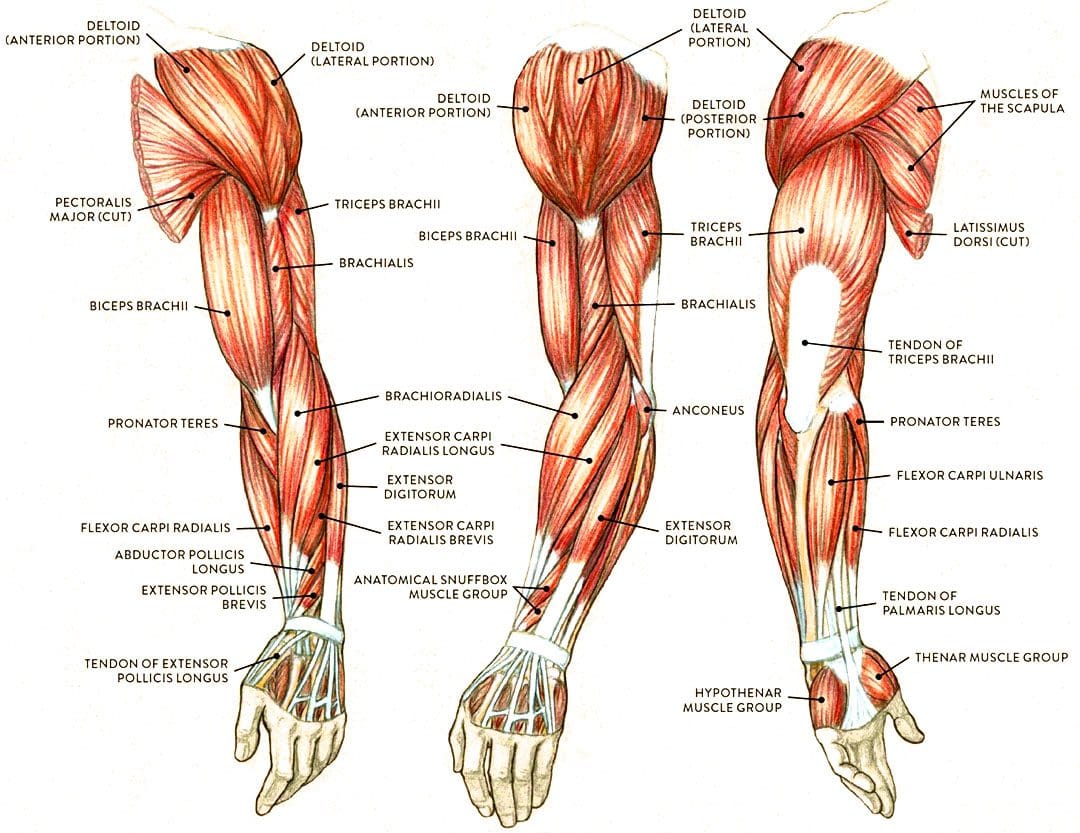
The function of the arm is to allow for movement of the wrist and hand. Various muscles initiate the arm’s actions, large muscles flex and extend, pronate and supinate, and the more sensitive muscles allow fine motor control. Lifting capacity and grip strength come from the arm muscles, making them essential for all types of activities. Because of the many functions and jobs the hands and arms do, added stress is placed on them. Arm discomfort symptoms, radiating pain, weakness, numbness, and tingling are common conditions. Chiropractic care can relieve injury symptoms and restore mobility and function.
Arm Discomfort Symptoms
The muscles of the upper arm, the biceps, and the triceps, control the movement and positioning of the elbow joint, and the muscles of the forearm control the wrist and hand. There are 30 bones from the top of the arm to the tip of the finger that include:
The humerus in the upper arm.
Ulna and radius in the forearm.
Carpal bones in the wrist.
Metacarpals and phalanges make up the hand and fingers.
The joints allow movement between the bones and are stabilized by ligaments and joint capsules.
Symptoms
Discomfort or Radiation
Symptoms vary based on the severity of the injury but commonly include.
Numbness and tingling in the elbow, forearm, or hand can develop.
Pain sensations often radiate to other areas.
Causes
Individuals that work with their hands related to work, home tasks, sports, or hobby activities, such as construction workers, hair stylists, store cashiers, graphic artists, automotive technicians, carpenters, painters, butchers, and more, have an increased risk of injury and developing chronic conditions. Work that involves manually cutting, writing, typing, gripping, operating motorized tools, hair clippers, working with animals, etc., makes the arms susceptible to injury from the constant stress on the ligaments. Common overuse injuries affecting the upper extremity include:
Carpal Tunnel Syndrome and Cubital Tunnel Syndrome
These conditions involve the nerves of the forearm.
Prolonged or repetitive bending or flexing of the wrist or elbow can generate swelling pressure that compresses the nerve/s.
Symptoms include numbness, coldness, tingling, and/or weakness in the hand and fingers.
Tennis, Golfer, and Pitcher Elbow
These conditions involve the inflammation of the tendon structures surrounding the elbow joint.
Repeating the same motion over and over causes damage.
This leads to tenderness and pain inside and surrounding the elbow.
De Quervain’s syndrome affects tendon structure in the wrist.
Swelling near the base of the thumb.
Individuals have difficulty grasping objects.
This is common for landscapers, gardeners, and sports where constant gripping is involved.
Tendonitis
Tendons attach muscles and bones
The condition causes tendon inflammation, presenting pain in the area around single or multiple joints.
Common types include wrist tendonitis, pitcher’s shoulder, and swimmer’s shoulder.
Tendon Tears
Overuse and frequent stress from continuous motion can wear tendons to the point of partial or complete tearing.
Rotator cuff tears in the shoulder are often caused by overuse wearing down.
Chiropractic Treatment
Chiropractic and massage therapy can rehabilitate arm injuries, restore function and reduce arm discomfort symptoms. Treatment includes:
Ice or heat treatment.
Manual therapy – soft tissue massage and trigger point alleviation.
Joint mobilization.
Taping or bracing support.
Rehabilitation targeted exercises.
Work and sports modification training.
Training on upper extremity overuse, practicing caution, and knowing when to seek professional medical help.
Shoulder Pain Rehabilitation
References
Bass, Evelyn. “Tendinopathy: why the difference between tendinitis and tendinosis matters.” International Journal of therapeutic massage & Bodywork vol. 5,1 (2012): 14-7. doi:10.3822/ijtmb.v5i1.153
Cutts, S et al. “Tennis elbow: A clinical review article.” Journal of Orthopaedics vol. 17 203-207. 10 Aug. 2019, doi:10.1016/j.jor.2019.08.005
Hoe, Victor C W, et al. “Ergonomic design and training for preventing work-related musculoskeletal disorders of the upper limb and neck in adults.” The Cochrane Database of systematic reviews vol. 2012,8 CD008570. 15 Aug. 2012, doi:10.1002/14651858.CD008570.pub2
Konijnenberg, H S et al. “Conservative treatment for repetitive strain injury.” Scandinavian Journal of Work, Environment & Health vol. 27,5 (2001): 299-310. doi:10.5271/sjweh.618
Luger, Tessy, et al. “Work-break schedules for preventing musculoskeletal symptoms and disorders in healthy workers.” The Cochrane Database of systematic reviews vol. 7,7 CD012886. 23 Jul. 2019, doi:10.1002/14651858.CD012886.pub2
Pitzer, Michael E et al. “Elbow tendinopathy.” The Medical Clinics of North America vol. 98,4 (2014): 833-49, xiii. doi:10.1016/j.mcna.2014.04.002
Verhagen, Arianne P et al. “Conservative interventions for treating work-related complaints of the arm, neck or shoulder in adults.” The Cochrane Database of systematic reviews vol. 2013,12 CD008742. 12 Dec. 2013, doi:10.1002/14651858.CD008742.pub2
Zaremski, Jason L et al. “Sport Specialization and Overuse Injuries in Adolescent Throwing Athletes: A Narrative Review.” Journal of athletic training vol. 54,10 (2019): 1030-1039. doi:10.4085/1062-6050-333-18
IFM's Find A Practitioner tool is the largest referral network in Functional Medicine, created to help patients locate Functional Medicine practitioners anywhere in the world. IFM Certified Practitioners are listed first in the search results, given their extensive education in Functional Medicine