Can individuals dealing with muscle pain find relief from acupuncture therapy to get back to their daily activities and well-being?
Introduction
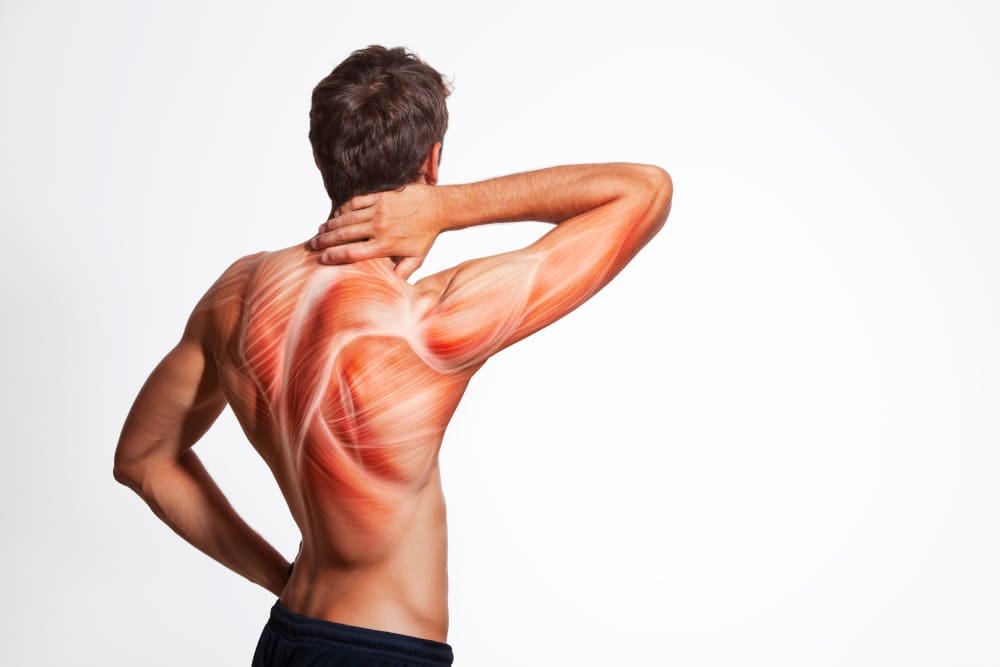
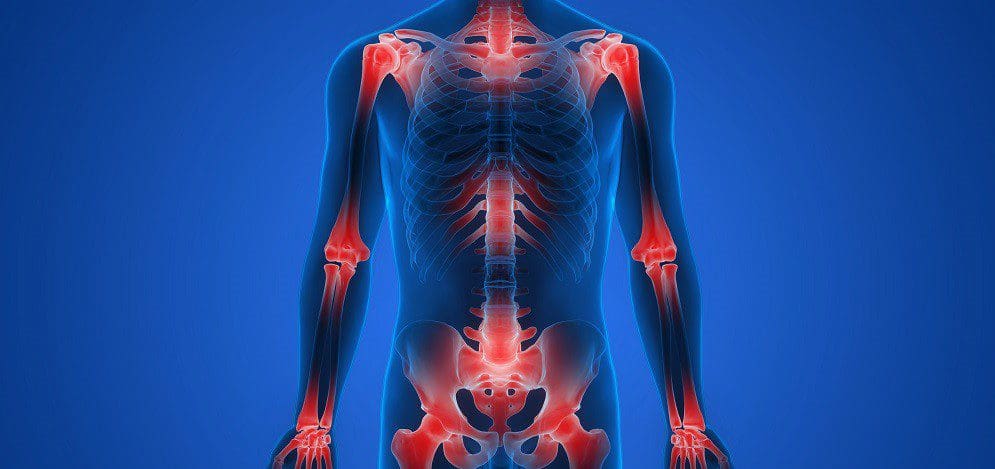
Many people worldwide have dealt with pain in their musculoskeletal system that has affected their daily routine. Some of the most common factors that people have experienced muscle pain include sedentary lifestyles from working at a desk job or physical demands from an active lifestyle. The muscles, tendons, ligaments, and soft tissues can become overstretched and overworked, causing the muscles to become weak. At the same time, visceral somatic issues in the neck, shoulders, and back can affect the upper and lower extremities, leading to a life of disability. Many factors that can contribute to the development of muscle pain can impact a person’s routine and cause them to find various techniques to reduce the muscle pain in their bodies. Since muscle pain can be in acute or chronic form, many individuals who are seeking treatment for their ailments can look into non-surgical therapies like acupuncture to not only reduce muscle pain but also find the relief they are looking for. Today’s article focuses on how muscle pain can affect a person’s well-being, how the essence of acupuncture can be beneficial for muscle pain, and how people can integrate acupuncture therapy as part of a wellness routine. We talk with certified medical providers who consolidate our patients’ information to assess how muscle pain can impact a person’s well-being. We also inform and guide patients on how acupuncture therapy can benefit the body by reducing the effects of muscle pain. We encourage our patients to ask their associated medical providers intricate and important questions about incorporating acupuncture therapy into a wellness routine to reduce muscle pain and its referred symptoms. Dr. Jimenez, D.C., includes this information as an academic service. Disclaimer.
How Muscle Pain Can Affect A Person’s Well-Being
Do you feel the effects of tiredness and weakness in your upper and lower extremity muscles? Have you experienced general soreness or aches in your neck, shoulders, or back? Or does twisting and turning your body cause temporary relief to your body, only for it to be worse throughout the day? When it comes to muscle pain can be a multi-factorial condition where that can involve complex interactions on a person’s structure, physical, social, lifestyle, and comorbid health factors that can come into play as contributing factors for people to experience long-term pain and disability. (Caneiro et al., 2021) As many individuals start to do repetitive motions or stay in sedentary positions, muscle pain can develop when they stretch or try to move their muscles while doing their routine. The burden of muscle pain often correlates with socioeconomic factors that can cause many people, both young and old, to substantially limit their mobility and engagement in their routine, which predisposes increased risk factors to other chronic conditions they may have. (Dzakpasu et al., 2021)
When many individuals are dealing with muscle pain in its acute or chronic form, many often don’t realize that when the affected muscles in the upper and lower body quadrants are coping with pain, there is associated pain and stiffness from how active or inactive the muscles are can affect the soft tissue causing high mechanical stress to the affect the skeletal joints. (Wilke & Behringer, 2021) When this happens, many people will start to experience referred muscle pain in their bodies, causing issues with their mobility, flexibility, and stability. Coincidentally, muscle pain can also be a symptom of many people who have various pains in their bodies that have impacted their lives prior; seeking treatment can reduce the effects of muscle pain and help them take back their routine to lead a healthier lifestyle.
Movement Medicine- Video
The Essence Of Acupuncture For Muscle Pain
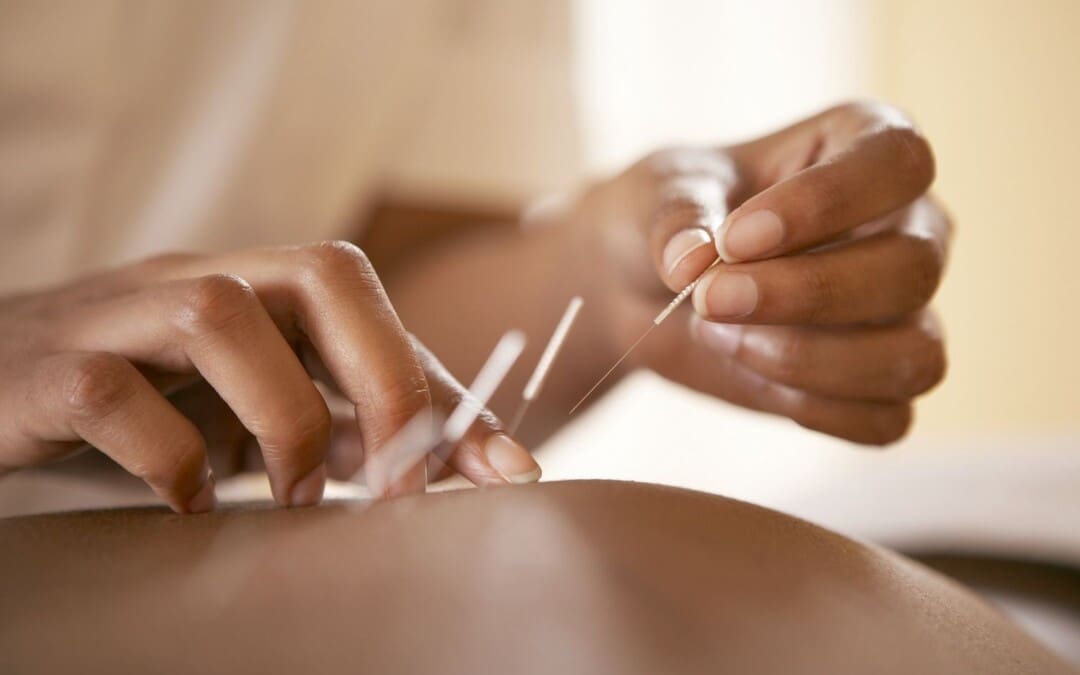
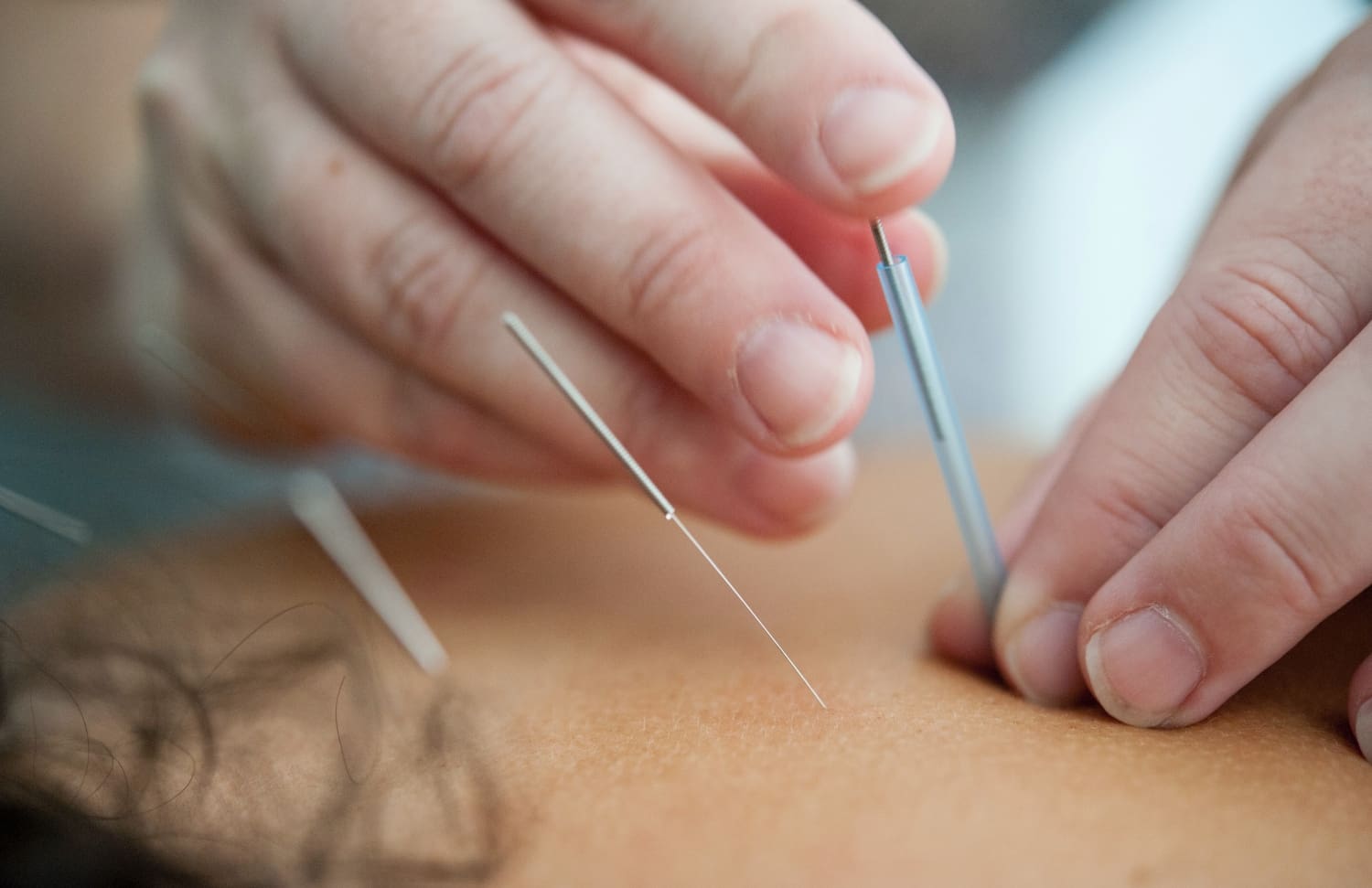
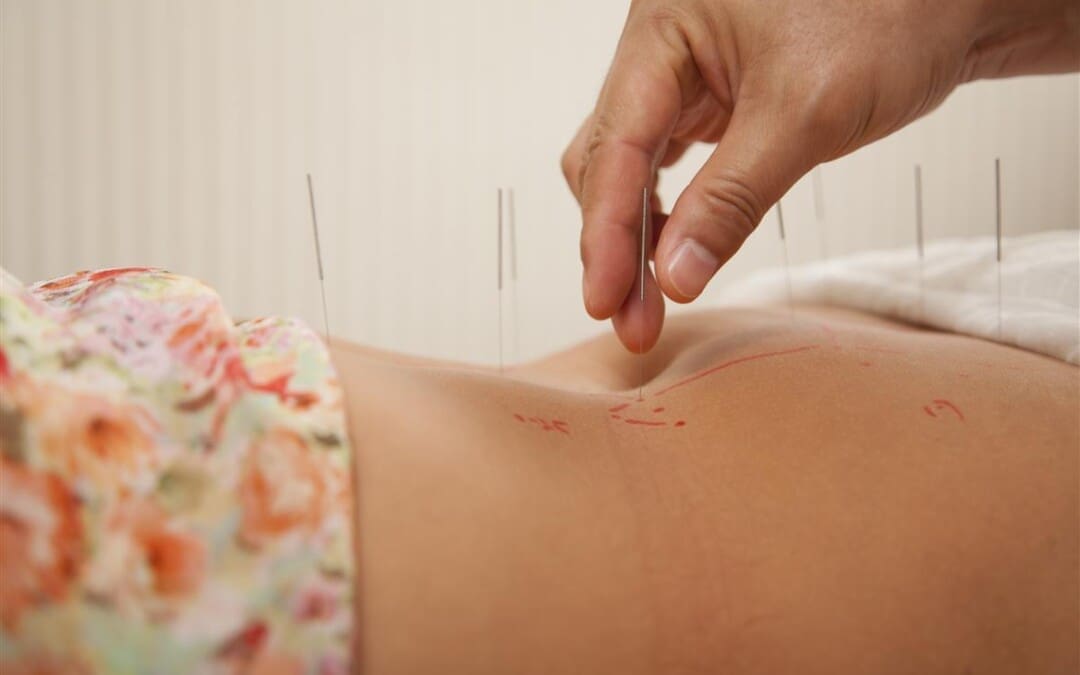
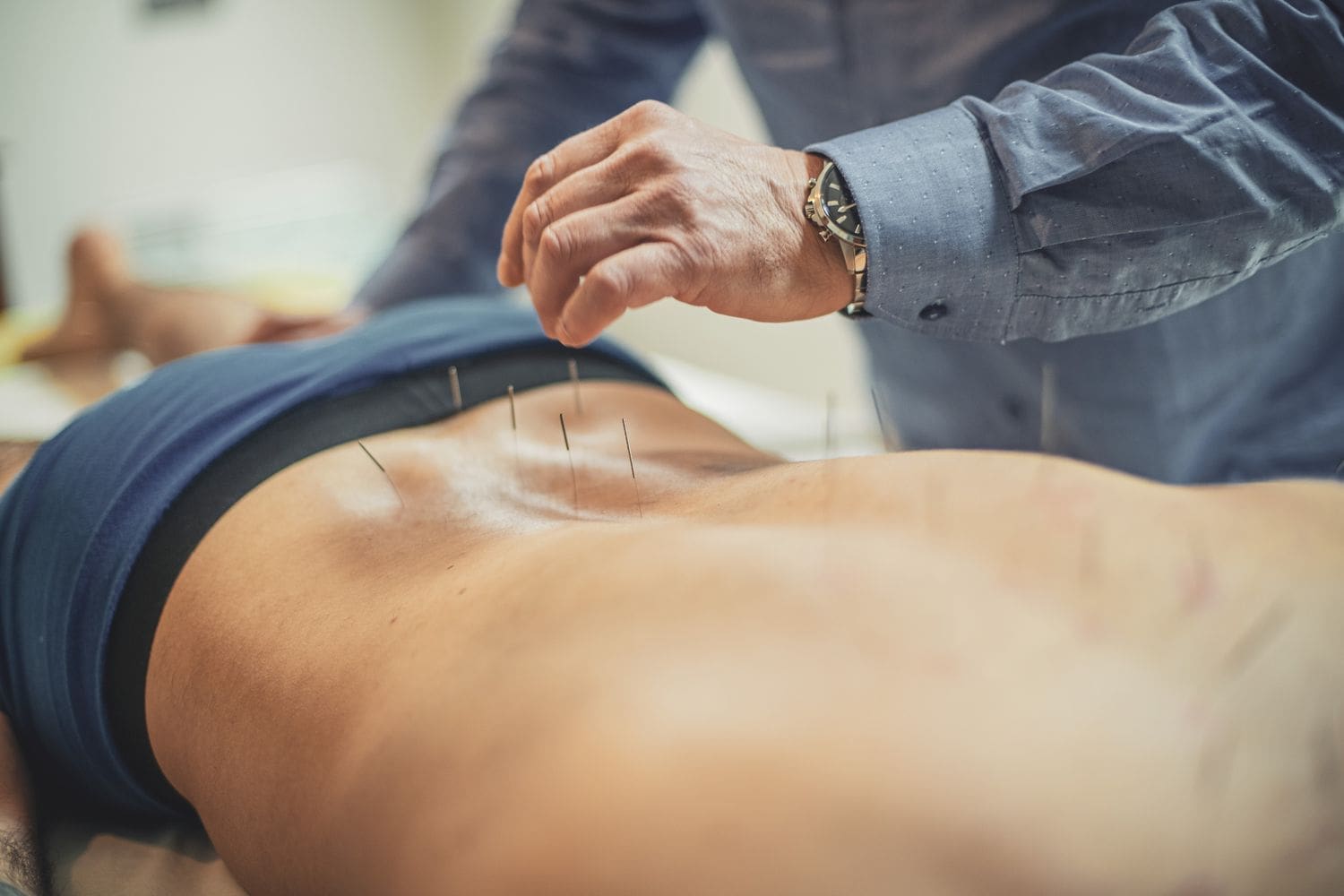
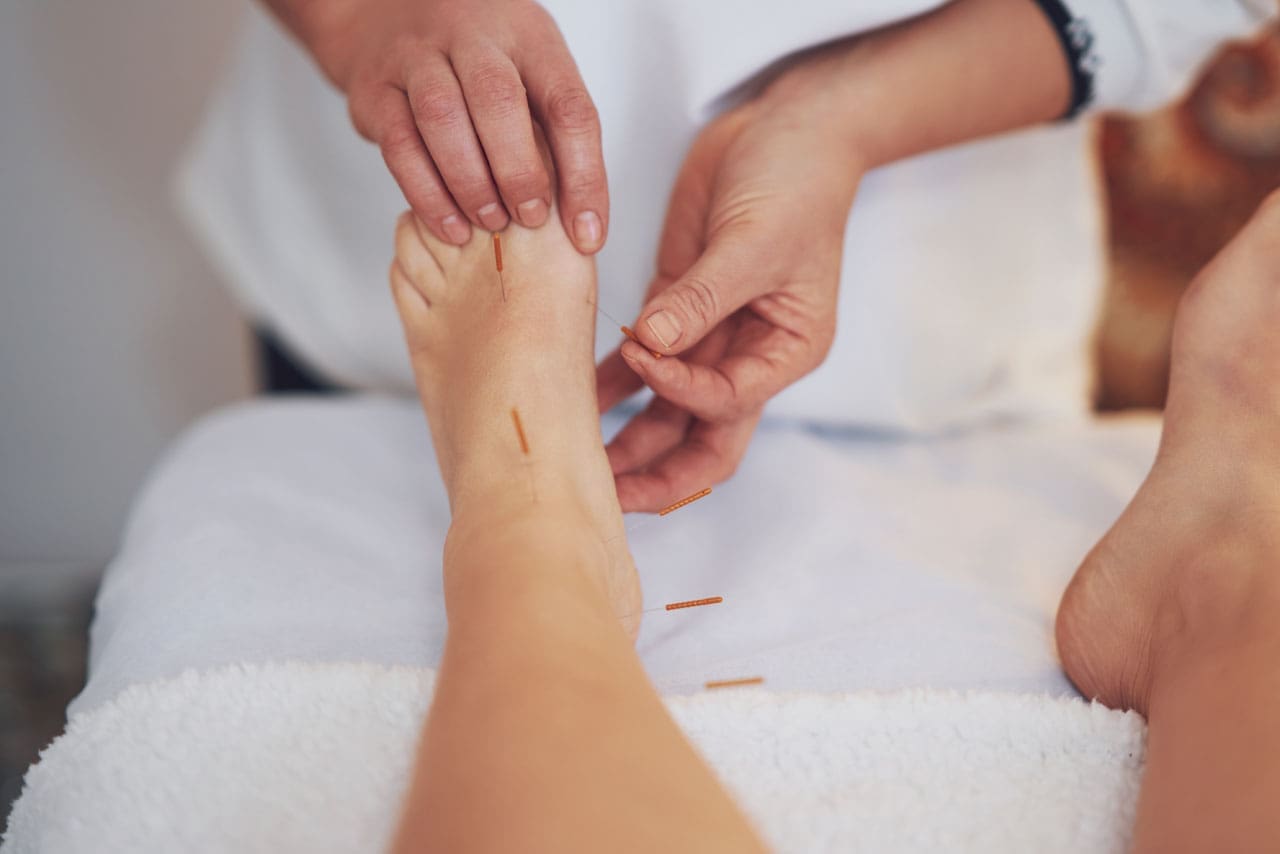
When many people are dealing with muscle pain, they are seeking treatments that are not only affordable but also can be effective in reducing the overlapping risk profiles that are affecting the body, causing muscle pain. Many treatments like chiropractic care, decompression, and massage therapy are non-surgical and are effective through consecutive sessions. One of the oldest and most effective treatments that can help reduce muscle pain in the body is acupuncture therapy. Acupuncture is a holistic treatment derived from Traditional Chinese Medicine that utilizes small, solid, thin needles inserted by professional acupuncturists to various acupoints. The main philosophy is that acupuncture provides relief to the body as it helps improve the body’s energy flow while maintaining a person’s overall health and vitality. (Zhang et al., 2022) When a person is dealing with muscle pain, the muscle fibers can develop tiny nodules known as trigger points that can induce pain in the affected muscle quadrants. With acupuncture needles placed in the affected area, local and referred pain is reduced, muscle blood flow and oxygen are returned to the body, and the muscle’s range of motion is improved. (Pourahmadi et al., 2019) Some of the benefits that acupuncture therapy provides include:
Increased circulation
Inflammation reduction
Endorphin release
Relaxing muscle tension
Integrating Acupuncture As Part Of A Wellness Routine
Many individuals who are seeking acupuncture therapy as part of their wellness journey can see the positive benefits of acupuncture and can combine it with other therapies to reduce the chances of muscle pain from returning. While acupuncture can help stimulate the nerves and restore motor function, treatments like joint mobilization can help stretch the affected muscles and joints to improve the body’s range of motion. (Lee et al., 2023) With many individuals seeking acupuncture treatment to reduce muscle pain, many can make small changes in their routine to prevent the pain from causing overlapping risk profiles to their bodies. When addressing the root causes of pain and promoting the body’s innate healing abilities, acupuncture can help restore balance, alleviate discomfort, and enhance overall well-being.
References
Caneiro, J. P., Bunzli, S., & O’Sullivan, P. (2021). Beliefs about the body and pain: the critical role in musculoskeletal pain management. Braz J Phys Ther, 25(1), 17-29. https://doi.org/10.1016/j.bjpt.2020.06.003
Dzakpasu, F. Q. S., Carver, A., Brakenridge, C. J., Cicuttini, F., Urquhart, D. M., Owen, N., & Dunstan, D. W. (2021). Musculoskeletal pain and sedentary behaviour in occupational and non-occupational settings: a systematic review with meta-analysis. Int J Behav Nutr Phys Act, 18(1), 159. https://doi.org/10.1186/s12966-021-01191-y
Lee, J. E., Akimoto, T., Chang, J., & Lee, H. S. (2023). Effects of joint mobilization combined with acupuncture on pain, physical function, and depression in stroke patients with chronic neuropathic pain: A randomized controlled trial. PLOS ONE, 18(8), e0281968. https://doi.org/10.1371/journal.pone.0281968
Pourahmadi, M., Mohseni-Bandpei, M. A., Keshtkar, A., Koes, B. W., Fernandez-de-Las-Penas, C., Dommerholt, J., & Bahramian, M. (2019). Effectiveness of dry needling for improving pain and disability in adults with tension-type, cervicogenic, or migraine headaches: protocol for a systematic review. Chiropr Man Therap, 27, 43. https://doi.org/10.1186/s12998-019-0266-7
Wilke, J., & Behringer, M. (2021). Is “Delayed Onset Muscle Soreness” a False Friend? The Potential Implication of the Fascial Connective Tissue in Post-Exercise Discomfort. Int J Mol Sci, 22(17). https://doi.org/10.3390/ijms22179482
Zhang, B., Shi, H., Cao, S., Xie, L., Ren, P., Wang, J., & Shi, B. (2022). Revealing the magic of acupuncture based on biological mechanisms: A literature review. Biosci Trends, 16(1), 73-90. https://doi.org/10.5582/bst.2022.01039
Can individuals with lumbar spinal stenosis utilize spinal decompression to reduce low back pain and restore mobility?
Introduction
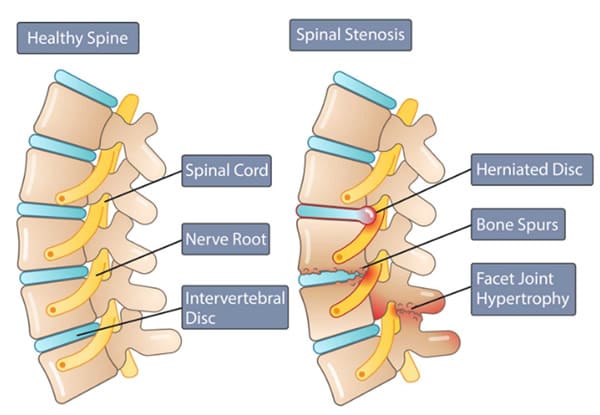
Many individuals worldwide have dealt with low back pain at some point in their lives that has affected their mobility and impacted their routine. Numerous environmental factors can lead to low back pain development, like improper heavy lifting, poor posture, traumatic injuries, and accidents that can affect the surrounding muscles, spinal cord, and nerve roots. When this happens, it can lead to lumbar spinal stenosis and cause overlapping risk profiles that are correlated with low back pain. When people are dealing with lumbar spinal stenosis, they could be thinking that their pain is in the lower extremities. To that point, many individuals seek treatment to not only reduce low back pain but also reduce the effects of lumbar spinal stenosis. Some treatments, like spinal decompression, which is a non-surgical treatment, can help restore mobility to the body. Today’s article looks at how lumbar spinal stenosis affects the lower back and its diagnosis while looking at how spinal decompression can provide relief to the individual and have positive benefits in restoring mobility. We talk with certified medical providers who consolidate our patients’ information to assess how lumbar spinal stenosis correlates with lower back pain, causing mobility issues. We also inform and guide patients on how spinal decompression is an excellent form of treatment that can be combined with other therapies. We encourage our patients to ask their associated medical providers intricate and important questions about incorporating decompression therapy to relieve the pain effects caused by lumbar stenosis while reducing the overlapping pain effects like lower back pain to regain a person’s mobility. Dr. Jimenez, D.C., includes this information as an academic service. Disclaimer.
How Lumbar Spinal Stenosis Affects the Lower Back
Do you feel tingling sensations in the back of your legs affecting your ability to move around? Or does your lower back feel less mobile than it is used to? When many individuals are experiencing low back pain during their lifetime, it can often correlate with lumbar spinal stenosis. Lumbar spinal stenosis usually occurs when the spinal canal in the lower back becomes constricted, leading to degenerative changes. When the spinal canal starts to narrow in the spine, it can cause significant discomfort, interfere with daily activities, and may result in progressive disability for many individuals. (Munakomi et al., 2024) The symptoms caused by lumbar spinal stenosis range from mild to severe, and on which environmental factors correspond to the issue. At the same time, lumbar spinal stenosis is characterized by symptoms like low back pain that can cause spondylotic changes that induce low back pain that can negatively impact a person’s quality of life. (Ogon et al., 2022) This causes many people to go to their primary doctors to get a diagnosis and learn how to manage the pain associated with lumbar spinal stenosis.
The Diagnosis Of Lumbar Spinal Stenosis
When it comes to diagnosing lumbar spinal stenosis, many healthcare providers will incorporate a comprehensive evaluation, which includes a physical examination to see how mobile a person’s back is and imaging testing like MRIs and CT scans to visualize the spinal canal and assess the extent of the narrowing that is causing pain in the lower extremities. This is because when individuals deal with lumbar spinal stenosis, it can manifest with neurogenic claudication in the lower extremities, especially when a person is standing or sitting. The pain is decreased when their position is changed. (Sobanski et al., 2023) Additionally, lumbar spinal stenosis is one of the most commonly diagnosed spinal disorders that many healthcare professionals assess and evaluate. When there is a narrowing in the spinal canal, leading to the development of lumbar spinal, simple motions like walking can exacerbate the symptoms to the lower extremities and increase the oxygen in the spinal nerves, which may exceed the available blood flow to the extremities. (Deer et al., 2019) To that point, treatments like spinal decompression can help reduce lower back pain associated with lumbar spinal stenosis.
The Non-Surgical Approach To Wellness- Video
A Path To Relief Using Spinal Decompression
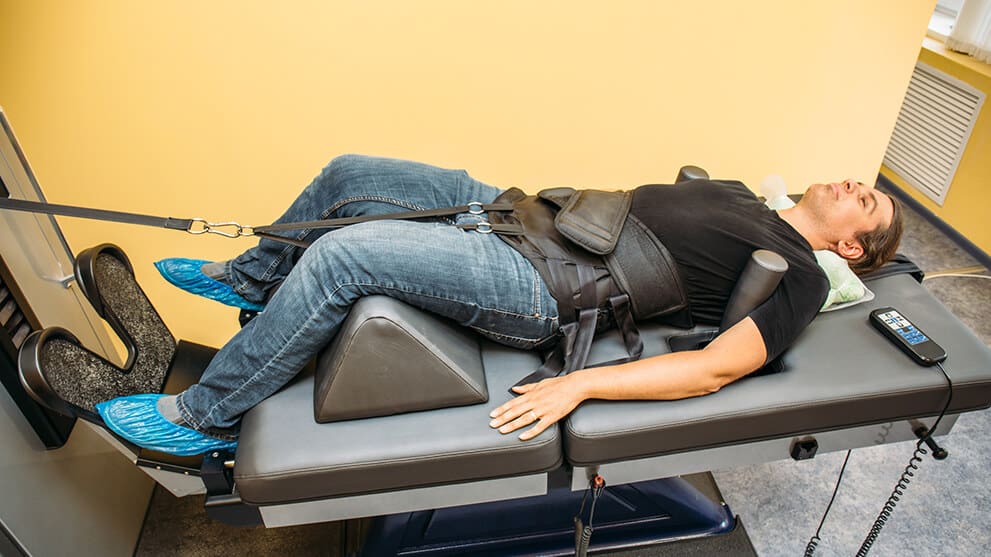
When it comes to individuals experiencing the pain caused by lumbar spinal stenosis, many individuals can seek out non-surgical treatments like spinal decompression to relieve lower back pain. Spinal decompression has emerged as a non-invasive, effective treatment option for lumbar spinal stenosis. It utilizes gentle mechanical traction on the spine to be stretched, relieving the spinal nerves by creating more space within the spinal canal. Spinal decompression decreases the degenerative process while the surrounding muscles are gently stretched, and the spinal disc height increases due to negative pressure. (Kang et al., 2016)
The Benefits Of Spinal Decompression & Restoring Mobility
Additionally, the gentle traction from spinal decompression helps enhance the production flow of nutrients and oxygen back to the affected spinal discs and spine to foster a better healing environment for the body. Since spinal decompression can be combined with other non-surgical treatments, like physical therapy and spinal manipulation, it can provide long-lasting positive effects for individuals with lumbar spinal stenosis. (Ammendolia et al., 2022) Some of the beneficial results of spinal decompression include:
Pain relief by alleviating pressure off the spinal nerves to reduce pain and discomfort in the lower extremities significantly.
Improved mobility allows the individual to return to their daily activities with ease.
Many people can benefit from spinal decompression to reduce the effects of lumbar spinal stenosis and have their lower extremity mobility restored after consecutive sessions to reduce the chances of the pain from coming back. By thinking more about their health and wellness, many people can make small routine changes in their activities to mitigate the pain and remain mobile throughout their lives. This allows them to have a sense of hope to relieve them from the pain they have been under.
References
Ammendolia, C., Hofkirchner, C., Plener, J., Bussieres, A., Schneider, M. J., Young, J. J., Furlan, A. D., Stuber, K., Ahmed, A., Cancelliere, C., Adeboyejo, A., & Ornelas, J. (2022). Non-operative treatment for lumbar spinal stenosis with neurogenic claudication: an updated systematic review. BMJ Open, 12(1), e057724. https://doi.org/10.1136/bmjopen-2021-057724
Deer, T., Sayed, D., Michels, J., Josephson, Y., Li, S., & Calodney, A. K. (2019). A Review of Lumbar Spinal Stenosis with Intermittent Neurogenic Claudication: Disease and Diagnosis. Pain Med, 20(Suppl 2), S32-S44. https://doi.org/10.1093/pm/pnz161
Kang, J. I., Jeong, D. K., & Choi, H. (2016). Effect of spinal decompression on the lumbar muscle activity and disk height in patients with herniated intervertebral disk. Journal of Physical Therapy Science, 28(11), 3125-3130. https://doi.org/10.1589/jpts.28.3125
Ogon, I., Teramoto, A., Takashima, H., Terashima, Y., Yoshimoto, M., Emori, M., Iba, K., Takebayashi, T., & Yamashita, T. (2022). Factors associated with low back pain in patients with lumbar spinal stenosis: a cross-sectional study. BMC Musculoskelet Disord, 23(1), 552. https://doi.org/10.1186/s12891-022-05483-7
Sobanski, D., Staszkiewicz, R., Stachura, M., Gadzielinski, M., & Grabarek, B. O. (2023). Presentation, Diagnosis, and Management of Lower Back Pain Associated with Spinal Stenosis: A Narrative Review. Med Sci Monit, 29, e939237. https://doi.org/10.12659/MSM.939237
Can physical therapy with instrument-assisted soft tissue mobilization or IASTM improve mobility, flexibility, and health for individuals with musculoskeletal injuries or illnesses?
Instrument Assisted Soft Tissue Mobilization
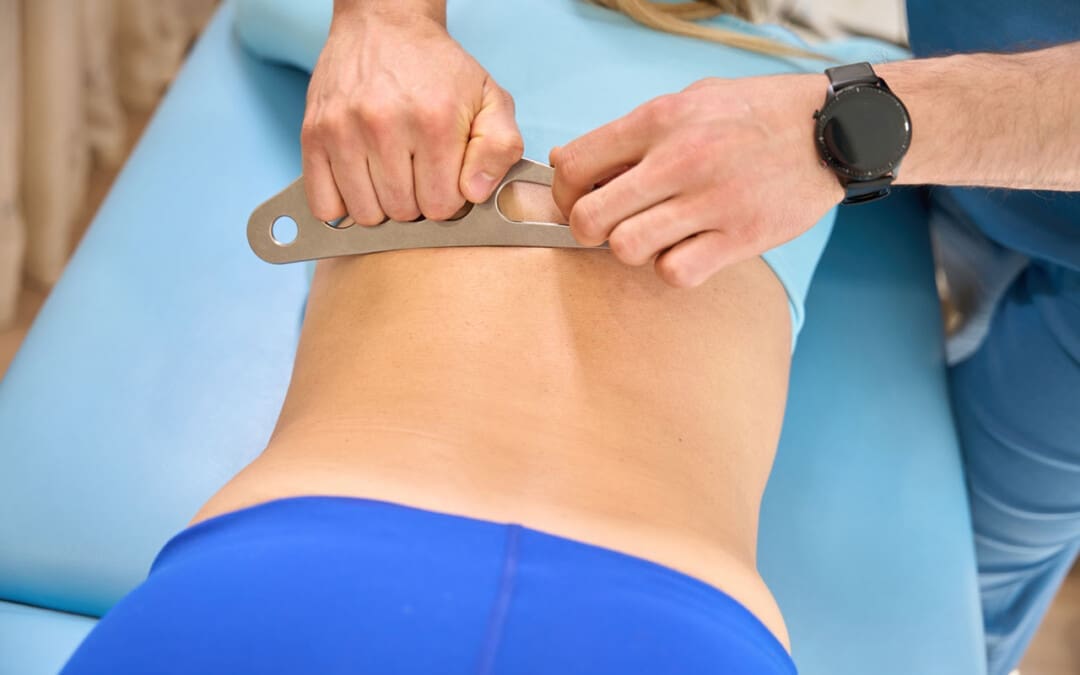
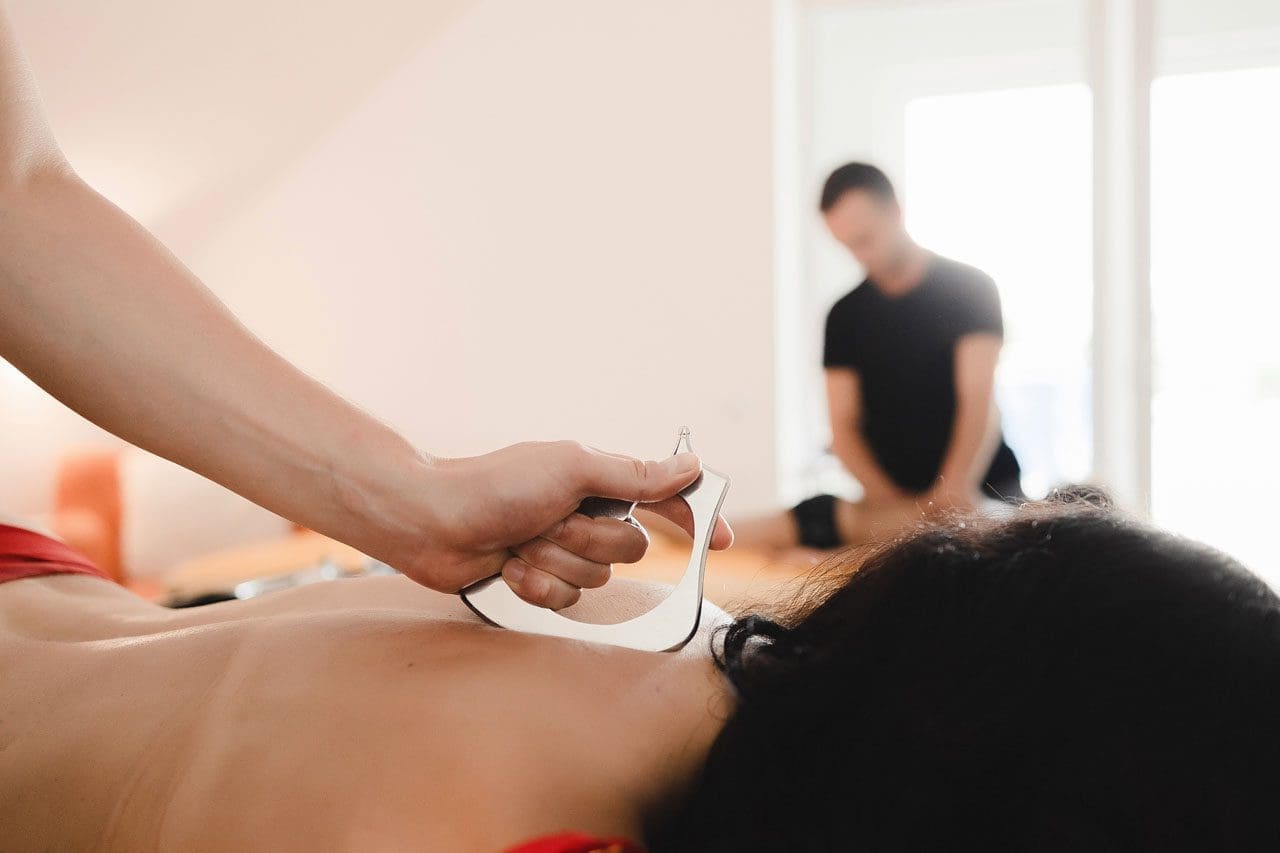
Instrument-assisted soft tissue mobilization or IASTM is also known as the Graston technique. It is a myofascial release and massage technique used in physical therapy where the therapist uses metal or plastic tools to improve soft tissue mobility in the body. The ergonomically shaped tool is gently or vigorously scraped and rubbed across the injured or painful area. The rubbing is used to locate and release tightness in the fascia/collagen covering the muscles and the tendons. This helps reduce pain and improve movement.
Individuals often develop tissue tightness or restrictions in the muscles and fascia after an injury. These soft tissue restrictions can limit the range of motion – ROM and can trigger pain symptoms. (Kim J, Sung DJ, Lee J. 2017)
History
The Graston technique of instrument-assisted soft tissue mobilization was developed by an athlete who created their instruments to treat soft tissue injuries. The practice has grown with input from medical experts, trainers, researchers, and clinicians.
Physical therapists use different types of tools to perform IASTM.
These massage instruments comprise various types for specific massage and release.
The Graston company designs some of the tools.
Other companies have their version of metal or plastic scraping and rubbing tools.
The objective is to help release soft tissue and myofascial restrictions to improve body movement. (Kim J, Sung DJ, Lee J. 2017)
How It Works
The theory is that scraping the tissues causes microtrauma to the affected area, activating the body’s natural inflammatory response. (Kim J, Sung DJ, Lee J. 2017)
The body activates to reabsorb the tightened or scar tissue, causing the restriction.
The therapist can then stretch the adhesions to alleviate pain and improve mobility.
Treatment
Certain conditions respond well to instrument-assisted soft tissue mobilization, including (Kim J, Sung DJ, Lee J. 2017)
Limited mobility
Decreased muscle recruitment
Loss of range of motion – ROM
Pain with movement
Excessive scar tissue formation
Augmented soft tissue mobilization or ASTM techniques can treat certain injuries and medical conditions that include:
A review compared hands-on myofascial release to instrument myofascial release for chronic low back pain. (Williams M. 2017)
Little difference was found between the two techniques for pain relief.
Another review compared IASTM to other methods for treating pain and function loss. (Matthew Lambert et al., 2017)
The researchers concluded that IASTM could positively affect blood circulation and tissue flexibility and reduce pain.
Another study examined the use of IASTM, pseudo-fake ultrasound therapy, and spinal manipulation for patients with thoracic/upper back pain. (Amy L. Crothers et al., 2016)
All groups improved over time with no significant negative events.
The researchers concluded that instrument-assisted soft tissue mobilization is no more or less effective than spinal manipulation or pseudo-ultrasound therapy for thoracic back pain.
Every case is different, and musculoskeletal conditions respond differently to various treatments. For any questions or concerns, contact your primary healthcare provider to determine if IASTM is an appropriate treatment that can help.
From Injury To Recovery
References
Kamali, F., Panahi, F., Ebrahimi, S., & Abbasi, L. (2014). Comparison between massage and routine physical therapy in women with sub acute and chronic nonspecific low back pain. Journal of back and musculoskeletal rehabilitation, 27(4), 475–480. https://doi.org/10.3233/BMR-140468
Kim, J., Sung, D. J., & Lee, J. (2017). Therapeutic effectiveness of instrument-assisted soft tissue mobilization for soft tissue injury: mechanisms and practical application. Journal of exercise rehabilitation, 13(1), 12–22. https://doi.org/10.12965/jer.1732824.412
Chughtai, M., Newman, J. M., Sultan, A. A., Samuel, L. T., Rabin, J., Khlopas, A., Bhave, A., & Mont, M. A. (2019). Astym® therapy: a systematic review. Annals of translational medicine, 7(4), 70. https://doi.org/10.21037/atm.2018.11.49
Williams M. (2017). Comparing pain and disability outcomes of instrumental versus hands-on myofascial release in individuals with chronic low back pain: a meta-analysis. Doctoral dissertation, California State University, Fresno. https://repository.library.fresnostate.edu/bitstream/handle/10211.3/192491/Williams_csu_6050D_10390.pdf?sequence=1
Matthew Lambert, Rebecca Hitchcock, Kelly Lavallee, Eric Hayford, Russ Morazzini, Amber Wallace, Dakota Conroy & Josh Cleland (2017) The effects of instrument-assisted soft tissue mobilization compared to other interventions on pain and function: a systematic review, Physical Therapy Reviews, 22:1-2, 76-85, DOI: 10.1080/10833196.2017.1304184
Crothers, A. L., French, S. D., Hebert, J. J., & Walker, B. F. (2016). Spinal manipulative therapy, Graston technique® and placebo for non-specific thoracic spine pain: a randomised controlled trial. Chiropractic & manual therapies, 24, 16. https://doi.org/10.1186/s12998-016-0096-9
Can individuals dealing with joint pain incorporate acupuncture therapy to manage lupus symptoms and restore body mobility?
Introduction
The immune system is highly important to the body as its main job is to protect vital structures from foreign invaders that can cause pain-like issues and discomfort. The immune system has a healthy relationship with the different body systems, including the musculoskeletal system, as the inflammatory cytokines help heal muscle and tissue damage when the body is injured. Over time, however, when normal environmental and genetic factors start to develop in the body, the immune system will begin to send out these cytokines to healthy, normal cells. To that point, the body starts at risk of developing autoimmune diseases. Now, autoimmune diseases in the body can cause havoc over time when they are not managed, leading to chronic disorders that can cause overlapping symptoms in the musculoskeletal system. One of the most common autoimmune diseases is systemic lupus erythematosus or lupus, and it can cause a person to be in consistent pain and discomfort while correlating with muscle and joint pain. Today’s article looks at the factors and effects of lupus, the burden of joint pain in lupus, and how holistic approaches like acupuncture can help manage lupus while restoring body mobility. We talk with certified medical providers who consolidate our patients’ information to assess how to minimize the pain effects caused by lupus on the joints. We also inform and guide patients on how acupuncture can help manage lupus and combine other therapies to reduce its pain-like symptoms affecting the musculoskeletal system. We encourage our patients to ask their associated medical providers intricate and important questions about incorporating acupuncture therapy to relieve the inflammatory effects of lupus while finding natural ways to restore mobility. Dr. Jimenez, D.C., includes this information as an academic service. Disclaimer.
The Factors & Effects Of Lupus
Have you been experiencing joint pain in your upper or lower extremities, making it difficult to function throughout the day? Have you been feeling the constant effects of fatigue? Many individuals experiencing these pain-like issues could risk developing systemic lupus erythematosus. In this autoimmune disease, the body’s own immune system mistakenly starts to attack its tissues, thus leading to inflammation and a range of pain-like symptoms. Lupis is tricky to diagnose because of its complex immune dysregulation that can lead to an overproduction of cytokines that can affect the body. (Lazar & Kahlenberg, 2023) At the same time, lupus can affect a diverse population, with symptoms and severity varying depending on how mild or severe the factors affect the body. Lupus can impact various body parts, including the joints, skin, kidneys, blood cells, and other vital body parts and organs, as environmental and hormonal factors can influence its development. (Tsang & Bultink, 2021) Additionally, lupus can be closely associated with other comorbidities that are causing overlapping risk profiles with inflammation that can affect the joints in the musculoskeletal system.
The Burden of Joint Pain In Lupus
Lupus is tricky to diagnose since it often mimics other ailments; the most common pain symptom that lupus affects is the joints. Individuals with lupus experience joint pain, which can cause inflammatory effects and structural damage to the joints, tendons, muscles, and bones, causing pathological abnormalities. (Di Matteo et al., 2021) Since lupus causes inflammatory effects in the joints, many individuals will think that they are experiencing inflammatory arthritis, and it can cause overlapping risk profiles as it is accompanied by lupus, thus causing localized pain in the joints regardless of its origin. (Senthelal et al., 2024) Joint pain in lupus individuals can significantly hinder daily activities, reducing mobility and overall quality of life as they are trying to find relief.
Unlocking The Secrets of Inflammation-Video
A Holistic Approach to Managing Lupus
While standard treatments for lupus involve medication and immunosuppressants to reduce the inflammation caused by lupus, many people want to seek out holistic approaches to manage lupus and reduce the inflammatory effects from affecting their joints by making small changes in their lives. Many people incorporate anti-inflammatory foods rich in antioxidants to dampen the inflammatory effects. Various supplements, like vitamin D, calcium, zinc, etc., can help reduce inflammation caused by lupus and strengthen bone health. Additionally, non-surgical treatments can even improve cardiorespiratory capacity and decrease fatigue while improving psychological function, which can help improve a person’s quality of life by managing the symptoms caused by lupus. (Fangtham et al., 2019)
How Acupuncture Could Help Lupus & Restore Mobility
One of the oldest forms of non-surgical and holistic approaches to reducing inflammation and managing lupus is acupuncture. Acupuncture involves solid, thin needles used by highly trained professionals to be inserted into specific body points to balance the body’s qi (energy) by stimulating the nervous system and releasing beneficial chemicals into the affected muscles, spinal cord, and brain. Additionally, acupuncture, with its minimal side effects and holistic approach, can help manage lupus. This is because when acupuncture needles are placed at the acupoints of the body, it can disrupt the pain signals that are causing pain in the affected area and regulate the inflammatory cytokines from lupus to provide relief. (Wang et al., 2023) This is due to its philosophy of addressing not only the physical pain but also the emotional and psychological symptoms of living with a chronic condition like lupus.
Additionally, acupuncture can help restore joint mobility while managing lupus through consecutive treatments, as many people notice that their joint mobility is improved and their pain is diminished. This is because the insertion and manipulation of the needles in the body’s acupoints cause alterations in afferent sensory input to the central nervous system, which increases alpha motoneuron excitability and reduces inflammation. (Kim et al., 2020) When individuals are dealing with lupus and are trying to find alternative holistic methods to relieve inflammation and joint pain caused by lupus, acupuncture, and non-surgical treatments can offer a ray of hope in managing the daily challenges of lupus.
References
Di Matteo, A., Smerilli, G., Cipolletta, E., Salaffi, F., De Angelis, R., Di Carlo, M., Filippucci, E., & Grassi, W. (2021). Imaging of Joint and Soft Tissue Involvement in Systemic Lupus Erythematosus. Curr Rheumatol Rep, 23(9), 73. https://doi.org/10.1007/s11926-021-01040-8
Fangtham, M., Kasturi, S., Bannuru, R. R., Nash, J. L., & Wang, C. (2019). Non-pharmacologic therapies for systemic lupus erythematosus. Lupus, 28(6), 703-712. https://doi.org/10.1177/0961203319841435
Kim, D., Jang, S., & Park, J. (2020). Electroacupuncture and Manual Acupuncture Increase Joint Flexibility but Reduce Muscle Strength. Healthcare (Basel), 8(4). https://doi.org/10.3390/healthcare8040414
Tsang, A. S. M. W. P., & Bultink, I. E. M. (2021). New developments in systemic lupus erythematosus. Rheumatology (Oxford), 60(Suppl 6), vi21-vi28. https://doi.org/10.1093/rheumatology/keab498
Wang, H., Wang, B., Huang, J., Yang, Z., Song, Z., Zhu, Q., Xie, Z., Sun, Q., & Zhao, T. (2023). Efficacy and safety of acupuncture therapy combined with conventional pharmacotherapy in the treatment of systemic lupus erythematosus: A systematic review and meta-analysis. Medicine (Baltimore), 102(40), e35418. https://doi.org/10.1097/MD.0000000000035418
For individuals considering acupuncture for sciatica relief and management, can knowing how it works and what to expect during a session help in making the decision?
Acupuncture Sciatica Treatment Session
Acupuncture for sciatica is a safe and effective medical treatment to relieve and manage pain symptoms. Studies suggest it is as effective as other treatment strategies and causes fewer side effects. (Zhihui Zhang et al., 2023) The frequency of acupuncture to relieve sciatica pain depends on the severity of the condition and injury, but many report improvement within two to three weeks. (Fang-Ting Yu et al., 2022)
Needle Placement
Circulation problems can cause the body’s energy to stagnate in one or more meridians/channels, leading to pain in and around the surrounding area. (Wei-Bo Zhang et al., 2018)
The objective of acupuncture is to restore optimal circulation by stimulating specific points in the body called acupoints.
Thin, sterile needles stimulate the acupoints to activate the body’s natural healing abilities and relieve pain. (Heming Zhu 2014)
Some practitioners use electroacupuncture – a gentle, mild electrical current is applied to the needles and passes through the tissues to activate the nervous system. (Ruixin Zhang et al., 2014)
Acupoints
Acupuncture sciatica treatment involves specific acupoints along the bladder and gallbladder meridians.
Bladder Meridian – BL
The bladder meridian/BL runs down the back along the spine, hips, and legs. The acupoints within the meridian for sciatica include: (Fang-Ting Yu et al., 2022)
BL 23 -Shenshu – Location on the lower back, near the kidney.
BL 25 – Dachangshu – Location on the lower back.
BL 36 – Chengfu – Location on the back of the thigh, just below the buttocks.
GB 30 – Huantiao – Location on the back, where the buttocks meet the hips.
GB 34 – Yanglingquan – Location on the outside of the leg, below the knee.
GB 33 – Xiyangguan – Location lateral to the knee, on the side.
Stimulating acupoints in these meridians increases blood flow to the area, reduces inflammation, and releases endorphins and other pain-relieving neurochemicals to relieve symptoms. (Ningcen Li et al., 2021) The specific acupoints vary depending on symptoms and the root cause. (Tiaw-Kee Lim et al., 2018)
Example Patient
An example of acupuncture sciatica treatment session: A patient with persistent shooting pain extending down the back and side of the leg. A standard treatment consists of the following:
The acupuncturist thoroughly goes over the patient’s medical history and symptoms and has the patient point to where the pain is located.
Then, they palpate on and around the area to find where the pain worsens and lessens, communicating with the patient as they go along.
Depending on the site and severity, they may start placing needles at the lower back, focusing on the site of the injury.
Sometimes, the sacrum is involved, so the acupuncturist will place needles on those acupoints.
They then move to the back of the leg and insert needles.
The needles are retained for 20-30 minutes.
The acupuncturist leaves the room or treatment area but regularly checks in.
The patient may feel a warmth, tingling, or mild heaviness, which is a normal response. This is where patients report a calming effect. (Shilpadevi Patil et al., 2016)
The needles are carefully removed.
The patient may feel deeply relaxed and will be advised to get up slowly to avoid dizziness.
There may be soreness, redness, or bruising at the needle insertion site, which is normal and should resolve quickly.
The patient will be given recommendations as to avoiding strenuous activity, properly hydrating, and performing gentle stretches.
Acupuncture Benefits
Acupuncture has been shown to be a complementary therapy for pain relief and management. The benefits of acupuncture:
Improves Circulation
Acupuncture stimulates blood circulation, which nourishes damaged or irritated nerves and promotes healing.
This helps relieve sciatica symptoms, like numbness, tingling, and pain. (Song-Yi Kim et al., 2016)
Releases Endorphins
Acupuncture triggers the release of endorphins and other natural pain-relieving chemicals, which help relieve pain. (Shilpadevi Patil et al., 2016)
Regulates the Nervous System
Acupuncture rebalances the sympathetic and parasympathetic responses, which reduces stress, tension, and pain. (Xin Ma et al., 2022)
Relaxes the Muscles
Nerve pain often accompanies muscle tension and spasms.
Acupuncture relaxes tight muscles, reducing pressure and providing relief. (Zhihui Zhang et al., 2023)
From Symptoms to Solutions
References
Zhang, Z., Hu, T., Huang, P., Yang, M., Huang, Z., Xia, Y., Zhang, X., Zhang, X., & Ni, G. (2023). The efficacy and safety of acupuncture therapy for sciatica: A systematic review and meta-analysis of randomized controlled trails. Frontiers in neuroscience, 17, 1097830. https://doi.org/10.3389/fnins.2023.1097830
Yu, F. T., Liu, C. Z., Ni, G. X., Cai, G. W., Liu, Z. S., Zhou, X. Q., Ma, C. Y., Meng, X. L., Tu, J. F., Li, H. W., Yang, J. W., Yan, S. Y., Fu, H. Y., Xu, W. T., Li, J., Xiang, H. C., Sun, T. H., Zhang, B., Li, M. H., Wan, W. J., … Wang, L. Q. (2022). Acupuncture for chronic sciatica: protocol for a multicenter randomised controlled trial. BMJ open, 12(5), e054566. https://doi.org/10.1136/bmjopen-2021-054566
Zhang, W. B., Jia, D. X., Li, H. Y., Wei, Y. L., Yan, H., Zhao, P. N., Gu, F. F., Wang, G. J., & Wang, Y. P. (2018). Understanding Qi Running in the Meridians as Interstitial Fluid Flowing via Interstitial Space of Low Hydraulic Resistance. Chinese journal of integrative medicine, 24(4), 304–307. https://doi.org/10.1007/s11655-017-2791-3
Zhu H. (2014). Acupoints Initiate the Healing Process. Medical acupuncture, 26(5), 264–270. https://doi.org/10.1089/acu.2014.1057
Zhang, R., Lao, L., Ren, K., & Berman, B. M. (2014). Mechanisms of acupuncture-electroacupuncture on persistent pain. Anesthesiology, 120(2), 482–503. https://doi.org/10.1097/ALN.0000000000000101
Perreault, T., Fernández-de-Las-Peñas, C., Cummings, M., & Gendron, B. C. (2021). Needling Interventions for Sciatica: Choosing Methods Based on Neuropathic Pain Mechanisms-A Scoping Review. Journal of clinical medicine, 10(10), 2189. https://doi.org/10.3390/jcm10102189
Li, N., Guo, Y., Gong, Y., Zhang, Y., Fan, W., Yao, K., Chen, Z., Dou, B., Lin, X., Chen, B., Chen, Z., Xu, Z., & Lyu, Z. (2021). The Anti-Inflammatory Actions and Mechanisms of Acupuncture from Acupoint to Target Organs via Neuro-Immune Regulation. Journal of inflammation research, 14, 7191–7224. https://doi.org/10.2147/JIR.S341581
Lim, T. K., Ma, Y., Berger, F., & Litscher, G. (2018). Acupuncture and Neural Mechanism in the Management of Low Back Pain-An Update. Medicines (Basel, Switzerland), 5(3), 63. https://doi.org/10.3390/medicines5030063
Kim, S. Y., Min, S., Lee, H., Cheon, S., Zhang, X., Park, J. Y., Song, T. J., & Park, H. J. (2016). Changes of Local Blood Flow in Response to Acupuncture Stimulation: A Systematic Review. Evidence-based complementary and alternative medicine : eCAM, 2016, 9874207. https://doi.org/10.1155/2016/9874207
Patil, S., Sen, S., Bral, M., Reddy, S., Bradley, K. K., Cornett, E. M., Fox, C. J., & Kaye, A. D. (2016). The Role of Acupuncture in Pain Management. Current pain and headache reports, 20(4), 22. https://doi.org/10.1007/s11916-016-0552-1
Ma, X., Chen, W., Yang, N. N., Wang, L., Hao, X. W., Tan, C. X., Li, H. P., & Liu, C. Z. (2022). Potential mechanisms of acupuncture for neuropathic pain based on somatosensory system. Frontiers in neuroscience, 16, 940343. https://doi.org/10.3389/fnins.2022.940343
Can individuals with thoracic outlet syndrome incorporate electroacupuncture to reduce neck pain and restore proper posture?
Introduction
More times throughout the world, many individuals have experienced pain around their necks, which can lead to pain and discomfort. Many environmental factors, like being in a hunched position while looking at the computer or phone, traumatic injuries, poor posture, or spinal issues, can cause pain-like symptoms and complications to the body. Since neck pain is a common complaint many people suffer, symptoms like tingling, numbness, or muscle weakness in the upper extremities can lead to comorbidities. When this happens, it can lead to the development of a complex condition known as thoracic outlet syndrome or TOS. Today’s article looks at the link between thoracic outlet syndrome and neck pain, how to manage TOS while alleviating neck pain, and how electroacupuncture can help with TOS. We talk with certified medical providers who consolidate our patients’ information to assess how to minimize the effects of TOS while reducing neck pain. We also inform and guide patients on how electroacupuncture can help manage TOS. We encourage our patients to ask their associated medical providers intricate and important questions about incorporating electroacupuncture to alleviate TOS associated with the neck. Dr. Jimenez, D.C., includes this information as an academic service. Disclaimer.
The Link Between Thoracic Outlet Syndrome & Neck Pain
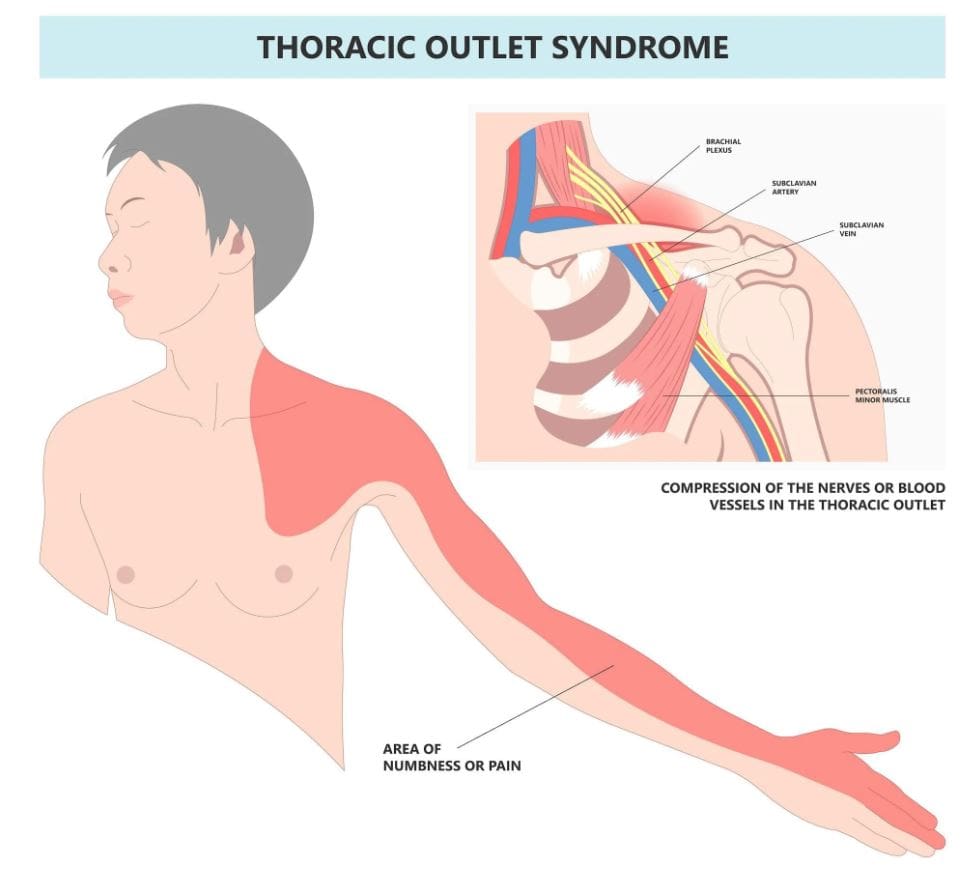
Have you been noticing how you are hunched over more than usual? Do you experience symptoms of tingling or numbness down from your arms to your hands? Or do you feel muscle tension in your neck? Thoracic outlet syndrome, or TOS, is a challenging condition resulting in the compression of neurovascular structures between the clavicle and the first rib. (Masocatto et al., 2019) These neurovascular structures are near the neck and shoulders. When environmental structures affect the upper extremities, it can lead to referred neck pain, which can cause overlapping risk profiles. Some of the factors that TOS can contribute to neck pain include:
Atomical variations
Poor posture
Repetitive motions
Traumatic injuries
At the same time, people with neck pain can develop TOS, as neck pain is a multifactorial musculoskeletal condition that can be associated with overlapping risk profiles that contribute to TOS. (Kazeminasab et al., 2022) As stated earlier, factors like poor posture can overstretch the neck muscles and the neurovascular structures, leading to neuropathic pain symptoms that can cause deep aching referred pain to the neck and muscle weakness. (Childress & Stuek, 2020) When this happens, many people will begin to feel miserable and start to seek treatment to not only reduce TOS but also alleviate neck pain.
What Is Thoracic Outlet Syndrome- Video
Managing TOS & Alleviating Neck Pain
When it comes to treating TOS, especially when neck pain is a significant component, many individuals will try to seek out non-surgical treatments to reduce the symptoms. Many individuals may try physical therapy to stretch and strengthen their shoulder, chest, and neck muscles to relieve compression. Others might try a manual treatment that is joint-oriented for the neck while neural-tissue-oriented for TOS to improve mobilization on the upper extremities and even improve poor posture. (Kuligowski et al., 2021) Additionally, non-surgical treatments can be combined with other therapies to reduce the chances of TOS from returning as they can further increase sensory-motor function back to the neck and upper extremities. (Borrella-Andres et al., 2021)
How Electroacupuncture Can Help With TOS
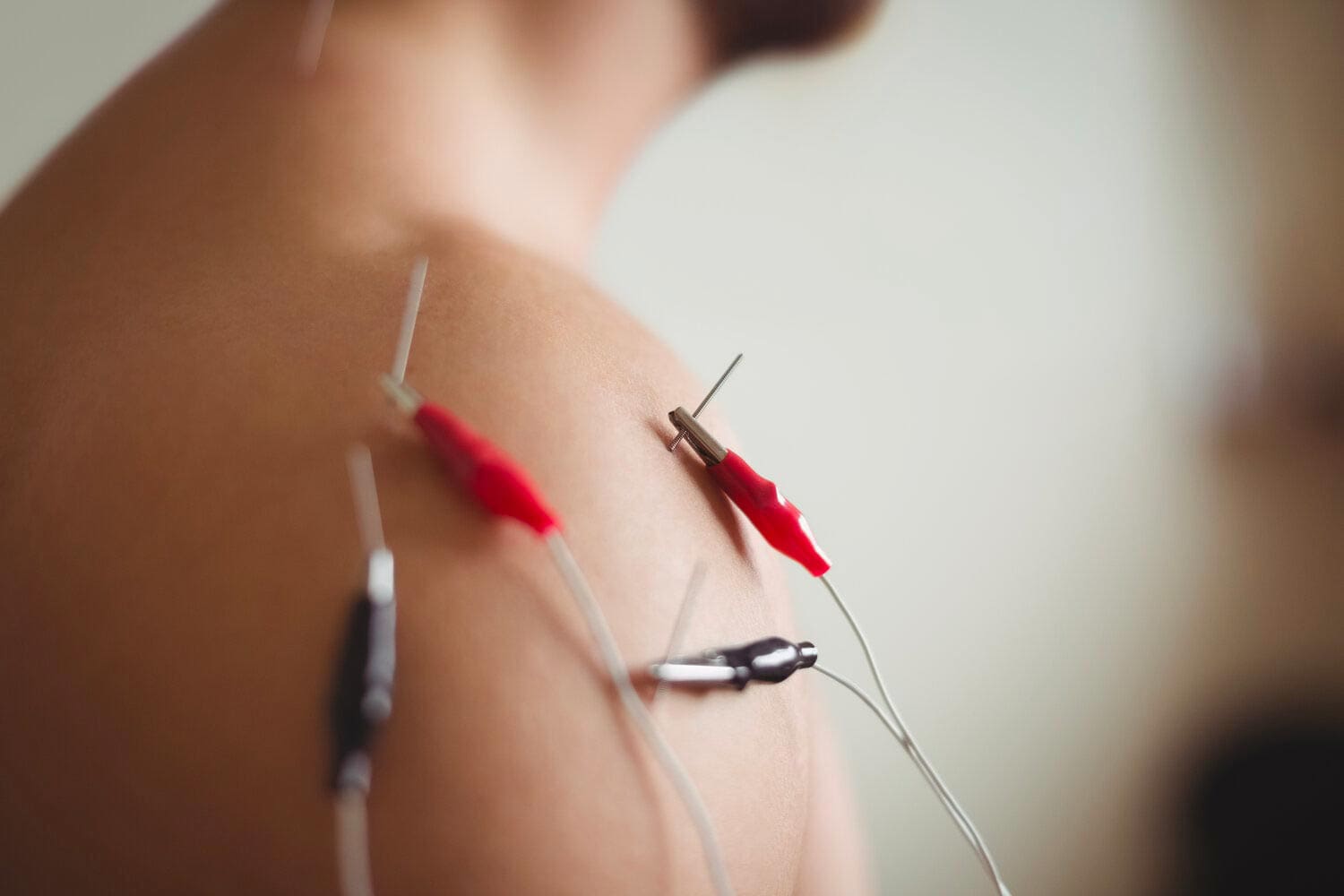
Electroacupuncture is a modern form of traditional acupuncture that is part of the non-surgical treatments that can help manage TOS while alleviating neck pain. Electroacupuncture is a modification of inserting needles into the body’s acupoints while incorporating electric stimulation to deliver a pulsed electrical current to the affected area gently. (Zhang et al., 2022) Some of the beneficial properties that electrostimulation can provide for TOS include:
Pain reduction by stimulating the release of endorphins to decrease inflammation.
Help relax the affected muscles in the chest and neck to alleviate the pressure on the nerves of the thoracic outlet.
Help enhance the blood flow to reduce vascular compression of TOS.
Help stimulate the nerve pathway to promote healthy nerve function and reduce pain-like symptoms.
By incorporating electroacupuncture and non-surgical treatments to reduce TOS, many individuals can make modifications to their lifestyle habits and prevent issues from affecting their upper body extremities. By utilizing these treatments, many people can listen to their bodies and focus on their health and well-being by addressing the pain-like symptoms they are experiencing from TOS correlating with neck pain. At the same time, they have a positive relationship with their primary doctors to develop a personalized treatment plan that can manage their TOS symptoms to the best outcomes.
References
Borrella-Andres, S., Marques-Garcia, I., Lucha-Lopez, M. O., Fanlo-Mazas, P., Hernandez-Secorun, M., Perez-Bellmunt, A., Tricas-Moreno, J. M., & Hidalgo-Garcia, C. (2021). Manual Therapy as a Management of Cervical Radiculopathy: A Systematic Review. Biomed Res Int, 2021, 9936981. https://doi.org/10.1155/2021/9936981
Kazeminasab, S., Nejadghaderi, S. A., Amiri, P., Pourfathi, H., Araj-Khodaei, M., Sullman, M. J. M., Kolahi, A. A., & Safiri, S. (2022). Neck pain: global epidemiology, trends and risk factors. BMC Musculoskelet Disord, 23(1), 26. https://doi.org/10.1186/s12891-021-04957-4
Kuligowski, T., Skrzek, A., & Cieslik, B. (2021). Manual Therapy in Cervical and Lumbar Radiculopathy: A Systematic Review of the Literature. Int J Environ Res Public Health, 18(11). https://doi.org/10.3390/ijerph18116176
Masocatto, N. O., Da-Matta, T., Prozzo, T. G., Couto, W. J., & Porfirio, G. (2019). Thoracic outlet syndrome: a narrative review. Rev Col Bras Cir, 46(5), e20192243. https://doi.org/10.1590/0100-6991e-20192243 (Sindrome do desfiladeiro toracico: uma revisao narrativa.)
Zhang, B., Shi, H., Cao, S., Xie, L., Ren, P., Wang, J., & Shi, B. (2022). Revealing the magic of acupuncture based on biological mechanisms: A literature review. Biosci Trends, 16(1), 73-90. https://doi.org/10.5582/bst.2022.01039
Can plantar fasciitis patients incorporate non-surgical treatments to reduce hip pain and restore mobility?
Introduction
Everyone is on their feet constantly as it helps people stay mobile and allows them to go from one location to another. Many people are constantly on their feet from childhood to adulthood. This is because the feet are part of the lower musculoskeletal extremities that stabilize the hips and allow sensory-motor function to the legs, thighs, and calves. The feet also have various muscles, tendons, and ligaments surrounding the skeletal structure to prevent pain and discomfort. However, when repetitive motions or injuries start to affect the feet, it can lead to plantar fasciitis and, over time, cause overlapping risk profiles that lead to hip pain. When people are experiencing these pain-like conditions, it can significantly affect their daily activities and overall quality of life. When this happens, many people seek various treatments to reduce the pain-like symptoms caused by plantar fasciitis and restore hip mobility. Today’s article looks at how plantar fasciitis correlates with hip pain, the connection between the feet and the hips, and how there are non-surgical solutions to reduce plantar fasciitis. We talk with certified medical providers who consolidate our patients’ information to assess how to mitigate plantar fasciitis and restore hip mobility. We also inform and guide patients on how numerous non-surgical treatments can help strengthen weak muscles associated with plantar fasciitis and help with restoring stabilization from hip pain. We encourage our patients to ask their associated medical providers intricate and important questions about incorporating small changes to reduce the pain-like effects caused by plantar fasciitis. Dr. Jimenez, D.C., includes this information as an academic service. Disclaimer.
How Plantar Fasciitis Correlates With Hip Pain
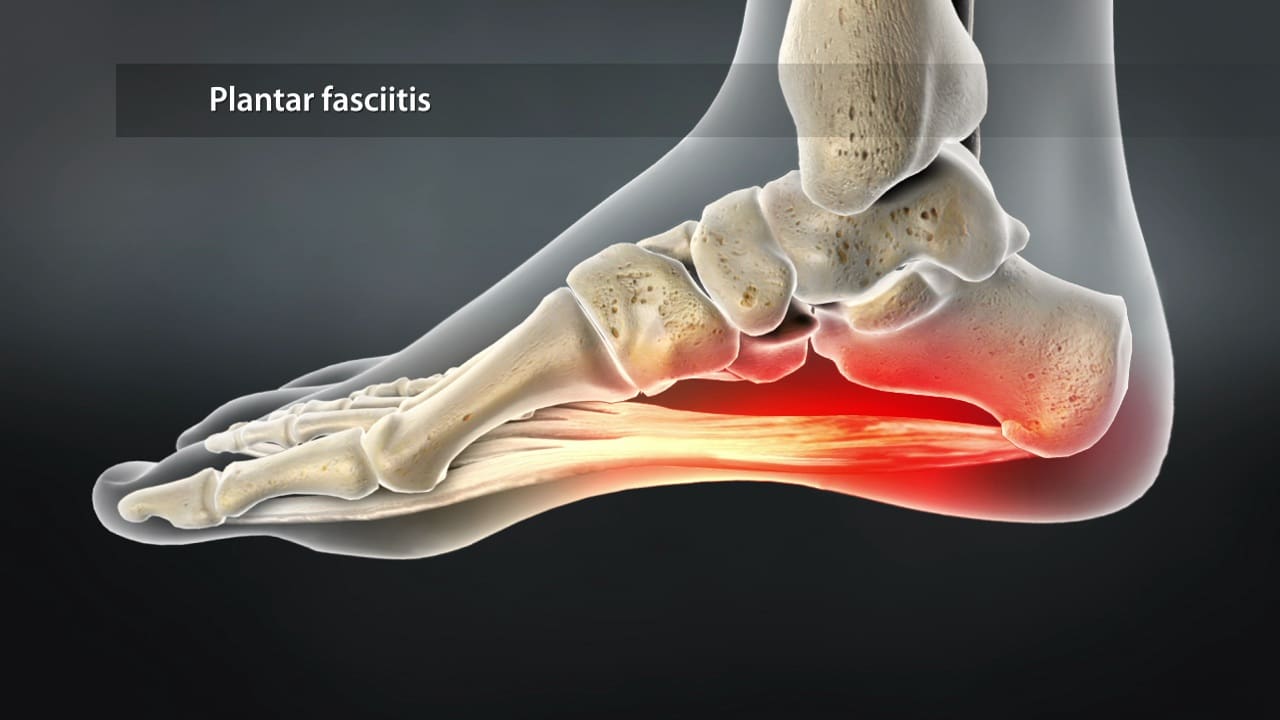
Do you experience pain in your heels constantly after a long walk? Do you feel stiffness in your hips when stretching? Or do you feel your shoes are causing tension and pain in your feet and calves? Often, many of these pain-like scenarios are due to people dealing with plantar fasciitis, characterized by heel pain due to inflammation or degenerative irritation of the plantar fascia, a band of thick tissues is running across the bottom of the foot and connecting to the heel bone to the toes in the lower extremities. This band of tissues plays an essential role in the body, providing normal biomechanics to the foot while supporting the arch and helping with shock absorption. (Buchanan et al., 2024) Plantar fasciitis can affect the stability of the lower extremities since the pain affects the feet and causes hip pain.
So, how would plantar fasciitis correlate with hip pain? With plantar fasciitis, many people are experiencing pain in their feet. It can lead to abnormal foot posture, lower extremity muscle weakness, and muscle stress that can reduce the stability of the legs and hip muscles. (Lee et al., 2022) With hip pain, many people can experience a gait dysfunction that causes muscle weakness in the lower extremities and causes the accessory muscles to perform the primary muscles’ jobs. To that point, this forces people to scrap the ground when walking. (Ahuja et al., 2020) This is because normal conditions like natural aging, muscle overuse, or trauma can cause pain-like symptoms to the hips, including discomfort on the thighs, groin, and buttock region, joint stiffness, and reduced range of motion. Hip pain can cause overlapping risk profiles that may include repetitive strain on the feet, thus leading to symptoms of sharp to dull aches on the heel.
The Connection Between The Feet and The Hips
It is important to understand that foot problems like plantar fasciitis can affect the hips and vice versa, as both body regions have a beautiful relationship within the musculoskeletal system. Plantar fasciitis on their feet can alter their gait function, potentially leading to hip pain over time. This is due to many environmental factors that can affect the hips and feet over time, leading to plantar fasciitis correlating with hip pain. From excessive weight-bearing activities to microtrauma in the hips or the plantar fascia, many people will often seek treatment to reduce the effects of plantar fasciitis correlated with hip pain by addressing how their range of motion is affecting the plantarflexion and their load on the force-absorbing plantar surface structures could be good starting points in the prevention and treatment of plantar fasciitis correlated with hip pain. (Hamstra-Wright et al., 2021)
What Is Plantar Fasciitis?-Video
Non-Surgical Solutions To Reduce Plantar Fasciitis
When it comes to reducing plantar fasciitis in the body, many individuals will seek non-surgical treatments that can alleviate the pain from plantar fascia. Non-surgical treatments are cost-effective and can reduce the pain from plantar fasciitis and its associated symptoms, like hip pain. Some of the benefits of non-surgical treatments are promising, as they have a low risk of complications, good accessibility, and even a high capacity to relieve the mechanical load on the plantar fascia when doing regular activities. (Schuitema et al., 2020) Some of the non-surgical treatments that many people can incorporate include:
Stretching exercises
Orthotic devices
Chiropractic care
Massage therapy
Acupuncture/electroacupuncture
Spinal decompression
These non-surgical treatments not only help reduce plantar fasciitis but also help alleviate hip pain. For example, spinal decompression can help restore hip mobility by stretching the lumbar spine and relieving the lower extremities from numbness while strengthening tight muscles. (Takagi et al., 2023). Electroacupuncture can stimulate the body’s acupoints to release endorphins from the lower extremities to reduce inflammation of the plantar fascia. (Wang et al., 2019) When people begin to make small changes in their routine, like wearing proper footwear and not carrying or lifting heavy weighted objects, it can go a long way to prevent plantar fasciitis and hip pain from reoccurring can go a long way. Having a personalized treatment plan can ensure many individuals seeking non-surgical treatments have a better outcome on their health and mobility while preventing long-term complications.
References
Ahuja, V., Thapa, D., Patial, S., Chander, A., & Ahuja, A. (2020). Chronic hip pain in adults: Current knowledge and future prospective. J Anaesthesiol Clin Pharmacol, 36(4), 450-457. https://doi.org/10.4103/joacp.JOACP_170_19
Hamstra-Wright, K. L., Huxel Bliven, K. C., Bay, R. C., & Aydemir, B. (2021). Risk Factors for Plantar Fasciitis in Physically Active Individuals: A Systematic Review and Meta-analysis. Sports Health, 13(3), 296-303. https://doi.org/10.1177/1941738120970976
Lee, J. H., Shin, K. H., Jung, T. S., & Jang, W. Y. (2022). Lower Extremity Muscle Performance and Foot Pressure in Patients Who Have Plantar Fasciitis with and without Flat Foot Posture. Int J Environ Res Public Health, 20(1). https://doi.org/10.3390/ijerph20010087
Schuitema, D., Greve, C., Postema, K., Dekker, R., & Hijmans, J. M. (2020). Effectiveness of Mechanical Treatment for Plantar Fasciitis: A Systematic Review. J Sport Rehabil, 29(5), 657-674. https://doi.org/10.1123/jsr.2019-0036
Takagi, Y., Yamada, H., Ebara, H., Hayashi, H., Inatani, H., Toyooka, K., Mori, A., Kitano, Y., Nakanami, A., Kagechika, K., Yahata, T., & Tsuchiya, H. (2023). Decompression for lumbar spinal stenosis at the intrathecal catheter insertion site during intrathecal baclofen therapy: a case report. J Med Case Rep, 17(1), 239. https://doi.org/10.1186/s13256-023-03959-1
Wang, W., Liu, Y., Zhao, J., Jiao, R., & Liu, Z. (2019). Electroacupuncture versus manual acupuncture in the treatment of plantar heel pain syndrome: study protocol for an upcoming randomised controlled trial. BMJ Open, 9(4), e026147. https://doi.org/10.1136/bmjopen-2018-026147
IFM's Find A Practitioner tool is the largest referral network in Functional Medicine, created to help patients locate Functional Medicine practitioners anywhere in the world. IFM Certified Practitioners are listed first in the search results, given their extensive education in Functional Medicine