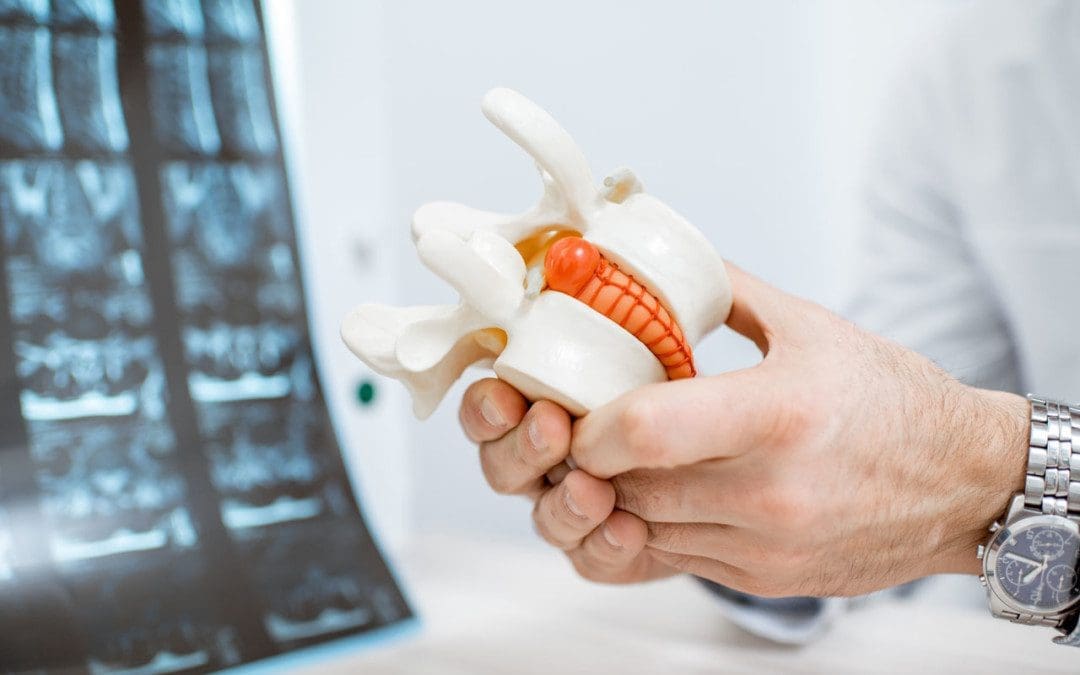
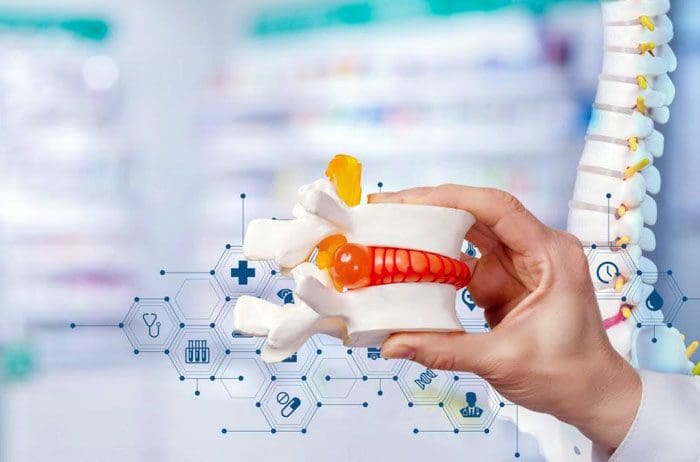
Herniated discs, although common, can be challenging to treat depending on the size. Over 3mm is considered a large herniated disc. However, it can progressively get more extensive, and this can cause severe side effects. The size can make the disc slip out of place and start compressing on surrounding nerves, leading to muscle weakness and nerve damage.
X-Ray and MRI
X-rays can’t detect herniated discs, and this is because they highlight calcium in the bones. Because the vertebral discs and the nearby nerves lack calcium, they don’t show up. They do help doctors see other problems that could be causing symptoms like a tumor. A herniated disc will show on an MRI and identify the size and position. Then a medical professional can get a closer look into the bone and surrounding nerves.
Degenerative Disc Disease
A herniated disc is not the same as degenerative disc disease. Degenerative disc disease is when the cartilage and tissues around the disc wear out and down, causing the discs to slowly slide out of their normal position. A herniated disc is the disc getting pulled/yanked out of place.
Tests
Specific tests will help a medical professional like a chiropractor understand the severity of a herniated disc. These include a nerve conduction study and electromyography.
Nerve Conduction Study
A nerve conduction study records electrical impulses in the nerves. Electrode patches are placed on various areas with varying electrical intensities to see different readings. Through the study, medical professionals are better able to understand the health of the nerves.
Electromyography
Electromyography is similar to nerve conduction but uses needles. Electrode patches are placed around the body; then, tiny needles are inserted into a surrounding muscle. The patches then record the reaction of the nerves.
Physical Therapy and Chiropractic Treatment
A herniated disc will usually heal without surgery in around six weeks. However, a herniated disc growing in size can take longer because of a treatment plan that has to be updated accordingly as the treatment progresses.
Physical Therapy
Physical therapy is very useful in working out herniated disc symptoms.
The therapy will slowly help the body recover by using equipment and stretching techniques to strengthen and restore flexibility. One technique is water therapy. Water helps relax the body, and the buoyancy prevents pressure build-up on the spine. This allows the body to stay flexible while avoiding strain and pressure on the herniated disc.
Chiropractic
Chiropractors specialize in herniated discs. Chiropractic works on repairing the whole musculoskeletal system. Once imaging tests have been examined and a personalized treatment plan developed, they perform the necessary adjustments. These include:
Flexion-distraction
This technique uses a segmented table that raises and lowers to release pressure on the spine. The movement also keeps the disc from touching the surrounding nerves, significantly reducing pain.
Pelvic block
The pelvic blocking adjustment utilizes cushions placed under the pelvis. As the chiropractor adjusts the spine, the cushions help to pull the disc back into place gradually.
Therapeutic Massage
Many chiropractors utilize massage therapy as it is highly beneficial for relieving pain and expedites recovery time. One recommended massage for herniated discs is deep tissue massage. The benefits include:
Relieving pressure around the nerves.
Reduces muscle spasms.
Improves the spine’s range of motion.
Releases the body’s natural painkillers.
Recommendations
Individuals are recommended not to overextend the spine. Avoid engaging in physical activities that require a lot of bending, twisting, reaching, etc. However, resting for too long can worsen the condition as the body needs movement to recover correctly. Too much rest can lead to the muscles contracting, leading to painful spasms. Safe activities include:
Herniated discs often result from an injury, but they could also be caused by weakened joints and muscles. If the body does not get enough calcium, magnesium, or vitamin C, the discs can slip out of place more easily. Taking supplements will help strengthen the area by assisting in the production of collagen. Collagen attaches itself around the discs, ensuring they stay in place and are protected. Foods rich in calcium, magnesium, and vitamin c will also help. Foods include:
Red peppers
Pumpkin seeds
Lemons
Almonds
Milk
Healthy yogurt
Peas
Brussel sprouts
Hydration
Hydrating the body with plenty of water can reduce pain. Water increases the fluid around a herniated disc. The fluid works as a cushion between the herniated disc and the surrounding nerves, helping to not press on them. Drinking water will also help with movement and sleep.
Body Composition
What Happens To The Body When Eating Fruit
At the basic macronutrient level, fruit is made up of simple sugar called fructose. The natural sugar the body gets from a piece of fruit is not the same as industrial fructose added to processed products like high fructose corn syrup. Processed foods are filled with empty calories and little to no nutrition. When the body takes in fruit, the liver processes fructose before getting absorbed through the small intestine.
Research shows that adding more fiber-rich foods like fruit increases gut ecology to an anti-obese condition. This happens by increasing the lean-type bacteria and reducing obese-type bacteria. Fruit can help boost healthy bacteria that can help prevent weight gain.
Essential nutrients from fruit include Folate, Vitamin C, and Vitamin B1. The USDA recommends 2 cups of fruit a day, depending on age. Making half of each meal fruit and vegetables can be an effective strategy for weight maintenance. Fruit provides the body with a carbohydrate energy source, and fruit sources can also help meet dietary balance needs and promote long-term weight maintenance.
References
Deniz Bayraktar, Arzu Guclu-Gunduz, Johan Lambeck, Gokhan Yazici, Sukru Aykol & Harun Demirci (2016) A comparison of water-based and land-based core stability exercises in patients with lumbar disc herniation: a pilot study, Disability, and Rehabilitation, 38:12, 1163-1171, DOI: 10.3109/09638288.2015.1075608
Gupta, Anmol et al. “Does Size Matter? An Analysis of the Effect of Lumbar Disc Herniation Size on the Success of Nonoperative Treatment.” Global spine journal vol. 10,7 (2020): 881-887. doi:10.1177/2192568219880822
Polkinghorn BS, Colloca CJ. Treatment of symptomatic lumbar disc herniation using activator methods chiropractic technique. Journal of Manipulative and Physiological Therapeutics. 1998 Mar-Apr;21(3):187-196. PMID: 9567239.
Sharma, Satya P et al. “Paradoxical Effects of Fruit on Obesity.” Nutrients vol. 8,10 633. 14 Oct. 2016, doi:10.3390/nu8100633
Your health is easily one of the most important things in your life. When your health is good, you feel better, are more productive and generally happier. When your health is not good, it becomes difficult to accomplish even the smallest tasks�and your mood and ability to enjoy life suffer. Fortunately, there are some simple steps you can take to lead a healthier life. Read on to learn some of the most important tips for healthy living!
3 Tips for Healthy Living
Magnified Healthy Living word illustration on white background.
1. Keep the body’s alignment with regular chiropractic.
Many times people are unaware of how to move in the best way for their bodies. Poor movement patterns can lead to injuries, which make it impossible to stay as active as you like. If you start to notice any pain caused when you move�like when adopting a new exercise routine�stop doing what you are doing and consult with your chiropractor. Chiropractors are trained to identify movement problems and help correct them. Your chiropractor should be able to help you find a way to exercise that does not cause pain or lead to injury.
2. Keep track of your health.
It is important to get an accurate assessment of your current health on a regular basis. The goals you set for the future will be much more easily achieved if you know where you are starting from. Some of the ways you can keep track of your health include:
Maintain a relationship with your doctor, dentist, and chiropractor. Preventative healthcare is more effective and less expensive than waiting for something to go wrong. By keeping regular appointments with your doctor, dentist, and chiropractor, you can get valuable feedback on your current state of health. They can also help you catch potential problems early on.
Keep a diary of your exercise, diet, and mood. The diary does not have to be complicated or overly detailed. You just need a clear picture of how much you are exercising, what kinds of exercises you are doing, what food you are eating and how you are feeling.
3. Basics�a healthy diet and regular exercise.
Good health is built on a foundation of diet and exercise. The goal is to improve and maintain a regimen where you eat healthily and exercise regularly over the long-term. You do not have to do anything drastic, either. You will have an easier time making changes if you start small and gradually shift towards a lifestyle that you think is best for you.
Some points to remember:
The perfect diet for one person may not be perfect for another, but there are some basics that work well for the vast majority of people. A diet focused on whole foods, including plenty of vegetables, fruits, and whole grains, is ideal. Repeated studies have shown that a Mediterranean style diet is healthy and easy to maintain, making it a good place to start if you are new to healthy eating.
Take baby steps. Extreme shifts in diet can be mentally exhausting and difficult to maintain. Drastic changes in exercise habits risk injury and are also hard to maintain. Focus on taking small, incremental steps to reach your goals.
Contact Us Today to Set up an Appointment
If you would like a personalized plan for improving your health, please contact us. One of our chiropractic team members is ready to assist you!
Reduce *PLANTAR FASCIITIS PAIN* with Custom Foot Orthotics | El Paso, TX (2019)
Foot pronation is the natural movement which occurs during foot landing while walking or running. Foot pronation also occurs while standing, and in this instance, it is the amount in which the foot rolls inward toward the arch. Foot pronation is normal, however, excessive foot pronation can cause a variety of health issues, including bad posture.
Plantar fasciitis: A Perspective In Functionality
Plantar fasciitis is the inflammation of the plantar fascia or aponeurosis. Which can be caused by trauma, e.g. jumping/running activity, or more from longstanding stretching of pronated feet.
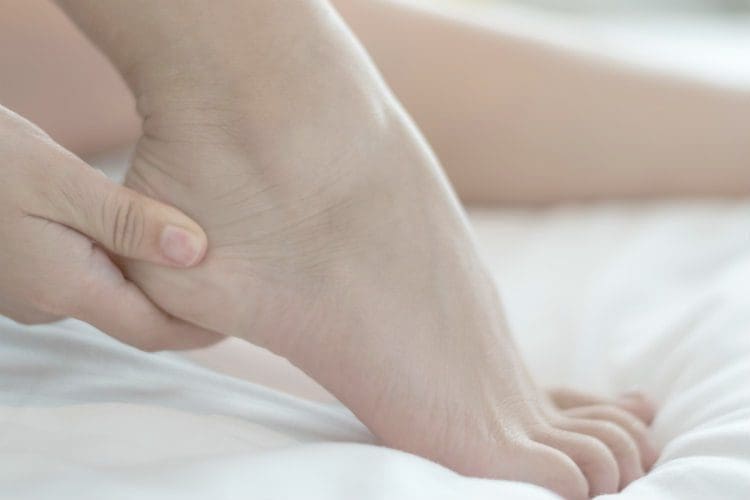
The pain of plantar fasciitis is commonly at its worst when getting out of bed in the morning.
The initial steps cause a painful stretching of the tissue after hours of being in a shortened position.
As a person sleeps, the feet naturally go into a position of plantarflexion and shorten down in a relaxed.
Mild relief is common after moving about for a while.
Treatment options
Treatment options for plantar fasciitis include:
Reduced activity
Cryotherapy
Ultrasound
Taping
Massage
Chiropractic
Orthotics
If the patient is capable of walking without an antalgic gait, look to see how much foot flare occurs during the gait cycle.
Rule of thumb for foot flare:
Both feet should be pointing in the general direction you are walking toward.
Any deviation from a line directly in front involving one foot more than the other is a red flag for dysfunction in the kinetic (moving) chain and may be a contributing factor in the syndrome.
Foot flare is a compensation mechanism to help balance a wobbly pelvis.
If this is detected, remove shoes and socks and look at the medial arch.
Gentle care
Direct palpation of the plantar fascia may reveal painful thickened muscle, especially along the medial longitudinal arch.
This thickened muscle is the result of repetitive tear and repair process.
With the foot relaxed, grasp the toes and gently pull them up into passive dorsiflexion.
Gentleness is essential; as this motion stretches the irritated plantar area.
It often presents with fixations or subluxations of the bones of the feet.
The collapse of any of the three arches of the foot sets the stage for joint fixation.
Mobility & function
Mobility is life to a joint, so don�t overlook the benefit of adjusting the subluxations or fixations of the lower extremity.
Once the acute phase of plantar fasciitis is under control, you can address the factors that contributed to the condition.
Most of the time patients need arch structure to be supported in an optimal functioning position.
Custom-made orthotics support all three arches of the foot provide the necessary support to reduce the tension on the plantar fascia by blocking the excessive pronation stretches.
Improvement through non-invasive treatment
Improvement of muscle function of the kinetic chain through massage or other forms of muscle management can improve muscle compliance, or the ability of the muscle to contract and relax.
Chronic muscle tension creates joint dysfunction and can lead to inflammation in the plantar fascia.
A massaging or mechanical chiropractic compression down the length of the plantar fascia can restore flexibility to that tissue.
Roll the foot over a golf ball or similar device for the purpose of restoring fascia flexibility can have profound effects on foot pain and function.
Patient tolerance is the key to any technique used, so try to understand that the chiropractor/physical/massage therapists are trying their best to bring relief, increasing the pressure and the length of any intervention.
Plantar or Neural
Feet are important. When you consider what your feet go through, taking 8,000 steps over the course of a day, according to the�Illinois Podiatric Medical Association�(IPMA), it�s easy to see how 75 percent of all Americans will have some type of�foot pain�at some point in their lives.�Plantar fasciitis is a common and very painful foot condition that can become chronic if not treated. It is also a condition that responds very well to chiropractic care. As it Reduces Stress in the Plantar Fascia�� When a ligament is inflamed or stressed the tissue can develop very small tears that cause the pain of plantar fasciitis. Chiropractic adjustments made to the heel and foot take the pressure off of the plantar fascia, allowing it to relax.
NCBI Resources
The SMART approach is a guide for setting realistic goals and attaining them. It is an acronym that outlines a success-focused�strategy for goal setting:
Specific
Measurable
Accountable
Realistic
Timeframe
Each step will bring you closer to achieving your goals and improve your health.
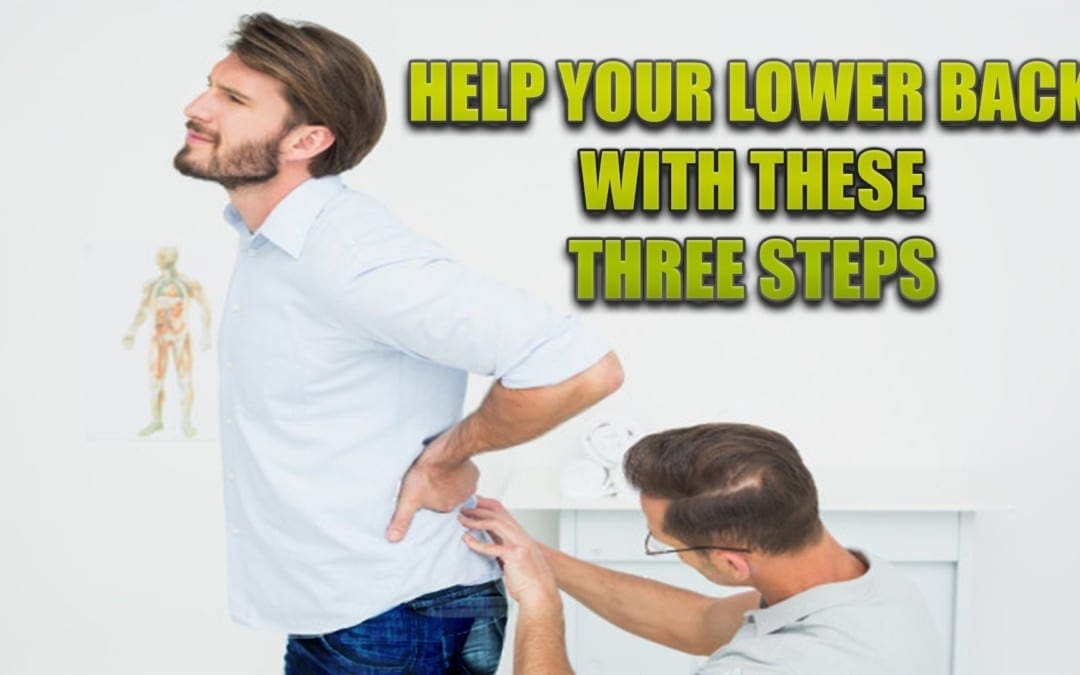
Three Steps: Your lower back needs protection, strength and nourishment to help prevent and reduce lower back pain.
Adding these 3 steps to one’s day can help take stress off your lower back:
Three Steps
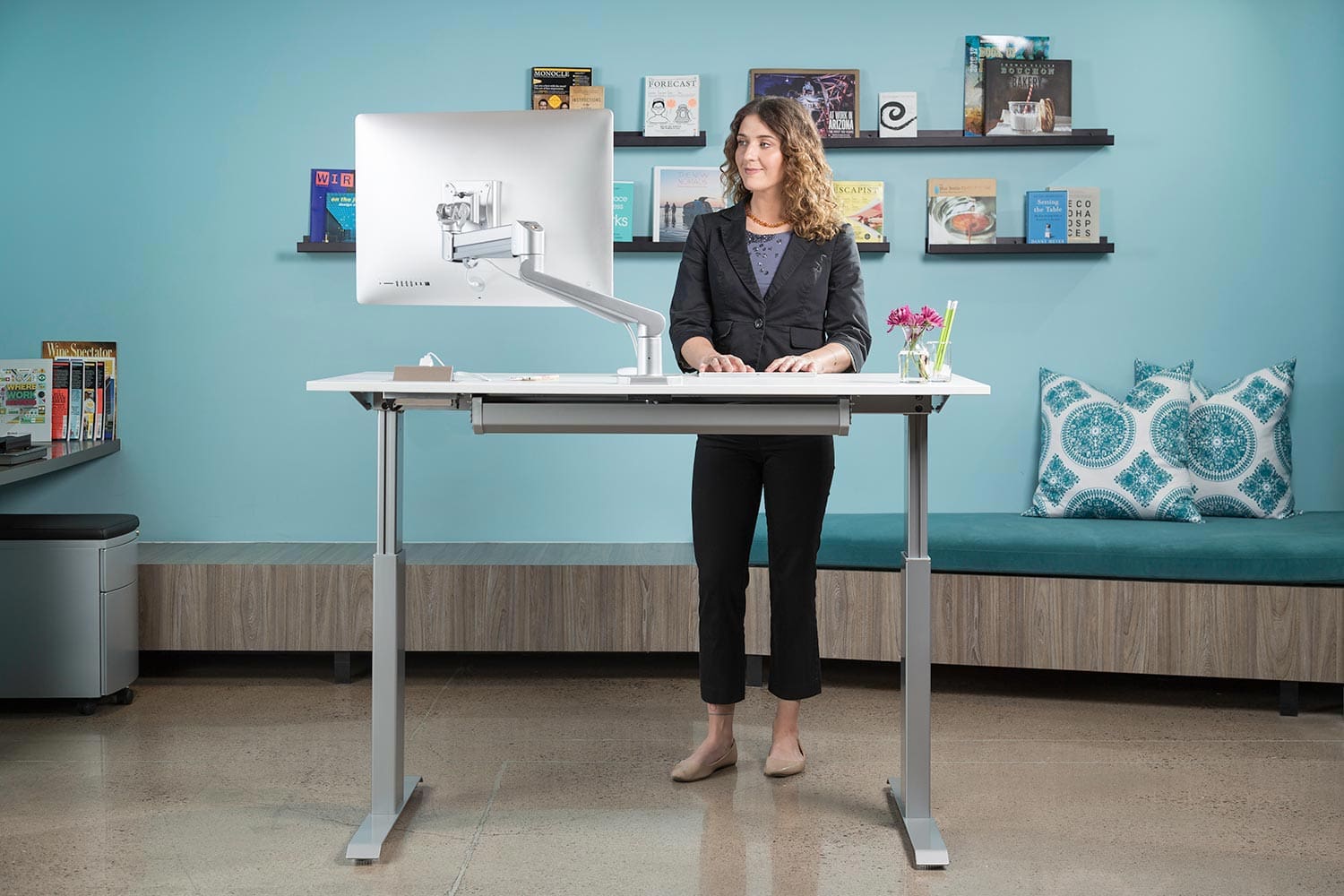
1. Work On A Stand-Up Desk For Part Of The Day
Too much sitting is common in the cause of low back pain. Posture while sitting, forward leaning in order to look at a computer screen, affects the natural alignment of the lower spine by placing a heavy load on the lumbar discs and joints.
Many people are utilizing standup desks for part of their workday. Standup desks come in a variety of shapes, functionality, and price ranges. They can be inexpensive to fully adjustable, automatic models.
If lower back pain is already an issue, only stand for part of the day and gradually increase to longer standing times. Cushioned and standing mats add additional comfort, as well as, exercise benefits. Standing more, along with quick walks and/or quick stretches at the half hour can break up the extended sitting cycle.
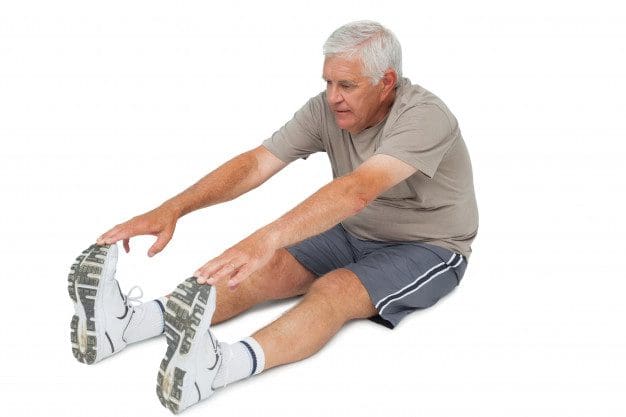
2. Stretch Hamstrings On A Daily Basis
Hamstrings are the large muscles that run down the back of each thigh. They can quite easily become tight. If they become very tight then the hamstring/s will transfer stress across the lower back and can lead to back pain.
There are a variety of hamstring stretches that are gentle on the back and easy to do: pick one or two that work for you and are easy to incorporate it into a daily routine.
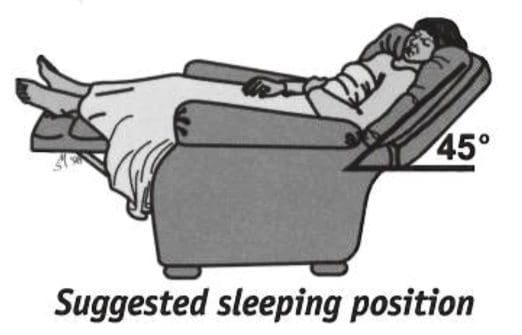
3. Sleep In A Reclined Position
People with lower back pain feel more support when the lower back is in a slightly reclined position, along with the knees supported and elevated. This is true for lower back diagnoses, such as osteoarthritis, spinal stenosis, and lumbar degeneration.
If it is difficult to sleep on your back, try resting in this position in a reclining chair or bed before going to sleep.
Sleeping the most comfortable in a supported, reclined position can come from switching to an adjustable bed, aka (adjustable base). Just like the stand-up desks, these models range from basic to sophisticated options.
A new development now is that online mattress companies now offer mattress bases that are fully adjustable, and some offer free delivery/setup. Consider a new mattress with an adjustable base that goes with the mattress. This combination may work to help your back.
We encourage back pain supplementation with chiropractic treatment and any type of steps one can take to help prevent and reduce lower back.
Injury Medical Clinic: Sciatica Treatments & Recoveries
IFM's Find A Practitioner tool is the largest referral network in Functional Medicine, created to help patients locate Functional Medicine practitioners anywhere in the world. IFM Certified Practitioners are listed first in the search results, given their extensive education in Functional Medicine