For individuals going through post surgery, injury rehabilitation, illness and/or chronic condition management, can physical therapy isometric exercises help?
Isometric Exercise
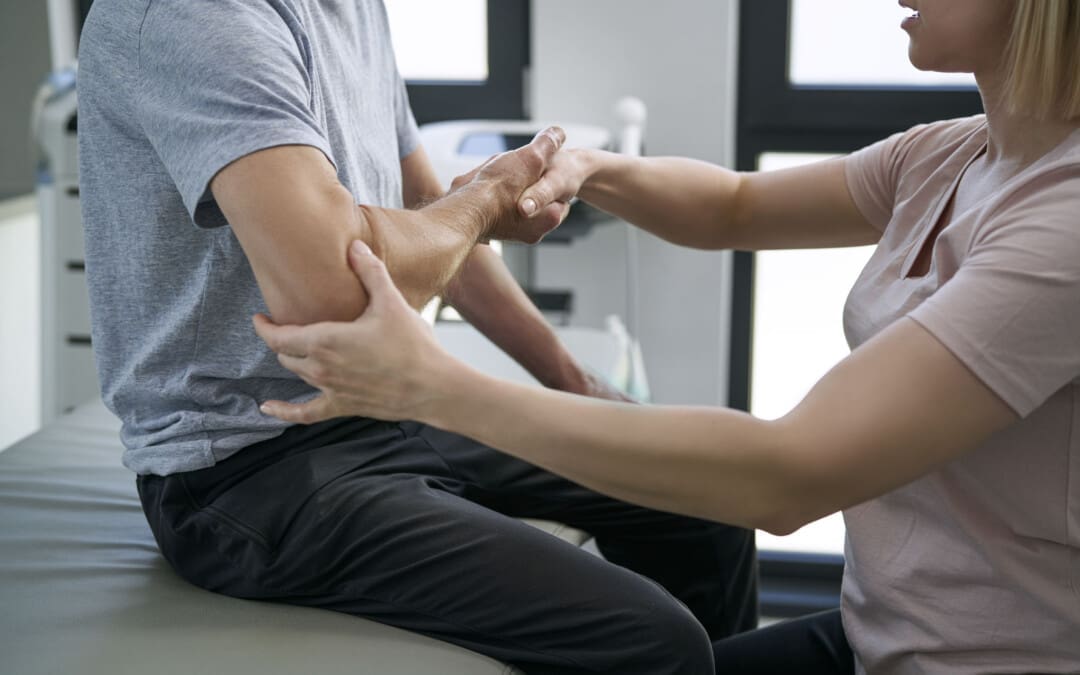
Isometric exercises are used in physical therapy to help build muscle endurance, improve range of motion, relieve pain, and reduce blood pressure more effectively than other types of exercise. Because they don’t involve joint movement, they are a solid starting point for rehabilitation and are suitable for individuals with a limited range of motion. They can be performed by pushing against an immovable object, like a wall, or by having a therapist provide resistance. Examples of isometric exercises include:
A physical therapist/PT may have a patient perform isometric exercises after injury or illness. During an isometric contraction, the muscle does not change in length, and there is no motion around the joint surrounding the muscle/s. (Rhyu H. S. et al., 2015)
When To Use
Isometric muscular contractions can be used at any time during physical rehabilitation and strengthening or a home exercise program and are regularly used with the following (Rhyu H. S. et al., 2015)
Post-surgery
When muscles cannot contract forcefully enough to move the joint it surrounds.
To help increase neuromuscular input to a specific muscle/s.
When injury or condition frailty makes other forms of exercise dangerous and not beneficial.
A healthcare provider or physical therapist should be consulted first if isometrics are used in a rehabilitation program.
Benefits
The benefits of using isometric exercise after injury or surgery may include the following:
No special equipment is necessary to perform isometric exercises.
The ability to safely contract a muscle while protecting a surgical incision or scar tissue.
The muscles can be strengthened in a specific range of motion around a joint. (NikolaidouO. et al., 2017)
A physical therapist can help determine whether isometric exercise benefits the specific condition.
Effectiveness
Isometric exercise is very effective after injury or surgery. However, when a muscle is contracted isometrically, it gains strength in a very small area and with a short range of motion. For example, an isometric shoulder external rotation performed with the arm at the side will only strengthen the rotator cuff muscles in the specific position that the arm is in. (NikolaidouO. et al., 2017).
Strength gains are specific to the joint’s position during the exercise.
Individuals who want to strengthen their gluteal muscles in their hip using isometrics would have to contract their glute muscles in one specific position for several reps.
Once several reps of the exercise in one position have been performed, the individual moves their hip joint into a new position and repeats the gluteal contractions in the new position.
This makes the exercise time-consuming, but it is perfect for injury rehabilitation, preventing and avoiding worsening or further injuries.
How to Perform
To perform isometric exercises, all that is needed is something stable to push against. (Rhyu H. S. et al., 2015) For example, to strengthen the shoulder muscles:
Stand next to a wall and try to lift an arm out to the side.
Allow the hand to press against the wall so no motion occurs at the shoulder joint.
Once pressed against the wall, hold the contraction for 5 to 6 seconds and slowly release it.
Perform 6 to 10 repetitions of the exercise.
This could be one set of completed isometric exercises for the shoulder muscles.
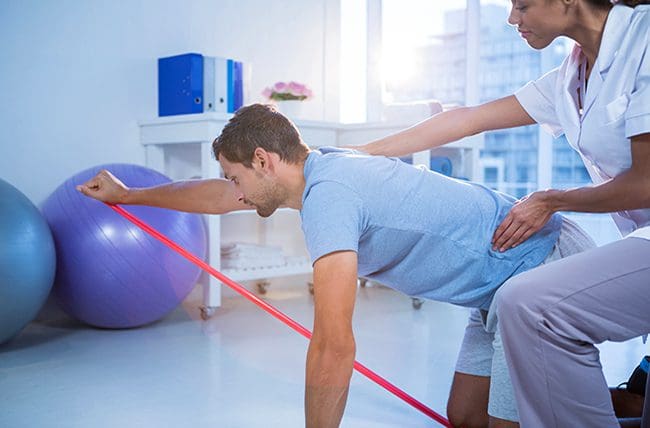
Elastic resistance bands or tubing can also be used to perform isometric exercises. Hold the tubing in a specific position and then move the body away from the anchor point instead of moving the joint. The muscles will contract against the increased resistance of the elastic tubing, and no motion will occur at the joint. A physical therapist can show and train on how to perform isometric exercises with the bands.
Neuromuscular Stimulation
Isometric exercise can strengthen muscles and help improve the neuromuscular recruitment of the muscles being trained. This enhances muscle contraction and expedites gains in muscle recruitment while protecting the joint. Isometric exercise can also be used during physical therapy using neuromuscular electrical stimulation (NMES). (Fouré A. et al., 2014) For example, a PT may use NMES to improve muscular function for individuals who have difficulty contracting their quadriceps after knee surgery and may be instructed to perform isometric quad-setting exercises during the session.
Injury Medical Chiropractic and Functional Medicine Clinic
A physical therapist can use isometric exercises to help individuals injured or have had surgery and are experiencing difficulty with normal functional mobility by improving their strength during recovery. The exercises can safely enhance the function and stability of the muscles and return individuals to the previous level of activity and function. Injury Medical Chiropractic and Functional Medicine Clinic works with primary healthcare providers and specialists to develop an optimal health and wellness solution. We focus on what works for you to relieve pain, restore function, and prevent injury. Regarding musculoskeletal pain, specialists like chiropractors, acupuncturists, and massage therapists can help mitigate the pain through spinal adjustments that help the body realign itself. They can also work with other medical professionals to integrate a treatment plan to resolve musculoskeletal issues.
Personal Injury Rehabilitation
References
Rhyu, H. S., Park, H. K., Park, J. S., & Park, H. S. (2015). The effects of isometric exercise types on pain and muscle activity in patients with low back pain. Journal of Exercise Rehabilitation, 11(4), 211–214. https://doi.org/10.12965/jer.150224
Nikolaidou, O., Migkou, S., & Karampalis, C. (2017). Rehabilitation after Rotator Cuff Repair. The Open Orthopaedics Journal, 11, 154–162. https://doi.org/10.2174/1874325001711010154
Fouré, A., Nosaka, K., Wegrzyk, J., Duhamel, G., Le Troter, A., Boudinet, H., Mattei, J. P., Vilmen, C., Jubeau, M., Bendahan, D., & Gondin, J. (2014). Time course of central and peripheral alterations after isometric neuromuscular electrical stimulation-induced muscle damage. PloS one, 9(9), e107298. https://doi.org/10.1371/journal.pone.0107298
Sleep is vital at all ages, but what is the amount of sleep for older individuals?
Amount of Sleep For Older Individuals
Individuals 65 and older are still recommended to get the same amount of sleep as younger adults. (National Council on Aging, 2023) As the body ages, it still needs around 7–9 hours of sleep, but how an individual sleeps is what changes. Older individuals begin to sleep lighter, and their sleep is broken up, causing them to wake up more at night. This can be due to natural changes in the internal body clock, medications, health conditions like arthritis or sleep apnea, or a combination. Older adults often face sleep barriers that are less common in younger individuals, like disabilities and chronic illnesses, and nearly half of adults aged 75 and above have a disability. Aging also shifts the circadian rhythm, causing older individuals to fall asleep and wake up earlier. Melatonin begins to decline with age, starting in the 30s, which can affect body temperature regulation and disrupt the sleep-wake cycle. (Hood S. & Amir S. 2017)
Healthy Sleep and Healthy Aging
Research found that older individuals who sleep poorly have an increased risk of:
As the body ages, a consistent, healthy amount of sleep prepares you for all the ups and downs. Healthy sleep maintains:
Overall health
Mental health
Mood
Memory
Improves cognitive function
Enhances emotional resilience
Supports heart health
Increases immune system function
Keeps energy levels steady.
Well-rested individuals are less likely to have falls or accidents because their focus and coordination are optimal.
Sleeping Healthier as You Age
Maintaining healthy sleep hygiene and being more mindful of routines will improve sleep patterns. This includes:
Going to bed and waking up at the same time every day.
Avoiding long naps during the day.
Monitoring nutrition and physical activity levels.
Creating a calming bedtime routine like meditation and reading.
Keeping the bedroom dark, cool, and quiet.
Reducing caffeine or alcohol, especially in the evening, can affect sleep patterns.
Sleep aids can help for short periods and should be combined with cognitive behavioral therapy and used with caution in the long term to prevent possible dependency. Medications can help by addressing health issues that impact sleep, like pain, depression, or anxiety. However, some medicines can have side effects that alter or worsen sleep patterns.
Injury Medical Chiropractic and Functional Medicine Clinic
Therefore, older individuals still need 7–9 hours of sleep every night to maintain and enhance mental, physical, and emotional well-being, reducing risks associated with aging. Injury Medical Chiropractic and Functional Medicine Clinic works with primary healthcare providers and specialists to develop an optimal health and wellness solution. We focus on what works for you to relieve pain, restore function, and prevent injury. Regarding musculoskeletal pain, specialists like chiropractors, acupuncturists, and massage therapists can help mitigate the pain through spinal adjustments that help the body realign itself. They can also work with other medical professionals to integrate a treatment plan to resolve musculoskeletal issues.
Enhancing Health
References
National Council on Aging. (2023). How Sleep Impacts the Top Age-Related Health Concerns. https://www.ncoa.org/adviser/sleep/chronic-conditions-and-sleep/
Hood, S., & Amir, S. (2017). The aging clock: circadian rhythms and later life. The Journal of clinical investigation, 127(2), 437–446. https://doi.org/10.1172/JCI90328
Stone, K. L., & Xiao, Q. (2018). Impact of Poor Sleep on Physical and Mental Health in Older Women. Sleep medicine clinics, 13(3), 457–465. https://doi.org/10.1016/j.jsmc.2018.04.012
Individuals who have been injured or ill or have a chronic disability may be having difficulty performing everyday activities. Can recreation therapy help rehabilitate injuries and manage chronic conditions?
Recreation Therapy
Living with a chronic disability or functional limitation due to an illness or injury can significantly impact an individual’s quality of life. Working with a team of rehabilitation professionals can help improve mobility and the ability to complete everyday tasks comfortably. A recreational therapist is one professional who helps regain emotional and functional well-being. A recreational therapist is a healthcare professional who helps individuals maximize physical and emotional health through recreational activities. Also known as therapeutic recreation, the therapist will use activities to help move and feel better. A physical or occupational therapist uses exercises to improve functional mobility, and a recreational therapist uses recreational activities to help regain mobility and improve well-being. Activities can include:
Playing games
Outdoor activities
Hiking
Puzzles
Horseback riding
Cooking
Therapy
A healthcare specialist uses activity-based interventions to help individuals move and feel better after injury or illness or if they have a chronic disability. The interventions and therapies are based on recreational activities the individual likes and are designed to help recover physical, functional, and emotional health. Recreational therapists are trained to evaluate an individual’s condition and intervene in ways that help maximize social, mental, and physical health. The main goal is to reduce depression and anxiety and to help individuals socialize comfortably. (American Therapeutic Recreation Association, 2024)
Activities
Therapeutic recreation involves engaging in specific activities to help individuals regain their confidence and independence. Examples of activities can include: (American Therapeutic Recreation Association, 2024)
Painting or drawing
Dancing
Sports programs
Cooking
Community outings
Group exercise classes
The key to a positive experience is that the activity should be specific to the individual’s emotional and physical needs and capabilities and something the individual would want to do as an activity.
Other Types of Therapy
Individuals may be familiar with other types of therapists, like physical and occupational therapists. These professionals help individuals regain pain-free functional mobility after injury or illness. For individuals who cannot move their upper extremities after falling, the physical therapist can measure their shoulder range of motion and strength and develop a personalized treatment program. Recreation therapists are similar; they meet with patients regularly to help them recover from injuries or positively socialize with their community. During the initial meeting, they will evaluate the individual’s condition and learn how their emotional and physical needs prevent them from achieving maximal potential. (American Therapeutic Recreation Association, 2024) The patient and therapist will engage in activities to help move and feel better during therapy. During the activity, the therapist may suggest adjustments or ideas that improve movement and ability to interact with the environment.
Who Can Benefit?
Individuals of all ages and abilities with physical and psychological conditions can benefit from working with a recreational therapist. Children, teenagers, adults, and older individuals who have a disability, either temporary or permanent, can engage in recreation therapy as part of a rehabilitation and recovery program. (American Therapeutic Recreation Association, 2024)
Benefits
Whenever engaging in any healthcare activity or treatment, ask if that treatment can help your specific condition. A review of the use of recreational dance in children and young people ages 5 to 21 found evidence of the benefits of the therapy, which included: (Burkhardt J, Brennan C. 2012)
Decreased anxiety
Improve self-image
Improved cardiovascular fitness
Decreased obesity
Improved bone health
Another study examined health improvements in individuals injured in military service after a week-long recreational therapy wellness retreat. The participating service members’ results showed significant improvement in outcome measures for post-traumatic stress disorder, stress, anxiety, and depression. The health improvements remained three and six months after completing the recreation therapy. This shows that therapeutic recreation may offer significant emotional and psychological benefits to injured military service members’ long-term health and an effective treatment to improve the well-being of injured or disabled individuals with limited negative side effects. (Townsend J, Hawkins BL, Bennett JL, et al., 2018)
Professional Background
Most therapists have a bachelor’s degree in recreational or leisure studies, focusing on art, psychology, and music classes. Upon graduation, students can take a national exam and become Certified Therapeutic Recreation Specialists/CTRS. (Hoss M.A.K, 2019) Once certified, therapists must regularly take continuing education classes and undergo a recertification process every five years.
Receiving Therapy Services
To start working with a recreational therapist, visit your healthcare provider and request a referral. They can ensure the treatment is appropriate for the specific injury and/or condition and should be able to help find a therapist. (American Therapeutic Recreation Association, 2024) Individuals in an inpatient hospital will likely spend time with a recreational therapist at some point. Just like working with a physical or occupational therapist to help individuals move better, working with a recreation therapist while in rehabilitation may be an everyday occurrence to help reintegrate into the community after discharge.
Insurance Coverage
One question regarding recreational therapy is, will my insurance cover the services of a recreational therapist?
For individuals with Medicare insurance, recreational therapy is a covered service for individuals with certain diagnoses and settings.
Therapeutic recreation is a covered rehabilitation service for individuals in an inpatient rehabilitation facility.
Individuals who receive outpatient recreational therapy should ensure they have a prescription and letter of medical necessity from a physician to qualify for Medicare reimbursement. (American Therapeutic Recreation Association, 2024)
Individuals with private insurance should call their insurance provider and inquire about coverage for recreation therapy.
Individuals who do not have insurance can expect to pay $100-$150 per session.
Injury Medical Chiropractic and Functional Medicine Clinic
Working in therapeutic recreation may help decrease anxiety and depression, improve the sense of well-being, and improve function in daily tasks. (Townsend J, Hawkins BL, Bennett JL, et al., 2018) Always consult your healthcare provider before beginning new treatment methods. Injury Medical Chiropractic and Functional Medicine Clinic works with primary healthcare providers and specialists to develop an optimal health and wellness solution. We focus on what works for you to relieve pain, restore function, and prevent injury. Regarding musculoskeletal pain, specialists like chiropractors, acupuncturists, and massage therapists can help mitigate the pain through spinal adjustments that help the body realign itself. They can also work with other medical professionals to integrate a treatment plan to resolve musculoskeletal issues.
Integrative Healthcare
References
American Therapeutic Recreation Association. Association, A. T. R. (2024). What is Recreational Therapy? https://www.atra-online.com/about-rt
American Therapeutic Recreation Association. Association, A. T. R. (2024). Who We Are. https://www.atra-online.com/who-we-are
Burkhardt, J., & Brennan, C. (2012). The effects of recreational dance interventions on the health and well-being of children and young people: A systematic review. Arts & Health, 4(2), 148–161. https://doi.org/10.1080/17533015.2012.665810
Townsend, J., Hawkins, B. L., Bennett, J. L., Hoffman, J., Martin, T., Sotherden, E., … Duregger, C. (2018). Preliminary long-term health outcomes associated with recreation-based health and wellness programs for injured service members. Cogent Psychology, 5(1). https://doi.org/10.1080/23311908.2018.1444330
Hoss, PhD, CTRS, FACHE, FDRT, M. A. K. (2019). Recreational therapy workforce: An update. American Journal of Recreation Therapy, 18(3), 9–15. https://doi.org/10.5055/ajrt.2019.0191
De Vries, DHA, MPA, CTRS, D. (2014). Regulatory requirements for recreational therapy in nursing homes. American Journal of Recreation Therapy, 13(1), 25–30. https://doi.org/10.5055/ajrt.2014.0063
Individuals experiencing persistent pain, weakness, numbness, and tingling in the back could be suffering from nerve root encroachment. Could surgery ease nerve compression and improve symptoms for persistent and severe cases?
Surgical Decompression
The pain, weakness, numbness, and tingling associated with nerve root encroachment are usually first treated with non-surgical therapies that include:
Anti-inflammatory medications
Physical therapy
This can be enough to address the irritation of the spinal nerve root. But when cases become severe, surgical decompression may be recommended and necessary. It can be done in a couple of different ways.
Causes and Symptoms
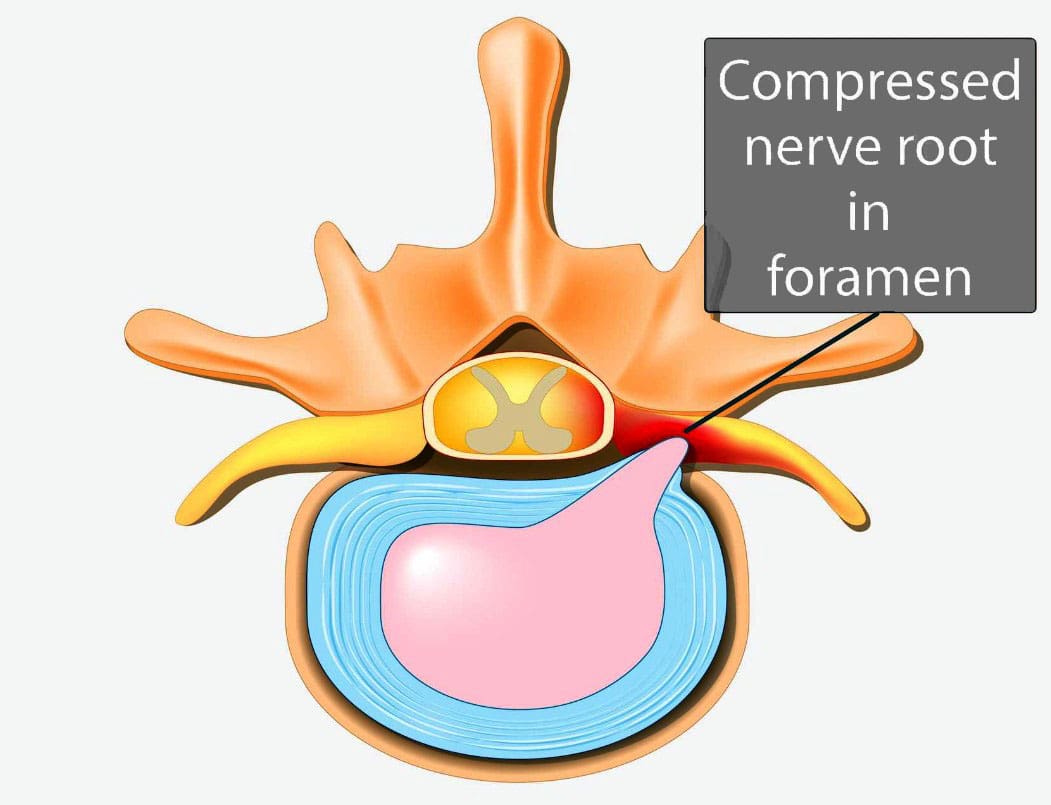
Vertebrae are bones in the spine. Small openings called foramina allow a spinal nerve root to pass through on each side of the vertebra. When nerve root encroachment is present, the spinal nerve root gets compressed, pinched, and trapped, which can cause peripheral symptoms such as numbness, tingling, pain, or weakness to develop. Nerve root encroachment is typically caused by normal aging degenerative wear and tear changes in the vertebrae. (Choi Y. K. 2019) These degenerative changes can include:
Facet joint hypertrophy
Ligament and bone hypertrophy
Disc disorders
Formation of bone spurs or osteophytes.
If these degenerative changes progress, they can encroach and compress a nerve root, leading to peripheral symptoms. (Choi Y. K. 2019)
When Surgery Is Recommended
When symptoms occur, initial treatment will involve:
Physical therapy
Chiropractic realignment
Massage therapies
Rest
Lifestyle adjustments
Nonsteroidal anti-inflammatories – NSAIDs
Corticosteroid injections into the spine
If conservative therapies don’t fully heal or improve symptoms or there are neurological problems like difficulty with balance or walking, then surgery may be recommended. Severe pain that limits normal function is an indication for surgery, and rapidly progressive weakness of the arms and/or legs or signs of cauda equina syndrome are indications for emergency surgery.
Surgery Options
Different types of spinal surgery may be performed. A neurosurgeon will decide the best procedure for each patient based on their case, age, medical conditions, and other factors. Specific spinal surgical decompression depends on what is causing the nerve compression. In most cases, it involves removing bone or tissue to relieve nerve pressure or provide support to stabilize the joint. The most common types of surgical decompression include: (Mayo Clinic Health System, 2022)
Maintain the stability and alignment of the spine.
Improve the stability and alignment of the spine.
Anterior Surgery
The anterior approach to surgery means that the spine is accessed through the anterior/front of the spine. In this surgery, one or more discs and bone spurs may be removed through an incision in the front of the neck. (American Association of Neurological Surgeons, 2024) For example, an anterior cervical discectomy may alleviate pressure on one or more nerve roots in the neck. With an anterior lumbar interbody fusion, a surgeon removes a degenerative disc in the lower spinal area by going through a patient’s lower abdomen. (American Association of Neurological Surgeons, 2024) After the disc is removed, a structural device, usually made of bone, fills the space where it once was. This device encourages bone healing and helps the vertebrae’s bodies fuse.
Posterior Surgery
Posterior surgery means the spine is accessed through the posterior/back of the spine. An example is removing a thickened ligament, bone spur, or disc material in the neck. To do this, a small incision in the back of the neck may be made to remove part of the back of the vertebrae called the lamina. This is called a posterior cervical laminectomy. (American Association of Neurological Surgeons, 2024) A posterior lumbar interbody fusion removes a degenerative disc by going through the back. (American Association of Neurological Surgeons, 2024) Like the anterior approach, a structural device often contains bone to fill the space where the disc once was to fuse the bones.
Potential Risks
As with any surgery, it’s important that the individual and their healthcare provider carefully discuss the benefits and risks. Spinal surgical decompression includes: (Proietti L. et al., 2013)
Bleeding
Blood clots
Surgical site infection
Urinary tract infection
Lung infection
Intestinal blockage
There are also specific risks to the area of the spine being operated on and how it is surgically approached. For example, a cervical anterior procedure may injure the esophagus, trachea, or carotid artery. Likewise, damage to the C5 nerve root/C5 palsy can occur from cervical spinal decompressive surgery. This complication causes weakness, numbness, and pain in the shoulders. (Thompson S. E. et al., 2017) The spinal cord may also be injured during surgery and result in paralysis, although this is rare. (American Association of Neurological Surgeons, 2024)
Injury Medical Chiropractic and Functional Medicine Clinic
Injury Medical Chiropractic and Functional Medicine Clinic works with primary healthcare providers and specialists to develop an optimal health and wellness solution. We focus on what works for you to relieve pain, restore function, and prevent injury. Regarding musculoskeletal pain, specialists like chiropractors, acupuncturists, and massage therapists can help mitigate the pain through spinal adjustments that help the body realign itself. They can also work with other medical professionals to integrate a treatment plan to resolve musculoskeletal issues.
The Non-Surgical Solution
References
Choi Y. K. (2019). Lumbar foraminal neuropathy: an update on non-surgical management. The Korean journal of pain, 32(3), 147–159. https://doi.org/10.3344/kjp.2019.32.3.147
Mayo Clinic Health System. (2022). Decompress and stabilize: understanding types of back surgery. Speaking of Health. https://www.mayoclinichealthsystem.org/hometown-health/speaking-of-health/understanding-types-of-back-surgery
American Association of Neurological Surgeons. (2024). Cervical spine. https://www.aans.org/patients/conditions-treatments/cervical-spine/
American Association of Neurological Surgeons. (2024). Lumbar spinal stenosis. https://www.aans.org/patients/conditions-treatments/lumbar-spinal-stenosis/
Proietti, L., Scaramuzzo, L., Schiro’, G. R., Sessa, S., & Logroscino, C. A. (2013). Complications in lumbar spine surgery: A retrospective analysis. Indian journal of orthopaedics, 47(4), 340–345. https://doi.org/10.4103/0019-5413.114909
Thompson, S. E., Smith, Z. A., Hsu, W. K., Nassr, A., Mroz, T. E., Fish, D. E., Wang, J. C., Fehlings, M. G., Tannoury, C. A., Tannoury, T., Tortolani, P. J., Traynelis, V. C., Gokaslan, Z., Hilibrand, A. S., Isaacs, R. E., Mummaneni, P. V., Chou, D., Qureshi, S. A., Cho, S. K., Baird, E. O., … Riew, K. D. (2017). C5 Palsy After Cervical Spine Surgery: A Multicenter Retrospective Review of 59 Cases. Global spine journal, 7(1 Suppl), 64S–70S. https://doi.org/10.1177/2192568216688189
Can physical therapies help individuals with a Colles’ or wrist fracture?
Colles’ Fracture
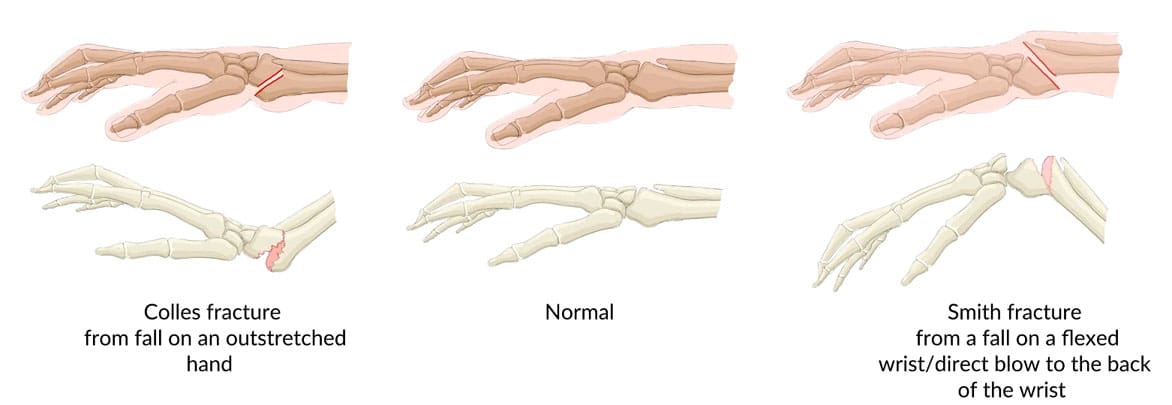
A broken wrist or Colles fracture can be a painful and stressful experience. Individuals may be unable to perform their jobs or engage in recreational activities. A Colles fracture is a break in the radius bone of the forearm that occurs near the wrist, usually about an inch from the end of the bone. It’s a common type of broken wrist often caused by falling on an outstretched hand. (American Academy of Orthopaedic Surgeons, 2022) As the individual lands on their hand, the end of the radius bone breaks off and gets pushed toward the inner wrist. If the wrist is flexed when falling on the hand, the radius may break and move toward the front of the wrist. This is called a Smith’s fracture. (Matsuura, Y. et al., 2017) A physical therapy team can help improve functional mobility to quickly and safely return to normal activity.
Symptoms
Individuals who have suffered trauma to their wrist or have fallen onto their hand or wrist may have a Colles fracture. Common signs and symptoms of a wrist or Colles fracture include: (American Academy of Orthopaedic Surgeons, 2022)
Bruising
Loss of mobility in the wrist.
Swelling in the arm, wrist, or hand.
Pain
Visible deformity or a lump on the backside of the forearm near the wrist.
Initial Treatment
Individuals who have fallen and injured their wrist and hand and suspect a Colles fracture seek immediate medical attention. Call a healthcare provider or report to a local emergency clinic. Left untreated, it can result in complications and permanent loss of arm and hand function. (American Academy of Orthopaedic Surgeons, 2022)
An X-ray will show a wrist fracture.
Because of the pain and swelling, it is recommended that individuals put an ice pack on their wrists and hands until they can get to a healthcare provider or emergency room. The R.I.C.E. principle can help control swelling and lessen pain until a medical professional can provide treatment. The initial treatment is to reduce the fracture. This is where a healthcare provider situates the broken bone or bones back into the correct position to ensure proper healing. This is done manually if the fractured bone is not too far out. If the fracture is severe, a surgical procedure known as an open reduction internal fixation or ORIF may be required to reduce the fracture. (American Academy of Orthopaedic Surgeons, 2022)
Once the fracture has been reduced, it must be immobilized. This is done with a cast or a brace. Individuals may also be required to wear a sling. They may need to visit a physical therapist to learn how to wear the sling properly. It is essential to keep the bones immobilized for proper healing. Consult a healthcare provider for questions about cast, sling, or brace.
Physical Therapy
After four to six weeks of immobilization, a healthcare provider may remove the cast and refer a physical therapist or team. (American Academy of Orthopaedic Surgeons, 2022) A physical therapist may measure and evaluate pain, swelling, range of motion, and strengthening. The physical therapist may assess the surgical scar tissue and analyze the hand, wrist, and arm function of individuals who underwent an ORIF procedure to reduce the fracture. After the initial evaluation, a physical therapist will work with the patient to develop an appropriate plan of care to help improve the impairments and functional limitations. The therapist may prescribe a specific exercise program as well.
Pain and Swelling
Individuals may experience pain and swelling around their wrists and hands.
A physical therapist can provide individuals with various treatments and modalities to help decrease swelling and pain.
Range of Motion
After a Colles’ fracture, individuals may lose hand, wrist, and elbow mobility.
The shoulder may also be tight, especially after wearing a sling.
Range of motion exercises for the hand, wrist, and elbow can be prescribed.
Strength
Loss of strength is common after a Colles’ fracture.
Exercises focusing on hand, wrist, and elbow strength may be prescribed.
At-home exercises and stretches will get the best results from physical therapy.
Scar Tissue
Individuals who have had an ORIF procedure will likely have scar tissue that has developed around the surgical site.
A physical therapist may perform scar tissue massage and mobilization to help improve mobility and can train patients how to self-massage.
Injury Medical Chiropractic and Functional Medicine Clinic
After a few weeks of physical therapy, individuals should notice their mobility and strength improve while pain and swelling decrease. Individuals will find it easier to use their arms and hands to perform functional activities. While the fracture should be fully healed six to eight weeks after injury, individuals may still be limited for potentially 12 to 16 weeks. At Injury Medical Chiropractic and Functional Medicine Clinic, we focus on what works for every patient to restore function. If other treatment is needed, individuals will be referred to a clinic or physician best suited to their injury, condition, or ailment.
Personal Injury Rehabilitation
References
American Academy of Orthopaedic Surgeons. (2022). Distal radius fractures (broken wrist). https://orthoinfo.aaos.org/en/diseases–conditions/distal-radius-fractures-broken-wrist/
Matsuura, Y., Rokkaku, T., Kuniyoshi, K., Takahashi, K., Suzuki, T., Kanazuka, A., Akasaka, T., Hirosawa, N., Iwase, M., Yamazaki, A., Orita, S., & Ohtori, S. (2017). Smith’s fracture generally occurs after falling on the palm of the hand. Journal of orthopaedic research : official publication of the Orthopaedic Research Society, 35(11), 2435–2441. https://doi.org/10.1002/jor.23556
Can using a cane help individuals after an injury, living with chronic pain or balance issues, or post-surgery?
Walking With A Cane
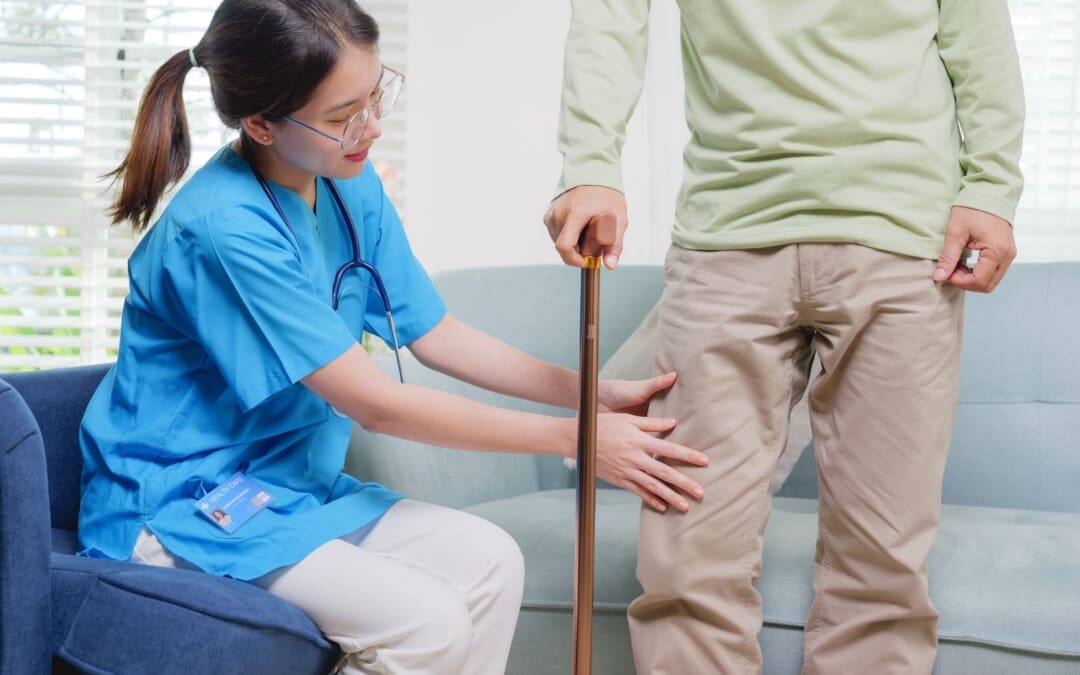
A cane is an assistive device that can help individuals walk after injury or surgery and aids with balance and stability. It can be used for:
Balance or Stability Issues
Canes can help with minor balance or stability issues, such as weakness in the leg or trunk, or after an injury.
Pain
Canes can help reduce stress on painful joints or limbs.
Independence
Canes can help people continue living independently, especially the elderly.
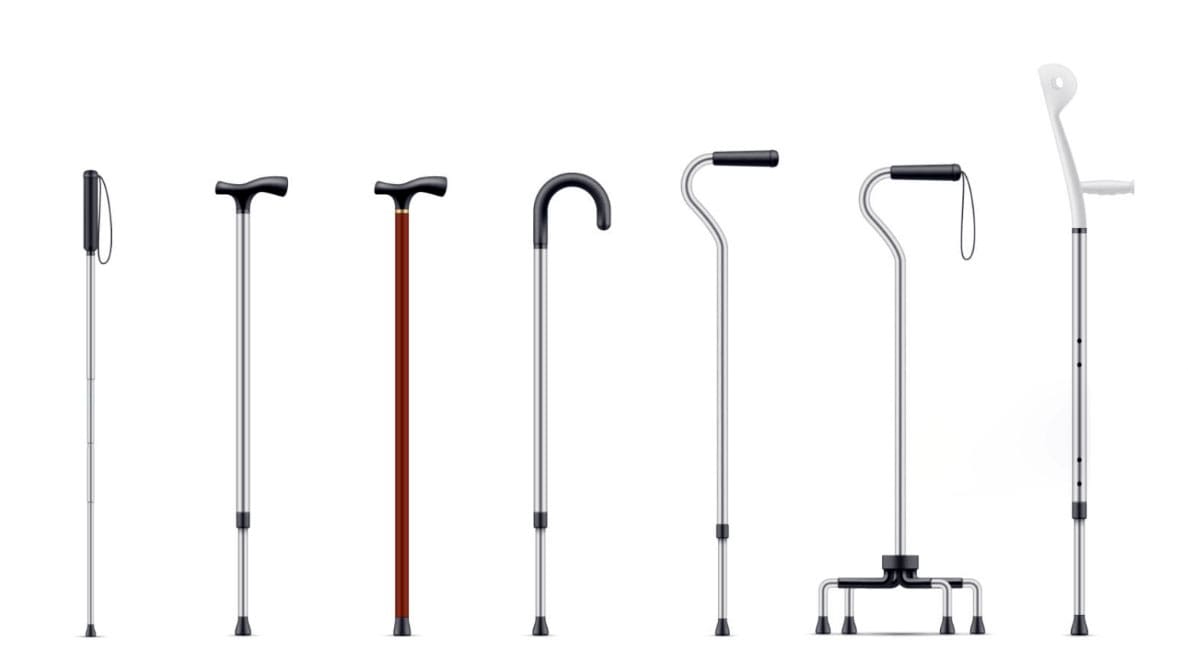
There are different types of canes, including single-point and quad canes. Single-point canes are generally the least expensive. Quad canes have four points and can provide more stability. It is important to use it correctly to prevent falls and injuries.
Post-surgery or Injury
A cane can help reduce pressure on the leg or back after surgery or injury. Healthcare providers may recommend a cane as a step-down device after using a walker or crutches. Before walking with the cane, ensure it is at the right height. Hold the cane in the hand on the opposite side of the injury. Hold the cane’s handle at the level of the bend in the wrist when standing with the elbow slightly bent. (American Academy of Orthopaedic Surgeons, 2020) If there are issues in both legs or a cane is used after back surgery, keep the cane in the hand with the most support.
Step forward with the cane and injured leg at the same time.
Step the non-injured leg up with the cane firmly on the ground to meet the injured leg.
The feet should be side by side.
Walking Normally
Once comfortable taking practice steps, try walking normally with the cane. Step forward with the cane and injured leg simultaneously. The cane should be off the ground when the wounded leg is in the air. Firmly plant the cane when stepping onto the injured leg. Step forward with the cane and the injured leg first, then step past the injured leg with the good leg.
Step down with the injured leg while lowering the cane to the step below.
Make sure the cane is firmly on the stairs.
Bring the good leg down to the same step.
If a handrail is available, use it. Although doing so may require moving the cane to the other hand, even if it’s on the same side as the injured leg, it will improve stability and reduce the risk of falling. Once proficient on the stairs, individuals may alternate placing one foot on each step.
Walking With Chronic Pain
Walking with a cane with a chronic pain condition is similar to using it with an injury. The location of the pain will determine which hand the cane is held in. If the pain is on the right side of the body, keep the cane on the left side or vice versa. If chronic pain is not in the legs but, for example, back pain makes it difficult to walk, hold the cane on either side, whichever feels more supportive and comfortable. If there is weakness on one side of the body or decreased sensation/numbness in one of the legs or feet, hold the cane on the opposite side of the pain, weakness, or numbness. Walking with a cane can also benefit individuals with other medical conditions. For example, assistive devices may be recommended for those with balance issues. (National Library of Medicine, 2023)
Cane Types
There are two primary types of canes, characterized by their points, and choosing the right one depends on the reason it’s needed. (Arthritis Foundation, N.D.)
Single-point
Single-point canes have one tip at the end.
These are recommended for those who need to relieve some pressure off an injured leg or need support due to occasional difficulties with balance.
Quad
Quad canes have four tips or feet to provide more stability.
They provide more support and are recommended for those with significant weakness in one leg or difficulty maintaining their balance while walking.
The traditional cane has a rounded C handle. Other types have contoured handles for a more secure grip. Talk to a doctor, physical therapist, or other health care professional for suggestions on which cane is right for you.
Losing Balance
A potential risk of using a cane is losing balance. If unable to maintain balance with a cane, individuals may want to consider a different walking device, such as a walker or crutches. To reduce the risk of falls, consider the following tips (American Academy of Orthopaedic Surgeons, 2020)
Wear shoes with nonskid soles.
Add lighting so you can see where you are walking.
Remove throw rugs or objects that can cause tripping.
Arrange furniture to allow for wide walking paths throughout the home.
Carry objects in a backpack or fanny pack rather than holding them.
Injury Medical Chiropractic and Functional Medicine Clinic
Regarding musculoskeletal pain, specialists like chiropractors, acupuncturists, and massage therapists can help mitigate the pain through spinal adjustments that help the body realign itself. They can also work with other associated medical professionals to develop a personalized treatment plan to help relieve muscle pain, improve the body’s flexibility and mobility, resolve musculoskeletal issues, and prevent future pain symptoms from reoccurring.
Osteoporosis
References
American Academy of Orthopaedic Surgeons. (2020). How to use crutches, canes, and walkers. https://orthoinfo.aaos.org/en/recovery/how-to-use-crutches-canes-and-walkers/
Hirayama, K., Otaka, Y., Kurayama, T., Takahashi, T., Tomita, Y., Inoue, S., Honaga, K., Kondo, K., & Osu, R. (2022). Efficiency and Stability of Step-To Gait in Slow Walking. Frontiers in human neuroscience, 15, 779920. https://doi.org/10.3389/fnhum.2021.779920
National Library of Medicine. (2023). Using a cane. Retrieved from https://medlineplus.gov/ency/patientinstructions/000343.htm
Arthritis Foundation. (N.D.). How to choose the right cane. https://www.arthritis.org/health-wellness/healthy-living/managing-pain/joint-protection/how-to-choose-the-right-cane
Individuals getting into fitness may wonder whether they should join a gym or exercise at home. Is there an advantage to one versus the other?
Gym or Home
Exercising, whether at the gym or at home, depends on individual preference and budget. The first step is committing to a fitness health plan. Where to work out depends on the individual and their characteristics. For those who are self-motivated and will exercise no matter what, a home workout may be the best option. (Essery R. et al., 2017) Going to a gym may be a better choice for those who find too many distractions at home and other things to do besides the workout, like laundry, checking the phone, cleaning, etc. Working out at home is convenient; it takes driving out of the equation, changing into gym clothes, and going at the right time. However, the gym provides fewer distractions, community access, equipment like weights and cardiovascular machines, and group fitness classes. Each has pros and cons.
Pros and Cons – The Gym
Pros
Gym features and resources
Motivation
Focus
Classes
Community
Cons
Membership fees
Inconvenience
Too many people
Pros of a Gym
Features and Resources
Exercise can be so much easier when there are plenty of options.
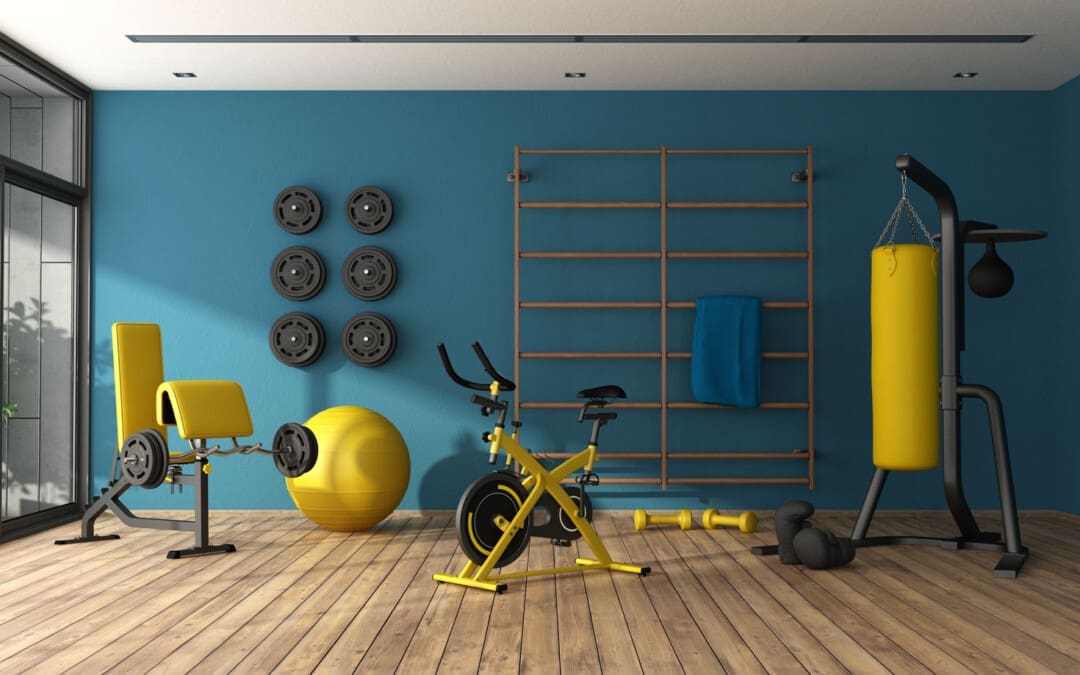
There are various machines, such as treadmills, ellipticals, stair climbers, stationary bikes, and rowing machines.
Weights and machines, free weights, cable machines, bands, and more.
Motivation
Paying for a membership can be a motivating factor to regularly working out.
There is a friendly, competitive vibe with the other members who can help motivate each other.
Focus
Exercising at the gym can help maintain focus on fitness goals.
No chores, kids, or distractions to break off from the workouts.
Classes
Working out in a class can increase motivation and make working out fun.
There are online classes for working out at home, but it’s not the same as going to the gym and being around people.
Other features like a swimming pool, hot tub, tennis courts, etc may be available.
Community
Working out with others can give a sense of community.
People draw energy from others, pushing us to work harder.
Cons of a Gym
Gym membership drawbacks.
Cost
Membership fees can cause stress.
Some high-end gyms charge more than $100 monthly, while smaller gyms may charge only $10.
Inconvenience
Going to the gym includes packing a bag, driving there, parking, and waiting for the machines, weights, etc.
Total time will be longer because of the drive time.
Too Many People
At times, the gym can be packed with people.
Sometimes, individuals talk too loudly on their phones, leave sweat on the machines, and do not put weights away.
These could be the days or nights to work out at the house.
At Home Workouts
Pros
Cost
Convenience
Mix workouts
Cons
Space
Excuses
Boredom
Pros at Home
For some, home workouts could be the better option, and the benefits include:
Cost
There’s no membership fee.
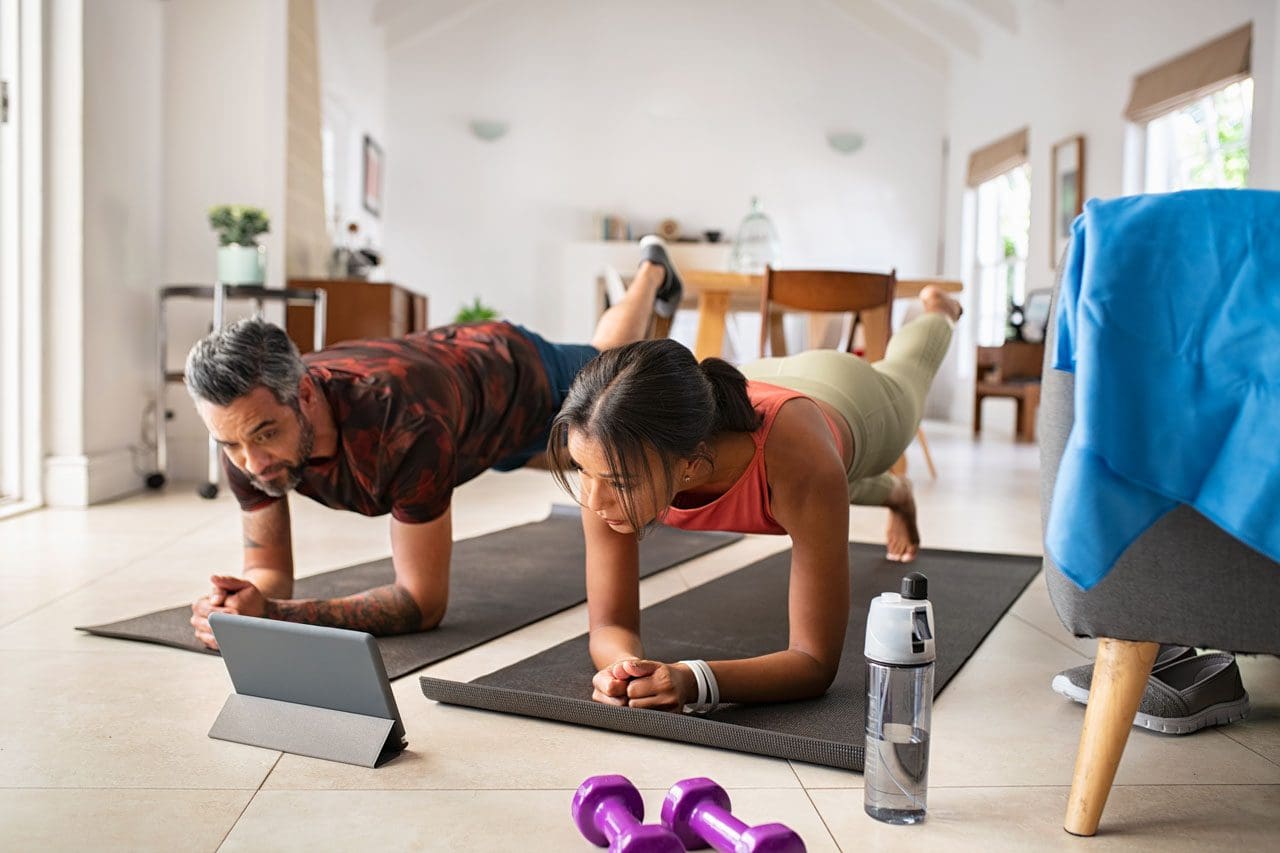
Individuals can do bodyweight workouts that require no equipment.
Develop a house gym with inexpensive resistance bands, a few weights, and an exercise ball.
Convenience
Individuals do not have to get their gym bag, drive, and arrange for child care.
Individuals can work out in pajamas or underwear.
Individuals can also work out whenever they like if they need to split their workouts or work out at a specific time.
Mix Workouts
Although gyms also mix things up, individuals can do it at home at their convenience.
Combining weights and cardio and finishing up with yoga.
Individuals can go outside, watch exercise videos, stream live classes, use fitness mirrors, play exercise games, or download workout apps.
There is also versatile home gym equipment.
Cons at Home
These can cause individuals to lose home workout motivation.
Space
Although not much space is needed to work out, wanting to use a treadmill or other large equipment might not be practical, which could lead to boredom.
Excuses
There can be endless excuses to skip a workout.
Individuals who are not self-motivated might avoid workouts with chores or other important home tasks.
Boredom
At a gym, there is energy potential that motivates individuals to move.
If there is not enough exercise variety at home, boredom can set in.
Injury Medical Chiropractic and Functional Medicine Clinic
Injury Medical Chiropractic and Functional Medicine Clinic treats patients’ injuries and chronic pain syndromes. We focus on improving ability through flexibility, mobility, and agility programs tailored to the individual. We use in-person and virtual health coaching and comprehensive care plans to ensure every patient’s personalized care and wellness outcomes. Our providers use an integrated approach to create customized care plans that include Functional Medicine, Acupuncture, Electro-Acupuncture, and Sports Medicine principles. Our goal is to relieve pain naturally by restoring health and function to the body. Suppose he feels the individual needs other treatment. In that case, they will be referred to a clinic or physician best suited for them. Dr. Jimenez has teamed up with the top surgeons, clinical specialists, medical researchers, and premier rehabilitation providers to provide our community with the best clinical treatments.
The Right Way To Implement an Exercise Prescription
References
Essery, R., Geraghty, A. W., Kirby, S., & Yardley, L. (2017). Predictors of adherence to home-based physical therapies: a systematic review. Disability and rehabilitation, 39(6), 519–534. https://doi.org/10.3109/09638288.2016.1153160
IFM's Find A Practitioner tool is the largest referral network in Functional Medicine, created to help patients locate Functional Medicine practitioners anywhere in the world. IFM Certified Practitioners are listed first in the search results, given their extensive education in Functional Medicine