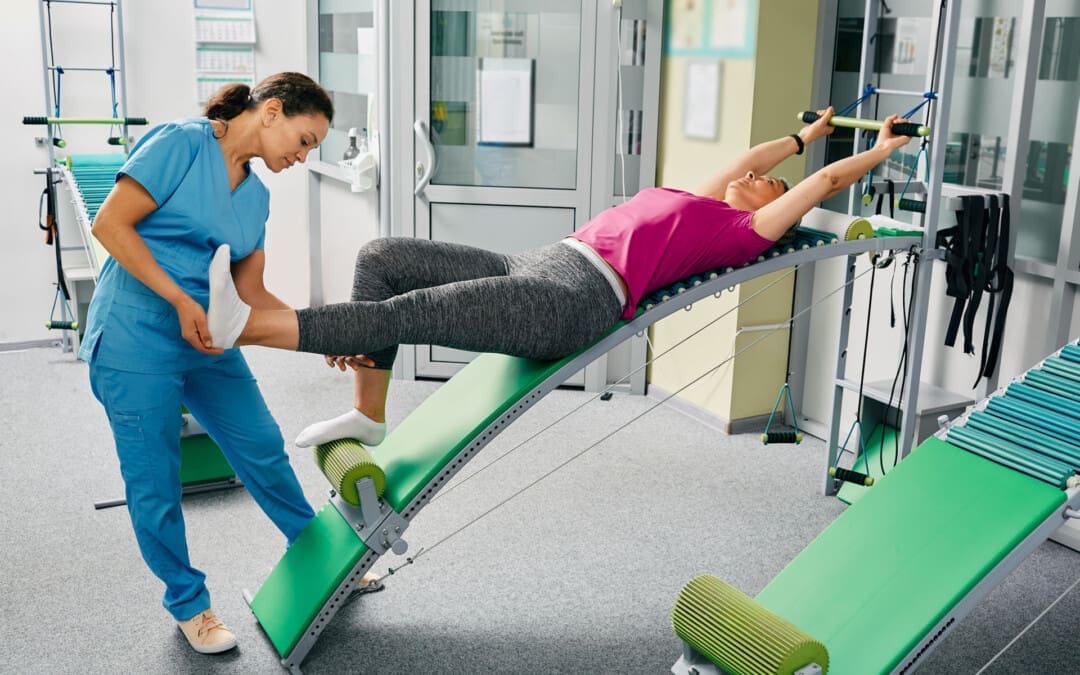
Discover the importance of a clinical approach to opioid use disorder in developing effective intervention strategies.
Overcoming Barriers in Managing Opioid Use Disorder: Strategies for Effective Care
Many people today have a serious health problem called opioid use disorder (OUD). It is part of a bigger group of problems called substance use disorders (SUD). Treating OUD can be hard because everyone has different problems, such as other health issues or pain. Plans should be made for each patient by doctors and other health care workers. They also have to keep up with the latest laws, ethics, and ways to keep patient information safe. The Health Insurance Portability and Accountability Act (HIPAA) of 1996 is an example of a general rule that applies to all patients. However, there are extra rules for people who are getting help with drug or alcohol problems.
This guide talks about how to deal with problems that come up when managing OUD. We talk about patient-centered care, how to talk to patients, stigma, team-based approaches, and the law. Health care providers can help patients get better faster by using these methods. Keywords like “managing opioid use disorder,” “overcoming stigma in OUD,” and “patient-centered care for SUD” bring out important points that make it easier to find and understand.
Learning Objectives
Explain treatment planning methods that use patient-focused choices and proven ways to talk.
Name the three kinds of stigma and how they affect people with mental health issues, SUD, and especially OUD.
Talk about legal, ethical, and privacy concerns in caring for people with OUD.
Effective Treatment Planning with Patient-Centered Decisions
People with complex issues, like mental health problems, SUD, and pain, need special care. Each person shows up differently, so health systems are now focusing on care that puts the patient first.
Patient-centered care means building teams with doctors, patients, and families. They work together to plan, give, and check health care. This way ensures the patient’s needs are met, and their wishes, likes, and family situations are respected. It focuses on shared choices about treatments while seeing the patient as a whole person in their daily life (Dwamena et al., 2012; Bokhour et al., 2018).
Studies show key steps for a good patient-centered plan:
Take a full patient history and a check-up, reviewing old and new treatments.
Find all available drug and non-drug options.
Check the patient’s current health, recent changes, and patterns.
Look at risks for misusing or abusing opioids.
If starting opioids or if the patient is already on them, think about opioid stewardship. This means checking harms, benefits, risks, side effects, pain control, daily function, drug tests, stop plans, and ways to spot OUD. These programs, sometimes called analgesia stewardship, help manage opioids safely (Harle et al., 2019; Coffin et al., 2022). Guides exist to set them up (American Hospital Association, n.d.; Shrestha et al., 2023).
Integrative chiropractic care can play a big role here. It uses spinal adjustments and targeted exercises to get proper spinal alignment. This helps reduce pain without relying only on drugs, making it a good fit for OUD patients with pain. For example, adjustments fix spine issues that cause pain, and exercises strengthen muscles to keep alignment right.
A Nurse Practitioner (NP) adds full management and ergonomic advice. They look at work setups to prevent pain, such as how to sit or lift. NPs coordinate care by reviewing options such as therapy, meds, and lifestyle changes, ensuring everything works together.
Dr. Alexander Jimenez, DC, APRN, FNP-BC, with over 30 years in chiropractic and as a family nurse practitioner, observes that blending these methods cuts opioid use. At his El Paso clinic, he uses functional medicine to address root causes through nutrition and non-invasive treatments. He notes that poor posture from modern life worsens pain, leading to OUD risks. His teams help patients with self-massage and VR for recovery, reducing drug needs (Jimenez, n.d.a; Jimenez, n.d.b).
Evidence-Based Ways to Communicate
Good talking skills are key to building a patient-centered plan (Schaefer & Block, 2009). There are proven methods for starting conversations and getting patients involved.
One method is BATHE:
Background: Ask, “How have things been since your last visit?”
Affect: Ask, “How does this make you feel?”
Trouble: Ask, “What bothers you most?”
Handling: Ask, “How are you coping?”
Empathy: Say, “That sounds hard.”
This uses open questions to let patients lead and feel supported (Stuart & Lieberman, 2018; Thomas et al., 2019).
Another is GREAT:
Greetings/Goals: Start with hello and set aims.
Rapport: Build trust.
Evaluation/Expectation/Examination/Explanation: Check and explain.
Ask/Answer/Acknowledge: Listen and respond.
Tacit agreement/Thanks: Agree and thank.
This guide talks well (Brindley et al., 2014).
Motivational interviewing is also useful. It’s a team-style talk to boost a patient’s desire to change. Build a bond, focus on the issue, spark a desire for change, and plan steps (Frost et al., 2018).
These methods emphasize listening, clear communication, and a structured approach to planning. For OUD patients with pain or mental issues, mix techniques for the best results.
Dr. Jimenez shares that in his practice, these talks help patients see non-drug options, such as chiropractic adjustments. He finds that empathy reduces stigma and fear, encouraging openness about OUD (Jimenez, n.d.a).
Understanding Stigma in Mental Health and Substance Use Disorders
Stigma blocks good talk for many with mental health or SUD. It’s attitudes, beliefs, actions, and systems that lead to unfair views and bad treatment (Cheetham et al., 2022).
Studies show stigmas like linking mental illness to violence (Perry, 2011). Media on shootings with mentally ill people strengthens this (McGinty et al., 2014; McGinty et al., 2016; Schomerus et al., 2022). For SUD, people think they’re more dangerous than those with schizophrenia or depression (Schomerus et al., 2011). Society blames people with SUDs more and avoids them (McGinty et al., 2015; Corrigan et al., 2012).
Views come from knowledge, contact with affected people, and the media. Public ideas are tied to norms on causes, blame, and danger. Race, ethnicity, and culture shape attitudes too (Giacco et al., 2014).
Health workers have biases. A survey of VA mental health providers showed awareness of race issues but avoidance of talks, using codes like “urban,” and thinking training stops racism (McMaster et al., 2021).
There are three stigma types:
Structural Stigma: The ways Society and institutions keep prejudice. In health, it’s worse care, less access to behavioral health. Less funding for mental vs. physical issues (National Academies of Sciences, Engineering, and Medicine, 2016).
Public Stigma: General or group attitudes, like police or church norms. Laws reinforce it, like broad mental illness rules implying all are unfit (Corrigan & Shapiro, 2010).
Self-Stigma: When people internalize stigmas, it leads to low self-worth and shame. “Why try” affects independent living (Corrigan et al., 2009; Clement et al., 2015).
Dr. Jimenez observes that stigma makes OUD patients hide symptoms, delaying care. In his integrative work, he addresses this through education on holistic options, showing that recovery is possible without judgment (Jimenez, n.d.b).
Overcoming Stigma and Addressing Social Factors
To fight stigma, use education, behavior changes, and better care. Laws like the ADA and MHPAEA help ensure equal coverage and prevent discrimination (U.S. Congress, 2009; U.S. Congress, 2008; U.S. Department of Health and Human Services, n.d.; Busch & Barry, 2008; Haffajee et al., 2019).
These address social determinants of health (SDOH), such as coverage, access, quality, education, and stability (Centers for Disease Control and Prevention, n.d.).
Community programs help too:
West Virginia’s Jobs and Hope: Training, jobs, education, transport, skills, record clearing for SUD people (Jobs and Hope, n.d.).
Belden’s Pathway: Rehab for failed drug tests, leading to jobs (Belden, n.d.).
Education boosts provider confidence in OUD meds, reducing barriers (Adzrago et al., 2022; Hooker et al., 2023; Campbell et al., 2021).
Overcoming stigma is key to success in mental health and SUD.
Interprofessional Team Work
Teams improve outcomes for patients with chronic pain and mental health or SUD (Joypaul et al., 2019; Gauthier et al., 2019).
Teams include doctors, nurses, NPs, pharmacists, PAs, social workers, PTs, therapists, SUD experts, and case managers.
Each helps uniquely:
Pharmacists watch meds, spot interactions.
Case managers link specialists, find resources, and support families (Sortedahl et al., 2018).
Teams set goals, max non-opioid treatments (Liossi et al., 2019).
Integrative chiropractic care includes adjustments and exercises for alignment, easing pain naturally.
NPs give full care, ergonomic tips to avoid pain triggers, and coordinate options.
Dr. Jimenez’s clinic shows this. As a DC and FNP-BC, he leads teams with therapists, nutritionists, and coaches. He observes interprofessional work cuts opioid use by addressing the roots with functional medicine, VR, and nutrition. For OUD, he blends chiropractic care for pain, NP coordination for plans, and stigma-fighting through team support (Jimenez, n.d.a; Jimenez, n.d.b).
The Power of Chiropractic Care in Injury Rehabilitation-Video
Legal and Ethical Issues in SUD Care
Providers must know laws and ethics for mental/SUD patients, like discrimination, aid, and privacy (Center for Substance Abuse Treatment, 2000).
Key Federal laws:
Americans with Disabilities Act (ADA) of 1990.
Rehabilitation Act of 1973.
Workforce Investment Act of 1998.
Drug-Free Workplace Act of 1988.
ADA and Rehabilitation ban discrimination in government and in business services like hotels, shops, and hospitals. Protect those with impairments limiting life activities (U.S. Department of Health and Human Services, n.d.).
Provisions:
Protect “qualified” people who meet the requirements.
Reasonable accommodations for jobs.
No hire/retain if there is a direct threat.
No denial of benefits, access, or jobs in funded places.
For SUD: Alcohol users are protected if qualified, no threat. Ex-drug users in rehab are the same. Current illegal drug users are protected for health/rehab, not others. Programs can deny if used during.
Workforce Act centralizes job programs; no refusal to SUD people (U.S. Congress, 1998).
Drug-Free Act requires drug-free policies for federal funds/contracts: statements, awareness, actions on violations (U.S. Code, n.d.).
States have their own laws; check the local laws.
Public Aid laws:
Contract with America Act (1996): No SSI/DI if SUD key factor (U.S. Congress, 1996).
Personal Responsibility Act (1996): Work after 2 years of aid, drug screens (U.S. Department of Health and Human Services, 1996).
These push work, sobriety.
Dr. Jimenez notes that legal awareness helps his practice by ensuring holistic plans comply and by reducing OUD risks through a non-drug focus (Jimenez, n.d.a).
Keeping Patient Info Private
Privacy is vital. Laws include:
HIPAA (1996): Protects PHI, sets use/disclosure rules (U.S. Department of Health and Human Services, n.d.).
42 CFR Part 2: Extra for SUD records. No disclosure of name or status without consent. Fines for breaks. Applies to federal-aided programs (Substance Abuse and Mental Health Services Administration, n.d.).
Consent needs: program name, receiver, patient name, purpose, info type, revoke note, expire date, signature, and date.
This fights discrimination fears, encouraging treatment (Center for Substance Abuse Treatment, 2000).
Wrapping Up
As we navigate the ongoing challenges of opioid use disorder (OUD), it’s clear that effective management requires a multifaceted approach that prioritizes patient well-being over quick fixes. From embracing patient-
It is clear that treating opioid use disorder (OUD) well requires a multi-faceted approach that puts the patient’s health and safety above quick fixes. Healthcare professionals play a pivotal role in transforming lives by implementing patient-centered decision-making and evidence-based communication, and by eradicating the three types of stigma—structural, public, and self—that hinder recovery. Interprofessional teams help people get the full treatment they need, and privacy laws like HIPAA and 42 CFR Part 2 make sure that people with disabilities can get help without being discriminated against.
Chiropractic therapy focuses on spinal adjustments and specific exercises to support proper alignment. It is a non-invasive way to ease pain and reduce dependence on opioids. Nurse Practitioners (NPs) make this better by providing comprehensive care, offering ergonomic advice to prevent injuries, and coordinating multiple treatment options, such as lifestyle changes and therapy. Dr. Alexander Jimenez, DC, APRN, FNP-BC, emphasizes in his clinical practice that these integrative approaches not only address physical symptoms but also empower patients through education and tailored strategies, leading to enduring recovery and diminished opioid consumption (Jimenez, n.d.a; Jimenez, n.d.b).
As we look ahead, new advancements in OUD therapy by 2025 show a trend toward making it easier to get and more tailored to each person. For instance:
Drugs like methadone, buprenorphine, and naltrexone that the FDA has approved are still the best way to treat OUD. They help with cravings and withdrawal symptoms and help people stay stable over time.
Precision medicine goes beyond one-size-fits-all methods by tailoring treatments to each person’s social, psychological, and genetic factors. This should lead to better results.
The World Health Organization’s 2025 updates put more emphasis on psychosocial support, with a focus on preventing overdoses in the community and making it easier for people to get care.
Declining Trends: The first yearly drop in opioid-related deaths since 2018 happened in 2023. This is a good sign because it shows that ongoing work in treatment, education, and lawmaking is having an effect.
We might be able to make OUD a treatable illness instead of a life sentence by combining these new ideas with collaborative care and reducing stigma. Policymakers, communities, and healthcare professionals must continue to advocate for equitable access to ensure that all individuals receive the evidence-based treatment they need. Overcoming problems in OUD management is about more than just getting better; it’s also about getting your dignity, hope, and a good quality of life back.
References
Adzrago, D., Paola, A. D., Zhu, J., et al. (2022). Association between prescribers’ perceptions of the utilization of medication for opioid use disorder and opioid dependence treatability. Healthcare, 10(9), 1733. https://doi.org/10.3390/healthcare10091733
Bokhour, B. G., Fix, G. M., et al. (2018). How can healthcare organizations implement patient-centered care? Examining a large-scale cultural transformation. BMC Health Services Research, 18(1), 168. https://doi.org/10.1186/s12913-018-2993-5
Brindley, P. G., Smith, K. E., Cardinal, P., & LeBlanc, F. (2014). Improving medical communication with patients and families: Skills for a complex (and multilingual) clinical world. Canadian Respiratory Journal, 21(2), 89-91. https://doi.org/10.1155/2014/789456
Campbell, C. I., Saxon, A. J., Boudreau, D. M., et al. (2021). Primary Care Opioid Use Disorders treatment (PROUD) trial protocol: A pragmatic, cluster-randomized implementation trial in primary care for opioid use disorder treatment. Addiction Science & Clinical Practice, 16(1), 9. https://doi.org/10.1186/s13722-021-00221-1
Center for Substance Abuse Treatment. (2000). Integrating Substance Abuse Treatment and Vocational Services. (Treatment Improvement Protocol (TIP) Series, No. 38.) Chapter 7—Legal Issues. https://www.ncbi.nlm.nih.gov/books/NBK64294/
Center for Substance Abuse Treatment. (2000). Substance Abuse Treatment for Persons with Child Abuse and Neglect Issues. (Treatment Improvement Protocol (TIP) Series, No. 36.) Appendix B –Protecting Clients’ Privacy. https://www.ncbi.nlm.nih.gov/books/NBK64900/
Cheetham, A., Picco, L., Barnett, A., et al. (2022). The impact of stigma on people with opioid use disorder, opioid treatment, and policy. Substance Abuse and Rehabilitation, 13, 1-12. https://doi.org/10.2147/SAR.S304256
Clement, S., Schauman, O., Graham, T., et al. (2015). What is the impact of mental health-related stigma on help-seeking? A systematic review of quantitative and qualitative studies. Psychological Medicine, 45(1), 11-27. https://doi.org/10.1017/S0033291714000129
Coffin, P. O., Martinez, R. S., Wylie, B., et al. (2022). Primary care management of long-term opioid therapy. Annals of Medicine, 54(1), 2451-2469. https://doi.org/10.1080/07853890.2022.2118597
Corrigan, P. W., Larson, J. E., & Rüsch, N. (2009). Self-stigma and the “why try” effect: Impact on life goals and evidence-based practices. World Psychiatry, 8(2), 75-81. https://doi.org/10.1002/j.2051-5545.2009.tb00218.x
Corrigan, P. W., Morris, S. B., Michaels, P. J., Rafacz, J. D., & Rüsch, N. (2012). Challenging the public stigma of mental illness: A meta-analysis of outcome studies. Psychiatric Services, 63(10), 963-973. https://doi.org/10.1176/appi.ps.201100529
Corrigan, P. W., & Shapiro, J. R. (2010). Measuring the impact of programs that challenge the public stigma of mental illness. Clinical Psychology Review, 30(8), 907-922. https://doi.org/10.1016/j.cpr.2010.06.004
Dwamena, F., Holmes-Rovner, M., Gaulden, C., et al. (2012). Interventions for providers to promote a patient-centred approach in clinical consultations. Cochrane Database of Systematic Reviews, 2012(12), CD003267. https://doi.org/10.1002/14651858.CD003267.pub2
Frost, H., Campbell, P., Maxwell, M., et al. (2018). Effectiveness of Motivational Interviewing on adult behavior change in health and social care settings: A systematic review of reviews. PLoS One, 13(10), e0204890. https://doi.org/10.1371/journal.pone.0204890
Gauthier, K., Dulong, C., & Argáez, C. (2019). Multidisciplinary treatment programs for patients with chronic non-malignant pain: A review of clinical effectiveness, cost-effectiveness, and guidelines – an update. Canadian Agency for Drugs and Technologies in Health. https://www.ncbi.nlm.nih.gov/books/NBK545496/
Giacco, D., Matanov, A., & Priebe, S. (2014). Providing mental healthcare to immigrants: Current challenges and new strategies. Current Opinion in Psychiatry, 27(4), 282-288. https://doi.org/10.1097/YCO.0000000000000070
Haffajee, R. L., Mello, M. M., Zhang, F., et al. (2019). Association of federal mental health parity legislation with health care use and spending among high utilizers of services. Medical Care, 57(4), 245-255. https://doi.org/10.1097/MLR.0000000000001076
Harle, C. A., DiIulio, J., Downs, S. M., et al. (2019). Decision-Centered design of patient information visualizations to support chronic pain care. Applied Clinical Informatics, 10(4), 719-728. https://doi.org/10.1055/s-0039-1696668
Hooker, S. A., Crain, A. L., LaFrance, A. B., et al. (2023). A randomized controlled trial of an intervention to reduce stigma toward people with opioid use disorder among primary care clinicians. Addiction Science & Clinical Practice, 18(1), 10. https://doi.org/10.1186/s13722-023-00366-1
Joypaul, S., Kelly, F., McMillan, S. S., et al. (2019). Multi-disciplinary interventions for chronic pain involving education: A systematic review. PLoS One, 14(10), e0223306. https://doi.org/10.1371/journal.pone.0223306
Liossi, C., Johnstone, L., Lilley, S., et al. (2019). Effectiveness of interdisciplinary interventions in paediatric chronic pain management: A systematic review and subset meta-analysis. British Journal of Anaesthesia, 123(2), e359-e371. https://doi.org/10.1016/j.bja.2019.01.024
McGinty, E. E., Goldman, H. H., Pescosolido, B., et al. (2015). Portraying mental illness and drug addiction as treatable health conditions: Effects of a randomized experiment on stigma and discrimination. Social Science & Medicine, 126, 73-85. https://doi.org/10.1016/j.socscimed.2014.12.010
McGinty, E. E., Kennedy-Hendricks, A., Choksy, S., et al. (2016). Trends in news media coverage of mental illness in the United States: 1995-2014. Health Affairs, 35(6), 1121-1129. https://doi.org/10.1377/hlthaff.2016.0011
McGinty, E. E., Webster, D. W., Jarlenski, M., et al. (2014). News media framing of serious mental illness and gun violence in the United States, 1997-2012. American Journal of Public Health, 104(3), 406-413. https://doi.org/10.2105/AJPH.2013.301557
McMaster, K. J., Peeples, A. D., Schaffner, R. M., et al. (2021). Mental healthcare provider perceptions of race and racial disparity in the care of Black and White clients. Journal of Behavioral Health Services & Research, 48(4), 501-516. https://doi.org/10.1007/s11414-021-00753-3
National Academies of Sciences, Engineering, and Medicine. (2016). Ending discrimination against people with mental and substance use disorders: The evidence for stigma change. National Academies Press. https://www.ncbi.nlm.nih.gov/books/NBK384923/
Perry, B. L. (2011). The labeling paradox: Stigma, the sick role, and social networks in mental illness. Journal of Health and Social Behavior, 52(4), 460-477. https://doi.org/10.1177/0022146511408913
Schaefer, K. G., & Block, S. D. (2009). Physician communication with families in the ICU: Evidence-based strategies for improvement. Current Opinion in Critical Care, 15(6), 569-577. https://doi.org/10.1097/ACQ.0b013e328332af31
Schomerus, G., Lucht, M., Holzinger, A., et al. (2011). The stigma of alcohol dependence compared with other mental disorders: A review of population studies. Alcohol and Alcoholism, 46(2), 105-112. https://doi.org/10.1093/alcalc/agq089
Schomerus, G., Schindler, S., Sander, C., et al. (2022). Changes in mental illness stigma over 30 years – Improvement, persistence, or deterioration? European Psychiatry, 65(1), e78. https://doi.org/10.1192/j.eurpsy.2022.2334
Shrestha, S., Khatiwada, A. P., Sapkota, B., et al. (2023). What is “Opioid Stewardship”? An overview of current definitions and a proposal for a universally acceptable definition. Journal of Pain Research, 16, 383-394. https://doi.org/10.2147/JPR.S389785
Sortedahl, C., Krsnak, J., Crook, M. M., et al. (2018). Case managers on the front lines of opioid epidemic response: Advocacy, education, and empowerment for users of medical and nonmedical opioids. Professional Case Management, 23(5), 256-263. https://doi.org/10.1097/NCM.0000000000000294
Thomas, C., Cramer, H., Jackson, S., et al. (2019). Acceptability of the BATHE technique amongst GPs and frequently attending patients in primary care: A nested qualitative study. BMC Family Practice, 20(1), 121. https://doi.org/10.1186/s12875-019-1011-1
Discover how a clinical approach to opioid therapy can transform pain management strategies for patients in a healthcare setting.
Key Points on Safe Pain Management with Opioids
Pain Affects Many People: Research suggests that about 100 million adults in the U.S. deal with pain, and this number might grow due to aging, more health issues like diabetes, and better survival from injuries. It’s important to address pain early to prevent it from becoming long-term (Institute of Medicine, 2011).
Non-Opioid Options First: Evidence leans toward starting with treatments like exercise, therapy, or over-the-counter meds before opioids, as they can be just as effective for common pains like backaches or headaches, with fewer risks (National Academies of Sciences, Engineering, and Medicine, 2019).
Team-Based Care Works Best: Studies show teams of doctors, nurses, and therapists can improve pain relief and daily life, though results vary. This approach seems likely to help more than solo care, especially for ongoing pain (Gauthier et al., 2019).
Opioids When Needed, But Carefully: Guidelines recommend low doses, short times, and regular check-ins to balance relief with risks like addiction. It’s complex, so talk openly with your doctor (Centers for Disease Control and Prevention, 2022).
Alternatives Like Chiropractic and NP Support: Integrative methods, such as chiropractic adjustments for spine alignment and ergonomic tips from nurse practitioners, can reduce reliance on meds. Clinical observations from experts like Dr. Alexander Jimenez highlight non-invasive approaches to managing pain effectively.
Understanding Pain Types
Pain can be short-term (acute), medium-term (subacute), or long-lasting (chronic). Acute pain often lasts less than three months and comes from injuries. If not treated well, it might turn chronic, affecting daily activities. Always respect someone’s pain experience—it’s personal and influenced by life factors (Raja et al., 2020).
Assessing Pain Simply
Doctors use tools like questions about when pain started, what makes it worse, and how it feels. Scales help rate it, from numbers (0-10) to faces showing discomfort. For kids or elders, special tools watch for signs like faster heartbeats (Wong-Baker FACES Foundation, 2022).
Treatment Basics
Start with non-drug options like rest, ice, or physical therapy. For chronic pain, meds like acetaminophen or therapies like yoga help. Opioids are for severe cases but come with risks—use them wisely (Agency for Healthcare Research and Quality, n.d.).
Role of Experts
According to clinical observations by Dr. Alexander Jimenez, DC, APRN, FNP-BC, who runs a multidisciplinary practice in El Paso, Texas (https://dralexjimenez.com/), combining chiropractic care with exercises targets root causes, such as misaligned spines, reducing opioid needs. As a nurse practitioner, he coordinates care and offers ergonomic advice to prevent pain from daily habits (LinkedIn Profile).
Comprehensive Guide to Safe and Effective Pain Management Using Opioid Therapy
Millions of people struggle with pain, which affects everything from hobbies to employment. Finding safe strategies to deal with pain is crucial, whether it’s a recent injury or persistent discomfort. This comprehensive handbook examines how to measure pain, available treatments, and responsible opioid use recommendations. We’ll discuss team-based treatment, non-opioid alternatives, and perspectives from professionals like Dr. Alexander Jimenez, who prioritizes holistic approaches. To help you locate trustworthy information online, keywords like “pain management strategies,” “opioid therapy guidelines,” and “non-opioid pain relief” are interwoven.
Introduction to Pain in America
The Institute of Medicine estimates that around 100 million American adults face acute or chronic pain daily. This number is expected to climb due to an aging population, rising rates of conditions like diabetes, heart disease, arthritis, and cancer, plus better survival from serious injuries and more surgeries that can lead to post-op pain (Institute of Medicine, 2011).
As people learn more about pain relief options and gain better access through laws like the Affordable Care Act (ACA), more folks—especially older ones—seek help. Passed in 2010, the ACA requires insurers to cover essential pain management benefits, including prescription drugs, chronic disease care, mental health support, and emergency services (111th Congress, 2009-2010). To use these effectively, healthcare providers need a solid grasp of pain assessment, classification, and treatment.
What Is Pain?
The International Association for the Study of Pain defines it as an unpleasant feeling associated with real or potential tissue damage. It’s subjective, shaped by biology, emotions, and social life. People learn about pain through experiences—some seek help right away, others try home remedies first. Respect their stories (Raja et al., 2020).
Pain falls into three main types, though definitions overlap:
Acute Pain: Lasts less than 3 months, or 1 day to 12 weeks; often limits daily activities for a month or less.
Subacute Pain: Sometimes seen as part of acute, or separate; lasts 1-3 months, or 6-12 weeks.
Chronic Pain: Persists over 3 months, or limits activities for more than 12 weeks (Banerjee & Argáez, 2019).
Poorly managed short-term pain can become chronic, so early action is important (Marin et al., 2017).
Assessing Pain Thoroughly
Pain is complex, influenced by body, mind, and environment. A full check includes history, physical exam, pain details, other health issues, and mental states like anxiety.
Basic pain evaluation covers:
When it started (date/time).
What caused it (injury?).
How does it feel (sharp, dull?)?
How bad it is.
Where is it?
How long does it last?
What worsens it (moving?).
What helps it?
Related signs (swelling?).
Impact on daily life.
Mnemonics help remember these. Here’s a table comparing common ones:
Pain scales provide information but aren’t diagnoses because they’re subjective. Single-dimensional ones focus on intensity:
Verbal: Mild, moderate, severe.
Numeric: 0 (none) to 10 (worst).
Visual: Like Wong-Baker FACES®, using faces for kids, adults, or those with barriers (Wong-Baker FACES Foundation, 2022). An emoji version works for surgery patients (Li et al., 2023).
Multi-dimensional scales check intensity plus life impact. The McGill Pain Questionnaire uses words like “dull” to rate sensory, emotional, and overall effects; shorter versions exist (Melzack, 1975; Main, 2016). For nerve pain, PainDETECT helps (König et al., 2021). Brief Pain Inventory scores severity and interference with mood/life (Poquet & Lin, 2016).
For babies, watch heart rate, oxygen, and breathing. Tools like CRIES rate crying, oxygen need, vitals, expression, sleep (Castagno et al., 2022). FLACC for ages 2 months-7 years checks face, legs, activity, cry, consolability (Crellin et al., 2015). Older kids use Varni-Thompson or draw pain maps (Sawyer et al., 2004; Jacob et al., 2014).
Elders face barriers like hearing loss or dementia. PAINAD assesses breathing, sounds, face, body, and consolability on a 0-10 scale (Malara et al., 2016).
The Joint Commission sets standards across various settings, which affect tool choice (The Joint Commission, n.d.).
Building Treatment Plans
Plans depend on pain type, cause, severity, and patient traits. For acute: meds, distraction, psych therapies, rest, heat/ice, massage, activity, meditation, stimulation, blocks, injections (National Academies of Sciences, Engineering, and Medicine, 2019).
Re-check ongoing acute pain to avoid chronic shift. Goals: control pain, prevent long-term opioids. Barriers: access to docs/pharmacies, costs, follow-ups.
For chronic: meds, anesthesia, surgery, psych, rehab, CAM. Non-opioids include:
Oral Meds:
Acetaminophen.
NSAIDs (celecoxib, etc.).
Antidepressants (SNRIs like duloxetine; TCAs like amitriptyline).
Anticonvulsants (gabapentin, etc.).
Muscle relaxers (cyclobenzaprine).
Memantine.
Topical: Diclofenac, capsaicin, lidocaine.
Cannabis: Medical (inhaled/oral/topical); phytocannabinoids (THC/CBD); synthetics (dronabinol) (Agency for Healthcare Research and Quality, n.d.).
Opioid use has risen, raising concerns (National Academies of Sciences, Engineering, and Medicine, 2019).
Key plan elements:
Quick recognition/treatment.
Address barriers.
Involve patients/families.
Reassess/adjust.
Coordinate transitions.
Monitor processes/outcomes.
Assess outpatient failure risk.
Check opioid misuse (Wells et al., 2008; Society of Hospital Medicine, n.d.).
Team Approach to Pain
Studies support the use of interprofessional teams for better results (Gauthier et al., 2019). Teams include docs, nurses, NPs, pharmacists, PAs, social workers, PTs, behavioral therapists, and abuse experts.
A 2017 report showed that teams improved pain/function from baseline, though not always compared with controls (Banerjee & Argáez, 2017). A meta-analysis found that teams were better at reducing pain after 1 month and sustained benefits at 12 months (Liossi et al., 2019).
Integrative chiropractic care fits here. It involves spinal adjustments—gentle manipulations to correct misalignments—and targeted exercises, such as core strengthening, to maintain alignment and reduce pressure on nerves/muscles. Dr. Alexander Jimenez observes that this helps sciatica/back pain without opioids, using tools like decompression (dralexjimenez.com).
Nurse Practitioners (NPs) provide comprehensive management, including ergonomic advice (e.g., better sitting postures) to prevent strain. They coordinate by reviewing options, referring to specialists, and overseeing plans, as seen in Dr. Jimenez’s practice, where his FNP-BC role includes telemedicine for holistic care (LinkedIn, n.d.).
Beyond Adjustments: Chiropractic and Integrative Healthcare- Video
Managing Opioids Safely
CDC’s 2022 guidelines cover starting opioids, dosing, duration, and risks (Centers for Disease Control and Prevention, 2022).
1. Starting Opioids:
Maximize non-opioids first—they match opioids for many acute pains (back, neck, etc.). Discuss benefits/risks (Recommendation 1, Category B, Type 3).
Review labels, use the lowest dose/shortest time. Set goals, exit strategy. For ongoing, optimize non-opioids (Recommendation 2, A, 2).
2. Choosing/Dosing Opioids:
Immediate-release (hydromorphone, etc.) over ER/LA (methadone, etc.). Studies show no edge for ER/LA; avoid for acute/intermittent (Recommendation 3, A, 4).
No rigid thresholds—guideposts. Risks rise with dose; avoid high if benefits dim (Recommendation 4, A, 3).
Taper slowly to avoid withdrawal (anxiety, etc.). Collaborate on plans; use Teams. If there is disagreement, empathize and avoid abandonment (Recommendation 5, B, 4).
3. Duration/Follow-Up:
For acute, prescribe just enough—often 3 days or less. Evaluate every 2 weeks. Taper if used for days. Avoid unintended long-term (Recommendation 6, A, 4).
Follow-up 1-4 weeks after start/escalation; closer for high-risk (Recommendation 7, A, 4).
4. Risks/Harms:
Screen for SUD/OUD. Offer naloxone for overdose risk (Recommendation 8, A, 4).
Check PDMPs for scripts/combos (Recommendation 9, B, 4).
Toxicology tests are performed annually to assess interactions (Recommendation 10, B, 4).
Caution with benzodiazepines (Recommendation 11, B, 3).
For OUD, use DSM-5 (2+ criteria/year); offer meds like buprenorphine (Recommendation 12, A, 1) (Hasin et al., 2013; American Psychiatric Association, 2013).
OUD signs: Larger amounts, failed cuts, time spent, cravings, role failures, social issues, activity loss, hazardous use, continued despite problems, tolerance, withdrawal.
Treatment: Meds, counseling, groups. Coordinate with specialists.
Conclusion
Finally, relying only on opioids is not necessary for efficient pain management. We can improve the lives of millions of people by giving priority to non-opioid alternatives like acetaminophen, physical therapy, or mindfulness and by taking opioids only when necessary under strict supervision. Teams of professionals, such as physicians, nurses, pharmacists, and specialists like chiropractors, collaborate to develop individualized strategies that lower dangers like addiction. By emphasizing spinal adjustments and targeted exercises, integrative chiropractic therapy may help restore normal alignment and reduce pain naturally, often eliminating the need for medication. Complete management, ergonomic guidance to prevent problems, and treatment coordination for optimal outcomes are all ways nurse practitioners provide value.
According to experts like Dr. Alexander Jimenez, these approaches target underlying issues using non-invasive treatments and functional medicine, promoting long-term well-being. Future developments in pain management seem promising, including FDA-approved non-opioid medications and distraction technologies such as virtual reality. In the end, everyone is empowered to address pain head-on, enhancing everyday activities and general health, when patients are included in decision-making and kept informed. Early evaluation and balanced treatment are crucial; discuss your options with your healthcare professional to determine what is best for you.
Banerjee, S., & Argáez, C. (2017). Multidisciplinary treatment programs for patients with chronic non-malignant pain: A review of clinical effectiveness, cost-effectiveness, and guidelines. Canadian Agency for Drugs and Technologies in Health. https://www.ncbi.nlm.nih.gov/books/NBK545496/
Banerjee, S., & Argáez, C. (2019). Multidisciplinary treatment programs for patients with acute or subacute pain: A review of clinical effectiveness, cost-effectiveness, and guidelines. Canadian Agency for Drugs and Technologies in Health. https://www.ncbi.nlm.nih.gov/books/NBK546002/
Castagno, E., Fabiano, G., Carmellino, V., et al. (2022). Neonatal pain assessment scales: Review of the literature. Prof Inferm, 75(1), 17-28. https://pubmed.ncbi.nlm.nih.gov/35837859/
Centers for Disease Control and Prevention. (2022). CDC clinical practice guideline for prescribing opioids for pain — United States, 2022. MMWR Recommendations and Reports, 71(3), 1-95. https://www.cdc.gov/mmwr/volumes/71/rr/rr7103a1.htm
Crellin, D. J., Harrison, D., Santamaria, N., et al. (2015). Systematic review of the Face, Legs, Activity, Cry, and Consolability scale for assessing pain in infants and children: Is it reliable, valid, and feasible for use? Pain, 156(11), 2132-2151. https://pubmed.ncbi.nlm.nih.gov/26218755/
Gauthier, K., Dulong, C., & Argáez, C. (2019). Multidisciplinary treatment programs for patients with chronic non-malignant pain: A review of clinical effectiveness, cost-effectiveness, and guidelines – an update. Canadian Agency for Drugs and Technologies in Health. https://www.ncbi.nlm.nih.gov/books/NBK545496/
Hasin, D. S., O’Brien, C. P., Auriacombe, M., et al. (2013). DSM-5 criteria for substance use disorders: Recommendations and rationale. American Journal of Psychiatry, 170(8), 834-851. https://pubmed.ncbi.nlm.nih.gov/23903334/
Jacob, E., Luck, A. K., Savedra, M., et al. (2014). Adolescent pediatric pain tool for multidimensional pain measurement in children and adolescents. Pain Management Nursing, 15(3), 694-706. https://pubmed.ncbi.nlm.nih.gov/24360399/
König, S. L., Prusak, M., Pramhas, S., et al. (2021). Correlation between the neuropathic PainDETECT screening questionnaire and pain intensity in chronic pain patients. Medicina (Kaunas), 57(4), 353. https://pubmed.ncbi.nlm.nih.gov/33918596/
Li, L., Wu, S., Wang, J., et al. (2023). Development of the Emoji Faces Pain Scale and its validation on mobile devices in adult surgical patients: a longitudinal observational study. Journal of Medical Internet Research, 25, e41189. https://pubmed.ncbi.nlm.nih.gov/37052994/
Liossi, C., Johnstone, L., Lilley, S., et al. (2019). Effectiveness of interdisciplinary interventions in paediatric chronic pain management: A systematic review and subset meta-analysis. British Journal of Anaesthesia, 123(2), e359-e371. https://pubmed.ncbi.nlm.nih.gov/30954242/
Main, C. J. (2016). Pain assessment in context: A state of the science review of the McGill pain questionnaire 40 years on. Pain, 157(7), 1387-1399. https://pubmed.ncbi.nlm.nih.gov/26901072/
Malara, A., De Biase, G. A., Bettarini, F., et al. (2016). Pain assessment in the elderly with behavioral and psychological symptoms of dementia. Journal of Alzheimer’s Disease, 50(4), 1217-225. https://pubmed.ncbi.nlm.nih.gov/26836181/
Marin, T. J., Van Eerd, D., Irvin, E., et al. (2017). Multidisciplinary biopsychosocial rehabilitation for subacute low back pain. Cochrane Database of Systematic Reviews, 6(6), CD002193. https://pubmed.ncbi.nlm.nih.gov/28664541/
National Academies of Sciences, Engineering, and Medicine. (2019). Framing opioid prescribing guidelines for acute pain: Developing the evidence. National Academies Press. https://www.ncbi.nlm.nih.gov/books/NBK554977/
Raja, S. N., Carr, D. B., Cohen, M., et al. (2020). The revised International Association for the Study of Pain definition of pain: Concepts, challenges, and compromises. Pain, 161(9), 1976-1982. https://pubmed.ncbi.nlm.nih.gov/32694387/
Sawyer, M. G., Whitham, J. F., Roberton, D. M., et al. (2004). The relationship between health-related quality of life, pain, and coping strategies in juvenile idiopathic arthritis. Rheumatology (Oxford), 43(3), 325-330. https://pubmed.ncbi.nlm.nih.gov/14623990/
Wells, N., Pasero, C., & McCaffery, M. (2008). Improving the quality of care through pain assessment and management. In R. G. Hughes (Ed.), Patient safety and quality: An evidence-based handbook for nurses. Agency for Healthcare Research and Quality. https://www.ncbi.nlm.nih.gov/books/NBK2658/
Can bone growth stimulators help promote bone healing in cases where fractures or fusions fail to heal properly?
Bone Growth Stimulator
Individuals who sustain broken bones typically heal the fracture with appropriate treatment, which may include casts, realignment, and surgery. This type of surgery is performed on the spine and joints throughout the body; typically, the bone heals without a problem. Bone healing is a natural process, as bones are constantly replaced with new ones, and after an injury, the body can heal the damage to the bone. However, bone healing sometimes does not happen correctly and/or completely. Bone healing can take a long time, which is known as a delayed union, or it may not occur at all, or a nonunion. This is when a healthcare provider could recommend bone growth stimulation.
How They Work
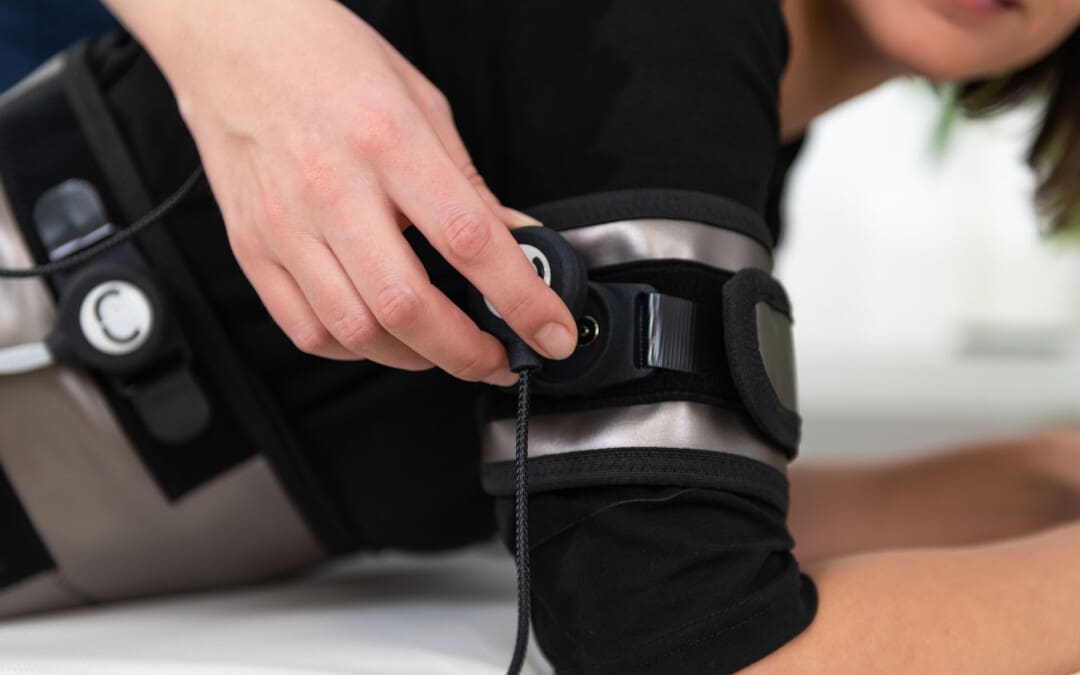
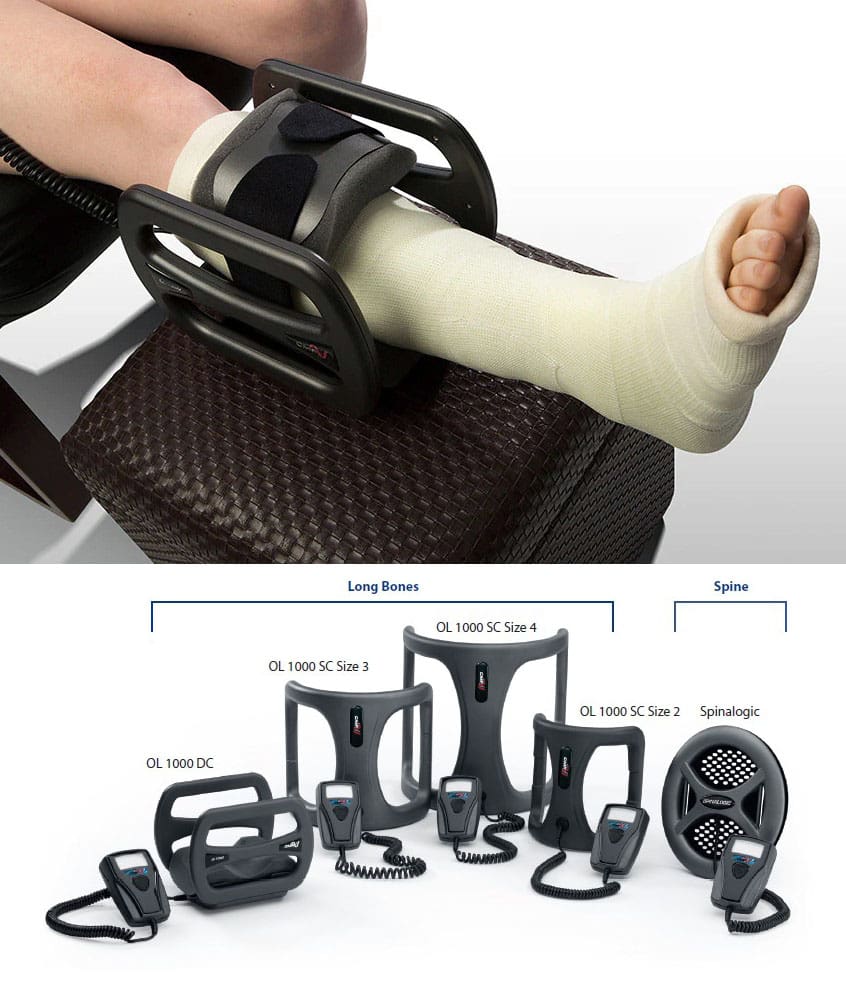
Bone growth stimulators apply external or implanted electrical or ultrasonic energy to the fracture or fusion site, stimulating bone growth. These devices are often used when a fracture doesn’t heal within the expected timeframe (a nonunion fracture) or when a spinal fusion has not successfully fused. (FDA, 2022)
They come in various shapes, sizes, and technologies depending on the location of the fracture.
The most commonly used bone stimulators in orthopedics are electrical and ultrasound stimulators.
The stimulator emits a pulsed electromagnetic or ultrasonic impulse to the area where bone healing should occur.
Most modern bone stimulators are attached near the fracture site or fused with a small battery pack and worn for a period each day that may last minutes or hours.
Electrical Stimulation
Devices deliver low-level electrical pulses to the fracture site, which can stimulate bone cells to create new bone tissue.
Ultrasound Stimulation
They emit low-intensity pulsed ultrasound waves, which are absorbed by the bone and can promote bone healing.
Implantable vs. External
Some stimulators are surgically implanted, providing constant stimulation directly at the fracture site, while others are external and worn over the skin or cast.
The goal is to activate a series of receptors in the body to encourage a healing response. (Childs, S. G. 2003) The stimulator activates a pathway that releases chemicals within the body to promote fracture healing. This type of process in the body is called a cascade, and it happens when one signal stimulates another method, and so on until healing is complete. The bone stimulator ensures this cascade continues until the healing process is complete.
Effectiveness
Studies of bone stimulator effectiveness suggest two benefits:
Less pain is associated with the bone healing process.
Faster fracture healing.
However, these studies haven’t shown that these differences lead to improved patient functional outcomes. It would seem that if there is less pain and faster healing, then the patient should recover without complications. However, some researchers have suggested this is probably because the differences in pain and healing times are small and not necessarily noticeable. (Aleem, I. S. et al., 2016)
While bone growth stimulators can be effective, the results can vary, and their effectiveness is still under investigation.
Some studies have shown that stimulators can reduce pain and speed up healing time, while others have shown mixed results.
It’s important to discuss the benefits and risks of bone growth stimulation with a doctor to determine if it’s the right treatment option.
When Stimulation is Necessary
Bone stimulators are currently not used for routine fracture healing. It is certainly possible that bone healing stimulators will be used routinely in the future. They seem to show some benefit in non-healing fractures or fractures that are likely troublesome to heal. Some reasons individuals may have problems healing fractures are injuries to the blood supply to and around the fracture, injuries to specific bones, and overuse-related fractures. (Victoria, G. et al., 2009) These injuries may include (FDA, 2022)
Nonunion Fractures
When a fracture doesn’t heal within the expected timeframe.
Open fractures
Stress fractures
Scaphoid bone fractures
Talus fractures
Failed Fusions
When a spinal fusion hasn’t been successful.
High-Risk Patients
For individuals with factors that can hinder bone healing, such as smoking, diabetes, or certain medications
Bone healing typically proceeds without much problem. However, there are situations where people have issues healing after fractures or surgery. Bone stimulators are not used for routine bone healing but in situations where steps may be needed to help stimulate the body. While the improvement may be small, it may be critical if it is the difference between healing and nonhealing.
Injury Medical Chiropractic and Functional Medicine Clinic
As a Family Practice Nurse Practitioner, Dr. Jimenez combines advanced medical expertise with chiropractic care to address various conditions. Our clinic integrates Functional Medicine, Acupuncture, Electro-Acupuncture, and Sports Medicine to create customized care plans that promote natural healing, mobility, and long-term wellness. By focusing on flexibility, agility, and strength, we empower patients to thrive, regardless of age or health challenges. At El Paso’s Chiropractic Rehabilitation Clinic & Integrated Medicine Center, we passionately focus on treating patients after injuries and chronic pain syndromes. We focus on improving your ability through flexibility, mobility, and agility programs tailored for all age groups and disabilities. We use in-person and virtual health coaching and comprehensive care plans to ensure every patient’s personalized care and wellness outcomes.
From Injury to Recovery with Chiropractic Care
References
U.S. Food & Drug Administration. (2022). AccelStim Bone Growth Stimulator – P210035. Retrieved from https://www.fda.gov/medical-devices/recently-approved-devices/accelstim-bone-growth-stimulator-p210035#:~:text=What%20is%20it?,the%20transducer%20to%20the%20fracture
Childs, S. G. (2003). Stimulators of bone healing. Biologic and biomechanical. Orthopedic nursing, 22(6), 421–428. https://doi.org/10.1097/00006416-200311000-00010
Aleem, I. S., Aleem, I., Evaniew, N., Busse, J. W., Yaszemski, M., Agarwal, A., Einhorn, T., & Bhandari, M. (2016). Efficacy of Electrical Stimulators for Bone Healing: A Meta-Analysis of Randomized Sham-Controlled Trials. Scientific Reports, 6, 31724. https://doi.org/10.1038/srep31724
Victoria, G., Petrisor, B., Drew, B., & Dick, D. (2009). Bone stimulation for fracture healing: What’s all the fuss?. Indian Journal of Orthopaedics, 43(2), 117–120. https://doi.org/10.4103/0019-5413.50844
Children walking with their toes pointed in may be pigeon-toed. What are the causes, conditions associated with it, and treatments?
Pigeon-toed Walking
If a child walks with their feet turned inward at the toes, it is usually described as being pigeon-toed. This pointing inward of the feet occasionally occurs as a child learns to walk and may continue through toddlerhood. It is noticed more often in children than adults, but older individuals can experience it. Pigeon-toed walking is rarely a major orthopedic problem and usually disappears without treatment. However, there are times when it may impact a child’s lower extremities and hips. Bracing or surgery may be necessary in these cases to correct the problem. (Paramanandam V. et al., 2019) This condition is common and typically is caused by abnormal birth positions in utero. Sometimes, slight issues may lead to noticeable functional characteristics. Mild changes in bone shape and positioning usually cause pigeon toes. Often, it subsides in a few years as the child continues to develop.
What Does It Mean?
There is usually no need to worry, as this condition is likely not permanent and will go away in a few years. (Paramanandam V. et al., 2019) However, it is recommended that you check in with your healthcare provider to ensure the child is developing normally. Some adults walk with their toes turned in. This may be due to a birth defect, a weakness, or a rare case of pigeon-toed walking as a youth that was left untreated or did not go away.
Causes
There are various reasons for pigeon-toed walking. To determine the cause, a healthcare provider can assess the child’s condition and make a diagnosis, including:
Metatarsus Adductus
A condition where the front part of the foot is turned inward.
The metatarsals are the long bones of the forefoot.
This is when the bones of the foot point inward, leading to pigeon-toed walking.
A clinical examination and X-ray can confirm the metatarsus adducts as a cause of pigeon-toed walking.
Tibial Torsion
A twisted shinbone (tibia) can cause the feet to turn inward in younger children.
The shinbone/tibia in some children may be slightly twisted.
The tibia can either turn outward or inward.
When it twists inward, it may manifest as a pigeon-toed gait.
Tibial torsion may accompany femoral anteversion.
It is diagnosed with an X-ray.
Children with tibial torsion typically grow out of the problem, and the pigeon-toed disappears by age 4. (Uden H., & Kumar S. 2012)
Femoral Anteversion
A common cause, especially in older children, is when the thighbone/femur is twisted inward.
If the femur turns inward and forward unnaturally, where the femoral neck meets the body of the femur, it is called femoral anteversion.
An outward and backward rotation of the femur is called femoral retroversion.
Many children with femoral anteversion appear knock-kneed with a large gap between their feet when standing with knees together, and when they walk, they appear pigeon-toed.
A clinical examination and X-ray diagnose it.
Symptoms
In most cases, the child does not complain of any pain. However, if pain is felt, it can include:
Tightness in the calf muscles
Aching on the outer edges of the feet
Knee pain
Usually, parents will notice pigeon-toes when their child is first learning to walk. Rest assured, the child most likely is not experiencing pain. They have feet and knees that turn inward when they walk and run. (Uden H., & Kumar S., 2012)
A pediatrician or primary care provider can assess the situation and make recommendations. Most pigeon-toed children begin walking and running normally after age 3 or 4, so a watch-and-wait approach is used. Parents may have to take their child to a specialist, like an orthopedic surgeon, if they complain of pain while walking. A specialist may be referred if the child cannot walk due to the inward turn of their feet.
Risk Factors
Pigeon-toed walking is not a preventable condition but rather one that develops during pregnancy. Causes may include: (Scorcelletti M. et al., 2020)
A pregnancy with twins or multiple births
Large fetus
Breech position in utero when the baby is positioned feet first.
Typically, a normal gait will appear by age 3 or 4. Other treatments may include:
Physical Therapy Exercises and Gait Training
Exercises to stretch tight lower extremity muscles and strengthen hip and leg muscles can help improve walking gait.
See a pediatric specialist before starting, as research shows that parental stretching of a newborn with metatarsus adductus offers little benefit. (Eamsobhana P. et al., 2017)
Bracing or Casting
Braces
Serial casting is a procedure that helps children improve their range of movement and may be done to place their lower extremities in an optimum position as they develop. (Uden H., & Kumar S., 2012)
Surgery
For cases in which tibial torsion is the cause, osteotomy surgery, which involves cutting and/or removing bone, may be recommended to correct the structural deformity of the shinbone.
Injury Medical Chiropractic & Functional Medicine Clinic
Injury Medical Chiropractic and Functional Medicine Clinic works with primary healthcare providers and specialists to develop an optimal health and wellness solution. We focus on what works for you to relieve pain, restore function, and prevent injury. Regarding musculoskeletal pain, specialists like chiropractors, acupuncturists, and massage therapists can help mitigate the pain through spinal adjustments that help the body realign itself. They can also work with other medical professionals to integrate a treatment plan to resolve musculoskeletal issues.
Foot Pronation
References
Paramanandam, V., Lizarraga, K. J., Soh, D., Algarni, M., Rohani, M., & Fasano, A. (2019). Unusual gait disorders: a phenomenological approach and classification. Expert review of neurotherapeutics, 19(2), 119–132. https://doi.org/10.1080/14737175.2019.1562337
Uden, H., & Kumar, S. (2012). Non-surgical management of a pediatric “intoed” gait pattern – a systematic review of the current best evidence. Journal of Multidisciplinary Healthcare, 5, 27–35. https://doi.org/10.2147/JMDH.S28669
Scorcelletti, M., Reeves, N. D., Rittweger, J., & Ireland, A. (2020). Femoral anteversion: significance and measurement. Journal of Anatomy, 237(5), 811–826. https://doi.org/10.1111/joa.13249
Eamsobhana, P., Rojjananukulpong, K., Ariyawatkul, T., Chotigavanichaya, C., & Kaewpornsawan, K. (2017). Does the parental stretching programs improve metatarsus adductus in newborns?. Journal of Orthopaedic Surgery (Hong Kong), 25(1), 2309499017690320. https://doi.org/10.1177/2309499017690320
What are some leg-strengthening exercises that will expedite recovery for athletes and physically active individuals who have undergone leg surgery?
Post Surgery Leg Strengthening
Leg muscles may weaken after hip, knee, ankle, or foot surgery. This happens because those muscles are not used as much during recovery. Gaining back strength and muscle endurance after an injury or surgery is an important step in recovery. Leg exercises can help regain mobility and prevent complications like blood clots and pressure sores after surgery or an injury, which is why engaging in post-surgery leg strengthening is important once the doctor gives the ok.
Benefits
Post-surgery leg strengthening exercises have several benefits, including
Rebuilds strength and confidence
Retraining for optimal mobility and flexibility
Prevents pressure sores
Prevents blood clots
When the leg muscles are contracted, they move blood like a pump, maintaining proper circulation. Moving in a bed after surgery also helps prevent pressure sores from forming and blood clots. A physical therapy team will determine the right leg exercises for each individual and their injury/condition. This is an important step when moving forward after surgery. (Hoogeboom T. J. et al., 2014)
This isometric exercise means the muscles contract while no motion occurs at the hip joints. To perform:
Lie on your back and tighten your buttock muscles.
Hold the muscles tight for 5 seconds, then relax.
Repeat 10 or 15 times.
Gluteal sets can be done several times per day.
Heel Slide
Heel slides can help regain strength in the major muscles of the leg. To perform:
Lie on your back.
Bend the knee of the surgical leg and slowly slide the heel toward your butt.
Slide as far as possible and hold for 5 seconds.
Slowly return to the starting position and repeat.
Short Arc Quad
The short arc quad, or SAQ, is a simple way to get the quadricep muscles working. To perform:
Lie on your back with a towel roll, small ball, or something similar under the knee.
Slowly straighten the knee.
Tighten the quad muscle on the top of the thigh.
Hold for 3 seconds, then relax.
Repeat 10 to 15 times.
Quad Set
This exercise helps get the quad muscles working. It also helps control the position of the kneecap. To perform:
Lie on your back.
Place a small towel roll under the knee.
Try to press the back of the knee flat against the floor.
Hold for 10 seconds and release.
Repeat 10 to 15 times.
Individuals can complete quad sets bilaterally or with both knees simultaneously. This makes the stronger leg help strengthen the weaker side.
Straight Leg Raise
To perform:
Lie on your back.
Lift your leg straight off the floor until it is at the height of the opposite bent knee.
Hold for 10 seconds and slowly lower.
Repeat 10 to 15 times.
Be sure to keep the knee straight for the entire exercise. Keep the opposite knee bent for comfort. To ensure the knee is straight, individuals can complete a quad set first and then the straight leg raise. The exercise can be more challenging by increasing repetitions or adding a 2- to 3-pound ankle weight on the thigh. For even more challenge, add the ankle weight to the ankle.
Hamstring Strengthening
Working out the hamstrings after injury or surgery is important. The hamstring muscles bend the knee and extend the hip backward. To perform:
Lie on your stomach.
Bend one knee to raise the lower limb straight in the air.
Hold for 5 seconds and lower slowly.
Repeat 10 to 15 times.
Once the exercise is easy to do, increase the repetitions to 30. Individuals can also try adding a 2- to 3-pound ankle weight.
Physical therapy can help individuals regain mobility after injury or surgery. A therapist may prescribe exercises as part of an at-home exercise program. Over time, progress will go from simple exercises to more challenging ones to improve balance and mobility. (Madara K. C. et al., 2019)
Injury Medical Chiropractic & Functional Medicine Clinic
Before starting this or any other exercise program, consult a doctor and a physical therapist to find the right exercises for your situation. Injury Medical Chiropractic and Functional Medicine Clinic works with primary healthcare providers and specialists to develop an optimal health and wellness solution. We focus on what works for you to relieve pain, restore function, and prevent injury. Regarding musculoskeletal pain, specialists like chiropractors, acupuncturists, and massage therapists can help mitigate the pain through spinal adjustments that help the body realign itself. They can also work with other medical professionals to integrate a treatment plan to resolve musculoskeletal issues.
Are You Recovering From Ankle Sprains?
References
Hoogeboom, T. J., Dronkers, J. J., Hulzebos, E. H., & van Meeteren, N. L. (2014). Merits of exercise therapy before and after major surgery. Current opinion in anaesthesiology, 27(2), 161–166. https://doi.org/10.1097/ACO.0000000000000062
Madara, K. C., Marmon, A., Aljehani, M., Hunter-Giordano, A., Zeni, J., Jr., & Raisis, L. (2019). PROGRESSIVE REHABILITATION AFTER TOTAL HIP ARTHROPLASTY: A PILOT AND FEASIBILITY STUDY. International Journal of Sports Physical Therapy, 14(4), 564–581.
For individuals managing chronic pain conditions, can incorporating a personal TENS device help?
Personal TENS Device
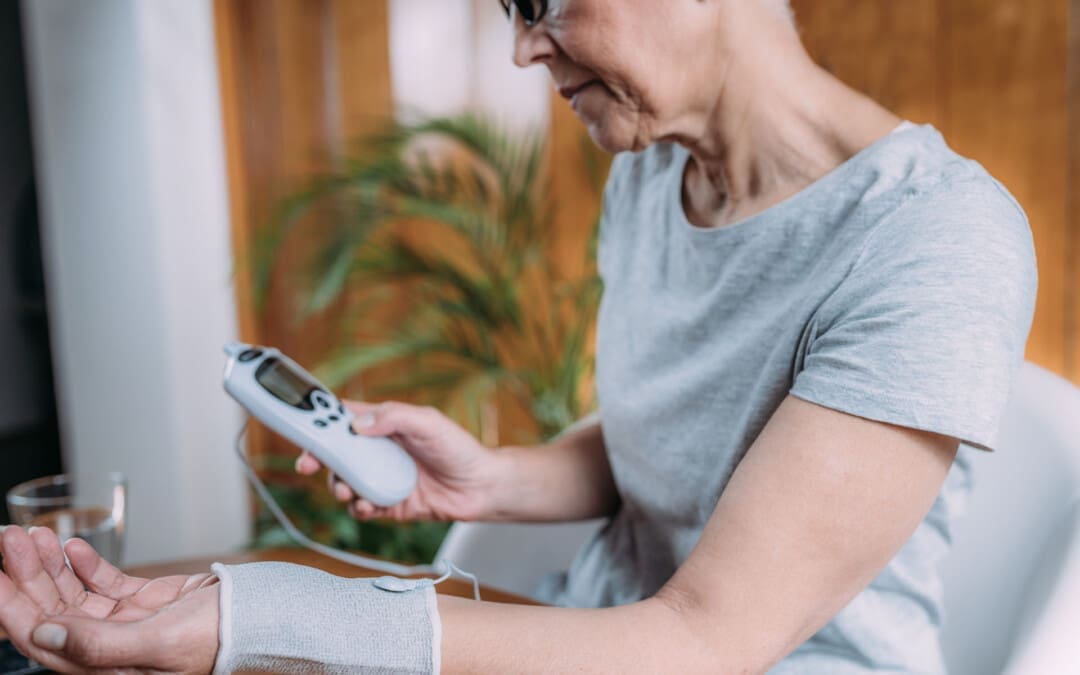
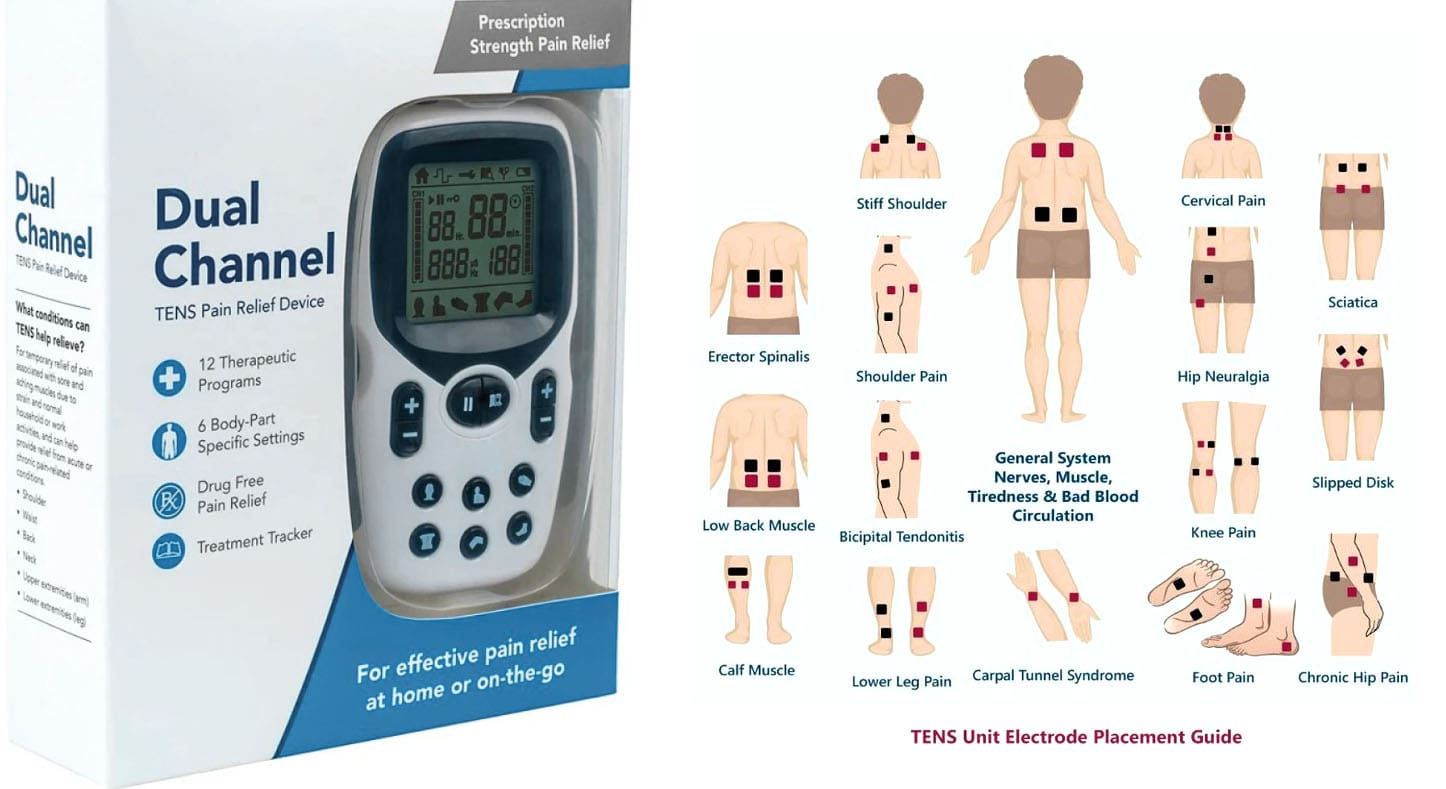
Almost all physical therapy, chiropractic, acupuncture, and massage clinic healthcare providers offer TENS (transcutaneous electrical nerve stimulation) therapy. Individuals can buy a TENS unit for on-the-go and home care use. A personal TENS unit is a small, battery-powered device that uses low-voltage electrical currents delivered through electrodes placed on the skin to help relieve pain.
How It Works
TENS units work by stimulating nerve fibers in pain, which can help block pain signals from reaching the brain or by stimulating the release of endorphins, the body’s natural pain-killing chemicals.
Uses
TENS units are used to treat a variety of conditions, including:
Arthritis
Muscle cramps
Neck pain
Back pain
Pelvic pain
Knee pain
Osteoarthritis
Fibromyalgia
Tendinitis
Bursitis
Diabetes-related neuropathy
Pelvic pain from periods or endometriosis
Features
Portability
TENS units are small, lightweight, and portable, making them convenient for home or on the go. It can be held in a pocket or clipped to a belt. (National Health Service UK, 2025)
Electrodes
The unit is connected to a series of electrodes placed on the skin to deliver the electrical charge.
Adjustable Settings
Many TENS units allow users to adjust the electrical pulses’ intensity, frequency, and duration.
Benefits
Non-Invasive
TENS therapy is a non-invasive method for relieving pain.
Drug-Free
It can provide pain relief without the need for medication.
Convenient
TENS units are small, portable, and relatively discrete.
Precautions
Consult a healthcare provider before using a TENS device to ensure its safety for you and your injury/condition. The treatment should not be used for individuals who are pregnant, have epilepsy, poor sensation, a heart problem, a pacemaker, or another electrical or metal implant in their body. (National Health Service UK, 2025) The electrodes should not be placed on certain areas of the body, including (Teoli D, Dua A, An J. 2025)
Head
Eyes
Mouth
Front of the Neck
Chest and upper back at the same time
Numb areas
Broken skin
Tumors
There is a minor risk of skin irritation, particularly if allergic to the adhesive pads.
Effectiveness
Researchers are still determining how effective TENS units are for relieving and reducing pain. A study found that TENS was effective in relieving pain for patients with fibromyalgia. (Dailey D. L. et al., 2013) Another study suggested that TENS may improve bone pain for cancer patients, but the results were inconclusive because of the limited number of randomized trials. (Vance C. G. et al., 2014)
Research suggests that some factors can impact the effectiveness of the intervention. Varying the intensity and frequency may help it be more effective so the body doesn’t develop a tolerance to it. In addition, using the electrodes in areas that are acupuncture points may help to reduce pain. While further study is needed, TENS is considered a safe pain-relief option for many conditions because it’s non-invasive and doesn’t require medication. (Vance C. G. et al., 2014)
Injury Medical Chiropractic & Functional Medicine Clinic
Individuals interested in trying a personal TENS unit should consult their healthcare provider. They may be able to refer them to a physical therapist, who can show them which type and how to use it for their particular condition. Injury Medical Chiropractic and Functional Medicine Clinic works with primary healthcare providers and specialists to develop an optimal health and wellness solution. We focus on what works for you to relieve pain, restore function, and prevent injury. Regarding musculoskeletal pain, specialists like chiropractors, acupuncturists, and massage therapists can help mitigate the pain through spinal adjustments that help the body realign itself. They can also work with other medical professionals to integrate a treatment plan to resolve musculoskeletal issues.
Don’t Ignore Post-Accident Pain
References
National Health Service UK. (2025). TENS (transcutaneous electrical nerve stimulation). https://www.nhs.uk/conditions/transcutaneous-electrical-nerve-stimulation-tens/
Teoli, D., Dua, A., & An, J. (2025). Transcutaneous Electrical Nerve Stimulation. In StatPearls. https://www.ncbi.nlm.nih.gov/pubmed/30725873
Dailey, D. L., Rakel, B. A., Vance, C. G. T., Liebano, R. E., Amrit, A. S., Bush, H. M., Lee, K. S., Lee, J. E., & Sluka, K. A. (2013). Transcutaneous electrical nerve stimulation reduces pain, fatigue, and hyperalgesia while restoring central inhibition in primary fibromyalgia. Pain, 154(11), 2554–2562. https://doi.org/10.1016/j.pain.2013.07.043
Vance, C. G., Dailey, D. L., Rakel, B. A., & Sluka, K. A. (2014). Using TENS for pain control: the state of the evidence. Pain management, 4(3), 197–209. https://doi.org/10.2217/pmt.14.13
What are the recommendations for a pulled muscle injury to fully recover?
Pulled Muscle Recovery Time
A pulled muscle, medically known as a strain, occurs when muscle fibers are stretched too far and sometimes tear. A pulled muscle injury typically starts to heal within days. Mild injuries can heal completely in one to three weeks, but more serious strains or tears, depending on the severity, can take six to 12 weeks or longer. (Fernandes T. L., Pedrinelli A., & Hernandez A. J. 2015) Rest, hydration, healthy foods, and slowly returning to activity can help expedite healing time.
Timeline
The timeline for recovering from a pulled muscle depends on the injury’s severity.
Pulled muscles are typically categorized into three grades based on the degree and size of pulled muscle fibers, as follows (Hospital for Special Surgery, 2024)
Grade 1 (mild)
Heals in a few days.
A microscopic tear or stretch in the muscle fiber.
It might feel sore, but you can still use the muscle.
Grade 2 (moderate)
Heals in four to six weeks.
A partial tear in the muscle causes noticeable pain and swelling, making it harder to move or use the injured muscle.
Grade 3 (severe)
Heals in several months
This type of muscle strain causes a complete tear, also known as a rupture.
It results in intense pain, significant swelling, and inability to use the muscle.
Surgery may be required in some cases.
Larger muscles, such as the hamstrings and quadriceps, may take longer to heal than smaller muscles due to their increased size and greater weight-bearing loads.
Body Parts More Susceptible To Injury
The following are more susceptible to muscle strains, pulls, or tears (Nölle L. V. et al., 2022)
Neck – levator scapulae and trapezius
Shoulders – rotator cuff muscles
Lower back – erector spinae
Groin – adductors
Front of the thigh – quadriceps
Behind the thigh – hamstrings
Calves – gastrocnemius and soleus
Healing Stages and Factors
Pulled muscles heal in three predictable stages, though the timing and progression may vary by individual and injury severity (Baoge L. et al., 2012).
Inflammatory Stage (zero to three days)
When pulling a muscle, the body reacts instantly with an inflammatory response that may include swelling, redness, bruising, and pain.
Rest is important during this stage to prevent the injury from getting worse.
Repair Stage (three to 21 days)
Damaged muscle fibers are repaired and regrow during this stage.
Collagen fills in any tears to rebuild damaged muscle tissue.
Gentle movement and easy activity can help the fibers line up properly and reduce stiffness.
Start slowly moving a pulled muscle as soon as possible, but avoid too much activity too soon, as it can delay and prolong healing.
Remodeling Stage (three weeks to one year)
Repaired tissue gets stronger and adapts to regular movement.
Gradually adding more activity, stretching, and strengthening exercises helps treat a pulled muscle and return to full strength and function but should be done carefully to avoid re-injury.
Avoid activities that cause pain, but move the muscle gently to prevent stiffness.
Prolonged rest can slow healing, so maintain a balance between rest and exercise.
Ice
Add ice for 10–20 minutes for the first 48 hours to reduce swelling and pain.
Ice helps control inflammation by limiting blood flow to the injured area.
Compression
Use compression stockings or wrap the injured part in bandages to help reduce swelling.
Ensure the binding is not too tight so circulation is not cut off.
Elevation
Raise the injured area above heart level throughout the day.
This helps reduce swelling by allowing fluids to drain away from the injury site.
Heat
After the first two to three days, heat therapy increases blood circulation and improves flexibility, helping the muscle heal.
Eat Healthy
Get enough protein for muscle repair.
Maintain Hydration
Drink plenty of water to help with circulation and muscle lubrication.
Massage and Physical Therapy
These hands-on interventions can improve circulation, help reduce scar tissue, and restore range of motion.
Over-the-counter Medications
If needed, over-the-counter nonsteroidal anti-inflammatory medications like Advil or Motrin (ibuprofen) and Aleve (naproxen sodium) can help with pain and swelling.
Only use as directed.
These steps can help promote faster healing and expedite returning to normal daily activities.
When to Resume Normal Activity
Individuals may need one to two weeks to recover before resuming normal activity for mild strains. However, for more severe injuries, it could take four to six weeks or longer to return to all daily activities. (Harvard Health Publishing, 2023) It’s essential to gradually return to daily activities to avoid reinjury, which can delay and prolong healing. Follow these recommendations to recover from a pulled muscle safely and quickly (Kraemer W., Denegar C., & Flanagan S. 2009)
Once the pain has subsided, the swelling has decreased, and the muscle feels better, start with low-impact exercises.
Slowly resume normal activities, avoiding overexerting the injured area.
Gradually increase activity levels and stop if there is any pain.
Avoid strenuous activities that place excessive stress on the injured muscle until the muscle is completely healed.
Contact a Healthcare Provider
While most pulled muscles heal with home care, seek medical attention if: (Penn Medicine, 2023)
Pain persists or worsens after seven to 10 days.
This can indicate a more serious injury, such as a severe torn muscle.
Significant pain, loss of motion and strength, and swelling disrupt daily activities or show signs of worsening despite rest and self-care.
It is difficult to move the affected area, or the muscle cannot bear weight, suggesting a more severe injury.
There are signs of infection, including redness, warmth, increased swelling, or fever, especially if the skin is cut or broken near the injured area.
There is unusual bruising or a visible deformity, which could indicate a bone fracture requiring professional evaluation.
A healthcare provider may recommend imaging studies, such as MRI, ultrasound, or X-rays, to assess the extent of the injury, rule out fractures, or check for muscle tears.
Injury Medical Chiropractic & Functional Medicine Clinic
Injury Medical Chiropractic and Functional Medicine Clinic works with primary healthcare providers and specialists to develop an optimal health and wellness solution. We focus on what works for you to relieve pain, restore function, and prevent injury. Regarding musculoskeletal pain, specialists like chiropractors, acupuncturists, and massage therapists can help mitigate the pain through spinal adjustments that help the body realign itself. They can also work with other medical professionals to integrate a treatment plan to resolve musculoskeletal issues.
Say Goodbye to Pain with Chiropractic Care
References
Fernandes, T. L., Pedrinelli, A., & Hernandez, A. J. (2015). MUSCLE INJURY – PHYSIOPATHOLOGY, DIAGNOSIS, TREATMENT, AND CLINICAL PRESENTATION. Revista brasileira de ortopedia, 46(3), 247–255. https://doi.org/10.1016/S2255-4971(15)30190-7
Hospital for Special Surgery. J. N. R., MD. (2024). Muscle Strain: Causes, Symptoms, Treatment. https://www.hss.edu/conditions_muscle-strain.asp
Nölle, L. V., Mishra, A., Martynenko, O. V., & Schmitt, S. (2022). Evaluation of muscle strain injury severity in active human body models. Journal of the mechanical behavior of biomedical materials, 135, 105463. https://doi.org/10.1016/j.jmbbm.2022.105463
Baoge, L., Van Den Steen, E., Rimbaut, S., Philips, N., Witvrouw, E., Almqvist, K. F., Vanderstraeten, G., & Vanden Bossche, L. C. (2012). Treatment of skeletal muscle injury: a review. ISRN orthopedics, 2012, 689012. https://doi.org/10.5402/2012/689012
Laumonier, T., & Menetrey, J. (2016). Muscle injuries and strategies for improving their repair. Journal of Experimental Orthopaedics, 3(1), 15. https://doi.org/10.1186/s40634-016-0051-7
Harvard Health Publishing. (2023). Muscle strain. https://www.health.harvard.edu/staying-healthy/muscle-strain-a-to-z
Kraemer, W., Denegar, C., & Flanagan, S. (2009). Recovery from injury in sport: considerations in the transition from medical care to performance care. Sports Health, 1(5), 392–395. https://doi.org/10.1177/1941738109343156
Penn Medicine. (2023). Strains. https://www.pennmedicine.org/for-patients-and-visitors/patient-information/conditions-treated-a-to-z/strains
IFM's Find A Practitioner tool is the largest referral network in Functional Medicine, created to help patients locate Functional Medicine practitioners anywhere in the world. IFM Certified Practitioners are listed first in the search results, given their extensive education in Functional Medicine