For individuals experiencing musculoskeletal pain symptoms like lower back pain and shoulder pain, can incorporating cupping therapy help bring relief and manage pain?
Cupping Therapy
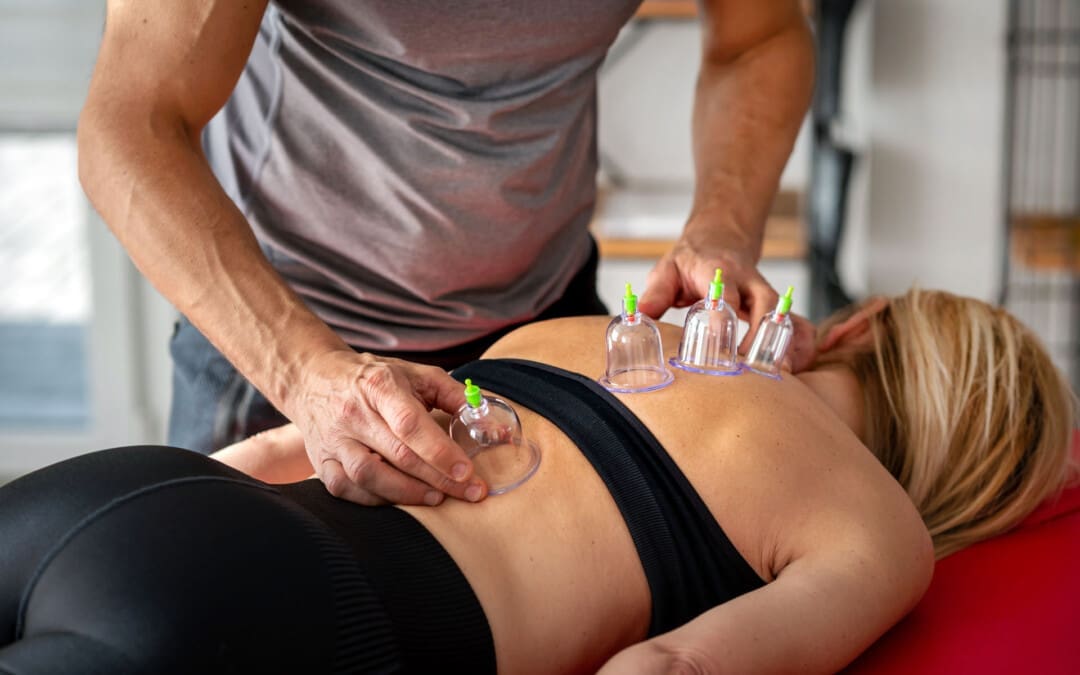
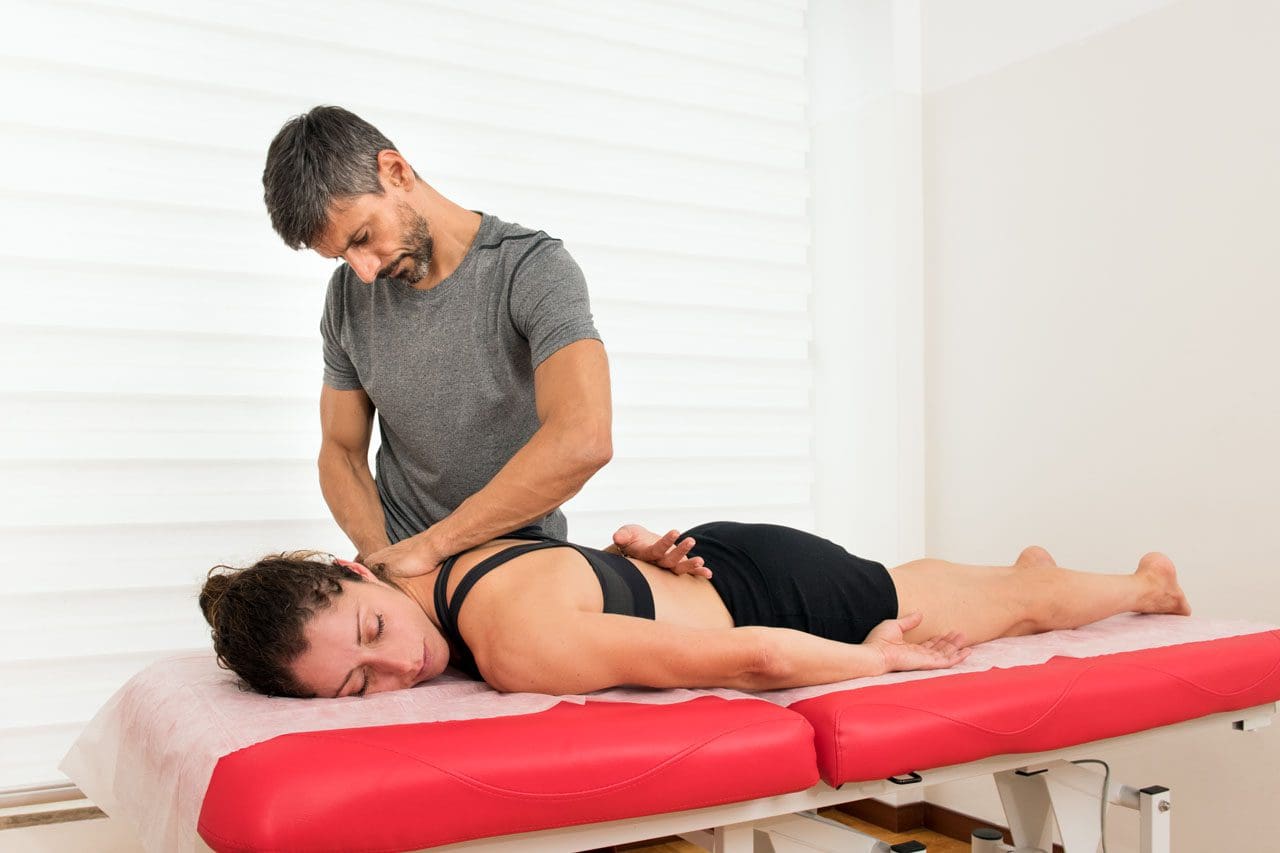
This ancient treatment is gaining public acceptance, and awareness has heightened, with various individuals and athletes being seen with round marks on their shoulders and backs. It is a pain treatment that, like acupuncture, comes from traditional Chinese medicine, or TCM. The therapy involves placing glass, silicone, or bamboo cups on the skin to create suction. The treatment is an alternative medicine technique used to relieve musculoskeletal pain. The suction is believed to promote healing (Cleveland Clinic, 2023)
Increasing Blood Circulation
The suction draws blood to the area, which can help reduce inflammation and promote healing.
Releasing Muscle Tension
The suction can stretch and pull on muscles, which can help relieve pain and tightness.
Breaking Up Adhesions
The suction can help break up scar tissue and adhesions that can cause pain and restricted movement.
Detoxifying the Body
Some practitioners believe that cupping can help remove toxins from the body.
It is typically performed by a trained practitioner who places the cups on the skin and leaves them in place for several minutes. The cups can be placed on various body areas, including the back, neck, shoulders, and legs. (Cleveland Clinic, 2023)
Benefits
Pain relief, especially for muscle and joint pain
Reduced inflammation
Improved circulation
Increased range of motion
Detoxification
Procedure
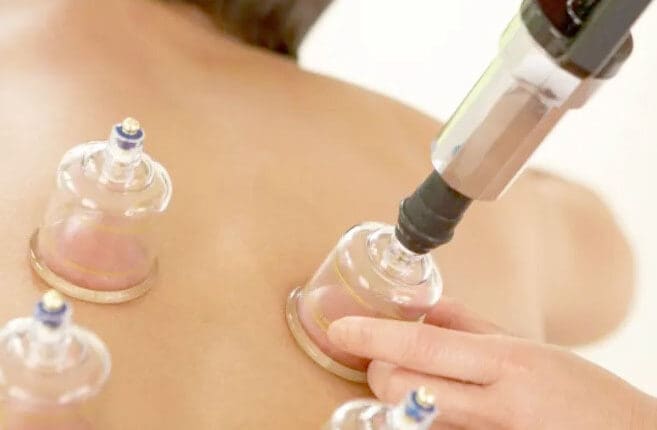
The medical practice involves creating skin suction using glass, ceramic, or plastic cups. How it’s done:
Preparation
The practitioner cleans the area where the cups will be placed.
They may apply oil or massage cream to the skin for easier movement of the cups.
Techniques
Dry
The practitioner heats the inside of the cup with a flame or pump, creating a vacuum.
The cup is then placed on the skin, which adheres due to the negative pressure.
The cup remains on the skin for several minutes, allowing the suction to draw blood and tissue into the cup.
Wet
Like the dry technique, the practitioner makes small incisions in the skin before applying the cup.
This allows blood to flow into the cup, creating a more intense suction.
Aftercare
The cups are removed, and the practitioner may apply pressure to the area to stop bleeding.
The patient is advised to avoid strenuous activity and hot showers for a few hours after the treatment.
The benefits of therapy include opening pores, stimulating blood flow, filtration, and balancing energy flow through the body. It’s often combined with massage and acupuncture. (Cleveland Clinic, 2023)
It also aims to alleviate symptoms of systematic diseases like diabetes and hypertension. However, more research is needed to see and fully analyze the effects of the treatment. (Aboushanab T. S., & AlSanad S. 2018)
Risks
The therapy is generally safe when done correctly and by a licensed professional. However, there is some risk of side effects like skin discoloration and scarring. Reports of rare side effects include bleeding inside the skull from cupping on the scalp and anemia from repeated wet techniques. (National Center for Complementary and Integrative Health, 2018) Other side effects can include:
Bruising
It can cause temporary bruising at the site of the cups.
Skin Irritation
Some people may experience skin irritation or burns from the suction.
Infection
There is a small risk of infection if the cups are not properly sterilized.
Injury Medical Chiropractic & Functional Medicine Clinic
It is important to consult with a healthcare professional before trying any new treatment, especially if you have any underlying health conditions. Injury Medical Chiropractic and Functional Medicine Clinic works with primary healthcare providers and specialists to develop an optimal health and wellness solution. We focus on what works for you to relieve pain, restore function, and prevent injury. Regarding musculoskeletal pain, specialists like chiropractors, acupuncturists, and massage therapists can help mitigate the pain through spinal adjustments that help the body realign itself. They can also work with other medical professionals to integrate a treatment plan to resolve musculoskeletal issues.
Aboushanab, T. S., & AlSanad, S. (2018). Cupping Therapy: An Overview from a Modern Medicine Perspective. Journal of acupuncture and meridian studies, 11(3), 83–87. https://doi.org/10.1016/j.jams.2018.02.001
National Center for Complementary and Integrative Health. (2018). Cupping. Retrieved from https://www.nccih.nih.gov/health/cupping
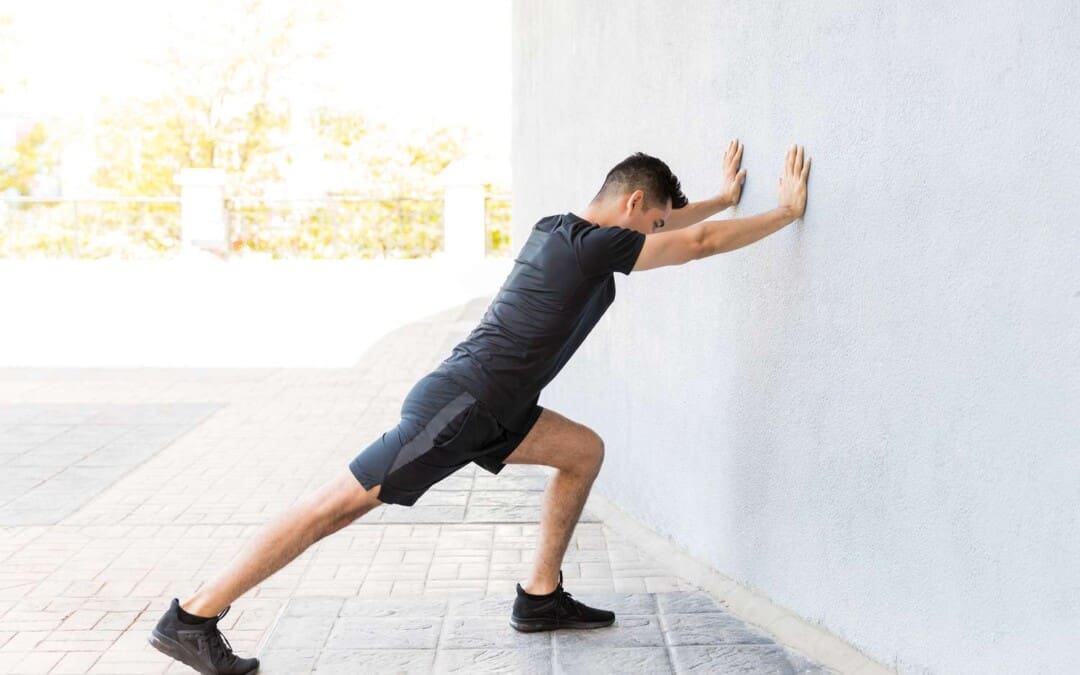
Individuals with difficulty with normal functional mobility after surgery, injury, or illness may be referred to physical therapy during recovery. A common question patients have before treatment is: What should they wear to the physical therapy appointment?
What To Wear To Physical Therapy?
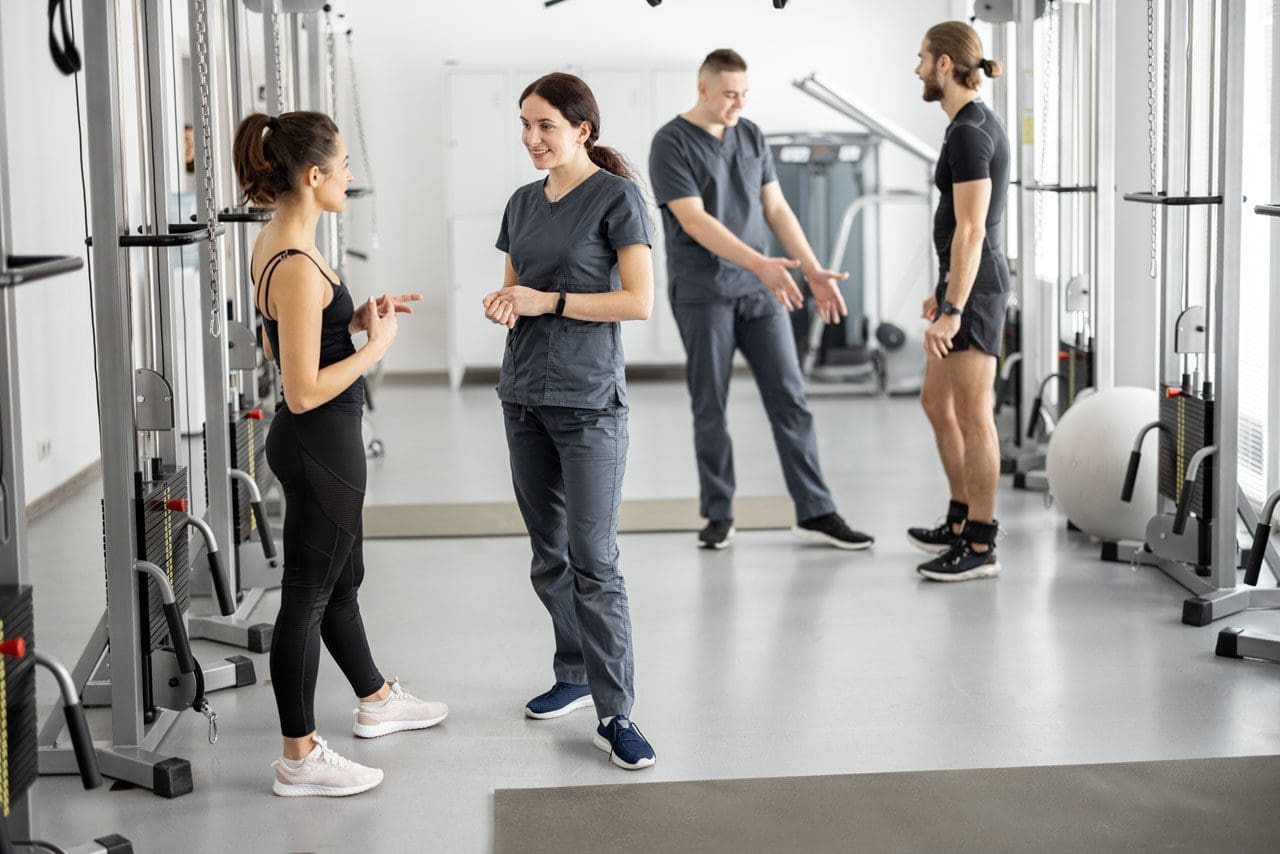
Individuals referred to physical therapy usually have questions about what to expect and how to prepare. What to wear is a common question and is important because patients want to wear the right physical therapy outfit for their specific condition and feel comfortable and safe at their physical therapy appointments. A treatment plan may include exercise and stretching. Clothing recommendations may vary slightly depending on the type of physical therapy the patient is receiving; it is recommended to wear:
Athletic wear like t-shirts, shorts, yoga pants, and comfortable shoes like sneakers.
Sometimes, exercises are performed, and modalities such as heat, cold, or electrical stimulation are applied.
Comfortable, loose-fitting clothing allows for a full range of motion and easy access to the affected area.
Physical Therapy
The therapist will examine the patient’s mobility and flexibility.
Exercises may be prescribed, and therapeutic modalities, like ice or heat, may be applied.
Wearing the right clothing can make the therapy experience highly effective and productive.
This way, therapy sessions go smoothly, and there is a level of comfort and confidence to reach goals quickly.
Upper Body Neck, Shoulders, Arms, Back
For upper body injuries, wear clothing that provides access and mobility to the areas affected, such as the neck, shoulders, arms, or back.
For neck pain, wear a shirt that allows the therapist to see the neck, shoulders, and upper back, such as a loose, open T-shirt with a scoop neck, V-neck, or tank top.
For long hair, bring a hair tie.
Women are recommended to wear a sports bra.
For an arm, wrist, or hand injury, wear a loose-fitting shirt with the arms exposed.
Tight shirts like those made from Lycra are not advisable because the therapist cannot effectively evaluate and treat the injury if the patient wears something tight.
Lower Body, Hips, Legs, Knees
For lower extremity problems and injuries, wear clothing that allows free movement to exercise while allowing the therapist to visualize and examine the back, hips, knees, and legs.
Wear a T-shirt, sports bra, and shorts or pants with an elastic waistband for back, lower spine, or pelvis injuries.
For hip pain, the therapist should be able to see and adjust the spine and hips.
Avoid wearing tight-fitting pants that don’t allow for full movement.
Shorts with an elastic waistband are recommended.
Leggings may not roll up easily.
Feet and Ankles
For a foot or ankle injury, the therapist will want to observe the patient walk in shoes and bare feet for conditions like plantar fasciitis or ankle sprains. For any lower extremity condition, expect some light or heavy exercise. Wear socks to absorb sweat and odor and sneakers or athletic shoes. Avoid open-toed sandals, high heels, or casual lightweight footwear like Crocs.
Other Considerations
Avoid
Bracelets and necklaces
Turtleneck shirts
Tight-fitting long-sleeved shirts
Leggings
Sandals
When preparing for appointments, consider your specific condition. Remember that you will likely be exercising, so wear loose, comfortable clothing that allows you to move around freely. If you are coming directly from work or a formal event, ask the office staff if there is a changing room that you can use. It may also be a good idea to avoid wearing dangling jewelry. A necklace or bracelet may get in the way, so be prepared to remove it for your appointments. Therapists can also use draping with towels or pillowcases/sheets to help you feel comfortable when certain body areas are exposed. That way, you can be relaxed and more able to focus on recovery and rehabilitation to return to normal activities.
Injury Medical Chiropractic & Functional Medicine Clinic
If you are unsure if what you plan to wear is appropriate, call the office and ask. If you’re leaving work and need to change, make sure your therapist’s office has a place for you to do that. Injury Medical Chiropractic and Functional Medicine Clinic works with primary healthcare providers and specialists to develop an optimal health and wellness solution. We focus on what works for you to relieve pain, restore function, and prevent injury. Regarding musculoskeletal pain, specialists like chiropractors, acupuncturists, and massage therapists can help mitigate the pain through spinal adjustments that help the body realign itself. They can also work with other medical professionals to integrate a treatment plan to resolve musculoskeletal issues.
Unlocking Pain Relief: How We Assess Motion To Alleviate Pain
Can walking backward on a treadmill aid in treating conditions and injuries, improving strength, gait, and mobility in the lower extremities and knee, hip, and ankle range of motion (ROM)?
Walking Backward On A Treadmill
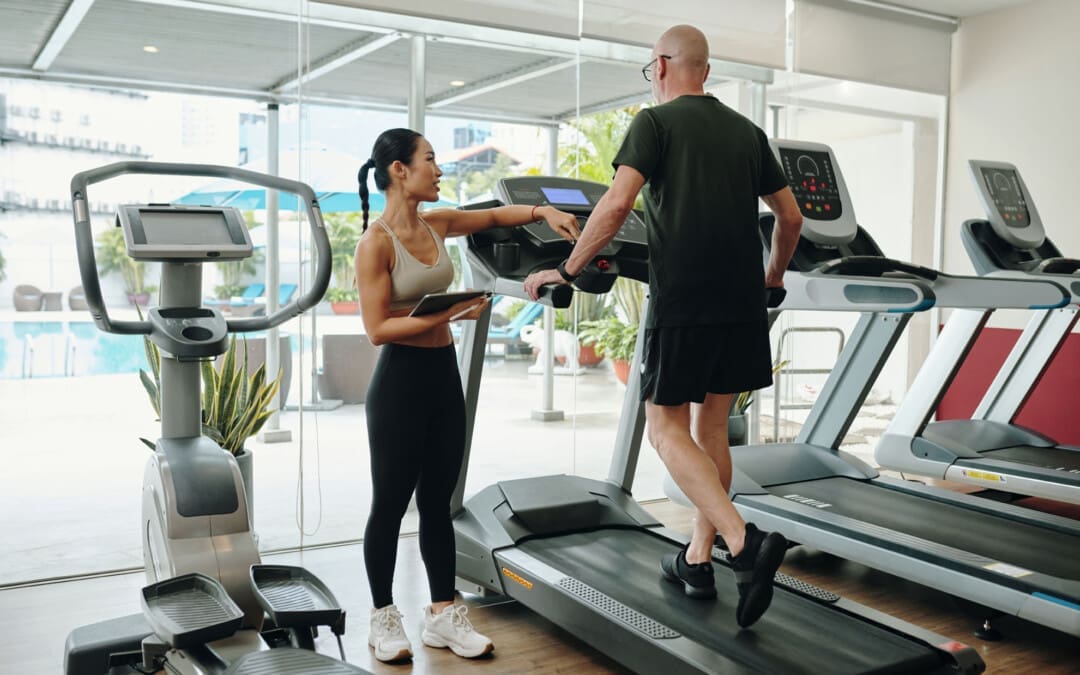
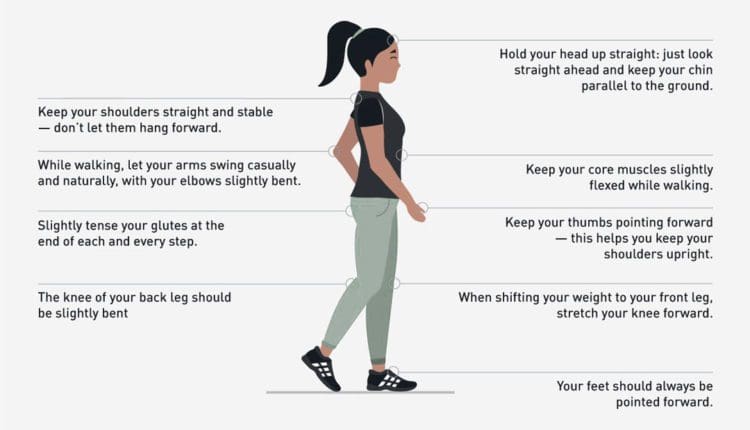
Walking backward is often used in physical therapy to treat multiple conditions and injuries and help improve strength, gait, balance, and mobility in the lower extremities. It is also used to improve knee, hip, and ankle range of motion and lower back pain and burn calories.
The Difference Backward vs. Forward
The difference from forward walking is that certain motions are normal gait characteristics.
First, the leg swings through the air, and the heel lands on the ground.
Then, the straight knee bends slightly as you roll from heel to toe.
As this occurs, the opposite leg rolls from the toes and up into the air.
This heel-to-toe motion repeats, and normal walking takes place.
Reverse walking creates the opposite gait process.
The leg swings through the air and reaches backward with a bent knee.
The toes contact the ground, and the bent knee straightens as you roll from toe to heel.
Then, the heel leaves the ground with the knee straight, repeating the process.
Reverse walking can help increase knee extension range of motion. (Zhang M. et al., 2022)
Individuals with knee injuries, surgeries, or arthritis may lose their knee extension or the knee’s ability to straighten.
The bent knee straightens fully when walking backward, moving from the toes onto the heel.
This helps to improve the range of motion into knee extension.
Quadriceps Function
Reverse walking can improve the function of the quadriceps muscles in the upper thighs. (Alghadir A. H. et al., 2019)
The quads are active when straightening the knee.
Exercises like quad sets, short arc quads, and straight leg raises increase quad strength.
Hamstring Flexibility
The hamstrings are located in the back of the upper thighs and work to bend the knees and extend the hips.
For individuals with tight hamstrings, a therapist may have you walk backward on the treadmill to improve the flexibility of the muscle group. (BBC, 2023)
When walking backward, the hamstring contracts to bend the knee as it swings through the air.
Then, the hamstring is stretched from the toe to heel movement, and the knee straightens.
Walking backward can help reset one’s gait and improve one’s ability to walk forward.
A study on stroke patients found that backward walking training was superior to standing balance training for improving balance and walking speed. (Rose, D. K. et al., 2018)
Burns Calories
Backward walking has been found to burn more calories than forward walking.
As a result, it improves heart and lung health better.
Conditions That Benefit
Individuals with a lower extremity impairment that results in loss of normal walking mobility may benefit from reverse walking. Common conditions that may help include: (BBC, 2023) (DelMastro H. M. et al., 2023)
Hamstring strain
Sciatica with tightness in hamstrings
Hip, knee or ankle surgery
Lower extremity fracture
Cerebral palsy
Multiple sclerosis
Parkinson’s disease
Stroke
A physical therapist will decide if an individual’s condition warrants reverse walking as part of a rehabilitation program.
Injury Medical Chiropractic and Functional Medicine Clinic
Injury Medical Chiropractic and Functional Medicine Clinic works with primary healthcare providers and specialists to develop an optimal health and wellness solution. We focus on what works for you to relieve pain, restore function, and prevent injury. Regarding musculoskeletal pain, specialists like chiropractors, acupuncturists, and massage therapists can help mitigate the pain through spinal adjustments that help the body realign itself. They can also work with other medical professionals to integrate a treatment plan to resolve musculoskeletal issues.
Control Foot Motion and Posture
References
Cha, H. G., Kim, T. H., & Kim, M. K. (2016). Therapeutic efficacy of walking backward and forward on a slope in normal adults. Journal of Physical Therapy Science, 28(6), 1901–1903. https://doi.org/10.1589/jpts.28.1901
Zhang, M., Pang, J., Lu, J., Kang, M., Chen, B., Jones, R. K., Zhan, H., & Liu, A. (2022). The Immediate Effect of Backward Walking on External Knee Adduction Moment in Healthy Individuals. Journal of Healthcare Engineering, 2022, 4232990. https://doi.org/10.1155/2022/4232990
Alghadir, A. H., Anwer, S., Sarkar, B., Paul, A. K., & Anwar, D. (2019). Effect of 6-week retro or forward walking program on pain, functional disability, quadriceps muscle strength, and performance in individuals with knee osteoarthritis: a randomized controlled trial (retro-walking trial). BMC musculoskeletal disorders, 20(1), 159. https://doi.org/10.1186/s12891-019-2537-9
BBC. (2023). Why walking backwards can be good for your health and brain. https://www.bbc.com/future/article/20231110-why-walking-backwards-can-be-good-for-your-health-and-brain
Balasukumaran, T., Olivier, B., & Ntsiea, M. V. (2019). The effectiveness of backward walking as a treatment for people with gait impairments: a systematic review and meta-analysis. Clinical Rehabilitation, 33(2), 171–182. https://doi.org/10.1177/0269215518801430
Rose, D. K., DeMark, L., Fox, E. J., Clark, D. J., & Wludyka, P. (2018). A Backward Walking Training Program to Improve Balance and Mobility in Acute Stroke: A Pilot Randomized Controlled Trial. Journal of Neurologic Physical Therapy: JNPT, 42(1), 12–21. https://doi.org/10.1097/NPT.0000000000000210
Thomas, K. S., Hammond, M., & Magal, M. (2018). Graded forward and backward walking at a matched intensity on cardiorespiratory responses and postural control. Gait & posture, 65, 20–25. https://doi.org/10.1016/j.gaitpost.2018.06.168
DelMastro, H. M., Ruiz, J. A., Simaitis, L. B., Gromisch, E. S., Neto, L. O., Cohen, E. T., Wong, E., Krug, R. J., & Lo, A. C. (2023). Effect of Backward and Forward Walking on Lower Limb Strength, Balance, and Gait in Multiple Sclerosis: A Randomized Feasibility Trial. International journal of MS care, 25(2), 45–50. https://doi.org/10.7224/1537-2073.2022-010
Could older individuals who do not have symptoms of shoulder pain or loss of shoulder and arm function have a rotator cuff tear?
Rotator Cuff Tear Physical Therapy
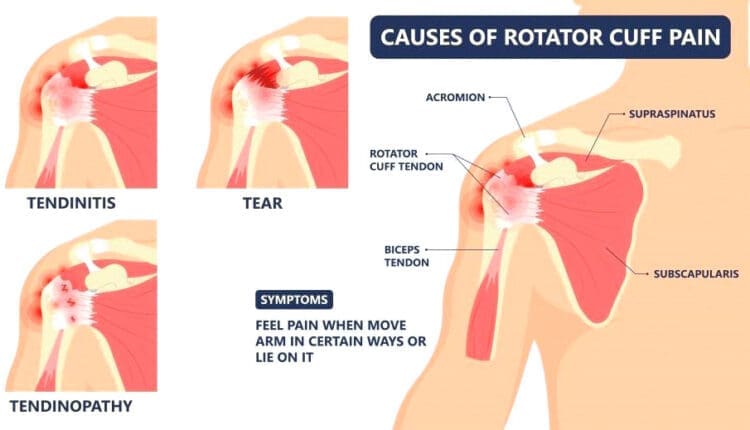
A rotator cuff tear is a common injury to the four muscles and tendons surrounding and stabilizing the shoulder joint. Studies have shown that (Geary M. B., & Elfar J. C. 2015)
30% of those under the age of 70
70% of those over age 80 have a rotator cuff tear.
Physical therapy is often recommended as a first-line initial treatment for rotator cuff pain. In most cases, a rotator cuff tear will not need surgical treatment. Determining when surgery is necessary depends on several factors a patient can discuss with their healthcare provider.
Causes
Overuse and repetitive motions
Trauma (e.g., falls, collisions)
Age-related degeneration
Symptoms
Shoulder pain, especially with overhead or rotational movements
Weakness and difficulty raising the arm
Clicking or grinding sounds in the shoulder
Limited range of motion
Treatment
The goal of physical therapy for a rotator cuff tear is not necessarily to heal the torn tendon but to relieve pain and improve strength by reducing inflammation and restoring shoulder joint mechanics. This is achieved through physical therapy, ice application, anti-inflammatory treatments like medications, and cortisone injections.
Physical Therapy
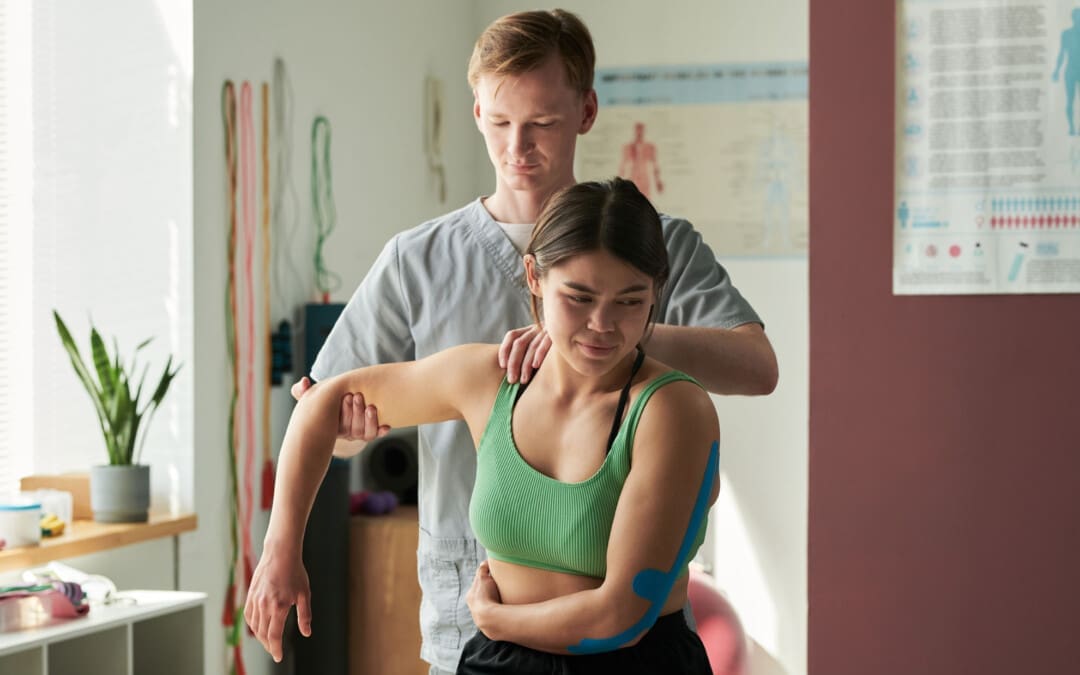
The goal of physical therapy is to improve the function of the muscles that surround the shoulder. Physical therapy targets the smaller muscles around the shoulder that are commonly neglected. By strengthening these muscles, the treatment can help compensate for damaged tendons and improve the mechanics of the shoulder joint. A chiropractic physical therapy team will develop a personalized exercise program. Generally, rehabilitation will start with gentle range of motion exercises that can be accomplished using the arms to lift a mobility stick/wand overhead.
Shoulder Pulleys
These improve shoulder range of motion and flexibility.
Isometric Exercises
These exercises are for the rotator cuff muscles and may then be started.
This exercise can improve the contracting of the muscles around the shoulder and offer more support to the shoulder joint.
Scapular Stabilization Exercises
These can also be done to improve the muscles surrounding the shoulder blade’s function.
This can help improve how the shoulder joint, arm, and scapulae move together when using the arm.
Advanced Strengthening
Advanced exercises can be done with a dumbbell or resistance band.
Consult your healthcare provider or physical therapist before starting these or any other exercises for a rotator cuff tear. Doing exercises correctly prevents further pain, injury, or shoulder problems. Specific, focused exercises can help expedite and regain normal shoulder function.
Injury Medical Chiropractic and Functional Medicine Clinic
The prognosis for rotator cuff tears depends on the severity of the tear and the individual’s overall health. With proper treatment, most people can regain the full function of their shoulders. However, some may experience ongoing pain or limitations in severe cases. Injury Medical Chiropractic and Functional Medicine Clinic works with primary healthcare providers and specialists to build optimal health and wellness solutions. We focus on what works for you to relieve pain, restore function, prevent injury, and help mitigate issues through adjustments that help the body realign itself. They can also work with other medical professionals to integrate a treatment plan to resolve musculoskeletal problems.
Shoulder Pain Chiropractic Treatment
References
Geary, M. B., & Elfar, J. C. (2015). Rotator Cuff Tears in the Elderly Patients. Geriatric orthopaedic surgery & rehabilitation, 6(3), 220–224. https://doi.org/10.1177/2151458515583895
For individuals who have to be in one position for long periods, have poor postural alignment, and perform repetitive motions, what are myofascial pain syndrome spasm cycles?
Myofascial Pain Syndrome Spasm Cycles
Myofascial pain syndrome is a common condition that causes pain symptoms in a particular body area (Jafri M. S. 2014). A myofascial pain syndrome spasm cycle is a recurring pattern in which muscle tension and spasms in affected regions, caused by myofascial pain syndrome, lead to pain, triggering more muscle spasms. This creates a vicious cycle of discomfort and tightness that can be difficult to break without treatment; the pain perpetuates muscle spasms and vice versa.
Spasm Pain Cycle
Left untreated, myofascial pain is often experienced as a recurring cycle of spasm, pain, and spasm. (Kojidi M. M. et al., O2016) The exact cause of the spasm is not known. It may be related to excessive accumulation and release of acetylcholine, which causes sustained muscle contraction. (Nicol A, Crooks M, Hsu E, Ferrante M. 2018) Another theory is that repetitive small muscle trauma helps create a trigger point or knot in the muscle. (Thorne. 2021)
Active trigger points in muscles characterize myofascial pain syndrome. (Shah J. P. et al., 2015) These trigger points cause pain in the area where they are located and sometimes in other places, known as referred pain. Each muscle has a particular referral pattern of pain that goes from a trigger point in that muscle to another place in the body. (Shah J. P. et al., 2015) Medical providers and massage therapists trained in this area can identify trigger points by their pain patterns. With myofascial pain syndrome, muscles tense, and joint range of motion may decrease. (Jafri M. S. 2014)
Trigger Points
Myofascial pain syndrome is characterized by trigger points and sensitive knots within muscles that can cause referred pain when pressed, contributing to the spasm cycle.
Muscle Tension
A repeatedly tense or injured muscle can develop trigger points, which can lead tocle tightness and potential spasms.
Pain-Spasm-Pain Cycle
The pain from a trigger point can cause the muscle to further contract and spasm, leading to even more pain and perpetuating the cycle.
How Spasms and Pain Present
Myofascial pain is often caused by long periods of poor postural alignment, muscle injury, and repetitive motions. (Cleveland Clinic, 2023) For example, the upper body slumps forward when sitting at a desk workstation all day. The upper section of the trapezius muscle is located on the back of the neck and the top of the shoulder. The upper trapezius muscle works to raise the head. (Yoo W. G. 2015) The trapezius muscle now has to work more than it is used to. This overuse may cause microscopic muscle injury, leading to muscle spasms and pain. (Bron C., & Dommerholt J. D. 2012) (Nicol A, Crooks M, Hsu E, Ferrante M. 2018) Without treatment, the muscle spasms, pain, and microscopic muscle injury may persist or worsen, leading to trigger points and chronic pain. (Jafri M. S. 2014)
Causes
Repetitive Motions
Repeating the same movement, like typing on a computer, can trigger muscle tension and points.
Poor Posture
Maintaining incorrect posture for extended periods can strain muscles and contribute to trigger point development.
Muscle Injury
Past injuries can leave muscles susceptible to developing trigger points and pain cycles.
Stress
Psychological stress can lead to muscle tension and exacerbate existing trigger points.
Break the Cycle
Physical Therapy
A physical therapist can use stretching, massage, and trigger point therapy to release muscle tension and address trigger points.
Exercise
Regular exercise, including gentle stretching, can help improve muscle flexibility and reduce tension.
Heat Therapy
Applying heat to affected areas can help relax muscles and alleviate pain.
Ergonomics
Modifying work habits and posture to reduce strain on muscles.
Stress Management
Techniques like deep breathing and meditation can help reduce stress-related muscle tension.
Injury Medical Chiropractic and Functional Medicine Clinic
Injury Medical Chiropractic and Functional Medicine Clinic works with primary healthcare providers and specialists to build optimal health and wellness solutions. We focus on what works for you to relieve pain, restore function, prevent injury, and help mitigate issues through adjustments that help the body realign itself. They can also work with other medical professionals to integrate a treatment plan to resolve musculoskeletal problems.
Personal Injury Rehabilitation
References
Jafri M. S. (2014). Mechanisms of Myofascial Pain. International scholarly research notices, 2014, 523924. https://doi.org/10.1155/2014/523924
Kojidi, M. M., Okhovatian, F., Rahimi, A., Baghban, A. A., & Azimi, H. (2016). Comparison Between the Effects of Passive and Active Soft Tissue Therapies on Latent Trigger Points of Upper Trapezius Muscle in Women: Single-Blind, Randomized Clinical Trial. Journal of Chiropractic Medicine, 15(4), 235–242. https://doi.org/10.1016/j.jcm.2016.08.010
Nicol A, C. M., Hsu E, Ferrante M. (2018). Myofascial Pain Syndrome. Science Direct, 207-212. https://doi.org/https://doi.org/10.1016/B978-0-323-40196-8.00025-5
THORNE. (2021). Understanding Muscle Pain, Fascia, and Myofascial Release. https://www.thorne.com/take-5-daily/article/understand-muscle-pain-fascia-and-myofascial-release?srsltid=AfmBOop3Pp0wWEeiQEqpfPgAaTOpLvU7lOAGUv5VRYQdoH8OBcW4D_wk
Shah, J. P., Thaker, N., Heimur, J., Aredo, J. V., Sikdar, S., & Gerber, L. (2015). Myofascial Trigger Points Then and Now: A Historical and Scientific Perspective. PM & R: the journal of injury, function, and rehabilitation, 7(7), 746–761. https://doi.org/10.1016/j.pmrj.2015.01.024
Yoo W. G. (2015). Comparison of activation and change in the upper trapezius muscle during painful and non-painful computer work. Journal of Physical Therapy Science, 27(10), 3283–3284. https://doi.org/10.1589/jpts.27.3283
Bron, C., & Dommerholt, J. D. (2012). Etiology of myofascial trigger points. Current pain and headache reports, 16(5), 439–444. https://doi.org/10.1007/s11916-012-0289-4
Can individuals incorporate these simple but effective exercise routines to reduce pain and discomfort in their spine and back?
Why It’s Important To Keep The Back Mobile
When many individuals are dealing with back pain from their upper, middle, and lower portions, it can put a halt to a person’s routine. When back pain becomes present, it causes the person to find a comfortable place like a couch or a bed and lie down. However, this can cause more issues than the original one, affecting the individual. Back pain is a common worldwide problem and is the leading issue of disability associated with a high socio-economic cost. (Chou, 2021) Additionally, when a person is dealing with back pain, they are also dealing with degenerative issues that are also affecting their spines, thus causing problems to their joints, discs, and bones. (Hauser et al., 2022) This is because back pain is a multifactorial musculoskeletal disorder that can cause referred pain to different body locations. So when a person dealing with back pain rests, it can become an issue as inflammation builds up and swelling in the affected areas. Hence, many doctors, chiropractors, physical therapists, and spine specialists recommend keeping mobile to allow blood flow and the body’s natural healing response to reduce pain and speed up recovery. Since back pain relief is challenging through visceral-somatic disturbances, it is important to find various treatment options to aid the person’s specific condition. As a person goes to get treatment for their back pain, it is important to note that the causes of their back pain can help determine which exercises can be most effective within their treatment plan. We associate with certified medical providers who inform our patients of the benefits of incorporating simple but effective exercises for their back pain. While asking important questions to our associated medical providers, we advise patients to integrate an exercise routine to reduce the chances of environmental factors causing back pain to return. Dr. Alex Jimenez, D.C., envisions this information as an academic service. Disclaimer.
Understanding Academic Low Back Pain- Video
Effective But Simple Exercises For The Back
Many people often wonder, “If I am dealing with back pain, why should I exercise to reduce this pain?” The answer is simple: since the affected back muscles are tight and weakened, simple but effective exercises can help recover. Exercise therapy can help increase muscle-joint strength in the body while improving muscle function and increasing range of motion. This boosts a speedy recovery and allows the individual to return to their usual activities. (Hayden et al., 2021) At the same time, with a customized treatment plan, exercise therapy can incorporate other non-surgical treatments with one goal: to restore normal musculoskeletal function and reduce the pain caused by environmental factors, diseases, or injuries. (Karlsson et al., 2020) Now, depending on the severity of the back pain, there are simple but effective exercises below to help reduce the pain and restore mobility to the back.
Physical Therapy & At-Home Workouts
Physical therapy and at-home exercises can help many individuals with back pain. They can help figure out which position can help centralize the pain and correct any restricted motions. Many physical therapists incorporate the McKenzie method to strengthen and support the spine while decreasing pain and inflammation. At-home exercises can be combined with a series designed to be practical, assessable, and feasible for therapeutic gain or even to improve physical capacity to maximum effort. (Quentin et al., 2021)
Water Exercises
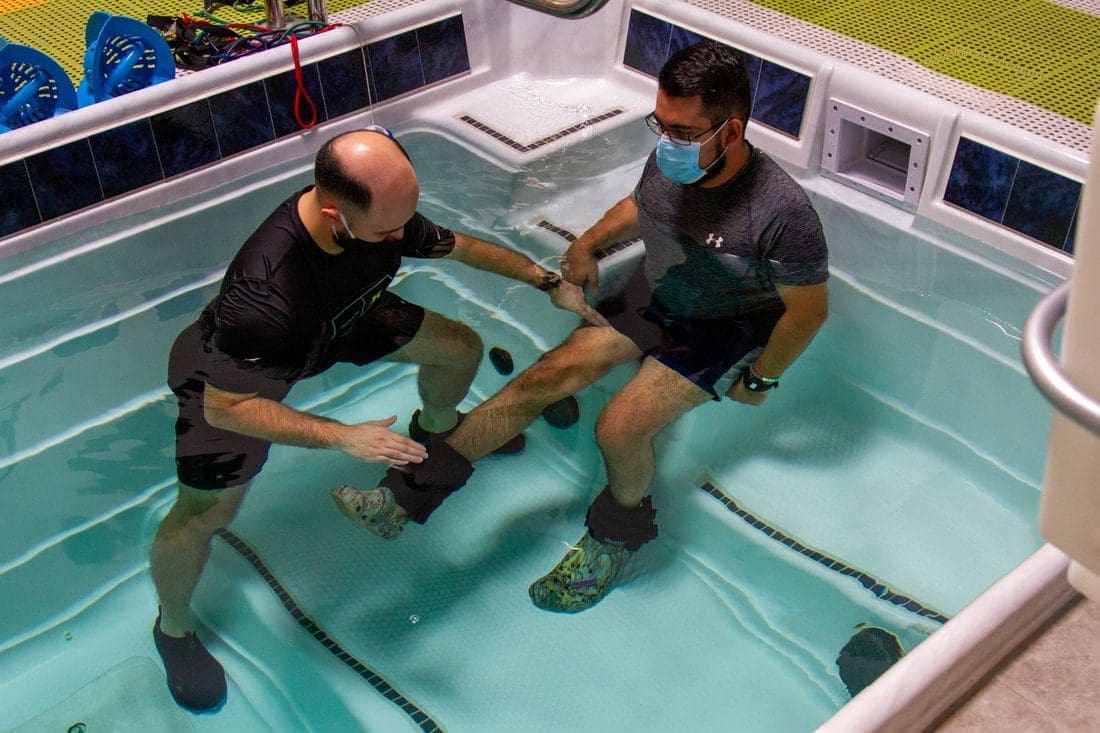
Water exercises are amazing exercises that can help lessen the body’s weight to take pressure and stress off the spine. This is because water is supposed to help cleanse and rejuvenate the body. When individuals are experiencing chronic back pain, aquatic physical therapy can help relieve pain intensity, relax the aching muscles, and even promote a positive workout experience for the individual. (Ma et al., 2022) After a few consecutive sessions, many individuals can see improvement in pain intensity and restored mobility function in their routines.
Tai Chi & Stabalizing Exercises
Now, another simple and effective exercise routine can help stabilize the surrounding muscles in the back and spine and become effective as part of a health and well-being routine. Tai chi and Qigong practices can help the individual emphasize stillness and controlled movements to promote calmness, resilience, body awareness, and relaxation for proper body alignment. (Yang et al., 2024) Tai chi and Qigong can also help support immune function in the body while regulating inflammation, which can help reduce and prevent diseases. (Oh et al., 2020) At the same time, yoga can help improve flexibility, mobility, and stability within the muscles and joints while also improving spinal alignment, which can help many individuals have proper posture. (Zhu et al., 2020) Depending on which exercise a person prefers for their treatment plan and to reduce their back pain; it is important to make these small changes to achieve optimal results. Making these small changes can help many individuals reduce the chances of their back pain returning and help them along with their health and wellness journey.
Hauser, R. A., Matias, D., Woznica, D., Rawlings, B., & Woldin, B. A. (2022). Lumbar instability as an etiology of low back pain and its treatment by prolotherapy: A review. J Back Musculoskelet Rehabil, 35(4), 701-712. https://doi.org/10.3233/BMR-210097
Hayden, J. A., Ellis, J., Ogilvie, R., Malmivaara, A., & van Tulder, M. W. (2021). Exercise therapy for chronic low back pain. Cochrane Database Syst Rev, 9(9), CD009790. https://doi.org/10.1002/14651858.CD009790.pub2
Karlsson, M., Bergenheim, A., Larsson, M. E. H., Nordeman, L., van Tulder, M., & Bernhardsson, S. (2020). Effects of exercise therapy in patients with acute low back pain: a systematic review of systematic reviews. Syst Rev, 9(1), 182. https://doi.org/10.1186/s13643-020-01412-8
Ma, J., Zhang, T., He, Y., Li, X., Chen, H., & Zhao, Q. (2022). Effect of aquatic physical therapy on chronic low back pain: a systematic review and meta-analysis. BMC Musculoskelet Disord, 23(1), 1050. https://doi.org/10.1186/s12891-022-05981-8
Oh, B., Bae, K., Lamoury, G., Eade, T., Boyle, F., Corless, B., Clarke, S., Yeung, A., Rosenthal, D., Schapira, L., & Back, M. (2020). The Effects of Tai Chi and Qigong on Immune Responses: A Systematic Review and Meta-Analysis. Medicines (Basel), 7(7). https://doi.org/10.3390/medicines7070039
Quentin, C., Bagheri, R., Ugbolue, U. C., Coudeyre, E., Pelissier, C., Descatha, A., Menini, T., Bouillon-Minois, J. B., & Dutheil, F. (2021). Effect of Home Exercise Training in Patients with Nonspecific Low-Back Pain: A Systematic Review and Meta-Analysis. Int J Environ Res Public Health, 18(16). https://doi.org/10.3390/ijerph18168430
Yang, Y., McCluskey, S., Bydon, M., Singh, J. R., Sheeler, R. D., Nathani, K. R., Krieger, A. C., Mehta, N. D., Weaver, J., Jia, L., DeCelle, S., Schlagal, R. C., Ayar, J., Abduljawad, S., Stovitz, S. D., Ganesh, R., Verkuilen, J., Knapp, K. A., Yang, L., & Hartl, R. (2024). A Tai chi and qigong mind-body program for low back pain: A virtually delivered randomized control trial. N Am Spine Soc J, 20, 100557. https://doi.org/10.1016/j.xnsj.2024.100557
Zhu, F., Zhang, M., Wang, D., Hong, Q., Zeng, C., & Chen, W. (2020). Yoga compared to non-exercise or physical therapy exercise on pain, disability, and quality of life for patients with chronic low back pain: A systematic review and meta-analysis of randomized controlled trials. PLOS ONE, 15(9), e0238544. https://doi.org/10.1371/journal.pone.0238544
Can incorporating an exercise program like the Alfredson Protocol help athletes and individuals who have hurt their Achilles tendon find pain relief and healing so they can return to regular physical activities?
Exercise Protocol Achilles Tendonitis
Achilles tendonitis occurs when the tendon at the back of the ankle gets injured. It is common in runners. For individuals who have Achilles tendonitis, walking and running can be painful. You might have to stop engaging in exercise and physical activities like sports. Depending on your job, having the condition may make working harder. Here are a few of the signs and symptoms of the condition:
Pain in the back of the lower leg, just above the heel.
Pain with running, jumping, or pointing the toes.
A small lump on the Achilles tendon just above the heel.
The first line of treatment is to rest and ice the tendon. Anti-inflammatory medications can help reduce pain. (American Academy of Orthopaedic Surgeons, 2022) Physical therapy can include strengthening exercises, ultrasound heat therapy, and deep massage. Exercises stretching the nearby muscles will help gradually increase the stress the tendon can handle, eventually reducing inflammation and swelling. Stretching and flexibility exercises will help an Achilles tendon heal. (University of Michigan, 2023)
The only way to determine if an individual has injured their Achilles tendon is to see a doctor. If the injury is Achilles tendonitis, a physical therapist may be recommended. A physical therapist can train individuals on the Alfredson protocol, an exercise protocol program for those with Achilles tendonitis (tendinopathy) that research has shown is helpful for those with the condition. The therapist will train on how to exercise to strengthen the tendon. The exercises stretch the Achilles tendon to help it handle forces and stress, known as eccentric loading. (Stevens M., & Tan C. W. 2014)
Inflammation
Tendonitis is inflammation of a tendon. However, studies have shown that the tendon might not be inflamed in those with the condition. When an area of the body is inflamed, inflammatory cells are present. Individuals usually feel pain in the inflamed area. For those with Achilles tendonitis, the tendon will present with pain, but not necessarily because the tendon is inflamed. Under a microscope, researchers examined tissue from the tendons of those with Achilles tendonitis. They did not find inflammatory cells in the tissue. (Stevens M., & Tan C. W. 2014) This means that although individuals felt pain, they were not inflamed. If there are no inflammatory cells in the tendon, this could explain why those with Achilles tendonitis often do not find relief from the anti-inflammatory treatment of non-steroidal anti-inflammatory drugs (NSAIDs). Studies have shown that gentle exercise protocols for the tendon are more helpful. However, researchers are not sure why these exercises are so beneficial. (O’Neill S., Watson P. J., & Barry S. 2015)
Eccentric Exercise
A chiropractic physical therapy team can help individuals heal the injury with eccentric loading exercises. Eccentric loading exercises work the muscles and tendons to help them get stronger. Once healing has begun, they can help strengthen the tendon. Individuals start slowly with easy exercises and then work up to harder ones. They will have the patient lengthen or stretch out the muscle. As the patient moves, the muscles and tendons contract or shorten. The Alfredson protocol consists of eccentric loading exercises for the Achilles and the muscles that support it.
Alfredson Protocol
Before exercising, talk to a doctor or physical therapist to know if it’s safe. How to do the Alfredson protocol:
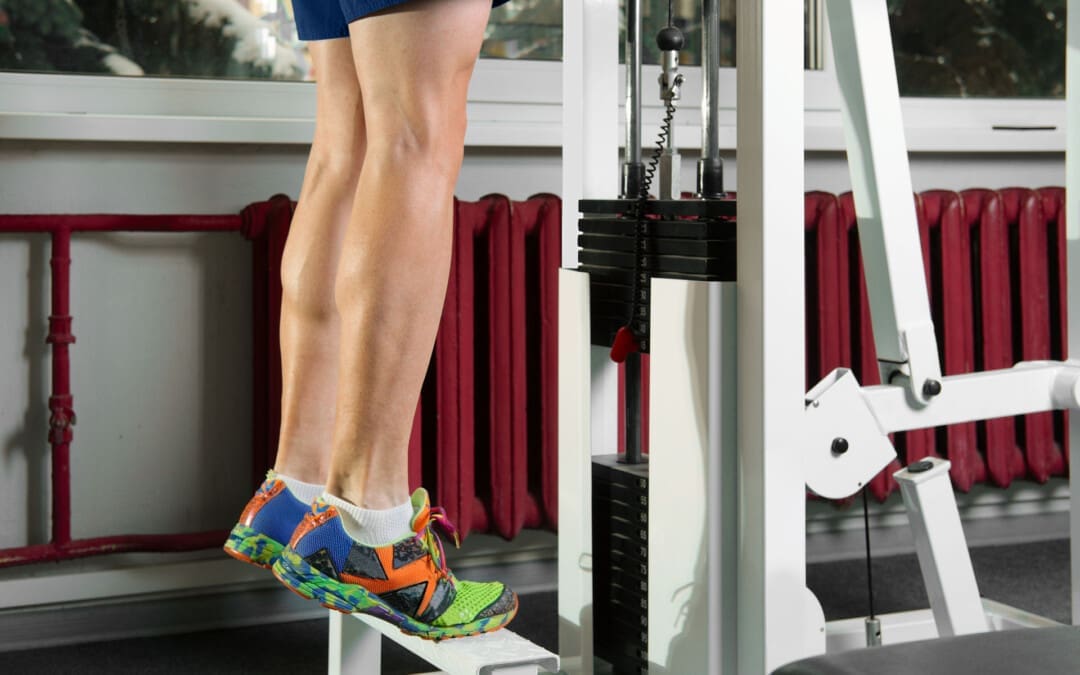
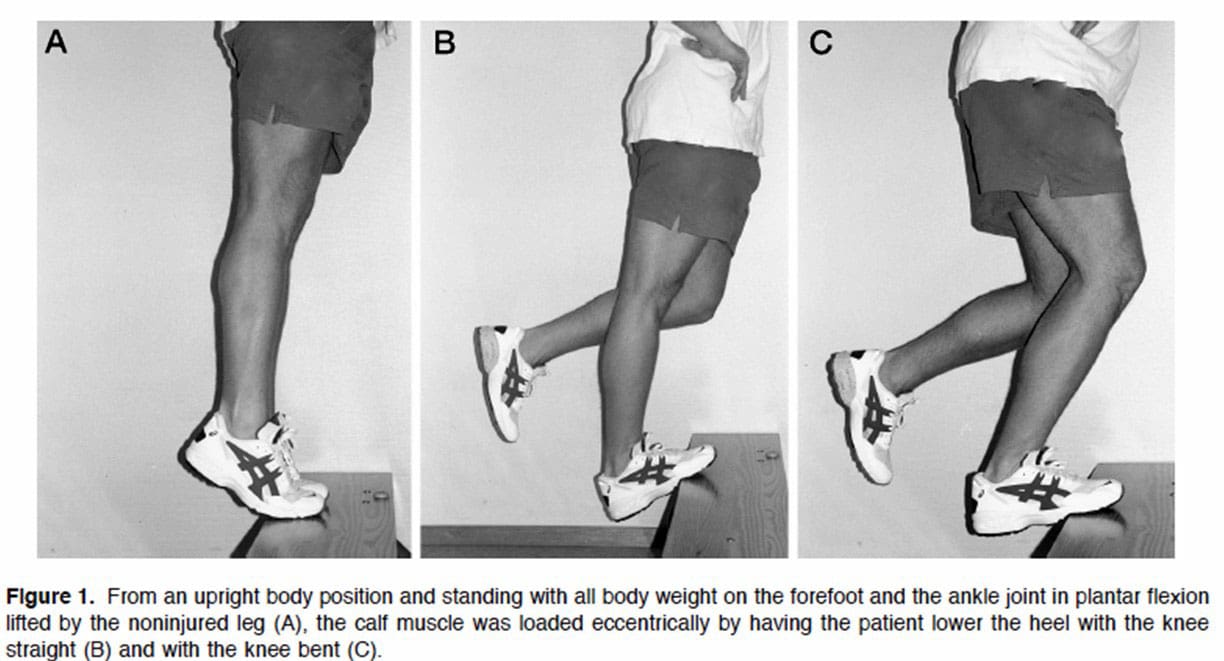
First, stand on a small step or curb.
Stand with the balls of your feet on the edge.
Your heels should hang over the edge.
Hold onto something for balance.
Keep the knees straight.
This will load a muscle part of the Achilles tendon called the gastrocnemius.
Using both feet, lift the heels and rise onto the balls of the feet.
Keep the foot with the painful Achilles tendon on the step.
Lift the non-injured foot off the step.
Slowly lower down using the injured ankle.
The heel should move towards the floor.
The ball of the foot should remain in contact with the edge of the step.
Return the non-injured foot to the step.
Repeat the exercise.
Do three sets of 15 reps with the knees straight. Then, do the Alfredson protocol again with the knees slightly bent. This will work a muscle called the soleus, which connects to the gastrocnemius. Perform three sets of 15 repetitions. Perform both exercises twice a day. This could be in the morning and the evening. The Alfredson protocol is most beneficial when done for about 12 weeks. (Stevens M., & Tan C. W. 2014)
Injury Medical Chiropractic and Functional Medicine Clinic
The Alfredson exercise protocol can be done at home with a step or raised platform to put the feet on safely. Individuals should consider working with a personal trainer to ensure safety and get the most out of the workouts. Injury Medical Chiropractic and Functional Medicine Clinic works with primary healthcare providers and specialists to build optimal health and wellness solutions. We focus on what works for you to relieve pain, restore function, prevent injury, and help mitigate issues through adjustments that help the body realign itself. They can also work with other medical professionals to integrate a treatment plan to resolve musculoskeletal problems.
American Academy of Orthopaedic Surgeons. OrthoInfo. (2022). Achilles Tendinitis. https://orthoinfo.aaos.org/en/diseases–conditions/achilles-tendinitis/
University of Michigan. (2023). Achilles Tendon Injury: Physical Therapy and Rehab. https://www.uofmhealth.org/health-library/tr2261
Stevens, M., & Tan, C. W. (2014). Effectiveness of the Alfredson protocol compared with a lower repetition-volume protocol for midportion Achilles tendinopathy: a randomized controlled trial. The Journal of orthopaedic and sports physical therapy, 44(2), 59–67. https://doi.org/10.2519/jospt.2014.4720
O’Neill, S., Watson, P. J., & Barry, S. (2015). WHY ARE ECCENTRIC EXERCISES EFFECTIVE FOR ACHILLES TENDINOPATHY?. International journal of sports physical therapy, 10(4), 552–562.
IFM's Find A Practitioner tool is the largest referral network in Functional Medicine, created to help patients locate Functional Medicine practitioners anywhere in the world. IFM Certified Practitioners are listed first in the search results, given their extensive education in Functional Medicine