With the summer approaching, the day’s heat makes the body want to eat light or not at all. That’s when late-night hunger kicks in. Individuals can’t sleep because their stomachs won’t stop growling. Whatever the reason, the body needs something to eat to go back to sleep. The challenge is figuring out what’s quick, tasty, healthy, and can help promote sleep, as some foods contain compounds that can improve sleep.
Late-Night Nutritious Snacks
There are several reasons for needing a late-night snack, and a healthy snack can be a good way to get some additional nutrients for the next day. Having small nutrient-rich snacks under 200 calories is fine. Individuals who regularly have late-night snacks should consider having prepared snacks to promote sleep and not inhibit sleep. Planning is the key to choosing snacks to help support healthy sleep and satisfy hunger.
Snacks To Consider
Pumpkin Seeds
Pumpkin contains tryptophan which contributes to sleep.
They also contain essential nutrients zinc, phosphorus, potassium, selenium, and magnesium.
These can help combat illnesses related to inflammation.
Bananas
Bananas are a healthy source of dietary melatonin.
In one study, individuals who ate a banana had an increase in serum melatonin levels two hours after eating.
The potassium content of bananas can help inhibit muscle cramps, a problem some individuals have when trying to sleep.
Glass of Milk
Warm or cold, a glass of milk before bed can help improve sleep.
Milk contains antioxidant and anti-inflammatory properties, which can help improve sleep quality.
Sleep-inducing amino acids like tryptophan are also found in milk.
Dairy milk is not the only type of milk shown to aid sleep.
Soy milk is a good source of both melatonin and tryptophan.
Plant-based milk made with nuts can confer the same benefits as whole nuts.
Milk and Cereal
Individuals may reserve cereal for breakfast, but it can make a healthy late-night snack to promote sleep.
One study found that high-glycemic carbs in many corn-based cereals before bed reduced the time it took to fall asleep.
Limit portion size as the entire snack should be under 300 calories, especially for those with heartburn, as a heavy meal can exacerbate the problem.
Dairy products contain calcium, a mineral that directly produces the sleep hormone melatonin and is a natural relaxant in the body.
Peanut Butter and Jelly Sandwich
Foods like peanut butter contain an amino acid called tryptophan, which is converted into melatonin to promote sleepiness.
Carbohydrates like bread and jelly help make tryptophan more available to the brain.
Option for whole grain bread and natural peanut butter with no added sugars for added nutrition.
Yogurt with Fruit
Plain yogurt with berries, chopped nuts, and honey.
Yogurt provides a healthy source of calcium, which has been linked to better sleep.
Be sure to read the labels, as some varieties contain added sugar.
Fruit and Nuts
Fruit and nuts are great when hungry and tired.
They provide nutritional benefits, including vitamins, minerals, protein, complex carbs, healthy fats, and fiber.
They nourish, provide satisfaction, and help the body fall asleep.
An apple with a handful of almonds, a banana, and pecans, or a pear with a few walnuts.
One teaspoon of peanut butter on banana slices or dip apple slices in almond butter.
If almond butter is too thick for dipping, microwave 1-2 tablespoons for 30 seconds until it’s soft enough to dip.
Popcorn
Popcorn is a great snack that is low in calories.
Three cups of air-popped popcorn have fewer than 100 calories and about 4 grams of fiber.
Skip the butter and mix in dried spices for extra flavor.
Vegetables and Dip
Craving something crunchy and low-calorie, fresh vegetables and dip.
Any combination of raw carrots, broccoli florets, cucumber slices, celery, zucchini, peppers, and grape tomatoes can satisfy a rumbling stomach.
Enhance the flavor with a plain low-fat cottage cheese dip, Greek yogurt, or hummus.
Turkey Sandwich
When craving a sandwich, a combination of protein and complex carbohydrates from lean protein like turkey and whole grain bread with tomato, lettuce, and a splash of mayo and mustard can satisfy.
Allow enough time to digest, as being too full can inhibit sleep.
Chickpeas, the primary ingredient in hummus, contain tryptophan.
Body In Balance
References
Bandín, C et al. “Meal timing affects glucose tolerance, substrate oxidation, and circadian-related variables: A randomized, crossover trial.” International Journal of Obesity (2005) vol. 39,5 (2015): 828-33. doi:10.1038/ijo.2014.182
Beccuti, Guglielmo, et al. “Timing of food intake: Sounding the alarm about metabolic impairments? A systematic review.” Pharmacological research vol. 125, Pt B (2017): 132-141. doi:10.1016/j.phrs.2017.09.005
Behrouz, Sepide, et al. “The Antioxidant, Anti-Inflammatory, and Immunomodulatory Effects of Camel Milk.” Frontiers in immunology vol. 13 855342. 12 Apr. 2022, doi:10.3389/fimmu.2022.855342
Gallant, Annette, et al. “Nutritional Aspects of Late Eating and Night Eating.” Current obesity reports vol. 3,1 (2014): 101-7. doi:10.1007/s13679-013-0081-8
Stobiecka, Magdalena, et al. “Antioxidant Activity of Milk and Dairy Products.” Animals: an open access journal from MDPI vol. 12,3 245. 20 Jan. 2022, doi:10.3390/ani12030245
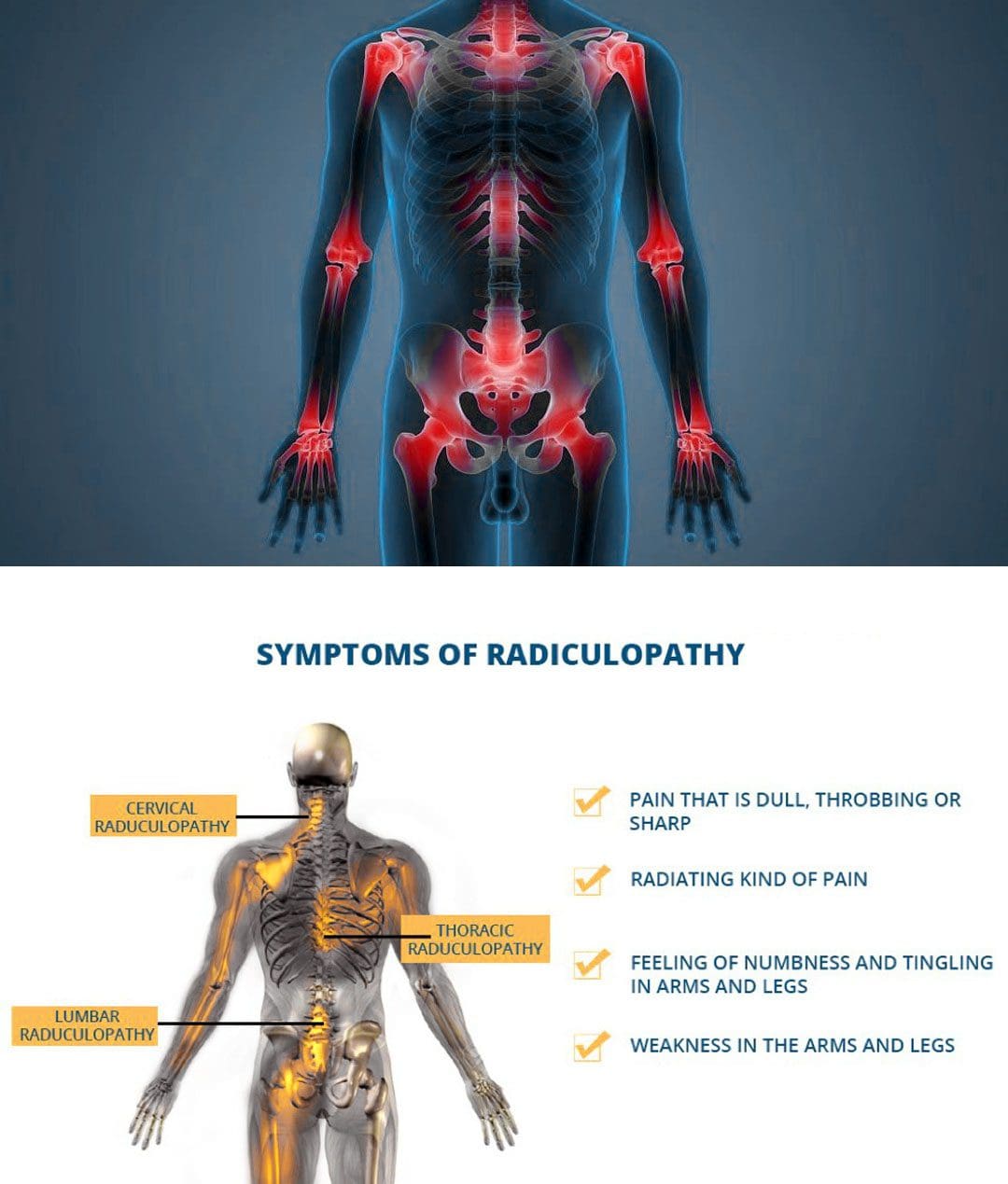
A pinched, compressed, overly stretched, twisted, and entangled nerve can happen throughout the body. The most common locations are the neck, shoulder, upper back, upper chest, arm, elbow, hand, wrist, low back, legs, and feet. This disrupts the nerve’s ability to function properly. Each nerve stimulates muscles and detects sensations in specific areas of the skin or internal organs so they work properly. Common symptoms are tingling, numbness, pain, weakness, and musculoskeletal problems. The average pinched nerve duration can last a few days to as long as 4 to 6 weeks or, in some cases, longer, in which case individuals should see a doctor or neurologist. Injury Medical Chiropractic and Functional Medicine Clinic can relieve, release, and restore nerve health.
Pinched Nerve
A pinched nerve is caused by pressure from surrounding tissues that place added stress on it. Muscles, bones, cartilage, and tendons can all press, pull, or entangle a nerve. This can result in a loss of function, which can then lead to symptoms including:
Tingling
Numbness
Muscle weakness
Various types of pain – sharp, electrical, throbbing, aching, and radiating/spreading out to other areas.
Burning sensation
A pinched nerve can become serious, cause chronic pain conditions and lead to permanent nerve damage.
More severe cases may require surgery.
Pinched Nerve Duration
Pinched nerve duration depends on the injury, which can happen suddenly or gradually. A temporary case with an acute cause, such as injury or poor posture, can last several days. Cases related to chronic conditions, like arthritis, may last longer. Treatment, as well as recovery, also vary based on the location of the injury and what’s causing the pressure.
Body Locations
Neck
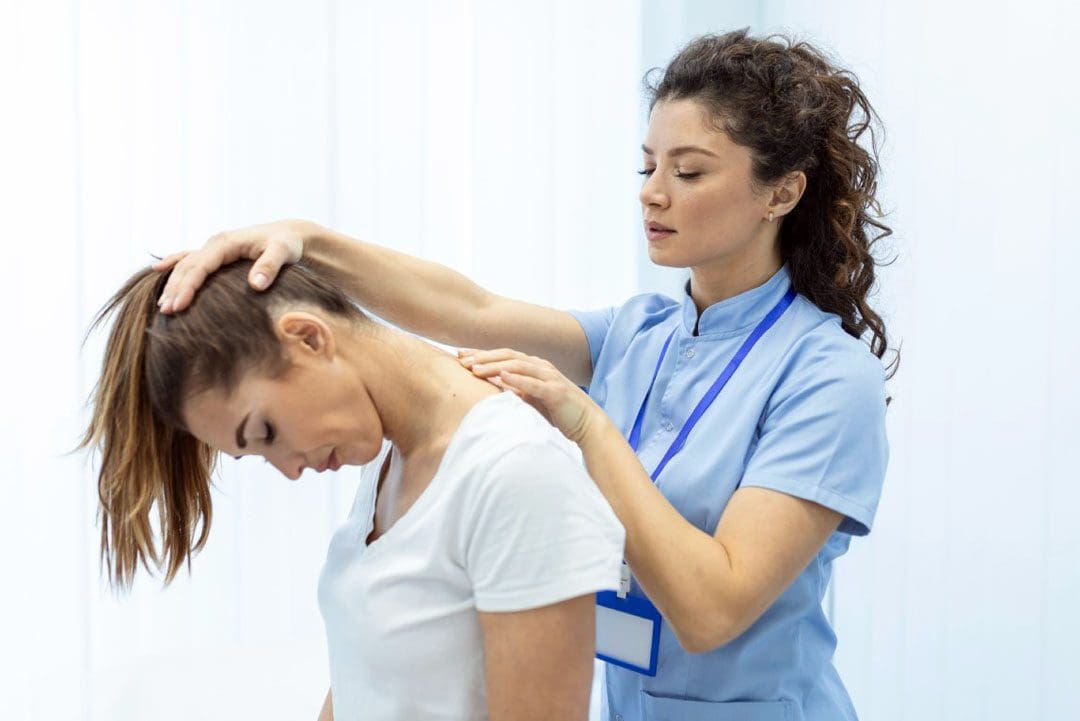
A pinched nerve in the neck can cause tingling sensations and pain, which can travel to the shoulders and arms. This type can be caused by:
Sleeping position
Repetitive movements
Injuries
The pain will usually ease within several days unless a chronic health condition is the cause of the pinching.
Lower back
A pinched nerve in the lower back is often brought on by herniated discs that compress nerve roots.
It may also be caused by arthritis or injuries.
Individuals may feel a sharp pain in the lower back, as well as in the buttocks and back of the leg.
Sciatica may be a symptom.
Lower back pain may be acute, lasting only a few days.
If the injury doesn’t resolve, it may cause chronic back pain that can last 12 weeks or more.
Leg
The legs can develop pinched nerves from herniated discs or injuries.
If left untreated can lead to peripheral neuropathy.
This can develop over several weeks or years.
Hip
A pinched nerve in the hip can last a few days if related to an injury. If the pain lasts longer than a few days, consult a doctor. Possible causes of chronic hip pain may include:
Obesity
Bone spurs
Arthritis
Shoulder
Shoulder pain brought on by a pinched nerve usually starts in the upper spine and is caused by:
Injury
Tendinitis
Arthritis
To tell if the pain symptoms are from a pinched nerve and not a muscle strain, the pain tends to occur in one shoulder, and there is a sharpness to the aches.
Left untreated, arthritis or tendinitis can lead to chronic pain that can come and go for several weeks, months, or years.
Wrist
Repetitive overuse is commonly linked to pinched nerves in the wrist.
Pinched nerves can lead to carpal tunnel syndrome – pain and numbness extending through the arm, hand, and fingers.
Pain lasting over two months could indicate other underlying conditions, like arthritis.
Chiropractic Relief
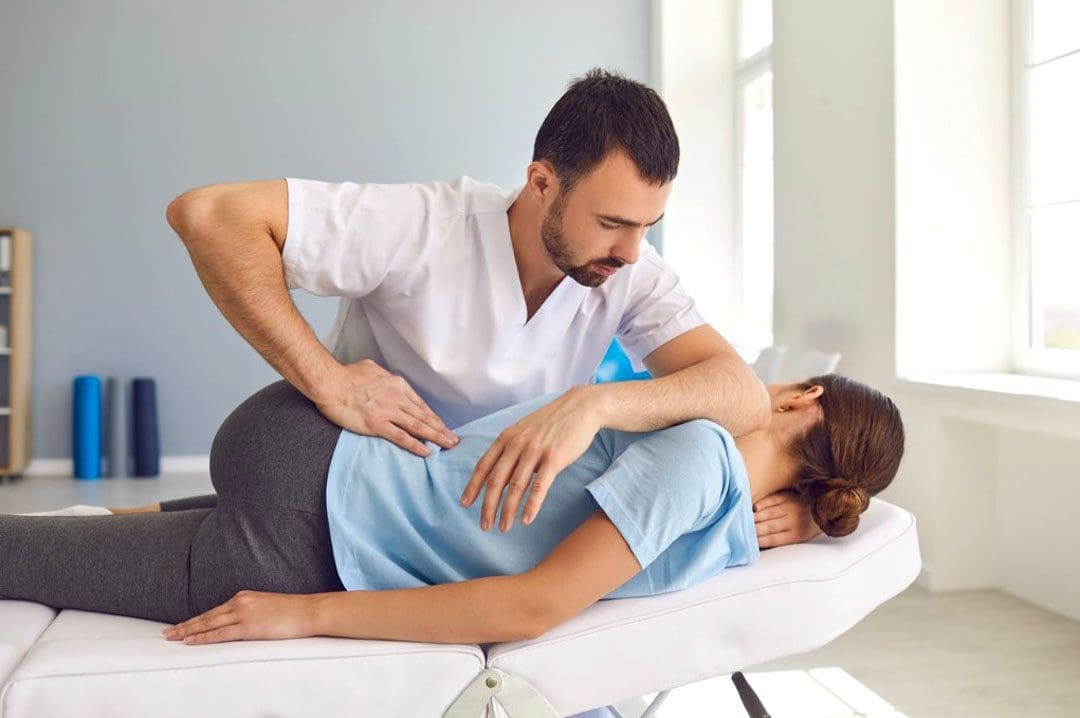
Chiropractic adjustments identify the impacted nerve/s and use various therapies to remove the compression, relieving symptoms and the injury or issue. A personalized treatment plan can include the following:
Cornwall, R, and T E Radomisli. “Nerve injury in traumatic dislocation of the hip.” Clinical orthopedics and related research, 377 (2000): 84-91. doi:10.1097/00003086-200008000-00012
Dmytriv, Mariya, et al. “PT or cervical collar for cervical radiculopathy?.” The Journal of family practice vol. 59,5 (2010): 269-72.
Hochman, Mary G, and Jeffrey L Zilberfarb. “Nerves in a pinch: imaging of nerve compression syndromes.” Radiologic clinics of North America vol. 42,1 (2004): 221-45. doi:10.1016/S0033-8389(03)00162-3
Lopez-Ben, Robert. “Imaging of nerve entrapment in the foot and ankle.” Foot and ankle clinics vol. 16,2 (2011): 213-24. doi:10.1016/j.fcl.2011.04.001
Needham, C W. “Pinched nerves and signature signs.” Connecticut Medicine vol. 57,1 (1993): 3-7.
Siccoli, Alessandro, et al. “Tandem Disc Herniation of the Lumbar and Cervical Spine: Case Series and Review of the Epidemiological, Pathophysiological and Genetic Literature.” Cureus vol. 11,2 e4081. 16 Feb. 2019, doi:10.7759/cureus.4081
Supplements To Ease Headaches: Individuals dealing with headaches or migraines should consider incorporating supplements to ease headaches’ severity and frequency. Nutrition and food habits affect all systems in the body. Although slower to take effect than medications, if a diet is used correctly to heal the body and maintain health, other treatments may not be necessary or require less. Many health providers understand that food is a medicine that can assist healing therapies like massage and chiropractic care, which makes the treatment more effective when used with dietary adjustments.
Supplements To Ease Headaches
An unhealthy lifestyle and diet are not the only contributing factor to headaches. Others include:
The goal of functional medicine is to help individuals reach their health and wellness goals that, include:
Regularly active lifestyle.
Optimal breathing patterns.
Quality sleep patterns.
Thorough hydration.
Healthy nutrition.
Improved digestive health.
Improved mental health.
Improved musculoskeletal health.
Pain Receptors – Headache
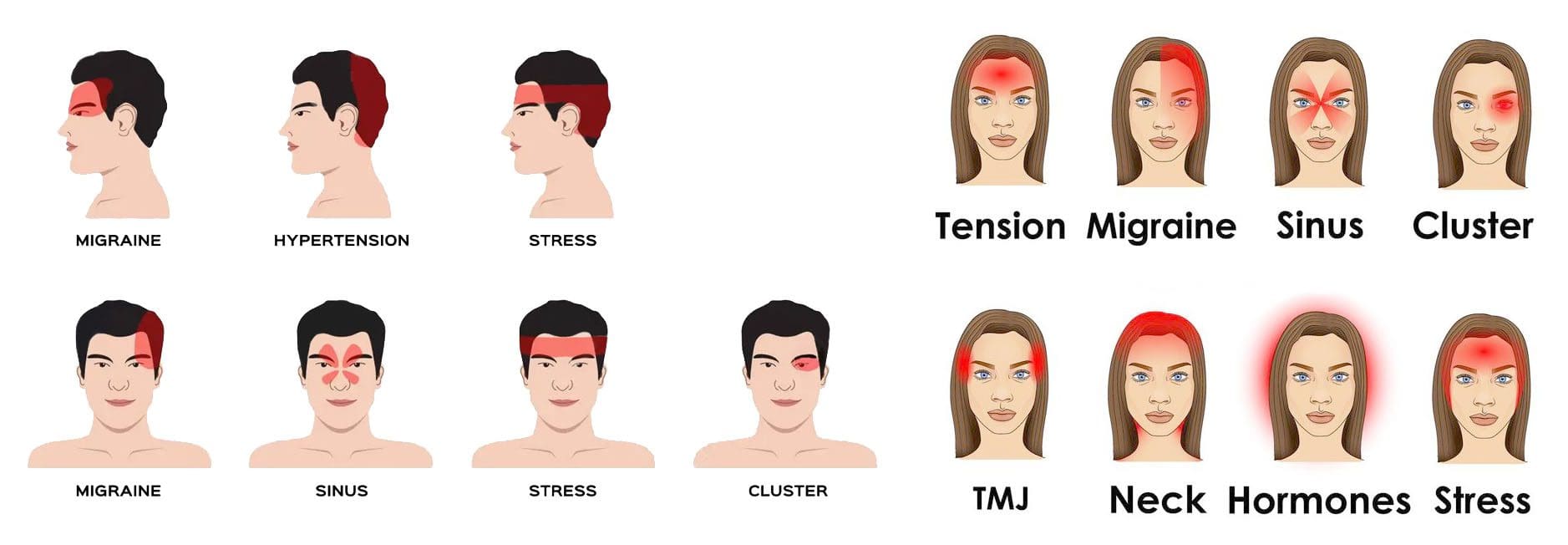
Pain and discomfort symptoms present when various head structures become inflamed or irritated. These structures include:
Nerves of the head and neck.
Muscles of the neck and head.
The skin of the head.
Arteries that lead to the brain.
Membranes of the ear, nose, and throat.
Sinuses that form part of the respiratory system.
The pain can also be referred, meaning that pain in one area can spread to nearby areas. An example is headache pain developed from neck stiffness and tightness.
Causes
Foods
Determining whether food sensitivities cause or contribute to headaches or migraines can be challenging. Nutritionists and dieticians recommend keeping a food journal to keep track of foods, snacks, drinks, alcohol intake, how the body reacts, and how the individual feels.
This process can help recognize foods or eating patterns that may contribute to headaches.
An integrative health practitioner can support this process and help identify sensitivities.
By eliminating and avoiding processed foods, headaches may be alleviated. This includes limited exposure to artificial colors, sweeteners, flavors, and other unnatural additives.
Foods naturally high in magnesium include legumes, almonds, broccoli, spinach, avocados, dried figs, and bananas.
Ginger Root
Ginger root is a natural remedy for nausea, diarrhea, upset stomach, and indigestion.
Ginger root extract can be taken in supplement form or fresh ginger added to meals and teas.
Coriander Seeds
Coriander syrup is effective against migraine pain.
A method to relieve a headache is to pour hot water over fresh seeds and inhale the steam.
To increase the effectiveness, place a towel over your head.
Celery or Celery Seed Oil
Celery can reduce inflammation and lower blood pressure.
However, pregnant women or individuals with kidney conditions, low blood pressure, taking thyroid medication, blood thinners, lithium, or diuretics should not use celery seed.
Peppermint and Lavender Essential Oils
Both have a natural numbing and cooling effect that helps relieve headache pain.
Peppermint oil has also been found to be a natural antibacterial, antiviral, antifungal, antiparasitic, and pain reliever.
Lavender oil can eliminate nervous tension, enhance blood circulation, and relieve pain.
Both are effective pain relief tools for headache and migraine sufferers.
Butterbur
This shrub grows in Europe, some parts of Asia, and North America.
A study found that individuals who consumed 75 mg of the extract twice daily reduced migraine attacks’ frequency.
Feverfew
A herb plant whose dried leaves have been found to relieve symptoms associated with headaches, migraines, menstrual cramps, asthma, dizziness, and arthritis.
Feverfew can be found in supplements.
It can alter the effects of certain prescription and non-prescription medications.
There is plenty of evidence to support the benefits of healthy nutrition. Combined with a healthy diet and lifestyle, these supplements can help relieve headaches. As with any supplement, talk to a doctor before starting a supplement regimen.
Chiropractic Care For Migraines
References
Ariyanfar, Shadi, et al. “Review on Headache Related to Dietary Supplements.” Current Pain and headache report vol. 26,3 (2022): 193-218. doi:10.1007/s11916-022-01019-9
Bryans, Roland, et al. “Evidence-based guidelines for the chiropractic treatment of adults with headache.” Journal of Manipulative and physiological therapeutics vol. 34,5 (2011): 274-89. doi:10.1016/j.jmpt.2011.04.008
Diener, H C et al. “The first placebo-controlled trial of a special butterbur root extract for the prevention of migraine: reanalysis of efficacy criteria.” European Neurology vol. 51,2 (2004): 89-97. doi:10.1159/000076535
Kajjari, Shweta, et al. “The Effects of Lavender Essential Oil and its Clinical Implications in Dentistry: A Review.” International Journal of clinical pediatric dentistry vol. 15,3 (2022): 385-388. doi:10.5005/jp-journals-10005-2378
Maier, Jeanette A et al. “Headaches and Magnesium: Mechanisms, Bioavailability, Therapeutic Efficacy and Potential Advantage of Magnesium Pidolate.” Nutrients vol. 12,9 2660. 31 Aug. 2020, doi:10.3390/nu12092660
Mansouri, Samaneh, et al. “Evaluating the effect of Coriandrum sativum syrup on being migraine-free using mixture models.” Medical Journal of the Islamic Republic of Iran vol. 34 44. 6 May. 2020, doi:10.34171/mjiri.34.44
Pareek, Anil, et al. “Feverfew (Tanacetum parthenium L.): A systematic review.” Pharmacognosy Reviews vol. 5,9 (2011): 103-10. doi:10.4103/0973-7847.79105
Skypala, Isabel J et al. “Sensitivity to food additives, vaso-active amines and salicylates: a review of the evidence.” Clinical and translational allergy vol. 5 34. 13 Oct. 2015, doi:10.1186/s13601-015-0078-3
Any form of physical sports activity puts the body at risk for injury. Chiropractic care can prevent injury for all athletes, weekend warriors, and fitness enthusiasts. Regular massaging, stretching, adjusting, and decompressing enhances strength and stability, maintaining the body’s readiness for physical activity. A chiropractor assists in sports injury prevention through analysis of the body’s musculoskeletal system addressing any abnormalities from the natural frame and adjusts the body back into proper alignment. Injury Medical Chiropractic and Functional Medicine Clinic provides various sports injury prevention therapies and treatment plans personalized to the athlete’s needs and requirements.
Sports Injury Prevention
Individuals involved in sports activities push themselves through rigorous training and play sessions to new levels. Pushing the body will cause musculoskeletal wear and tear despite meticulous care and training. Chiropractic addresses potential injuries by proactively correcting the problematic areas within the musculoskeletal system to improve body functionality. It ensures that all system structures, spine, joints, muscles, tendons, and nerves are working correctly and at their healthiest, most natural state.
Performance
When muscles are restricted from moving how they are designed to, other areas over-compensate and over-stretch to make the movement possible, increasing the risk of injury as they overwork. This is how the vicious cycle starts. Regular professional chiropractic:
Regularly assesses the alignment of the body.
Keeps the muscles, tendons, and ligaments loose.
Spots any imbalances and weaknesses.
Treats and strengthens the imbalances and deficiencies.
Advises on maintaining alignment.
Treatment Schedule
Consecutive treatments are recommended to allow the musculoskeletal system to adapt to regular treatments. This allows the therapists to get used to how the body looks, feels, and is aligned. The chiropractic team gets used to the body’s strengths and weaknesses and learns the areas that need attention during each treatment. Initial treatment could be every week or two, allowing the chiropractor to spot any discrepancies in movement patterns and giving the body a chance to acclimate to the therapy. Then regular treatment every four to five weeks depending on the sport, training, games, recovery schedule, etc., helps maintain a relaxed, balanced, and symmetrically aligned body.
Pre-Workouts
References
Hemenway, David, et al. “Injury prevention and control research and training in accredited schools of public health: a CDC/ASPH assessment.” Public health reports (Washington, D.C.: 1974) vol. 121,3 (2006): 349-51. doi:10.1177/003335490612100321
Nguyen, Jie C et al. “Sports and the Growing Musculoskeletal System: Sports Imaging Series.” Radiology vol. 284,1 (2017): 25-42. doi:10.1148/radiol.2017161175
Van Mechelen, W et al. “Incidence, severity, etiology and prevention of sports injuries. A review of concepts.” Sports medicine (Auckland, N.Z.) vol. 14,2 (1992): 82-99. doi:10.2165/00007256-199214020-00002
Weerapong, Pornratshanee et al. “The mechanisms of massage and effects on performance, muscle recovery, and injury prevention.” Sports medicine (Auckland, N.Z.) vol. 35,3 (2005): 235-56. doi:10.2165/00007256-200535030-00004
Wojtys, Edward M. “Sports Injury Prevention.” Sports health vol. 9,2 (2017): 106-107. doi:10.1177/1941738117692555
Woods, Krista et al. “Warm-up and stretching in the prevention of muscular injury.” Sports medicine (Auckland, N.Z.) vol. 37,12 (2007): 1089-99. doi:10.2165/00007256-200737120-00006
Flexibility is the ability of a joint or joints to move through an unrestricted, range of motion. To maintain joint health, the cartilage and structures within the joint need a constant supply of blood, nutrients, and synovial fluid to move through a full range of motion. The range of motion is influenced by the mobility of the soft tissues that surround the joint. These soft tissues include muscles, ligaments, tendons, joint capsules, and skin. Factors affecting the loss of normal joint flexibility include injury, inactivity, or little to no stretching. Although flexibility varies for everybody, minimum ranges are necessary for maintaining total body health. Injury Medical Chiropractic and Functional Medicine Clinic can create a personalized stretching program to restore joint flexibility.
The effect can be particularly noticeable in weight-bearing joints like the hips and knees.
If the joints become weak, the risk of injury increases.
Inflexible muscles tire more quickly, causing opposing muscle groups to work harder.
Muscle fatigue can lead to muscular injuries and the inability to protect the joints from more severe injuries.
Decreased flexibility can also lead to added stress on structures and tissues in a different body area from the source of the inflexibility.
An example is tendonitis in the knee can be related to calf tightness.
Stretching Routine Benefits
Research has shown that stretching can help improve flexibility and, as a result, the range of motion of the joints. Benefits include:
Improved performance in physical activities.
Improved ability with daily activities.
Decreased risk of injuries.
Increase circulation.
Improved muscle function.
Testing
Flexibility can be measured with functional tests. These tests measure the joint’s range within common movement patterns. Using these tests, areas of inflexibility can be identified and addressed. The tests look at the following:
Neuromuscular coordination.
How the muscles return to a normal resting state.
Blood circulation and recirculation.
Typical assessment areas include the lower back, hips, hamstrings, knees, and feet.
Stretching the Body
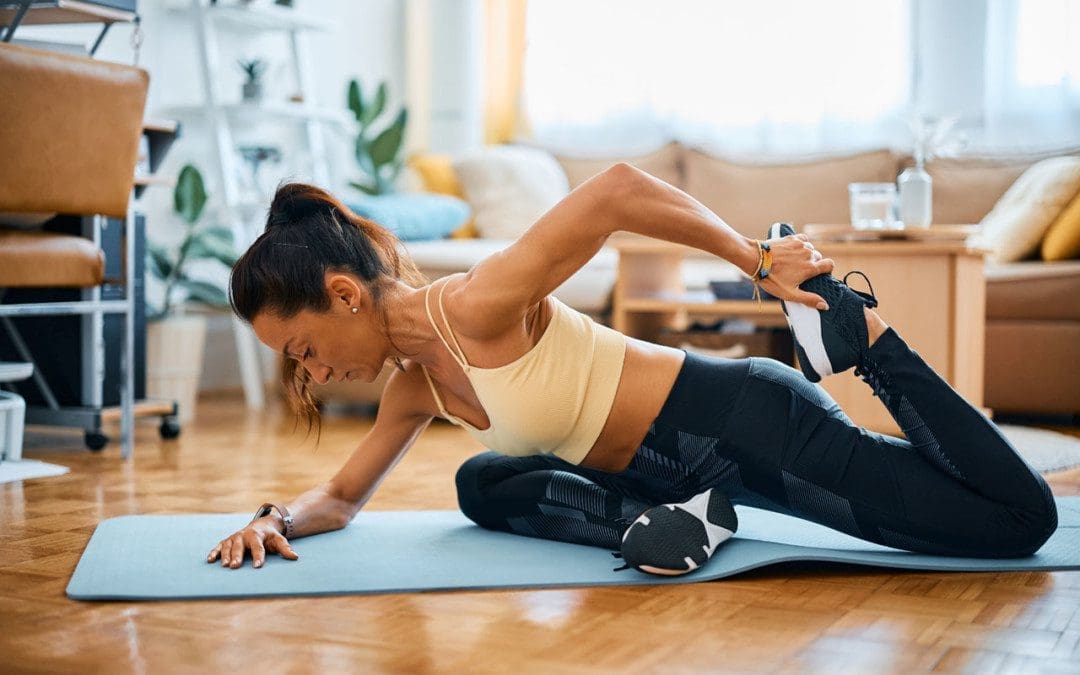
Developing a regular stretching routine to be incorporated into a training program is recommended. A stretching routine should cover all the major muscle groups of the body as well as any specific muscle groups. Implementing a physical therapy stretching program can help individuals stay motivated, as gaining flexibility takes time. It can take several weeks of consistent, regular stretching for improvement.
Stretching with a physical therapist will target the largest areas of inflexibility.
Stretching sessions can be 20 minutes or more.
Once these areas have been addressed, the therapist will move on to more specific areas.
The therapist will train the individual how to stretch at home.
The therapist will provide specific guidelines that should be followed for stretching at home:
Stretching when muscles are cold could lead to a strain or pull.
Warming up before stretching is recommended as it increases the blood flow and temperature of the muscles, ligaments, and tendons, improving the elasticity and functioning of the tissues.
Begin each stretch slowly and gently.
Maintain the stretch position for 30 seconds, and gradually increase to 1-2 minutes.
There should be pulling or tightness but not pain.
Static stretching should gradually go through the full range of motion until the resistance is felt.
Stretch to the point of tightness and then just beyond.
Gradually release the stretch.
Repeat daily.
A stretching therapy program keeps the body loose and effectively increases the mobility of all soft tissues.
Full Body Stretching
References
Behm DG. Does stretching affect performance? In: The Science and Physiology of Flexibility and Stretching. Kindle edition. Routledge; 2019.
Berg, K. Stretching fundamentals. In: Prescriptive Stretching. 2nd ed. Kindle edition. Human Kinetics; 2020.
Ghasemi, Cobra, et al. “The effect of soft tissue manipulation and rest on knee extensor muscles fatigue: Do torque parameters and induced perception following muscle fatigue have enough reliability?.” Journal of family medicine and primary care vol. 9,2 950-956. 28 Feb. 2020, doi:10.4103/jfmpc.jfmpc_838_19
Gordon BT, et al., eds. Flexibility assessments and exercise programming for apparently healthy participants. In: ACSM’s Resources for the Exercise Physiologist. 3rd ed. Kindle Edition. Wolters Kluwer; 2022.
Hui, Alexander Y et al. “A systems biology approach to synovial joint lubrication in health, injury, and disease.” Wiley interdisciplinary reviews. Systems biology and medicine vol. 4,1 (2012): 15-37. doi:10.1002/wsbm.157
Lindstedt, Stan L. “Skeletal muscle tissue in movement and health: positives and negatives.” The Journal of experimental biology vol. 219, Pt 2 (2016): 183-8. doi:10.1242/jeb.124297
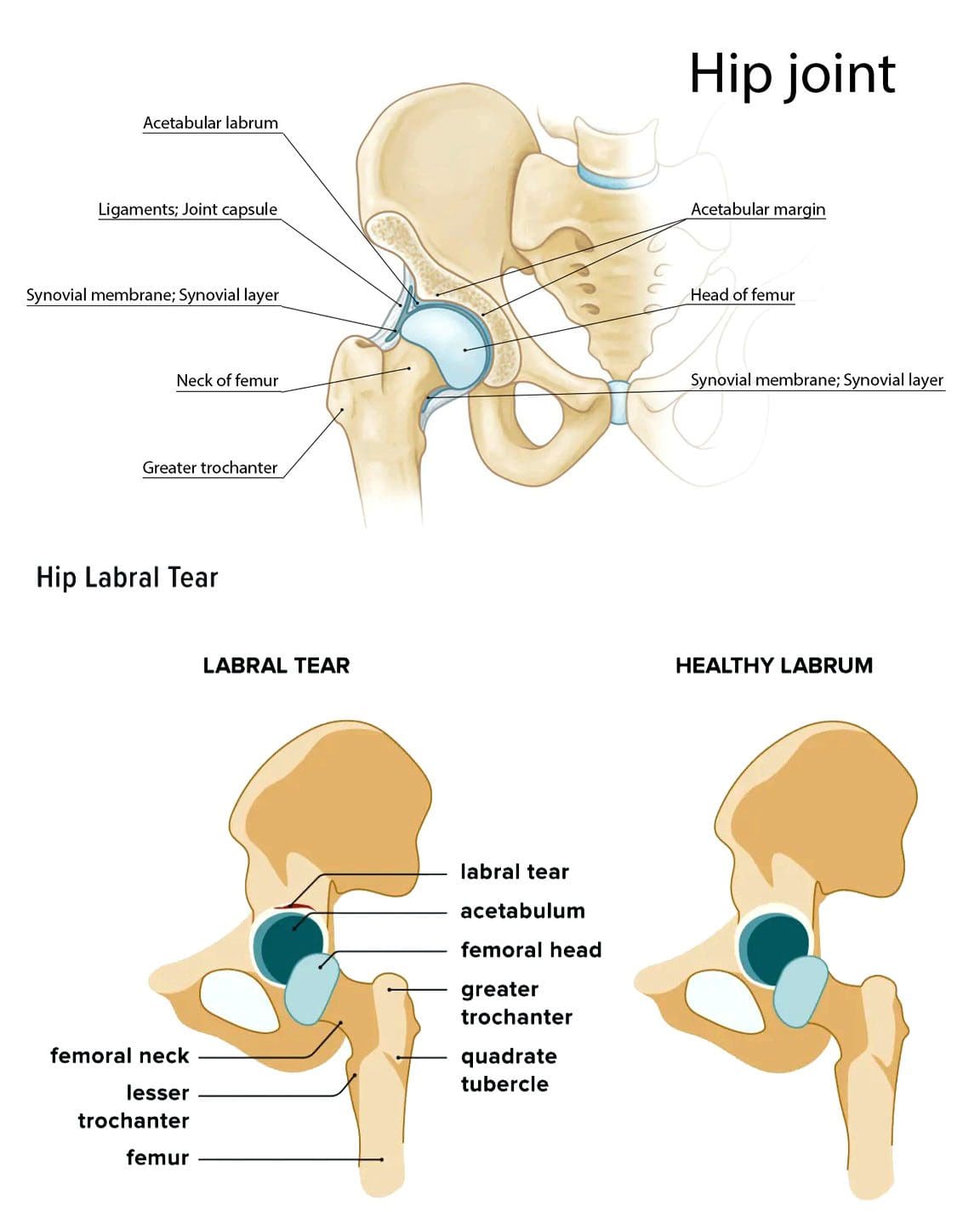
The hip joint is a ball-and-socket joint composed of the femur head and a socket, which is part of the pelvis. The labrum is a cartilage ring on the socket part of the hip joint that helps keep joint fluid inside to ensure frictionless hip motion and alignment during movement. A labral tear of the hip is an injury to the labrum. The extent of the damage can vary. Sometimes, the hip labrum can have mini tears or fray at the edges, usually caused by gradual wear and tear. In other cases, a section of the labrum can separate or get torn away from the socket bone. These types of injuries are usually due to trauma. There are conservative hip labral tear tests to determine the type of injury. The Injury Medical Chiropractic and Functional Medicine Clinic team can help.
Symptoms
Symptoms are similar regardless of the type of tear, but where they are felt depends on whether the tear is in the front or the back. Common symptoms include:
Hip stiffness
Limited range of motion
A clicking or locking sensation in the hip joint when moving.
Pain in the hip, groin, or buttocks, especially when walking or running.
Night discomfort and pain symptoms when sleeping.
Some tears can cause no symptoms and can go unnoticed for years.
Hip Labral Tear Tests
A hip labral tear can occur anywhere along the labrum. They can be described as anterior or posterior, depending on which part of the joint is affected:
Anterior hip labral tears: The most common type of hip labral tear. These tears occur on the front of the hip joint.
Posterior hip labral tears: This type appears on the back of the hip joint.
Tests
The most common hip labral tear tests include:
The Hip Impingement Test
The Straight Leg Raise Test
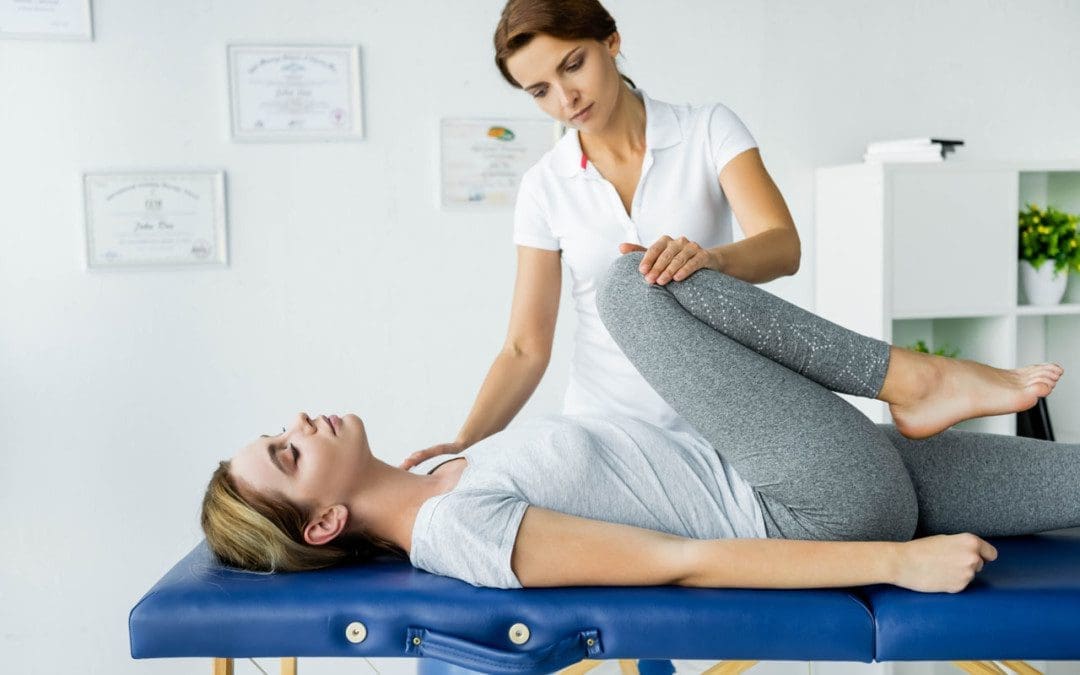
The FABER Test – stands for Flexion, Abduction, and External Rotation.
The THIRD Test – stands for the Hip Internal Rotation with Distraction.
Hip Impingement Tests
There are two types of hip impingement tests.
Anterior Hip Impingement
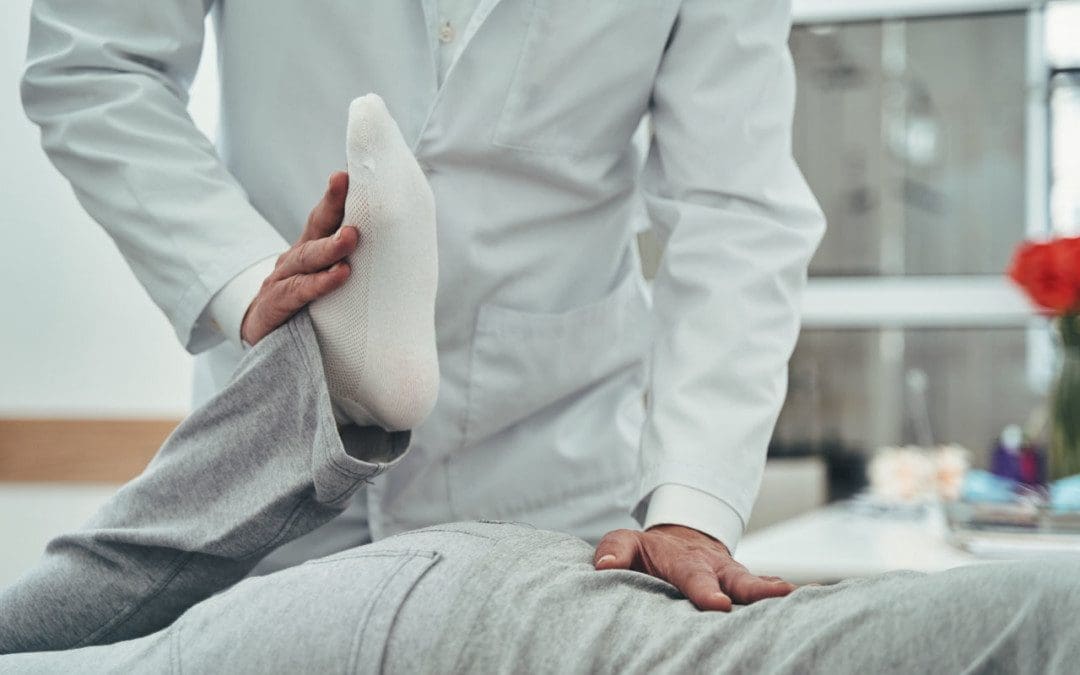
This test involves the patient lying on their back with their knee bent at 90 degrees and then rotated inward towards the body.
If there is pain, the test is considered positive.
Posterior Hip Impingement
This test involves the patient lying on their back with their hip extended and their knee flexed and bent at 90 degrees.
The leg is then rotated outward away from the body.
If it results in pain or apprehension, it is considered positive.
Straight Leg Raise Test
This test is used on various medical conditions that involve back pain.
The test begins with the patient sitting or lying down.
On the unaffected side, the range of motion is examined.
Then the hip is flexed while the knee is straight on both legs.
The patient may be asked to flex the neck or extend the foot to stretch nerves.
The FABER Test
It stands for Flexion, Abduction, and External Rotation.
The test begins with the patient lying on their back with their legs straight.
The affected leg is placed in a figure four position.
The physician will then apply incremental downward pressure to the bent knee.
If there is hip or groin pain, the test is positive.
The THIRD Test
This stands for – the Hip Internal Rotation with Distraction
The test begins with the patient lying on their back.
The patient then flexes their knee to 90 degrees and turns it inward around 10 degrees.
The hip is then rotated inward with downward pressure on the hip joint.
The maneuver is repeated with the joint slightly distracted/pulled apart.
It is considered positive if the pain is present when the hip is rotated and diminished pain when distracted and rotated.
Chiropractic Treatment
Chiropractic treatment involves hip adjustments to realign the bones around the hip and up through the spine, soft tissue massage therapy to relax the muscles around the pelvis and thigh, targeted flexibility exercises to restore range of motion, motor control exercises, and strengthening exercises to correct muscular imbalances.
Treatment and Therapy
References
Chamberlain, Rachel. “Hip Pain in Adults: Evaluation and Differential Diagnosis.” American family physician vol. 103,2 (2021): 81-89.
Groh, M.M., Herrera, J. A comprehensive review of hip labral tears. Curr Rev Musculoskelet Med 2, 105–117 (2009). https://doi.org/10.1007/s12178-009-9052-9
Karen M. Myrick, Carl W. Nissen, THIRD Test: Diagnosing Hip Labral Tears With a New Physical Examination Technique, The Journal for Nurse Practitioners, Volume 9, Issue 8, 2013, Pages 501-505, ISSN 1555-4155, https://doi.org/10.1016/j.nurpra.2013.06.008. (https://www.sciencedirect.com/science/article/pii/S155541551300367X)
Roanna M. Burgess, Alison Rushton, Chris Wright, Cathryn Daborn, The validity and accuracy of clinical diagnostic tests used to detect labral pathology of the hip: A systematic review, Manual Therapy, Volume 16, Issue 4, 2011, Pages 318-326, ISSN 1356-689X, https://doi.org/10.1016/j.math.2011.01.002 (https://www.sciencedirect.com/science/article/pii/S1356689X11000038)
Su, Tiao, et al. “Diagnosis and treatment of labral tear.” Chinese medical journal vol. 132,2 (2019): 211-219. doi:10.1097/CM9.0000000000000020
Wilson, John J, and Masaru Furukawa. “Evaluation of the patient with hip pain.” American family physician vol. 89,1 (2014): 27-34.
The holidays are a wonderful time to gather with family and friends and celebrate. However, it can be a time of overindulgence and overeating. Managing holiday eating habits is achievable by having options to help you make better choices so you can indulge and enjoy the festive food and drinks without overdoing it. Here are a few techniques to be successful.
Managing Holiday Eating
Many individuals overeat during the holidays. It’s understandable as the holiday season means letting loose, relaxing with friends and family, and enjoying the moment are major factors in overeating as auto-pilot is engaged. The next thing you know, the plate is clean, and more food is being added. It’s all about maintaining a healthy balance. Here are a few ways to manage holiday eating.
Adding superfoods to your holiday nutrition plan to help balance food indulgences. These are foods with high levels of vitamins and nutrients, dietary fiber that helps reduce cholesterol, and antioxidants that fight free radicals.
Nutrients
Vitamin A – Protects against infections and promotes eye and skin health.
Vitamin C – Helps heal wounds and aids in iron absorption.
Vitamin K – Supports healthy digestion and blood clotting.
Superfoods include dark leafy greens, nuts, fruits, dark chocolate, olive oil, and oily/fatty fish. Here are a few superfoods you can enjoy:
Sweet Potatoes
Rich in vitamins A and C, fiber, and potassium.
Beans
They are high in fiber and protein, magnesium, and potassium.
Pumpkins
High in fiber and vitamin A.
Pomegranates
Rich in flavonoids and tannins are a healthy source of folate, potassium, and vitamin K.
Cranberries
Contain antioxidants with anti-inflammatory properties that help reduce the risk of cardiovascular disease.
Kale
Low in calories.
High in vitamins A, C, and K, manganese, potassium, and fiber.
From the Injury Medical Chiropractic and Functional Medicine Team, have a happy, safe, and healthy Thanksgiving!
Functional Nutrition
References
Seven tips for reining in holiday overeating https://www.mayoclinichealthsystem.org/hometown-health/speaking-of-health/7-tips-for-reining-in-holiday-overeating
Brown, Tanya, et al. “Have a Food-Safe Holiday Season.” Journal of the Academy of Nutrition and Dietetics vol. 117,11 (2017): 1722-1723. doi:10.1016/j.jand.2017.08.123
Díaz-Zavala, Rolando G et al. “Effect of the Holiday Season on Weight Gain: A Narrative Review.” Journal of obesity vol. 2017 (2017): 2085136. doi:10.1155/2017/2085136
Get Your Superfood Nutrition for Good Health https://www.scripps.org/news_items/4431-get-your-superfood-nutrition-for-good-health.
Healthline, 2019; Ruled by Food? 5 Strategies to Break the Cycle of Overeating https://health.clevelandclinic.org/ruled-by-food-5-strategies-to-break-the-cycle-of-overeating/
Healthline, 2019; 23 Simple Things You Can Do to Stop Overeating https://www.healthline.com/nutrition/how-to-stop-overeating.
Lobo, V et al. “Free radicals, antioxidants, and functional foods: Impact on human health.” Pharmacognosy reviews vol. 4,8 (2010): 118-26. doi:10.4103/0973-7847.70902
What Is a Superfood, Anyway? https://health.clevelandclinic.org/what-is-a-superfood/
IFM's Find A Practitioner tool is the largest referral network in Functional Medicine, created to help patients locate Functional Medicine practitioners anywhere in the world. IFM Certified Practitioners are listed first in the search results, given their extensive education in Functional Medicine