There are different kinds of head and upper cervical disorders that are also known as:
Upper neck disorders
Craniovertebral junction – CVJ – abnormality
Craniocervical disorders
Some are present at birth while others are developed later in life. Whether congenital or acquired, they share many of the same symptoms.
Neck Pain/Headache
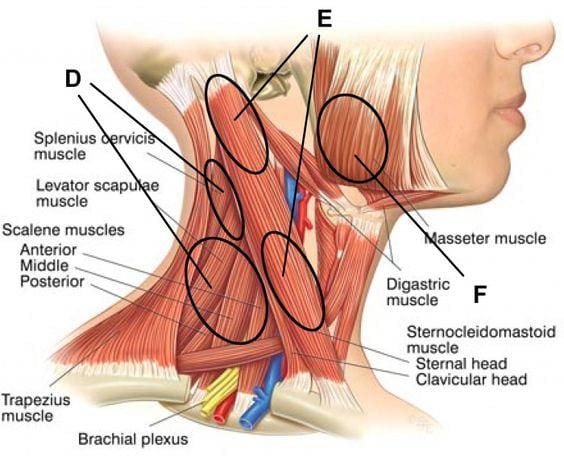
Where your skull and spine meet is where upper cervical disorders take place. Neck pain along with headaches along the back of the head are the most common symptoms. People with craniocervical disorders often experience neck pain and headache in combination and symptoms worsen with head and neck movement. Even just a sneeze or cough can cause pain. Neck pain can also spread to the arms if spinal nerves are compressed.
Spinal Cord Compression
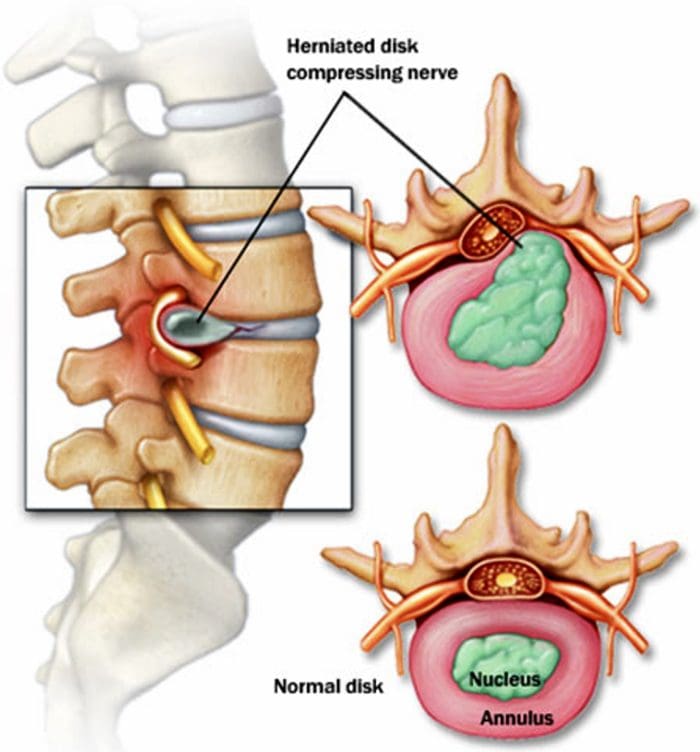
The more complex upper cervical disorders involve spinal cord compression. When the spinal cord gets compressed, nerve problems can happen that make daily function a challenge.
With spinal cord compression, neurological symptoms can present like:
Weakness in the arms, legs or both
Loss of sensation and awareness of the limbs called positional sense
There can be an electrical/shooting pain or tingling running down the spine and into the legs when pitching the neck forward called Lhermitte sign
Hot and cold sensational loss in hands, feet or both
All of these can cause malformation and physical changes in the neck. The neck may appear short, webbed, or twisted. There can also be a limited ability to move the neck.
Symptoms can also be caused by brain and cranial nerve pressure
Conditions like platybasia, basilar invagination, and craniocervical tumors can place pressure on the brain stem and the cranial nerves around it. If this happens the following symptoms can occur:
Eye issues like abnormal eye movements and double vision
Throat and speech problems like hoarseness, slurred speech, and swallowing problems
Loss of coordination
Sleep problems like sleep apnea
Vertigo Faint Feeling
Some individuals could experience a set of symptoms that don’t occur too often called vertebrobasilar ischemia.
This happens when the head position changes placing pressure on the cranial arteries and cutting off the blood supply.
The result is:
Weakness
Confusion
Light-headedness
Feeling faint
Vertigo or a dizzy spinning sensation
Syringomyelia
Syringomyelia is a fluid-filled cyst known as a syrinx that forms inside the spinal cord. If the cyst grows, it can damage the spinal cord causing painful neurological symptoms throughout the body that include weakness, and numbness. In extreme cases loss of ability to feel heat or cold in the neck, hands, and possibly throughout the spine. The hand muscles can become paralyzed.
Quality of Life with Upper Cervical Disorder
While some individuals have no symptoms associated with a craniocervical disorder, others experience intense pain and neurological dysfunction. There are treatment options that can help you successfully manage and eliminate symptoms.
Chiropractic
When headaches present it usually means there is a misalignment in the cervical spine. This is often combined with tight muscles in the neck, shoulders, and surrounding area. Pressure on the nerves can cause sharp shooting pain along with a continual dull throbbing sensation.
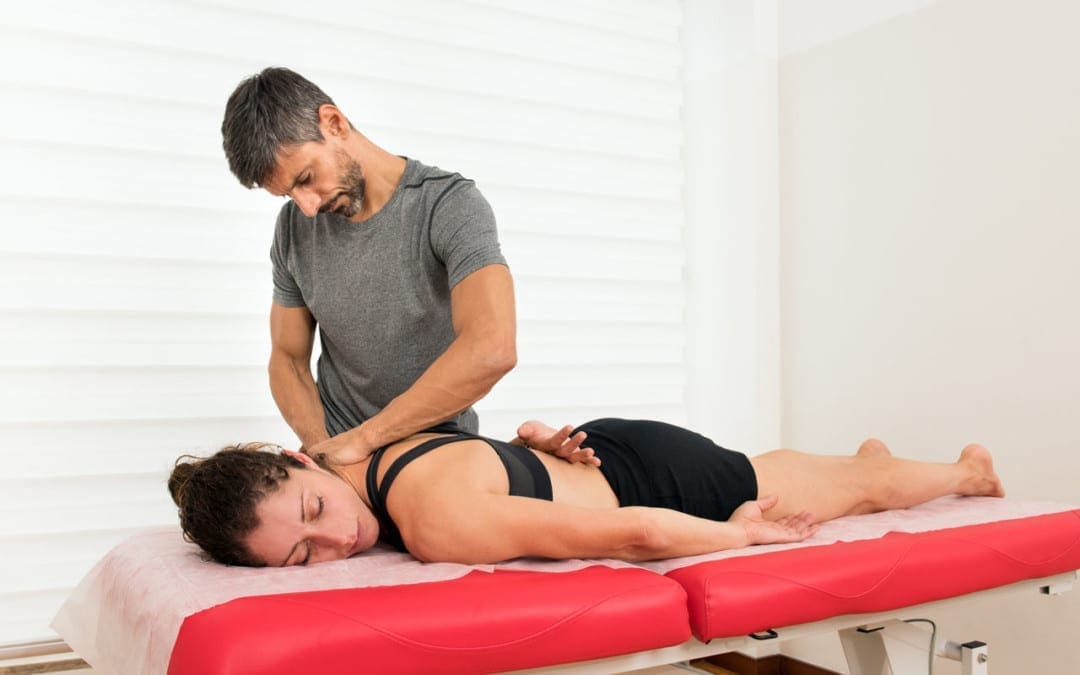
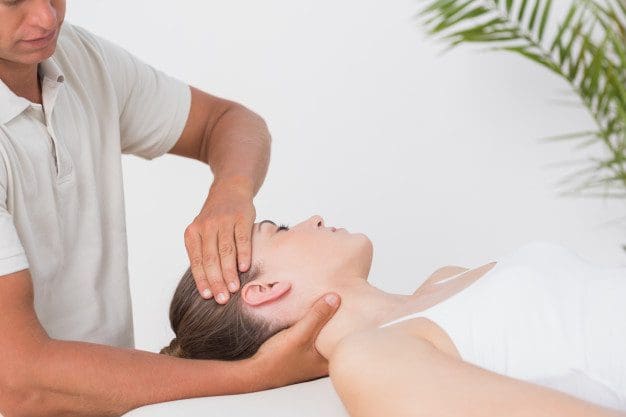
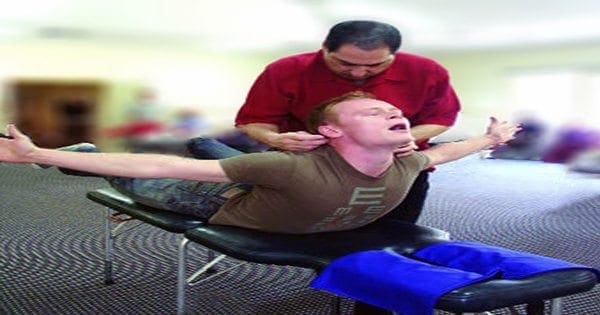
A chiropractor will assess the area and then move forward with an adjustment to relieve the pressure and pain. Chiropractic medicine does not just focus on relieving symptoms but finding the root cause and correcting the problem. In addition, the chiropractor will take the time to educate you on the importance of diet, exercise, stretching, and making healthy lifestyle choices.
Whiplash Massage Therapy
NCBI
The effectiveness of chiropractic care for headaches has been proven by many research studies. Chiropractic is not only excellent for treating headaches, but is gentle, non-invasive, does not require medications, and is known for being free of side effects.
We live in a stressful world. Life happens; it moves so fast. Pressures coming at you from all directions. Eventually, it catches up with you, and it�s your body that bears the brunt of it. Tension is your body�s way of telling you that it is under stress � probably too muchstress.
It�s hard to escape stress in today�s society so if you find that you are exhibiting physical symptoms of stress, it might be time to make some changes. If tension headaches are one of those symptoms, you�re in good company � about 90% of adults in the US have headaches. Many of them are tension headaches.
Symptoms of Tension Headaches
Tension headaches are distinctive and can be very painful. The good news is, they are rarely an indication of a more serious condition � other than a stressful lifestyle. Some of the most common symptoms of tension headaches include:
Muscle tightness in the neck, jaw, and shoulders � may also be sore.
A Headache that originates at the back of the head and moves forward over the top and sides.
Sleep problems.
Squeezing pain or dull pressure in the head may also be described as a tight band or vice around the head.
Trouble eating.
Pain or pressure on both sides of the head equally.
Sometimes tension headache symptoms can occur prior to a migraine. In other words, a tension headache can turn into a migraine headache and may be considered a migraine trigger.
Causes of Tension Headaches
The actual cause of tension headaches is not known. Researchers have some idea of potential triggers, but recent advancements in medicine have debunked the belief that they are caused by the tightening of muscles in the scalp, shoulders, neck, and jaw. Scientific tests show that then a person has a tension headache, muscle tension does not increase. Newer theories indicate that a likelier cause involves changes neurotransmitters (chemicals in the brain) which includes serotonin. This is similar to a migraine.
While researchers do not know the exact levels of neurotransmitter fluctuations, they do have evidence that it activates the brain�s pain pathways. The tightness in the muscles could be part of the physiological changes that trigger the fluctuations in neurotransmitters, or the neurotransmitter fluctuations could cause muscle tightness.
Some common triggers of tension headaches include:
Stress
Clenching the jaw
Alcohol or drugs
Overexertion
Certain medications (even some medications for headaches which can cause rebound headaches)
Keeping your head in one position for too long (like using a cell phone or computer)
Depression
Fatigue
Grinding teeth
Neck or head injury (even old injuries)
Sleeping in a cold room or in an awkward position.
Arthritis
Anxiety
Hormonal changes
Sleeping on a worn-out mattress or the wrong pillow
Dehydration
Skipping meals
Eye strain
Certain foods can also be triggers for tension headaches. Additives and preservatives in prepared foods, even high sodium, can cause a headache.
Sinus and allergy problems can also accompany or lead to tension headaches.
Tension Headache Treatment
Over the counter and prescription medication may be recommended for tension headaches, but a good portion of the treatment involves lifestyle changes. Relaxation techniques, dietary changes, and exercise are all common treatments for tension headaches. Patients may be advised to stop smoking, limit alcohol consumption, or avoid certain foods.
Many patients find that keeping a headache journal is very useful in pinpointing triggers. There are several headache tracking apps that you can install on your smartphone and use them to get a better handle on your headaches.
Chiropractic for Tension Headaches
Chiropractic is a very effective, natural treatment for tension headaches. In addition to recommended lifestyle changes, the chiropractor may also make adjustments to realign the vertebrae and spine. The chiropractor may also use massage and other treatments that encourage relaxation of the muscles and relieve stress. He or she will use spinal manipulation of the neck and upper back to bring the body back into alignment, relieving not only the pain but the tension as well.
Headaches are a real pain (insert eye-roll here). Many individuals suffer from them, and there are a variety of causes, symptoms, and treatment options. For some, they are a rare occurrence, while others deal with them weekly or even daily. They can range from minor inconveniences to full-fledged life-changing afflictions.
The first step in treating headaches is to understand the type of headache you are experiencing. Some people think they have a migraine when in fact, they are suffering from a tension headache. While tension headaches are more common, it’s estimated by the Migraine Research Foundation that 1 in 4 U.S. Households include someone with a migraine.
Determining which headache is being dealt with takes a bit of research. Individuals suffering from headaches need to ask themselves these questions to determine if they are having a migraine or experiencing a tension headache.
When in life did the headaches begin? According to the Mayo Clinic, migraines start in adolescence or early adulthood. In contrast, tension headaches can start at any time in a person’s life. If an adult just began suffering from headaches, they are most likely tension headaches.
Where does it hurt? The location of the pain is a vital indicator of the type of headache. Migraines typically occur on one side of the head. Tension headaches affect both sides of the head and can produce a feeling of pressure in the forehead area.
What kind of pain is it? If it is a dull pain, a feeling of pressure, or tenderness around the scalp, it’s most likely a tension headache. If, on the other hand, the pain is throbbing or pulsing pain, it could be a migraine. Both headaches can offer up severe pain, just different types.
Are there any other symptoms?Migraines typically come with symptoms beyond head pain. Nausea, light and sound sensitivity, bright flashing or sparkling lights, pins and needle sensations down one or both arms, or dizziness are common. Individuals who don’t experience any of these symptoms are most likely dealing with a tension headache.
Can you function? While painful and frustrating, many people with a tension headache can still perform their jobs, drive, read, and deal with daily life. A migraine is a different story. Lying in a dark, quiet room with a sleep mask on until the headache passes is how most people handle migraines. If the headache is life-disrupting, it could very well be a migraine.
Do regular painkillers work? Tension headaches can often be relieved by over-the-counter pain medications. Migraines don’t budge with these treatments. Once a migraine is in full force, the sufferer must ride it out. If a headache reacts well to a couple of non-prescription painkillers, it’s most likely a tension headache.
Most individuals will, unfortunately, deal with a headache at one point in their lives. It’s important to note that tension headaches are much more common than migraines, but that doesn’t rule out the possibility of a headache being a migraine. The answers to the above questions give insight into the type of headache occurring and how best to handle the treatment proactively. No matter the type of headache, if the pain is severe, or begins after a head injury, seek medical treatment immediately.
Tension headaches are the most prevalent types of headaches, occurring more often in women than in men. Research shows that 48 percent of women and 38 percent of men suffer from tension headaches.
Each year, patients spend more than $2 billion on over the counter headache medications. In fact, people spend a lot of money and effort seeking remedies for headaches. From prescription medication to over the counter drugs to alternative headache treatments like meditation, acupuncture, and chiropractic.
In fact, chiropractic is a proven treatment for these types headaches, but there is more to it than just adjustments. Chiropractic offers a whole body approach to treatment that can not only relieve the pain of these headaches, but help prevent them as well.
What Are Tension Headaches?
The most common type of headache is the tension headache which is described as pain ranging from mild to moderate that feels like a tight band is wrapped around the head. While stress can be a factor in the cause of these headaches, it still isn�t well understood how these headaches originate. Symptoms of a tension headache include:
Aching, dull pain in the head
Sensation of pressure or tightness on the back and sides of the head or across the forehead
Tenderness in the shoulder muscles, neck, and scalp
There are two categories of tension headaches: chronic and episodic. There are two primary factors that identify each type. The length of the headache and the frequency can help you determine which type of tension headache you have.
Chronic Tension Headaches
Length of Headache � hours and can be continuous
Frequency of Headache � occur 15 days or more a month for three or more months
Episodic Tension Headaches
Length of Headache – half hour to a week
Frequency of Headache � occur less than 15 days a month for three or more months
There are two primary risk factors for tension headaches:
Women � Research shows that nearly 90 percent of women will experience tension headaches throughout the course of their life. Only 70 percent of men will experience tension headaches in their lifetime.
Middle Age � Tension headaches increase as people approach 40 and peak at middle age, or when a person is in their 40s. However, anyone can get a tension headache, regardless of age.
Lifestyle Changes To Treat Tension Headaches
A chiropractor can treat tension headaches through traditional spinal manipulation and adjustments, but they also provide advice on lifestyle and nutrition. Several things that your chiropractor may suggest include applying heat or ice to the area around your neck, shoulders, or head. A warm bath or shower may also help.
Stress management is another way that you can learn to manage and prevent tension headaches. This is typically a combination of minimizing stress in your life and learning relaxation techniques. Your chiropractor may also help you improve your posture. Poor posture is a very common contributing factor for many types of headaches.
Chiropractic for Tension Headaches
Your Doctor of Chiropractic will sit down with you to discuss your history, including your headaches. He or she will conduct diagnostic tests including x-rays, MRIs and other to determine if there are underlying causes for your headaches. They will recommend various lifestyle changes including dietary changes and exercises that you can do.
Your doctor may also perform chiropractic adjustments, or spinal manipulation which will help return the body to proper balance, improving spinal function and alleviating stress on the body and system. This helps to relieve pain as an immediate treatment, but when performed consistently, chiropractic can also help prevent tension headaches, allowing you to live pain free.
Injury Medical Clinic: Migraine Treatment & Recovery
Tony Robbins, the #1 personal growth and business leader, talks about his experience with�Network Chiropractic and Donny Epstein.
Network Spinal Analysis� could be described in this way, arising as it did when in 1982, New York Chiropractor, Dr Donald Epstein began �networking� various chiropractic techniques. Through meticulous observation and by comparing the findings and results of one method with another, he began to see the efficacy of marrying certain techniques in a manner which enables the practitioner, through the use of light touch, to release large amounts of spinal tension from a patient. Although this might not sound very dramatic, it is a fact that the absolutely remarkable �life-changing� ways in which patients respond to this method of care has become a hallmark of NSA. This unique approach to health is a synthesis of long standing chiropractic methods, quantum mechanics, neuroanatomy and neurophysiology while also acknowledging changing perspectives in health care. In Dr Epstein�s case, these changes involve an expanded interpretation of the concept of �wellness�.
What is Network Chiropractic?
Here is an interview with Dr. Epstein from the Positive Health Online website:
Dr Epstein: �Network Spinal Analysis� sits within a new paradigm which I have been developing internationally and that�s called the Wellness Paradigm. Wellness is not about whether a person has disease. It�s about their internal experience of their body, the ability to make constructive healthy choices, and their ability to enjoy life and be well. Wellness is that state of concern in which you are relatively invincible, nothing can ruin your day, you feel alive, vital and confident and experience a high state of well-being. When you experience wellness, your circumstances of the moment do not easily upset your internal state.�
Findings from Network Care have been documented in major university studies which examine the social science and bio-medical indicators of wellness by looking at a variety of different things people do to increase their health levels. A person who meditates daily, has buns of steel from exercise and the most expensive urine on the planet from supplements, and who has stopped doing the destructive things, will double their perceived wellness factor. However, if that person then adds Network Care, their wellness factor � their ability to make healthy life choices and stick to them � trebles!
Dr Epstein: �What we are looking at here is an experience of life beyond the usual form. A more subtle engagement with the parts of the brain that allow a person to express their higher level of humanity and function occurs so that a greater capacity to express more connections of compassion and love arises. I call these �higher end social changes�, because there are spiritual connotations involved. The individual is different in the way they relate to others and their environment. They can be instrumental in helping create a more compassionately productive community.
�To understand the �mechanics� of NSA, we must first remind ourselves that the spine is composed of bones sitting on top of each other with discs or pads in-between. These bones or vertebrae have holes like donuts in them. These holes create a spinal-canal for the spinal cord which extends from the base of the brain to the tail-bone. The central nervous system comprises the brain and the spinal cord, and is supported by an intricate system of tissues called the meninges that are filled with fluid which nourishes and protects the nervous system, all of which sits within the spinal canal, protected by the bony vertebrae. Connective tissue attaches this system to the top and bottom of the spine and this tissue is subject to stresses, tension and distortion.
�We perceive our world through the nervous system. It is also through the nervous system that we coordinate the function of every cell, organ and tissue in the body. Every region of the body and every emotion is expressed through the nervous system. Also, it�s the part of us with which we reason and which adapts us to stress and it�s the vehicle we use to create our conscious reality. So, when an event occurs that our brain decides is not safe for us to fully experience at that particular time, the energy and information of the event is translated into vibration and tension, which is then stored in the body. This tension begins to distort the spinal system: Spinal bones (the vertebrae) lose their normal alignment, and muscles and ligaments strain and pull. Nerves can become compressed or stretched and irritated which results in abnormal function. As the nervous system is put under pressure, the spine is no longer able to right itself without outside help. Our body then �closes off� the offending energy and tension, but over time, muscular tightness, spinal distortion, reduced breathing into the area occurs and consequently reduced movement results. Until it is safe to experience that energy again, and digest the information from the trauma, we cannot really feel whole or well.
�This is a very real thing � anyone who is at the crossroads of life, physically, emotionally or spiritually, or anyone who cannot get further than they were before, needs Network Care to help their brain to move from stress physiology which results in a person�s structure being fixed in defense posture. In fact, most of us remain in defense mode throughout our lives and this can retard the higher, more evolved area of the brain from developing its unique properties and evolving new strategies for experiencing and responding to life. There are many people whose vertebrae, ligaments and tissues are locked into stress patterns, creating so much tension, that their focus in life is just getting through another day! Network care allows the brain to move from the stress physiology into safety.�
So How Does The Practitioner Go About Relieving This Stress?
Dr Epstein: �I found that by using gentle and specific touches in a consistent sequence, where the spinal cord attaches to the spine, a patient�s own body learns to release complex patterns of tension and areas of disablement. Once this has been achieved, a further unwinding of deeper tensions from the spine occurs. These �touches� consist of gentle finger or hand contacts applied at �spinal gateways�� or �access points� along the neck and lower spine. They are applied in such a way as to engage the higher part of the brain, the frontal lobes of the cerebral cortex. This is the most recently developed region of our brain and is the area through which we observe ourselves and make choices regarding our behavior. This is the area through which we can reach a higher level of humanity, one which embraces spirituality and evolution.�
During Network Spinal Analysis� Care, two �healing waves� develop. One is a breathing wave which releases tension throughout the spine and body and relaxes a person. The other is called somatopsychic (or body-mind) wave, which is associated with undulation or movement of the spine.
Dr Epstein: �The mathematics of this wave are unique because it appears that this type of wave has not been reported anywhere else, so it has to be a signature in Network care. The theory being purported now suggests that as the individual progresses through levels of care, that wave, that signal along the spine is organizing high levels of complexity. That means there�s more letters in the language � more words available and ultimately more information becomes accessible. There is an evolutionary aspect to this in that there is an increase in the ability of the system to self-organize so it can have more appropriate views about the environment and become more energy efficient. Thus an outcome is produced, that is significantly beneficial to the species and that was not there before.
�What we are looking for in Network is for the system itself to reorganize and develop strategies for experiencing and releasing tension on its own. In the first level of care, which may last a few weeks, the person develops a strategy to connect the brain to the body more effectively and to develop a capacity for self-correction of the tension patterns. The care program encourages the development of spontaneous stretching movements and breath movements which help release tension in the spine. In the second level of care, we are looking for the brain to be aware of the person�s tension, and actually temporarily amplify that tension and redirect it so that the tension actually becomes the fuel for further healing and transformation. Tension is what holds a person anchored in a position of non-safety. Lack of safety is the basis for all physiological stress and the way we accumulate this stress is directly associated with the way we experience our world.
�I would like to see Network Spinal Analysis� practitioners in places like cancer clinics and working with people who have had recent heart attacks; serious trauma patients and those who have had emotional traumas as children. I see Network Care not as competing with the existing medical paradigm, but instead offering a totally different approach that says no matter what you do about the disease, allow that person to be upgraded from say a 64k computer to a Pentium. Allow them to develop new strategies that they never had before and that person will make healthier choices. They will become more at peace and ease with their life and they will have a greater capacity to heal, which often means the disease going away. And if the disease doesn�t go away, at least that person�s life is going to be richer than it was before. Network Care is an approach to wellness that embraces everyone. Babies, children, seniors. All can develop these strategies which allow a higher level of function.
�A man who came to a talk I was giving, told me he had metastatic prostate cancer. He had had surgery and radiation treatments and the cancer had gone away but now it was back and spreading and he was very worried. I asked him what he was afraid of and if he was afraid of dying. He said, �No, I�m afraid of the way I have to die if I go for further chemotherapy and radiation.� It is upsetting that the treatment has to take away a person�s dignity which in my opinion can never heal. But I asked him what he would have to do differently if he was going to die. He said that he would have to get his affairs in order so I asked him what he meant by that. �Well,� he said, �I haven�t spoken to my son in 20 years and I never forgave my wife for dying�. And he went through a variety of things. I asked him why he would have to do these things. He said so that he could die in peace and I said, �Sir, this is a mistake, it�s so you can live in peace�. For some people, the only way they can make the changes which will enable them to live in peace is at the very end of their life.
�And the point of this is � there are people who have cancer who never know it and who live full and perfectly wonderful lives. I know of one Network doctor I met at a seminar recently who told people that she is more alive, more compassionate and responsive with more feelings of gratitude than ever before. Six months previously, she had a breast removed, and for six weeks before that she had received chemotherapy. The other people who had had chemotherapy and surgery at the same time were not receiving Network Care. Her internal state of wellness was so high irrespective of her circumstance, that she could be well and produce the physiology that would allow for a person to heal.
�When someone comes to me for care, I do not have to know what it was that caused that person�s problem. What I do know, is how to intervene, to help their system to observe itself and to make a change. I have clinically dedicated myself to furthering the knowledge of the biological links which will help us express a greater range of our humanity. I believe that by optimizing an individual�s biology, Network Spinal Analysis� will facilitate positive transformation on a global scale, changing the world, a spine at a time�.
In 1982, New York Chiropractor, Dr Donald Epstein began �networking� various chiropractic techniques. Through observation, comparing the findings and results of one method with another, he began to see the efficacy of marrying certain techniques in a manner which enables the practitioner, to release large amounts of spinal tension from a patient. �Dr. Jimenez is proud to be a practitioner that combines not only the “Network Techniques” discussed above as well as the established “Advanced Diversified Procedures.“
IFM's Find A Practitioner tool is the largest referral network in Functional Medicine, created to help patients locate Functional Medicine practitioners anywhere in the world. IFM Certified Practitioners are listed first in the search results, given their extensive education in Functional Medicine