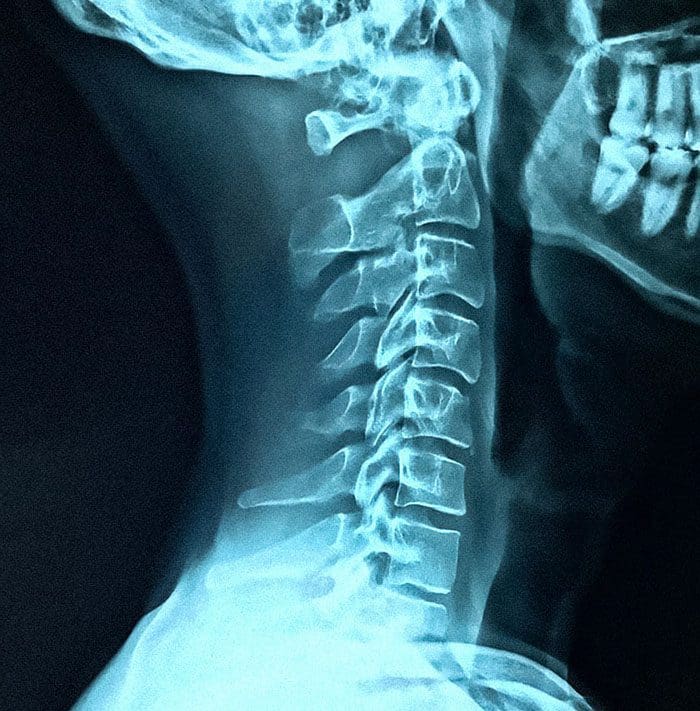
Post spine surgery physical therapy or PT is the next phase after a discectomy, laminectomy, fusion, etc., to gain optimal mobility and ease the transition for a full recovery. A chiropractor and physical therapist team will help with proper muscle training and activation, pain and inflammation relief, postural training, exercises, stretches, and educate the individual on an anti-inflammatory diet. Physical therapy post spine surgery reduces:
Scar tissue
Inflammation
Muscle weakness
Muscle tightness
Joint stiffness
The therapy also identifies and treats any issues that caused or contributed to the spinal damage/injury. A study found physical therapy to improve postoperative ambulation, pain, disability, and decreased surgical complications.
Post Spine Surgery Physical Therapy Goals
Physical therapy goals are to return the individual to full function before chronic pain or injury. These include:
Decrease pain and stress around the surgical site.
Loosen and stretch the muscles surrounding the surgical site.
Strengthen the back and neck muscles.
Stabilize the back and neck muscles.
Learn to move around safely.
Prepare for everyday physical activities like standing up or sitting down, lifting, and carrying objects.
Improve posture.
The therapy team will develop a customized treatment/rehabilitation plan as well as post-surgical recovery at home to help the individual and family to understand what to expect, including psychological factors like not wanting to perform the exercises or stretches to avoid pain, frustration, anger, depression, and wanting to give up. However, individuals can maximize the benefits to ensure an optimal outcome before surgery by pre-conditioning identifying structural and functional issues contributing to the injury.
Physical Therapy Involves
Therapy can be done at home, in a hospital or rehab setting, or at a chiropractic/physical therapy clinic. Therapists use:
A physical therapy session can last 45 minutes to an hour. It’s essential to discuss hopes and expectations post-surgery and after the therapy has finished. The therapists will explain the healing process, the treatment progression, and any questions a patient may have. Understanding the treatment process will help the individual want to engage in the treatment plan. The therapist team will also interface with the surgeon to prevent adverse outcomes.
Optimal Health
The physical therapy team will help the individual feel better with each session and stay motivated. Having a solid relationship with the therapy team makes it easier to share goals, worries, and challenges that the team can adapt to as progress is made. To gain the most from the therapy:
Try working with a therapist that the surgeon recommends can be helpful as they already have a working relationship.
Keep communication open between the surgeon and team.
Adhere to any precautions and restrictions set by the surgeon and therapy team.
Maintain recommended exercises at home between sessions.
Ease into activity and avoid overexertion.
Post spine surgery physical therapy helps accelerate the healing process and serves to help individuals regain their quality of life.
Body Composition
Power Of Protein
Protein is an essential component of muscle development, bone density, muscle mass, and lean tissue when building a healthy body. Protein is necessary for all the body’s physiological functions.
References
Adogwa, Owoicho et al. “Assessing the effectiveness of routine use of postoperative in-patient physical therapy services.” Journal of spine surgery (Hong Kong) vol. 3,2 (2017): 149-154. doi:10.21037/jss.2017.04.03
Atlas, S J, and R A Deyo. “Evaluating and managing acute low back pain in the primary care setting.” Journal of general internal medicine vol. 16,2 (2001): 120-31. doi:10.1111/j.1525-1497.2001.91141.x
Gellhorn, Alfred Campbell et al. “Management patterns in acute low back pain: the role of physical therapy.” Spine vol. 37,9 (2012): 775-82. doi:10.1097/BRS.0b013e3181d79a09
Jack, Kirsten et al. “Barriers to treatment adherence in physiotherapy outpatient clinics: a systematic review.” Manual therapy vol. 15,3 (2010): 220-8. doi:10.1016/j.math.2009.12.004
Lindbäck, Yvonne et al. “PREPARE: Pre-surgery physiotherapy for patients with degenerative lumbar spine disorder: a randomized controlled trial protocol.” BMC musculoskeletal disorders vol. 17 270. 11 Jul. 2016, doi:10.1186/s12891-016-1126-4
Low-back, neck, shoulder, hip, leg, and foot pain are all causes of everyday discomfort and a bad mood. Chronic pain exacerbates the discomfort and bad mood times 10. Chiropractic treatment can help realign the spine and alleviate the pain. However, to maintain pain relief, individuals need to make healthy lifestyle adjustments. One of the most important adjustments is eating habits. Those dealing with chronic pain may not realize their diet is contributing to the pain.
At Injury Medical Chiropractic and Functional Medicine Clinic, we have a combined team of chiropractors, physical therapists, a health coach, and a nutritionist to help educate, develop, and support a personalized treatment plan on spinal health, posture, physical activity/exercise, balance, and eating habits.
Salt, Sugar, and Fat Affects the Body
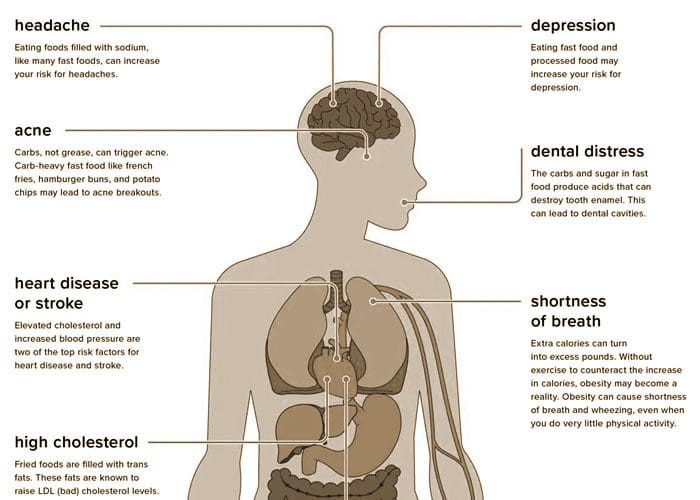
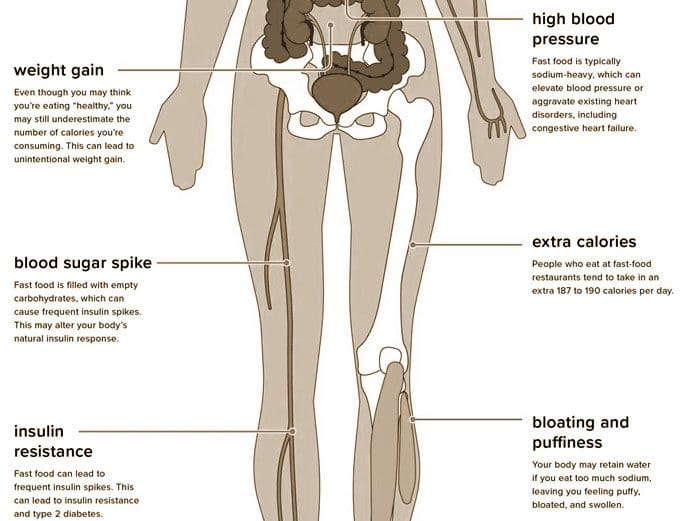
A sedentary lifestyle is a significant contributor to chronic pain, but unhealthy eating habits also play a role. Poor diet adds weight to the body. This stresses the body’s biomechanical structure. It also aggravates inflammation. Too much salt, sugar, and fats ingested through processed foods, fast food, and unhealthy habits affect the body’s regulating systems. They can affect everything from the nervous system, nerves, proper circulation, even the limbic system. The inflammation and stress generate and exacerbate chronic pain symptoms.
Changing unhealthy eating habits is up to the individual.
Individuals can be advised to cut back or cut out unhealthy diet choices; however, it is easier said than done. A doctor, health coach, and nutritionist have no control over what individuals do when they leave the clinic. Individuals themselves can have little control over their own eating habits. Many have an addiction to unhealthy food, which is a disease in itself. To help change poor eating habits, individuals need to be educated on how their eating habits affect the total body and mental health.
Nutrition Discussion
Chronic pain associated with inflammation linked to a poor diet is the first step in the diagnosis and developing an optimal treatment plan. It could be as simple as informing an individual that eating cheeseburgers are causing the inflammation that is hurting their back. However, there is more to it, but individuals are more inclined to avoid the foods causing the inflammation upon hearing a full explanation. Targeting specific foods is the first step in alleviating pain.
The temptation is always there, especially when stress comes into the picture. This is why it is important to have ready-to-go adjustments/alternatives that keep the individual eating healthy, despite the chaos going on around them. A treatment plan will include quick alternatives that can happen instages. An example could be:
Having one cheeseburger and not two.
Having a burger without cheese.
Eating a burger without the buns.
Switching to a plant-based burger.
There are many options to be explored to improve eating habits in small steps.
Willpower also has to be addressed in a controlled and supportive setting. This is where the whole team comes in. Many individuals’ eating habits are part of who they and adjusting them can be an uphill challenge. To educate on:
Having the family or friends eat healthy with them
These are techniques and methods to increase willpower to make healthy changes.
Body Composition
Foods Can Support Body Detoxing
The proper foods can support the body in detoxifying toxins and counter the negative effects like brain fog, neurodegenerative disorders, and chronic pain. The foods help to:
Neutralize oxidative stress
Lower inflammation
Increase immunity
Strengthen the musculoskeletal system
Foods and nutrients that detoxify can be a part of a healthy lifestyle.
References
Bjørklund, Geir et al. “Insights on Nutrients as Analgesics in Chronic Pain.” Current medicinal chemistry vol. 27,37 (2020): 6407-6423. doi:10.2174/0929867326666190712172015
Elma, Ömer et al. “Chronic Musculoskeletal Pain, and Nutrition: Where Are We and Where Are We Heading?.” PM & R: the journal of injury, function, and rehabilitation vol. 12,12 (2020): 1268-1278. doi:10.1002/pmrj.12346
Gómez-Pinilla, Fernando. “Brain foods: the effects of nutrients on brain function.” Nature reviews. Neuroscience vol. 9,7 (2008): 568-78. doi:10.1038/nrn2421
Weightlifting and chiropractic go hand in hand as a perfect team. Everyone in some way can utilize weightlifting, whether it’s for general exercise, strength training, rehabilitation, bodybuilding, looking and feeling good, spinal health matters. When the spine and the body’s central nervous system work in harmony, muscle function is at its optimum.
Many individuals consider health care to be a reactionary function. The proverb if it’s not broken, then don’t fix it, is an approach currently being applied to various health conditions. Only after an individual exhibits or feels ailment symptoms is when they’ll see a medical professional. Weightlifters are thought to be generally more in tune with their bodies. But they are no different in that many do not seek medical attention until symptoms present.
Bodybuilding involves lifting heavy weights while maintaining proper posture and balance. Weightlifters, athletes, and fitness enthusiasts know that balance includes a healthy diet and combining fitness training with a positive mindset. Individuals involved in exercise/fitness regimens know that the muscles need time to recover and build new tissue.
Weightlifters, athletes, and overall fitness enthusiasts are discovering chiropractic medicine and its benefits. Fear of the unknown is usually the biggest reason for people not seeing a chiropractor. But for athletes, weightlifters, etc., not seeing a chiropractor, they’re usually worried they will have to stop training/competing for a while. Whatever the reason/s for not seeing a chiropractor, here are five for seeing one that everybody and every bodybuilder should know.
Chiropractic Mind and Muscle
Distractions in weightlifting will almost always result in an injury. The mind and body need to be balanced when working out. Just adding more weight or doing more repetitions will not create the best bodybuilder. Professional weightlifters know that it’s not about working harder but working smarter. This is where chiropractic enters the picture.
All the body’s muscles connect to joints or the spine. The joints and spine must be properly aligned for the muscles to work in proper balance. In today�s world, it’s all about the quick fix. Whether it’s a pill for whatever or fast food, however, some things need time and proper care to flourish. Chiropractic and bodybuilding are two of those things.
A Spinal Shift Makes WeightLifting Harder
When the spine is not aligned, the muscles on one side of the body are forced to work harder than the other side. This is a perfect injury set-up. An example is doing bench presses with one foot firmly on the ground, with the other using only the toes. That is the picture when the spine is out of alignment. Working out with an uneven foundation opens the doors to injury/s.
A chiropractor can discuss the best bodybuilding routine that will get results, give diet/supplement recommendations, and advice on proper lifting techniques, as well as stretches and flexibility exercises. They see the changes in the body before any pain is felt. Based on this, they can decrease the potential for injury.
Minor Injuries Lead to Severe Injuries
Many weightlifters believe if they feel pain after a workout, it means it was a good workout and is considered a sign that the muscles worked to the maximum. However, this is not always true. Microtrauma injuries are not always detected because they can hide behind minor muscle pain after a heavy workout.
Microtrauma injuries are small tears in the connective tissue and the fibers of the muscle itself. These micro-tears can cause swelling that is not seen but can be felt. This type of trauma needs proper recovery time to heal. And if treatment is not sought out, it can increase the risk for severe injuries later. These include:
Ruptured ligaments
Joint function loss
Fractures
Bodybuilders who receive regular chiropractic adjustments also benefit from having one-on-one discussions about strength, diet, power, or pain they’re experiencing and get sound advice/recommendations. The chiropractor will know the difference and will know how to prevent further injury.
Weightlifting and Maximum Potential
Professional weightlifters understand that a combination of natural approaches and utilizing these resources will bring optimal results. Bodybuilders, athletes, and fitness lovers are utilizing chiropractic to stay healthy, fit, and aligned. It is a perfect team, fitness, and chiropractic.
Weightlifting makes the body stronger. This comes from the added stress on the bones, muscles, and joints, which causes them to adapt. However, there is also an added strain that can misalign the spine and pinch the nerves. Pinched nerves cause lower levels of muscle strength and the development of scar tissue. Individuals might not be aware as this condition does not always cause pain.
Chiropractic involves adjusting the spine back into its natural, proper position. This allows the muscles to achieve maximum potential. Protein supplements and powders can also help. Chiropractic relieves the stress that occurs from weightlifting and releases the subluxations. Regular chiropractic prevents injuries, helps injuries heal quickly, and allows for continued training with modifications depending on the patient’s case.
Alleviating Pain and Preventing Injury
The muscles function and perform based on the signals sent and received through the central nervous system. When an injury occurs to the muscles, ligaments, tendons, or other body areas, inflammation and swelling occur. Inflammation is not all bad and is a good sign that the body has been injured, needs attention, and deals with the injury.
But communication needs to be relayed for this to happen. When the joints in the spine are out of place or are not moving properly, the information can be scrambled or cut off. This can make it feel as if everything is fine, when there should be pain or when something hurts in one area when the pain is located in another area. Chiropractic restores function to joints, re-aligns the spine, and improves range of motion. This opens up the communication lines completely and allows the body to heal on its own.
Frequently Asked Questions
How soon can I go back to lifting? It depends on the individual case, but most go back to training the following day if there are no injuries. However, discuss the matter with a doctor.
Can a chiropractor adjust a big muscular individual? A chiropractor knows how to manipulate the body to don’t have to be stronger than the individual, no matter their size.
Can I adjust myself? Chiropractors are trained doctors that know where to apply specific movement and pressure to a joint that is causing problems.
Do I need chiropractic because my back doesn’t hurt? An individual does not have to be hurt to benefit from chiropractic. Chiropractic can be utilized to improve performance and as a preventative treatment.
Can chiropractic help with difficulty sleeping after workouts?Tension and stress, as well as tight muscles, are irritating to the central nervous system. Hot baths can help relax the muscles. Chiropractic helps release tension, relieve stress, leading to a better night’s sleep.
The information herein is not intended to replace a one-on-one relationship with a qualified health care professional, licensed physician, and is not medical advice. We encourage you to make your own health care decisions based on your research and partnership with a qualified health care professional. Our information scope is limited to chiropractic, musculoskeletal, physical medicines, wellness, sensitive health issues, functional medicine articles, topics, and discussions. We provide and present clinical collaboration with specialists from a wide array of disciplines. Each specialist is governed by their professional scope of practice and their jurisdiction of licensure. We use functional health & wellness protocols to treat and support care for the injuries or disorders of the musculoskeletal system. Our videos, posts, topics, subjects, and insights cover clinical matters, issues, and topics that relate to and support, directly or indirectly, our clinical scope of practice.* Our office has made a reasonable attempt to provide supportive citations and has identified the relevant research study or studies supporting our posts. We provide copies of supporting research studies available to regulatory boards and the public upon request.
We understand that we cover matters that require an additional explanation of how it may assist in a particular care plan or treatment protocol; therefore, to further discuss the subject matter above, please feel free to ask Dr. Alex Jimenez or contact us at 915-850-0900.
IFM's Find A Practitioner tool is the largest referral network in Functional Medicine, created to help patients locate Functional Medicine practitioners anywhere in the world. IFM Certified Practitioners are listed first in the search results, given their extensive education in Functional Medicine