Pretty much everyone experiences a muscle cramp at some point. A muscle cramp is an involuntarily contracted muscle that does not relax, similar to a spasm, but a cramp lasts longer and is usually a forcible contraction. During a cramp, the muscles tighten without voluntary input from the brain and over-tighten. They can last anywhere from a few seconds to an hour or longer. They can be prevented through adequate nutrition and hydration, attention to safety when engaged in physical activity or exercise, and attention to posture and ergonomics. Injury Medical Chiropractic and Functional Medicine Clinic can develop personalized treatment plans for individuals experiencing musculoskeletal issues.
Muscle Cramp
Muscle cramps can occur in any muscle. The cramp may involve a portion of a muscle, the entire muscle, or several muscles that function together. A muscle or a few tissue fibers that involuntarily contracts is in a spasm. If the spasm is forcefully sustained, it turns into a cramp. They can cause a noticeable and/or hardening of the involved muscle/s. They can be experienced as mild twitches or can be excruciatingly painful. Some can involve the simultaneous contraction of muscles that normally move body parts in opposite directions. It is not uncommon for a cramp to flare up multiple times until it finally stops.
Causes
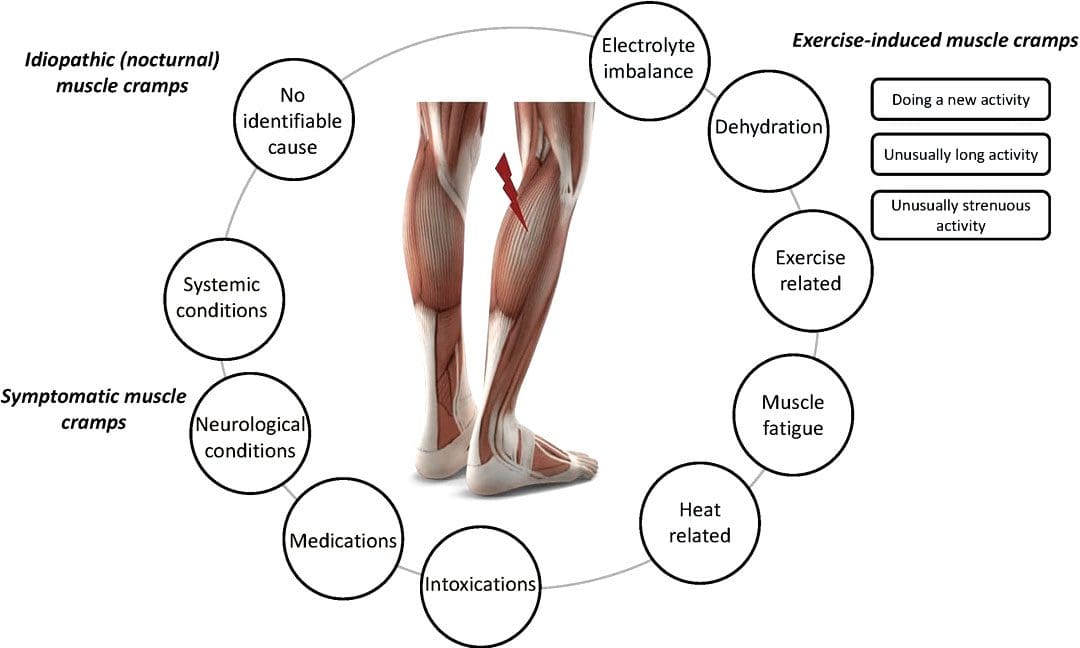
They can occur during physical activity, exercise, rest, or night, depending on the cause. There are various causes that, include:
Most times, they are not a cause for alarm; however, depending on the individual, their age, type of physical activity, and medical history, cramps could indicate a more serious underlying problem such as a thyroid disorder, liver cirrhosis, atherosclerosis, ALS, or a problem or condition of the spine or spinal nerves.
Muscles Involved
The muscles involved can indicate the mechanism and cause.
If the cramp is triggered by fatigue, a drop in muscle glycogen, dehydration, or an electrolyte imbalance, it’s most frequently to the calf muscles, feet, or back of the thigh/hamstring muscles.
This is typically due to a combination of fatigue and dehydration.
If it is triggered by nerve irritation, like a spinal disc injury, cramps tend to present in the forearm, hand, calf, and foot, depending on whether the disc injury is in the neck or lower back.
If there is a joint sprain in the neck, mid-back, or lower back, the cramp will present where the injury is and around the surrounding muscles.
A calf cramp happens when lying down because the foot points down, shortening the calf muscles.
A shortened muscle is more likely to go into spasm, especially if it is exhausted from activities and if the body is dehydrated, which is pretty common.
For two muscles that work together performing the same movement, called agonists, and the one muscle is weaker, the secondary muscle has to work harder, often going into a spasm or cramp from the added stress.
For example, if the buttock/gluteal muscles are weak, the hamstrings eventually spasm when exhausted.
Chiropractic
First, the cause needs to be identified through medical history and examination. There can be an underlying nerve irritation and interference, restricting the muscle or muscle group, which needs to be dealt with for the therapy to be effective. Chiropractic care, combined with therapeutic stretching and massage therapy, can:
Relieve muscle cramping
Improve blood circulation
Increase muscle movement
Improve musculoskeletal function
All help to diminish and prevent muscle cramping.
Adjustments will restore proper alignment and restore nerve communication. These treatments help to release toxins, loosen and relax the muscle tissues, and provide relief.
Say Goodbye to Pain With Chiropractic
References
Blyton, Fiona, et al. “Non-drug therapies for lower limb muscle cramps.” The Cochrane Database of systematic reviews vol. 1,1 CD008496. 18 Jan. 2012, doi:10.1002/14651858.CD008496.pub2
FIELDS, A. “Leg cramps.” California Medicine vol. 92,3 (1960): 204-6.
Garrison, Scott R et al. “Magnesium for skeletal muscle cramps.” The Cochrane Database of systematic reviews vol. 9,9 CD009402. 21 Sep. 2020, doi:10.1002/14651858.CD009402.pub3
Katzberg, Hans D. “Case Studies in Management of Muscle Cramps.” Neurologic clinics vol. 38,3 (2020): 679-696. doi:10.1016/j.ncl.2020.03.011
Miller, Kevin C et al. “An Evidence-Based Review of the Pathophysiology, Treatment, and Prevention of Exercise-Associated Muscle Cramps.” Journal of athletic training vol. 57,1 (2022): 5-15. doi:10.4085/1062-6050-0696.20
Miller, Timothy M, and Robert B Layzer. “Muscle cramps.” Muscle & nerve vol. 32,4 (2005): 431-42. doi:10.1002/mus.20341
What happens to the body after eating healthy? Individuals report the effects of healthy eating, feeling mentally clearer and more focused, increased energy levels, experiencing decreased junk food cravings and hunger pangs, improved sleep, and the benefits of strong bones, cardiovascular health, and disease prevention. The Injury Medical Chiropractic and Functional Medicine Clinic Team can assist individuals working on making healthy lifestyle adjustments to make the transition easier and with professional support to streamline the process, allowing the individual to focus on getting healthy.
What Happens To The Body After Eating Healthy
It can take a little while for the body to adjust to a new nutrition plan. A healthy diet includes nutrient-dense foods from all the major food groups, including lean proteins, whole grains, healthy fats, and fruits and vegetables of various colors.
Benefits
The benefits of healthy eating include the following.
Decreases the risk of heart disease, type 2 diabetes, and certain cancers.
Helps achieve and maintain a healthy weight.
One Week
Experience decreased food cravings throughout the day.
Junk food cravings decrease.
The body begins shedding all the excess water from a high sodium intake and processed foods.
Hunger starts to stabilize.
Experience decreased hunger pains, making losing weight a little easier.
Improved sleep.
Improved control over food choices.
Higher mental focus and clarity – brain fog or low concentration symptoms begin to clear.
Energy levels are higher, making completing daily activities and exercise easier.
The body will become regular with a lower amount of bloating and discomfort.
Moods become stable with fewer ups and downs throughout the day.
One Month
Improved skin health.
A steady rate of weight loss, depending on the approach and starting point.
Clothing begins to feel looser.
Pre-existing health problems like migraines, joint pain, irritable bowel issues, etc., may begin to clear up.
Eating right starts to become more habitual.
Making healthy choices starts to become second nature.
Improved physical performance.
Feel stronger and notice that the body recovers much faster.
Improved metabolism.
Can eat more without gaining body weight.
Six Months
A decrease in overall cholesterol levels if they were high before.
Blood pressure improvement, lowering the risk of heart disease and stroke.
Strengthened skeletal system reducing the risk of stress fractures and breaks.
Improved blood glucose levels, reduced blood sugar fluctuations, and lowered risk factors for diabetes or symptoms are easier to manage.
All the positive changes will lead to staying naturally motivated, where eating healthy is just something you do, and you have learned to indulge wisely. All the benefits will persist for as long as you eat healthily. Target goals can be achieved with a body weight that makes you feel healthy, strong, and confident.
Basal Metabolism
References
Bradbury, Kathryn E et al. “Fruit, vegetable, and fiber intake in relation to cancer risk: findings from the European Prospective Investigation into Cancer and Nutrition (EPIC).” The American journal of clinical nutrition vol. 100 Suppl 1 (2014): 394S-8S. doi:10.3945/ajcn.113.071357
Carlson, Justin L et al. “Health Effects and Sources of Prebiotic Dietary Fiber.” Current developments in nutrition vol. 2,3 nzy005. 29 Jan. 2018, doi:10.1093/cdn/nzy005
Hills, Ronald D Jr, et al. “Gut Microbiome: Profound Implications for Diet and Disease.” Nutrients vol. 11,7 1613. 16 Jul. 2019, doi:10.3390/nu11071613
Zohoori, F Vida. “Chapter 1: Nutrition and Diet.” Monographs in oral science vol. 28 (2020): 1-13. doi:10.1159/000455365
Athletes, pros, semi-pros, weekend warriors, fitness enthusiasts, and physically active and healthy individuals can feel cheated when they suffer an injury. Sports injury recovery involves rest, physical therapy, chiropractic realignment, and rehabilitation. However, it can be all for naught if the individual doesn’t recover mentally and emotionally. Coping with the stress of an injury, being sidelined and moving beyond the negative, and focusing more on positive strategies is important and requires physical and psychological toughness.
Coping With Sports Injuries
Incorporating sports psychology techniques is importantas individuals can experience injury-related emotions like anxiety, sadness, frustration, anger, denial, isolation, and depression. Dealing with an injury and using the off time to reflect and gain new perspectives allows the athlete to improve their objectives by being more focused, flexible, and resilient.
Strategies That Can Help
Understand The Injury
Knowing the cause, treatment, and prevention of the specific injury results in deeper understanding and less fear or anxiety. Talking with a doctor, sports chiropractor, trainer, coach, and psychological therapist can help individuals learn what they need to do to recover quickly and optimally. A few things to consider the following include:
Getting a second opinion is recommended, especially if surgery is being advised.
Focus On Recovering
Instead of focusing on being unable to play, losing strength, relearning movements, and the length of time it may take, accepting that the body is injured and needs to be repaired to return to play is more beneficial. Taking responsibility for the recovery process generates positive outcomes and builds confidence.
Stay Committed
Getting discouraged and missing therapy sessions is expected, especially at the beginning when unable to perform, and pain symptoms are presenting. To get the most out of rehabilitation, stay focused on what needs to be done, not what’s being missed.
To expedite healing, stay committed, and maintain a positive attitude to overcoming the injury.
Apply the same mindset and motivation as you would when practicing the game to the treatment and therapy sessions.
Listen to what the doctor, chiropractor, therapist, and athletic trainer recommend, just as you would a coach.
Set small goals to build momentum and maintain balance, with the end goal of fully recovering and returning to the game.
Self-talk is important to reflect on progress, setbacks, new perspective on the game, and what you want to achieve.
Strengthen the Mind
Research shows that the healing process can happen faster by using mental techniques like imagery and self-hypnosis. These techniques use all senses to generate mental images, emotions, and sensations of the desired outcome. They are used for improving sports skills and techniques, game anxieties, and injury recovery.
Support
A common response after an injury is self-isolating from the team, coaches, family, and friends. However, maintaining contact with others during recovery is highly recommended as all these individuals are there when you need advice, to vent feelings, or to raise your spirits when feeling discouraged. Knowing you don’t have to face the injury alone can push you to keep going.
Alternate Fitness
Individuals going through injury treatment will undoubtedly go through physical strengthening, stretching, etc. But depending on the type of injury, individuals can modify their sports training or add safe and gentle alternate forms of exercise to maintain conditioning and strength for their sport. This can encourage recovery, as the individual is still participating and working to return to play. Talk with the doctor, chiropractor, trainer, or therapist to help create an alternative workout program around the specific sport.
With a proper diagnosis and treatment plan, taking rehabilitation and recovery slow, setting realistic goals, and maintaining a positive mindset, coping with injuries can be a successful learning journey.
Unlocking Pain Relief
References
Clement, Damien, et al. “Psychosocial responses during different phases of sport-injury rehabilitation: a qualitative study.” Journal of athletic training vol. 50,1 (2015): 95-104. doi:10.4085/1062-6050-49.3.52
Johnson, Karissa L, et al. “Exploring the Relationship Between Mental Toughness and Self-Compassion in the Context of Sports Injury.” Journal of sport rehabilitation vol. 32,3 256-264. 1 Dec. 2022, doi:10.1123/jsr.2022-0100
Leguizamo, Federico et al. “Personality, Coping Strategies, and Mental Health in High-Performance Athletes During Confinement Derived From the COVID-19 Pandemic.” Frontiers in public health vol. 8 561198. 8 Jan. 2021, doi:10.3389/fpubh.2020.561198
Rice, Simon M et al. “The Mental Health of Elite Athletes: A Narrative Systematic Review.” Sports medicine (Auckland, N.Z.) vol. 46,9 (2016): 1333-53. doi:10.1007/s40279-016-0492-2
Smith, A M et al. “The psychological effects of sports injuries. Coping.” Sports medicine (Auckland, N.Z.) vol. 9,6 (1990): 352-69. doi:10.2165/00007256-199009060-00004
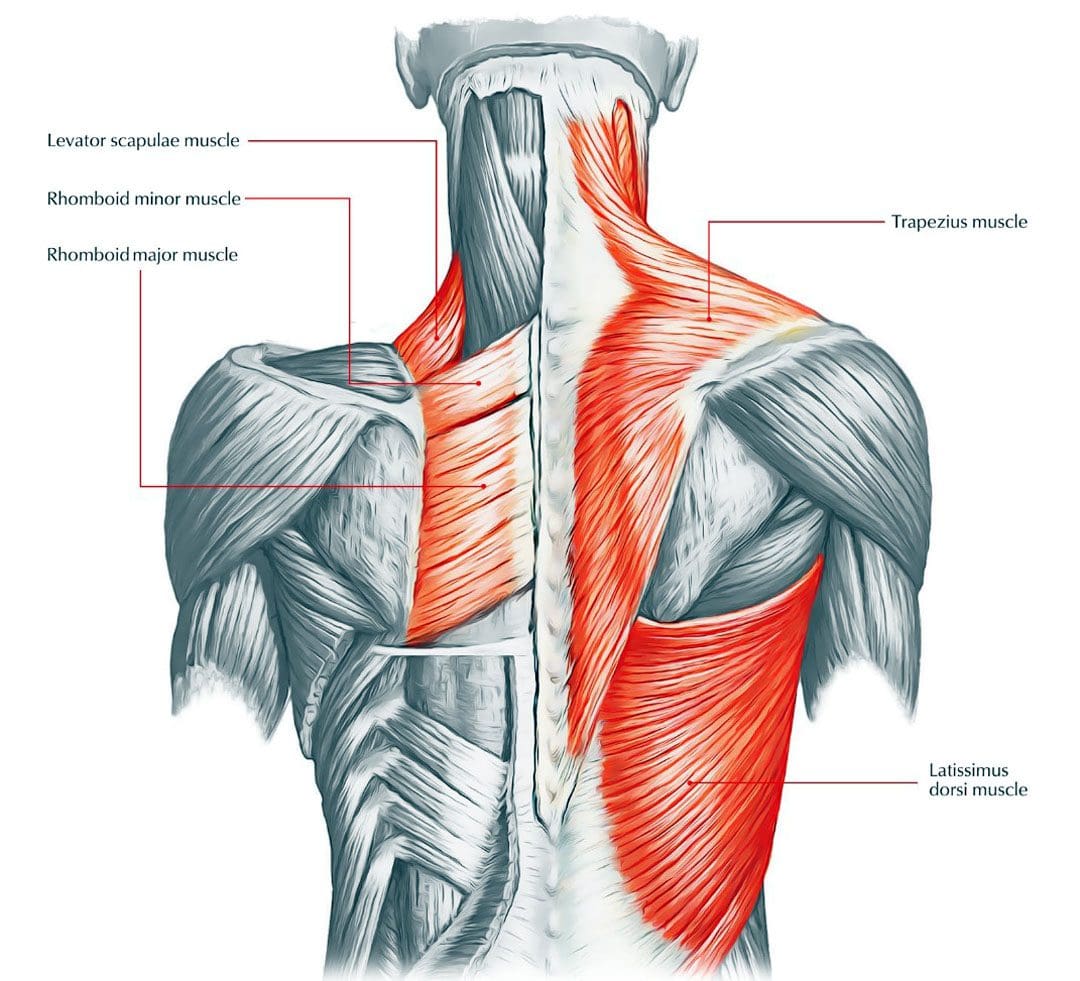
There is a multitude of reasons why back muscles tighten and stiffen up. Muscles pull the bones and joints. Overuse and/or injuries can pull the bones, joints, and tendons out of place, thus causing the muscles to stay in a flexed or stretched position, the inability for the muscles to relax and return to their normal position, resulting in symptoms of discomfort, stiffness, and pain. Individuals can have reoccurring bouts of tight muscles, eventually becoming chronic. Chronic muscle tension can pull the spine out of alignment even if there is no specific injury. The Injury Medical Chiropractic and Functional Wellness Team can relieve tight back muscle tension and restore positioning, mobility, and function.
Muscles are the Key
Muscles make the body move and greatly impact the skeletal and nervous systems. When a muscle is overstretched or pulled, there is not just injury to the muscles but the potential for injury to the bones and tendons in the area. This, in turn, can pinch nerves and cause problems with the nervous system, especially in pain signal transmissions.
Symptoms
Symptoms will depend on the cause and severity. The most common include:
Constant or chronic muscle achiness, soreness, stiffness, and tightness.
Even after stretching or flexing, there is a dull aching or pain.
More serious symptoms may include:
Electrical or burning sensations
Sharp or stabbing pain.
Weakness in the legs or arms
Tingling or numbness in the legs, arms, or chest.
Chest discomfort symptoms.
Causes
Aging
The older a person is, the more likely they will experience back discomfort symptoms. Back issues most likely occur in 30- to 50-year-olds.
The aging process naturally wears the body.
Thinning bones
Muscle mass reduction
Fluid loss between joints in the spine.
All these can cause back issues and problems.
Unhealthy posture
Constant pressure on the spine can lead to general back discomfort symptoms. Practicing unhealthy posture can generate this pressure. The muscles and ligaments must work harder to keep the body balanced because the muscles are out of position, and the other muscles can’t perform their job properly. Overworking and overuse lead to tight back muscles, aches, and pain.
Muscle sprain or strain
Sprains are the tearing or stretching of ligaments. Strains are the tearing or stretching of muscles and tendons. Lifting heavy objects without proper form can easily cause a back sprain or strain. Sprains and strains can also occur after an awkward, sudden, or jerking movement.
Herniated disc
A herniated, slipped, or ruptured disc puts pressure on a nerve/s. This can stress the surrounding muscles causing tension to build up.
Fall or other injuries
Tight back muscles can result from the following:
A fall
Vehicle accident
Force Trauma
Sports accident
Weight gain
Added weight stresses and pulls the body down. This causes unhealthy posture and muscle tension.
Chiropractic Functional Wellness
Usually, tight muscles can be relieved with a hot bath or cold therapy. Reoccurring bouts of, or chronically tense back muscles, are signals that something is wrong and should not be ignored. Chiropractic care can release and relax tight back muscles and get them back into a natural state by re-aligning the spine through tissue manipulation, decompression, massage, and adjustments. The various treatment methods will relieve the discomfort, pain, tension, and realign the spinal column, and strengthen the body. When spinal components are put back into their proper place, the surrounding muscles no longer need to provide a counter-balance to the misalignment and begin to relax. Chiropractors can also recommend ways to improve posture and strengthen muscles to incur less wear and tear.
Chiropractic Back Therapy
References
Furlan, Andrea D et al. “Complementary and alternative therapies for back pain II.” Evidence report/technology assessment,194 (2010): 1-764.
Geneen, Louise J et al. “Physical activity and exercise for chronic pain in adults: an overview of Cochrane Reviews.” The Cochrane database of systematic reviews vol. 4,4 CD011279. 24 Apr. 2017, doi:10.1002/14651858.CD011279.pub3
Mayo Clinic Staff. (2017). Back pain: Symptoms. mayoclinic.org/diseases-conditions/back-pain/basics/symptoms/con-20020797
Miake-Lye, Isomi M et al. “Massage for Pain: An Evidence Map.” Journal of alternative and complementary medicine (New York, N.Y.) vol. 25,5 (2019): 475-502. doi:10.1089/acm.2018.0282
Nahian, Ahmed, et al. “Osteopathic Manipulative Treatment: Facial Muscle Energy, Direct MFR, and BLT Procedure – for TMJ Dysfunction.” StatPearls, StatPearls Publishing, 12 September 2022.
Rahman Shiri, Jaro Karppinen, Päivi Leino-Arjas, Svetlana Solovieva, Eira Viikari-Juntura, The Association Between Obesity and Low Back Pain: A Meta-Analysis, American Journal of Epidemiology, Volume 171, Issue 2, 15 January 2010, Pages 135–154, https://doi.org/10.1093/aje/kwp356
Yogurt is a dairy product made by the bacterial fermentation of milk. The bacteria used are called yogurt cultures, which ferment lactose, which is the natural sugar found in milk. This process produces lactic acid that causes milk proteins to curdle, giving yogurt its flavor and texture. It can be made from all types of milk. Although research is ongoing, the benefits of adding yogurt to one’s nutrition plan can improve overall health, including improved bone health, circulation, immune system function, and probiotics/healthy bacteria that improve digestion and gut health.
Health Benefits
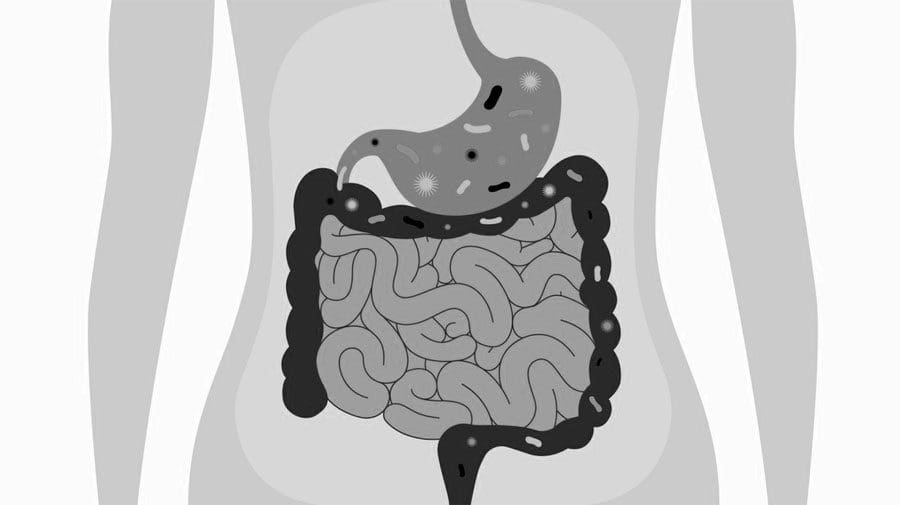
Yogurt comes from milk that varies; some are made from skim and fat-free, whereas whole milk is full-fat. Other nutrients include calcium, vitamin B-2, vitamin B-12, potassium, and magnesium. More research is needed, but there is some evidence that active cultures can help certain gastrointestinal conditions, including:
The faster time food takes to circulate through the bowels.
Immune system improvement.
Feel Fuller
Yogurt is rich in protein and healthy fats, which makes it very filling. Both of these nutrients are key to feeling full for longer. A study found consuming high-protein Greek yogurt in the afternoon resulted in less hunger, increased fullness and delayed the need to eat before dinner.
It can replace the fat, oil, and/or butter in muffin, brownie, or cake recipes.
Speak with a nutritionist and health coach to find out if yogurt would be beneficial. Nutritionists work with individuals to find the best foods for their body type, age, and health condition, explain how different foods impact the body, and what foods to avoid.
Functional Nutrition
References
Andoh, Akira. “Physiological Role of Gut Microbiota for Maintaining Human Health.” Digestion vol. 93,3 (2016): 176-81. doi:10.1159/000444066
Bull, Matthew J, and Nigel T Plummer. “Part 1: The Human Gut Microbiome in Health and Disease.” Integrative medicine (Encinitas, Calif.) vol. 13,6 (2014): 17-22.
Cleveland Clinic: “Which Yogurt is Right For You?” “Why — and When — You Should Include Probiotics in Your Diet.”
Jandhyala, Sai Manasa, et al. “Role of the normal gut microbiota.” World journal of gastroenterology vol. 21,29 (2015): 8787-803. doi:10.3748/wjg.v21.i29.8787
Le Roy, C.I., Kurilshikov, A., Leeming, E.R. et al. Yoghurt consumption is associated with changes in the composition of the human gut microbiome and metabolome. BMC Microbiol 22, 39 (2022). https://doi.org/10.1186/s12866-021-02364-2
Wu, Hsin-Jung, and Eric Wu. “The role of gut microbiota in immune homeostasis and autoimmunity.” Gut microbes vol. 3,1 (2012): 4-14. doi:10.4161/gmic.19320
Clean eating for beginners is a way to approach how you eat by removing unnecessary fats, sugars, and carbs, avoiding processed foods, and embracing vegetables, whole foods, unrefined grains, lean proteins, and healthy fats. The more you practice, the more the craving for salts and sweets decreases and no longer satisfies. The idea is to combine a clean eating lifestyle with an active life that turns into long-term healthy habits.
Clean Eating
Junk food refers to processed/refined foods, artificial flavors, sugars, salts, high saturated fats, and other foods that don’t provide nutrition. Clean foods fill the body with an abundance of vitamins and minerals, high-quality protein, and healthy fats, which improve heart and brain health, assist with weight management, strengthen the immune system and increase energy levels. Clean eating guidelines include:
Preparing and Cooking Own Food
Preparing and cooking your food is an easy way to control what goes into your body.
You control the salt, sugar, flavors, and fats with the objective of keeping the levels as low as possible.
Restaurant and diner food tastes great, but it is usually because salt, sugar, and butter are added to everything.
Whole Foods
Whole foods have not been modified, processed or refined, or saturated with preservatives, added sugars, dyes, fats/hydrogenated fats, or salt to add extra flavor or to enhance shelf life.
They include fresh fruits and vegetables, lean proteins, unsalted nuts/seeds, whole grains, full-fat dairy products, and dried beans/legumes.
Unrefined foods contain more nutrients and fiber, essential for healthy body function.
For example – broccoli is a carbohydrate but provides a lot of fiber, antioxidants, and other nutrients, so it’s recommended when eating clean.
Fats should come from unsaturated fats as much as possible, avoiding saturated and trans fats when possible.
This should be practiced with every meal, whether a snack or dinner.
Limit Adding Salt, Sugar, and Fats
Avoid unnecessary additives, like fat, salt, and sugar, when choosing foods.
Clean eating detoxes the body, so pastries, hamburgers, fries, and fried foods begin to taste too sweet or salty because the body is no longer used to them.
The body and tastebuds become acclimated to whole foods with no longer a need for additives.
Five to Six Small Meals
Counting calories does not take into account the value of each calorie.
Making mindful decisions for all foods, like lean protein, complex carbohydrates, fats, fresh fruits, and vegetables, will make the calories count.
Eating five to six times a day in the right amounts with three small main meals and two to three healthy snacks prevents:
Over-eating
Skipping meals
Exhaustion or jitteriness from unstable blood sugar levels.
Avoid foods with labels that include words like modified, which indicates added processing, and words that end with the lettersose, which indicate added sugars/fructose.
Look for labels with whole grains and whole wheat.
High-calorie foods should have low saturated fat and sugar levels and calories that come from fiber and lean proteins.
Sodium levels should be as low as possible; the body only needs 250 mg daily.
Drink Plenty of Water
Water needs to be consumed throughout the day, every day.
Water will maintain body hydration and function and prevent hunger.
Fruit juices contain more nutrients than soda but can be high in calories and sugar. Read the labels.
To start, take small steps so the body can gradually transition into healthy habits that will last long-term. This is a new lifestyle, not a trending fad. Individuals are recommended to ease into it, and then it will begin to feel normal. Injury Medical Chiropractic Clinic has a Functional Medicine team, including a certified nutritionist, to help individuals develop a nutrition plan specific to their needs.
For Beginners
References
Ambwani, Suman et al. “”It’s Healthy Because It’s Natural.” Perceptions of “Clean” Eating among U.S. Adolescents and Emerging Adults.” Nutrients vol. 12,6 1708. 7 Jun. 2020, doi:10.3390/nu12061708
Allen, Michelle, et al. “The Dirt on Clean Eating: A Cross-Sectional Analysis of Dietary Intake, Restrained Eating, and Opinions about Clean Eating among Women.” Nutrients vol. 10,9 1266. 8 Sep. 2018, doi:10.3390/nu10091266
Ghaderi, Ata. “A European perspective on “clean eating”: Commentary on Negowetti et al. (2021).” The International journal of eating disorders vol. 55,1 (2022): 49-51. doi:10.1002/eat.23615
Health care should not be subpar; with so many choices, advertisements, reviews, word of mouth, etc., finding quality health care can be challenging. This can be a physician, dentist, nutritionist, or chiropractor. How to know when a top chiropractic team is treating you?
When Chiropractic Care Is Necessary
Individuals wonder when they should see a chiropractor. Signs and symptoms that could indicate you should see a chiropractor include:
Trouble standing, walking, bending, or performing daily activities.
Discomfort or pain when sitting or lying down.
Headaches.
Neck pain.
Shoulder, arm, or hand tingling or pain.
Back pain.
Hip pain.
Pain that runs down one or both legs.
Knee pain.
Foot problems like numbness, tingling, or pain.
Top Chiropractic Team
A top chiropractic team will harmoniously perform their jobs; even with obstacles, they will get it done. They will communicate effectively with each other and the patients, explain the whole process, provide personalized treatments and not a one size fits all approach, and value the patients’ time.
Communication
Communication is vital for individuals to understand and have confidence in their personalized treatment plan.
The chiropractor and supporting staff will ensure the patient understands what will happen and how it will affect their injury/condition.
The doctor and staff will continually ask how you are doing.
The team’s ultimate goals are to get the healing process activated and the patient’s satisfaction.
Offered Multiple Treatment Options
Spinal adjustments are not the only thing individuals should think of when considering treatment. Multiple treatment approaches have been found to achieve the best results when dealing with musculoskeletal conditions and disorders. The chiropractor will discuss and offer specific treatment options that can include:
A top chiropractic clinic doesn’t feel like the doors are just revolving with patients rushing in and out like a grocery store.
Every patient’s appointment is their time with:
A detailed consultation
Therapeutic prep-massage to loosen muscles and joints before the adjustments.
Thorough chiropractic adjustments
After-care patient questions – The chiropractor or staff will take the time to answer all your questions and not waste your time waiting around.
Recommended stretching exercises
Body analysis
Nutritional advice
Treatments Are Working
Chiropractic care can take some time to treat, rehabilitate, and heal the injury or condition.
The treatments work, and you see and feel the progress.
You can move around without fear of triggering pain.
Your confidence grows in yourself and the team.
If treatment is not working or producing lasting results, the chiropractor will refer you to another medical professional.
A top chiropractic team wants the best medical treatment for each patient, even if they cannot provide it.
Patient Satisfaction
When treated by a top chiropractic team from the front desk, patient care coordinator, massage therapists, nutritionist, and clinic manager, the overall experience is positive and pleasant; you can feel the difference and leave exhilarated.
Functional Medicine
References
Clijsters, Mattijs et al. “Chiropractic treatment approaches for spinal musculoskeletal conditions: a cross-sectional survey.” Chiropractic & manual therapies vol. 22,1 33. 1 Oct. 2014, doi:10.1186/s12998-014-0033-8
Eriksen, K., Rochester, R.P. & Hurwitz, E.L. Symptomatic reactions, clinical outcomes and patient satisfaction associated with upper cervical chiropractic care: A prospective, multicenter, cohort study. BMC Musculoskelet Disord 12, 219 (2011). https://doi.org/10.1186/1471-2474-12-219
Gary Gaumer, Factors Associated With Patient Satisfaction With Chiropractic Care: Survey and Review of the Literature,
Journal of Manipulative and Physiological Therapeutics, Volume 29, Issue 6, 2006, Pages 455-462, ISSN 0161-4754, https://doi.org/10.1016/j.jmpt.2006.06.013 (https://www.sciencedirect.com/science/article/pii/S0161475406001588)
Kerns, R.D., Krebs, E.E. & Atkins, D. Making Integrated Multimodal Pain Care a Reality: A Path Forward. J GEN INTERN MED 33, 1–3 (2018). https://doi.org/10.1007/s11606-018-4361-6
Pribicevic, M., Pollard, H. A multi-modal treatment approach for the shoulder: A 4 patient case series. Chiropr Man Therap 13, 20 (2005). https://doi.org/10.1186/1746-1340-13-20
IFM's Find A Practitioner tool is the largest referral network in Functional Medicine, created to help patients locate Functional Medicine practitioners anywhere in the world. IFM Certified Practitioners are listed first in the search results, given their extensive education in Functional Medicine






 Muscles are the Key
 Health Benefits