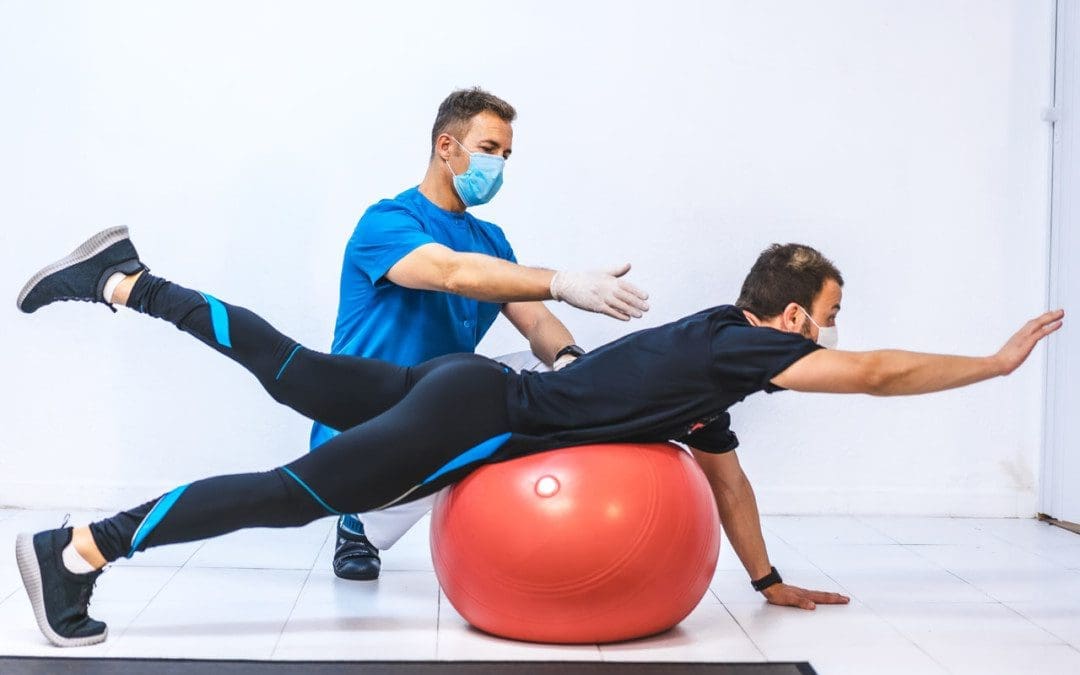
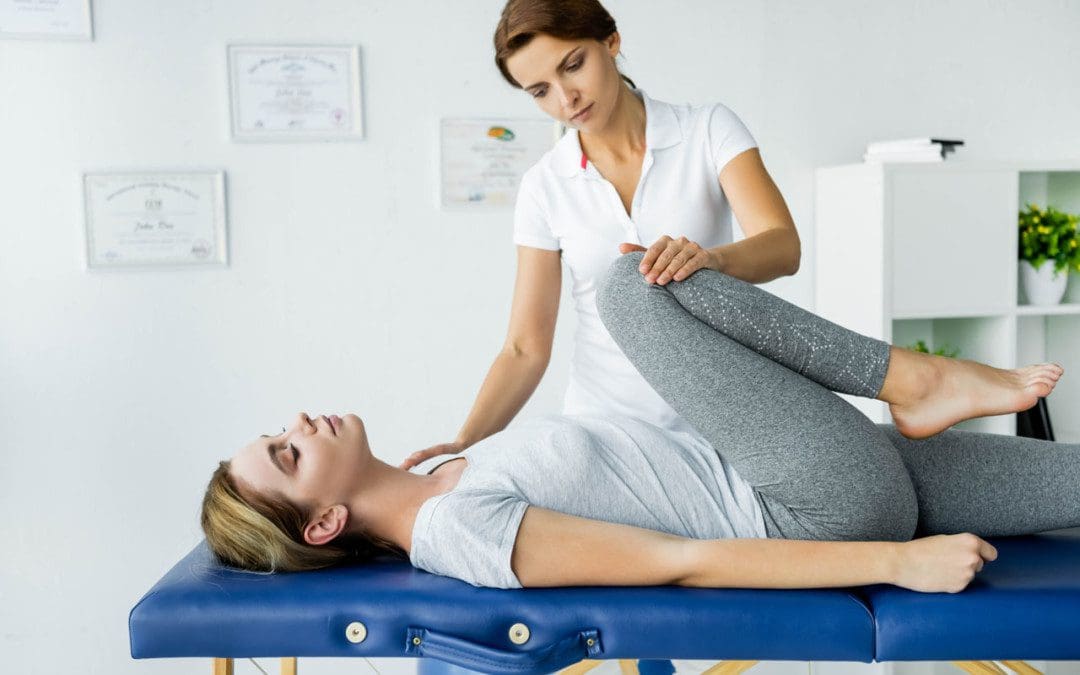
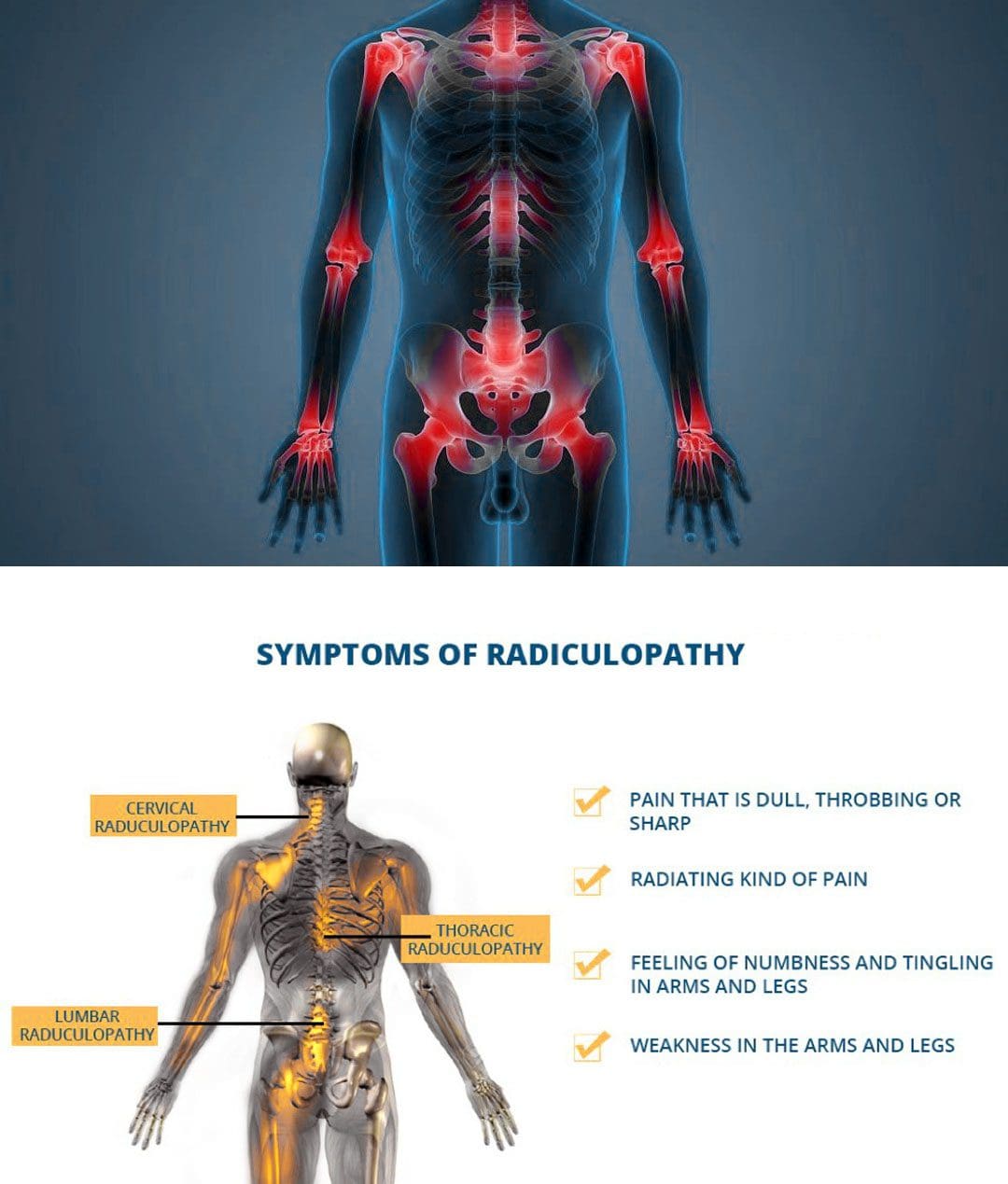
Upper and middle/mid-back pain and/or pain between the shoulder blades is common for individuals who spend long hours sitting or standing. Stress, tension, and repetitive movements can cause middle-back trigger points to develop. Symptoms occur anywhere from the neck’s base to the bottom of the rib cage. Trigger point development and reoccurrence can contribute to chronic upper and middle back pain. Injury Medical Chiropractic and Functional Medicine Clinic can release, relieve and help prevent trigger points through various therapies and treatment plans.
Middle Back Trigger Points
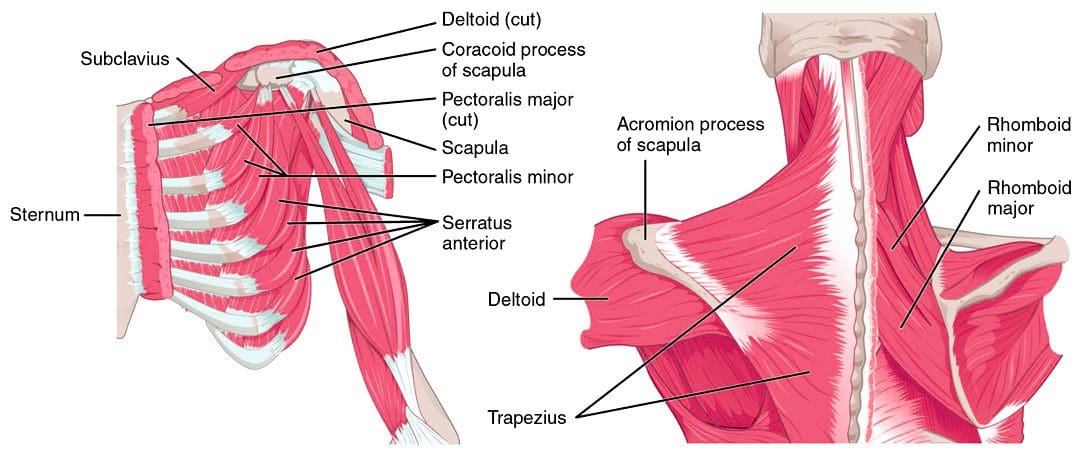
The ribs attach to the sternum and adhere to and wrap around the back. Pain and sensation symptoms can radiate to other places where the nerve travels if a nerve in this area is pinched, irritated, or injured. The muscle groups of the chest region also have a significant role in middle back trigger point development. Tension in the chest muscles can overload the muscles of the mid-back region, causing tightness. This happens to individuals that release the trigger points in the mid-back muscles but fail to address the trigger points in the chest muscles, causing reactivation that could worsen the injury. Three muscle groups can cause trigger point referred pain between the shoulder blades include:
Rhomboid Trigger Points Between the Shoulder Blades
The Rhomboid muscle group is found in the mid-back region, between the shoulder blades.
These muscles attach along the spine and run diagonally downward to connect to the inside of the shoulder blade.
The contraction causes the shoulder blades to retract and rotate.
Trigger points only cause pain in the region of the muscle group.
They can cause tenderness in the region and the spinous process or the bony tip extending from the lamina or part that can be felt when touching the back.
The pain is often described as burning.
Rhomboid Trigger Symptoms
A common symptom is superficial aching between the shoulder blades that individuals try to rub with their fingers to get relief.
Intense pain can extend upward to the shoulder area above the blade and into the neck area.
Individuals may hear or feel a crunching and snapping as they move the shoulder blades.
The common rounded-shoulder and forward-head hunching posture are nearly always present in individuals with these trigger points.
Middle Trapezius Trigger Points
The trapezius is the large, diamond-shaped muscle group that forms the base of the neck and upper back.
It has attachment points at the bottom of the skull, along the spine, collarbone, and shoulder blade.
When this muscle contracts, it moves the shoulder blade.
Movements can also affect the neck and head region.
Trigger points in the middle portion of this muscle refer to pain between the shoulder blades and the spine.
Trigger points develop for several reasons, including unhealthy postures, stress, injuries, falls, and sleeping positions.
Additionally, tension and added trigger points in the chest muscles can overload the Trapezius muscle fibers, causing trigger point development.
Trapezius Symptoms
It can be difficult to distinguish pain from the middle trapezius and rhomboid trigger points.
Pain in the middle trapezius can have more of a burning sensation and often extends over the thoracic spine.
The pain referral to the spine can activate secondary trigger points in the surrounding muscles.
Pectoralis Major Trigger Points
The Pectoralis Major muscle group is the large, flat muscles in the upper chest region.
The muscle has four overlapping sections that attach to the ribs, collarbone, chest bone, and upper arm at the shoulder.
The muscle group contracts when pushing with the arms in front of the body and rotating the arms inward towards the trunk.
Trigger points can radiate pain symptoms to the chest, shoulder, and breast regions.
Numbness and/or pain can radiate down the inside of the arm and into the fingers.
Trigger points in this muscle group can activate triggers in the upper back, causing pain symptoms between the shoulder blades.
Pectoralis Major Symptoms
Individuals will present with chest pain, front shoulder pain, and pain traveling down the inside of the arm to the elbow.
If referred pain occurs on the person’s left side, it can be similar to cardiac pain.
Consult a cardiologist to rule out cardiac involvement before investigating trigger points.
The pain will initially occur on one side of the chest but can spread to the other as it intensifies.
In many, the pain is only experienced with the movement of the arms and goes away or decreases with rest.
Simultaneous pain in the mid-back, between the shoulder blades, frequently occurs.
In women, there may be nipple sensitivity and pain in the breast.
The breast can become enlarged from the tension causing impaired lymphatic drainage.
Chiropractic Treatment
Chiropractors treat myofascial pain syndromes such as myofascial trigger points or adhesions with various therapies. A chiropractor will locate trigger points by pressing muscle tissue or manipulating the muscle fibers. Once the trigger points have been found, treatment can include:
Barbero, Marco, et al. “Myofascial pain syndrome and trigger points: evaluation and treatment in patients with musculoskeletal pain.” Current Opinion in Supportive and palliative care vol. 13,3 (2019): 270-276. doi:10.1097/SPC.0000000000000445
Bethers, Amber H et al. “Positional release therapy and therapeutic massage reduce muscle trigger and tender points.” Journal of Bodywork and movement therapies vol. 28 (2021): 264-270. doi:10.1016/j.jbmt.2021.07.005
Birinci, Tansu, et al. “Stretching exercises combined with ischemic compression in pectoralis minor muscle with latent trigger points: A single-blind, randomized, controlled pilot trial.” Complementary therapies in clinical practice vol. 38 (2020): 101080. doi:10.1016/j.ctcp.2019.101080
Farrell C, Kiel J. Anatomy, Back, Rhomboid Muscles. [Updated 2023 May 16]. In: StatPearls [Internet]. Treasure Island (FL): StatPearls Publishing; 2023 Jan-. Available from: https://www.ncbi.nlm.nih.gov/books/NBK534856/
Gupta, Lokesh, and Shri Prakash Singh. “Ultrasound-Guided Trigger Point Injection for Myofascial Trigger Points in the Subscapularis and Pectoralis Muscles.” Yonsei medical journal vol. 57,2 (2016): 538. doi:10.3349/ymj.2016.57.2.538
Moraska, Albert F et al. “Responsiveness of Myofascial Trigger Points to Single and Multiple Trigger Point Release Massages: A Randomized, Placebo-Controlled Trial.” American Journal of physical medicine & Rehabilitation vol. 96,9 (2017): 639-645. doi:10.1097/PHM.0000000000000728
Sadria, Golnaz, et al. “A comparison of the effect of the active release and muscle energy techniques on the latent trigger points of the upper trapezius.” Journal of bodywork and movement therapies vol. 21,4 (2017): 920-925. doi:10.1016/j.jbmt.2016.10.005
Tiric-Campara, Merita, et al. “Occupational overuse syndrome (technological diseases): carpal tunnel syndrome, a mouse shoulder, cervical pain syndrome.” Acta informatica medica : AIM : journal of the Society for Medical Informatics of Bosnia & Herzegovina : casopis Drustva za medicinsku informatiku BiH vol. 22,5 (2014): 333-40. doi:10.5455/aim.2014.22.333-340
A pinched, compressed, overly stretched, twisted, and entangled nerve can happen throughout the body. The most common locations are the neck, shoulder, upper back, upper chest, arm, elbow, hand, wrist, low back, legs, and feet. This disrupts the nerve’s ability to function properly. Each nerve stimulates muscles and detects sensations in specific areas of the skin or internal organs so they work properly. Common symptoms are tingling, numbness, pain, weakness, and musculoskeletal problems. The average pinched nerve duration can last a few days to as long as 4 to 6 weeks or, in some cases, longer, in which case individuals should see a doctor or neurologist. Injury Medical Chiropractic and Functional Medicine Clinic can relieve, release, and restore nerve health.
Pinched Nerve
A pinched nerve is caused by pressure from surrounding tissues that place added stress on it. Muscles, bones, cartilage, and tendons can all press, pull, or entangle a nerve. This can result in a loss of function, which can then lead to symptoms including:
Tingling
Numbness
Muscle weakness
Various types of pain – sharp, electrical, throbbing, aching, and radiating/spreading out to other areas.
Burning sensation
A pinched nerve can become serious, cause chronic pain conditions and lead to permanent nerve damage.
More severe cases may require surgery.
Pinched Nerve Duration
Pinched nerve duration depends on the injury, which can happen suddenly or gradually. A temporary case with an acute cause, such as injury or poor posture, can last several days. Cases related to chronic conditions, like arthritis, may last longer. Treatment, as well as recovery, also vary based on the location of the injury and what’s causing the pressure.
Body Locations
Neck
A pinched nerve in the neck can cause tingling sensations and pain, which can travel to the shoulders and arms. This type can be caused by:
Sleeping position
Repetitive movements
Injuries
The pain will usually ease within several days unless a chronic health condition is the cause of the pinching.
Lower back
A pinched nerve in the lower back is often brought on by herniated discs that compress nerve roots.
It may also be caused by arthritis or injuries.
Individuals may feel a sharp pain in the lower back, as well as in the buttocks and back of the leg.
Sciatica may be a symptom.
Lower back pain may be acute, lasting only a few days.
If the injury doesn’t resolve, it may cause chronic back pain that can last 12 weeks or more.
Leg
The legs can develop pinched nerves from herniated discs or injuries.
If left untreated can lead to peripheral neuropathy.
This can develop over several weeks or years.
Hip
A pinched nerve in the hip can last a few days if related to an injury. If the pain lasts longer than a few days, consult a doctor. Possible causes of chronic hip pain may include:
Obesity
Bone spurs
Arthritis
Shoulder
Shoulder pain brought on by a pinched nerve usually starts in the upper spine and is caused by:
Injury
Tendinitis
Arthritis
To tell if the pain symptoms are from a pinched nerve and not a muscle strain, the pain tends to occur in one shoulder, and there is a sharpness to the aches.
Left untreated, arthritis or tendinitis can lead to chronic pain that can come and go for several weeks, months, or years.
Wrist
Repetitive overuse is commonly linked to pinched nerves in the wrist.
Pinched nerves can lead to carpal tunnel syndrome – pain and numbness extending through the arm, hand, and fingers.
Pain lasting over two months could indicate other underlying conditions, like arthritis.
Chiropractic Relief
Chiropractic adjustments identify the impacted nerve/s and use various therapies to remove the compression, relieving symptoms and the injury or issue. A personalized treatment plan can include the following:
Cornwall, R, and T E Radomisli. “Nerve injury in traumatic dislocation of the hip.” Clinical orthopedics and related research, 377 (2000): 84-91. doi:10.1097/00003086-200008000-00012
Dmytriv, Mariya, et al. “PT or cervical collar for cervical radiculopathy?.” The Journal of family practice vol. 59,5 (2010): 269-72.
Hochman, Mary G, and Jeffrey L Zilberfarb. “Nerves in a pinch: imaging of nerve compression syndromes.” Radiologic clinics of North America vol. 42,1 (2004): 221-45. doi:10.1016/S0033-8389(03)00162-3
Lopez-Ben, Robert. “Imaging of nerve entrapment in the foot and ankle.” Foot and ankle clinics vol. 16,2 (2011): 213-24. doi:10.1016/j.fcl.2011.04.001
Needham, C W. “Pinched nerves and signature signs.” Connecticut Medicine vol. 57,1 (1993): 3-7.
Siccoli, Alessandro, et al. “Tandem Disc Herniation of the Lumbar and Cervical Spine: Case Series and Review of the Epidemiological, Pathophysiological and Genetic Literature.” Cureus vol. 11,2 e4081. 16 Feb. 2019, doi:10.7759/cureus.4081
Although salt is satisfying to the palate and necessary for survival, when the body craves salt, it can be a symptom of a health condition/s. The body needs sodium, but many foods contain more than the body needs. Most individuals’ sodium intake comes from packaged foods, pizza, burgers, and soups. The body craves salty foods for various reasons, often related to a sodium imbalance. To help curb cravings and limit consumption, incorporate seasoning blends, spices, and vegetables into a nutritional plan. Injury Medical Chiropractic and Functional Medicine Clinic can provide expert diet recommendations and health coaching to develop a personalized nutrition plan.
The body needs 500 milligrams (mg) of sodium daily for optimal functioning.
That’s less than one-fourth of a teaspoon (tsp).
But because most individuals take in around 3,400 mg every day, the American Heart Association recommends that adults reduce consumption to 1,500-2,300 mg of salt daily.
Individuals who crave salt often shouldn’t ignore this as cravings could signal a health condition.
It is recommended to seek a healthcare provider’s advice to evaluate nutrition and lifestyle.
Causes
Dehydration
Craving salt could mean the body needs hydration. A sodium deficiency triggers systems that generate cravings for sodium, and the body feels rewarded after consuming salty foods. Individuals that find themselves dehydrated often should consider following these tips to maintain healthy body hydration:
Carry a water bottle throughout the day, take frequent sips, and try to refill two or more times.
Add fruit or fresh herbs to the water for flavor.
Freeze water bottles to have ice-cold water readily available.
Ask for water alongside other beverages when dining out.
Electrolyte Imbalance
When electrolytes are out of balance, the body can crave salty foods.
Electrolytes are minerals in the body with an electric charge.
Electrolytes are in the blood, urine, and tissues, and levels can spike or plummet.
This occurs when the amount of water taken does not equal the amount lost because of excessive sweating, sickness, and/or frequent urination.
Electrolytes are important because:
They help balance the body’s water equilibrium and pH levels
Move nutrients and waste into and out of the cells
Ensure the nerves, muscles, and brain are at optimal function.
Stress
Eating behavior can quickly be disrupted when experiencing stressful situations.
A stressed body can feel better after eating the foods it is used to, especially for individuals that consume a lot of salty foods when things are normal, and there is no stress.
Boredom
Eating because of boredom is an emotional eating behavior similar to stress eating.
This response to negative emotions can happen to anyone.
Individuals are recommended to work through their negative thoughts with stress reduction strategies that include:
Mindful eating.
Exercise.
Meditation.
Spending time in green spaces like a garden, park, etc.
Individuals can make a no-salt seasoning mix using cumin, garlic powder, onion powder, paprika, and cayenne pepper.
Garlic
Instead of one teaspoon of iodized salt, one teaspoon of fresh garlic can eliminate up to 2,360 mg of sodium and offers an intense flavor.
Reduce Salt Consumption
The U.S. Food and Drug Administration says that reducing the amount of sodium can gradually lower cravings. Taking these steps can help:
Limit consumption of packaged foods, especially those with the word instant in the name. These often contain a significant amount of sodium.
If possible, prepare lunch to take to work or school.
Read nutrition labels to ensure the products contain at least less than 2,300 milligrams of sodium.
Stick to fresh, frozen vegetables with no seasoning added or no-salt canned vegetables.
Split meals when eating out or cut the meal in half and take the rest home to avoid the high amounts of sodium in restaurant food.
Use none or low-sodium salad dressings or place them on the side.
Learning About Food Substitutions
References
Bell, Victoria, et al. “One Health, Fermented Foods, and Gut Microbiota.” Foods (Basel, Switzerland) vol. 7,12 195. 3 Dec. 2018, doi:10.3390/foods7120195
Husebye, Eystein S et al. “Adrenal insufficiency.” Lancet (London, England) vol. 397,10274 (2021): 613-629. doi:10.1016/S0140-6736(21)00136-7
Morris, Michael J et al. “Salt craving: the psychobiology of pathogenic sodium intake.” Physiology & behavior vol. 94,5 (2008): 709-21. doi:10.1016/j.physbeh.2008.04.008
Orloff, Natalia C, and Julia M Hormes. “Pickles and ice cream! Food cravings in pregnancy: hypotheses, preliminary evidence, and directions for future research.” Frontiers in psychology vol. 5 1076. 23 Sep. 2014, doi:10.3389/fpsyg.2014.01076
Souza, Luciana Bronzi de et al. “Do Food Intake and Food Cravings Change during the Menstrual Cycle of Young Women?.” “A ingestão de alimentos e os desejos por comida mudam durante o ciclo menstrual das mulheres jovens?.” Revista brasileira de ginecologia e obstetricia : revista da Federacao Brasileira das Sociedades de Ginecologia e Obstetricia vol. 40,11 (2018): 686-692. doi:10.1055/s-0038-1675831
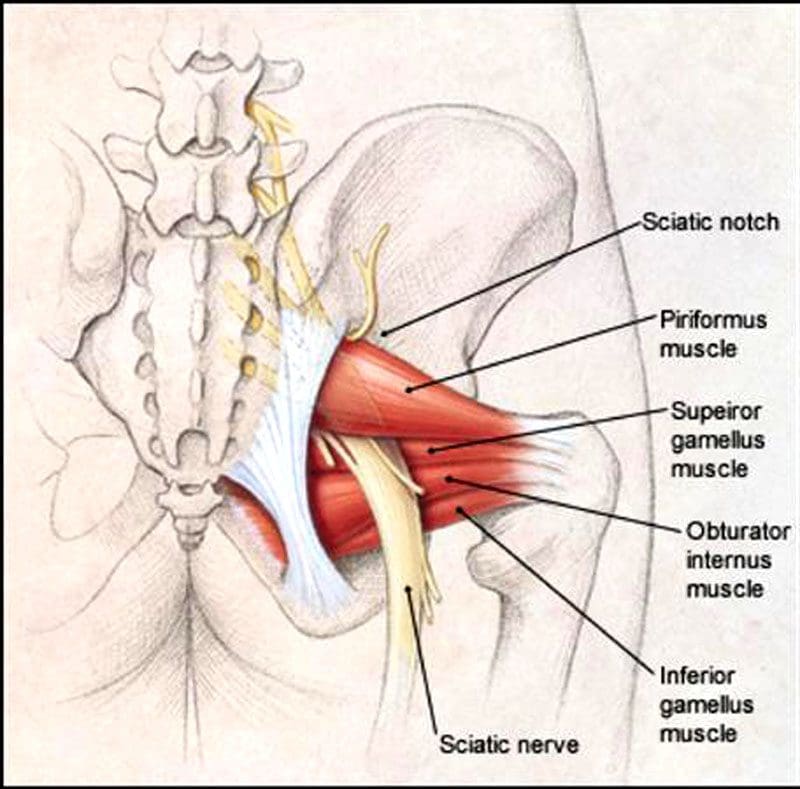
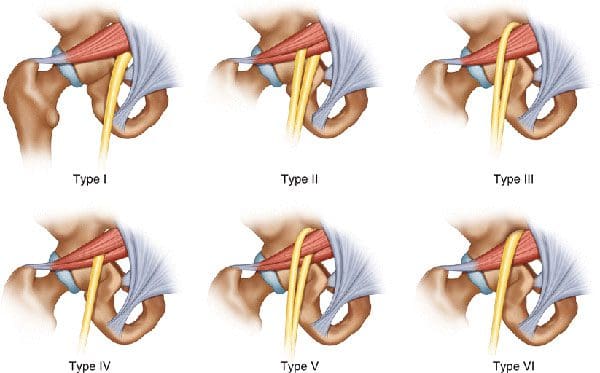
The piriformis is a large and powerful muscle beneath the gluteal/buttocks muscles. It runs from the bottom of the sacrum, where the base of the spine and pelvis converge to the top of the femur. This muscle plays a critical role in running motion; it helps externally rotate the hips and upper leg outward, provides hip flexibility and stability, and stabilizes the pelvis. The sciatic nerve passes next to, over, under, or through the piriformis muscle. When the piriformis contracts or spasms, it can irritate, become entangled and compress the nerve, resulting in painful symptoms. This can lead to various problems and is how piriformis syndrome occurs.
Running Piriformis Syndrome
The proper function of the piriformis muscle is essential for athletes who participate in running sports. Repetitive activities, like running, can fatigue the muscle and irritate and inflame the nerve.
Symptoms
Piriformis syndrome can be challenging to diagnose because it can be confused for a herniated disc, sciatica, a proximal hamstring strain/high hamstring tendinitis, or lower back problems. A few symptoms that can help determine whether the piriformis is the cause include:
Sitting, Stairs, Squatting Discomfort or Pain
Individuals don’t always experience discomfort while running.
Instead, it’s sitting, climbing stairs, and squatting where pain symptoms present.
Pain while running, specifically an overstretched sensation when going up a hill or increasing speed, is more associated with a proximal hamstring strain.
Tenderness
The area around the piriformis is tender.
Applying pressure can cause discomfort or pain around the area and radiate down the leg.
Centered Pain
Piriformis syndrome is usually felt in the middle of the glutes.
A proximal hamstring strain typically causes non-radiating pain at the bottom of the glutes, where the hamstrings connect to the pelvis.
Causes
Pelvic misalignment.
Pelvic misalignments created by other conditions, like a tilted pelvis, functional leg-length discrepancy, or practicing unhealthy posture, make the piriformis work harder to compensate, which leads to tightness and/or spasms.
Sudden increases in distance or workout intensity can worsen any weakness in the piriformis and other gluteal muscles.
Continuing to run, which is possible, can worsen and prolong the condition.
When running, the muscle’s signal transmissions are interrupted by inflammation and/or compression and cannot synchronize with each other.
The result is the inability to withstand the repetitive strain of running.
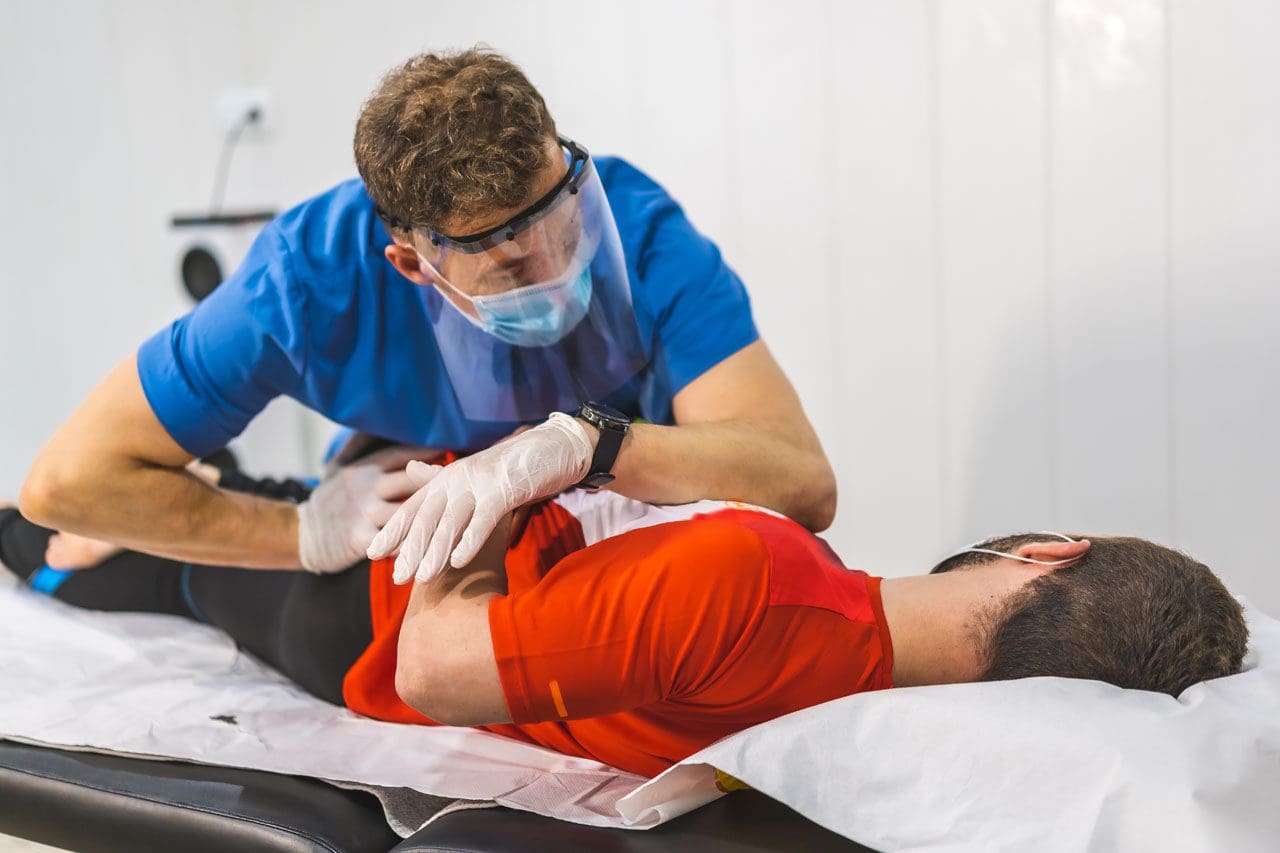
Resting may not be enough to alleviate piriformis syndrome. This is especially true if the problem involves spine and pelvic misalignment. Chiropractic can provide significant relief from running piriformis syndrome. A combination of spinal, pelvic, and extremity adjustments, therapeutic massage, MET, decompression, stretches, and anti-inflammatory nutrition will take the pressure off overly tight areas, realign the body, and maintain nervous system function.
Running form could be evaluated and checked for leg-length discrepancies and muscle-strength imbalances.
Running can continue if the individual can do so without pain or symptoms.
But it is recommended to avoid slanted surfaces, which increase the risk of pelvic misalignment.
Avoid long runs, which increase the chance of overload and fatigue.
The goal is to relax and release the piriformis.
If it’s impinging on the sciatic nerve, loosening and releasing the muscle will significantly lessen radiating pain.
Orthotics may be recommended for excessive overpronation or inward movement of the foot when landing.
Other treatments to stop piriformis spasms.
Ice and take over-the-counter anti-inflammatory medications can be used during acute phases when the area is tender.
Work out tight spots using a foam roller or percussive massager.
Stretching and loosening the muscle before and after runs can help it relax and increase blood flow.
Ahmad Siraj, Sidra, and Ragini Dadgal. “Physiotherapy for Piriformis Syndrome Using Sciatic Nerve Mobilization and Piriformis Release.” Cureus vol. 14,12 e32952. 26 Dec. 2022, doi:10.7759/cureus.32952
Chang A, Ly N, Varacallo M. Piriformis Injection. [Updated 2022 Sep 4]. In: StatPearls [Internet]. Treasure Island (FL): StatPearls Publishing; 2023 Jan-.
Heiderscheit, Bryan, and Shane McClinton. “Evaluation and Management of Hip and Pelvis Injuries.” Physical Medicine and rehabilitation clinics of North America vol. 27,1 (2016): 1-29. doi:10.1016/j.pmr.2015.08.003
Julsrud, M E. “Piriformis syndrome.” Journal of the American Podiatric Medical Association vol. 79,3 (1989): 128-31. doi:10.7547/87507315-79-3-128
Kraus, Emily, et al. “Piriformis Syndrome With Variant Sciatic Nerve Anatomy: A Case Report.” PM & R: the Journal of Injury, Function, and Rehabilitation vol. 8,2 (2016): 176-9. doi:10.1016/j.pmrj.2015.09.005
Lenhart, Rachel, et al. “Hip muscle loads during running at various step rates.” The Journal of Orthopedic and sports physical therapy vol. 44,10 (2014): 766-74, A1-4. doi:10.2519/jospt.2014.5575
Sulowska-Daszyk, Iwona, and Agnieszka Skiba. “The Influence of Self-Myofascial Release on Muscle Flexibility in Long-Distance Runners.” International Journal of environmental research and public health vol. 19,1 457. Jan 1, 2022, doi:10.3390/ijerph19010457
Back problems can affect everyone. The most healthy individuals can experience back issues from time to time because of unhealthy postures, standing or sitting for extended periods at a job or school, athletes, and individuals with previous injuries. Back soreness and pain symptoms are common in today’s active and inactive world. The pain can range from dull and constant aches to sharp and sudden piercing sensations. This causes pressure to build up against different regions of the spine. Individuals trying to reposition the body can cause an imbalance in the spine that often leads to more pain and problems. It is impossible to adjust one’s spine effectively and should be evaluated and treated by a professional chiropractor and therapy team.
Professional Chiropractor
Problems With DIY adjustments
Self-cracking or having a friend/family/spouse walk on their back or squeeze the body to achieve the crack or pop forces an increase in mobility that can lead to overexerting the spine.
Can loosen all of the joints instead of just the tight joints.
This can overly loosen already flexible joints that must compensate for the stiff joints.
The muscles have to work overtime to maintain stability, adding stress which increases muscle tension.
This can cause the health of compressed segments to continue to decline and worsen and/or cause further injury.
It can cause abnormal vertebral degeneration.
It can be dangerous if the individual has weak bones.
Injuries can include herniated and dislocated discs.
In the worst-case scenario, fractures and broken vertebrae.
Although rare, there is the possible risk of rib fracture or subluxation.
This can cause pain and symptoms to turn into a serious health or chronic condition.
Chiropractic Training
Chiropractors are trained medical specialists on the body’s structure and function. Chiropractors know the correct positioning and function of every area of the spine, from the neck to the tailbone. The most common injuries that chiropractic treats include:
Muscle Strains
Sciatica
Overuse/Repetitive Strains
Neck Sprains
Whiplash
Headaches
Herniated Discs
Dislocations
Fractures
Proper Realignment
Individuals think the popping sound is the goal; however, it’s not what relieves the pain or symptoms. The relief comes from the improved movement of the joints. The term for the popping sound is cavitation. Chiropractic manipulation is a specific force applied in a specific direction to a particular joint. During a professional realignment session, the pressure inside the joint decreases, releasing gasses within the synovial fluid into the joint space. That’s the popping sound. When a professional chiropractor performs adjustments/cavitations, they:
ImproveJoint function.
Relax the muscles.
Relieve nerve irritation.
There’s also the possibility of an unknown underlying cause for the pain symptoms. Therefore, friends and family should not attempt back adjustments unless they are professional chiropractors. When symptoms persist, treatment from a professional licensed chiropractic clinic is safer and more effective, and early treatment can prevent permanent damage caused by chronic inflammation. Professional chiropractor treatments include:
Adjustments
To gently realign joints to decrease pain and increase range of motion.
Soft-Tissue Therapy
Relaxes tight muscles, relieves spasms, and releases tension in the tissues that surround the muscle fascia.
Exercises and Stretches
Restore and maintain joint stability and mobility.
Joint Bracing and Kinesio Taping
Supports sprained joints or muscles during recovery.
Referrals to Medical Experts
For guidance on diet and nutrition to reduce inflammation and promote healthy weight.
The Path To Healing
References
Dunning, James, et al. “CAVITATION SOUNDS DURING CERVICOTHORACIC SPINAL MANIPULATION.” International Journal of sports physical therapy vol. 12,4 (2017): 642-654.
Evans, David W, and Nicholas Lucas. “What is manipulation? A new definition.” BMC musculoskeletal disorders vol. 24,1 194. 15 March 2023, doi:10.1186/s12891-023-06298-w
Hardy, Katie, and Henry Pollard. “The organization of the stress response, and its relevance to chiropractors: a commentary.” Chiropractic & osteopathy vol. 14 25. 18 October 2006, doi:10.1186/1746-1340-14-25
LaPelusa, Andrew. and Bruno Bordoni. “High-Velocity Low Amplitude Manipulation Techniques.” StatPearls, StatPearls Publishing, 6 February 2023.
Navid, Muhammad Samran, et al. “The effects of chiropractic spinal manipulation on central processing of tonic pain – a pilot study using standardized low-resolution brain electromagnetic tomography (sLORETA).” Scientific Reports vol. 9,1 6925. 6 May. 2019, doi:10.1038/s41598-019-42984-3
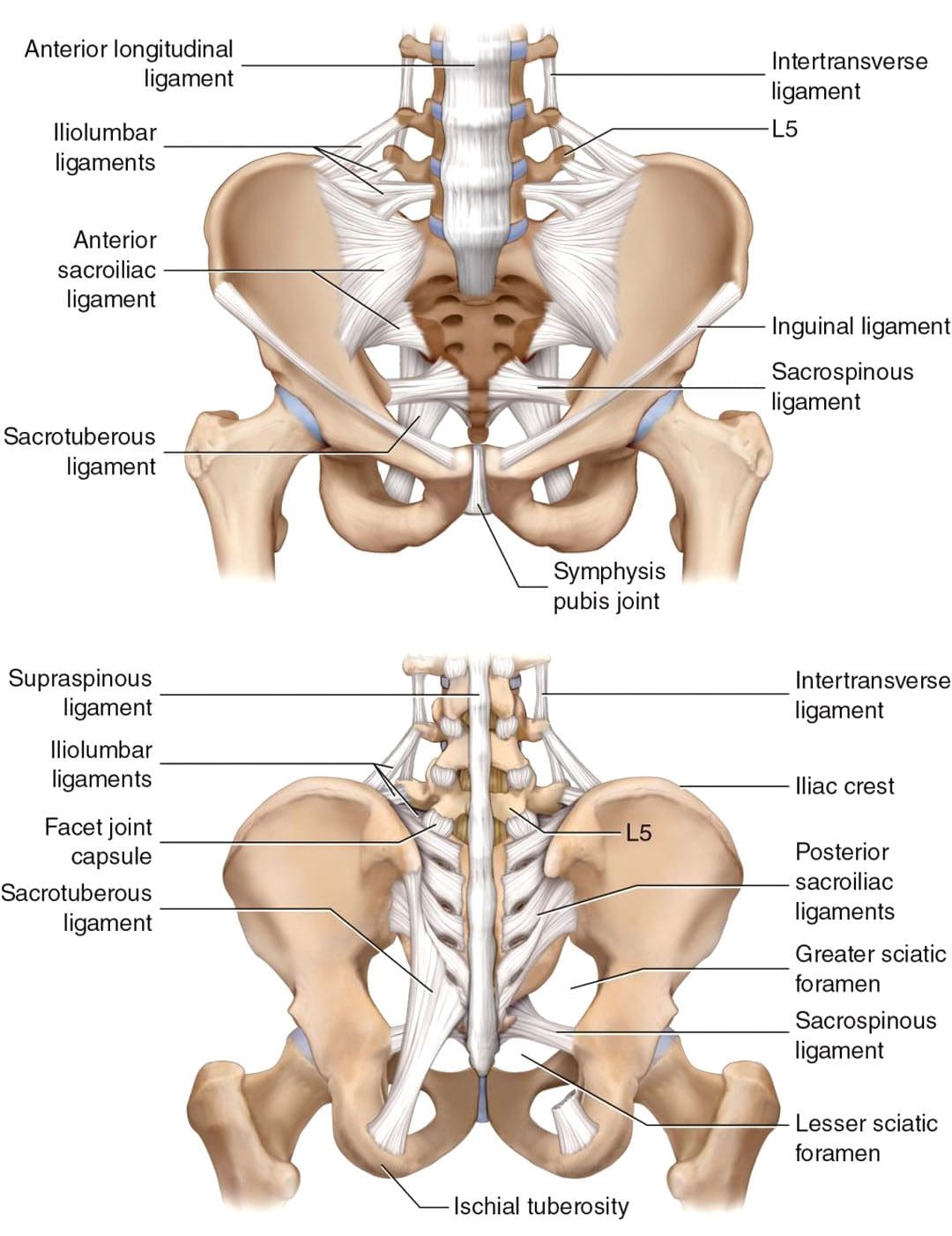
A joint is where two bones meet. The two sacroiliac or SI joints connect the spine, pelvis, and hips. This strong joint balances and transmits stress from the upper body to the pelvis and legs. The joints can suffer a sprain causing pain and discomfort symptoms. There can also be the feeling of tightness wrapping around the waist and dull aching across the low back as the surrounding muscles tighten up as a form of protection, also known as muscle guarding. A correct diagnosis is vital to avoid any potentially serious complications. Chiropractors are experts on neuromusculoskeletal problems and can treat, heal, and strengthen the body through various MET, mobilization, and manipulation techniques.
Sacroiliac Sprain
The main function is to balance the upper and lower body forces. The sacroiliac joints are surrounded by muscle, connective tissue, nerves designed to withstand large stresses and a complex system of ligaments, further strengthening the joints.
Injury Causes
Sacroiliac sprains can be caused by direct trauma to the pelvis from a fall or automobile collision or jobs and sports that involve a lot of bending and twisting. However, sometimes there is no distinct cause. Common causes include:
Repetitive microtrauma is excessive/repetitive movements like prolonged twisting, bending, or lifting at work, home, physical activities, and sports.
The joint can be pushed out of alignment.
Muscular imbalance or weakness in the muscles surrounding the sacroiliac joints can cause problems to develop over time, presenting little or no symptoms.
The tissues around a sacroiliac joint also can be stretched or torn.
Trauma such as a fall or road traffic accidents
Problems with the hips, knees, and feet can generate increased pressure on the joint, which can become painful over time due to repetitive strain.
Pregnancy hormones released to promote pelvis relaxation can increase the risk of SI sprain injury.
Excessive stress on the joint can cause microscopic damage to the ligaments surrounding the joint. The joint then becomes inflamed and presents with pain and sensations of discomfort. The body responds by contracting the muscles to prevent further damage. However, the muscle spasms may not stop, resulting in more pain. Referred pain is common from the muscles that go into spasm, with the most affected being the piriformis, gluteal/buttock, and psoas muscles.
Signs and Symptoms
Tenderness over the affected joint and area.
Pain symptoms on one or both sides above the joints and into the buttocks.
Standing or working with increased weight on one leg increases pain symptoms.
Pain after lifting or twisting that develops a little while later.
Pain travels to the back of the leg, front of the thigh, and the groin.
Pain gets worse when sitting and bending forward.
Lying down eases the symptoms.
Most cases report no loss of strength, tingling, or numbing sensations.
Chiropractic Treatment
Chiropractic treatment will relieve the pain symptoms, but there are stages of treatment, each with specific goals before moving to the next.
The objective of the initial stage is to decrease pain and inflammation.
The second stage is stabilizing and restoring proper musculoskeletal function.
Rehabilitation and targeted stretches and exercises will be introduced as the treatment continues.
In the maintenance stage, there should be no pain, and the individual should be able to perform normal daily activities and return to normal life.
Recovery time for a sacroiliac sprain can be 4-6 weeks but can take months to heal completely.
Chiropractic Approach for Pain Relief
References
BIDWELL, A M. “Treatment of sacroiliac sprain by manipulation.” The Medical World vol. 65,1 (1947): 14-6.
Evans, P. “Sacroiliac sprain.” American family physician vol. 48,8 (1993): 1388; author replies 1390.
LeBlanc, K E. “Sacroiliac sprain: an overlooked cause of back pain.” American family physician vol. 46,5 (1992): 1459-63.
Sun, Chao, et al. “Cost and outcome analyses on the timing of first independent medical evaluation in patients with a work-related lumbosacral sprain.” Journal of Occupational and environmental medicine vol. 49,11 (2007): 1264-8. doi:10.1097/JOM.0b013e318156ecdb
It’s not unusual for runners to experience tingling, pins and needles, and numbness in their feet while running. Running foot numbness is a relatively common problem for runners and can be easily remedied. Numbness will present in one part of the foot or just the toes. Sometimes it can spread throughout the whole foot. Different causes, most of which are not serious, can be easily dealt with. Serious causes can be treated with chiropractic, massage, decompression therapy, and functional medicine.
Running Foot Numbness
Reasons, why the feet experience numbing sensations when running, include:
Improper footwear.
Laces that are tied too tightly.
Foot strike pattern.
Foot structure.
Training schedule.
Muscle tightness.
Compressed nerve.
Medical conditions like neuromas or peripheral neuropathy.
Footwear
A common cause of running foot numbness is having overly tight shoes that place added pressure on nerves.
If this could be the reason, the remedy is to get new shoes.
Try to find a store that specializes in running shoes and ask for help.
Footwear professionals look at the size of the foot, the shape, and running gait.
For example, individuals with a wide foot may need a style with a wider/larger toebox or the front of the shoe that houses the forefoot.
Get a pair that’s one-half to a full size larger than a regular everyday shoe size.
This is because when running, the feet swell, especially in hot and humid weather.
Going up a half or whole size will also accommodate thicker socks for individuals that run in cold weather.
Sometimes numbness can result from biomechanical issues that can be corrected with the proper shoe.
Tight Laces
Sometimes it’s not the shoes but the laces that are too tight.
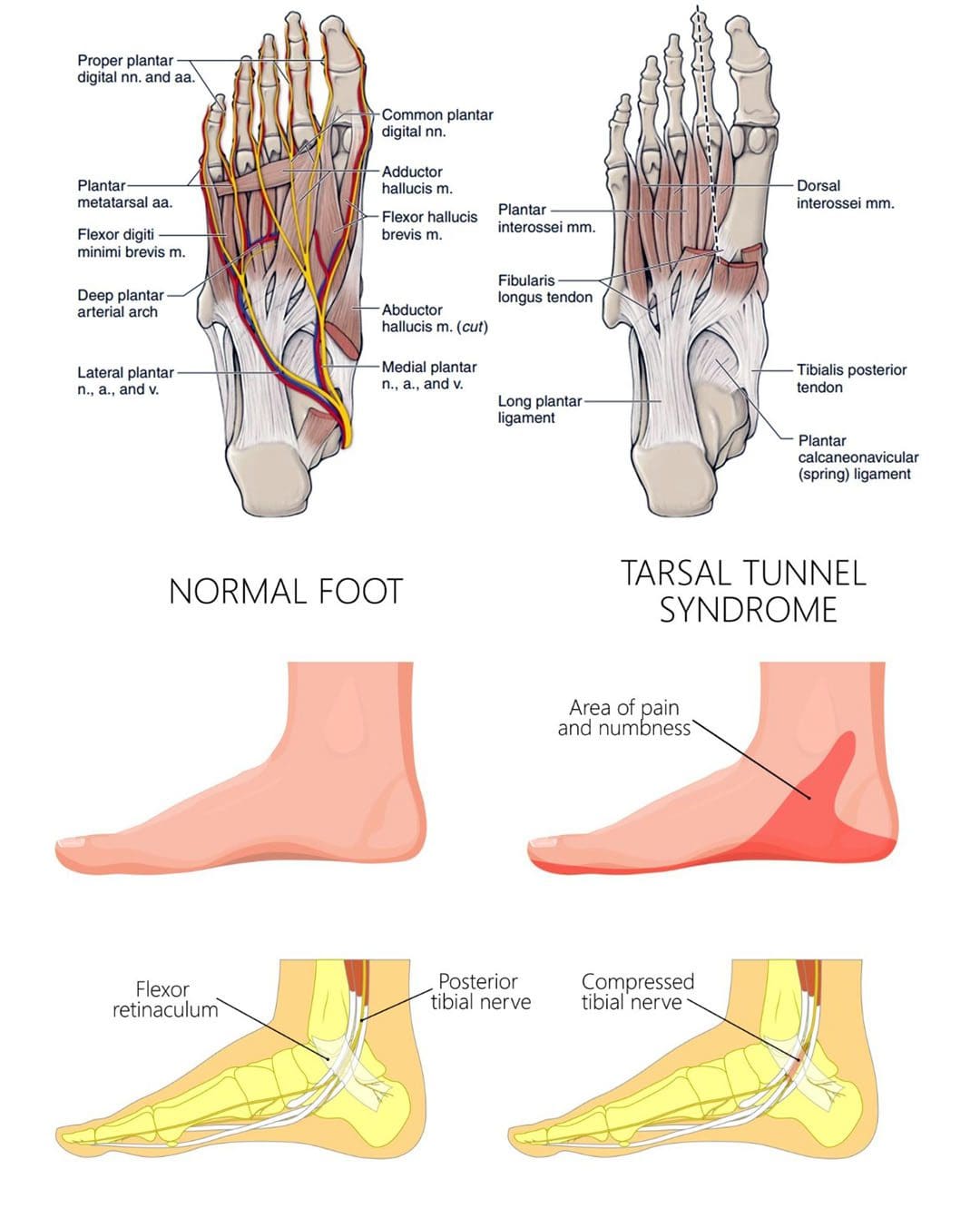
Pulling a little tighter to get a firm fit around the ankle is common, but this can entrap nerves on top of the foot at the ankle/anterior tarsal tunnel, similar to the carpal tunnel in the wrist.
This can be problematic for individuals with high arches.
Loosening the laces are recommended.
However, runners may feel insecure with looser laces.
Experimenting with different lacing techniques is recommended to find one that keeps the shoes comfortable without creating undue pressure over the top of the foot.
Using padding under the tongue of the shoe can help.
Foot Fall Pattern
Sometimes running form can put pressure on nerves that, lead to numbness.
Overstriding– Landing heel first with the foot ahead of the body’s center of gravity places the feet on the ground for too long.
Correcting this issue can be achieved by shortening the stride and focusing on landing on the midsole.
This way, the feet will land directly under the body.
Running like stepping on hot coals is recommended, keeping the movements light and quick.
Correcting overstriding saves energy and lowers the risk of shin splints.
A sports chiropractor, physical therapist, or running coach can help fine-tune form for specific guidance.
Foot Structure
The anatomy of the feet, specifically the arches, can contribute to running foot numbness.
Flat feet mean the entire bottom of each foot is in contact with the floor when barefoot.
Overly flexible feet are more likely to experience nerve compression.
This can be corrected with shoe orthotic inserts.
Over-the-counter orthotics may work, but custom orthotics are another option if they don’t.
Muscle Tightness
Stiff, inflexible muscles can lead to anatomical conditions that generate nerve pressure.
Warm-up exercises before running will get the muscles loose and ready.
Stretching is very important before and after running.
Individuals prone to muscle tightness should include flexibility exercises.
Yoga can improve flexibility and body alignment.
Foam rollers and other massage tools will work out kinks in areas where tightness forms and affects nerves, like the quadriceps, calves, hamstrings, and I.T. band.
Regular sports massage and chiropractic can help keep the body pliable.
Sciatic Nerve Issues
A compressed nerve causes a decrease in the sensation to the areas the nerve supplies.
Foot numbness, especially around the heel or the sole, can be caused by sciatic nerve compression.
The pain from sciatica might originate in the back but can end up causing numbness in the feet and/or toes.
Poor posture, tight piriformis muscles, or other back injuries can also cause sciatica.
A chiropractor or physical therapist can prescribe decompression therapy, MET stretches, and rehabilitative exercises.
Prevention
Most of the time, running foot numbness can be treated by adjusting footwear or technique. Here are a few tips for injury prevention:
Evaluate Shoes
First, make sure the shoelaces are not overly tight.
If the shoes are uncomfortable when running, look for another set and get a custom fitting.
Running Form
Avoid overstriding by focusing on landing on the midsole instead of the heel.
This will take the pressure off of the feet.
Foot Orthotics
Individuals with flat feet, high arches, or overly flexible feet should consider orthotics.
Avoid Overtraining
Work rest days into the training schedule and gradually build up to avoid overuse injuries.
Stretch to prevent muscle imbalances, keep muscles loose, and improve the range of motion.
Chiropractic and Physical Therapy
If symptoms don’t improve, see a doctor, podiatrist, or chiropractor so they can rule out conditions and develop a personalized treatment plan.
Benefits of Custom Foot Orthotics
References
Aldridge, Tracy. “Diagnosing heel pain in adults.” American family physician vol. 70,2 (2004): 332-8.
Atik, Aziz, and Selahattin Ozyurek. “Flexible flatfoot.” Northern Clinics of Istanbul vol. 1,1 57-64. 3 Aug. 2014, doi:10.14744/nci.2014.29292
Jackson, D L, and B L Haglund. “Tarsal tunnel syndrome in runners.” Sports medicine (Auckland, N.Z.) vol. 13,2 (1992): 146-9. doi:10.2165/00007256-199213020-00010
Souza, Richard B. “An Evidence-Based Videotaped Running Biomechanics Analysis.” Physical Medicine and rehabilitation clinics of North America vol. 27,1 (2016): 217-36. doi:10.1016/j.pmr.2015.08.006
Sridhara, C R, and K L Izzo. “Terminal sensory branches of the superficial peroneal nerve: an entrapment syndrome.” Archives of physical medicine and Rehabilitation vol. 66,11 (1985): 789-91.
IFM's Find A Practitioner tool is the largest referral network in Functional Medicine, created to help patients locate Functional Medicine practitioners anywhere in the world. IFM Certified Practitioners are listed first in the search results, given their extensive education in Functional Medicine