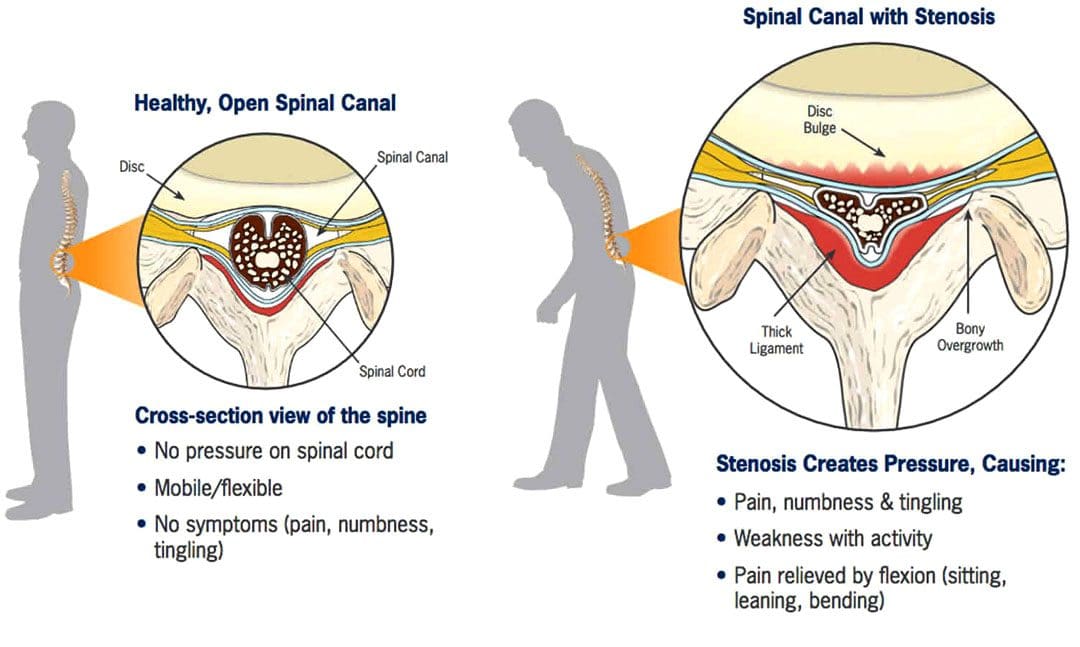
Spinal Stenosis Walking Issues:Stenosis means a narrowing. Spinal stenosis can happen in any spine region, but the neck and lower back are the most common locations. The spinal canal becomes narrower and can cause the nerves to become compressed, pinched, and irritated and can extend from the lumbar spine through the hips, buttocks, legs, and feet. Individuals with lumbar spinal stenosis may have difficulty walking caused by sensations of discomfort like numbness, electrical shocks, and pain, requiring the need to lean forward to relieve pressure and symptoms. Additionally, symptoms are likely to worsen the longer the walk. Chiropractic treatment can treat spinal stenosis because it corrects and re-aligns the spine, thus reducing pressure on the spinal cord, joints, and nerve roots.
Spinal Stenosis Walking Issues
The spine is made up of interlocking vertebrae. The regions are cervical, thoracic, lumbar, and sacral bones with a foramen opening. These openings form the protective tunnel/spinal canal surrounding the spinal cord. The spinal cord is a group of nerves that run through the tunnel. The narrowing suffocates the nerves supplying the lower extremities that can influence walking activity.
Symptoms
There may be no symptoms with early lumbar spinal stenosis. Most individuals develop symptoms gradually and may begin to notice them while walking or standing. These can include:
Lower back pressure sensations when standing upright or walking.
Leg numbness, tingling, weakness, burning, and/or cramping.
Muscle weakness.
Persistent pain in the back, hips, buttocks, or legs while walking.
Difficulty lifting the top part of the foot – known as drop foot.
Loss of sensation in the feet.
A weak foot that drops/slaps down when walking.
Loss of sexual ability.
In more serious cases, severe numbness, bladder problems, and inability to stand.
Individuals begin to lean forward when symptoms start, bringing relief by reducing the pressure on the nerves. However, constantly leaning forward leads to other posture and health problems.
Diagnosis
A doctor or chiropractor will ask questions about symptoms and medical history and perform a complete physical examination to diagnose lumbar spinal stenosis. During the physical examination, a healthcare provider will look for signs, such as loss of sensation, weakness, and abnormal reflexes.
Tests:
X-rays of the lumbar spine may show bone growths called spurs that push on spinal nerves and/or narrowing of the spinal canal.
Imaging tests – A CT or MRI scan can provide a detailed look at the spinal canal and nerve structures.
Other studies include – bone scans, myelogram, which is a CT scan that uses a color dye, and EMG, which is an electrical test of muscle activity.
Chiropractic Treatment
Chiropractic care combined with physical therapy is a tried-and-true treatment for spinal stenosis. A chiropractic treatment plan can include targeted and passive exercise programs. Targeted exercises involve strengthening the core and back muscles. Passive treatments include hot and cold therapy, massage, decompression, and electrical stimulation. The objective of chiropractic therapy is to:
Strengthen muscles in the core and legs
Correct posture and body mechanics.
Improve mobility.
Maintain ability to perform day-to-day activities.
Recommend stretches.
Educate on how to keep the spine and back muscles safe.
Train on using devices like a back brace, cane, or walker properly.
Advise about shoe inserts and splints.
Suggest work and home environment modifications, such as ergonomics and cushions.
Chiropractic Relief
References
Conway, Justin, et al. “Walking assessment in people with lumbar spinal stenosis: capacity, performance, and self-report measures.” The spine journal: official North American Spine Society journal vol. 11,9 (2011): 816-23. doi:10.1016/j.spinee.2010.10.019
Lurie, Jon, and Christy Tomkins-Lane. “Management of lumbar spinal stenosis.” BMJ (Clinical research ed.) vol. 352 h6234. 4 Jan. 2016, doi:10.1136/bmj.h6234
Macedo, Luciana Gazzi, et al. “Physical therapy interventions for degenerative lumbar spinal stenosis: a systematic review.” Physical therapy vol. 93,12 (2013): 1646-60. doi:10.2522/ptj.20120379
Tomkins-Lane, Christy C et al. “Predictors of walking performance and walking capacity in people with lumbar spinal stenosis, low back pain, and asymptomatic controls.” Archives of physical medicine and rehabilitation vol. 93,4 (2012): 647-53. doi:10.1016/j.apmr.2011.09.023
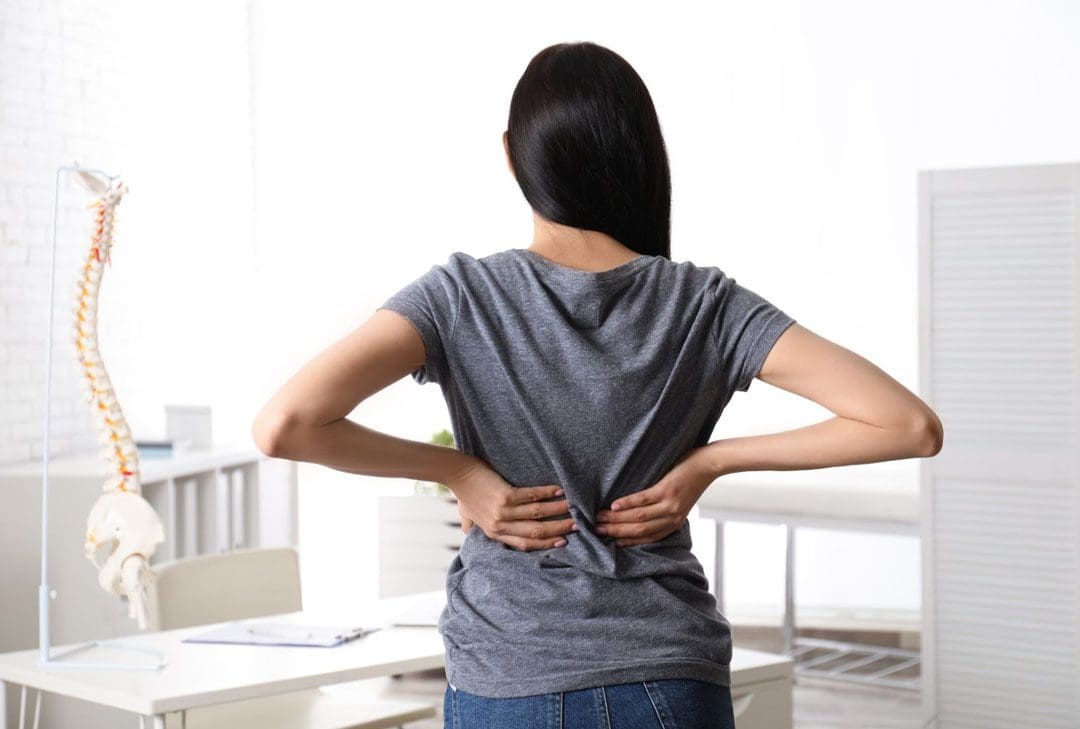
Prolonged standing can cause the pelvis to push backward, increasing the curve of the lower back/lumbar region. This increased pressure on the soft tissues surrounding the spine causes the lower back muscles to tighten and/or spasm, resulting in discomfort in the joints and nerves. Weakened core muscles and unhealthy posture/postural syndrome are the most common causes, but injury, aging, congenital malformations, or a disease/condition can also contribute to the symptoms. Injury Medical Chiropractic and Functional Medicine Clinic has a top team of professional therapists to evaluate the problem, diagnose the cause/s accurately, and develop a customized treatment and rehabilitation plan.
Prolonged Standing Back Discomfort
Back Structure
The lower back is one of the most used areas of the spine, moving around and bending during a normal day. When the body stands, the spine naturally curves both in and outwards.
The inward curve, called lordosis, curves towards the front of the body at the lower back and neck regions.
The outward curve, called kyphosis, curves towards the back of the body at the chest.
When bending over while standing, the five lumbar vertebrae of the lower back change position and shift from lordosis to kyphosis when bent completely.
When standing up from bending, the lumbar vertebrae change position again and return to the lordosis position.
Causes
The facet joints allow movement between each spine level. The standing spinal curvature can increase contact between the facet joints. As the body ages, the facet joints and discs begin to wear out, which can cause the discs and facet joints to become inflamed. Prolonged standing during normal daily activity combined with inflammation in these joints can aggravate the inflammation and cause symptoms. Regular routines and habits may contribute to low back discomfort during prolonged standing. These include:
Sleeping on a sinking or unsupportive mattress.
Practicing unhealthy postures that cause imbalances with proper weight distribution.
Not wearing proper footwear and/or supportive orthotics forces the lower spine into increased curvature and can compress the facet joints.
Not getting enough physical activity that strengthens the core.
Chiropractors are experts on the musculoskeletal system. They will:
Listen to the patient about symptoms, medical history, and occupation.
A physical examination of muscle tone, strength, and range of motion.
Therapeutic massage, electric muscle stimulation, and ultrasound therapy can help reduce muscle inflammation and increase circulation to injured soft tissues.
Chiropractic adjustments will reset joints, removing pressure from the surrounding muscles and nerves.
Targeted therapeutic strength training is recommended for core and leg muscles to improve hip flexibility.
Non-surgical decompression or traction, either with a machine or suspension, can reverse the pressure in spinal discs.
Standing Lower Back Relief Exercises
References
Hasegawa, Tetsuya, et al. “Association of low back load with low back pain during static standing.” PloS one vol. 13,12 e0208877. 18 Dec. 2018, doi:10.1371/journal.pone.0208877
Jo, Hoon, et al. “Negative Impacts of Prolonged Standing at Work on Musculoskeletal Symptoms and Physical Fatigue: The Fifth Korean Working Conditions Survey.” Yonsei medical journal vol. 62,6 (2021): 510-519. doi:10.3349/ymj.2021.62.6.510
Ognibene GT, Torres W, von Eyben R, Horst KC. Impact of a sit-stand workstation on chronic low back pain: randomized trial results. J Occup Environ Med. 2016;58(3):287-293. Abstract. https://www.ncbi.nlm.nih.gov/pubmed/26735316. Accessed March 2, 2017.
Parry, Sharon P et al. “Workplace interventions for increasing standing or walking for decreasing musculoskeletal symptoms in sedentary workers.” The Cochrane database of systematic reviews vol. 2019,11 CD012487. November 17, 2019, doi:10.1002/14651858.CD012487.pub2
Rodríguez-Romero, Beatriz, et al. “Thirty Minutes Identified as the Threshold for Development of Pain in Low Back and Feet Regions, and Predictors of Pain Intensity During 1-h Laboratory-Based Standing in Office Workers.” International journal of environmental research and public health vol. 19,4 2221. February 16, 2022, doi:10.3390/ijerph19042221
Smith, Michelle D et al. “The Influence of Using a Footstool during a Prolonged Standing Task on Low Back Pain in Office Workers.” International journal of environmental research and public health vol. 16,8 1405. April 18. 2019, doi:10.3390/ijerph16081405
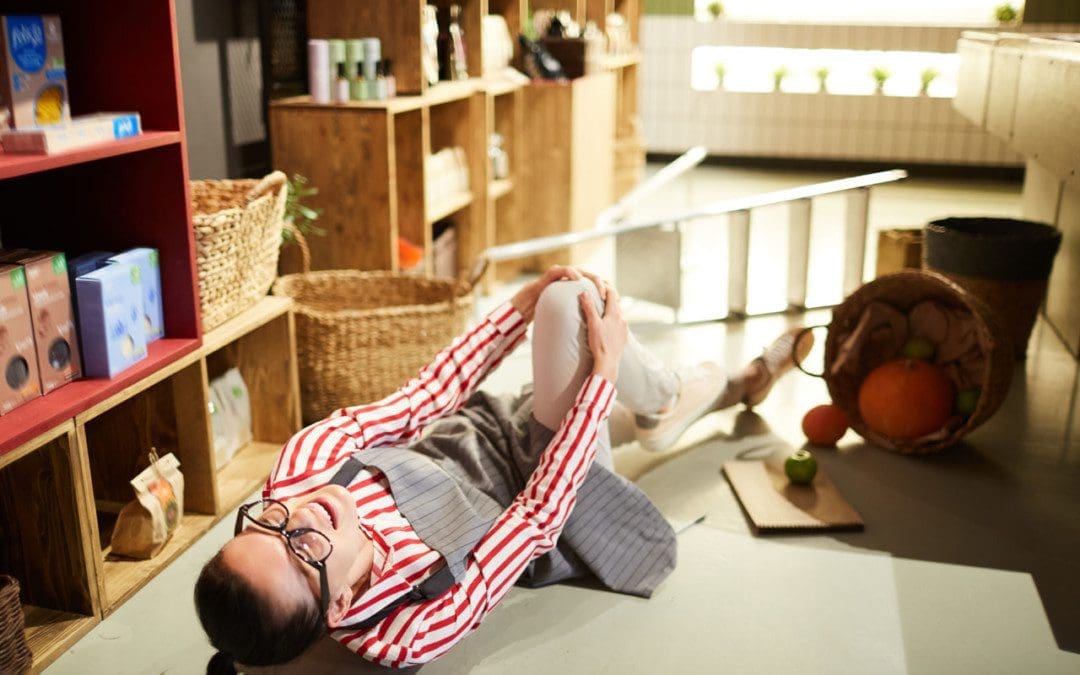
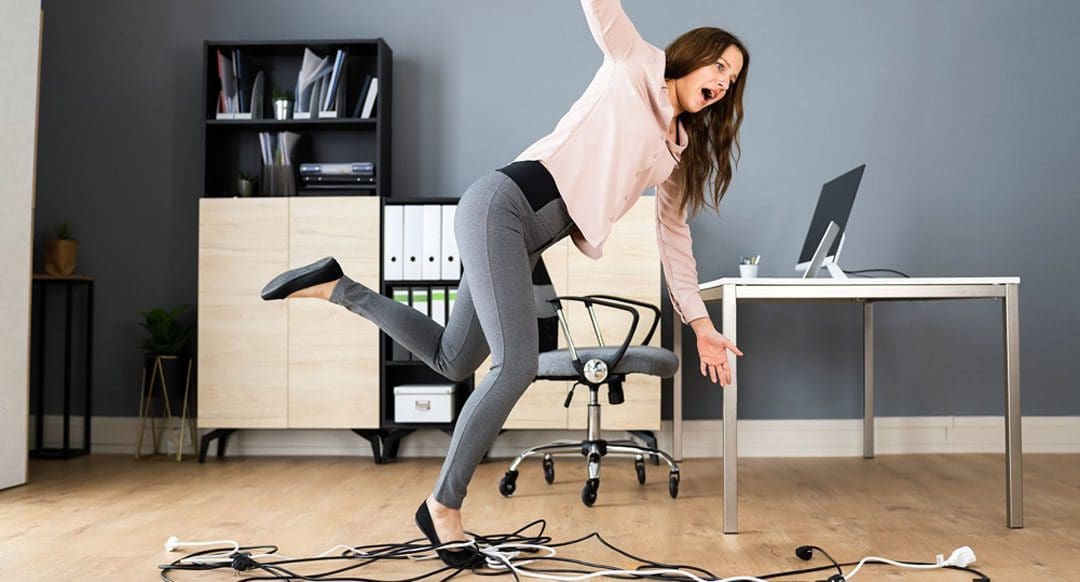
Slip and fall accidents are among the most common causes of workplace/job injuries and can happen anywhere. Work areas can have all kinds of slipping or tripping hazards, including uneven or cracked floors, equipment, furniture, cords, wet floors, and clutter from debris. Individuals involved in a slip-and-fall accident can sustain injuries that vary in severity. The key is to see a doctor or chiropractor immediately to document the slipping and falling injuries and develop a personalized treatment and rehabilitation plan. Injury Medical Chiropractic and Functional Medicine Clinic can help.
The type of injury and degree of severity depends on physical and biological factors present during the slipping and falling. These include:
Physical Condition
An individual’s age, size, gender, and health can influence the type of injury sustained.
Height and Location of the Fall
Slipping, tripping, stumbling, or tumbling injuries could be minimal to severe, depending on the force, height, and location.
Surface Impact
The acceleration during the fall and how the body impacts the surface play an important role in the severity of the injury.
Body Position
Protective reflexes, such as outstretched arms, to break the fall or whether or not the body hit the ground directly determine the injury and to what extent.
Symptoms
Muscle pain and tension are the most common symptoms after slipping and falling.
The muscle fibers overstretch, causing inflammation and swelling to develop.
The pain can often start immediately after or a few days later, known as delayed injury symptoms.
If the nerves sustain injury or irritation, they begin to swell, and the body responds to protect the damaged areas.
The contact inflammation and irritation can cause tightness and spasms.
Continuing ongoing discomfort and pain.
Stomach discomfort and pain.
Significant bruising.
Limitations in movement.
Chiropractic Treatment
Chiropractors are experts in slip-and-fall injuries and will use adjustments and various therapy protocols to realign the body and restore function. The objective is to relieve symptoms, rehabilitate the injured area/s, and regain mobility. Physical therapy and strength-building exercises under a specialist’s supervision and at home are implemented to get back the use of the injured body part.
Inflammation
References
Li, Jie, et al. “Slip and Fall Incidents at Work: A Visual Analytics Analysis of the Research Domain.” International journal of environmental research and public health vol. 16,24 4972. 6 Dec. 2019, doi:10.3390/ijerph16244972
Pant, Puspa Raj et al. “Home-related and work-related injuries in Makwanpur district, Nepal: a household survey.” Injury prevention: journal of the International Society for Child and Adolescent Injury Prevention vol. 27,5 (2021): 450-455. doi:10.1136/injuryprev-2020-043986
Shigemura, Tomonori, et al. “Characteristics of stepladder fall injuries: a retrospective study.” European journal of trauma and emergency surgery: official publication of the European Trauma Society vol. 47,6 (2021): 1867-1871. doi:10.1007/s00068-020-01339-8
Smith, Caroline K, and Jena Williams. “Work-related injuries in Washington State’s Trucking Industry, by industry sector and occupation.” Accident; analysis and prevention vol. 65 (2014): 63-71. doi:10.1016/j.aap.2013.12.012
Son, Hyung Min, et al. “Occupational fall injuries presenting to the emergency department.” Emergency medicine Australasia: EMA vol. 26,2 (2014): 188-93. doi:10.1111/1742-6723.12166
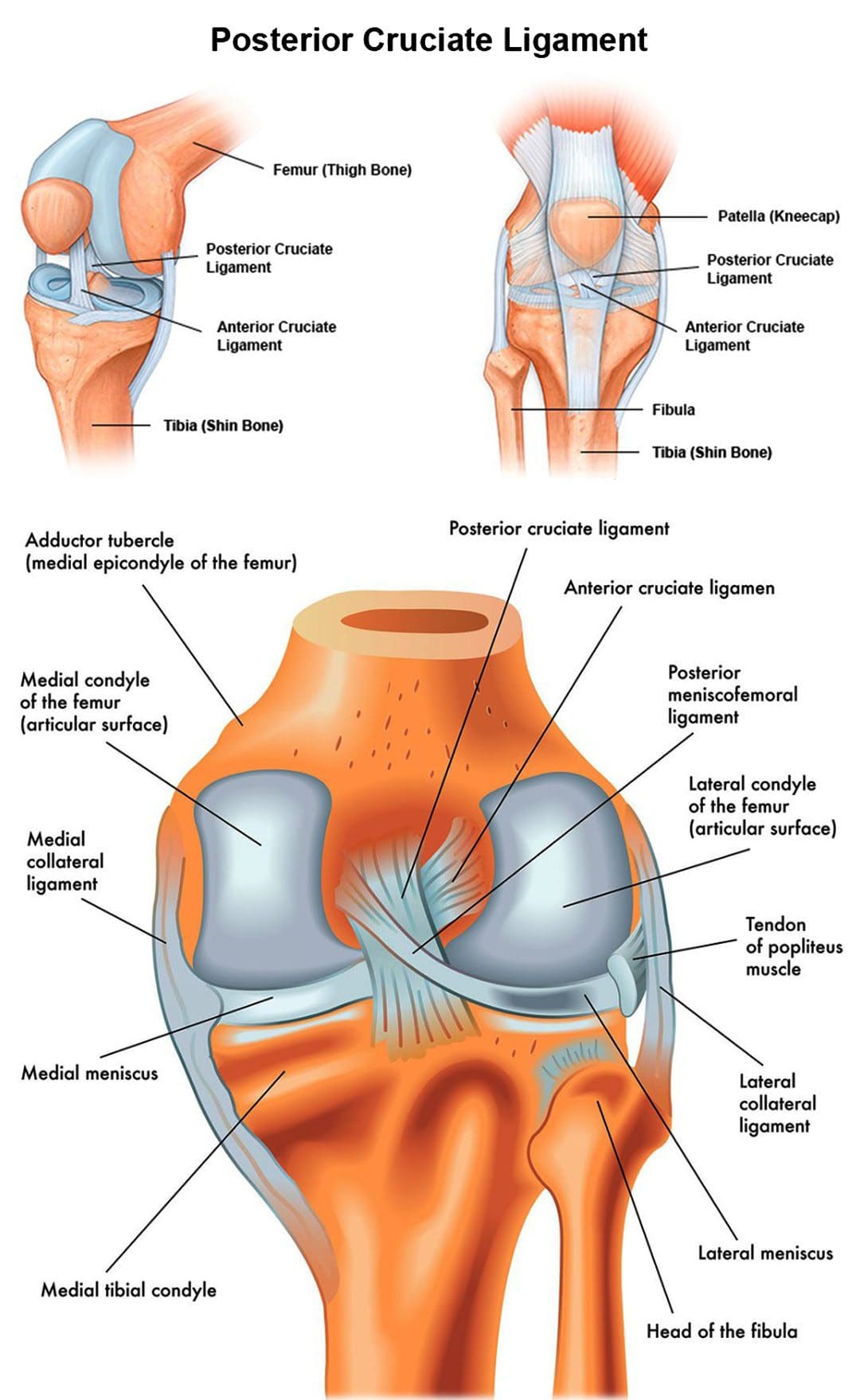
The body has around 1,000 ligaments that connect bones and joints. Ligaments are strong bands of tissue that support joint mobility and stabilize the muscles and bones. An injury to one or more ligaments can cause inflammation, swelling, discomfort, and instability. The PCL refers to the posterior cruciate ligament that runs along the back of the knee joint. This ligament connects the femur/thigh bone to the tibia/shinbone. Anyone can suffer from an injury to the posterior cruciate ligament. It can be caused by the knee hitting a dashboard in an automobile collision, a worker twisting or falling on a bent knee or a sports contact injury. The Injury Medical Chiropractic and Functional Medicine Clinic Team provide soft tissue work, trigger point therapy, and targeted non-surgical treatment through advanced therapy methods and technologies.
Posterior Cruciate Ligament
The posterior cruciate ligament – PCL is located inside the knee, just behind the anterior cruciate ligament – ACL. It is one of several ligaments that connect the femur/thighbone to the tibia/shinbone. The posterior cruciate ligament keeps the tibia from moving backward.
Injury
Posterior cruciate ligament injuries are far less common than ACL – anterior cruciate tears. PCL injuries make up less than 20% of all knee ligament injuries. It is more common for PCL tears to occur with other ligament injuries. A PCL injury can cause mild, moderate, or severe damage and is rated into four different categories:
Grade I
A partial tear is present in the ligament.
Grade II
There is a partial tear.
The ligament can feel loose.
Grade III
The ligament is completely torn.
The knee is unstable.
Grade IV
The PCL is injured.
Other knee ligaments are damaged.
Individuals with posterior cruciate ligament injuries can have short or long-term symptoms. Typically, long-term symptoms occur when an injury slowly develops over time. In mild cases, individuals may still be able to walk, and their symptoms may be less noticeable. Common symptoms associated with PCL injuries include:
Difficulty placing weight on the injured knee.
Stiffness.
Walking difficulties.
Difficulty descending stairs.
A wobbly sensation inside the knee.
Inflammation and swelling can be mild to severe.
Knee pain.
Pain that worsens over time.
Over time, tears could lead to the development of osteoarthritis.
There is an increased risk of extensive damage and chronic pain conditions if left untreated.
Chiropractic Care
The continued participation in work or activity following a mild injury is the primary reason individuals undergo therapy, injections, or surgical repairs. Knee injuries need immediate attention to prevent worsening or further damage. A chiropractor will examine the knee, check the range of motion and ask about symptoms. They may request imaging tests to determine the extent of the damage. These tests may include the following:
X-rays.
Magnetic resonance imaging.
CT scan.
During the physical examination, they will check all the structures of the injured knee and compare them to the non-injured knee. The wounded knee may appear to sag backward when bent or could slide back too far, specifically when beyond a 90-degree angle. Treatment depends on the severity of the injury. Common treatments include:
Crutches
Crutches may be recommended to limit the weight placed on the knee.
Knee Brace
A special brace can address instability and help prevent the tibia bone from sagging backward.
Gravity tends to pull the bone backward when lying down.
Chiropractic and Physical Therapy
As the swelling goes down, a carefully personalized rehabilitation program can begin.
This procedure is less invasive compared to traditional surgical methods.
Recovery time varies from person to person. If the injury is mild, it may only take around ten days to heal. If surgery was needed, recovery could take about six to nine months. Full recovery typically requires 6 to 12 months.
Best Knee Injury Chiropractor
References
American Academy of Orthopaedic Surgeons. Posterior Cruciate Ligament Injuries. (https://orthoinfo.aaos.org/en/diseases–conditions/posterior-cruciate-ligament-injuries) Accessed 7/26/21.
Bedi A, Musahl V, Cowan JB. Management of Posterior Cruciate Ligament Injuries: An Evidence-Based Review. Journal of the American Academy of Orthopedic Surgery. 2016 May;24(5):277-89. Accessed 7/26/21.
Lu, Cheng-Chang, et al. “Twelve Weeks of a Staged Balance and Strength Training Program Improves Muscle Strength, Proprioception, and Clinical Function in Patients with Isolated Posterior Cruciate Ligament Injuries.” International journal of environmental research and public health vol. 18,23 12849. 6 Dec. 2021, doi:10.3390/ijerph182312849
Pierce, Casey M et al. “Posterior cruciate ligament tears: functional and postoperative rehabilitation.” Knee surgery, sports traumatology, arthroscopy: official journal of the ESSKA vol. 21,5 (2013): 1071-84. doi:10.1007/s00167-012-1970-1
Schüttler, K F et al. “Verletzungen des hinteren Kreuzbands” [Posterior cruciate ligament injuries]. Der Unfallchirurg vol. 120,1 (2017): 55-68. doi:10.1007/s00113-016-0292-z
Zsidai, Bálint, et al. “Different injury patterns exist among patients undergoing operative treatment of isolated PCL, combined PCL/ACL, and isolated ACL injuries: a study from the Swedish National Knee Ligament Registry.” Knee surgery, sports traumatology, arthroscopy: official journal of the ESSKA vol. 30,10 (2022): 3451-3460. doi:10.1007/s00167-022-06948-x
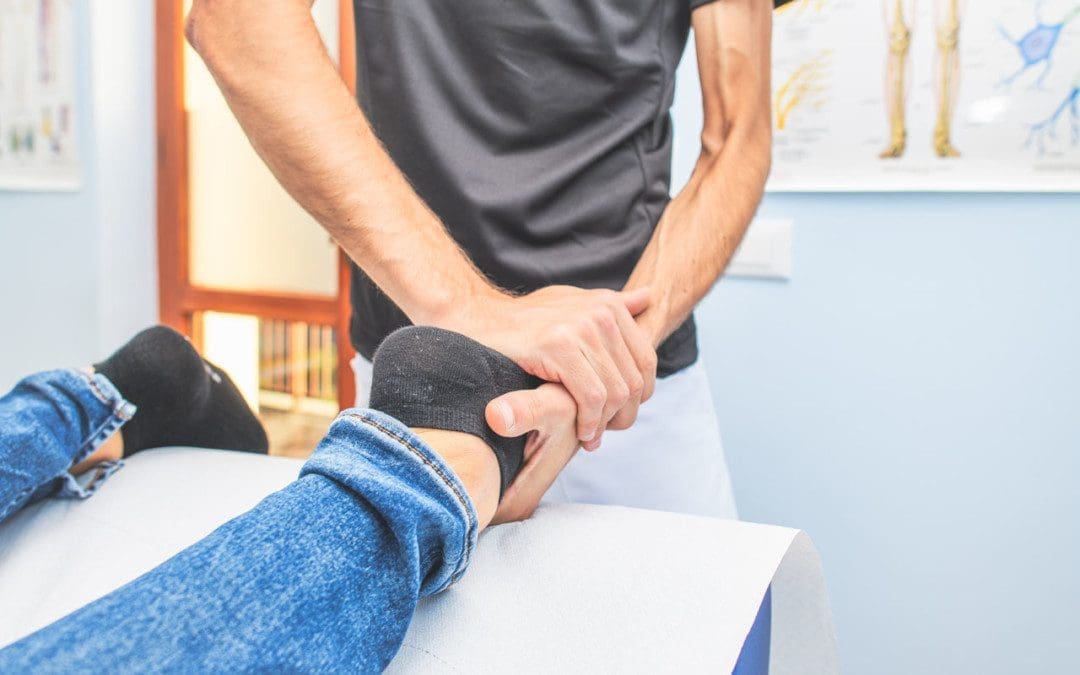
Sciatica can range from mild to severe. Most individuals are familiar with severe cases because of the intense shooting throbbing pain. On the other hand, mild cases can present with little to no discomfort or pain but involve tingling, pins and needles, electrical buzzing, and numbing sensations. This can make individuals think there is nothing wrong and their foot just fell asleep. It can come from nowhere, as there was no obvious back or leg trauma causing injury. However, somewhere along the nerve’s path, the nerve has become compressed, pinched, trapped, stuck, or twisted, most likely from a spasming muscle group in the low back, buttocks, or legs causing the sciatica foot symptoms. Chiropractic, massage, and decompression therapy can relax the muscles, relieve the symptoms, release the nerve, and restore function.
Sciatica Foot Symptoms
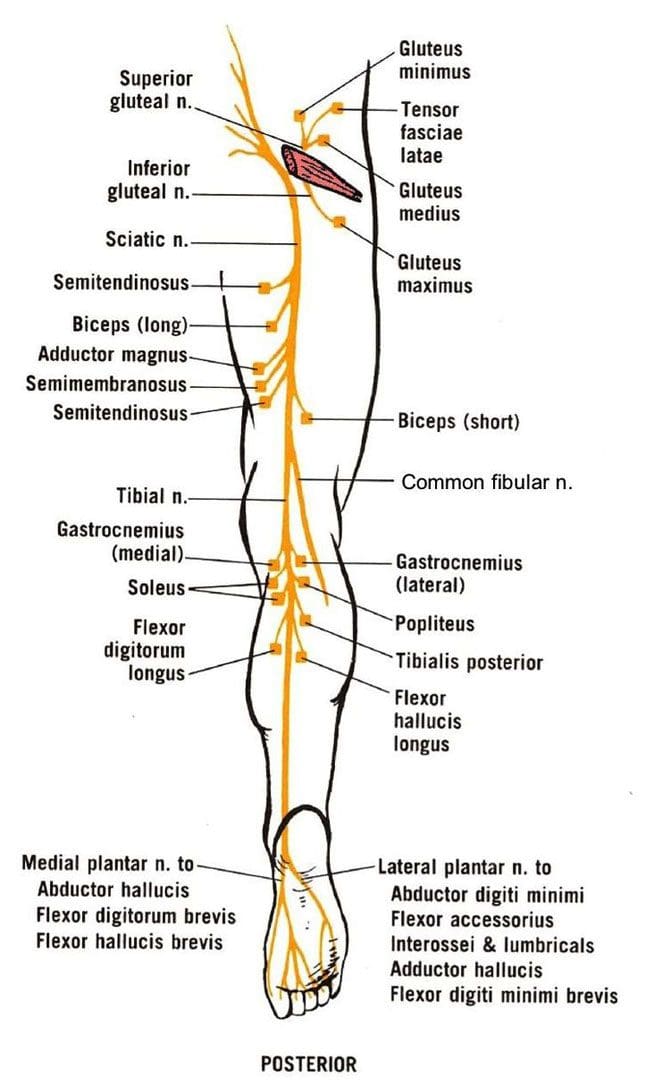
The sciatic nerve extends from the lower spine to the feet. Sciatica foot symptoms could be caused by several possibilities that range from piriformis syndrome to a developing slipped disc or spasming muscles. The symptoms travel through the nerve and can be felt anywhere along the nerve’s path, not necessarily at the source. This is why mild cases may only present with slight pricking/tingling sensations. However, left untreated, the cause can progress and develop into a severe case of sciatica.
Symptoms
The length of time that sciatica foot symptoms last will depend on the underlying cause. For example, if a herniated disc is the cause, the numbness may last for a few weeks or months until the disc heals. However, the numbness may be more long-lasting if sciatica is caused by degenerative disc disease. Sometimes, the nerve can be permanently damaged, leading to chronic pain and numbness. This is more likely to occur in individuals with diabetes or another condition that causes nerve damage.
A varying degree of leg weakness can present as the spinal nerve root issues interfere with effective signal communication between the brain and the leg muscles.
Leg weakness may also be interpreted as a pulling sensation in the leg.
Weakness in the foot or toe muscles can also present.
Leg movements such as walking, running, lifting the leg, or flexing the foot can also be affected.
The tingling and numbing sensations may worsen when sitting or standing for long periods or moving the back in certain ways.
Treatment
Chiropractic care is an excellent option for treating sciatica foot symptoms and starts with a personalized plan based on individual symptoms, injury, and medical history. Chiropractors are neuromusculoskeletal experts on the spine, vertebrae, surrounding muscles, tissues, and nerves. Treatment includes spinal and extremity adjustments to realign the body, decrease inflammation, relieve pressure, release the nerve, and ultimately allow the body to activate its natural healing processes.
Massage
Massage therapy can relieve muscle tension and spasms in the back and legs, reducing pressure on the sciatic nerve.
Massage also increases blood circulation and relaxes the muscles, speeding healing and recovery.
Electrical Stimulation
Electrical stimulation activates the nerves and muscles and reduces symptoms by blocking signals.
Physical Therapy
Physical therapy exercises can help stretch and strengthen the back and leg muscles.
Targeted exercises can be done at home to continue strengthening and maintaining the muscles.
Foot Orthotics
Using orthotic devices such as arch supports or heel cups can help relieve pressure on the feet.
Arch supports are especially helpful if sciatica foot symptoms are exacerbated by flat feet or other foot conditions.
Heel cups can help with the frequent use of high heels.
Sciatica Specialists
References
American Academy of Orthopaedic Surgeons. “Sciatica.” https://orthoinfo.org/en/diseases–conditions/sciatica/
Emary, Peter C. “Evidence-based prognostication in a case of sciatica.” The Journal of the Canadian Chiropractic Association vol. 59,1 (2015): 24-9.
Frost, Lydia R et al. “Deficits in foot skin sensation are related to alterations in balance control in chronic low back patients experiencing clinical signs of lumbar nerve root impingement.” Gait & posture vol. 41,4 (2015): 923-8. doi:10.1016/j.gaitpost.2015.03.345
Mayo Clinic. “Sciatica.” https://www.mayoclinic.org/diseases-conditions/sciatica/symptoms-causes/syc-20377435?p=1
National Institutes of Health. “Sciatica.” https://medlineplus.gov/sciatica.html
Shakeel, Muhammad, et al. “An uncommon cause of sciatica.” Journal of the College of Physicians and Surgeons–Pakistan: JCPSP vol. 19,2 (2009): 127-9.
Tampin, Brigitte, et al. “Disentangling ‘sciatica’ to understand and characterize somatosensory profiles and potential pain mechanisms.” Scandinavian journal of pain vol. 22,1 48-58. 2 Aug. 2021, doi:10.1515/sjpain-2021-0058
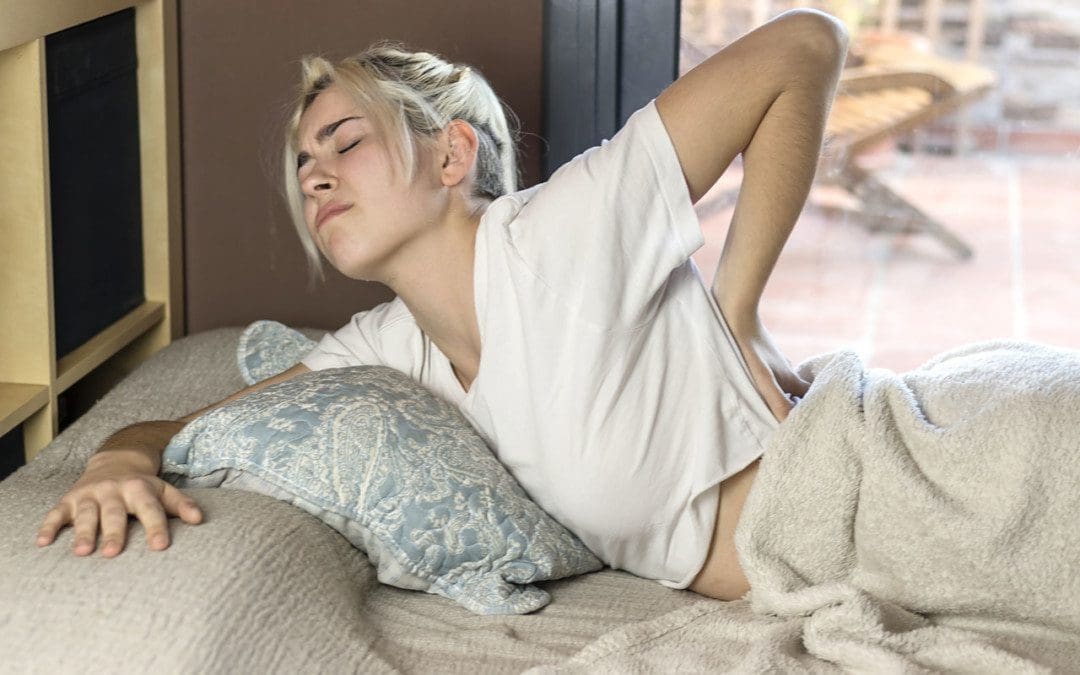
Getting healthy sleep can be difficult when dealing with back problems or recovering from surgery. It can be difficult, if not impossible, to get and stay comfortable long enough to sleep on a regular flat mattress. It is worth considering an adjustable bed as an alternative. Because of their lifestyle and health benefits, these beds are growing in popularity to meet an individual’s spine, posture, and sleeping needs.
Adjustable Bed
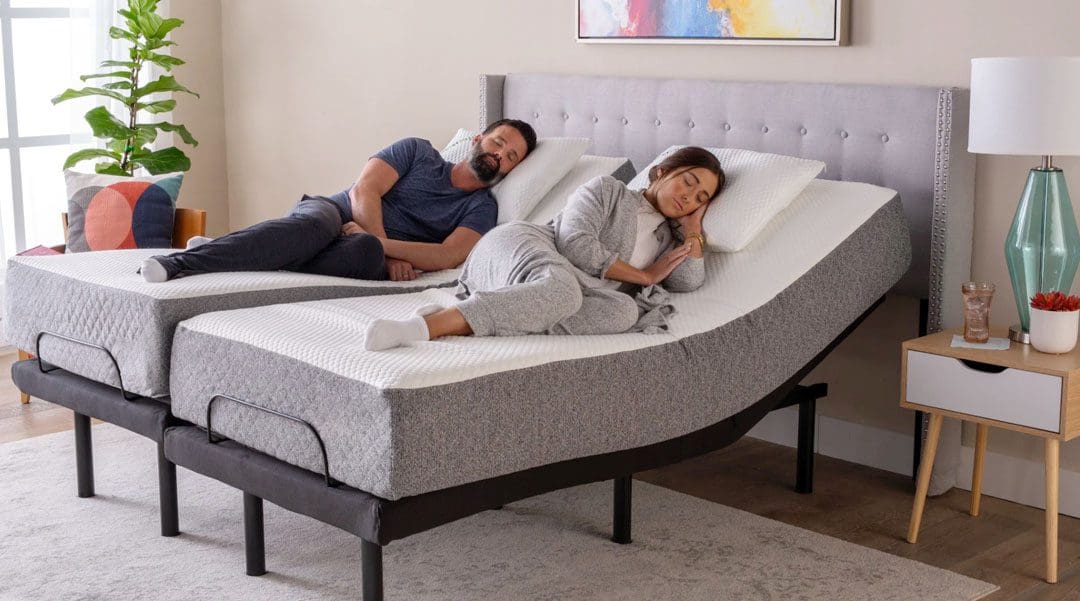
An adjustable bed can raise and lower a mattress’s orientation to different angles, allowing the upper body to rest at a slight incline, such as 30 to 45 degrees, with support under the knees as they bend at a slight angle. The body can feel better in an inclined or semi-upright position rather than lying flat. Individuals with back or neck problems or joint conditions like shoulder arthritis have reported feeling better in this position.
Features
The number of adjustments varies from model to model. Available features include:
Adjustable firmness for the low back/lumbar area.
Adjustments may be made by remote control.
Some offer massage options.
Zero gravity – NASA invented the zero gravity position to reduce pressure on astronauts during takeoff. In this position, the head and knees are raised above the heart, making the body feel weightless.
Adjustable beds are sold in single, queen, and king sizes.
Split queen and king sizes allow the settings to be customized for each side of the bed.
Benefits
Snoring
Over 90 million Americans snore during sleep.
The main cause of snoring is the blockage of the windpipe while sleeping, which can be caused by several factors, but most commonly by the weight of the neck on the windpipe, preventing the individual from breathing properly.
An adjustable bed allows for an inclined position, decreasing the pressure on the windpipe, reducing snoring, and allowing for a more relaxing sleep.
Asthma
Asthma can disrupt healthy sleep and make breathing difficult at night.
COPD and chronic lung conditions can worsen over time, impacting sleep quality.
Lying flat often irritates these lung conditions.
Sleeping with the head and feet in a raised position makes breathing easier.
Posture
Unhealthy posture causes soreness, stiffness, tightness, headaches, and other health issues.
Adjustable beds provide postural support to the spine and can improve posture and increase overall health.
Back Problems
80% of individuals deal with various back issues and symptoms.
Adjustable beds provide support and alignment to the spine by allowing the mattress to conform to the body’s contours.
This can prevent sciatica, enabling the nerves to relax and rest without added body pressure.
For those with sciatica, pain can be alleviated by using a raised leg position to take the stress off the nerves and increase circulation.
Lowering the bed up and down can help stretch the back.
Digestion
An adjustable bed can help with digestion issues.
An inclined position prevents indigestion and acid reflux and helps the body process food more efficiently.
A six-inch raise is recommended to increase digestion.
Individuals who go to bed on a full stomach should raise the incline as there is more digestive activity.
Inflammation, Swelling, and Injury Recovery
When dealing with neuromusculoskeletal injuries, doctors often recommend elevating the injured part of the body to speed up recovery.
An adjustable bed lifts or raises the mattress and elevates the limbs while maintaining a neutral/natural sleeping position.
Pregnancy
Physical and hormonal changes during pregnancy can cause back discomfort symptoms, sciatica, circulation issues, and swelling.
Pregnant women can use the zero gravity position to reduce swelling, alleviate back pain, and improve circulation.
This position also makes back sleeping safer for the mom and baby.
Individuals should research all the styles and features available to find what works for them.
Ten Benefits
References
Ancuelle, Victor, et al. “Effects of an adapted mattress in musculoskeletal pain and sleep quality in institutionalized elders.” Sleep science (Sao Paulo, Brazil) vol. 8,3 (2015): 115-20. doi:10.1016/j.slsci.2015.08.004
Söderback, I, and A Lassfolk. “The usefulness of four methods of assessing the benefits of electrically adjustable beds in relation to their costs.” International journal of technology assessment in health care vol. 9,4 (1993): 573-80. doi:10.1017/s0266462300005493
Tetley, M. “Instinctive sleeping and resting postures: an anthropological and zoological approach to the treatment of low back and joint pain.” BMJ (Clinical research ed.) vol. 321,7276 (2000): 1616-8. doi:10.1136/bmj.321.7276.1616
Verhaert, Vincent, et al. “Ergonomics in bed design: the effect of spinal alignment on sleep parameters.” Ergonomics vol. 54,2 (2011): 169-78. doi:10.1080/00140139.2010.538725
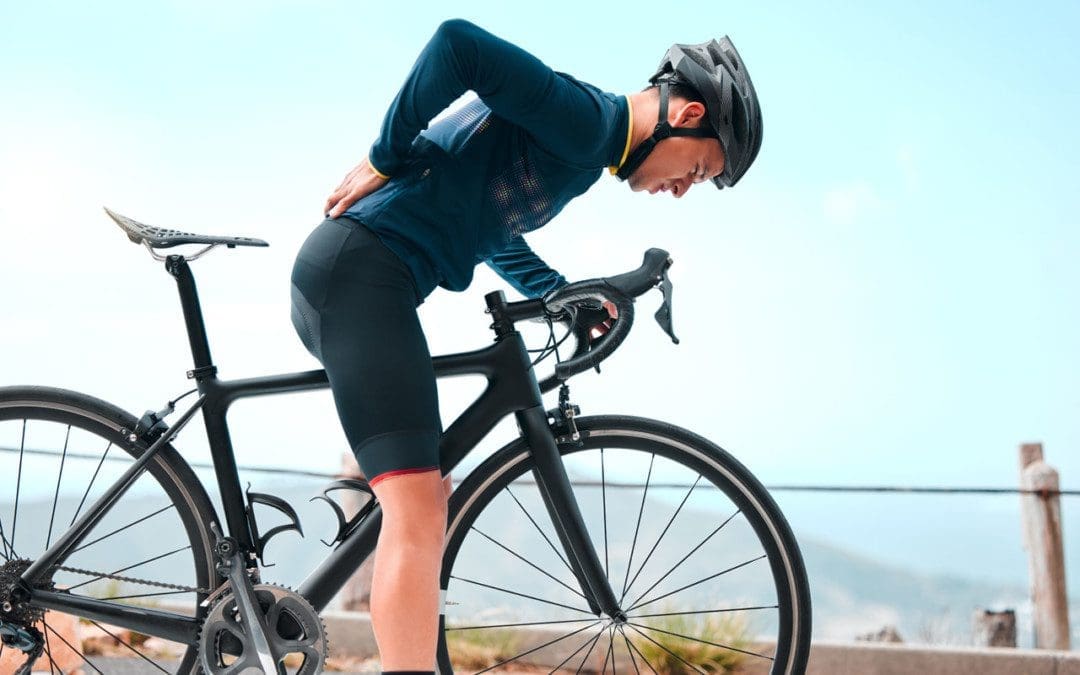
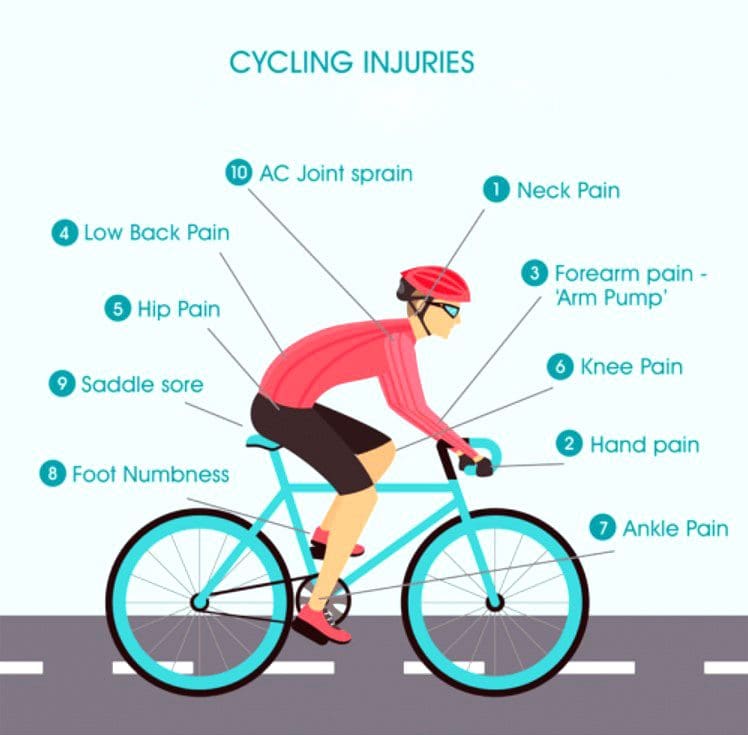
Bicycle riding is a form of transportation and a popular leisure and exercise activity. It helps with brain, heart, and whole body health. Whether recreational or pro cyclist, road or mountain biking, injuries are most often caused by overuse, repetitive strain, or a traumatic fall. If not treated properly by a medical professional, bicycle riding injuries can develop into long-term problems. Chiropractic care, sports massage, and decompression therapy combined with functional medicine can alleviate symptoms, rehabilitate the muscles, release compressed nerves, and restore mobility and function.
Bicycle Riding Injuries
Long-term cycling can cause muscle fatigue, leading to various injuries.
Overuse injuries occur when performing the same motion over and over again.
Musculoskeletal injuries range from sprains, torn ligaments, and tendons to fractures from crashes and falls.
Bicycle Setup
Not having the correct bike setup for the individual affects posture.
A seat that is too high causes the hips to rotate, leading to hip, back, and knee pain.
A seat that is too low causes over-flexion of the knees and pain.
Improper footwear not set in the right position can lead to pain in the calves and feet.
Handlebars that are too far forward can cause neck, shoulder, and back problems.
If any discomfort symptoms result from cycling, it’s recommended to get checked by a medical professional as soon as possible. After a correct diagnosis, resolving the issue/s could involve altering the bike setup to reduce the strain on certain body parts. Conversely, a condition could be developing that needs a personalized treatment program consisting of chiropractic care, physical therapy, steroid injections, or, if necessary, surgery.
Injuries
Hips
Tightness develops at the front of the hip/hip flexors from prolonged sitting and can lead to decreased flexibility and cause irritation of the bursa (fluid-filled sacs between the muscle and bone to reduce friction) at the front of the hip.
Symptoms at the front and outer side of the hip can travel down the thigh toward the knees.
Checking that the saddle height is correct can help.
Knees
The knee is the most common site for overuse injuries. Common knee overuse injuries include:
Patellofemoral syndrome
Patella and quadriceps tendinitis
Medial plica syndrome
Iliotibial band friction syndrome
The first four involve discomfort and pain around the kneecap. The last condition results in outer knee pain. Shoe insoles, wedges, and positioning can help prevent some of these injuries.
Feet
Foot tingling, numbness, burning sensations, or pain on the underside of the foot are common.
This occurs from pressure on the nerves that travel through the ball of the foot and toward the toes.
Shoes that are poorly fitted, too tight, or narrow are often the cause.
This comes from increased pressure in the lower leg and results in compressed nerves.
Neck and Back
Discomfort and pain in the neck result from staying in one riding position for too long.
Usually, if the handlebars are too low, the rider has to round their back, adding strain to the neck and back.
Tight hamstrings and/or hip flexor muscles can also cause riders to round/arch the back, causing the neck to be hyperextended.
Doing shoulder shrugs and neck stretches will help relieve neck tension. Regular stretching will create flexibility and make it easier to maintain proper form.
Shoulders
Shoulder overuse injuries cause muscle weakness, stiffness, swelling, tingling or numbness in the fingers, and pain. Treatments depend on the severity of the condition.
Shoulder impingement/pinching
Swelling of soft tissues
Rotator cuff tears
Injuries to the ball-and-socket joint tend to be labral tears of the socket lining cartilage or damage to other structures. Damage to the cartilage can lead to arthritis if not treated effectively.
Falls can cause:
Minor fractures or dislocation.
Fractured collarbone/clavicle – must be immobilized for four to six weeks before rehabilitation exercises are started.
Damage to the joint on the top of the shoulder/acromioclavicular joint or ACJ.
Many of these impact-related injuries can be treated with chiropractic and targeted physical therapy to strengthen the muscles and improve mobility. However, some cases, like severely displaced fractures, require surgical reconstruction or repair.
Intense aching in the forearm can make gripping and ungripping the hands difficult and painful.
These can be prevented by changing hand positions and alternating the pressure from the inside to the outsides of the palms ensuring the wrists don’t drop below the handlebars.
Cyclists are recommended to ride with their elbows slightly bent, not with their arms locked or straight. Bent elbows act as shock absorbers when riding over bumps or rough terrain.
Using padded gloves and stretching the hands and wrists before riding can help. Changing the grip on the handlebars takes the stress off of over-used muscles and redistributes pressure to different nerves.
Head Injuries
Head injuries can range from scrapes, contusions, concussions, or traumatic brain injury.
Wearing a helmet can reduce the risk of head injury by 85 percent.
Chiropractic Treatment
Chiropractic for cyclists can relieve symptoms, rehabilitate and strengthen muscles, improve posture, and prevent future injuries. Cyclists have also reported enhanced:
Respiration
Range of motion
Heart rate variability
Muscle strength
Athletic ability
Neurocognitive functions such as reaction time and information processing.
Common Bicycle Riding Injuries
References
Mellion, M B. “Common cycling injuries. Management and prevention.” Sports medicine (Auckland, N.Z.) vol. 11,1 (1991): 52-70. doi:10.2165/00007256-199111010-00004
Olivier, Jake, and Prudence Creighton. “Bicycle injuries and helmet use: a systematic review and meta-analysis.” International journal of epidemiology vol. 46,1 (2017): 278-292. doi:10.1093/ije/dyw153
Silberman, Marc R. “Bicycling injuries.” Current sports medicine reports vol. 12,5 (2013): 337-45. doi:10.1249/JSR.0b013e3182a4bab7
IFM's Find A Practitioner tool is the largest referral network in Functional Medicine, created to help patients locate Functional Medicine practitioners anywhere in the world. IFM Certified Practitioners are listed first in the search results, given their extensive education in Functional Medicine



 Posterior Cruciate Ligament