Asthma, coughing, and heavy breathing can contribute to back muscle strain, soreness, and pain. An asthma attack can cause the body to heave during intense gasping, leaving the back muscles physically exhausted. Chiropractic adjustments and decompression can bring back pain relief, strengthen and stretch the spine and spinal muscles, and prevent it from returning, along with asthma management.
Asthma
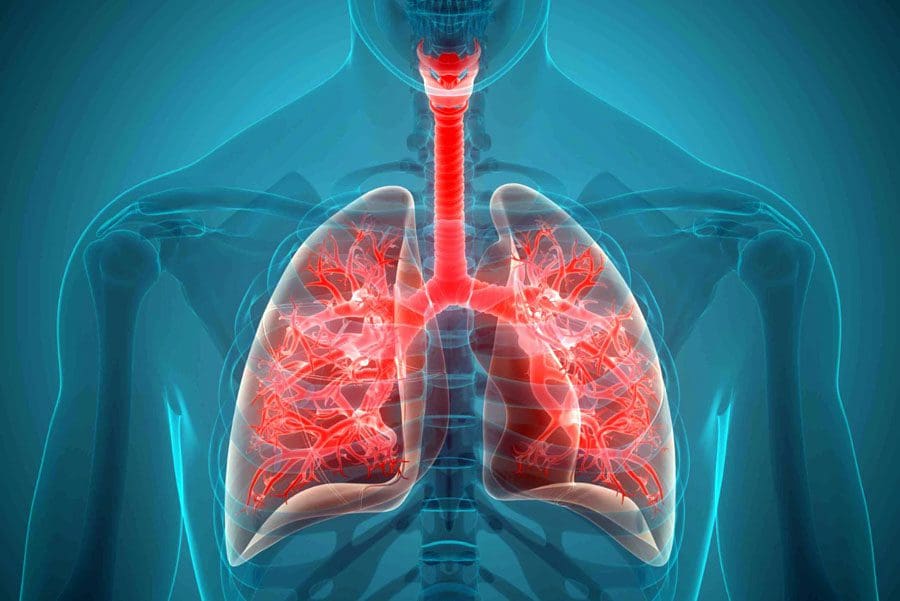
The bronchial tubesdivide into smaller passages called bronchi and then into bronchioles. The bronchioles have tiny air sacs called alveoli, where inhaled oxygen is delivered to the blood. After absorbing the oxygen, the blood leaves the lungs and travels to the heart. Asthma is a lung condition that can affect anyone at any age. Asthma narrows the lungs’ airways causing inflammation in response to respiratory triggers, making it harder for air to travel out of the airways when exhaling. Symptoms include:
Wheezing
Difficulty breathing
Gasping to get air
Coughing
Tightness in the chest
Triggers can include:
Hot and/or humid weather
Exercise
Cold air
Pollen
Pets
Viral infections
Respiratory infections
Asthma Coughing and Back Strain
Asthma symptoms can take a toll on the back muscles and spine. Asthma attacks that cause gasping and heavy breathing cause the primary muscle (diaphragm) that supports breathing to weaken and strain. The diaphragm helps the spine but cannot do so effectively when under constant strain.
Constant Coughing and Spinal Health
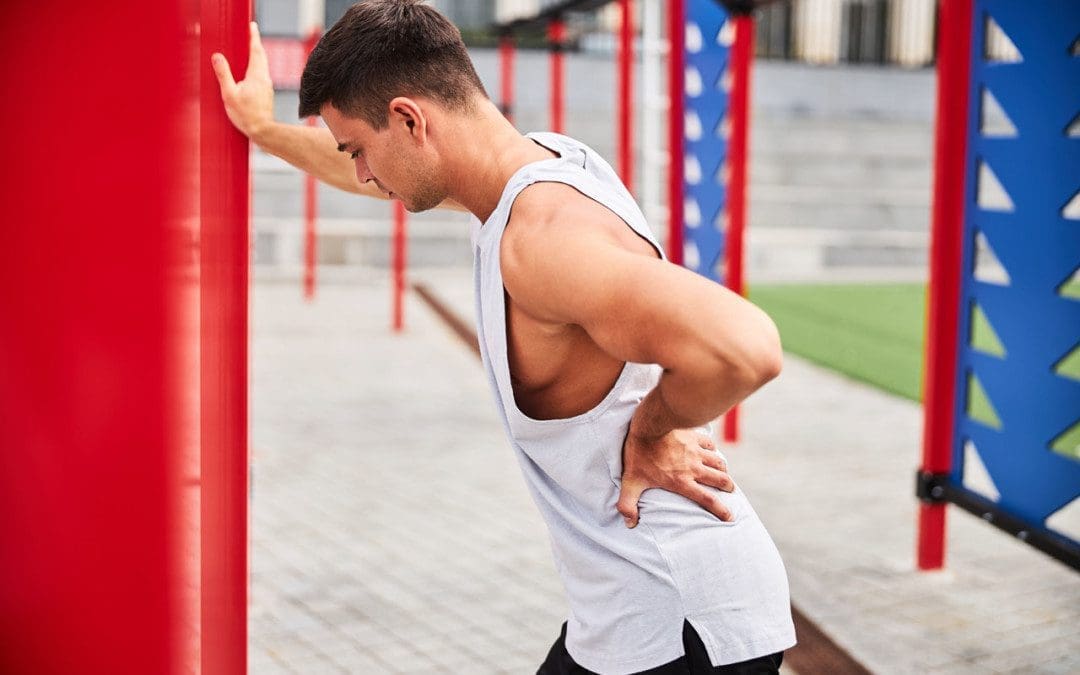
Coughing is the body’s way of expelling unwanted foreign bodies. Chronic coughing stresses, strains, and overexerts the spinal support muscles and impacts posture. Individuals unconsciously take on a tense, forward-leaning posture/position that can cause:
Neck and shoulder stiffness, upper/lower back tightness, disc herniation, and pain.
Vertebrae subluxations/spinal misalignments can interfere with circulation and nerve function.
For short-term back pain following an asthma attack or coughing episode, it is recommended to rest, apply heat or ice, and take over-the-counter pain medication.
Massage therapy and myofascial release can stretch and relax the muscles.
Chiropractic manipulation relieves the stress on the nerves and muscles and stimulates the spinal cordand nerves to regain proper functioning.
Breathing Exercises and Yoga
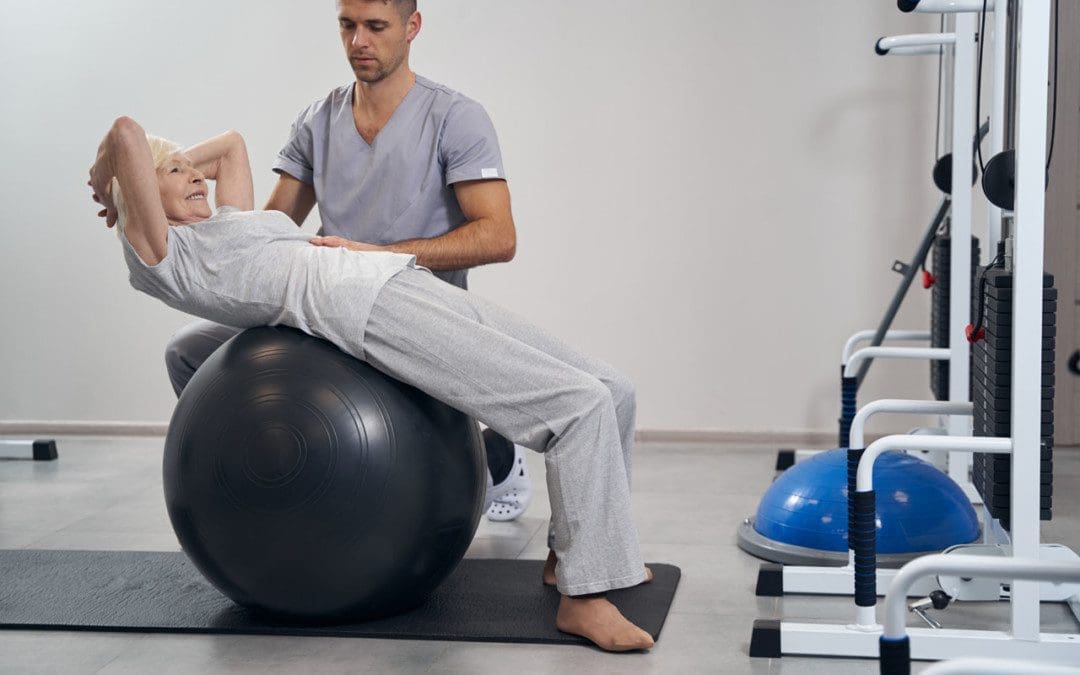
Strengthened and conditioned core muscles can help to breathe more efficiently. When breathing normally it is usually a shallow inhale/exhale that does not fill the lungs to the total capacity. Diaphragmatic breathing is a technique to fully engage the diaphragm and abdominal muscles to fill the lungs with air more efficiently. Using the diaphragm correctly will:
Strengthen the diaphragm.
Use less energy to breathe.
Slow down the breathing rate.
Decrease the work of breathing hard.
Decrease the demand for continuous oxygen.
Yoga is another core-strengthening technique that encourages focused breathing that can help improve asthma control.
Decompression Neurosurgeon
References
American Lung Association. Breathing Exercises. (https://www.lung.org/lung-health-diseases/wellness/breathing-exercises) Accessed 3/29/2022.
Lunardi, Adriana Claudia, et al. “Musculoskeletal dysfunction and pain in adults with asthma.” The Journal of asthma: Official Journal of the Association for the Care of Asthma vol. 48,1 (2011): 105-10. doi:10.3109/02770903.2010.520229
Rasmussen-Barr, E. et al. “Are respiratory disorders risk factors for troublesome low-back pain? A study of a general population cohort in Sweden.” The European spine journal: official publication of the European Spine Society, the European Spinal Deformity Society, and the European Section of the Cervical Spine Research Society vol. 28,11 (2019): 2502-2509. doi:10.1007/s00586-019-06071-5
Solakoğlu, Özge, et al. “The effects of forward head posture on expiratory muscle strength in chronic neck pain patients: A cross-sectional study.” Turkish Journal of physical medicine and rehabilitation vol. 66,2 161-168. 18 May. 2020, doi:10.5606/tftrd.2020.3153
Injury Medical Chiropractic Decompression Clinic focuses on the whole body, realigns the bones and joints, and helps strengthen the muscles. This helps prevent pain and injury and maintains spinal stability. Strong back muscles can help promote correct posture and keep the spine free from restriction. A stable spine is achieved when the back muscles can support and balance the everyday forces and stress of rigorous physical activity. Strengthening the back muscles can be done through yoga, weightlifting, and other recommended chiropractic exercises.
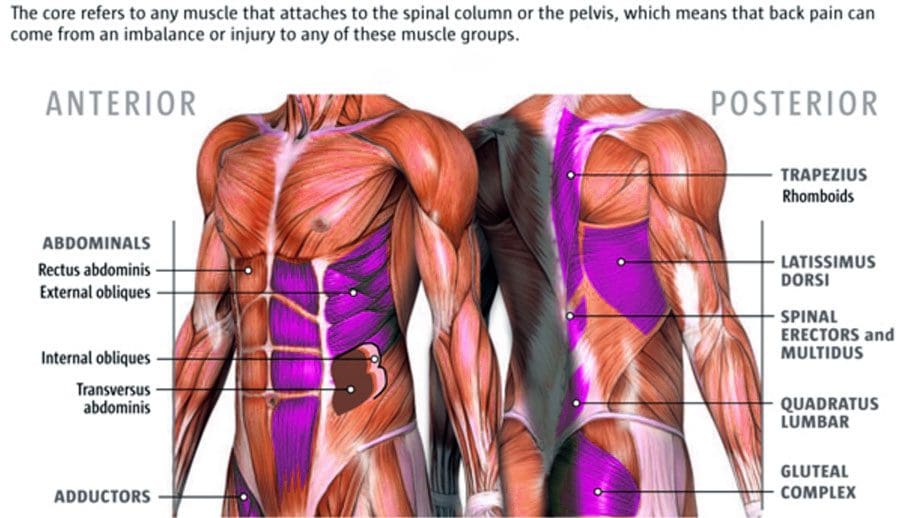
The core is a crucial area of the body. The body utilizes the core for all movements and as a stabilization unit. Lack of strength places unwanted tension and pressure on the spine. Chiropractic ensures all the joints function correctly and enhances the core to brace more effectively and efficiently.
Chiropractic Balance
Adjustments and decompression realign the muscles into the proper position and help lubricate the muscles to help ease the stabilizer muscles that could be tight or tense. Treatments used can include:
Spinal manual and motorized decompression
Extremity adjustments
Myofascial release
Active Release Technique
Trigger point therapy
Benefits
Natural pain relief
Injury prevention
Enhanced muscle performance
Expedited recovery
Increased endurance
Mobility enhancement
Increased strength
Core strength and stability play a huge factor in everyday life and functions. Maintaining health results requires attention to detail. Injury Medical Decompression Clinic will create a personalized optimal health treatment plan that focuses on whole-body realignment, simple lifestyle adjustments, health coaching/nutrition, and strength training to improve balance, strength, and core stability.
Spinal Decompression DRX9000
References
Globe G, Morris C, Whalen W, et al., “Chiropractic Management of Low Back Disorders: Report from a Consensus Process,” Journal of Manipulative and Physiological Therapeutics November/December 2008: 651-658.
Keller, MD, et al., “Trunk Muscle Strength, Cross-sectional Area, and Density in Patients With CLBP Randomized to Lumbar Fusion or Cognitive Intervention and Exercises,” Spine, 2004 29(1): 3-8 (3)
Mayer J, DC, Ph.D. Mooney V, MD, Dagenais S, DC Ph.D., “Evidence-informed management of CLBP with lumbar extensor strengthening exercises,” T Spine J, 2008;8:96-113. (3)
McKenzie, RA, “The Lumbar Spine: Mechanical Diagnosis and Therapy,” Spinal Publications/Printed by Wright & Carman, LTD, Upper Hutt, New Zealand, 1989 reprinted.
Sculco AD, Paup DC, Fernhall B, Sculco MJ, “Effects of aerobic exercise on low back pain patients in treatment,” Spine J, 1(2):95-101 (2001).
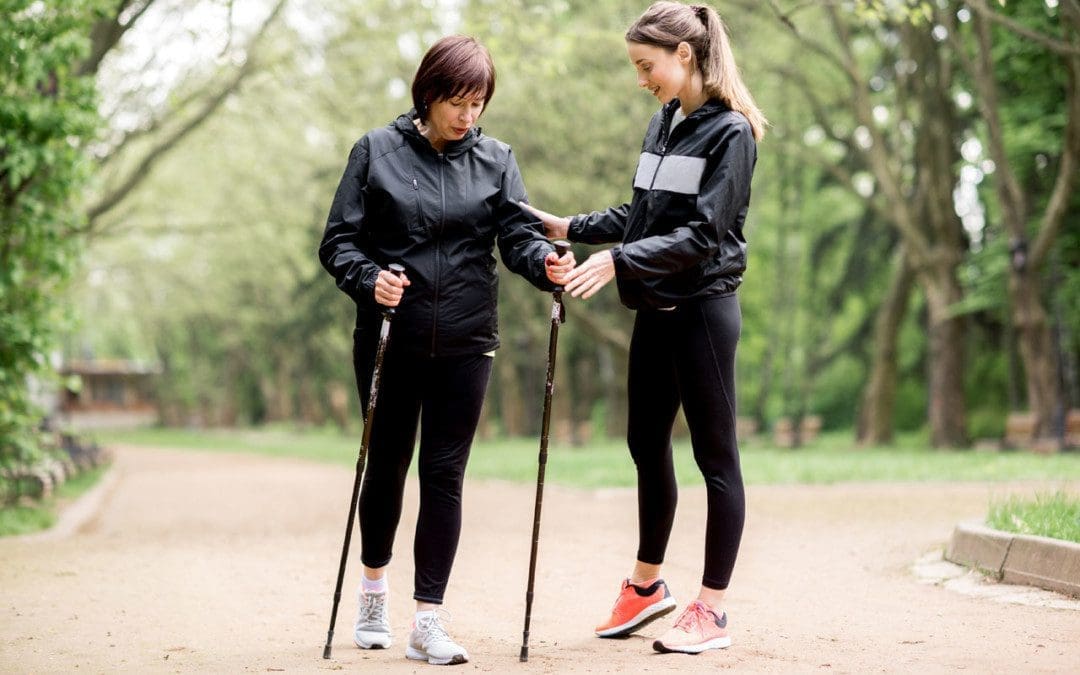
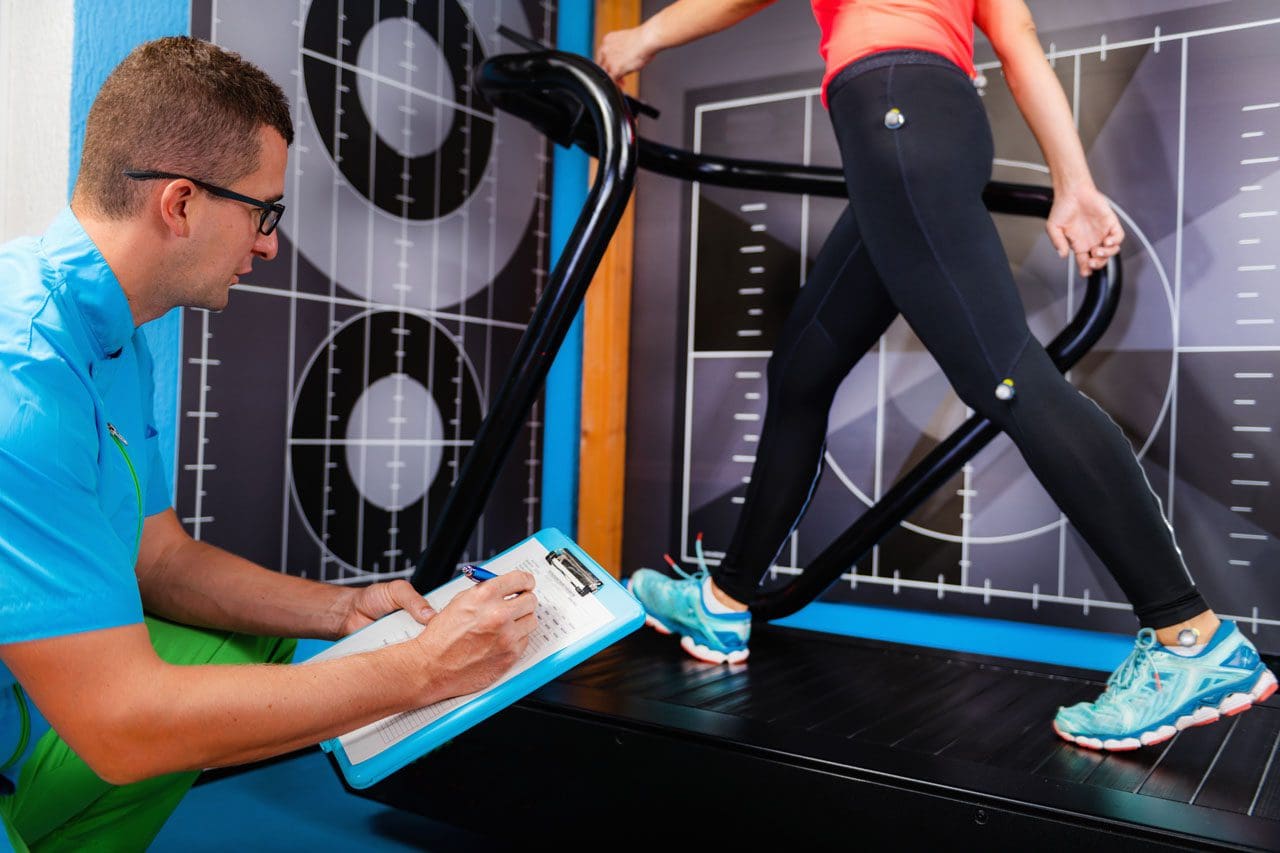
Walking is the most natural form of physical activity for optimal body health. It is low impact and can provide health and longevity benefits. Walking is second nature, but sometimes individuals can forget how to walk correctly and begin to present with musculoskeletal discomfort and injuries. The proper walking technique increases breathing function, reduces stress on the body and mind, and is a recommended form of self-care for aches and pains, injuries, and conditions. Proper walking techniques rely on the simple form, proper body mechanics, and active adjustments. Walking technique improvement can be achieved through chiropractic musculoskeletal rehabilitation and retraining to keep the body balanced and in top health.
Walking Problems
Forgetting proper walking technique is like forgetting healthy posture, which can lead to problems that include:
Gait is the manner or way an individual walks. The average gait could be described as placing one foot in front of the other in a continuous motion from the heel to the ball of the foot. Walking problems are often brought on by poor posture, injury, or physical condition. Typical gait abnormalities:
Propulsive gait
This gait is a stooped, stiff posture with the head and neck bent forward.
Scissors gait
This gait is when the legs flex slightly at the hips and knees like a crouch, with the knees and thighs hitting or crossing in a scissors-like movement.
Spastic gait
This gait is a stiff, foot-dragging walk caused by a prolonged muscle contraction on one side.
Steppage gait
This gait causes foot drop where the foot hangs with the toes pointing down, causing the toes to scrape while walking, requiring the individual to lift the leg higher.
Waddling gait
This gait is a duck-like walk that can show up in childhood or later in life.
Walking Problem Causes
Different diseases and conditions can affect gait and lead to walking issues. They include:
Foot problems, including corns, calluses, and sores
Injuries, such as fractures/broken bones, sprains, and tendinitis
Arthritis of the spine, hips, knees, ankles, or feet
Neurologic diseases – multiple sclerosis and peripheral nerve disorders
Cerebellar disorders of the brain that control coordination and balance
Movement disorders like Parkinson’s disease
Infections
Abnormal development of the muscles or bones of the spine, legs, or feet
Vision problems
Walking Technique Improvement
Body posture continually needs to be assessed and adjusted. When an individual least realizes it they start to forget healthy walking techniques, posture, and their shoulders begin to bow forward or become rounded or their feet start turning out when they shouldn’t. Poor walking posture leads to body aches and pains. Walking technique improvement consists of:
Standing up straight like a string is attached to the head maintaining a plumb line with the sky.
Keeping the chin parallel to the ground.
Shoulders are back and relaxed to relieve tension.
Focusing on around 15-20 feet in front, so the head follows where the eyes are looking.
The body relies on muscle/form memory. Chiropractic adjustments make it possible to keep the body in alignment, allowing mobility and flexibility without pain. Walking with proper form will strengthen the muscles that support the spine, eliminate stress on the body, and relieve aches and pains. Circulation will improve, bringing vitamins and minerals to the muscles and tissues.
DRX9000 Patient Testimonials Spinal Decompression
References
Buldt, Andrew K et al. “The relationship between foot posture and plantar pressure during walking in adults: A systematic review.” Gait & posture vol. 62 (2018): 56-67. doi:10.1016/j.gaitpost.2018.02.026
Chambers, April J et al. “The Effect of Prolonged Walking With Intermittent Standing on Erector Spinae and Soleus Muscle Oxygenation and Discomfort.” Journal of sports science & medicine vol. 18,2 337-343. 1 Jun. 2019
Hackford, Jessie, et al. “The effects of walking posture on affective and physiological states during stress.” Journal of behavior therapy and experimental psychiatry vol. 62 (2019): 80-87. doi:10.1016/j.jbtep.2018.09.004
Russell, Brent S et al. “Walking Gait Before and After Chiropractic Care Following Fifth Metatarsal Fractures: A Single Case Kinetic and Kinematic Study.” Journal of chiropractic medicine vol. 17,2 (2018): 106-116. doi:10.1016/j.jcm.2018.02.002
Body Flexibleness: The body loses a small amount of flexibility during normal aging. Decreased body flexibility can negatively impact everyday life by preventing normal function. If the muscles are not taken through their full range of motion to maintain length, strength is lost, and decreased flexibility increases. This can happen from:
Water loss in the tissues and spine.
Increased stiffness in the joints.
Loss of elasticity throughout the muscle tendons and surrounding tissues.
Body Flexibleness
Individuals of all ages struggle with flexibility, but there is a difference in age stiffness. However, a sedentary lifestyle can make everyday activities feel more strenuous than before. Less flexibleness can also cause pain. For example, if the muscles in the front of the legs become tight, it can limit movement in the pelvis and hips, leading to low back pain.
Several problems can result from decreased flexibility, including:
Shorter steps while walking.
Slower walking speed.
Back pain.
Increased risk of falls.
Flexibleness improves overall movement and helps prevent simple strains and injuries, including:
Back injury.
Muscle strains.
Shoulder injury.
Hip injury.
Leg injury.
A stretching program for the hip muscles can improve walking speed and step length. This will result in improved walking function with improved and increased control, decreasing the risk of injury. Step length is also critical in preventing injuries. More distance while walking and longer steps mean better balance, making it essential to maintain flexibility in the leg muscles.
Chiropractic Decompression
Routine chiropractic adjustments and spinal decompression can slow the progression of joint degeneration, improve movement, and decrease the risk of injury. When the vertebrae are properly aligned, the entire body operates at its optimal level. There is proper lubrication of joints and muscles, improving mobility and function and removing stress on the nerves, muscles, ligaments, and tendons. Chiropractic treats the joints, bones, and muscles to improve body flexibleness through manual and motorized decompression, adjustments, and massage, combined with health coaching, nutrition, stretching, and exercises to do at home.
DRX Spinal Decompression
References
“American College of Sports Medicine Position Stand. The recommended quantity and quality of exercise for developing and maintaining cardiorespiratory and muscular fitness, and flexibility in healthy adults.” Medicine and science in sports and exercise vol. 30,6 (1998): 975-91. doi:10.1097/00005768-199806000-00032
Choi, Jioun, et al. “Influences of spinal decompression therapy and general traction therapy on the pain, disability, and straight leg raising of patients with intervertebral disc herniation.” Journal of physical therapy science vol. 27,2 (2015): 481-3. doi:10.1589/jpts.27.481
Tseng, Shiuan-Yu, et al. “Effect of Two Frequencies of Whole-Body Vibration Training on Balance and Flexibility of the Elderly: A Randomized Controlled Trial.” American journal of physical medicine & rehabilitation vol. 95,10 (2016): 730-7. doi:10.1097/PHM.0000000000000477
Volleyball is a dynamic game that requires players to be fast on their feet. Players have to be able to quickly shift into various position/s, make quick movements in any direction quickly and reach the ball. Volleyball strength workouts focus on power development and maintaining safe positions when exploding through the plays. Many players include resistance training exercises in their training programs to maximize power and set a solid foundation.
Volleyball Strength Workout
A well-rounded volleyball workout will help players strengthen and maintain optimal body health.
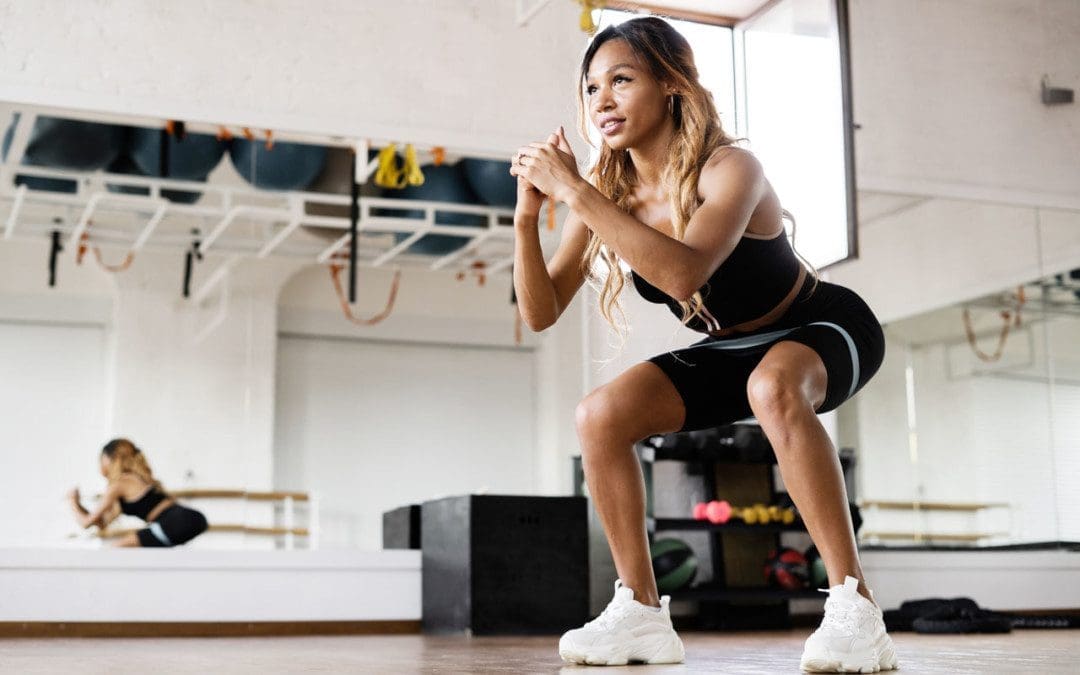
A recommended exercise that can be done with a resistance band.
The exercise does not require a lot of space, so it can be done almost anywhere.
It is recommended to do two-three sets of 10-15 reps.
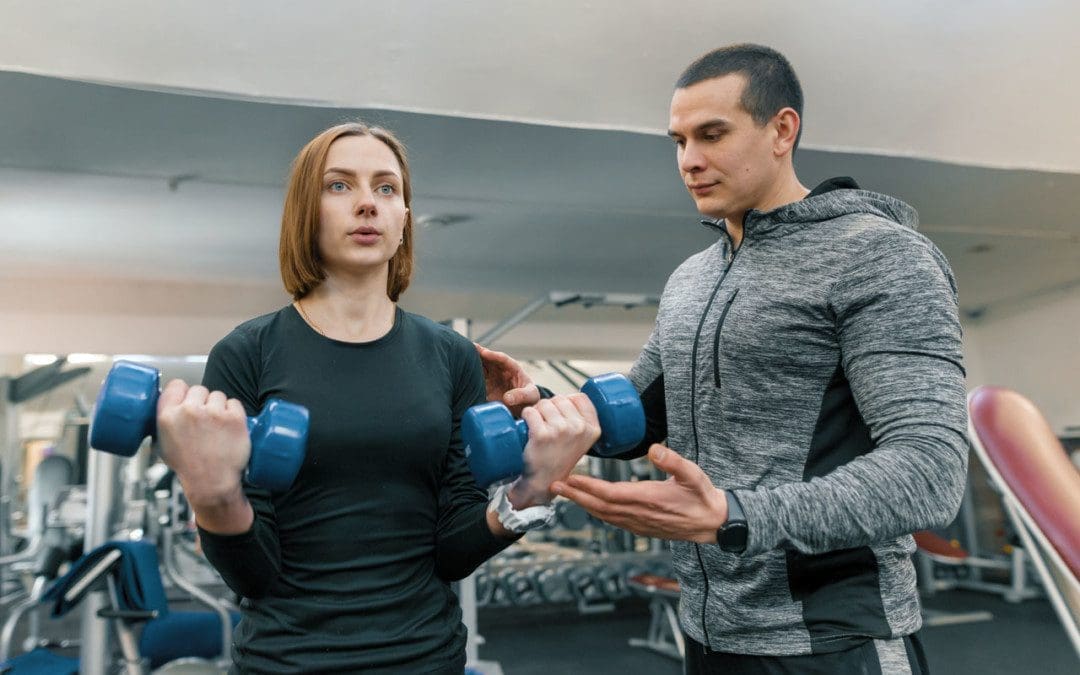
It is recommended to consult a professional trainer that can create a diverse fitness program to make exercising/training/working out much more enjoyable.
Body Composition
How Aerobic and Resistance Training Interact
The body adjusts differently to various types of exercise. Aerobic and resistance training each tells the body to adapt in different ways. Both are important for healthy body composition, and when done in combination, it is known as concurrent training. Aerobic is best for losing fat, resistance training builds muscle that keeps the body functioning throughout the day. However, molecular mechanisms involved in aerobic and resistance adaptations can interfere with each other if not appropriately planned. Two steps to minimize any possible interference and maximize aerobic/resistance benefits:
Nutrition
Adequate protein intake is vital for muscular adaptation from resistance training.
It stimulates muscle protein synthesis after concurrent training.
After workout sessions, consume at least 25g of high-quality protein to achieve strength and hypertrophy improvements.
Recovery
When doing both aerobic and resistance training on the same day, maximize recovery time between the sessions.
Strength and aerobic fitness gains are low when the two are separated by 6 hours or less.
Twenty-four hours between sessions is the recommended time, especially if the priority is on endurance.
References
Camera, Donny M et al. “Protein ingestion increases myofibrillar protein synthesis after concurrent exercise.” Medicine and science in sports and exercise vol. 47,1 (2015): 82-91. doi:10.1249/MSS.0000000000000390
Cools, Ann M et al. “Prevention of shoulder injuries in overhead athletes: a science-based approach.” Brazilian journal of physical therapy vol. 19,5 (2015): 331-9. doi:10.1590/bjpt-rbf.2014.0109
Pereira, Ana et al. “Training strategy of explosive strength in young female volleyball players.” Medicina (Kaunas, Lithuania) vol. 51,2 (2015): 126-31. doi:10.1016/j.medici.2015.03.004
Ramirez-Campillo, Rodrigo et al. “Effects of Plyometric Jump Training on Vertical Jump Height of Volleyball Players: A Systematic Review with Meta-Analysis of Randomized-Controlled Trial.” Journal of sports science & medicine vol. 19,3 489-499. 13 Aug. 2020
Seminati, Elena, and Alberto Enrico Minetti. “Overuse in volleyball training/practice: A review on the shoulder and spine-related injuries.” European journal of sports science vol. 13,6 (2013): 732-43. doi:10.1080/17461391.2013.773090
Silva, Ana Filipa et al. “The Effect of Plyometric Training in Volleyball Players: A Systematic Review.” International journal of environmental research and public health vol. 16,16 2960. 17 Aug. 2019, doi:10.3390/ijerph16162960
Villareal, Dennis T et al. “Aerobic or Resistance Exercise, or Both, in Dieting Obese Older Adults.” The New England journal of medicine vol. 376,20 (2017): 1943-1955. doi:10.1056/NEJMoa1616338
Healthy sleep plays a vital role in the body’s overall health, as it ensures muscle growth, recovery, and illness prevention. This is especially true for home D.I. Yers’ fitness enthusiasts, weekend warriors, athletes, and physically active individuals. When sleeping, the body goes into recovery mode, releasing hormones and other chemicals to repair and restore muscle. A healthy night’s sleep provides the rest the mind and body need to perform at optimal levels.
Healthy Sleep
Sleep is vital for recovering from workouts. This could be construction work, exercise, gardening, sports, landscaping, any activity that uses bodyweight or works against some form of resistance. The muscles cannot repair themselves properly without proper sleep. Sleep aids the muscles in releasing protein-building amino acids, helping them grow in size and strength.
Growth hormone is released during non-REM sleep that stimulates tissue growth and repairs muscle.
During REM or rapid eye movement sleep, blood pressure drops, breathing slows and deepens, the brain relaxes, and blood supply to the muscles increases, feeding them oxygen and nutrients.
Unhealthy Sleep
Sleep maintains the muscles’ sharpness, coordination, function, and muscle movement patterns that improve physical performance. The body needs to sleep for at least 7 hours a night for muscles to grow properly. Not getting healthy sleep decreases protein synthesis activity and increases the activity of degradation that leads to muscle loss.
Less Sleep Leads To Eating More
Hormonal changes occur when the body sleeps less, causing individuals to feel hungry more often, increasing the amount of food taken in because after eating, the body does not feel full right away, so the individual continues to eat. Without sleep, the body decreases the production of a hormone that indicates when the body is full and activates a hormone that causes hunger. Insufficient sleep also lowers the body’s sensitivity to insulin. Because of this, the muscle fuel glycogen is not adequately replenished. Without the regular restoration of glycogen, individuals have less energy, insulin sensitivity decreases, increasing the risk of diabetes.
Physical Health
Unhealthy sleep also impacts overall physical health. Individuals that do not get healthy sleep have an increased risk of developing:
Sugar raises blood sugar, which triggers the pancreas to release insulin, fueling the cells causing overstimulation.
Eliminating sugar after dinner can help the body fall asleep.
References
Dattilo, M et al. “Sleep and muscle recovery: endocrinological and molecular basis for a new and promising hypothesis.” Medical hypotheses vol. 77,2 (2011): 220-2. doi:10.1016/j.mehy.2011.04.017
Morselli, Lisa et al. “Role of sleep duration in the regulation of glucose metabolism and appetite.” Best practice & research. Clinical endocrinology & metabolism vol. 24,5 (2010): 687-702. doi:10.1016/j.beem.2010.07.005
Murray, Bob, and Christine Rosenbloom. “Fundamentals of glycogen metabolism for coaches and athletes.” Nutrition reviews vol. 76,4 (2018): 243-259. doi:10.1093/nutrit/nuy001
Sports-specific performance training is an approach to develop an athlete’s full potential in their sport. This involves three different factors: physical, technical, and experience. Physical ability is the exercise physiology that consists of strengthening and conditioning the body to handle the conditions of the sport. This includes:
Strength
Power
Speed
Endurance
Mobility
Stability
Flexibility
Balance
Technical ability involves the skill sets needed for the sport. This includes:
Running
Jumping
Kicking
Throwing
Catching
Hitting
Sliding
And finally is the athlete’s experience. This takes the knowledge, combined with the physical and technical abilities brought together to perform at optimum levels. However, it all begins with physical ability that needs to be developed. Even naturally gifted individuals need to develop their physical ability.
Sports Specific Performance Training
Strength & conditioning objectives are to develop the whole athlete. This involves:
An athlete’s health takes into consideration their body composition and current or past injuries. Along with injuries, the athlete’s mobility, flexibility, and stability are examined to determine if these were among the contributors or conditions that caused or could lead to an injury. Strength & conditioning is used so an athlete can return to play and allow them to be more resilient to injuries. Maintaining the body’s health means:
Keeping track of nutrition by making healthy food choices.
Maintaining proper hydration levels.
Allowing the body to recover from training thoroughly.
Keeping the body loose and flexible through chiropractic sports massage or a personal training therapist.
Stability is the coordination of muscle action that allows a joint to remain in the proper position during movement.
If an athlete is mobile and flexible but not stable, it increases the risk of sustaining an injury. The same can be said of an athlete with stability but limited mobility.
Athletic Mindset
An athlete’s mindset can win or lose games.
Athletes are encouraged to push themselves to see what they are capable of, which relies on mental strength.
Athletes that doubt their ability become their own worst critics and hold themselves in low self-esteem tend to underperform or become overly cautious when competing.
This is where a sports psychologistcan help an athlete overcome any confidence issues.
Athleticism
Developing athleticism involves strength, power, speed. These physical attributes allow athletes to perform within their technical and strategical abilities.
It is recommended to spend 10-15 minutes warming up with each sports-specific performance training session. The warm-up:
Speed training addresses linear, lateral, and multi-directional speed. The objective is to keep athletes learning and developing better reaction skills while maintaining high-quality movement. Speed training can last 10 to 15-minutes with the number of repetitions.
Strength training follows an individualized system for each athlete based on an initial evaluation. The objective is to eliminate any weaknesses that an individual may have and develop functional strength, giving the athlete the ability to take that strength onto the field, court, mat, etc.
It is essential to understand how the body moves. Kinesiologyand programming parameters involve – sets, repetitions, overall training volume, and the body’s response to the stimulus.
Body Composition
Exercise and Blood Pressure
Blood pressure typically rises naturally as the body ages. The American Heart Association recommends individuals get at least 150 minutes of moderate-intense aerobic exercise or 75 minutes of vigorous aerobic activity each week. This can be split up into 30 minutes per day on at least five days a week or in 10 minute short sessions throughout the day. Aerobic exercise can include:
Walking
Dancing
Running
Cycling
Hiking
Swimming
Resistance Training
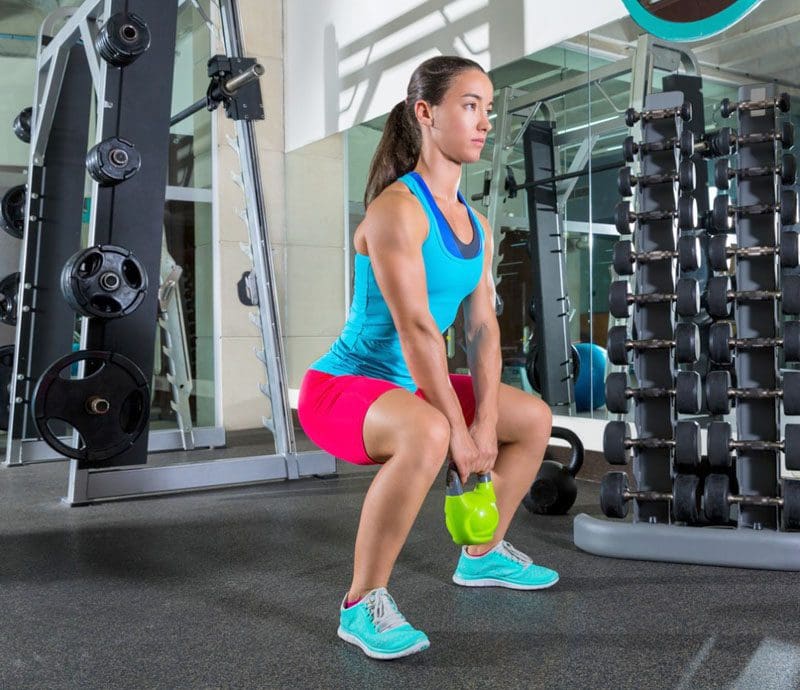
Research suggests that resistance training with bands or weights can supplement aerobic exercise to reduce blood pressure. It is recommended to complete 2 to 4 sets of 8 to 12 repetitions for each major muscle group during workouts. It is recommended that resistance training be spaced out throughout the week to limit the potential muscle soreness that can lead to injury. Resistance training can include:
Weight machines like chest press, shoulder press, etc.
Bahr, R, and T Krosshaug. “Understanding injury mechanisms: a key component of preventing injuries in sport.” British journal of sports medicine vol. 39,6 (2005): 324-9. doi:10.1136/bjsm.2005.018341
Iaia, F Marcello et al. “High-intensity training in football.” International journal of sports physiology and performance vol. 4,3 (2009): 291-306. doi:10.1123/ijspp.4.3.291
Jeukendrup, Asker E. “Periodized Nutrition for Athletes.” Sports medicine (Auckland, N.Z.) vol. 47,Suppl 1 (2017): 51-63. doi:10.1007/s40279-017-0694-2
Kraemer, William J, and Nicholas A Ratamess. “Fundamentals of resistance training: progression and exercise prescription.” Medicine and science in sports and exercise vol. 36,4 (2004): 674-88. doi:10.1249/01.mss.0000121945.36635.61
Nagorsky, Eugen, and Josef Wiemeyer. “The structure of performance and training in esports.” PloS one vol. 15,8 e0237584. 25 Aug. 2020, doi:10.1371/journal.pone.0237584
IFM's Find A Practitioner tool is the largest referral network in Functional Medicine, created to help patients locate Functional Medicine practitioners anywhere in the world. IFM Certified Practitioners are listed first in the search results, given their extensive education in Functional Medicine