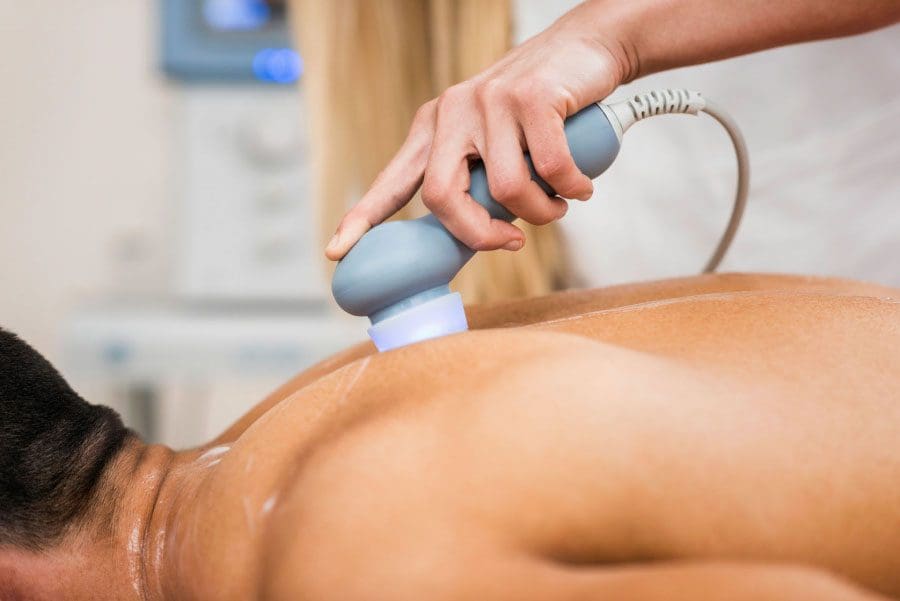
Ultrasound is a passive therapy, which means this is a treatment that a physical therapist administers. It creates gentle pulsating, penetrating heat that soothes, and relaxes spinal and any other muscles that may be tight, knotted and sore.
It is an added supplemental therapy of the primary treatment like chiropractic, therapeutic stretching, and exercise. Ultrasound releases and warms the muscles and soft tissues thus increasing circulation that speeds recovery/healing.
How does ultrasound work?
The equipment creates high-frequency sound waves that flow through to the tight, knotted area with a round-headed probe. The sound waves flow deep into the muscle tissue and ligaments all the while creating a soothing heat that loosens up the tissues.
Treatment application
The therapist will apply a hypoallergenic gel to the skin, that makes for a smooth moveable surface. Then the therapist goes in gentle, circular motions with the probe, and performs the treatment, that can last several minutes.
Ultrasound can also be utilized when performing phonophoresis. This is a treatment that involves the application of topical anti-inflammatory medications that are mixed with ultrasound gel�then applied to the area with the probe. The sound waves force the medicine into the tissues to help reduce inflammation.
Does it hurt?
Absolutely not, the patient will only feel a tingling sensation around the area being treated. There will also be a warming sensation from the sound waves.
Ultrasound results
The ultrasound probe is glided over the surface, all the while sound waves are penetrating through the skin’s surface, which causes the soft tissues to vibrate, creates muscle tightness soothing/releasing heat. The heat induces vasodilation that draws blood into the tissues that are hurting. The increased blood flow delivers much needed:
Oxygen
Nutrients
Removes the cell’s waste
The heat relieves pain and inflammation, reduces muscle spasms, and accelerates healing. Depending on thearea being treated, the range of motion will be increased.
Shoulder Pain Rehabilitation
NCBI Resources
Physical therapists also�instruct patients on the best way to exercise to enhance overall physical fitness, move about safely (biomechanics and ergonomics), and injury prevention. Physical therapists also help patients with�long-term physical incapacity�(eg, spinal cord injury).
All individuals that participate in some form of sports or athletic training, professionals to weekend sports enthusiasts are at risk for back and neck injuries. Common injuries include strains, and sprains, pulls, and tears especially around the low back area. If left untreated these injuries can lead to chronic back pain or more severe conditions.
Although we can’t prevent all sports injuries, here are some sports tips to keep your spine healthy.
1.� Warm-Up and Stretch
Properly warming up with stretching exercises increases blood circulation and improves the flexibility of muscles and ligaments. This is not only for helping enhance athletic performance but prevents injuries by keeping the muscles/ligaments loose so if any type of collision, tear, or pull occurs the stretched muscles stay relaxed and do not tense up or contract, which helps reduce the severity of an injury. To stretch properly:
Stretch time on each part of the body is also 10-30 seconds
Stretch after the game to relieve sore or tight muscles
2. Use Proper Sport Equipment
All sports have a risk of injury. In general, the more contact there is the higher the risk of injury.
To reduce the risk of injury athletes should wear protective equipment that goes with their sport like neck rolls, shoulder, elbow and knee pads.
Well made and supportive shoes combined with custom orthotics are a must.
Other types of equipment include:
Helmet
Pads elbow, wrist, chest, knee, shins
Mouthpiece
Faceguard
Protective cup
Eye protection
3. Stay Hydrated
Injuries caused by heat occur as a result of�high temperatures, humidity and excessive/overdoing it. To avoid these serious injuries:
Drink plenty of water before, during, and after playing.
Try to avoid play or practice during extreme heat and humidity.
Wear lightweight clothing/uniform with maximum ability to allow sweat to evaporate.
Take plenty of breaks or periods of rest to allow the body to recover and recuperate.
4. Don’t Overwork/Overdo it
Repetitive Motion Disorders like tennis elbow, bursitis, and tendonitis, happen when movements e.g. swinging motions that go with the sport like tennis, bowling, golf, etc are repeated over and over and cause injury/damage to those parts of the body. To avoid overuse injury try:
Take plenty of breaks during practice and games. Do not power through it!
Use proper/correct form and techniques. If unsure then take lessons to make sure you are doing it correctly.
See a doctor if any pain or muscle fatigue, inflammation, swelling, or compression of nerve tissue present.
Cross-training can strengthen muscle groups and those areas that take the most force.
5. Stay Ready for Play with a Healthy Lifestyle
Besides sports, try to find ways to improve general health through a healthy lifestyle:
Get plenty of sleep, the body/mind needs to recover from all the activity.
Consult a doctor before beginning any new exercise program.
Staying fit, healthy and ready for play means preventing injuries from happening.� By being aware of how to prevent injuries with these basic tips, which feel free to take it further and raise the probability of avoiding back and all sports injuries.
As El Paso�s Chiropractic Rehabilitation Clinic & Integrated Medicine Center,�we passionately are focused on treating patients after frustrating injuries and chronic pain syndromes. We focus on improving your ability through flexibility, mobility and agility programs tailored for all age groups and disabilities.
*BEST* Heel Spurs Treatment | El Paso, Tx (2020)
NCBI Resources
Extension sports like gymnastics, tennis, swimming, diving, football, volleyball, basketball, track and field, cricket have the most pronounced extension/rotation on the spine. With a normal extension of the lumbar spine (or backward bending), the facet joints begin to approximate each other and compress. This is a normal biomechanical movement. However, if the extension ranges are excessive, the procedures will impinge quite aggressively and damage to the cartilage surfaces within the facet joint can result.
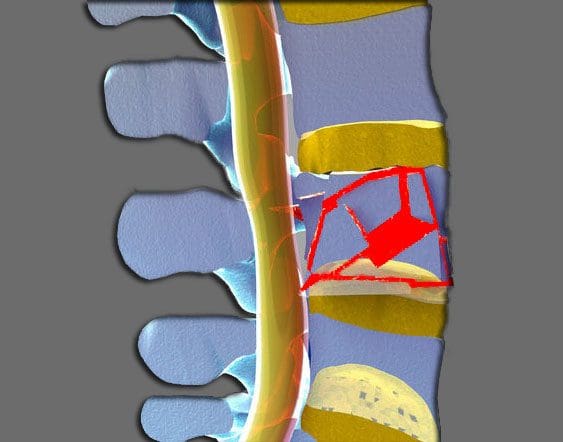
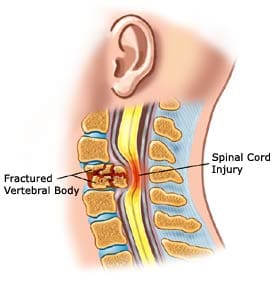
A burst fracture describes an injury to the spine where the vertebrae get compressed severely. These types of injuries occur from severe trauma, like an automobile accident or a serious fall, sports injury, work injury. These injuries entail a great deal of force into the spine, so much so that a vertebra can get crushed.
When crushed in the front of the spine, a wedge-shaped fracture occurs and is known as a compression fracture.
But if the vertebral body gets crushed in all directions this is known as a burst fracture.
The term burst means that the vertebral body spreads out in all directions.
Severe Injury
This is a much more severe injury than a compression fracture. With the bones crushed and possible rough jagged edges, if they spread out the spinal cord has a high probability of being injured. The fragments can bruise the spinal cord causing paralysis or partial neurologic injury. The spine becomes far less stable than from a compression fracture.
Nerve Injury
Neurologic injuries from a burst fracture can range from no injury to paralysis. This depends on the amount of force present at the time of the injury and how much the spinal canal is compromised.
A greater amount of force equals more bony fragments that can be forced into the spinal canal and cause higher loss of spinal cord function.
This can cause loss of:
Strength
Sensation
Reflexes below the injury
With an incomplete spinal cord injury, partial paralysis or partial reflex loss occurs.
With a mild burst fracture, only short-term symptoms could be present and no neurologic injury.
Intense Pain
Burst fractures can cause intense pain and the pain is right where the trauma took place.
But pain can also present in the legs and feet depending on how the spinal nerves were affected, shifted or pinched. Patients complain of an electric tingling or shooting type sensation in their legs with spinal cord compression. With a burst fracture, individuals are unable to walk right after the trauma. But the pain percentage present is severe enough that they know not to try and walk.
Diagnosis
If at the sight of the accident the patient says that they have severe back pain should not be in a seated flexed position. They need to be kept lying flat and transported in a flat position.
If they stand or sit with a burst fracture, it can increase the possibility of a neurologic injury.
Burst fractures require immediate medical attention from an orthopedic or neurosurgeon. The patient is taken to an emergency room and x-rays, CT scans are gathered.
The diagnosis of a burst fracture is typically made with x-rays and a CT scan.
Sometimes, an MRI will be ordered to assess the amount of:
Soft tissue trauma
Bleeding
Ligament injury
The CT scan and x-rays allow the doctor to determine the level of the fracture, and if it is a:
Compression fracture
Burst fracture
Fracture-dislocation
This will determine how much the spinal canal has been compromised and if its angulation or angle has taken an abnormal bend or curve. These factors all contribute to the development of an optimal treatment plan.
The physical exam will document:
Spinal deformity and Angulation of the spine
Tenderness of the spine where the fracture is located
Neurologic exam
Neurologic exam should include testing:
Muscle strength
Sensation
Reflexes of the lower extremities
Testing of bowel and bladder control
Treatment & Recovery
A stable burst fracture can be treated without surgery.
A stable burst fracture falls into these parameters:
There is no neurologic injury
The angulation is less than 20 degrees
The amount of spinal canal compromise is less than 50%
With this type of treatment, a brace along with physical therapy/chiropractic can have excellent results.
A turtle or clamshell brace TLSO�(Thoracic Lumbar Sacral Orthosis) is a body cast used in the treatment of a burst fracture.
The brace is worn for eight to twelve weeks for adequate and optimal healing.
There are times when a fracture thought stable and treated can start to angulate. This may require surgery. However, all burst fractures require some form of treatment.
Recovery
Nonsurgical treatment patients stay in the hospital for one or two days while their brace is fit.
X-rays are done in the standing position to make sure the spine stays stable.
Pain medications are prescribed for three to four weeks
Non-narcotic medications can begin after the final week
When the brace is removed, physical therapy and chiropractic are instituted to help return strength to the core and lower extremities.
Surgical patients will remain in the hospital for three to five days.
They will be fitted with a brace after the incisions present less pain and are recovered from the surgery.
They can walk within one or two days with the help of a physical therapist.
X-rays are taken to follow the position of the spine and see how the healing is progressing.
Chiropractic/Physical therapy is implemented to help with core strength and lower extremity strength.
Recovery time depends on the severity of the neurologic injury.
Patients that don’t have a neurologic injury can make a full recovery with return to most activities.
Patients with partial neurological injuries can also expect to fully recover.
Unfortunately, with permanent neurologic injury, recovery can be limited.
But treatment for burst fractures today is superior to what they were years ago, especially with spine specialists and specific spinal procedures.
Chiropractic Rehab
Chiropractic is not a treatment for fractures but is a treatment for subluxations and rehabilitation with these types of fractures. Once a fracture has stabilized and healed properly, a chiropractic evaluation can rule out any lingering subluxation, herniation, and joint restriction. The adjustments are safe and effective in establishing optimal function to a subluxated joint.
Chiropractic Treatment For Car Accident Injuries El Paso, Texas
We focus on what works for you. We also strive to create fitness and better the body through researched methods and total wellness programs. These programs are natural and use the body�s own ability to achieve goals of improvement.
NCBI Resources
Chiropractors can help alleviate some of the long-term and immediate concerns associated with bone fractures. A chiropractor can help with compression techniques which are beneficial in maintaining the bone in place for healing. A chiropractor may also advocate wellness techniques, such as a healthy diet that will optimize the body�s ability to restore its original health and wellness. Chiropractors may also educate a patient on a variety of exercises and stretches to reduce the likelihood of complications and which, if done properly and at fixed intervals, will promote quicker recovery.
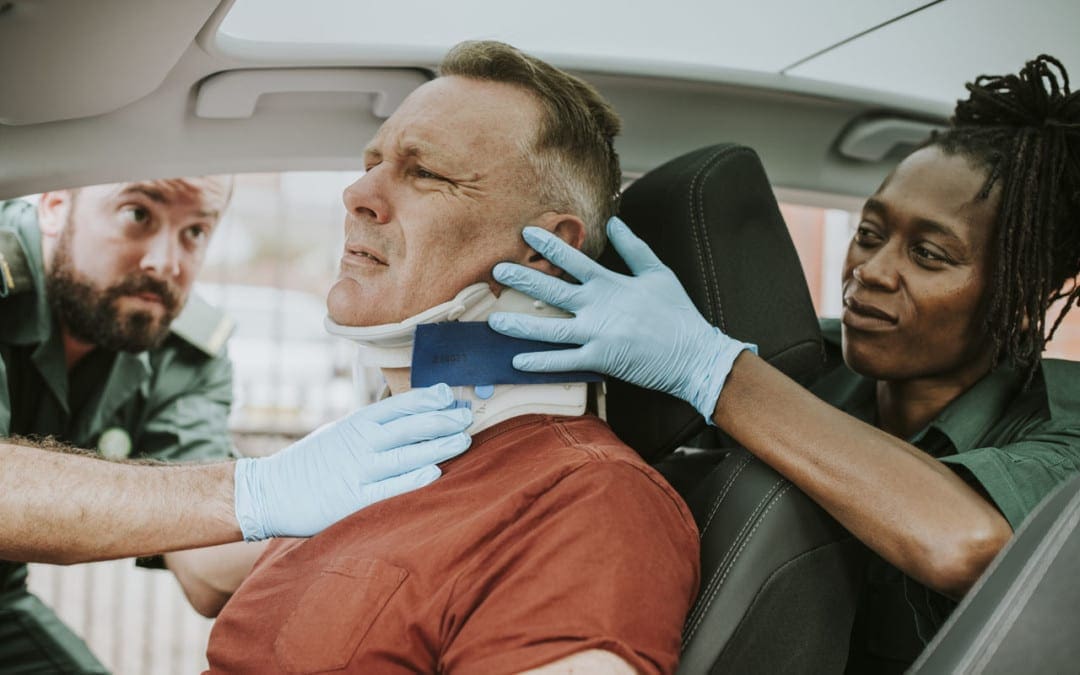
Neck pain caused by a whiplash injury definitely warrants a visit to a chiropractic whiplash specialist that can provide non-surgical treatment and pain relief.
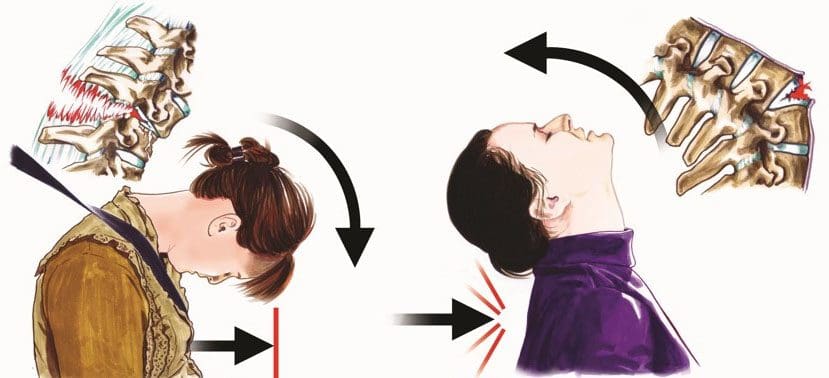
Whiplash is an injury to the neck muscles from a rapid forward and backward motion of the neck caused by trauma from a car accident, sports injury, slip and fall accident or even just turning one’s head but doing it with a fast whipping motion that causes the neck/spine muscles to become swollen and irritated. It can cause acute short-term neck pain and restricted movement.
How a Whiplash Injury Is Diagnosed
A chiropractor evaluates the spine in its entirety. If you go to a chiropractic clinic with neck pain following trauma. The chiropractor will examine the whole spine because the other areas of the spine could be affected and not just the neck region.
The chiropractor locates the areas where motion is restricted if there are any disc injuries, muscle spasms, and ligament injuries. They will first apply motion and staticpalpation diagnostic techniques where they feel and touch the various areas where the pain is present, as well as where there is no pain. A chiropractor will also feel for:
Tenderness
Tightness
How well the spinal joints move
They will also analyze the patient’s walk noting their posture and if there is possible spinal misalignment. This will help the chiropractor understand the patient’s body’s mechanics and what their spine is doing to compensate for the injury. This can mean:
Leaning to one side
Getting up in a very careful way so as to avoid pain
Hunching over
Only turning in one direction
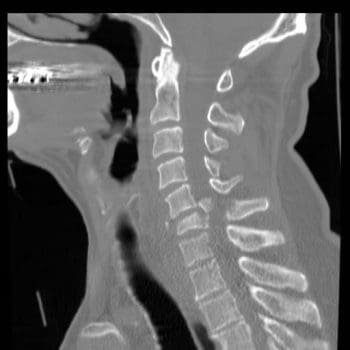
In addition to the evaluation, they will also order an x-ray or an MRI to evaluate any deteriorating changes that could have existed before the whiplash injury. The images and physical and neurological evaluation resultsare compared to figure out and develop the best treatment plan.
Whiplash Treatment Stages
After a whiplash injury happens a chiropractor works to reduce neck inflammation with various therapies like:
Massage
Ultrasound
Light stretching
Soft manual therapy techniques
They may also recommend applying an ice pack on the neck and light neck support for a short time. As the inflammation and pain decrease the chiropractor will begin applying gentle spinal manipulation along with other techniques to restore the normal motion to the neck’s facet joints.
Chiropractic Whiplash Injury Treatment
A treatment plan depends on the severity of the whiplash injury. Some manipulation techniques used are:
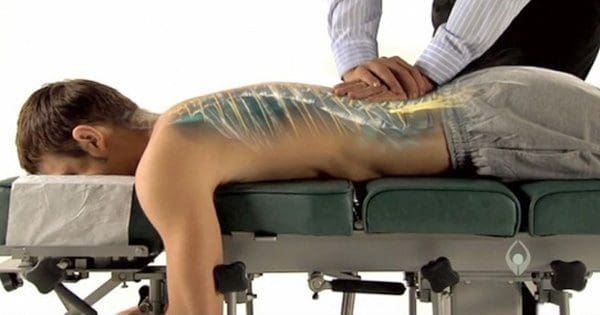
Flexion-distraction technique
This is a gentle non-thrusting type of spinal manipulation that helps treat herniated discs. A whiplash injury can cause an aggravated bulging or herniated disc. If this happens a chiropractor uses a slow palm pump action on the disc rather than direct thrusting force.
Instrument-assisted manipulation
This technique also non-thrusting utilizes a hand-held instrument. A chiropractor generates force without thrusting directly into the spine. This therapy is great for older patients who may have degenerative joint syndrome.
Specific spinal manipulation
Spinal joints that are restricted or have abnormal motion are identified. Then the chiropractor restores motion to the joint with a gentle thrust. This stretches the soft tissue and stimulates the nervous system to bring back normal motion.
Along with these spinal therapies/techniques, a chiropractor also uses manual therapy to treat the soft tissues like the ligaments and muscles. Some examples of manual techniques are:
Instrument-assisted soft tissue therapy is where a chiropractor uses an instrument/s like the Graston technique, that gently treats any injured soft tissues. They will gently apply the instrument along the injured area with repeated strokes.
Manual joint stretching and resistance therapy is a form of manual therapy that uses the muscle’s own energy to create isometric contractions that help relax the muscles, and help lengthen the muscles.
Therapeutic massage is where a chiropractor or physical therapist performs massage to ease and relax muscle tension in the neck.
Trigger point therapy identifies specific tight painful points/areas of muscle by applying direct pressure with the hands or fingers on these points to alleviate the muscle tension.
Interferential electrical stimulation This technique uses low-frequency electrical current to stimulate the muscles and reduce inflammation.
Ultrasound increases blood circulation and helps reduce muscle spasms, stiffness, and pain. This happens by sending sound waves deep into the muscle’s tissue which generates low heat and increases circulation.
Therapeutic exercises to restore normal spinal motion and reduce whiplash symptoms.
Chiropractic medicine looks at the whole person and not just the symptoms. Neck pain is different for everyone, so chiropractors don�t just focus on the pain because the whiplash injury could have affected other areas that the patient doesn’t feel pain or anything.
But as the spine is a complex structure that works as a unit, a problem in one area can slowly or quickly start to create problems in other areas of the spine much like falling dominoes.
With these techniques, a chiropractor will help increase a patient’s daily activities back to normal as quickly as they can, depending on the severity of the injury. They will work as hard as they can to address any added spinal or nerve-related causes/injuries stemming from the original whiplash injury and treat them as well until normal movement is restored and there is no longer pain.
Remember that prevention is the key to optimal long-term health!
Our team has taken great pride in bringing our families and injured patients only clinically proved treatment protocols. �By teaching complete holistic wellness as a lifestyle, we also change not only our patient�s lives but their families as well.� We do this so that we may reach as many El Pasoans who need us, no matter the affordability issues.
El Paso, TX Chiropractic Neck Pain Treatment
NCBI Resources
Often,�people with whiplash don�t experience any effects until a day, or even two, after. The key is to stay ahead of the pain and take measures sooner rather than later to relieve it and keep it at bay. It also provides documentation should other issues arise, and you need the information for legal purposes.
If you are in an accident, especially if you get rear-ended, and experience whiplash, see a doctor that day ��even if you don�t feel much pain. The sooner you visit a chiropractic clinic, the sooner you can begin treatment should a problem develop.
Chiropractic believes that optimal health comes from having a healthy nervous system, particularly a healthy spinal column.
Time, work, school, and everyday living means movement. And like anything that moves over and over again, at some point it’s going to get stuck or slip out of place. When the spine’s vertebrae become misaligned, pressure begins to press on the nerves that come out of the spinal cord. This is called a chiropractic subluxation and requires chiropractic realignment.
Chiropractors use a variety of techniques to mobilize the spinal discs so they can move freely along with returning them back�into place and in their proper positions.
These techniques are called spinal manipulations/adjustments.
During an adjustment, the vertebra is released or set free from the misaligned position and put back into the proper position in the spine’s column.
Adjustments allow the body to heal and maintain homeostasis.
Chiropractors are trained in a variety of adjustment techniques
Some are done by hand
Some use of specialized instruments
Ultrasound in physical therapy, treatment of shoulder muscles
Every patient is different, therefore a chiropractor will go through various treatment options with the patient, to choose the best technique and treatment plan for the patient’s condition.� Ask the chiropractor which technique they will be doing and how it works.
Adjustment Techniques
Chiropractors use�the following:
Toggle Drop
Using crossed hands a chiropractor presses down firmly on the areas that need adjusting and realignment. With a precise and quick thrust, the chiropractor adjusts the spine. This improves mobility in the vertebral joints.
Motion Palpation
This technique determines if the vertebrae are�freely�moving and with normal motion.
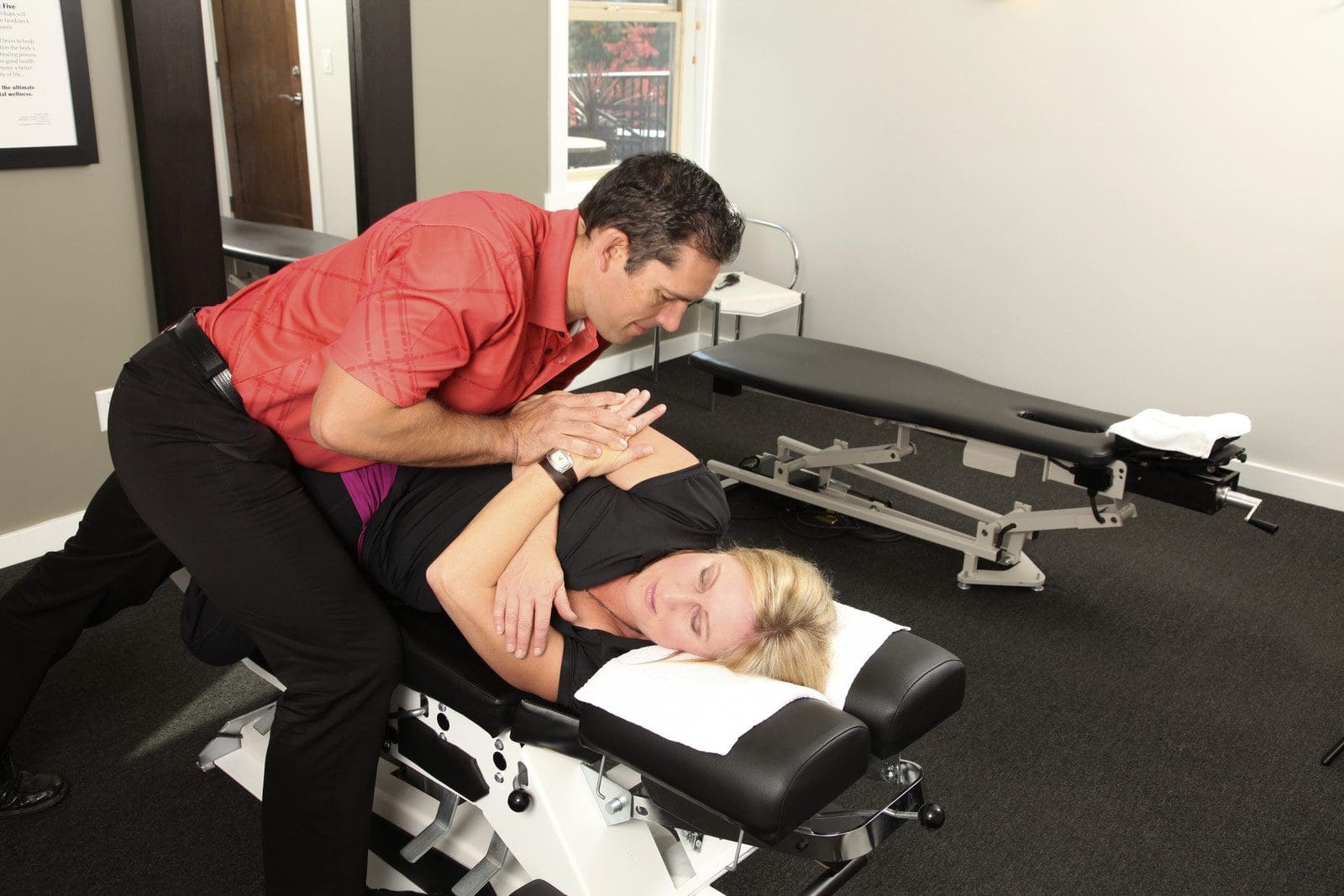
Lumbar Roll
The patient is on their side when the chiropractor performs a quick and precise thrust to the misaligned vertebra, that returns them to their proper position.
Treating Female Patient�s Spine
Release Work
Gentle pressure is applied with the fingertips which separate the vertebrae and opens them up.
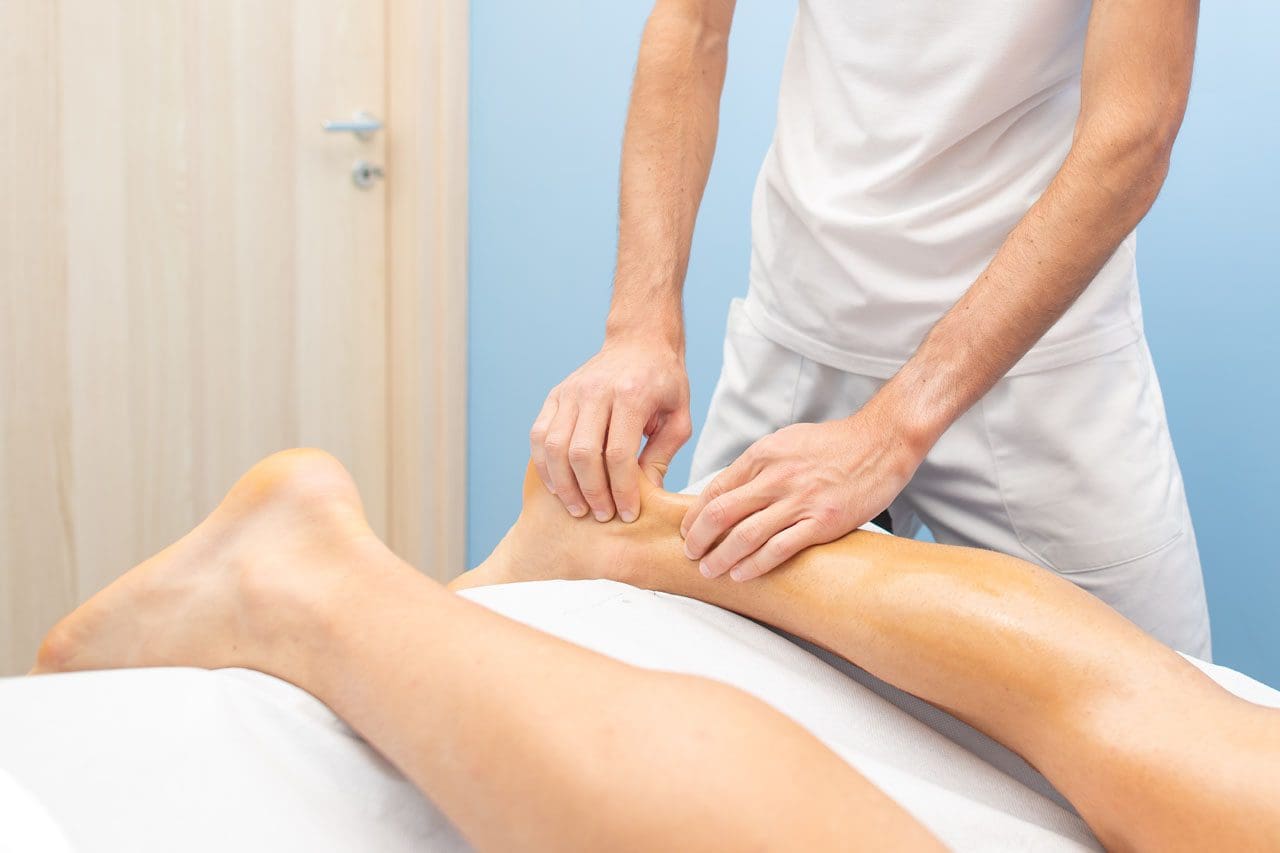
Physiotherapist during an Achilles tendon treatment but the same technique applies to the spine
Table adjustment
Here a specialized table is used that drops incrementally with the adjustment. The chiropractor applies a quick thrust at the same time the table drops. This allows for lighter adjustments without twisting and turning that go with manual adjustments.
Instrument adjustments
This is considered the gentlest method of�spinal adjustment.
The patient lies on the table and the chiropractor uses an activator instrument to perform the adjustment/realignment/s.
TENS, Transcutaneous Electrical Nerve Stimulation in Physical Therapy. Therapist Positioning Electrodes onto Patient’s Lower Back
A chiropractic adjustment can be a great way to improve multiple areas of the body, along with improving overall health with non-invasive treatment. Dr. Jimenez has teamed with the top surgeons, clinical specialists, medical researchers and premiere rehabilitation�providers to bring El Paso the top clinical treatments to our community.��Providing high non-invasive protocols is our priority.
Severe *Sciatica”* Pain Relief | El Paso, Tx (2020)
NCBI Resources
The nervous system, which consists of the�(spine/nerves/brain)�is the central headquarters of the body.�Subluxation removal helps the body function at its optimum level. Chiropractic adjustments�reduce pressure on the nerves and ease the flow of communication and signals going back and forth.
Increase in sports-related fractures among young and active people
Any type of bone fracture, especially when the spine is involved, comes with the most common and debilitating symptom is severe pain.
Managing pain correctly is vital to the proper healing of a fractured bone.
Unfortunately, the common treatments prescribed to manage fracture pain can cause significant side effects, especially when used beyond the short-term or acute phase of pain.
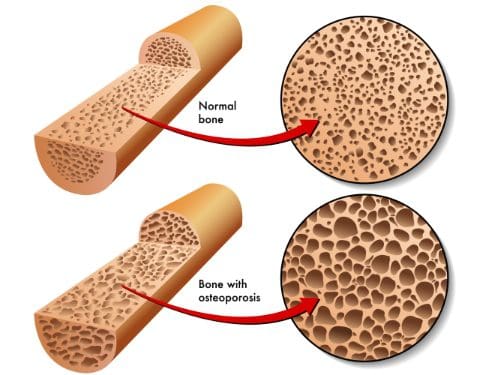
Bone fractures cannot be always be avoided, but when it comes to osteoporosis, everyone can take steps to help minimize the risk of developing the condition.
How to Prevent Osteoporosis and Bone Fracture
First, understand that osteoporosis is not a normal part of the aging process.
It is an irreversible and degenerative disease that causes bones to become porous over time.
Prevention should begin as early as possible, as this will benefit an individual later in life.
It’s never too late to begin taking steps!
Protecting the bones begins with the most important thing and that is diet.
Most individuals’ diet does not fill the recommended daily values of calcium and Vitamin D.
Both are essential for strong bone health and density.
Diet must be well-balanced with an abundance of:
Green leafy vegetables
Fruit
Dairy sources high in calcium:
Milk
Yogurt
Cheese
However, vitamin D is typically highest in sources of wild-caught fatty fish like salmon and tuna.
Regular exercise is the next important step to help reduce the risk and keep bones strong.
Do exercises that are both:
Weight-bearing (high/low-impact aerobics or walking/jogging)
Muscle-strengthening (weightlifting and exercise bands)
Yoga and Pilates can also help to improve:
Strength
Balance
Flexibility
These are essential in the prevention of bone fractures from falls.
Engage in exercise that you enjoy, this way you will stick with it on a regular basis.
Try for two to three sessions a week if you�re beginning and try to work up to five.
While diet and exercise are extremely important to prevent osteoporosis, there are some areas that should be removed from the lifestyle or limited.
Smoking
Alcohol
These chemicals in bothcigarettes and heavy alcohol consumption are known to be significant contributors to bone loss.
Injury Medical & Chiropractic Clinic offers not only chiropractic treatment, but exercise, and diet programs set up by professional life/health coaches that are customized to each patient. Set up an appointment today, we can help!
Chronic Body Pain Treatment El Paso, TX Chiropractor
Aracely Norte suffered a slip-and-fall accident which tremendously limited her ability to work, affecting her quality of life. Due to the chronic pain she experienced, Aracely had difficulty engaging in her regular, everyday responsibilities. After her lawyer recommended Dr. Alex Jimenez, chiropractor, Aracely found the relief she was looking for.
Chronic pain is a common issue that can occur due to a variety of reasons, including injuries and underlying conditions, however, chiropractic care can help eliminate chronic pain symptoms from the source.
NCBI Resources
As with most conditions, prevention is the most�effective treatment. If you have a family history or fall under any of the risk factors, there are things you can do to minimize the effects or prevent the conditions completely.
Your chiropractor can talk to you about lifestyle changes, exercise, and�diet�as well as supplements that you can take. Chiropractic adjustments can also be effective for many patients with osteopenia and osteoporosis as long as the chosen technique is a low force technique like Activator.
Physical therapists or PT’s are healthcare professionals that help treat/rehabilitate patients of all ages with various types of injuries.
Personal
Work
Sports
Auto Accidents
A primary care physician, physiatrist, orthopaedist, spine surgeon, or neurosurgeon may refer an individual to a physical therapist as part of a non-surgical�treatment plan.
A physical therapy program may be an integral part of your after-care following surgery.
Some treatments are done prior to active therapeutic exercise.
Conditions therapists treat
Sciatica
Whiplash
Rheumatoid arthritis
Degenerative disc disease
Spondylosis (spinal arthritis)
Post spine surgery therapy
Therapists want to help patients rebuild strength, flexibility, and endurance after any type of intense surgery, as well as help with any specific physical necessities related to post-surgery.
Team Care
Therapists often work directly for or with a doctor/chiropractor to coordinate a treatment plan.
A doctor may send the therapist:
Diagnosis
Current medications
Imaging/scan results
During the consultation, the physical therapist talks about medical history, diagnosis, and symptoms.
This can include:
Conditions
Medications being taken
Diet
Supplements
Type of Pain like:
Acute
Chronic
Episodic
The location of the pain that will also include:
Severity
Type
Factors that decrease or increase pain
Training
Physical therapists have completed an accredited physical therapy program and passed a required state licensing examination.
Therapists graduate with a Doctor of Physical Therapy (DPT) degree.
The American Board of Physical Therapy Specialties through a series of classes/tests therapists can become board-certified specialists in specific areas like:
Orthopedics
Pediatrics
Geriatrics
Sports
These are just a few, but there are many areas of specialization.
Physical Therapist
Many states allow individuals to go to a physical therapist without a referral from a doctor.
Definitely ask your doctor for a recommendation, but also think about what you want in a therapist.
Male or female physical therapist, which is right for you
Take Charge
Physical therapists are valuable healthcare professionals and members of the medical community.
Physical therapy can be challenging but don’t let that get you down, because they will help get you back to optimal health, along with building a stronger, healthier body.
Whiplash Massage Therapy El Paso, TX Chiropractor
Physical therapist Sandra Rubio describes how whiplash-associated disorders resulting from an automobile accident can cause symptoms of neck pain.
An injury to the cervical spine can damage the complex structures of the neck, including:
Vertebrae
Intervertebral discs
Soft tissues
Tendons
Ligaments
Muscles
Neck pain can come from various structures in the neck including vascular, nerve, airway, digestive, and musculature or it can originate from other areas of the human body.
Most cases can be treated with assistance or using self-help suggestions and techniques.
NCBI Resources
Physical therapy includes both active and passive treatments. Passive treatments help to unwind the body and the physique. As an individual does not need to actively participate, they�re known as passive. A physical treatment program may begin with treatments that are passive, but the goal is to get into treatments that are more active.
IFM's Find A Practitioner tool is the largest referral network in Functional Medicine, created to help patients locate Functional Medicine practitioners anywhere in the world. IFM Certified Practitioners are listed first in the search results, given their extensive education in Functional Medicine