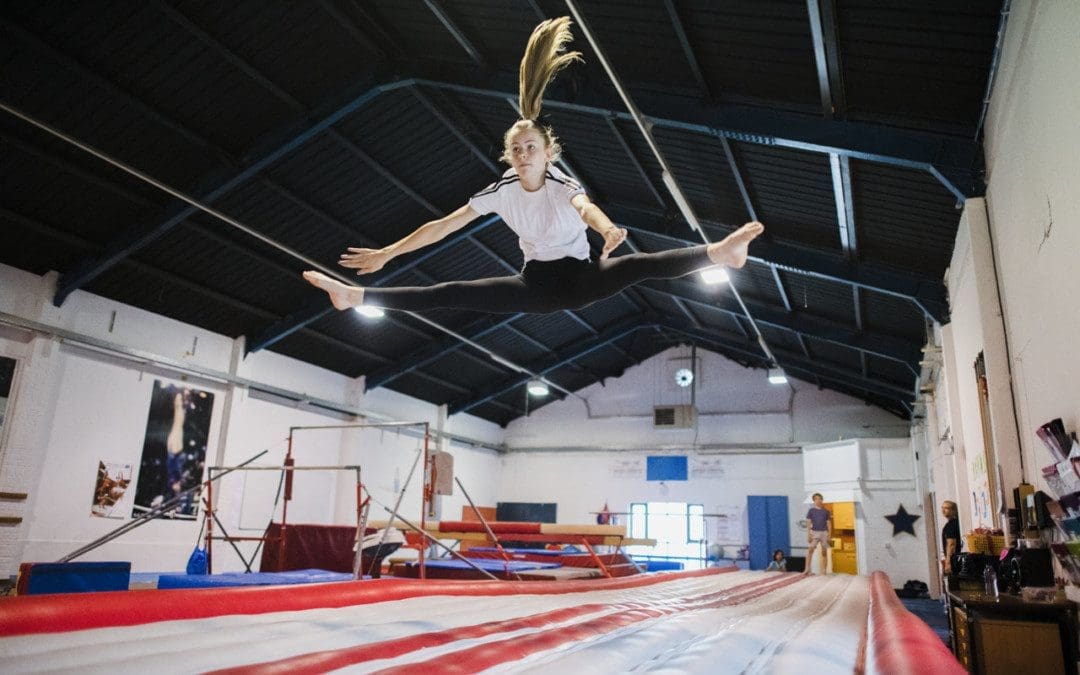
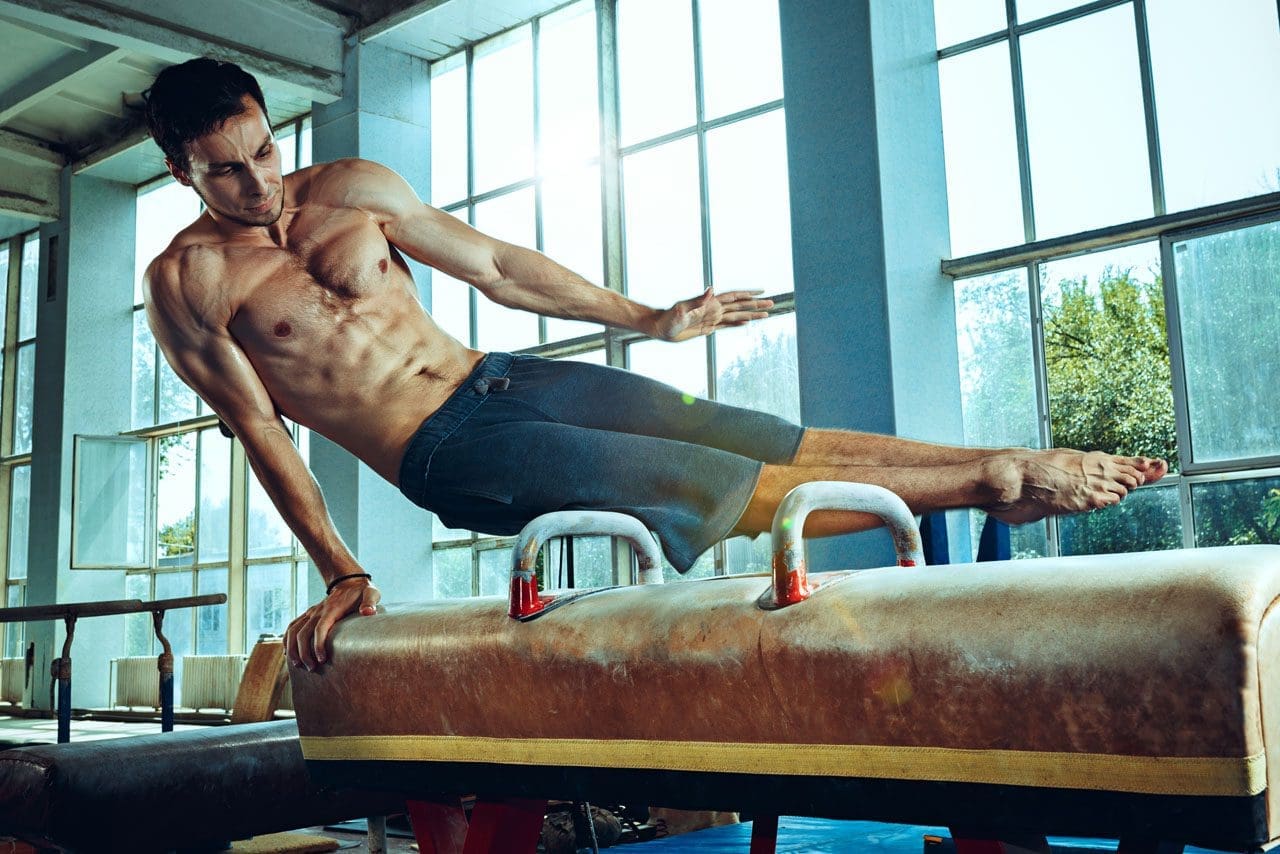
Gymnastics is a demanding and challenging sport. Gymnasts train to be powerful and graceful. Today’s moves have become increasingly technical acrobatic moves with a much higher degree of risk and difficulty. All the stretching, bending, twisting, jumping, flipping, etc., increases the risk of neuromusculoskeletal injuries. Gymnastics injuries are inevitable. Bruises, cuts, and scrapes are common, as are overuse strains and sprains, but severe and traumatic injuries can occur. Injury Medical Chiropractic and Functional Medicine Team can treat and rehabilitate injuries and help to strengthen and prevent injuries. The therapy team will thoroughly evaluate the individual to determine the injury/s severity, identify any weaknesses or limitations, and develop a personalized plan for optimal recovery, stability, and strength.
Gymnastic Injuries
One of the main reasons injuries are more prevalent is because today’s athletes start earlier, spend more time practicing, perform more complex skill sets, and have higher levels of competition. Gymnasts learn to perfect a skill and then train to make their bodies look elegant while executing the routine. These moves require precision, timing, and hours of practice.
Injury Types
Sports injuries are classified as:
Chronic Overuse injuries: These cumulative aches and pains occur over time.
They can be treated with chiropractic and physical therapy and prevented with targeted training and recovery.
Acute Traumatic injuries: These are typically accidents that happen suddenly without warning.
These require immediate first aid.
Most Common Injuries
Gymnasts are taught how to fall and land to lessen the impact on the spine, head, neck, knees, ankles, and wrists.
Back
Common back injuries include muscle strains and spondylolysis.
Bruises and Contusions
Tumbling, twisting, and flipping can result in various bruises and contusions.
Muscle Soreness
This is the sort of muscle soreness experienced 12 to 48 hours after a workout or competition.
Proper rest is necessary for the body to recover fully.
Overtraining Syndrome
Overtraining syndrome happens when individuals train beyond the body’s ability to recover.
Strength and/or flexibility imbalances – one side is stronger.
Chiropractic Care
Our therapists will start with an evaluation and a biomechanical assessment to identify all the factors contributing to the injury. This will consist of a thorough medical history to understand overall health status, training schedule, and the physical demands on the body. The chiropractor will develop a comprehensive program that includes manual and tool-assisted pain relief techniques, mobilization work, MET, core strengthening, targeted exercises, and injury prevention strategies.
Facet Syndrome Chiropractic Treatment
References
Armstrong, Ross, and Nicola Relph. “Screening Tools as a Predictor of Injury in Gymnastics: Systematic Literature Review.” Sports medicine – open vol. 7,1 73. 11 Oct. 2021, doi:10.1186/s40798-021-00361-3
Farì, Giacomo, et al. “Musculoskeletal Pain in Gymnasts: A Retrospective Analysis on a Cohort of Professional Athletes.” International journal of environmental research and public health vol. 18,10 5460. 20 May. 2021, doi:10.3390/ijerph18105460
Kreher, Jeffrey B, and Jennifer B Schwartz. “Overtraining syndrome: a practical guide.” Sports Health vol. 4,2 (2012): 128-38. doi:10.1177/1941738111434406
Meeusen, R, and J Borms. “Gymnastic injuries.” Sports medicine (Auckland, N.Z.) vol. 13,5 (1992): 337-56. doi:10.2165/00007256-199213050-00004
Sweeney, Emily A et al. “Returning to Sport After Gymnastics Injuries.” Current sports medicine reports vol. 17,11 (2018): 376-390. doi:10.1249/JSR.0000000000000533
Westermann, Robert W et al. “Evaluation of Men’s and Women’s Gymnastics Injuries: A 10-Year Observational Study.” Sports Health vol. 7,2 (2015): 161-5. doi:10.1177/1941738114559705
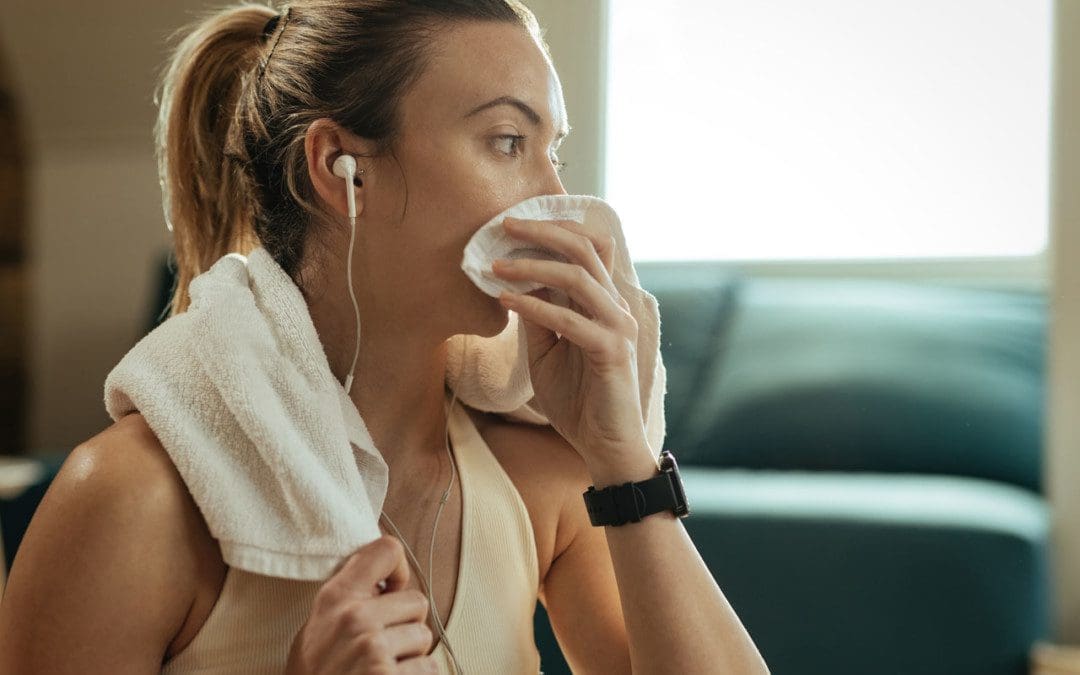
When the body shifts out of homeostasis or when something in the body is out of balance, the body sweats. Sweating is a process known as perspiration that releases salt-based fluids from the body’s sweat glands to help the body stay cool and regulate body temperature. Sweat is commonly found under the arms, on the feet, and on the palms of the hands. Body temperature, outdoor temperature, or emotional state changes can cause sweating.
Sweating
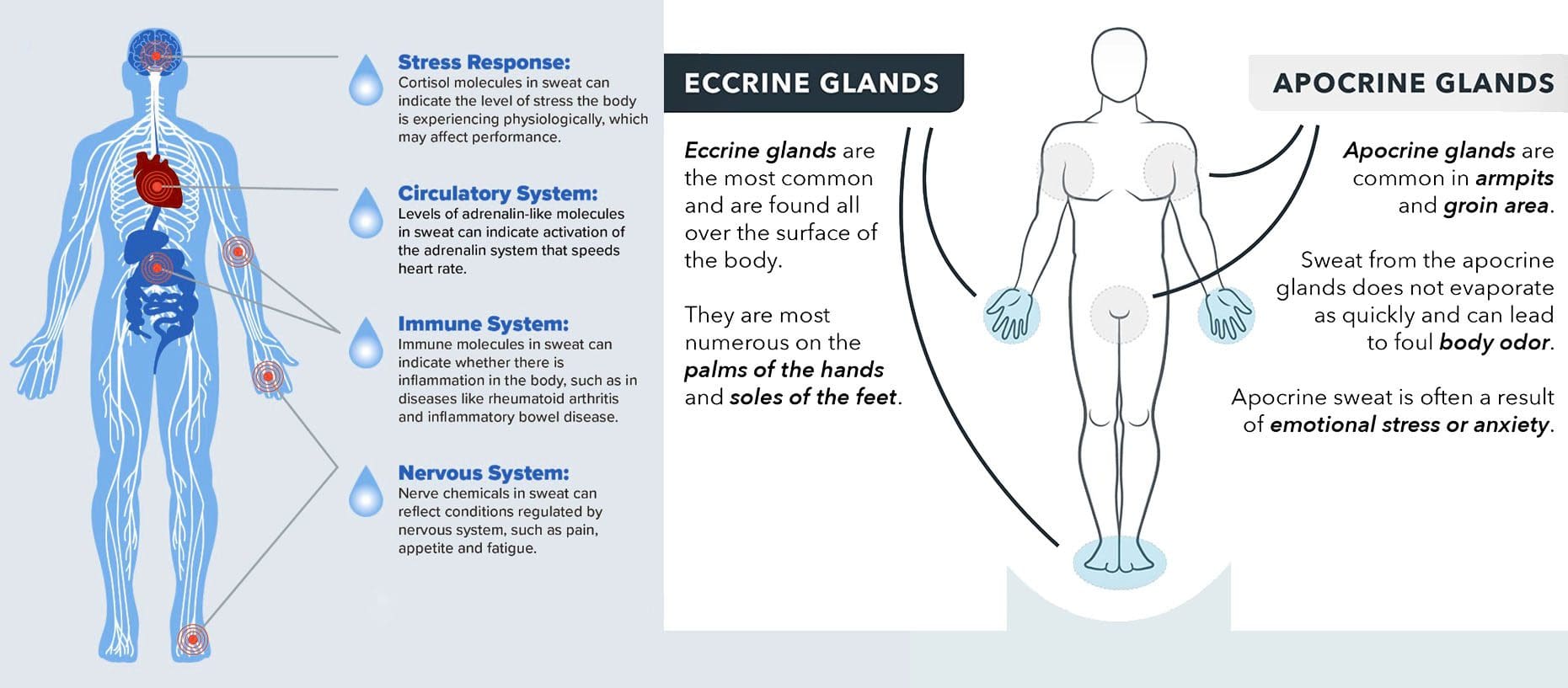
An individual has around 2-4 million sweat glands, which begin to become fully active during puberty. There are two types of sweat glands: eccrine and apocrine. The most common areas of sweating include:
Face.
Armpits.
Palms of the hands.
Soles of the feet.
Sweating in normal amounts is an essential bodily process.
Not sweating enough or sweating too much can cause problems.
Sweat is mostly water but contains small amounts of salt.
Sweat also contains electrolytes and minerals – including potassium, chloride, magnesium, zinc, copper, proteins, urea, and ammonia.
Electrolyte levels need to be replenished after heavy sweating.
Causes
Sweating is normal. However, a variety of causes can stimulate increased sweating.
High Temperature
Elevated body temperature.
Elevated outdoor temperature.
Are the primary cause of increased sweating.
Emotions and stress
Emotions and conditions can also make the body break out in a heavy sweat.
Emotional stress
Anxiety
Anger
Fear
Embarrassment
Foods
Sweating may be a response to certain foods. This type of sweat is known as gustatory sweating, which can be caused by:
Spicy foods
Caffeinated drinks – like soda, coffee, and tea.
Alcoholic beverages.
Medications
Illness and Medications
Sweating may be caused by medication use and certain illnesses:
Individuals can become dehydrated and have an increased risk of heatstroke.
Chiropractic Adjustments
The nervous system coordinates and oversees all functions of the body. Some can be consciously controlled, and others are automatic. The autonomic nervous system– ANS regulates involuntary processes, including blood pressure, heart rate, digestion, respiration, gland function, sweating, etc. The ANS is divided into the sympathetic and parasympathetic systems.
The sympathetic nervous system – when activated, creates a state of elevated activity and attention or the fight or flight response.
This process increases blood pressure and heart rate, preparing the body to respond to various stressors.
The parasympathetic nervous system promotes resting and digesting processes that lower heart rate and blood pressure.
The parasympathetic calms the body.
Chiropractic adjustments have been known to affect the autonomic nervous system. This is achieved by increasing parasympathetic activity/relaxation and down-shifting the sympathetic/fight or flight response and inflammation. A chiropractic adjustment can remove subluxations, which cause interferences in the nervous system. Chiropractic restores and improves the brain and body system communication.
Thoracic Spine Pain
References
Baker, Lindsay B. “Physiology of sweat gland function: The roles of sweating and sweat composition in human health.” Temperature (Austin, Tex.) vol. 6,3 211-259. 17 Jul. 2019, doi:10.1080/23328940.2019.1632145
Cabanac, M. “Temperature regulation.” Annual Review of Physiology vol. 37 (1975): 415-39. doi:10.1146/annurev.ph.37.030175.002215
Cui, Chang-Yi, and David Schlessinger. “Eccrine sweat gland development and sweat secretion.” Experimental dermatology vol. 24,9 (2015): 644-50. doi:10.1111/exd.12773
Kiani, Aysha Karim, et al. “Neurobiological basis of chiropractic manipulative treatment of the spine in the care of major depression.” Acta bio-medica : Atenei Parmensis vol. 91,13-S e2020006. 9 Nov. 2020, doi:10.23750/abm.v91i13-S.10536
McCutcheon, L J, and R J Geor. “Sweating. Fluid and ion losses and replacement.” The Veterinary clinics of North America. Equine practice vol. 14,1 (1998): 75-95. doi:10.1016/s0749-0739(17)30213-4
A big part of sports is avoiding and preventing injuries, as injury prevention is far better than rehabilitation and recovery. This is where prehabilitation comes in. Prehabilitation is a personalized, constantly evolving, and developing strengthening exercise program. The program aims to provide sports-specific targeted exercises and activities to maintain athletes’ physical abilities and mental preparedness for their sport. The first step is for an athletic trainer, sports chiropractor, and physical therapist to examine the individual.
Prehabilitation
Everybody is different when it comes to developing an effective prehabilitation program. Every individual’s program should be progressive and re-evaluated to adapt and adjust to the athlete’s needs. The first step is learning to prevent injuries and following basic injury prevention protocols. Knowing what to do when the body sustains an injury, like home treatment and when it’s time to see a doctor.
Athletes
Athletes of all levels are recommended to incorporate a prehabilitation program into their training. As athletes engage in their sport, their bodies adjust to the physical demands of practicing, playing, and training. Imbalances can happen naturally with normal activity but become more pronounced with each practice, game, and training session and often are the cause of injury. The repetitive movements and regular stresses can cause neuromusculoskeletal symptoms to present. This includes:
Tightness of muscle groups.
Pain and discomfort symptoms.
Stabilization issues.
Strength imbalances.
Program
A chiropractic therapist will measure the individual’s range of motion and strength, biomechanics, evaluate medical history, and present health status. Individuals with an injury or a condition can also benefit from prehabilitation.
Each program is personalized and will address total body balance, sports-specific needs, and weaknesses.
The exercises will balance strength, coordination, range of motion, and stabilization.
The premise is looking at and comparing movements from left to right, front to back, and upper to lower body.
Activities can be subtle, focused exercises or a complex movement sequence to stabilize or improve a specific skill.
Programs focus on strengthening and stabilizing the core, abdominals, hips, and back.
Instability is common and often presents from a lack of core training, as athletes tend to focus on what parts of the body their specific sport utilizes, leaving the core without a regular training routine.
A prehabilitation program has to be constantly updated to adjust to the individual’s progress.
Tools like foam rollers, balance boards, weights, and exercise balls are used.
Training
Prehabilitation should start before any acute or chronic injury occurs, but often it takes a few injuries for individuals to decide to get into a prehabilitation program. Depending on an athlete’s training cycle, prehabilitation can be incorporated into practice or as an independent workout and become part of an athlete’s training routine. A session can include the following:
Warm-up and cool-down exercises.
Exercises to perform while resting or waiting during practice.
A targeted workout on specific weaknesses.
A complete workout for days off or active rest days.
Mini workouts for when traveling and recovery days.
For athletes, feeling challenged and motivated can be the difference between success and failure. Working with a trainer, sports chiropractor, and therapists who know sports, understand athletic needs, and communicate well, will contribute to a successful prehabilitation program.
Improving Athletic Performance
References
Durrand, James et al. “Prehabilitation.” Clinical medicine (London, England) vol. 19,6 (2019): 458-464. doi:10.7861/clinmed.2019-0257
Giesche, Florian, et al. “Evidence for the effects of prehabilitation before ACL-reconstruction on return to sport-related and self-reported knee function: A systematic review.” PloS one vol. 15,10 e0240192. 28 Oct. 2020, doi:10.1371/journal.pone.0240192
Halloway S, Buchholz SW, Wilbur J, Schoeny ME. Prehabilitation Interventions for Older Adults: An Integrative Review. Western Journal of Nursing Research. 2015;37(1):103-123. doi:10.1177/0193945914551006
Smith-Ryan, Abbie E et al. “Nutritional Considerations and Strategies to Facilitate Injury Recovery and Rehabilitation.” Journal of athletic training vol. 55,9 (2020): 918-930. doi:10.4085/1062-6050-550-19
Vincent, Heather K, and Kevin R Vincent. “Rehabilitation and Prehabilitation for Upper Extremity in Throwing Sports: Emphasis on Lacrosse.” Current sports medicine reports vol. 18,6 (2019): 229-238. doi:10.1249/JSR.0000000000000606
Vincent, Heather K et al. “Injury Prevention, Safe Training Techniques, Rehabilitation, and Return to Sport in Trail Runners.” Arthroscopy, sports medicine, and rehabilitation vol. 4,1 e151-e162. 28 Jan. 2022, doi:10.1016/j.asmr.2021.09.032
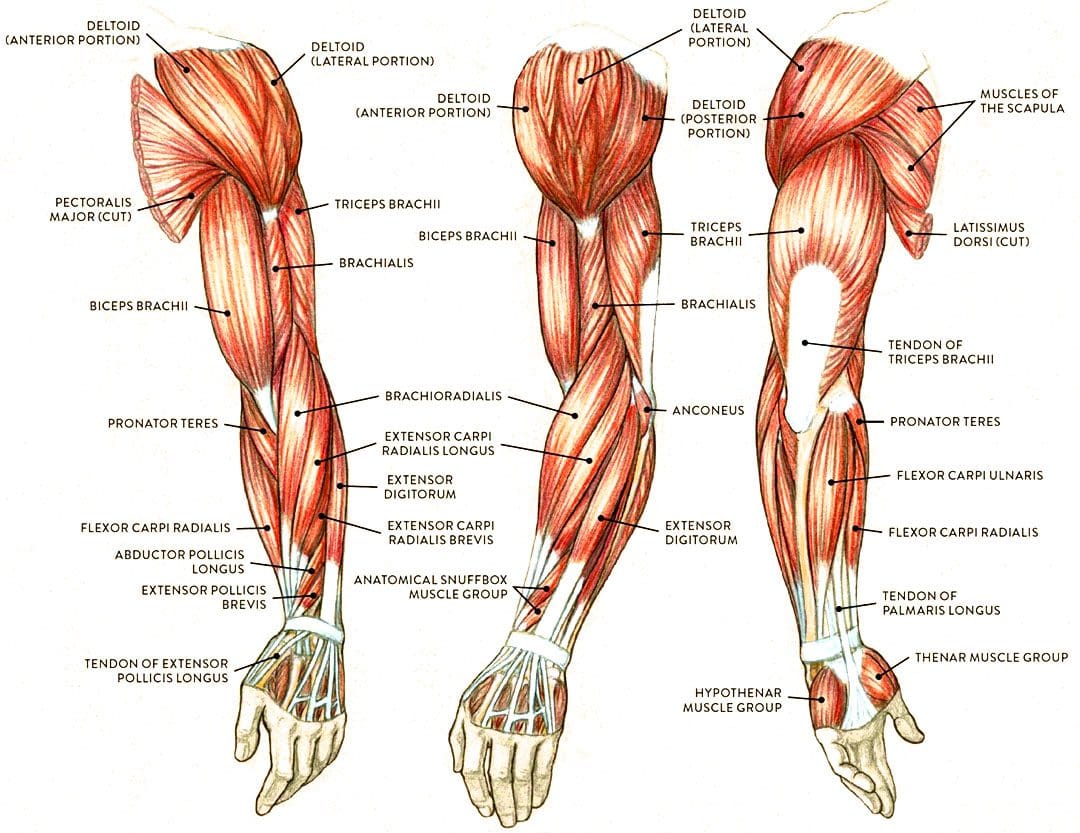
The function of the arm is to allow for movement of the wrist and hand. Various muscles initiate the arm’s actions, large muscles flex and extend, pronate and supinate, and the more sensitive muscles allow fine motor control. Lifting capacity and grip strength come from the arm muscles, making them essential for all types of activities. Because of the many functions and jobs the hands and arms do, added stress is placed on them. Arm discomfort symptoms, radiating pain, weakness, numbness, and tingling are common conditions. Chiropractic care can relieve injury symptoms and restore mobility and function.
Arm Discomfort Symptoms
The muscles of the upper arm, the biceps, and the triceps, control the movement and positioning of the elbow joint, and the muscles of the forearm control the wrist and hand. There are 30 bones from the top of the arm to the tip of the finger that include:
The humerus in the upper arm.
Ulna and radius in the forearm.
Carpal bones in the wrist.
Metacarpals and phalanges make up the hand and fingers.
The joints allow movement between the bones and are stabilized by ligaments and joint capsules.
Symptoms
Discomfort or Radiation
Symptoms vary based on the severity of the injury but commonly include.
Numbness and tingling in the elbow, forearm, or hand can develop.
Pain sensations often radiate to other areas.
Causes
Individuals that work with their hands related to work, home tasks, sports, or hobby activities, such as construction workers, hair stylists, store cashiers, graphic artists, automotive technicians, carpenters, painters, butchers, and more, have an increased risk of injury and developing chronic conditions. Work that involves manually cutting, writing, typing, gripping, operating motorized tools, hair clippers, working with animals, etc., makes the arms susceptible to injury from the constant stress on the ligaments. Common overuse injuries affecting the upper extremity include:
Carpal Tunnel Syndrome and Cubital Tunnel Syndrome
These conditions involve the nerves of the forearm.
Prolonged or repetitive bending or flexing of the wrist or elbow can generate swelling pressure that compresses the nerve/s.
Symptoms include numbness, coldness, tingling, and/or weakness in the hand and fingers.
Tennis, Golfer, and Pitcher Elbow
These conditions involve the inflammation of the tendon structures surrounding the elbow joint.
Repeating the same motion over and over causes damage.
This leads to tenderness and pain inside and surrounding the elbow.
De Quervain’s syndrome affects tendon structure in the wrist.
Swelling near the base of the thumb.
Individuals have difficulty grasping objects.
This is common for landscapers, gardeners, and sports where constant gripping is involved.
Tendonitis
Tendons attach muscles and bones
The condition causes tendon inflammation, presenting pain in the area around single or multiple joints.
Common types include wrist tendonitis, pitcher’s shoulder, and swimmer’s shoulder.
Tendon Tears
Overuse and frequent stress from continuous motion can wear tendons to the point of partial or complete tearing.
Rotator cuff tears in the shoulder are often caused by overuse wearing down.
Chiropractic Treatment
Chiropractic and massage therapy can rehabilitate arm injuries, restore function and reduce arm discomfort symptoms. Treatment includes:
Ice or heat treatment.
Manual therapy – soft tissue massage and trigger point alleviation.
Joint mobilization.
Taping or bracing support.
Rehabilitation targeted exercises.
Work and sports modification training.
Training on upper extremity overuse, practicing caution, and knowing when to seek professional medical help.
Shoulder Pain Rehabilitation
References
Bass, Evelyn. “Tendinopathy: why the difference between tendinitis and tendinosis matters.” International Journal of therapeutic massage & Bodywork vol. 5,1 (2012): 14-7. doi:10.3822/ijtmb.v5i1.153
Cutts, S et al. “Tennis elbow: A clinical review article.” Journal of Orthopaedics vol. 17 203-207. 10 Aug. 2019, doi:10.1016/j.jor.2019.08.005
Hoe, Victor C W, et al. “Ergonomic design and training for preventing work-related musculoskeletal disorders of the upper limb and neck in adults.” The Cochrane Database of systematic reviews vol. 2012,8 CD008570. 15 Aug. 2012, doi:10.1002/14651858.CD008570.pub2
Konijnenberg, H S et al. “Conservative treatment for repetitive strain injury.” Scandinavian Journal of Work, Environment & Health vol. 27,5 (2001): 299-310. doi:10.5271/sjweh.618
Luger, Tessy, et al. “Work-break schedules for preventing musculoskeletal symptoms and disorders in healthy workers.” The Cochrane Database of systematic reviews vol. 7,7 CD012886. 23 Jul. 2019, doi:10.1002/14651858.CD012886.pub2
Pitzer, Michael E et al. “Elbow tendinopathy.” The Medical Clinics of North America vol. 98,4 (2014): 833-49, xiii. doi:10.1016/j.mcna.2014.04.002
Verhagen, Arianne P et al. “Conservative interventions for treating work-related complaints of the arm, neck or shoulder in adults.” The Cochrane Database of systematic reviews vol. 2013,12 CD008742. 12 Dec. 2013, doi:10.1002/14651858.CD008742.pub2
Zaremski, Jason L et al. “Sport Specialization and Overuse Injuries in Adolescent Throwing Athletes: A Narrative Review.” Journal of athletic training vol. 54,10 (2019): 1030-1039. doi:10.4085/1062-6050-333-18
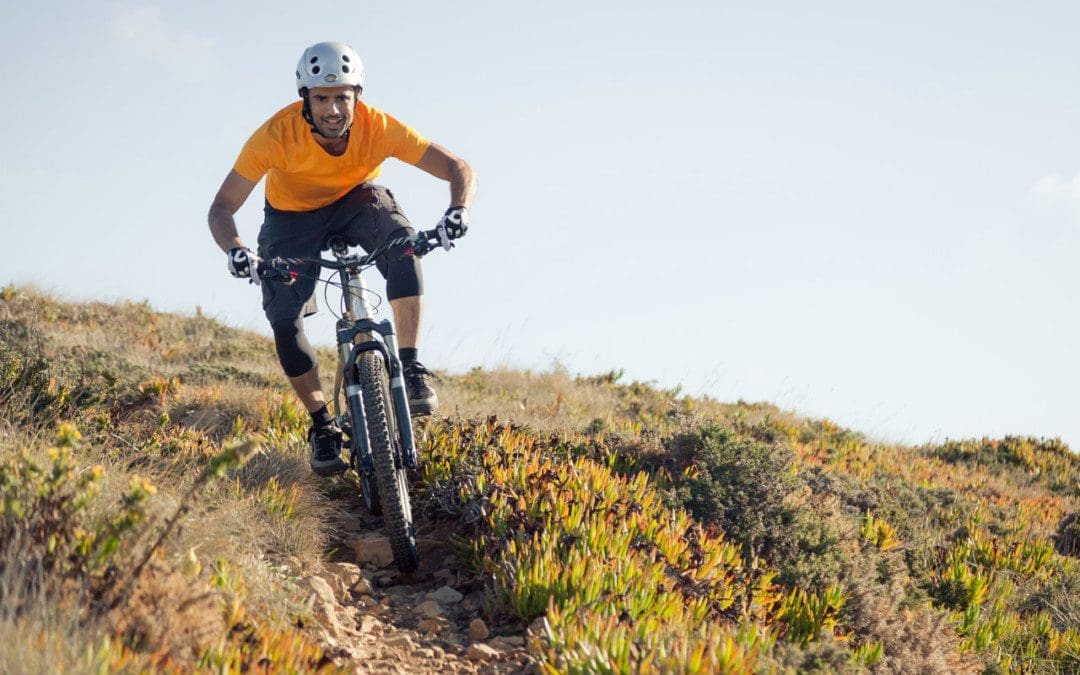
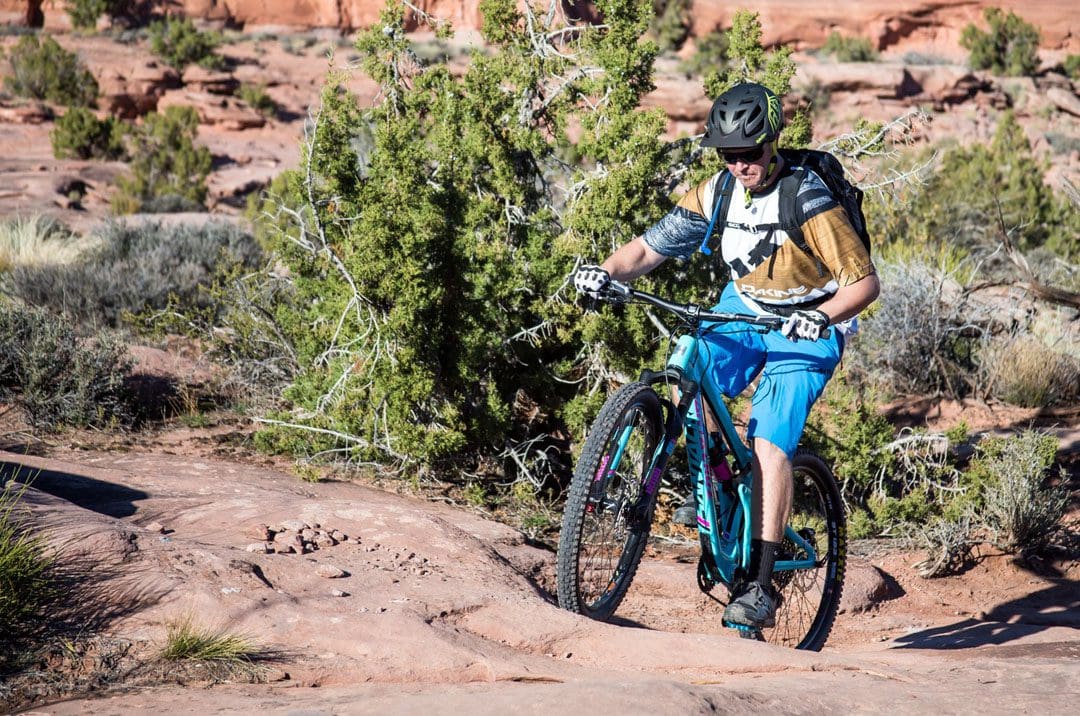
Mountain and trail biking is a fun way to exercise. Mountain biking requires total body/core strength, explosive power, balance, endurance, and agility to maneuver the bike, build speed, and absorb the rough bumps and terrain. But it also means that certain muscles get overused, causing overcompensation in the body that can lead to musculoskeletal problems and conditions. Strength, cardiovascular, and cross-fit can benefit mountain biking training for improved performance, safer and more confident riding, and injury prevention.
Mountain Biking Training
A few of the benefits of training are:
Increasing bone density.
Improving joint health.
Correcting imbalances and unhealthy posture.
Weight loss.
Aging muscle loss prevention.
Maintaining body posture centered on the bike requires core strength to perform the movements when moving the body backward and forwards, side to side, and pushing up and down when different obstacles pop up. The exercises’ objective is to work various body parts simultaneously and diagonally, like the movements used on the bike.
General Overview of Mountain Biking Training
Build strength – Target the quads, hamstrings, and abdominal muscles to power pedaling strokes.
Increase endurance – Avoid getting fatigued early because of weakened legs and aerobic performance.
Improve mountain bike skills – Ride faster and more efficiently by improving bike handling and technical skills.
Example Training Week
The terrain determines the intensity, but the same basic principles apply to mountain biking training as other endurance sports. Here’s a training example for a beginner that can be adjusted to the rider’s needs:
Monday
Stretching and training the muscles to relax prevent becoming stiff or cramping up during rides.
Cornering is a critical skill that should never stop being practiced and improved.
Cornering Drills
Pick a corner on a local trail and ride through it until mastered.
Focus on riding smoothly through the corner, and speed will generate.
As confidence builds in the corners, do the same on the opposite side.
Straighten Out
Ride to the furthest outside edge when approaching the turn.
Initiate the turn just before the sharpest point of the corner.
Stick to the furthest outside point of the corner when riding out of the corner.
Brake Before The Corner
Braking in the corner can cause the tires to slide out of control, causing a slip-and-fall accident.
Look through the turn as the bike follows where the eyes look.
Don’t stare at the front wheel, which could lead to a falling or flipping accident.
Eventually, riders can handle this technique, but it’s too advanced for beginners.
Smooth Ride
Beginners can be amazed at how much terrain bikes can ride over and through. Modern mountain bike suspension and tire systems can handle it. However, using the correct technique is essential to get through or around the obstacles and avoid crashes.
Stay aware of the surroundings.
Keep the body loose when approaching obstacles.
Decide how to overcome the obstacle – ride over, pop/raise the wheels, jump, or ride around.
Maintain confidence.
When riding over the obstacle, maintain an even balance on the pedals and keep the buttocks slightly off the saddle.
Keep arms and legs loose and let the body absorb the shock of the obstacle.
Trust the suspension and tires.
Ensure enough speed is generated to go over it and that it won’t stop the bike and cause a fall.
Some rough trail areas can require added strength to hold the bike steady.
Braking
There is no need to squeeze the brake handles with extreme force.
Extreme braking, especially the front, will likely lead to a flip or crash.
The brakes are made to stop with minimal force.
Beginners are recommended to learn to use a light touch when braking.
Improvement will follow with each riding session.
Foundation
References
Arriel, Rhaí André, et al. “Current Perspectives of Cross-Country Mountain Biking: Physiological and Mechanical Aspects, Evolution of Bikes, Accidents, and Injuries.” International journal of environmental research and public health vol. 19,19 12552. 1 Oct. 2022, doi:10.3390/ijerph191912552
Inoue, Allan, et al. “Effects of Sprint versus High-Intensity Aerobic Interval Training on Cross-Country Mountain Biking Performance: A Randomized Controlled Trial.” PloS one vol. 11,1 e0145298. 20 Jan. 2016, doi:10.1371/journal.pone.0145298
Kronisch, Robert L, and Ronald P Pfeiffer. “Mountain biking injuries: an update.” Sports medicine (Auckland, N.Z.) vol. 32,8 (2002): 523-37. doi:10.2165/00007256-200232080-00004
Muyor, J M, and M Zabala. “Road Cycling and Mountain Biking Produce Adaptations on the Spine and Hamstring Extensibility.” International Journal of sports medicine vol. 37,1 (2016): 43-9. doi:10.1055/s-0035-1555861
Ranchordas, Mayur K. “Nutrition for adventure racing.” Sports medicine (Auckland, N.Z.) vol. 42,11 (2012): 915-27. doi:10.1007/BF03262303
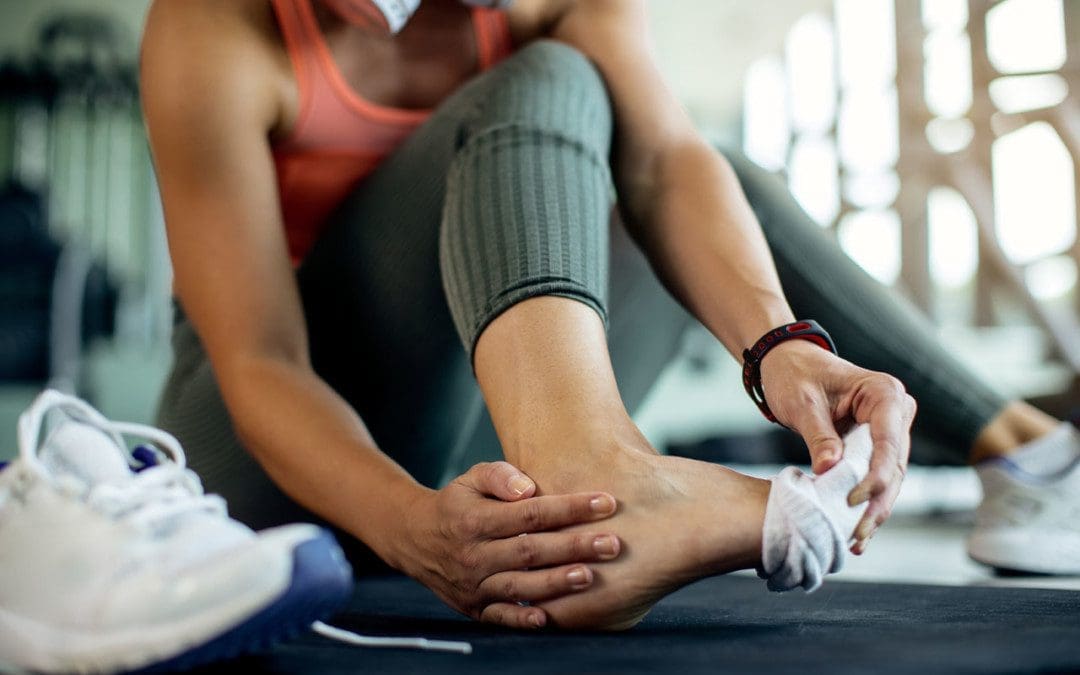
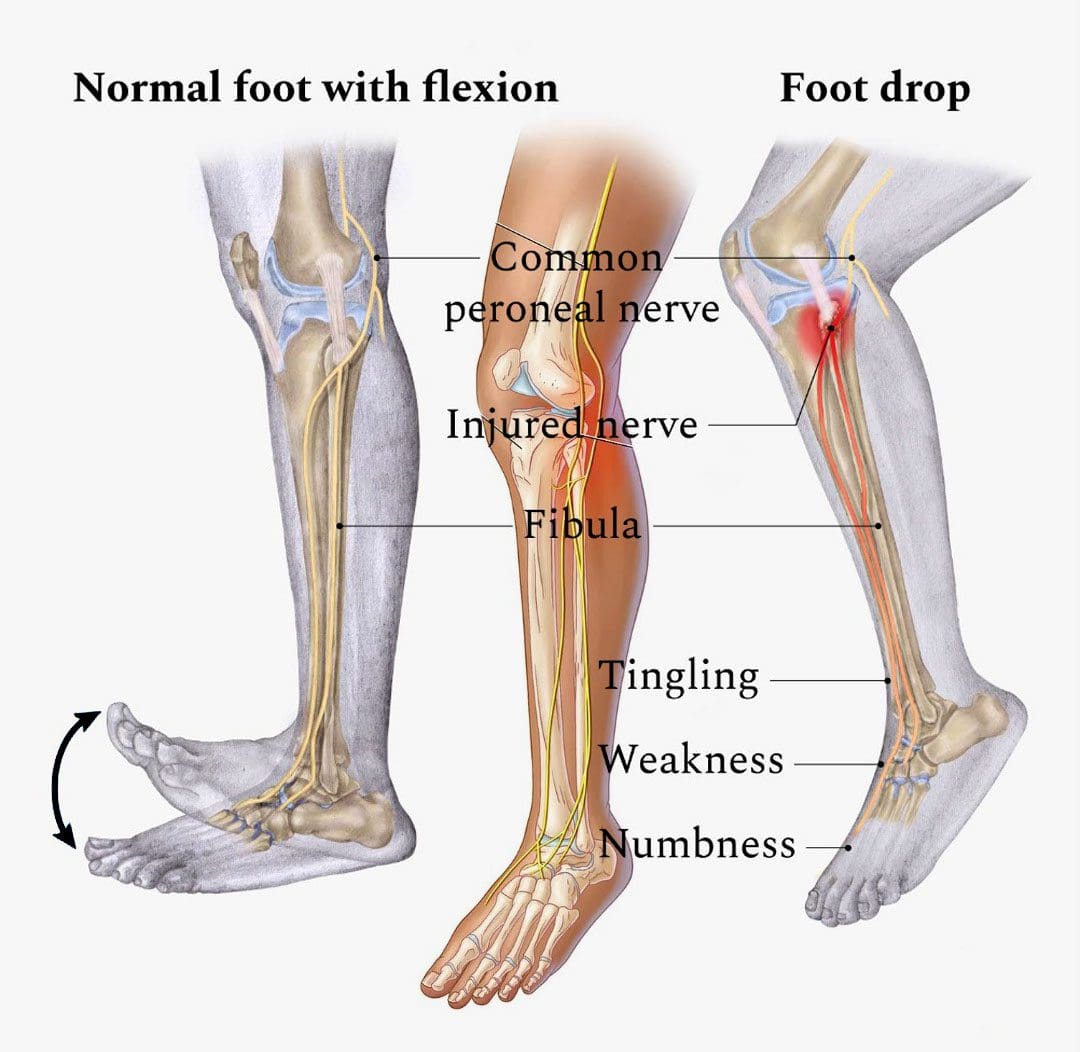
A peroneal nerve injury/peroneal neuropathy can be caused by direct trauma to the outer knee with symptoms and sensations of numbness, tingling, pins-and-needles sensations, pain, or weakness in the foot that can cause a condition known as foot drop. Chiropractic can perform spinal manipulation, realignment, and decompression to restore the nerve’s function. They can also help with walking and mobility by providing muscle strengthening and stretching exercises to correct abnormal gait caused by foot drop and increase the range of motion in the ankle.
Peroneal Nerve Injury
The peroneal nerve begins near the sciatic nerve at the glutes/hip and buttocks. It travels down the back of the thigh to the knee, which wraps around the front of the leg and extends into the feet to the toes. It provides sensory input from the lateral aspect of the lower leg and the top of the foot. It also provides motor input to the muscles responsible for lifting the foot off the ground lifting the toes and ankles and turning the foot outwards.
Causes
Structural problems in the spine or misalignment can affect the functionality of the nervous system and lead to peroneal neuropathy. Traumatic nerve injury causes include musculoskeletal injury, peroneal nerve paralysis, compression, or laceration. Injuries by trauma and nerve compression include:
Compression of the nerve in the leg.
Knee dislocation.
Knee or hip replacement surgery.
Knee or leg fracture. Fractures of the tibia or fibula, especially in the areas closer to the knee, can injure the nerve.
Ankle fracture.
Blood clot.
Compression by a nerve sheath tumor or cyst.
Certain underlying medical conditions can cause symptoms of peroneal nerve injury. It is recommended to be evaluated by a medical professional who can diagnose and offer appropriate treatment options. Neurologic disorders that can cause similar symptoms:
Herniated lumbar disc
Multiple sclerosis
Parkinson’s disease
Amyotrophic lateral sclerosis – ALS or Lou Gehrig’s disease.
Metabolic syndromes – diabetes, alcohol abuse, exposure to toxins.
Symptoms
Nerve injury symptoms include:
Numbness, tingling, or loss of sensation in the top of the foot or outer part of the lower leg.
Inability to flex toes or ankles upward/dorsiflexion.
Inability to flex the ankle to take a step forward.
Inability to move the foot.
Weakness in foot eversion/rotating outward.
Flopping or slapping sounds when walking.
Gait changes – dragging the toes or lifting the knee higher than the other to raise the foot off the ground.
Tripping often.
Pain in the foot or lower leg.
Diagnosis
In diagnosing a peroneal nerve injury, a healthcare provider examines the leg and analyzes symptoms. Tests can include:
Imaging tests – CT scan, ultrasound, or MRI.
Magnetic resonance – MR – neurography is a specialized high-resolution MRI of the nerves.
An electromyogram measures how muscles react to nerve stimulation.
Treatment for a peroneal nerve injury depends on the severity and can be surgical or non-surgical. Non-surgical options include orthotic footwear, chiropractic care, and physical therapy. A physical therapy program could consist of the following:
Icing
Massage
Manual manipulation
Stretching
Strengthening exercises
Mobilization exercises
Balancing exercises
Ankle bracing
Ankle taping
Shoe inserts – splints, braces, or orthotics can improve gait.
Longo, Diego, et al. “The Muscle Shortening Maneuver: a noninvasive approach to treating peroneal nerve injury. A case report.” Physiotherapy theory and practice, 1-8. 31 Jul. 2022, doi:10.1080/09593985.2022.2106915
Milenković, S S, and M M Mitković. “Common peroneal nerve schwannoma.” Hippokratia vol. 22,2 (2018): 91.
Radić, Borislav et al. “PERIPHERAL NERVE INJURY IN SPORTS.” Acta clinica Croatica vol. 57,3 (2018): 561-569. doi:10.20471/acc.2018.57.03.20
Thatte H et al. (2022). Electrodiagnostic evaluation of peroneal neuropathy. ncbi.nlm.nih.gov/books/NBK563251/
T Francio, Vinicius. “Chiropractic care for foot drop due to peroneal nerve neuropathy.” Journal of bodywork and movement therapies vol. 18,2 (2014): 200-3. doi:10.1016/j.jbmt.2013.08.004
Too much running can lead to burnout and injuries for even the most hard-core runners and running enthusiasts. Cross-training can be a great way to work through unmotivated phases. Beginners and experienced runners will hit periods when they become bored or uninspired to run. Individuals dealing with injuries need to take time off from running during recovery. Once they are healed enough to engage in physical activity, doctors, trainers, physical therapists, and sports chiropractors recommend low-impact cross-training activities, like swimming or water running/aqua jogging, to lessen the stress on the muscles and joints and help injured athletes maintain their fitness and cope with the frustration of not being able to participate.
Cross Training
Cross-training is any sport or physical activity/exercise that supplements an athlete’s main sport. Whether a beginner or veteran, it balances the muscle groups because it strengthens muscles that don’t get worked out and/or are used less during running. This decreases the chances of worsening the injury and prevents future injuries. Added benefits:
Improves other areas of the body.
Improves cardiovascular fitness.
Cross-training can help avoid getting bored with running.
Gives runners a mental break.
Individuals can continue to train while letting injuries heal.
Individuals dealing with an injury may need to train more frequently as part of a rehabilitation and strength training treatment plan. A doctor, chiropractor, or physical therapist will recommend how much cross-training and type of activities will be the most beneficial for the specific injury.
Activities
Swimming
Swimming is an excellent cross-training activity because it’s not weight-bearing, giving the leg muscles and joints a break.
It builds strength and endurance and improves flexibility.
It balances working the upper body while giving the legs a break.
Swimming is a good way to recover after a long run.
Helps individuals prone to running injuries or are healing from an injury.
Relaxing and meditative.
Water Running
Water running can help with injuries and/or be used in strength training.
It’s also a great way to run during hot and humid weather.
Cycling or Spinning
Cycling and spin classes are low-impact.
Provide increased cardiovascular fitness and strength.
Exercises other muscle groups, especially the quads, and glutes.
Elliptical Training
An elliptical machine provides a whole-body cardiovascular workout with the feel of cross-country skiing, stair climbing, and walking.
The machine can be programmed to move forward or backward to work all the major muscles in the legs.
The muscles used are similar to those used when running.
It is a low-impact alternative when injured.
Pilates
Pilates is a form of exercise that emphasizes core strength and flexibility.
Pilates can help increase flexibility, reduce tight muscles, and be recommended for active recovery.
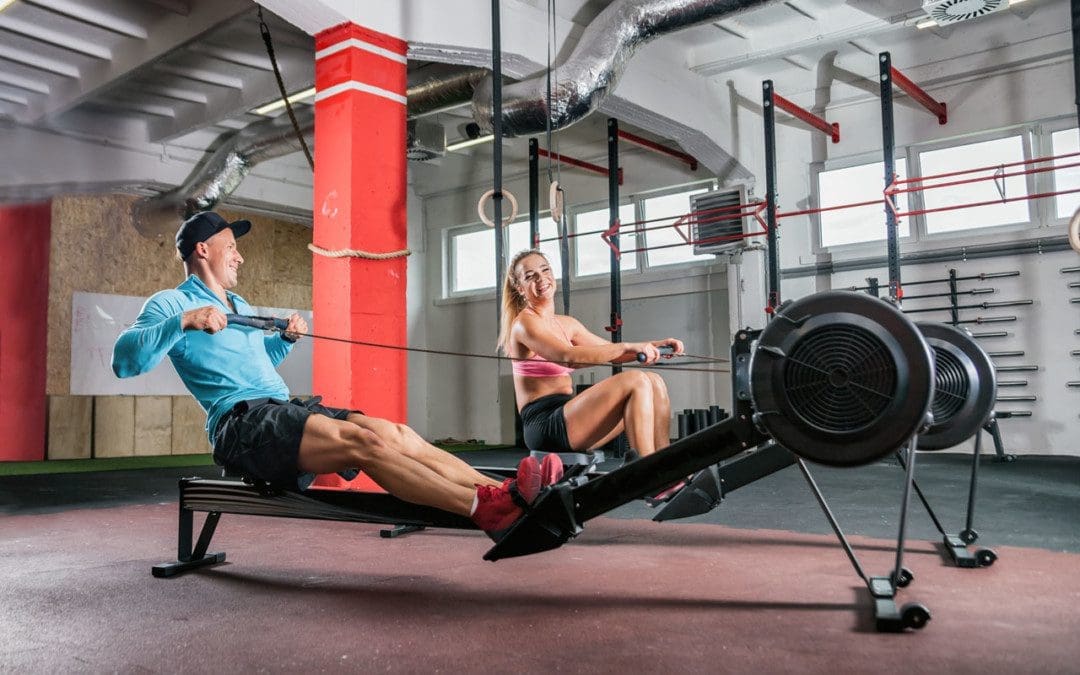
Rowing
Rowing is an excellent cardiovascular, low-impact activity.
Yoga provides some of the same benefits as strength training.
Uses body weight as resistance to strengthen and stretch muscles.
Improves flexibility and mobility.
Way to relax after an intense run or workout.
Taking Time Off
Taking days off from running each week to participate in cross-training activities can help maintain motivation.
Recreational runners can supplement three to four days of running with two to three days of cross-training.
Competitive runners who run four to six days a week can substitute low-intensity cross-training for a light run or a rest day one to two days a week.
It helps runners add more exercise without risking overuse injuries.
Increases muscle strength and flexibility, and core stability.
Fitness Health
References
Alves de Araújo, Maria Erivânia, et al. “The effectiveness of the Pilates method: reducing the degree of non-structural scoliosis, and improving flexibility and pain in female college students.” Journal of bodywork and movement therapies vol. 16,2 (2012): 191-8. doi:10.1016/j.jbmt.2011.04.002
Baltich, Jennifer, et al. “The effects of isolated ankle strengthening and functional balance training on strength, running mechanics, postural control and injury prevention in novice runners: design of a randomized controlled trial.” BMC musculoskeletal disorders vol. 15 407. 4 Dec. 2014, doi:10.1186/1471-2474-15-407
Casado, Arturo, et al. “Training Periodization, Methods, Intensity Distribution, and Volume in Highly Trained and Elite Distance Runners: A Systematic Review.” International journal of sports physiology and performance vol. 17,6 (2022): 820-833. doi:10.1123/ijspp.2021-0435
Claudino, João Gustavo, et al. “CrossFit Overview: Systematic Review and Meta-analysis.” Sports medicine – open vol. 4,1 11. 26 Feb. 2018, doi:10.1186/s40798-018-0124-5
Schlegel, Petr. “CrossFit® Training Strategies from the Perspective of Concurrent Training: A Systematic Review.” Journal of sports science & medicine vol. 19,4 670-680. 19 Nov. 2020
Tanaka, H, and T Swensen. “Impact of resistance training on endurance performance. A new form of cross-training?.” Sports medicine (Auckland, N.Z.) vol. 25,3 (1998): 191-200. doi:10.2165/00007256-199825030-00005
IFM's Find A Practitioner tool is the largest referral network in Functional Medicine, created to help patients locate Functional Medicine practitioners anywhere in the world. IFM Certified Practitioners are listed first in the search results, given their extensive education in Functional Medicine

 Cross Training






