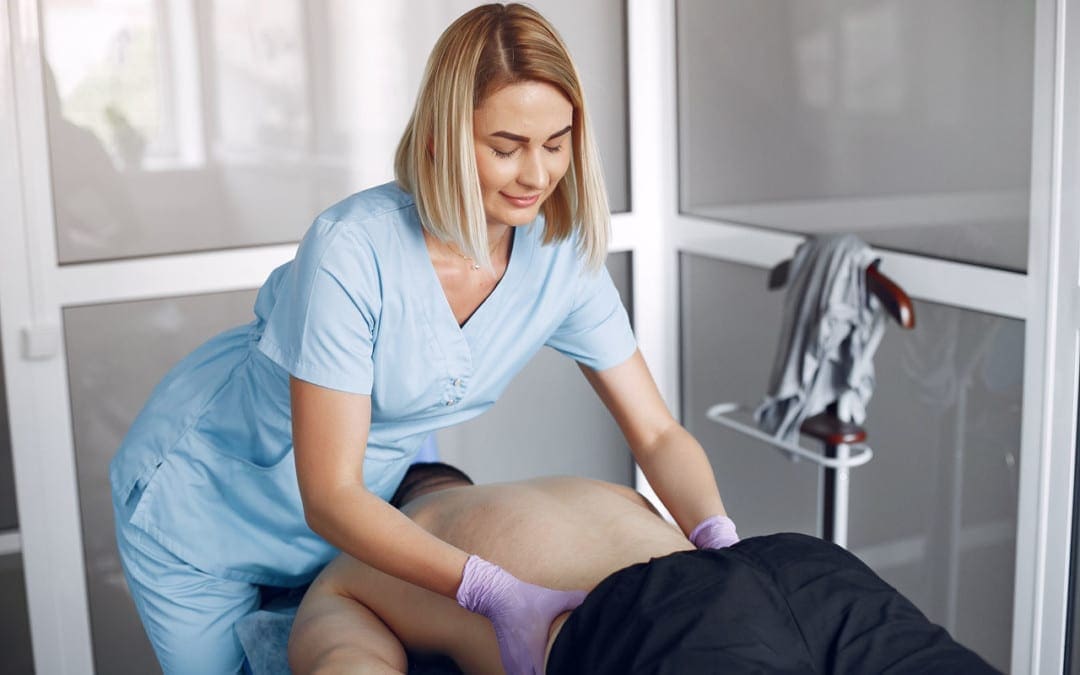
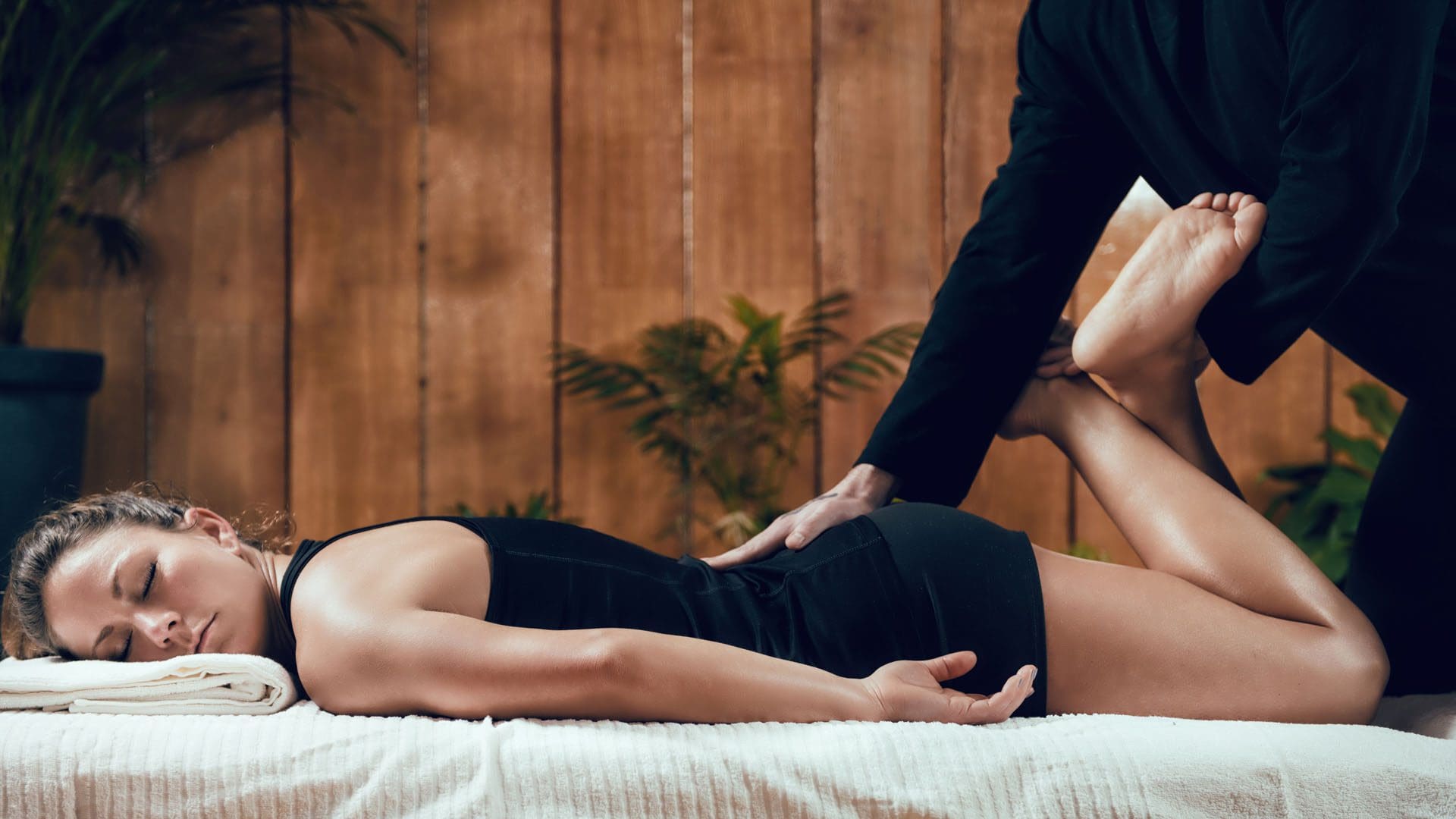
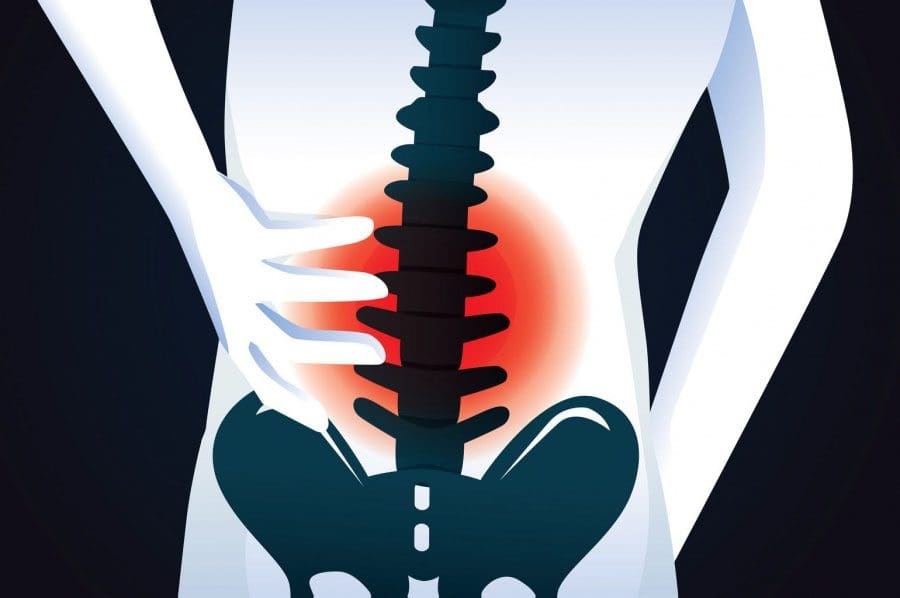
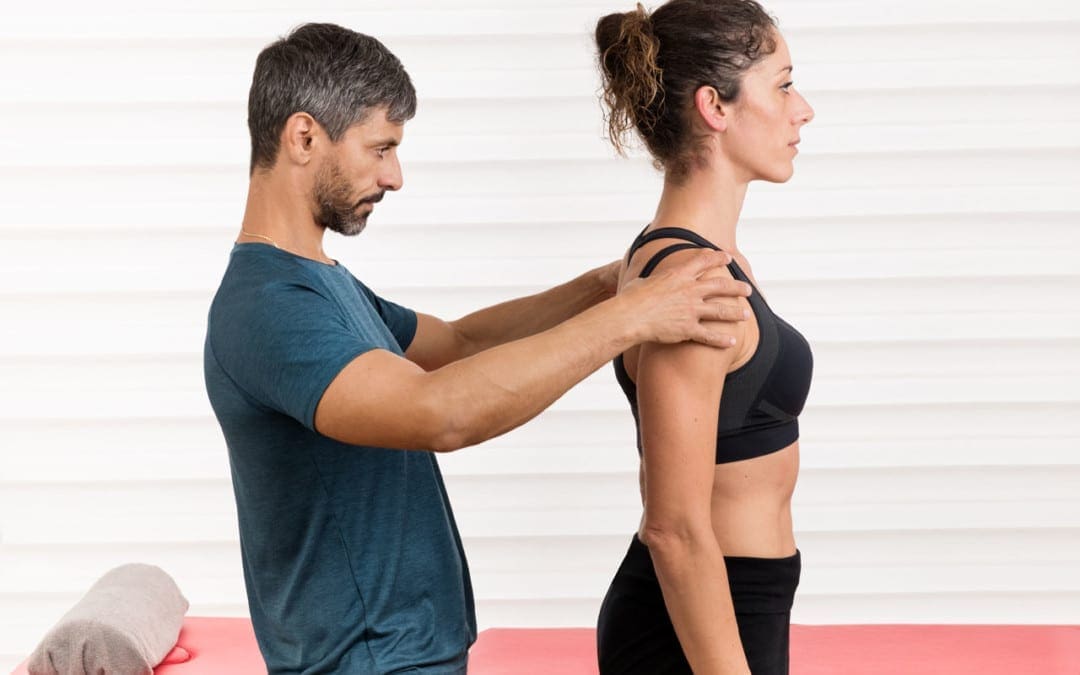
Massage therapists have come a long way in reducing pain and improving wellness. Back pain is one of the most common reasons people seek physical therapy, chiropractic care, and massage therapy. Back pain affects around three in four adults at some point in their lives. Research supports that massage is a bona fide back pain treatment option. This could be welcome news to those who prefer not to use medications or invasive approaches to managing back pain. The right massage therapists can make all the difference in achieving the benefits.
Massage goals
The first thing is to figure out what the goals are from the massage itself.
Are there acute back or neck issues that need to be addressed?
Looking for non-invasive therapy for long-term management of a chronic spinal condition?
Is the massage for performance enhancement? Could be athletic or to help perform daily activities easier.
Is it just wanting to relax?
Figuring out what it is to be achieved from the massage is essential to finding the right therapist.
Massage clinic, spa, health club, home
A massage can be performed in health clubs, spas, medical clinics, and at home. The location does not predict the massage type or specialty of the massage therapists, but it can be an indicator. Example: For athletic performance, a gym, or Crossfit center massage therapist is a good place to start. If massage is part of a back and neck pain management plan, look into the massage therapists at a medical clinic or a therapeutic massage clinic.
Ask for recommendations and ask questions
When searching, get recommendations, and ask plenty of questions to get all the information needed.
After a few prospects have been found then ask plenty of questions before making an appointment. This can help determine if this will be a long-term therapeutic relationship or a one-time visit. If looking to manage a serious spinal condition, the recommendation would be to find a therapist with more experience.
Massage education programs that are only entry-level do not provide in-depth education and practice for the many specific and complex spinal conditions. The real experience comes from years of practice along with continued education. This is how massage therapists are able to expand their clinical analysis and treatment development expertise. Get a sense of the massage therapist�s education and practice experience. This will help significantly when choosing a therapist best equipped.
Questions to ask potential therapists:
How long have you been practicing?
What�s your massage education?
Related education or practice experience? Many nurses or occupational therapists go on to become massage therapists. This means the information and knowledge from their nursing are now integrated into their massage practice.
How much-continued education have you gone through?
How many sessions do you offer?
What does the schedule look like? Think about scheduling when the therapist is more refreshed, like early in the workweek or their scheduled shift.
Do you have specialties with specific conditions or techniques?
Do you get massaged? If so, how often? Massage is a labor-intensive task. Therefore, it could be best to go to a therapist that keeps themselves healthy and balanced.
How long does it take for the initial appointment?
Do you have to book ahead?
If a therapist is booked don’t get frustrated
If a long-term therapeutic relationship for the management of a spinal condition is the goal, then it may be worth waiting for. A therapist that has a long wait time for initial appointments means they have patients that see them regularly and that�s a very good sign of quality care. One possible option for individuals waiting for their appointment is to go to a local massage school to get treated. This option is less expensive, great for body maintenance, and provides opportunities for the training therapists.
Professionalism
A quality indicator is the professionalism of the therapist. This includes the extent to which they model the values of a health care professional valued by the patient. This is different for everyone. Questions to consider:
Are they on time?
Does the therapist cancel appointments?
Are you comfortable around them?
Do they listen?
Does the patient help in the development of a treatment plan?
Are they comfortable and engaged in the work?
Are they taking their massage career seriously?
Feeling at ease during the appointment/s is very important to massage success and relief. If anything about the therapist causes hesitation, look for another.
Massage Management
Massage is an excellent back pain treatment option that has gained popularity as a complement to pain management plans and as an alternative to invasive procedures. But, massage is not a cure-all. Often the cause of the back pain does not go away entirely. This is where massage therapy comes in as a pain management tool.
It’s important to consider the condition�s duration and severity when evaluating the success of a session. This helps in planning the massage schedule. When there is a complex and established spinal condition be patient, as a 1-hour massage is not going to solve a 10-year back pain battle. However, with perseverance massage can safely and effectively help reduce pain and promote a better quality of life.
Chiropractic Massage Rehabilitation
Dr. Alex Jimenez�s Blog Post Disclaimer
The scope of our information is limited to chiropractic, musculoskeletal, physical medicines, wellness, and sensitive health issues and/or functional medicine articles, topics, and discussions. We use functional health & wellness protocols to treat and support care for injuries or disorders of the musculoskeletal system. Our posts, topics, subjects, and insights cover clinical matters, issues, and topics that relate and support directly or indirectly our clinical scope of practice.*
Our office has made a reasonable attempt to provide supportive citations and has identified the relevant research study or studies supporting our posts. We also make copies of supporting research studies available to the board and or the public upon request. We understand that we cover matters that require an additional explanation as to how it may assist in a particular care plan or treatment protocol; therefore, to further discuss the subject matter above, please feel free to ask Dr. Alex Jimenez or contact us at 915-850-0900. The provider(s) Licensed in Texas& New Mexico*
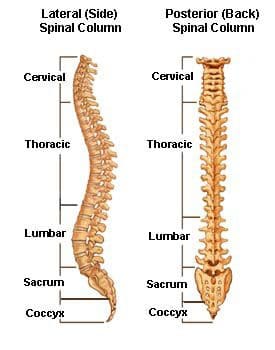
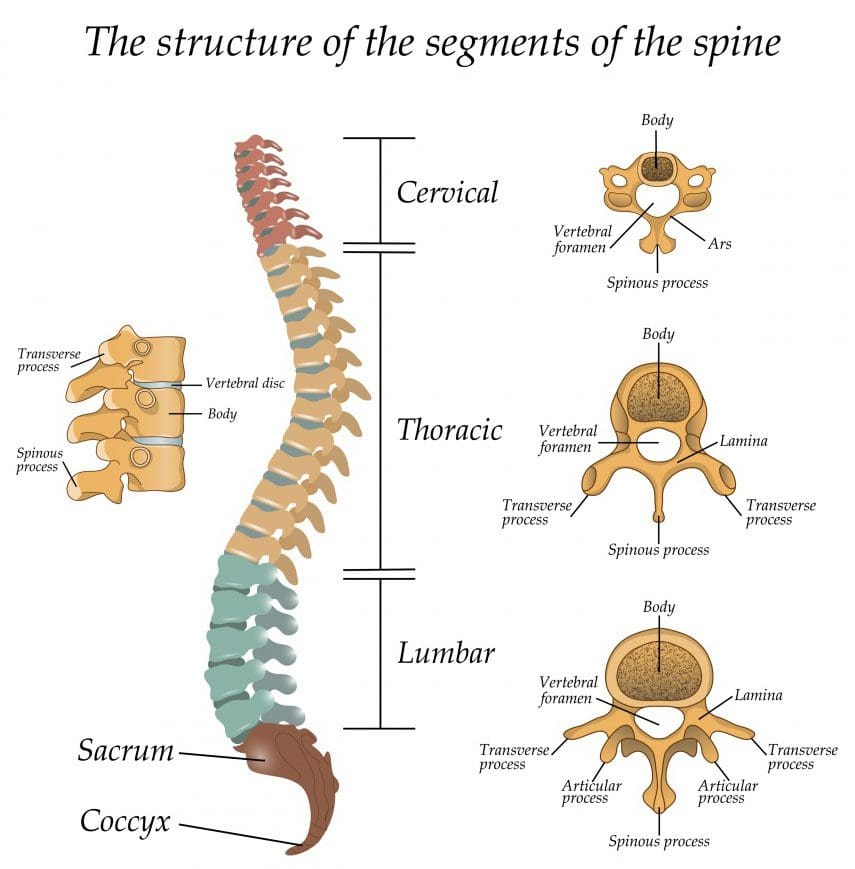
The spinal/vertebral column extends from the skull to the pelvis and consists of individual bones known as vertebrae. It is what holds the body upright, allows the body to bend, twist, and is the conduit for major nerves running from the brain to the rest of the body. The vertebrae are grouped into four regions. They are the:
�
SpinalTerminology
Number of Vertebrae
Area of Body
Abbreviation
Cervical
7
Neck
C1-C7
Thoracic
12
Chest
T1-T12
Lumbar
5-6
Low back
L1-L5
Sacrum
5 fused vertebrae
Pelvis
S1-S5
Coccyx
3
Tailbone
None
�
Cervical Vertebrae
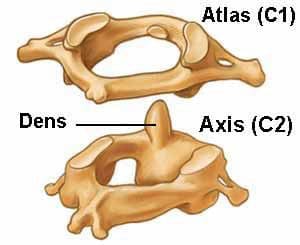
The cervical spine breaks down into two parts. The upper cervical C1 and C2, and the lower cervical C3 through C7. The C1 vertebrae are known as the Atlas and the C2 the Axis. The Occipital Bone is a flat bone that forms the back of the head.
�
Atlas
The Atlas is the first cervical vertebra and is abbreviated as C1. This vertebra supports the skull. It appears different from the other spinal vertebrae, as it resembles a ring and is made up of two masses joined at the front and back by the anterior and posterior arches. �
�
Axis
The Axis is the second cervical vertebra and is abbreviated C2. It is a tooth-like process that projects upward. It is referred to as the odontoid process or dens, which is Latin for tooth. It provides a kind of pivot and collar that allows the head along with the atlas to rotate.
�
Thoracic Vertebrae
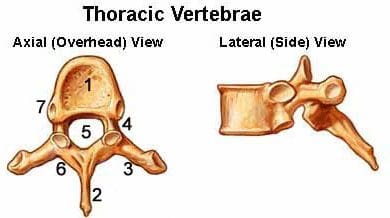
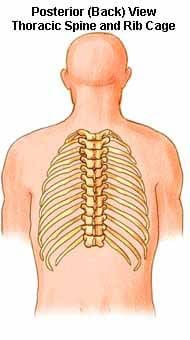
The thoracic vertebrae become larger from T1 through T12. What makes the thoracic spine unique is that it is the only vertebrae that support the ribs and is made up of pedicles, spinous processes, and large neural passageways that help reduce nerve compression. Unfortunately, not everyone has a large intervertebral foramen, which can cause compression. �
�
Vertebral Body
Spinous Process
Transverse Facet
Pedicle
Foramen
Lamina
Superior Facet
The thoracic vertebrae are attached to the ribs. However, at T11 and T12, the ribs are not attached and are called floating ribs. The region of the spine’s range of motion is limited because of the rib/vertebrae attachments and the long spinous processes. �
Lumbar Vertebrae
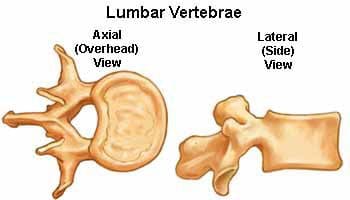
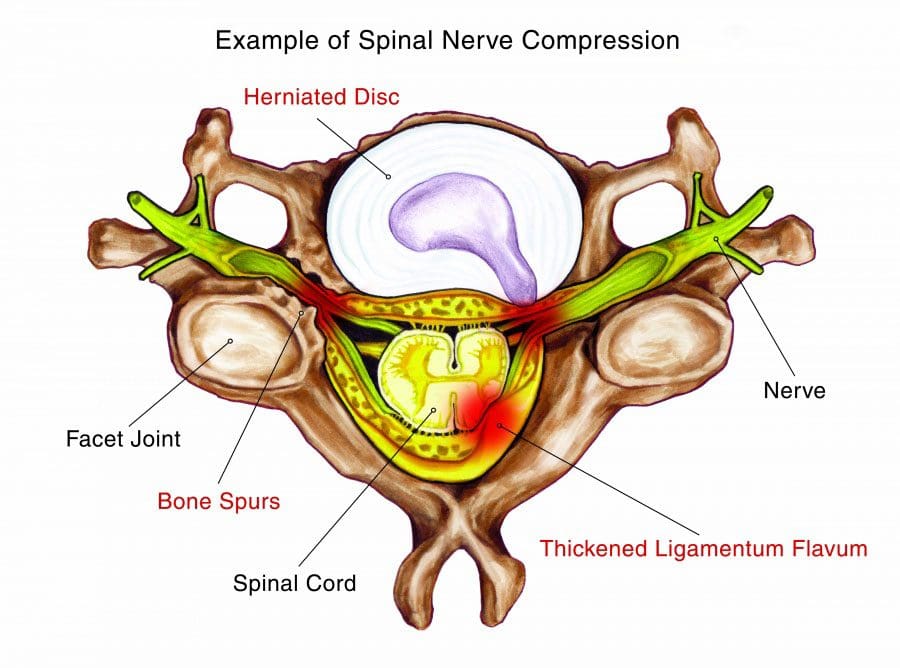
The lumbar vertebrae increase in size from L1 through L5. These are the vertebrae that take the body’s weight along with any loading force that can create biomechanical stress. The pedicles are longer and wider than the thoracic spine pedicles, and the spinous processes are horizontal and more square. The neural passageway is large but nerve root compression is very common due to disc herniation from poor posture, prolonged sitting, improper lifting, etc. �
�
Vertebrae’s Purpose
The vertebrae range in size with the cervical region being the smallest. The lumbar low back region is the largest. The vertebral bodies of the spinal column are what bear the weight. The body’s upper weight is dispersed through the spine to the sacrum and pelvis. Thee natural curves in the spine provide resistance, flexibility by distributing the body’s weight, and axial loads/forces sustained when in motion. Vertebrae are made up of many elements critical to the overall function of the spine. This includes the intervertebral discs and facet joints. Functions of the spinal/vertebral column include: �
Protection
Spinal Cord Internal Organs
Attachment
Ligaments Muscles Tendons
Support Structure
Head Shoulders Chest Connect Upper and Lower body Balance
The sacrum is located behind the pelvis. It consists of five bones that are abbreviated S1 through S5. They are fused together in a triangular shape. The sacrum fits between the hipbones and connects the spine to the pelvis. The last vertebra L5 moves with the sacrum. Right below are five more bones that are also fused together and they form the Coccyx or tailbone.
�
Intervertebral Discs
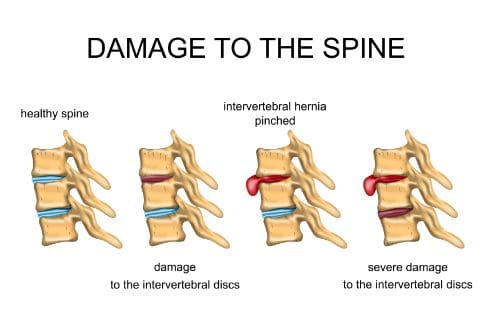
The intervertebral discs make up a quarter of the spinal/vertebral column’s length. There are no discs between the Atlas, Axis, and Coccyx. Discs are not connected to the body’s vascular system and so depend on the endplates to disperse essential minerals and nutrients. The cartilaginous layers keep the discs in place. They are fibrocartilaginous cushions that function as the spine/body’s shock absorbers. They protect the vertebrae, brain, nerves, etc. There is some vertebral motion that the discs allow but individual disc movement is limited. Significant motion is possible when the discs work together. �
�
Annulus Fibrosus and Nucleus Pulposus
Intervertebral discs are made up of an annulus fibrosus and a nucleus pulposus. The annulus fibrosus is a strong radial structure made up of lamellae. Concentric sheets of collagen fibers connect to the endplates. These sheets are positioned at various angles. The annulus fibrosus encapsulates the nucleus pulposus. �
�
Both are made up of water, collagen, and proteoglycans. However, the larger amount of water and proteoglycans are in the nucleus pulposus. Proteoglycan molecules are essential because they attract and retain water. The nucleus pulposus consists of a hydrated gel-like substance that resists compression. The amount of water in the nucleus changes throughout the day. This depends on the activity or non-activity. All in all proper care and maintenance of the spinal/vertebral column is vital to general health and overall well-being.
Car Accident Rehabilitation Chiropractor
�
Dr. Alex Jimenez�s Blog Post Disclaimer
The scope of our information is limited to chiropractic, musculoskeletal, physical medicines, wellness, and sensitive health issues and/or functional medicine articles, topics, and discussions. We use functional health & wellness protocols to treat and support care for injuries or disorders of the musculoskeletal system. Our posts, topics, subjects, and insights cover clinical matters, issues, and topics that relate and support directly or indirectly our clinical scope of practice.*
Our office has made a reasonable attempt to provide supportive citations and has identified the relevant research study or studies supporting our posts. We also make copies of supporting research studies available to the board and or the public upon request. We understand that we cover matters that require an additional explanation as to how it may assist in a particular care plan or treatment protocol; therefore, to further discuss the subject matter above, please feel free to ask Dr. Alex Jimenez or contact us at 915-850-0900. The provider(s) Licensed in Texas& New Mexico*
Osteoid osteoma refers to a benign tumor/s that can grow on the spine as well as other areas of the body. They are not cancerous, but they can cause pain and abnormal curvature of the spine. It can begin as a small benign spinal tumor that can cause pain, especially at night. They do respond well to over-the-counter pain relievers and can go away on its own. However, if symptoms are unmanageable, other treatments are available.
Osteoid Osteoma
Osteoid means a type of tissue that eventually turns to bone. Osteoma means a type of tumor unique to bones. They are small typical size is less than one inch across. These growths represent around ten percent of all benign bone tumors, with one percent representing spinal tumors.
They can appear and also affect the bones of the arms, hands, fingers, ankles, or feet. They are discovered on the spine around fifteen percent of the time. Osteoid osteomas of the spine affect the posterior, or back area of the vertebrae rather than the anterior, or front region. However, any area of the spine could be affected. But they are most common in the low back.
60% affect the lumbar spine lower back
27% affect the cervical spine or neck region
12% affects the thoracic spine or middle back
Risks
Osteoid osteoma is not cancerous and will not spread out to the various organ systems the way malignant cancer does. It can be discomforting, painful, and could have to be removed. There are some risks associated with osteoid osteomas including:
Scoliosis
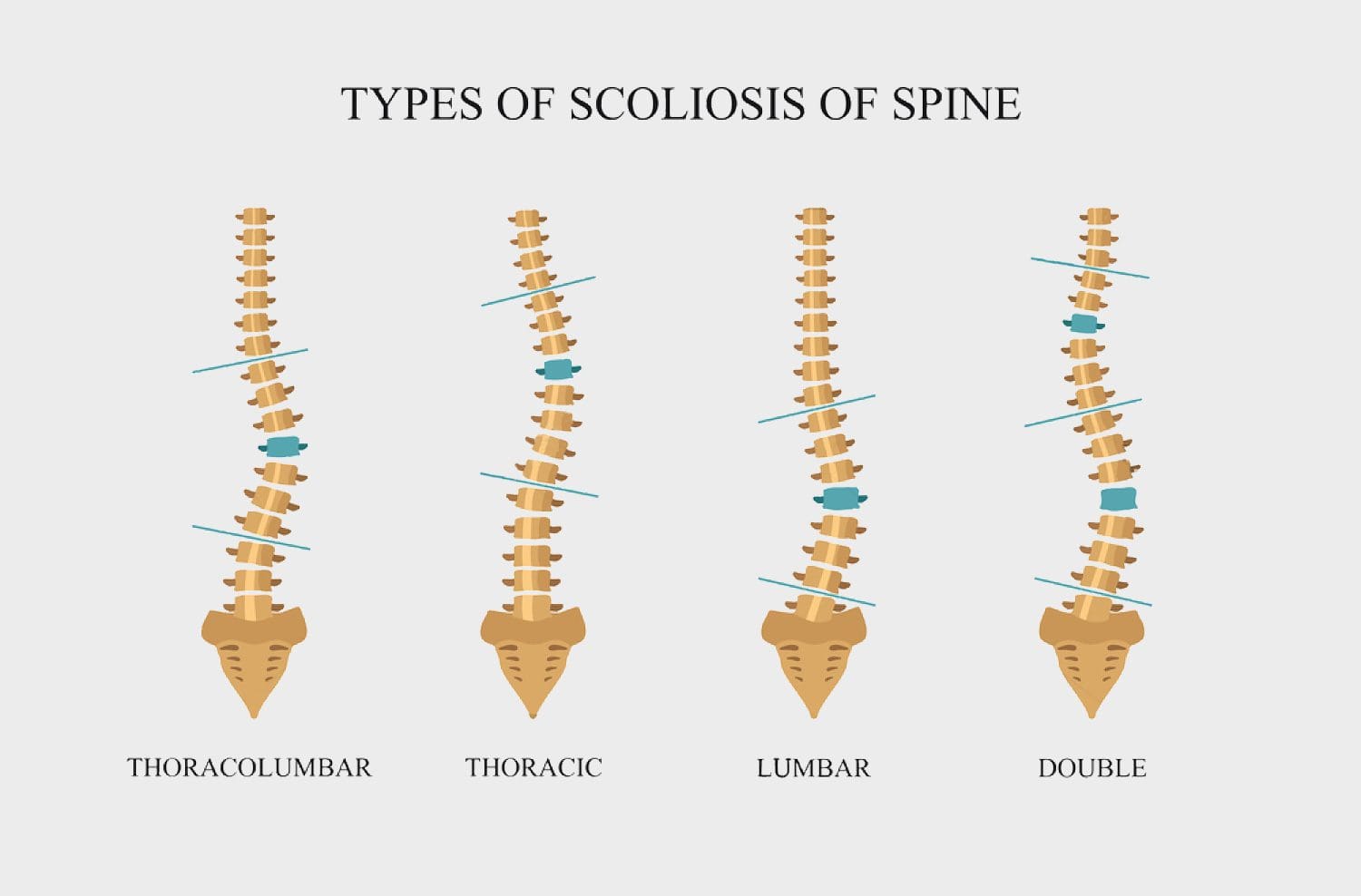
It could provoke muscle spasms of the erector spinae. These are the muscles that support the spine and could lead to scoliosis. The spine has a natural curvature. Scoliosis generates an S or C shaped curve to the left, right, or both ways affecting function and mobility. This type is more likely to contribute to the left or right curve of the spine affecting the lower back.
Incorrect diagnosis
Because osteoid osteoma can cause scoliosis, sometimes a doctor will focus on treating the abnormal curve instead of the osteoma.
Nerve root compression
Most individuals do not pose a risk for nerve root compression. But there is a risk if the growth begins to press against the spinal cord, as it can interfere with nerve function. This can lead to spreading/radiating pain and sciatica.
Causes
The causes of osteoid osteoma are not completely understood. What is known is that men are three times more likely to be diagnosed than women. Young people also pose a risk at development. It can develop at any age, but around eighty percent are diagnosed in individuals under 30 years of age. The core of an osteoma is a growth called a nidus. Inside are growing tumor cells, blood vessels, along with cells that progress to bone. A bony shell encapsulates the whole thing.
Signs and Symptoms
Osteoid osteomas usually cause a dull ache at the site of the tumor along with muscle spasms. The pain often gets worse at night. It can be relieved with non-steroidal anti-inflammatory medications like ibuprofen and aspirin. The pain can also be sharp, and occur during the day, worsening with activity and sometimes progressing to severe pain over time. In some cases, however, there are no symptoms.
Diagnosis
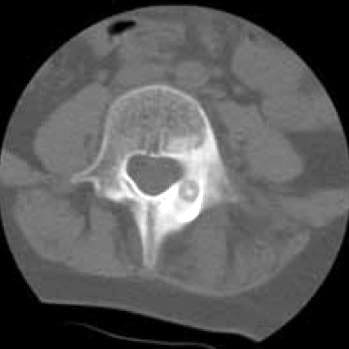
Doctors usually notice painful or swollen soft tissue around the tumor during a physical examination. There could be a lump, but this is rare. Imaging tests like an X-ray or a CT scan will be ordered. An x-ray can show the bone thickening, but a CT scan will show the nidus clearly as a dark center surrounded by white cortical bone. Sometimes a CT and MRI imaging scan is used in conjunction to diagnose osteoid osteomas. In some cases, a biopsy could be needed. This is taking a tissue sample and sending it to a lab to be examined under a microscope. However, this is rarely needed.
Treatment
Nonsurgical
Non-steroidal anti-inflammatory medications can be effective relieving symptoms. If it can be controlled with just medication, then this could be the only treatment necessary. Some patients do well trying a different painkiller if the preferred medication no longer works. This needs to be discussed with your doctor, as chronic medication use is associated with issues like ulcers, kidney damage, and concerns about opioid addiction. When this approach is taken, the pain lasts for about three years with the lesion breaking down in five to seven years.
Surgical
If the pain cannot be controlled or the osteoma develops to scoliosis, surgery could be the next step. Most spinal osteomas are surgically removed with open curettage. It is a small incision. The nidus is scooped/scraped out and the cavity walls are removed with a motorized burr. Often a small amount of bone graft material is used to fill in the area. Unfortunately, surgical resection means having to stay at the hospital. Recovery time can be painful.
Radiofrequency ablation
For osteomas that affect the bones other than the spine, radiofrequency ablation. It is a minimally invasive outpatient procedure with a short recovery time. During the procedure, radiofrequency waves generate heat within the nidus around six minutes destroying the tumor. Surgeons use CT scans to precisely target the tumor. The procedure takes one to two hours and afterward, the patient waits in a recovery room for up to four hours.
However, radiofrequency ablation is not as commonly used to treat spinal osteomas. This comes from the risk of thermal nerve damage. The needle tip can reach 194 degrees Fahrenheit, which is more than enough to damage the nerves. Candidates for radiofrequency ablation are usually young patients with no history of neurological problems. Osteoid osteoma is not as scary as it sounds, remember the best defense is a knowledgeable doctor and chiropractor. If back pain is presenting, do not wait to get treatment. There is a spine specialist who can help.
Chronic Pain Chiropractic Relief
Dr. Alex Jimenez�s Blog Post Disclaimer
The scope of our information is limited to chiropractic, musculoskeletal, physical medicines, wellness, and sensitive health issues and/or functional medicine articles, topics, and discussions. We use functional health & wellness protocols to treat and support care for injuries or disorders of the musculoskeletal system. Our posts, topics, subjects, and insights cover clinical matters, issues, and topics that relate and support directly or indirectly our clinical scope of practice.*
Our office has made a reasonable attempt to provide supportive citations and has identified the relevant research study or studies supporting our posts. We also make copies of supporting research studies available to the board and or the public upon request. We understand that we cover matters that require an additional explanation as to how it may assist in a particular care plan or treatment protocol; therefore, to further discuss the subject matter above, please feel free to ask Dr. Alex Jimenez or contact us at 915-850-0900. The provider(s) Licensed in Texas& New Mexico*
There are other causes of sciatica that are not spine-related. It is sometimes called non-spinal pathology, which means not related to the spine. The most common cause of sciatic pain is a herniated disc. Non-spine-related causes of sciatica can imitate/copy the symptoms of a herniated disc in the low back. When a lumbar herniated disc causes sciatica, people typically report a sudden onset of pain with leg pain worse than any back pain that might be present. In addition to pain in the leg, there are also reports of leg weakness, numbness, and tingling. Leg pain becomes worse after:
Long periods of sitting/standing
Forward bending
Body maneuvers that increase pressure in intervertebral discs
Coughing
Sneezing
Individuals also report when lying down and the spine is extended the back pain reduces and alleviates the pain. Determining the source of sciatica pain correctly means that it is important to:
Characterize the activities leading up to when the symptoms first presented
Location of the pain
Associated factors that reduce and worsen the pain
Medical history
Because there are quite a few non-spine-related causes, it can be helpful to keep in mind:
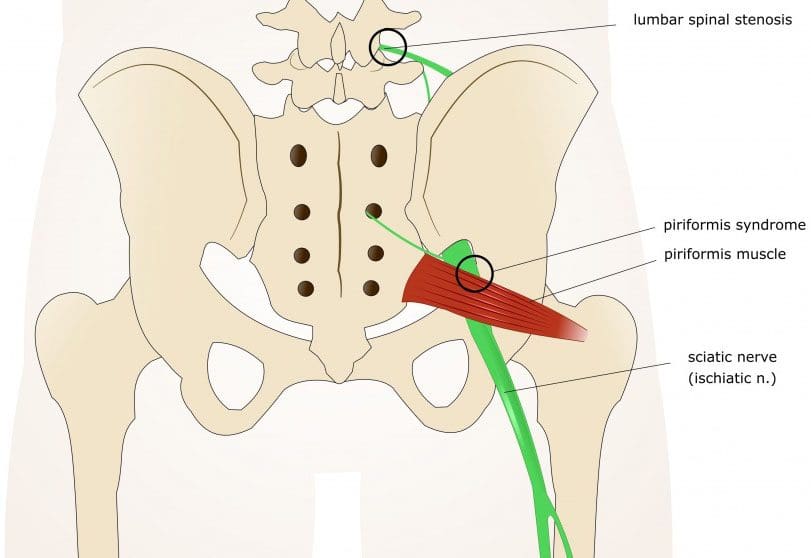
The way the sciatic nerve runs through the lower body. It starts in the lower lumbar and upper sacral nerve roots. It exits through the pelvis and runs down the back of the thigh to the knee where it branches out into nerves that provide the motor and sensory functions to the legs and feet.
Non-spinal sciatica causes. Non-spinal causes usually are the result of irritation of the nerve itself. The most common ways to irritate the nerve is compression, traction, or injury.
Symptoms perceived as sciatica may not be related to the nerve at all. Injury/s to structures close to the nerve, like the hip, can copy symptoms caused by irritation of the nerve.
Hip joint disorders can emulate sciatica symptoms
Because the sciatic nerve is close to the hip joint, an injury to the hip could resemble symptoms of sciatica. Whatever the cause of the hip injury, those with hip pathology often report pain in the groin, upper thigh, and buttocks. The pain gets worse with activity, specifically bending, and rotation of the hip.
Leg pain that turns into a limp when walking means that more likely the hip, and not the lower back, is the cause of the leg pain. X-rays and if necessary MRIs of the hip can help in determining if the hip is the cause of leg pain. An example of hip pathology that mimics spine-related sciatica:
Hip Osteoarthritis
This is characterized by the loss of cartilage. This results in the narrowing of the ball and socket joint. Individuals with arthritis of the spine and hip, a doctor could use a steroid injection as a therapeutic providing pain relief and a diagnostic to help identify the root cause/pain generator.
Osteonecrosis
The femoral head can collapse from a lack of blood flow. Risk factors include:
Alcohol abuse
Sickle cell disease
Chronic steroid use
Femoral neck fracture
Hip dislocation
Femoroacetabular Impingement
This can stem from constant abnormal rubbing between the femoral neck and acetabulum from a bone deformity of the femur, or the acetabulum. Hip impingement at the joint can start the onset of arthritis along with tears of the labrum. This is cartilage that surrounds the hip joint and provides stability.
Trochanteric Bursitis
There are fluid-filled sacs called bursas/bursae that help decrease friction between the bones, surrounding tendons, and muscles. They are at multiple locations on the body. Bursitis means that the bursa is inflamed and can be quite painful. The greater trochanter is a bony outward bump that extends from the femur. Trochanteric bursitis refers to inflammation of the bursa that separates the greater trochanter with the muscles and tendons of the thigh. Common symptoms are pain on the outside of the thigh that worsens by pressing on the area and can interfere with proper sleep when lying on the affected side.
Femoral Neck Stress Fracture
Incomplete fracture/s of the femoral neck typically occur in individuals that walk or run long distances regularly like runners and soldiers. The pain is usually focused around the groin and can be subtle when it presents. Walking or running makes the pain worse.
Sacroiliac joints and fractures
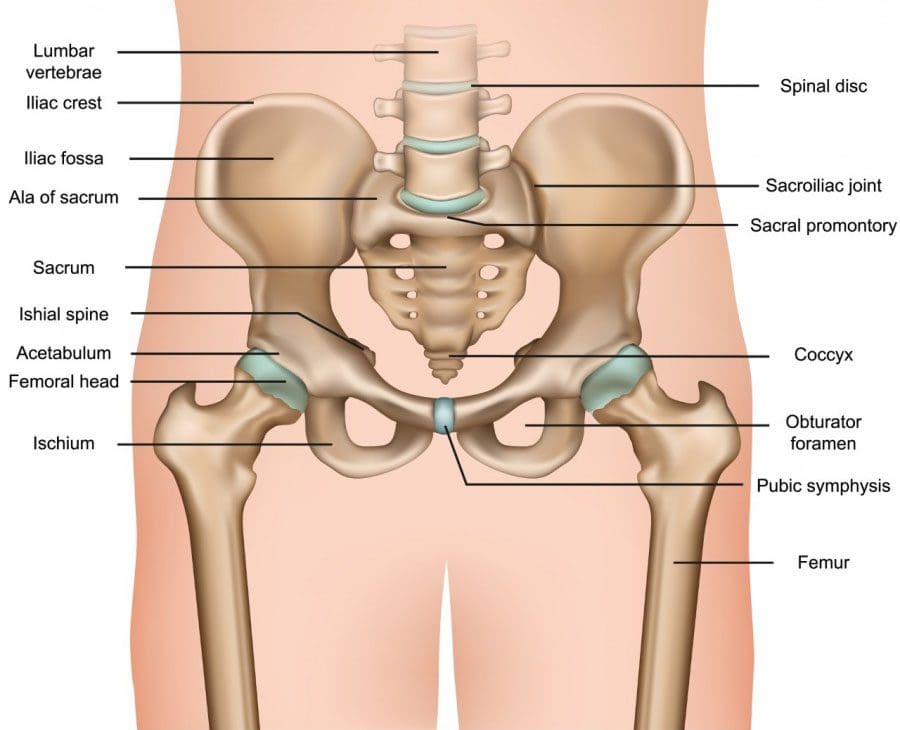
The sacroiliac joints connect the spine to the pelvis. There are two joints, one on either side of the sacrum. While they are relatively immobile, they go through tremendous force doing routine daily activities. Sacroiliac joint pathology that can mimic spine-related sciatica include:
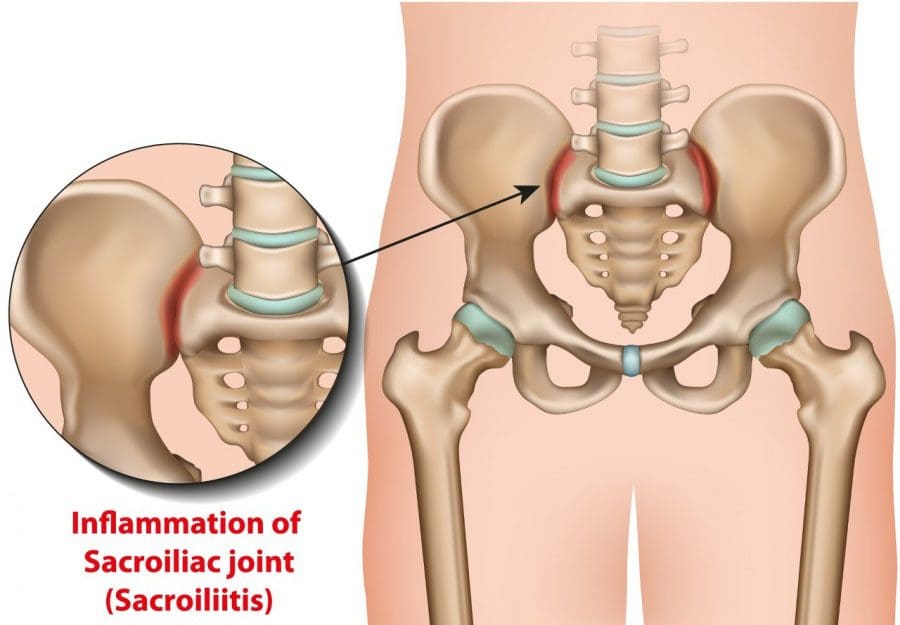
Sacroiliitis
This is inflammation of the sacroiliac joints. The pain presents in a slow fashion with no obvious injury or cause. The pain is usually localized to the buttocks and can radiate down the back of the thigh. It is believed to be caused by irritation of the sciatic nerve by the inflammatory molecules in the sacroiliac joint or could present as referred pain from the joint. This is pain that is detected in a location other than the area of the pain generator. The pain reduces with light walking.
Sacral Fracture
A fracture of the sacrum can occur in those with a weakened bone after a minor injury and without trauma. Risk factors include:
Advanced age
Osteoporosis
Chronic steroid use
Rheumatoid arthritis
Vitamin D deficiency.
The pain usually localizes in the low back that radiates to the buttocks, or groin, and worsens with activity.
Trauma-related
Trauma to the pelvis or thigh can definitely cause sciatica pain and symptoms. With high-energy injuries, it is possible for the nerve roots of the sciatic nerve to get pulled or torn. More common causes include:
Posterior hip dislocation
Pelvic fracture
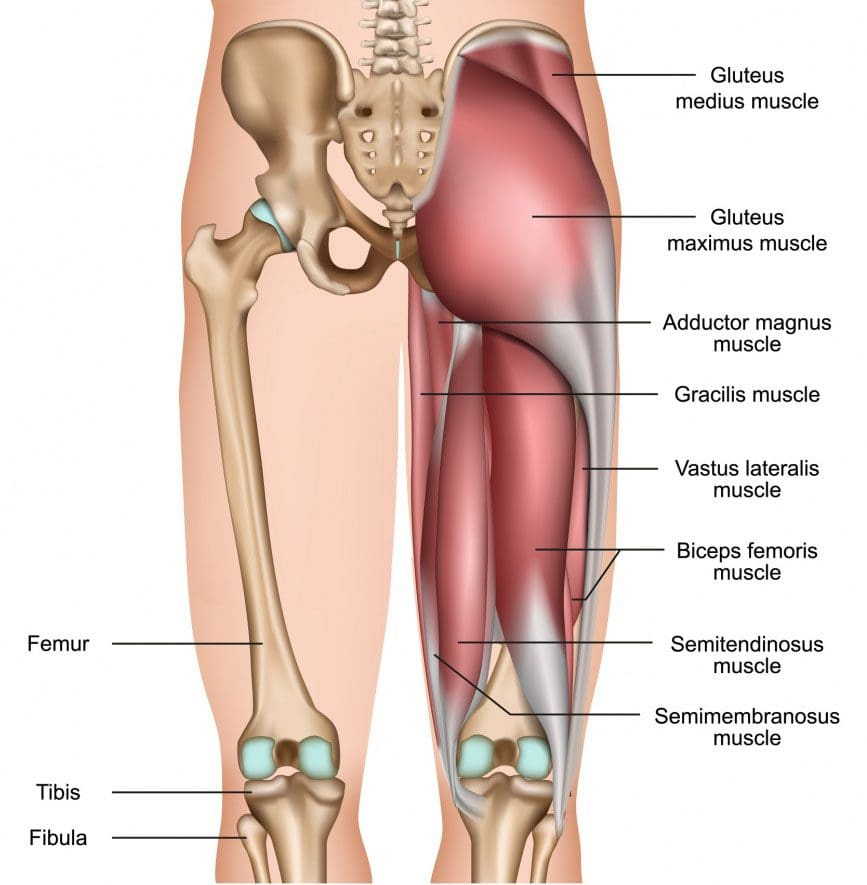
The hamstring muscles are in close proximity to the sciatic nerve. A torn hamstring can irritate the sciatic nerve either through direct compression from the localized bleeding known as a hematoma or from an inflammatory response triggered when the injury happened.
Penetrating trauma
If some sharp object like a tool or shrapnel penetrates any area where the sciatic nerve is, it could cause sciatica by cutting the nerve. Or the object tears the nerve, known as a laceration. Most cases of trauma-induced sciatica result from a mild form of nerve injury known as neuropraxia. This is an injury that temporarily blocks nerve function. Neuropraxia can develop from the shock waves that surround the object as it travels through the tissue.
Benign tumors and metastatic cancer
Discovering cancer during diagnosis for sciatica is rare. Symptoms that increase the possibility of cancer being the cause include:
Cancer in medical history
50 years and older
Leg pain that goes on through the night
No relief from lying on the back
Night sweats
Unexplained weight loss
When back pain presents in a subtle fashion without a history of trauma or injury and is not affected by activity or changes in position can also suggest cancer as the cause. Tumors usually cause sciatica by applying direct compression on the nerve. They can be benign or malignant. Tumor/s can arise from the sciatic nerve itself:
Shingles is a painful rash that occurs on one side of the body. It is caused by the varicella-zoster virus, which is the virus that causes chickenpox. The virus can lie dormant in nerve cells for years without causing any symptoms. Older individuals and individuals with underlying conditions in an immunocompromised state can cause the virus to activate. If the virus reactivates around the buttock and thigh, it can feel like sciatica. The presence of a red rash with blisters around the painful area is consistent with shingles.
Childbirth and endometriosis
During pregnancy, the pelvis can become compressed between the growing baby and the bones in the pelvis. Also, having the hips and knees flexed and supported in stirrups too long can also cause sciatica. However, pregnancy-related sciatica is often temporary.
A less common cause that occurs in women is endometriosis. Endometriosis is the growth of tissue somewhere other than the uterus, usually the ovaries and fallopian tubes. In some cases, this tissue can accumulate around the sciatic nerve or the nerve itself. As the tissue responds to the changes taking place during a normal menstrual cycle, recurrent sciatica pain can present.
Vascular diagnoses
Arteries and veins in the pelvis and lower extremities that have become abnormal can cause sciatica. Either through compression or lack of oxygen from poor blood flow. An aneurysm can happen when the wall of the artery weakens and cannot withstand the pressure of the blood flowing through. This enlarges the artery and in some cases, the artery grows large enough to compress the nerve.
Peripheral artery disease can cause sciatica when not enough blood is circulated from the heart to the muscles in the legs. If not enough oxygen is delivered to the muscles, leg pain and numbness can occur. It’s called claudication and is characterized by pain that is aggravated when walking and relieved when standing still. Risk factors for peripheral artery disease include:
Smokers both current and those who have quit
High blood pressure
High cholesterol
Diabetic
Diabetes/high blood sugar
Diabetic peripheral neuropathy happens from nerve damage caused by high blood sugar. Nerves that are exposed to chronic high blood sugar can get damaged from the disruption of proper blood flow or from an alteration of the cellular structure of the nerve.
Prescription meds
Nerve and muscle damage can happen as a side effect from prescription meds. Neuropathy and myopathy can cause symptoms that mimic sciatica brought on by disc herniation. Sometimes, if the medication is no longer taken the symptoms go away. The list of medications include:
Chemotherapy agents
Antibiotics
Statins medication to help lower cholesterol
Piriformis syndrome and back pocket wallets
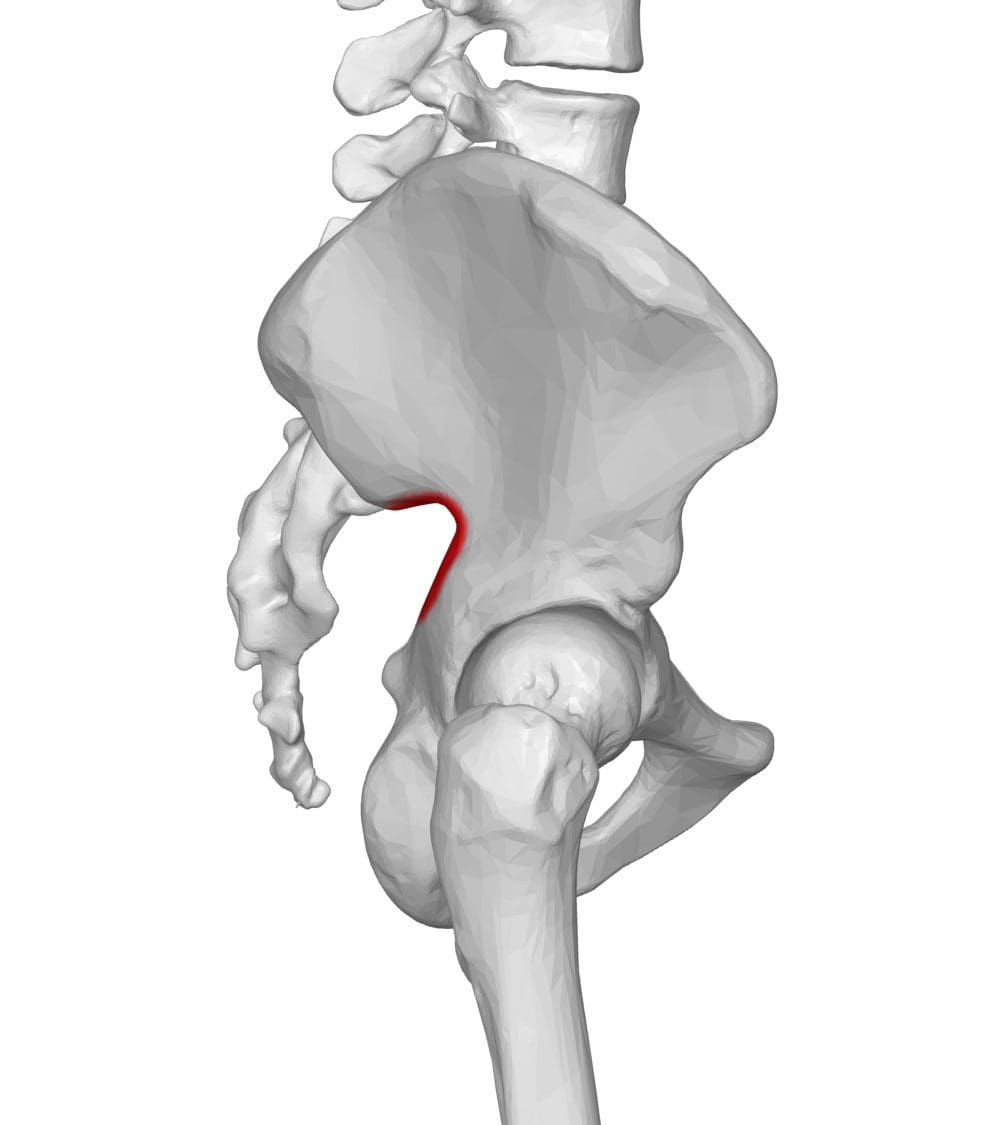
The piriformis muscle originates on the sacrum, runs through the sciatic notch, shown above, and attaches the top of the femur. The sciatic notch also includes the sciatic nerve. Piriformis syndrome is caused when the piriformis muscle compresses the sciatic nerve. Individuals typically report pain in the buttocks that shoots down the same leg and is made worse when sitting. Piriformis syndrome can be difficult to diagnose, but physical exam maneuvers have been developed in aiding the diagnosis of the syndrome. They involve some form of hip abduction resistance and external rotation to cause a contraction of the piriformis muscle.
Back pocket wallet
Also known as wallet neuritis, and wallet sciatica are terms that have been used to describe compression of the sciatic nerve by a heavy/bulky wallet in a back pocket. It is similar to symptoms of piriformis syndrome and presents in the buttocks and the same leg that can get aggravated from sitting. Usually, if the wallet is the sole cause, taking the wallet from the back pocket to another pocket or other storage option often brings pain relief.
Conclusion non-spine related causes
While the majority of sciatica cases are caused by a back problem, injury, etc. There are various causes outside of the spinal column. Being able to describe the:
Location
Pain severity
Associated symptoms
Factors that aggravate and alleviate the pain
These can absolutely help your doctor, chiropractor, specialist accurately diagnose and generate an optimal customized treatment plan for spine-related or non-spine-related sciatica.
Chiropractors & Sciatica Syndrome Expose
Dr. Alex Jimenez�s Blog Post Disclaimer
The scope of our information is limited to chiropractic, musculoskeletal, physical medicines, wellness, and sensitive health issues and/or functional medicine articles, topics, and discussions. We use functional health & wellness protocols to treat and support care for injuries or disorders of the musculoskeletal system. Our posts, topics, subjects, and insights cover clinical matters, issues, and topics that relate and support directly or indirectly our clinical scope of practice.*
Our office has made a reasonable attempt to provide supportive citations and has identified the relevant research study or studies supporting our posts. We also make copies of supporting research studies available to the board and or the public upon request. We understand that we cover matters that require an additional explanation as to how it may assist in a particular care plan or treatment protocol; therefore, to further discuss the subject matter above, please feel free to ask Dr. Alex Jimenez or contact us at 915-850-0900. The provider(s) Licensed in Texas& New Mexico*
Individuals dealing with back pain or spinal condition that negatively impacts their general health want to know about what they can do to make the pain go away. Back pain and spinal issues that individuals experience can be reduced and alleviated with proper nourishment, exercise, and if necessary chiropractic or physical therapy to keep the body aligned. Fortunately, the majority of these individuals will not need surgery.
In addition to the back pain, they want to know what they can do to prevent the pain from radiating to other areas and becoming chronic. This is where proper nourishment for bone health comes into play. It is now becoming a part of the mainstream media as science and technology are finding the links surrounding body/bone health and how nutrition fits into it all.
We’ve seen and heard about Omega-3 fatty acids for heart health or the importance of fruits and vegetables to help prevent cancer. There is also the nutritional health of the bones and the spine is the largest, not to mention the spinal cord housing all the nerves that establish communication with the body.
Vitamins
Continual optimal health is based on the body’s vitamin and mineral composition. Many of the beneficial vitamins that keep the bones strong can be found in supplements. However, it is recommended to get into the habit of getting nourishment from real food in combination with supplements. This is because a person can follow a vitamin supplement regimen with no benefits. This is because their diet consists of heavily processed, unhealthy foods. Therefore eating highly nourishing foods is the best way to begin. Here are a few to consider:
Dairy
Dairy can be difficult for individuals with intestinal issues and other autoimmune conditions. It can seem daunting trying to figure out what to get and what to avoid. For those with lactose intolerance avoid dairy products altogether and look to calcium and vitamin D supplements. The quality of the dairy product/s also makes a difference. Therefore make sure it doesn’t have artificial ingredients or sugars. This is essential to keeping dairy as part of a healthy diet.
Offal
Offal is the term for internal organs of animals that are used as food. It offers a massive dose of bone-healthy vitamins. Before saying absolutely not, there are plenty of recipes to consider, remember this is about spinal bone health. Beef, calf, and chicken liver, are examples of high sources of:
Vitamin A, which repairs tissue and contributes to the formation of bone
Vitamin B12 which is important for healthy bone marrow
Vitamin K is necessary for proper absorption of calcium into the bones
Iron is a necessity for healthy cells and muscles that support the spine
Greens
Spinach packs vitamin A and B12. Kale and broccoli are great sources of Vitamin K and Iron. Nutritionists have a saying that goes “the greener the vegetable, the better.” Eating these vegetables in raw form is not for everybody, so find recipes that incorporate them into favorite dishes while adjusting to the flavors.
Oranges
Orange fruits are all great sources of vitamin A essential for repairing damaged tissue and in the formation of strong healthy bones and include:
Nectarines
Cantaloupe
Apricots
Carrots
Sweet potatoes
It does not matter if it is the brain, heart, digestive system, or the spine the body is as healthy as what it consumes. Small dietary changes can generate intense bone protection, especially when it comes to a healthy weight. Obesity and back pain are becoming too common. The condition has been studied extensively and the proof is overwhelming. The body was not designed to carry around this extra weight. Remember the spine is the central support structure and needs to be maintained with proper posture, exercise, and nourishment.
Improve Whole Body Wellness with Functional Foot Orthotics
Dr. Alex Jimenez�s Blog Post Disclaimer
The scope of our information is limited to chiropractic, musculoskeletal, physical medicines, wellness, and sensitive health issues and/or functional medicine articles, topics, and discussions. We use functional health & wellness protocols to treat and support care for injuries or disorders of the musculoskeletal system. Our posts, topics, subjects, and insights cover clinical matters, issues, and topics that relate and support directly or indirectly our clinical scope of practice.*
Our office has made a reasonable attempt to provide supportive citations and has identified the relevant research study or studies supporting our posts. We also make copies of supporting research studies available to the board and or the public upon request. We understand that we cover matters that require an additional explanation as to how it may assist in a particular care plan or treatment protocol; therefore, to further discuss the subject matter above, please feel free to ask Dr. Alex Jimenez or contact us at 915-850-0900. The provider(s) Licensed in Texas& New Mexico*
Whiplash injuries very rarely call for surgery. But with those rare occurrences, that are severe cases, surgery is considered appropriate when neck or shoulder pain worsens. Doctors recommend patients go through 4 to 6 weeks of non-surgical treatment. If there is no improvement or the condition is worsening then a doctor could recommend whiplash surgery as the best option.
A spine surgeon will recommend the best procedure for the specific injury. Ask all the questions you have to fully understand the exact process, the outcome, and the recovery time. Surgery is an individual’s decision. The surgeon can recommend it, but the patient has the final say. The procedure depends on what area/s the cervical spine is injured/damaged.
Disc Herniation
Depending on the type of trauma individuals can rupture or herniate the intervertebral disc/s, located between the vertebrae. This can generate constant pain, numbness, and weakness. With cases like this sometimes removal of the disc is necessary.
A surgeon will remove all or portion of the damaged disc through a process called a discectomy. After the discectomy, a doctor may have to permanently stabilize the area. This is because the spine becomes unstable and can move in abnormal ways. This increases the risk of a serious neurological injury. Therefore a discectomy is usually followed with a re-stabilization of the spine. Spinal stabilization techniques used:
Artificial Disc Replacement
Cervical artificial disc replacement also known as ADR could be performed instead of standard discectomy combined with spinal fusion. An artificial disc is implanted into the empty space following the procedure. Artificial disc replacement preserves or restores movement of the neck.
Fusion and Spinal Instrumentation
This form of spine stabilization can be done on its own or in combination with decompression surgery. The bones in the spine fuse together over time usually several months or longer depending on how the surgeon set up the fusion process. The surgeon will use a bone graft or a biological chemical that stimulates bone growth. A surgeon could use spinal instrumentation. These are:
Interbody device/s
Screws
Rods
Plates
These all are used to increase stability and help fuse the bones properly. The fusion prohibits movement between the vertebrae for long-term stability.
Stenosis
Whiplash surgery could also be necessary if the injury caused the spinal canal in the neck to narrow. Here a cervical corpectomy could be performed to remove part of the vertebra and intervertebral disc/s. This reduces the added pressure on the spinal cord and nerves.
A surgeon could also do a laminectomy or a laminoplasty. Both focus on the lamina, which is the bony plate at the back of each vertebra. The lamina protects the spinal cord and canal. The lamina could also present added pressure on the spinal cord. This is where the surgeon will create extra space for the cord by removing all or part of the lamina. This is a laminectomy.
A laminoplasty re-shapes the lamina to create more room for the spinal cord. If there is a narrowing of the space where the nerve exits the canal, a cervical foraminotomy could be utilized. The foramen is the area where the nerve roots exit the spinal canal. This is removed to allow for more space for the nerves to move through. A larger pathway is less likely to pinch/compress the nerve.
Complications
A doctor will discuss all the potential risks before being asked to sign a surgical consent form. Complications can include:
Injury to the spinal cord, nerves, esophagus, carotid artery, vocal cords
Pain and swelling in the leg veins known as phlebitis
Blood clots in the lung
Urination problems
Complications could lead to more surgery, so make sure there is a complete understanding of the surgery and the risks before proceeding. The final decision is up to the individual.
Whiplash Surgery Recovery
After surgery, things might not be great right away. More than likely individuals are out of bed within 24 hours, and on pain meds for 2 to 4 weeks. Individuals will receive instructions on how to sitting down, and standing up. The body needs time to heal, so the doctor will recommend restricting certain activities that involve moving the neck too much. Avoid sports, twisting, or heavy lifting during recovery. And report any problems like fever increased pain, or infection right away.
Whiplash Massage Therapy
Dr. Alex Jimenez�s Blog Post Disclaimer
The scope of our information is limited to chiropractic, musculoskeletal, physical medicines, wellness, and sensitive health issues and/or functional medicine articles, topics, and discussions. We use functional health & wellness protocols to treat and support care for injuries or disorders of the musculoskeletal system. Our posts, topics, subjects, and insights cover clinical matters, issues, and topics that relate and support directly or indirectly our clinical scope of practice.*
Our office has made a reasonable attempt to provide supportive citations and has identified the relevant research study or studies supporting our posts. We also make copies of supporting research studies available to the board and or the public upon request. We understand that we cover matters that require an additional explanation as to how it may assist in a particular care plan or treatment protocol; therefore, to further discuss the subject matter above, please feel free to ask Dr. Alex Jimenez or contact us at 915-850-0900. The provider(s) Licensed in Texas& New Mexico*
Indoors or out, bicycling can be great for an individual’s back with proper preparation. With everything that is going on, many individuals are getting creative with their workouts. Many are turning to home or outdoor exercise. Bicycling is considered a safe activity. According to the NPD Group, bicycle sales have tripled in sales since March.
However, back pain could be affected by a biking routine. Whether a newfound hobby or regular activity, individuals need to prepare and plan ahead before getting out on the trails or on a stationary exercise bike and avoid developing or aggravating back pain. Here are a few essential tips to create a safe and back-healthy bicycling experience.
Understanding back pain
Bicycling is a type of aerobic exercise that can help with overall health. Done regularly it can improve the heart and lungs’ performance. Other areas of the body like the spine along with the musculoskeletal system, also benefit. For some, it is an even better form of exercise than jogging or aerobics, as it can be less jolting on the body and spine.
Back pain during cycling is rare except when individuals try to push the intensity level beyond their normal workout. If there is back pain from an unknown cause it should be looked into by a doctor, physical therapist, or chiropractor before beginning a regular bicycling regimen.
There are certain spinal conditions where bicycling can benefit. Individuals that bike ride with conditions like degenerative disc disease and lumbar spinal stenosis can experience relief in the back and legs, as it�s an exercise in which flexes the back. But there are spinal instability conditions like spondylolisthesis, that create forward flexion and can worsen back and leg pain. Therefore it is essential to attain a diagnosis before committing to regular bicycling.
Talk to a Doctor
Before starting any exercise program, talk with your doctor to find out if you are healthy enough for this type of therapeutic workout. Those with present back pain issues also need to be cleared by their doctors. But more than likely if they are already following a treatment plan, their doctor would have them doing some form of stretching/exercise as part of their plan, and they just need to find out if riding a bicycle is OK. Once cleared, even with chronic mild back pain an individual can initiate bicycling into their regimen.
Reasonable workout
In addition to safety basics individuals need to:
Wear a helmet
Wear highly-visible clothing
Get their bike serviced for optimal performance
Add reflectors
Add lighting
Have a workout/training plan
As with any exercise, there should be a training plan that will be sustainable and help to avoid injury. Set small goals, especially when beginning. Go for an achievable distance or workout time. Then gradually build up and don’t rush. Allow yourself to go through the experience, learning as much as you can.
Both indoor and outdoor biking require a thorough warm-up and stretching of the body. This definitely includes the spine, that needs some time to loosen up, properly. A healthy comfortable bike seat or saddle with the proper height for body type and inseam is vital. Being uncomfortable while trying to perform therapeutic exercises plus the added possibility of worsening the injury or creating a new one from a stock seat is not worth the risk. At the end of the ride, cooling down is strongly advised.
Pay attention to form/mechanics
When it comes to biking technique, there is no particular form that is ideal or the best.� Always try to be in a position where the spine is comfortable. This type of bicycling is low-impact and should be fluid in motion. Poor posture, jerking motions of the spine, neck, or not using the proper equipment can cause poor mechanics and increase the risk of injury.
Indoor bicycling
Cycling indoors could be safer for individuals that do not have access to safe bicycling areas or are older. Options include spin class or stationary bike. Both are set in a controlled environment with accidents being a rare occurrence. Outdoor biking happens on the road, bike path, sidewalk, or terrain where there is potential for an accident. With the machine or class, individuals can:
Choose the workout type
Fitness level
Intensity
Workout duration
Heart rate
Resistance
Spin classes also follow the pattern with a warmup, a specific workout, and a cool down. However, there are the mental health benefits of being outdoors. Whatever is best for the individual, it is up to them to ride the bike outdoors, indoors, or a combination of both. It is an excellent form of exercise, as it:
The scope of our information is limited to chiropractic, musculoskeletal, physical medicines, wellness, and sensitive health issues and/or functional medicine articles, topics, and discussions. We use functional health & wellness protocols to treat and support care for injuries or disorders of the musculoskeletal system. Our posts, topics, subjects, and insights cover clinical matters, issues, and topics that relate and support directly or indirectly our clinical scope of practice.*
Our office has made a reasonable attempt to provide supportive citations and has identified the relevant research study or studies supporting our posts. We also make copies of supporting research studies available to the board and or the public upon request. We understand that we cover matters that require an additional explanation as to how it may assist in a particular care plan or treatment protocol; therefore, to further discuss the subject matter above, please feel free to ask Dr. Alex Jimenez or contact us at 915-850-0900. The provider(s) Licensed in Texas& New Mexico*
IFM's Find A Practitioner tool is the largest referral network in Functional Medicine, created to help patients locate Functional Medicine practitioners anywhere in the world. IFM Certified Practitioners are listed first in the search results, given their extensive education in Functional Medicine