Covid-19 has impacted everyone in so many ways. There is a possible connection between Covid-19 and a rare spinal disorder known as transverse myelitis. There have been three known cases of acute transverse myelitis brought on from covid-19. Although these case reports are not enough to prove that covid is the cause for transverse myelitis, researchers are delving into the possibility of a connection between the virus and this spinal condition.
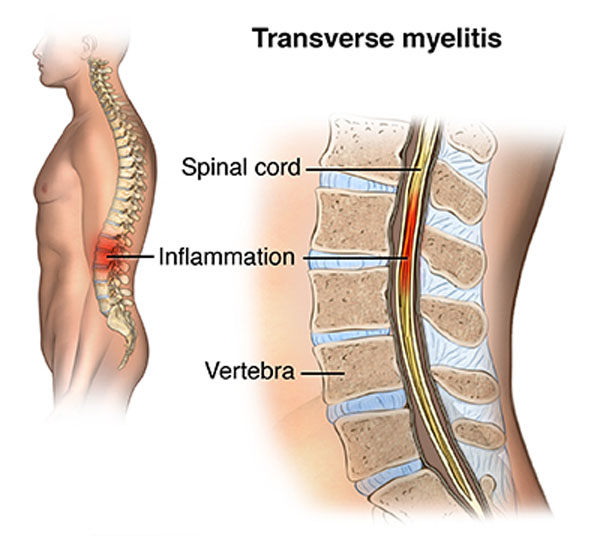
Transverse Myelitis
Transverse myelitis causes inflammation of the spinal cord. It can be caused by
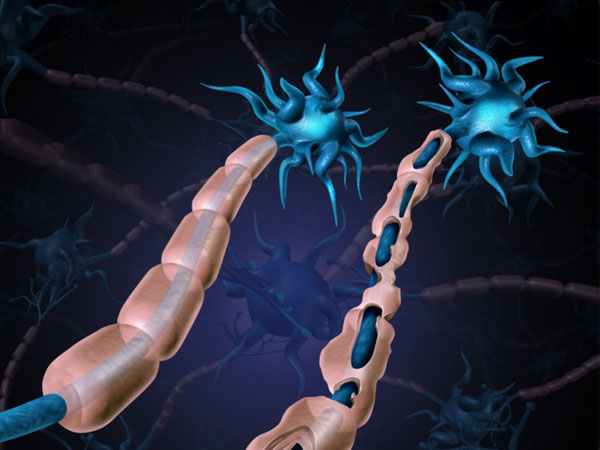
Myelin is the layer that forms around nerve cell axons or the wiring of the nervous system and insulates them. It consists of protein, fatty substances, and acts as a defensive sheath that allows electrical impulses to transmit properly. The insulation properties are essential for:
Proper motor function
Sensory function
Cognition
Without the insulation, the electrical impulses traveling through the spinal cord dissipate or weaken. The messages don’t reach the nerves and can lead to:
Muscle spasms
Twitching
Numbness
The most common disorder that destroys the myelin known as demyelination is multiple sclerosis. Transverse myelitis can affect individuals of:
Any race
Gender
Age
There are treatments, but there is no cure. Treatments consist of corticosteroids and other therapies to suppress the immune system. However, their focus is on preventing and minimizing permanent neurological damage.
Recognizing and Identifying
Symptoms of transverse myelitis can include:
Pain that usually starts in the lower back and causes shooting pain/sensations down the legs, arm, and torso
Leg/s and arm/s weakness
Sensory changes in the legs, torso, and genital area
Bladder and Bowel dysfunction
Muscle spasms
General discomfort
Headaches
Fever
Loss of appetite
Depending on the segment of the spine where the damage is occurring will determine which parts of the body are affected. Diagnosis begins with a thorough medical evaluation. A doctor will utilize various methods. A thorough neurological exam will be performed to rule out any issues that require emergency intervention. If a doctor suspects transverse myelitis they will order diagnostic tests like:
Magnetic resonance imaging or an MRI
Blood tests
Lumbar puncture
Treatment
As previously stated, there is no cure for transverse myelitis, and treatment focuses on managing complications. Treatments can include:
The hard facts are that while most people with transverse myelitis have at least a partial recovery, for some, however, recovery can continue for up to two years and longer. A combination of medications, chiropractic, and physical therapy can help improve physical symptoms.
The National Institute of Neurological Disorders and Stroke is working to understand the process, as to how the immune system destroys or attacks myelin. Hopefully, this will lead to answers, improved treatment, and prevention. It is well-documented that Multiple sclerosis, bacterial infections, and other viruses can cause transverse myelitis, research must continue to see if there is a connection to covid-19.
Chiropractic Lower Back Pain Treatment
Dr. Alex Jimenez�s Blog Post Disclaimer
The scope of our information is limited to chiropractic, musculoskeletal, physical medicines, wellness, and sensitive health issues and/or functional medicine articles, topics, and discussions. We use functional health & wellness protocols to treat and support care for injuries or disorders of the musculoskeletal system. Our posts, topics, subjects, and insights cover clinical matters, issues, and topics that relate and support directly or indirectly our clinical scope of practice.*
Our office has made a reasonable attempt to provide supportive citations and has identified the relevant research study or studies supporting our posts. We also make copies of supporting research studies available to the board and or the public upon request. We understand that we cover matters that require an additional explanation as to how it may assist in a particular care plan or treatment protocol; therefore, to further discuss the subject matter above, please feel free to ask Dr. Alex Jimenez or contact us at 915-850-0900. The provider(s) Licensed in Texas& New Mexico*
References
Chakraborty, Uddalak et al. �COVID-19-associated acute transverse myelitis: a rare entity.��BMJ case reports�vol. 13,8 e238668. 25 Aug. 2020, doi:10.1136/bcr-2020-238668
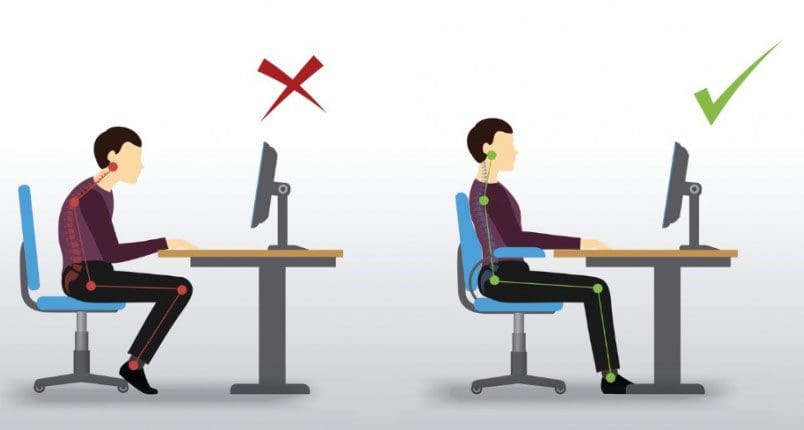
Remote working and learning have changed the way we operate, but too much sitting and no physical activity is the perfect set up for back pain. Here are a few tips for spine friendly remote working and learning. Spine-health is just as important working or learning remotely, if not more so because it is easy to fall into bad posture habits that will affect the spine. Poor home working/learning habits can cause upper and lower back pain that could become chronic.
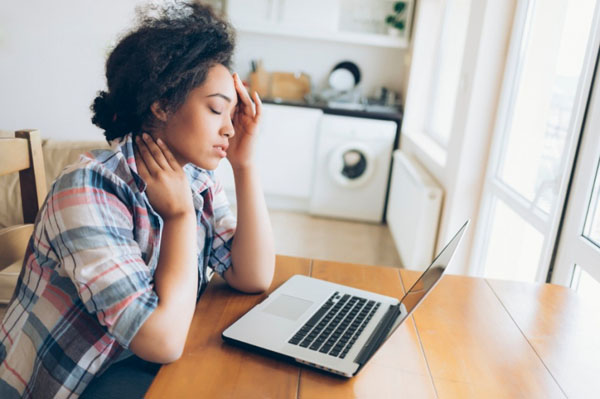
Individuals become too comfortable making the home working environment a damaging experience on spinal health. For chiropractors, the pandemic brought an influx of individuals of all ages with upper, middle, and lower back pain. This was caused by poor posture when video conferencing on the couch, slouching at the table and sitting for way too long, and never getting up and moving around.
Children tend to present with pain and aches on the side of the spine versus pain directly centered. This is from side slouching, often when staring at the computer monitor. Adults, especially over 40 complained of pain and stiffness in the upper and lower back. Herniated discs, degenerative disc disease, and sciatica risks increase as bad habits continue and do not improve. However, this can all be helped with a little exercise, work/school space optimization, and forming healthy work and schooling from home habits.
Stretching Out
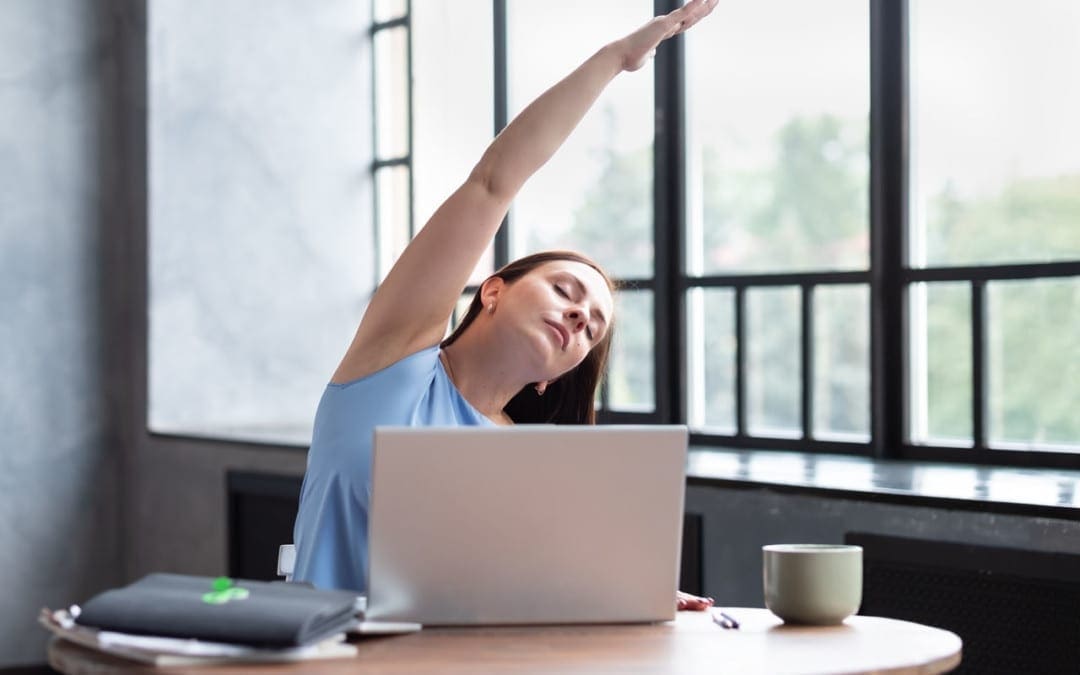
When working/schooling remotely, there�s a tendency to be more sedentary. Individuals need to learn to take time to stretch out and keep the body limber. It is easy to use breaks to scroll through social media or binge on movies, videos, etc. This can still be accomplished, but stretch out and move around while taking breaks. An exercise program of stretching daily during the workday and endurance training twice a week will help reduce back pain and increase flexion. Results vary for everyone and the type of stretching exercises they are performing.
Core Exercises
Core exercises are a perfect way to work out muscle stress and back pain resulting from poor posture. Slumped over a computer can place significant stress on the trapezius muscle causing the muscle to knot up and tighten. The trapezius muscle is crucial to neck and shoulder movement and helps stabilize the shoulder blades.
Trapezius stretch with band
Holding an elastic band between the hands, place the band at the back of the skull.
Slowly tilt the head back to its full range of motion as the resistance is felt.
Return the head back to the neutral position maintaining alignment with the spine.
Choose 2 items of equal weight such as 2 books, 2 quarts of water, or 2 hand weights, and hold one item in each hand.
Position keeping hands near your sides
Slowly raise up and shrug your shoulders for several seconds
Gently release shoulder shrug and bring back arms to neutral
Repeat for 10 reps
Posture
Proper posture is a learned process that requires practice. Using a mirror to check posture can help maintain proper posture while seated when working/schooling. Self-assessing posture correctly is important and viewing oneself in a mirror is an easy way to figure out what adjustments are needed. Questions to ask oneself while self-assessing include:
Is the head far too forward?
Is there slouching?
Are the shoulders curling/rounding around the body?
Posture tips when seated:
Keep the feet flat on the floor or on a footrest
If in the habit of crossing ankles and knees change position often
Position the back against the chair. If the spine does not align with the chair use a cushion or backrest
Position knees at hip height or a little lower
Maintain some space between the back of the knees and the chair�s edge
Look straight ahead but make sure the neck is comfortable
Position forearms parallel to the floor
Maintain relaxed shoulders
Adjust the Light
When lighting is not optimal there can be a tendency to strain forward in various positions. This can cause excessive stress and inflammation to the upper spine area. Natural ambient lighting is recommended. In general, the lighting set-up should be adjusted to easily see the screen without causing glare or any type of discomfort to the eyes.
Take a Walk
A daily routine that will support spine health is to take walk breaks every half hour for a few minutes. If every half hour is not doable then take a 5 or 10-minute break to walk around and stretch every hour. It is important not to remain seated for too long. Remember the body was meant to move and be active.
Optimization Work Station
Using ergonomic office furniture for home use can help prevent the development of unhealthy posture along with the development of further musculoskeletal issues. Laptops are great for their portability and ability to work-from-anywhere. However, actually placing them on your lap and working on them for too long will cause back and neck strain. It is difficult to position the keyboard and screen for maintaining a proper line of sight and hand position.
The most spine-healthy way to work on a laptop is to position the screen at eye level with the keyboard level with slightly extended hands. A recommended long-term solution is using a screen and keyboard that can be adjusted. One type of computer set up is an iPad positioned at eye-level with a stand and a wireless external keyboard/mouse on a table or desk.
A lot of money does not have to be spent on the setup. Books or boxes laying around the house can be used to prop up the screen to the proper height. The goal is when working/schooling remotely is to ensure the body is not hunched over, bent, or straining forward and to maintain proper posture with optimal spinal alignment.
There are unique spinal health challenges when working/learning remotely. However, they can be avoided with a little planning and small adjustments.Taking time to stretch, do a little exercise, walk around the house, have adequate lighting, and making some ergonomic desk, chair, and computer changes that will help maintain a healthy spine.
Back Pain Rehabilitation
Dr. Alex Jimenez�s Blog Post Disclaimer
The scope of our information is limited to chiropractic, musculoskeletal, physical medicines, wellness, and sensitive health issues and/or functional medicine articles, topics, and discussions. We use functional health & wellness protocols to treat and support care for injuries or disorders of the musculoskeletal system. Our posts, topics, subjects, and insights cover clinical matters, issues, and topics that relate and support directly or indirectly our clinical scope of practice.*
Our office has made a reasonable attempt to provide supportive citations and has identified the relevant research study or studies supporting our posts. We also make copies of supporting research studies available to the board and or the public upon request. We understand that we cover matters that require an additional explanation as to how it may assist in a particular care plan or treatment protocol; therefore, to further discuss the subject matter above, please feel free to ask Dr. Alex Jimenez or contact us at 915-850-0900. The provider(s) Licensed in Texas& New Mexico*
References
Moretti A, Menna F, Aulicino M, Paoletta M, Liguori S, Iolascon G. Characterization of Home Working Population during COVID-19 Emergency: A Cross-Sectional Analysis.�Int J Environ Res Public Health. 2020;17(17):6284. Published 2020 Aug 28. doi:10.3390/ijerph17176284
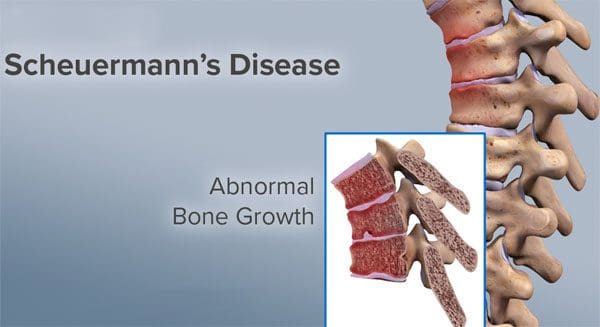
Young adults don’t think about disc deterioration/degeneration until it’s time for the golden years. The disorder is known as Scheuermann’s disease,�Scheuermann’s Kyphosis, and juvenile disc disorder. It affects young adults usually in the late teens to early thirties. Spinal injuries can be the cause but many doctors believe genetics that leads to disc degeneration is a major factor. And still, others believe it is the wear and tear on the spine as the main cause.
The disorder is characterized by disc degeneration throughout the spine. The discs are weakened and cannot withstand the pressure of everyday spinal support. Then the spine is open to all kinds of spinal health issues. These include:
If left untreated, the condition shifts into full-blown degenerative disc disease combined with various health problems like numbness, muscle weakness, and nerve damage. Juvenile disc disorder is rare but is a condition that requires immediate ongoing medical attention to make sure young adults and juveniles protect long-term spinal health. Adolescents with consistent back pain need to be thoroughly examined by a chiropractor. The value of an accurate diagnosis when it comes to developing and administering advanced treatment could be vital.
Cause For Concern
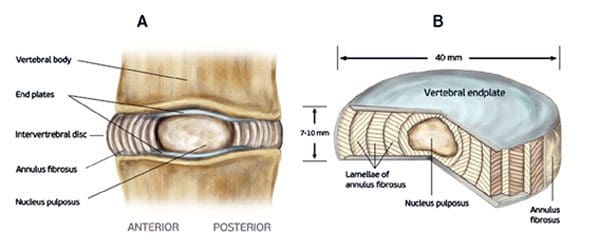
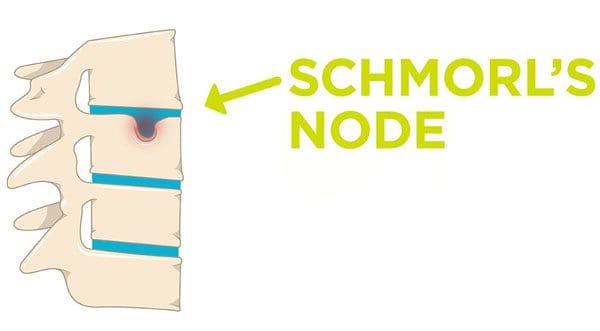
The disorder occurs when parts of the vertebrae known as endplates become too weak to withstand the spinal pressure inside the disc. The endplates are the top and bottom areas of the vertebrae that attach to the cartilage disc between each vertebra.
When the endplates become weak, segments of the tough cartilage can protrude into the endplate, and into the vertebra. These protrusions are called Schmorl�s nodes and can contribute to the pain.
Age-related wear and tear spinal conditions should not be present in kids and young adults. If there are persistent spinal issues and back pain there could be undiagnosed problem/s. Potential symptoms can include:
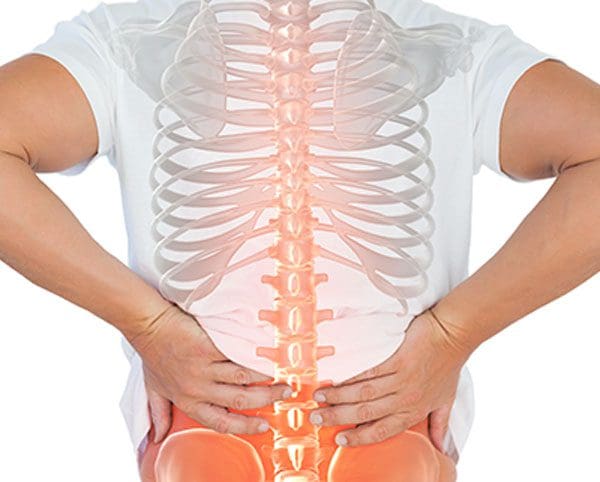
Continued pain throughout the spine/back
Sitting, standing, or laying down causes an aching back
Transitioning from walking to running or vice versa causes pain
Bending, lifting non-heavy objects causes aching and pain
Stretching the arms over the head causes aches and pain
Posture problems to compensate for the back discomfort and pain
Sleep problems
Disc Disorder Management
Because the disorder primarily affects the vertebral discs, chiropractic pain management is focused on reducing the pressure and strain on the discs. However, it does not mean that activity is to be restricted. Managing the condition focuses on improving strength and flexibility.
Foundation strengthening/support is where a chiropractor could begin. This strengthens the hips, thighs, and hamstrings promoting stabilization of the posterior chain. This leads to body core stability and less spinal concussion during activity/s. Stretching exercises help maintain flexibility for dynamic movements like twisting and bending.
Aerobic activity is also recommended to keep the condition in check. The heart-pumping circulates more blood throughout the body ensuring that the inflamed or injured areas get plenty of oxygenated blood, specifically the spine. Body mechanics also play a role as a proper heel striking when walking or running.
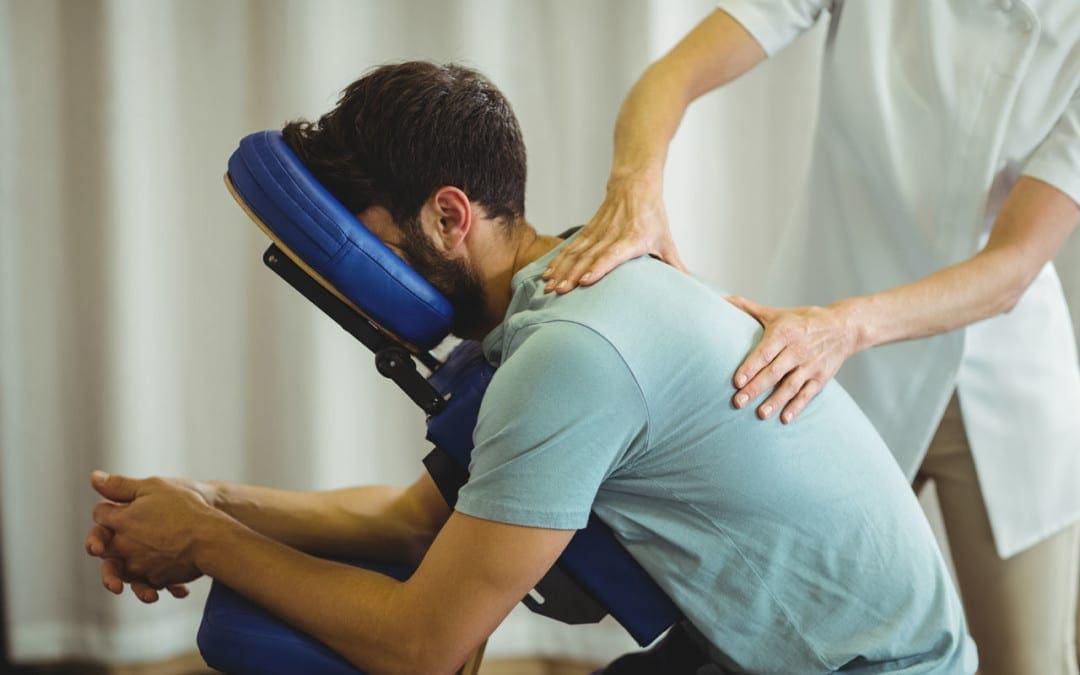
Proper body mechanics lessens the impact of the aerobics on the spine and promotes overall wellness. Chiropractic spinal adjustments and realignment could also be part of a management treatment plan. High-velocity low amplitude adjustments help to reset the vertebrae and takes the stress off of discs.
Prevention
Addressing any disc disorder early is the first step to prevent a lifetime of back pain problems. Seeking a chiropractic assessment as soon as possible will help identify any spinal misalignments or underlying conditions that mimick back pain symptoms/conditions. A chiropractor will develop a customized treatment/management plan to fit an individual’s needs.
Lower Back Pain Chiropractic Care
Dr. Alex Jimenez�s Blog Post Disclaimer
The scope of our information is limited to chiropractic, musculoskeletal, physical medicines, wellness, and sensitive health issues and/or functional medicine articles, topics, and discussions. We use functional health & wellness protocols to treat and support care for injuries or disorders of the musculoskeletal system. Our posts, topics, subjects, and insights cover clinical matters, issues, and topics that relate and support directly or indirectly our clinical scope of practice.*
Our office has made a reasonable attempt to provide supportive citations and has identified the relevant research study or studies supporting our posts. We also make copies of supporting research studies available to the board and or the public upon request. We understand that we cover matters that require an additional explanation as to how it may assist in a particular care plan or treatment protocol; therefore, to further discuss the subject matter above, please feel free to ask Dr. Alex Jimenez or contact us at 915-850-0900. The provider(s) Licensed in Texas& New Mexico*
References
Heithoff, K B et al. �Juvenile discogenic disease.��Spine�vol. 19,3 (1994): 335-40. doi:10.1097/00007632-199402000-00014
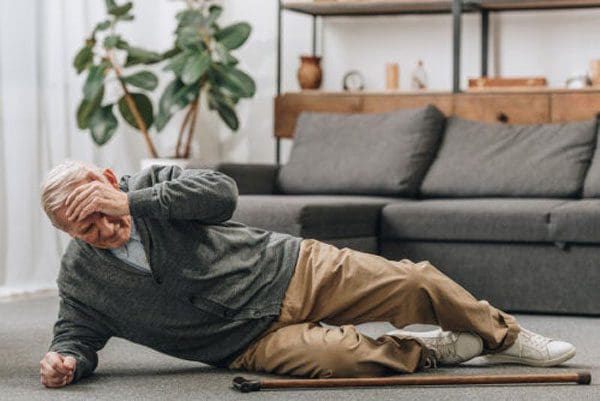
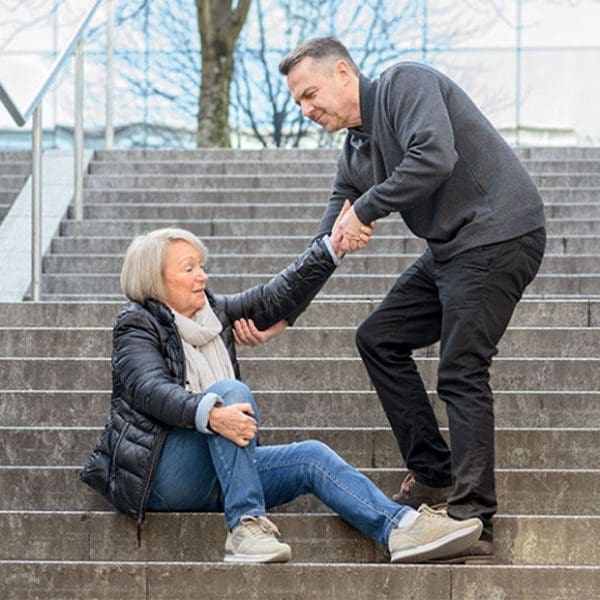
As individuals advance in age, the risk of falling starts to become a regular concern. An average of one in four adults over 65 suffers from a fall every year. Around twenty percent of falling accidents result in serious injury. However, experiencing one fall increases the risk of future falls significantly. The most common injuries sustained include:
Hip fracture
Head injury
These injuries usually necessitate hospitalization. Therefore minimizing the risks is important for increasing/enhancing an individual’s quality of life and help minimize the financial burdens that can come with these types of accidents.
Risk Factors for Falling
Various factors can determine an increased risk of falling. If there are two or more at the same time, the risk goes up significantly. These factors include:
A physical therapist or chiropractor can assess the home for safety and possible tripping hazards
Regular vision check-ups at least every two years
Spinal Health
Restoring balance to the body will make the biggest difference in increasing overall health. However, pain, stiffness, and poor health can make getting started a difficult challenge. With the right chiropractic and physical therapy team, getting started does not have to be as challenging, with the transition being made as easily and as smooth as possible.
An essential building block for overall optimal health begins with spinal alignment. When the spine is misaligned it can lead to poor nerve circulation/energy. This slows down and interferes with the body’s functions. This is often manifested with poor balance, weakness, and pain. Chiropractic spinal alignment addresses whole-body health. A chiropractic practitioner is specialized in non-invasively and systematically restoring not only the alignment of the spine but the entire body.
Chiropractic Health
Find a chiropractor and talk to them about any health concerns, including falls. A customized chiropractic adjustment treatment plan will be developed along with a fitness and stretching regimen, and dietary adjustments will significantly optimize health and help prevent falls.
Sports Injuries Chiropractic Treatment
Dr. Alex Jimenez�s Blog Post Disclaimer
The scope of our information is limited to chiropractic, musculoskeletal, physical medicines, wellness, and sensitive health issues and/or functional medicine articles, topics, and discussions. We use functional health & wellness protocols to treat and support care for injuries or disorders of the musculoskeletal system. Our posts, topics, subjects, and insights cover clinical matters, issues, and topics that relate and support directly or indirectly our clinical scope of practice.*
Our office has made a reasonable attempt to provide supportive citations and has identified the relevant research study or studies supporting our posts. We also make copies of supporting research studies available to the board and or the public upon request. We understand that we cover matters that require an additional explanation as to how it may assist in a particular care plan or treatment protocol; therefore, to further discuss the subject matter above, please feel free to ask Dr. Alex Jimenez or contact us at 915-850-0900. The provider(s) Licensed in Texas& New Mexico*
References
Hawk, Cheryl et al. �Pilot study of the effect of a limited and extended course of chiropractic care on balance, chronic pain, and dizziness in older adults.��Journal of manipulative and physiological therapeutics�vol. 32,6 (2009): 438-47. doi:10.1016/j.jmpt.2009.06.008
Analgesics are pain-relieving medications, also known as painkillers. These can be over-the-counter and prescription medications. Either could be part of a treatment plan for spine-related pain. Individuals dealing with back or neck conditions, typically take analgesics to reduce symptoms.
Analgesics are available over-the-counter/OTC and with a prescription
Prescription analgesics usually include the more powerful form of over-the-counter medications
Analgesics can be specialized with some to relieve pain, with others reducing inflammation/pain
Over-the-counter
Acetaminophen, Non-steroidal anti-inflammatory drugs, and topical analgesics are the most commonly used medications for various pain symptoms. Over-the-counter analgesics are most effective when taken at the first sign/presentation of acute pain. Whiplash, along with muscle sprains and strains are common injuries known to cause short term pain that can be mild to severe. Follow the medication’s instructions on dosage recommendations and precautions.
If the medication does not work or helps manage the pain, and/or pain symptoms worsen, contact your healthcare provider. This could be an indicator that a more powerful prescription analgesic is needed to help manage the pain, along with added therapy like physical therapy, and chiropractic to help avoid dependence on the prescription meds.
Acetaminophen
Tylenol is one form of medication taken for different types of pain and is one of the most popular over-the-counter analgesics. Acetaminophen’s purpose is exclusively to relieve pain. It does not reduce inflammation.
Non-steroidal anti-inflammatory drugs – NSAIDs
Non-steroidal anti-inflammatory drugs work to reduce inflammation and pain. Types of over-the-counter These include:
Aspirin
Ibuprofen
Naproxen
Topical analgesics
Topical analgesics like capsaicin cream and salicylates are an alternative to analgesics taken by mouth. These creams, balms, gels, and sprays are applied to the painful area. It is a very common application and is widely used for joint, muscle, and back pain. Salicylates are plant-based chemicals that operate to decrease the body’s production of prostaglandins. These are lipids that let the body know that there is a problem causing inflammation and pain.
Prescription
A doctor could prescribe an analgesic as part of a treatment plan to help manage short-term and chronic pain. It is extremely important to precisely follow the doctor’s instructions on how much and when to take the medication. Remember that any of these medications have the potential for side effects, which includes the risk of negative interactions when taken with other meds. Be sure to talk with a doctor about potential risks, and keep them informed about all medications like blood pressure and diabetes meds and natural herbs/vitamins/supplements taken for other medical conditions.
COX-2 Inhibitors
Cyclo-oxygenase-2 or COX-2 inhibitors are a prescription NSAID medication type that is formulated to target specific enzymes that trigger inflammation. Inflammation is not just a symptom but can also be a cause of pain related to many different spinal disorders. COX-2 inhibitors have a lower risk of causing/contributing to gastrointestinal problems.
There are other potential side effects and risks associated with COX-2 inhibitors. Potential side effects include an increased risk of cardiovascular problems, like a heart attack or blood clots. COX-2 inhibitors reduce the risk of stomach problems than classic NSAIDs but if gastrointestinal conditions exist to talk with a doctor before taking these medications.
Opioids
These are highly potent analgesics and are no longer the first type of pain-relieving medication that a doctor prescribes. They are now to be the last resort for reducing moderate to severe pain symptoms. These medications work by decreasing the perception and reaction to the pain. Opioids are prescribed for short-term use following surgical procedures and trauma. However, there are different situations where use is appropriate. When opioids are recommended, the doctor will begin with the lowest strength/dosage to manage the pain. Types of opioids include:
Analgesic medications are commonly used for various types of pain-causing conditions. When they are used properly with a doctor�s supervision they are safe and effective at managing pain and discomfort. If new symptoms present and/or the pain worsens or becomes different contact your doctor on appropriate instructions.
Chiropractic Neck Pain Treatment
Dr. Alex Jimenez�s Blog Post Disclaimer
The scope of our information is limited to chiropractic, musculoskeletal, physical medicines, wellness, and sensitive health issues and/or functional medicine articles, topics, and discussions. We use functional health & wellness protocols to treat and support care for injuries or disorders of the musculoskeletal system. Our posts, topics, subjects, and insights cover clinical matters, issues, and topics that relate and support directly or indirectly our clinical scope of practice.*
Our office has made a reasonable attempt to provide supportive citations and has identified the relevant research study or studies supporting our posts. We also make copies of supporting research studies available to the board and or the public upon request. We understand that we cover matters that require an additional explanation as to how it may assist in a particular care plan or treatment protocol; therefore, to further discuss the subject matter above, please feel free to ask Dr. Alex Jimenez or contact us at 915-850-0900. The provider(s) Licensed in Texas& New Mexico*
Finding the right surgeon that specializes in an individual’s specific spinal conditions and physical health means doing some research. There are several types of procedures for spinal problems. The type of surgery depends on the condition and an individual’s medical history. If surgery is recommended for a lumbar herniated disc or LHD combined with sciatica here are a few things to think about.
Devotes at least 50% of their practice to spinal conditions
Specializes in treating herniated disc/s and sciatica. This means they will have added/specialized knowledge and expertise.
It is extremely important that an individual feels comfortable and feels they are able to communicate freely with the surgeon. A professionally qualified surgeon should:
Spend adequate time with the individual
Answer all questions
Provide all information needed about the condition and treatment
Listen to what the individual has to say
Is open-minded
Is not hard to get in contact with
Has experience in the latest methods and techniques
What to look at and think about
Individuals can feel uncomfortable asking questions, but thorough communication is key. Remember, it is your body, and it is your right to know the details of the spinal disorder, along with non-surgical and surgical approaches to treatment that are available. There is time to consider the options and make an informed decision about the treatment plan as most spinal procedures are elective. Ask the surgeon all the questions you have to help decide wisely and with confidence. Make sure they address all concerns, and any others not listed.
The surgeon’s specialization/focus
Orthopedic surgeons and neurosurgeons perform spinal procedures. Each will have a specific interest and expertise in certain spinal condition/s. For example, some surgeons may specialize in treating adult or pediatric patients, and some may only treat either lumbar/low back or cervical/neck conditions. Within those groups, some focus on:
Spinal deformities
Tumors
Myelopathy a spinal cord disease
Specific spinal cord diseases
Minimal invasive surgery option
Minimally invasive spine involves tiny incisions, that reduces the recovery time needed to heal. With this type, individuals can be up and walking within hours after surgery. Unfortunately, not all conditions can take this approach.
Is the surgery absolutely necessary, or can it be treated non-surgically?
Sciatica and herniated discs can be quite painful and cause disability. Never rush into surgery just to relieve symptoms. As surgery can cause other types of pain symptoms and issues. Herniation and sciatica can be resolved with:
Chiropractic
Physical therapy
Medications
Injections
Lifestyle changes
Diet adjustments
Regular exercise
Weight loss
However, if there are neurologic symptoms, like weakness in the leg, foot, numbness, or loss of bladder or bowel control – this is considered a medical emergency – then surgery is absolutely needed.
The number of similar procedures performed
The surgeon�s experience is very important. The more experienced, the better. Ask if they can refer to other patients who have had similar procedures.
Recovery time
Every patient is unique, as is the type of surgery, and recovery times. They all vary accordingly. General health, physical condition, and the severity of the disorder play a role in how long and how involved recovery time will be. Experienced surgeons can provide more specific answers concerning recovery/healing time.
Complication rate
All surgeries carry some risk of complication. Complication rates that are more than 10% is a red flag. Possible post-surgery complications.
Infection rate
Surgeons should have an infection rate lower than 10%. However higher rates do not always mean that surgeon is at fault as higher rates can come from performing highly complex procedures. Another reason for high infection rates could be the patients themselves like smokers or individuals with diabetes have increased risks for infection. However, do not feel uncomfortable asking the surgeon to explain a high infection rate.
Decide to not opt for spine surgery
As a surgeon produces a diagnosis, they should present a recommended treatment plan, including alternative treatments/therapies. Ask for another explanation of any part of the evaluation, diagnosis, or available treatment options.
Get a second opinion
A second opinion should be encouraged. A second opinion can reinforce the surgeon�s recommendations and offers a new perspective. The surgeon should be comfortable with a second opinion. This does not mean that the individual does not trust the surgeon. It does mean that there is considerable interest in achieving optimal health and making sure that surgery is the absolute right thing to do. Pass on surgeons that discourage or disapprove of second opinions and continue looking.
Whiplash Chiropractic Massage Therapy
Dr. Alex Jimenez�s Blog Post Disclaimer
The scope of our information is limited to chiropractic, musculoskeletal, physical medicines, wellness, and sensitive health issues and/or functional medicine articles, topics, and discussions. We use functional health & wellness protocols to treat and support care for injuries or disorders of the musculoskeletal system. Our posts, topics, subjects, and insights cover clinical matters, issues, and topics that relate and support directly or indirectly our clinical scope of practice.*
Our office has made a reasonable attempt to provide supportive citations and has identified the relevant research study or studies supporting our posts. We also make copies of supporting research studies available to the board and or the public upon request. We understand that we cover matters that require an additional explanation as to how it may assist in a particular care plan or treatment protocol; therefore, to further discuss the subject matter above, please feel free to ask Dr. Alex Jimenez or contact us at 915-850-0900. The provider(s) Licensed in Texas& New Mexico*
Breathing exercises along with meditation can be beneficial for individuals with back pain. Breath control techniques, exercises, and meditation techniques help bring the mind and body into functional harmony.This can help ease and reduce back pain. The article discusses the benefits of how these techniques help promote spinal health.
Breathing Exercises
Developing the ability to rhythmically breathe properly and optimally helps reduce back pain. This is because it allows the individual to focus on breathing, keeping the brain from focusing on the back pain. Most individuals breathe in a shallow manner, taking short, uneven breaths. This does not allow for sufficient blood flow throughout the body. Only the minimum amount is being pumped, which does not help inflamed/injured areas.
Proper breathing technique involves taking deep slow, smooth breaths that reach into the abdominal area. Each inhale should be the same length when exhaling. One way to make sure is to inhale and hold for five seconds then exhale for five seconds. This can be done while sitting or lying down but these exercises should be practiced anywhere regularly to get into the habit of breathing fully. It could be in the car, at work, at a desk, the store, etc.
Meditation
Meditation helps the body and the brain relax. This helps to loosen and unclench the back muscle tension. It helps decrease the perception of pain by resetting the focus on something other than the pain. While meditating the objective is to let go of negative thoughts, specifically thoughts on pain, allowing the positive to take over.
There are various ways this can be achieved like listening or watching the rain, ocean waves, or nature soothing videos. It’s not about forgetting the back pain but a system to cope with it. Meditation helps an individual become more aware of their mind and body. Meditation should be done sitting or lying down in a comfortable position.
Connecting Mind and Body
Today local gyms and yoga studios offer workshops that focus on breathing and meditation combined with linking the mind and body. Check out DVDs and books available. These exercises/techniques are different for everyone. Try a variety to figure out which works for you, as it could be a combination. It’s all about finding safe natural ways to help relieve and prevent back pain. Although these are not considered strenuous physical activity, consult with a doctor or chiropractor before beginning a breathing/meditation regimen.
Back Pain Rehabilitation
Dr. Alex Jimenez�s Blog Post Disclaimer
The scope of our information is limited to chiropractic, musculoskeletal, physical medicines, wellness, and sensitive health issues and/or functional medicine articles, topics, and discussions. We use functional health & wellness protocols to treat and support care for injuries or disorders of the musculoskeletal system. Our posts, topics, subjects, and insights cover clinical matters, issues, and topics that relate and support directly or indirectly our clinical scope of practice.*
Our office has made a reasonable attempt to provide supportive citations and has identified the relevant research study or studies supporting our posts. We also make copies of supporting research studies available to the board and or the public upon request. We understand that we cover matters that require an additional explanation as to how it may assist in a particular care plan or treatment protocol; therefore, to further discuss the subject matter above, please feel free to ask Dr. Alex Jimenez or contact us at 915-850-0900. The provider(s) Licensed in Texas& New Mexico*
IFM's Find A Practitioner tool is the largest referral network in Functional Medicine, created to help patients locate Functional Medicine practitioners anywhere in the world. IFM Certified Practitioners are listed first in the search results, given their extensive education in Functional Medicine