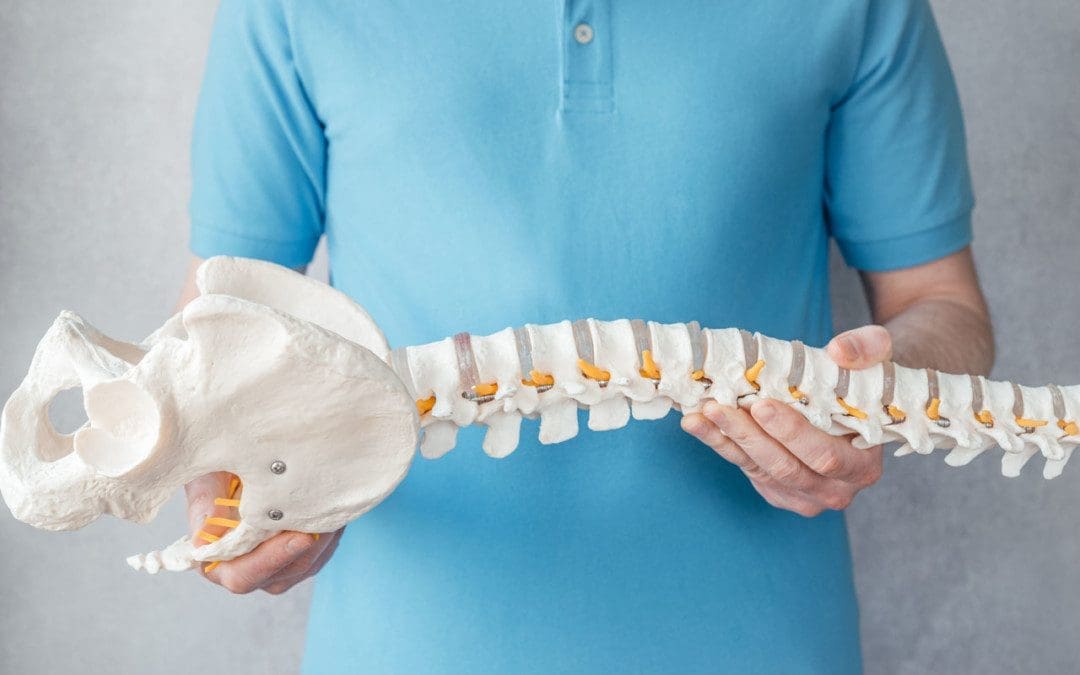
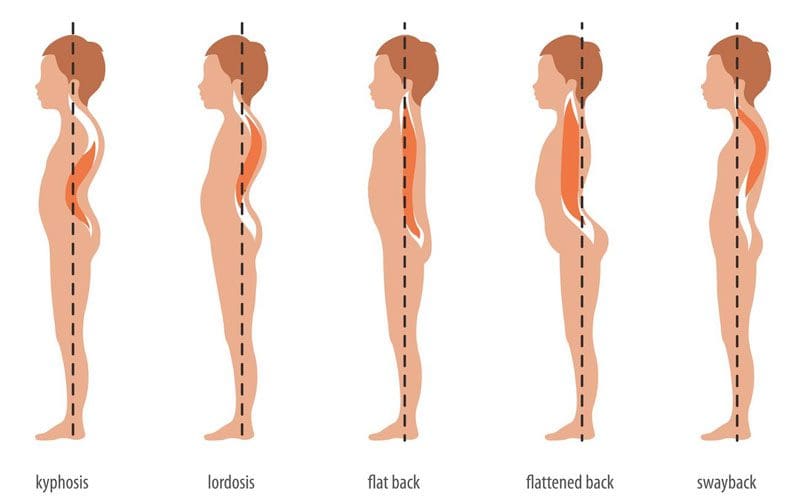
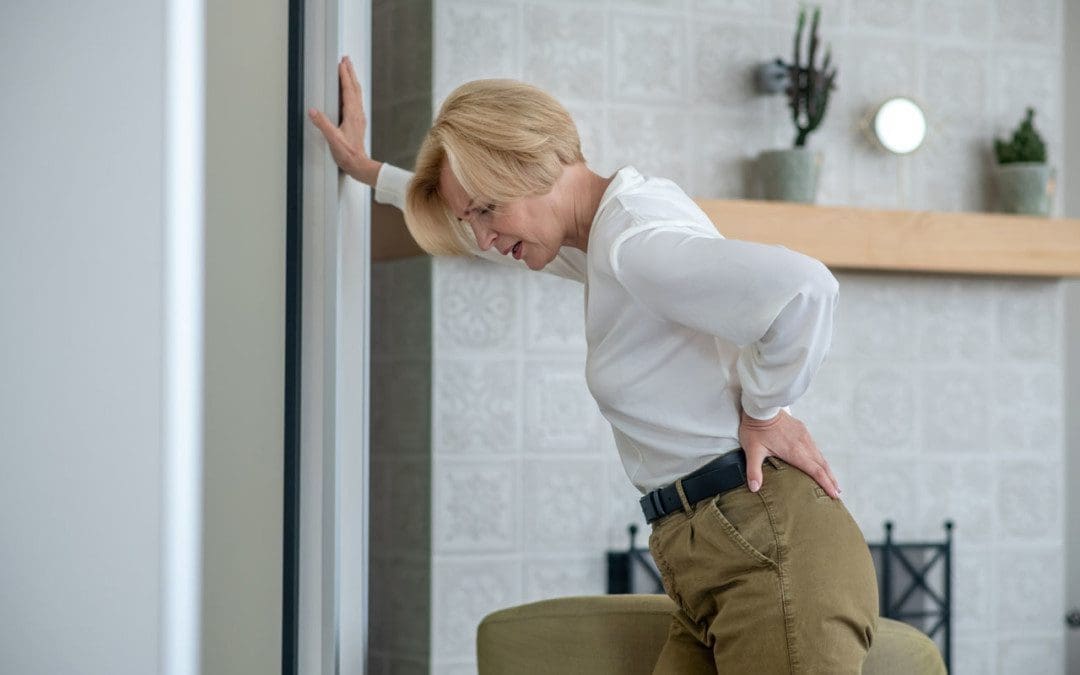
Individuals believe that maintaining a straight/flat back is healthy. However, the back is made up of natural curves that allow flexibility and optimal movement. If there is a lack of these curves, it can lead to spine issues, discomfort, and pain. A common problem to develop from a spine lacking natural curvature is abnormal kyphosis. This is when the natural curve in the thoracic spine – mid-back or lumbar spine – low back disappears, which results in a flat back. Restoring the curvature can be challenging, as flatback syndrome requires chiropractic adjustments to gently shift and realign the spine back into a healthy curve and re-train the spine to maintain the curve.
Causes of Flat Back Syndrome
Flatback syndrome is usually a result of muscle tightness in the lower back muscles, specifically in the psoas muscle. Or it could be degenerative disc disease, where the cartilage supporting the spine begins to weaken. Other causes include arthritis and osteoporosis. Practicing unhealthy posture habits can worsen these conditions, speeding up the loss of the spine’s curvature. Loss of spinal curvature does not occur rapidly, as the body will begin to present with symptoms. The following symptoms could be an indication:
Fatigue when trying to stand upright
Balance problems
Restricted mobility
Muscle spasms
Chronic low back pain
Thigh pain
Groin pain
Disc herniation
Back pain and problems with balance are the earliest warning signs of flatback syndrome.
Symptoms
Flatback symptoms usually get worse as the day progresses, with a sense of fatigue and increasing difficulty to stand upright. Individuals tend to flex or bend their hips and knees to get into an upright position. This can become an exhausting process as the day progresses. Individuals can also have symptoms of sciatica and/or spinal stenosis with leg pain and weakness that gets worse when walking. Neck and upper back pain can begin to present while straining to align themselves. The symptoms become disabling, often requiring pain medications that limit the individual’s ability to perform daily activities.
Realignment Treatment
A chiropractor must determine the severity of the deviation through a thorough assessment and examination. This shows the loss of curvature to help a chiropractor plan a realignment/remodeling adjustment schedule. Restoring a natural kyphosis is done through a combination of adjustments and bracing. Scheduled spinal adjustments will realign and shift the vertebrae back to neutral, while a back brace supports to prevent any deviation. Stretching and exercising relevant muscle groups is also part of a chiropractic treatment plan. An example is core exercises for strengthening the muscles supporting the spine.
Body Composition
Personalized Nutrition
Because the body is so complex and dynamic, there is no perfect fit when it comes to diet, exercise, or a combination. Fad diets typically recommend that individuals adhere to the same eating guidelines, indicating they will reach an expected result like fat loss. These diets work because they focus on a simple reduction in calorie intake, especially processed and fast foods. The problem is that some of these fad diets can restrict critical nutrients that negatively affect an individual’s health. More information about an individual’s body and how it works is an excellent resource in improving body composition and overall health. Personalized nutrition is an innovative and favorable approach to preventing and treating obesity and related conditions. This approach identifies:
Genetic markers
Dietary patterns
Environment
Metabolism
Educated recommendations can be made based on these factors.
References
Drabsch, Theresa, and Christina Holzapfel. “A Scientific Perspective of Personalised Gene-Based Dietary Recommendations for Weight Management.” Nutrients vol. 11,3 617. 14 Mar. 2019, doi:10.3390/nu11030617
Farcy, J P, and F J Schwab. “Management of flatback and related kyphotic decompensation syndromes.” Spine vol. 22,20 (1997): 2452-7. doi:10.1097/00007632-199710150-00025
Lee, Chang-Hyun, et al. “‘Lumbar Degenerative Kyphosis’ Is Not Byword for Degenerative Sagittal Imbalance: Time to Replace a Misconception.” Journal of Korean Neurosurgical Society vol. 60,2 (2017): 125-129. doi:10.3340/jkns.2016.0607.001
Lu, Daniel C, and Dean Chou. “Flatback syndrome.” Neurosurgery clinics of North America vol. 18,2 (2007): 289-94. doi:10.1016/j.nec.2007.01.007
Wiggins, Gregory C et al. “Management of iatrogenic flat-back syndrome.” Neurosurgical focus vol. 15,3 E8. 15 Sep. 2003, doi:10.3171/foc.2003.15.3.8
The pelvic floor is essentially the spine, and when pain presents, it can be mistaken for back pain. However, these two conditions are frequently linked. The National Institutes of Health- NIH reported that a quarter of women are impacted by pelvic floor disorders and up to 16% of men. The pelvic floor is made up of muscles. If the muscles begin to spasm, they can spread pain upwards and even downwards. This is where the misdiagnosis of lower back pain comes in.
The Pelvic Floor
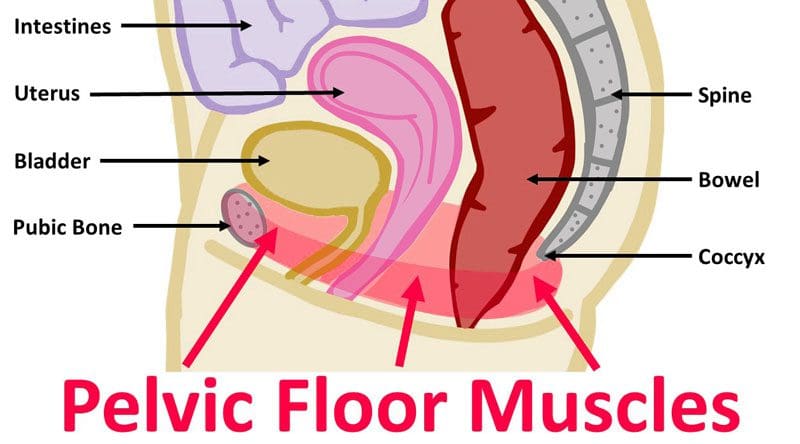
The pelvic floor is comprised of muscles and connective tissue, known as fascia. The muscles and fascia intertwine, creating a support system for the pelvic organs. The pelvic floor muscles act as a spring system that supports the organs. When downward pressure is applied, and the spring system is working correctly, they push back up to support the muscles. These muscles create the base known as the core. The core muscles support the abdomen, diaphragm, and back muscles, supporting the spine. This is why back, pelvic pain is prevalent as these muscles are interconnected.
Pelvic Floor Dysfunction and Back Pain
If there is pelvic floor dysfunction, there is an inability to control the muscles. There can be too much or insufficient tension, resulting in urinary incontinence or inability to complete bowel movements. It can also be mistaken for back pain or contributes to pelvic and low back pain. The core muscles support the torso and promote stabilization during movement. If they are not working correctly, the torso and pelvis become unstable. The SI – sacroiliac joints linked with the pelvis and the lower spine can begin to present with posterior pelvic and back pain.
Symptoms
Dysfunction can present in several ways, including:
Vaginal dryness by a lack of estrogen during menopause.
Tight inner thigh muscles.
Back pain itself can cause dysfunction.
Women make up the majority of cases that result from:
Pregnancy
Childbirth
Endometriosis – a condition in which uterine tissue grows outside the uterus.
Men can also develop problems. As a man’s body ages, prostate problems can cause urinary leakage and frequency problems. It can develop from activities like bicycling. The seat can compress the pudendal nerve, causing pain and dysfunction.
Retraining the Muscles
The dysfunction can be helped by reactivating and strengthening the pelvic and core muscles. Training the pelvic floor and the core muscles will help boost support for the spine and alleviate discomfort and pain. First, it is recommended to get a physical evaluation by a chiropractor or physical therapist to determine if the pelvic floor muscles are too tight or weak. The objective is to improve the strength of the pelvic floor muscles or relax them if they are too tight. A chiropractor and physical therapist can work on the muscles, educate on stretches, exercises, nutrition, and offer additional help and support.
Body Composition
Muscle Adaptation
The point of resistance training is to get the muscles to function more effectively. It begins with the contractile proteins that control muscle shortening and lengthening. Resistance exercise can cause some of the proteins to get pulled apart. The stress the muscles experience is the stimulus for the muscles to rebuild bigger, stronger, or more powerful. After resistance exercise, the muscle synthesizes proteins helped by nutritional stimuli and protein consumption. Satellite cellsalso activate to help build up the broken-down muscle. Resistance exercise causes activation.
National Institutes of Health. (September 2008) “Roughly One-Quarter of U.S. Women Affected by Pelvic Floor Disorders” https://www.nih.gov/news-events/news-releases/roughly-one-quarter-us-women-affected-pelvic-floor-disorders
Smith, Christopher P. “Male chronic pelvic pain: An update.” Indian journal of urology: IJU: journal of the Urological Society of India vol. 32,1 (2016): 34-9. doi:10.4103/0970-1591.173105
World Health Organization. (2013) “Low back pain” https://www.who.int/medicines/areas/priority_medicines/Ch6_24LBP.pdf
Regularly doing planks can support/strengthen the spine and prevent back pain no matter the fitness level. It’s estimated that 70% of adults will experience back problems and pain. One of the best ways to keep the spine healthy is by strengthening the core muscles. The more these muscles are built up, the healthier the body will become. The plank position activates the entire core taking the pressure off of the spine.
Core Anatomy
The core is the center of the body. It contains all the muscles surrounding the torso. These muscles work together to:
Stabilize the body during movement.
Prevent injury when engaged in physical activity/exercise.
Provide spinal support.
The core is split into two groups of muscles: The inner core and the outer core.
The deep abdominal muscle in the lower back sits on either side of the lumbar region of the spine.
Transversus Abdominis
Located between the lower ribs and the top of the pelvis.
Pelvic Floor
This base group of muscles stretches from the tailbone to the pubic bone.
Diaphragm
A dome-shaped muscle that rests below the lungs.
Outer Core
Rectus Abdominis
These are more commonly known as the abs.
External Obliques
These muscles are located on either side of the rectus abdominis.
Internal Obliques
These muscles are located below the external obliques, inside the hip bones.
Erector Spinae
These muscles surround the spine and extend up both sides of the vertebral column.
Planks and Back Pain Prevention
When the core is not strong enough, the spine and back muscles overcompensate to keep the body standing correctly. Studies have shown how planks effectively activate the muscles responsible for spinal stabilization. The exercise targets the entirety of the core and strengthens the shoulders and glutes. Strengthening these muscles improves posture, helping to alleviate back problems and pain. However, it’s recommended to talk to a doctor before beginning a plank regimen if back pain is present. If done incorrectly, they could aggravate the back muscles.
Proper Form
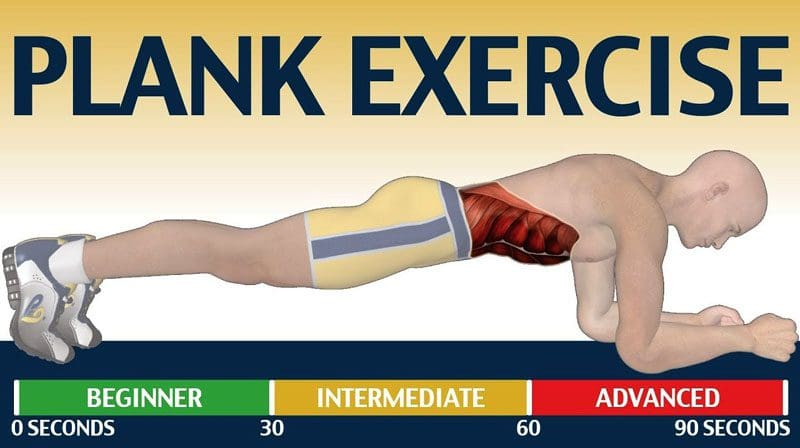
Choose an area clear of furniture where the whole body can stretch out. Follow these steps:
Begin with hands and knees on the floor.
Extend the legs back while keeping the elbows directly below the shoulders and the wrists below the elbows.
Keep the head down, looking at the space just above the hands.
Engage the abs and keep the body rigid.
Imagine a perfectly straight line from the neck to the toes.
Hold the position for 10 to 60 seconds, depending on fitness level.
Lower the body gently to the floor.
Make sure not to curve the back as curving means that the abdominal muscles are being engaged, and tilting the head up can strain the neck.
Both can lead to injury, which is why maintaining proper form is essential.
Plank Variations
There are variations of this exercise for different levels of physical fitness. Once the modified and full plank has been mastered, various planks can target other areas of the body. These include:
Side Plank
These involve shifting the weight to one forearm while extending the other arm into the air.
One-arm Plank
These involve lifting one hand off the ground, then alternating.
Anybody can work up to a plank at any age at any fitness level; it just takes time. Once achieved, it is a great way to keep the body’s core strong, healthy and helps prevent back problems.
Body Composition
Band Lateral Raise
The lateral band raise is an excellent workout for the shoulders. It works out the lateral deltoid, anterior deltoid, and serratus anterior.
Grasp one band in one hand.
Step on the free end with the opposite foot.
Right hand and left foot and vice versa.
Slowly extend and raise the arm until they are parallel to the floor.
Lower the arms in the same manner.
If the shoulders are healthy and strong enough, try adding dumbbells or kettlebells to increase the resistance.
References
Calatayud, Joaquín et al. “Tolerability and Muscle Activity of Core Muscle Exercises in Chronic Low-back Pain.” International journal of environmental research and public health vol. 16,19 3509. 20 Sep. 2019, doi:10.3390/ijerph16193509
World Health Organization. (2013) “Low back pain.” https://www.who.int/medicines/areas/priority_medicines/Ch6_24LBP.pdf
Youdas, James W et al. “Magnitudes of muscle activation of spine stabilizers in healthy adults during prone on elbow planking exercises with and without a fitness ball.” Physiotherapy Theory and practice vol. 34,3 (2018): 212-222. doi:10.1080/09593985.2017.1377792
Proper nutrition can be difficult for individuals with work, school, and busy schedules to prepare fresh, healthy meals. Healthy food is essential for a healthy nervous system and spine to promote a healthy musculoskeletal system, metabolism, bone strength, tissue growth, and repair. The body requires more nutritional value to heal itself to support damage or injury.
Nervous System and The Spine
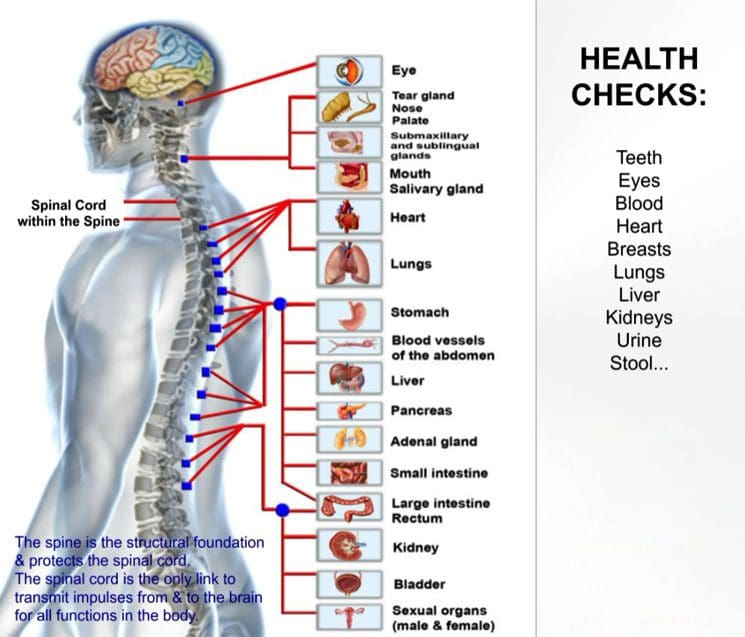
The nervous system runs throughout the body like an interstate highway and impacts every bodily function. Disrupting signals can cause a backup, like a massive traffic jam. At that point, no matter how healthy the diet is, the body is unable to process all the food thoroughly to break down all the nutrients. Chiropractic adjustments ensure that blood circulation and nerve energy flow function optimally so that messages sent from the brain and body are transmitted without disruption.
Disrupted Nervous System
The nervous system influences every part of the body, and digestion is no exception. The nervous system tells the body what it needs to do with the food/fuel. When the nervous system is unbalanced and experiencing problems, the nutrients that the body needs don’t get appropriately stored, broken down, or used correctly, leaving the body feeling not full and unsatisfied.
Nutrition Improves Musculoskeletal Health
It is essential to understand that nutrition and musculoskeletal health depend on a healthy nervous system and spine.
Food high in protein and calcium increases bone density.
Protein and calcium are vital as the body ages.
A healthy skeletal structure will ensure and maintain a healthy body.
Food is the primary source of nutrients for the body to rebuild and repair torn muscles.
The Relation Between Nutrition And Recovery
Nourishment plays a vital role in maintaining the body’s health and helps in reducing the risk of illness or injuries. There are several links between nutrition and recovery that includes:
Injury Rehabilitation
A diet rich in antioxidants like:
Berries
Apricots
Grapes
Milk
Nuts
The body becomes stronger to combat inflammation.
Foods rich in lean protein like:
Yogurt
Tofu
Beef
Provide the body with essential building blocks that help repair cellular damage.
Joint Or Back Pain Alleviation
Overweight and obesity generate unnecessary load on the spine or joints, resulting in back pain.
Reducing weight through proper nutrition filled with proteins and magnesium instead of unhealthy fats and calories will help reduce the strain being put on the musculoskeletal system.
Increased Energy Levels
Food high in sugar or preservatives makes the body feel sluggish and tired.
As a result, the body is constantly exhausted, fatigued, sleepy, and irritable.
Proper nutrition increases energy levels.
Maintaining the nervous system and spine’s overall health.
Body Composition
Malnutrition Risks
Malnutrition can be difficult to spot early, but there are various risk factors to recognize. These include:
Depression doubles the risk of malnutrition, especially among men.
References
Bollwein, J et al. “Nutritional status according to the mini nutritional assessment (MNA®) and frailty in community-dwelling older persons: a close relationship.” The journal of nutrition, health & aging vol. 17,4 (2013): 351-6. doi:10.1007/s12603-013-0034-7
Curtis, Elizabeth et al. “Determinants of Muscle and Bone Aging.” Journal of cellular physiology vol. 230,11 (2015): 2618-25. doi:10.1002/jcp.25001
Gentile, Francesco et al. “Diet, Microbiota and Brain Health: Unraveling the Network Intersecting Metabolism and Neurodegeneration.” International journal of molecular sciences vol. 21,20 7471. 10 Oct. 2020, doi:10.3390/ijms21207471
Oxland, Thomas R. “Fundamental biomechanics of the spine–What we have learned in the past 25 years and future directions.” Journal of biomechanics vol. 49,6 (2016): 817-832. doi:10.1016/j.jbiomech.2015.10.035
Pérez Cruz, Elizabeth et al. “Asociación entre desnutrición y depresión en el adulto mayor” [Association between malnutrition and depression in elderly]. Nutricion hospitalaria vol. 29,4 901-6. 1 Apr. 2014, doi:10.3305/nh.2014.29.4.7228
Individuals talk about how they don’t sleep much because they have so much to do and can operate/function on only 5 or 6 hours of sleep and are surprised when they develop serious health problems and mental health issues. However, inadequate sleep is a big deal. Depriving the body and mind of proper sleep leads to all kinds of health problems that include:
Chiropractors focus on whole-body health, are specialists in the musculoskeletal system, and take a multifaceted approach to treat fatigue and inadequate sleep. They can help with sleep problems and other health factors by bringing the body back into alignment/balance, improving circulation, nerve energy flow, and nervous system function. This includes chiropractic adjustments and therapeutic massage.
Spinal Adjustments
Misalignment of the cervical spine could be contributing to issues breathing and getting into a deep sleep.
Spinal realignment can help with better sleep.
Posture Analysis and Sleep Positions
Posture is a significant part of optimal health, especially when breathing correctly.
A chiropractor can analyze and correct any posture misalignments.
They can also advise how best to sleep, so the airway does not become obstructed during the night.
Health Factors
A recommendation for fatigue and inadequate sleep is to lose weight if overweight or obese.
A trained nutritionist or health coach can help develop healthy eating and lifestyle habits.
Less Stress and Plenty of Sleep
The combination of spinal adjustments and therapeutic massage can generate significant benefits to help keep the body healthy. Chiropractic adjustments have been found to release stress-reducing hormones like oxytocinand neurotensin. And therapeutic massage has been shown to improve inadequate sleep patterns, as well as:
Jamison, Jennifer R. “Insomnia: does chiropractic help?.” Journal of manipulative and physiological therapeutics vol. 28,3 (2005): 179-86. doi:10.1016/j.jmpt.2005.02.013
Jehan, Shazia et al. “Obstructive Sleep Apnea and Obesity: Implications for Public Health.” Sleep medicine and disorders: international journal vol. 1,4 (2017): 00019.
Kashani, Fahimeh, and Parisa Kashani. “The effect of massage therapy on the quality of sleep in breast cancer patients.” Iranian journal of nursing and midwifery research vol. 19,2 (2014): 113-8.
Kingston, Jana et al. “A review of the literature on chiropractic and insomnia.” Journal of chiropractic medicine vol. 9,3 (2010): 121-6. doi:10.1016/j.jcm.2010.03.003
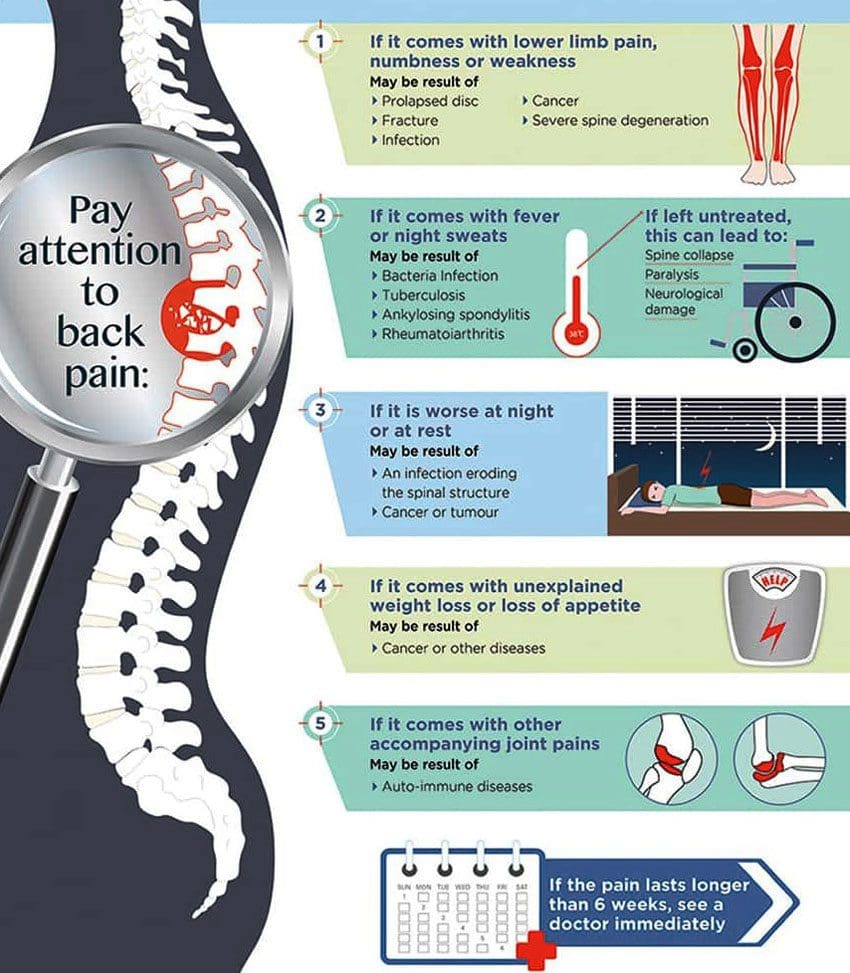
It is one thing to wake up with back pain, but another when the pain is combined with a fever, body aches, and chills. It could be the flu or another infection. However, after checking the body’s temperature and fever is present with no other symptoms than back pain unless it is the flu; the fever could be another issue that may or may not be related as there are a variety of causes for back pain like:
Muscle or ligament strain – If in poor physical condition, repeated and constant tension on the back can cause muscle spasms. Repeated heavy lifting or a sudden awkward movement can strain the back muscles and spinal ligaments.
Bulging or ruptured discs – Discs act as cushions between the bones/vertebrae in the spine. The soft material inside a disc can bulge or rupture and press on a nerve. However, a bulging or ruptured disc can present without back pain. Disc disease is often found by accident when spine X-rays are performed for another reason.
Arthritis – Osteoarthritis can affect the lower back. In some cases, arthritis in the spine can narrow the space around the spinal cord, a condition called spinal stenosis.
Osteoporosis – The spine’s vertebrae can develop painful fractures if the bones become porous and brittle.
Back pain without a fever is usually an indication of a misaligned spine.
Fever A Sign of Something Else
A fever is the body’s way of trying to raise its core temperature in an attempt to kill off a virus or a bacterial infection. Possible causes of back pain with fever include:
Kidney Infection
This type of infection often presents with low back pain and fever.
Spinal Epidural Abscess
This is an infection of the lower region of the spine, causing fever and lower back pain.
Vertebral Osteomyelitis
This is an infection of the lower spine that causes pain in the arms, lower back, and legs, along with a fever.
Meningitis
This causes swelling and inflammation of the brain and spine and needs to be addressed immediately.
Spinal Cord Abscess
This is an infection of the internal part of the spine. It is rare but can happen, causing low back pain and fever.
Symptoms
This is when seeing a chiropractor can help. A few signs that should not be ignored include:
Recently involved in an automobile accident.
Suffered a serious fall.
Feeling a tingling in the legs.
Having balance issues.
Having abdominal pain.
Pain is not going away, or it goes away for a while, then comes back.
Have weakness in the arms or legs.
Having bowel or urinary problems that were not present previously.
The pain is worse when sitting or standing up after sitting.
Have upper back pain after alcohol consumption.
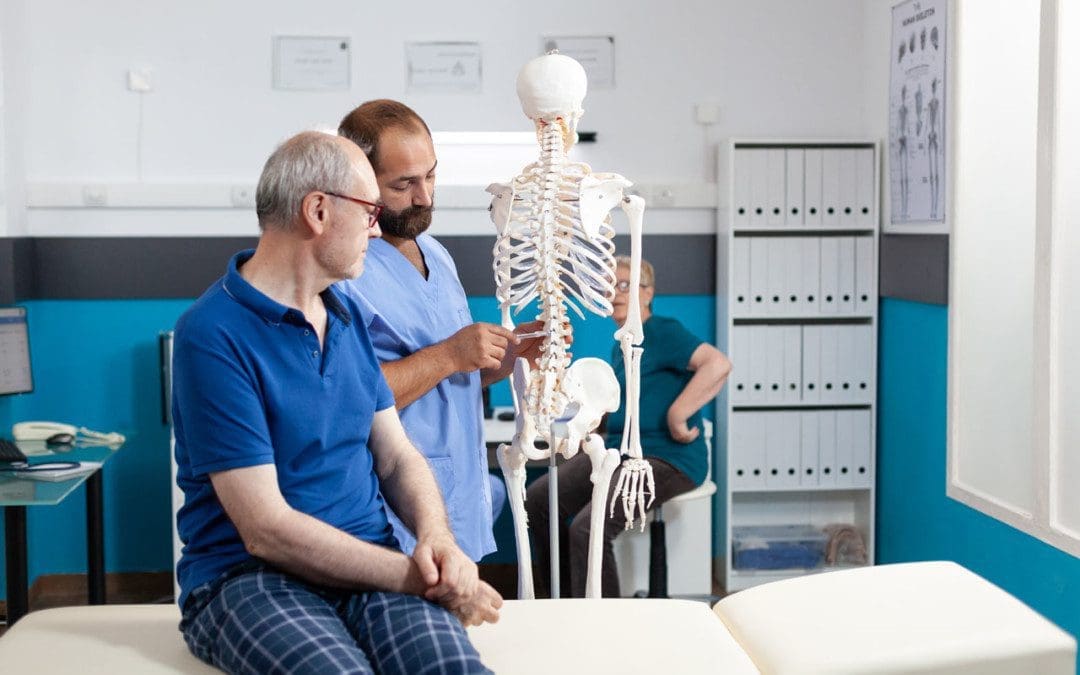
A chiropractor will take a complete medical history, X-rays, an MRI if necessary, and a thorough physical examination will be performed to determine the cause. After a diagnosis is reached, the chiropractor will perform adjustments to relieve the pain and open the nerve pathways to increase circulation to the area. A chiropractic massage will help reduce stress, relieve back pain, and reduce depression, which can also help reduce the fever unless it is from another issue.
Body Composition
Influenza
Influenza or the flu is a contagious respiratory illness caused by viruses that infect the nose, throat, and lungs. It can cause mild to severe illness and, in extreme cases, can lead to death. Like a common cold, the flu is spread primarily through tiny droplets that get expelled from an infected person when they sneeze, cough, or talk. Approximately 8% of the population gets the flu each season. Flu symptoms are sudden, causing the following:
Fever
Chills
Muscle or body aches
Headaches
Sore throat
Runny or stuffy nose
Cough
Fatigue
Vomiting and diarrhea which is more common in children.
Most individuals with healthy immune systems will recover around seven days. However, the elderly, pregnant women, individuals of any age with certain chronic medical conditions like asthma, diabetes, or heart disease, and children under the age of five have an increased risk of developing complications. Flu vaccination is currently recommended for anyone older than six months in the U.S. and effectively prevents infection in 50 – 80% of the population. The primary treatment method for the flu is to support the immune system with plenty of rest, proper nutrition, and hydration.
References
Ameer MA, Knorr TL, Mesfin FB. Spinal Epidural Abscess. [Updated 2021 Feb 11]. In: StatPearls [Internet]. Treasure Island (FL): StatPearls Publishing; 2021 Jan-. Available from: https://www.ncbi.nlm.nih.gov/books/NBK441890/
Kehrer, Michala et al. “Increased short- and long-term mortality among patients with infectious spondylodiscitis compared with a reference population.” The spine journal: official journal of the North American Spine Society vol. 15,6 (2015): 1233-40. doi:10.1016/j.spinee.2015.02.021
Rubin, Devon I. “Epidemiology and risk factors for spine pain.” Neurologic clinics vol. 25,2 (2007): 353-71. doi:10.1016/j.ncl.2007.01.004
Tsantes, Andreas G et al. “Spinal Infections: An Update.” Microorganisms vol. 8,4 476. 27 Mar. 2020, doi:10.3390/microorganisms8040476
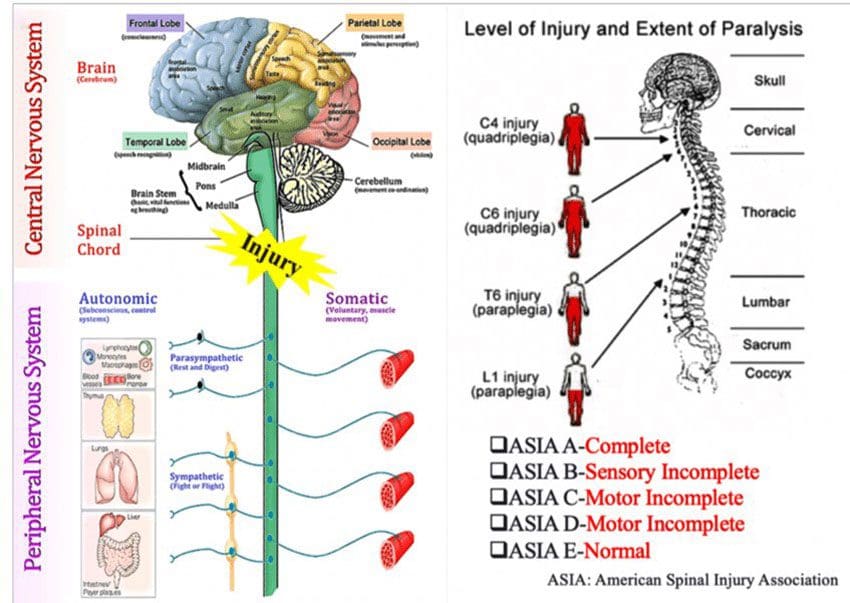
Spinal cord injuries or SCI’s don’t just happen from intense force/high-energy trauma like hard falls or auto accidents. Non-traumatic spinal cord injuries are more common. However, traumatic spinal cord injuries tend to get the most attention. This can cause problems as it can delay treatment for individuals with a non-traumatic injury. Awareness is vital because spinal cord disorders tend to not get recognized for their impact on overall health.
Non-traumatic Spinal Cord Injury
Non-traumatic spinal cord injuries is an umbrella term that includes several disorders, like:
Understanding these disorders helps determine a correct diagnosis. Degenerative cervical myelopathy or DCM is the most common form of a non-traumatic spinal cord injury. It is a slow progressive injury that causes continued compression usually brought on by spondylosis or osteoarthritis of the spine’s joints. DCM can have a devastating effect on the quality of life if not diagnosed and treated as it can have a ripple effect by raising the risk of falls, leading to a traumatic spinal cord injury. Being aware can help in preventing the damage.
Other Causes and Complications
Other causes for non-traumatic spinal cord injury include:
One of the most significant risk factors is age. This is due to an increased risk of conditions like osteoarthritis and hypertension as individuals get older, which is why individuals with a non-traumatic spinal cord injury are, on average, older than individuals that suffer a traumatic spinal cord injury. Weakness, instability, and loss of muscle control are common complications that can develop as the non-traumatic spinal cord injury progresses. Other complications that can present include:
Chronic pain
Sleep disturbance
Constipation
Urinary incontinence
Urinary tract infections
Impotence
Pressure ulcers/bed sores if immobilized
Possible blood clots that can lead to deep vein thrombosis
Depression and anxiety
Treatment
With a traumatic spinal cord injury, treatment depends on the severity of the injury. With non-traumatic spinal cord injuries, treatment depends on what type of condition is involved. The primary treatment for non-traumatic spinal cord injuries typically involves various forms of rehabilitation to minimize further damage to the spinal cord. Surgery may be necessary if the spine needs to be decompressed.
Body Composition
Extracellular Water and Intracellular Water
Extracellular Water – ECW
Extracellular is the water located outside the body’s cells.
Allows molecules to be transported to the different organelles inside the cell.
Picks up where the extracellular water leaves off by continuing the pathway for fuel/energy to be transported to the cells.
References
Badhiwala, Jetan H et al. “Degenerative cervical myelopathy – update and future directions.” Nature reviews. Neurology vol. 16,2 (2020): 108-124. doi:10.1038/s41582-019-0303-0
Handbook of Clinical Neurology (2012) “Spinal Cord Injury.” https://www.sciencedirect.com/topics/medicine-and-dentistry/non-traumatic-spinal-cord-injury
Milligan, James et al. “Degenerative cervical myelopathy: Diagnosis and management in primary care.” Canadian family physician Medecin de famille canadien vol. 65,9 (2019): 619-624.
Physical Management in Neurological Rehabilitation (2004) “Spinal cord injury.” https://www.sciencedirect.com/topics/medicine-and-dentistry/non-traumatic-spinal-cord-injury
IFM's Find A Practitioner tool is the largest referral network in Functional Medicine, created to help patients locate Functional Medicine practitioners anywhere in the world. IFM Certified Practitioners are listed first in the search results, given their extensive education in Functional Medicine