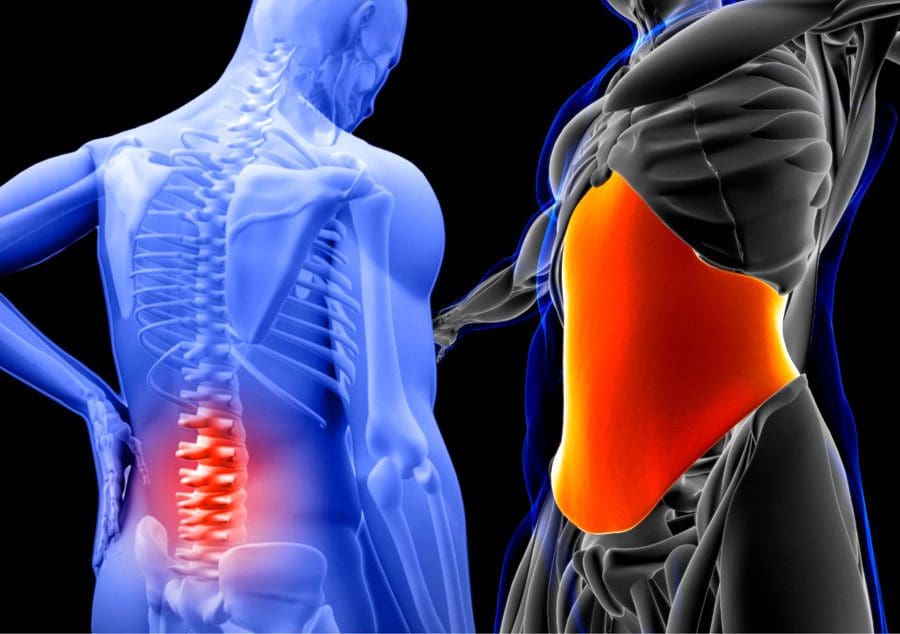
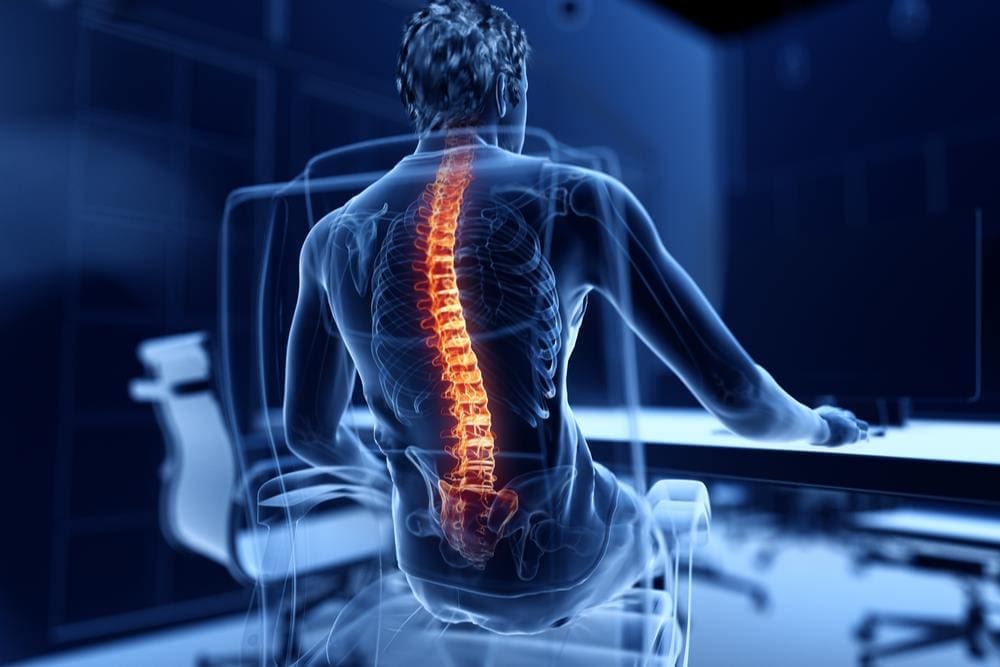
The lower back core muscles initiate and control movement and posture. Total body movements start at the pelvis and are carried out by the low back and abdominal muscles. These core muscles provide control and stability when moving. When the body is not moving, standing and sitting posture habits (healthy and unhealthy) develop based on how an individual controls/holds their pelvis posture. The lower back muscles are in constant demand for performing repetitive motions or forceful actions. The muscles become chronically tight and sore, joints and nerves get compressed, and bones and connective tissue stay in a stressed state, causing intense pain and damage to the body’s structure. These problems can result from muscle memory, the nervous system’s operating procedure to make movements automatic.
Muscle Memory
The nervous system controls the movement and contraction in the muscles and constantly reinforces and learns new movement patterns to become more efficient through muscle memory. However, this learning process allows for the development of healthy muscle habits and unhealthy muscular habits. An example is sitting using a slouching posture. The nervous system will store that posture data and subconsciously contract the abdominal and pectoral muscles, so the slouched posture takes over. Because of the continual usage and compromised postures, various muscles start to tighten up. Individuals are typically not aware of the gradual tightening until stiffness, soreness, and pain sets in. Tight muscles pull the skeleton in awkward ways that cause body misalignments, causing:
Individuals develop unique muscle patterns and tension levels throughout the body due to repetitive daily activities, stress responses, injuries sustained, and physical activities. Muscle memory issues can contribute to chronic back pain and sciatica. Unhealthy muscle memory causes the muscles not to return to their natural state but to the awkward position and makes that the natural state. Healthy muscle memory leads to instant reflexes that make movements smooth and effortless.
Chiropractic will relieve back and sciatica pain by inducing deep muscle relaxation that releases endorphins. The soreness and tension will be massaged, and mechanical decompression if necessary. Massage and stretching will help retrain muscle and movement memory, along with exercises to reinforce the retraining.
Spinal Decompression Therapy
References
Campbell, James N, and Richard A Meyer. “Mechanisms of neuropathic pain.” Neuron vol. 52,1 (2006): 77-92. doi:10.1016/j.neuron.2006.09.021
Wilder, David G et al. “Effect of spinal manipulation on sensorimotor functions in back pain patients: study protocol for a randomized controlled trial.” Trials vol. 12 161. 28 Jun. 2011, doi:10.1186/1745-6215-12-161
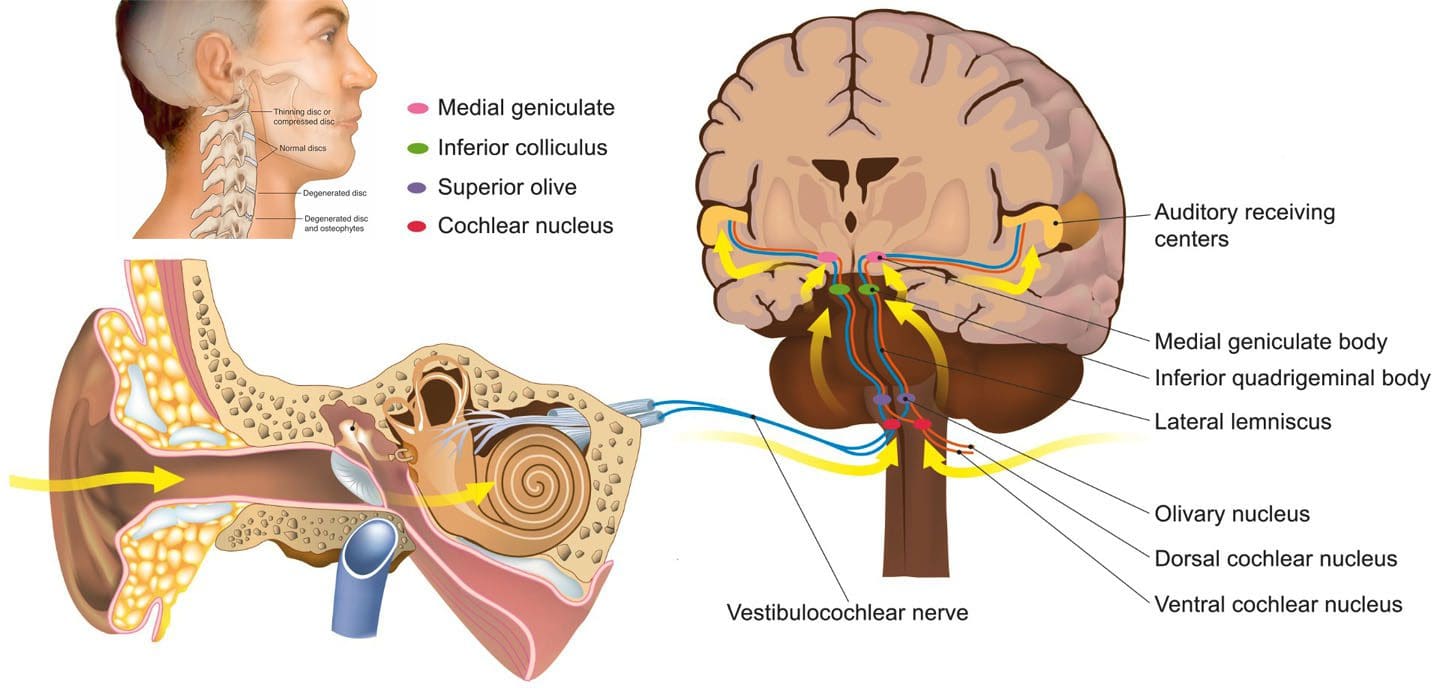
Ear problems like blockages or congestion can cause irritation and pain, as well as symptoms such as dizziness, ear discomfort, headaches, and sinus pain that can lead to infection. This condition can happen to anyone but is prevalent in children, individuals that live in high altitudes, and individuals who suffer from allergies. Spinal misalignments can cause interference to the nervous system that can create problems elsewhere in the body, like the ears.
If there is neck misalignment along with pinched, tangled nerve/s signal transmissions can misfire or cut off messages disrupting the process of draining the Eustachian tube. This creates a buildup of bacteria and fluid, which can cause pain and pressure. Chiropractic decompression treatment uses gentle manipulation of the cervical spine to release the pressure affecting the ear.
Ear Problems
Bacteria or viruses cause ear infections in the middle ear. Infection often results from another illness like cold, sore throat, flu, respiratory disease, or allergies that causes congestion and swelling of the nasal passages, throat, and eustachian tubes.
Eustachian Tubes
The tubes functions include:
Regulating air pressure in the middle ear
Resupply fresh air in the ear
Drain the middle ear
The eustachian tubes are two canals that connect the middle ear to the throat and nasal cavity, known as the nasopharynx. (The eustachian tubes are more narrow in children, which makes them difficult to drain and more likely to get clogged.)When the lining of these canals comes under stress, they can become inflamed/swollen, blocking or filling with fluid causing excessive pressure and pain. This fluid can become infected and cause ear infection symptoms.
If the ear problem is connected to a misalignment of the cervical spine, the following symptoms may be experienced:
Fluid/effusion stays in the middle ear for an extended time.
It can build up over and over, despite no infection.
It can also affect hearing.
Misalignment in the upper cervical spine can cause muscles to flex awkwardly/irregularly, disrupting the opening and closing of the eustachian tubes and their positioning. This often causes inflammation along the eustachian canal, upper throat, and nasal cavity. If left untreated, the inflammation can develop into an infection, causing swelling and/or fluid buildup in the inner and middle ear. Common symptoms of middle ear infections in adults include:
Pain in one or both ears
Hearing is muffled
Sore throat
Fluid drainage from the ear
Chiropractic Realignment
Treatments are helpful for individuals who want to reduce taking antibiotics, which can minimize immunity by destroying the healthy bacteria in the gut. Chiropractic is a simple and effective way to treat ear problems. Realigning the vertebrae relieves tissue inflammation/swelling around the Eustachian tube to allow drainage, relieve pressure, and restore health.
Spinal Decompression Chiropractor
References
Collins, Rachael, et al. “Paralysis from an ear infection: a severe case of otitis externa leading to acute complete cervical cord syndrome.” BMJ case reports vol. 14,12 e245594. 1 Dec. 2021, doi:10.1136/bcr-2021-245594
Harmes, Kathryn M et al. “Otitis media: diagnosis and treatment.” American family physician vol. 88,7 (2013): 435-40.
Laulajainen Hongisto, Anu et al. “Severe Acute Otitis Media and Acute Mastoiditis in Adults.” The journal of international advanced otology vol. 12,3 (2016): 224-230. doi:10.5152/iao.2016.2620
Murphy, D R. “Chiropractic rehabilitation of the cervical spine.” Journal of manipulative and physiological therapeutics vol. 23,6 (2000): 404-8. doi:10.1067/mmt.2000.108143
Polkinghorn, B S. “Treatment of cervical disc protrusions via instrumental chiropractic adjustment.” Journal of manipulative and physiological therapeutics vol. 21,2 (1998): 114-21.
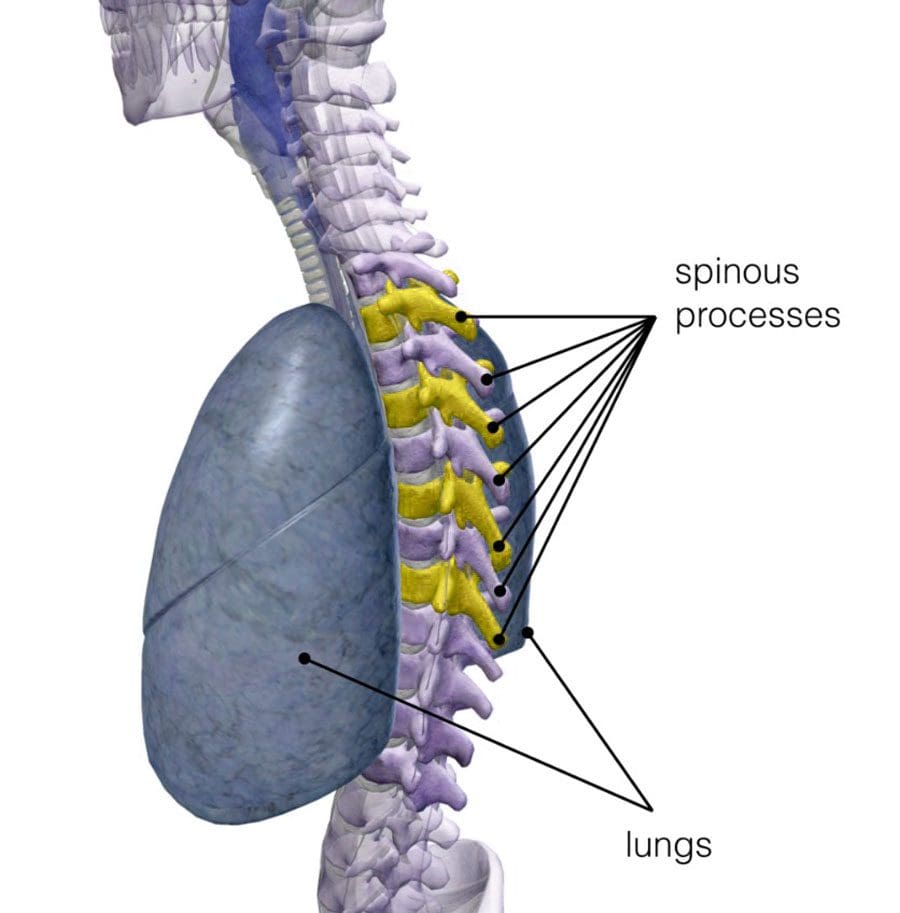
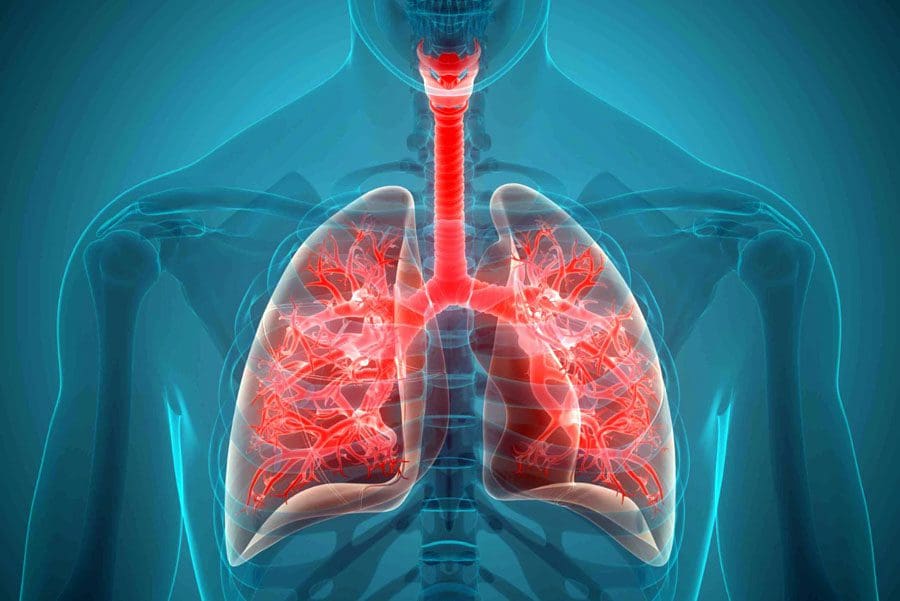
The body is a set of complex systems, including bones, organs, nerves, muscles, and tissue. Breathing disorders are increasing, including chronic bronchitis, asthma, emphysema, and other conditions. Viscerosomatic reflexes include poor breathing quality brought on by allergies, breathing disorders like COPD that can cause intense coughing, sneezing, hunching, arching of the back, and heaving that causes back pain and referred pain.
The brain sends electronic impulses to the different areas of the body through the spine/nervous system. If the nerves get shifted, stretched, compressed, or knocked out of position, the brain could start sending messages of pain and discomfort, which can also cause other body systems to malfunction. If the body is constantly transmitting pain signals, it can disrupt sleep, dietary habits, and overall well-being. Misalignment can disrupt the information delivered by the nervous system, leading to inflammation, irritation, and imbalances in the body.
Regular chiropractic maintains the nervous system to operate the way it was designed. Proper alignment of the spine and body will improve the nervous system’s health and function, encouraging the brain to release endorphins achieving pain relief, and leading to optimal health. When the nervous system performs optimally, the other systems will follow, including better breathing quality.
Poor Breathing
Breathing difficulties are widespread with various causes that include:
Allergies
Environmental pollutants
Viral and bacterial infections that cause inflammation
An overactive immune response can all contribute to poor breathing quality.
Individuals might not notice that their breathing quality is poor but instead notice they are:
Frequent exhaustion
Having to stop constantly in the middle of activities.
Experience brain fog.
Memory issues/forgetfulness.
Physical performance – endurance, flexibility, and muscle is deteriorating.
The breathing quality impacts how well the body’s systems can carry out their essential functions and be prepared for unexpected events. The body adjusts oxygen intake capacity in line with the energy required to perform physical activity. All bodily systems, including the cardiovascular, immune, and muscular systems, depend on the respiratory system to generate energy.
Immune protection against viruses, bacteria, fungi, and other diseases.
Chiropractic
A crucial part of the respiratory system’s function is transporting nutrients and oxygen throughout the body. Chiropractic treatment releases tension by moving muscle fascia and the spine that may have become stuck, compressed, or shifted out of position, causing poor posture and injury. Chiropractic eliminates toxins and cellular waste from tight, knotted areas by breaking up stagnant tissues.
Circulation Improvement
Chiropractic increases circulation, allowing fresh blood, lymphatic fluid, nutrients, and oxygen to enter the deprived tissues. These regions include:
Muscles in the shoulder, neck, back
Bones and joints across the spine
Body tissues
Ligaments
Tendons
Chiropractic treatment can be manual/mechanical traction/decompression, combined with therapeutic tissue massage, exercise, and diet recommendations.
Decompression De La Espalda
References
McCarty, Justin C, and Berrylin J Ferguson. “Identifying asthma triggers.” Otolaryngologic clinics of North America vol. 47,1 (2014): 109-18. doi:10.1016/j.otc.2013.08.012
Purnomo, Ariana Tulus, et al. “Non-Contact Monitoring and Classification of Breathing Pattern for the Supervision of People Infected by COVID-19.” Sensors (Basel, Switzerland) vol. 21,9 3172. 3 May. 2021, doi:10.3390/s21093172
Schend, Jason, et al. “An Osteopathic Modular Approach to Asthma: A Narrative Review.” The Journal of the American Osteopathic Association vol. 120,11 (2020): 774-782. doi:10.7556/jaoa.2020.121
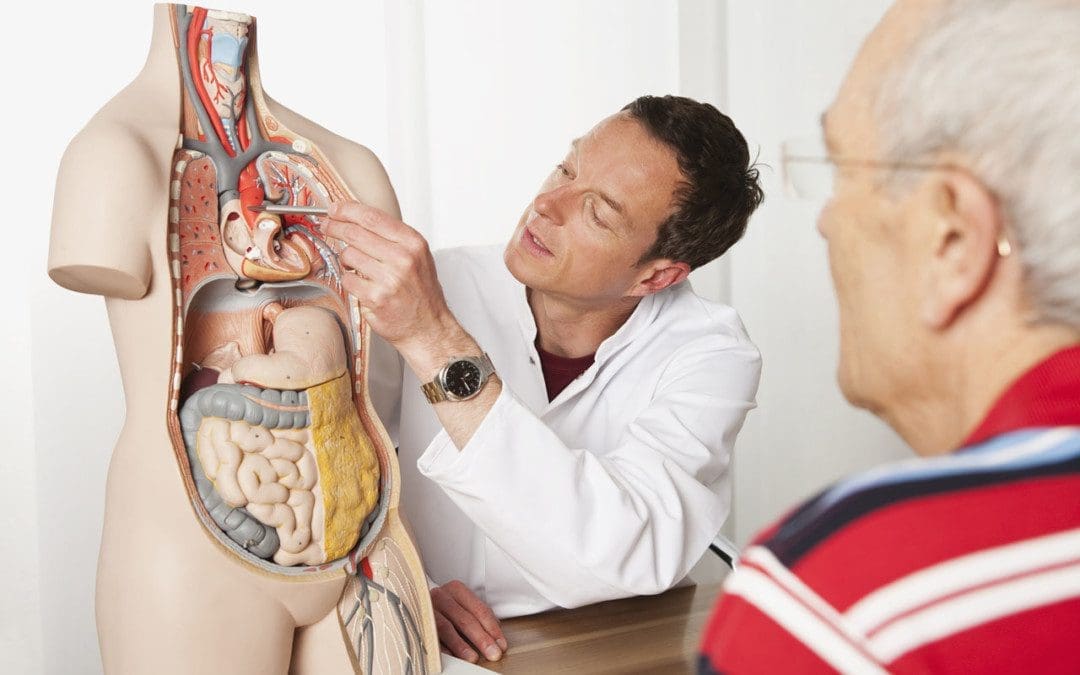
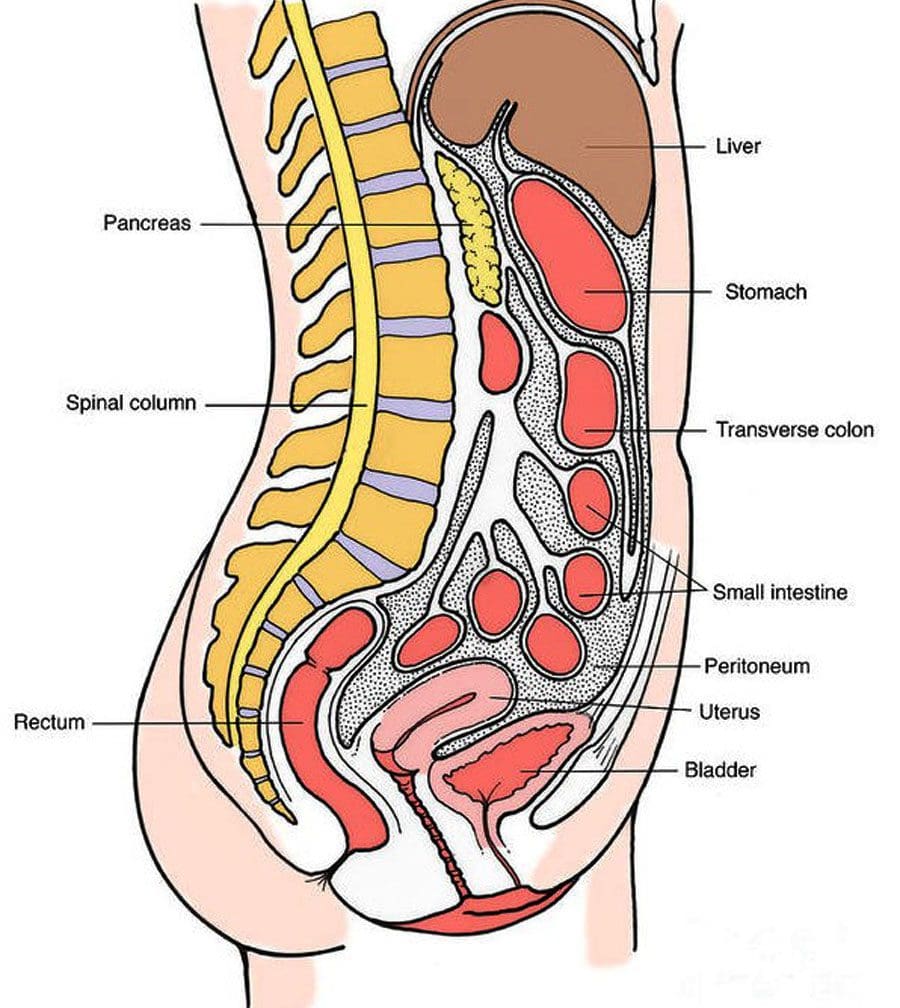
Low back and mid-back pain could be caused by abdominal or pelvic organ distress/irritation or infection that an individual doesn’t know about. This could be a viscerosomatic reflex. This can be the case when there is no back injury, muscle strain, or sprain that would coincide with back aching and soreness. Identifying the symptoms and diagnosing the underlying cause is the first step in getting ultimate pain relief.
The Organs
Inflammation and other issues with any internal organs in the central, abdominal, or pelvic region can produce low back pain. These include the following:
Heart
Lungs
Stomach
Intestines
Liver
Gallbladder
Viscerosomatic reflex pain can also be felt in a completely different body part than where the organ is located. This can cause an individual to think something is wrong in that body region when there is not.
Kidneys
The kidneys help remove liquid waste from the body.
Urine that contains more chemical substances than what can be diluted can cause kidney stones to form and sharp pain in the side and the lower back.
Kidney stones can also cause difficulty urinating and blood to show up in the urine.
Inflammation of the large intestine/colon and/or ulcerative colitis can also cause:
Low back pain.
Abdominal cramps
Rectal pain.
Visceral Pain
Visceral pain is different as it can be harder to pinpoint a source and feels like a dull aching or tightening pressure. The pain originates in the organs of the respiratory system, stomach, or pelvis that is often described as a dull ache but is also described as:
It can accompany other symptoms like nausea, vomiting, sweating, or heart palpitations.
Psychological symptoms like depression can begin to present.
Chiropractic Care
Chiropractic focuses on healing the musculoskeletal system of aches and pain, muscle stiffness, and/or chronic conditions that complement traditional medical care. Adjustments can correct the body’s alignment and how the body physically functions. A chiropractor will use manual or mechanical decompression techniques to realign the spine. This will release the muscle, tendon, ligament, and nerve tension, bringing pain relief, and improving nervous system function, and viscerosomatic reflex. Treatments include:
Adjustments
Will gently realign the joints to decrease pain and increase range of motion.
Soft-tissue therapy
Will relax tight muscles, relieve spasms, and release tension in the surrounding connective tissues.
Exercises and stretches
Will restore and maintain joint stability and mobility.
Joint bracing and Kinesio taping
Will support sprained joints or muscles as the healing process continues.
Integrative medicine expert referrals
Experts will guide individuals on diet and nutrition to reduce inflammation and promote healthy eating for overall health.
DRX9000 Low Back Pain, Sciatica, Herniated Disc
References
Bath M, Owens J. Physiology, Viscerosomatic Reflexes. [Updated 2022 May 8]. In: StatPearls [Internet]. Treasure Island (FL): StatPearls Publishing; 2022 Jan-. Available from: https://www.ncbi.nlm.nih.gov/books/NBK559218/
Beal, M C. “Viscerosomatic reflexes: a review.” The Journal of the American Osteopathic Association vol. 85,12 (1985): 786-801.
Lefebvre R, Peterson D, Haas M. Evidence-Based Practice and Chiropractic Care. (https://www.ncbi.nlm.nih.gov/pmc/articles/PMC3716373/) J Evid Based Complementary Altern Med. 2012;18(1):75-79. Accessed 4/25/2022.
Sikandar, Shafaq, and Anthony H Dickenson. “Visceral pain: the ins and outs, the ups and downs.” Current opinion in supportive and palliative care vol. 6,1 (2012): 17-26. doi:10.1097/SPC.0b013e32834f6ec9
Zhou, QiQi, and G Nicholas Verne. “New insights into visceral hypersensitivity–clinical implications in IBS.” Nature reviews. Gastroenterology & hepatology vol. 8,6 (2011): 349-55. doi:10.1038/nrgastro.2011.83
Back pain for no reason that is non-specific is also known as idiopathic, meaning there is no definitive cause like a herniated disc, vehicle accident/crash, falling accident, work, school, or sports injury. An aching sore back that came out of nowhere can be baffling. However, there are reasons for pain, including age, unhealthy posture, work occupation, muscle spasms, lifestyle habits, family medical history, and viscerosomatic reflexes.
Back Pain No Reason
Individuals will trace back their steps and often find that there was no heavy lifting of packages, overdoing it working out, or bending, twisting awkwardly, but the pain is present.
Age
Age is a primary cause of back pain. After the age of 20, the discs in the spine begin to dehydrate, shrink, and compress/flatten out. This can cause everyday activities to generate back strain and pain as the discs begin to slip, slide, and rub against each other. This is known as degenerative disc disease and is a process that continues as the body gets older.
Back Muscle Spasms
Muscle spasms are a common manifestation of back pain and occur when the muscles involuntarily contract. Spasms often happen from bending, heavy lifting, or other physical activities.
Lifestyle Factors
Lifestyle factors can be a causation factor for back pain that comes out of nowhere.
Smoking increases the risk as nicotine increases the wear and tear on the discs as well as other organs.
The smoke/nicotine causes the discs to age faster because it breaks down the collagen, an essential part of the discs.
Individuals that are out of shape, overweight, and/or obese are more likely to have back pain from the added weight.
Unhealthy Posture/Mechanics
Practicing unhealthy postures will no doubt begin to cause back or some type of pain from the strain and awkward positioning placed on the muscles being used. Strains, twists, pulls, or tears can occur if repeating the same motion.
Viscerosomatic Reflex
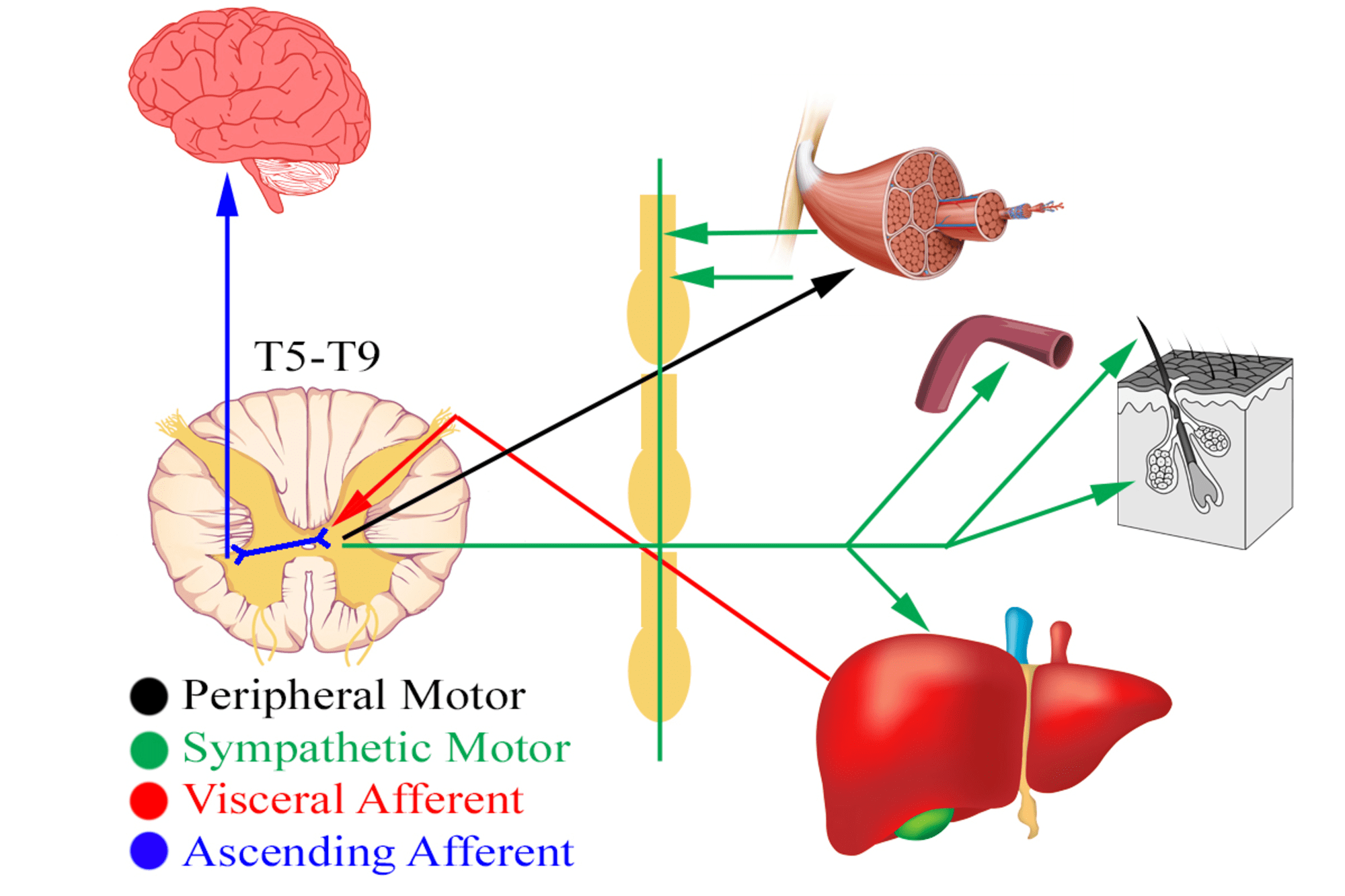
Viscera means organ, and somatic refers to the body or musculoskeletal system. A viscerosomatic reaction happens when a pain signal from an organ is transmitted via the spinal cord, where neurons and motor structures like the muscles, blood vessels, and skin are interconnected. The body’s organs can become distressed or suffer an infection/disease that causes signals to be sent that there is something wrong. However, the signal could be pain that materializes in the spine/back muscles but is not a spinal injury or condition.
Diagnosis and Treatment
The first step to successfully treating back pain is scheduling an appointment with a spine specialist or chiropractor. A series of specific questions will be asked to gain insight into the underlying cause of the pain. These include:
Location of the pain
Intensity of the pain
Frequency of the pain
Medical history
Diet habits
A careful examination is necessary for the doctor to identify the reasons in any individual patient. Once the physician has learned about the symptoms and history, they can determine a possible cause and create a personalized treatment/rehabilitation plan to get the body back to optimal health.
Decompression Patient Testimonials
References
Koes, B W et al. “Diagnosis and treatment of low back pain.” BMJ (Clinical research ed.) vol. 332,7555 (2006): 1430-4. doi:10.1136/bmj.332.7555.1430
Lankhorst, G J et al. “The natural history of idiopathic low back pain. A three-year follow-up study of spinal motion, pain and functional capacity.” Scandinavian journal of rehabilitation medicine vol. 17,1 (1985): 1-4.
Walker, Bruce F et al. “Combined chiropractic interventions for low-back pain.” The Cochrane database of systematic reviews vol. 2010,4 CD005427. 14 Apr. 2010, doi:10.1002/14651858.CD005427.pub2
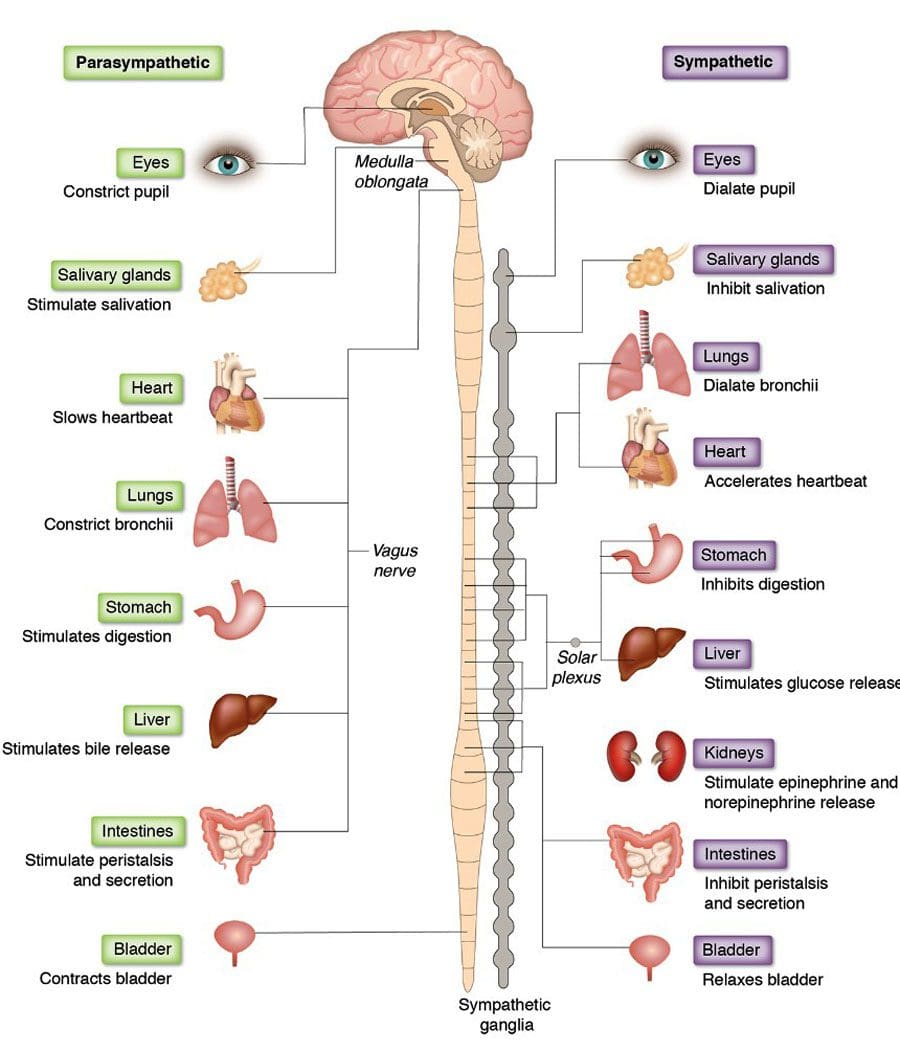
The body has many nerve roots that are intertwined and coming out from the spinal cord, which is part of the nervous system. One of the main components of the nervous system is the vagus nerve, which is part of the parasympathetic nervous system as it helps inform the brain about the state of the inner organs in the body. The vagus nerve helps maintain the body’s metabolism and homeostasis from diseases and injuries that occur either inside or outside the body. Many inner organs, muscles, or tissues get affected when a person has suffered from an injury or developed infections in their body. They can cause many symptoms that can dysfunction the body. It can affect the spine, nerve roots, internal organs, and joints, making the individual feel a sense of hopelessness. Today’s article will look at the unique connection of viscerosomatic reflexes and how it affects the body, as well as how viscerosomatic pain can affect the spine causing the individual many spinal issues. We refer patients to certified, skilled providers specializing in osteopathic and chiropractic treatments. We also guide our patients by referring to our associated medical providers based on their examination when it’s appropriate. We find that education is critical for asking insightful questions to our providers. Dr. Alex Jimenez DC provides this information as an educational service only. Disclaimer
Can my insurance cover it? Yes, it may. If you are uncertain, here is the link to all the insurance providers we cover. If you have any questions or concerns, please call Dr. Jimenez at 915-850-0900.
What Are Viscerosomatic Reflexes?
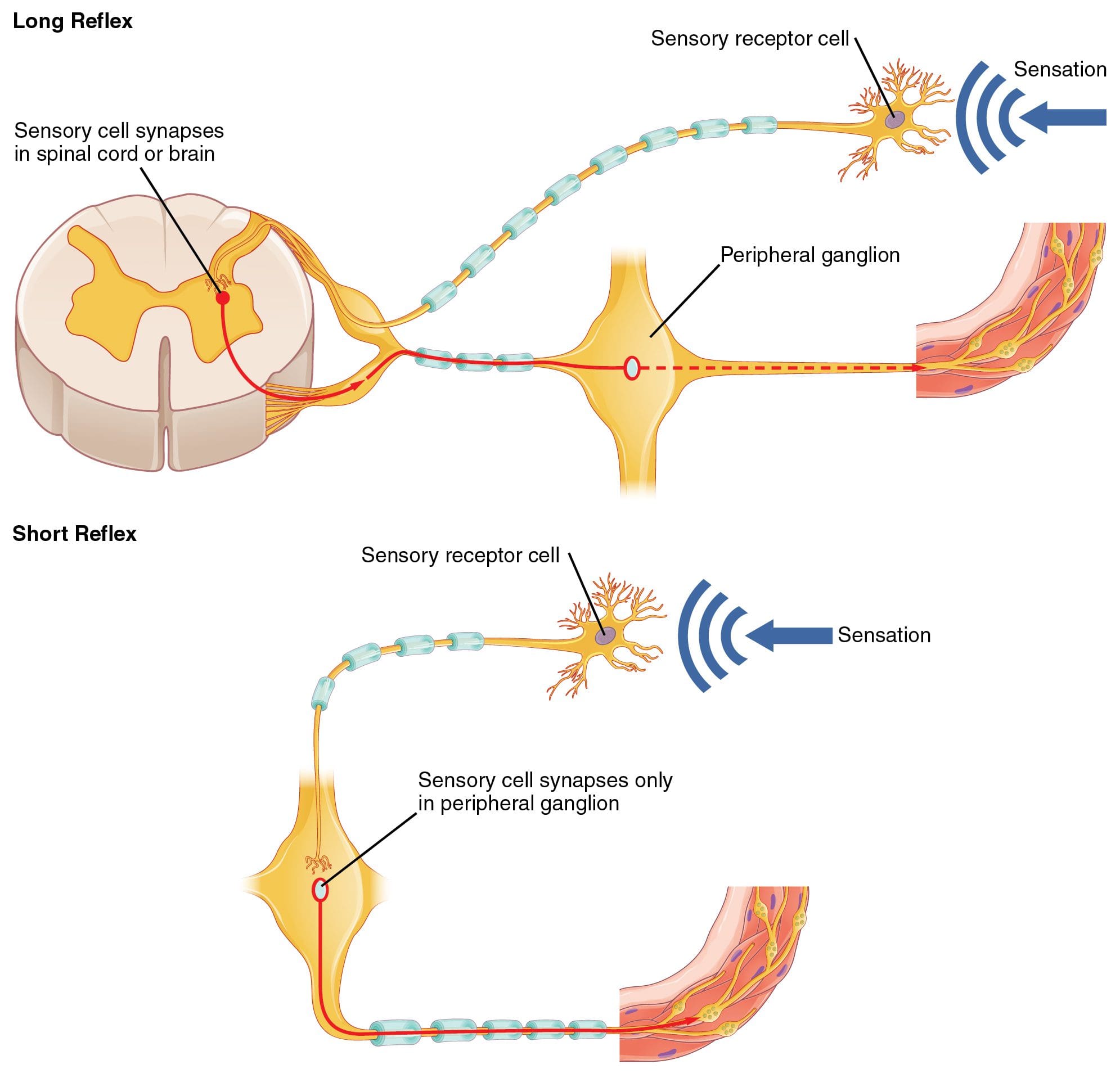
Have you experienced pain in your arms, legs, or back? How about feeling dysfunctional in your urinary tract? Have you noticed that not only your chest has started to hurt but also your gut and lower back? Many of these are signs of you having pain due to your viscerosomatic reflexes in your body. Research studies have defined viscerosomatic as regular visceral activity in the body stimulated by the somatosensory nerves that can help recognize abnormal viscerosomatic reflexes. These nerves are connected to the central nervous system, which travels through the spinal cord and can affect the body. The best example is when a doctor is giving a reflex test and uses a rubber mallet to hit the knee to see if a person still has reflexes in their body. Since the vagus nerve is part of the parasympathetic nervous system, when it becomes damaged, it can cause numerous effects on the body research studies have found that any visceral disturbances that are affecting the human body can cause an increase in muscle tension and decrease the pain in the corresponding spinal ligament that can restrict the muscle mobility to the tissues and affecting either the motor or sympathetic nerve. This causes the body to experience pain affecting one part of the body to the corresponding affected nerve.
How Does It Affect The Body?
Since the body has so many connections like the gut-brain axis, which helps regulate the body’s metabolism and homeostasis, the endocrine system that allows the transport of hormones to the rest of the muscles, tissues, and organs through the nerve roots, and the nerve roots themselves are connected as they help with the sensory-motor function with the arms and legs, so the body can move around. When these connections are being damaged and start to affect the rest of the body, it can lead to other health problems that do affect the body. Research studies have found that when the body is suffering from visceral pain in the organs can affect different areas. A couple of examples include:
Bladder issues affecting the perineal area
Cardiovascular disorders causing arm and neck pain
GI disorders causing discomfort
Even though visceral pain’s effects are not life-threatening, it can dampen a person’s mood by causing a negative impact associated with distress, sleep, and work disturbances, and even causing sexual dysfunction in the body.
An Overview Of Viscerosomatic Reflexes-Video
Have you experienced cardiovascular issues that are causing arm and neck pain? Have you been feeling some discomfort in your gut or your pelvic area? Have you been experiencing pain that is negatively impacting your quality of life? This could be due to viscerosomatic pain affecting your body and causing these symptoms. The video above explains how the viscerosomatic reflexes are connected to their corresponding muscles and organs. When the body is suffering from issues that affect the related muscles, it is known as viscerosomatic pain. Research studies have shown that individuals suffering from viscerosomatic pain will have multifaceted problems in the viscerosomatic reflexes. This type of pain does affect the spinal neurons causing the visceral neurons to become overly sensitive in the body and the affected areas.
How Does Viscerosomatic Pain Affect The Spine?
Research studies have found that viscerosomatic can affect the spine by affecting the gut system. Many individuals that are suffering from IBS (irritable bowel syndrome) will often complain about being in pain in their torso areas. They don’t realize that processing the visceral and somatic stimuli can cause the gut to become hypersensitive and affect the spinal cord neurons to overlap. Another research study has mentioned that pelvic pain in an individual can cause more symptoms that involve many organ systems causing visceral symptoms combined with somatovisceral convergence. When viscerosomatic pain affects many body parts, it can be difficult for a diagnosis to be conducted.
Conclusion
The body has many nerve roots that connect the body by branching out of the spine and providing sensory-motor functions to the corresponding muscles and tissues. When the body becomes injured, it can cause nerve not only damage to the body but also affect the muscles and organs. This is known as viscerosomatic pain and can be challenging to diagnose due to its being multifaceted with multiple symptoms. This pain can cause the affected organs to become hypersensitive and impact a person’s quality of life. When the body starts healing from viscerosomatic pain, the effects will become less for the individual as they heal the affected organs.
References
Bath, Megan, and Justin Owens. “Physiology, Viscerosomatic Reflexes.” In: StatPearls [Internet]. Treasure Island (FL), StatPearls Publishing, 8 May 2022, https://www.ncbi.nlm.nih.gov/books/NBK559218/.
Hoffman, Donna. “Understanding Multisymptom Presentations in Chronic Pelvic Pain: The Inter-Relationships between the Viscera and Myofascial Pelvic Floor Dysfunction.” Current Pain and Headache Reports, U.S. National Library of Medicine, Oct. 2011, https://pubmed.ncbi.nlm.nih.gov/21739128/.
Sengupta, Jyoti N. “Visceral Pain: The Neurophysiological Mechanism.” Handbook of Experimental Pharmacology, U.S. National Library of Medicine, 2009, https://www.ncbi.nlm.nih.gov/pmc/articles/PMC3156094/.
Sikandar, Shafaq, and Anthony H Dickenson. “Visceral Pain: The Ins and Outs, the Ups and Downs.” Current Opinion in Supportive and Palliative Care, U.S. National Library of Medicine, Mar. 2012, https://www.ncbi.nlm.nih.gov/pmc/articles/PMC3272481/.
Silva, Andréia Cristina de Oliveira, et al. “Effect of Osteopathic Visceral Manipulation on Pain, Cervical Range of Motion, and Upper Trapezius Muscle Activity in Patients with Chronic Nonspecific Neck Pain and Functional Dyspepsia: A Randomized, Double-Blind, Placebo-Controlled Pilot Study.” Evidence-Based Complementary and Alternative Medicine : ECAM, Hindawi, 11 Nov. 2018, https://www.ncbi.nlm.nih.gov/pmc/articles/PMC6252226/.
Verne, G Nicholas, et al. “Viscerosomatic Facilitation in a Subset of IBS Patients, an Effect Mediated by N-Methyl-D-Aspartate Receptors.” The Journal of Pain, U.S. National Library of Medicine, Sept. 2012, https://www.ncbi.nlm.nih.gov/pmc/articles/PMC3489925/.
Asthma, coughing, and heavy breathing can contribute to back muscle strain, soreness, and pain. An asthma attack can cause the body to heave during intense gasping, leaving the back muscles physically exhausted. Chiropractic adjustments and decompression can bring back pain relief, strengthen and stretch the spine and spinal muscles, and prevent it from returning, along with asthma management.
Asthma
The bronchial tubesdivide into smaller passages called bronchi and then into bronchioles. The bronchioles have tiny air sacs called alveoli, where inhaled oxygen is delivered to the blood. After absorbing the oxygen, the blood leaves the lungs and travels to the heart. Asthma is a lung condition that can affect anyone at any age. Asthma narrows the lungs’ airways causing inflammation in response to respiratory triggers, making it harder for air to travel out of the airways when exhaling. Symptoms include:
Wheezing
Difficulty breathing
Gasping to get air
Coughing
Tightness in the chest
Triggers can include:
Hot and/or humid weather
Exercise
Cold air
Pollen
Pets
Viral infections
Respiratory infections
Asthma Coughing and Back Strain
Asthma symptoms can take a toll on the back muscles and spine. Asthma attacks that cause gasping and heavy breathing cause the primary muscle (diaphragm) that supports breathing to weaken and strain. The diaphragm helps the spine but cannot do so effectively when under constant strain.
Constant Coughing and Spinal Health
Coughing is the body’s way of expelling unwanted foreign bodies. Chronic coughing stresses, strains, and overexerts the spinal support muscles and impacts posture. Individuals unconsciously take on a tense, forward-leaning posture/position that can cause:
Neck and shoulder stiffness, upper/lower back tightness, disc herniation, and pain.
Vertebrae subluxations/spinal misalignments can interfere with circulation and nerve function.
For short-term back pain following an asthma attack or coughing episode, it is recommended to rest, apply heat or ice, and take over-the-counter pain medication.
Massage therapy and myofascial release can stretch and relax the muscles.
Chiropractic manipulation relieves the stress on the nerves and muscles and stimulates the spinal cordand nerves to regain proper functioning.
Breathing Exercises and Yoga
Strengthened and conditioned core muscles can help to breathe more efficiently. When breathing normally it is usually a shallow inhale/exhale that does not fill the lungs to the total capacity. Diaphragmatic breathing is a technique to fully engage the diaphragm and abdominal muscles to fill the lungs with air more efficiently. Using the diaphragm correctly will:
Strengthen the diaphragm.
Use less energy to breathe.
Slow down the breathing rate.
Decrease the work of breathing hard.
Decrease the demand for continuous oxygen.
Yoga is another core-strengthening technique that encourages focused breathing that can help improve asthma control.
Decompression Neurosurgeon
References
American Lung Association. Breathing Exercises. (https://www.lung.org/lung-health-diseases/wellness/breathing-exercises) Accessed 3/29/2022.
Lunardi, Adriana Claudia, et al. “Musculoskeletal dysfunction and pain in adults with asthma.” The Journal of asthma: Official Journal of the Association for the Care of Asthma vol. 48,1 (2011): 105-10. doi:10.3109/02770903.2010.520229
Rasmussen-Barr, E. et al. “Are respiratory disorders risk factors for troublesome low-back pain? A study of a general population cohort in Sweden.” The European spine journal: official publication of the European Spine Society, the European Spinal Deformity Society, and the European Section of the Cervical Spine Research Society vol. 28,11 (2019): 2502-2509. doi:10.1007/s00586-019-06071-5
Solakoğlu, Özge, et al. “The effects of forward head posture on expiratory muscle strength in chronic neck pain patients: A cross-sectional study.” Turkish Journal of physical medicine and rehabilitation vol. 66,2 161-168. 18 May. 2020, doi:10.5606/tftrd.2020.3153
IFM's Find A Practitioner tool is the largest referral network in Functional Medicine, created to help patients locate Functional Medicine practitioners anywhere in the world. IFM Certified Practitioners are listed first in the search results, given their extensive education in Functional Medicine