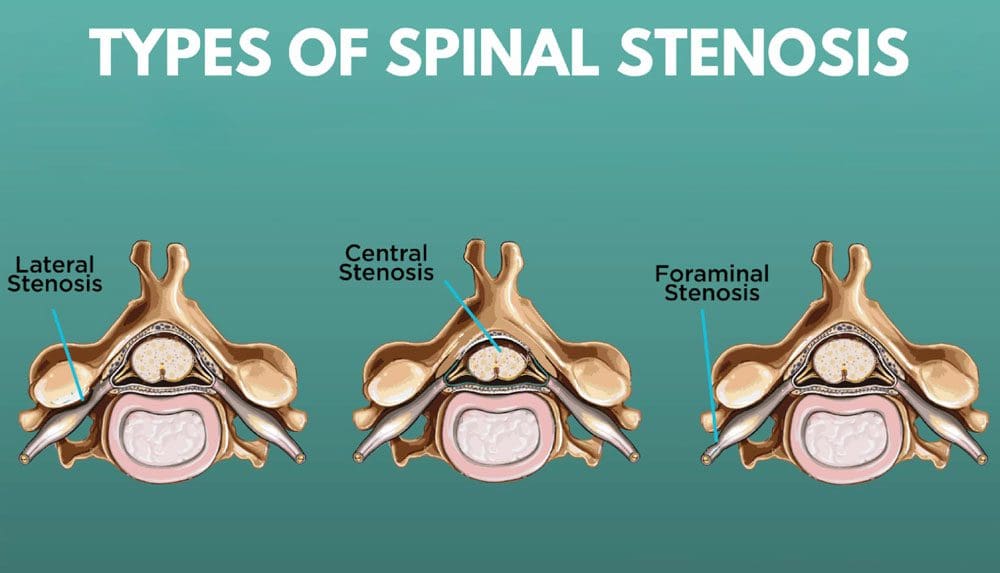
The spine is the body’s central highway, with the spinal canal as the main lane that handles all the traffic. There are entrances and exits, or spinal cavities, that allow the nerves to branch off the spinal cord and run throughout the body. A traffic jam develops during lane closures, accidents, or construction at an entrance or exit. Lateral recess stenosis causes the narrowing of the spine’s lateral recess/Lee’s entrance, which can compress nerves, impede nerve circulation, and cause painful symptoms.
Lateral Recess Stenosis
The spinal column provides a strong and flexible structure for the spinal cord. The nerves travel from the spinal cord through various openings and passageways to the rest of the body. One of the openings is known as the lateral recess. Stenosis means narrowing. When a lateral recess in a vertebra develops stenosis, the nerve in that area can get jammed/pinched with no room to move, causing varying symptoms and sensations.
Symptoms
Depending on where the stenosis is taking place (neck, middle or low back), common symptoms of lateral recess stenosis can include:
Back pain that can spread out to other areas.
Cramping that can spread out to other sites.
Radiating pain that worsens with movement and eases with rest.
Numbness or weakness of the legs or arms.
Electrical tingling sensations down the leg or arm.
Muscle groups around the stenosis area are built up to take the pressure off of the area, alleviating symptoms.
Medications
A doctor or spine specialist may recommend or prescribe medication to ease symptoms. These include:
Tylenol – acetaminophen.
NSAIDS – Advil/ibuprofen or Aleve/naproxen.
Muscle relaxers
Steroid Injections
According to a study, neurogenic claudication is the main reason for disability and loss of independence in the elderly.
Neurogenic claudication describes pain and weakness in the buttocks and legs during physical activity that originates from the nerves, not the vessels.
This can happen from inflammation and swelling around a compressed nerve.
A steroid injection can decrease inflammation for several months.
Surgery
If activity modification, NSAIDs, bracing, and physical therapy don’t work or provide adequate relief, a doctor or specialist could recommend surgery.
Fusion is reserved when there is instability combined with the condition.
Back Problems Chiropractor
References
American College of Rheumatology (n.d.) “Spinal Stenosis” https://www.rheumatology.org/I-Am-A/Patient-Caregiver/Diseases-Conditions/Spinal-Stenosis
Arthritis Foundation (n.d.) “Corticosteroids” https://www.arthritis.org/drug-guide/corticosteroids/corticosteroids
Drug Design, Development and Therapy (2014) “Steroid for epidural injection in spinal stenosis: a systematic review and meta-analysis” https://doi.org/10.2147/DDDT.S78070
Lee, Seung Yeop, et al. “Lumbar Stenosis: A Recent Update by Review of Literature.” Asian spine journal vol. 9,5 (2015): 818-28. doi:10.4184/asj.2015.9.5.818
Liu, Kuan, et al. “Steroid for epidural injection in spinal stenosis: a systematic review and meta-analysis.” Drug design, development, and therapy vol. 9 707-16. Jan 30, 2015, doi:10.2147/DDDT.S78070
Medline Plus (n.d.) “Achondroplasia” https://medlineplus.gov/genetics/condition/achondroplasia/
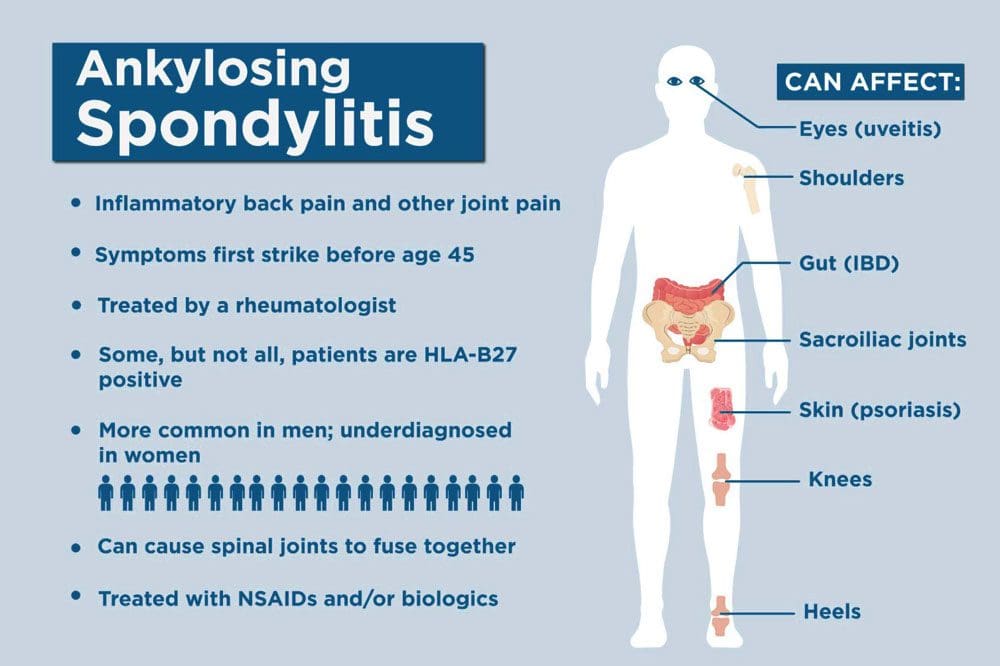
Ankylosing spondylitis is an inflammatory condition that causes pain and stiffness in the spine’s joints. Over time, it can progress to fusing the bones of the spine/vertebrae, limiting the spine’s mobility and leading to discomfort symptoms. The condition is more common in men but also affects women. There is not a known, singular cause, but individuals with a particular gene, HLA-B27, have an increased risk of developing the condition. However, the gene itself does not mean an individual has ankylosing spondylitis; genetics and other outside and environmental factors also play a role. DMARDs, or Disease-Modifying Antirheumatic Drugs, suppress inflammation. An emerging DMARD treatment uses biologics that further target and suppresses specific inflammatory compounds.
Biologics
Unlike regular medications, which are synthesized, biologics are made from and inside living sources.
They are grown in cultures or harvested from blood.
Biologics are complex and expensive.
Biologics provide some of the most powerful treatments for many conditions.
Two biologics commonly used to treat ankylosing spondylitis are:
TNF – tumor necrosis factor, TNF inhibitors are a biological medication that targets and suppresses TNF, which is involved in inflammatory processes throughout the body.
Blocking or suppressing TNF decreases inflammation and can delay the progression of ankylosing spondylitis.
It could be administered through an injection or infusion to provide the medication.
Side Effects
Side effects associated with this medication, along with other conditions, include:
IL – interleukin – IL-17 is a protein involved in inflammatory processes and conditions.
IL-17 inhibitors suppress inflammation which are newer medications that have been shown to benefit those with ankylosing spondylitis.
Doctors often administer IL-17 inhibitors through an injection.
Side Effects
Minor side effects include:
Headaches
Runny nose
Irritation at the injection site.
More serious side effects include:
Certain cancers
Severe infections
High blood pressure
Other Treatments
Treatment goals for ankylosing spondylitis include:
Slowing the disorder’s progression.
Decreasing inflammation.
Reducing pain.
Improving or maintaining joint and spinal range of motion.
Biologics are not the first-line treatment for ankylosing spondylitis.
Providers usually first treat an initial diagnosis with anti-inflammatory medications, like NSAIDs, to decrease inflammation and slow the condition’s progression.
Chiropractic care and physical therapy are recommended to maintain and/or improve posture, muscle strength, and endurance.
Recommended lifestyle and nutritional modifications.
Posture training stretches and exercises.
Optimal movement strategies to safely and confidently complete everyday tasks.
Biologic Medications
Biologics for ankylosing spondylitis may or may not be suitable. These medications are meant to help relieve the inflammation associated with the condition and slow the disorder’s progression. Your healthcare team will work with you to determine the right treatment option/s and explain the benefits, risks, and types of treatment. They will monitor the condition, track progress, and adjust the plan accordingly.
Assessing Hormone Therapy
References
Ankylosing spondylitis. (n.d.) National Institute of Arthritis and Musculoskeletal and Skin Diseases. U.S. Department of Health and Human Services. Available at: https://www.niams.nih.gov/health-topics/ankylosing-spondylitis#:~:text=Ankylosing%20spondylitis%20is%20a%20type,the%20spine%20can%20cause%20stiffness (Accessed: October 12, 2022).
Chen C, Zhang X, Xiao L, Zhang X, Ma X. Comparative Effectiveness of Biologic Therapy Regimens for Ankylosing Spondylitis: A Systematic Review and a Network Meta-Analysis. Medicine (Baltimore). 2016 Mar;95(11):e3060. doi: 10.1097/MD.0000000000003060. PMID: 26986130; PMCID: PMC4839911.
Gerriets V, Goyal A, Khaddour K. Tumor Necrosis Factor Inhibitors. [Updated 2022 July 4]. In: StatPearls [Internet]. Treasure Island (FL): StatPearls Publishing; 2022 Jan-. Available from: https://www.ncbi.nlm.nih.gov/books/NBK482425/
Lindström, U., Olofsson, T., Wedrén, S. et al. Biological treatment of ankylosing spondylitis: a nationwide study of treatment trajectories on a patient level in clinical practice. Arthritis Res Ther 21, 128 (2019). https://doi.org/10.1186/s13075-019-1908-9
Yin, Y., Wang, M., Liu, M. et al. Efficacy and safety of IL-17 inhibitors for the treatment of ankylosing spondylitis: a systematic review and meta-analysis. Arthritis Res Ther 22, 111 (2020). https://doi.org/10.1186/s13075-020-02208-w
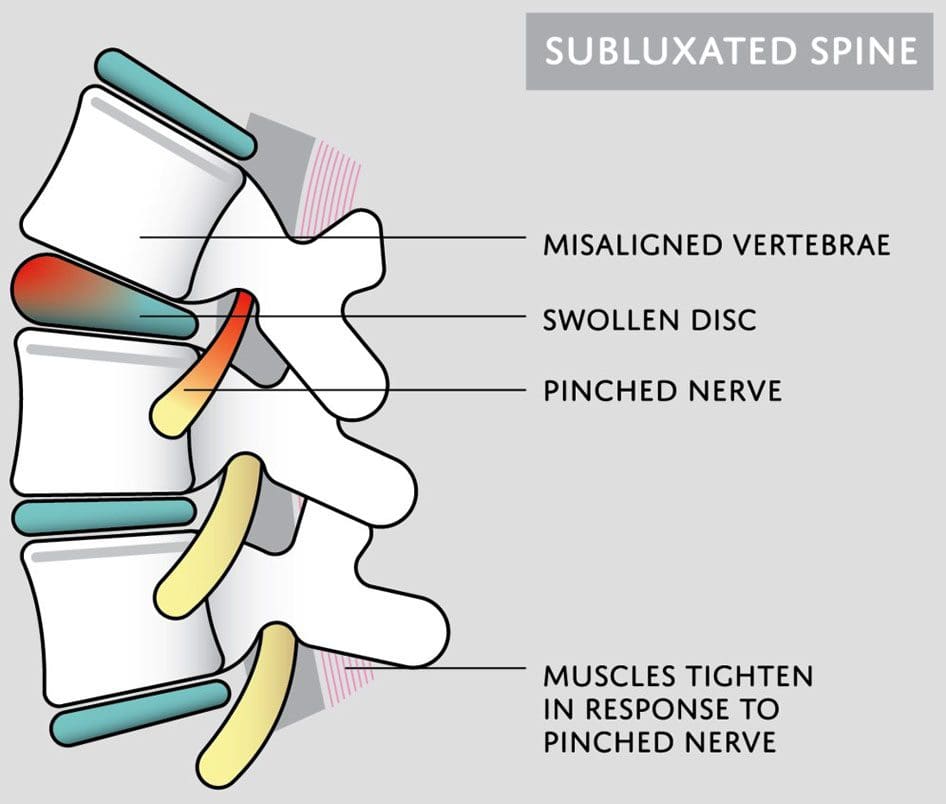
Subluxation is when a joint shifts out of alignment, which can happen to any joint in the body. Spinal subluxation indicates a misalignment of one or more portions of the spinal vertebrae. It is common in the spine from all the reaching, bending, twisting, and flexing the body goes through. Spinal subluxations, if left untreated, can cause disc degeneration, permanent nerve damage, neurological conditions, and chronic pain symptoms. A subluxation chiropractor will realign and decompress the spine combined with massage therapy to relax the muscles and restore mobility and function.
Subluxation Chiropractor
Some subluxations don’t cause any problems or pain, but that doesn’t mean they aren’t affecting the back and body. A spinal subluxation can cause long-term problems by:
Research shows that spinal subluxations can affect many facets of the body. Long-term effects may include:
Sleep problems
Low energy
Brain fog
Mood swings
Anxiety and depression
Digestive issues
Respiratory problems
Bone spurs
Spinal arthritis
Chiropractic Care
When the spine is out of alignment, it can cause issues throughout the body. Changes in one area affect the rest of the body. A subluxation chiropractor looks at the spine’s neurological and mechanical components and aims to reset everything back into its proper position. Similar to the way a massage helps the mind and body relax and de-stress, a spinal adjustment helps by:
Increasing circulation
Relieving discomfort and pain
Releasing tension
Improving mood
Reducing stress levels
Improving sleep function
Increasing energy levels
When the spine is properly aligned, the body can operate at its full potential.
Adrenal Dysfunction
References
Brian S. Budgell, Reflex effects of subluxation: the autonomic nervous system, Journal of Manipulative and Physiological Therapeutics, Volume 23, Issue 2,
2000, Pages 104-106, ISSN 0161-4754, https://doi.org/10.1016/S0161-4754(00)90076-9. (https://www.sciencedirect.com/science/article/pii/S0161475400900769)
Green, J D et al. “Anterior subluxation of the cervical spine: hyperflexion sprain.” AJNR. American journal of neuroradiology vol. 2,3 (1981): 243-50.
Meyer, S. “Thoracic spine trauma.” Seminars in roentgenology vol. 27,4 (1992): 254-61. doi:10.1016/0037-198x(92)90004-l
Neva MH, Häkkinen A, Mäkinen H, et al. High prevalence of asymptomatic cervical spine subluxation in patients with rheumatoid arthritis waiting for orthopedic surgeryAnnals of the Rheumatic Diseases 2006;65:884-888.
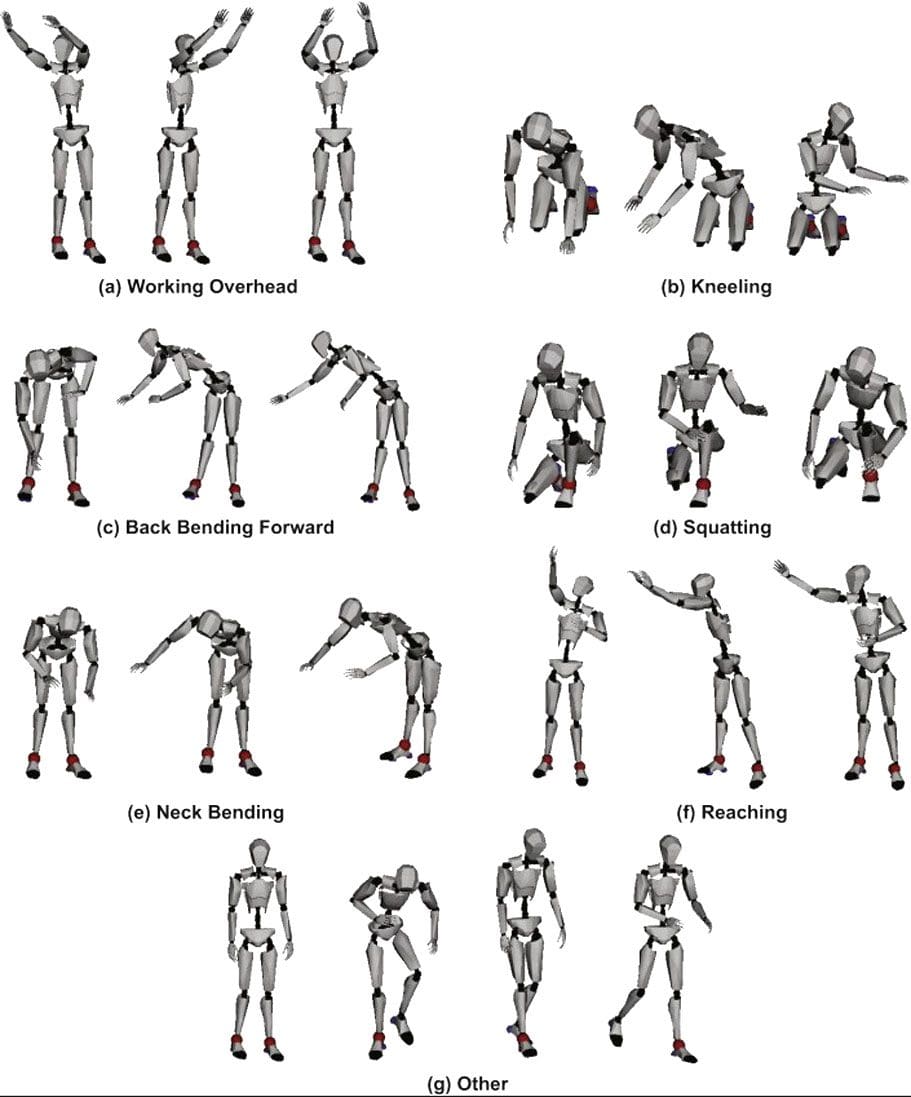
Nourollahi, Maryam, et al. “Awkward trunk postures and their relationship with low back pain in hospital nurses.” Work (Reading, Mass.) vol. 59,3 (2018): 317-323. doi:10.3233/WOR-182683
Vernon, Howard. “Historical overview and update on subluxation theories().” Journal of chiropractic humanities vol. 17,1 (2010): 22-32. doi:10.1016/j.echu.2010.07.001
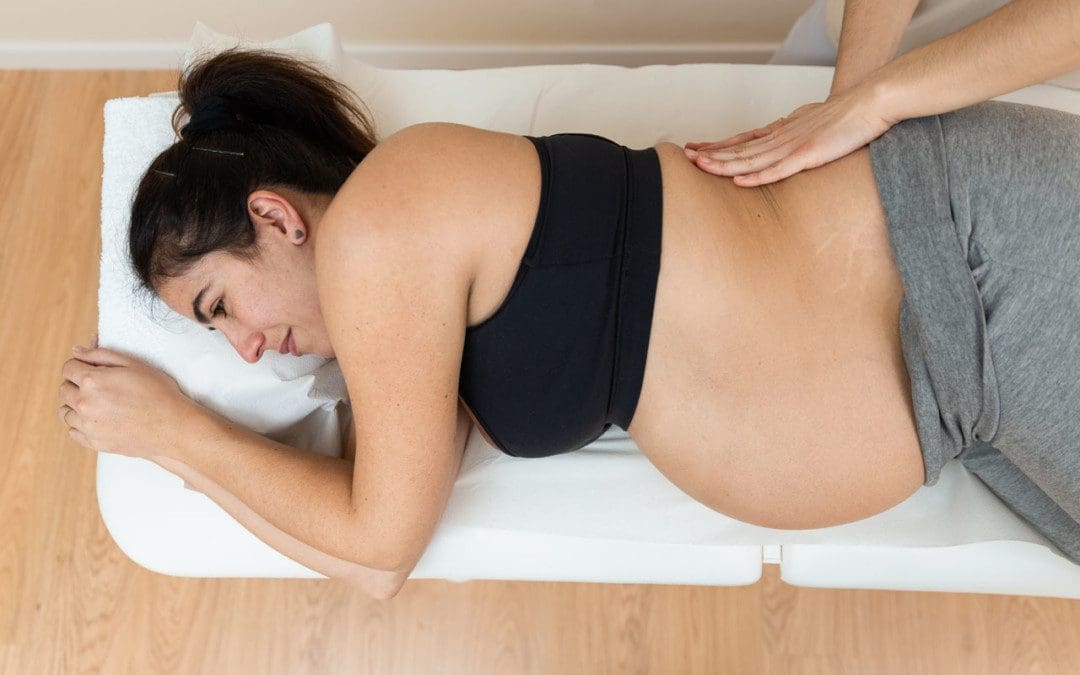
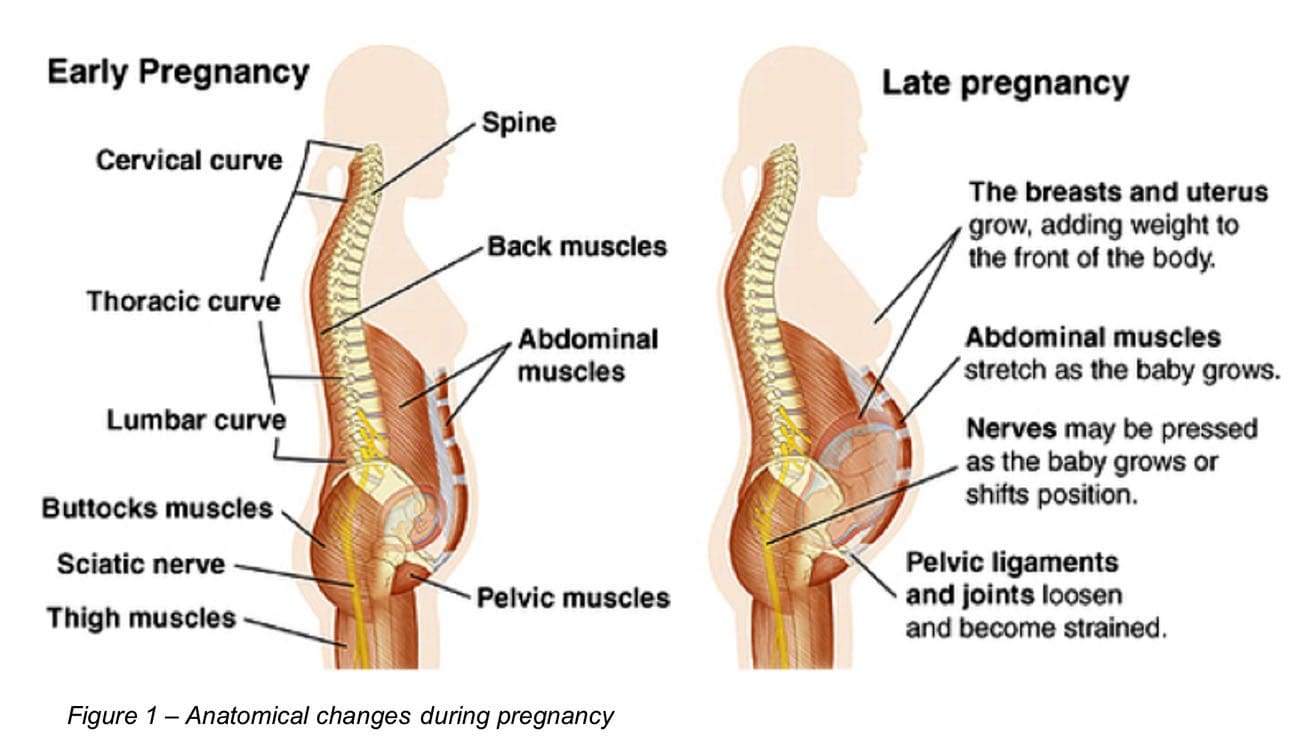
The body experiences physical changes during pregnancy. As the baby grows, the body has to adjust, which can cause unfamiliar aches and pains. A common issue for pregnant women is sciatica symptoms or lumbar radiculopathy, which radiates discomfort sensations that travel down the lower spine, down the back of the thigh, and into the foot. Chiropractic care and massage therapy can realign the spine and hips, therapeutically massage circulation through the body, relieve symptoms, and restore function.
Pregnancy Sciatica
The sciatic nerve is the largest in the body and the main nerve in the legs. In most cases, sciatica happens when this nerve gets compressed by bulging, slipped, or ruptured spinal discs, arthritis, or spinal stenosis.
Symptoms
Aches and pains that result from sciatica range from mild to severe sensations. Symptoms include:
Pain that travels from the pelvis down the back of the leg.
A burning sensation in the low back and buttocks.
Jolting pain that feels like an electric shock.
Numbness, muscle weakness, or tingling in one leg or foot.
Tingling sensation in one part of the body and pain in another.
Pain that worsens when coughing, sneezing or sitting for long periods.
Causes
Sciatica during pregnancy can be caused by:
Weight gain is going to pull the spine and muscles down.
Increased fluid retention can place added pressure on the nerve as it passes through the pelvis.
The expanding uterus can press down on the nerve in the lower part of the spine.
The growing belly and breasts shift the center of gravity forward and stretch the lordotic curve causing the muscles in the:
Buttocks and pelvis to tighten up and compress the sciatic nerve.
The baby’s head can rest directly on the nerve when settling into the proper birth position in the third trimester.
A herniated or slipped disc caused by the extra pressure of the growing uterus can be the cause, although this is less common.
Pregnancy also causes the body to release a hormone called relaxin, designed to relax the ligaments and prepare the pelvis for childbirth.
Loose ligaments can cause spinal compression and affect the sciatic nerve.
Sciatica will most likely occur during the third trimester when mother and baby are bulking up, but it can develop earlier, although this is less common. Most women experience symptoms on one side, though it can affect both legs. The condition can be constant or intermittent, depending on the amount of pressure placed on the nerve, and can remain for a few months after giving birth when the excess weight and fluid are gone.
Treatment Techniques
Simple home remedies and treatment to help ease the symptoms. These include:
Sleep on Your Side
Rest on the side of the body that does not present symptoms when lying down.
Prenatal massage can reduce stress, improve blood circulation, and regulate hormones.
Chiropractic and Physical Therapy
Chiropractic is non-invasive and drug-free, making it a safe and gentle option for mom and baby.
A professional chiropractor can evaluate the condition.
Identify and remove interferences in the nervous system from the source.
Realign the bones.
Provide a personalized treatment plan to alleviate symptoms and stretches and strength-building exercises.
Sciatica In Pregnancy
References
American Pregnancy Association: “Prenatal Massage Therapy.
American Pregnancy Association: “Sciatic Nerve Pain During Pregnancy: Causes and Treatment.”
FRIEDMANN, E. “Narrowing of the spinal canal due to thickened lamina a cause of low-back pain and sciatica.” Clinical orthopedics vol. 21 (1961): 190-7.
Goldsmith, Laura T, and Gerson Weiss. “Relaxin in human pregnancy.” Annals of the New York Academy of Sciences vol. 1160 (2009): 130-5. doi:10.1111/j.1749-6632.2008.03800.x
KULOWSKI, J. “Unusual causes of low back pain and sciatica during pregnancy.” American journal of obstetrics and gynecology vol. 84 (1962): 627-30. doi:10.1016/0002-9378(62)90156-4
Trager, Robert J et al. “Ischial osteochondroma as an unusual source of pregnancy-related sciatic pain: a case report.” Chiropractic & manual therapies vol. 30,1 45. 17 Oct. 2022, doi:10.1186/s12998-022-00451-3
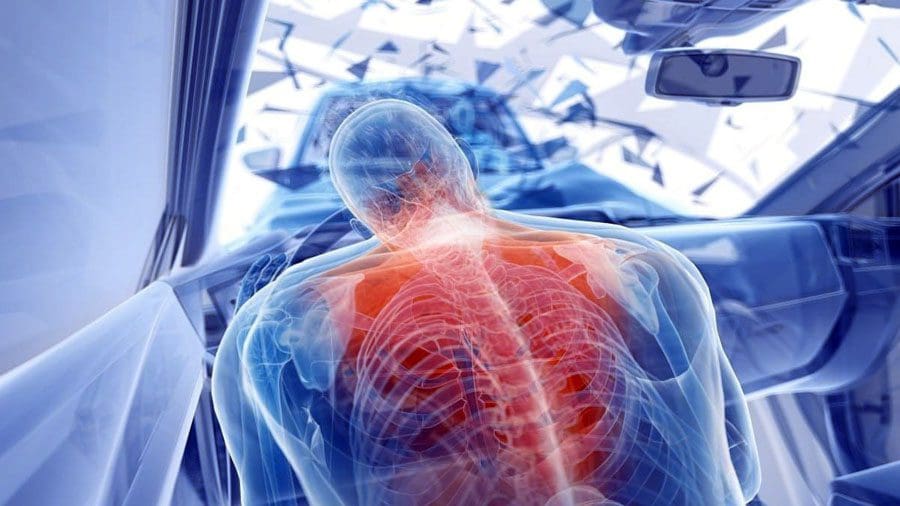
Back injuries from vehicle collisions vary from person to person. Common injuries may include strains, sprains, herniated discs, and fractures, and individuals dealing with certain spinal conditions like spinal stenosis may cause the medical condition to accelerate. Still, the force and physical impact the body absorbs during a crash, no matter how minor the accident or how safe the car is, will cause bodily aches and pains with the potential for other spinal conditions. Chiropractic care, massage, decompression, and traction therapy can relieve symptoms and restore mobility and function.
Back Injuries From Vehicle Collisions
Depending on how the impact affects the spine, problems can present in various areas of the back. The violent motion can sprain, strain, and fracture spinal components. Even minor incidents can impact mobility. Symptoms can stem from inflammation, compressed nerves, or fractures. Any damage can have long-lasting effects on the vertebrae, nerve roots, and back muscles. A vehicle collision can affect the following:
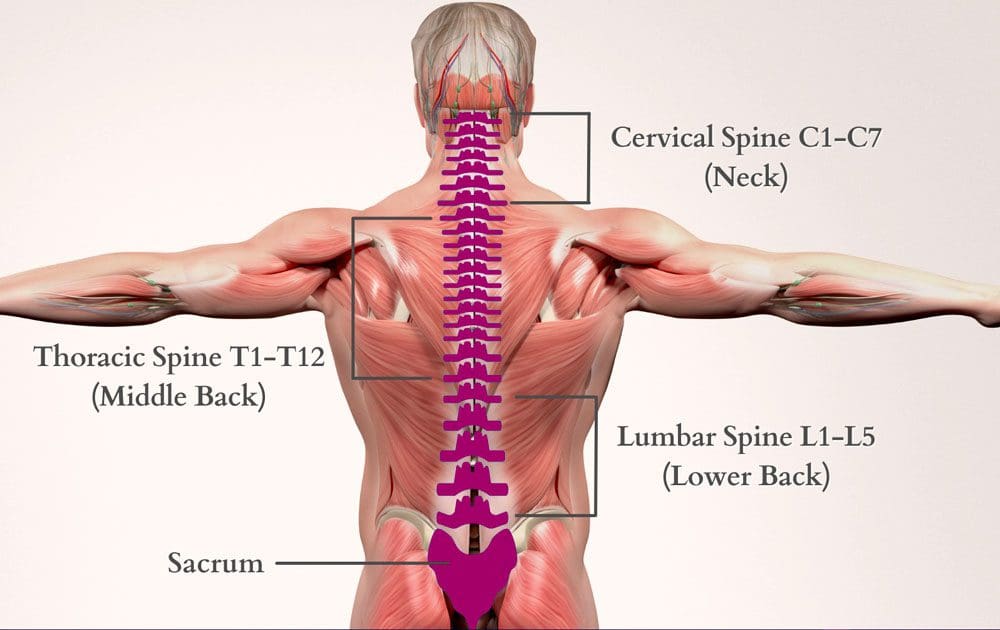
Lumbar vertebrae – lower back
Thoracic vertebrae – middle/upper back
Cervical vertebrae – neck
Each area consists of bones, tissues, muscles, nerves, tendons, and ligaments extending from the neck to the pelvis.
The most common back injuries are to the neck and lower back, where the most movement and shifting occurs, often causing nerve damage.
The central placement and rigid structure make middle back injuries less common.
Upper back injuries that connect the rib and chest region can affect breathing.
Soft tissue injuries might not show up immediately.
Symptoms
After a vehicle collision, it’s common to feel sore all over. The symptoms can range from manageable discomfort to complete immobility. Individuals may experience the following:
Muscle spasms
The muscle may repeatedly twitch, feel like hard knots, and feel tender to the touch.
Muscle spasms can vary in pain levels from mild to debilitating.
Stiffness
Individuals may not feel as flexible because of the muscle tension that activated during the crash to protect the body.
Stiffness can go away after light stretching or continue throughout the day.
Burning or Shooting Pain
A burning or shooting pain may travel down the back and buttocks through the back of one or both legs.
It can be mild, dull aches and pains that go away quickly or last for days.
Changing positions, such as sitting up after waking up or standing up after sitting, can cause sharp acute pain.
Certain physical activities can cause a throbbing sensation or mild pain when attempting to perform various tasks.
Tingling and/or Numbness
Tense muscles can pinch nerves leading to sensations of tingling or numbness in the legs, feet, arms, or hands.
Head Issues
Headaches, dizziness, or disorientation can present.
Spinal Disorders
Back injuries from vehicle collisions can result in a degenerative disc disorder months or years later. It can also speed up health issues individuals didn’t know they had before the crash. As the body ages, previous damage combined with degeneration can result in:
Micro-tears within the muscles and ligaments are common and cannot be found through a standard x-ray.
Spinal adjustments can bring the spine back into alignment, producing natural anti-inflammatory properties to assist with discomfort and heal the tears.
Scar Tissue Breakdown
Muscles can get scarred, causing stiffness and soreness.
Chiropractic massage targets these areas and breaks down the build-up quicker than if it was left to heal on its own.
Less scar tissue means faster recovery.
Range of Motion and Mobility Restored
Back injuries can result in restricted mobility.
It may be difficult to turn or move when the muscles are inflamed.
Mobilizing the spine through adjustments restores the proper range of motion.
Decreased Medication Use
Prescription pain medications can turn into dependency.
Chiropractic adjustments can ensure that the injury is healed and the pain is not just masked.
Long-Term Benefits
Receiving chiropractic care can help prevent minor injuries from worsening into serious and chronic conditions.
Post Whiplash Symptoms
References
Erbulut, Deniz U. “Biomechanics of neck injuries resulting from rear-end vehicle collisions.” Turkish neurosurgery vol. 24,4 (2014): 466-70. doi:10.5137/1019-5149.JTN.9218-13.1
National Spinal Cord Injury Statistical Center. (2020) “Spinal Cord Injury: Facts and Figures at a Glance.” https://www.nspine injurysc.uab.edu/Public/Facts%20and%20Figures%202020.pdf
Rao, Raj D et al. “Occupant and Crash Characteristics of Elderly Subjects With Thoracic and Lumbar Spine Injuries After Motor Vehicle Collisions.” Spine vol. 41,1 (2016): 32-8. doi:10.1097/BRS.0000000000001079
Rao, Raj D et al. “Occupant and crash characteristics in thoracic and lumbar spine injuries resulting from motor vehicle collisions.” The spine journal: official journal of the North American Spine Society vol. 14,10 (2014): 2355-65. doi:10.1016/j.spinee.2014.01.038
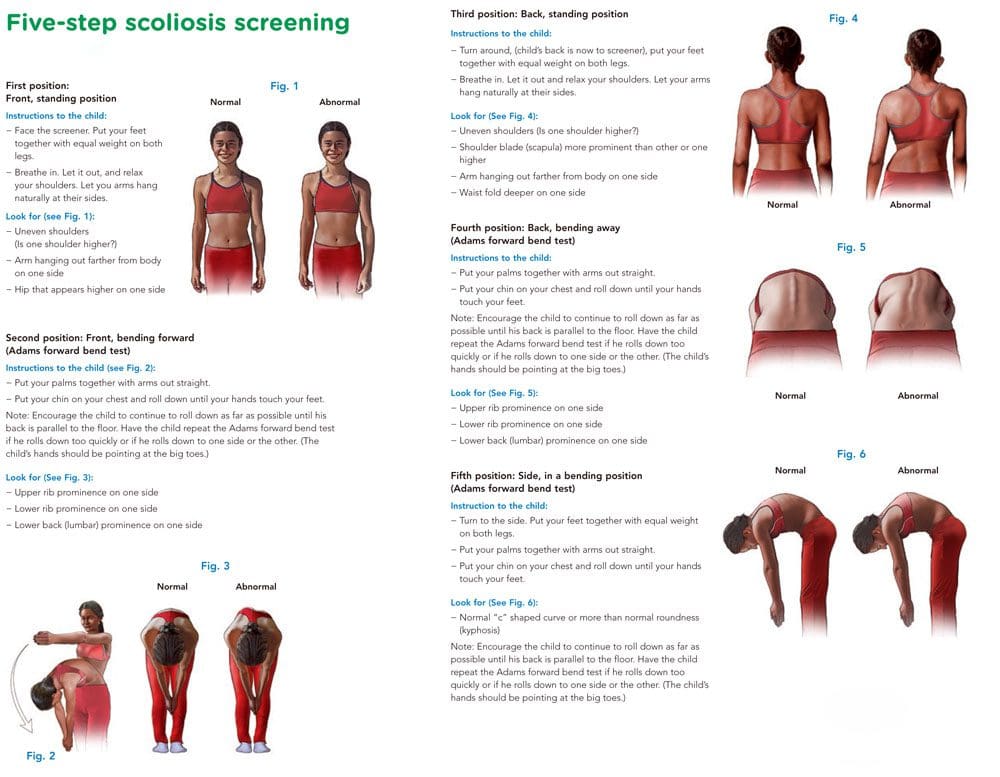
The Adams forward bend test is a simple screening method that can help with scoliosis diagnosis and help in developing a treatment plan. The exam is named after the English physician William Adams. As part of an examination, a doctor or chiropractor will look for an abnormal side-to-side bend in the spine.
Scoliosis Diagnosis
The Adams forward-bend test can help determine if there are indicators for scoliosis.
It is not an official diagnosis, but the results can be used as a starting point.
The Adams test will reveal signs of scoliosis and/or other potential deformities like:
Uneven shoulders
Uneven hips
Lack of symmetry between the vertebrae or the shoulder blades.
The head does not line up with a rib hump or the pelvis.
Detection of Other Spinal Issues
The test can also be used to find spinal curvature issues and conditions like:
Kyphosis or hunchback, where the upper back is bent forward.
Scheuermann’s disease is a form of kyphosis where the thoracic vertebrae can grow unevenly during a growth spurt and cause the vertebrae to develop into a wedge-like shape.
The Adams test by itself is not enough to confirm scoliosis.
A standing X-ray with Cobb angle measurements above 10 degrees is required for diagnosing scoliosis.
The Cobb angle determines which vertebrae are tilted the most.
The higher the angle, the more severe the condition and the more probable it will produce symptoms.
Computed tomography or CT and magnetic resonance imaging or MRI scans can also be used.
Forward Bend Test
References
Glavaš, Josipa et al. “The role of school medicine in the early detection and management of adolescent idiopathic scoliosis.” Wiener klinische Wochenschrift, 1–9. 4 Oct. 2022, doi:10.1007/s00508-022-02092-1
Grossman, T W et al. “An evaluation of the Adams forward bend test and the scoliometer in a scoliosis school screening setting.” Journal of pediatric orthopedics vol. 15,4 (1995): 535-8. doi:10.1097/01241398-199507000-00025
Letts, M et al. “Computerized ultrasonic digitization in the measurement of spinal curvature.” Spine vol. 13,10 (1988): 1106-10. doi:10.1097/00007632-198810000-00009
Senkoylu, Alpaslan, et al. “A simple method for assessing rotational flexibility in adolescent idiopathic scoliosis: modified Adam’s forward bending test.” Spine deformity vol. 9,2 (2021): 333-339. doi:10.1007/s43390-020-00221-2
Middle back pain is usually caused by unhealthy posture, improper lifting or twisting, and minor injuries like muscle strains, sprains, and herniated discs. Thoracic herniated discs are less common than neck or low back herniations because of the thoracic vertebrae’s size and rigidity, but they do happen. Chiropractic care can treat thoracic herniated discs and prevent future episodes.
Thoracic Herniated Disc
The 12 thoracic vertebrae between the neck and the lumbar spine make up the largest and least flexible area. The rib cage adds:
Protection
Support
Stabilization of the spine
Symptoms
Herniated discs happen when the soft, gel-like layer of the shock-absorbing intervertebral disc bulges into or leaks through the disc’s tough outer layer. Due to the location, a herniated disc can cause various issues to the middle back, chest wall, and/or abdominal areas around the injured vertebrae. This displacement can cause:
Inflammation
Compression to the spinal nerves or spinal cord
Tingling
Numbness
Pain
Weakness
If the lower thoracic region is herniated, symptoms can radiate to one or both lower extremities.
Radiculopathy
If the herniation compresses a thoracic spinal nerve, it can cause radiculopathy or pain that radiates down the nerve and out from the spine into the surrounding muscles. The symptoms can present around the rib cage or upper abdominal area. A large disc herniation can compress the spinal cord inside the spinal canal. This is a condition called myelopathywhich can cause:
Numbness
Tingling
Weakness in one or both lower extremities
Sometimes bowel and bladder dysfunction
In severe cases, paralysis
Causes
Degenerative disc disease and trauma like vehicle collisions or falls are the most common causes of thoracic herniation.
Individuals between 30 and 50 are more likely to be affected.
As the body ages, the disc’s soft inner layer loses hydration, making it less effective as a shock absorber.
The tough outer layer loses elasticity, increasing the risk of disc tears.
Chiropractic Care
A chiropractor or neurologic physical therapist can personalize a herniated disc exercise treatment plan to reduce pain, improve strength and posture, and increase mobility.
Therapeutic massage can be useful in managing pain and decreasing inflammation.
Spinal epidural injections can be used with physical therapy to help manage pain and allow the body to heal independently.
Recommendations
Avoid bending, lifting, reaching, and twisting.
Apply an ice pack or cold compress for 15- to 20-minute intervals every two hours.
Sit in chairs with a firm back to support the spine.
When sleeping, place a small pillow under the head and knees to keep the spine in a neutral position to prevent pressure on the herniated region.
Avoid too much rest, which can worsen the injury.
Gentle physical activity will maintain circulation and keep the muscles strong.
Surgery
Most cases of thoracic herniation do not require surgery. Surgery could be recommended if there is intolerable pain, neurological issues, and conservative treatments are not working. A spine specialist can determine if surgery is necessary based on the injury’s size, type, and location. Spinal surgery will remove all or part of the herniated disc compressing a nerve root. Common surgical procedures include:
Barrow Neurological Institute. “Herniated Thoracic Disc.” Barrow Neurological Institute, August 3, 2022. https://www.barrowneuro.org/condition/thoracic-disc-herniation/.
Court, C., E. Mansour, and C. Bouthors. “Thoracic Disc Herniation: Surgical Treatment.” Orthopaedics & Traumatology: Surgery & Research 104, no. 1 (2018). https://doi.org/10.1016/j.otsr.2017.04.022.
Dydyk, Alexander M, Ruben Ngnitewe Massa, and Fassil B Mesfin. “Disc Herniation – Statpearls – NCBI Bookshelf.” National Library of Medicine, January 18, 2022. https://www.ncbi.nlm.nih.gov/books/NBK441822/.
Yoon, Wai Weng, and Jonathan Koch. “Herniated Discs: When Is Surgery Necessary?” EFORT Open Reviews 6, no. 6 (2021): 526–30. https://doi.org/10.1302/2058-5241.6.210020.
IFM's Find A Practitioner tool is the largest referral network in Functional Medicine, created to help patients locate Functional Medicine practitioners anywhere in the world. IFM Certified Practitioners are listed first in the search results, given their extensive education in Functional Medicine