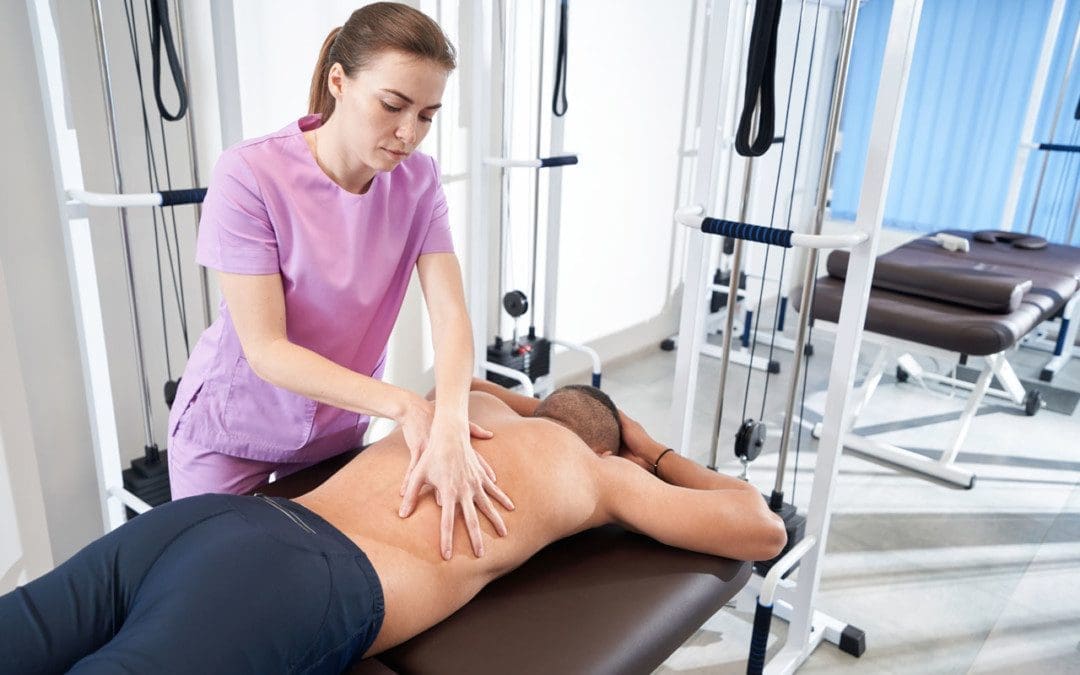
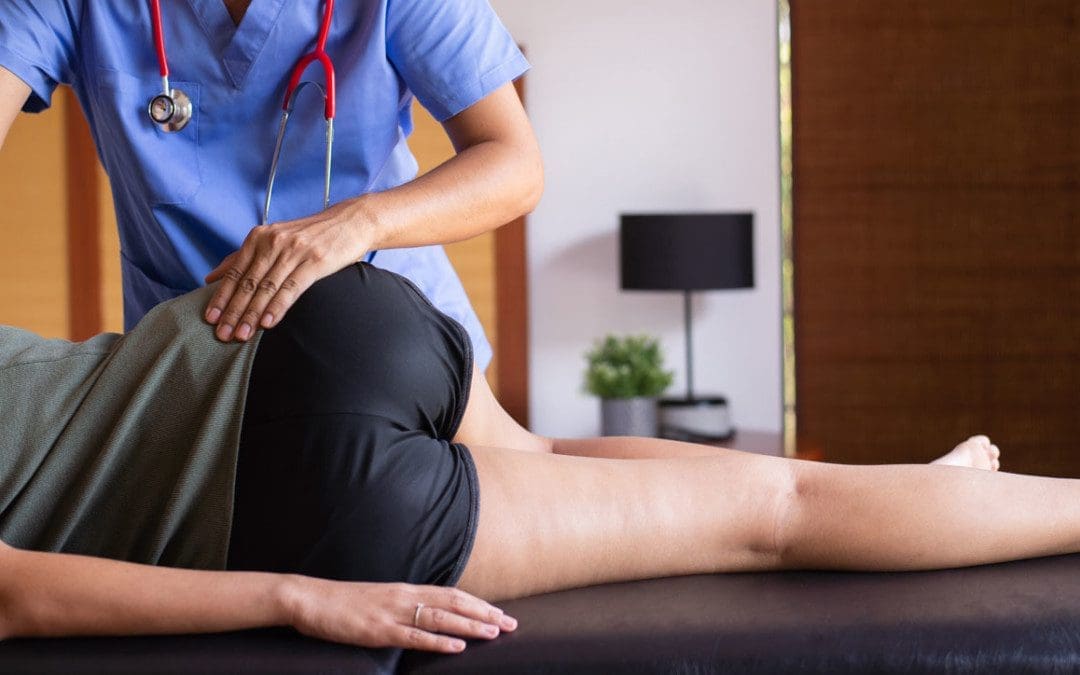
Headaches are a common condition that most experience and can differ greatly regarding type, severity, location, and frequency. Headaches range from mild discomfort to constant dull or sharp pressure and severe throbbing pain. A headache chiropractor, through therapeutic massage, decompression, and adjustments, alleviates the headaches, whether tension, migraine, or cluster, releasing the tension and restoring normal function.
Headache Chiropractor
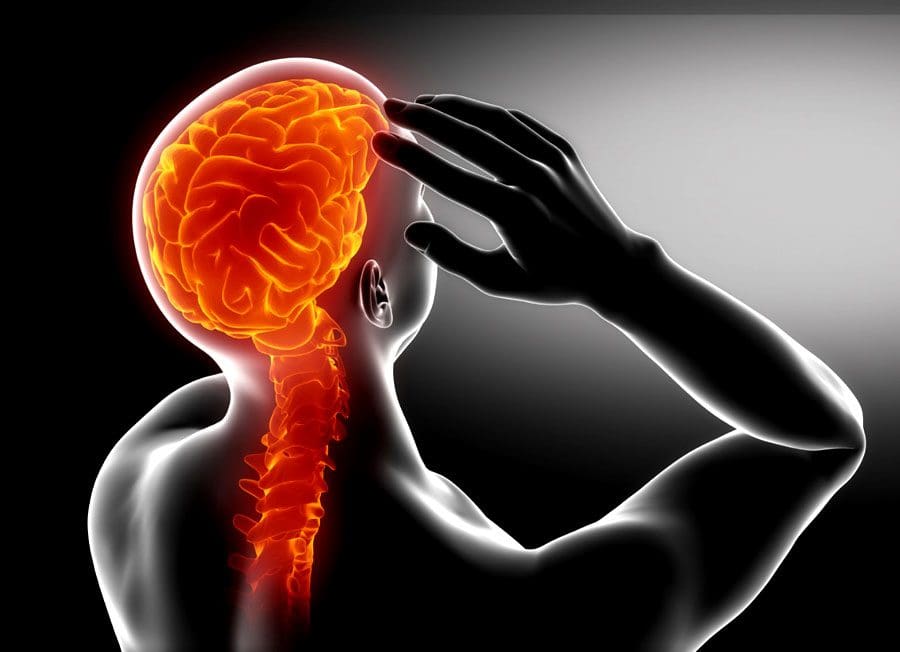
Ninety-five percent of headaches are primary headaches caused by overactivity, muscle tension, or problems with pain-sensitive structures in the head. These are not a symptom of an underlying disease and include tension, migraine, or cluster headaches. The other 5 percent of headaches are secondaryand are caused by an underlying condition, infection, or physical issue. Headaches have various causes or triggers. These include:
Long hours driving
Stress
Insomnia
Blood sugar changes
Foods
Smells
Noises
Lights
Excessive exercise or physical activity
Individuals spend more hours in one fixed position or posture, like sitting in front of a computer or standing at a workstation. This can increase joint irritation and muscle tension in the upper back, neck, and scalp, causing achiness and discomfort that builds up to throbbing soreness. The headache’s location and the discomfort experienced can indicate the type of headache.
Chiropractic Care
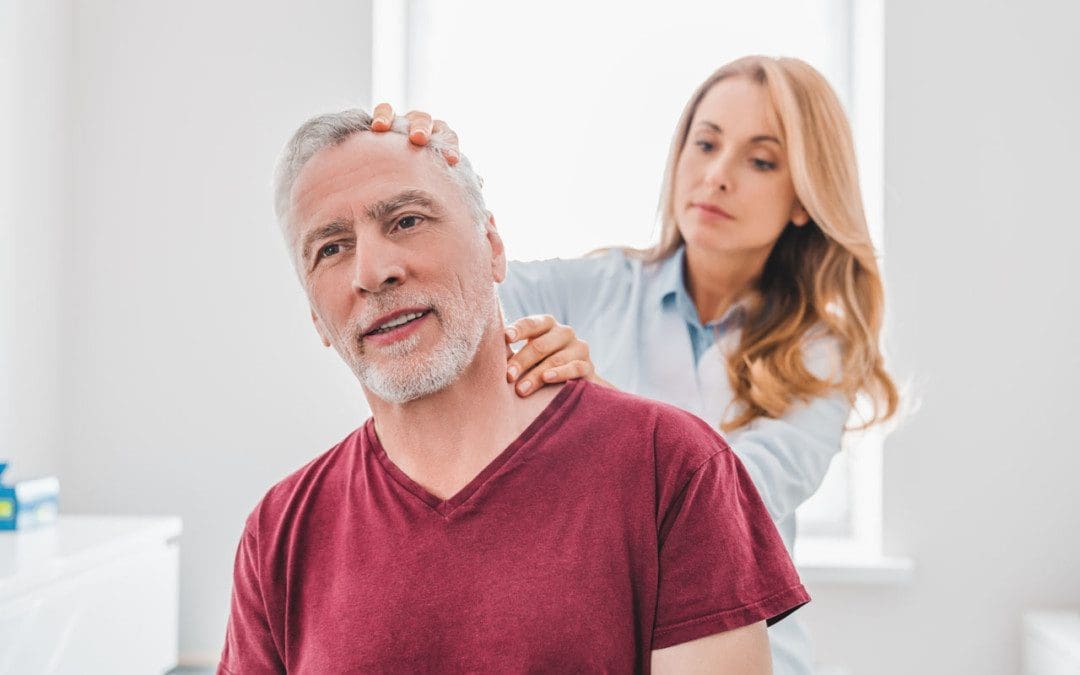
Chiropractors are experts in the neuromusculoskeletal system. Research shows that a headache chiropractor can adjust the spine’s alignment to improve spinal function, release and relax the tense muscles, and alleviate nervous system stress helping decrease the intensity and frequency. Treatment includes:
The Injury Medical Chiropractic and Functional Medicine Teamwill develop a personalized treatment plan for the individual’s specific condition and needs.
Migraine Treatment
References
Biondi, David M. “Physical treatments for headache: a structured review.” Headache vol. 45,6 (2005): 738-46. doi:10.1111/j.1526-4610.2005.05141.x
Bronfort, G et al. “Efficacy of spinal manipulation for chronic headache: a systematic review.” Journal of manipulative and physiological therapeutics vol. 24,7 (2001): 457-66.
Bryans, Roland, et al. “Evidence-based guidelines for the chiropractic treatment of adults with headache.” Journal of manipulative and physiological therapeutics vol. 34,5 (2011): 274-89. doi:10.1016/j.jmpt.2011.04.008
Côté, Pierre, et al. “Non-pharmacological management of persistent headaches associated with neck pain: A clinical practice guideline from the Ontario Protocol for traffic injury management (OPTIMa) collaboration.” European journal of pain (London, England) vol. 23,6 (2019): 1051-1070. doi:10.1002/ejp.1374
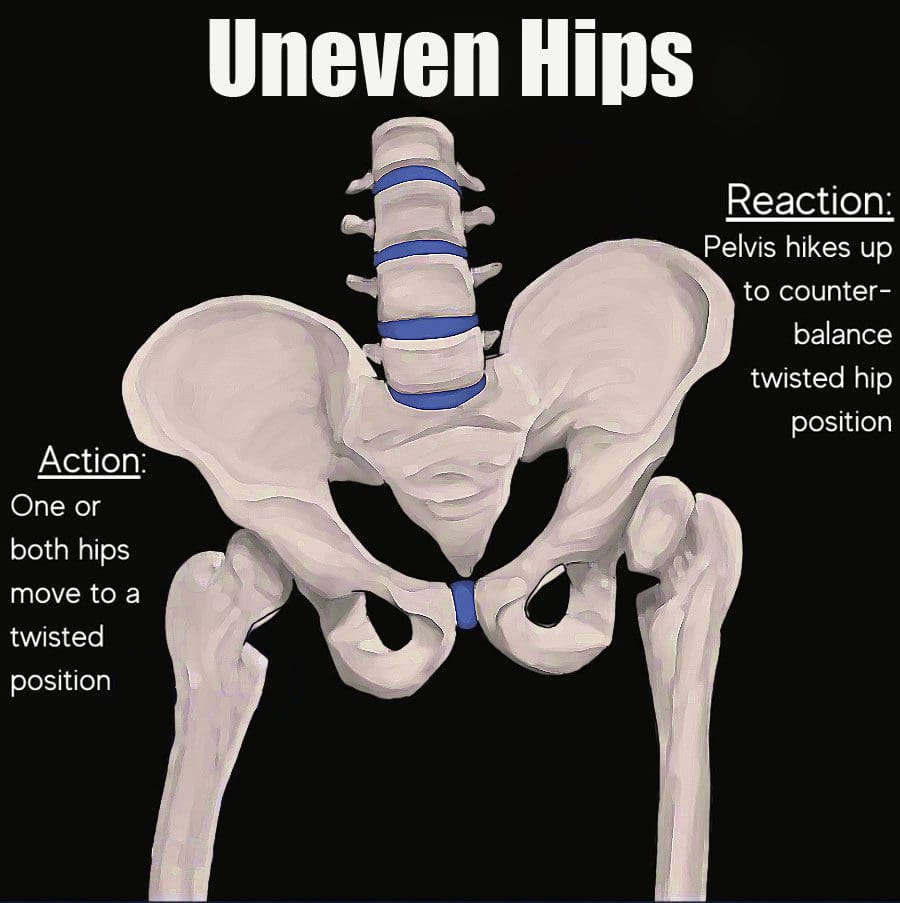
Uneven hips can throw the back out of natural alignment and cause back stiffness, tightness, discomfort, and pain. Hips that are off-balance unhealthily affect standing, sitting, sleeping posture, walking gait, and overall movements. Biomechanics issues cause the core and spine stabilizing muscles to become weakened and fatigued from overcompensating to keep the body up and moving. Over time this can lead to chronic pain in the back, hips, knees, and feet. Chiropractic care can restore proper hip and spinal alignment and wellness.
Uneven Hips
Misaligned hips can be caused by work or sports injury, exercise, vehicle collision, and/or general wear and tear. When hips are out of alignment, they have shifted from their centered position. They could be rotated forward or backward, forcing the spine and the lower limbs to compensate, resulting in the spine tilting that can make the legs appear uneven. Discomfort may be one-sided low back pain near the sacroiliac joint, causing a stiff/tight back, limited motion, and/or pain symptoms. Because the spine and lower limbs have to compensate for the unevenness, the shoulders and upper back, connected to the pelvis through the spine, are also affected and result in:
Back pain.
Hip and gluteal muscle pain.
Uneven leg length.
Knee, ankle, and foot issues and pain.
Uneven shoulders.
The shoulder blades can stick out on the side of the lower hip.
Rib discomfort and pain.
The rib cage could protrude out on one side. However, this could be due to advanced scoliosis.
Therapy
Staying active is recommended and includes stretching and core strengthening. General stretches recommended to optimize hip equity include:
Hamstring stretch
For this stretch, lie on a flat surface with your legs extended straight out.
Bend the right leg at the knee, placing the right foot on the ground.
Use a towel, belt, or band to grab and wrap around the left foot.
Keep the hip/buttock on the left side planted on the floor.
Slowly raise the left leg upward as far as possible until you feel the stretch.
Once you feel a stretch or restriction in the hamstring, hold the position for 30 seconds.
Repeat on the other side.
Perform 2 to3 times.
Hip flexor stretch
Kneel on the affected leg and bend the healthy leg out in front with the foot flat on the floor.
Back straight.
Slowly push the hips forward until you feel the stretch in the upper thigh and hip.
Hold the stretch for around 15 to 30 seconds.
Chiropractic Care
Chiropractic treatment is a highly recommended non-surgical option for uneven hips and pelvic tilt. Depending on the severity of the misalignment, underlying issues, and body scanning images, hip alignment treatment could include:
Soft tissue therapeutic massage
Chiropractic muscle release for tight hip flexors, quadriceps, hamstrings, and glutes.
Kiapour, Ali et al. “Biomechanics of the Sacroiliac Joint: Anatomy, Function, Biomechanics, Sexual Dimorphism, and Causes of Pain.” International journal of spine surgery vol. 14, Suppl 1 3-13. 10 Feb. 2020, doi:10.14444/6077
Lee, Jeong-Hoon, et al. “The effect of Graston technique on the pain and range of motion in patients with chronic low back pain.” Journal of physical therapy science vol. 28,6 (2016): 1852-5. doi:10.1589/jpts.28.1852
Patel, Rikin V et al. “Pelvic Tilt and Range of Motion in Hips With Femoroacetabular Impingement Syndrome.” The Journal of the American Academy of Orthopaedic Surgeons vol. 28,10 (2020): e427-e432. doi:10.5435/JAAOS-D-19-00155
Rivière, C et al. “Spine-hip relations add understandings to the pathophysiology of femoro-acetabular impingement: A systematic review.” Orthopaedics & traumatology, surgery & research : OTSR vol. 103,4 (2017): 549-557. doi:10.1016/j.otsr.2017.03.010
Suits, William H. “Clinical Measures of Pelvic Tilt in Physical Therapy.” International journal of sports physical therapy vol. 16,5 1366-1375. 1 Oct. 2021, doi:10.26603/001c.27978
The low back is a common source of discomfort and soreness among volleyball players because of repetitive jumping, bending, and rotating of the trunk. Adolescents have an increased risk of this injury because their vertebral bones are still developing, which increases the risk for stress fractures. Chiropractic care, massage therapy, decompression, rest, and athletic training can help expedite pain relief and heal the injury.
Volley Back Pain
Muscle or ligament strains are the most common injury from repetitive jumping, bending, rotating movements, and hyperextension during serving, hitting and setting. This can lead to excessive compression forces on the discs and joints, causing reduced blood circulation, increasing the risk of overload injuries. One study reported that low back pain is experienced in 63% of players. However, if low-back pain is accompanied by pain that runs down the leg along with numbness or weakness in the foot or ankle, the issue could be a herniated disc.
Causes
One common reason is endurance imbalances in the muscles that stabilize the low back. The core muscles provide stability to the low back and spine for all movements. If imbalances are present, a player may spike or serve the ball with intense turning and arching. The added actions cause increased pressure in the joints and hip, gluteal, and leg muscles, affecting the spine’s stability.
The gluteals run from the back of the pelvis/hip bones down to the outside of the thigh.
The gluteal muscles prevent the trunk and hips from overbending forward when landing.
If the gluteal muscles do not have the strength and endurance to perform this motion, the upper body will bend too far forward, causing poor landing posture and decreased spine stability.
Anterior Pelvic Tilt
Studies have shown that players with low back pain tend to stand and land with an anterior pelvic tilt. This is an unhealthy posture when the front of the pelvis tilts forward, and the back of the pelvis raises. Landing hard with an anterior pelvic tilt causes increased arching and increases the pressure in the joints.
Chronic back pain
Warning signs of a more serious back problem include:
Pain that has lasted for more than 1 week and is not improving or getting worse.
Pain that prevents sleep or causes the individual to constantly wake up.
Difficulty sitting.
Back soreness when performing basic tasks and chores.
Significant pain on the court when jumping, landing, or rotating.
Chronic pain ranges from aches to shooting or throbbing pain that can run down the buttocks and legs.
Chiropractic Care
A chiropractor can alleviate volleyball back pain, rule out a more severe injury, such as a stress fracture or herniated disc, and provide a healthier and faster recovery. According to a study, athletes who received chiropractic care showed better speed and mobility. Quick reflexes and hand-eye coordination depend on an optimal functioning nervous system. 90% of the central nervous system travels through the spine. When one or more spinal segments are misaligned, the effect on the nervous system can seriously impact and disrupt nerve circulation, affecting speed, mobility, reflexes, and hand-eye coordination. Chiropractic adjustments will:
Relax and reset the back muscles.
Realign and decompress the spine.
Remove the pressure around the nerve roots.
Strengthen the core.
Improve and increase range of motion, strength, and overall endurance.
Anterior Pelvic Tilt
References
Haddas R, Sawyer SF, Sizer PS, Brooks T, Chyu MC, James CR. “Effects of Volitional Spine Stabilization and Lower-Extremity Fatigue on the Knee and Ankle During Landing Performance in a Population With Recurrent Low Back Pain.” J Sport Rehabil. 2017 Sep;26(5):329-338. doi: 10.1123/jsr.2015-0171.
Hangai M. et al., Relationship Between Low Back Pain and Competitive Sports Activities During Youth, Am J Sports Med 2010; 38: 791-796; published online before print January 5, 2010, doi:10.1177/0363546509350297.
Jadhav, K.G., Deshmukh, P.N., Tuppekar, R.P., Sinku, S.K.. A Survey of Injuries Prevalence in Varsity Volleyball Players. Journal of Exercise Science and Physiotherapy, Vol. 6, No. 2: 102-105, 2010 102
Mizoguchi, Yasuaki, et al. “Factors associated with low back pain in elite high school volleyball players.” Journal of physical therapy science vol. 31,8 (2019): 675-681. doi:10.1589/jpts.31.675
Movahed,Marziehet al. (2019). “Single leg landing kinematics in volleyball athletes: A comparison between athletes with and without active extension low back pain.”
Sheikhhoseiniet al. (2018). “Altered Lower Limb Kinematics during Jumping among Athletes with Persistent Low Back Pain”
Chiropractic treatment focuses on the musculoskeletal and nervous systems. As with all body systems, specific nutrients protect and increase their functional strength. Various chiropractic-recommended supplements can help in the treatment of musculoskeletal issues and help transform an individual’s health.
Chiropractic Education
Chiropractors study food-based supplements that are bio-available to cells and are easily absorbed by the body. These food-based supplements and vitamins are seen as food by the body. Supplements are used in detoxification to overcome nutritional deficiencies and enhance an individual’s diet by taking nutrients to optimum levels. Immune system health can also be strengthened by keeping the body resistant to diseases.
Functional Nutrition
Chiropractic medicine study’s all the building blocks of the body that, include:
Holistic nutrition teaches that the body heals from within, which is why healing the gut first, is essential to healing the rest of the body and maintaining health.
Recommended Chiropractic Supplements
Dietary supplements that directly impact the health of the musculoskeletal and the nervous system.
Potassium
Potassium is an important regulator of nerve impulses.
Electrochemical signals or action potentials use potassium and sodium to generate responses from cells in the nervous system.
Potassium is necessary for turning off nerve impulses and preventing the uncontrolled signaling of nerves.
Uncontrolled signaling can lead to movement disorders.
Calcium
Calcium is necessary for the regulation of the action potentials throughout the body.
Calcium helps initiate action potentials and helps the cells return to a normal state afterward.
Calcium contributes to the development of the nervous system helping guide the nerve cells.
Calcium is a major element of bone health to repair bones’ and facilitate regrowth.
The body will take the calcium from the bones if there is a calcium deficiency.
Vitamin D
One of the most important nutrients for bone health.
Vitamin D helps promote bone development and growth.
Facilitates calcium absorption helping the body process and absorb the calcium.
B12 is essential to the function of the nervous system and the body’s metabolism.
B12 breaks complex carbohydrates into more simplistic glucose for basic functions.
B12 helps maintain the nerve insulator myelin, which is necessary for nerve transmission.
B12 deficiency has been linked to the loss of myelin and can lead to serious conditions like Alzheimer’s.
B12 shots deliver the nutrient directly to the bloodstream bypassing the absorption process necessary for oral supplements.
Vitamin K
Vitamin K helps balance and facilitate calcium absorption.
Vitamin K helps strengthen bones and increase bone density.
Often recommended for individuals with osteopenia and osteoporosis to help prevent fractures.
How To Choose Supplements
References
Lee, Mi Kyung, et al. “The use of nutritional guidance within chiropractic patient management: a survey of 333 chiropractors from the ACORN practice-based research network.” Chiropractic & manual therapies vol. 26 7. 20 Feb. 2018, doi:10.1186/s12998-018-0175-1
Nguyen, Douglas L. “Guidance for supplemental enteral nutrition across patient populations.” The American journal of managed care vol. 23,12 Suppl (2017): S210-S219.
Pludowski, Pawel, et al. “Vitamin D effects on musculoskeletal health, immunity, autoimmunity, cardiovascular disease, cancer, fertility, pregnancy, dementia and mortality-a review of recent evidence.” Autoimmunity reviews vol. 12,10 (2013): 976-89. doi:10.1016/j.autrev.2013.02.004
Song, Yong-Ak, et al. “Electrochemical activation and inhibition of neuromuscular systems through modulation of ion concentrations with ion-selective membranes.” Nature materials vol. 10,12 980-6. 23 Oct. 2011, doi:10.1038/nmat3146
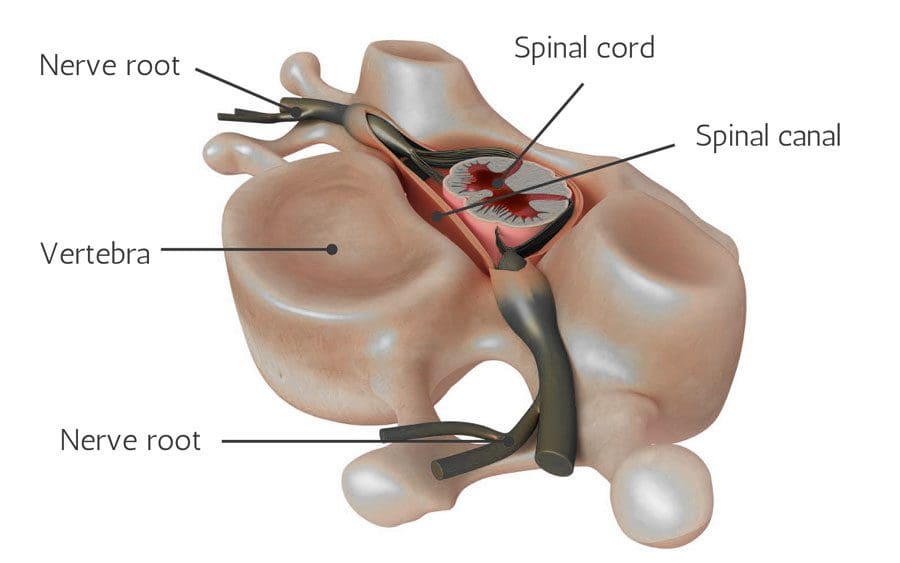
Spinal nerves send motor, sensory, and autonomic signals between the central nervous system and the body and are part of the peripheral nervous system. They are essential for carrying information that controls body movements and sensations to the brain. When a nerve gets injured, compressed, or damaged, it can cause discomfort, increased sensitivity, numbness, muscle weakness, and pain.
Damaged Nerve Roots
Nerve root pain is often caused by other underlying conditions that have caused compression or damage to the nerve root. Causes of nerve root pain can include:
Spinal nerves impacted by injuries or infection can lose their ability to control the body areas, lose their functional capacity, lose sensation, and die.
Spinal Imaging
Nerve damage can be diagnosed on a neurological exam and correlated with MRI and X-ray imaging. Conditions that MRI can identify include herniated discs, spinal cord compression or fracture, arthritic development, tumors, or cysts pressing on a nerve.
MRI images are obtained with a magnetic field and radio waves.
MRI shows spine images from the side/sagittal view and cross-sectional/axial views.
This allows the chiropractic doctor to see the vertebrae and discs and identify abnormalities.
The spinal cord is a gray area in the middle surrounded by the spinal fluid, which appears white.
Little white channels on either side of the spinal cord are where the nerve roots branch off.
X-rays can show the alignment of the bones along the spine and determine any narrowing or damage to the discs.
It is important to be evaluated and diagnosed for signs and symptoms of nerve injury as soon as possible, as nerve damage accelerates and worsens.
Function Restoration
Sometimes, the symptoms improve by themselves and do not require treatment. Nonetheless, physicians begin with conservative, non-surgical approaches to treat nerve root pain. Chiropractic and physical massage therapy involves specific movements, stretches, and exercises to keep the affected muscles and joints active,prevent stiffness and help restore function and feeling. Treatment can include:
Therapeutic massage
Manual adjustment/resistance treatment
Trigger point therapy
Instrument-assisted soft tissue therapy
Decompression
Traction
Joint stretching
Electrical stimulation
Ultrasound
Specialized exercise
Activity modification
Anti-inflammatory diet
Nerve Chiropractor
References
Liu, Yan, and Huan Wang. “Peripheral nerve injury-induced changes in the spinal cord and strategies to counteract/enhance the changes to promote nerve regeneration.” Neural regeneration research vol. 15,2 (2020): 189-198. doi:10.4103/1673-5374.265540
Menorca, Ron M G, et al. “Nerve physiology: mechanisms of injury and recovery.” Hand clinics vol. 29,3 (2013): 317-30. doi:10.1016/j.hcl.2013.04.002
Shehab, Safa Al-Deen Saudi. “Fifth lumbar spinal nerve injury causes neurochemical changes in corresponding and adjacent spinal segments: a possible mechanism underlying neuropathic pain.” Journal of chemical neuroanatomy vol. 55 (2014): 38-50. doi:10.1016/j.jchemneu.2013.12.002
Stoll, G, and H W Müller. “Nerve injury, axonal degeneration, and neural regeneration: basic insights.” Brain pathology (Zurich, Switzerland) vol. 9,2 (1999): 313-25. doi:10.1111/j.1750-3639.1999.tb00229.x
Ye, Xuan, et al. “Nerve fascicle transfer using a part of the C-7 nerve for spinal accessory nerve injury.” Journal of neurosurgery. Spine vol. 28,5 (2018): 555-561. doi:10.3171/2017.8.SPINE17582
When it comes to the body, many factors can cause low back pain without a person knowing they encounter it. Simple actions like sitting, standing, and walking can be difficult or helpful, depending on the person’s actions. Since low back pain tends to vary from person to person and the possible factors that can cause low back pain make diagnosing a bit difficult. Fortunately, there are available treatments that can help manage low back pain symptoms and can help alleviate its associated symptoms in the body. Today’s article examines the causes and symptoms of low back pain, aqua therapy for low back pain, and how chiropractic care goes hand in hand with aqua therapy. We refer patients to certified providers specializing in musculoskeletal treatments and hydrotherapy to help many individuals with low back pain. We also guide our patients by referring to our associated medical providers based on their examination when it’s appropriate. We find that education is the solution to asking our providers insightful questions. Dr. Alex Jimenez DC provides this information as an educational service only. Disclaimer
The Causes Of Low Back Pain
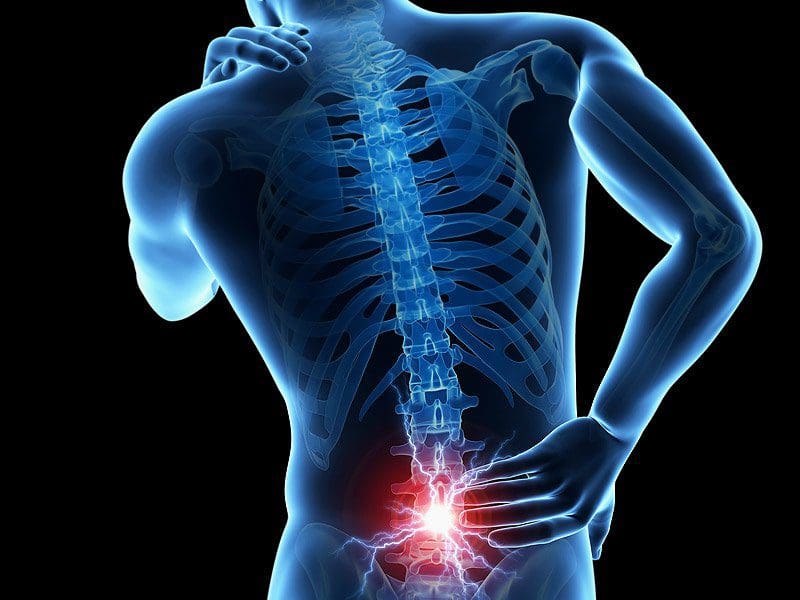
Have you been feeling aches along the sides of your back? Do you feel stiff when hunched over for an extended period? Or does sitting down make the pain go away or worsen? Many of these factors are associated with signs that you could be suffering from low back pain. Low back pain is considered the leading disability causes worldwide, as studies reveal, which can be influenced by many factors that a person is going through. Anyone can risk developing low back pain as it can derive from different sources that overlap many potential issues. Some of the causes associated with low back pain vary depending on how severely the factors affect the individual, which includes:
Muscle and ligament sprain (Overused muscles and ligaments from injuries, poor posture, or lifting heavy objects)
When it comes to the symptoms of low back pain, many individuals will experience pain ranging from a dull ache to a sudden shooting burning pain that travels down the legs. Many individuals often feel pain from one location of the lower half of the body; instead, it is located on the other side, known as referred pain. Low back pain can potentially mean that another issue is affecting the body. Some of the symptoms associated with low back pain include:
Muscle stiffness
Sciatica
Muscle spasms
Limited mobility on the hips and pelvis
Inflammation
Muscle tenderness
All is not lost, as treatments are available to manage low back pain symptoms and alleviate the body’s pain.
Aqua Therapy For Spine Health-Video
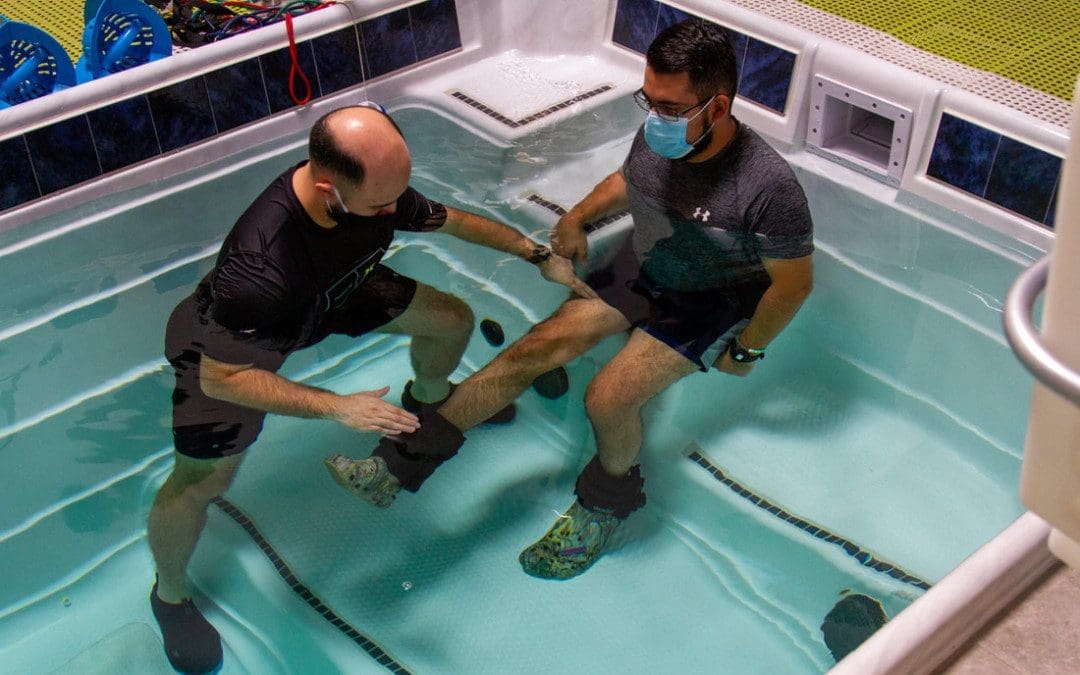
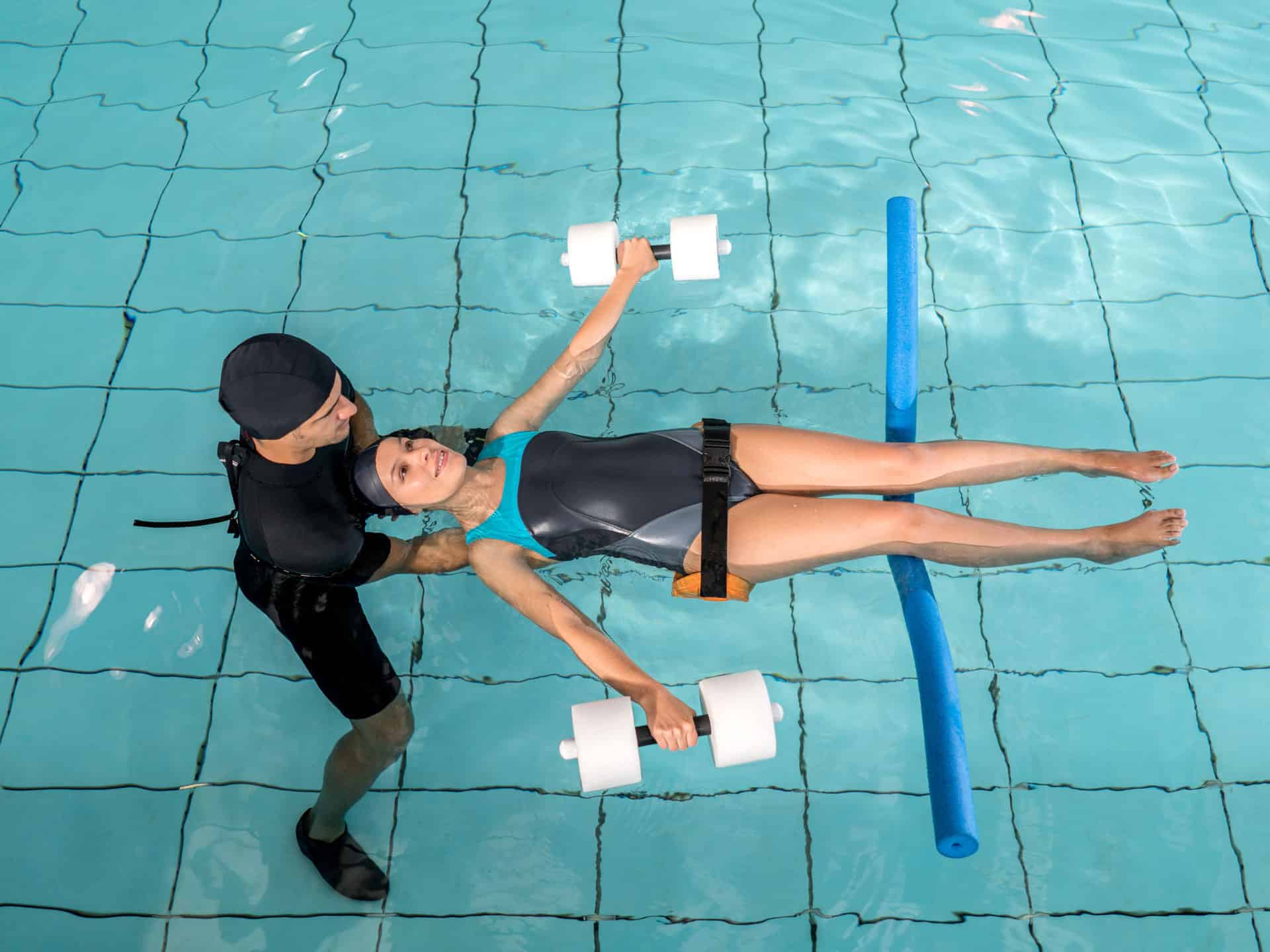
Have you been experiencing muscle stiffness in your lower back? Do hip pain and sciatic symptoms cause mobility issues in your legs? Or does it hurt when you are bending down to pick something up? You could be dealing with low back pain associated with chronic symptoms affecting the body, so why not try aqua therapy? The video above demonstrates what aqua therapy does to the body and the exercises used to relieve low back pain. Studies reveal that the therapeutic purposes of water have dated back to ancient Egypt, Greek, and Roman civilization; that helps cleanse the body from ailments. Many physical therapists utilize aqua therapy to enable individuals with low back pain. Aqua therapy engages the waters, buoyancy, resistance, and hydrostatic pressure that helps rehabilitate injuries and maintain health.
Aqua Therapy For Low Back Pain
Many individuals that suffer from low back pain will try to find ways to alleviate the pain. Aqua therapy is one available treatment that doesn’t strain the lower back and has therapeutic properties. Studies reveal that the beneficial properties of aqua therapy allow the body to improve muscle strength and range of motion while reducing muscle fatigue by using water buoyancy to take the pressure off the spine. Since low back pain is a common health issue associated with environmental factors for many individuals, studies reveal that water buoyancy can eliminate the gravitational forces impacting the body weight by counteracting it. To that point, this reduces joint stress on the body to perform the water aerobic exercises with ease. Individuals who incorporate aqua therapy in their health and wellness journey may be more motivated to exercise in the water without worrying about constant pain.
Aqua Therapy Goes Hand In Hand With Chiropractic Care
Like any treatment, chiropractic care and aqua therapy have an excellent relationship as they work together to assess and analyze the individual’s problem and devise a plan for them. Chiropractors utilize spinal manipulation to determine where the pain is located. So when a person is dealing with low back pain due to spinal subluxation or misalignment, a chiropractor can help the individual by loosening the stiff muscles and increasing the range of motion back to the spine. At the same time, aqua therapy incorporates the same benefits associated with land-based physical therapy, including a treatment plan tailored to the individual. Chiropractors and physical therapists work together to determine the best possible action to speed up the recovery process when it comes to a person’s pain, giving them the best chance to get back their quality of life.
Conclusion
Low back pain is one of many individuals’ most common complaints worldwide. The many factors associated with low back pain vary and range from a dull ache to a sharp pain radiating down the legs as part of the symptoms of low back pain. Treatments like aqua therapy can help take the load off the spine through water buoyancy and can help reduce the stress on the joints in the lumbar spine while reducing muscle fatigue. Combined with chiropractic care, many individuals can recover faster from their low back pain and bring back their quality of life without being in so much pain.
References
Abadi, Fariba Hossein, et al. “The Effect of Aquatic Exercise Program on Low-Back Pain Disability in Obese Women.” Journal of Exercise Rehabilitation, Korean Society of Exercise Rehabilitation, 31 Dec. 2019, https://www.ncbi.nlm.nih.gov/pmc/articles/PMC6944883/.
Allegri, Massimo, et al. “Mechanisms of Low Back Pain: A Guide for Diagnosis and Therapy.” F1000Research, F1000Research, 28 June 2016, https://www.ncbi.nlm.nih.gov/pmc/articles/PMC4926733/.
Carayannopoulos, Alexios G, et al. “The Benefits of Combining Water and Land-Based Therapy.” Journal of Exercise Rehabilitation, Korean Society of Exercise Rehabilitation, 26 Feb. 2020, https://www.ncbi.nlm.nih.gov/pmc/articles/PMC7056478/.
Cole, Andrew, and Bruce Becker. “Water Therapy Exercise Program.” Spine, Spine-Health, 26 Feb. 2010, https://www.spine-health.com/wellness/exercise/water-therapy-exercise-program.
The body is designed to move. For individuals who spend a significant amount of time driving each day, whether for a living or a long commute, over time can lead to headaches, neck and back pain, sciatica, and increases the risk for serious injury. Chiropractic can retrain individuals to practice healthy driving posture. This is accomplished through decompression and massage therapy combined with recommended stretches/exercises, and an anti-inflammatory diet will bring pain relief and help prevent injury.
Healthy Driving Posture
Two main reasons driving impacts the back are poor posture and being in a fixed position for an extended period. Individuals who regularly drive for more than 4 hours a day are more at risk. An unhealthy driving posture can lead to an increased risk of discomfort/pain in the:
Over time these issues can become chronic, making the body vulnerable to various injuries.
Back Pain Symptoms
Sometimes back pain needs immediate medical attention if any of the following symptoms present:
Inflammation in the back.
Swelling on the back.
Constant pain does not go away or ease up after resting or movement.
Pain in the upper back that radiates to the chest.
A high temperature.
Unexplained weight loss.
Loss of bladder or bowel control.
Numbness or tingling around the buttocks or groin area.
Driving Recommendations
Spine Support
Slide the tailbone as close to the back of the seat as possible.
Leave a gap between the back of the knees and the front of the seat.
If the vehicle doesn’t allow for the proper position, a back support cushion can help.
Raise The Hips
If possible, adjust the area you sit on, so the thighs are supported along their entire length.
The knees should be slightly lower than the hips.
This will increase circulation to the back muscles while opening up the hips.
Sitting Too Close
An individual should be able to comfortably reach the pedals and depress them through their full range with the entire foot.
A safety study found that drivers whose chests were closer to the wheel were significantly more likely to suffer head, neck, and chest injuries in front and rear-end collisions.
Proper Height
Ensure the seat raises the eye level a few inches above the steering wheel to allow sufficient clearance between the head and roof.
Seat Angle
The angle of the back of the seat should go a little beyond 90 degrees to 100-110 degrees places minimal pressure on the back.
Leaning too far back forces the individual to raise/push their head and neck forward, which can cause neck pain, shoulder pain, and tingling in the fingers.
Headrest Height
The top of the headrest should be between the top of the ears and the top of the head.
It should slightly touch the back of the head when sitting with a healthy driving posture.
This exercise activates the abdominal and external oblique muscles.
Press the lower back into the car seat.
Inhale and tilt the pelvis forward to create an arch in the lower back.
Hold for 3 seconds, then release.
Repeat ten times.
Posture is more than just how one carries themselves. The effects of unhealthy posture can carry over into an individual’s physical, mental, and emotional health. Whether it’s caused by injury, stress, work, or sports, a professional chiropractor will help you get back to optimal health.
Driving Position
References
Cvetkovic, Marko M et al. “Assessing Post-Driving Discomfort and Its Influence on Gait Patterns.” Sensors (Basel, Switzerland) vol. 21,24 8492. 20 Dec. 2021, doi:10.3390/s21248492
Pope, Malcolm H et al. “Spine ergonomics.” Annual review of biomedical engineering vol. 4 (2002): 49-68. doi:10.1146/annurev.bioeng.4.092101.122107
Tinitali, Sarah, et al. “Sitting Posture During Occupational Driving Causes Low Back Pain; Evidence-Based Position or Dogma? A Systematic Review.” Human factors vol. 63,1 (2021): 111-123. doi:10.1177/0018720819871730
van Veen, Sigrid, and Peter Vink. “Posture variation in a car within the restrictions of the driving task.” Work (Reading, Mass.) vol. 54,4 (2016): 887-94. doi:10.3233/WOR-162359
IFM's Find A Practitioner tool is the largest referral network in Functional Medicine, created to help patients locate Functional Medicine practitioners anywhere in the world. IFM Certified Practitioners are listed first in the search results, given their extensive education in Functional Medicine

 Headache Chiropractor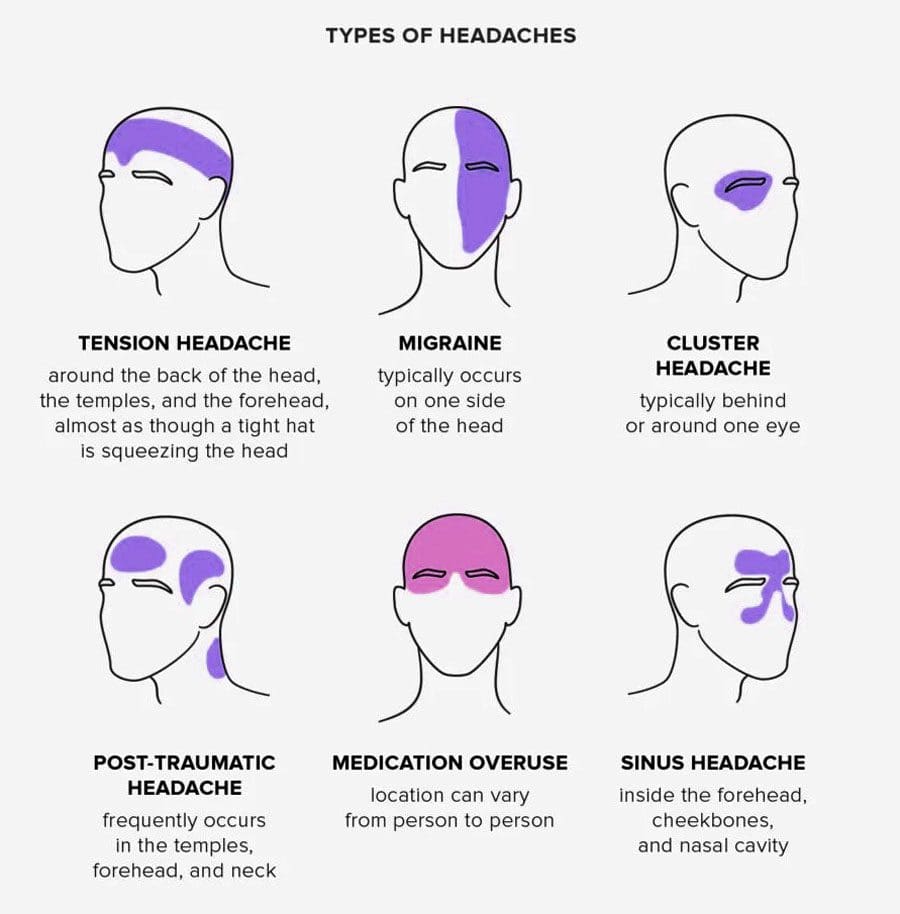



 Chiropractic Education