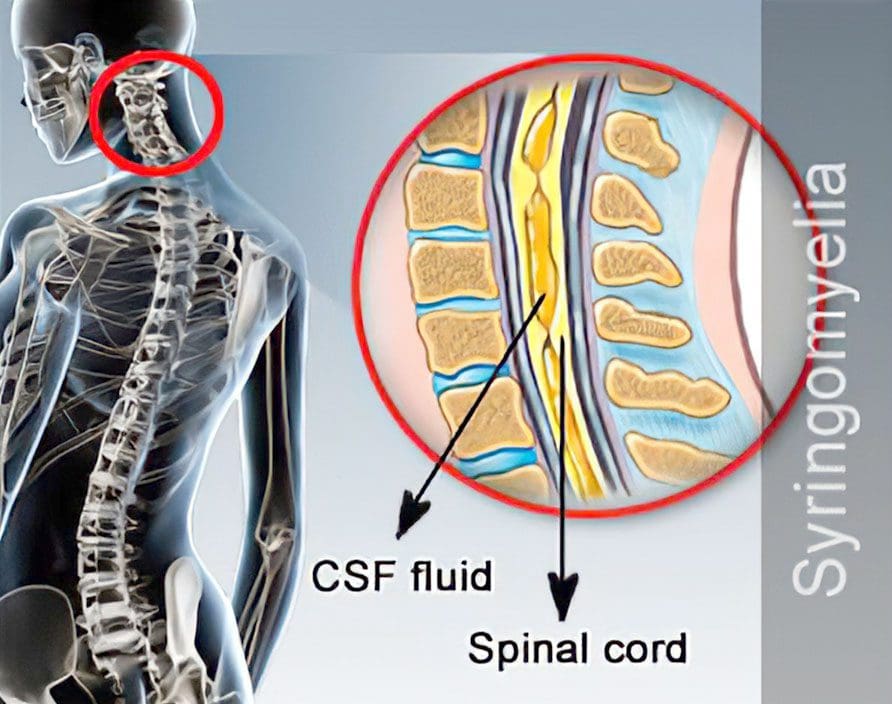
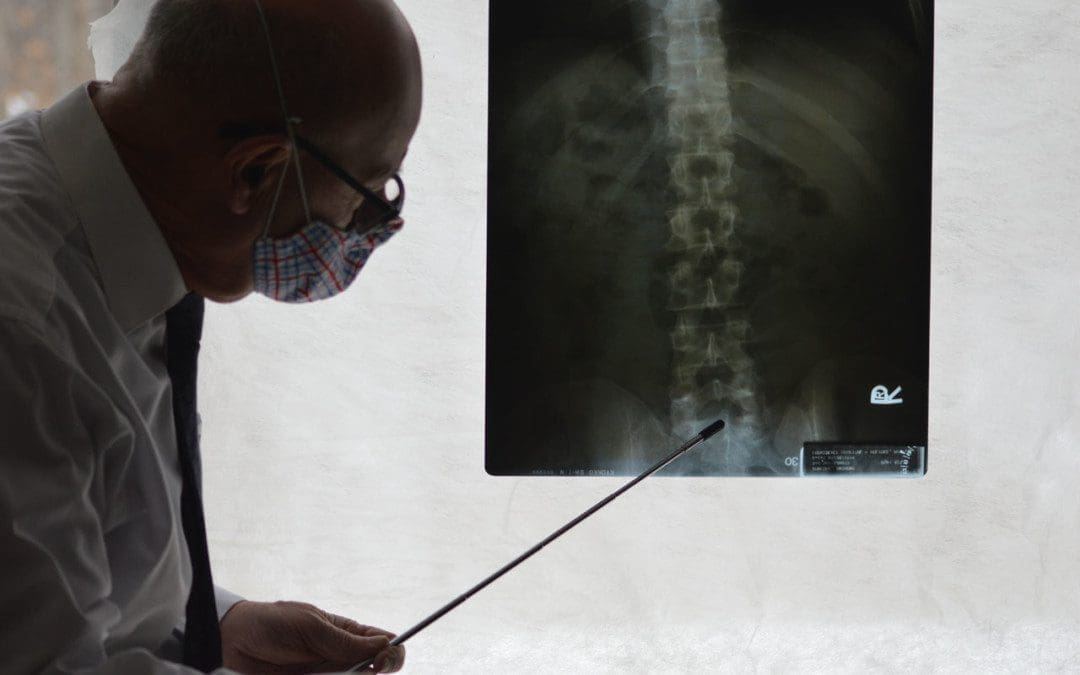
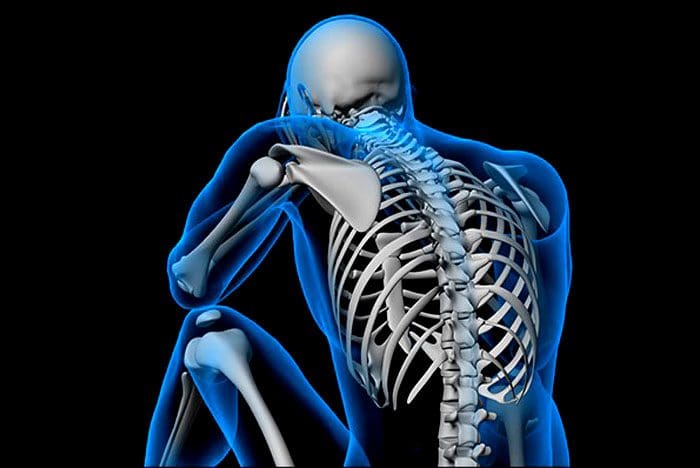
Syringomyelia is a disorder in which afluid-filled cyst/syrinx forms within the spinal cord. It is progressive, meaning that the cyst grows with time causing compression and damage to the spinal cord. The cyst usually begins in the neck/cervical spine but can develop in any area along the spinal cord. There are several possible causes; however, most are associated with a condition known as Chiari malformation. This is where the skull and neck come together, and either the skull is too small or shaped in a way that causes brain tissue to come out and settle in the spinal canal.
Syringomyelia Causes
Syringomyelia can be caused by or from complications of:
Chiari type I malformation develops during the fetal developmental stage and causes the lower part of the brain or cerebellum to stick out from its standard location.
Hemorrhage/bleeding
Inflammation of the spinal cord from virus or bacterial infection like meningitis
Spinal cord injury
Spinal cord tumor
Symptoms
A damaged spinal cord disrupts communication between the brain and the body. Symptoms differ for every individual, but common syringomyelia symptoms include:
Pain, stiffness, or weakness in the neck, arms, back, and/or legs
Symptoms usually develop slowly, but exercise, coughing, or some form of strain can cause sudden onset.
Diagnosis
Physical and neurological exams are performed to determine loss of feeling or inability to move around normally, like walking. Diagnostic tests of the spine will include a CT scan with contrast dye and/or an MRI. Early detection can help before it progresses, causing further damage, and delaying treatment can cause irreversible spinal cord injury. It is recommended at the first sign of symptoms to contact a doctor.
Treatment
Some individuals who have syringomyelia may have no symptoms. These individuals can go about their everyday lives but are recommended to be cautious with neck and back strain. For individuals experiencing symptoms, the primary treatment objectives are to:
Stop or control damage to the spinal cord
Preserve function
Prevent disability
Treatment options include:
Draining the cyst
Surgical removal of the cyst
Chiropractic and physical therapy could be included in the treatment plan to help the individual rebuild lost muscle strength and regain flexibility.
All too often, individuals with this disorder experience treatment delay/s because symptoms can be nonspecific or vague. Education is the key, and individuals can be diagnosed sooner by paying attention to the body’s warning signs.
Body Composition
Does too much protein hurt the kidneys?
While protein restriction can be appropriate for treating existing kidney disease, research shows that high protein intake in healthy individuals does not disrupt or cause damage to the kidneys or kidney function. The amino acids in protein are more likely to be excreted through urine when not being used. However, there are certain risks associated with consuming too much protein, and it is recommended to keep track of protein intake. Eating more protein:
Makes the body feel full longer
Can help curb overeating
Is essential for recovery and growth
When achieving daily caloric goals, maintaining a balance of nutrients like carbohydrates and healthy fats is essential for overall health.
References
Batzdorf, Ulrich. “Primary spinal syringomyelia. Invited submission from the joint section meeting on disorders of the spine and peripheral nerves, March 2005.” Journal of neurosurgery. Spine vol. 3,6 (2005): 429-35. doi:10.3171/spi.2005.3.6.0429
Di Lorenzo, N, and F Cacciola. “Adult syringomyelia. Classification, pathogenesis and therapeutic approaches.” Journal of neurosurgical sciences vol. 49,3 (2005): 65-72.
Fernández, Alfredo Avellaneda et al. “Malformations of the craniocervical junction (Chiari type I and syringomyelia: classification, diagnosis, and treatment).” BMC musculoskeletal disorders vol. 10 Suppl 1, Suppl 1 S1. 17 Dec. 2009, doi:10.1186/1471-2474-10-S1-S1
Naftel, Robert P et al. “Worsening or development of syringomyelia following Chiari I decompression: case report.” Journal of neurosurgery. Pediatrics vol. 12,4 (2013): 351-6. doi:10.3171/2013.7.PEDS12522
Roy, Anil K et al. “Idiopathic syringomyelia: retrospective case series, comprehensive review, and update on management.” Neurosurgical focus vol. 31,6 (2011): E15. doi:10.3171/2011.9.FOCUS11198
Taking it slow after spinal surgery is recommended to optimize a full recovery. What usually happens is that an individual starts feeling normal/better, so they begin to engage in a few daily activities. Then pain presents, letting the individual know that they have done too much too soon. The pain does not necessarily signal re-injuring the area, but recovery should be treated seriously. More than 50% of patients have successful spine surgery, but repeat surgeries do not tend to be quite as effective. Doing too much too early during recovery can result in severe re-injury or creating new injuries. So when can an individual get back to everyday life?
Surgery Recovery
Recovery after back surgery is different for everyone. Low back lumbar fusion surgeries usually require more recovery time than lumbar non-fusion surgeries, like:
Laminectomy – when the lamina portion of a vertebra is removed.
Microdiscectomy – the removal of abnormal disc material
Cervical spine surgeries.
Individuals who have undergone a procedure where two or more vertebrae have been surgically fused should expect a longer recovery. A typical timeline for lumbar fusion usually involves around three months. What happens is individuals want to get up and move, doing household activities almost immediately because they feel so good, but this is because of the pain medications. Strong pain medication use ends by four to six weeks. It is not until after 12 weeks or three months with post-operative chiropractic rehabilitation and physical therapy that individuals are encouraged to engage in specific physical activities that will optimize the healing process.
Taking It Slow With Certain Activities
Specific activities should not be engaged in after lumbar fusion surgery, as it requires a higher level of caution during recovery.
No Bending, Lifting, and Twisting
Bending, lifting, and twisting all require the direct use of the back muscles. Performing these movements can cause serious damage and hinder proper healing. Therefore it is recommended not to bend, lift, or twist for six weeks.
No Taking Baths or Swimming
Taking showers can be done right away with protective plastic or a sponge bath for a few days after surgery, but it is advised not to take baths or go swimming for three weeks.
No Cardiovascular Exercise
While the back may be feeling better after the spine surgery, cardiovascular exercise is not recommended for at least six to 12 weeks as it is too strenuous on the back. Light walking is fine, but the doctor and a chiropractor and physical therapist will develop a controlled, progressive exercise program for the individual. The program usually starts between 6 weeks and three months after surgery. This can include working out on an elliptical machine, a stationary bike, or easy treadmill walking.
Listening to The Body
The doctor will be clear about what can and can’t be done immediately following back surgery. Therefore it is crucial to follow the instructions to avoid any complications and listen to the body. Don’t push through activity or try taking on too much. Give the body and spine time to heal, taking it slow. There is time to get back to normal activities, but if re-injury or new injuries occur, rehabilitation/recovery could become the regular activity.
Body Composition
Malnutrition
Malnutrition is defined as deficiencies, excesses, or imbalances in an individual’s energy intake and/or nutrients. Protein-energy deficiency is one of the most common forms of malnutrition, and this health condition has an immediate and negative impact on body composition. The deficit wreaks havoc on skeletal muscle mass as the body progressively goes into starvation mode, breaking down the protein stored in the muscle for fuel.
Micronutrient deficiency is a lack of minerals and vitamins that support vital bodily processes like cell regeneration, immune system health, and eyesight. Common examples include iron or calcium deficiencies. Micronutrient deficiency has the most significant impact on normal physiological functions, processes and can happen in conjunction with a lack of protein-energy. This is because most micronutrients are obtained from food. Nutritional deficiencies of specific micronutrients can affect processes like building and repairing muscle; protein deficiency has a more pronounced effect on body composition because lowered protein intake can lead to muscle mass loss. Malnutrition and nutritional deficiencies in adults include:
Physical function, including handgrip strength and physical performance, diminishes.
Serious medical conditions can result from fluid accumulation like edema.
References
Daniell, James R, and Orso L Osti. “Failed Back Surgery Syndrome: A Review Article.” Asian spine journal vol. 12,2 (2018): 372-379. doi:10.4184/asj.2018.12.2.372
All of these can deplete the body of nutrients and drain the body’s energy. As a result, individuals can be distracted throughout the day, unable to leave the house, and unable to accomplish regular tasks. Gastrointestinal stress can be caused by a variety of factors, including:
Unhealthy diet
Interrupted sleep patterns
Work/school changes
Headaches
Medications
Fibromyalgia
Digestive issues are commonly associated with poor nutrition, but there could be an underlying cause in the spine and nervous system. Chiropractic can help manage gastrointestinal stress and stomach problems.
Spinal Subluxation and Gastrointestinal Stress
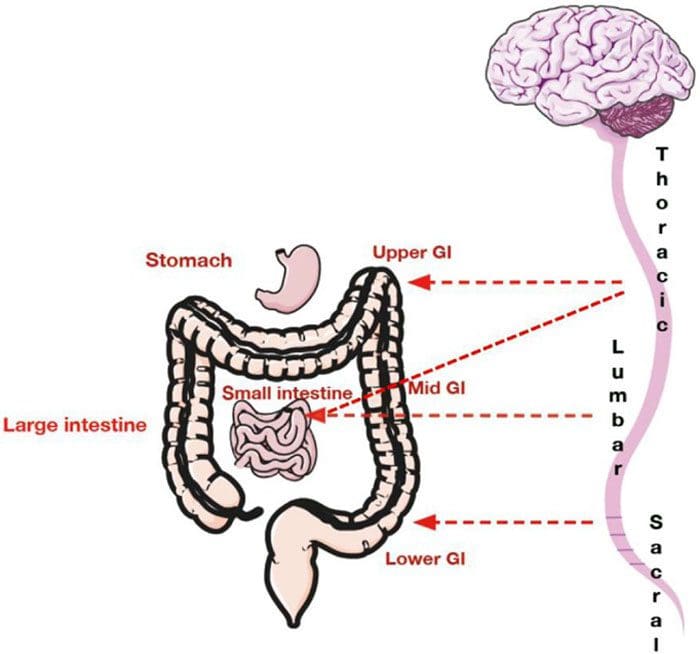
The nervous system controls every function that the body performs, including digestion. The spine communicates with the stomach directly. The thoracic mid-back and lumbar low-back regions of the spine are responsible for regulating the rate of how food is physically broken down and digested. A subluxation or spinal misalignment can interfere with vital information transmissions from the brain to the digestive tract compromising digestive function.
Subluxation
Subluxation refers to a misalignment of the vertebrae that can cause health issues with the nerves in the spine, directly affecting digestion. If the vertebrae are out of alignment, this causes a misfire in the signals being sent to the nerves of the digestive system. This can cause problems for the body absorbing nutrients, vitamins, and minerals from food. Because of this, no matter how healthy the diet is, individuals can still suffer from digestive issues.
Chiropractic
Many individuals deal with stress through meditation, breathing exercises, physical activity/exercise, and diet adjustments.
Lifestyle adjustments help counter the effects of stress, but if the nervous system is blocked from spinal misalignment, disrupting vital nerve flow through the body, specifically the digestive tract, gastrointestinal stress will continue to cause damage and malfunction. Individuals with:
Have experienced how chiropractic treatment corrects and helps manage symptoms.
Body Composition
Viscous and Nonviscous Fiber
Another way of classifying fiber is by its viscosity or thickness. Certain types of soluble fiber are thicker and are more likely to form firmer, stickier gels when mixed with water. When digesting food that consists of thick fiber it increases the thickness of the gel substance that passes through the gut. As a result, it reduces appetite because it makes the body feel fuller longer. Viscous fibers include:
Angus, Katherine et al. “What effect does chiropractic treatment have on gastrointestinal (GI) disorders: a narrative review of the literature.” The Journal of the Canadian Chiropractic Association vol. 59,2 (2015): 122-33.
Qu, Liuxin et al. “Irritable bowel syndrome treated by traditional Chinese spinal orthopedic manipulation.” Journal of traditional Chinese medicine = Chung i tsa chih ying wen pan vol. 32,4 (2012): 565-70. doi:10.1016/s0254-6272(13)60072-2
Walking for a healthy back. This simple form of exercise can:
Trim the waistline.
Elevate mood.
Reduce the risk of chronic disease.
Improve back health.
Chiropractors recommend walking because of the ease of the workout and the health benefits it provides. It is a simple, low-impact exercise that can significantly improve the body’s overall health in a short amount of time. It improves back health by:
Strengthening the muscles that support the spine.
Improves posture.
Facilitates strong circulation.
Improves bone strength.
Walking For A Healthy Back
Strengthens Muscles
Walking engages all of the muscles which keep the body upright, including the core, leg, and back muscles. Muscle strength increases, providing optimal support of the spine.
Optimize Bone Health
Bone is living tissue like the muscles, and exercise stimulates bone the same way as muscle, gradually increasing strength.
Studies have found that walking improves bone density and reduces bone loss.
Poor posture is one of the most common reasons why individuals have back pain.
Poor posture affects mobility and places a significant amount of strain on the back.
Walking a few times each week engages and strengthens the back muscles keeping the body straight.
Reduces Weight
Many individuals have lower back pain that is caused by excess weight.
The added weight causes the front of the body to shift forward, placing additional strain on the lower back.
Walking reduces the load on the lower back.
Improves Flexibility and Range of Motion
Combined with stretching, walking improves flexibility and range of motion, making it easier to perform everyday activities reducing the risk of back injuries.
Improves Circulation to the Spinal structures
Walking improves blood circulation, delivers nutrients to the soft tissues, and removes toxins.
Added Benefits include:
Stress relief.
Better sleep.
Improved skin tone.
Lower risk of diabetes.
Reduced risk of depression.
Improved cardiovascular health that lowers the risk of:
High blood pressure.
Heart disease.
Stroke.
Before Exercising
Before beginning an exercise program, it’s essential to consult a doctor or chiropractor for individuals that have not exercised for a while or are dealing with underlying condition/s. They will educate and recommend how much exercise is appropriate given their current fitness level and overall health. To maximize the benefits of walking and prevent injuries:
Use High-Quality Tennis or Walking Shoes
Walking is much more enjoyable and safer when the body is comfortable.
Improving comfort levels is by using a pair of high-quality walking shoes or trainers.
They will provide proper support, cushioning, and adequate traction.
Maintain Proper Posture
Stay aware of body position when walking. A few key points to keep in mind:
Place the heel down first.
Then roll through each part of the foot, ending on the point of the toes.
Keep the shoulders back and head up.
Lift from the hips to reduce the impact on the lower joints.
Keep a slight bend in the arms and smoothly swing them back and forth.
Turn Walking Into a Healthy Habit
In the beginning, aim for at least 5 to 7 walks each week that last 25 minutes.
Speed does not matter as the objective is to get out and walk.
Once walking starts turning into a healthy habit with improvements in health, then start walking faster and longer.
Interval Walking
Interval walking involves short periods of high-intensity walking followed by alonger period of slow walking.
This increases cardiovascular fitness and muscle strength.
Begin with a 1-minute interval of fast walking.
This is followed by 2 minutes of slower walking.
Take On Easy Obstacles
Makes the walks more challenging by walking up or down a hill.
They will help strengthen the arms, shoulders, and upper back.
Body Composition
Building Lean Body Mass
Lean Body Mass is the body’s total weight minus the fat. This includes all the weight of the muscles, organs, and total body water. The best way to develop muscle and Lean Body Mass is to adopt a resistance training program. As stronger muscles are developed, the size and amount of the muscle cells increases. The muscles then require more intracellular water, which allows them to function at optimal levels. As the muscles grow and take in more water, Lean Body Mass increases.
References
Morris, J N, and A E Hardman. “Walking to health.” Sports medicine (Auckland, N.Z.) vol. 23,5 (1997): 306-32. doi:10.2165/00007256-199723050-00004
Nauman, Javaid et al. “Walking in the Fast Lane: High-Intensity Walking for Improved Fitness and Health Outcomes.” Mayo Clinic proceedings vol. 94,12 (2019): 2378-2380. doi:10.1016/j.mayocp.2019.10.020
Vanti, Carla et al. “The effectiveness of walking versus exercise on pain and function in chronic low back pain: a systematic review and meta-analysis of randomized trials.” Disability and rehabilitation vol. 41,6 (2019): 622-632. doi:10.1080/09638288.2017.1410730
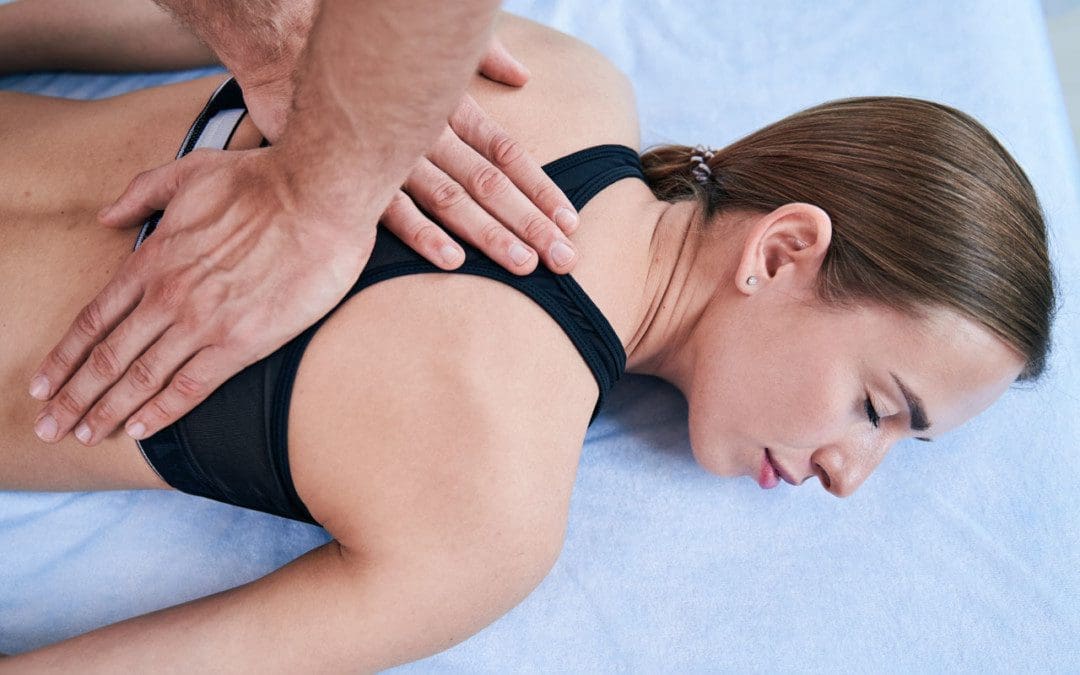
Chiropractic medicine is used as a standard musculoskeletal injury/strain treatment and for rehabilitation. Chiropractic helps with:
Different types of back pain
Headaches
Neck pain
Shoulder pain
Arm pain
Hand pain
Leg pain
Foot pain
Spine and nervous system health are essential for a properly functioning body and overall health. There are significant benefits of chiropractic care that can improve an individual’s overall quality of life and health. Chiropractic treatment can help:
Relieve Stress
Stress is natural in life, and it’s too much or poor management techniques that can cause pain and or injury. Chiropractic can improve how the body responds to stress. The nervous system is responsible for adapting the body to its environment, especially a stressful environment. Around 90% of the central nervous system travels down and through the spinal column. Spinal vertebral subluxations/misalignments can interfere with proper nerve flow disrupting body functions. Vertebral subluxation decreases the body’s ability to adapt to the environment. When this happens, stress can have a high adverse impact on the body’s health. An aligned spine along with an optimally operating nervous system helps the body to manage stress easier.
Improve Posture
Posture shifts affect spinal alignment and nerve function. The most common is Forward Head Posture/FHP. This is where the head shifts forward and down on the shoulders. This affects the natural curve in the neck, causing tension to form in the spinal cord. Improper ergonomics and overuse of electronic devices play a role in FHP. Chiropractic treatment helps and restores proper spinal alignment, significantly improving the body’s posture.
Elevate Mental Mood
Individuals in pain are often in a bad, sad, low mood reflecting their pain level. Balancing the body’s nervous system restores the balance of chemical flow in the body. Conditions like depression and ADHD have shown improvement with regular chiropractic care.
Strengthen Immune System Function
Spinal misalignment adversely affects the nervous system. The nervous system sends all the necessary information to different areas of the body. If the spine has been compromised, specific sites will not receive the vital signals required to function at full potential. This can affect any or all the systems in the body, especially the immune system. Chiropractic improves nerve flow to the organs of the immune system.
Enhance Thorough Sleep
Lack of sleep leads to all kinds of health issues. Lack of proper sleep can be from a nervous system that does not shut down, add pain, stress, and nightly symptoms do not allow the body to rest. Optimal spinal alignment relaxes the nervous system decreasing pain. Sleep improves over time, with individuals reporting reduced pain and an increase in health and wellness.
Body Composition
Gluten Effects
Gluten causes digestive issues/problems for individuals that have celiac disease or autoimmune thyroid disease. Individuals with these conditions that eat gluten foods can present with uncomfortable and painful effects. Symptoms can vary and have different classifications.
Classical Celiac Disease – CD
Classical celiac disease presents with symptoms that include:
Diarrhea
Discolored stools
Constipation
Abdominal bloating
Pain
Weight loss
However, these symptoms are more common in children with CD than adults. In adults, symptoms are more similar to those in non-classical celiac disease.
Non-Classical Celiac Disease
Non-classical celiac disease symptoms may not present with severe digestive symptoms as in classical CD but suffer from other symptoms. These include:
Silent CD is less visible. There might not be any symptoms, but damage to the intestines is still occurring.
References
Khodakarami, Nima. “Treatment of Patients with Low Back Pain: A Comparison of Physical Therapy and Chiropractic Manipulation.” Healthcare (Basel, Switzerland) vol. 8,1 44. 24 Feb. 2020, doi:10.3390/healthcare8010044
Rubinstein, Sidney M et al. “Benefits and harms of spinal manipulative therapy for the treatment of chronic low back pain: systematic review and meta-analysis of randomized controlled trials.” BMJ (Clinical research ed.) vol. 364 l689. 13 Mar. 2019, doi:10.1136/bmj.l689
Urits, Ivan et al. “A Comprehensive Review of Alternative Therapies for the Management of Chronic Pain Patients: Acupuncture, Tai Chi, Osteopathic Manipulative Medicine, and Chiropractic Care.” Advances in therapy vol. 38,1 (2021): 76-89. doi:10.1007/s12325-020-01554-0
Anyone from young children, adults, and the elderly can get a spinal infection. Individuals can have an infection:
In vertebral bone tissue
An intervertebral disc
The spinal canal – space where the spinal cord runs through
The spinal cord’s protective lining
These types of infections can happen anywhere along the spine, from the atlas at the base of the neck to the coccyx all the way to the lowest part of the back. Individuals should expect unpredictability if dealing with a spinal infection. During testing, lab results could be misleading or inaccurate. What can happen is white blood cell counts are normal, X-rays might not show any abnormalities, and sensitive diagnostic tests like a CT or MRI scan might not show positivity of infection for a week or more. What to know about spinal infections.
Spinal Infection Types
They are classified according to the type of tissue they infect. The most common include:
Vertebral Osteomyelitis
This is a common infection type. Bacteria most often cause the cause. It can develop after trauma to the spine, post-surgery, or bacterial infections located in other body parts that travel via the blood to the vertebra. Symptoms include:
Persistent, chronic back pain that can become severe worsens at night and becomes aggravated from moving.
The pain radiates/spreads into the arms and legs
Tingling, numbness, and burning sensations
Inflammation
Fever
Weight loss
Vomiting
Post-surgery wound drainage, redness, and swelling near the surgical site
Treatment includes:
Intravenous antibiotics
Antibiotics
Over-the-counter analgesics like nonsteroidal anti-inflammatory meds for pain relief.
Prescription pain medications
Back brace
Surgery is recommended if antibiotic treatment fails, nerve damage develops, a spinal deformity develops, or to remove infected bone and/or soft tissues.
Discitis
This type of infection develops between the intervertebral discs. It is also rare, but it is more common in children and adolescents, but it can still happen in adults. Discitis can be potentially deadly, despite advanced treatment. The most common causes are bacterial and viral infections.
Symptoms
Individuals with discitis can present with minimal symptoms when the infection initializes, but it does worsen and can cause:
Abdominal pain and discomfort
Posture changes
Mobility issues
Difficulty performing everyday tasks
Fever
Severe back pain that worsens at night or by moving
Treatment options include:
Antibiotics
Anti-inflammatory medications
Supportive devices
Rest
Steroids to alleviate inflammation in chronic and severe cases
Severe cases could require surgery to restructure areas of the affected spine to improve function and mobility
Epidural Abscess
This is an infection that can develop in the spaces between the bones of the spine, the skull, or soft tissues surrounding the brain and spinal cord. This is a medical emergency that needs to be addressed immediately. The infection is often caused by a bacterial or fungal infection in or around the affected area. This is commonly a Staphylococcus aureus bacteria. In some cases, an abscess can develop from an infection in another part of the body. This could be a urinary tract infection that spreads out to the spine. Symptoms include:
Inflammation and swelling
Mid to low back pain
Headache
Fever
Nausea and/or vomiting
Neurological weakness, numbness in the arms and legs, bowel or bladder incontinence
Walking problems
Treatment consists of intravenous antibiotics to combat the infection that caused the abscess. In some cases, if there is difficulty moving around or are experiencing numbness, then surgery is required to drain the abscess or completely remove it.
Risk Factors
Spine infections can affect anyone. However, there are individuals with certain chronic health problems that have an increased risk. They include those with:
Kidney disease
Liver disease
Auto-immune diseases
Immune systems compromised like cancer and HIV
Individuals that have undergone a spinal surgical procedure are at greater risk post-surgery
Risk factors include:
Individuals that have had a spinal infection could be more susceptible to developing another.
Age – older adults
Malnutrition
Diabetes mellitus
Obesity
Smoking
Intravenous drug use
Certain areas of the back are more prone to infection. This includes the cervical/back of the neck and the lumbar/low back.
Surgical risk factors:
Long surgical procedure
Massive loss of blood
Multiple surgeries of the same area
Diagnosis
Early diagnosis can be the difference in treating the infection before damage to the spine develops or before the damage worsens. They are diagnosed through a variety of lab and imaging tests. These include:
Various lab tests
Blood work to examine white blood cell counts and markers for inflammation
X-Rays
CT scan
MRI
Outcome
These infections are rare, but they are serious and early treatment is recommended for optimal outcomes. Early diagnosis in the early stages can be successfully treated with antibiotics, rest, and spinal braces. Doctors, spine specialists, chiropractors, and physical therapists will work with the individual to provide a thorough diagnosis, personalized treatment plan, and long-term outcomes.
Body Composition
Practice Mindfulness
Practicing mindfulness can help identify triggers of negative thoughts and behavior. Mindfulness is unique to each individual. Sitting quietly and meditating for 20 minutes is not for everyone. Instead, try a five-minute guided meditation, writing, or music listening. The best time to meditate is in the morning after waking up. This helps set the day’s objectives, what’s important and what can wait in a clear fashion. Mindfulness practice has been shown to reduce stress and feelings of anxiety.
Journaling is a great way to find out about yourself. It can be done with pencil/pen and paper, on a computer, tablet, or phone. Take a few minutes to write some ideas, feelings, emotions that can help put things in perspective. Examples could be, writing something that makes you happy/proud, something that you want to improve, and a goal. There is also mindful listening that can help reduce stress by focusing attention. Instead of turning on the news or checking email first thing, listen to a favorite podcast or music. The same applies to over-phone use. During some downtime instead of scrolling through social media, etc, take a breath and listen to your mind and self.
References
American Association of Neurological Surgeons. Spinal Infections. http://www.aans.org/Patient%20Information/Conditions%20and%20Treatments/Spinal%20Infections.aspx. Published May 2016. Accessed December 29, 2016.
Stat Pearls. (2021). Diskitis. https://www.ncbi.nlm.nih.gov/books/NBK541047/
Stat Pearls. (2021). Spinal Epidural Abscess. https://www.ncbi.nlm.nih.gov/books/NBK441890/
Frontiers in Medicine. (2014). Surgical site infections following spine surgery: eliminating the controversies in the diagnosis. https://www.frontiersin.org/articles/10.3389/fmed.2014.00007/full
Microorganisms. (2020). Spinal Infections: An Update. https://www.ncbi.nlm.nih.gov/pmc/articles/PMC7232330/
The Spine Journal. (2021.) “Long term quality of life outcome after spondylodiscitis treatment.” https://www.thespinejournalonline.com/article/S1529-9430(21)00783-X/fulltext
Chiropractors and spine specialists utilize spinal imaging through X-rays, MRIs, or CT scans to figure out what is causing back problems and pain. Imaging is common. Whether chiropractic or spinal surgery, they help immensely discover back issues and allow the individual to see what is happening. Types of cases include back pain that:
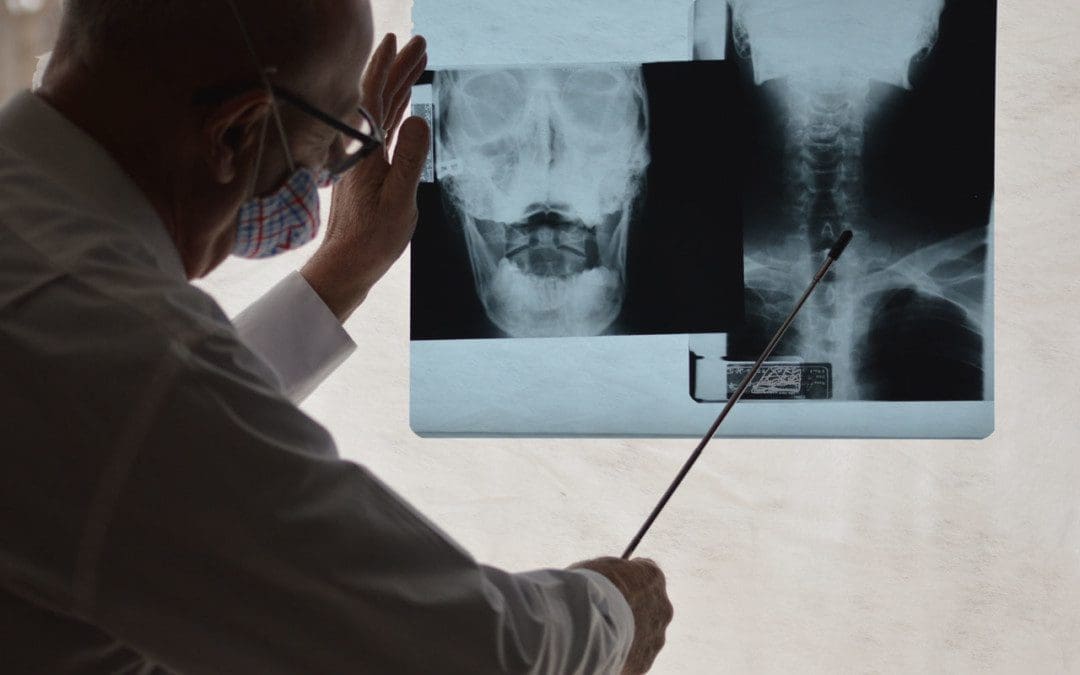
X-rays for back pain can be quite helpful. An X-ray is radiation-based and is used to examine the conditions of the bone structures. X-rays are optimal for bone tissue or tissues that are ossified or calcified. They work the best with hard tissues, specifically bones. Soft tissues like muscles, ligaments, or intravertebral discs do not present as well.
Individuals undergoing a back X-ray will be scanned by a machine that generates a beam. A receiver picks registers the beam after it passes through the body and generates an image. It takes around five minutes to complete but could be longer depending on the doctor’s number of images. X-rays are helpful for insurance purposes and rule out bone conditions like compression fractures and/or bone spurs. X-rays are ordered for specific reasons and are often part of a whole-body diagnostic study. This includes MRI and/or CT scan.
CT Scan
CT stands for computed tomography. It is a series of X-rays that are digitized into images using a computer. The advantage of a CT scan to standard X-rays is that it offers different views/angles of the body and can be in 3D. CT scans are most often used in trauma cases or individuals who have had surgery. They take around five minutes. For X-rays, individuals stand up or lay under the X-ray machine as it scans the body. A CT scan has the individual lie down in a circular donut-looking machine that scans while rotating during the imaging. Individuals are recommended to wear casual loose, comfortable clothing. Sometimes a dye, or intravenous contrast, is used to get the vascular tissues to stand out, generating clearer images.
MRI
MRI is short for magnetic resonance imaging. MRIs use magnets to generate images. MRI imaging is often used in individuals that have undergone surgery. They take longer, usually around 30 to 45 minutes. No metallic objects are allowed in the MRI. Patients are asked to remove items like belts, jewelry, etc. Contrast dye can be a part of an MRI. The machine is like a tunnel. This can become challenging for individuals that have claustrophobia. Consult with a doctor and find out how to get comfortable during the process.
Other Forms of Spinal Imaging
Other forms of imaging include:
CT navigation
CT navigation shows real-time CT scans during the procedure.
Fluoroscopy
Fluoroscopy involves an X-ray beam that passes directly through the body that shows live, moving images.
Both of these types of spinal imaging are utilized during surgeries. For some cases, intraoperative imaging is used. This type of imaging uses high-tech robotics to help surgeons navigate through tight spaces during the procedure. This increases the surgeon’s accuracy and reduces the size of the incision.
Ultrasound
Ultrasound can be used for spinal conditions. This is an imaging test that uses sound waves to generate images. However, the imaging tests which are used in spinal imaging are primarily X-rays and MRIs.
Imaging Appointment
Talk with your doctor or chiropractor ahead of time to understand what to expect during the imaging process. They will let you know how to prepare and any special instructions before the appointment. Along with medical history and a physical examination, spinal imaging is an important part of the diagnostic process to find what is causing the pain and to develop the best treatment plan.
Body Composition
Short-term Effects of Coffee and Blood Pressure
The caffeine in coffee is a stimulant or substance that excites the body’s systems. When caffeine is ingested, individuals experience an increase in excitement, specifically in the cardiovascular system. This excitement causes the heart rate and blood pressure to rise and then lower back to a baseline level for healthy individuals. Coffee slightly increases short-term blood pressure. Moderate coffee consumption is safe for individuals that do not have pre-existing cardiovascular conditions.
References
United States Nuclear Regulatory Commission. (May 2021) “Doses in Our Daily Lives” https://www.nrc.gov/about-nrc/radiation/around-us/doses-daily-lives.html
X-Ray for Back Pain: Current Reviews in Musculoskeletal Medicine. (April 2009) “What is the role of imaging in acute low back pain?” https://www.ncbi.nlm.nih.gov/pmc/articles/PMC2697333/
IFM's Find A Practitioner tool is the largest referral network in Functional Medicine, created to help patients locate Functional Medicine practitioners anywhere in the world. IFM Certified Practitioners are listed first in the search results, given their extensive education in Functional Medicine