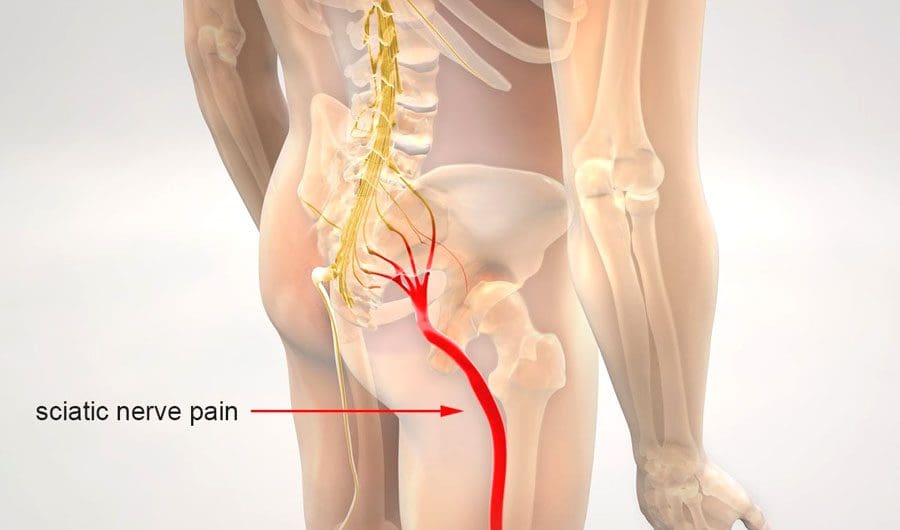
Sciatica is experienced as lower back pain and pain that radiates down the back of the legs. It is pain caused by compression, irritation, or inflammation of the sciatic nerve. It is generally experienced on one side of the body. Body movements like twisting, bending, sitting, or responses like coughing and sneezing can worsen the pain. Individuals with sciatica also experience muscle weakness, numbness, tingling, or electrical shock-like sensations. Injury Medical Chiropractic and Functional Medicine Clinic offer manual and motorized sciatic nerve decompression to stretch/realign the spine, release the compressed nerves, and relieve pain.
Sciatic Nerve Decompression
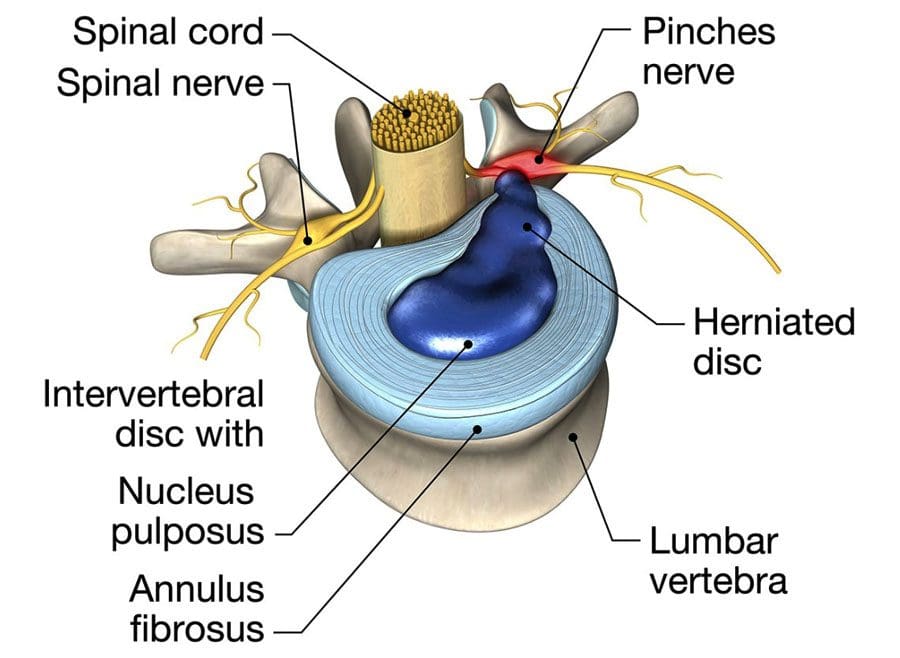
The spine consists of 23 spinal discs that are shock absorbers for the body during movement. Each disc consists of a soft inner core of a gel substance and a thick outer layer. Wear and tear of the spinal discs from aging, degenerative disc disease, repetitive physical activities like lifting and bending, obesity, and poor posture are some of the factors that can stress the spine, causing the thick outer layer of the spinal disc to crack/breakdown causing the soft inner core to leak out forming a bulging or herniated disc. This type of injury compresses, pinches, or irritates one or more nerve roots that form the sciatic nerve, triggering sciatica.
Spinal stenosis or the narrowing of the spinal canal.
Spondylolisthesis, or the slipping or dislocation of the spinal vertebrae in the lower part of the spine.
Are also known sciatica causes.
Symptoms
Common compressed nerve symptoms include:
Pain or burning sensations radiating down the leg.
Because branches of the sciatic nerve extend from the lumbar spine through the buttocks and down the leg, pain, burning sensations or dull aching can present along the nerve’s pathway if the nerve gets compressed or irritated.
Weakness in the affected leg.
When walking or moving the legs, the nerves transmit information to the brain, stimulating the muscles to react in specific ways.
A pinched sciatic nerve can cause interference with relaying signals, resulting in weakness.
Numbness.
The compression impedes blood circulation and nerve energy transmission.
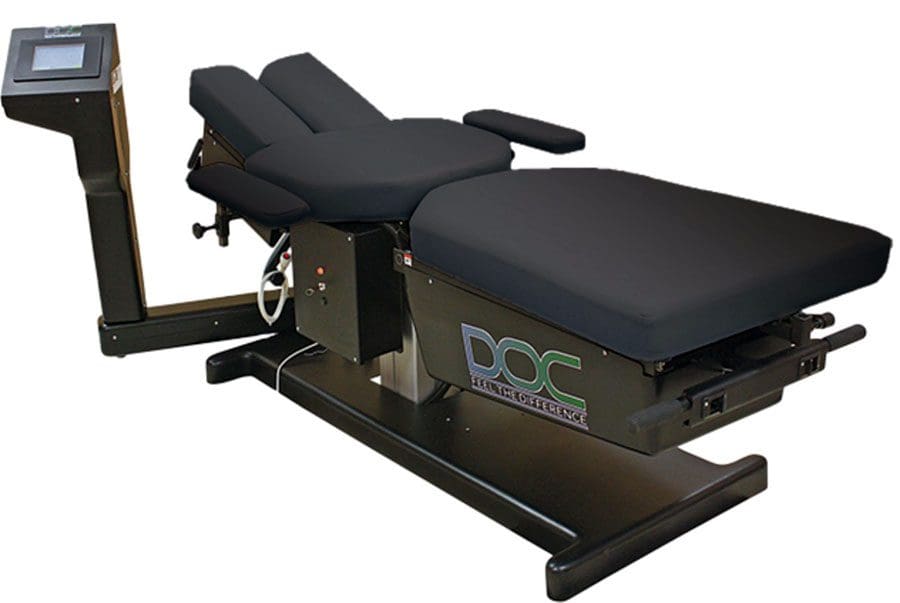
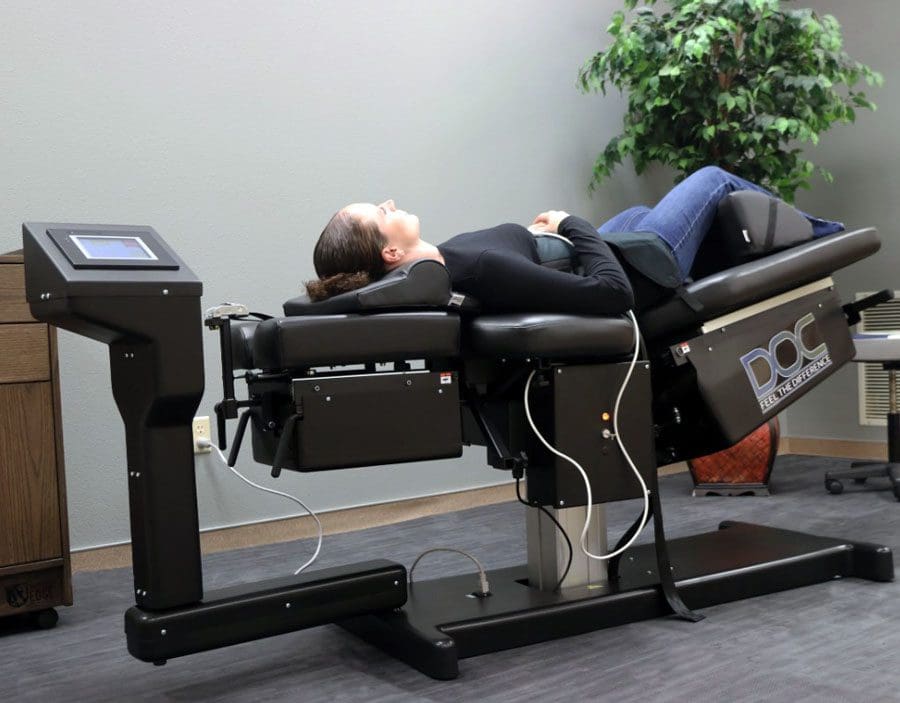
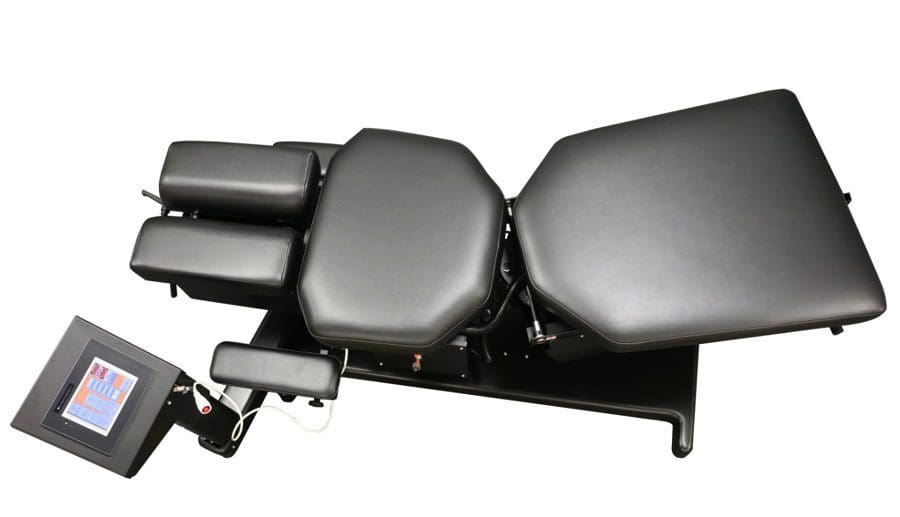
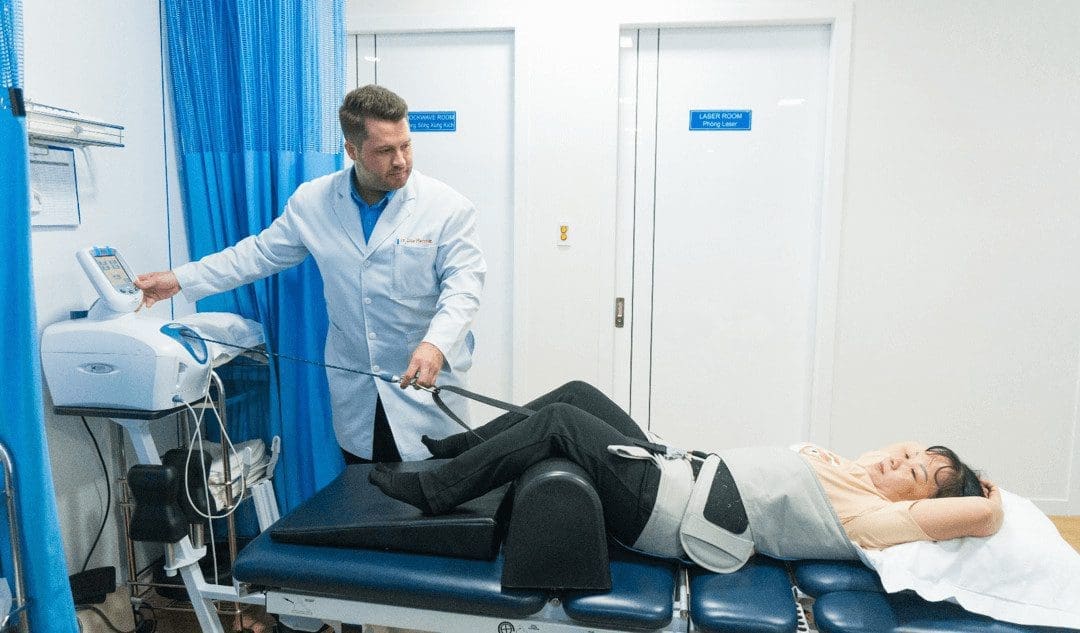
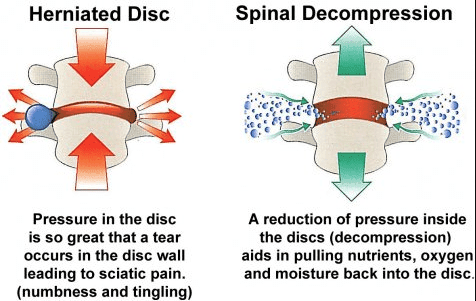
Spinal decompression therapy relieves pressure on the spine by pulling/stretching it in small increments. Non-surgical spinal decompression creates negative pressure within the discs. The negative pressure pulls or vacuums back the disc material that has protruded or herniated and an abundance of nutrients to activate the healing response. The chiropractor, physical therapist, or nurse uses motorized medical equipment with sensors linked to a computer-aided system to perform the procedure. The equipment is designed to adjust the pull force accordingly to prevent muscle resistance. The adjustable table also allows the spine to be stretched at different angles to target the upper or lower back.
The objective of spinal decompression treatment is to relieve the symptoms of sciatica or disc disorders and heal the injured disc. We utilize spinal decompression as an effective tool in treating a vast array of spinal conditions.
DRX9000 Non-Surgical Spinal Decompression
References
Berry, James A et al. “A Review of Lumbar Radiculopathy, Diagnosis, and Treatment.” Cureus vol. 11,10 e5934. 17 Oct. 2019, doi:10.7759/cureus.5934
Davis D, Maini K, Vasudevan A. Sciatica. [Updated 2022 Feb 4]. In: StatPearls [Internet]. Treasure Island (FL): StatPearls Publishing; 2022 Jan-. Available from: https://www.ncbi.nlm.nih.gov/books/NBK507908/
Giuffre BA, Jeanmonod R. Anatomy, Sciatic Nerve. [Updated 2021 Jul 29]. In: StatPearls [Internet]. Treasure Island (FL): StatPearls Publishing; 2022 Jan-. Available from: https://www.ncbi.nlm.nih.gov/books/NBK482431/
National Institutes of Health. (2019.) “Sciatica.” https://medlineplus.gov/sciatica.html
Motorized non-surgical decompression helps relieve pain, removes pressure on the nerves, promotes healing, and increases blood flow to the spine. Spinal discs cannot attain nutrients from the blood without circulation. Decompression opens the spine, flooding the discs with nutrients that result in quicker and optimal healing. This, combined with manual chiropractic adjustments and therapeutic massage, can help get an individual to a pain-free lifestyle.
Spinal Discs
The soft disc material that separates each spinal bone can lose hydration, causing the material to dry out and compress. The discs can also compress from pressure from added weight, trauma from an automobile accident, work, school, and sports injury. Often the soft gel center of the discs spills out, causing a disc herniation. This is usually accompanied by:
Numbness
Tingling
Soreness
Stiffness
Sharp pain
Dull pain
Achiness
Muscle Weakness
Stinging/Burning sensation
Leg pain
Poor balance
These are often indicators of a nerve or nerve bundle, including the sciatic nerve becoming compressed by a herniated disc, bulging disc or slipped disc, stenosis, facet syndrome, or degenerative disc disease. When this happens, the symptoms may be felt in the back or neck area, and/or they may spread out into the arms, hands, legs, or feet.
We focus on providing expert chiropractic treatment that incorporates the most current research and technology into personalized treatment plans. Our goal is to help the individual heal as quickly as possible while educating and training them to use tools to maintain health and wellness.
What Is Spinal Decompression?
References
Andersson, G B, and R A Deyo. “History and physical examination in patients with herniated lumbar discs.” Spine vol. 21,24 Suppl (1996): 10S-18S. doi:10.1097/00007632-199612151-00003
Apfel, Christian C et al. “Restoration of disk height through non-surgical spinal decompression is associated with decreased discogenic low back pain: a retrospective cohort study.” BMC musculoskeletal disorders vol. 11 155. 8 Jul. 2010, doi:10.1186/1471-2474-11-155
Cherkin, DC, and F A MacCornack. “Patient evaluations of low back pain care from family physicians and chiropractors.” The Western journal of medicine vol. 150,3 (1989): 351-5.
Koçak, Fatmanur Aybala et al. “Comparison of the short-term effects of the conventional motorized traction with non-surgical spinal decompression performed with a DRX9000 device on pain, functionality, depression, and quality of life in patients with low back pain associated with lumbar disc herniation: A single-blind randomized controlled trial.” Turkish Journal of physical medicine and rehabilitation vol. 64,1 17-27. 16 Feb. 2017, doi:10.5606/tftrd.2017.154
Urban, Jill PG, and Sally Roberts. “Degeneration of the intervertebral disc.” Arthritis research & therapy vol. 5,3 (2003): 120-30. doi:10.1186/ar629
Injury Medical Chiropractic Functional Medicine and Spinal Decompression Institute offer progressive technology to treat neck and back-related injuries, conditions, and disorders. We utilize a non-surgical spinal decompression system combined with chiropractic adjustments and therapeutic massage that combats back and neck pain. These combined techniques relieve nerve compression and separate the vertebrae in the back or neck to allow for optimal healing. Individuals suffering from herniated discs, sciatica, spinal stenosis, or pinched nerves can undergo decompression treatment to slow, stop, and reverse back issues.
Spinal Decompression Institute
The spine/back is a complex structure of joints, bones, ligaments, and muscles. Individuals can sprain ligaments, strain muscles, rupture disks, and irritate joints, leading to back issues and pain. Injuries from work, school, automobile accidents, and sports can lead to health issues that can become chronic and cause permanent damage.
Motorized mechanical decompression separates the vertebrae and discs, allowing them to realign and reset properly while increasing circulation, hydration, and oxygenation into the discs to heal fully.
This removes the compression on pinched nerves.
This is spinal retraining so the spine can remember a new healthy position.
What A Session Consists Of
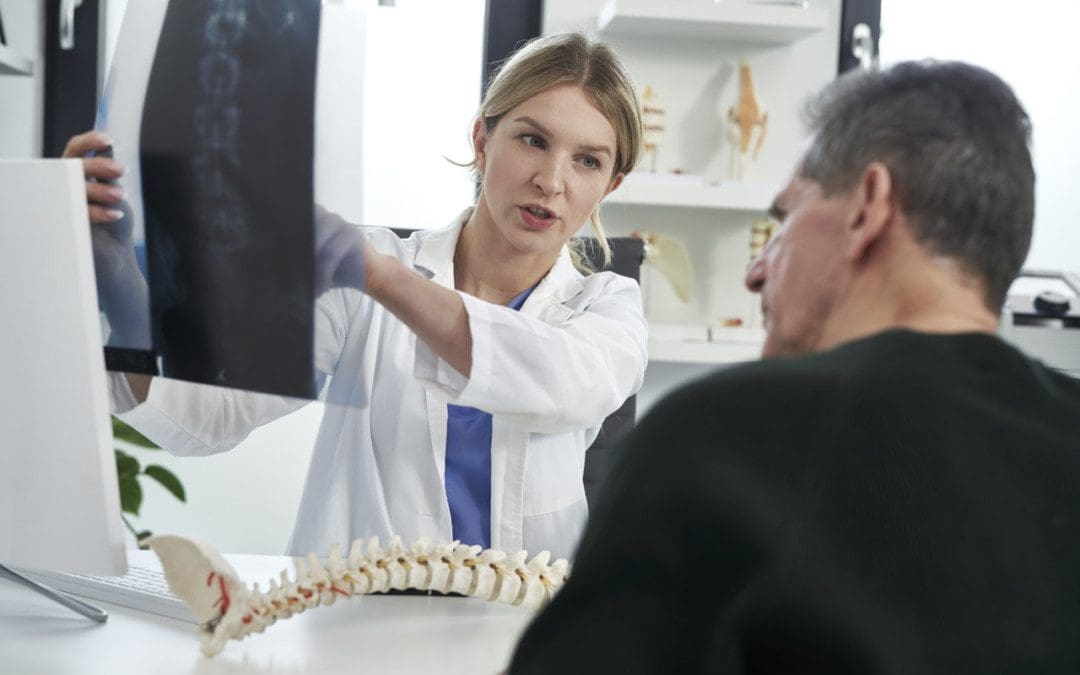
The individual’s doctor, spine specialist, or chiropractor will determine the treatment plan after their in-person physical evaluation and review of imaging scans like X-rays and/or MRI.
Every case is different, but a session typically requires 20-30 minutes.
Treatment plans differ in the number of sessions per week and the number of weeks necessary.
Patients remain clothed during a spinal decompression therapy session and lie on a motorized table.
Depending on the condition or injury, the patient could be in the prone position lying face down or lying supine face up.
A harness is placed around the hips or neck.
The technician/therapist sets up the program.
The table will move slowly back and forth and/or to the sides to provide spinal traction, release the compression, and promote relaxation.
There is no pain during or after the decompression therapy, but the patient will feel their spine stretch.
To avoid any discomfort, the system has emergency stop switches for the patient and the therapist technician.
The switches terminate the treatment immediately if the patient experiences pain or discomfort.
Physiological Well Being
Increases blood circulation and promotes nutrient supply through the spine.
At the Spinal Decompression Institute, we offer total care for complete health and well-being. Our goal is to thoroughly investigate the body’s health and determine the root cause of the pain. A successful spinal decompression program will help identify what led to the problem/s to prevent and avoid a recurrence of symptoms.
DRX9000 Non-Surgical Spinal Decompression System
References
Apfel, Christian C et al. “Restoration of disk height through non-surgical spinal decompression is associated with decreased discogenic low back pain: a retrospective cohort study.” BMC musculoskeletal disorders vol. 11 155. 8 Jul. 2010, doi:10.1186/1471-2474-11-155
Daniel, Dwain M. “Non-surgical spinal decompression therapy: does the scientific literature support efficacy claims made in the advertising media?.” Chiropractic & osteopathy vol. 15 7. 18 May. 2007, doi:10.1186/1746-1340-15-7
Koçak, Fatmanur Aybala et al. “Comparison of the short-term effects of the conventional motorized traction with non-surgical spinal decompression performed with a DRX9000 device on pain, functionality, depression, and quality of life in patients with low back pain associated with lumbar disc herniation: A single-blind randomized controlled trial.” Turkish Journal of physical medicine and rehabilitation vol. 64,1 17-27. 16 Feb. 2017, doi:10.5606/tftrd.2017.154
Macario, Alex, and Joseph V Pergolizzi. “Systematic literature review of spinal decompression via motorized traction for chronic discogenic low back pain.” Pain practice: the official journal of World Institute of Pain vol. 6,3 (2006): 171-8. doi:10.1111/j.1533-2500.2006.00082.x
The body is a well-tuned machine that makes sure that it moves constantly and functions appropriately. The body is also home to the organ systems, muscle tissues, skeletal joints, and cellular structures, where it’s their job to make sure that the body is working and getting the nutrients that it needs to keep everything working together. When different scenarios start to affect the body, it can cause different types of issues that can not only damage the body but also cause it to be dysfunctional. These scenarios can be done internally or externally to the body and can damage the organs, joints, or even the spine. In this article, we will be looking at what the spine does and what spinal decompression therapy is. By referring patients to qualified and skilled providers specializing in spinal decompression therapy. To that end, and when appropriate, we advise our patients to refer to our associated medical providers based on their examination. We find that education is the key to asking valuable questions to our providers. Dr. Alex Jimenez DC provides this information as an educational service only. Disclaimer
Can my insurance cover it? Yes, it may. If you are uncertain, here is the link to all the insurance providers we cover. If you have any questions, please call Dr. Jimenez at 915-850-0900.
What Does The Spine Do?
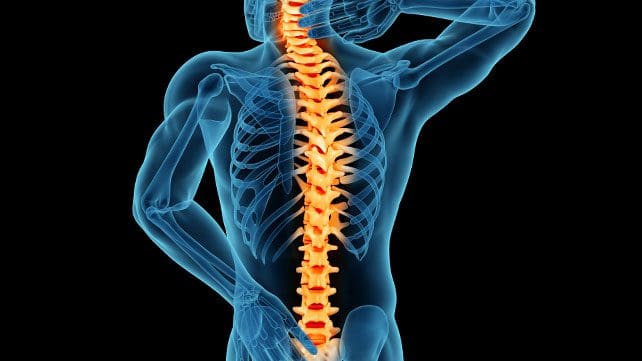
The spine is located in the back and makes sure that the body is not falling apart as it is the body’s central support structure. Research studies have shown that as part of the musculoskeletal system since the spine is connected to different parts of the muscle tissues that make sure that the body is moving. The spine’s primary function is to help the body sit, stand, walk, twist, and bend as it is in motion. A healthy spine will have these natural curves that will absorb shocks that the body encounters and protect the spine itself from injury in an S-shaped curve. Other research studies have shown that the spine comprises bone, cartilage, ligaments, nerves, and muscles that play an integral role in how the spine is formed and how it functions. The many different parts that make up the spine include:
When back pain or spinal injury starts to affect the back and the spine, many back issues will begin to affect the spinal health over time. This is due to the spine’s vertebrae and disks wearing down due to age, and that can cause the individual pain. There are ways to lessen the pain from the spine, and that is through spinal decompression therapy.
Walking With Spinal Cord Injury-Video
The spinal cord is made of soft tissues. It encompasses the spine as the spinal cord is a part of the central nervous system. Research studies have shown that spinal cord injury is when there is damage to any part of the spinal cord or damaged nerves that can often cause permanent changes in a person. Some of the symptoms caused by spinal cord injury can be complete, where all the sensory and motor functions are lost below the neck, or incomplete, where a person will have some of the motor and sensory functions below the waist. All is not lost as there is therapy rehabilitation to strengthen the spine and spinal cord from incomplete spinal cord injury, and one of those rehabilitations is spinal decompression therapy.
What Is Spinal Decompression Therapy?
Since the spine provides support to the body, spinal injury or spinal degeneration to the spine can cause excruciating pain to anybody. Around 80% of individuals usually suffer from a back injury. Research studies have shown that when a person is feeling severe pain in the spine, it is due to the compression that puts loads of pressure on the spinal cord or the nerves themselves. The best way to relieve the spinal cord’s stress is through spinal decompression therapy.
Research studies have found that spinal decompression therapy is a non-surgical decompression therapy that involves stretching the spine by using a traction table to relieve back pain or even leg pain that a person is suffering from. Other research studies have stated that spinal decompression therapy can also reduce the pressure on the intervertebral disc by supplying nutrients and oxygen back to the disc. This will cause relief to those pressurized discs as it causes negative pressure on the spine. Once a person receives spinal decompression therapy, they will notice a significant pain reduction in their spine and a higher increase in their range of motion as they become pain-free.
Conclusion
All in all, it is essential to make sure that the spine is healthy. Since the body is a well-tuned machine, it is necessary that the spine is being taken care of. Even though there are many scenarios that the body can get into when a person gets a back injury, it is crucial to recover and go to therapy sessions to relieve the pain, or else it will get worse over time. Spinal decompression therapy is a non-surgical option that many individuals can utilize. It provides a gentle stretch on the spine, causing instant relief to the compressed spinal disc that is causing a person pain. Using spinal decompression as a therapy option can make a person pain-free and get them back on their wellness journey.
References
Choi, Jioun, et al. “Influences of Spinal Decompression Therapy and General Traction Therapy on the Pain, Disability, and Straight Leg Raising of Patients with Intervertebral Disc Herniation.” Journal of Physical Therapy Science, The Society of Physical Therapy Science, Feb. 2015, https://www.ncbi.nlm.nih.gov/pmc/articles/PMC4339166/.
Sassack, Brett, and Jonathan D Carrier. “Anatomy, Back, Lumbar Spine – StatPearls – NCBI Bookshelf.” In: StatPearls [Internet]. Treasure Island (FL), StatPearls Publishing, 8 Aug. 2021, https://www.ncbi.nlm.nih.gov/books/NBK557616/.
Staff, Mayo Clinic. “Spinal Cord Injury.” Mayo Clinic, Mayo Foundation for Medical Education and Research, 2 Oct. 2021, https://www.mayoclinic.org/diseases-conditions/spinal-cord-injury/symptoms-causes/syc-20377890.
Non-surgical spinal decompression relieves pain related to spinal conditions, injuries, and disorders that provides a comfortable, affordable alternative treatment option to costly and invasive surgical procedures. Non-surgical spinal decompression can also relieve pain associated with post-surgical rehabilitation. A key to successful outcomes is including added components of the treatment that includes spinal decompression nutrition.
Spinal Decompression Nutrition
Proper nutrition and a balanced diet are essential elements of overall health. Individuals suffering from herniated discs, bulging discs, degenerated discs, sciatica, and chronic low back and neck pain are often deficient in vitamins and minerals, leading to inflammation and pain. These deficiencies can cause or exacerbate the pain and prevent or slow down healing. The bones, muscles, and other structures in the spine need proper nutrition to be strong enough to support the body and perform functions optimally. A health coach and nutritionist can recommend the proper diet and supplements to expedite healing, depending on the patient, the circumstances, and the individual situation. A non-inflammatory diet can make a big difference in patients’ symptoms and the effectiveness of decompression therapy.
The Right Foods
Eating a balanced diet with the right amount and variety of vitamins and nutrients can reduce back problems by nourishing the spine’s bones, muscles, discs, and other structures. While a healthy diet calls for various vitamins and nutrients, several healthy choices can directly benefit the spine. First and foremost is:
Sugar and Nitrate Reduction
High sugar diets lack the nutrients needed to prevent the release of inflammatory mediators.
The average individual consumes around 100 lbs of sugar per year.
Dessert foods are high infatty acids, which increase inflammation.
Any foods containing high fructose corn syrup like salad dressings and sodas.
Processed foods high in nitrates like hot dogs, sausage, and lunch meats.
Super Foods
Increase healing of the spine at the cellular level with superfoods that include:
Water – maintaining hydration is important for re-hydrating degenerated, dried-out discs.
Pre Spinal Decompression Nutrition
The human body was created to heal itself; however, getting the proper nutrition can be difficult as circulation is impeded/blocked when going through a back injury or spinal condition. Eating and/or supplementing with essential nutrients and minerals could be recommended to encourage and engage the healing process. Using nutrients to improve recovery and healing is known as immunonutrition. Pre-decompression allows the tissues to begin healing. Then the chiropractic health team can prepare the tissues for decompression through therapeutic massage, heat, low-level laser therapy, and ultrasound.
DRX9000 Explained by a Neurosurgeon
References
Calder, Philip C. “Fatty acids and inflammation: the cutting edge between food and pharma.” European journal of pharmacology vol. 668 Suppl 1 (2011): S50-8. doi:10.1016/j.ejphar.2011.05.085
Gay R. “All About Spinal Decompression Therapy.” Spine-health. http://www.spine-health.com/treatment/chiropractic/all-about-spinal-decompression-therapy. Published September 2013. Accessed April 2015.
InformedHealth.org [Internet]. Cologne, Germany: Institute for Quality and Efficiency in Health Care (IQWiG); 2006-. What is inflammation? 2010 Nov 23 [Updated 2018 Feb 22]. Available from: https://www.ncbi.nlm.nih.gov/books/NBK279298/
Innes, Jacqueline K, and Philip C Calder. “Omega-6 fatty acids and inflammation.” Prostaglandins, leukotrienes, and essential fatty acids vol. 132 (2018): 41-48. doi:10.1016/j.plefa.2018.03.004
Whenever stepping out onto a playing field or gym, there is a risk of suffering sports back injuries. Back pulls, strain and sprain injuries are the most common. Low back pain is one of the most prevalent complaints at all levels of competition. 90% of these acute back injuries will heal on their own, usually in about three months. However, sometimes these injuries can be more severe and require professional medical care. Treatment options for different groups of athletes include nonsurgical motorized spinal decompression.
Sports Back Injuries
Injury mechanisms vary from sport to sport, but there are recommendations regarding spinal decompression treatment for these injuries and return to play. Chiropractic healthcare specialists understand the sport-specific injury patterns and treatment guidelines for athletes following a back injury. Spinal decompression treatments are beneficial and result in higher rates of return to play depending on the specific sport of the injured athlete. A chiropractor will create a personalized spinal decompression treatment plan for the sport-specific context to meet the athlete’s short and long-term needs.
An estimated 10–15% of athletes will experience low back pain.
All types of sports place increased stress on the lumbar spine through physically demanding and repetitive movements/motions.
The repetitive shifting, bending, twisting, jumping, flexion, extension, and spinal axial loadingmotions contribute to low back pain even though the athletes are in top shape with increased strength and flexibility.
Injury patterns demonstrate the increased stresses that athletes place on the lumbar spine.
Common Spine Sports Injuries
Cervical Neck Injuries
Stingers are a type of neck injury.
A stinger is also known as a burner is an injury that happens when the head or neck gets hit to one side, causing the shoulder to be pulled in the opposite direction.
These injuries manifest as numbness or tingling in the shoulder from stretching or compressing the cervical nerve roots.
Lumbar Lower Back Sprains and Strains
When trying to lift too much weight or using an improper lifting technique when working out with weights.
Fast running, quick stopping, and shifting can cause the low back and hip muscles to get overly pulled/stretched.
Staying low to the ground and springing/jumping up can cause abnormal stretching or tearing of the muscle fibers.
Fractures and Injuries to the Supporting Spinal Structures
In sports that involve repetitive extension movements, spinal stress fractures are relatively common.
Excessive and repeated strain to the spinal column area leads to low back pain and injury.
Nonsurgical Spinal Decompression
Nonsurgical spinal decompression is motorized traction that is used to relieve compression pressure, restore spinal disc height, and relieve back pain.
Spinal decompression works to gently stretch the spine changing the force and position of the spine.
The gel-like cushions between the vertebrae are pulled to open up the spacing taking pressure off nerves and other structures.
This allows bulging or herniated discs to return to their normal position and promotes optimal circulation of blood, water, oxygen, and nutrient-rich fluids into the discs to heal, as well as, injured or diseased spinal nerve roots.
DRX 9000 Decompression
References
Ball, Jacob R et al. “Lumbar Spine Injuries in Sports: Review of the Literature and Current Treatment Recommendations.” Sports medicine – open vol. 5,1 26. 24 Jun. 2019, doi:10.1186/s40798-019-0199-7
Jonasson, Pall et al. “Prevalence of joint-related pain in the extremities and spine in five groups of top athletes.” Knee surgery, sports traumatology, arthroscopy: official journal of the ESSKA vol. 19,9 (2011): 1540-6. doi:10.1007/s00167-011-1539-4
Lawrence, James P et al. “Back pain in athletes.” The Journal of the American Academy of Orthopaedic Surgeons vol. 14,13 (2006): 726-35. doi:10.5435/00124635-200612000-00004
Petering, Ryan C, and Charles Webb. “Treatment options for low back pain in athletes.” Sports health vol. 3,6 (2011): 550-5. doi:10.1177/1941738111416446
Sanchez, Anthony R 2nd et al. “Field-side and prehospital management of the spine-injured athlete.” Current sports medicine reports vol. 4,1 (2005): 50-5. doi:10.1097/01.csmr.0000306072.44520.22
Any vehicle crash, collision, or accident can cause various injuries, with back pain issues as a primary injury or a side effect from other injuries. Usually, injury symptoms begin right after the collision, but in other cases, individuals may not start experiencing symptoms until hours, days, or even weeks later. This is from the adrenaline that rushes throughout the body during the collision/fight or flight response delaying the injury symptoms. There are reports of individuals who walk away from an accident unscathed but require urgent medical treatment a short while later. Chiropractic care can provide manual and spinal motorized decompression benefits.
Decompression Benefits
Head Injuries
Head injuries occur when drivers and/or passengers hit their heads on the steering wheel, windows, dashboard, metal frame, and sometimes each other.
A head injury is considered a severe condition that can cause concussions, skull fractures, comas, hearing loss, cognitive and memory issues, and vision problems.
A significant head injury can cause extensive and costly medical treatment with the possibility of long-term medical care.
Neck Injuries
Neck injuries are common in vehicle collisions.
The most common is whiplash, with the head and neck-snapping from indirect blunt force, like being rear-ended.
Whiplash can cause significant damage to the ligaments and muscles, like swelling and neck pain, and temporary paralysis of the vocal cords.
Injury patterns of whiplash can differ depending on the speed, force, and overall health of the individual involved.
Back Injuries
Back injuries can range in severity from sprains to significant damage involving the nerves and/or the spinal cord.
If the damage is severe, it can lead to loss of sensation in the body, loss of limb control, or permanent paralysis.
Disc herniation/s can lead to disability, muscle weakness, tingling and numbness in the limbs, and radiating body pain.
Chest and Torso Injuries
Vehicle collision forces can result in severe chest injuries that include broken ribs.
Broken ribs might not sound dangerous by themselves; they can puncture the lungs leading to other injuries and internal bleeding.
The legs, feet, arms, and hands are frequently injured, broken, and sometimes dislocated.
Motorcyclists are also at a higher risk for significant injury that includes:
Multiple fractures, internal injury, head injuries, and severe ligament damage.
Pedestrians struck by a vehicle have an increased risk for a combination of all injuries at once.
Non-Surgical Decompression Benefits
Chiropractors are trained to identify and treat injuries from vehicle collisions.
Non-surgical spinal decompression gently stretches the spine using a motorized traction device to help reposition the spine and remove the pressure.
As the pressure is taken off, the spinal discs regain their natural height, relieving the pressure on the nerves and other spinal structures.
Optimal healing is promoted by an improved circulation of nutrients, water, and oxygen to the injury site.
Decompression helps to strengthen the muscles in the affected area.
It provides positive spinal structural changes.
Improves nervous system function.
Non-surgical decompression is a tool for correcting injuries and relieving pain, allowing optimal health for the individual.
DOC Decompression Table
References
Apfel, Christian C et al. “Restoration of disk height through non-surgical spinal decompression is associated with decreased discogenic low back pain: a retrospective cohort study.” BMC musculoskeletal disorders vol. 11 155. 8 Jul. 2010, doi:10.1186/1471-2474-11-155
Koçak, Fatmanur Aybala et al. “Comparison of the short-term effects of the conventional motorized traction with non-surgical spinal decompression performed with a DRX9000 device on pain, functionality, depression, and quality of life in patients with low back pain associated with lumbar disc herniation: A single-blind randomized controlled trial.” Turkish Journal of physical medicine and rehabilitation vol. 64,1 17-27. 16 Feb. 2017, doi:10.5606/tftrd.2017.154
Macario, Alex, and Joseph V Pergolizzi. “Systematic literature review of spinal decompression via motorized traction for chronic discogenic low back pain.” Pain practice: the Official Journal of World Institute of Pain vol. 6,3 (2006): 171-8. doi:10.1111/j.1533-2500.2006.00082.x
IFM's Find A Practitioner tool is the largest referral network in Functional Medicine, created to help patients locate Functional Medicine practitioners anywhere in the world. IFM Certified Practitioners are listed first in the search results, given their extensive education in Functional Medicine