Lumbar stenosis surgery for sciatica, like any type of surgical procedure does not always yield the most successful results. This is why it�s important to carefully and methodically assess all of the personal risk factors.
Sciatica causes severe pain and surgery could be an option and hopefully of last resort. However, it� is important to first attempt non-surgical/non-pharmacological treatment/s for six to twelve weeks before surgery to relieve symptoms and root cause. A full course of conservative treatment could include:
Physical therapy
Chiropractic
Aerobic exercise
Pain meds
Epidural steroid injection
�
�
Sciatica and Stenosis
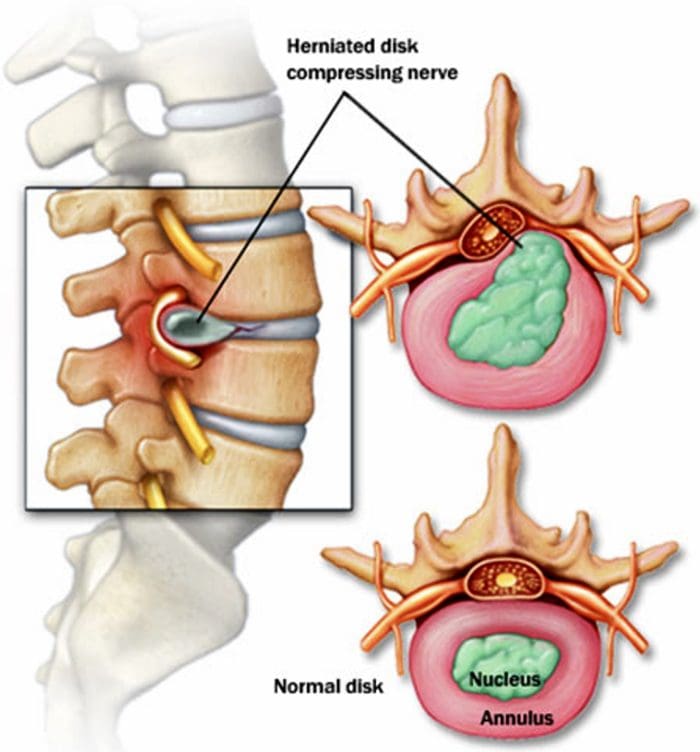
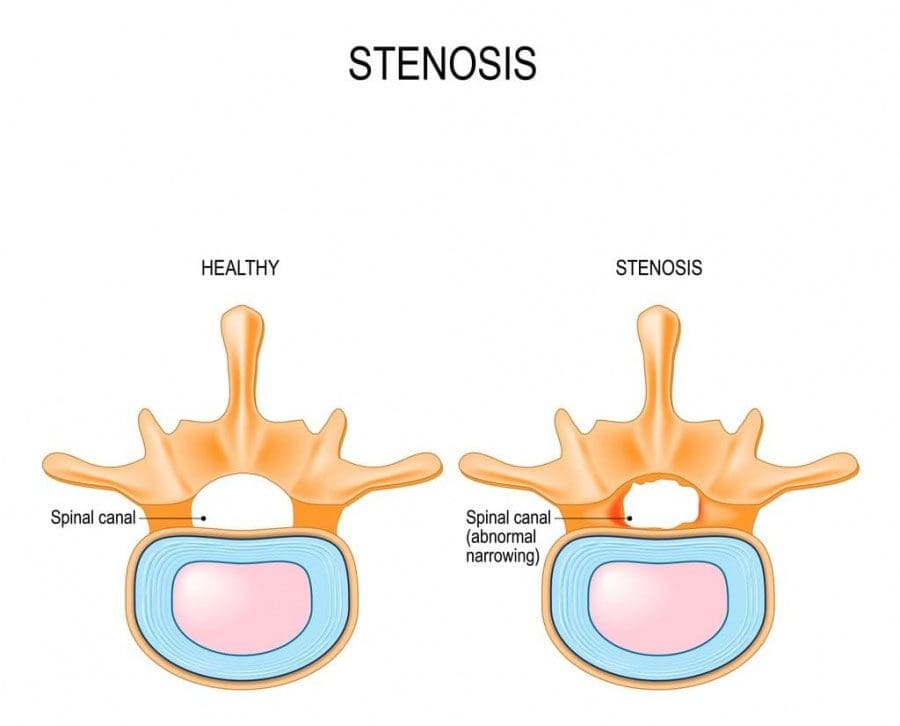
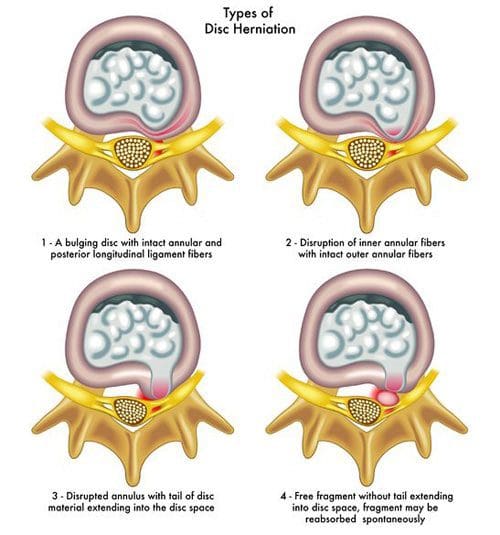
Sciatica can be caused by stenosis. This is when the spinal canal narrows, constricting, and pinching the nerves specifically the sciatic. Around ninety percent of cases stem from a herniated disccompressing the nerve roots. The damaged disc extends out and pinches the roots of the sciatic nerve. This pinching causes: �
�
Pain
Numbness
Tingling
Muscle weakness
If it stays like this for a long time an individual can experience incontinence, along with permanent nerve and muscle damage.
�
Lumbar Stenosis Surgery Options
Lumbar stenosis surgery depends on the cause of sciatica: A single herniated disc could be pressing the nerve, which would only require the removal of just that portion of the disc that�s causing the compression. This procedure is known as a discectomy or microdiscectomy.
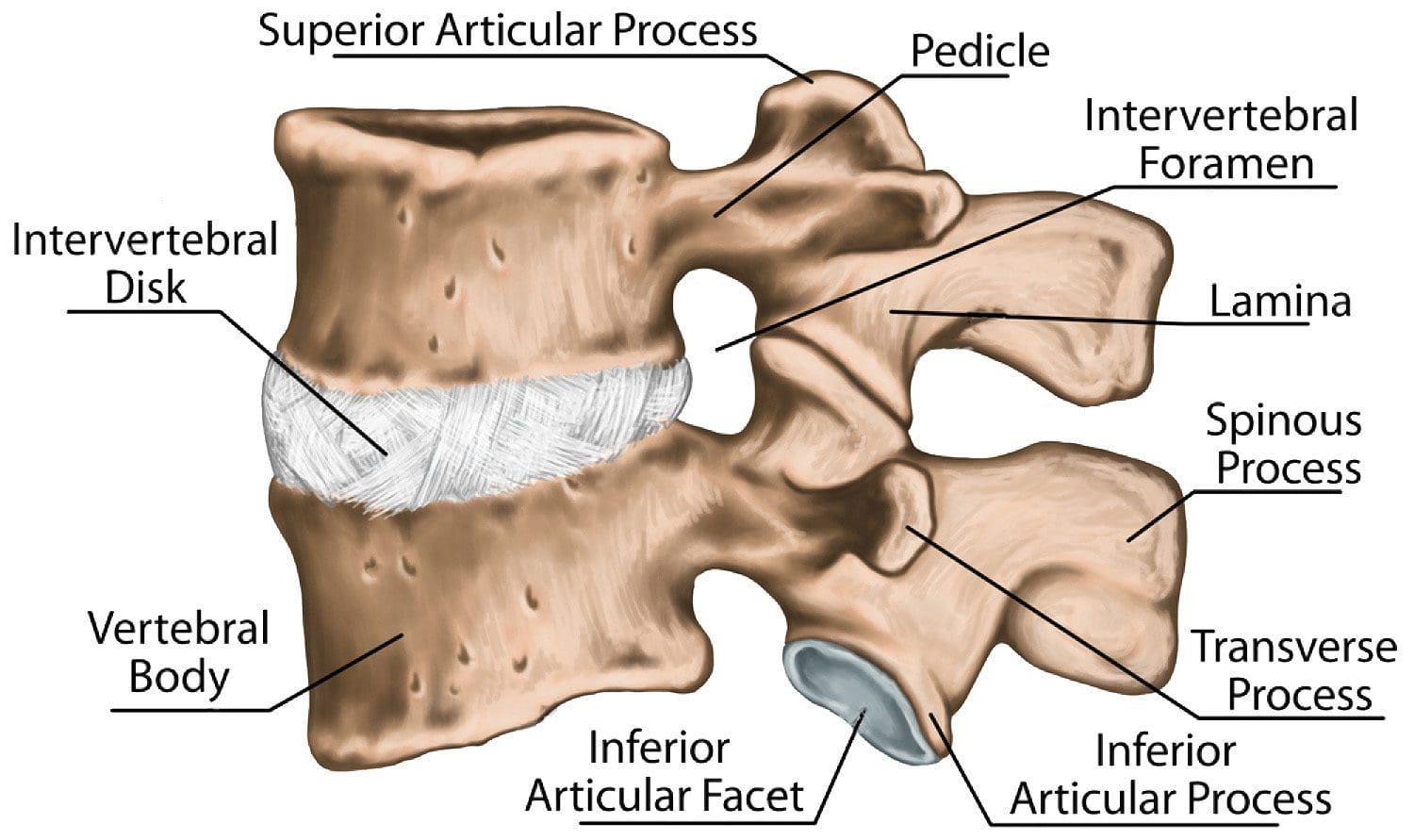
If the stenosis is caused by a bone problem like an arthritic bone spur, then space has to be made in the canal. This means a portion of the lamina or the back of the spinal column. This is called a hemilaminectomy. Sometimes the whole lamina has to be removed. This is known as a laminectomy.
�
If there is the instability of the spinal column, some of the lumbar vertebrae will be fused together to prevent further instability and added nerve compression.
A non-operative treatment course lasting a few weeks to months could reduce swelling in the nerve and improve sciatica symptoms. What happens is sometimes the disc gets reabsorbed over time and does not irritate the sciatic nerve.
�
Surgical Success
If the non-surgical options yielded minimal positive results or completely failed and surgery is the last resort talk with your surgeon to discuss the risks and benefits. The discussion will focus on factors like:
Individuals sixty-five and older, multiple health problems, being overweight or a smoker will place an individual at a higher risk of post complications from surgery. Studies found individuals who underwent surgery for sciatica from lumbar stenosis, identified added risk factors that could affect the outcome including:
Depression: this was because there were patients that continued to have sciatica symptoms after surgery. This means they are more likely to take antidepressants or anticonvulsants.
Quality of life from health perspective was low.
Previous spine surgery
�
Knowing about these factors and the possible success of sciatica surgery is something to keep in mind. The best way to understand what and how the surgery will be beneficial is to understand the risks and to remember that the risks are not the same for everybody.
�
Optimization
Surgical success depends on making sure patients are optimized before surgery. Increasing the chances of successful surgery after conservative treatment/s a surgeon will ask the patient to take these steps:
Weight loss is difficult, but it has been shown to improve surgical outcomes.
Light aerobic exercise, such as stationary or recumbent cycling can help keep the body’s blood flowing properly.
Exercising with pain is difficult but it will increase the cardiovascular system along with keeping the heart and lungs healthy enough to undergo surgical stress.
If the exercising causes too much pain ask the doctor about anti-inflammatory, muscle relaxants, or steroid medication along with the non-surgical treatment that can provide relief allowing exercise to resume.
�
Quit smoking
Smoking increases the rate of spinal degeneration and impairs the body�s ability to heal properly and optimally after surgery. If the surgery is elective, meaning it is not a medical emergency, then it is strongly encouraged to quit smoking before surgery. This will increase the chances of eliminating the habit. Don’t be afraid to get support. cancer.org/smokeout.
�
Pro-activeness
If taking antidepressant/s for depression, do not quit taking the medication thinking it will improve sciatica surgery success. Mental health is extremely important. The same goes for anticonvulsant meds as well. Stopping anticonvulsant medication for spinal surgery will more than likely cause extended damage or pre/post-surgical complications. Pre-existing conditions like depression means bringing the mental health provider and other specialists into the pre-surgical discussion.
Chiropractor Sciatica Symptoms
Dr. Alex Jimenez�s Blog Post Disclaimer
The scope of our information is limited to chiropractic, musculoskeletal, physical medicines, wellness, and sensitive health issues and/or functional medicine articles, topics, and discussions. We use functional health & wellness protocols to treat and support care for injuries or disorders of the musculoskeletal system. Our posts, topics, subjects, and insights cover clinical matters, issues, and topics that relate and support directly or indirectly our clinical scope of practice.*
Our office has made a reasonable attempt to provide supportive citations and has identified the relevant research study or studies supporting our posts. We also make copies of supporting research studies available to the board and or the public upon request. We understand that we cover matters that require an additional explanation as to how it may assist in a particular care plan or treatment protocol; therefore, to further discuss the subject matter above, please feel free to ask Dr. Alex Jimenez or contact us at 915-850-0900. The provider(s) Licensed in Texas& New Mexico*
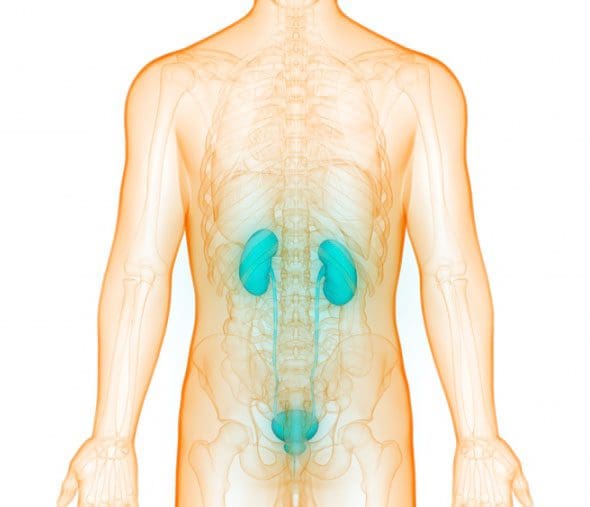
Spinal disorders and injuries could cause a nerve injury through compression or damage causing Neurogenic Bladder Dysfunction also known as Bladder Dysfunction. Neurogenic bladder disorder means an individual is having problems with urination.
Neurogenic involves the nervous system and the nerve tissues that supply and stimulate the organs and muscles to function and operate correctly. Neurogenic bladder dysfunction causes the nerves that control the bladder and muscles in urination to be overactive or underactive. �
�
Symptoms
Constant bathroom visits
Control in urination is limited
Complete involuntary urination
Sudden urge/s to urinate
The bladder is unable to hold urine
The bladder fails to empty completely
Overfilling of the bladder creates intense pressure causing accidental leakage
�
Nerves of the Bladder
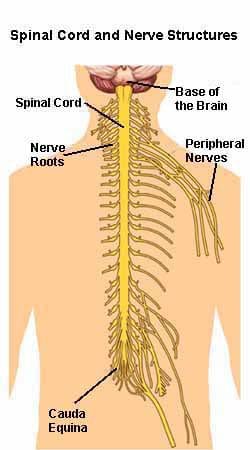
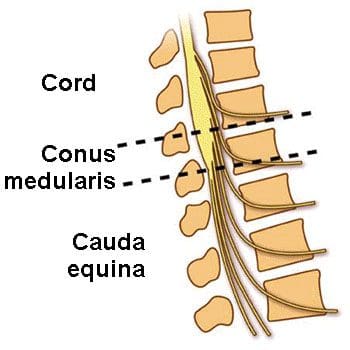
The brain and spinal cord function as the headquarters with the spine as the body’s highway that transmits and relays signals/messages to and from the bladder. In the low back, the spinal cord splits apart into a bundle of nerves called the cauda equina. �
�
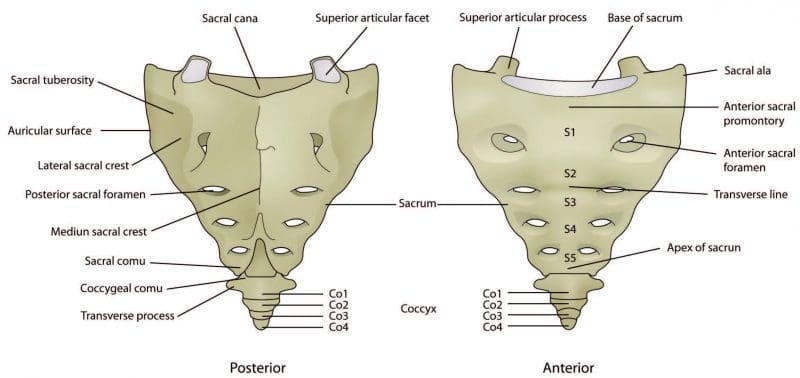
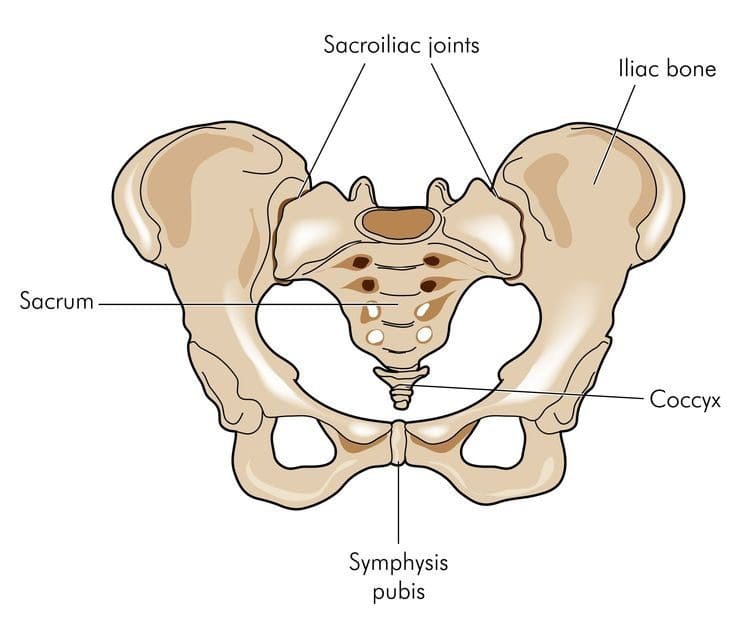
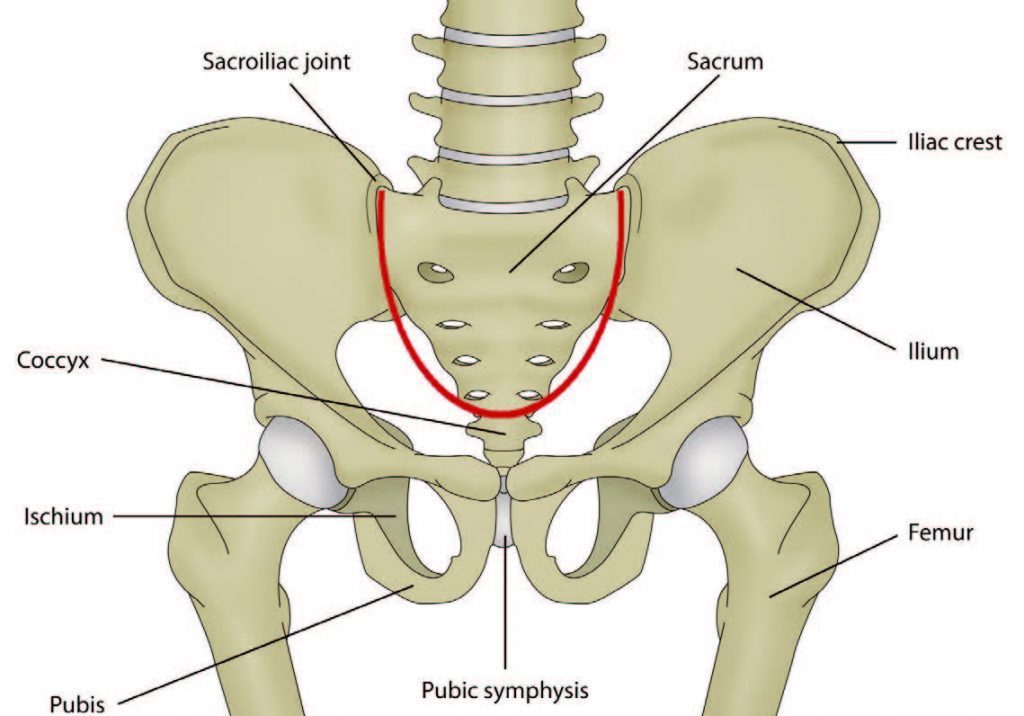
At the end of the lumbar spine is the sacrum this area is known as the sacral spine. The sacrum is the backside of the pelvis between the hip bones. The nerves in the sacral spine branch out and become part of the peripheral nervous system. �
�
These nerves provide and stimulate bladder sensation and function. When these nerves become compressed, inflamed, injured, or damaged in some way, organ dysfunction can present. This is when any of the symptoms listed above can develop and progress. �
Potential Causes of Neurogenic Bladder Dysfunction
Spinal Cord Injury/s are a common cause of neurogenic bladder dysfunction. The spinal cord does not have to be severed to cause paralysis below the injured part of the spine. If the spinal cord gets bruised or there is improper blood flow, the spinal cord’s ability to send nerve signals can become inhibited. Cauda Equina Syndrome happens when the nerves spinal roots become pinched or compressed. It is rare, but it is a serious medical condition that requires immediate medical attention. Causes of cauda equina syndrome include:
Trauma like an auto accident, personal/work/sports injury
Spinal condition from injury or present from birth
�
Treatment
The treatment depends on the cause or causes of neurogenic bladder dysfunction. A primary physician could call upon a bladder specialist like a urologist, nephrologist, or urogynecologist to collaborate and coordinate the treatment plan. If the dysfunction is caused by a nerve root compression, a spinal procedure (discectomy) is performed to decompress and relieve the pressure on the nerves.
Nutrition and Fitness During These Times
Dr. Alex Jimenez�s Blog Post Disclaimer
The scope of our information is limited to chiropractic, musculoskeletal, physical medicines, wellness, and sensitive health issues and/or functional medicine articles, topics, and discussions. We use functional health & wellness protocols to treat and support care for injuries or disorders of the musculoskeletal system. Our posts, topics, subjects, and insights cover clinical matters, issues, and topics that relate and support directly or indirectly our clinical scope of practice.*
Our office has made a reasonable attempt to provide supportive citations and has identified the relevant research study or studies supporting our posts. We also make copies of supporting research studies available to the board and or the public upon request. We understand that we cover matters that require an additional explanation as to how it may assist in a particular care plan or treatment protocol; therefore, to further discuss the subject matter above, please feel free to ask Dr. Alex Jimenez or contact us at 915-850-0900. The provider(s) Licensed in Texas& New Mexico*
Spinal meningitis does not just affect the brain. Most think of meningitis as a brain disease, but it can also affect the spine. We will discuss learning how to recognize it and find the right treatment to fix it within the spinal cord. Spinal meningitis can be a potentially deadly infection of the meninges. This is the protective tissue that covers the brain and spinal cord.
It can be caused by viruses, bacteria, or fungi that are transmitted from person to person by sneezing, talking, and sharing food.Viruses and pathogens that cause other infections, like the mumps and measles, can also cause meningitis. The lining around the brain and the spine are connected, which means that infection can travel from one area to another, or remain in the brain or the spine.
�
The Meninges
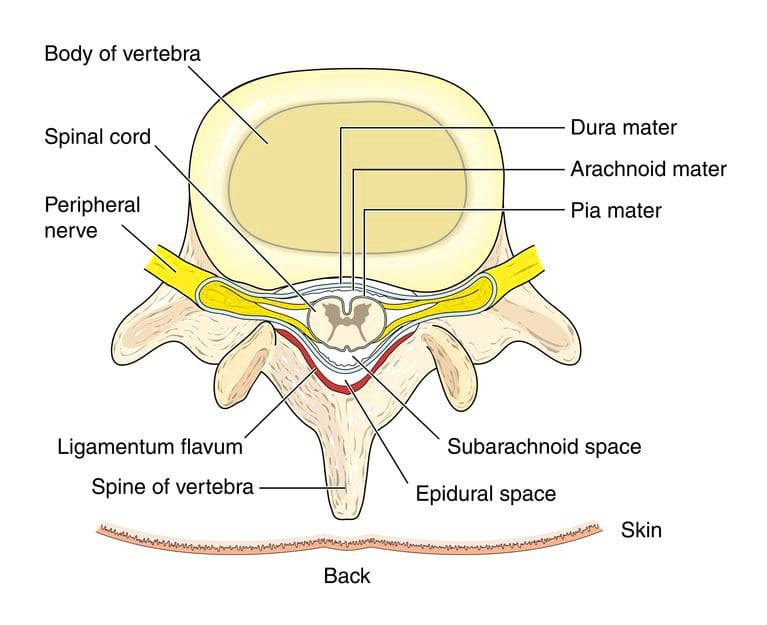
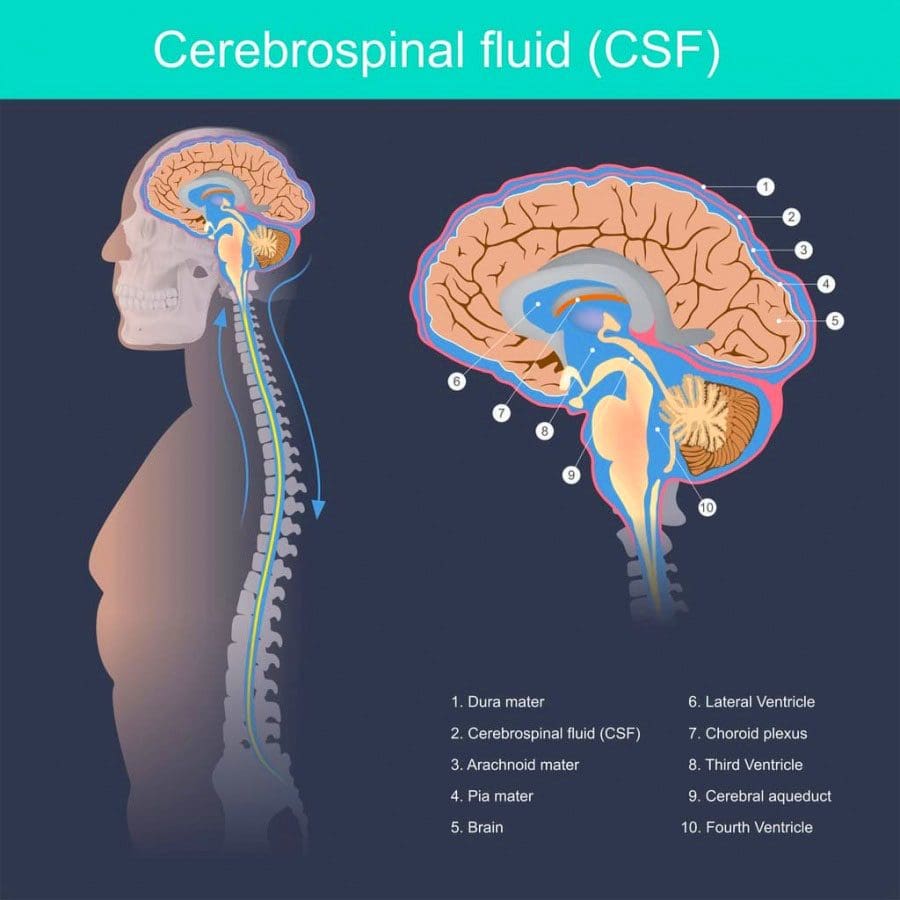
Meninges are the protective membranes that surround the brain and spinal cord. They are made up of three layers:
Dura mater is the thick and tough outer layer
Arachnoid mater is the middle layer made up of strands of connective tissue
Pia mater is the inner layer of cells
Spinal meningitis can develop when a virus, bacteria, or pathogen invade the meninges layers. This causes the immune system to react trying to remove the invading bacteria etc, which causes inflammation. These organisms usually take up residence in the nose and throat and never cause problems. Most individuals that come into contact with these viruses never get sick.
The reason for this is because the body produces fighting antibodies before the pathogens can invade the meninges. Others, possibly from age or underlying conditions, where they are not able to produce enough or any antibodies, makes them vulnerable to the illness. When the brain and spine’s tissue/s get infected with any one of these pathogens, the tissue swells, which constricts proper blood flow to the brain.
Types of Spinal Meningitis
The most common types of spinal meningitis in the United States include:
Viral meningitis
Viral meningitis is caused by enteroviruses, which are common viruses that enter the body through the mouth and travel to the brain and tissues where multiplication ensues. There are other viruses that can also cause meningitis. These include:
Viruses that cause mumps
Herpesviruses – like Epstein-Barr, measles, influenza, West Nile
Lymphocytic choriomeningitis virus from rodents
Any of these viruses can spread to the meninges, causing spinal meningitis to develop. This is a less severe type than bacterial meningitis.
Bacterial meningitis
This is the type where dangerous bacteria invade the meninges. Individuals are at higher risk as this type can be fatal if not treated. Common types of bacterial meningitis include:
Haemophilus influenzae – can cause severe infection/s of the lining of the brain, spinal cord, and the blood.
Pneumococcal meningitis – is caused by the bacterium Streptococcus pneumonia and is the most common form of bacterial meningitis.
Meningococcal meningitis – also known as meningococcal disease, is a less common type. This type is caused by the bacterium Neisseria meningitides. Around 2,600 people in the U.S. are affected yearly.
�
Symptoms
Viral or bacterial spinal meningitis can cause a range of symptoms, including:
Neck and back stiffness
Muscle weakness
Headache
Drowsiness
Fatigue
Fever
Double vision
Sensitivity to light
Nausea
Vomiting
Hearing difficulty
Confusion
Seizures
Rash
Symptoms are often far more pronounced with the bacterial form. This is because it�s associated with more inflammation, compared to the viral type.
Complications
Depending on the type whether viral or bacterial the results can be serious, leading to:
Permanent brain damage
Permanent organ damage
Stroke
Loss of hearing
Loss of limbs
Death
Anyone who experiences symptoms of meningitis should see a doctor immediately for diagnosis and treatment options.
�
Risk for Spinal Meningitis
Getting spinal meningitis depends on various factors like:
Age
Immune system status
If the individual lives in a group environment
Children younger than five
Individuals with weakened immune systems from taking medication/s for other conditions
Recent organ/bone marrow transplants
Babies younger than 1-month-old along with weakened immune systems are more likely to experience severe illness
These are factors that could increase the risk of viral meningitis. Fortunately, most cases are not serious and in children’s cases, most recover in one to two weeks. Meningitis can also occur very rarely after spine surgery where the lining around the dura is torn with an infection happening at the same time.
Diagnosis
Detecting spinal meningitis a doctor will utilize:
Blood tests
Imaging tests
Spinal tap to test the cerebrospinal fluid which surrounds the brain and spinal cord.
The fluid is collected and sent to a lab, where it is analyzed for bacteria or viruses.
Treatment
Antiviral medication can help with certain types of viral meningitis with other meds for treating meningitis symptoms. Doctors recommend bed rest, proper fluids, and medication for fever relief and headache relief. This is for viral meningitis.
Antibiotic medications can treat bacterial spinal meningitis. It is commonly treated with intravenous antibiotics in a hospital setting. Unfortunately, around ten percent of children with bacterial meningitis die from it yearly. Even with immediate antibiotic treatment a child’s body can become overwhelmed by the bacteria/organism. The Meningococcus bacteria can create a toxin that invades the blood. This can be fatal for a child or adolescent within hours. This is why it�s highly recommended to prevent bacterial meningitis than to treat it once it’s active.
Contagious
Proper hygiene like hand washing, not sharing food, beverages, utensils, or body care products like lip salve/balm can help stop the spread of bacterial and viral meningitis.
Neck Pain Chiropractic Care
�
Dr. Alex Jimenez�s Blog Post Disclaimer
The scope of our information is limited to chiropractic, musculoskeletal, physical medicines, wellness, and sensitive health issues and/or functional medicine articles, topics, and discussions. We use functional health & wellness protocols to treat and support care for injuries or disorders of the musculoskeletal system. Our posts, topics, subjects, and insights cover clinical matters, issues, and topics that relate and support directly or indirectly our clinical scope of practice.*
Our office has made a reasonable attempt to provide supportive citations and has identified the relevant research study or studies supporting our posts. We also make copies of supporting research studies available to the board and or the public upon request. We understand that we cover matters that require an additional explanation as to how it may assist in a particular care plan or treatment protocol; therefore, to further discuss the subject matter above, please feel free to ask Dr. Alex Jimenez or contact us at 915-850-0900. The provider(s) Licensed in Texas& New Mexico*
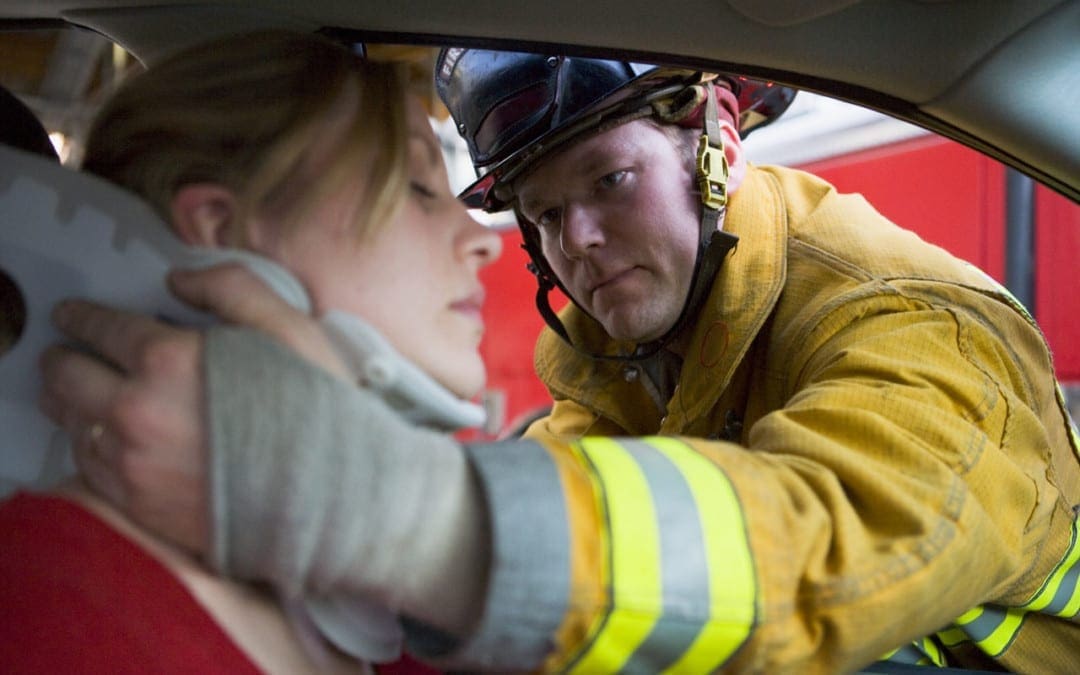
Accident/Collisions are seeing a rise and along with those crashes are spinal injuries. What you need to know about:
Accident-related injuries
Treatment
Recovery
Legal issues
We take a risk, however small, every time we get in the car/truck, of being involved in a car wreck that results in injuries and specifically a spinal injury/s. The National Spinal Cord Injury Statistical Center has seen that motor vehicle accidents/collisions with the majority being car/truck accidents. �
�
However, with all the construction taking place nowadays, excavators, bulldozers, steamrollers, forklifts, and other vehicles are also seeing a rise in accidents. This is also generating a rise in spinal cord injury/s. Auto accidents are now ranked as the number one cause of spinal injury. The risk of an accident is small and the risk of a resulting serious spine injury is smaller still, it�s not anything. What you need to know about a motor vehicle accident/collision includes:
Injuries
Treatment
Recovery
Insurance
Legal issues
Common Motor Vehicle Accidents/Collisions
�
Whiplash
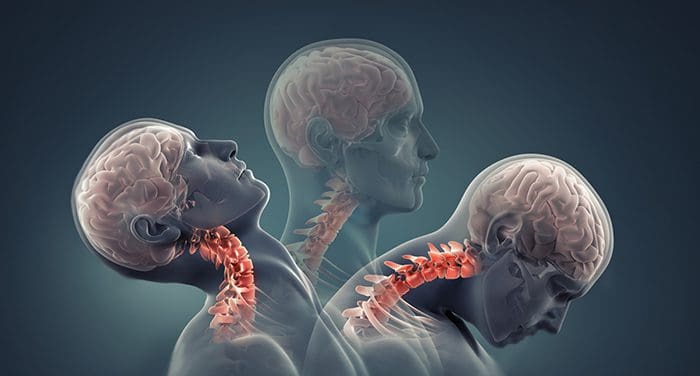
Whiplash is one of the most typical injuries following an accident, especially when rear-ended or a rear-end collision. Its a neck injury that happens when the neck snaps suddenly back and forth causing trauma to the tissues in the neck. Symptoms often develop a few days after the accident including:
Limited neck movement
Stiffness and pain in the neck
Pain or tenderness in the upper back, shoulders, and arms
Numbness or tingling in the arms
Dizzyness
Headaches starting at the base of the skull
Problems with concentration or memory
Ringing in the ears
Sleep issues
Depression
Herniated Disc
�
The discs in the spine cushion the vertebrae by absorbing the weight, force, and overall impact of a regular day. They are made of a soft, gel-like substance in the center that behaves like the gel in foot orthotics, shoes, mattresses, etc made to feel soft and comfortable. It has a tough outer membrane.
A herniated disc happens when that soft gel springs a leak/s out from a tear, meaning the shock-absorbing cushion has been compromised and is not delivering the absorption it’s supposed to and places added pressure on the surrounding nerve/s and roots. Herniations can happen naturally from age and from jobs that involve consistent and constant repetitive:
Pushing
Pulling
Bending
Twisting
Herniations also happen after going through some type of physical trauma like a motor vehicle accident/collision. Symptoms depend on where the herniation occurs and include:
Muscle weakness around the affected nerve/s
Sharp shooting pain that can spread out from the shoulders to the arms, legs and low back
Tingling in arms or legs
Numbness
There could also be no symptoms and no discovery of a herniated disc until tested for something else.
�
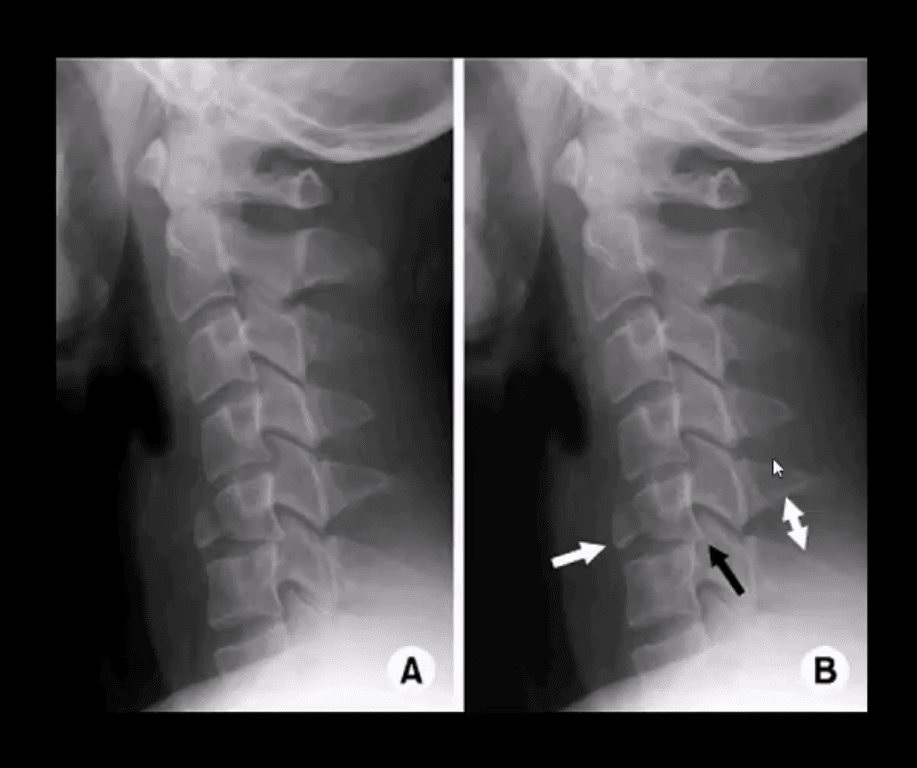
Vertebral Fractures
�
The vertebrae are highly susceptible to fractures of all types and can appear at any spot along the spine. For many, the injuries are mild and heal with non-surgical treatment and time. Major trauma to the spine can cause severe injuries/conditions which include:
Burst fractures
�
This is where the vertebra fractures in multiple places into bony fragments that fall into the spinal cord getting lodged inside with the jagged edges of the bones creating tears, cuts, etc that can result in paralysis and even death.
Flexion fracture
�
This is an injury seen in head-on collisions where the upper part of the body gets thrown forward and the bottom part stays in place likely from the seatbelt. This tears the vertebra apart resulting in a flexion teardrop fracture.
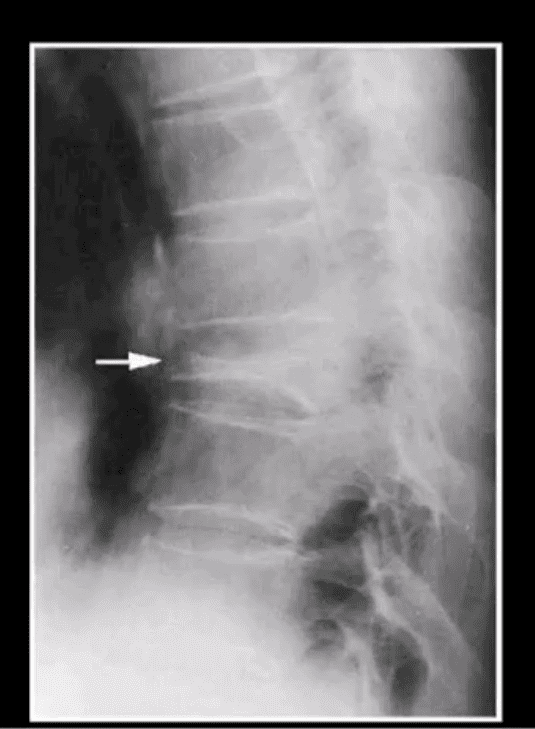
Vertebral compression
�
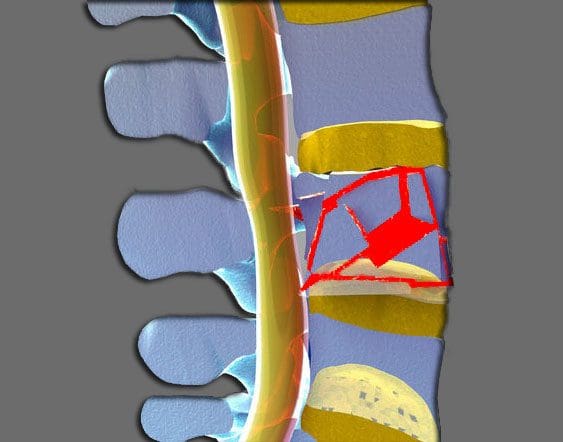
These types cause the front of the vertebra to collapse while the back keeps its position that forms a wedge-like shape. However, more often it is associated with osteoporosis, healthy individuals can experience a vertebral compression fracture from a serious traumatic event like an auto accident. Fractures can cause mild to severe pain that is exacerbated with movement. If the spinal cord is injured the individual could experience:
Tingling
Numbness
Weakness in the limbs
Loss of bladder/bowel function
Because of the increased safety features in today’s vehicles, fractures of the spine are rare except for severe motor vehicle accidents/collisions.
�
Diagnosis and treatment
A doctor will review medical history along with the accident information. Imaging tests will follow like:
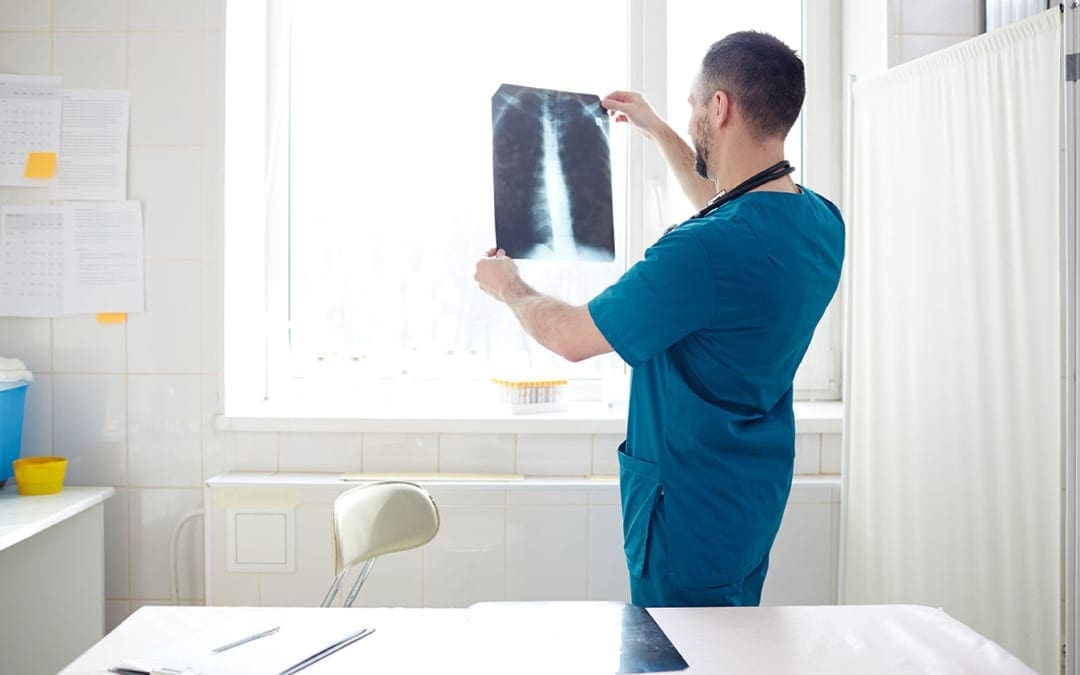
X-ray
CT or computed tomography scan
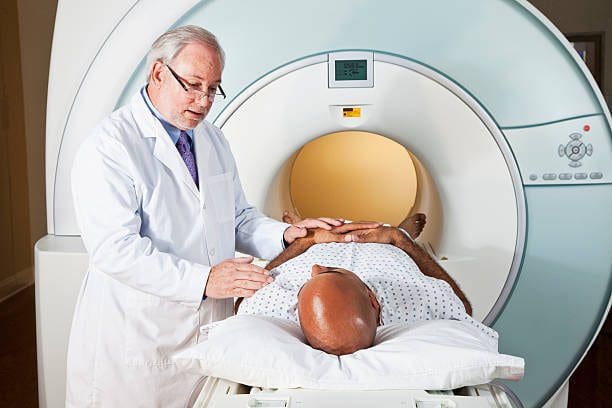
MRI or magnetic resonance imaging
�
The way these techniques of imaging are done depends on the accident and the state of the spine. Being brought into the hospital from a motor vehicle accident/collision with a suspected spinal injury means the imaging will be done first to rule out or not potentially life-threatening injury/s to the spine. Treatment for spinal injuries can range from:
Soft collar
Chiropractic
Over-the-counter anti-inflammatory medications
Corticosteroid injection/s
Nerve blocks
Physical therapy
Surgery to correct certain injuries when all other forms of treatment are not working
�
Recovery
Every case, accident, and injury is different�and depends on several factors, like age, health, and how severe the accident/collision was. Severe and extreme injures like a burst fracture can take a long time to heal. �
�
Legal Issues
Individuals with a spinal injury can face thousands in medical bills. If there is medical equipment involved along with therapeutic services for long-term care, like physical therapy then bills will accumulate.
Also, a personal injury claim could be necessary to pay for everything, especially, if the accident/collision is no fault of your own. Compensation could help with:
Loss of employment
Employment benefits
Wages lost
Ability to work/earn income
Medical expenses
Pain
Suffering
Consult with a specialist when considering filing a personal injury claim
�
Work Compensation
If a spinal injury accident happens at work there could be worker’s compensation. Workers� compensation is insurance that replaces wages and medical benefits to workers that have been injured while doing their job. These are injuries that happened during the operation of a motor vehicle, like a truck, or forklift. The worker must file an injury report immediately so there is documentation supporting the injury claim. Waiting to file can make the employer question if there even was an injury. A workers� compensation claim works differently than a personal injury claim, based primarily on what is covered under the job’s insurance policies.
An example is the legal term pain and suffering. This is not covered by workers� compensation. However, a work training accident would be covered by work comp in the event that the individual cannot return to their job/occupation after the injury. However, any injury/s after a motor vehicle accident/collision should never be taken lightly or ignored. Individuals must be proactive in their treatment after an accident/collision. This is to prevent and avoid further injury.
�
Auto Accident Doctors & Chiropractor Treatments
Dr. Alex Jimenez�s Blog Post Disclaimer
The scope of our information is limited to chiropractic, musculoskeletal, physical medicines, wellness, and sensitive health issues and/or functional medicine articles, topics, and discussions. We use functional health & wellness protocols to treat and support care for injuries or disorders of the musculoskeletal system. Our posts, topics, subjects, and insights cover clinical matters, issues, and topics that relate and support directly or indirectly our clinical scope of practice.*
Our office has made a reasonable attempt to provide supportive citations and has identified the relevant research study or studies supporting our posts. We also make copies of supporting research studies available to the board and or the public upon request. We understand that we cover matters that require an additional explanation as to how it may assist in a particular care plan or treatment protocol; therefore, to further discuss the subject matter above, please feel free to ask Dr. Alex Jimenez or contact us at 915-850-0900. The provider(s) Licensed in Texas& New Mexico*
Spinal injections are exactly what the name says. They are administered direct injections of medicine/s in a specific location of the spine. These are used to treat various conditions affecting the spine when non-invasive treatment/s are not working.
This could be an area along the upper cervical/neck spine all the way down to the sacrum. Injections are also utilized in helping to diagnose neck or back pain that radiates or spreads into an individual�s arms and legs. These are known as:
Cervical radiculopathy
Lumbar radiculopathy
Spinal injection/s for diagnostic or treatment purposes could be a part of an overall treatment plan along with chiropractic/physical therapy and possible medication.
�
�
The medicine in the injection
The medicine could be comprised of a local anesthetic on its own, steroid on its own, or a combination of the two. Steroids are short for corticosteroid, which is a strong anti-inflammatory medication. A contrast dye like an x-ray dye could be added to the injection mix. This dye acts as a guide for precise placement of the needle using image guidance.
�
Spinal disorders that could benefit
Proceeding with an injection treatment plan is based on an individual’s unique factors that apply to their condition/state. This decision will be made after consultation, and diagnosis with your doctor, spine specialist, or chiropractor.
Healthcare providers recommend conservative treatment first. A treatment plan typically runs around 4-6 weeks. If there is no change or improvement in the individual’s condition from the conservative therapy then injection treatment/s could be recommended. Conditions, where injection/s are used, include:
Disc herniation
Facet joint pain
Failed back syndrome
Sacroiliac joint pain
Sciatica
Spinal stenosis
�
Spinal injection and nerve block difference
Spinal injections are a general term that could mean any type of injection involving the spine. Nerve blocks are a precise type of injection that targets a specific nerve. As the medicine is injected into the target nerve/s, it blocks or creates a blockade of the pain signals being sent from the area (ex. neck, low back, etc.) that is generating the pain.
�
Injection types
Epidural
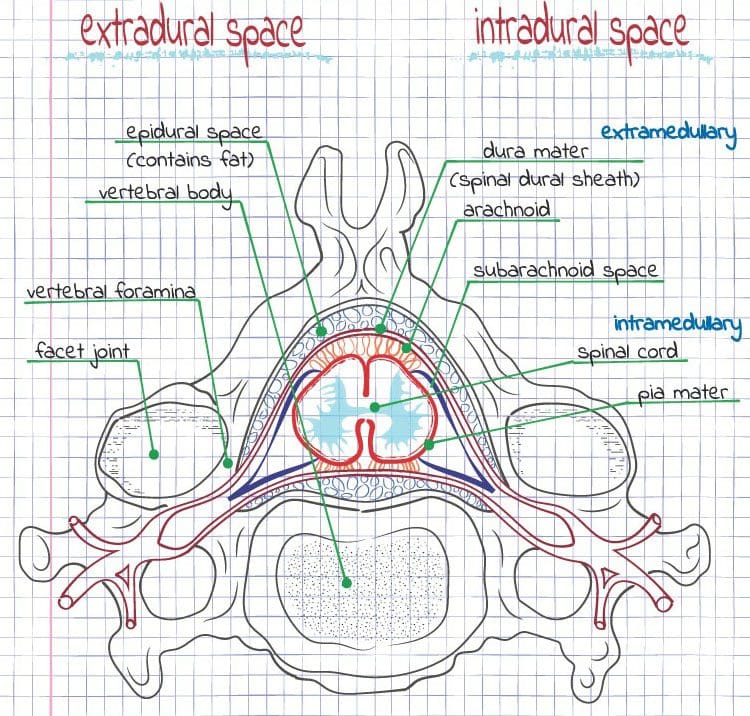
An epidural means an injection on the dura. The dura is the outermost layer that encloses the spinal cord. �
�
3 types of epidurals. They are named according to the direction and angle the needle takes to get to the dura.
Caudal epidural:
The spinal canal ends at an opening at the end of the sacrum called the spinal hiatus. The medicine is injected into the epidural space through the sacral hiatus. This is the method that is used to provide anesthesia to pregnant women when they’re in labor. �
�
Transforaminal epidural:
There are nerve roots that come out of the spinal canal at each level through a bony opening called the intervertebral foramen or neuroforamen. The medicine is injected into the epidural space in these areas.
Interlaminar epidural:
The lamina is a section that forms the arch of each level and forms the spinal canal. The lamina at each level lays on top of the lamina right below. The needle is inserted between the lamina for delivery of the medicine into the epidural space. �
�
Selective Nerve Root Block – SNRB
These involve the injection of a local anesthetic onto a targeted nerve. They are typically used for diagnostic purposes. For individuals with multi-spinal compression/s, these combined with:
Medical history
Physical exam
MRI
These can help identify the pain generator such as spinal stenosis.
�
Medial Branch Block – MBB
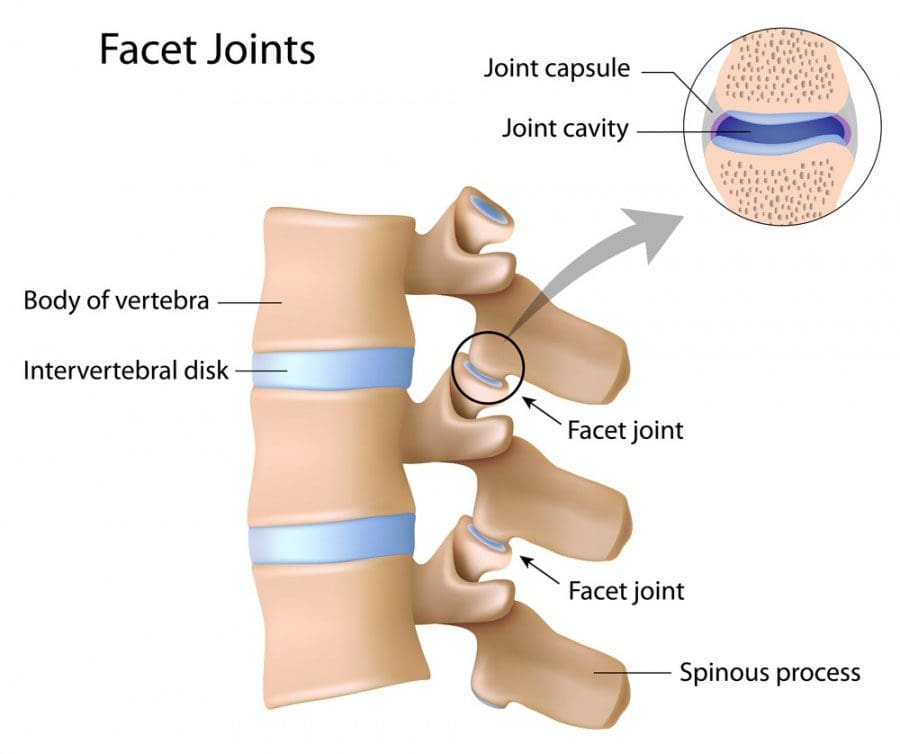
The facet joints are bony projections that connect a vertebral level to the levels above and below. These can become arthritic and is responsible for different forms of back pain.
This type of spinal injection is local anesthetic injected on the medial branch nerves. These are the nerves that send pain signals from the facet joint/s. They are useful in determining if the facet joint is the pain generator. �
�
Facet Joint
These are injections directly into the facet joint itself. Much like injecting anti-inflammatory and pain meds into a knee with arthritis.
�
Sacroiliac Joint
The two sacroiliac joints help connect either side of the sacrum to the hip joint. Like other joints, these can get inflamed and cause painful symptoms. This is an injection directly into one or both of the sacroiliac joints.
�
Administration of the spinal injection or nerve block
Injections are only to be performed by doctors trained specifically in spinal injections. Injections are usually performed by an:
Anesthesiologist
Neurologist
Neurosurgeon
Orthopedic surgeon
Physiatrist
Radiologist
�
Role of these procedures
Reasons why an injection could be used:
Help as a diagnostic to identify the pain generator
Therapeutically to provide pain relief
As a prognostic pain predictor of the relief, an individual could expect from a more invasive procedure like nerve ablation.
�
How often
A maximum of 6 injections for one year is the recommended treatment protocol. Each injection should be based on the effect/s of the previous injection.
�
Potential benefits
The main benefit is to bring pain relief and the ability to function.
Major complications happen in less than one percent of those undergoing the treatment. Individuals with diabetes could see a temporary elevation of their blood sugar.
�
Lasting effects
How long the medicine lasts is different for everyone and comes with variables like:
Type of injection
Type of pathology
Diagnosis
Cause
How long the symptoms last
Most can expect to have one and a half to three months of relief. However, with some, they may only provide minimal relief, while others may see improvements for up to a year.
�
Treating Severe & Complex Sciatica Syndromes
�
Dr. Alex Jimenez�s Blog Post Disclaimer
The scope of our information is limited to chiropractic, musculoskeletal, physical medicines, wellness, and sensitive health issues and/or functional medicine articles, topics, and discussions. We use functional health & wellness protocols to treat and support care for injuries or disorders of the musculoskeletal system. Our posts, topics, subjects, and insights cover clinical matters, issues, and topics that relate and support directly or indirectly our clinical scope of practice.*
Our office has made a reasonable attempt to provide supportive citations and has identified the relevant research study or studies supporting our posts. We also make copies of supporting research studies available to the board and or the public upon request. We understand that we cover matters that require an additional explanation as to how it may assist in a particular care plan or treatment protocol; therefore, to further discuss the subject matter above, please feel free to ask Dr. Alex Jimenez or contact us at�915-850-0900. The provider(s) Licensed in Texas& New Mexico*
Discitis affects around 1 out of every 100,000 people. This means that it is not a common spinal disease. Discitis can occur in adults and children, however, it is more common in children. �
�
Discitis mostly occurs in the low back region of the spine
Followed by the neck region
Finally the middle-back region
It accompanies vertebral osteomyelitis. Both types of infections share many of the same symptoms/characteristics. Although these are uncommon conditions, they can produce severe symptoms affecting an individual’s quality of life. This is why early diagnosis and treatment are essential.
�
Discitis Causes
There are two recognized causes of discitis. The rarest form comes from a prior surgical or diagnostic procedure. This usually happens when a needle or other tool/device transfers the infection. The other is the more common, and it is known as spontaneous discitis. Here the infection develops from a bacterial or viral organism that travels to the disc/s via the blood supply from another part of the body.
When an infection starts somewhere else and then travels to the disc, it is called transient bacteremia, which is bacteria in the bloodstream that has a short life. Ear infections along with skin infections are perfect examples of infections that can lead to transient bacteremia and discitis. �
After a disc becomes infected, it can be quite difficult for the body to fight the infection. The disc/s are the largest avascular organs in the body, which means they do not have their own blood supply. The discs get their nutrition and blood supply, which includes the white blood cells for fighting infections, from the vertebral endplates. Because the discs lack the resources to fight infections on their own, there is a struggle when trying to protect against infection.
Because discitis is usually caused by an infection that developed in another area of the body, individuals with medical conditions are at a higher risk for developing discitis. These conditions include:
Diabetes
A.I.D.S
Cancer
Chronic kidney disease
�
Symptoms
Intense back pain that starts gradually is the distinctive characteristic symptom of discitis. The pain is usually localized to the area where the infection is located. This means that the pain doesn’t radiate or spread out like other types of back pain conditions. �
�
Diagnosis
A doctor, spine specialist, or chiropractor will review medical history and symptoms with the individual. A fever is normally not present once the infection is inside the disc, along with the white blood cell count being normal.
However, the erythrocyte sedimentation rate increases. This is a blood test that examines how fast red blood cells fall to the bottom of a tube. The faster that they fall to the bottom, the more likely there is inflammation somewhere in the body.
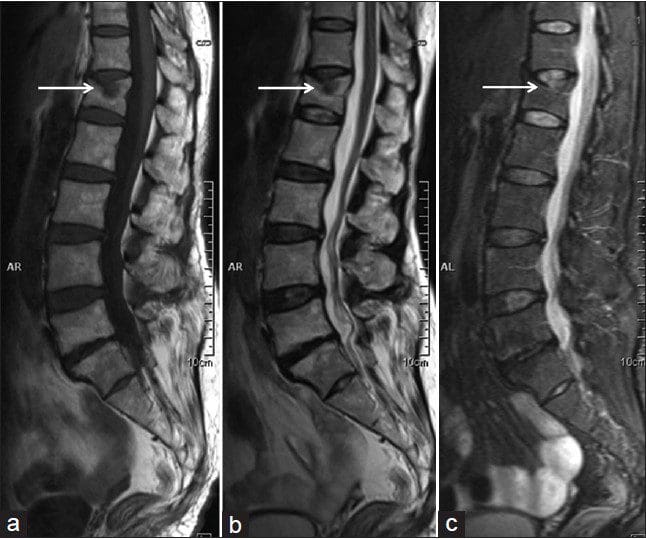
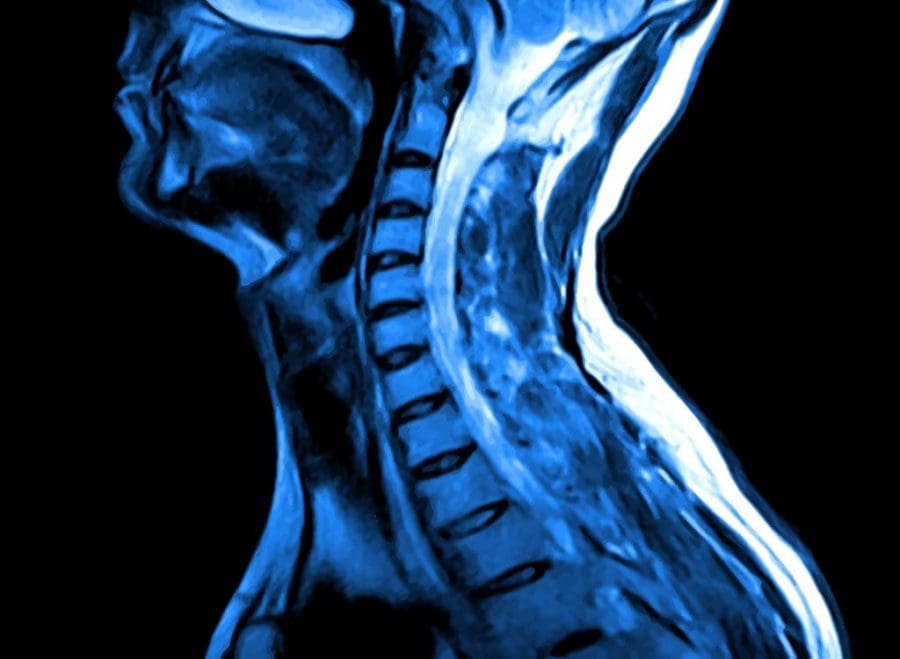
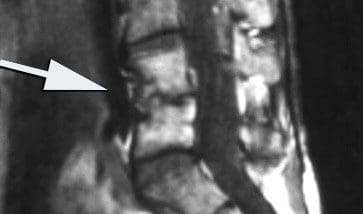
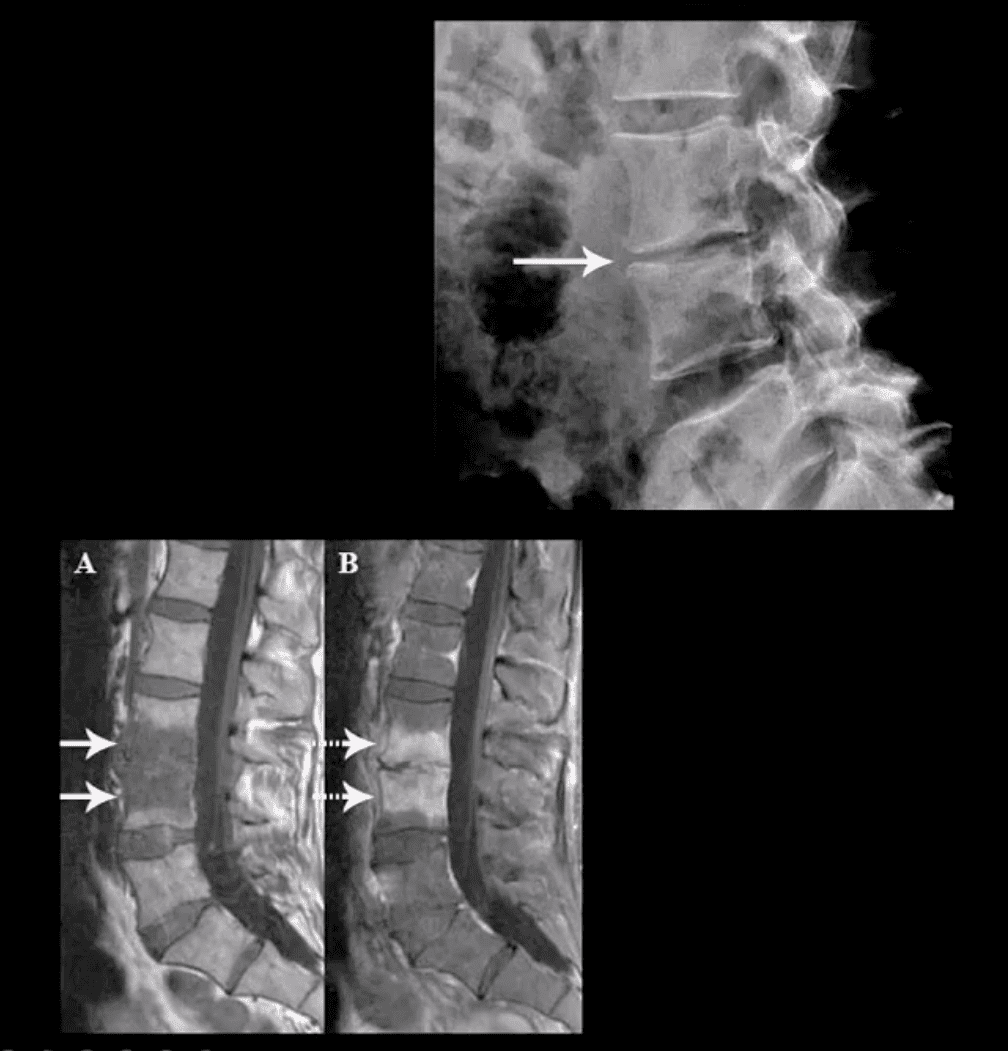
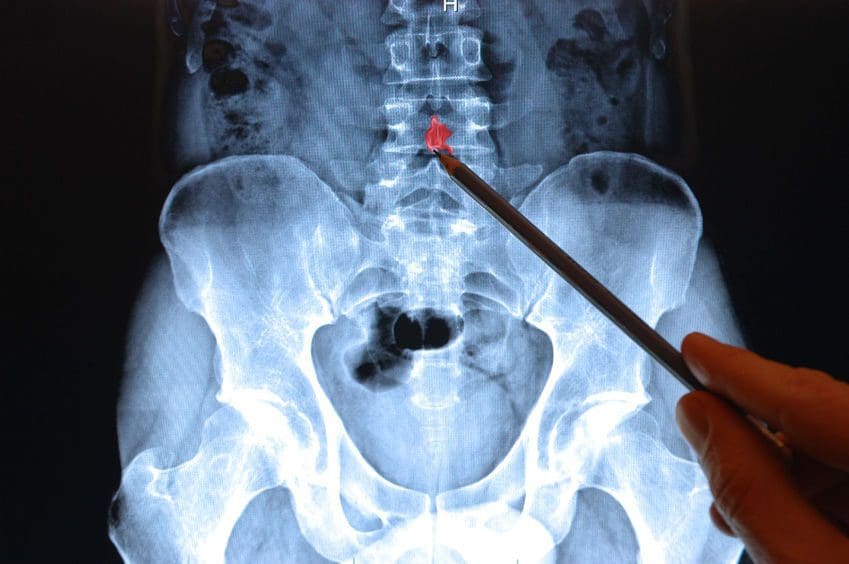
Blood tests can be utilized during diagnosis, however, the most accurate diagnostic tool to confirm discitis is magnetic resonance imaging or MRI that shows if an infection is present. �
�
Treatment
Treatment can be challenging. This is because of the fact that the discs do not have a blood supply, and medications/antibiotics travel through the blood. It is treatable and is usually done within a six to eight-week course of antibiotics intravenously or through an IV.
IV administered antibiotics could require treatment on an outpatient basis. The entire course of antibiotics must be completed in its entirety in order to manage the discitis. A doctor could also prescribe a spinal brace to help stabilize the spine and reduce pain. A brace can limit movement, however, it will help ensure proper healing.
�
Spinal Infections
Spinal infections can present spontaneously or as secondary conditions, e.g. after a surgical procedure. Spinal infections can affect different structures, like the:
Vertebral column or the bones of the spine
Intervertebral disc space, which is the cushion-gel structures between the vertebrae
� Here are some facts about the occurrence and prevalence of different infections of the spine:
Vertebral osteomyelitis is the most common type of infection. It affects an estimated 27,000 to 66,000 people a year.
Epidural abscess is an infection inside the spinal canal that affects up to two cases per 10,000 in hospital admissions around the U.S. It is pretty common in individuals with vertebral osteomyelitis or discitis. Eighteen percent of those individuals can develop this infection. However, it is more common in people fifty and older.
Discitis, as aforementioned is a pretty uncommon condition. Although, treatment has advanced, around twenty percent of individuals with this infection do not survive.
�
Infection Risk Factors
There are certain factors that increase the risk of developing an infection. These factors include:
Symptoms from a spinal infection can vary. However, continuous back pain with no history of trauma or injury. Usually, there is a delay in the diagnosis for an infection of the spine because of the:
Subtle nature of the symptoms
Individual’s belief that the pain is not serious
Absence of body-wide symptoms like a fever
Lab results can also complicate the diagnostic process, as they can be misleading. There could be normal white blood cell counts, x-rays that show no abnormalities, and a sensitive diagnostic test like a bone scan might not show that an individual is positive until a week later.
An erythrocyte sedimentation rate is a valuable screening test when it comes to spinal infections. The test can measure inflammation and infection in the body. If a spinal infection is suspected, an MRI could be the most reliable tool to confirm early diagnosis.
Health & Immunity Series
�
Dr. Alex Jimenez�s Blog Post Disclaimer
The scope of our information is limited to chiropractic, musculoskeletal, physical medicines, wellness, and sensitive health issues and/or functional medicine articles, topics, and discussions. We use functional health & wellness protocols to treat and support care for injuries or disorders of the musculoskeletal system. Our posts, topics, subjects, and insights cover clinical matters, issues, and topics that relate and support directly or indirectly our clinical scope of practice.*
Our office has made a reasonable attempt to provide supportive citations and has identified the relevant research study or studies supporting our posts. We also make copies of supporting research studies available to the board and or the public upon request. We understand that we cover matters that require an additional explanation as to how it may assist in a particular care plan or treatment protocol; therefore, to further discuss the subject matter above, please feel free to ask Dr. Alex Jimenez or contact us at�915-850-0900. The provider(s) Licensed in Texas& New Mexico
Spinal stimulation is a treatment option that could help bring relief from pain and improve the quality of life for individuals dealing with chronic pain, like low back, and leg pain. Spinal stimulation can help reduce and manage chronic pain that does not alleviate or reduce with physical therapy, pain medications, injections, and other non-surgical treatments/therapies. �
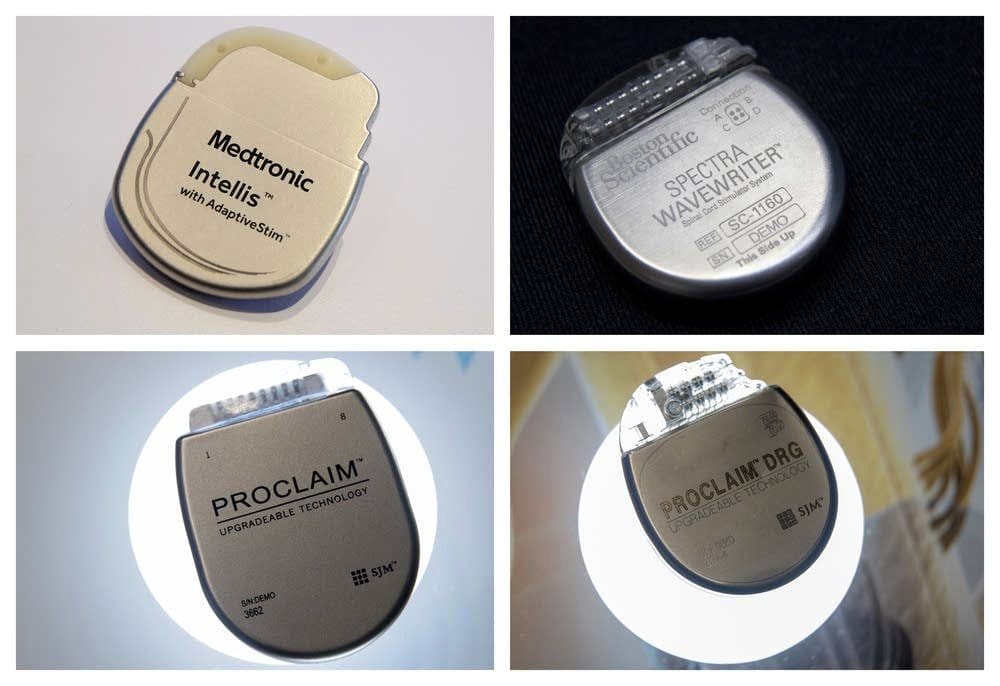
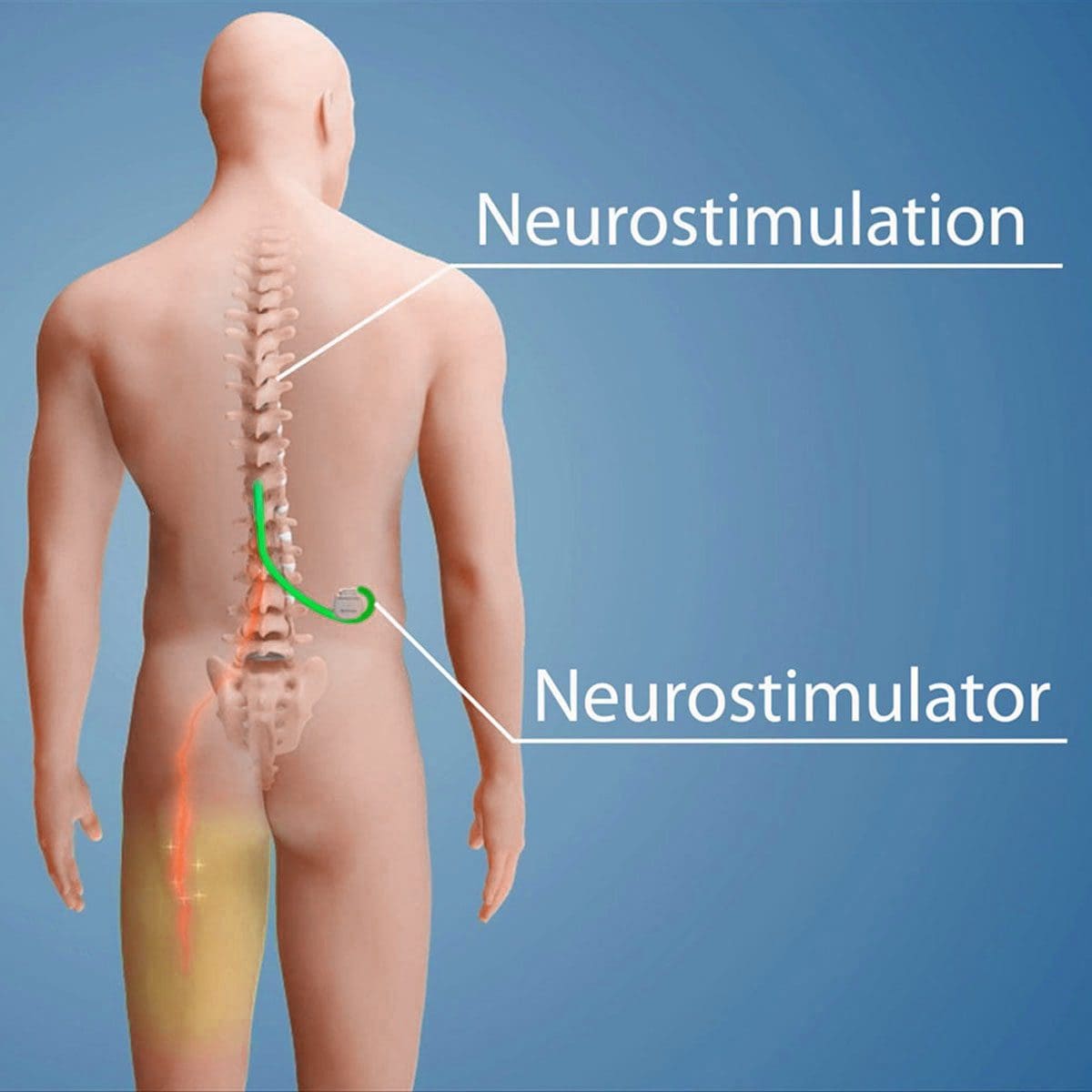
It is a form of neuromodulation that works by blocking pain signals that the nerves send out from reaching the brain. A spinal stimulator is a tiny device that is implanted underneath the skin. The device delivers a very low electrical impulse that masks/changes pain signals before they reach the brain.
�
A Spinal Stimulation System
�
Neurostimulator:
This is the entire device that is implanted and sends out electrical impulses through a lead wire to the nerves in the spine.
Lead:
The thin wire that delivers the electrical impulses from the neurostimulator.
Remote control:
This turns on/off the stimulator and increases or decreases the amount of stimulation.
Charger:
Stimulators are rechargeable and normally require recharging about one hour every two weeks.
�
Spinal Stimulator Types:
�
Traditional stimulators
These produce a gentle ringing/tingling sensation that masks the pain.
Burst stimulators
These send out random interval bursts of electrical impulses designed to copy the way the body sends out nerve impulses.
High-frequency stimulators
These reduce pain without generating tingling sensations. �
�
Types of Pain Spinal Stimulation Treats
Spinal stimulation is approved by the U.S. FDA to treat chronic back and leg pain, including pain that doesn’t go away after back surgery known as failed back surgery syndrome. Chronic neuropathic back and leg pain are the most common types that stimulation treats. This means back or leg pain caused by nerve damage from:
Auto accident
Injury – personal, sports, work
Disease
Acute pain is like stepping on a sharp piece of glass, where the pain serves as protection letting you know something is wrong and not to continue. Whereas chronic neuropathic pain lasts for 3 months or more and does not help protect the body. �
�
Spinal stimulation is also used to treat complex regional pain syndrome or CRPS. This is a rare condition that affects the arms/hands or legs/feet and is believed to be caused by damage or malfunction of the nervous system. It is also used in treating peripheral neuropathic pain. This is damage to the nerves outside of the spinal cord often in the hands/feet that is caused by an:
Infection
Trauma
Surgery
Diabetes
Other unknown causes
�
Appropriate Treatment
Spinal cord stimulation should not be used in patients that are pregnant, unable to operate the stimulation system, went through a failed trial of spinal stimulation, and are at risk for surgical complications. The decision to use spinal stimulation is based on an individual’s needs and risks. Talk to a doctor, spine specialist, chiropractor to see if spinal stimulation could be an option.
�
Benefits and Risks
The effects of stimulation are different for everyone. Therefore, it is important to understand that spinal stimulation can help reduce pain, but not completely eliminate it. �
�
The Benefits of Spinal Cord Stimulation
In addition to reducing pain, other benefits of spinal stimulation include:
Better sleep
Improved body function
Increased activity
Improved mobility
Reduced opioid medication/s use
Less need for other types of pain meds
Reduced dependence on braces/bracing
�
Risks
During the implantation, there is a risk for:
Bleeding
Infection
Pain at the site of incision
Nerve damage
Rarely paralysis
� For some individuals, scar tissue can build up over the electrode, which can block the stimulator’s electrical impulse. The lead wire could move or shift out of position. This could lead to impulses being sent to the wrong location. The device itself could shift under the skin causing pain, making it hard to re-charge or communicate with the remote.
There is a risk that the lead wire could detach or break off causing a malfunction and require a replacement. Also, individuals could respond well to the stimulation at first, but later on, they develop a tolerance, and so the therapy no longer has the same impact and the pain could get worse because the nerves stop responding.
�
Take Precautions
Discuss with a doctor, spine specialist, or chiropractor what you can and can’t do after the stimulator is implanted and activated. Here are a few precautions:
Do not drive or operate heavy equipment when the stimulator is active.
Stimulation systems could set off metal detectors, which could require manual screening.
MRIs, electrocautery, diathermy, defibrillators, and cardiac pacemakers could have a negative interaction with certain types of stimulators. This could result in injury or damage to the spinal stimulator. Talk to your doctor to determine if a spinal stimulator is a treatment option that will work for you.
�
Weight Loss Techniques – Push Fitness Center
Dr. Alex Jimenez�s Blog Post Disclaimer
The scope of our information is limited to chiropractic, musculoskeletal, physical medicines, wellness, and sensitive health issues and/or functional medicine articles, topics, and discussions. We use functional health & wellness protocols to treat and support care for injuries or disorders of the musculoskeletal system. Our posts, topics, subjects, and insights cover clinical matters, issues, and topics that relate and support directly or indirectly our clinical scope of practice.*
Our office has made a reasonable attempt to provide supportive citations and has identified the relevant research study or studies supporting our posts. We also make copies of supporting research studies available to the board and or the public upon request. We understand that we cover matters that require an additional explanation as to how it may assist in a particular care plan or treatment protocol; therefore, to further discuss the subject matter above, please feel free to ask Dr. Alex Jimenez or contact us at�915-850-0900. The provider(s) Licensed in Texas& New Mexico
IFM's Find A Practitioner tool is the largest referral network in Functional Medicine, created to help patients locate Functional Medicine practitioners anywhere in the world. IFM Certified Practitioners are listed first in the search results, given their extensive education in Functional Medicine






 �
�