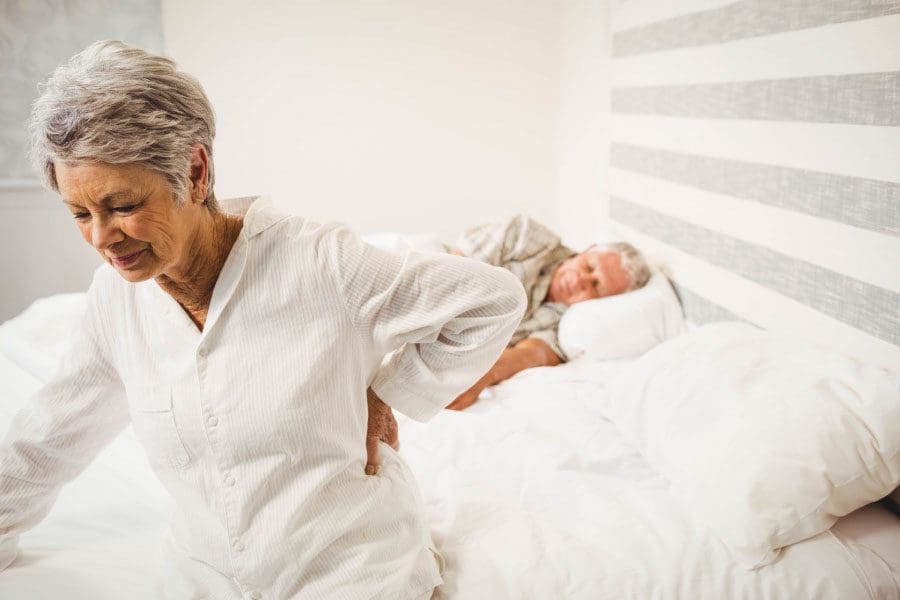
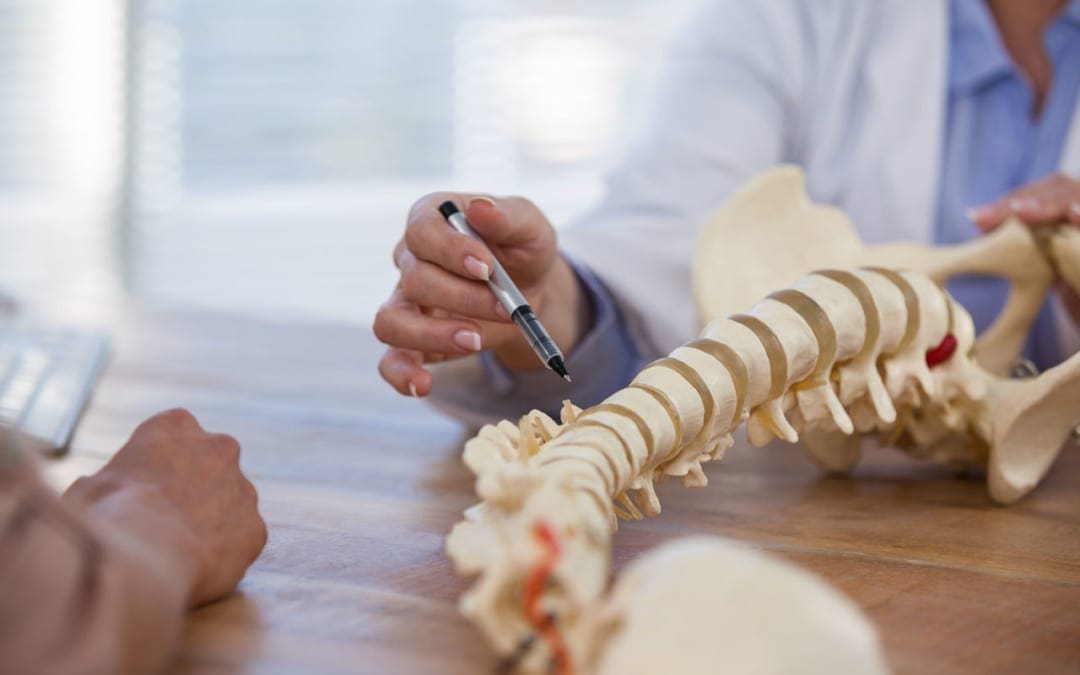
Taking an active role in personal spinal healthcould mean the difference between having to deal/manage back pain for the rest of your life and not having to. Most of us have experienced some form of back pain, whether lifting an object, bending, reaching, twisting, etc. Fortunately, it is usually not serious and we move on with our lives. However, not paying attention to those not so serious backaches can lead to chronic backaches that can lead to serious chronic back pain.
Chronic backache/s can be annoying, frustrating, and debilitating, especially when the cause is not obvious, cannot be found, or figured out. When back pain occurs from trauma or an automobile accident it’s a lot easier to diagnose.
But when it is the result of a gradual build-up of activities like sitting all day at a desk, in a truck or lifting objects, loading, unloading, pushing, pulling, stocking for several years, it could be a lot more serious than the individual might think. This is because although they are barely beginning to feel the ache or pain, the damage has been ongoing/worsening and has finally reared its ugly head.
Finding the Right Help
Getting on the right track means searching for a spinal professional that can identify and treat the source of the back pain, help with posture, diet advice, and help reach optimal health. Finding the source of the pain can be a challenge, but it is not impossible. The key is finding a knowledgeable, experienced back pain specialist and taking an active role in your spine’s health.
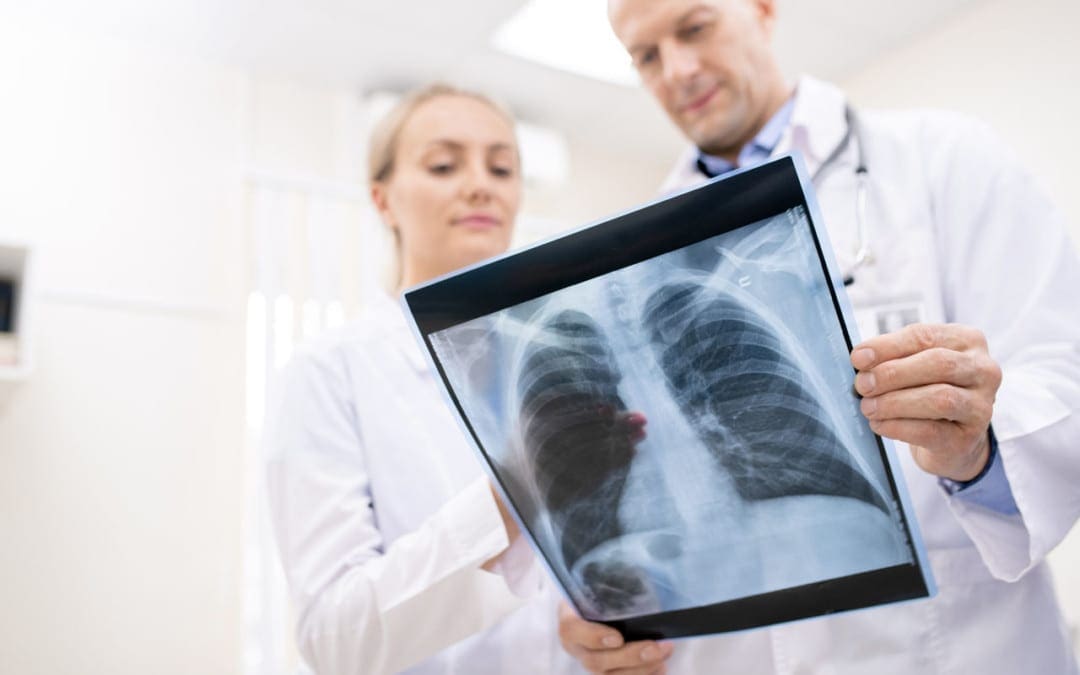
Chiropractors, doctors, and physicians begin with at least 4-6 weeks of non-invasive treatment. These start with tests, scans, x-rays, then move on to treatment, which can consist of ice/heat, physical therapy, adjustments, re-alignment combined with exercises, stretches. Prescription medication/s or surgery is the last option for fear of worsening conditions along with medication abuse. This approach has seen an increase in relief and favorable outcomes.
Patient Active Role
Many individuals have gone down the path of being over-medicated and are exhausted with the whole experience of being constipated, constant brain fog, etc. Those same individuals are taking that active role and getting involved by dealing with their back pain in a natural non-invasive way. Preparing before meeting with a spine professional is important to give as much information as possible.
Tips
Preparation
Write down notes about what is being felt in and around the body, not just the back. This is because of the psychological aspect of pain, which can manifest in a variety of ways.
Try To Go Back To When The Pain Started
Think about when the pain first began
Sitting at work/home one day when there was what you thought was a little shift or tingle
Sports activity
Exercising
Popping, clicking, grinding sensations and sounds
Warming, electrical, shooting sensation/s pain
Tingling/numbness in the leg, foot, toes
Try to describe all the details with the doctor/chiropractor even what you might consider trivial
Emotions/Stress Triggers need to be taken into account
Work
Bills
Marriage
Divorce
Children
Major life changes and stress affects the whole body, especially the spine
Family Friend Perspective and Support
Bringing along a close family member or friend that knows your activity habits could help the doctor get a better idea of what is causing the pain. Family or friends can remember a trip, fall, dance moment that didn’t go so well, work accident, etc.
Medical History
Prior medical injuries and conditions will help provide additional information as to whether there is a pattern when back pain strikes. This can be extremely important even if it does not seem to be related to the pain symptoms. Tell the doctor about any physical therapy or other holistic/conservative treatments performed before and after the pain began. Also, inform them of any medications, supplements, vitamins, herbs, over-the-counter medications that were taken prior to the pain and currently being taken. If there has been unexplained weight loss, fever, urination/bowel changes, should also be discussed.
Physical Tests
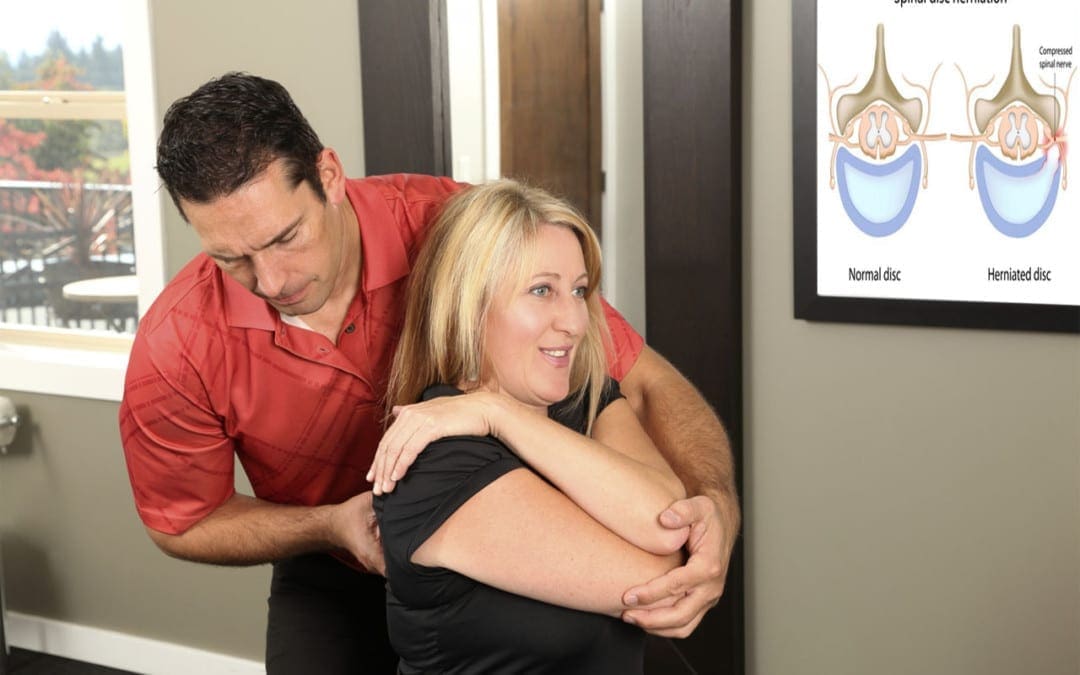
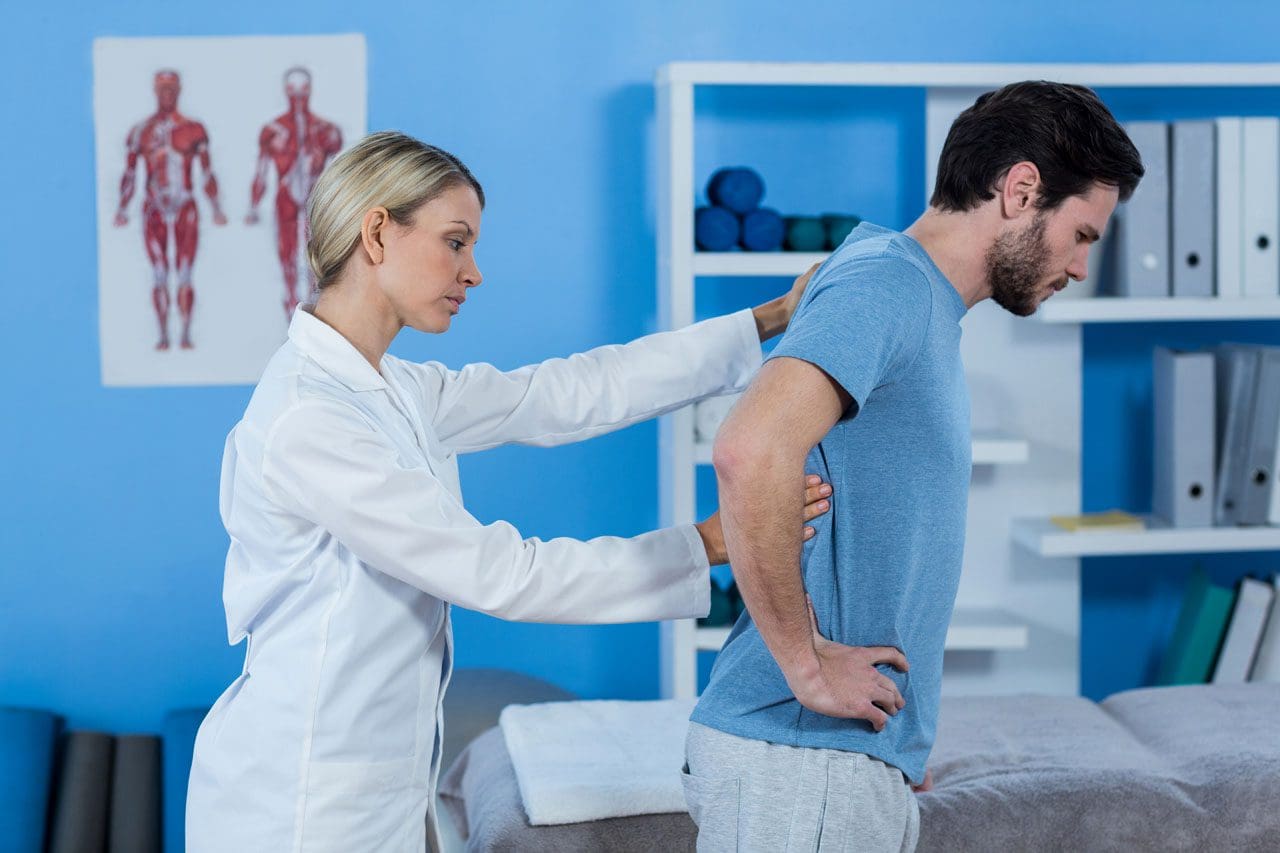
Unless the patient is in too much pain, the meeting with the chiropractic physician will be active, meaning the doctor may have the patient perform a series of movements like:
Sitting
Standing
Walking
Bending forward, backward, and to the side
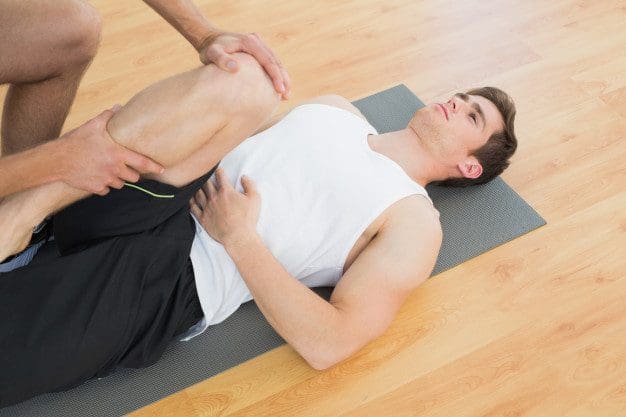
Lifting the legs straight up while standing and lying down
Inform the doctor of any numbness or tingling pain while performing these musculoskeletal exercises/tests.
With a patient that can’t perform the exercises, the doctor will examine the patient while lying down, by carefully and slowly palpating the painful area/s, moving the leg/s, and raising the patient up, all the while taking notes of what position/s cause discomfort and pain.
Options
Depending on the physician’s assessment, initial treatment will take time, require the individual to take an active role, and possibly recommend the individual try different treatment options. Ask the doctor all the questions you have during the visit like:
Could there be more than one cause for my back pain?
Do the treatments hurt?
The treatment will keep me pain-free or just tolerable?
Are there self-therapies to assist healing and recovery?
If seeing a general physician you could ask for a recommended spine specialist
The ultimate goal is for the individual to live a happy, fulfilling life that is pain-free. The doctor will do everything they can to bring an optimum level of care. If the quality of life still does not improve or when various attempts for pain relief have proven unsuccessful, then a doctor could recommend stronger medications and surgical options. Don’t wait to get professional medical help! The longer an individual waits the worse the cause of the back pain gets. Get involved and take an active role in your spinal health.
Personal Injury Chiropractic Care
Dr. Alex Jimenez�s Blog Post Disclaimer
The scope of our information is limited to chiropractic, musculoskeletal, physical medicines, wellness, and sensitive health issues and/or functional medicine articles, topics, and discussions. We use functional health & wellness protocols to treat and support care for injuries or disorders of the musculoskeletal system. Our posts, topics, subjects, and insights cover clinical matters, issues, and topics that relate and support directly or indirectly our clinical scope of practice.*
Our office has made a reasonable attempt to provide supportive citations and has identified the relevant research study or studies supporting our posts. We also make copies of supporting research studies available to the board and or the public upon request. We understand that we cover matters that require an additional explanation as to how it may assist in a particular care plan or treatment protocol; therefore, to further discuss the subject matter above, please feel free to ask Dr. Alex Jimenez or contact us at 915-850-0900. The provider(s) Licensed in Texas& New Mexico*
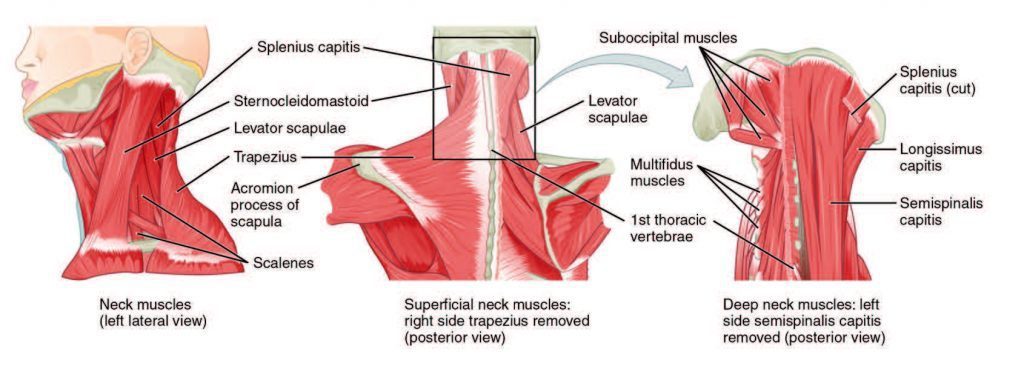
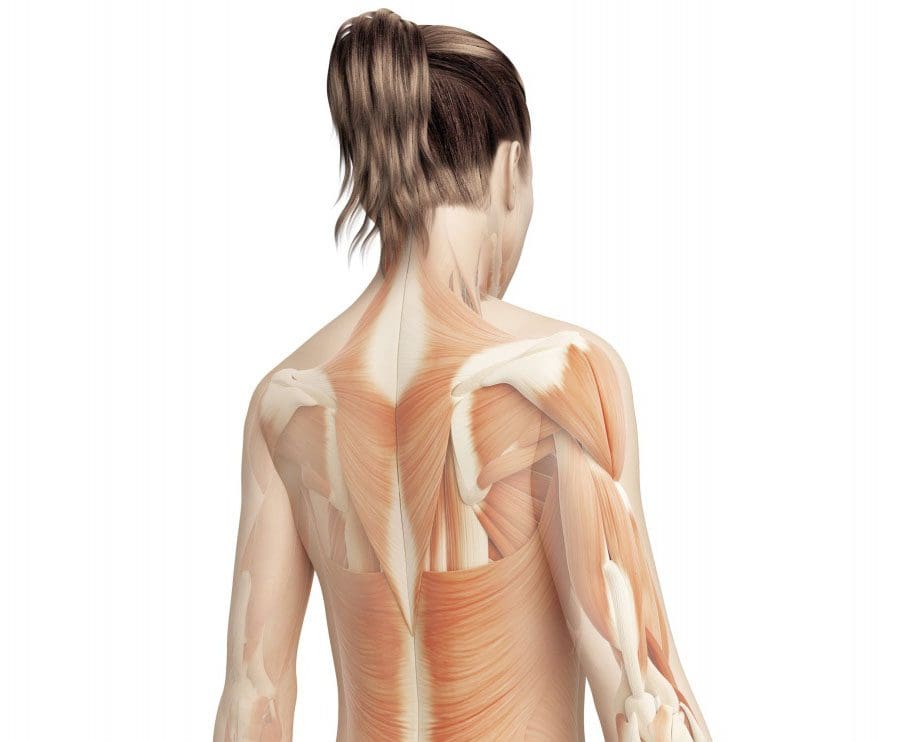
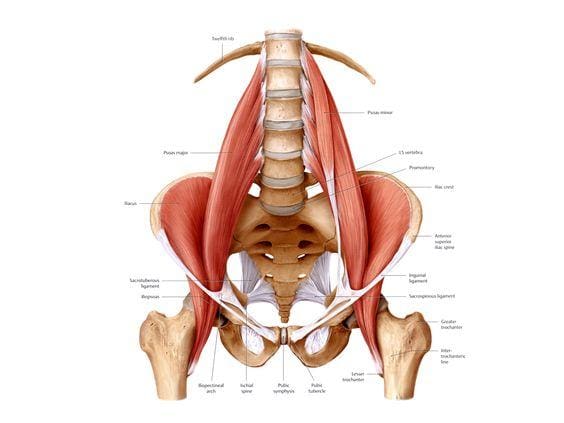
The spinal muscles and ligaments work in conjunction to help support the spine, maintain an upright posture, and control movements during activity and rest. The muscles are named based on shape, location, or a combination. Further categorization factors include muscle functions like flexion, extension, or rotation. Skeletal muscle is a form of striated muscle tissue that is voluntarily controlled by the somatic nervous system. Striated means it is striped in appearance. Most skeletal muscles are attached to bones by collagen fibers known as tendons.
Vertebral Muscle Types
Location
Forward flexors
Anterior
Lateral flexors
Lateral
Rotators
Lateral
Extensors
Posterior
It has the fastest contraction rate of all muscles. Before muscle/s contract, a nerve impulse starts in the brain and runs through the spinal cord to the muscle. For the muscles to contract and work properly they need energy/fuel. Mitochondria produce Adenosine triphosphate chemical cells that are needed for energy. Adenosine triphosphate is made as the mitochondria burn glucose or sugar. The blood vessels deliver the oxygen and nutrients that the mitochondria need to maintain a steady supply of adenosine triphosphate.
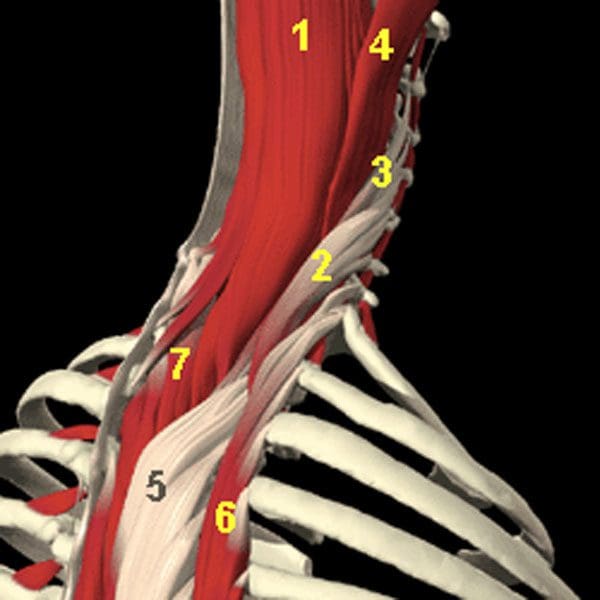
The Posterior Cervical and Upper Thoracic Spinal Muscles
Semispinalis Capitus – controls the head rotation and backward pulls
Iliocostalis Cervicis – extends the cervical vertebrae
The Longissimus Cervicus – extends the cervical vertebrae
Longissimus Capitus – controls the head’s rotation and backward pulls
Longissimus Thoracis – controls the extension/lateral flexion of the vertebral column and rib rotation
Iliocostalis Thoracis – controls the extension/lateral flexion of the vertebral column and rib rotation
Semispinalis Thoracis – extends and rotates the vertebral column
Muscles of the Spinal Column
Cervical muscles
Cervical Muscles
Function
Nerve
Sternocleidomastoid
Extends and rotates the head and flexes the vertebral column
C2, C3
Scalenus
Flexes and rotates the neck
Lower cervical
Spinalis Cervicis
Extends and rotates the head
Middle/lower cervical
Spinalis Capitus
Extends and rotates the head
Middle/lower cervical
Semispinalis Cervicis
Extends and rotates the vertebral column
Middle/lower cervical
Semispinalis Capitus
Rotates the head and pulls backward
C1-C5
Splenius Cervicis
Extends the vertebral column
Middle/lower cervical
Longus Colli Cervicis
Flexes the cervical vertebrae
C2-C7
Longus Capitus
Flexes the head
C1-C3
Rectus Capitus Anterior
Flexes the head
C2, C3
Rectus Capitus Lateralis
Bends the head laterally
C2, C3
Iliocostalis Cervicis
Extends the cervical vertebrae
Middle/lower cervical
Longissimus Cervicis
Extends the cervical vertebrae
Middle/lower cervical
Longissimus Capitus
Rotates the head and pulls backward
Middle/lower cervical
Rectus Capitus Posterior Major
Extends and rotates the head
Suboccipital
Rectus Capitus Posterior Minor
Extends the head
Suboccipital
Obliquus Capitus Inferior
Rotates the atlas
Suboccipital
Obliquus Capitus Superior
Extends and bends the head laterally
Suboccipital
Thoracic Muscles
Thoracic muscles
Function
Nerve
Longissimus Thoracis
Extension, lateral flexion of the vertebral column, and rib rotation
Perimysium is the sheath that groups the muscle fibers into bundles.
Endomysium is another type of connective tissue that sheaths each muscle fiber.
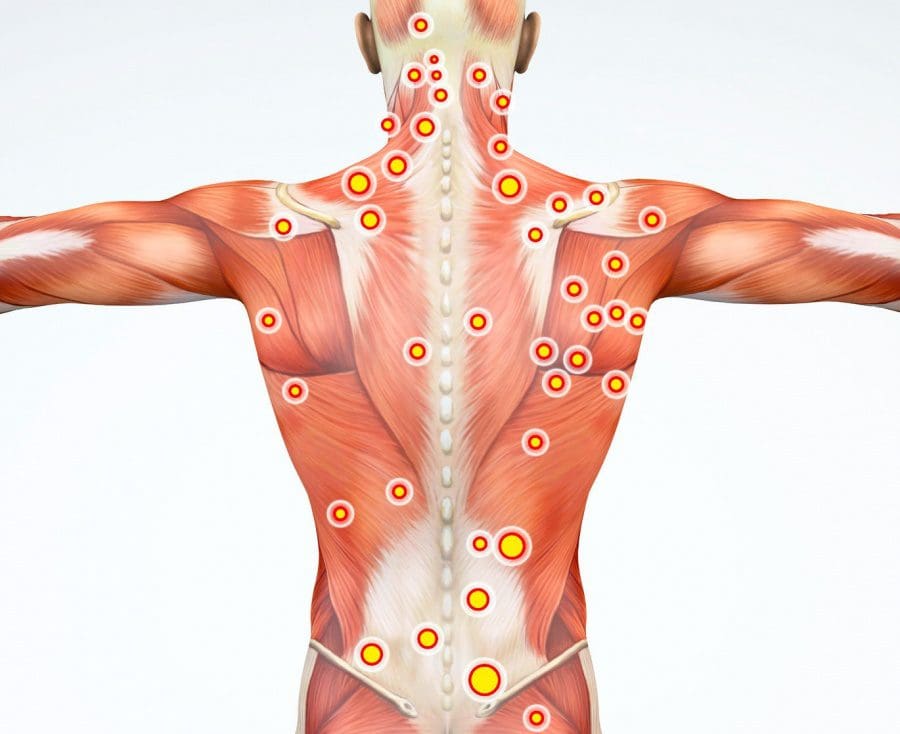
The cause of back pain and spinal muscle spasm/s can be caused by overuse, automobile accident, personal, work, or sports injury. The root cause of muscle spasm/s is usually a consequence of an injury to a structure within the lumbar spine. If there have been one or more episodes of muscle spasm in the low back, chances are it will re-occur. The muscles in the low back work together with the abdominal muscles. The spinal muscles add stability by maintaining an erect spine and maintain balance.
Back Pain Specialist
Dr. Alex Jimenez�s Blog Post Disclaimer
The scope of our information is limited to chiropractic, musculoskeletal, physical medicines, wellness, and sensitive health issues and/or functional medicine articles, topics, and discussions. We use functional health & wellness protocols to treat and support care for injuries or disorders of the musculoskeletal system. Our posts, topics, subjects, and insights cover clinical matters, issues, and topics that relate and support directly or indirectly our clinical scope of practice.*
Our office has made a reasonable attempt to provide supportive citations and has identified the relevant research study or studies supporting our posts. We also make copies of supporting research studies available to the board and or the public upon request. We understand that we cover matters that require an additional explanation as to how it may assist in a particular care plan or treatment protocol; therefore, to further discuss the subject matter above, please feel free to ask Dr. Alex Jimenez or contact us at 915-850-0900. The provider(s) Licensed in Texas& New Mexico*
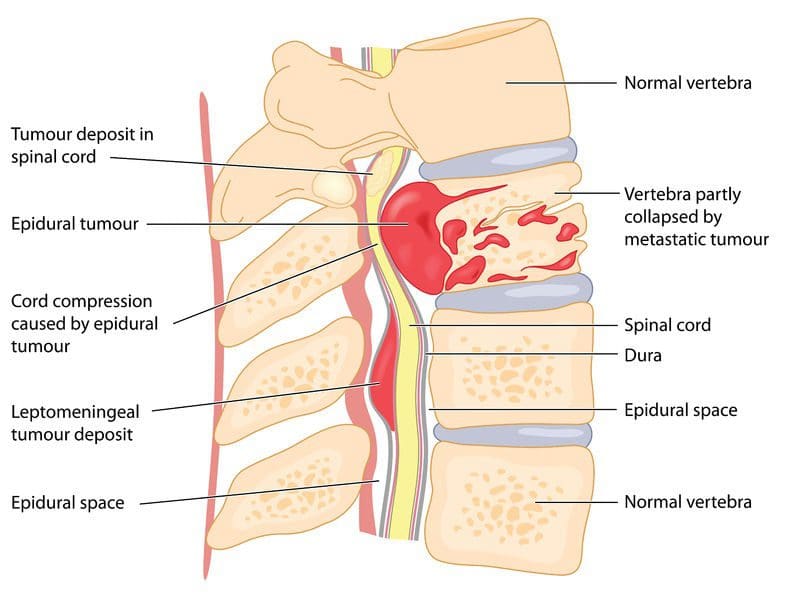
A spinal tumor is an uncommon cause of back pain. They rarely occur and can be either benign or malignant. Some tumors can metastasize or spread out to other parts of the body. This is done through the arteries, veins, the lymphatic system, and directly depending on the location.
A tumor of the breast, prostate, lung, and kidney can metastasize into the spine increasing the risk of spinal compression. This could lead to neurologic dysfunction and paralysis. Many individuals present with back pain as the key symptom. The pain can worsen at night and have no relation to certain activities. Other symptoms include:
Aneurysmal bone cysts or ABCs usually cause pain and swelling. They can be large and typically affect children and adolescents.
Eosinophilic Granuloma
This type of spinal tumor usually develops in the vertebral bodies of children and adolescents. If the tumor is systemic it is called histiocytosis X. However, these tumors rarely lead to vertebral collapse and paraparesis. And also rarely but on occasion, they can heal spontaneously on their own.
Giant Cell Tumor
This type of spinal tumor affects children, adolescents, and young adults. They can be found around the cervical, thoracic, or lumbar segments of the spine, but are more common in the sacrum region.
Hemangioma
Hemangiomas develop most often in the thoracic or middle back. These affect adults and are known to be vascular masses that are progressive and can cause vertebral collapse and slight paralysis.
Osteoblastoma
These tumors can be large, aggressive, and painful. They affect children and adolescents. They can sometimes cause spinal deformity and paralysis.
Osteochondroma
This a slow-growing spinal tumor that comes from cartilage and usually affects adolescents. It is uncommon and typically found in the posterior or rear of the spine.
Osteoid Osteoma
A very small bone tumor that is less than 2 cm. It typically affects adolescents. It is known to cause night pain and can result in spinal deformity.
Malignant – Cancerous
Chordoma
This is typically seen in adults. About 50% involves the sacrum, but it can affect other regions of the spine. These tumors usually require aggressive treatment.
Chondrosarcoma
This tumor affects the spinal cartilage in middle-aged adults. It grows slowly but can be dangerous. Aggressive medical treatment is required.
Ewing/Ewing’s Sarcoma
An aggressive spinal tumor that affects adolescents and young adults. In certain cases, it can metastasize.
Lymphoma
Lymphoma can present in one or more vertebral bodies. It affects middle-aged and older adults. The lymphatic system can sometimes be involved.
Osteosarcoma
This is a bone cancer that develops in adolescents and middle-aged adults. It can metastasize and require aggressive medical treatment.
Plasmacytoma
Plasmacytoma typically presents in middle-aged and older adults. They usually present in the pedicle and vertebral body and can cause paraparesis.
Back pain does not always mean that there is a tumor present. But if back pain does not resolve or if neurologic symptom/s are experienced, early medical intervention/treatment is definitely warranted. A primary spinal tumor or those that originate in the spine are uncommon. However, metastatic spinal tumors are.
Spinal tumors are not a common cause of back pain, but if there is pain whose cause cannot be identified and continues with no change, it could be an indicator of something more going on. Persistent pain, specifically if it is not brought on with activity or if it worsens at night, could be a potential red flag needing further examination by x-ray, CT, or MRI. Metastatic tumors, that spread from another area such as the lung, breast, colon, and prostate are a more common type of spinal tumor. Individuals with a family history of cancer that develop back pain out of nowhere should be examined to exclude a spinal tumor.
Neck and Low Back Pain Treatment
Dr. Alex Jimenez�s Blog Post Disclaimer
The scope of our information is limited to chiropractic, musculoskeletal, physical medicines, wellness, and sensitive health issues and/or functional medicine articles, topics, and discussions. We use functional health & wellness protocols to treat and support care for injuries or disorders of the musculoskeletal system. Our posts, topics, subjects, and insights cover clinical matters, issues, and topics that relate and support directly or indirectly our clinical scope of practice.*
Our office has made a reasonable attempt to provide supportive citations and has identified the relevant research study or studies supporting our posts. We also make copies of supporting research studies available to the board and or the public upon request. We understand that we cover matters that require an additional explanation as to how it may assist in a particular care plan or treatment protocol; therefore, to further discuss the subject matter above, please feel free to ask Dr. Alex Jimenez or contact us at 915-850-0900. The provider(s) Licensed in Texas& New Mexico*
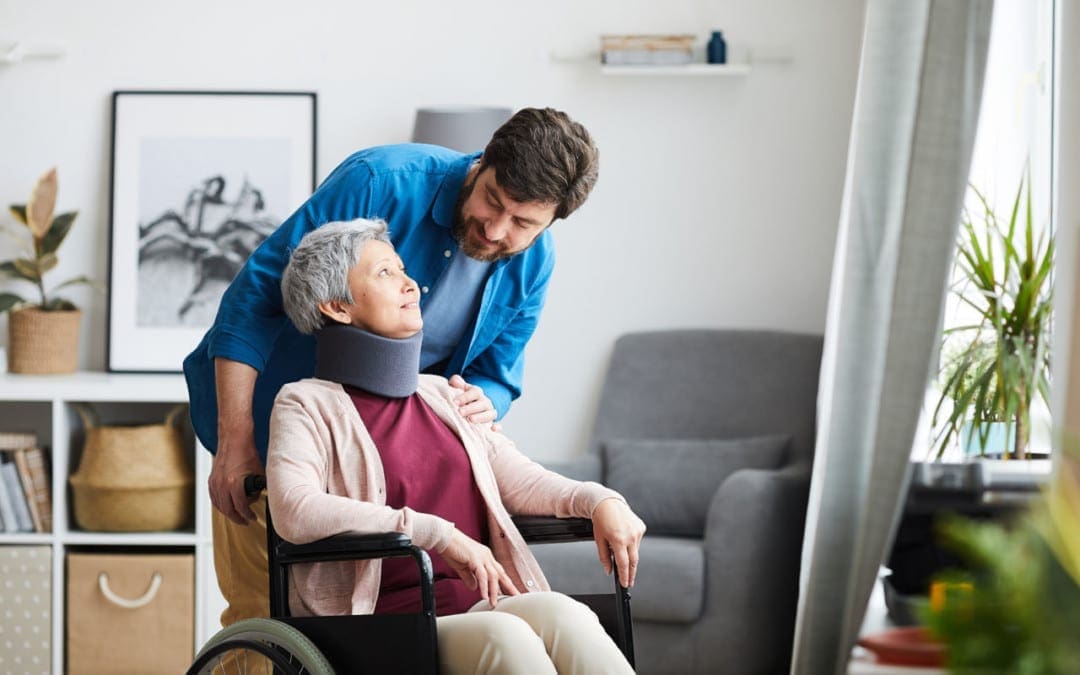
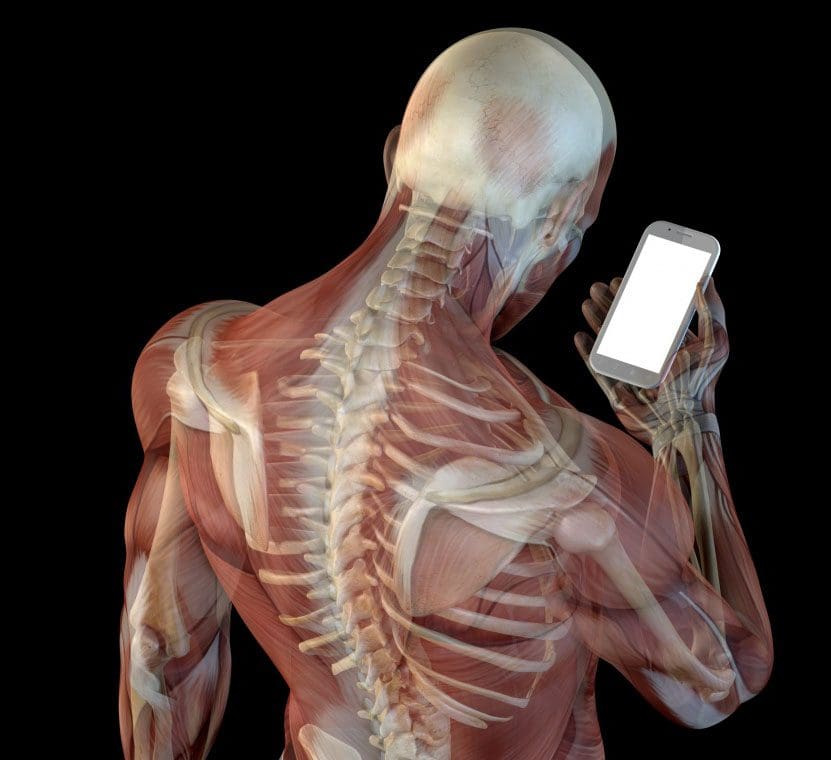
Using a neck brace or collar can be part of a treatment option for individuals dealing with a neck injury, pain, and recovery. Cervical-neck spinal conditions can go from mild to debilitating if left untreated and could progress to chronic pain. Whiplash and abnormal cervical lordosis, which is an unnatural curvature of the spine, can happen from looking down at a phone too long, known as text-neck. These are common but different neck disorders that can be helped with a neck brace.
Being prescribed a neck brace depends on the severity of the pain symptoms. Does it present with or without upper back pain, radiate into the shoulders, cause headaches/migraine? These details will help a doctor or chiropractor figure out the best treatment option. If the patient can benefit then a neck brace, also called a cervical collar or cervical orthosis could be used.
Neck Brace
Fortunately, spinal surgery is rarely necessary. There are plenty of non-surgical treatment options that can help manage and reduce neck pain. A neck brace or collar could be part of a treatment plan that includes:
Chiropractic
Physical therapy
Massage
Acupuncture
Medications – over-the-counter and prescription if necessary
The treatment plan will be based on the outcome of:
Physical examination
Neurological examination
X-rays
Other imaging tests
Severity of symptoms
These combined will confirm a diagnosis with the treatment focusing on:
Neck stabilization
Pain management
Advanced healing
Early mobilization
Brace Basics
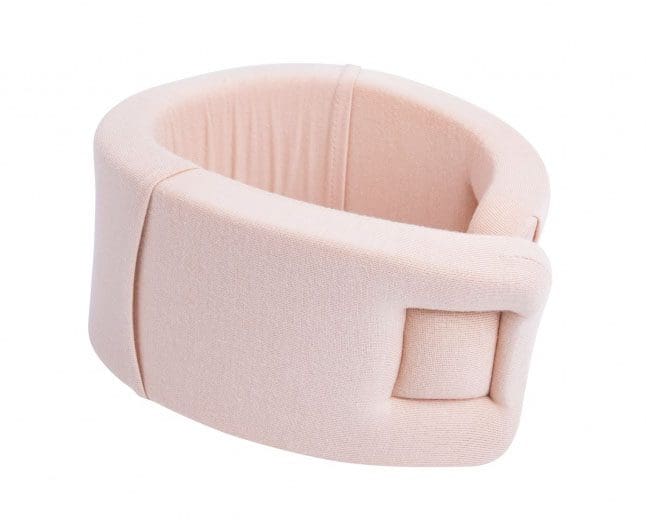
There are a variety of soft and rigid neck braces available to help manage different cervical spine conditions. The type of brace prescribed is based on the diagnosis and treatment plan. Soft neck braces are flexible and offer the greatest range of motion. Rigid collars are for stricter immobilization/stabilization.
Stabilization refers to immobilizing the head and neck. Limiting or preventing motion helps to support the head while reducing weight from the cervical spine. Two of the most common neck pain disorders are whiplash and poor posture.
Soft Collar
Whiplash is a hyperflexion and hyperextension neck injury. It is caused when the neck quickly, forcefully and swiftly whips forward and backward. Whiplash injuries most commonly happen from auto accidents, work, personal, and sports injuries.
Whiplash symptoms are considered sprains and strains. This is when ligaments, in this case, those of the neck, and the muscles are stretched or torn. These include:
Neck pain
Stiffness
Muscle spasms
Headaches that start in the neck
However, all of the symptoms can radiate into the head and upper back. This is where a doctor could recommend a soft cervical collar as part of a treatment plan. This could be in conjunction with muscle relaxants and physical therapy. Soft collars provide neck support to help reduce soft tissue inflammation and the pain forty-eight to seventy-two hours after the injury.
Soft neck braces are usually made of foam and covered with cotton or other easily washable, comfortable wearable material. The brace wraps around the neck and is secured with Velcro straps. Be aware that over-using a neck brace can happen. A doctor will explain further and will prescribe/encourage performing daily motion exercises, and stretching exercises, as soon as the patient is able after a whiplash injury.
Rigid Collar
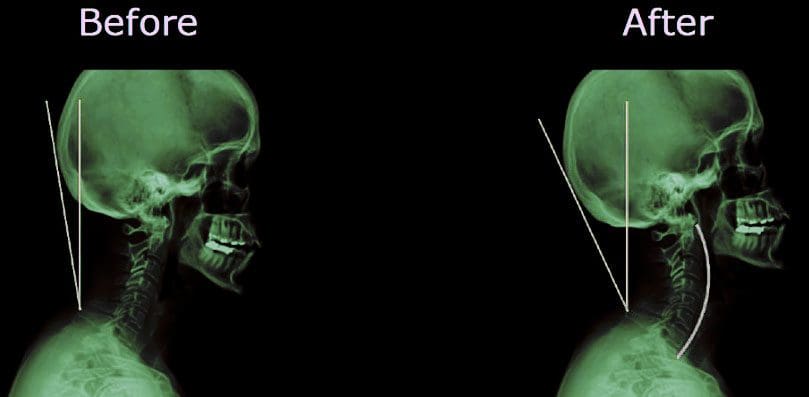
Lordosis means the normal forward curve in the neck. However, the normal curve can change negatively with time when the head regularly bends forward past the shoulders. An example is looking down at your phone. Most of us spend hours a day looking down at a phone pad, etc. This causes significant strain on the neck. The human head weighs around 12 pounds. This weight increases to about 60 pounds when the head and neck are extended forward and bent down.
A constantly increased load on the spine can lead to massive stress to the bones, ligaments, and muscles with the potential change in the normal curve and chronic neck pain. Text neck is another spinal disorder that a neck brace can help treat. Depending on the severity of the pain and injury a rigid neck brace or collar could be used.
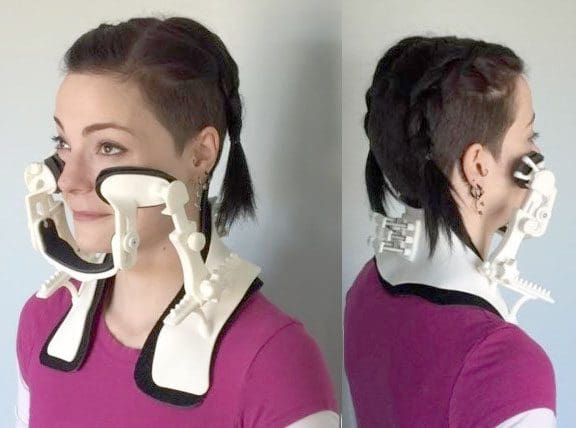
All neck braces offer some degree of head and neck support. Another type of rigid neck brace has adjustable features that were developed to treat forward head posture caused by poor posture. This brace is called the Cervigard Forward Head Posture Neck Collar. It supports while correcting the alignment of the head and neck. Regular use can gradually restore the normal curvature by correcting head and neck posture.
Doctors recommend the brace be worn for 20 minutes a day or several hours, depending on the severity of pain and injury. The process of correcting the deformation can be compared to straightening teeth with braces, aligners, etc. This retrains the muscles and corrects the abnormal soft tissue tightness that develops from the condition.
Instructions
If a doctor prescribes a brace, follow their instructions for how to wear the neck brace. This will ensure the pain reduces and alleviates, while at the same time reducing the risk of the negative effects of overuse. Ask the doctor or chiropractor how to care for the brace.
Neck & Low Back Pain Treatment
Dr. Alex Jimenez�s Blog Post Disclaimer
The scope of our information is limited to chiropractic, musculoskeletal, physical medicines, wellness, and sensitive health issues and/or functional medicine articles, topics, and discussions. We use functional health & wellness protocols to treat and support care for injuries or disorders of the musculoskeletal system. Our posts, topics, subjects, and insights cover clinical matters, issues, and topics that relate and support directly or indirectly our clinical scope of practice.*
Our office has made a reasonable attempt to provide supportive citations and has identified the relevant research study or studies supporting our posts. We also make copies of supporting research studies available to the board and or the public upon request. We understand that we cover matters that require an additional explanation as to how it may assist in a particular care plan or treatment protocol; therefore, to further discuss the subject matter above, please feel free to ask Dr. Alex Jimenez or contact us at 915-850-0900. The provider(s) Licensed in Texas& New Mexico*
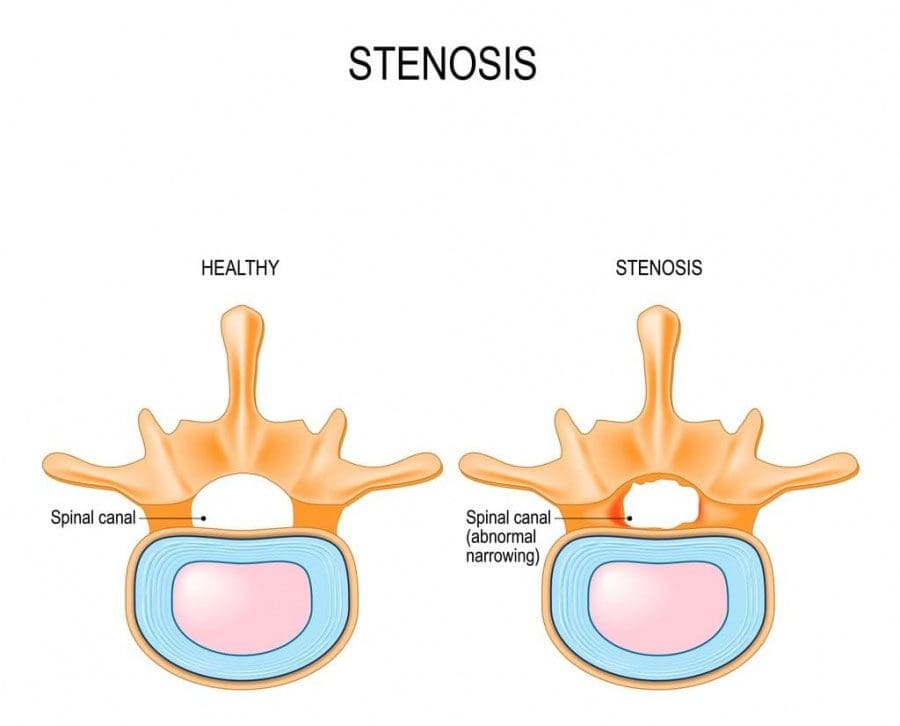
Understanding the cause of spinal stenosis is important for accurate diagnosis and in creating a customized optimal treatment plan. The cause of spinal stenosis is categorized as either primary or acquired.
Primary means the stenosis could be congenital or since birth. Some individuals are born with a spinal canal that is narrower than normal. This is a rare occurrence. Signs or symptoms of primary spinal stenosis do not present until adulthood usually around mid-life.
Acquired spinal stenosis can develop as a result of:
Bone overgrowth brought on from wear and tear from osteoarthritis on the spinal bones can form bone spurs, that can grow into the spinal canal.
Paget’s disease is a bone disease that affects adults, and can also cause bone overgrowth in the spine.
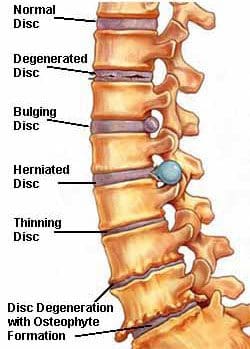
Herniated discs – The discs can begin to dry out with age and form cracks or tears letting out the soft inner material creating pressure on the spinal cord or nerves.
The ligaments are tough cords that hold the bones of the spine together. They can become stiff and thickened with age and time. The thick ligaments can then bulge into the spinal canal.
Tumors or abnormal growths can develop inside the spinal cord, in the membranes that cover the spinal cord or inside the space between the cord and vertebrae.
Spinal trauma/injury like automobile accidents, sports, and other trauma can cause dislocations or fractures of the vertebrae. Pieces of bone from a spinal fracture can fall into and damage the spinal canal.
Back surgeryswelling of tissue immediately after can put pressure on the spinal cord or nerves.
Acquired Spinal Stenosis
The leading cause is wear and tear on the spine due to aging. The most common direct cause is osteoarthritis, where the cartilage that cushions the joints begins to degenerate with age. The cartilage is smooth when brand new. As the body ages, the cartilage can become rough and can wear through completely. This allows the bones to rub against each other. The rubbing produces small bone growths called bone spurs.
Individuals with these symptoms try to limit movement and limit pain from the bones rubbing together. However, individuals can’t stop moving entirely, and less movement reduces the quality of life. The bone spurs can create other types of pain. Inside the spine, the spurs can narrow the spinal canal, which can compress the spinal cord or nerve roots.
Risk factors for osteoarthritis and disc problems include:
Lifting heavy objects without using proper lifting techniques.
This can damage a disc or move the vertebrae out of proper alignment.
Prevention
Spinal stenosis prevention is about practicing lifestyle habits to improve and maintain spinal health. For those with stenosis, regular exercise combined with proper body mechanics will help reduce the risk of the spinal stenosis becoming worse.
Exercise
Exercise, done properly, strengthens and protects the spine from the everyday wear and tear and helps maintain body weight. Being at the proper weight puts less pressure on the spine. Gradually build up the workout sessions until comfortable. General exercise guidelines are to go for 30 minutes a day. This in combination with aerobic activities like walking or swimming and resistance training like yoga or weight lifting. Stretching out regularly is highly recommended as an effective way to lengthen, loosen, and warm up the spinal muscles. Here are some basic back stretches and exercises for spinal stenosis.
Body Mechanics
Proper posture along with proper body mechanics are some of the best ways to prevent stenosis from developing/progressing and ensures the health of the spine. They should be practiced all the time:
Sitting
Standing
Lifting heavy objects
Sleeping
Proper mechanics and posture keep the spine operating at the top level even when doing regular/normal activities. Even though aging is the primary cause of spinal stenosis, does not mean to not be proactive about spinal and general health. Exercise and proper mechanics give the back and neck a strong defense system against cervical or lumbar stenosis that will serve for years.
Chiropractic Care For Auto Accident Injuries
Dr. Alex Jimenez�s Blog Post Disclaimer
The scope of our information is limited to chiropractic, musculoskeletal, physical medicines, wellness, and sensitive health issues and/or functional medicine articles, topics, and discussions. We use functional health & wellness protocols to treat and support care for injuries or disorders of the musculoskeletal system. Our posts, topics, subjects, and insights cover clinical matters, issues, and topics that relate and support directly or indirectly our clinical scope of practice.*
Our office has made a reasonable attempt to provide supportive citations and has identified the relevant research study or studies supporting our posts. We also make copies of supporting research studies available to the board and or the public upon request. We understand that we cover matters that require an additional explanation as to how it may assist in a particular care plan or treatment protocol; therefore, to further discuss the subject matter above, please feel free to ask Dr. Alex Jimenez or contact us at 915-850-0900. The provider(s) Licensed in Texas& New Mexico*
Minimally invasive surgical procedures can be used to treat spinal compression fractures. These procedures are utilized to reduce severe pain, stabilize the fracture itself, and restore lost height or shape of the broken vertebral body. These procedures are known as:
Balloon kyphoplasty
Vertebroplasty
Vertebral body augmentation
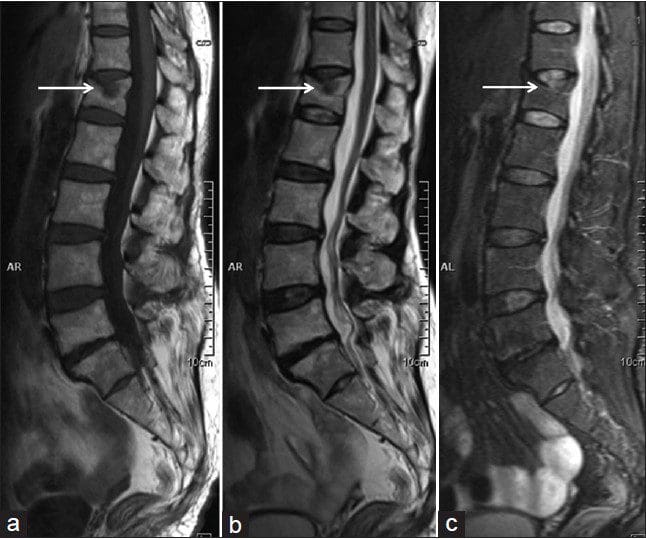
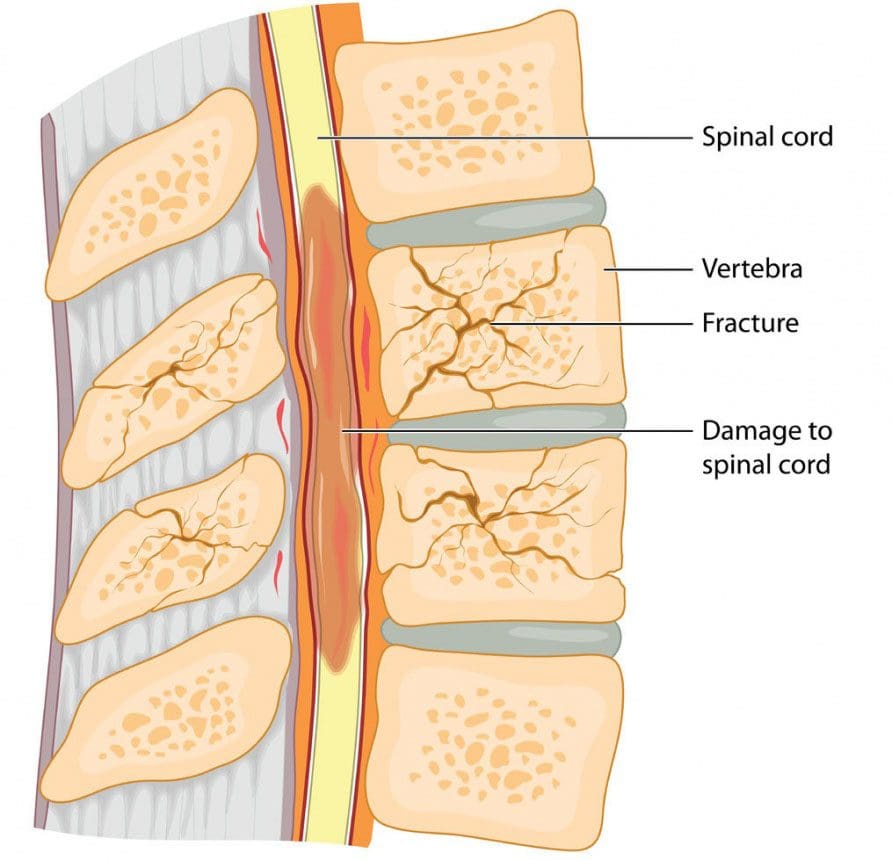
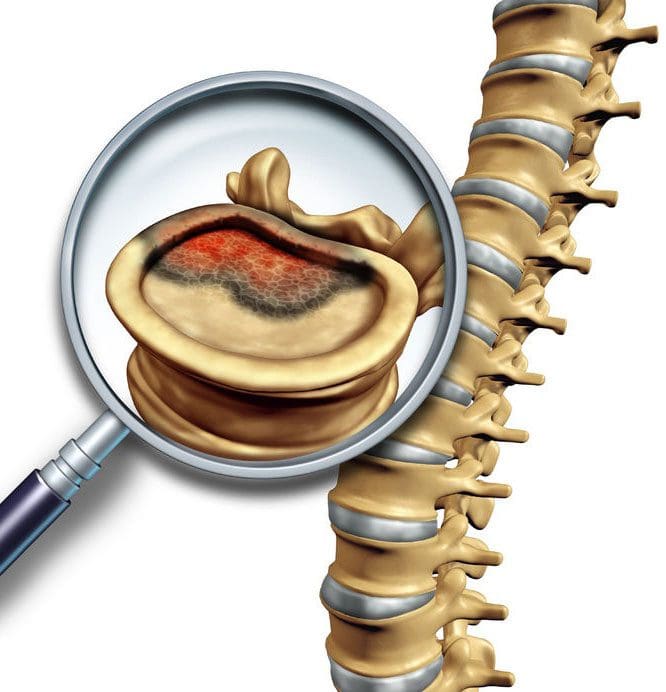
A vertebral compression fracture is a type of spinal fracture that can be caused by osteoporosis. This is a metabolic disease that weakens bone density and increases the risk of fracture/s in the spine, wrist, and hip. Osteopenia and osteoporosis affect millions, according to the National Osteoporosis Foundation. If left untreated, it can progress without an individual knowing and painlessly until the bone/s fracture. A vertebral compression fracture is more frequent than hip fractures and can lead to extended disability.
Vertebroplasty
Vertebroplasty is a minimally invasive treatment done through the skin for painful vertebral compression fractures. It also helps with strengthening the surrounding vertebral bodies also at risk of fracturing. Orthopedic bone cement is injected into the fractured vertebral body.
How is it performed?
Under general anesthesia, a specialized needle for bone is slowly inserted through the soft tissues of the back towards the vertebral compression fracture. The surgeon sees the position of the needle at all times through a real-time x-ray. Once reached a small amount of orthopedic bone cement, called polymethylmethacrylate, is injected into the vertebral body. Polymethylmethacrylate is a medical-grade bone cement that’ss been used for years for various orthopedic procedures.
The cement can sometimes be combined with an antibiotic to reduce the risk of infection along with a powder that has barium or tantalum. This allows it to be seen on the x-ray. The cement is a thick paste that hardens quickly. The fractured body is injected on the right and left sides, the midline of the back. After a few hours, the patient is up and moving. Most go home on the same day.
Balloon kyphoplasty
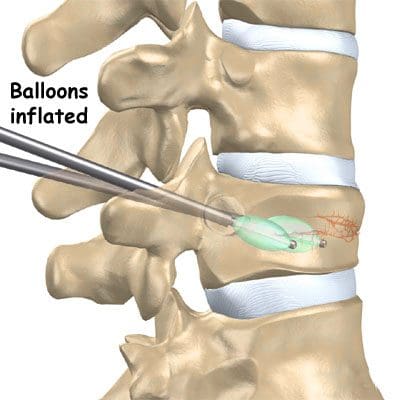
Balloon Kyphoplasty is another newer minimally invasive surgery for vertebral compression fractures that can be associated with osteoporosis. Kyphoplasty utilizes a balloon that expands the compressed bone to help restore lost vertebral height while creating a space where bone cement is injected. Kyphoplasty stabilizes fractures, restores lost vertebral height, and reduces deformities.
How it is performed?
Balloon kyphoplasty is performed under local or general anesthesia. Using real-time x-ray two small incisions are made, and a probe is inserted into the vertebral body space. The bone is drilled and balloon/s, called a bone tamp is a pump that is inserted on each side.
These balloons are inflated with contrast medium so the surgeon can see on the real-time x-ray until each balloon expands to the correct height, and then are taken out. The balloon is used to create a space for the bone cement and helps expand the compressed vertebral body bone. The cement binds and stabilizes the fracture. The cement provides:
Strength
Stability
Hardens rapidly
Restores height
Relieves pain
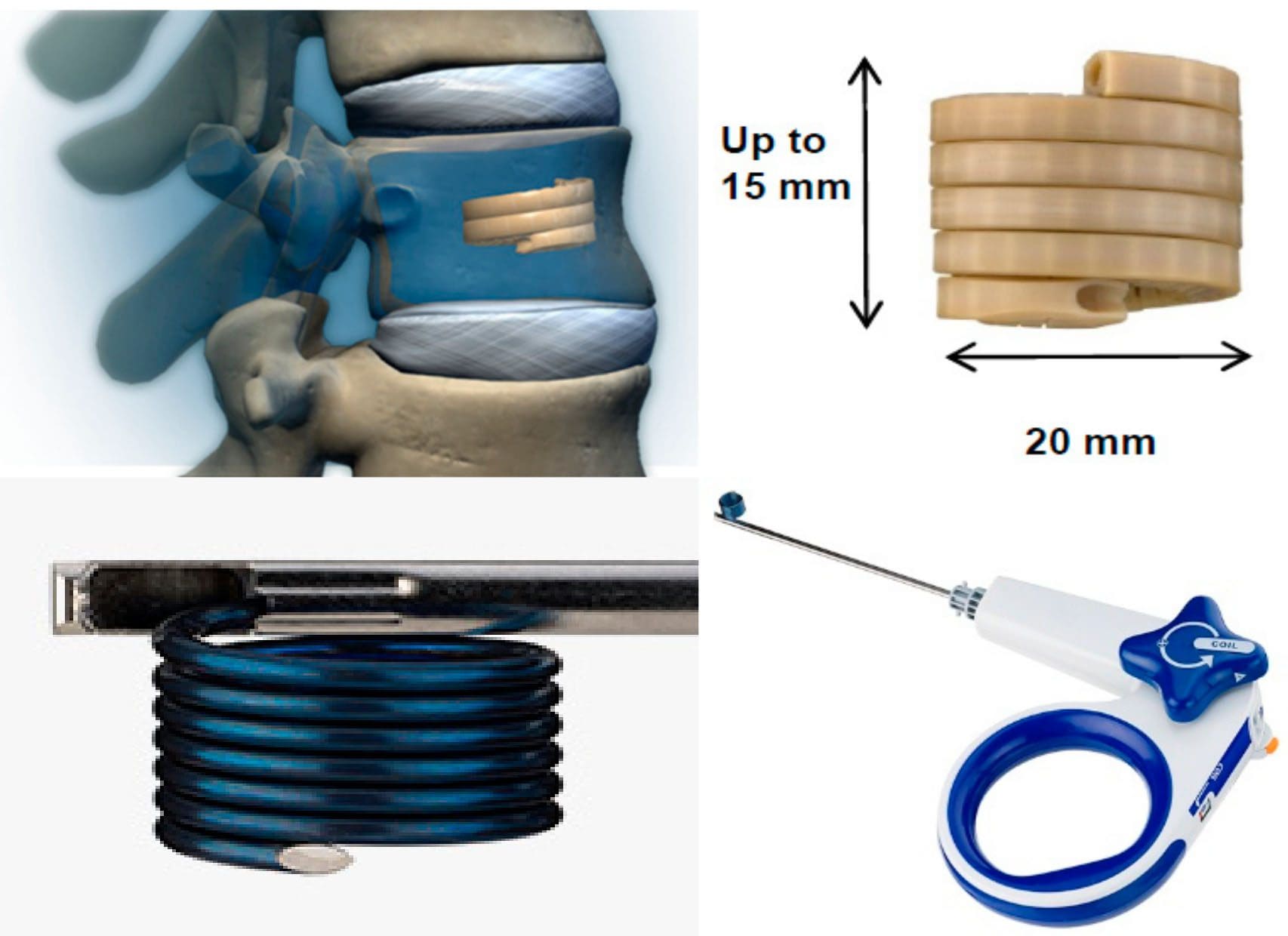
Vertebral augmentation implant
A vertebral augmentation implant is different from vertebroplasty and kyphoplasty. This minimally invasive procedure for middle and lower back spinal compression fractures utilizes a flexible loop spring style spinal implant. It is performed under local or general anesthesia. A real-time x-ray is used to visualize the spinal anatomy and guide the placement of the device. The implant is delivered through a small incision. Once the implant is in place, the bone cement is injected, and the implant is removed.
Potential benefits include:
Reduction of new fractures above or below the existing fracture
Improves the spine’s angle
Reduced spinal deformity
Reduces bone cement leakage
Reduces the amount of bone cement
Benefits of all
Vertebral compression fractures and the limited abilities of traditional surgical options led to the refinement of these surgical systems. Each procedure provides options, as to how the treatment helpsrelieve pain, reduce and stabilize fractures, reduce spinal deformity, and stop the progressive worsening of untreated osteoporosis.
Added benefits:
Surgical time is minimal
Local or general anesthesia is all that is needed
Hospital stay is a day or only a few hours
Patients can quickly return to normal activities
No bracing required
A spine surgeon will explain the purpose and aims of the recommended procedure, including the benefits and risks to help make an informed decision.
Foot Levelers Orthotics Reduce Low Back Pain
Dr. Alex Jimenez�s Blog Post Disclaimer
The scope of our information is limited to chiropractic, musculoskeletal, physical medicines, wellness, and sensitive health issues and/or functional medicine articles, topics, and discussions. We use functional health & wellness protocols to treat and support care for injuries or disorders of the musculoskeletal system. Our posts, topics, subjects, and insights cover clinical matters, issues, and topics that relate and support directly or indirectly our clinical scope of practice.*
Our office has made a reasonable attempt to provide supportive citations and has identified the relevant research study or studies supporting our posts. We also make copies of supporting research studies available to the board and or the public upon request. We understand that we cover matters that require an additional explanation as to how it may assist in a particular care plan or treatment protocol; therefore, to further discuss the subject matter above, please feel free to ask Dr. Alex Jimenez or contact us at 915-850-0900. The provider(s) Licensed in Texas& New Mexico*
A spinal tumor is an abnormal mass of tissue either inside the spine or outside. It is also called a neoplasm meaning a new abnormal growth. They can develop in the bone, spread to other parts of the spine, or outside the spine, like the lungs and chest. Tumor cells can multiply slowly or very rapidly. Tumors are either cancerous or non-cancerous. They can develop anywhere in the spine:
Cervical – neck
Thoracic – mid-back
Lumbar – low-back
Sacral – sacrum
It is not uncommon for spinal tumors to develop out of a tumor from the individual’s breast, lung, kidney, prostate, or another area of the body that has spread out.
Symptoms
Whether cancerous or not, spinal tumors can cause a variety of symptoms, including:
Pain not related to an injury or physical activity.
Pain in the back or neck that presents suddenly, quickly worsens, especially at night. This can be an indicator of a spinal tumor.
Pain that radiates to other parts of the body, like the arms, hands, legs, and feet.
The pain continues even when resting.
Muscle weakness or loss of sensation, especially in the legs, arms, or chest.
Difficulty walking
Abnormal curvature of the spine not from poor posture
Paralysis
Loss of bladder or bowel control
Lowered sensitivity to heat and cold
An individual could have a dominating symptom/s or a combination.
Causes
As previously mentioned these tumors can originally develop in another part of the body and then metastasize to the spine. These types of tumors are secondary tumors. Research scientists are still trying to figure out what exactly causesprimary tumors that originate in the spine. One theory believes genetics plays a role.
Early diagnosis
The most common symptom of a spinal tumor is pain. Examinations and diagnostic tests will be conducted both physical and neurological. A doctor or specialist needs to see and evaluate the spine. This is essential in diagnosing a potential tumor. A doctor could also order:
CT scan
MRI
PET scan – Positron Emission Tomography
Myelogram if there are symptoms of spinal cord compression
If the imaging reveals a tumor, a biopsy could be performed. A sample of tissue will be examined under a microscope to see if the tumor is cancerous or not. If the tumor is cancerous, the biopsy will show the type of cancer and determine the stage of the disease. Depending on the tumor type and location, other tests/procedures could be recommended.
Treatment
There are many factors that go into creating an optimal treatment plan. This includes whether the tumor is cancerous or not, size, location, and symptoms. Types of treatment:
Observe and wait as small non-cancerous tumors that are not growing or impinging/pinching other spinal structures could only need to be monitored for changes.
Surgery
Radiation treatment
Stereotactic radiosurgeryworks by delivering a high dose of radiation specifically targeted at the tumor
Chemotherapy
Chiropractor Personal Injury Attorney Recommended
Dr. Alex Jimenez�s Blog Post Disclaimer
The scope of our information is limited to chiropractic, musculoskeletal, physical medicines, wellness, and sensitive health issues and/or functional medicine articles, topics, and discussions. We use functional health & wellness protocols to treat and support care for injuries or disorders of the musculoskeletal system. Our posts, topics, subjects, and insights cover clinical matters, issues, and topics that relate and support directly or indirectly our clinical scope of practice.*
Our office has made a reasonable attempt to provide supportive citations and has identified the relevant research study or studies supporting our posts. We make copies of supporting research studies available to the board and or the public upon request. We understand that we cover matters that require an additional explanation as to how it may assist in a particular care plan or treatment protocol; to further discuss the subject matter above, please feel free to ask Dr. Alex Jimenez or contact us at 915-850-0900. The provider(s) Licensed in Texas& New Mexico*
IFM's Find A Practitioner tool is the largest referral network in Functional Medicine, created to help patients locate Functional Medicine practitioners anywhere in the world. IFM Certified Practitioners are listed first in the search results, given their extensive education in Functional Medicine