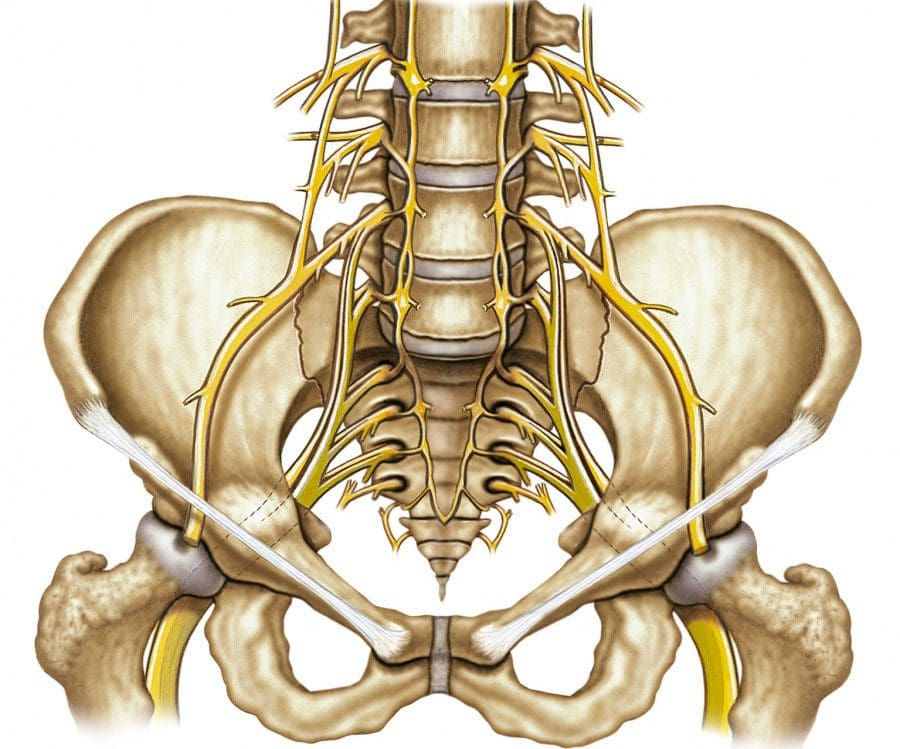
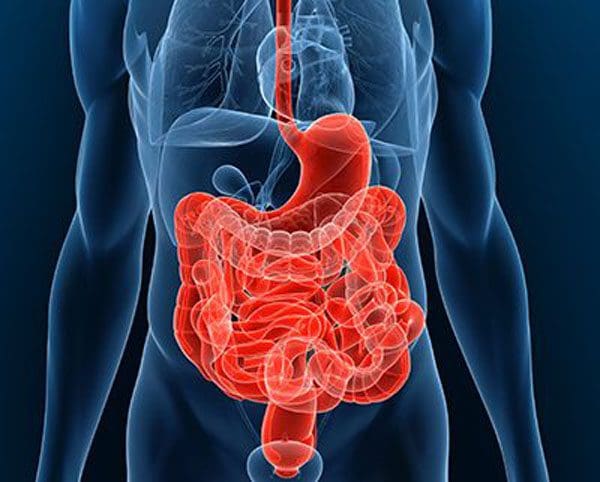
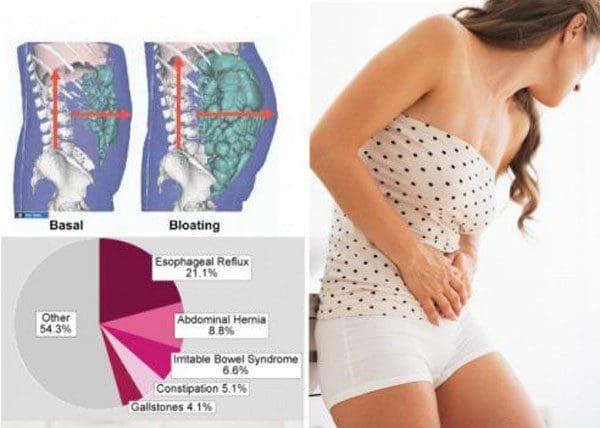
Stomach ache, acid reflux, gas, and other symptoms of gastric distress can be linked to spinal issues and misalignment. The spinal cord sends nerve signals to all parts of the body, specifically those affecting digestion functions. The lumbar spine/lower back includes the sacrum which is vital in terms of nerve function.
Various spinal cord issues could cause problems with the rest of the body. These include:
Disc compression
Herniated discs
Strained ligaments
Misalignments/problems in the lower back can result in gastric symptoms like:
Constipation
Diarrhea
Bloating
Gas
Bladder malfunction
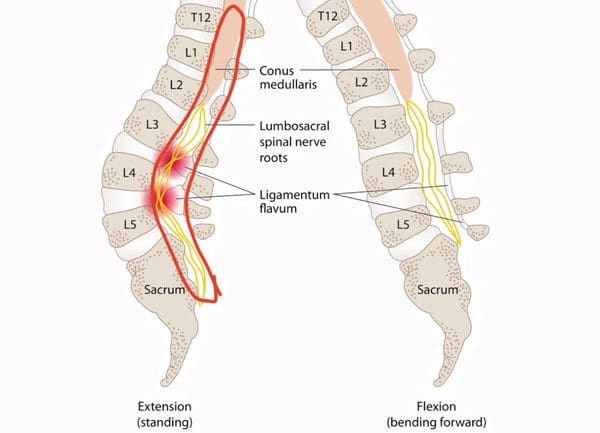
This is because this area of the spine includes sympathetic and parasympathetic nerves that are connected to the digestive system. Any problem with these systems can result in miscommunicated signals to the rest of the body. The wide-range effects that compressed nerves can have on the body, as well as, how the spine is affected by the obstruction of these nerves, can be detrimental.
Chiropractic adjustments can help alleviate and release the gastric distress are able to correlate their spine�s role in gut health. This along with an education on the central nervous system. A chiropractic approach can help as a long-term solution to gastric distress.
The Nerves
Every organ in the body functions by sending and receiving electrical impulses, transmitted through the nerves. These impulses direct the function of organs. If blocked or the signals are improperly/partially sent/received, various health issues can begin to present. For the gut, proper nerve signal transmission at full capacity is crucial. The stomach needs to be able to properly digest food while absorbing nutrients and preparing for waste removal. This is where gastric distress conditions begin like:
Irritable bowel syndrome – IBS
Gastroesophageal reflux disease – GERD
Abdominal pain syndrome – APS
Nerve conditions worsen with time if the health and function of the affected nerves are not restored. This could mean severe chronic symptoms and the possibility of permanent nerve damage.
Nerve Blockage
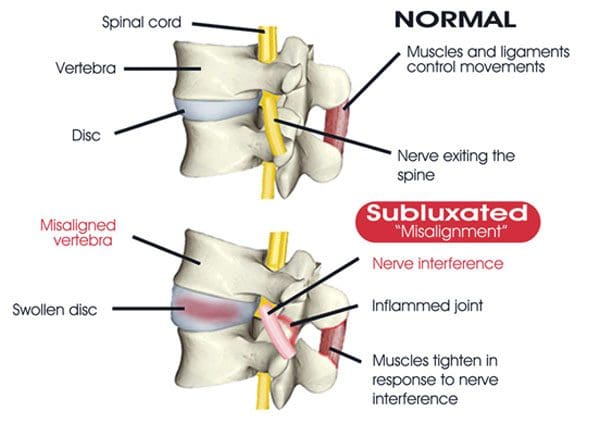
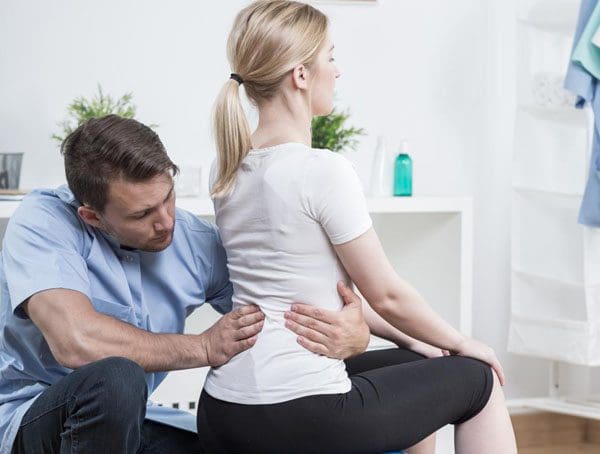
Messed up nerve signals are usually pinched, blocked, or displaced. Most nerve bundles exit through the spine and are usually where a chiropractic exam will start. Through palpitation of the spine along with diagnostic imaging, a chiropractor can track down exactly where the nerve blockage/s are taking place.
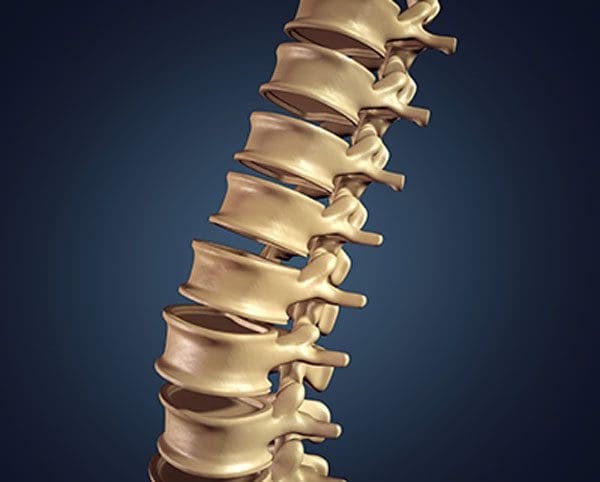
The lower back and upper back are common areas to examine. This is because a majority of abdominal organ nerves branch out from these spinal segments. If spinal subluxations are present, more than likely they are affecting the function of these organs. Chiropractic will adjust the spine and reset/realign the spine to its proper form, allowing for proper blood circulation. Compressed nerves can also cause inflammation that could require more complex treatment.
Listening to the Body
If the gut is presenting with aches, and bloating after every meal, it could be indicating that something is wrong or off. Individuals cannot feel blocked nerve signals, but the gut can. Listen to it when it is alerting an issue or problem. We want to educate our patients on gut and spinal health. Chronic gastric distress can be corrected with chiropractic.
Chiropractic Pain Relief
Dr. Alex Jimenez�s Blog Post Disclaimer
The scope of our information is limited to chiropractic, musculoskeletal, physical medicines, wellness, and sensitive health issues and/or functional medicine articles, topics, and discussions. We use functional health & wellness protocols to treat and support care for injuries or disorders of the musculoskeletal system. Our posts, topics, subjects, and insights cover clinical matters, issues, and topics that relate and support directly or indirectly our clinical scope of practice.*
Our office has made a reasonable attempt to provide supportive citations and has identified the relevant research study or studies supporting our posts. We also make copies of supporting research studies available to the board and or the public upon request. We understand that we cover matters that require an additional explanation as to how it may assist in a particular care plan or treatment protocol; therefore, to further discuss the subject matter above, please feel free to ask Dr. Alex Jimenez or contact us at 915-850-0900. The provider(s) Licensed in Texas& New Mexico*
References
Spiegel, Brennan M R et al. �Understanding gastrointestinal distress: a framework for clinical practice.��The American journal of gastroenterology�vol. 106,3 (2011): 380-5. doi:10.1038/ajg.2010.383
Kehl, Amy S et al. �Relationship between the gut and the spine: a pilot study of first-degree relatives of patients with ankylosing spondylitis.��RMD open�vol. 3,2 e000437. 16 Aug. 2017, doi:10.1136/rmdopen-2017-000437
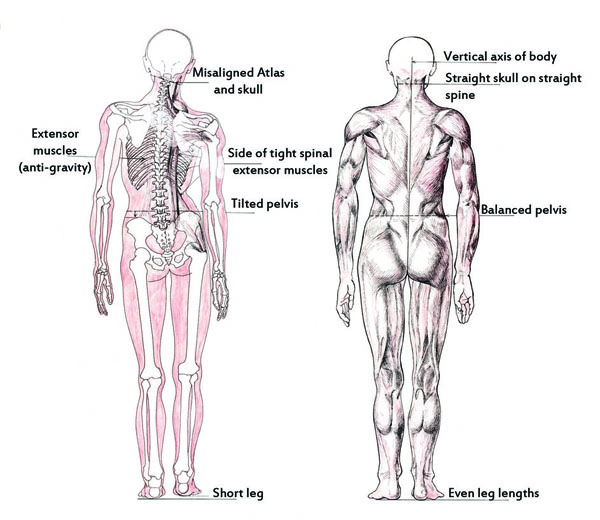
Most individuals go about their lives without thinking about poor posture and spinal misalignment, not to mention the spinal health problems/conditions that are associated with misaligned vertebrae. Most spinal misalignments come on as a result of:
Poor posture habits
Unhealthy diet
Destructive lifestyle choices
Sudden misalignments caused by accident/s or injury/s
Sudden misalignments can be associated with a direct cause that an individual can recognize increased symptoms and injury. It�s the long-term spinal misalignment that can become dangerous if left untreated and out of alignment. This is when it is time to see a chiropractor for an immediate spinal realignment.
Body Posture Mechanics
Poor posture along with poor body mechanics contributes to spinal misalignment. This creates unnecessary and consistent pressure on the:
Muscles
Ligaments
Joints
Discs
The pressure also causes a stretching of the nerves in the neck and low back. These nerves are responsible for transmitting, muscle expansion/contraction signals, vital information, and energy to the body’s organs. Any nerve interference will diminish the energy/blood flow to the limbs and organs. This can lead to disease and other major health complications like:
Chronic pain
Decreased mobility
Joint stiffness
Slouched posture
Reduced range of motion
Discomfort when sitting, standing, and lying down
Permanent joint/bone deformity/s
Broken bones, specifically in the spine
Most individuals do not recognize the gradual or long-term health problems linked to the spinal misalignment. Often the signs and symptoms are very subtle, so do not raise a cause for concern. The most direct symptoms of poor posture and spinal misalignment include:
Sore/stiff neck or back
Low energy
Tiredness/fatigue
Headaches
Back muscle spasms
Joint pain
Numbness
Tingling
Altered sensations
In addition to the symptoms, individuals should realize that underlying health conditions could also be linked to poor posture and spinal misalignment. If any of these symptoms are presenting see a chiropractor for an examination and proper diagnosis. These symptoms can be masked with pain killers, mattresses, or caffeinated drinks. However, these will not realign the spine to its proper form.
Chiropractic Lower Back Treatment
Dr. Alex Jimenez�s Blog Post Disclaimer
The scope of our information is limited to chiropractic, musculoskeletal, physical medicines, wellness, and sensitive health issues and/or functional medicine articles, topics, and discussions. We use functional health & wellness protocols to treat and support care for injuries or disorders of the musculoskeletal system. Our posts, topics, subjects, and insights cover clinical matters, issues, and topics that relate and support directly or indirectly our clinical scope of practice.*
Our office has made a reasonable attempt to provide supportive citations and has identified the relevant research study or studies supporting our posts. We also make copies of supporting research studies available to the board and or the public upon request. We understand that we cover matters that require an additional explanation as to how it may assist in a particular care plan or treatment protocol; therefore, to further discuss the subject matter above, please feel free to ask Dr. Alex Jimenez or contact us at 915-850-0900. The provider(s) Licensed in Texas& New Mexico*
References
Veintemillas Ar�iz, M T et al. �Changes in spinal alignment.� �Alteraciones de la alineaci�n vertebral.��Radiologia�vol. 58 Suppl 1 (2016): 115-27. doi:10.1016/j.rx.2016.01.007
Back or disc pain is becoming increasingly common for individuals of all ages. The spinal discs are prone to injury because of the extreme amount of pressure/stress placed on the lower back and neck. Fortunately, most cases of back pain heal on their own, while others can cause long-term chronic pain that can be difficult to manage, without proper treatment.
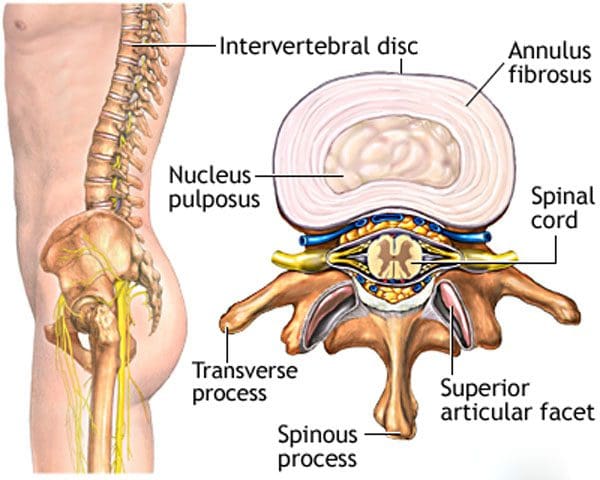
Different types of pain can be caused by problems with the spinal discs. The spinal discs are elastic sections of the spine that sit between the vertebrae. They are made up of materials called annulus fibrosus on the outside and a gel-like material called nucleus pulposus on the inside.
These discs are flexible, which allows for a range of motion to the spine and body shock absorption to increase comfort when in motion. When an individual visits a chiropractor, the practitioner will not know the exact cause of the pain, but only that it hurts around a certain area. Our spinal experts will help individuals understand the different types of ailments or conditions that could be affecting the spine. Then a customized treatment plan can be developed.
Disc problems
Spinal disc pain has two major sources of pain related to spinal discs: They are disc degeneration and nerve root pain. They are most common in the neck and the lower back. Individuals need to be informed of the difference to understand what is happening with the spine and potential treatment options to alleviate the pain and heal the problem.
Degenerative disc disease
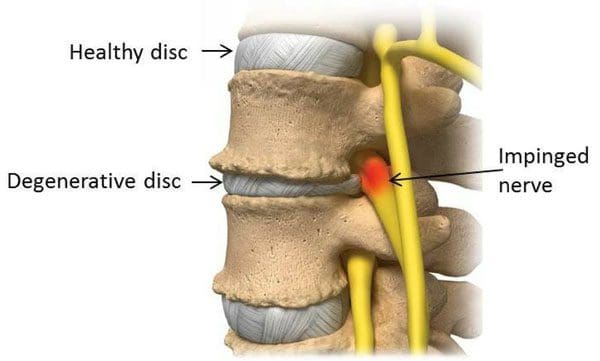
Degenerative disc disease is when the spinal discs begin to dry out and deteriorate. The discs start to shrink and can tear, which leaves that segment with little or no cushioning. This can cause pain, as well as inflammation of the surrounding muscles and joints. Disc degeneration usually presents with low levels of consistent pain and occasional severe flare-ups.
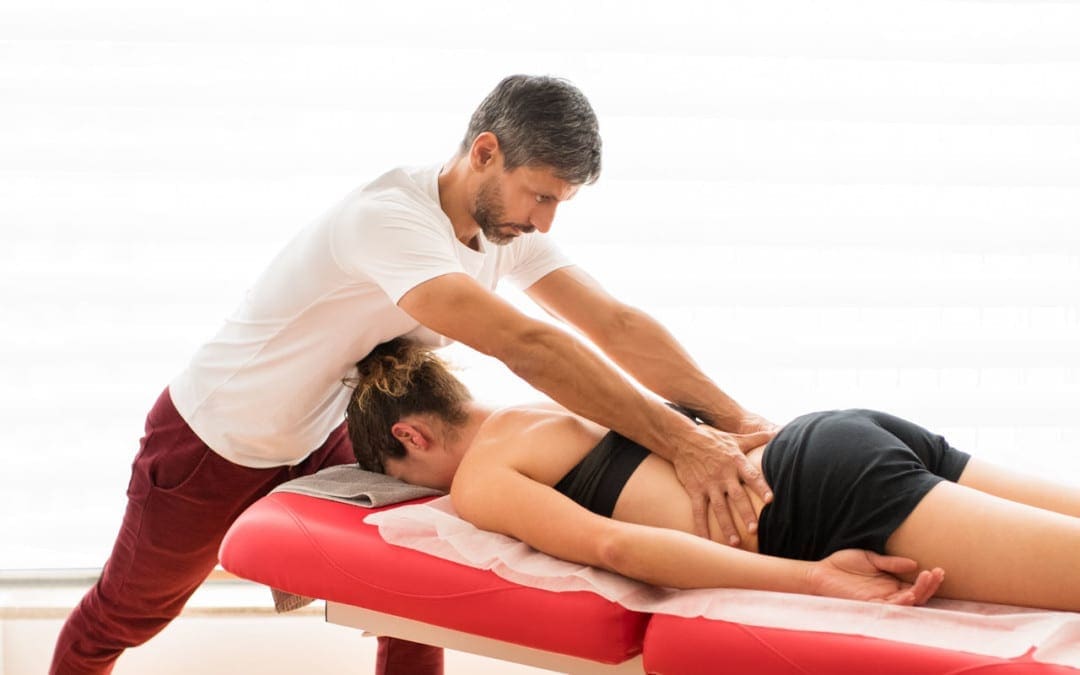
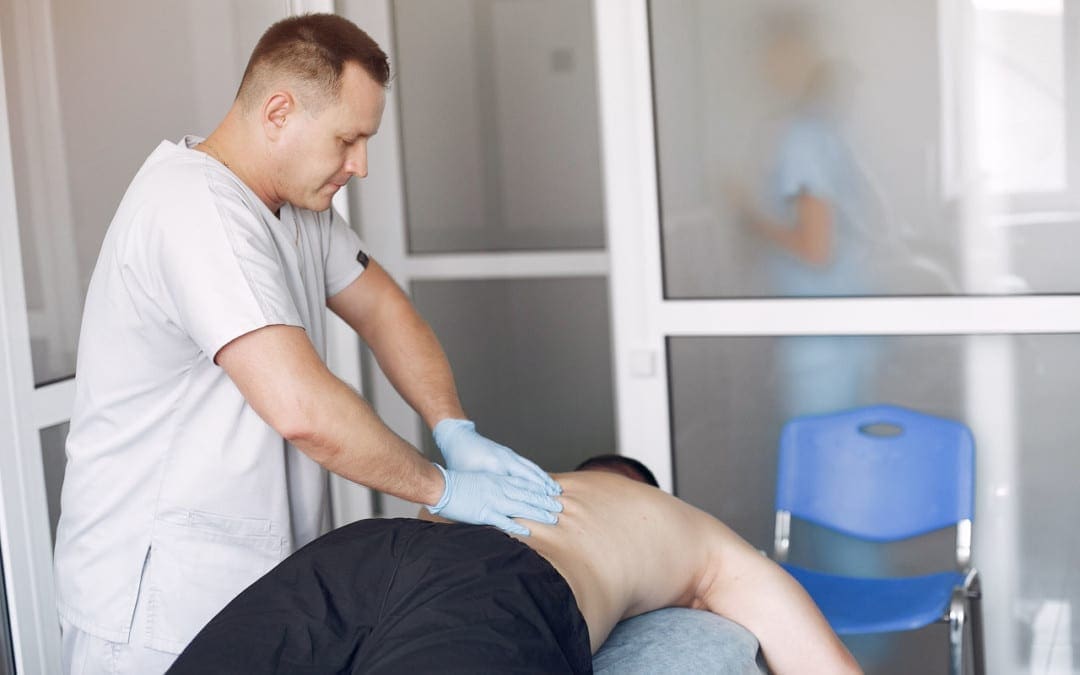
A chiropractor can utilize spinal manipulation to restore alignment, function, and mobility of the affected joint. Massages stretches and exercises will help alleviate the tension in the surrounding muscles along with strengthening them for better support.
Nerve root pain
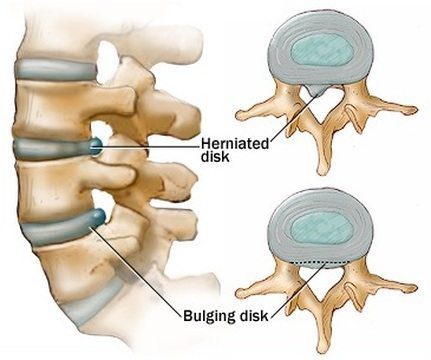
Nerve root pain does not take place within the disc but is usually caused by a bulging or herniated disc. This condition can be called a slipped disc or pinched nerve, affect the nerves that are in close proximity to the neck and lower vertebrae.
The pain can lead to numbness, tingling, and weakness along the path of the nerve, and radiate out to the arms and legs. A bulging disc is when the spinal disc progressively protrudes through a narrow opening.
This can irritate any nearby nerve roots causing inflammation and pain. If the disc herniates or breaks through then the outer protective material tears, letting the cushion/gel leak out and come in contact with the nerve root/s, which could also cause pinching and inflammation. Treatment for a bulging or herniated disc includes:
Spinal manipulation
Corrective exercises
Physical therapy
Massage
Diet adjustments
These treatments can help realign the disc/s, moving them away from any nerves, and minimizing inflammation.
Proper Identification and Diagnosis
Spinal disc problems can be similar in their pain and symptoms. For example, degenerative disc disease can weaken the spinal discs to such a degree that nerve root pain follows creating a dual combination of pain. The conditions require various approaches and treatment methods often done in combination. However, they require a proper diagnosis to create a proper and custom treatment program for every individual. This will ensure the root cause of the disc pain is properly identified and handled. Call us to learn more.
Skateboarding Injury Treatment
Dr. Alex Jimenez�s Blog Post Disclaimer
The scope of our information is limited to chiropractic, musculoskeletal, physical medicines, wellness, and sensitive health issues and/or functional medicine articles, topics, and discussions. We use functional health & wellness protocols to treat and support care for injuries or disorders of the musculoskeletal system. Our posts, topics, subjects, and insights cover clinical matters, issues, and topics that relate and support directly or indirectly our clinical scope of practice.*
Our office has made a reasonable attempt to provide supportive citations and has identified the relevant research study or studies supporting our posts. We also make copies of supporting research studies available to the board and or the public upon request. We understand that we cover matters that require an additional explanation as to how it may assist in a particular care plan or treatment protocol; therefore, to further discuss the subject matter above, please feel free to ask Dr. Alex Jimenez or contact us at 915-850-0900. The provider(s) Licensed in Texas& New Mexico*
References
Browning, J E. �Chiropractic distractive decompression in the treatment of pelvic pain and organic dysfunction in patients with evidence of lower sacral nerve root compression.��Journal of manipulative and physiological therapeutics�vol. 11,5 (1988): 426-32.
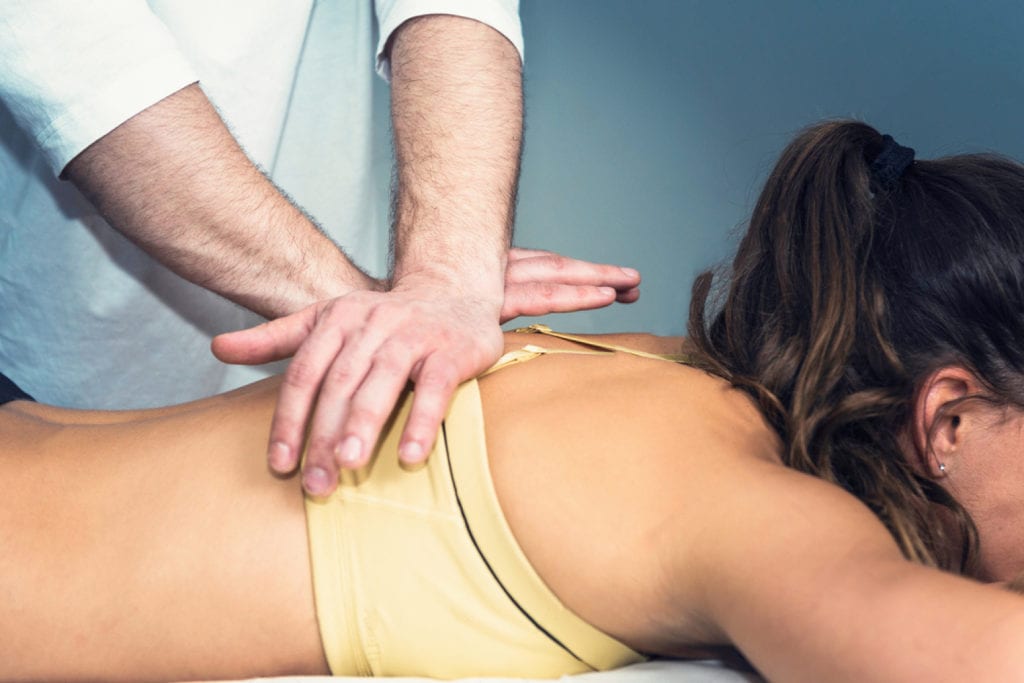
Chiropractic spinal mobilization techniques involve the slow and steady movements of the spine’s joints reestablishing their range of motion. Because it is a slower treatment style the techniques are done with the hands. However, a chiropractor can use various instruments/tools as well.
Spinal mobilization treatment has the same focus as spinal manipulation. To get the body back to optimal health and allow the body to heal itself naturally. However, there can be a variety of reasons for utilizing spinal stabilization, with treatment depending on the patient’s needs, if there are underlying conditions, or previous injury/s, and individual preference.
Some prefer mobilization because it is gentler and does not generate the pops or cracking sounds. And the chiropractor’s style/specialization comes into play. Some work in the firm manipulation high-velocity style, while others utilize the softer mobilization style and others work in combination.
This adjustment re-alignment utilizes the necessary force to release the joint out of its restricted motion to improve mobility and reduce pain. There are various types of high-velocity low-amplitude manipulation approaches. These are the more common manipulation techniques:
Diversified Technique
This high-velocity low-amplitude technique is the one that is commonly associated with chiropractic manual adjustments. The chiropractor applies a short – low-amplitude, quick high-velocity thrust of the restricted joints. This is done one at a time with the objective to restore the normal range of motion. The patient is positioned in various positions to optimize the adjustment/alignment.
Gonstead Adjustment
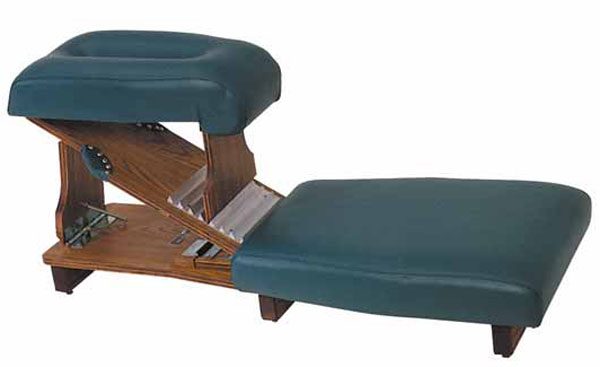
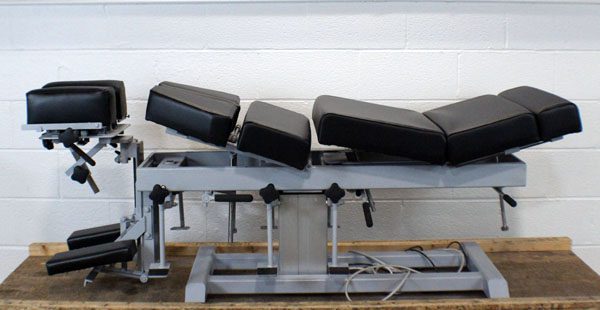
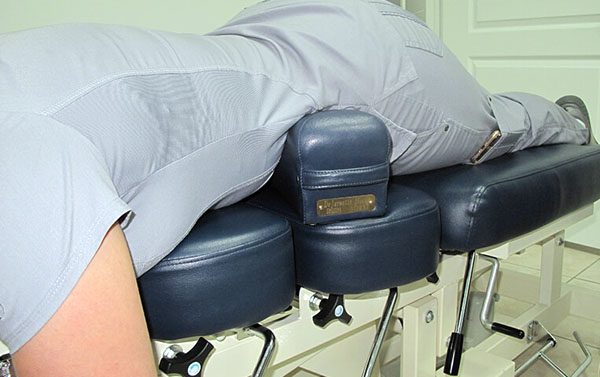
The Gonstead technique is another high-velocity low amplitude adjustment. It is similar to the diversified technique. The difference is the evaluation performed to specifically locate the painful joint and positioning of the body as the treatment is performed. Chiropractic or physical therapy chairs and tables can be used to position the patient for optimal treatment, like a cervical chair or a chest-knee table.
Thompson Terminal Point Drop Technique
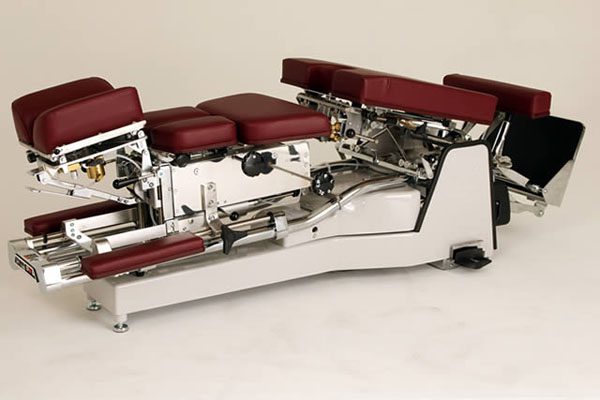
Here specialized treatment tables with sections that drop down during a high-velocity low-amplitude thrust. The idea is that as the table drops the piece dropped allows for easier movement of the joint. A cracking sound can sometimes be heard. It depends on the patient and their condition. This type of manipulation can also be done in a gentle fashion making it a form of spinal mobilization.
Spinal mobilization
Slow steady motion/movements are performed to mobilize the joint. Spinal mobilization can be recommended for certain individuals for different reasons like:
Individual preference for spinal mobilization over spinal manipulation
Individuals with a sensitive nervous system can benefit from the gentle technique. This can keep the body from experiencing a negative reaction that can cause muscle spasms or other issues.
Individuals with certain conditions could be given a recommendation for spinal mobilization. This could be:
Individuals in the acute stage of their condition and experiencing severe pain
Obesity can be a factor as the positioning and the manipulation procedures can be a challenge for the provider and the patient requiring a low force approach.
Mobilization Approaches
The more common spinal mobilization approaches include:
Activator Technique
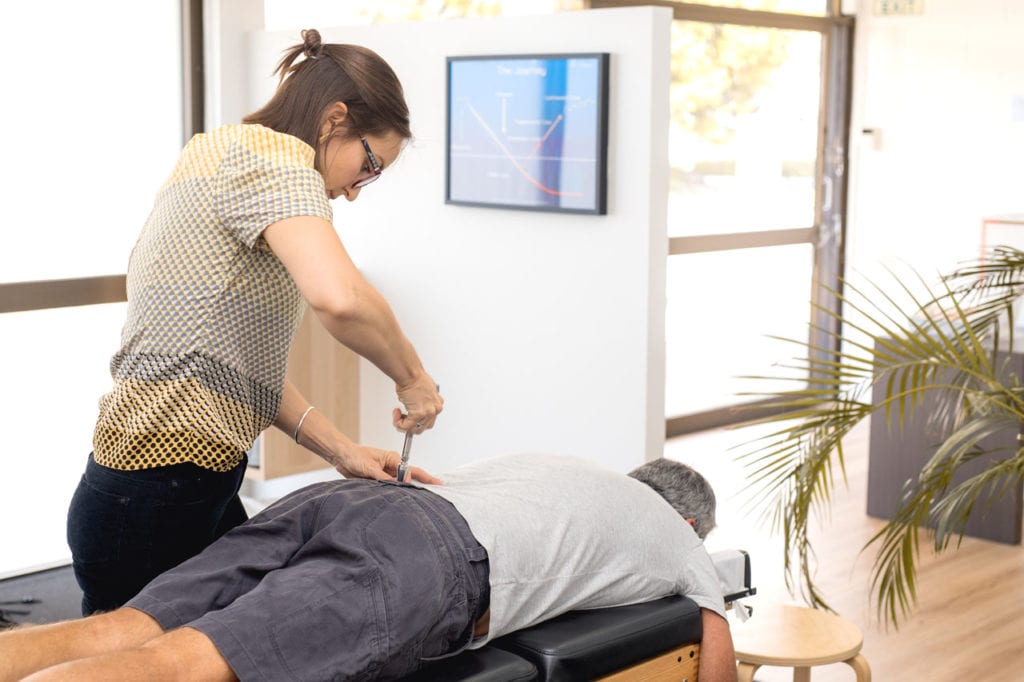
The Activator is a hand-held, spring-loaded tool that generates a low-force impulse. A patient lies face down on the adjustment table, while the chiropractor:
Examines leg length
Performs muscle testing
Adjusts the spine and/or extremity joints
Cox Flexion-Distraction Technique
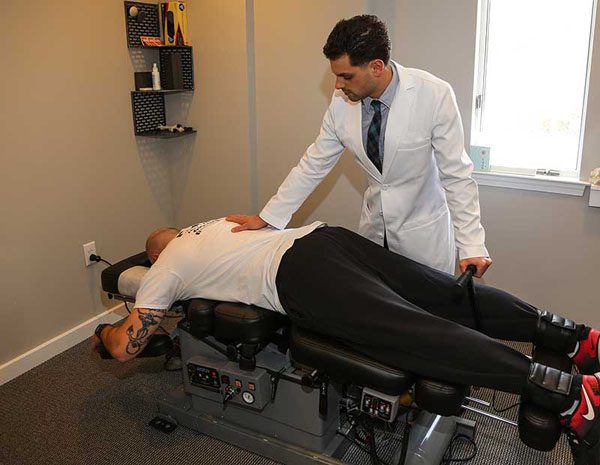
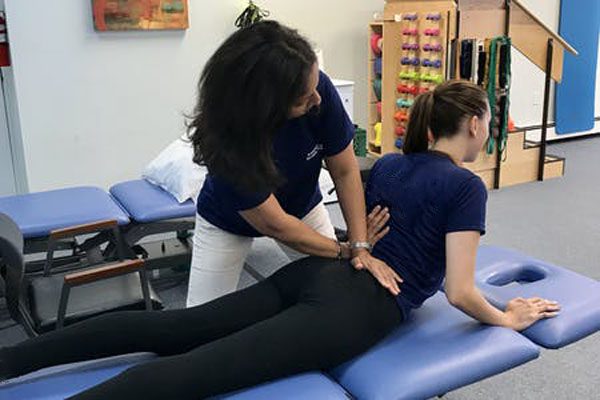
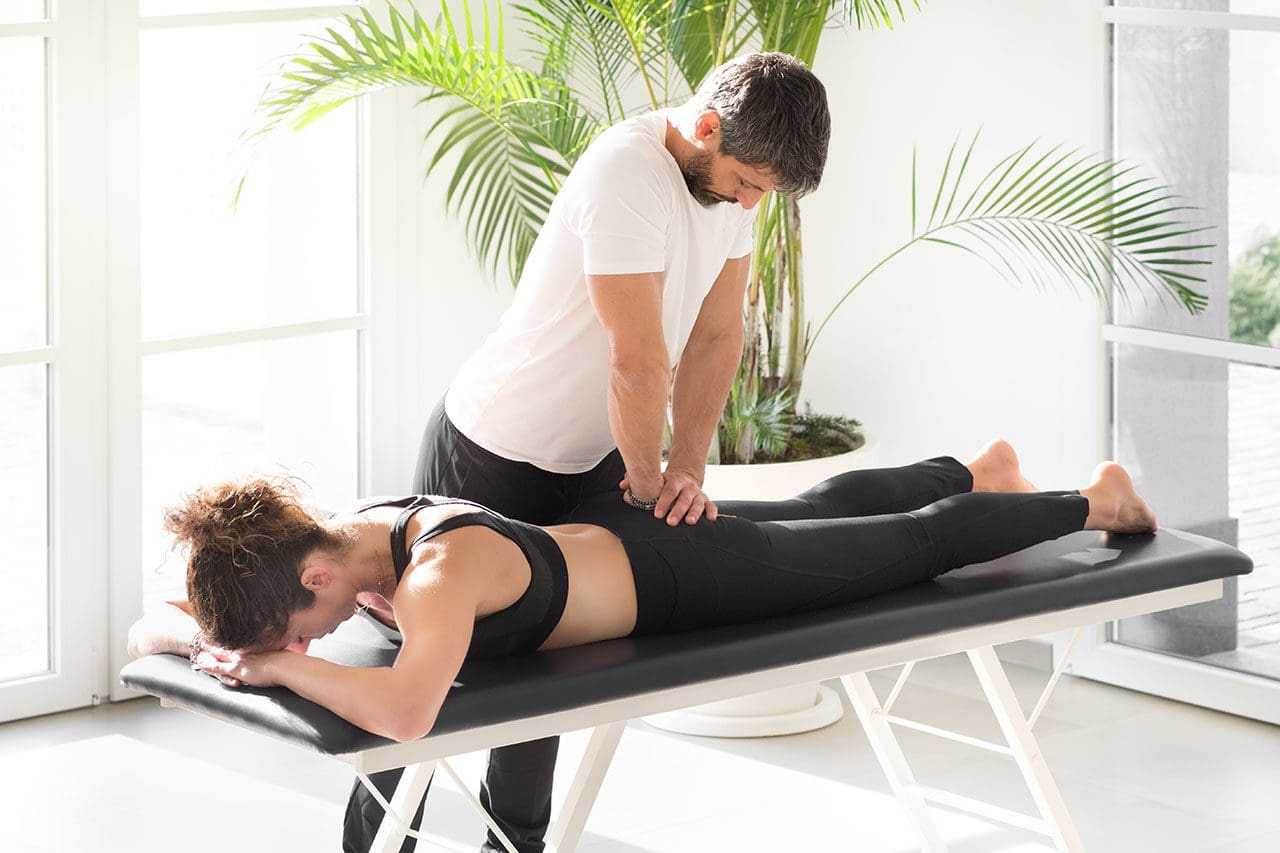
Here a gentle adjustment is designed to adjust the vertebrae by gently stretching the lower spine. This is usually performed in a series of repetitive slow movements like a steady rocking motion.
Toggle Drop
Here gravity is utilized to apply the adjustment. The chiropractors’ hands are crossed and on top of each other. Then the chiropractor presses down quickly and firmly on the area of the spine while a section of the table drops. The table sections can be raised and dropped according to the localization of the spinal adjustment.
McKenzie Technique
This technique incorporates active patient involvement, empowerment, and self-care as part of the treatment.
Spinal Release
The chiropractor separates the misaligned vertebrae by applying gentle pressure using the fingertips, with the objective to restore the spine back to a natural position.
Sacro-Occipital Technique – SOT
This technique utilizes wedges/blocks under the pelvis. This allows gravity with added low-force to assist the chiropractor to realign the pelvis.
Sciatica Alleviation
All of these techniques can be utilized by a chiropractor for sciatic nerve pain alleviation or can discover other conditions that could be mimicking sciatica.
Nerve mobilization techniques have been recently used as a method to adjust radiating pain related to disc disease, and in particular, mobilization techniques for the sciatic nerves improve mobility of the sciatic nerves, decrease mechanosensitivity of the nervous system, and heighten compliance of nerve tissues, relieving low back pain. Jeong, Ui-Cheol et al. �The effects of self-mobilization techniques for the sciatic nerves on physical functions and health of low back pain patients with lower limb radiating pain.��Journal of physical therapy science�vol. 28,1 (2016): 46-50. doi:10.1589/jpts.28.46
Sciatica Rehabilitation Causes and Symptoms
Dr. Alex Jimenez�s Blog Post Disclaimer
The scope of our information is limited to chiropractic, musculoskeletal, physical medicines, wellness, and sensitive health issues and/or functional medicine articles, topics, and discussions. We use functional health & wellness protocols to treat and support care for injuries or disorders of the musculoskeletal system. Our posts, topics, subjects, and insights cover clinical matters, issues, and topics that relate and support directly or indirectly our clinical scope of practice.*
Our office has made a reasonable attempt to provide supportive citations and has identified the relevant research study or studies supporting our posts. We also make copies of supporting research studies available to the board and or the public upon request. We understand that we cover matters that require an additional explanation as to how it may assist in a particular care plan or treatment protocol; therefore, to further discuss the subject matter above, please feel free to ask Dr. Alex Jimenez or contact us at 915-850-0900. The provider(s) Licensed in Texas& New Mexico*
There is a multitude of chiropractic techniques for spinal alignment. They are used by chiropractors all over the world. All chiropractors have their favorite and specific techniques that they utilize. Depending on how long they have been practicing they can have five to ten different approaches or more refined techniques from years of experience.
The focus of these chiropractic techniques is to get the body back to optimal health and allow the body to heal itself naturally. As the body gets restored joint function is enhanced, muscle tension is released, and inflammation and pain are alleviated.
Various approaches use a form of force, hence the manipulation of the spine. The chiropractic adjustment technique that is the most common is spinal manipulation. It can also be called the diversified technique or HVLA – high-velocity, low-amplitude thrust.
However, chiropractic techniques are continually evolving. This comes from creating variations on existing techniques, a combination of techniques, or the chiropractor needs to adjust/tweak their own specific technique/s because they begin to suffer overuse injury/s from the constant adjusting, pushing, thrusting motions. Most techniques are named after the chiropractor that developed the method. These are the most common spinal manipulation techniques currently in use.
Manipulation Techniques
Chiropractic adapts to the condition/s and specific needs of each individual. Treatment plans can involve a forceful approach and a gentler force technique. This could happen during the same visit or the treatment plan could be half forceful adjustments, that could range from 6 to 10 visits, with the final visits using the gentle approach.
Spinal Manipulation
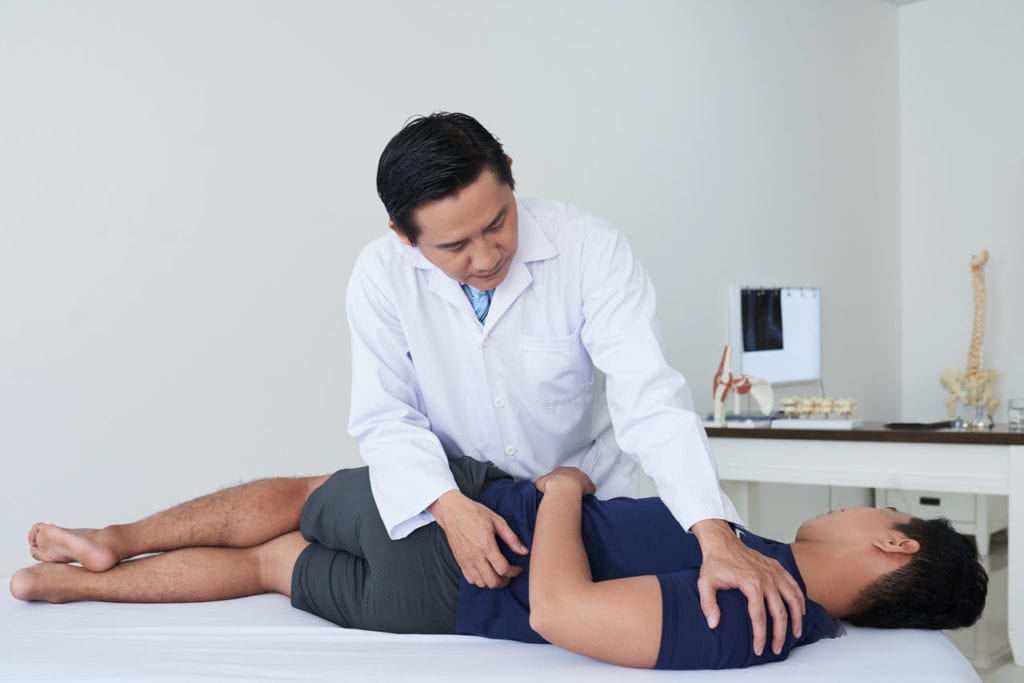
This is the High-Velocity Low-Amplitude Thrust technique. The most frequently used chiropractic technique. This is the manipulation that most are familiar with because of the audible pop that results. This is from the chiropractor’s hands applying a controlled quick forceful thrust to the spine while the body is positioned in a specific way.
Spinal Mobilization
This is the Low-Force/Gentle Chiropractic Technique. These techniques are for individuals that require a gentler approach. The technique is known as spinal mobilization. This approach could be utilized due to:
Underlying conditions like Osteoporosis for example
Some chiropractors prefer and/or specialize in mild spinal mobilization techniques. These are techniques that do not involve twisting the body or using forceful thrusts. Along with spinal mobilization, chiropractors often employ complementary therapy, as part of an overall treatment plan. This could be:
Ice
Heat
Physical therapy
Electric stimulation
Ultrasound
Individuals need to discuss symptoms and preferences with the chiropractor. It is their role to perform a thorough examination to determine the most optimal treatment plan satisfactory to the patient. Chiropractors are not the only health care providers who utilize spinal manipulation for back pain. Osteopathic physicians can also provide types of spinal adjustments. Physical and massage therapists often work with chiropractors with continued treatment. They are fully trained in providing spinal therapy as well.
Pregnancy Lower Back Pain Chiropractic Treatment
Dr. Alex Jimenez�s Blog Post Disclaimer
The scope of our information is limited to chiropractic, musculoskeletal, physical medicines, wellness, and sensitive health issues and/or functional medicine articles, topics, and discussions. We use functional health & wellness protocols to treat and support care for injuries or disorders of the musculoskeletal system. Our posts, topics, subjects, and insights cover clinical matters, issues, and topics that relate and support directly or indirectly our clinical scope of practice.*
Our office has made a reasonable attempt to provide supportive citations and has identified the relevant research study or studies supporting our posts. We also make copies of supporting research studies available to the board and or the public upon request. We understand that we cover matters that require an additional explanation as to how it may assist in a particular care plan or treatment protocol; therefore, to further discuss the subject matter above, please feel free to ask Dr. Alex Jimenez or contact us at 915-850-0900. The provider(s) Licensed in Texas& New Mexico*
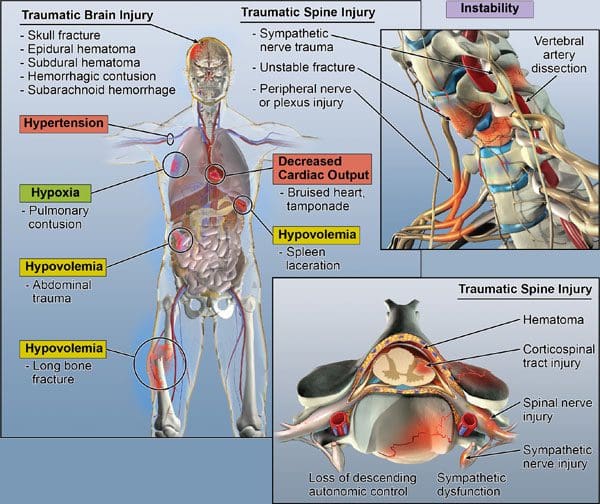
With an intense automobile, work, sporting/fitness accidents, and natural disasters, individuals can experience multiple traumas, also known as polytrauma. Recovery and rehabilitation can be challenging journeys. Multiple traumas are serious medical emergencies only given to individuals going through difficult situations. Polytrauma references multiple severe traumas that occurred at the same time. An individual can experience a:
Physical therapy and chiropractic rehabilitation could be part of a treatment program. This is to restore the body’s mobility, function and promote the body’s natural healing abilities. The importance of creating the proper rehabilitation program can make all the difference, and restoring the integrity of the spine is critical.
Spinal Stabilization
Any trauma, despite its severity, can have the potential to interfere/disrupt spinal functions.
Suffering a concussive hit to the head could cause damage to the cervical spine.
Falling off a ladder could shift the vertebral discs.
Hitting the knee on an object can cause a spinal misalignment from shifting the weight to the other leg for a day or two.
Spinal misalignments and/or dysfunction are common in multiple trauma cases. Dealing with broken bones and substantial wounds often means the spine could need to be realigned even if there are no localized injuries to the back or neck. Spinal misalignment, translation/rotation, herniated discs, or other conditions can hinder the overall recovery process and present new health issues.
Nerve Damage
Often, a lasting issue from multiple traumas is nerve damage. The severity can destroy nerve endings, making it impossible to regain feeling or movement in certain areas of the body. The nerve damage can be regenerated if the impediment is rooted in the spine and is addressed in time.
Correcting spinal discs that have shifted along with subluxations that can compress the nerves and interfere with signal communication can help restore the areas directly affected. Example: Broken arms or legs can lose sensations that can be regained by spinal realignment. Some arteries follow the spinal pathway. Proper circulation/blood flow is achieved when the spinal integrity is restored, which is essential in natural recovery.
Trauma Beyond the Injury
Developing the correct rehabilitation treatment plan could mean the difference in a speedy and healthy recovery. Chiropractic can be an integral part of the recovery process, especially for a body that has sustained severe musculoskeletal injuries. The spine is an extension of the central nervous system. This means that bringing relief to the spine can affect positive healing in the injured areas. The critical role of the spine in an individual’s rehabilitation and whole well-being is why no matter the extent of the trauma, we deliver relief.
Auto Accident Injury Treatment
References
Kroupa, J. K definici polytraumatu a polytraumatismu [Definition of “polytrauma” and “polytraumatism”].Acta chirurgiae orthopaedicae et traumatologiae Cechoslovaca vol. 57,4 (1990): 347-60.
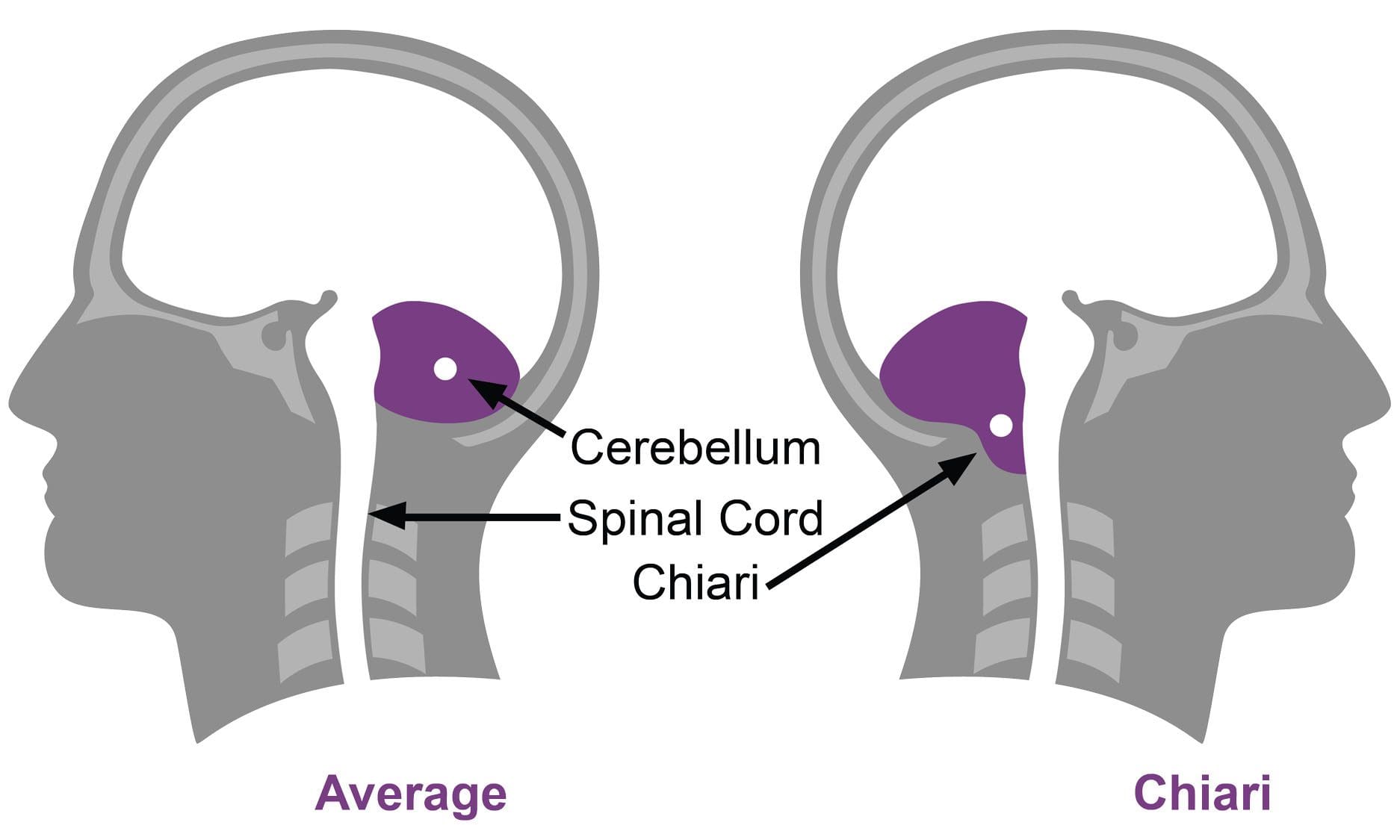
Chiari malformation is a condition that causes brain tissue to extend out and settle into the spinal canal. It protrudes out where the skull and neck meet. It occurs because part of the skull is too small or shaped in a unique way that allows part of the brain to settle into the foramen magnum. The foramen magnum is a large opening at the bottom of the skull. The brain’s nerves go through into the spinal canal and join the spinal cord. However, only the nerves should be present. The brain should not be able to push/press/leak through. When it does this is Chiari malformation.
Causes
Chiari malformation can be caused by structural problem/s with the:
Brain
Skull
Spinal canal
Structural conditions/issues can be present at birth, which are congenital defects. This is also called primary Chiari malformation and is not caused by any other condition. Secondary Chiari malformations are caused by something else, most often through surgery. This is extremely rare, but it is possible to develop after having surgery to remove a tumor in the skull or neck region. A surgeon could have removed too much bone while removing the tumor. This allowed the brain to settle into the open space.
Types
There are 4 types and are categorized by how much brain tissue protrudes into the spinal canal.
Type I
This is the adult version and is also the most common.
It is usually first noticed and discovered from an examination for something else. Most individuals don’t realize that they have Chiari malformation unless the symptoms are severe. With Type I a part of the brain, specifically the cerebellar tonsils settle into the foramen magnum.
Type II
Type II is also known as Arnold-Chiari malformation. This is the pediatric version. Symptoms are more severe with Type II because more brain tissue comes through. With this type, the cerebellar tonsils and some of the brainstem protrude. With Type II myelomeningocele, which is a form of spina bifida is a concern. What happens is the vertebrae and spinal canal do not close correctly before birth, so the spinal cord has no protection.
Type III
This type also affects children and is more severe than types 1 or 2. Here a significant portion of the brain, including the cerebellum and the brainstem protrude all the way through the foramen into the spinal canal.
The symptoms vary based on the type and severity. The most common symptom is a headache. Individuals with a Chiari malformation usually have headaches in the occipital region of the brain. This is the back of the head, right where the skull joins the cervical spine/neck. The headaches can be aggravated being in certain positions and actions, tilting the head back, and coughing. Typical symptoms include:
However, Chiari malformation can interrupt the flow of cerebrospinal fluid. Cerebrospinal fluid is necessary to protect the brain and spinal cord. If the normal flow is disrupted it becomes more difficult for the brain and spinal cord to send/receive nerve messages. The pressure built up can also cause nerve issues/problems. For some individuals, symptoms can come and go. This depends on how much cerebrospinal fluid has built up. Individuals with Type I sometimes don’t have any symptoms. It all depends on the severity.
Diagnosis
Diagnosis is done with a magnetic resonance imaging test or MRI. The MRI will show the various parts of the brain, skull, spinal cord, and spinal canal. They will be able to see abnormalities that could point to Chiari malformation.
Treatment
The recommended treatment depends on the severity. If pain is presenting a doctor could recommend pain medications to help manage the pain. Non-steroidal anti-inflammatory meds could also be recommended to reduce inflammation. Analgesics or pain killers can be recommended. Often both non-steroidal anti-inflammatories and analgesics are available in over-the-counter and prescription. The doctor will figure out the best medication treatment plan.
Surgery can be used to relieve symptoms and is the only way to relieve the pressure on the spinal cord and nerves. The goal is to stop the malformation from worsening. Surgeons use a posterior fossa decompression procedure. The surgeon removes part of the skull to make more room for the brain to sit in. This takes the pressure off the brain and spinal cord, and should reduce the neurological symptoms and problems. The surgeon may increase the size of the dura or the sac around the brain.
Laminectomies at C1 and C2, which are the first and second levels of the neck and are utilized to make more room for the brain. The surgeon will place a patch that is made from animal or synthetic tissue that will grow into the dura. The patch makes the dura bigger, which allows more room for the brain. Not all surgeries involve the dural patch.
Neck Pain Chiropractic Care
Dr. Alex Jimenez�s Blog Post Disclaimer
The scope of our information is limited to chiropractic, musculoskeletal, physical medicines, wellness, and sensitive health issues and/or functional medicine articles, topics, and discussions. We use functional health & wellness protocols to treat and support care for injuries or disorders of the musculoskeletal system. Our posts, topics, subjects, and insights cover clinical matters, issues, and topics that relate and support directly or indirectly our clinical scope of practice.*
Our office has made a reasonable attempt to provide supportive citations and has identified the relevant research study or studies supporting our posts. We also make copies of supporting research studies available to the board and or the public upon request. We understand that we cover matters that require an additional explanation as to how it may assist in a particular care plan or treatment protocol; therefore, to further discuss the subject matter above, please feel free to ask Dr. Alex Jimenez or contact us at 915-850-0900. The provider(s) Licensed in Texas& New Mexico*
IFM's Find A Practitioner tool is the largest referral network in Functional Medicine, created to help patients locate Functional Medicine practitioners anywhere in the world. IFM Certified Practitioners are listed first in the search results, given their extensive education in Functional Medicine