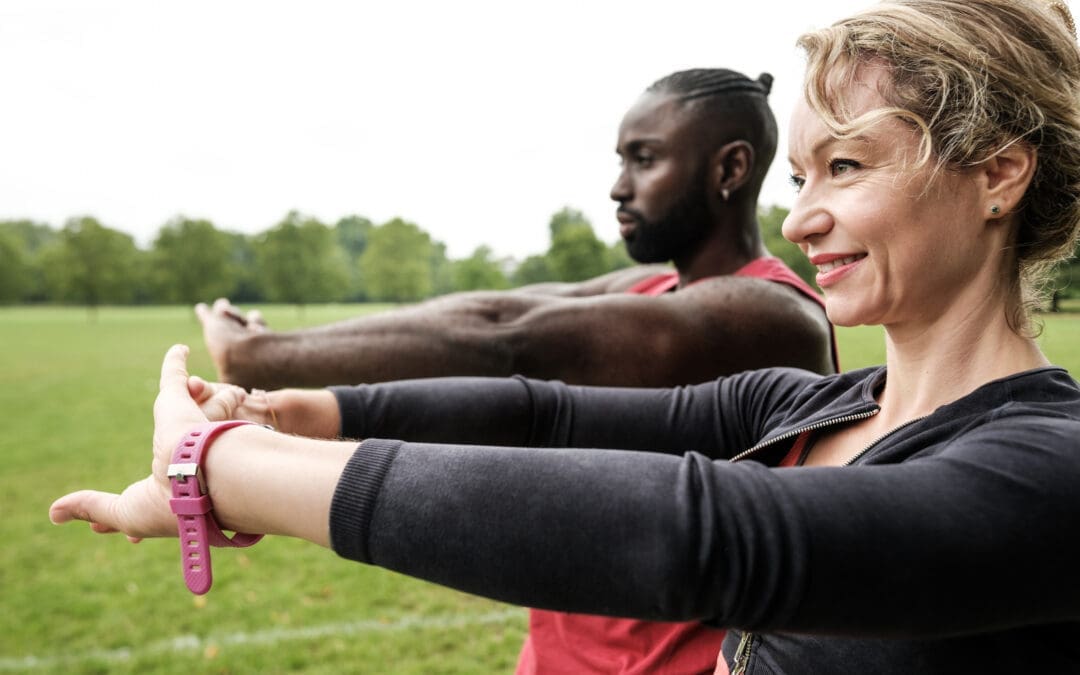
Understand the importance of pain management in a clinical setting in fostering recovery and improving patients’ overall health.
Understanding Pain: Causes, Categories, and Effective Management Strategies
Pain is a universal experience that can range from mild discomfort to debilitating agony, affecting millions worldwide. Environmental factors often play a key role in how pain develops, particularly in muscles and joints, where things like weather changes or stress can trigger or worsen symptoms. This comprehensive guide explores the origins of pain, its various categories with real-life examples, and how healthcare professionals manage it in clinical settings through both surgical and non-surgical therapies. Drawing from expert insights, including those from Dr. Alexander Jimenez, DC, APRN, FNP-BC, we delve into integrative approaches that promote natural healing and prevent long-term issues.
Research indicates that pain isn’t solely from physical trauma; external influences like humidity or pollution can heighten sensitivity in the body. It appears that addressing these factors through lifestyle adjustments and targeted therapies can significantly improve outcomes. The evidence points toward a balanced approach that combines medical interventions with natural methods to help individuals regain control over their health.
Key Insights on Pain and Its Management
Environmental Triggers Are Common: Factors such as cold temperatures or air pollution can trigger inflammation in muscles and joints, increasing the risk of pain.
Pain Comes in Many Forms: From acute, sharp stabs to chronic, dull aches, understanding the categories helps choose the right treatment.
Clinical Care Varies: Specialists use non-surgical options such as exercise and acupuncture for many cases, reserving surgery for severe cases.
Integrative Methods Work Well: Experts like Dr. Jimenez show how chiropractic care and massage can address root causes, fostering natural recovery.
Pain management in clinics follows guidelines that prioritize patient safety and effectiveness, as outlined in resources on defining and managing pain (U.S. Department of Justice, Drug Enforcement Administration, 2023).
—
Pain affects everyone differently, but understanding its roots can empower better handling. This article expands on the biology of pain, environmental influences, categories, and management techniques, incorporating clinical observations from professionals like Dr. Alexander Jimenez. We’ll cover detailed examples, case studies, and tables to make the information accessible and actionable.
The Biology of Pain: How It Develops in the Body
Pain starts as a protective mechanism. When the body detects harm, nerves send signals to the brain, which processes them as pain to prompt action, like pulling away from heat. However, this system can go awry, especially with environmental factors involved.
Nociceptors, the body’s pain sensors, are found in skin, muscles, joints, and organs. They respond to stimuli such as temperature and pressure. When activated, they trigger inflammation, which can swell tissues and press on nerves, amplifying discomfort (International Association for the Study of Pain, 2022). In muscles, this might cause tightness or spasms; in joints, it leads to stiffness or swelling.
Chronic pain, lasting over three months, often persists beyond the initial injury due to sensitized nerves. This sensitization lowers the pain threshold, making everyday activities hurtful (International Association for the Study of Pain, 2022). For instance, a minor joint strain can progress to ongoing arthritis if environmental stressors, such as humidity, exacerbate inflammation.
How Pain Affects Muscles and Joints Specifically
Muscles, made of fibers that contract for movement, can develop pain from overuse or tension. Environmental factors cause micro-tears or inflammation, leading to conditions like myalgia. Joints, cushioned by cartilage and synovial fluid, suffer when pressure changes cause fluid shifts, resulting in arthritis-like pain (Arthritis Foundation, 2024).
Case Study: A 45-year-old office worker experiences shoulder pain from poor ergonomics (static posture) combined with stress, leading to muscle knots and joint misalignment. Over time, this evolves into chronic upper back pain, affecting daily life.
Environmental Factors Contributing to Pain Development
Environmental factors are crucial in the onset and progression of pain, especially in muscles and joints. These factors interact with biology, making some people more susceptible.
Weather and Climate Influences
Weather changes significantly impact pain. Low temperatures constrict blood vessels, reducing flow to muscles and causing stiffness. High humidity increases joint fluid pressure, leading to swelling and ache (Arthritis Foundation, 2024). Barometric pressure drops before storms can trigger migraines or joint pain by altering tissue expansion.
Examples:
In osteoarthritis, patients report worse knee pain during cold, damp weather due to increased joint rigidity (PMC, 2025a).
Fibromyalgia sufferers experience muscle flares from temperature swings, with cold lowering pain thresholds by 11.3°C compared to healthy individuals (PMC, 2025a).
Studies show modest correlations between pain and humidity, pressure, and wind speed (Arthritis Foundation, 2024). For muscles, cold induces spasms; for joints, humidity exacerbates inflammation.
Stress and Psychosocial Elements
Stress releases cortisol, promoting inflammation that affects muscles and joints. Chronic stress from work or life events heightens pain perception, leading to tension headaches or back pain (MDPI, 2022). Low social support or discrimination correlates with thicker brain structures involved in pain processing, such as the insula, making discomfort more intense (Nature, 2024).
Examples:
Job insecurity causes muscle tension in the neck and shoulders, evolving into chronic pain.
Discrimination experiences are associated with greater hippocampal volume and greater pain in patients with knee osteoarthritis (Nature, 2024).
Pollution and Toxins
Air pollution, including particulates and toxins such as acrolein, increases inflammation, worsening joint pain in rheumatic diseases (ScienceDirect, 2024a). Smoking aggravates arthritis by activating immune cells, predicting higher pain in spinal injuries (ScienceDirect, 2024a).
Examples:
Urban dwellers exposed to pollution have more emergency visits for joint pain.
Vitamin D deficiency due to reduced sunlight exposure is associated with muscle hypersensitivity (ScienceDirect, 2024a).
Work and Lifestyle Environments
Poor ergonomics, such as prolonged sitting, strains muscles and joints, leading to musculoskeletal pain (MDPI, 2022). Repetitive tasks lead to back pain by reducing movement variability (IASP, n.d.a).
Examples:
Factory workers develop joint pain from repetitive lifting.
Sedentary lifestyles in air-conditioned offices can cause dry-air-related stiffness.
Sociocultural Factors
Lower income and education are associated with higher pain levels due to limited access to healthy environments (Nature, 2024). Household size and employment status explain variance in pain-related brain structures.
To mitigate, strategies include weather-appropriate clothing, stress management, and pollution avoidance. Tables below summarize factors.
Environmental Factor
Description
Impact on Muscles
Impact on Joints
Examples
Weather (Temperature)
Changes in ambient heat/cold
Constriction, spasms
Stiffness, reduced mobility
OA knee pain in cold
Humidity
High moisture levels
Swelling, tension
Fluid pressure increase
Arthritis flares in damp weather
Stress
Psychosocial pressures
Tension, knots
Inflammation from cortisol
Neck pain from job stress
Pollution
Air toxins
Inflammation, hypersensitivity
Rheumatic exacerbations
Joint pain in urban areas
Work Conditions
Ergonomic issues
Strain, fatigue
Misalignment
Back pain from sitting
Deeper Dive into Physicochemical Factors
Physicochemical factors, such as pollution and toxins, directly alter pain pathways. Air pollution exacerbates neuropathic pain by sensitizing nerves (ScienceDirect, 2024a). Toxic compounds such as 4-HNE activate receptors, triggering neurogenic inflammation in joints.
Biological factors, such as viral infections, lead to arthritis-like joint pain (ScienceDirect, 2024a). Smoking induces hyperalgesia through serotonergic changes.
Psychosocial factors, such as stress, promote chronicity, while environmental enrichment reduces pain by lowering stress (ScienceDirect, 2024a).
Case Study: A patient with rheumatoid arthritis experiences worse joint pain during pollution spikes, managed by indoor air filters and an anti-inflammatory diet.
Categories of Pain: Descriptions and Examples
Pain is classified by duration, cause, and location to guide treatment (Healthline, 2018).
Acute Pain
Short-term, lasting days to weeks, from injury. Sharp or intense, it alerts the body (Healthline, 2018).
Examples:
Muscle strain from lifting heavy objects.
Joint pain from a sprained ankle.
Chronic Pain
Lasts months or years, often without a clear cause. Mild to severe, impacting life (Healthline, 2018).
Examples:
Low back pain from poor posture.
Arthritis causes ongoing joint pain.
Nociceptive Pain
From tissue damage, activating nociceptors. Acute or chronic (WebMD, 2025).
Subtypes:
Somatic: Skin, muscles, bones. Aching or throbbing.
Examples: Muscle pull, joint fracture.
Visceral: Organs. Dull, cramping.
Examples: Appendicitis, but it can also refer to muscle pain.
Neuropathic Pain
From nerve damage. Burning, tingling (WebMD, 2025).
Examples:
Diabetic neuropathy in the feet (joint-related).
Sciatica from spinal nerve compression (muscle/joint).
Other Categories (IASP Definitions)
Allodynia: Pain from non-painful stimuli, e.g., light touch on sunburned muscle (IASP, 2022).
Hyperalgesia: Amplified pain from normal stimuli, e.g., pinprick on an inflamed joint.
Nociplastic Pain: Altered nociception without damage, e.g., fibromyalgia muscle pain.
Category
Duration
Cause
Sensation
Muscle/Joint Example
Acute
Short
Injury
Sharp
Strained hamstring
Chronic
Long
Ongoing
Dull
Chronic knee arthritis
Nociceptive Somatic
Varies
Tissue
Aching
Bone fracture joint pain
Neuropathic
Varies
Nerve
Burning
Sciatica leg muscle
Nociplastic
Chronic
Altered processing
Widespread
Fibromyalgia joint tenderness
Case Study: An athlete with acute nociceptive pain from a joint sprain transitions to chronic pain if left untreated, demonstrating category evolution.
Exploring Integrative Medicine- Video
Pain Management in Clinical Settings
Healthcare specialists follow evidence-based rationale for pain management, emphasizing multimodal approaches to minimize risks like addiction (SAMHSA, 2024). The MATE Act requires training on safe prescribing, focusing on opioid use disorders and pain treatment (DEA, 2023).
Non-Surgical Therapies
These are first-line for many, using meds, therapy, and complementary methods.
Medications: NSAIDs for inflammation, acetaminophen for mild pain (NEJM, 2019).
Physical Therapy: Exercises strengthen muscles and improve joint mobility.
Complementary: Acupuncture and massage reduce tension (PMC, 2024).
Examples: Massage post-injury eases muscle tension; breathing techniques lower anxiety in the clinic.
Surgical Therapies
For severe cases, such as joint replacement. Post-op management includes multimodal analgesia (JAMA, 2021).
Opioids: Short-term for breakthrough pain.
Non-Drug: Music therapy reduces opioid needs by 31% (PMC, 2024).
Rationale: Balances relief with safety, per guidelines (DEA, 2023).
Therapy Type
Examples
Benefits
Clinical Rationale
Non-Surgical Meds
NSAIDs
Reduce inflammation
Low risk for chronic pain
Physical Therapy
Exercises
Strengthen muscles
Prevents long-term weakness
Surgical Post-Op
Opioids + Music
Pain relief
Minimizes addiction risk
Case Study: Patient with joint pain undergoes non-surgical acupuncture, avoiding surgery.
Insights from Dr. Alexander Jimenez
Dr. Jimenez, with 30+ years in chiropractic and functional medicine, observes correlations such as perimenopausal estrogen drops causing joint pain or TBI leading to posture issues and muscle aches (LinkedIn, n.d.; DrAlexJimenez.com, n.d.).
His integrative approach addresses causes:
Targeted Exercise: Rehab programs build strength and prevent recurrence.
Massage Therapy: Relieves soft tissue tension.
Acupuncture: Promotes healing in sciatica.
Prevents long-term problems through nutrition and monitoring (DrAlexJimenez.com, n.d.).
Case Study: TBI patient regains mobility via chiropractic adjustments and exercises.
Prevention and Future Trends
Prevention involves environmental awareness, regular physical activity, and a healthy diet. Future trends include wearables for trigger monitoring.
This guide, drawing from diverse sources, shows pain as manageable with informed care.
Conclusion: Embracing a Future Free from Chronic Pain
Pain is a complex signal influenced by biology, environment, and lifestyle, as we have covered in this lengthy piece. It is not only a transient discomfort. Understanding these things, such as the distinctions between nociplastic, neuropathic, and nociceptive pain, and how pollution and barometric pressure may cause muscles and joints to expand, empowers us to take control. The 2024 recommendations (American College of Surgeons et al., 2024) stress that proactive, multimodal approaches in both surgical and non-surgical settings are highly valued for treating pain to reduce symptoms, prevent worsening, and avoid the onset of chronic illnesses.
Health care providers are crucial in this situation. They use ERAS protocols to support rehabilitation after surgery and integrative therapies to help individuals feel better every day. El Paso chiropractor Dr. Alexander Jimenez, DC, APRN, FNP-BC, has shown that addressing the root causes with acupuncture, massage therapy, chiropractic adjustments, and targeted workouts promotes the body’s natural healing process and prevents long-term issues. His case correlations demonstrate that while environmental stresses, including metabolic imbalances or repetitive work strains, often cause chronic pain, these effects may be reduced with evidence-based, individualized therapies.
Restoring equilibrium and enhancing general health, rather than masking the issue, are the ultimate objectives of effective pain management. You may end the cycle of suffering by recognizing the environmental sources of your pain, appropriately categorizing it, and looking for all-encompassing answers. You may still have a more mobile, healthy, and contented life if you make the proper decisions and seek professional help, regardless of how long you’ve experienced joint pain or how recently you were injured. Speak with a professional as soon as possible, implement your own strategy, and begin a better, less painful future.
Uncover the impact of swimming on spinal and back health. Find tips on how to incorporate this activity into your routine.
Unlocking Optimal Spinal Health: The Powerful Synergy of Chiropractic Care and Swimming for Back Pain Relief and Musculoskeletal Wellness
Living with chronic back pain can transform everyday activities into daunting challenges, affecting your quality of life, productivity, and overall well-being. Whether you’re dealing with acute discomfort following an injury or managing persistent spinal issues that have plagued you for years, finding effective, non-invasive treatment solutions remains paramount. Two powerful therapeutic approaches have emerged as cornerstones of comprehensive spinal health management: chiropractic care and aquatic exercise, particularly swimming. When combined, these complementary modalities create a synergistic healing protocol that addresses both the structural alignment of the spine and the functional strength of the musculoskeletal system (Jimenez, n.d.-a; Peng et al., 2022).
At Injury Medical Chiropractic and Functional Medicine Clinic in El Paso, Texas, Dr. Alexander Jimenez, DC, APRN, FNP-BC, CFMP, IFMCP—a uniquely qualified board-certified Family Practice Nurse Practitioner and Doctor of Chiropractic—has pioneered an integrative approach to spinal health that leverages the most current evidence-based protocols. His dual-scope practice combines advanced clinical expertise with functional medicine principles to deliver personalized, patient-centered care that addresses the root causes of back pain rather than merely masking symptoms (Jimenez, n.d.-a).
This comprehensive guide explores the transformative benefits of integrating chiropractic adjustments with swimming exercises for optimal spinal and back health, drawing from Dr. Jimenez’s clinical insights and the latest peer-reviewed research. We’ll examine how these complementary approaches work together to relieve pain, restore function, strengthen supporting musculature, and prevent future injuries.
Understanding the Musculoskeletal System and Spinal Anatomy
Before delving into treatment approaches, it’s essential to understand the remarkable complexity of the musculoskeletal system and the critical role your spine plays in overall health and function. The musculoskeletal system comprises two integrated components: the muscular system, which includes all muscles, tendons, and connective tissues; and the skeletal system, encompassing bones, joints, cartilage, and ligaments (Kenhub, 2023). Together, these systems provide the body with movement, stability, shape, and support while protecting vital organs and enabling daily activities.
The Spinal Column: Architecture of Support
Your spine is one of the most intricate structures in the human body, consisting of 33 individual bones called vertebrae, which are stacked atop one another to form the spinal column (National Spine Health Foundation, 2024). This remarkable architecture is divided into five distinct regions, each serving specialized functions:
Cervical Spine (C1-C7): The seven vertebrae in your neck support the head’s weight—approximately 10 to 12 pounds—while allowing an extensive range of motion for rotation, flexion, and extension (Texas Spine & Sports Therapy Center, 2025). The first two cervical vertebrae, the atlas (C1) and axis (C2), enable the head’s nodding and rotational movements.
Thoracic Spine (T1-T12): These twelve mid-back vertebrae attach to the rib cage, providing stability and protection for vital organs, including the heart and lungs (American Association of Neurological Surgeons, 2024). The thoracic region demonstrates less mobility than other spinal segments due to these structural attachments.
Lumbar Spine (L1-L5): The five lumbar vertebrae in your lower back are the largest and strongest, designed to support most of the body’s weight and withstand significant mechanical stress (National Spine Health Foundation, 2024). This region experiences the highest incidence of degenerative changes and injury due to constant loading forces.
Sacrum (S1-S5): Five fused vertebrae form this triangular bone that connects the spine to the pelvis, serving as the foundation for numerous muscle and ligament attachments (National Spine Health Foundation, 2024).
Coccyx: Four to five fused vertebrae comprise the tailbone, which provides attachment points for pelvic floor muscles and ligaments.
Intervertebral Discs: Nature’s Shock Absorbers
Between each vertebra (except the first two cervical vertebrae) lie specialized structures called intervertebral discs, which serve three primary functions: shock absorption, structural support, and facilitation of slight spinal mobility (Spine-health, 2017). These discs consist of two distinct components:
Annulus Fibrosus: The tough outer ring is composed of concentric sheets of collagen fibers that hydraulically seal the inner core and distribute forces evenly across the structure.
Nucleus Pulposus: The gel-like inner core containing a loose network of fibers suspended in a mucoprotein gel, which at birth consists of approximately 80% water (Spine-health, 2017). Proper hydration remains essential for optimal disc function, as the nucleus pulposus serves as the major carrier of the body’s axial load.
The Spinal Cord and Nerve Function
Protected within the vertebral column runs the spinal cord—a long, tubular bundle of neural tissue extending from the brainstem down through the vertebral canal (National Spine Health Foundation, 2024). This critical structure serves as the central communication pathway, transmitting sensory and motor signals between the brain and the body. At each vertebral level, spinal nerves exit through small openings called intervertebral foramina, branching out to innervate specific body regions and enabling the nervous system’s remarkable coordination of movement, sensation, and organ function.
The Foundation of Healing: Chiropractic Care for Spinal Health
Chiropractic care has evolved into a respected, evidence-based healthcare discipline focused on diagnosing, treating, and preventing mechanical disorders of the musculoskeletal system, particularly those involving the spine (Sleigh Family Chiropractic, 2024). The foundational principle underlying chiropractic philosophy holds that proper alignment of the body’s musculoskeletal structure—especially the spine—enables the body to heal itself without surgery or medication, emphasizing the body’s inherent recuperative powers (Tigard Chiropractic Auto Injury, 2024).
Dr. Alexander Jimenez’s Integrative Chiropractic Approach
Dr. Jimenez’s unique dual certification as both a Doctor of Chiropractic and a board-certified Family Practice Nurse Practitioner (FNP-BC) positions him to deliver truly comprehensive, integrative care that bridges traditional and alternative medicine (Jimenez, n.d.-a; Academy of Anti-Aging Medicine, 2016). His holistic evaluation process considers not only physical symptoms but also nutritional factors, lifestyle behaviors, environmental exposures, psychological elements, and genetic predispositions that may contribute to chronic pain conditions.
At the Injury Medical Chiropractic and Functional Medicine Clinic, Dr. Jimenez employs advanced diagnostic evaluations to clinically associate patient injuries with underlying pathology. His assessment protocols include:
Comprehensive History Taking: Thorough documentation of the patient’s chief complaints, history of present illness (using the OPQRST mnemonic: Onset, Provocation/Palliation, Quality, Region/Radiation, Severity, and Time), past medical history, family history, psychosocial factors, and detailed review of systems (KMC University, 2024). This meticulous history-gathering process drives the subsequent physical examination and establishes medical necessity for treatment.
Advanced Imaging and Diagnostic Testing: When clinically indicated, Dr. Jimenez utilizes state-of-the-art imaging technologies, including Magnetic Resonance Imaging (MRI), Computed Tomography (CT) scans, and fluoroscopy, to visualize soft tissues, bones, nerves, and spinal structures with exceptional detail (Spine Diagnostic, 2025). MRI proves particularly valuable for identifying herniated discs, spinal cord compression, nerve root irritation, and soft tissue pathology, while CT scans excel at evaluating bony structures, fractures, spinal stenosis, and arthritic changes (Great Lakes Medical Imaging, 2025). Fluoroscopy provides real-time imaging guidance during interventional procedures, ensuring precise needle placement for therapeutic injections.
Functional Medicine Assessments: As an Institute for Functional Medicine Certified Practitioner (IFMCP), Dr. Jimenez conducts detailed health assessments using the Living Matrix Functional Medicine platform, evaluating genetics, current nutrition, activity patterns, toxic environmental exposures, and emotional factors that may contribute to chronic disorders (Jimenez, n.d.-a). This root-cause analysis enables truly personalized treatment plans that address underlying imbalances rather than simply suppressing symptoms.
Physical Examination and Orthopedic Testing: Comprehensive musculoskeletal examination including postural analysis, range of motion assessment, orthopedic provocative tests, neurological evaluation, and palpation to identify areas of restriction, tenderness, or dysfunction (International Chiropractors Association, n.d.).
Movement Medicine: Chiropractic Care- Video
The Science Behind Chiropractic Adjustments
Spinal manipulation—also called chiropractic adjustment—represents the cornerstone technique in chiropractic care, focusing on improving spinal motion and overall physical function (Recovery Chiro Med, 2024). Research demonstrates that chiropractic adjustments significantly reduce acute low back pain and improve physical function, offering an effective alternative to invasive procedures and pharmaceutical interventions (SCUHS, 2025; Duke Health, 2025).
The American College of Physicians recommends non-medication treatments such as spinal manipulation, exercise, and yoga for chronic low back pain before considering medications (SCUHS, 2025). A landmark 2017 study published in the Journal of the American Medical Association found that spinal manipulation was associated with moderate improvements in short-term back pain and function compared to placebo treatment for up to six weeks (SCUHS, 2025).
Key Benefits of Chiropractic Care for Back Pain
Natural Pain Relief: By correcting spinal misalignments (subluxations) and restoring proper joint function, chiropractic adjustments alleviate pressure on nerves and reduce inflammation, providing both immediate relief and long-term pain management without relying on medications (Medical Wellness Group, 2023; Doc Moss, 2024). The adjustments help release endorphins—the body’s natural pain-relieving chemicals—which contribute to pain reduction and promote relaxation.
Improved Spinal Alignment: Full-body chiropractic adjustments restore proper alignment of the vertebrae, reducing abnormal stress on joints, discs, muscles, and ligaments (Cityview Chiropractor, 2025). This realignment process minimizes bone friction, potentially slowing the progression of degenerative conditions like arthritis, and creates optimal biomechanical function throughout the kinetic chain.
Enhanced Range of Motion and Flexibility: By addressing joint restrictions and muscle tension, chiropractic care improves mobility and flexibility, enabling patients to move more freely and comfortably in daily activities (Recovery Chiro Med, 2024). Increased range of motion contributes to better athletic performance, reduced risk of injury, and improved quality of life.
Reduced Muscle Tension and Spasm: Spinal adjustments help normalize muscle tone by addressing the neurological factors that contribute to muscle hypertonicity and spasm (SCUHS, 2025). When vertebrae are properly aligned, the nervous system functions more efficiently, reducing abnormal muscle guarding and allowing tissues to relax.
Better Posture: Regular chiropractic care helps correct postural imbalances that develop from prolonged sitting, repetitive movements, or previous injuries (Sleigh Family Chiropractic, 2024). Improved posture reduces strain on the spine and supporting structures, preventing the development or progression of chronic pain conditions.
Improved Nerve Function: Chiropractic adjustments optimize nervous system function by removing interference caused by spinal misalignments (SCUHS, 2025). When the spine is properly aligned, nerve signals can flow freely between the brain and body, supporting optimal organ function, immune response, and overall health.
Holistic Wellness: Chiropractic care takes a whole-body approach to health, considering the interconnectedness of physical, nutritional, and lifestyle factors (Medical Wellness Group, 2023). Chiropractors provide guidance on ergonomics, exercise, nutrition, and stress management to support optimal spinal health and prevent future problems.
Preventive Care: Regular chiropractic adjustments help maintain proper alignment, strengthen supporting muscles, and reduce the risk of re-injury (Medical Wellness Group, 2023). This proactive approach enables patients to maintain their health rather than waiting for problems to develop.
Non-Invasive and Drug-Free: Chiropractic care offers a conservative treatment option that avoids the potential risks and side effects associated with medications or surgical interventions (Medical Wellness Group, 2023). This approach aligns with patients’ increasing preference for natural, holistic healthcare solutions.
Common Chiropractic Techniques
Dr. Jimenez and chiropractic professionals employ various adjustment techniques tailored to each patient’s specific needs, condition severity, and comfort level:
Manual Adjustments: The chiropractor uses their hands to apply controlled force to specific joints, correcting misalignments and restoring proper function (Recovery Chiro Med, 2024). These hands-on adjustments represent the classic chiropractic technique and remain highly effective for most patients.
Instrument-Assisted Adjustments: Special tools like activators deliver precise, gentle manipulation to targeted areas, providing an alternative for patients who prefer less forceful techniques (Recovery Chiro Med, 2024). These instruments allow for controlled force application with minimal discomfort.
Flexion-Distraction: This technique utilizes a specialized table that gently stretches the spine using a pumping action, creating negative pressure within the discs to promote healing of bulges and herniations (Recovery Chiro Med, 2024). The method proves particularly beneficial for patients with acute disc problems or those who cannot tolerate more forceful adjustments.
Soft Tissue Therapy: Chiropractors often incorporate massage, myofascial release, trigger point therapy, and other soft tissue techniques to relax tight muscles, improve circulation, and reduce pain and inflammation (Medical Wellness Group, 2023). These complementary therapies enhance the effectiveness of spinal adjustments and promote tissue healing.
Therapeutic Exercises: Prescribed exercises strengthen core muscles, improve posture, enhance flexibility, and stabilize the spine (Medical Wellness Group, 2023). These exercises form a critical component of rehabilitation and help prevent future episodes of back pain.
The Transformative Power of Swimming for Spinal and Back Health
Swimming and aquatic exercise represent ideal complementary therapies to chiropractic care, offering unique advantages for individuals dealing with back pain and spinal conditions. The aquatic environment provides properties that cannot be replicated on land, making water-based exercise exceptionally beneficial for musculoskeletal rehabilitation and maintenance (Jimenez, n.d.-b).
Why Swimming Excels for Back Pain Management
Buoyancy Reduces Spinal Compression: Water’s buoyancy supports up to 90% of body weight, substantially reducing compressive forces on the spine and weight-bearing joints (Physio Inq, 2022; Spine. MD, 2022). This dramatic reduction in gravitational loading allows individuals with back pain to move freely and exercise comfortably without aggravating their condition. Research indicates that performing rehabilitation exercises in water can reduce spinal compression by more than half, depending on water depth (Sutton Place PT, 2024).
Low-Impact Aerobic Conditioning: Unlike running, jumping, or other high-impact land exercises that jar the spine and joints, swimming provides cardiovascular conditioning without impact stress (Jimenez, n.d.-b). The water suspends the body, eliminating the shock forces that occur with each footstrike during land-based activities. This characteristic makes swimming accessible to individuals who cannot tolerate traditional exercise due to pain or injury.
Natural Resistance Strengthens Muscles: Water is 600-700 times more resistant than air, providing natural resistance in all directions that helps strengthen muscles without requiring heavy weights (Helen Hayes Hospital, 2021). This uniform resistance engages muscles throughout their full range of motion, building functional strength that supports the spine and improves overall stability. Swimming works muscles not always activated during land activities, particularly those essential for spinal stability (Jimenez, n.d.-b).
Warm Water Promotes Relaxation and Healing: Therapeutic pools typically maintain water temperatures between 90-94°F, creating a thermoneutral environment that minimizes heat loss or gain when the body is immersed (AzOPT, 2024). Warm water relaxes tense muscles, decreases spasticity, increases blood flow to injured tissues, promotes flexibility, and triggers endorphin release (Helen Hayes Hospital, 2021; Versus Arthritis, n.d.). The warmth helps reduce pain perception and creates a comfortable environment for therapeutic exercise.
Hydrostatic Pressure Reduces Swelling: The pressure exerted by water against the body helps reduce edema and swelling, improves circulation, and enhances the delivery of oxygen and nutrients to healing tissues (Helen Hayes Hospital, 2021). This gentle compression effect can be particularly beneficial for individuals with inflammatory conditions or post-surgical swelling.
Improved Flexibility and Range of Motion: The buoyancy of water reduces the effects of gravity, allowing for increased joint range of motion with less pain (Helen Hayes Hospital, 2021). Movements that may be difficult or impossible on land become achievable in water, gradually restoring functional mobility. The warm water also helps relax muscles that are sore or tight, further enhancing flexibility gains.
Psychological Benefits: The meditative rhythm of swimming, combined with the soothing properties of water, often improves mood, reduces stress and anxiety, and enhances adherence to exercise programs compared to gym-based workouts (Physio Inq, 2022). Many patients find water exercise more enjoyable and relaxing than land-based alternatives, leading to better long-term compliance with their rehabilitation program.
Scientific Evidence Supporting Aquatic Exercise for Back Pain
Numerous peer-reviewed studies have demonstrated the effectiveness of aquatic exercise for chronic back pain management. A systematic review and meta-analysis published in the American Journal of Physical Medicine and Rehabilitation analyzed eight randomized controlled trials involving 331 patients with low back pain (Shi et al., 2018). The results showed statistically significant pain relief (standardized mean difference = -0.65) and improved physical function (standardized mean difference = 0.63) following aquatic exercise interventions. The researchers concluded that aquatic exercise can significantly reduce pain and increase physical function in patients with low back pain, though they noted that further high-quality investigations on a larger scale are needed to confirm these results.
A more recent randomized clinical trial published in JAMA Network Open compared therapeutic aquatic exercise to physical therapy modalities for chronic low back pain over a 12-month follow-up period (Peng et al., 2022). The study found that participants in the therapeutic aquatic exercise group gained significantly greater and more clinically meaningful improvement in disability, pain intensity, quality of life, sleep quality, kinesiophobia, and fear avoidance compared to the physical therapy modalities group. The researchers concluded that therapeutic aquatic exercise is an effective and safe treatment for chronic low back pain, with most participants willing to recommend it to other patients with similar conditions.
An additional systematic review examining the effect of aquatic physical therapy on chronic low back pain included 13 randomized controlled trials and found that aquatic physical therapy could reduce pain intensity, improve quality of life, and enhance disability measures in the short term (PMC, 2022). These consistent findings across multiple studies provide robust evidence supporting the integration of swimming and aquatic exercise into comprehensive back pain treatment protocols.
Recommended Swimming Strokes for Back Health
Not all swimming strokes are equally beneficial for individuals with back pain. Dr. Jimenez and spinal health experts recommend specific strokes that minimize spinal stress while providing optimal therapeutic benefits:
Backstroke: This stroke is widely considered the safest option for individuals with back pain because it maintains a horizontal body position that minimizes pressure on the lower back (Penn Spine & Orthopedic, 2024; NuVasive, 2017). Backstroke promotes proper body alignment, reduces spine stress, and effectively strengthens back muscles in a low-impact environment. The repetitive motion enhances spine flexibility and muscle mobility while engaging core muscles to stabilize the spine. However, backstroke does require stronger abdominal muscles, so individuals should gradually build core strength before relying heavily on this stroke (NuVasive, 2017).
Freestyle (Front Crawl): When performed with proper technique and caution, freestyle can help strengthen muscles and improve cardiovascular fitness (Penn Spine & Orthopedic, 2024). The key is to avoid excessive neck extension when turning to breathe, as jerking movements can lead to neck and lower back injuries (NuVasive, 2017). Swimmers should focus on rotating the entire body when breathing rather than lifting the head out of the water. Proper freestyle technique involves keeping the head in line with the body, looking straight at the bottom of the pool, and rotating shoulders and hips together during the stroke cycle (GWRY MCA, 2022).
Breaststroke: This stroke is often recommended as the best option for those with back pain because it builds muscle tone without overdoing stress on the spine (NuVasive, 2017). The breaststroke allows for controlled breathing without excessive neck rotation and maintains a relatively neutral spine position throughout the stroke cycle. However, individuals should be cautious about excessive lumbar hyperextension during the glide phase.
Strokes to Approach with Caution: The butterfly stroke places significant force on the spine due to the undulating body motion and simultaneous arm pull, making it generally unsuitable for individuals with back pain (Precision Pain Care, n.d.). Some individuals may also find that certain strokes irritate their specific condition, underscoring the importance of consulting with healthcare providers like Dr. Jimenez before beginning a swimming program.
Getting Started: Swimming Exercises for Back Relief
Dr. Jimenez recommends several progressive aquatic exercises that individuals with back pain can incorporate into their rehabilitation program (Jimenez, n.d.-b):
Water Walking: Simply walking around the pool provides the movement the body needs to heal and build muscle without aggravating symptoms (Jimenez, n.d.-b; Senior Lifestyle, 2023). Begin at a slow pace in the shallow end, walking back and forth for 5-10 minutes. Press your heels into the pool floor first and avoid walking on your tiptoes. As your strength and confidence improve, you can increase the duration, speed, and water depth. Water walking burns up to 3.5 times more calories than similar activity on land due to the increased resistance (HydroWorx, 2023).
Water Aerobics: Water aerobics classes or individual routines provide excellent cardiovascular conditioning and help increase mobility and flexibility (Jimenez, n.d.-b). These group classes typically involve rhythmic movements set to music, creating a social and enjoyable exercise environment. The variety of movements in water aerobics works multiple muscle groups and can be easily modified to accommodate different fitness levels and limitations.
Swimming Laps: Once cleared by your healthcare provider, start swimming laps slowly—perhaps only twice weekly initially (Jimenez, n.d.-b). Different stroke types work various muscles in the hips, chest, and back, providing comprehensive musculoskeletal conditioning. Begin with short distances and gradually increase as your endurance improves. Treading water serves as an excellent way to acclimate your body to aquatic movements and build water confidence before attempting continuous lap swimming.
Leg Lifts and Knee Raises: Standing in waist-deep water, perform leg lifts by raising one leg at a time to the front, side, and back, which helps strengthen leg muscles and improve hip mobility (Blakehurst LCS, 2025). Knee lifts involve raising the knees toward the chest, which targets lower abdominal muscles and improves balance. These exercises can be performed while holding the pool edge for support or free-standing as balance improves.
Arm Circles and Arm Curls: Standing in shoulder-deep water, perform arm circles by moving arms in circular motions to improve shoulder flexibility and strength (Blakehurst LCS, 2025). For arm curls, use foam water weights that create resistance as you push them through the water, building upper body strength without heavy equipment (Senior Lifestyle, 2023).
Torso Twists: Standing in shoulder-deep water, rotate the upper body from side to side to improve flexibility in the spine and core muscles (Blakehurst LCS, 2025). This exercise helps restore rotational mobility that is often limited in individuals with back pain.
Kickboard Exercises: Lean your upper body on a kickboard and focus on kicking movements, which isolate lower body work and strengthen leg muscles (Jimenez, n.d.-b). This exercise allows individuals to work on their kick technique and build leg strength while the kickboard supports the upper body, eliminating stress on the arms and shoulders.
Optimizing Aquatic Exercise Conditions
The therapeutic effectiveness of aquatic exercise depends partly on environmental factors that patients and therapists can optimize:
Water Temperature: Therapeutic pools should maintain temperatures between 90-94°F to achieve thermoneutral conditions that prevent excessive heat loss or gain (AzOPT, 2024). This temperature range promotes muscle relaxation, reduces spasticity, and enhances flexibility. Individuals with different conditions may benefit from slightly adjusted temperatures—for example, those with multiple sclerosis often prefer cooler water (84°F), while individuals with spasticity from spinal cord injuries benefit from warmer temperatures above 86°F (AzOPT, 2024).
Air Temperature: The ambient air temperature should be maintained 3-4 degrees warmer than the pool water (typically 93-94°F when pool water is 90°F) to prevent evaporative cooling when exiting the pool (AzOPT, 2024). This seemingly small detail significantly impacts therapeutic outcomes by maintaining muscle relaxation and preventing the uncomfortable chill that occurs when the air temperature is too low relative to the water temperature.
Water Depth: Different exercises benefit from varying water depths. Shoulder-deep water provides maximum buoyancy support and is ideal for arm exercises and overall conditioning. Waist-deep water allows for greater resistance during leg exercises and walking activities. Patients should work with their healthcare provider or aquatic therapist to determine optimal depths for their specific exercises and condition.
Swimming Equipment and Tools That Enhance the Experience
Proper swimming equipment can make aquatic exercise sessions more enjoyable, effective, and safe (Jimenez, n.d.-b):
Swim Cap: Protects hair from chlorine and other water chemicals while keeping hair from blocking your view during exercise (Jimenez, n.d.-b). Silicone caps provide better protection than latex options and are more comfortable for extended wear.
Goggles: Essential for protecting eyes and enabling clear underwater vision (Jimenez, n.d.-b). Look for comfortable goggles that seal properly without leaking and don’t create excessive pressure around the eye sockets. Anti-fog coatings help maintain visibility throughout your workout.
Sun Protection: When exercising outdoors, use waterproof sunscreen with high SPF to protect against UV exposure (Jimenez, n.d.-b). Consider wearing UV-protective swim shirts or rash guards for additional protection during extended outdoor sessions.
Waterproof Headphones: Allow you to listen to music, podcasts, or audiobooks during solo swimming sessions, making workouts more enjoyable and helping maintain motivation (Jimenez, n.d.-b). Choose models specifically designed for swimming that can withstand water immersion.
Kickboards: Many pools provide kickboards that swimmers can borrow (Jimenez, n.d.-b). These foam boards support the upper body while you focus on lower body kicking movements, isolating leg muscles and building strength. Ergonomic kickboards like the Ray-Board allow for more natural arm, shoulder, and neck posture compared to traditional flat designs, enabling longer and more comfortable kick training sessions (Ray-Board, 2023).
Pull Buoys: These foam flotation devices are placed between the upper thighs (or knees/ankles for advanced training) to help the legs float while you pull with your arms (Jimenez, n.d.-b; Williamstown Open Water Swim Coaching, 2022). Pull buoys are considered essential training equipment for swimmers because they raise the body into the correct swimming position, allow exclusive focus on upper body technique and strength, and enable longer training sessions without leg fatigue. The Taper8 ergonomic pull buoy features a contoured design that prevents slipping and chafing during workouts (Ray-Board, 2023).
Hand Paddles: While not mentioned in Dr. Jimenez’s basic recommendations, swim paddles can increase resistance during arm strokes, building upper body strength. However, these should be introduced gradually and with proper technique to avoid shoulder strain.
Aquatic Weights: Foam dumbbells provide resistance for arm exercises like bicep curls and shoulder presses, offering strength training benefits in the aquatic environment (Senior Lifestyle, 2023).
Important Safety Considerations for Swimming with Back Pain
While swimming offers tremendous benefits, individuals with back pain should observe certain precautions:
Consult Your Healthcare Provider First: Always discuss starting a swimming program with Dr. Jimenez or your healthcare provider before beginning, especially if you have a diagnosed spinal condition, recent injury, or post-surgical status (Jimenez, n.d.-b; Precision Pain Care, n.d.). Your provider can assess whether swimming is appropriate for your specific condition and provide personalized recommendations.
Start Slowly and Progress Gradually: Begin with short sessions (10-15 minutes) and slowly increase duration and intensity as your body adapts (Jimenez, n.d.-b; NuVasive, 2017). Pushing too hard too quickly can exacerbate symptoms or cause new injuries.
Listen to Your Body: If pain starts or worsens during swimming, stop the activity and consult your healthcare provider (Precision Pain Care, n.d.). Some discomfort during the first few sessions is normal as muscles adjust to new movements, but sharp pain or significantly increased symptoms indicate the need to modify or discontinue the activity.
Experiment with Different Strokes: Not all strokes work for all conditions (Precision Pain Care, n.d.). If one stroke causes discomfort, try a different one. Some individuals find that only specific strokes are comfortable for their particular back condition.
Consider Taking Lessons: Swimming lessons can teach proper technique, helping your body move through the water more efficiently and reducing the risk of strain or injury (Jimenez, n.d.-b). Learning proper form for breathing, body position, arm strokes, and kicks maximizes therapeutic benefits while minimizing injury risk.
Avoid High-Risk Water Activities: While swimming and water exercises are beneficial, activities like water slides, tube riding, and water skiing may not be appropriate for individuals with back pain due to the jarring forces and unexpected movements involved (Precision Pain Care, n.d.).
Alternative Aquatic Activities: If conventional swimming strokes prove too difficult or painful, consider aqua walking, aquatic physiotherapy, water wellbeing classes, or Good Boost personalized programs that can be tailored to your specific needs and limitations (Swimming.org, 2025).
Integrating Chiropractic Care with Swimming: A Synergistic Approach
The true power of Dr. Jimenez’s treatment philosophy lies in the strategic integration of multiple evidence-based modalities that address different aspects of spinal health. Chiropractic care and swimming complement each other perfectly, creating synergistic effects that exceed the benefits of either approach alone.
How Chiropractic Care Enhances Swimming Effectiveness
Improved Spinal Alignment Optimizes Movement Patterns: When the spine is properly aligned through chiropractic adjustments, the body can move more efficiently through the water (Tradition Health, 2024). Misalignments create compensatory movement patterns that reduce swimming efficiency and can lead to overuse injuries. By correcting these structural imbalances, chiropractic care enables swimmers to utilize proper biomechanics, reducing energy expenditure and improving performance.
Reduced Pain Enables Consistent Exercise: Chronic pain often prevents individuals from maintaining regular exercise routines. Chiropractic adjustments provide pain relief that allows patients to participate consistently in swimming programs (Tradition Health, 2024). This consistency is crucial for achieving therapeutic benefits and long-term improvements in spinal health.
Enhanced Joint Mobility Increases Range of Motion: Chiropractic care improves joint function throughout the body, not just the spine (SCUHS, 2025). Increased shoulder mobility enables better stroke mechanics, enhanced hip flexibility improves kick effectiveness, and improved spinal segmental motion allows for better body rotation during swimming strokes.
Decreased Muscle Tension Facilitates Relaxation: The muscle relaxation that occurs following chiropractic adjustments complements the relaxation benefits of warm water immersion (SCUHS, 2025). Together, these effects create profound neuromuscular relaxation that breaks the pain-spasm-pain cycle common in chronic back conditions.
Neurological Optimization Enhances Coordination: Chiropractic care improves nervous system function, which enhances proprioception (body awareness in space) and neuromuscular coordination (SCUHS, 2025). These improvements translate to better balance in the water, smoother swimming movements, and more efficient muscle recruitment patterns.
How Swimming Enhances Chiropractic Outcomes
Strengthens Muscles That Support Adjustments: One of the challenges in maintaining chiropractic corrections is that weak supporting musculature allows the spine to return to misaligned positions. Swimming builds the deep core stabilizers, back extensors, and hip muscles that hold the spine in proper alignment between chiropractic visits (US Masters Swimming, 2021). This muscular support extends the duration of chiropractic corrections and reduces the frequency of necessary adjustments over time.
Improves Cardiovascular Health for Tissue Healing: Swimming provides cardiovascular conditioning that improves circulation throughout the body (Jimenez, n.d.-b). Enhanced blood flow delivers oxygen and nutrients to injured tissues, accelerates healing, and removes metabolic waste products that contribute to inflammation and pain.
Maintains Mobility Between Chiropractic Visits: Regular swimming prevents the stiffness and decreased range of motion that can develop between chiropractic appointments (Physio Inq, 2022). This maintenance of mobility makes subsequent adjustments easier and more effective.
Promotes Healthy Posture Through Muscle Balance: Swimming engages muscles throughout the body in balanced patterns, helping correct the muscle imbalances that contribute to poor posture (US Masters Swimming, 2021). Stronger core muscles support upright sitting and standing postures, reducing the postural stress that necessitates frequent chiropractic care.
Provides Active Recovery and Regeneration: The low-impact nature of swimming makes it an ideal activity for active recovery following chiropractic adjustments (Dallas Accident & Injury Rehab, 2024). The gentle movement promotes tissue healing without the mechanical stress that could compromise recent adjustments.
A Comprehensive Treatment Protocol
Dr. Jimenez’s integrated treatment approach typically follows this evidence-based protocol:
Phase 1: Assessment and Acute Care (Weeks 1-2)
Comprehensive initial consultation, history taking, and physical examination
Advanced imaging if clinically indicated (MRI, CT, X-ray)
Functional medicine assessment to identify contributing factors
Initial chiropractic adjustments to address acute pain and restore basic function
Introduction to gentle aquatic activities (water walking, basic stretching)
Patient education on proper body mechanics, ergonomics, and self-care strategies
Phase 2: Active Treatment and Rehabilitation (Weeks 3-8)
Regular chiropractic adjustments (typically 2-3 times weekly initially, then gradually decreasing)
Progressive aquatic exercise program, including swimming strokes and aquatic strengthening
Soft tissue therapies (massage, myofascial release) to address muscle imbalances
Prescribed therapeutic exercises for home practice
Nutritional support and anti-inflammatory dietary recommendations
Lifestyle modifications and stress management techniques
Phase 3: Stabilization and Maintenance (Weeks 9-16+)
Maintenance chiropractic adjustments (typically every 2-4 weeks)
Advanced swimming program with increased duration and intensity
Core strengthening and functional training exercises
Reassessment and modification of the treatment plan based on progress
Transition to long-term wellness and prevention strategies
Phase 4: Wellness and Prevention (Ongoing)
Periodic chiropractic wellness visits (monthly or as needed)
Continued swimming or aquatic exercise as a lifestyle activity
Annual comprehensive functional medicine assessments
Proactive care to prevent future episodes and maintain optimal health
The Functional Medicine Difference: Dr. Jimenez’s Holistic Approach
What truly distinguishes Dr. Jimenez’s practice is his integration of functional medicine principles with chiropractic care and physical rehabilitation. As both an Institute for Functional Medicine Certified Practitioner (IFMCP) and Certified Functional Medicine Practitioner (CFMP), Dr. Jimenez evaluates patients comprehensively, addressing physical, nutritional, environmental, psychological, and genetic factors that influence health (Jimenez, n.d.-a).
The Functional Medicine Philosophy
Functional medicine represents a patient-focused healthcare approach that treats the whole person rather than isolated symptoms (Cleveland Clinic, 2025). This model emphasizes:
Root Cause Analysis: Rather than simply managing symptoms, functional medicine seeks to identify and address the underlying causes of health problems (Tradition Health, 2024). For back pain, this might include investigating inflammatory triggers, nutritional deficiencies, hormonal imbalances, gut dysbiosis, toxic exposures, or psychosocial stressors that contribute to chronic pain conditions.
Systems Biology Perspective: The body functions as an interconnected system where disruption in one area affects multiple other systems (Cleveland Clinic, 2025). Functional medicine practitioners recognize that back pain rarely exists in isolation—it often connects to digestive issues, sleep disturbances, hormonal imbalances, immune dysfunction, or psychological stress.
Personalized Treatment Plans: Rather than applying cookie-cutter protocols, functional medicine creates individualized treatment strategies based on each patient’s unique genetic makeup, biochemistry, lifestyle, and environmental factors (Nurse Practitioner Online, 2025).
Prevention and Optimization: Functional medicine extends beyond disease treatment to focus on optimizing health, preventing illness, and promoting long-term vitality (Tradition Health, 2024).
Dual-Scope Practice: Expanding Treatment Options
Dr. Jimenez’s dual licensure as both a Doctor of Chiropractic and a board-certified Family Practice Nurse Practitioner provides unique advantages that single-scope practitioners cannot offer (Academy of Anti-Aging Medicine, 2016):
Comprehensive Diagnostic Capabilities: As an FNP-BC, Dr. Jimenez can order and interpret a full range of laboratory tests, advanced imaging, and diagnostic procedures typically reserved for medical physicians. This expanded diagnostic capacity enables more thorough patient evaluation and earlier identification of complex or systemic conditions that may manifest as back pain.
Holistic Treatment Integration: The dual certification allows seamless integration of conventional medical interventions (when necessary) with chiropractic manipulations and alternative therapies (Tradition Health, 2024). This eliminates the fragmentation that often occurs when patients must see separate providers for different aspects of their care.
Medication Management When Appropriate: While Dr. Jimenez emphasizes natural, non-pharmaceutical approaches, his nurse practitioner license allows him to prescribe medications when clinically indicated for acute pain management, infection treatment, or management of comorbid conditions. This flexibility ensures patients receive appropriate care for their specific needs.
Streamlined Care and Efficiency: Patients benefit from seeing one provider who can address both their physical/structural issues (through chiropractic care) and their medical/systemic concerns (through his nurse practitioner scope). This reduces appointments, minimizes confusion, increases trust, and promotes better engagement in healthcare (University of Iowa College of Nursing, 2024).
Reduced Stigma and Enhanced Patient Empowerment: Patients appreciate the convenience and comfort of receiving comprehensive care in one location from one trusted provider (University of Iowa College of Nursing, 2024). This integrated approach empowers patients with an understanding of how their symptoms interconnect and enables them to take an active role in their healing journeys.
Functional Medicine Assessment and Treatment Components
Dr. Jimenez’s functional medicine evaluations include:
Comprehensive Laboratory Testing: Advanced blood work assessing inflammatory markers, nutrient status, hormone levels, metabolic function, and cardiovascular risk factors. Specialty testing may include food sensitivity panels, comprehensive stool analysis, organic acid testing, toxic metal evaluation, or genetic testing, depending on individual presentation.
Nutritional Assessment and Intervention: Detailed dietary analysis with personalized nutrition recommendations, anti-inflammatory dietary protocols, targeted supplementation to address deficiencies, and education on foods that support musculoskeletal health (Jimenez, n.d.-a). Proper nutrition provides the building blocks for tissue repair, modulates inflammation, and supports optimal body composition.
Lifestyle Modification Counseling: Evaluation of sleep quality and recommendations for sleep optimization, stress assessment with stress management techniques including mindfulness and meditation, physical activity recommendations beyond swimming to support overall health, and ergonomic assessment for work and home environments (Tradition Health, 2024).
Environmental Toxin Evaluation: Assessment of environmental exposures that may contribute to inflammation and chronic pain, recommendations for reducing toxic burden, and support for detoxification pathways.
Gut Health Optimization: Recognition that gut health profoundly impacts inflammation, immune function, and pain perception. Evaluation and treatment of intestinal permeability (“leaky gut”), dysbiosis, and digestive dysfunction (Tradition Health, 2024).
Preventing Future Injuries: Proactive Spine Health Strategies
While addressing current back pain remains the primary focus for most patients initially, long-term success requires proactive strategies to prevent future episodes and maintain optimal spinal health.
Importance of Prevention in Sports Medicine and Daily Life
Prevention represents a cornerstone of both chiropractic philosophy and functional medicine (Advanced Spine & Posture, 2024). For athletes, injury prevention enables consistent training, peak performance, and extended career longevity. For the general population, prevention minimizes disability, reduces healthcare costs, maintains productivity, and preserves quality of life.
Regular chiropractic care serves as preventive medicine by:
Maintaining proper spinal alignment to prevent compensatory problems
Identifying and correcting minor dysfunctions before they become painful conditions
Strengthening supporting musculature through prescribed exercises
Educating patients about proper body mechanics and lifestyle factors
Swimming complements injury prevention by:
Building functional strength in muscles that support the spine
Maintaining joint mobility and flexibility throughout the musculoskeletal system
Providing cardiovascular conditioning that supports overall health
Offering a safe exercise option that carries low injury risk
Key Injury Prevention Strategies
Maintain Regular Chiropractic Care: Even after acute symptoms resolve, periodic chiropractic visits help maintain spinal alignment and catch minor problems before they become significant (Medical Wellness Group, 2023). Many patients find that monthly or quarterly maintenance adjustments prevent the recurrence of back pain episodes.
Continue Swimming as a Lifestyle Activity: Rather than viewing swimming as temporary physical therapy, embrace it as a lifelong fitness activity (Physio Inq, 2022). Regular swimming (2-3 times weekly) maintains strength, flexibility, and cardiovascular fitness, which protect against future back problems.
Practice Proper Ergonomics: Optimize workstation setup with appropriate chair height, monitor position, keyboard placement, and desk arrangement (Sleigh Family Chiropractic, 2024). When standing for extended periods, use anti-fatigue mats and alternate weight between feet. Practice proper lifting mechanics by bending at the knees rather than the waist and holding objects close to the body.
Strengthen Core Muscles: Beyond swimming, incorporate land-based core strengthening exercises, including planks, bird dogs, dead bugs, and bridges (Advanced Spine & Posture, 2024). Strong abdominal and back muscles provide essential support for the spine and reduce injury risk.
Maintain Healthy Body Weight: Excess body weight increases mechanical stress on the spine, particularly the lumbar region. Dr. Jimenez’s functional medicine approach addresses weight management through comprehensive nutrition, metabolic optimization, and sustainable lifestyle modifications rather than restrictive dieting.
Stay Active Throughout the Day: Prolonged sitting represents one of the most significant risk factors for back pain (The Disease of Sitting, n.d.). Take frequent breaks to stand, stretch, and move. Consider a standing desk or treadmill desk for part of the workday. Use walking meetings when possible and take stairs instead of elevators.
Address Psychosocial Factors: Chronic stress, anxiety, and depression contribute to muscle tension, poor posture, and pain perception. Incorporate stress management techniques such as meditation, deep breathing, yoga, or counseling. Adequate sleep (7-9 hours nightly) proves essential for tissue repair and pain management.
Avoid Smoking: Tobacco use impairs circulation, reduces oxygen delivery to tissues, accelerates disc degeneration, and interferes with healing. Smoking cessation should be prioritized for anyone with back pain or spinal conditions.
Wear Supportive Footwear: Poor footwear creates abnormal gait patterns that stress the spine. Choose shoes with appropriate arch support and cushioning. Avoid wearing high heels for extended periods.
Special Populations: Tailoring Treatment Approaches
Dr. Jimenez’s comprehensive practice serves diverse patient populations, each requiring individualized treatment modifications:
Athletes and Active Individuals
Athletes face unique challenges, including high training volumes, sport-specific movement patterns that create repetitive stress, and pressure to return to competition quickly following injury (Advanced Spine & Posture, 2024). Dr. Jimenez’s sports medicine expertise enables him to provide:
Injury screening and biomechanical assessments to identify risk factors
Sport-specific rehabilitation protocols that maintain conditioning while allowing healing
Performance optimization through spinal alignment and functional movement training
Rapid recovery interventions, including chiropractic adjustments, soft tissue therapy, and aquatic rehabilitation
Older Adults and Seniors
Aging brings changes, including decreased bone density, reduced muscle mass, diminished flexibility, slower healing, and increased prevalence of degenerative conditions (HydroWorx, 2023). Aquatic exercise proves particularly beneficial for older adults because:
Buoyancy supports movement and reduces fall risk
Warm water relieves arthritis pain and stiffness
Resistance training builds muscle and bone strength without heavy weights
Social group classes combat isolation and enhance adherence
Dr. Jimenez modifies chiropractic techniques for older patients, using gentler adjustments, avoiding contraindicated procedures in osteoporotic patients, and coordinating care with other healthcare providers managing age-related conditions.
Post-Surgical Patients
Following spinal surgery, patients require carefully progressive rehabilitation (Sutton Place PT, 2024). Aquatic therapy often represents the first rehabilitation step because:
Buoyancy reduces stress on healing surgical sites
Warm water promotes circulation and tissue healing
Graded progression from non-weight-bearing to full weight-bearing activities occurs naturally by adjusting water depth
Pain is better controlled in the aquatic environment
Dr. Jimenez collaborates with surgical specialists to coordinate post-operative care, ensuring patients receive appropriate rehabilitation at each healing stage.
Pregnant and Postpartum Women
Pregnancy creates significant biomechanical changes, including increased lumbar lordosis, anterior pelvic tilt, joint laxity from relaxin hormone, and weight gain concentrated anteriorly (Jimenez, n.d.-a). These changes frequently cause back pain. Chiropractic care and swimming offer safe, effective treatment options during pregnancy and facilitate postpartum recovery.
Occupational Injury Patients
Workers’ compensation and occupational injury cases require meticulous documentation, coordinated care with employers and case managers, and functional capacity evaluations (Jimenez, n.d.-a). Dr. Jimenez’s comprehensive approach addresses not only the injury itself but also ergonomic factors, workplace modifications, and safe return-to-work protocols.
The Business of Healing: Making Care Accessible and Convenient
Dr. Jimenez recognizes that healthcare should be accessible to everyone, not just those with comprehensive insurance coverage or significant financial resources. His El Paso clinics operate on principles of convenience, affordability, and transparency (Jimenez, n.d.-a):
Multiple Convenient Locations: Three El Paso facilities (East Side Main Clinic, Central Rehabilitation Center, and North East Rehabilitation & Fitness Center) provide convenient access regardless of where patients live or work.
Flexible Payment Options: Rather than forcing patients to navigate complex insurance billing, copays, deductibles, or declined reimbursements, the practice offers straightforward pricing and payment plans. This transparency eliminates financial surprises and makes regular care affordable.
Insurance Compatibility: For patients who prefer to use insurance benefits, the practice works with most insurance carriers to maximize coverage.
Virtual Health Coaching: Telehealth options extend care to patients who cannot easily travel to the clinic, those who need more frequent check-ins between appointments, or individuals seeking lifestyle coaching and wellness support.
No Insurance Hassles: Patients can receive high-quality care without dealing with insurance paperwork, pre-authorizations, or claims denials. This direct-pay model often proves more affordable than traditional insurance-based care when considering deductibles and copays.
Patient Success Stories: Real Results from Integrated Care
While individual results vary, many patients experience transformative improvements through Dr. Jimenez’s integrated chiropractic and aquatic exercise approach:
“After years of chronic lower back pain that limited my ability to work and enjoy activities with my family, I found Dr. Jimenez’s clinic. His comprehensive evaluation identified several factors contributing to my pain that previous doctors had missed. Through regular chiropractic adjustments combined with a swimming program, I’ve regained my quality of life. I’m now pain-free most days and have the energy to keep up with my grandchildren.” – Patient testimonial (Jimenez, n.d.-a)
“As a competitive athlete, I was devastated when back pain threatened to end my season. Dr. Jimenez’s sports medicine expertise and dual-scope practice allowed him to provide comprehensive care that addressed both my immediate pain and the underlying biomechanical issues. The aquatic rehabilitation program enabled me to maintain cardiovascular fitness while healing. I returned to competition ahead of schedule and performed better than before the injury.” – Athlete patient (Jimenez, n.d.-a)
The Injury Medical Chiropractic and Functional Medicine Clinic has successfully treated thousands of El Paso residents over more than two decades, earning recognition as El Paso’s top chiropractic and wellness provider (Jimenez, n.d.-a).
Conclusion: Taking Control of Your Spinal Health Journey
Chronic back pain need not be a life sentence of disability, medication dependence, or surgical intervention. The synergistic combination of evidence-based chiropractic care and therapeutic aquatic exercise offers a powerful, natural approach to spinal health that addresses both structural alignment and functional capacity. By incorporating functional medicine principles that identify and treat root causes rather than merely suppressing symptoms, this comprehensive approach delivers lasting results that extend far beyond temporary pain relief.
Dr. Alexander Jimenez’s unique qualifications—combining expertise as a board-certified Family Practice Nurse Practitioner, Doctor of Chiropractic, and Institute for Functional Medicine Certified Practitioner—position him to deliver truly integrative care that bridges conventional and alternative medicine. His use of advanced imaging and diagnostic evaluations to clinically associate patient injuries with underlying pathology ensures accurate diagnosis and appropriate treatment. His dual-scope practice eliminates the fragmentation that plagues modern healthcare, providing patients with comprehensive evaluation and treatment under one roof.
The integration of swimming and aquatic exercise amplifies the benefits of chiropractic adjustments by building the muscular support necessary to maintain spinal corrections. It improves cardiovascular health, accelerates healing, maintains mobility between chiropractic visits, and provides a sustainable, enjoyable form of exercise that patients continue long-term. The unique properties of water—including buoyancy that reduces spinal compression, resistance that builds functional strength, warmth that promotes relaxation and healing, and hydrostatic pressure that reduces inflammation—create an ideal environment for musculoskeletal rehabilitation.
Whether you’re currently suffering from acute back pain following an injury, managing chronic spinal conditions that have persisted for years, recovering from spinal surgery, seeking to optimize athletic performance, or simply wanting to maintain your spinal health and prevent future problems, the comprehensive approach pioneered by Dr. Jimenez offers evidence-based solutions tailored to your unique needs, goals, and circumstances.
Taking the Next Step
If you’re ready to break free from the limitations of chronic back pain and experience the transformative benefits of integrated chiropractic and aquatic therapy, consider the following steps:
Schedule a Consultation: Contact Injury Medical Chiropractic and Functional Medicine Clinic at one of their three El Paso locations to schedule a comprehensive initial evaluation with Dr. Jimenez.
Prepare for Your Appointment: Gather relevant medical records, imaging reports, and medication lists, and complete any intake paperwork provided by the clinic. Prepare to discuss your health history, current symptoms, previous treatments, and health goals.
Commit to the Process: Healing takes time and requires active participation. Be prepared to attend regular appointments, complete prescribed exercises, make recommended lifestyle modifications, and practice self-care strategies between visits.
Start Swimming: Even before your initial chiropractic appointment, you can begin gentle water walking or aquatic exercises (after consulting your current healthcare provider). Find a local pool, invest in basic equipment like goggles and a swim cap, and start experiencing the therapeutic benefits of aquatic exercise.
Embrace a Wellness Mindset: Shift from a reactive “sick care” mentality to a proactive wellness approach. View chiropractic care and swimming not as temporary fixes but as lifelong practices that support optimal health and vitality.
Stay Educated: Continue learning about spinal health, functional medicine, and natural healing approaches. Dr. Jimenez’s extensive online resources, including articles, videos, and educational materials at https://dralexjimenez.com/, provide valuable information to support your healing journey.
Be Patient and Persistent: Some patients experience immediate relief, while others require several weeks or months of consistent care before achieving significant improvements. Trust the process, communicate openly with Dr. Jimenez about your progress, and remain committed to your treatment plan.
A Commitment to Your Health
Dr. Jimenez’s practice philosophy centers on one fundamental principle: “I assure you, I will only accept the best for you” (Jimenez, n.d.-a). This commitment drives every aspect of care delivered at Injury Medical Chiropractic and Functional Medicine Clinic, from thorough initial evaluations to personalized treatment plans, from cutting-edge diagnostic technology to compassionate, patient-centered care delivery.
The clinic’s mission extends beyond symptom relief to helping patients live fulfilled lives with more energy, positive attitudes, better sleep, less pain, proper body weight, and the knowledge to maintain these improvements long-term. Through the integration of chiropractic adjustments, aquatic exercise, functional medicine, and lifestyle optimization, this holistic approach empowers patients to take control of their health and thrive in El Paso’s vibrant community.
Your journey to optimal spinal health and freedom from back pain begins with a single decision—the decision to seek comprehensive, evidence-based care that treats you as a whole person rather than a collection of symptoms. Whether you’re an athlete seeking peak performance, a worker sidelined by occupational injury, a senior wanting to maintain independence and mobility, or anyone in between, Dr. Jimenez and his dedicated team are ready to guide you toward lasting healing and wellness.
Important Disclaimer and Serious Note to Readers
This blog post is intended for educational and informational purposes only and should be taken seriously as a resource for understanding spinal health, chiropractic care, and aquatic exercise. The information presented herein does not constitute medical advice, diagnosis, or treatment recommendations for any specific individual. Every person’s health situation is unique, and what works for one patient may not be appropriate for another.
Before beginning any new exercise program, including swimming or aquatic therapy, or pursuing chiropractic treatment, you must consult with a qualified healthcare provider who can evaluate your specific condition, medical history, contraindications, and individual needs. Certain spinal conditions, acute injuries, post-surgical states, cardiovascular problems, pregnancy complications, or other medical issues may contraindicate swimming, chiropractic adjustments, or specific therapeutic interventions.
Do not disregard, avoid, or delay obtaining professional medical advice because of information you have read in this blog post. If you experience severe back pain, radiating pain into the extremities, bowel or bladder dysfunction, unexplained weight loss, fever, or other concerning symptoms, seek immediate medical evaluation to rule out serious underlying conditions requiring urgent intervention.
The testimonials and success stories referenced in this post represent individual experiences and do not guarantee similar results for all patients. Treatment outcomes depend on numerous factors, including diagnosis accuracy, condition severity, patient compliance, overall health status, and individual healing capacity.
Dr. Alexander Jimenez’s practice operates in accordance with state licensing requirements, scope of practice regulations, and professional standards of care. Patients should verify that any healthcare provider they consult maintains current licensure, appropriate credentials, and professional liability insurance.
Swimming and aquatic exercise carry inherent risks, including drowning, slipping, cardiovascular events, and injury. Never swim alone, always follow pool safety rules, know your limitations, and stop any activity that causes significant pain or distress.
This blog post references clinical research studies to support the efficacy of chiropractic care and aquatic exercise. While this research provides evidence for these approaches, readers should understand that all medical interventions carry potential risks and benefits that must be individually assessed.
By reading this blog post, you acknowledge that you understand these limitations and will consult appropriate healthcare professionals before making any decisions regarding your health care. The author, Dr. Alexander Jimenez, Injury Medical Chiropractic and Functional Medicine Clinic, and any associated parties assume no liability for actions taken based on information presented in this post.
Your health and safety remain paramount. Please take this information seriously and use it as a starting point for informed discussions with your healthcare providers.
Peng, M. S., Wang, R., Wang, Y. Z., Chen, C. C., Wang, J., Liu, X. C., … & Chen, P. J. (2022). Efficacy of therapeutic aquatic exercise vs physical therapy modalities for patients with chronic low back pain: A randomized clinical trial. JAMA Network Open, 5(1), e2142069. doi:10.1001/jamanetworkopen.2021.42069
Shi, Z., Zhou, H., Lu, L., Pan, B., Wei, Z., Yao, X., … & Feng, S. (2018). Aquatic exercises in the treatment of low back pain: A systematic review of the literature and meta-analysis of eight studies. American Journal of Physical Medicine & Rehabilitation, 97(2), 116-122. doi:10.1097/PHM.0000000000000801
Discover the impact of stretching & flexibility on joint pain relief. Incorporate these tips into your routine for optimal results.
Chiropractic Care and Stretching: A Holistic Approach to Joint Pain Relief
Joint pain can transform routine tasks like walking, lifting, or sitting into daunting challenges. Whether it’s a persistent ache in your knees, stiffness in your shoulders, or discomfort in your back, joint pain affects countless individuals globally. Fortunately, nonsurgical solutions such as chiropractic care, combined with stretching and flexibility exercises, provide a natural and effective way to manage pain, enhance mobility, and improve overall well-being. These methods address both symptoms and underlying causes, promoting long-term healing and a better quality of life.
This comprehensive guide explores the clinical rationale for integrating chiropractic care with stretching to alleviate joint pain. We’ll examine the causes and risk factors for joint pain in the upper and lower extremities, highlight the role of integrative therapies like massage and acupuncture, and provide practical stretching exercises suitable for home or gym settings. Supported by scientific research and expert insights, this article empowers you to take control of your joint health and recover from injuries, including those sustained in motor vehicle accidents (MVAs), bicycle collisions, or 18-wheeler crashes.
5 Things You Need to Know About
Ligamentous Injuries Before They Get Worse-Video
Understanding Joint Pain: Causes and Risk Factors
Joint pain arises from a complex interplay of factors, from acute injuries to chronic conditions. Identifying these causes is crucial for developing an effective treatment plan. Below are the primary contributors to joint pain in both upper and lower extremities:
1. Mechanical Factors
Joint Misalignment: Misaligned joints in the spine, shoulders, or knees can create uneven stress on surrounding muscles, tendons, and ligaments, leading to pain and inflammation. For instance, knee malalignment may contribute to patellofemoral pain syndrome, common among active individuals (Steinberg et al., 2021).
Overuse and Repetitive Stress: Repetitive motions from sports, work, or daily activities can strain joints, leading to conditions such as shoulder impingement syndrome or tennis elbow. Overhead athletes, such as cyclists or swimmers, often experience shoulder pain due to repetitive stress (Tauqeer et al., 2024).
Trauma or Injury: Acute injuries, such as sprains, fractures, or dislocations from MVAs or bicycle accidents, can damage joint structures, causing pain and reduced mobility. For example, anterior cruciate ligament (ACL) injuries are prevalent in athletes and can lead to significant knee pain and instability (Hurley, 1997).
2. Degenerative Conditions
Osteoarthritis: A leading cause of joint pain, osteoarthritis involves the breakdown of cartilage in joints such as the knees, hips, and hands, resulting in pain, stiffness, and a limited range of motion (Luan et al., 2022).
Rheumatoid Arthritis: This autoimmune condition causes inflammation in the synovial lining of joints, leading to tenderness, swelling, and potential joint damage (Dumoulin et al., 2023).
3. Generalized Joint Hypermobility (GJH)
Some individuals have naturally flexible joints, a condition known as generalized joint hypermobility (GJH). While advantageous for activities like dance, it increases the risk of joint instability and pain, particularly in the upper cervical spine or knees (Russek et al., 2023; Steinberg et al., 2021).
4. Inflammation and Systemic Factors
Inflammatory Conditions: Diseases like rheumatoid arthritis or psoriatic arthritis drive joint inflammation, exacerbating pain. Subclinical inflammation can cause tenderness in joints, such as the metacarpophalangeal (MCP) joints, even without a formal diagnosis (Dumoulin et al., 2023).
Muscle Imbalances and Poor Posture: Weak core muscles or poor posture can increase stress on joints, particularly in the spine, hips, and shoulders, leading to pain and dysfunction.
5. Lifestyle and Environmental Factors
Sedentary Lifestyle: A lack of movement can cause muscle stiffness and reduce joint lubrication, thereby increasing the risk of pain.
Obesity: Excess body weight places additional stress on weight-bearing joints, such as the knees and hips, accelerating cartilage wear (Luan et al., 2022).
Poor Ergonomics: Improper workstation setups or repetitive tasks, such as typing or lifting, can strain upper extremity joints, contributing to conditions like carpal tunnel syndrome.
Overlapping Risk Profiles
These factors often overlap, creating a complex risk profile for joint pain. For example, an individual with GJH may have weak supporting muscles, increasing the risk of joint instability. Similarly, someone with osteoarthritis might experience worsened symptoms due to repetitive stress or poor posture. Chiropractic care and stretching target these overlapping risks by improving joint alignment, enhancing muscle function, reducing inflammation, and promoting stability, offering a holistic approach to pain management and recovery from injuries like those sustained in MVAs or bicycle collisions.
The Clinical Rationale for Chiropractic Care and Stretching
Chiropractic care, paired with stretching and flexibility exercises, addresses the root causes of joint pain, offering a nonsurgical alternative to pain management. This integrative approach restores joint function, enhances muscle performance, and promotes the body’s natural healing processes, particularly for injuries from MVAs, 18-wheeler crashes, or bicycle accidents. Below is the clinical rationale for combining these modalities:
1. Restoring Joint Alignment and Function
Chiropractic Adjustments: Chiropractic adjustments, or thrust joint manipulations, involve applying controlled force to misaligned joints to restore proper alignment. This reduces stress on surrounding tissues, improves mobility, and alleviates pain. For example, spinal adjustments can help relieve low back pain associated with MVAs by correcting subluxations that irritate nerves (Rhyu et al., 2015).
Reducing Joint Stress: Misaligned joints lead to compensatory muscle tightness and inflammation. Adjustments redistribute forces across joints, reducing wear and tear, particularly in degenerative conditions such as osteoarthritis (Luan et al., 2022).
Evidence: Research shows thrust joint manipulation is effective for improving joint function and reducing pain in the lumbar and thoracic spine, with high confidence in its safety for these regions (Puentedura et al., 2017).
2. Enhancing Muscle Function and Proprioception
Muscle Activation: Joint damage from accidents or osteoarthritis can reduce voluntary muscle activation, resulting in weakness and muscle atrophy. Chiropractic care, combined with targeted exercises, helps restore muscle function by enhancing neural signaling (Hurley, 1997).
Proprioception: Injuries, particularly from MVAs or bicycle collisions, can impair proprioception, increasing the risk of further injury. Stretching and strengthening exercises enhance proprioceptive feedback, improving joint stability (Steinberg et al., 2021).
Evidence: Isometric exercises, often prescribed alongside chiropractic care, increase muscle activity and reduce pain in patients with low back pain from accidents (Rhyu et al., 2015).
3. Reducing Inflammation and Pain
Anti-Inflammatory Effects: Chiropractic adjustments and stretching improve joint mobility and blood flow, reducing inflammation. This is particularly effective for inflammatory conditions like rheumatoid arthritis or whiplash-associated disorders (WAD) from MVAs (Dumoulin et al., 2023).
Pain Modulation: Stretching exercises, particularly when combined with manual therapy, have been shown to significantly reduce pain in conditions such as knee osteoarthritis and shoulder impingement syndrome (Luan et al., 2022; Tauqeer et al., 2024).
Evidence: A meta-analysis found that stretching exercises alone resulted in a clinically meaningful reduction in knee osteoarthritis pain, with enhanced benefits when combined with other therapies (Luan et al., 2022).
4. Preventing Long-Term Complications
Joint Stability: For individuals with GJH or scoliosis, chiropractic care and targeted exercises strengthen supporting muscles, reducing the risk of joint instability and related injuries (Russek et al., 2023; Steinberg et al., 2021).
Holistic Healing: By addressing biomechanical, muscular, and neurological factors, chiropractic care promotes long-term joint health, preventing chronic pain and disability from accident-related injuries.
Evidence Suggests That Rehabilitation programs incorporating stretching and strengthening exercises improve outcomes in patients with joint hypermobility, scoliosis, or post-accident trauma, thereby reducing the risk of patellofemoral pain (Steinberg et al., 2021).
5. Complementary Therapies
Massage Therapy: Massage reduces muscle tension, improves circulation, and prepares tissues for chiropractic adjustments. It is particularly effective for shoulder impingement and whiplash injuries, enhancing range of motion and functional capacity (Tauqeer et al., 2024).
Acupuncture: Acupuncture stimulates endorphin release, reduces inflammation, and improves neural signaling, making it a valuable adjunct for managing pain from osteoarthritis, low back pain, or MVA injuries.
Integrative Medicine: An integrative approach combining chiropractic adjustments, stretching, strengthening, massage, and acupuncture addresses the multifaceted nature of joint pain, promoting natural healing (El Paso Back Clinic, n.d.).
Evidence: Manual therapies, including massage, significantly reduce pain and improve function in patients with chronic shoulder conditions and post-accident injuries (Tauqeer et al., 2024).
6. Patient-Centered Care
Clear communication ensures tailored treatment plans that address individual needs, whether recovering from an 18-wheeler crash or managing chronic arthritis. Patient education enables individuals to perform home exercises that maintain progress (El Paso Back Clinic, n.d.).
Evidence Suggests That Patient education and active participation in rehabilitation programs enhance adherence and outcomes in musculoskeletal care (Jimenez, 2016).
By targeting overlapping risk factors—misalignment, muscle weakness, inflammation, and instability—chiropractic care and stretching provide a comprehensive solution for joint pain relief and recovery from accident-related injuries.
Stretching and Flexibility Exercises for Joint Pain Relief
Stretching and flexibility exercises are essential for maintaining joint health, improving range of motion, and reducing pain, especially after MVAs or bicycle accidents. Below are practical exercises suitable for home or gym settings, supported by research. Consult a healthcare provider before starting, particularly if you have injuries or conditions like GJH or scoliosis.
1. Cat-Cow Stretch (Spinal Flexibility)
Purpose: Enhances spinal flexibility, reduces low back pain, and improves core stability, ideal for MVA recovery.
How to Perform:
Position yourself on your hands and knees, with your hands under your shoulders and your knees under your hips.
Inhale, letting your abdomen drop toward the floor while gently arching your back (Cow Pose).
Exhale, arching your back upward like a cat, tucking your chin to your chest (Cat Pose).
Repeat 3–5 times, moving slowly.
Benefits: Increases spinal mobility and reduces tension in back muscles (Jimenez, 2016).
Frequency: Perform daily, morning and evening, for 5–10 minutes.
Tip: Move smoothly to avoid straining the spine.
2. Knee-to-Chest Stretch (Lower Back and Hip Flexibility)
Purpose: Relieves tension in the lower back and hips, beneficial for low back pain and sciatica from MVAs.
How to Perform:
Lie on your back with knees bent and feet flat.
Grasp one knee with both hands and pull it toward your chest.
Hold for 30 seconds, then return to the starting position.
Repeat with the other knee or both knees together.
Benefits: Improves lumbar flexibility and reduces pain (Jimenez, 2016).
Frequency: Perform 2–3 times per leg, twice daily.
Tip: Keep your lower back pressed against the floor.
3. Scorpion Stretch (Lower Back and Core)
Purpose: Stretches the lower back and strengthens core muscles, ideal for chronic back pain post-accident.
How to Perform:
Lie face down with arms extended out to the sides.
Lift your right leg and move it toward your left arm, keeping your torso stable.
Hold for 10 seconds, then return to the starting position.
Repeat with the left leg toward the right arm.
Benefits: Enhances lumbar flexibility and core strength (Jimenez, 2016).
Frequency: Perform 2–3 repetitions per side, once daily.
Purpose: Enhances scapular mobility and reduces shoulder impingement pain, common in bicycle accidents.
How to Perform:
Sit or stand with arms relaxed at your sides.
Squeeze your shoulder blades together, as if holding a pencil between them.
Hold for 5–10 seconds, then release.
Benefits: Improves scapular range of motion and reduces shoulder pain (Tauqeer et al., 2024).
Frequency: Perform 10–15 repetitions, 2–3 times daily.
Tip: Keep your shoulders relaxed to avoid shrugging.
6. Standing Quadriceps Stretch (Knee and Hip Flexibility)
Purpose: Stretches the quadriceps to reduce knee pain and improve mobility.
How to Perform:
Stand near a wall for balance, holding one ankle with the same-side hand.
Pull your ankle toward your buttocks, keeping your knees aligned.
Hold for 20–30 seconds, then switch legs.
Benefits: Enhances knee flexibility and reduces patellofemoral pain (Steinberg et al., 2021).
Frequency: Perform 2–3 times per leg, daily.
Tip: Tuck your pelvis to avoid arching your lower back.
7. Neck Rotation Stretch (Cervical Flexibility)
Purpose: Reduces neck stiffness and improves cervical mobility, especially for GJH or whiplash from MVAs.
How to Perform:
Sit or stand with your back straight.
Turn your head to the right, looking over your shoulder, and hold for 15–20 seconds.
Return to the center and repeat on the left.
Benefits: Improves cervical range of motion and reduces symptoms of instability (Russek et al., 2023).
Frequency: Perform 3–5 repetitions per side, twice daily.
Tip: Move within your comfortable range to avoid strain.
Tips for Safe Stretching
Warm Up First: Engage in 5–10 minutes of light activity, such as walking, to prepare your muscles and joints (Jimenez, 2016).
Avoid Overstretching: Stretch to mild tension, not to the point of pain, to prevent injury.
Breathe Deeply: Inhale and exhale slowly to enhance relaxation and muscle lengthening.
Consult a Professional: Work with a chiropractor or physical therapist to ensure proper technique, especially for post-accident recovery or conditions like GJH or scoliosis.
Integrative Therapies for Enhanced Joint Pain Relief
Integrative therapies, such as massage and acupuncture, complement chiropractic care and stretching, addressing muscle tension, inflammation, and neurological factors, particularly in cases related to accidents.
1. Massage Therapy
Benefits: Massage reduces muscle tightness, improves circulation, and prepares tissues for chiropractic adjustments. It is effective for shoulder impingement, whiplash, and post-MVA recovery (Tauqeer et al., 2024; El Paso Back Clinic, n.d.).
Application: Techniques such as deep tissue massage or trigger point therapy target tight muscles and fascia, thereby enhancing the benefits of stretching.
Evidence Suggests That Manual therapy, including massage, significantly reduces pain and improves function in individuals with chronic shoulder conditions and accident-related injuries (Tauqeer et al., 2024).
2. Acupuncture
Benefits: Acupuncture stimulates endorphin release, reduces inflammation, and improves neural signaling, effective for osteoarthritis, low back pain, and WAD from MVAs.
Application: Integrated with chiropractic care, acupuncture addresses local and systemic pain pathways, enhancing recovery.
Evidence: Research supports the use of acupuncture as an effective adjunct for managing musculoskeletal pain (Luan et al., 2022).
3. Nutrition for Recovery
Benefits: A diet rich in anti-inflammatory foods (e.g., omega-3 fatty acids, fruits, and vegetables) supports tissue healing and reduces inflammation, crucial for post-accident recovery (El Paso Back Clinic, n.d.).
Application: Nutritional guidance complements chiropractic care, promoting internal healing.
Evidence: Proper nutrition enhances musculoskeletal injury rehabilitation, particularly after MVAs (El Paso Back Clinic, n.d.).
Preventing Long-Term Joint Problems
Chiropractic care and stretching not only relieve joint pain but also prevent long-term complications by addressing underlying causes. Key strategies include:
Consistent Exercise: Daily stretching and strengthening enhance joint stability and flexibility.
Healthy Lifestyle Choices: Maintain a healthy weight, eat an anti-inflammatory diet, and practice good posture to reduce joint stress.
Early Intervention: Seek chiropractic care at the first sign of pain to prevent progression to chronic conditions like osteoarthritis or WAD.
Durable Medical Equipment: Braces or supports may aid recovery from MVA injuries, as recommended by professionals (El Paso Back Clinic, n.d.).
Conclusion
Joint pain from injuries, degenerative conditions, or lifestyle factors can significantly impact daily life. Chiropractic care, combined with stretching and flexibility exercises, provides a powerful, non-surgical solution for managing and preventing pain. By addressing joint misalignment, enhancing muscle function, reducing inflammation, and promoting holistic healing through integrative therapies like massage, acupuncture, and nutrition, this approach targets the root causes of joint pain. Incorporating the stretching exercises above and seeking professional guidance can improve function, reduce pain, and support a more active, pain-free life.
References
Dumoulin, Q. A., van Steenbergen, H. W., & van der Helm-van Mil, A. H. M. (2023). Correspondence on ‘Role of joint damage, malalignment and inflammation in articular tenderness in rheumatoid arthritis, psoriatic arthritis and osteoarthritis’. Annals of the Rheumatic Diseases, 82(7), e160. https://doi.org/10.1136/annrheumdis-2021-220511
Hurley, M. V. (1997). The effects of joint damage on muscle function, proprioception, and rehabilitation. Manual Therapy, 2(1), 11–17. https://doi.org/10.1054/math.1997.0281
Luan, L., El-Ansary, D., Adams, R., Wu, S., & Han, J. (2022). Knee osteoarthritis pain and stretching exercises: A systematic review and meta-analysis. Physiotherapy, 114, 16–29. https://doi.org/10.1016/j.physio.2021.10.001
Puentedura, E. J., Slaughter, R., Reilly, S., Ventura, E., & Young, D. (2017). Thrust joint manipulation utilization by U.S. physical therapists. Journal of Manual & Manipulative Therapy, 25(2), 74–82. https://doi.org/10.1080/10669817.2016.1187902
Rhyu, H.-S., Park, H.-S., & Park, J.-S. (2015). The Effects of Isometric Exercise Types on Pain and Muscle Activity in Patients with Low Back Pain. Journal of Exercise Rehabilitation, 11(4), 211–214. https://doi.org/10.12965/jer.150224
Russek, L. N., Block, N. P., Byrne, E., Chalela, S., Chan, C., Comerford, M., … Hakim, A. (2023). Presentation and physical therapy management of upper cervical instability in patients with symptomatic generalized joint hypermobility: International expert consensus recommendations. Frontiers in Medicine, 9, 1072764. https://doi.org/10.3389/fmed.2022.1072764
Steinberg, N., Tenenbaum, S., Zeev, A., & Hershkovitz, I. (2021). Generalized joint hypermobility, scoliosis, patellofemoral pain, and physical abilities in young dancers. BMC Musculoskeletal Disorders, 22(1), 161. https://doi.org/10.1186/s12891-021-04023-z
Tauqeer, S., Arooj, A., & Javed, K. (2024). Effects of manual therapy in addition to stretching and strengthening exercises to improve scapular range of motion, functional capacity, and pain in patients with shoulder impingement syndrome: A randomized controlled trial. BMC Musculoskeletal Disorders, 25(1), 192. https://doi.org/10.1186/s12891-024-07294-4
Chiropractic care and spinal manipulation offer a natural solution for back pain. Explore its effectiveness and benefits today.
Chiropractic Care for Back Pain Relief: A Holistic Approach to Healing
Back pain is a pervasive issue that affects millions globally, disrupting daily routines, work, and overall quality of life. From a nagging ache in the lower back to sharp, radiating pain down the leg, back pain can range from mildly bothersome to severely debilitating. Fortunately, nonsurgical treatments such as chiropractic care, spinal manipulation, targeted exercises, and integrative therapies like massage and acupuncture provide effective solutions for managing and alleviating back pain. This comprehensive guide explores the clinical rationale for chiropractic care and spinal manipulation, the factors contributing to back pain, and how a patient-centered, integrative approach can promote natural healing and prevent long-term complications. Drawing on scientific research and clinical expertise, this article offers actionable insights to help you understand and address back pain effectively.
The Global Impact of Back Pain
Back pain is one of the leading causes of disability worldwide, affecting approximately 11% of the global population (Gevers-Montoro et al., 2021). It ranks as the fourth leading cause of years lost to disability, posing significant personal, social, and economic challenges (Gevers-Montoro et al., 2021). For many individuals, back pain is not a one-time occurrence but a recurrent condition marked by periods of relief and flare-ups (Von Korff et al., 1996). Studies show that 66% to 75% of patients experience at least mild pain one month after seeking treatment, with about one in three reporting moderate to severe pain after a year (Von Korff et al., 1996).
Most back pain cases are classified as non-specific, meaning no single structural or pathological cause can be pinpointed (Gevers-Montoro et al., 2021). This complexity makes diagnosis and treatment challenging, as the pain often stems from a combination of musculoskeletal, lifestyle, and psychological factors. Chronic low back pain, defined as pain lasting beyond three months, can significantly impair mobility and daily activities, underscoring the need for effective, non-invasive interventions (Petrozzi et al., 2020).
Why Addressing Back Pain Matters
Back pain affects people across all age groups, though its prevalence increases with age, with fewer individuals over 65 experiencing it compared to younger adults (Borenstein, 2001). It can result from acute injuries, such as improper lifting, or chronic issues like poor posture or sedentary habits. Beyond physical discomfort, back pain can lead to emotional distress, reduced productivity, and increased healthcare costs. Understanding its causes and effective treatments is essential for managing symptoms and preventing long-term disability.
Factors Contributing to Back Pain
Back pain arises from a complex interplay of physical, lifestyle, psychological, and environmental factors. Below are the primary contributors to back pain, supported by research and clinical insights.
1. Musculoskeletal Factors
Muscle Imbalances and Weakness: Weak or imbalanced core and paraspinal muscles can compromise spinal stability, increasing the risk of pain and injury (Alrwaily et al., 2019). For instance, weak core muscles may fail to support the spine during movement, placing excessive stress on vertebrae and discs.
Herniated Discs: A herniated disc occurs when the soft inner material of an intervertebral disc protrudes, potentially compressing nerves and causing localized or radiating pain (sciatica) (Borenstein, 2001).
Spinal Misalignments: Misalignments or subluxations in the spine can disrupt normal biomechanics, leading to pain and restricted movement (Personal Injury Doctor Group, 2017).
Degenerative Conditions: Conditions such as spinal stenosis or osteoarthritis can narrow the spinal canal or degrade joint cartilage, resulting in pain and stiffness (Borenstein, 2001).
2. Lifestyle Factors
Sedentary behavior, particularly prolonged sitting with poor posture, weakens back muscles and increases spinal pressure, contributing to pain (Lis et al., 2015).
Physical Inactivity: A lack of regular exercise reduces muscle strength and flexibility, thereby heightening the risk of back pain (Alrwaily et al., 2019).
Obesity: Excess weight places additional strain on the spine, particularly the lower back, exacerbating pain (Borenstein, 2001).
Improper Lifting Techniques: Lifting heavy objects incorrectly can strain back muscles or cause acute injuries like sprains or disc herniations (Von Korff et al., 1996).
3. Psychological and Social Factors
Stress and Anxiety: Psychological stress can cause muscle tension, particularly in the back and neck, worsening pain (Pinheiro et al., 2016).
Fear-Avoidance Beliefs: Fear of pain or reinjury can lead to reduced activity, which may exacerbate symptoms and contribute to chronicity (Alrwaily et al., 2019).
Work-Related Factors: Jobs involving repetitive motions, heavy lifting, or prolonged sitting increase the risk of back pain. Lower work ability is also a predictor of worse outcomes in chronic low back pain (Petrozzi et al., 2020).
4. Medical and Genetic Factors
Previous Injuries: A history of back injuries can predispose individuals to recurrent pain or chronic conditions (Von Korff et al., 1996).
Genetic Predispositions: Genetic variations related to disc degeneration may increase susceptibility to back pain (Borenstein, 2001).
Comorbid Conditions: Conditions like depression or fibromyalgia can amplify pain perception and complicate recovery (Pinheiro et al., 2016).
5. Environmental and Occupational Factors
Poor Ergonomics: Inadequate workstation setups, such as non-ergonomic chairs or desks, can contribute to back strain (Lis et al., 2015).
High Physical Demands: Occupations involving heavy lifting, bending, or twisting elevate the risk of back pain and injury (Petrozzi et al., 2020).
Understanding these factors is crucial for developing personalized treatment plans that address the underlying causes of back pain. Chiropractic care, combined with spinal manipulation and integrative therapies, targets many of these contributors to promote healing and prevent recurrence.
Lower Back Pain Relief- Video
The Clinical Rationale for Chiropractic Care and Spinal Manipulation
Chiropractic care focuses on diagnosing and treating musculoskeletal disorders, particularly those affecting the spine, through manual techniques like spinal manipulation. Spinal manipulative therapy (SMT) involves applying controlled force to specific joints to restore mobility, reduce pain, and improve function. Below, we explore the clinical rationale for why chiropractic care and spinal manipulation are effective for back pain, supported by scientific evidence and clinical expertise.
How Spinal Manipulation Works
Spinal manipulation, often referred to as a chiropractic adjustment, involves high-velocity, low-amplitude thrusts or gentler mobilization techniques to realign the spine, reduce joint restrictions, and alleviate pain. According to the Personal Injury Doctor Group (2017), spinal manipulation restores proper alignment and motion to the spine, which can:
Reduce Nerve Irritation: Misaligned vertebrae or subluxations can compress or irritate spinal nerves, causing pain or radiating symptoms like sciatica. Manipulation relieves this pressure, reducing pain signals (Personal Injury Doctor Group, 2017).
Improve Joint Mobility: Restricted spinal joints can limit movement and cause stiffness. SMT restores range of motion, enhancing flexibility and function (Gevers-Montoro et al., 2021).
Decrease Muscle Tension: Manipulation can relax tight muscles and reduce spasms, which are common in back pain patients (Personal Injury Doctor Group, 2017).
Enhance Blood Flow: Improved circulation to the affected area supports tissue healing and reduces inflammation (Gevers-Montoro et al., 2021).
Scientific Evidence Supporting Chiropractic Care
Research supports the effectiveness of chiropractic care and spinal manipulation for managing back pain, particularly non-specific and chronic low back pain:
Effectiveness Compared to Other Treatments: A 2021 review found that spinal manipulative therapy is as effective as other recommended therapies, such as physical therapy or standard medical care, for managing non-specific and chronic primary spine pain (Gevers-Montoro et al., 2021). This positions chiropractic care as a viable first-line treatment for low back pain.
Clinical Practice Guidelines: Most clinical guidelines recommend SMT in combination with exercise for neck pain and as a frontline intervention for low back pain (Gevers-Montoro et al., 2021), reflecting its acceptance in evidence-based practice.
Short-Term Benefits: Patients with acute low back pain often experience significant improvement within the first four weeks of treatment, with chiropractic care contributing to reduced pain and improved function (Von Korff et al., 1996).
Prognostic Factors: Patients with lower work ability or recent consultations with medical specialists may have worse outcomes, indicating the need for tailored chiropractic interventions to address these risk factors (Petrozzi et al., 2020).
Clinical Insights for Holistic Care
Chiropractic care goes beyond symptom relief to address the underlying causes of back pain. A holistic approach includes:
Personalized Treatment Plans: Each patient’s condition is unique, requiring individualized assessments to identify specific musculoskeletal imbalances or lifestyle factors contributing to pain.
Integrative Care: Combining spinal manipulation with targeted exercises, nutritional guidance, and stress management enhances outcomes and promotes long-term wellness.
Patient Education: Clear communication empowers patients to understand their condition and actively participate in their recovery, reducing fear-avoidant behaviors and promoting adherence to treatment.
This approach aligns with research indicating that multimodal treatments, including SMT, exercise, and education, are effective for managing chronic low back pain (Petrozzi et al., 2020; Gevers-Montoro et al., 2021).
Mechanisms of Pain Relief
The clinical effectiveness of spinal manipulation can be attributed to several physiological mechanisms:
Neurophysiological Effects: SMT may modulate pain perception by influencing the central nervous system, reducing pain sensitivity, and altering pain processing pathways (Gevers-Montoro et al., 2021).
Biomechanical Corrections: By restoring proper spinal alignment, SMT reduces stress on surrounding muscles, ligaments, and discs, alleviating pain and improving function (Personal Injury Doctor Group, 2017).
Inflammation Reduction: Manipulation may decrease inflammatory markers in the affected area, promoting tissue healing (Gevers-Montoro et al., 2021).
Muscle Activation: SMT can enhance neuromuscular function, improving muscle coordination and strength, which supports spinal stability (Alrwaily et al., 2019).
These mechanisms collectively address the musculoskeletal and neurological components of back pain, making chiropractic care a comprehensive treatment option.
Nonsurgical Treatments for Back Pain
In addition to chiropractic care and spinal manipulation, other nonsurgical treatments can complement back pain management, promoting the body’s natural healing processes and preventing long-term issues.
1. Targeted Exercises
Stabilization Exercises: Exercises targeting the core and paraspinal muscles, such as abdominal, side support, and quadruped exercises, strengthen the spine’s supporting structures, reducing pain and preventing recurrence (Alrwaily et al., 2019).
Aerobic Exercise: Regular aerobic activities like walking or swimming are as effective as more complex exercise programs for chronic low back pain, improving fitness and reducing pain (Borenstein, 2001).
Stretching and Flexibility: Stretching exercises improve flexibility, reduce muscle tension, and enhance range of motion, complementing chiropractic adjustments.
2. Massage Therapy
Massage therapy, often integrated into chiropractic care, reduces muscle tension, improves circulation, and promotes relaxation. It is particularly effective when combined with SMT as part of a multimodal approach (Petrozzi et al., 2020).
Clinical evidence suggests that massage can alleviate pain and improve function in patients with chronic low back pain, especially when paired with other therapies.
3. Acupuncture
Acupuncture involves inserting thin needles into specific points to stimulate the body’s natural healing processes and reduce pain. It is thought to modulate pain signals and promote endorphin release (Borenstein, 2001).
While evidence for acupuncture’s efficacy is mixed, it can be a valuable complementary therapy for some patients, particularly those with chronic pain (Borenstein, 2001).
4. Integrative Medicine
Integrative medicine combines conventional and complementary approaches to address the whole person. Nutritional guidance, such as anti-inflammatory diets rich in omega-3 fatty acids and antioxidants, can reduce inflammation, while mindfulness practices can mitigate stress-related muscle tension (Pinheiro et al., 2016).
This holistic approach supports recovery by addressing lifestyle factors that contribute to back pain.
5. Patient Education and Communication
Educating patients about their condition, treatment options, and self-care strategies is critical for long-term success. Clear communication helps patients adhere to exercise regimens and lifestyle changes.
Addressing fear-avoidance beliefs through education can reduce the risk of chronicity and improve outcomes (Alrwaily et al., 2019).
Specialized Care for Motor Vehicle Accident (MVA) Injuries
Motor vehicle accidents (MVAs) can cause a range of musculoskeletal injuries, from whiplash-associated disorders (WAD) to spinal misalignments and soft tissue damage. Chiropractic care plays a crucial role in MVA recovery by:
Addressing Whiplash: Whiplash, a common MVA injury, involves rapid neck movement that can strain muscles and ligaments. Chiropractic adjustments and soft tissue therapies help restore alignment and reduce pain.
Rehabilitating Spinal Injuries: SMT corrects misalignments caused by the force of a collision, while targeted exercises strengthen supporting muscles.
Integrating Massage Therapy: Massage therapy complements chiropractic care by reducing muscle tension and promoting relaxation in MVA patients.
A comprehensive rehabilitation plan, including durable medical equipment like braces or supports, can enhance recovery and prevent long-term complications.
Nutrition for Recovery
Nutrition plays a crucial role in the healing of musculoskeletal injuries. A diet focused on reducing inflammation and supporting tissue repair can enhance chiropractic outcomes. Key recommendations include:
Anti-Inflammatory Foods: Foods rich in omega-3 fatty acids (such as salmon and walnuts), antioxidants (like berries and leafy greens), and anti-inflammatory spices (like turmeric) can help reduce inflammation and support healing.
Adequate Protein: Protein is essential for muscle repair and recovery, particularly after injuries like those sustained in MVAs.
Hydration: Proper hydration supports tissue health and reduces muscle stiffness.
Preventing Long-Term Problems
Preventing chronic back pain and long-term disability requires a proactive, multifaceted approach. Chiropractic care and nonsurgical treatments contribute by:
Promoting Natural Healing: Techniques like SMT and targeted exercises enhance the body’s ability to heal without invasive procedures or medications (Gevers-Montoro et al., 2021).
Addressing Root Causes: Correcting musculoskeletal imbalances, improving posture, and addressing lifestyle factors reduce the likelihood of recurrence (Personal Injury Doctor Group, 2017).
Empowering Patients: Education and clear communication enable patients to take control of their health, reducing their reliance on passive treatments and promoting self-management.
Tailoring Treatment to Risk Factors: Identifying patients with risk factors like low work ability or recent specialist consultations allows for customized interventions to improve prognosis (Petrozzi et al., 2020).
Challenges and Future Directions
While chiropractic care and spinal manipulation are effective for many patients, challenges remain:
Limited Evidence on Efficacy: The efficacy of SMT compared to placebo or no treatment is uncertain due to low-quality evidence, highlighting the need for further research (Gevers-Montoro et al., 2021).
Individual Variability: Not all patients respond equally to chiropractic care, and factors like psychological distress or comorbidities can influence outcomes (Pinheiro et al., 2016).
Access to Care: Ensuring access to qualified chiropractors and integrative care options is essential for widespread adoption of these treatments.
Future research should focus on identifying predictors of treatment success, optimizing multimodal approaches, and clarifying the specific effects of SMT to validate its role in back pain management (Gevers-Montoro et al., 2021).
Conclusion
Back pain is a complex condition with physical, lifestyle, and psychological contributors; however, nonsurgical treatments such as chiropractic care, spinal manipulation, targeted exercises, and integrative therapies offer effective solutions. Chiropractic care addresses the musculoskeletal and neurological components of back pain through spinal manipulation, which reduces nerve irritation, improves joint mobility, and promotes natural healing. Complementary approaches, such as massage, acupuncture, and nutrition, enhance outcomes, while patient education fosters long-term wellness. By addressing the root causes of back pain and tailoring treatments to individual needs, chiropractic care provides a holistic, patient-centered path to recovery.
References
Alrwaily, M., Timko, M., Schneider, M., Stevans, J., Bise, C., Hariharan, K., & Delitto, A. (2019). Stabilization exercises combined with neuromuscular electrical stimulation for patients with chronic low back pain: A randomized controlled trial. Brazilian Journal of Physical Therapy, 23(6), 506–515. https://doi.org/10.1016/j.bjpt.2018.10.003
Borenstein, D. G. (2001). Epidemiology, etiology, diagnostic evaluation, and treatment of low back pain. Current Opinion in Rheumatology, 13(2), 128–134. https://doi.org/10.1097/00002281-200103000-00006
Gevers-Montoro, C., Provencher, B., Descarreaux, M., Ortega de Mues, A., & Piché, M. (2021). Clinical effectiveness and efficacy of chiropractic spinal manipulation for spine pain. Frontiers in Pain Research, 2, 765921. https://doi.org/10.3389/fpain.2021.765921
Lis, A. M., Black, K. M., Korn, H., & Nordin, M. (2015). Association between sitting and occupational LBP. European Spine Journal, 26(2), 49–54. https://pubmed.ncbi.nlm.nih.gov/16736200/
Petrozzi, M. J., Rubinstein, S. M., Ferreira, P. H., Leaver, A., & Mackey, M. G. (2020). Predictors of low back disability in chiropractic and physical therapy settings. Chiropractic & Manual Therapies, 28(1), 41. https://doi.org/10.1186/s12998-020-00328-3
Pinheiro, M. B., Ferreira, M. L., Refshauge, K., Maher, C. G., Ordoñana, J. R., Andrade, T. B., … Ferreira, P. H. (2016). Symptoms of depression as a prognostic factor for low back pain: A systematic review. The Spine Journal, 16(1), 105–116. https://pubmed.ncbi.nlm.nih.gov/26523965/
Learn how chiropractic care for cervical lordosis can alleviate discomfort and enhance your overall well-being.
Chiropractic Care for Cervical Lordosis and Neck Pain After Auto Accidents: A Comprehensive Guide
Welcome to the ultimate guide on how chiropractic care can be your superhero in the battle against neck pain, especially when it’s caused by auto accidents and the sneaky villain known as cervical lordosis loss. If you’ve ever been in a fender-bender and felt like your neck decided to stage a protest, you’re not alone. Neck pain is as common as a Monday morning coffee craving, and it can be a real pain in the… well, neck! But fear not—Dr. Alexander Jimenez, DC, APRN, FNP-BC, and his team at El Paso Back Clinic are here to save the day with their expertise in chiropractic care, advanced diagnostics, and a sprinkle of clinical magic. In this 5,000+ word blog post, we’ll delve into the world of cervical lordosis, whiplash, and neck pain, and explore how chiropractic care, combined with other non-surgical treatments, can help you bounce back like a resilient rubber ball. We’ll also explore environmental factors, personal injury cases in El Paso, and Dr. Jimenez’s unique role as a liaison between the medical and legal worlds. So, grab a comfy seat (maybe not the driver’s seat just yet), and let’s get started!
What Is Cervical Lordosis and Why Does It Matter?
Let’s kick things off with a quick anatomy lesson—don’t worry, we won’t make you memorize the periodic table or anything! The cervical spine, located in the upper part of your spine and extending to your neck, is designed to have a natural, gentle curve known as cervical lordosis. Picture it like the graceful arc of a rainbow, but instead of gold at the end, you get a healthy, pain-free neck. This curve helps your neck absorb shock, maintain balance, and support your head (which, fun fact, weighs about as much as a bowling ball—roughly 10-12 pounds!).
When this curve is disrupted—say, by a car accident causing whiplash—it can flatten or even reverse, leading to a condition known as loss of cervical lordosis. This is where things get as tricky as trying to untangle Christmas lights. A loss of cervical lordosis can cause a host of symptoms, including:
Neck pain and stiffness: Your neck might feel like it’s auditioning for a role as a wooden plank.
Headaches: Often tension or cervicogenic (neck-related) headaches that make you want to hide under a blanket.
Reduced range of motion: Turning your head feels like trying to rotate a rusty hinge.
Muscle spasms: Your neck muscles might throw a tantrum, tightening up and causing discomfort.
Numbness or tingling: You might feel pins and needles in your arms or hands, like your nerves are playing a prank.
Postural issues: You might start slouching, as if trying to impersonate a question mark.
These symptoms can make daily tasks—like driving, working, or even binge-watching your favorite show—feel like climbing Mount Everest. The loss of cervical lordosis is often linked to whiplash, a common injury from motor vehicle accidents (MVAs), where the neck is suddenly jerked forward and backward, like a bobblehead in a windstorm. According to research, this disruption can lead to chronic neck pain and other musculoskeletal issues if not addressed properly (Neck pain, n.d.).
Whiplash and Cervical Lordosis: The Car Crash Connection
Imagine you’re cruising down the road, singing along to your favorite tune, when BAM!—someone rear-ends you at a stoplight. Your head snaps back and forth faster than you can say “road rage.” This is whiplash in action, and it’s one of the leading causes of cervical lordosis loss. Whiplash-associated disorders (WAD) are no joke—they can range from mild neck pain to severe spinal issues that linger longer than an unwanted guest at a party (Understanding Whiplash-Associated Disorders from Motor Vehicle Accidents, n.d.).
Whiplash occurs when the sudden force of an accident stretches and strains the soft tissues in your neck, including muscles, ligaments, and tendons. This trauma can disrupt the natural curve of your cervical spine, leading to that pesky loss of lordosis. Studies have shown that whiplash can lead to long-term changes in the cervical spine’s alignment, contributing to chronic pain and reduced mobility (Neck Pain: Initial Evaluation and Management, n.d.). But here’s the good news: chiropractic care, especially when guided by experts like Dr. Alexander Jimenez, can help restore that curve and get you back to feeling like yourself—minus the neck pain.
Understanding Whiplash-Associated Disorders from Motor Vehicle Accidents: Causes, Treatments, and Recovery. (n.d.). El Paso Back Clinic. https://elpasobackclinic.com/
Why Chiropractic Care Is Your Neck’s New Best Friend
Chiropractic care is like the fairy godmother of musculoskeletal health—it swoops in with non-invasive, drug-free techniques to help you wave goodbye to neck pain. At El Paso Back Clinic, Dr. Jimenez and his team use a variety of chiropractic methods to address cervical lordosis loss and whiplash-related injuries. Here’s why chiropractic care is a game-changer:
Spinal Adjustments: These are the bread and butter of chiropractic care. By gently manipulating the spine, chiropractors can help restore the natural curve of the cervical spine, reducing pain and improving mobility. Think of it as giving your neck a gentle nudge back into alignment, like realigning a wonky picture frame (Jimenez, n.d.).
Soft Tissue Therapy: Whiplash often leaves your neck muscles tighter than a drum. Techniques like trigger point therapy and massage can loosen those knots, improving blood flow and reducing inflammation (Trigger Point Therapy MVAs Explained for Patients, n.d.).
Postural Correction: Poor posture is the sneaky accomplice of neck pain. Chiropractors can teach you exercises and stretches to strengthen the muscles supporting your cervical spine, helping you stand tall and proud (Chronic Neck Pain: Nonpharmacologic Treatment, n.d.).
Personalized Treatment Plans: No two necks are the same (kind of like snowflakes, but less chilly). Dr. Jimenez creates tailored plans that combine chiropractic adjustments, physical therapy, and nutritional guidance to address your specific needs (El Paso Back Clinic, n.d.).
Non-Surgical Approach: Surgery is like the last resort in a choose-your-own-adventure book. Chiropractic care offers a safer, less invasive option that can reduce pain and improve function without the risks of surgery (Cervical musculoskeletal impairments and pain sensitivity in migraine patients, n.d.).
Dr. Jimenez’s clinical rationale for treating cervical lordosis loss is rooted in biomechanics. When the cervical spine loses its natural curve, it puts extra stress on the surrounding muscles, ligaments, and discs, leading to pain and inflammation. By restoring proper alignment through adjustments and supporting therapies, chiropractic care can reduce this stress, promote healing, and prevent long-term complications (Jimenez, n.d.).
Environmental Factors That Make Your Neck Say “Ouch!”
Neck pain doesn’t always come from a car accident—it can sneak up on you like a ninja in the night, thanks to various environmental factors. Let’s break down some of the usual suspects:
Poor Posture: Slouching over your phone or laptop for hours (we’re all guilty!) can strain your neck muscles and flatten your cervical curve. It’s like asking your spine to do yoga without warming up (Assessment of patients with neck pain, n.d.).
Workplace Ergonomics: If your desk setup looks like it was designed by a toddler, you’re setting yourself up for neck pain. Improper chair height, monitor placement, or keyboard positioning can wreak havoc on your cervical spine (Neck pain, n.d.).
Stress: When you’re stressed, your shoulders creep up toward your ears, and your neck muscles tighten like a rubber band. Chronic stress can amplify neck pain and make recovery trickier (Cervicogenic Headache: Current Perspectives, n.d.).
Sleeping Habits: Sleeping on a pillow that’s too high, too low, or just plain wrong can leave your neck feeling like it went ten rounds with a boxer. A supportive pillow and proper sleep posture are key (Chronic Neck Pain: Nonpharmacologic Treatment, n.d.).
Repetitive Motions: Jobs or hobbies that involve repetitive neck movements—like painting, typing, or playing certain sports—can strain the cervical spine over time (Neck Pain: Initial Evaluation and Management, n.d.).
By addressing these factors, you can reduce the risk of neck pain and support your chiropractic treatment. Dr. Jimenez often advises patients to make small changes, like adjusting their workspace, practicing stress-relief techniques (deep breathing, anyone?), and investing in a cervical pillow that cradles your neck like a baby (El Paso Back Clinic, n.d.).
Assessment of patients with neck pain: a review of definitions, selection criteria, and measurement tools. (n.d.). PubMed. https://pubmed.ncbi.nlm.nih.gov/
Combining Chiropractic Care with Other Non-Surgical Treatments
Chiropractic care is awesome, but it’s even better when it teams up with other non-surgical treatments like the Avengers of pain relief. At El Paso Back Clinic, Dr. Jimenez integrates a variety of therapies to create a holistic approach to healing. Here’s how they work together:
Physical Therapy: Exercises and stretches can help strengthen the muscles surrounding your cervical spine, improving stability and reducing the risk of future injuries. It’s like giving your neck a personal trainer (Spinal Injury Rehabilitation Tools for Enhanced Care, n.d.).
Massage Therapy: This isn’t just about feeling pampered (though that’s a nice bonus!). Massage therapy can reduce muscle tension, improve circulation, and complement chiropractic adjustments (Trigger Point Therapy MVAs Explained for Patients, n.d.).
Nutritional Guidance: What you eat can affect inflammation and recovery. Dr. Jimenez often recommends an anti-inflammatory diet rich in fruits, vegetables, and omega-3s to support healing from the inside out (Nutrition for Accident Injuries During Recovery, n.d.).
Acupuncture: Those tiny needles might look intimidating, but they can help reduce pain and promote relaxation by targeting specific pressure points (El Paso Back Clinic, n.d.).
Durable Medical Equipment (DME): Tools like cervical collars or traction devices can support your neck during recovery, especially after an MVA (Spinal Injury Rehabilitation Tools for Enhanced Care, n.d.).
These treatments work together to address the overlapping risk profiles of neck pain, such as inflammation, muscle weakness, and poor posture. By combining them, Dr. Jimenez creates a comprehensive plan that tackles pain from multiple angles, helping you recover faster than you can say “chiropractic adjustment” (Jimenez, n.d.).
Dr. Alexander Jimenez: El Paso’s Personal Injury Hero
If you’ve been in an auto accident in El Paso, you know that dealing with injuries, insurance companies, and legal paperwork can feel like juggling flaming torches while riding a unicycle. That’s where Dr. Alexander Jimenez shines as a distinguished practitioner for personal injury cases. With his extensive credentials (DC, APRN, FNP-BC), Dr. Jimenez is like the Swiss Army knife of healthcare—he’s got the tools to handle it all.
Dr. Jimenez uses advanced imaging (like X-rays and MRIs) and diagnostic evaluations to pinpoint the exact nature of your injuries, whether it’s a loss of cervical lordosis, soft tissue damage, or something else entirely. His dual-scope approach means he doesn’t just treat your symptoms—he digs deep to find the root cause, ensuring your treatment is as precise as a laser-guided missile (Jimenez, n.d.).
But what makes Dr. Jimenez truly stand out is his ability to bridge the gap between medical care and legal documentation. In personal injury cases, accurate documentation is crucial for insurance claims and legal proceedings. Dr. Jimenez works closely with attorneys, providing detailed reports and expert testimony that link your injuries to the accident. This ensures you get the care you need and the compensation you deserve, without getting lost in a maze of paperwork (El Paso Back Clinic, n.d.).
Small Changes for Big Results: Tips from Dr. Jimenez
Recovery doesn’t stop when you leave the chiropractor’s office—it’s a lifestyle. Dr. Jimenez often shares practical tips to help patients maintain a healthy neck and prevent future pain. Here are some gems of wisdom, straight from the expert:
Fix Your Posture: Sit up straight, keep your shoulders back, and imagine a string pulling you up from the top of your head. It’s like pretending you’re a marionette puppet (but way less creepy).
Upgrade Your Workspace: Adjust your monitor to eye level, use an ergonomic chair, and take breaks to stretch every 30 minutes. Your neck will thank you (El Paso Back Clinic, n.d.).
Sleep Smart: Invest in a cervical pillow that supports the natural curve of your neck. Avoid sleeping on your stomach—it’s like asking your spine to do a backflip while you sleep.
Stay Active: Gentle exercises like yoga or swimming can keep your neck muscles strong and flexible. Just don’t try to channel your inner Olympic gymnast right away (Chronic Neck Pain: Nonpharmacologic Treatment, n.d.).
Manage Stress: Try deep breathing, meditation, or even a quick dance break to loosen up those tense neck muscles. Bonus points if you dance like nobody’s watching!
These small changes can make a big difference in reducing neck pain and supporting your chiropractic treatment. Dr. Jimenez emphasizes that consistency is key—think of it as brushing your teeth, but for your spine (Jimenez, n.d.).
You might be thinking, “What does my lunch have to do with my neck?” Well, more than you’d expect! Nutrition plays a huge role in reducing inflammation and supporting tissue repair, especially after an MVA. Dr. Jimenez often incorporates nutritional guidance into his treatment plans, recommending foods that fight inflammation and promote healing. Here’s a quick rundown:
Omega-3 Fatty Acids: Found in fish, flaxseeds, and walnuts, these can reduce inflammation faster than you can say “salmon sashimi.”
Antioxidant-Rich Foods: Berries, leafy greens, and nuts are like superheroes for your cells, fighting off oxidative stress.
Hydration: Drinking plenty of water keeps your discs and tissues happy and hydrated, like giving your spine a refreshing sip.
Avoid Inflammatory Foods: Cut back on sugar, processed foods, and excessive caffeine—they’re like kryptonite for your recovery (Nutrition for Accident Injuries During Recovery, n.d.).
By eating right, you’re giving your body the building blocks it needs to repair damaged tissues and reduce pain, making your chiropractic care even more effective (El Paso Back Clinic, n.d.).
Personal Injury Cases in El Paso: Why Dr. Jimenez Is Your Go-To
El Paso is a bustling city, and unfortunately, auto accidents are as common as tacos on a Tuesday. When you’re dealing with the aftermath of an MVA, you need a practitioner who not only understands your injuries but also knows how to navigate the complex world of personal injury cases. Dr. Alexander Jimenez is that practitioner. His expertise in chiropractic care, combined with his ability to provide detailed medical documentation, makes him a trusted ally for accident victims.
Using advanced imaging and diagnostic tools, Dr. Jimenez can identify injuries like cervical lordosis loss, disc herniations, or soft tissue damage with pinpoint accuracy. His dual-scope procedures—combining chiropractic adjustments with therapies like physical therapy and acupuncture—ensure that your treatment is tailored to your specific injuries. Plus, his collaboration with legal professionals means your medical records are thorough and court-ready, helping you secure the compensation you need for medical bills, lost wages, and pain and suffering (Jimenez, n.d.).
Whether you’re dealing with a minor fender-bender or a more serious collision, Dr. Jimenez’s team at El Paso Back Clinic is dedicated to helping you recover and reclaim your quality of life (El Paso Back Clinic, n.d.).
While we’ve had a bit of fun comparing neck pain to rusty hinges and bobbleheads, the reality is that neck pain and cervical lordosis loss from auto accidents are serious conditions that require expert care. Chiropractic care, under the guidance of professionals like Dr. Alexander Jimenez, provides a safe, effective, and non-invasive approach to restoring your cervical spine’s natural curve, reducing pain, and enhancing your quality of life. By combining chiropractic adjustments with physical therapy, nutrition, and other non-surgical treatments, you can address the root causes of your pain and prevent long-term complications.
If you’re in El Paso and dealing with the aftermath of an auto accident, don’t wait to seek help. Dr. Jimenez and his team at El Paso Back Clinic are here to provide comprehensive care, advanced diagnostics, and the legal support you need for your personal injury case. Your health is too important to ignore—so take the first step toward recovery today.
Disclaimer: This blog post is for informational purposes only and is not a substitute for professional medical advice, diagnosis, or treatment. Always consult with a qualified healthcare provider, such as Dr. Alexander Jimenez, DC, APRN, FNP-BC, before starting any treatment plan for neck pain, whiplash, or cervical lordosis loss. The information provided is based on clinical insights and research, but should not be taken as medical advice without proper evaluation.
Assessment of patients with neck pain: a review of definitions, selection criteria, and measurement tools. (n.d.). PubMed. https://pubmed.ncbi.nlm.nih.gov/
Discover the role of chiropractic care in managing gastric distress and its relationship with spinal nerve compression.
Chiropractic Care for Gastric Distress and Spinal Health: A Comprehensive Guide
Introduction: The Gut-Spine Connection – More Than Meets the Eye
Imagine your body as a bustling city, with your spine as the main highway and your gut as the central food market. When traffic (or nerve signals) gets jammed on the highway, the market can start to feel the chaos, leading to tummy troubles that make you feel like you swallowed a grumpy cat. This isn’t just a quirky analogy—it’s a real connection! Your spine and gut are more linked than you might think, and when one’s out of whack, the other might throw a tantrum, too. In this blog, we’ll delve into how spinal nerve compression can trigger gastric distress, why chiropractic care is a game-changer, and how Dr. Alexander Jimenez, a renowned chiropractor in El Paso, helps people get back on track after injuries. Whether you’re dealing with bloating after a burrito or back pain from a fender-bender, we’ve got you covered with practical tips, clinical insights, and a sprinkle of humor to keep things light.
Chiropractic care isn’t just about cracking backs—it’s about restoring balance to your body’s communication system. Spinal nerve compression can mess with the signals that keep your gut happy, leading to issues like bloating, acid reflux, or even constipation that feels like your insides are staging a sit-in. Dr. Alexander Jimenez, DC, APRN, FNP-BC, at El Paso Back Clinic, uses advanced chiropractic techniques, combined with non-surgical treatments, to ease these problems. Additionally, his expertise in personal injury cases makes him a go-to resource for individuals recovering from car accidents or other mishaps in El Paso. Let’s explore how your gut and spine talk to each other, what environmental factors stir up trouble, and how small changes in your routine can make a big difference.
The Gut-Spine Connection: Why Your Back Might Be Messing with Your Belly
Your spine is like the body’s command center, housing the spinal cord and nerves that send messages to every part of you—including your gut. When spinal nerves get compressed, it’s like someone cutting the phone line during a crucial call. The gut, which relies on these nerve signals to digest food and keep things moving, can start acting up. This is where gastric distress—think bloating, gas, or that “ugh, I ate too much” feeling—comes into play. But how does this happen?
Spinal nerve compression often occurs when vertebrae (the bones in your spine) become misaligned or when discs (the cushions between them) become compressed or slip out of place. This can irritate or pinch the nerves that connect to your digestive system. For example, nerves in your lower back (lumbar spine) and mid-back (thoracic spine) directly influence organs like your stomach and intestines. If those nerves are under pressure, your gut might respond with symptoms like acid reflux, constipation, or even diarrhea. It’s like your body’s saying, “Houston, we have a problem!” but the message gets garbled.
Research backs this up. Studies suggest that a dysbiotic gut (when your gut bacteria are out of balance) might even contribute to back pain, creating a two-way street between your spine and your stomach (Wang et al., 2023). This means that not only can spinal issues mess with your gut, but gut problems might also make your back feel worse. It’s a vicious cycle, like when you argue with your sibling and nobody remembers who started it!
Why Chiropractic Care Helps
Chiropractic adjustments realign the spine, taking pressure off compressed nerves and restoring proper communication between your brain and gut. Dr. Jimenez uses gentle, precise techniques to correct misalignments, which can reduce gastric distress by improving nerve function. Think of it like untangling a knotted phone cord—suddenly, the call goes through clearly. His approach at El Paso Back Clinic also includes integrative therapies, such as massage and nutritional advice, to support overall gut health.
Environmental Factors That Stir Up Gastrointestinal Pain
Your gut doesn’t just react to what you eat—it’s also sensitive to the world around you. Environmental factors can throw your digestive system into a tizzy, and when combined with spinal nerve compression, it’s like adding fuel to an already cranky fire. Let’s break down some common culprits:
Stress: Ever feel “butterflies” in your stomach before a big test? That’s your gut responding to stress. Chronic stress disrupts your gut microbiota—the trillions of tiny bacteria living in your intestines that help digest food and maintain your health (Fukui et al., 2018). Stress can also tighten muscles around your spine, worsening nerve compression and making gastric distress feel like a daily soap opera.
Poor Diet: Eating too many processed foods, like chips or fast food, is like sending your gut a grumpy email with no clear instructions. Diets high in sugar or low in fiber can disrupt gut bacteria, leading to inflammation that might amplify back pain (Sender et al., 2014). This inflammation can also irritate spinal nerves, creating a double whammy of discomfort.
Sedentary Lifestyle: Sitting all day (hello, Netflix marathons!) can weaken your core muscles, misalign your spine, and compress nerves that connect to your gut. Lack of movement also slows digestion, making you feel bloated or sluggish, like a car stuck in traffic.
Environmental Toxins: Pollution, pesticides, or even chemicals in plastics can mess with your gut microbiota, throwing off the balance of good and bad bacteria (Jin et al., 2015). This imbalance, called dysbiosis, can lead to gastrointestinal pain and even contribute to spinal inflammation.
Sleep Issues: Not getting enough Z’s can disrupt your gut-brain axis, the two-way communication system between your stomach and your noggin (Smith et al., 2020). Poor sleep also tenses up your back muscles, increasing the risk of nerve compression.
Dr. Jimenez often sees patients whose gastric distress is tied to these environmental factors. At El Paso Back Clinic, he combines chiropractic adjustments with lifestyle advice to tackle these issues head-on. For example, he might suggest stress-busting techniques, such as deep breathing or making a dietary tweak to include more gut-friendly foods, like yogurt or leafy greens.
Smith, R. P., et al. (2020). From the gut to the brain and back: Therapeutic approaches for the treatment of network dysfunction in Parkinson’s disease. Frontiers in Neurology. https://www.ncbi.nlm.nih.gov/pubmed/XXXXXXX
How Chiropractic Care and Non-Surgical Treatments Ease the Pain
Chiropractic care is like the superhero of non-surgical treatments for spinal nerve compression and gastric distress. It doesn’t just mask the pain—it gets to the root of the problem. Here’s how Dr. Jimenez and his team at El Paso Back Clinic use a multi-pronged approach to help you feel like yourself again:
Spinal Adjustments: These are the bread and butter of chiropractic care. By gently realigning the spine, Dr. Jimenez relieves pressure on compressed nerves, improving communication between your brain and gut. This can reduce symptoms like bloating or acid reflux, making your stomach feel less like it’s hosting a rock concert.
Massage Therapy: After a car accident or long-term stress, your muscles can get tighter than a rubber band. Massage therapy loosens these muscles, reducing pressure on spinal nerves and promoting better blood flow to your gut, which helps with digestion.
Nutritional Counseling: Your gut thrives on a balanced diet, and Dr. Jimenez’s team offers personalized advice to support gut health. Think of it as giving your gut a VIP pass to the nutrient party, with foods like probiotics (found in yogurt) and fiber-rich veggies to keep things running smoothly.
Physical Therapy: Targeted exercises strengthen your core and improve posture, reducing the risk of spinal misalignments. It’s like giving your spine a personal trainer to keep it in tip-top shape.
Acupuncture: This ancient practice can reduce inflammation and calm overactive nerves, helping both your spine and gut chill out. It’s like a mini-vacation for your nervous system.
These treatments work together to tackle the overlapping risk factors of spinal nerve compression and gastric distress. For example, a misaligned spine may cause nerve irritation that slows digestion, while a poor diet can inflame the gut, exacerbating back pain. By addressing both issues, Dr. Jimenez helps break this cycle, giving you relief that lasts longer than a Netflix episode.
Small Changes, Big Impact: Dr. Jimenez’s Clinical Insights
You don’t need to overhaul your life to feel better—small tweaks can make a huge difference. Dr. Alexander Jimenez, with his decades of experience, shares practical tips to ease gastric distress and support spinal health. Here are some ideas straight from his playbook at El Paso Back Clinic:
Move More: Take a 10-minute walk after meals to boost digestion and keep your spine flexible. It’s like giving your body a high-five for eating that salad.
Hydrate Like a Pro: Drinking water helps your gut break down food and keeps your spinal discs cushy and happy. Aim for 8 glasses a day—your body will thank you.
Mind Your Posture: Slouching is like giving your spine a bad Yelp review. Sit up straight, especially at your desk, to reduce nerve compression.
Eat Gut-Friendly Foods: Add yogurt, bananas, or whole grains to your diet to support your gut microbiota. It’s like throwing a party for the good bacteria in your belly.
Manage Stress: Try deep breathing or meditation for 5 minutes a day. It’s like hitting the reset button on your nervous system, calming both your gut and spine.
Dr. Jimenez’s LinkedIn profile highlights his holistic approach, combining chiropractic care with lifestyle changes to help patients thrive (Jimenez, n.d.). These small steps can reduce inflammation, improve nerve function, and make you feel like you’re ready to take on the world—or at least that next Zoom meeting.
Dr. Jimenez: El Paso’s Go-To for Personal Injury Recovery
In El Paso, personal injury cases—like those from car accidents or slip-and-falls—are a big deal, and Dr. Alexander Jimenez is a trusted name for victims seeking recovery. Whether it’s a minor fender-bender or a serious 18-wheeler crash, injuries from these accidents can lead to spinal nerve compression and, you guessed it, gastric distress. Dr. Jimenez stands out because he doesn’t just treat the pain—he digs deeper to understand the injury’s impact on your whole body.
Using advanced imaging (like X-rays or MRIs) and diagnostic evaluations, Dr. Jimenez pinpoints exactly where spinal nerve compression is causing trouble. His dual-scope procedures—combining chiropractic adjustments with medical assessments—ensure a thorough approach. For example, if a car accident causes whiplash, it might misalign your cervical spine, irritating nerves that affect your stomach. Dr. Jimenez uses this data to create a tailored treatment plan, blending adjustments, massage, and nutritional advice to get you back on your feet.
What makes him unique is his role as a liaison between medical care and legal documentation. In personal injury cases, accurate records are crucial for insurance claims or legal proceedings. Dr. Jimenez’s detailed reports connect your injuries to the accident, helping lawyers build a strong case while ensuring you get the care you need. It’s like having a translator who speaks both “doctor” and “lawyer” fluently!
The Role of the Gastrointestinal System in Overall Health
Your gastrointestinal system is like the body’s kitchen, breaking down food, absorbing nutrients, and keeping everything running smoothly. But it’s not just about digestion—it’s a key player in your overall health. The gut houses trillions of bacteria (your microbiota) that do everything from boosting your immune system to regulating your mood (Sender et al., 2014). When spinal nerve compression disrupts the signals to your gut, it can throw this system out of balance, leading to symptoms like bloating, constipation, or even irritable bowel syndrome.
The gut also talks to your brain via the gut-brain axis, a communication highway that relies on healthy nerves (Smith et al., 2020). If spinal nerves are compressed, this highway can get congested, affecting both your digestion and your mood. Ever wonder why you feel cranky when your stomach’s upset? That’s the gut-brain axis at work! Chiropractic care helps by restoring nerve function, ensuring your gut and brain can chat without static on the line.
Smith, R. P., et al. (2020). From the gut to the brain and back: Therapeutic approaches for the treatment of network dysfunction in Parkinson’s disease. Frontiers in Neurology. https://www.ncbi.nlm.nih.gov/pubmed/XXXXXXX
Combining Chiropractic Care with Other Therapies for Maximum Relief
Dr. Jimenez’s approach at El Paso Back Clinic is like a perfectly blended smoothie—each ingredient (or therapy) works together to create something awesome. Here’s how chiropractic care teams up with other non-surgical treatments to tackle spinal nerve compression and gastric distress:
Chiropractic + Nutrition: Adjustments fix nerve compression, while a diet rich in probiotics and fiber supports gut health, reducing inflammation that can worsen back pain (Fukui et al., 2018).
Chiropractic + Massage: Massage loosens tight muscles, making adjustments more effective and improving blood flow to your gut for better digestion.
Chiropractic + Exercise: Core-strengthening exercises stabilize your spine, preventing future misalignments and keeping nerve signals clear.
Chiropractic + Acupuncture: Acupuncture calms overactive nerves, complementing adjustments to reduce both spinal and gastric inflammation.
This combo approach reduces overlapping risk factors, like inflammation or poor posture, that fuel both back pain and gut issues. It’s like assembling the Avengers to fight off discomfort from all angles!
Let’s drop the humor for a moment and get real. Spinal nerve compression and gastric distress aren’t just annoyances—they can seriously impact your quality of life. The good news? Chiropractic care, especially under the expertise of Dr. Alexander Jimenez at El Paso Back Clinic, offers a non-surgical, holistic way to address these issues. By combining spinal adjustments with lifestyle changes and other therapies, you can break the cycle of pain and discomfort, whether it’s from a car accident, poor posture, or environmental stressors. Small changes, such as adopting better posture, following a gut-friendly diet, and practicing stress management, can go a long way, but professional care is key to achieving lasting relief.
Disclaimer: This blog is intended for informational purposes only and should not be considered medical advice. Always consult a qualified healthcare provider, like Dr. Jimenez, before starting any treatment plan. Your health is serious business, and working with a professional ensures you get the care you need.
Smith, R. P., et al. (2020). From the gut to the brain and back: Therapeutic approaches for the treatment of network dysfunction in Parkinson’s disease. Frontiers in Neurology. https://www.ncbi.nlm.nih.gov/pubmed/XXXXXXX
Wang, X., et al. (2023). Insight into the Causal Relationship between Gut Microbiota and Back Pain: A Two-Sample Bidirectional Mendelian Randomization Study. Pain Medicine. https://pubmed.ncbi.nlm.nih.gov/38099244/
Learn how ethics & jurisprudence affect nurses in various settings, ensuring ethical standards are upheld in patient care.
Chiropractic and Nursing: A Dynamic Duo for Musculoskeletal Pain Relief
Musculoskeletal pain is a pervasive issue that affects millions of people worldwide, often triggered by environmental factors like poor posture, repetitive strain, or traumatic events such as motor vehicle accidents (MVAs). Whether it’s a nagging lower backache from sitting at a desk all day or the sharp sting of whiplash after a fender bender, these conditions can significantly disrupt daily life. Fortunately, the combined expertise of chiropractic care and nursing offers a powerful, non-surgical approach to managing and alleviating musculoskeletal pain. In El Paso, Texas, Dr. Alexander Jimenez, DC, APRN, FNP-BC, stands out as a distinguished practitioner who bridges clinical care and legal documentation for personal injury victims, leveraging advanced diagnostics and dual-scope procedures to optimize recovery.
This comprehensive guide examines how chiropractic care and nursing collaborate to effectively address musculoskeletal pain, exploring the clinical rationale behind their combined effectiveness, the role of environmental factors in pain development, and the ethical considerations outlined in the Texas Nurse Practice Act. We’ll also highlight practical strategies for incorporating small lifestyle changes to support recovery, drawing on clinical insights from Dr. Jimenez and evidence from peer-reviewed studies. Buckle up for a journey through the world of musculoskeletal health—don’t worry, we’ll keep it light where we can, but we’ll stay grounded in science!
Understanding Musculoskeletal Pain and Its Environmental Triggers
Musculoskeletal pain affects the bones, muscles, ligaments, tendons, and nerves, often manifesting as discomfort in the back, neck, joints, or limbs. It’s like your body’s way of saying, “Hey, something’s not quite right here!” This pain can arise from various environmental factors, each contributing to the strain on the musculoskeletal system:
Poor Posture and Ergonomics: Slouching over a laptop or hunching while texting can strain the spine and muscles, leading to chronic pain. Think of it as your body’s silent protest against that cozy but spine-unfriendly couch potato pose.
Repetitive Movements: Jobs or hobbies involving repetitive tasks—like typing, lifting, or even knitting—can cause microtrauma to muscles and joints, accumulating into significant discomfort over time.
Sedentary Lifestyle: A lack of physical activity weakens muscles and reduces flexibility, making the body more susceptible to injury. It’s like letting your car sit in the garage too long—things start to rust!
Trauma from Accidents: MVAs, bicycle collisions, or 18-wheeler crashes can cause acute injuries like whiplash, spinal misalignments, or soft tissue damage, leading to long-term pain if untreated.
Environmental Stressors: Cold, rainy weather can exacerbate joint stiffness, while high-stress environments may increase muscle tension, amplifying pain.
These factors create a complex web of risk profiles that overlap, making musculoskeletal pain a multifaceted challenge. For instance, a sedentary office worker who experiences a minor car accident may develop compounded issues due to pre-existing muscle weakness and acute trauma. Addressing these requires a holistic approach, which is where chiropractic care and nursing shine.
References
Ojala, T., Häkkinen, A., Karppinen, J., Sipilä, K., Suutama, T., & Piirainen, A. (2014). Time course of central and peripheral alterations after isometric neuromuscular electrical stimulation-induced muscle damage. PubMed. https://pubmed.ncbi.nlm.nih.gov/25226335/
Sadeghi, H., & Jehu, D. A. (2018). Timed Up and Go (TUG) Test: Normative Reference Values for Ages 20 to 59 Years and Relationships With Physical and Mental Health Risk Factors. PubMed. https://pubmed.ncbi.nlm.nih.gov/29795806/
The Synergy of Chiropractic Care and Nursing
Chiropractic care focuses on restoring proper alignment and function to the musculoskeletal system, primarily through spinal adjustments, manual therapies, and rehabilitative exercises. Nursing, on the other hand, emphasizes patient-centered care, health education, and coordination of treatment plans. Together, they form a dynamic duo—like peanut butter and jelly, but for your aching back!
Clinical Rationale for Combined Care
Holistic Pain Management: Chiropractic adjustments correct spinal misalignments (subluxations) that impinge nerves, reducing pain and improving mobility. Nursing complements this by monitoring patient progress, managing medications, and providing education on pain management strategies, ensuring a comprehensive approach (Texas Nurse Practice Act, n.d.).
Enhanced Recovery: Chiropractic care promotes natural healing by restoring biomechanical function, while nurses facilitate recovery through wound care, medication administration, and patient advocacy. This dual approach accelerates healing for conditions like whiplash or joint inflammation.
Preventive Care: Nurses educate patients on lifestyle modifications, such as ergonomic adjustments or exercise routines, which align with chiropractic recommendations for strengthening muscles and preventing re-injury. It’s like having a personal coach and a health navigator in one team.
Personalized Treatment Plans: Dr. Jimenez, with his dual expertise as a chiropractor and nurse practitioner, tailors treatment plans using advanced diagnostics like X-rays, MRIs, and the Timed Up and Go (TUG) test to assess mobility and pain levels (Sadeghi & Jehu, 2018).
Ethical and Jurisprudential Alignment
The Texas Nurse Practice Act emphasizes ethical principles like patient advocacy, informed consent, and collaboration with other healthcare providers. Nurses working alongside chiropractors, like Dr. Jimenez, adhere to these standards by ensuring patients understand their treatment options and receive coordinated care. This collaboration respects patient autonomy while aligning with the Act’s mandate to prioritize patient safety and well-being (Texas Nurse Practice Act, n.d.).
Sadeghi, H., & Jehu, D. A. (2018). Timed Up and Go (TUG) Test: Normative Reference Values for Ages 20 to 59 Years and Relationships With Physical and Mental Health Risk Factors. PubMed. https://pubmed.ncbi.nlm.nih.gov/29795806/
Dr. Alexander Jimenez: A Leader in Personal Injury Care
In El Paso, Dr. Alexander Jimenez is a beacon of hope for personal injury victims. His unique blend of chiropractic expertise and nursing credentials allows him to address musculoskeletal injuries with precision. At El Paso Back Clinic, Dr. Jimenez uses advanced imaging (e.g., X-rays, MRIs) and diagnostic evaluations to pinpoint the root causes of pain, whether from MVAs, bicycle accidents, or 18-wheeler collisions. His dual-scope approach—combining clinical treatment with legal documentation—ensures patients receive comprehensive care while supporting their personal injury claims.
For example, in whiplash-associated disorders (WAD), Dr. Jimenez employs diagnostic tools to assess spinal alignment and soft tissue damage, then designs individualized treatment plans that may include spinal adjustments, massage therapy, and nutritional counseling. His ability to liaise between medical and legal spheres ensures accurate documentation for insurance claims, making him a trusted practitioner for accident victims.
Chiropractic care, when paired with other non-surgical interventions, can significantly reduce musculoskeletal pain and improve quality of life. Here are some key approaches:
1. Spinal Adjustments
Spinal manipulations correct misalignments, reducing nerve compression and alleviating pain. Studies show that chiropractic adjustments are cost-effective for managing musculoskeletal disorders compared to physician-first care (Ojha et al., 2021).
2. Trigger Point Therapy
This involves applying pressure to specific muscle knots to relieve tension. It’s particularly effective for MVA-related injuries, where muscle trauma is common (El Paso Back Clinic, n.d.).
3. Massage Therapy
Massage helps reduce muscle stiffness and improve circulation, complementing chiropractic adjustments. It’s like giving your muscles a mini-vacation from all that tension.
4. Rehabilitative Exercises
Exercises such as backward walking or isometric exercises strengthen muscles and improve gait, thereby reducing pain in conditions like knee osteoarthritis or low back pain (Ojoawo et al., 2019; Alghadir et al., 2015).
5. Nutritional Support
A diet rich in anti-inflammatory foods (e.g., omega-3s, fruits, and vegetables) supports recovery by reducing systemic inflammation. Nurses play a key role in educating patients on these dietary changes (El Paso Back Clinic, n.d.).
6. Durable Medical Equipment (DME)
Braces, orthotics, or mobility aids prescribed by Dr. Jimenez help stabilize injuries and promote healing, especially post-MVA.
References
Ojha, C. J., Marshall, P., & Tuttle, D. (2021). Cost-Effectiveness and Outcomes of Direct Access to Physical Therapy for Musculoskeletal Disorders Compared to Physician-First Access in the United States: Systematic Review and Meta-Analysis. PubMed. https://pubmed.ncbi.nlm.nih.gov/33093202/
Ojoawo, A. O., Olaogun, M. O., & Hassan, M. A. (2019). Effect of a 6-week retro- or forward-walking program on pain, functional disability, quadriceps muscle strength, and performance in individuals with knee osteoarthritis: a randomized controlled trial (Retro-Walking Trial). PubMed. https://pubmed.ncbi.nlm.nih.gov/31277122/
Alghadir, A., Anwer, S., & Brismée, J. M. (2015). The Effects of Isometric Exercise Types on Pain and Muscle Activity in Patients with Low Back Pain. PubMed. https://pubmed.ncbi.nlm.nih.gov/26309397/
Small Lifestyle Changes for Big Results
Preventing and managing musculoskeletal pain doesn’t always require drastic measures. Here are practical tips inspired by Dr. Jimenez’s clinical insights:
Ergonomic Adjustments: Use a lumbar support chair or adjust your computer monitor to eye level to reduce strain. It’s like giving your spine a VIP seat!
Regular Movement: Take short walks or stretch every 30 minutes during work to combat sedentary habits (Dishman et al., 2018).
Exercise Routines: Incorporate low-impact exercises like yoga or swimming to improve flexibility and strength.
Stress Management: Practice mindfulness or deep breathing to reduce muscle tension caused by stress.
Hydration and Nutrition: Drink plenty of water and eat anti-inflammatory foods to support tissue repair.
These small changes can prevent the compounding effects of environmental risk factors, reducing the likelihood of chronic pain.
References
Dishman, R. K., McDowell, C. P., & Herring, M. P. (2018). When Adults Don’t Exercise: Behavioral Strategies to
Musculoskeletal pain often results from overlapping risk factors, such as poor posture combined with trauma or a sedentary lifestyle paired with stress. Chiropractic care and nursing address these by:
Comprehensive Assessments: Utilizing tools such as the 6-minute walk test or TUG test to evaluate functional limitations and tailor interventions (Bennell et al., 2019).
Integrated Care Plans: Combining chiropractic adjustments with nursing-led education and physical therapy to address multiple contributors to pain.
Preventive Strategies: Encouraging proactive measures like regular exercise and ergonomic adjustments to mitigate risk.
This multi-faceted approach ensures that all aspects of a patient’s condition are addressed, reducing pain and improving function.
References
Bennell, K. L., Lawford, B. J., & Hinman, R. S. (2019). Clinical Associations and Prognostic Implications of the 6-Minute Walk Test in Rheumatoid Arthritis. PubMed. https://pubmed.ncbi.nlm.nih.gov/30707086/
The Role of Exercise in Pain Management
Exercise is a cornerstone of musculoskeletal pain management. Studies show that a single bout of exercise can reduce fatigue and improve energy levels, benefiting those with chronic pain (Herring et al., 2013). Specific exercises, like isometric contractions or backward walking, target muscle strength and pain reduction without exacerbating injuries (Alghadir et al., 2015; Ojoawo et al., 2019).
References
Herring, M. P., O’Connor, P. J., & Dishman, R. K. (2013). The effect of a single bout of exercise on energy and fatigue states: a systematic review and meta-analysis. Fatigue: Biomedicine, Health & Behavior, 1(4), 223-242. https://www.tandfonline.com/doi/abs/10.1080/21641846.2013.843266
Conclusion
Chiropractic care and nursing form a powerful alliance in managing musculoskeletal pain, addressing both the symptoms and underlying causes through non-surgical, patient-centered interventions. Dr. Alexander Jimenez’s expertise at El Paso Back Clinic exemplifies this approach, offering hope to personal injury victims through advanced diagnostics and comprehensive care. By integrating spinal adjustments, rehabilitative exercises, nutritional support, and nursing-led education, patients can achieve lasting relief and improved quality of life.
Disclaimer: This blog post is intended for informational purposes only and should not be considered medical advice. Always consult a qualified healthcare provider, such as Dr. Alexander Jimenez, DC, APRN, FNP-BC, for personalized diagnosis and treatment. The information provided is based on clinical insights and peer-reviewed research, but does not replace professional medical evaluation.
IFM's Find A Practitioner tool is the largest referral network in Functional Medicine, created to help patients locate Functional Medicine practitioners anywhere in the world. IFM Certified Practitioners are listed first in the search results, given their extensive education in Functional Medicine