How does non-surgical spinal decompression compare with traditional surgery to improve sensory abnornalities for individuals with herniated discs?
Introduction
The spinal column provides flexibility and stability to the body, consisting of vertebrae, spinal cord, nerve roots, and intervertebral discs. These components work with surrounding tissues, ligaments, and muscles, enabling pain-free mobility. However, activities or work that place excessive stress on the spine can cause damage, leading to misaligned discs and nerve root irritation. This can result in radiating pain in the lower extremities, which may be mistaken for other conditions such as low back pain, leg pain, or sciatica. This article will focus on the pain-like symptoms associated with herniated discs and how non-surgical spinal decompression can help people regain sensory function. We work with certified medical providers who use our patients’ valuable information to treat individuals suffering from herniated discs in their lumbar spine and inform them about non-surgical treatments to regain sensory function in their lower extremities. We encourage patients to ask essential questions and seek education from our associated medical providers about their condition. Dr. Jimenez, D.C., provides this information as an educational service. Disclaimer
The Symptoms Associated With Herniated Discs
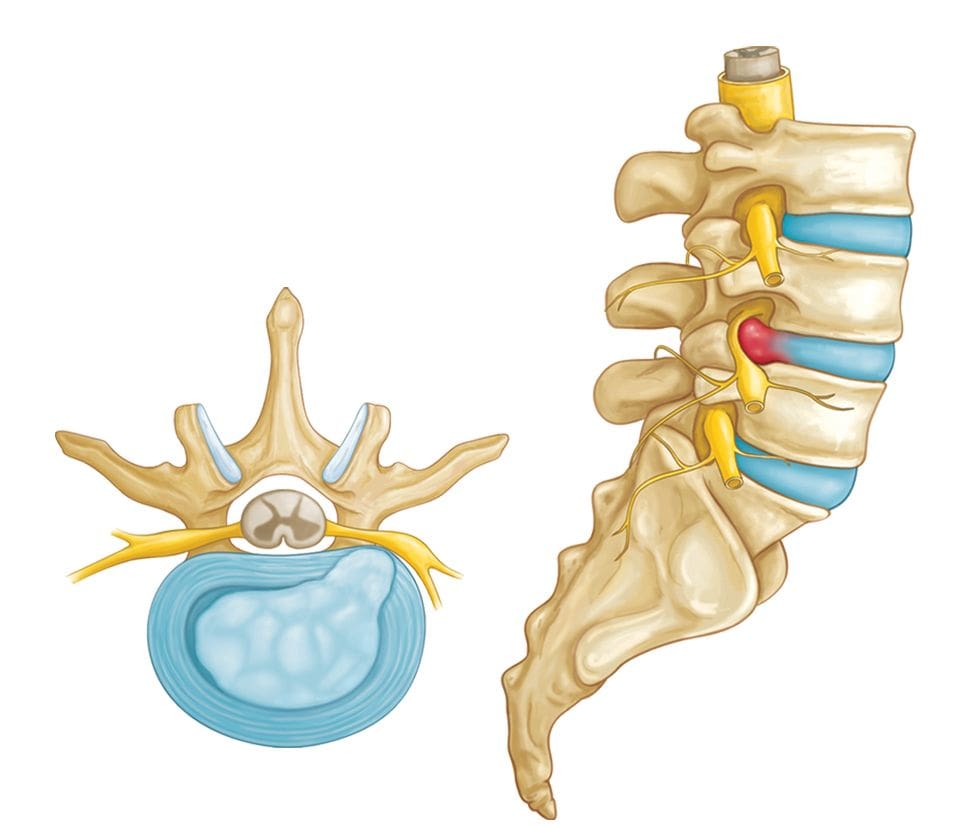
Are you experiencing numbness or tingling down your leg that affects your walking? Does twisting or turning make your lower back uncomfortable? Or are you suffering from low back pain caused by sciatic nerve pain, making it difficult to work or do activities? Many people don’t realize they have herniated discs until repetitive movements cause wear and tear on the spine or constant compression causes the disc to crack, allowing the inner layer to protrude and press on the spinal nerve roots. Research studies reveal that herniated discs can result from various changes that cause pain-like symptoms, including limited trunk flexion, sensory abnormalities in the lower extremities, low back pain, radicular pain, sciatica, and intense distress when sitting. Herniated discs are common, and the inflammatory response from surrounding nerve roots can cause immense pain. As additional research shows, autoimmune responses released by the nucleus pulposus play a crucial role in the pathophysiology of sciatic pain and lumbar radiculopathy.
The Causes Of Herniated Disc-Video
Herniated discs can cause discomfort and pain depending on their severity and location. Several factors contribute to their development, including improper lifting of heavy objects, age, weight, and physical inactivity. Repetitive motions, constant stress, and autoimmune conditions also play a role. Disc herniation impacts the spinal structure and can cause sensory abnormalities in the lower extremities, muscular pain in the arms, back, foot, or leg, and affect the quality of life. However, non-surgical treatments are available to reduce disc herniation and restore the spine’s mobility, flexibility, and stability.
Treatments To Restore Sensory Function
If home remedies such as rest, hot and cold packs, and over-the-counter medications do not work, non-surgical treatments can effectively reduce the effects of disc herniation. These treatments are also safe, gentle, and cost-effective for many people who want relief without the financial burden. Chiropractic care, muscle energy techniques (MET), and spinal decompression are examples of non-surgical treatments that can help target the source of pain, reactivate the body’s natural healing process, and realign the body from herniated discs and spinal subluxation. These treatments can restore sensory function affected by herniated discs by addressing these issues.
Spinal Decompression
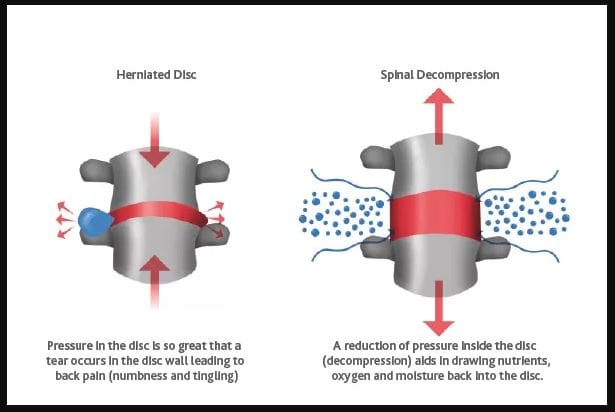
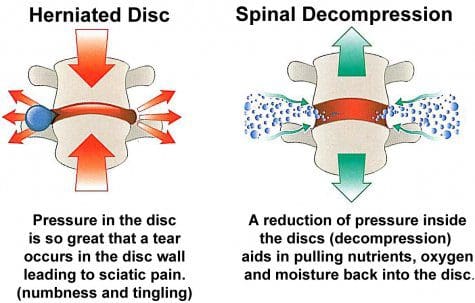
When dealing with herniated discs, many people turn to spinal decompression to alleviate pain and find relief in their spine. Studies have shown that spinal decompression involves using gentle traction to create negative pressure within the affected herniated disc. This can increase hydration and reduce pressure on the nerve root, easing the pain signals that affect the lower extremities. In “The Ultimate Spinal Decompression,” Dr. Eric Kaplan, D.C., FIAMA, and Dr. Perry Bard, D.C., explained that the duration of treatment for spinal decompression for herniated discs can vary depending on the severity. Mild herniation may require longer treatment, while patients with multiple herniations in different spinal locations may need additional sessions. However, the treatment should effectively reduce sensory abnormalities and relieve pain for the individual.
Many individuals are unaware of their pain until they perform specific movements that cause discomfort. This is due to the heavy weight that causes the body to carry an axial overload, compressing the spinal disc, which can lead to herniation or degeneration over time if not treated promptly. Compressed spinal discs can cause chronic conditions such as low back pain, spinal stenosis, or intervertebral disc disease (IDD). Several factors contribute to the development of IDD, including chronic conditions that can lead to compressed spinal discs. This condition can be relieved over time through therapy treatments that can reduce the pain effects of IDD and help individuals be more mindful of their spine. This article will discuss IDD therapy’s role in relieving spine pain, treatment protocols, and how it is combined with spinal decompression, a non-surgical therapy. We work with certified medical providers who use our patients’ valuable information to treat individuals suffering from back and spinal disc degeneration while informing them about non-surgical treatments like IDD(intervertebral disc degeneration) therapy and spinal decompression that can help relieve their pain and help rehydrate their spinal disc. We encourage patients to ask essential questions and seek education from our associated medical providers about their condition. Dr. Jimenez, D.C., provides this information as an educational service. Disclaimer
What Is IDD Therapy?
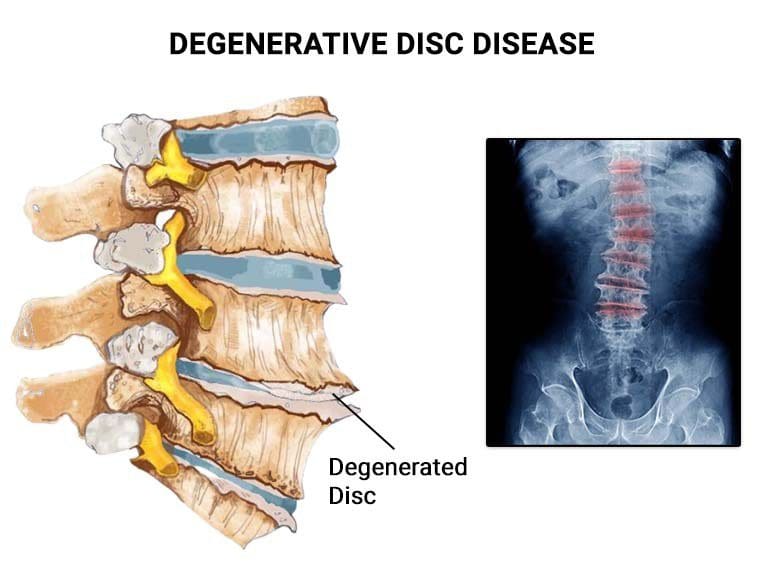
The spine comprises muscles, tendons, ligaments, discs, and bones extending from the skull’s base to the bottom of the sacrum. Its primary function is to keep the body upright and protect the spinal cord from injuries. According to research studies, the spinal discs act as shock absorbers during movement and can become damaged over time, causing pain-like symptoms and chronic conditions. IDD therapy is a common treatment for reducing pain caused by degenerative discs.
Research suggests that intervertebral disc degeneration can cause symptoms related to musculoskeletal disorders such as low back pain, disc herniation, and spinal stenosis. Conservative and non-invasive treatments can reduce the pain-like symptoms and effects caused by IDD. IDD therapy allows the spine to be re-toned, restructured and re-educated. Like spinal decompression, IDD therapy uses gentle traction pulling to rehydrate the discs and reduce the pressure on the nerve roots, as stated by research studies. IDD therapy helps restore muscle strength, increase the spine’s range of motion, and promote the body’s natural healing process to reduce spinal pain associated with environmental factors.
Home Exercise For Pain Relief- Video
Do you experience difficulty doing activities due to back pain? Do you feel stiffness or instability in your lower back? These may be symptoms of intervertebral degenerative disease caused by repetitive motions. IDD can cause chronic musculoskeletal disorders and disability. However, available non-surgical treatments like IDD therapy, which uses negative pressure to rehydrate the spinal disc, can reduce pain. Other non-surgical therapies like chiropractic care and physical therapy can help restore mobility and strengthen back muscles. Check out the video above for home exercise routines that relieve pain.
IDD Treatment Protocols
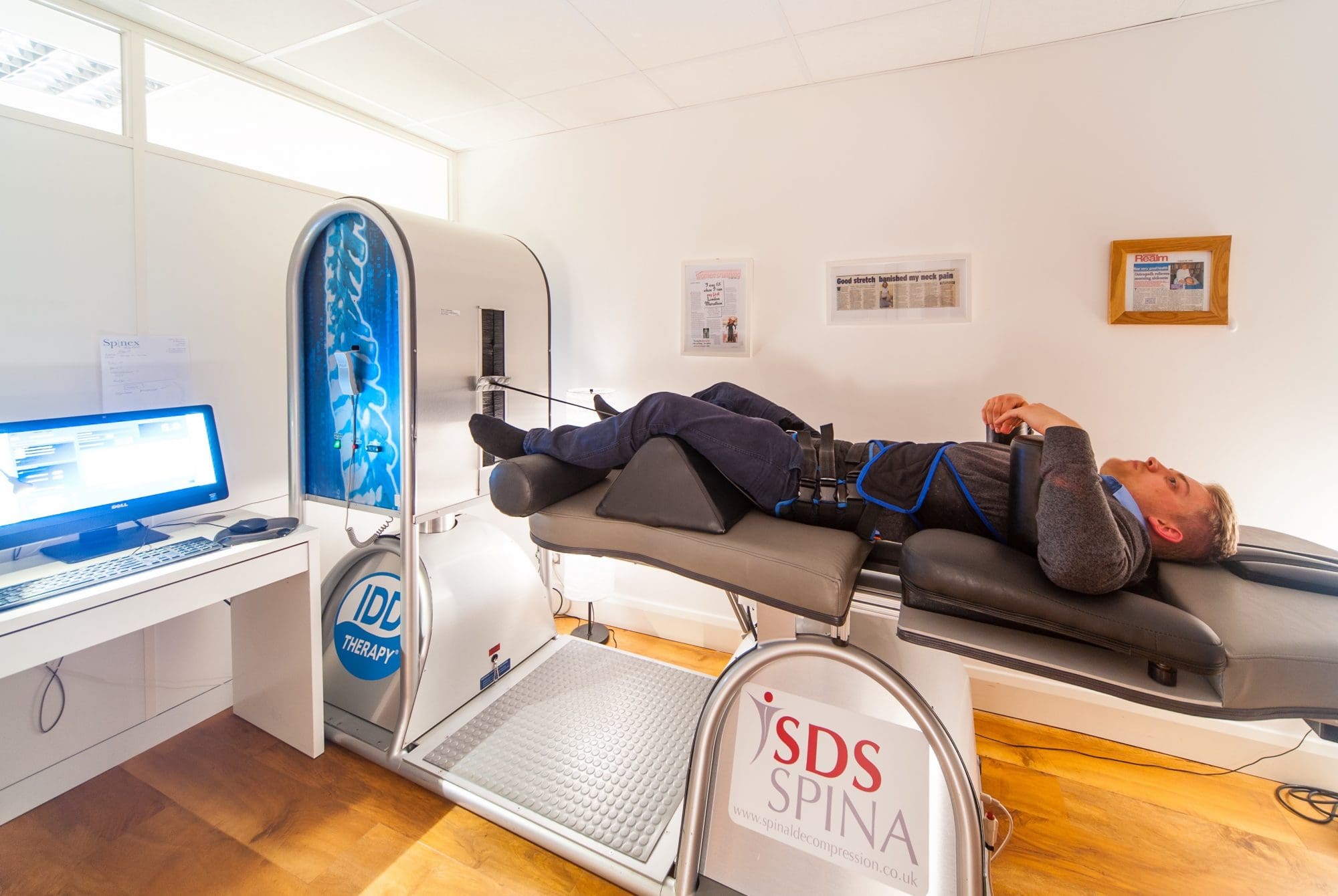
Dr. Eric Kaplan, D.C., FIAMA, and Dr. Perry Bard, D.C., wrote “The Ultimate Spinal Decompression,” explaining how chiropractors and massage therapists use personalized IDD therapy plans to treat musculoskeletal pain associated with intervertebral degenerative disease. IDD therapy involves strapping the individual to a traction machine and utilizing specific protocols for treatment.
The Treatment Schedule
The first step in IDD therapy is examining the individual’s range of motion, muscle strength, nerve conduction, and SSEP tests. This allows the doctor to document the pain’s location and develop a personalized treatment plan, including the indicated problem, treatment frequency, duration, etc. Afterward, the individual will receive other treatments before the IDD traction therapy machine.
Therapeutic Ultrasound
Electro-stimulation
Interferential Stimulation
Hydrocolator
This machine gently pulls the spine to create negative space between the spinal column, allowing nutrients to rehydrate the disc and begin healing. The process lasts 20-30 minutes and may cause mild soreness, but progress is seen after a few sessions.
Pre-& Post-Session Physical Therapy
The benefit of combining IDD therapy with physical therapy is that stretching techniques can loosen the surrounding muscles before spinal mobilization, allowing the soft tissues to accept the treatment. After treatment, cryo-therapeutic therapy or an ice pack can alleviate soreness and inflammation. Drinking plenty of water is important to replenish intra-cellular cells, and physical activities can be slowly incorporated to strengthen muscles.
Conclusion
Taking care of the spine is important by not constantly allowing axial overload to compress the spinal disc through repetitive motion. This causes the disc to degenerate and lead to back pain. However, non-surgical treatments like IDD therapy can help reduce the pain and help strengthen the surrounding muscles protecting the spine. IDD therapy is similar to spinal decompression, which allows the individual to be harnessed to a machine and uses gentle traction on the spine to create negative space in the spinal column and promote the body’s healing factors. Many individuals can see the beneficial results over time and continue their daily routine pain-free.
The spine consists of soft tissues, ligaments, the spinal cord, nerve roots, and cartilage, forming an S-shaped curve with three regions: cervical, thoracic, and lumbar. Its primary functions are to keep the body upright, provide mobility, and support the upper body’s weight. Injuries or other factors can cause mild to severe pain-like symptoms that affect the spine’s three regions, leading to misalignment and disc herniation, which can cause further complications. Fortunately, non-surgical treatments like spinal decompression can restore the spine’s functionality by realigning the body and restoring the spinal discs. This article will discuss how disc herniation affects the spine and body and how decompression therapy can treat it. We work with certified medical providers who use our patients’ valuable information to provide non-surgical treatments, including spinal decompression, to relieve pain-like symptoms associated with disc herniation and prevent chronic musculoskeletal issues. We encourage patients to ask essential questions and seek education about their condition. Dr. Jimenez, D.C., provides this information as an educational service. Disclaimer
How Does Disc Herniation Affect The Spine?
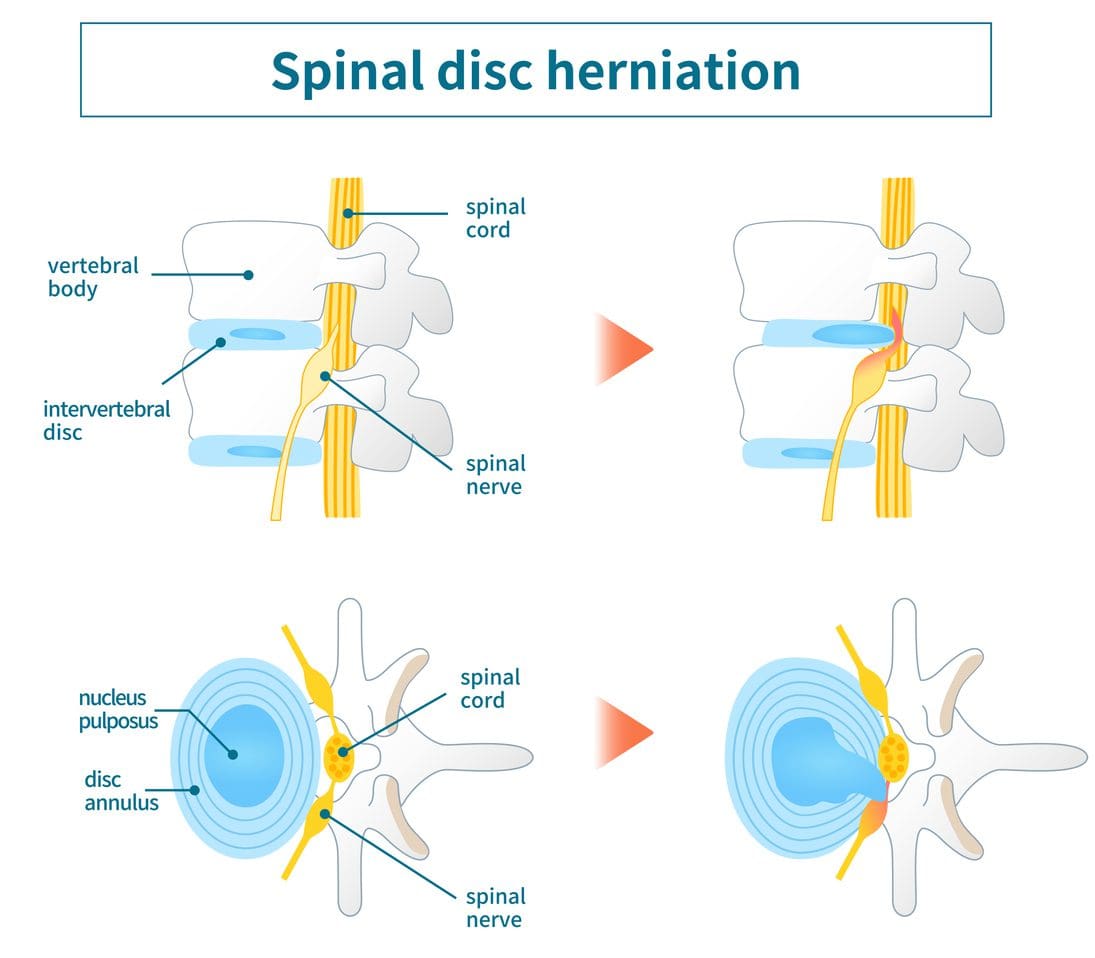
Do you experience stiffness or tingling in your neck, shoulders, or low back? Do you have radiating pain that is similar to other musculoskeletal conditions? Or do you feel aches and pains during stretching? These symptoms are often associated with spinal disc herniation, as research studies revealed, where the nucleus pulposus within the spine displaces and compresses the spinal nerve or cord. This can be caused by poor posture, incorrect lifting of heavy objects, or excessive twisting and turning, leading to wear and tear on the spinal disc. Left untreated, this can cause neurologic compromise or activity limitation to the rest of the body, as additional research shows. The three spinal regions can all be affected by this condition, causing a range of issues such as:
Numbness and tingling in the arms, hands, and fingers
Muscle weakness and stiffness in the neck and shoulders
Gait disturbances
Paralysis
Cardiovascular abnormalities
Back pain
Muscle weakness in hips, legs, buttocks, and feet
Sciatic nerve mimicry
An Overview Of Disc Herniation-Video
Have you been experiencing numbness, tingling sensations, or instability when walking? These issues could be caused by disc herniation, which occurs when the spinal cord and nerves are compressed or aggravated by the nucleus pulposus. This can cause pain in the cervical, thoracic, and lumbar areas and affect the functioning of your extremities. Research studies have revealed the severity of the herniation depends on the section affected, the size of the spinal canal, and pressure on the nerves. However, non-surgical, safe, and gentle treatments, such as chiropractic care and decompression therapy, can alleviate the effects of disc herniation. Watch the video above to learn more about the causes of disc herniation and the available treatments.
Decompression Therapy Treating Disc Herniation
If you are experiencing disc herniation, some treatments can help restore functionality to your spine. According to research studies, decompression therapy is one such treatment that works by using negative pressure within the spinal disc to increase hydration. This process pulls nutrients and oxygenated blood back into the disc, reducing pressure on the entrapped surrounding nerve root. Additionally, decompression therapy relieves the associated symptoms caused by disc herniation. In “The Ultimate Spinal Decompression,” written by Dr. Perry Bard, D.C., and Dr. Eric Kaplan, D.C., FIAMA, they explain that individuals with a herniated disc who use decompression therapy will feel negative or non-gravitational pressure within their spinal canal, which reduces the pressure from inside the disc. Decompression therapy helps restore the spine’s functionality and facilitates natural healing.
Other Treatments For Disc Herniation
Combining decompression therapy with chiropractic care can be effective in treating disc herniation. Chiropractic care involves spinal adjustments and manual manipulation to restore the natural alignment of the spine, which can relieve pressure on nerves caused by disc herniation. Gradual realignment of the vertebrae can help alleviate symptoms and reduce pain and discomfort while restoring the spine’s strength, flexibility, and mobility.
Conclusion
If the spinal cord is affected by environmental factors or injuries, it can cause pain and discomfort to the person. This is known as disc herniation, where the nucleus pulposus in the spine protrudes out of the spinal socket and presses on the spinal nerve. This can lead to neurological problems and affect the three spinal regions, causing mild to severe issues depending on the pressure on the spinal cord. However, non-surgical treatments like chiropractic care and decompression therapy can safely and gently manipulate the spine, realigning and hydrating the disc so the body can heal naturally. This can relieve pain and discomfort in the spine and restore mobility to the body.
IFM's Find A Practitioner tool is the largest referral network in Functional Medicine, created to help patients locate Functional Medicine practitioners anywhere in the world. IFM Certified Practitioners are listed first in the search results, given their extensive education in Functional Medicine