Unlock relief with chiropractic solutions aimed at treating and preventing spinal issues like disc herniation & disc bulging.
Understanding Disc Herniation and Disc Bulging: A Comprehensive Clinical Guide to Chiropractic Care and Spinal Decompression
Unlocking the Path to Recovery: Evidence-Based Chiropractic Solutions for Spinal Disc Disorders
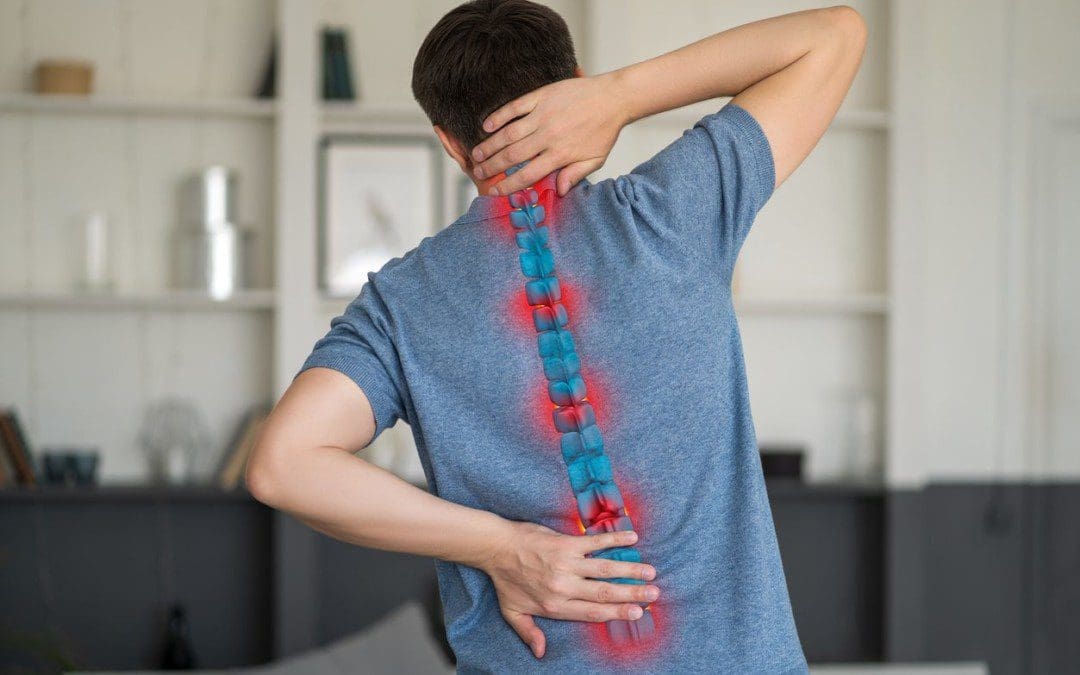
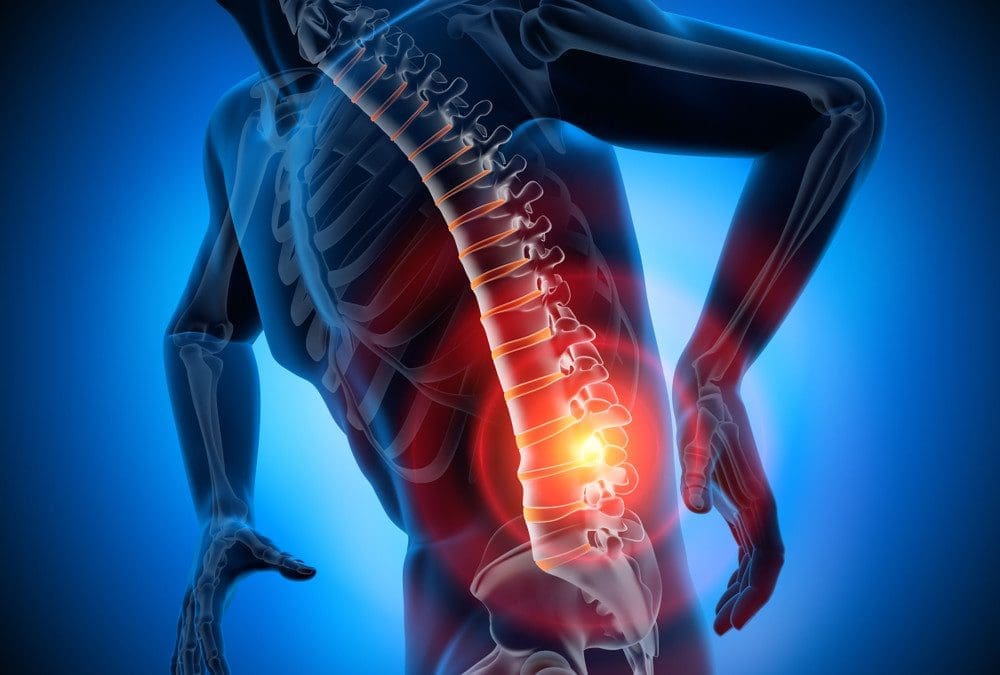
Back pain represents one of the most pervasive health challenges affecting modern society, with approximately 80% of the population experiencing at least one episode during their lifetime (Al Qaraghli & De Jesus, 2023). Within this broad spectrum of spinal conditions, disc herniation and disc bulging emerge as two of the most common yet frequently misunderstood causes of debilitating pain. For patients experiencing persistent pain radiating through the neck, mid-back, or lower back, understanding the clinical distinctions between these conditions and the evidence-based treatment options available—particularly chiropractic care and nonsurgical spinal decompression therapy—can illuminate a pathway to lasting relief and functional restoration.
Understanding the Spinal Disc: Anatomy and Function
The human spine is a marvel of biological engineering, consisting of 24 vertebrae stacked on one another, separated by intervertebral discs that serve as sophisticated shock absorbers. These discs play multiple essential roles: they maintain height between vertebrae, absorb mechanical forces during movement and impact, facilitate spinal flexibility, and distribute biomechanical loads evenly throughout the spinal column (Al Qaraghli & De Jesus, 2023). Each intervertebral disc comprises two distinct structural components. The annulus fibrosus forms the tough, circular outer portion composed of 15 to 25 stacked sheets of highly organized fibrous connective tissue, predominantly type 1 collagen in the outer layers and type 2 collagen in the inner portions. Surrounding this protective shell lies the nucleus pulposus, a gel-like inner core consisting of a loose network of fibers suspended in a hydrophilic matrix. At birth, approximately 80% of disc composition consists of water, and proper hydration remains essential for optimal disc function throughout life (El Paso Chiropractor Blog, 2016). The structural integrity of healthy discs has often been compared to a jelly doughnut—a resilient outer ring containing a soft, gelatinous center. This unique composition enables discs to evenly distribute forces and pressures applied to the spine during daily activities, maintaining spinal stability while permitting controlled movement.
Disc Herniation vs. Disc Bulging: Critical Distinctions and Similarities
While disc herniation and disc bulging both involve displacement of disc material beyond normal anatomical boundaries, understanding their fundamental differences proves critical for appropriate clinical management and patient education.
Disc Bulging: Contained Disc Displacement
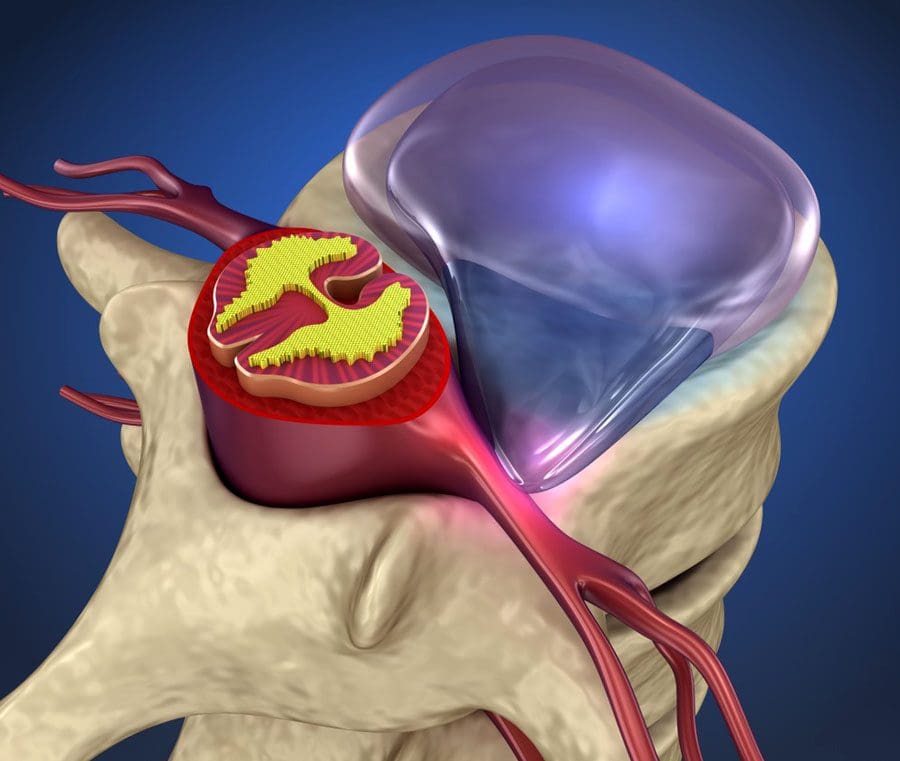
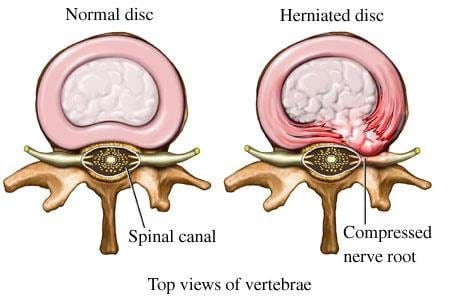
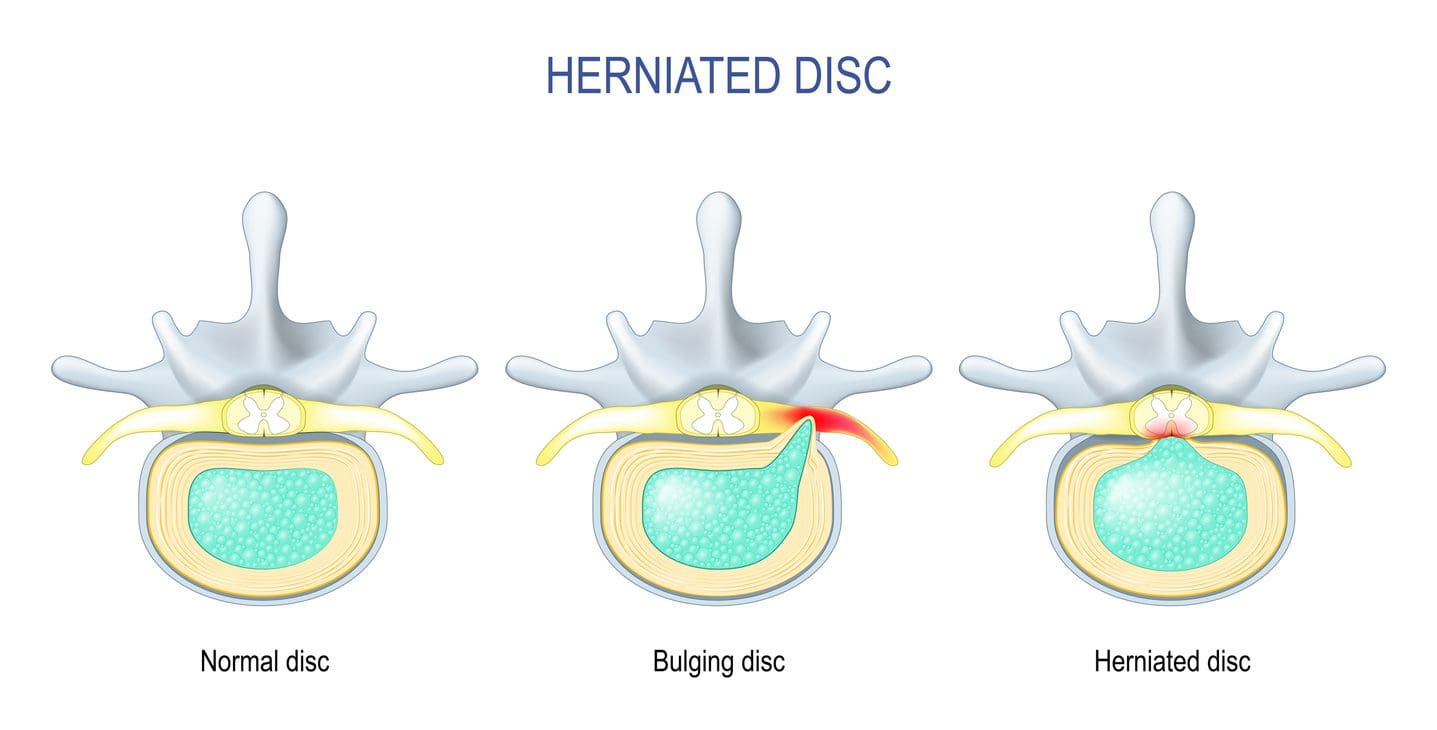
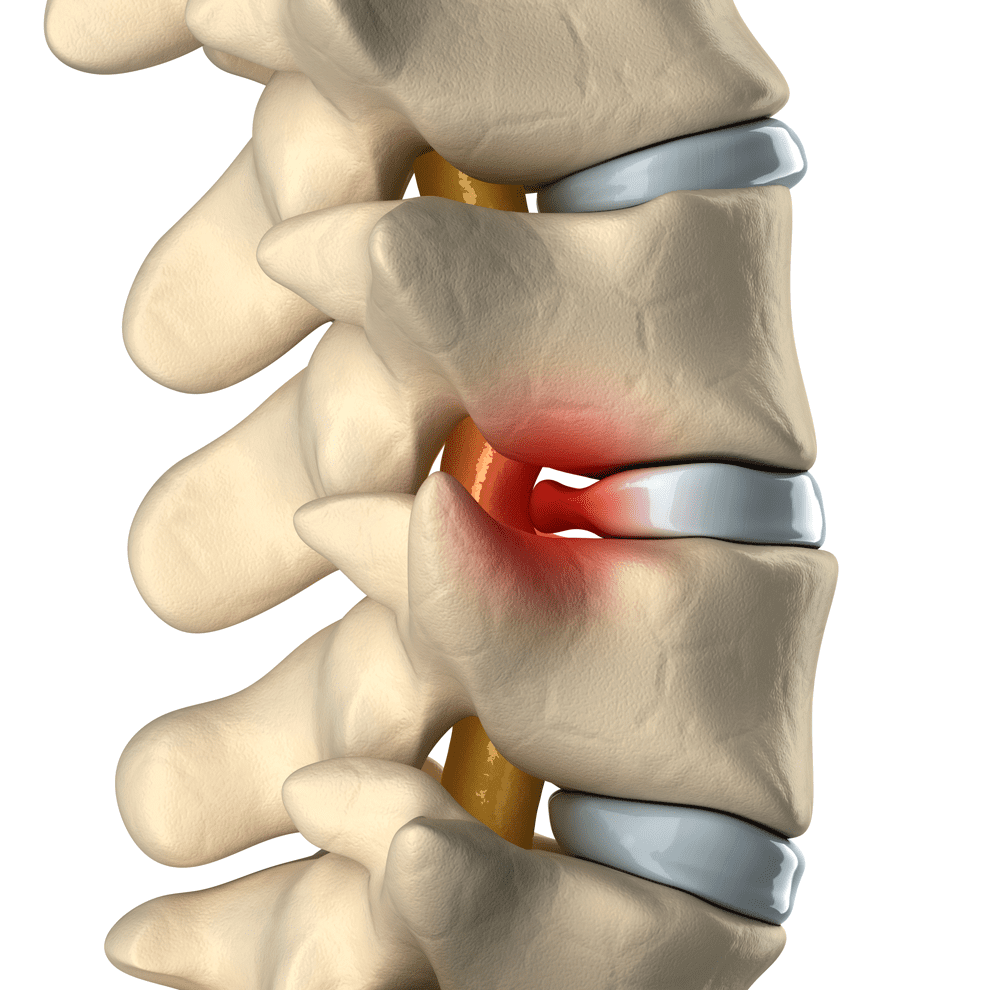
A disc bulge (also termed disc prolapse) occurs when the nucleus pulposus presses against the annulus fibrosus wall, causing the disc to protrude outward beyond its usual borders. Critically, in a bulging disc, the outer annular fibers remain intact—the gel-like nucleus stays fully contained within the disc structure, even though the entire disc extends beyond its normal space (Mayo Clinic, 2024). This condition typically affects at least 25% to 50% of the disc’s circumference and involves only the outer layer of tough cartilage (El Paso Chiropractor Blog, 2016).
The bulging disc can still compress surrounding neural structures, including spinal nerves and the spinal cord, potentially causing pain, numbness, tingling, and functional limitations. However, because the disc material remains contained, symptoms are often milder than with herniated discs, unless significant nerve compression occurs (Neurosurgery One, 2025).
Disc Herniation: Rupture and Extrusion
In contrast, a disc herniation (also called disc extrusion, ruptured disc, or slipped disc) develops when the tough outer annulus fibrosus develops a crack or tear, allowing the soft nucleus pulposus to squeeze through the opening and protrude into the spinal canal (Mayo Clinic, 2024). The herniated material can spread to adjacent structures, including the spinal cord and spinal nerve roots, often compressing these delicate tissues and triggering a cascade of symptoms (El Paso Chiropractor Blog, 2016).
When disc material herniates, two distinct pathological mechanisms contribute to pain generation. First, mechanical compression of neural structures directly irritates and damages nerve tissue. Second, the chemical composition of the nucleus pulposus itself proves highly inflammatory—when exposed to the immune system, these materials trigger significant inflammatory responses characterized by swelling, pain, and immune cell infiltration (Cosamalón-Gan et al., 2021).
Similarities Between Disc Conditions
Despite their structural differences, disc herniation and disc bulging share several important characteristics:
Common Symptom Patterns: Both conditions can produce identical or nearly identical symptoms, including localized back or neck pain, radiating pain into extremities (radiculopathy), numbness and tingling sensations, muscle weakness, and limited range of motion (Neurosurgeons of New Jersey, 2023).
Age-Related Degeneration: Both conditions typically arise from the spine’s natural degenerative process. As individuals age, spinal discs progressively dehydrate, becoming stiffer, more fragile, and less capable of adjusting to compression and mechanical stress. This degeneration represents the primary underlying cause for most disc complications (El Paso Chiropractor Blog, 2016).
Nerve Compression Mechanisms: Whether bulging or herniated, displaced disc material can impinge on spinal nerve roots or the spinal cord, triggering nerve irritation, inflammation, and the characteristic pain patterns associated with these conditions (Al Qaraghli & De Jesus, 2023).
Asymptomatic Presentations: Remarkably, many individuals harbor disc bulges or herniations without experiencing any symptoms whatsoever. These conditions are frequently discovered incidentally during imaging studies performed for unrelated medical issues (Mayo Clinic, 2024).
Regional Manifestations: How Disc Disorders Affect the Cervical, Thoracic, and Lumbar Spine
Disc herniation and bulging can develop throughout the spinal column, though certain regions are more vulnerable. The clinical presentation, symptom patterns, and functional impairments vary significantly depending on the spinal region affected.
Cervical Spine Disc Disorders
The cervical spine, comprising seven vertebrae in the neck, is the second most common site of symptomatic disc herniation. The most frequently affected levels are C4-C5, C5-C6, and C6-C7, with C6-C7 most likely to herniate in the cervical region (Spine-health, 2019).
Clinical Manifestations: Cervical disc herniation typically produces neck pain located toward the back or side of the neck, ranging from mild tenderness to sharp, burning sensations (Spine-health, 2019). Radicular pain—characterized by electric shock-like or hot sensations—commonly radiates from the neck down through the shoulder, arm, hand, and fingers. The specific distribution of symptoms depends on which nerve root suffers compression:
C5 nerve root (C4-C5 herniation): Pain and tingling radiating to the shoulder, with potential weakness in the deltoid muscle
C6 nerve root (C5-C6 herniation): Pain, tingling, and numbness affecting the thumb side of the hand, with weakness in the biceps and wrist extensors
C7 nerve root (C6-C7 herniation): Symptoms extending to the middle finger, with triceps weakness and finger extensor dysfunction
C8 nerve root (C7-T1 herniation): Pain and numbness in the pinky side of the hand, with handgrip weakness
Cervical herniated discs can also trigger cervical myelopathy when disc material compresses the spinal cord itself. This serious condition produces bilateral symptoms including numbness, weakness, balance disturbances (ataxia), hyperreflexia, and potential urinary incontinence. Chronic myelopathy may progress insidiously, sometimes delaying diagnosis as patients attribute symptoms to normal aging (Kamran Aghayev, 2025).
Thoracic Spine Disc Disorders
Thoracic disc herniations represent the rarest form of symptomatic disc pathology, with an estimated incidence of approximately one in one million per year, accounting for only 0.25% to 0.75% of total symptomatic spinal disc herniations (BCMJ, 2019). Despite this rarity, thoracic disc disorders present unique diagnostic challenges due to their atypical symptom presentations.
Clinical Manifestations: Thoracic herniated discs produce three distinct clinical patterns (Barrow Neurological Institute, 2025):
Radiculopathy (affecting approximately 52% of symptomatic patients): Mid-back pain that may wrap around the chest in a band-like distribution, corresponding to the dermatomal pattern of the affected nerve root. Patients often describe sensations of a strap tightening around their chest. Pain may also manifest as numbness, pressure sensations, or generalized discomfort rather than classic pain.
Myelopathy (affecting approximately 70% of symptomatic patients): Spinal cord compression producing difficulty walking, progressive lower extremity weakness and numbness, wide-based gait, increased muscle tone and clonus, hyperreflexia in lower extremities, and occasional bowel dysfunction.
Atypical extraspinal symptoms: Thoracic disc herniations frequently produce misleading symptoms, including nausea, emesis, chest tightness, gastrointestinal complaints, chronic constipation, buttock and leg burning pain, and urinary frequency—often leading to extensive workups for cardiac, pulmonary, or gastrointestinal disorders before the correct diagnosis emerges (Physio-pedia, 2023).
The most commonly affected thoracic levels include T7-T8, T8-T9, and T11-T12, with disc pathologies identified in approximately 18% of thoracic intervertebral disc levels among symptomatic patients (Turkish Journal of Medical Sciences, 2019).
Lumbar Spine Disc Disorders
The lumbar spine represents the most common location for disc herniation and bulging, with approximately 95% of lumbar disc herniations occurring at the L4-L5 or L5-S1 levels. Lumbar disc herniation affects 5 to 20 individuals per 1,000 adults annually, with peak prevalence occurring in the third to fifth decades of life and a male-to-female ratio of 2:1 (Al Qaraghli & De Jesus, 2023).
Clinical Manifestations: Lumbar disc disorders typically produce:
Low back pain: The primary symptom, arising from pressure exerted by herniated disc material on the posterior longitudinal ligament and local inflammation. The pain is often mechanical, worsening with movement, prolonged sitting, straining, coughing, and sneezing (Al Qaraghli & De Jesus, 2023).
Radiculopathy (sciatica): When disc material compresses lumbar nerve roots, pain radiates into the buttocks, thighs, calves, and feet, following specific dermatomal patterns:
L4 nerve root (L4-L5 herniation): Pain radiating to the anterior thigh and medial leg, with weakness in hip flexion/adduction and knee extension, plus diminished patellar reflex
L5 nerve root (L5-S1 herniation): Pain extending to the buttock, lateral thigh, lateral calf, dorsum of foot, and great toe, with weakness in foot dorsiflexion, great toe extension, and foot inversion/eversion
S1 nerve root (S1-S2 herniation): Sacral/buttock pain radiating to the posterolateral thigh, calf, and lateral/plantar foot, with weakness in plantar flexion and diminished Achilles reflex
Neurological deficits —sensory abnormalities (numbness, tingling), motor weakness, muscle atrophy in chronic cases, and altered reflexes — characterize nerve root compression. Severe central herniations may produce cauda equina syndrome, a surgical emergency characterized by saddle anesthesia, bowel/bladder incontinence, and progressive bilateral lower extremity weakness (Al Qaraghli & De Jesus, 2023).
Environmental and Occupational Risk Factors: Creating Overlapping Risk Profiles for Back Pain
While genetic factors contribute significantly to disc degeneration and herniation susceptibility, environmental and occupational exposures create substantial additional risk, often producing overlapping risk profiles that compound individual vulnerability to back pain across all spinal regions.
Occupational Physical Demands
Heavy physical workload and occupations requiring strenuous effort are associated most strongly with lumbar disc herniation risk. Research examining risk factors for lumbar disc herniation with radiculopathy identified occupation—particularly heavy labor—among the most robust risk factors, with certain professions showing risk ratios up to 6.0 (Dynamic Disc Designs, 2024).
Specific occupational activities that increase disc herniation risk include:
Repetitive lifting, bending, and twisting: Cumulative exposure to lifting heavy weights, forward bending, and rotational movements significantly increases lumbar disc herniation risk (Risk Factors Study, 2021)
Prolonged sitting: Sedentary work increases the risk of disc degeneration by exerting sustained compression loads on the spine during extended sitting. Sitting increases intradiscal pressure by approximately 40% compared to standing, intensifying mechanical stress on already vulnerable discs (Al Qaraghli & De Jesus, 2023)
Extended work hours: Working periods exceeding 8 hours consistently and experiencing high workplace stress levels are both associated with elevated disc herniation risk (Spine-health, 2024)
Whole-body vibration: Occupations involving prolonged exposure to vibration (truck drivers, heavy equipment operators) accelerate disc degeneration
Built Environment and Healthy Building Determinants
Emerging evidence indicates that indoor environmental quality and healthy building determinants significantly influence the risk of back and neck pain. A systematic review examining relationships between healthy building determinants and back/neck pain found evidence generally supporting that as healthy building determinants worsen—including poor air quality, inadequate ventilation, dust exposure, suboptimal lighting, moisture problems, excessive noise, thermal discomfort, and poor water quality—the risk of back and neck pain increases (PMC, 2022).
Given that people spend more than 90% of their time indoors, the built environment where most back and neck pain episodes occur deserves greater attention in prevention strategies. Poor environmental factors, including noise, dust, gases, fumes, and poor air quality, were significantly associated with increased back pain risk in both men and women across multiple studies (PMC, 2022).
Age and degeneration: While aging itself remains unavoidable, the natural degenerative cascade—characterized by reduced water content, increased type 1 collagen ratios in the nucleus pulposus, destruction of extracellular matrix, and upregulated inflammatory pathways—progresses throughout adult life, with disc herniation most prevalent between ages 30-50 (Al Qaraghli & De Jesus, 2023).
Obesity and excess weight: Elevated body mass index dramatically increases disc herniation risk by placing excessive mechanical load on the spine, accelerating disc degeneration and making herniation more likely. Excess body fat, particularly around the chest and abdomen, intensifies biomechanical stress on the lower back while promoting systemic inflammation (Spine-health, 2024).
Nicotine use: Smoking, vaping, and tobacco chewing disrupt nutrient flow to intervertebral discs, inhibit nucleus pulposus cell growth, and reduce collagen synthesis—all accelerating disc degeneration (Spine-health, 2024).
Sedentary lifestyle: Physical inactivity leads to weak core muscles, poor posture, and reduced flexibility, all of which increase stress on spinal discs. Regular low-impact exercise strengthens muscles supporting the spine and improves overall spinal health (Leucadia Chiropractic, 2025).
Improper lifting techniques: Using the back instead of legs when lifting, twisting while lifting, or attempting to carry excessive weight places dangerous pressure on the spine, potentially triggering acute herniation in susceptible individuals.
Cardiovascular risk factors: Surprisingly, high cholesterol, hypertension, diabetes, and family history of coronary disease all associate with higher lumbar disc herniation risk, particularly in women, suggesting metabolic health plays important roles in disc pathology (Dynamic Disc Designs, 2024).
Genetic Susceptibility and Gene-Environment Interactions
Twin studies demonstrate that both genetic and environmental factors contribute substantially to disc degeneration and back pain. Genetic factors appear to influence disc narrowing and degeneration—key pathways through which genes influence the development of back pain (FYZICAL, 2006). However, environmental factors interact with genetic predisposition, creating complex risk profiles where occupational exposures, lifestyle choices, and built environment quality either amplify or mitigate underlying genetic vulnerability.
Research on Finnish twins revealed that approximately 41% of the total variance in childhood low back pain could be attributed to shared environmental factors within families, while 59% stemmed from unique environmental factors, with genetic factors playing at most a minor role in pediatric populations (PMC, 2008). This underscores the critical importance of identifying and modifying environmental risk factors to prevent disc pathology across the lifespan.
The Inflammatory Cascade: Biochemical Mediators of Disc-Related Pain
Understanding disc herniation requires moving beyond purely mechanical models of nerve compression to appreciate the complex inflammatory processes that amplify and perpetuate pain. Until fairly recently, sciatic pain and radiculopathy associated with lumbar disc herniation were attributed exclusively to mechanical compression of nerve roots. However, mounting evidence from immunology, immunohistochemistry, and molecular biology studies indicates that herniated disc tissue is biologically active, expressing numerous inflammatory mediators that play central roles in pain generation (Cosamalón-Gan et al., 2021).
Pro-Inflammatory Cytokines
Herniated and degenerated discs demonstrate markedly elevated levels of pro-inflammatory cytokines, including:
Interleukin-1 beta (IL-1β): A master regulator of inflammatory responses that stimulates production of matrix metalloproteinases (MMPs), promoting extracellular matrix breakdown and disc degeneration. IL-1β also induces expression of additional inflammatory mediators and chemokines (PMC, 2013).
Tumor Necrosis Factor-alpha (TNF-α): Works synergistically with IL-1β to promote matrix degradation, increase production of catabolic enzymes, and stimulate inflammatory pathways. TNF-α directly sensitizes nociceptors, lowering pain thresholds and increasing pain sensitivity (PMC, 2013).
Interleukin-6 (IL-6): Elevated in degenerated and herniated discs, IL-6 contributes to chronic inflammatory states and correlates with pain intensity. Recent research demonstrates that disc herniation severity associates with circulating IL-6 levels, with this relationship particularly pronounced in patients with chronic symptoms (NYP Advances, 2020).
Interleukin-8 (IL-8): A potent chemotactic factor that recruits neutrophils to sites of disc herniation. Co-neutralization of IL-8 and TNF-α significantly improved mechanical hyperalgesia in experimental models (PMC, 2013).
Interleukin-17 (IL-17): Plays important roles in recruiting T-cells and macrophages and activating glial and astrocytic cells during nerve injury and subsequent neuropathic pain. IL-17 levels show significant elevation in herniated versus merely degenerated discs (PMC, 2013).
Chemokines and Immune Cell Recruitment
Beyond structural damage, inflammatory cytokines stimulate disc cells to produce chemotactic factors that recruit immune cells—including macrophages, neutrophils, and T cells—to the disc and surrounding tissues. Analysis of herniated discs reveals elevated levels of multiple chemokines, including:
Monocyte chemotactic protein-1 (MCP-1, CCL2)
CCL3, CCL4, CCL5
MCP-3, MCP-4
CXCL10
Expression of CCL3 correlates positively with degeneration grade and is higher in herniated tissue compared with degenerate but contained discs. By regulating chemokine expression, inflammatory cytokines promote C-C chemokine receptor type 1 (CCR1)-dependent macrophage migration, thereby establishing a self-perpetuating inflammatory cycle critical to pain-generating pathways (PMC, 2013).
Autoimmune Responses
Inflammation in disc herniation stems not only from chemical irritation by bioactive substances released from the nucleus pulposus but also from autoimmune responses against disc tissue itself. The nucleus pulposus, normally sequestered from the immune system, becomes recognized as foreign when herniation exposes it to immune surveillance. This triggers antibody production and T-cell-mediated responses that amplify local inflammation (Cosamalón-Gan et al., 2021).
Clinical Implications of Inflammatory Mechanisms
This biochemical understanding carries profound clinical implications. First, it explains why some patients experience severe pain despite relatively minor disc herniations—individual variations in inflammatory responses may prove more important than herniation size alone. Second, it validates treatment approaches targeting inflammation, including judicious use of anti-inflammatory medications and interventions like epidural steroid injections. Third, it suggests that therapies that promote the resolution of inflammation and support tissue healing—such as chiropractic care and spinal decompression—may address root causes rather than merely manage symptoms.
Spinal Decompression in Depth- Video
Clinical Rationale for Chiropractic Care in Disc Herniation and Bulging
Chiropractic care has emerged as a primary conservative treatment modality for patients suffering from disc herniation and bulge, supported by growing evidence demonstrating significant clinical benefits. The clinical rationale for chiropractic intervention in disc pathology rests on multiple therapeutic mechanisms that address both mechanical dysfunction and inflammatory processes.
Mechanisms of Chiropractic Spinal Manipulation
Chiropractic spinal manipulation—characterized by high-velocity, low-amplitude (HVLA) controlled forces applied to specific spinal segments—produces multiple beneficial effects in patients with disc disorders:
Restoration of spinal alignment and mobility: Spinal manipulation corrects vertebral misalignments (subluxations) that may contribute to abnormal biomechanical stress on intervertebral discs. By restoring proper spinal alignment, manipulation reduces asymmetric loading that accelerates disc degeneration (El Paso Chiropractor Blog, 2016).
Reduction of intradiscal pressure: Properly executed spinal manipulation may temporarily reduce pressure within affected discs, potentially facilitating retraction of herniated material and reducing compression on adjacent neural structures.
Improvement of spinal joint function: Manipulation increases range of motion in restricted spinal segments, reducing mechanical irritation of surrounding tissues and improving overall spinal biomechanics.
Modulation of pain perception: Spinal manipulation activates mechanoreceptors and produces neurophysiological effects that may modulate pain perception via gate-control mechanisms and descending pain-inhibition pathways.
Anti-inflammatory effects: Emerging evidence suggests that spinal manipulation may influence inflammatory processes, potentially reducing local cytokine production and promoting the resolution of inflammation.
Clinical Outcomes Evidence for Chiropractic Care
Multiple high-quality studies document the effectiveness of chiropractic spinal manipulation for disc herniation and bulging across spinal regions:
Lumbar Disc Herniation: A landmark prospective cohort study published in the Journal of Manipulative and Physiological Therapeutics followed 148 patients aged 18-65 with low back pain, leg pain, and MRI-confirmed lumbar disc herniation treated with high-velocity, low-amplitude spinal manipulation (Leemann et al., 2014). Outcomes proved remarkable:
At 3 months, 90.5% of patients reported “improvement” on global impression of change scales
At 1 year, 88.0% maintained “improved” status
Among chronic patients (symptoms >3 months), 81.8% reported improvement, increasing to 89.2% at 1 year
Both acute and chronic patients demonstrated significant improvements in numerical rating scale scores for low back pain, leg pain, and Oswestry Disability Index scores at all follow-up points (2 weeks, 1, 3, 6, and 12 months)
No adverse events were reported throughout the study period
The high success rates among chronic patients are particularly noteworthy, as this population typically shows poorer responses to conservative interventions. The sustained improvements at one-year follow-up indicate that chiropractic manipulation produces lasting benefits rather than merely temporary symptom relief.
Cervical Disc Herniation: Research from Zurich, Switzerland, examined 50 patients aged 18-65 with MRI-confirmed cervical disc herniation treated with chiropractic spinal manipulation at frequencies of 3-5 sessions weekly initially, reducing to 1-3 sessions weekly until symptom resolution (SSPT Chiropractic, 2024). Results demonstrated progressive improvement:
At 2 weeks, 55% of participants reported improvement
At 1 month, 68.8% showed improvement
At 3 months, 85.4% experienced favorable outcomes
Even among chronic cervical disc herniation patients, 76% reported beneficial effects, including reduced neck and arm pain
Another study specifically examining patients with MRI-confirmed lumbar disc herniation and concomitant sacroiliac joint hypomobility found that five sessions of lumbar and sacroiliac joint manipulation over a 2-week period produced significant improvements in both back and leg pain intensity and functional disability, as measured by the Oswestry Disability Index (Shokri et al., 2018).
Comparative Effectiveness: Research comparing chiropractic spinal manipulative therapy (CSMT) with other care modalities for newly diagnosed lumbar disc herniation and lumbar spinal radiculopathy found that patients receiving CSMT demonstrated significantly reduced odds of requiring lumbar discectomy surgery through 2-year follow-up compared to those receiving other care approaches (BMJ Open, 2022). This suggests that chiropractic care may help many patients avoid surgical intervention while achieving satisfactory functional outcomes.
Dr. Alexander Jimenez’s Integrative Approach
Dr. Alexander Jimenez, DC, APRN, FNP-BC, exemplifies the modern integrative chiropractic practitioner, combining advanced clinical expertise with comprehensive diagnostic evaluation to optimize patient outcomes. As both a board-certified Doctor of Chiropractic and Family Practice Nurse Practitioner practicing in El Paso, Texas, Dr. Jimenez brings a unique dual-scope perspective to treating complex spinal disorders, including disc herniation and bulging. Dr. Jimenez’s clinical approach emphasizes thorough diagnostic evaluation utilizing advanced imaging modalities—including MRI and other radiological studies—to precisely characterize disc pathology before initiating treatment. This imaging-guided approach ensures that manipulation techniques are appropriately tailored to each patient’s specific disc lesion type, location, and severity. As noted on his clinical website (dralexjimenez.com), Dr. Jimenez focuses on treating patients with “complex herniated discs” using evidence-based protocols that integrate chiropractic manipulation, functional medicine principles, nutritional optimization, and rehabilitation exercises. His dual training enables comprehensive evaluation of patients from both musculoskeletal and medical perspectives, identifying underlying metabolic, inflammatory, or systemic factors that may contribute to disc degeneration and impaired healing. Dr. Jimenez emphasizes that proper patient selection proves critical—when patients present with conditions better suited for alternative treatments or specialist referral, he ensures they receive appropriate care from the most qualified providers. The integration of functional medicine assessment tools, including detailed evaluations of genetics, lifestyle factors, environmental exposures, nutritional status, and psychological/emotional factors, enables Dr. Jimenez to address the root causes of disc pathology rather than merely treating symptoms. This comprehensive approach aligns with emerging evidence demonstrating that metabolic health, inflammatory status, and environmental factors significantly influence disc degeneration progression and healing potential.
Nonsurgical Spinal Decompression: Mechanism, Evidence, and Clinical Application
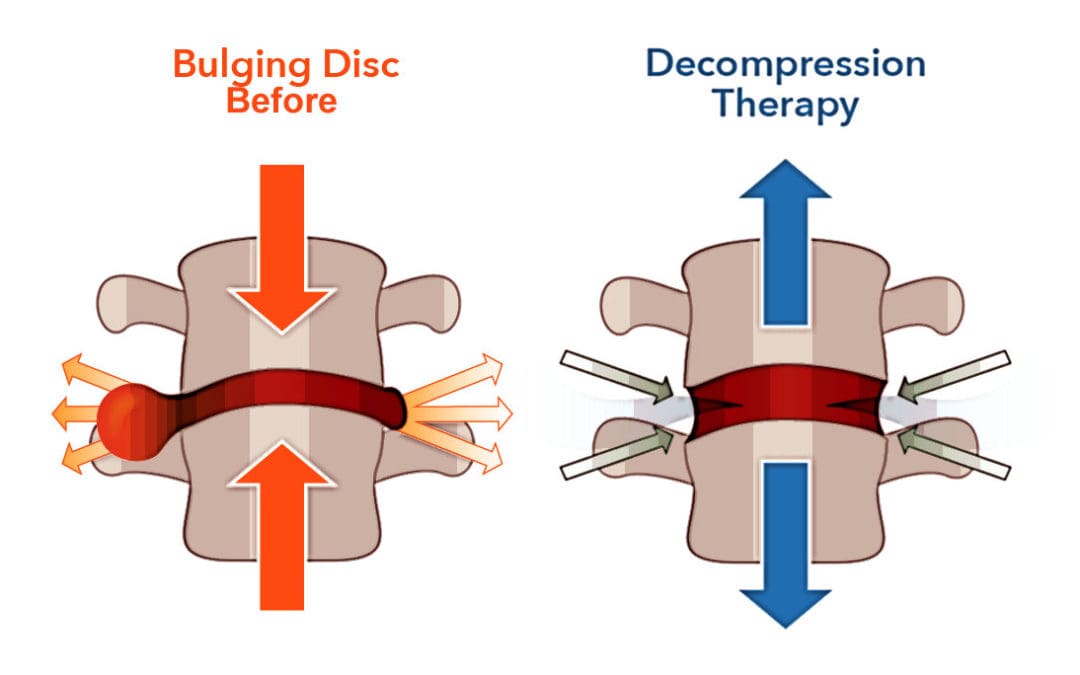
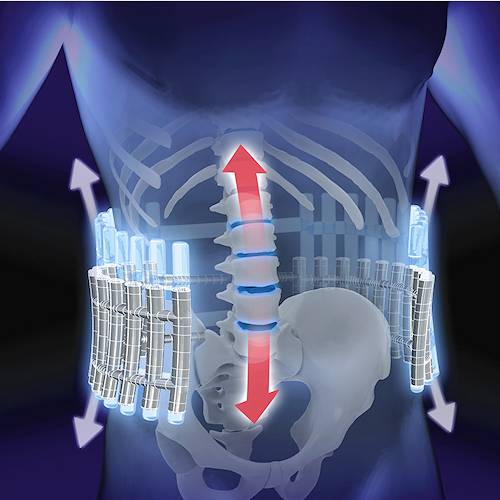
Nonsurgical spinal decompression therapy (NSDT) represents an advanced evolution of traditional traction therapy, utilizing sophisticated computer-controlled systems to create negative intradiscal pressure that facilitates disc healing and symptom resolution. Understanding the distinctions between NSDT and conventional traction proves essential for appreciating this intervention’s unique therapeutic potential.
Mechanism of Action: Creating Negative Intradiscal Pressure
NSDT operates through a precisely controlled biomechanical process fundamentally different from traditional traction:
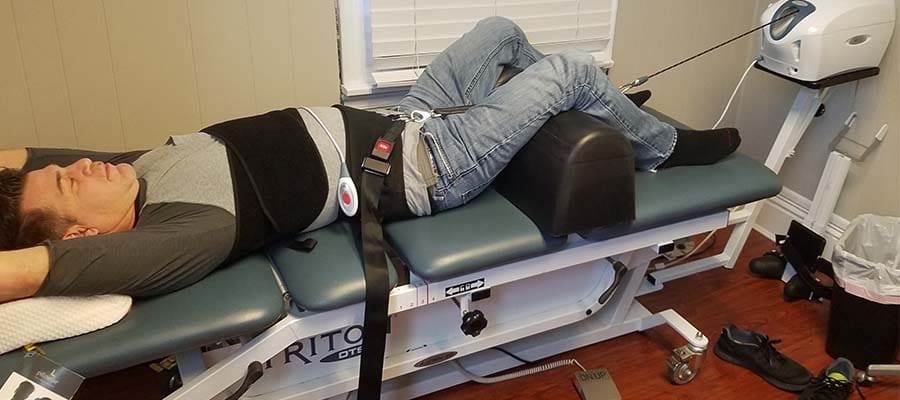
Specialized positioning: Patients are positioned on a computer-controlled decompression table with the spine properly aligned and supported. Harnesses secure the upper body (chest and shoulders) while a separate harness attaches to the pelvis or lower body.
Computer-guided distraction: Unlike conventional traction that applies a constant pulling force, NSDT employs a sophisticated algorithm that gradually increases and decreases distraction force in cyclical patterns. This intermittent loading prevents reflexive muscle guarding, which limits the effectiveness of traditional traction (Hill DT Solutions, 2024).
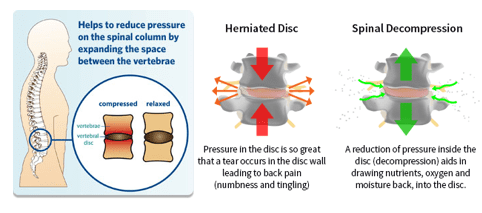
Negative intradiscal pressure generation: The controlled distraction force creates a vacuum effect within targeted intervertebral discs. Research measuring intradiscal pressure during NSDT using pressure transducers inserted into the L4-L5 disc space demonstrated that decompression therapy can lower pressure in the nucleus pulposus to below -100 mmHg, compared to standard progressive traction achieving only -40 mmHg (compared to -75 mmHg resting supine) (Hill DT Solutions, 2024).
Disc material retraction: This sustained negative pressure may facilitate retraction of herniated or bulging nucleus pulposus material away from compressed neural structures. The vacuum effect theoretically “pulls” extruded disc material back toward its normal position within the disc space.
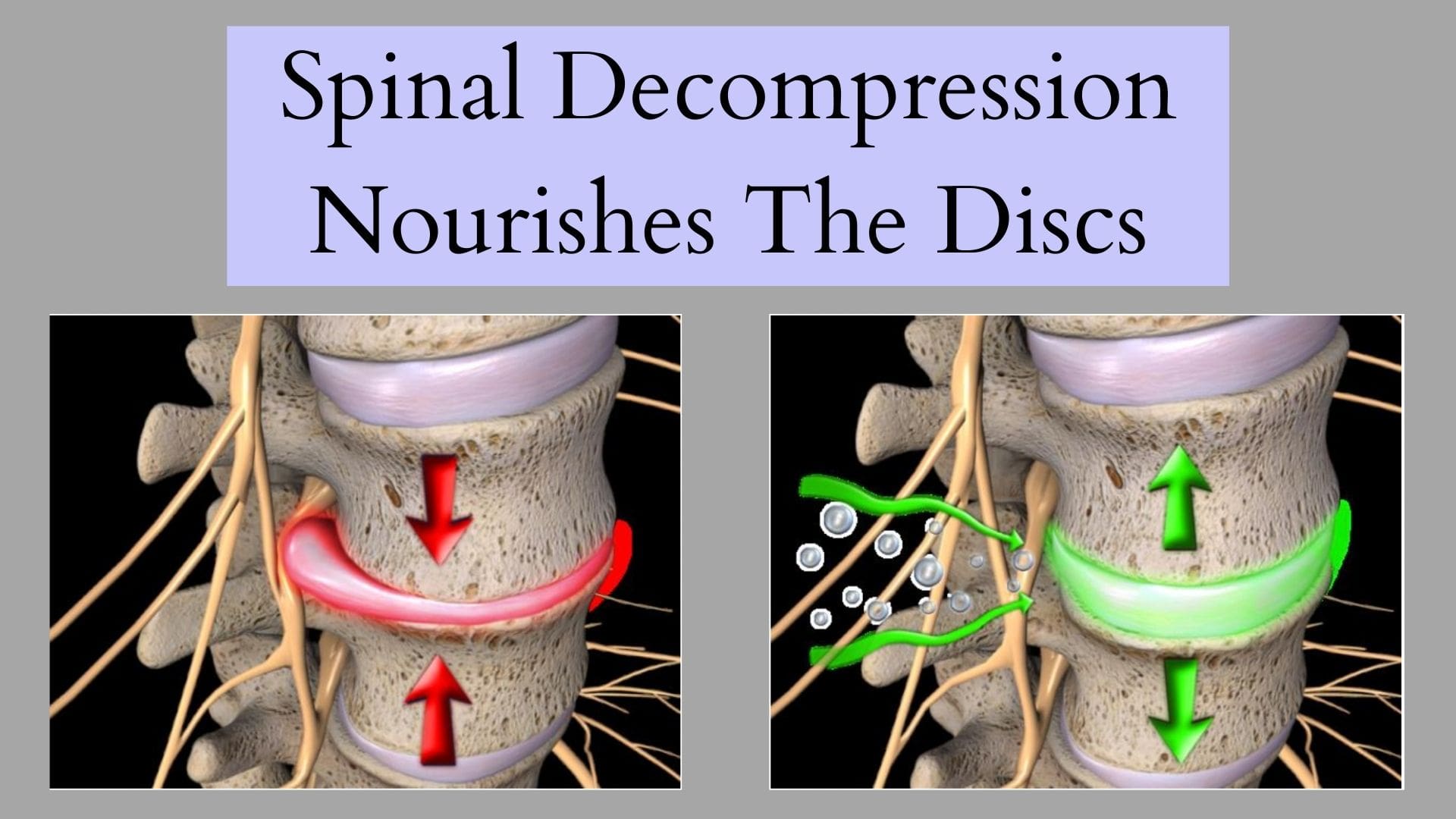
Enhanced nutrient influx: Negative intradiscal pressure promotes increased fluid exchange, drawing oxygen, nutrients, and hydration into degenerated discs. This enhanced nutrient delivery may support disc cell metabolism and tissue repair (Dr. DiGrado, 2024).
Spinal joint decompression: The distraction force increases the width of the intervertebral foramen, reducing pressure on exiting nerve roots and facet joints, thereby contributing to pain relief independent of effects on the disc itself.
Critical Distinction from Traditional Traction
The fundamental advantage of NSDT over conventional traction lies in its ability to overcome the muscle guarding reflex. When traditional traction applies sudden or sustained pulling forces, paraspinal muscles reflexively contract to protect the spine from perceived threat. This muscle contraction increases internal disc pressure and limits the therapeutic effect (Choi et al., 2022).NSDT systems employ gradual force application with intermittent relaxation phases that prevent this protective muscle contraction. The computer continuously monitors resistance and adjusts force application in real time, maintaining the spine in a relaxed state while delivering far greater decompressive forces than traditional traction can achieve. This creates what researchers describe as a “zero-gravitation” state in targeted discs (Choi et al., 2022).
Evidence for NSDT Effectiveness
A rigorous randomized controlled trial published in the International Journal of Clinical Practice provides compelling evidence for the effectiveness of NSDT in treating subacute lumbar disc herniation (Choi et al., 2022). This study enrolled 60 patients with subacute lumbar herniated intervertebral disc, randomizing them to either:
Decompression group (n=30): Received 10 NSDT sessions over 8 weeks (twice weekly for 2 weeks, then once weekly for 6 weeks), with distraction force starting at half body weight minus 5 kg and increasing by 1 kg per session
Nondecompression group (n=30): Received identical positioning and session frequency but with zero distraction force (sham treatment)
Results demonstrated significant advantages for the decompression group:
Pain outcomes:
Lower leg pain intensity at 2 months (p=0.028)
Significant reductions in low back and leg pain from baseline to 3 months in both groups (p<0.001), though between-group differences in back pain did not reach significance
Functional outcomes:
Significantly lower Korean Oswestry Disability Index scores at 2 months (p=0.023) and 3 months (p=0.019)
MRI-documented structural changes:
Herniation index decreased by 27.6±27.5% in the decompression group versus only 7.1±24.9% in the control group (p=0.017)
26.9% of decompression patients versus 0% of control patients achieved >50% reduction in herniation index (p=0.031)
42.3% of decompression patients achieved ≥30% herniation reduction versus 17.6% of controls
These findings prove groundbreaking—this study represents the first randomized controlled trial to document that NSDT produces measurable reductions in disc herniation volume as confirmed by follow-up MRI, while simultaneously improving pain and function. The fact that actual structural healing occurred rather than merely symptomatic improvement suggests that NSDT addresses the underlying pathology. Additional research supports these findings. A retrospective cohort study examining adults with chronic low back pain attributed to disc herniation or discogenic pain who underwent 6-week NSDT protocols via the DRX9000 system found significant correlations between disc height restoration and pain reduction (Apfel et al., 2010). Low back pain decreased from 6.2±2.2 to 1.6±2.3 (p<0.001) while disc height increased from 7.5±1.7mm to 8.8±1.7mm (p<0.001), with these variables showing significant correlation (r=0.36, p=0.044). Long-term follow-up studies demonstrate sustained benefits. Research tracking patients 4 years after completing NSDT protocols found that 52% maintained pain levels of zero, 91% resumed normal daily activities, and over 80% achieved 50% or greater pain reduction compared to pre-treatment baselines (Pain Free Charleston, 2004).
NSDT Treatment Protocols
Typical NSDT treatment courses involve:
Session frequency: 10-20 sessions over 4-8 weeks, with initial sessions typically scheduled 2-3 times weekly, reducing to 1-2 times weekly as improvement occurs
Session duration: 20-30 minutes per session
Force parameters: Distraction force is individualized based on patient body weight, disc level targeted, and tolerance, typically starting at conservative levels (40-50% body weight) and gradually progressing
Positioning: Supine positioning with flexed knees for lumbar protocols; prone or supine with cervical harness for cervical protocols
Cycle patterns: Alternating distraction and relaxation phases (commonly 60 seconds of tension, 30 seconds of relaxation) to prevent muscle guarding
Adjunctive therapies: Many protocols combine NSDT with complementary treatments, including cold/heat therapy, electrical stimulation, therapeutic exercise, and nutritional support to optimize outcomes
Safety and Contraindications
NSDT demonstrates excellent safety profiles when appropriately applied. The randomized controlled trial by Choi and colleagues reported zero adverse events throughout the study period (Choi et al., 2022). Similarly, the large prospective cohort study by Leemann and colleagues involving 148 patients receiving chiropractic manipulation for MRI-confirmed disc herniation reported no adverse events (Leemann et al., 2014).
However, certain contraindications to NSDT must be respected:
Absolute contraindications:
Pregnancy
Fracture
Tumor
Abdominal aortic aneurysm
Advanced osteoporosis
Cauda equina syndrome requiring emergency surgery
Severe spinal instability
Relative contraindications:
Prior spinal surgery with hardware
Severe disc degeneration with >50% height loss
Sequestrated disc fragments
Severe spinal stenosis
Extreme obesity is limiting proper positioning
Proper patient selection, thorough clinical examination, and careful review of imaging studies by qualified practitioners ensure NSDT is applied to appropriate candidates while avoiding potential complications.
Integrating Chiropractic Care and Spinal Decompression: Complementary Approaches
For many patients with disc herniation and bulging, optimal outcomes emerge from integrating multiple conservative therapies rather than relying on single interventions. Chiropractic spinal manipulation and NSDT offer complementary mechanisms that address different aspects of disc pathology:
Chiropractic manipulation primarily restores spinal joint mobility, corrects vertebral misalignments, modulates pain through neurophysiological mechanisms, and may influence local inflammatory processes. It proves particularly effective for acute presentations and when joint dysfunction accompanies disc pathology.
NSDT specifically targets the disc itself, creating negative intradiscal pressure that facilitates disc material retraction, promotes nutrient influx, and directly decompresses neural structures. It excels in cases where significant disc herniation or advanced degeneration requires sustained decompressive forces.
When combined, these approaches provide:
Comprehensive address of both joint dysfunction and disc pathology
Multiple mechanisms for pain relief and functional restoration
Options for tailoring treatment intensity to individual patient tolerance
Complementary effects that may accelerate healing beyond either therapy alone
Dr. Jimenez’s integrative approach exemplifies this comprehensive strategy, combining chiropractic adjustments with spinal decompression, functional medicine interventions, nutritional optimization, therapeutic exercise, and patient education to address all contributors to disc pathology and optimize healing potential.
Patient Selection and Prognostic Factors
Not all patients with disc herniation or bulging require or benefit equally from chiropractic care and spinal decompression. Understanding prognostic factors helps identify ideal candidates:
Favorable prognostic indicators:
Acute to subacute symptom duration (4 weeks to 3 months)
First episode of disc-related pain
Absence of progressive neurological deficits
Contained disc herniations (protrusions, extrusions) rather than sequestrations
Younger age (generally <65 years)
Absence of significant comorbidities
High motivation and compliance with treatment protocols
Adequate disc height preservation on imaging
Factors suggesting need for alternative or adjunctive interventions:
Significant psychological distress or catastrophizing
Major comorbidities affecting healing capacity
Even among chronic patients, evidence suggests substantial benefit from chiropractic care and NSDT, with the Leemann study demonstrating 89.2% of chronic lumbar disc herniation patients reporting improvement at 1-year follow-up after chiropractic manipulation (Leemann et al., 2014).
Conclusion: Evidence-Based Hope for Disc Pathology
The evidence presented throughout this comprehensive review supports a clear conclusion: chiropractic care and nonsurgical spinal decompression therapy are evidence-based, effective treatment options for patients with disc herniation and disc bulging across the cervical, thoracic, and lumbar spine regions. For patients experiencing the debilitating pain, functional limitations, and quality-of-life impairments associated with disc pathology, these conservative interventions offer hope grounded in rigorous scientific evidence. Studies consistently demonstrate that properly selected patients receiving chiropractic spinal manipulation achieve clinically meaningful improvements in pain, disability, and overall function, with success rates ranging from 76% to over 90% depending on patient characteristics and outcome measures. Remarkably, these benefits prove sustainable, persisting at one-year follow-up and beyond. NSDT adds a powerful tool capable of producing measurable structural improvements—actual reduction in disc herniation volume confirmed by MRI—alongside symptomatic relief. The ability to document disc healing, not merely symptom management, represents a paradigm shift in conservative disc care. The clinical insights provided by practitioners like Dr. Alexander Jimenez, DC, APRN, FNP-BC, who integrate advanced diagnostic evaluation, dual-scope clinical expertise, and comprehensive treatment protocols, demonstrate how modern chiropractic practice transcends historical limitations. By combining spinal manipulation, decompression therapy, functional medicine principles, nutritional optimization, and patient education, integrative approaches address root causes of disc pathology while supporting the body’s inherent healing capacities. Environmental and occupational risk factors create overlapping vulnerability profiles that compound genetic predisposition to disc degeneration. Recognition of these modifiable factors—including workplace ergonomics, physical demands, built environment quality, obesity, smoking, sedentary lifestyle, and metabolic health—enables comprehensive prevention and treatment strategies that extend beyond passive symptom management. Understanding the inflammatory cascade underlying disc-related pain—involving complex interactions among pro-inflammatory cytokines, chemokines, immune cell infiltration, and autoimmune responses—provides a mechanistic rationale for interventions targeting inflammation resolution and tissue healing rather than merely blocking pain signals. For the millions of individuals struggling with disc-related back and neck pain, the evidence reviewed herein offers legitimate hope for meaningful recovery through conservative, nonsurgical means. While not every patient will achieve complete resolution, and some will ultimately require surgical intervention, the substantial majority can expect significant improvement through properly applied chiropractic care and spinal decompression therapy.
Important Medical Disclaimer and Serious Note to Readers
THIS ARTICLE IS INTENDED FOR INFORMATIONAL AND EDUCATIONAL PURPOSES ONLY AND SHOULD NOT BE CONSTRUED AS MEDICAL ADVICE, DIAGNOSIS, OR TREATMENT RECOMMENDATION.
The information presented in this article, while based on peer-reviewed scientific literature and clinical evidence, does not substitute for professional medical evaluation, diagnosis, and treatment. Disc herniation, disc bulging, and related spinal conditions can produce serious complications, including permanent neurological damage, paralysis, bowel and bladder dysfunction, and chronic pain syndromes if inappropriately managed.
DO NOT ATTEMPT TO SELF-DIAGNOSE OR SELF-TREAT DISC-RELATED CONDITIONS. If you are experiencing back pain, neck pain, radiating pain into extremities, numbness, tingling, weakness, or any other symptoms potentially related to spinal disc pathology, seek immediate evaluation from qualified healthcare professionals.
CERTAIN SYMPTOMS CONSTITUTE MEDICAL EMERGENCIES requiring immediate emergency department evaluation, including:
Sudden onset of bowel or bladder incontinence or retention
Progressive lower extremity weakness or paralysis
Saddle anesthesia (numbness in the groin/inner thigh region)
Severe pain unresponsive to conservative measures
Symptoms following significant trauma
Chiropractic care and spinal decompression therapy, while generally safe when appropriately applied, carry potential risks and contraindications. These interventions should be performed only by licensed, qualified practitioners after thorough clinical examination and review of appropriate imaging studies. Improper application of spinal manipulation or decompression therapy can potentially worsen disc herniation, cause neurological damage, or result in other serious complications. The treatment outcomes and success rates cited in this article represent average findings from clinical studies and should not be interpreted as guarantees of individual outcomes. Individual results vary based on numerous factors, including age, overall health status, severity and duration of disc pathology, presence of comorbidities, lifestyle factors, and compliance with treatment protocols.
Before initiating any treatment for disc-related conditions, patients should:
Undergo a comprehensive evaluation by qualified healthcare providers
Obtain appropriate imaging studies (MRI, CT, or X-ray as indicated)
Discuss all treatment options, including risks, benefits, and alternatives
Ensure practitioners are properly licensed and credentialed
Verify that their specific condition is appropriate for conservative management
Understand when surgical intervention may be necessary
References to Dr. Alexander Jimenez and his clinical approaches are provided for illustrative purposes, demonstrating integrative treatment models and should not be construed as specific endorsements or treatment recommendations. Patients seeking care should independently research practitioners’ credentials, experience, and patient outcomes. The authors and publishers of this article disclaim all liability for any adverse outcomes, complications, or damages resulting from the application of information contained herein. Readers assume all responsibility and risk for decisions made regarding their healthcare and treatment choices. This article addresses complex medical conditions requiring individualized assessment and treatment planning. What proves safe and effective for one patient may be inappropriate or dangerous for another. Always consult qualified healthcare professionals for personalized medical advice specific to your individual circumstances. If you are currently experiencing a medical emergency, call emergency services (911 in the United States) immediately. Do not delay seeking emergency care while researching conservative treatment options. By continuing to read and apply information from this article, you acknowledge understanding and accepting this disclaimer and assume full responsibility for your healthcare decisions.
Apfel, C. C., Cakmakkaya, O. S., Martin, W., Richmond, C., Macario, A., George, E., Schaefer, M., & Pergolizzi, J. V. (2010). Restoration of disk height through non-surgical spinal decompression is associated with decreased discogenic low back pain: A retrospective cohort study. BMC Musculoskeletal Disorders, 11(1), 155. https://doi.org/10.1186/1471-2474-11-155
Choi, E., Gil, H. Y., Ju, J., Han, W. K., Nahm, F. S., & Lee, P. B. (2022). Effect of nonsurgical spinal decompression on intensity of pain and herniated disc volume in subacute lumbar herniated disc. International Journal of Clinical Practice, 2022, 6343837. https://doi.org/10.1155/2022/6343837
Cosamalón-Gan, I., Cosamalón-Gan, T., Mattos-Piaggio, G., Villar-Suárez, V., García-Cosamalón, J., & Vega-Álvarez, J. A. (2021). Inflammation in the intervertebral disc herniation. Neurocirugía (English Edition), 32(1), 21-35. https://doi.org/10.1016/j.neucir.2020.01.001
Gherscovici, E. D., & Mayer, J. M. (2022). Relationship of healthy building determinants with back and neck pain: A systematic review. International Journal of Environmental Research and Public Health, 20(1), 815. https://doi.org/10.3390/ijerph20010815
Leemann, S., Peterson, C. K., Schmid, C., Anklin, B., & Humphreys, B. K. (2014). Outcomes of acute and chronic patients with magnetic resonance imaging-confirmed symptomatic lumbar disc herniations receiving high-velocity, low-amplitude, spinal manipulative therapy: A prospective observational cohort study with one-year follow-up. Journal of Manipulative and Physiological Therapeutics, 37(3), 155-163. https://doi.org/10.1016/j.jmpt.2014.01.002
PMC. (2008). Genetic and environmental influences on non-specific low back pain in children: A twin study. European Spine Journal, 17(4), 502-508. https://pmc.ncbi.nlm.nih.gov/articles/PMC2295279/
PMC. (2022). Relationship of healthy building determinants with back and neck pain: A systematic review. International Journal of Environmental Research and Public Health, 20(1), 815. https://pmc.ncbi.nlm.nih.gov/articles/PMC9755707/
Risk Factors Study. (2021). Risk factors of intervertebral disc pathology—A point of view formerly and today—A review. International Journal of Environmental Research and Public Health, 18(2), 726. https://pmc.ncbi.nlm.nih.gov/articles/PMC7865549/
Shokri, E., Kamali, F., Sinaei, E., & Ghafarinejad, F. (2018). Spinal manipulation in the treatment of patients with MRI-confirmed lumbar disc herniation and sacroiliac joint hypomobility: A quasi-experimental study. Chiropractic & Manual Therapies, 26, 16. https://doi.org/10.1186/s12998-018-0185-z
Turkish Journal of Medical Sciences. (2019). The incidence and most common levels of thoracic degenerative disc disease. Acta Orthopaedica et Traumatologica Turcica, 52(3), 195-200. https://pmc.ncbi.nlm.nih.gov/articles/PMC6657757/
Understand the role of chiropractic care for herniated discs in relieving pain and restoring function for a healthier spine.
Chiropractic Care for Low Back Pain: A Deep Dive into Herniated Discs, Spinal Decompression, and Recovery with Dr. Alex Jimenez
Mon cher, picture this: your spine, that elegant column of bones, is like a grand chandelier in the Addams Family mansion—beautiful, complex, but oh so prone to a flicker or two when things go awry! When a herniated disc sneaks into the lumbar spine, it’s like Gomez Addams tripping over a loose floorboard, sending chaos through the household. But fear not, for chiropractic care, led by the masterful Dr. Alexander Jimenez in El Paso, Texas, is here to restore harmony with a twirl and a flourish!
Low back pain is a common complaint, affecting millions worldwide, with herniated discs often playing the villain in this spine-tingling drama. This blog post explores the clinical rationale behind chiropractic care and spinal decompression as effective treatments for low back pain caused by herniated discs. We’ll dive into the anatomy of the lumbar spine, how herniated discs disrupt daily life, and why Dr. Alex Jimenez, DC, APRN, FNP-BC, stands out as a beacon of hope for personal injury victims in El Paso. With advanced imaging, diagnostic evaluations, and his unique dual-scope approach, Dr. Jimenez bridges the gap between medical care and legal documentation, ensuring patients recover while navigating the complexities of personal injury cases. So, grab a seat—preferably not on a wobbly one—and let’s unravel this tale of spinal recovery with a dash of Gomez Addams’ charm!
The Lumbar Spine: The Backbone of Your Daily Grind
The lumbar spine, or lower back, is the unsung hero of your body, supporting the weight of your upper torso while allowing you to bend, twist, and tango like Gomez with Morticia. It consists of five vertebrae (L1-L5), sturdy bones stacked like a tower of Gothic bricks, connected by intervertebral discs that act as shock-absorbing cushions. These discs, with their tough outer layer (annulus fibrosus) and jelly-like center (nucleus pulposus), are designed to handle pressure, much like a well-crafted torture device from the Addams Family—resilient but not invincible.
When a disc herniates, the nucleus pulposus bulges or ruptures through the annulus fibrosus, often pressing on nearby spinal nerves. This can happen due to aging, wear and tear, or sudden trauma, like lifting a heavy coffin or surviving a fender-bender in El Paso’s bustling streets. The result? Pain, numbness, or weakness that can radiate from the lower back into the buttocks, thighs, or calves, often mimicking the electric jolt Gomez feels when Morticia speaks French.
How Herniated Discs Affect Daily Life
A herniated disc in the lumbar spine, particularly at the L4-L5 or L5-S1 levels, can turn everyday activities into a comedy of errors—minus the laughs. Imagine trying to tie your shoes but feeling like Lurch is sitting on your back. Common symptoms include:
Low Back Pain: A dull ache or sharp, stabbing pain that worsens with movement, making bending or lifting as daunting as facing Uncle Fester’s experiments.
Sciatica: Pain radiating down the leg, caused by nerve root compression, often described as a burning or electric sensation. It’s like Gomez’s fencing foil zapping you unexpectedly.
Numbness or Tingling: A pins-and-needles feeling in the legs or feet, disrupting your ability to walk or stand without feeling like you’re on a bed of nails.
Weakness: Muscles served by affected nerves may weaken, causing stumbling or difficulty lifting objects, as if Pugsley swapped your weights for marshmallows.
These symptoms can severely limit daily routines. Sitting at a desk, driving to work, or even sleeping can become painful, leading to missed workdays, reduced productivity, and a dampened zest for life. For El Paso residents, who often lead active lifestyles and demanding jobs, a herniated disc can feel like a betrayal by their spine.
Chiropractic care, much like Gomez’s passionate dance moves, is all about restoring balance and flow. It focuses on the musculoskeletal system, particularly the spine, to correct misalignments (subluxations) that disrupt nerve function and cause discomfort. For herniated discs, chiropractic care offers a non-surgical, evidence-based approach to relieve pain, reduce nerve compression, and restore mobility. Here’s why it works:
Spinal Manipulation: The Chiropractic Tango
Spinal manipulation, also known as adjustments, involves the precise and controlled application of force to the spine to correct misalignments. Think of it as Gomez gently nudging Morticia back into step during a waltz. By realigning the vertebrae, chiropractors reduce pressure on the herniated disc and compressed nerves, alleviating pain and improving function. A 2020 study in the Spine Journal found that spinal manipulative therapy significantly reduces pain and disability in patients with chronic low back pain (Rubinstein et al., 2020, as cited in).
For patients with MRI-confirmed lumbar disc herniation and sacroiliac joint hypomobility, spinal manipulation has shown promising results. A quasi-experimental study in Chiropractic & Manual Therapies demonstrated that patients receiving spinal manipulation experienced significant pain reduction and improved mobility compared to the control group (Shokri et al., 2018). This is because adjustments restore joint function, reduce inflammation, and enhance blood flow, helping the body heal naturally.
Spinal Decompression: Stretching the Spine with Flair
Non-surgical spinal decompression is like stretching out a tightly wound Addams Family tapestry. This therapy uses a motorized table to gently elongate the spine, creating negative pressure within the disc. This negative pressure can help retract the herniated nucleus pulposus, reducing nerve compression and promoting disc healing. A 2017 study in the Journal of Physical Therapy Science found that spinal decompression significantly reduced pain and disability in patients with lumbar disc herniation (Choi et al., 2017, as cited in).
Dr. Alex Jimenez, a leading chiropractor in El Paso, emphasizes that spinal decompression not only alleviates pain but also rehydrates the disc by improving nutrient delivery. “It’s like giving your spine a refreshing sip of water after a long, dry day,” he notes on his website (El Paso Back Clinic, n.d.). By increasing disc height and reducing herniation volume, decompression therapy restores spinal flexibility, allowing patients to move without wincing.
Functional Medicine: A Holistic Twist
Dr. Jimenez’s practice extends beyond adjustments, incorporating functional medicine to address underlying issues such as inflammation and nutritional deficiencies. For instance, dietary changes can reduce systemic inflammation, accelerating recovery from disc injuries. A 2019 meta-analysis in Pain Physician confirmed that regenerative therapies, like platelet-rich plasma (PRP), can complement chiropractic care by reducing lumbar pain (Sanapati et al., 2019, as cited in). This holistic approach ensures that the body heals from the inside out, much like Gomez nurturing his beloved carnivorous plants.
Shokri, M., et al. (2018). Spinal manipulation in the treatment of patients with MRI-confirmed lumbar disc herniation and sacroiliac joint hypomobility: A quasi-experimental study. Chiropractic & Manual Therapies, 26, 16. https://chiromt.biomedcentral.com/articles/10.1186/s12998-018-0185-z
Rubinstein, S. M., et al. (2020). Spinal manipulative therapy for chronic low-back pain. Spine Journal, 20(4), 489–502.
Dr. Alex Jimenez: El Paso’s Chiropractic Maestro
In El Paso, Texas, Dr. Alexander Jimenez is the Gomez Addams of chiropractic care—passionate, skilled, and dedicated to his craft. With over 25 years of experience as a Doctor of Chiropractic (DC) and a board-certified Family Nurse Practitioner (APRN, FNP-BC), Dr. Jimenez brings a dual-scope approach to treating herniated discs and personal injury cases. His practice at El Paso Back Clinic (https://elpasobackclinic.com/) is a haven for those seeking relief from low back pain, sciatica, and other musculoskeletal woes.
Advanced Imaging and Diagnostics
Dr. Jimenez utilizes state-of-the-art imaging techniques, including MRI and CT scans, to precisely identify the location and severity of a herniated disc. These tools provide a clear picture of soft tissues, revealing disc bulges or nerve compression that X-rays might miss (Personal Injury Doctor Group, 2017). By combining imaging with physical exams, such as the straight leg raise test, he confirms diagnoses with precision, ensuring treatments are tailored to each patient’s individual needs.
Dual-Scope Procedures
What sets Dr. Jimenez apart is his ability to blend chiropractic and medical expertise. His dual-scope approach involves:
Chiropractic Assessments: Identifying spinal misalignments and nerve compression through hands-on evaluations.
Medical Evaluations: Assessing systemic factors, like inflammation or hormonal imbalances, that may hinder healing (Jimenez, 2023, as cited in).
This comprehensive method enables him to create personalized treatment plans that address both the biomechanical and physiological aspects of a herniated disc. For example, he might use spinal adjustments to relieve nerve pressure while recommending nutritional changes to reduce inflammation, ensuring a holistic recovery.
Bridging Medical and Legal Needs
In personal injury cases, such as those from auto accidents, Dr. Jimenez shines as a liaison between medical care and legal documentation. His detailed reports, backed by advanced diagnostics, provide critical evidence for insurance claims or court cases, ensuring patients receive fair compensation. “My goal is to help patients heal while protecting their rights,” Dr. Jimenez shares on his LinkedIn profile (Jimenez, n.d., https://www.linkedin.com/in/dralexjimenez/). His expertise in documenting injuries, from whiplash to complex herniated discs, makes him a trusted practitioner for El Paso’s personal injury victims.
Personal Injury in El Paso: Why Chiropractic Care Matters
El Paso, a vibrant city with a bustling economy, sees its fair share of personal injuries, particularly from motor vehicle accidents (MVAs). These incidents often result in herniated discs, whiplash, or nerve compression, leaving victims in pain and struggling to navigate insurance claims or legal battles. Chiropractic care, especially under Dr. Jimenez’s guidance, is a cornerstone of recovery for these individuals.
The Impact of MVAs
MVAs can cause sudden trauma to the lumbar spine, leading to disc herniation or nerve injuries. For instance, a rear-end collision might whip the spine, causing the nucleus pulposus to bulge and compress the sciatic nerve, resulting in debilitating pain. Dr. Jimenez’s clinic specializes in these cases, using non-invasive techniques like spinal decompression and adjustments to restore function without surgery.
Legal Documentation and Medical Care
Personal injury cases require meticulous documentation to prove the extent of injuries. Dr. Jimenez’s dual licensure as a chiropractor and nurse practitioner enables him to provide comprehensive medical reports that meet legal standards. His use of advanced imaging ensures that injuries are documented, strengthening patients’ cases while guiding their recovery. This dual role is particularly valuable in El Paso, where personal injury claims are common due to the high volume of traffic and industrial activity.
References
El Paso Back Clinic. (2016, September 29). El Paso, TX: Wellness Chiropractic Care Clinic. https://elpasobackclinic.com/
Spinal decompression is a star player in the chiropractic playbook, especially for herniated discs. By gently stretching the spine, this therapy creates a vacuum effect that pulls the herniated disc material back into its proper position, thereby reducing pressure on the nerves. It’s like coaxing a wayward bat back into the Addams Family attic—gentle but effective.
How It Works
During a decompression session, patients lie on a specialized table that alternates between traction and relaxation. This process:
Reduces Disc Pressure: Negative pressure within the disc helps retract the herniated material, relieving nerve compression.
Promotes Healing: Increased blood flow delivers oxygen and nutrients to the disc, aiding rehydration and repair.
Restores Mobility: By alleviating pain and stiffness, decompression allows patients to move freely again.
A 2022 study on PubMed found that non-surgical spinal decompression reduced pain and herniated disc volume in patients with subacute lumbar disc herniation, supporting its efficacy (Choi et al., 2022, https://www.ncbi.nlm.nih.gov/pmc/articles/PMC9473337/). Dr. Jimenez’s clinic leverages this therapy to help patients avoid surgery, with many reporting significant relief after a six-week course (El Paso Back Clinic, 2022).
Rehydration: The Disc’s Fountain of Youth
As we age, spinal discs lose water content, becoming less flexible and more prone to herniation. Spinal decompression counteracts this by improving nutrient exchange, effectively “rehydrating” the disc. Dr. Jimenez likens it to “watering a parched plant, bringing it back to life” (El Paso Back Clinic, n.d.). This process not only reduces pain but also enhances disc resilience, preventing future injuries.
References
Choi, J., et al. (2022). Effect of nonsurgical spinal decompression on intensity of pain and herniated disc volume in subacute lumbar herniated disc. International Journal of Clinical and Experimental Medicine, 15(4), 159–167. https://www.ncbi.nlm.nih.gov/pmc/articles/PMC9473337/
The effectiveness of chiropractic care for herniated discs is grounded in science, not just Gomez’s theatrical flair. Here’s a closer look at the mechanisms:
Nerve Root Compression Relief
Herniated discs often compress nerve roots, causing radiculopathy—pain, numbness, or weakness radiating along the nerve’s path. Chiropractic adjustments and decompression reduce this compression by realigning the spine and retracting disc material. A French study highlighted that nerve root compression due to lumbar disc herniation is a significant cause of sciatica, and non-surgical interventions, such as chiropractic care, can effectively address it (Valat et al., 2010, https://www.ncbi.nlm.nih.gov/pmc/articles/PMC2912793/).
Reducing Inflammation
Inflammation exacerbates disc-related pain. Chiropractic care, when combined with functional medicine, helps reduce inflammation through adjustments, targeted nutrition, and lifestyle modifications. Dr. Jimenez’s approach includes dietary plans to reduce systemic inflammation, which supports disc healing (Jimenez, 2023).
Enhancing Biomechanics
Misaligned vertebrae or sacroiliac joint hypomobility can worsen disc issues. Spinal manipulation corrects these misalignments, improving biomechanics and reducing stress on the disc. This is particularly effective for patients with both disc herniation and joint dysfunction (Shokri et al., 2018).
Shokri, M., et al. (2018). Spinal manipulation in the treatment of patients with MRI-confirmed lumbar disc herniation and sacroiliac joint hypomobility: A quasi-experimental study. Chiropractic & Manual Therapies, 26, 16. https://chiromt.biomedcentral.com/articles/10.1186/s12998-018-0185-z
Practical Tips for Managing Herniated Disc Pain
While chiropractic care is a powerful tool, patients can support their recovery with these practical tips, sprinkled with a touch of Addams Family mischief:
Stay Active (Carefully): Gentle movements, such as walking or stretching, keep the spine limber. Avoid heavy lifting—leave that to Lurch!
Mind Your Posture: Sit and stand like Gomez, proud and upright, to reduce spinal stress.
Apply Heat or Ice: Ice reduces inflammation, while heat soothes muscle spasms. Alternate them like Morticia’s mood swings.
Follow Dr. Jimenez’s Nutrition Advice: Anti-inflammatory foods, like berries or fatty fish, support healing. Avoid processed foods—they’re as harmful as Pugsley’s pranks.
Dr. Jimenez’s practice is a beacon for El Paso’s injury victims, offering a blend of compassion and expertise. His clinic, El Paso Back Clinic, provides:
Personalized Care: Tailored treatment plans based on advanced diagnostics.
Holistic Approach: Combining chiropractic, functional medicine, and rehabilitation.
Legal Support: Detailed documentation for personal injury claims, ensuring fair compensation.
Community Trust: Patient testimonials highlight his transformative impact (Jimenez, 2023).
His dual licensure and certifications (IFMCP, CFMP) make him uniquely qualified to address complex cases, from sciatica to chronic pain, with a focus on restoring function and quality of life.
My dear reader, we’ve danced through the shadowy halls of herniated discs and chiropractic care with the grace of Gomez Addams, but now it’s time to dim the candelabra and speak plainly. Low back pain from herniated discs is a serious condition that can disrupt daily life, but chiropractic care, including spinal manipulation and decompression, offers a proven, non-surgical solution. Dr. Alexander Jimenez, with his dual expertise and advanced diagnostic tools, stands out as a trusted practitioner in El Paso, particularly for personal injury cases. His ability to bridge medical care and legal documentation ensures patients recover physically and financially.
Disclaimer: This blog post is for informational purposes only and is not a substitute for professional medical advice. Always consult a qualified healthcare provider, such as Dr. Alex Jimenez, DC, APRN, FNP-BC, before starting any treatment. Individual results may vary, and chiropractic care may not be suitable for all conditions. For personalized guidance, contact El Paso Back Clinic at 915-850-0900 or visit https://elpasobackclinic.com/.
Choi, J., et al. (2022). Effect of nonsurgical spinal decompression on intensity of pain and herniated disc volume in subacute lumbar herniated disc. International Journal of Clinical and Experimental Medicine, 15(4), 159–167. https://www.ncbi.nlm.nih.gov/pmc/articles/PMC9473337/
Shokri, M., et al. (2018). Spinal manipulation in the treatment of patients with MRI-confirmed lumbar disc herniation and sacroiliac joint hypomobility: A quasi-experimental study. Chiropractic & Manual Therapies, 26, 16. https://chiromt.biomedcentral.com/articles/10.1186/s12998-018-0185-z
Can individuals with spinal pain in their necks and back utilize decompression therapy to restore spinal disc height and find relief?
Introduction
Many people don’t realize that as the body gets older, so does the spine. The spine is part of the musculoskeletal system that provides structural support to the body by keeping it upright. The surrounding muscles, ligaments, and tissues surrounding the spine help with stability and mobility, while the spinal disc and joints provide shock absorption from the sheer vertical weight. When a person is on the move with their daily activities, the spine can allow the individual to be mobile without pain or discomfort. However, as time passes, the spine goes through degenerative changes that can cause pain and discomfort to the body, thus leaving the individual to deal with overlapping risk profiles that can affect their neck and back. To that point, many people seek out treatments to reduce the pain affecting their spine and restore the disc height in their bodies. Today’s article looks at how spinal pain affects a person’s neck and back and how treatments like spinal decompression can reduce spinal pain and restore disc height. We talk with certified medical providers who consolidate our patients’ information to assess how spinal pain can significantly impact a person’s well-being and quality of life in their bodies. We also inform and guide patients on how integrating spinal decompression can help reduce spinal pain and restore spinal disc height. We encourage our patients to ask their associated medical providers intricate and important questions about incorporating non-surgical treatments into a health and wellness routine to relieve spinal pain and regain their quality of life. Dr. Jimenez, D.C., includes this information as an academic service. Disclaimer.
How Spinal Pain Affects A Person’s Neck & Back
Do you feel constant muscle aches and pains in your neck and back? Have you experienced stiffness and limited mobility when you are twisting and turning? Or do heavy objects cause muscle strain when moving from one location to another? Many individuals will be on the move and be in weird positions without feeling pain and discomfort when it comes to the spine. This is due to the surrounding muscles and tissues being stretched and the spinal discs taking on the vertical pressure on the spine. However, when environmental factors, traumatic injuries, or natural aging start to affect the spine, it can lead to the development of spinal pain. This is because the outer portion of the spinal disc is intact, and the inner portion of the disc is being affected. When abnormal stresses start to reduce the water intake within the disc, it can internally stimulate the pain receptors without nerve root symptoms inside the disc. (Zhang et al., 2009) This causes many individuals to deal with neck and back pain in their bodies and reduces their quality of life.
Spinal pain can lead to overlapping risk profiles that cause many individuals to deal with severe low back pain and neck pain, which then causes the surrounding muscles to become weak, tight, and overstretched. At the same time, the surrounding nerve roots are also affected as the nerve fibers surround the outer and inner parts of the spinal disc, which causes nociceptive pain properties to the neck and back region and leads to discogenic pain. (Coppes et al., 1997) When many individuals are dealing with muscle pain correlated with the spinal discs, it causes a pain-spasm-pain cycle that can affect their bodies due to not moving enough and causing painful muscular activities when trying to be mobile. (Roland, 1986) When a person has limited mobility cause they are experiencing spinal pain, their natural disc height slowly degenerates, causing more issues to their bodies and socioeconomic burdens. Fortunately, when many individuals are dealing with spinal pain, numerous treatments can reduce spinal pain and restore their disc height.
Movement Medicine- Video
How Spinal Decompression Reduces Spinal Pain
When people are seeking treatments for their spinal pain, many will seek surgical treatments to reduce their pain, but it will be a bit pricey. However, many individuals will opt for non-surgical treatments due to their affordability. Non-surgical treatments are cost-effective and customizable to a person’s pain and discomfort. From chiropractic care to acupuncture, depending on the severity of the person’s pain, many will find the relief they seek. One of the most innovative treatments for reducing spinal pain is spinal decompression. Spinal decompression allows the individual to be strapped into a traction table. This is because it gently pulls on the spine to realign the spinal disc by reducing the pressure on the spine to invoke the body’s natural healing process to relieve pain. (Ramos & Martin, 1994) Additionally, when many individuals are using spinal decompression, the gentle traction provides a motorized distraction to the spine that may induce physical changes to the spinal disc and help restore a person’s range of motion, flexibility, and mobility. (Amjad et al., 2022)
Spinal Decompression Restoring Spinal Disc Height
When a person is being strapped into the spinal decompression machine, the gentle traction helps the spinal disc return to the spine, allowing the fluids and nutrients to rehydrate the spine, increasing the spine’s disc height. This is because spinal decompression creates negative pressure on the spine, allowing the spinal disc to return to its original height and providing relief. Plus, the amazing thing that spinal decompression does is that it can be combined with physical therapy to help stretch and strengthen the surrounding muscles near the spine to provide more stability and flexibility. (Vanti et al., 2023) This allows the individual to be more mindful of their bodies and start incorporating small habit changes to reduce the pain from returning. When many people begin to think about their health and wellness by going to treatment, they will regain their quality of life and get back to their daily routine without the issues affecting their spine.
References
Amjad, F., Mohseni-Bandpei, M. A., Gilani, S. A., Ahmad, A., & Hanif, A. (2022). Effects of non-surgical decompression therapy in addition to routine physical therapy on pain, range of motion, endurance, functional disability and quality of life versus routine physical therapy alone in patients with lumbar radiculopathy; a randomized controlled trial. BMC Musculoskelet Disord, 23(1), 255. https://doi.org/10.1186/s12891-022-05196-x
Coppes, M. H., Marani, E., Thomeer, R. T., & Groen, G. J. (1997). Innervation of “painful” lumbar discs. Spine (Phila Pa 1976), 22(20), 2342-2349; discussion 2349-2350. https://doi.org/10.1097/00007632-199710150-00005
Ramos, G., & Martin, W. (1994). Effects of vertebral axial decompression on intradiscal pressure. J Neurosurg, 81(3), 350-353. https://doi.org/10.3171/jns.1994.81.3.0350
Roland, M. O. (1986). A critical review of the evidence for a pain-spasm-pain cycle in spinal disorders. Clin Biomech (Bristol, Avon), 1(2), 102-109. https://doi.org/10.1016/0268-0033(86)90085-9
Vanti, C., Saccardo, K., Panizzolo, A., Turone, L., Guccione, A. A., & Pillastrini, P. (2023). The effects of the addition of mechanical traction to physical therapy on low back pain? A systematic review with meta-analysis. Acta Orthop Traumatol Turc, 57(1), 3-16. https://doi.org/10.5152/j.aott.2023.21323
Zhang, Y. G., Guo, T. M., Guo, X., & Wu, S. X. (2009). Clinical diagnosis for discogenic low back pain. Int J Biol Sci, 5(7), 647-658. https://doi.org/10.7150/ijbs.5.647
Can individuals incorporate decompression to reduce spinal disc pressure on their lower backs to restore their quality of life?
Introduction
The spine has a wonderful relationship with the human body as it is part of the musculoskeletal system. The spine has many components allow the body to be mobile and help stabilize the different muscle groups around the upper and lower portions. When the body is in motion, the spine starts to compress the spinal discs between the spinal column, which helps reduce the vertical axial load. Many people with highly demanding jobs will often use repetitive motions that cause the spinal disc to be constantly compressed. When the spinal disc starts to be continuously compressed, it can eventually crack over time from the immense pressure. It can aggravate the surrounding nerves that can cause referred pain-like symptoms in the upper and lower extremities. To that point, it can lead to a life of disability if it is not treated right away. Luckily, numerous treatments can help reduce the immense pressure from the spinal discs and reduce the pain-like symptoms from the upper and lower extremities. Today’s article looks at how spinal pressure affects the lower back and how decompression can help reduce spinal pressure on the lower back. We speak with certified medical providers who incorporate our patients’ information to provide various solutions to relieve spinal pressure on the spine. We also inform patients how treatments like decompression can reduce vertical axial pressure on the lower back. We encourage our patients to ask intricated and educational questions to our associated medical providers about the pain-like symptoms they are experiencing correlating with spinal pressure affecting their lower back. Dr. Alex Jimenez, D.C., utilizes this information as an academic service. Disclaimer.
How Does Spinal Pressure Affect The Lower Back?
Have you felt any muscle aches or stiffness in your lower back after bending down to pick up an object? What about feeling excruciating pain in your lower back that is radiating to your neck or your legs? Or do you feel pain in one location of your back that is not going away after rest? When many individuals are in pain, and home remedies are not providing the relief they deserve, they could be dealing with spinal pressure that is affecting their back. When people start to do repetitive motions to their bodies, the spinal disc will begin to crack and shrink depending on the environmental factor the pain is associated with.
Regarding spinal pressure in the lower back, the disc is thicker and the most susceptible to injury. When it comes to spinal pressure related to disc herniation, it can lead to many individuals dealing with lower back pain and can affect their quality of life. One of the symptoms of disc herniation that are correlated with spinal pressure is that the displacement of the spinal disc can cause pain and disability in the spine as a result of a traumatic injury or degenerative changes due to the natural aging process. (Chu et al., 2023) When working, individuals put constant pressure on their spines, which can speed up the development of lower back pain.
Additionally, when there is immense spinal pressure on the spine, many pain-like issues that individuals don’t normally have will begin to pop up. This is due to a focal displacement of the intervertebral disc material that is beyond the normal limit of the spine and compresses one or more nerve roots, which can cause musculoskeletal issues to arise. (Trager et al., 2022) This, in turn, causes radiating extremity pain on the upper and lower body portions, sensory disturbances, muscle weakness, and even diminished muscle stretch reflexes as pain-like symptoms in the lower back. At the same time, when individuals are experiencing low back pain associated with spinal pressure, their truck muscles have an abnormal tilt when sitting, standing, and walking. (Wang et al., 2022) When this happens, it can cause them to develop poor posture, and when they are in an upright position, they will feel pain in their lower backs due to weak truck muscles. However, there are ways to relieve spinal pressure from aggravating the nerve roots affecting the lower back.
The Non-Surgical Approach To Wellness-Video
When looking for the right treatment, many individuals want to look for something that is cost-effective and relieves their pain. Non-surgical treatments are cost-effective and utilize various techniques to help reduce musculoskeletal pain through mechanical and manual motions to strengthen weakened muscles, relieve spinal pressure off the disc, and help realign the body to promote healing properties. The video above shows how non-surgical treatments like chiropractic care can help many individuals get their foot on the right on their health and wellness journey. At the same time, spinal decompression is another form of non-surgical treatment as it incorporates gentle traction on the spine to reduce intervertebral pressure during active and passive traction. (Andersson et al., 1983) When the spine is gently pulled, the herniated disc starts to return to its original position back to the spine, which then allows the fluids and nutrients to return to the disc and rehydrate them.
Decompression Reducing Spinal Pressure On Lower Back
So, how does spinal decompression help reduce disc pressure off the spine when dealing with low back pain? As stated earlier, spinal decompression incorporates gentle traction on the spine to be gently pulled to stretch weak surrounding muscles in the lower back. This causes an inverse relationship as the pressure within the nucleus pulposus of the herniated disc can help improve posture for many individuals with low back pain. (Ramos & Martin, 1994) Similarly, when many people incorporate decompression and chiropractic, the pain intensity is significantly reduced in all body parts, and many individuals will begin to feel the relief they deserve. (Ljunggren et al., 1984) When many individuals listen to their bodies and get the treatment they deserve, they will start to notice how decompression can help restore their bodies and positively improve their health.
References
Andersson, G. B., Schultz, A. B., & Nachemson, A. L. (1983). Intervertebral disc pressures during traction. Scand J Rehabil Med Suppl, 9, 88-91. https://www.ncbi.nlm.nih.gov/pubmed/6585945
Chu, E. C., Lin, A., Huang, K. H. K., Cheung, G., & Lee, W. T. (2023). A Severe Disc Herniation Mimics Spinal Tumor. Cureus, 15(3), e36545. https://doi.org/10.7759/cureus.36545
Ljunggren, A. E., Weber, H., & Larsen, S. (1984). Autotraction versus manual traction in patients with prolapsed lumbar intervertebral discs. Scand J Rehabil Med, 16(3), 117-124. https://www.ncbi.nlm.nih.gov/pubmed/6494835
Ramos, G., & Martin, W. (1994). Effects of vertebral axial decompression on intradiscal pressure. J Neurosurg, 81(3), 350-353. https://doi.org/10.3171/jns.1994.81.3.0350
Trager, R. J., Daniels, C. J., Perez, J. A., Casselberry, R. M., & Dusek, J. A. (2022). Association between chiropractic spinal manipulation and lumbar discectomy in adults with lumbar disc herniation and radiculopathy: retrospective cohort study using United States’ data. BMJ Open, 12(12), e068262. https://doi.org/10.1136/bmjopen-2022-068262
In individuals with herniated discs, how does non-surgical decompression compare to traditional surgery repair the spine?
Introduction
When many individuals begin to add unnecessary pressure on their backs, it can lead to damaging results to their spine. The spine is the backbone of the body, allowing the upper and lower sections to be mobile and stabilizing the axial weight overload without the person feeling pain or discomfort. The spinal structure is surrounded by muscles, soft tissues, ligaments, nerve roots, and joints that support the spine. In between the spinal facet joints and structure are flat discs that absorb the shock and pressure from the axial overload. However, when unwanted stress starts to compress the disc, it can lead to the development of herniation. Depending on the location, it can cause pain-like symptoms like lower back and neck pain or sciatica. Other times, herniated discs can be due to natural degeneration, where the spinal disc height decreases, and it can crack under pressure, leading to disc dehydration, which, to this point, causes spinal issues to many individuals, thinking they are experiencing referred pain in different body locations. Coincidentally, many people can find the relief they seek through non-surgical treatments to restore the disc height and repair herniated discs. Today’s article focuses on the casing effects of herniated discs and how spinal decompression, a form of non-surgical treatment, can help reduce pain-like symptoms associated with herniated discs. Additionally, we communicate with certified medical providers who incorporate our patients’ information to reduce herniated disc pain, causing many musculoskeletal issues. We also inform them that non-surgical treatments can help mitigate the referred pain-like symptoms related to herniated discs and restore disc height in their spines. We encourage our patients to ask amazing educational questions for our associated medical providers about their referred pain correlating with herniated discs. Dr. Jimenez, D.C., incorporates this information as an educational service. Disclaimer
The Changing Effects Of Herniated Discs
Have you experienced unwanted pain in your upper and lower extremities after a long work day? What about experiencing pain within your spines that are causing symptoms of numbness or tingling sensations in your hands, feet, or legs? Or are you dealing with excruciating lower back pain that is affecting your ability to work? Many individuals don’t realize that the pain-like symptoms they are experiencing are not low back, neck, or shoulder pain, but they correlate to herniated discs in their spines. Herniated discs are when the nucleus pulposus (inner disc portion) starts to protrude out of its original position from the intervertebral space. (Dydyk, Ngnitewe Massa, & Mesfin, 2023) Herniated discs are one of the common causes of lower back pain, and often, many individuals will remember what caused the herniation in their spine.
Some of the effects that lead to disc herniation are that many people will carry heavy objects constantly from one location to another, and the shifting weight can cause the disc to be continuously compressed and thus lead to herniation. Additionally, when the intervertebral disc starts showing signs of stiffness, it can result in abnormal spinal motion. (Haughton, Lim, & An, 1999) This causes morphologic changes within the intervertebral disc and causes it to be dehydrated. The chondroitin sulfation of the proteoglycan in the disc goes through changes in the disc itself, and when degeneration is associated with herniated discs, it can lead to musculoskeletal disorders. (Hutton et al., 1997)
The Root Cause Of Pain- Video
When degenerative changes start to affect the intervertebral discs, it can lead to intervertebral height loss, abnormal pain signaling, and nerve root entrapment associated with disc disruption. (Milette et al., 1999) This causes a cascading effect as the outer annulus of the spinal disc is cracked or ruptured, causing pain to the spine. When the outer annulus of the spinal disc starts to have nerve ingrowth in the affected discs, which then leads to individuals dealing with musculoskeletal disorders associated with pain. (Freemont et al., 1997) Many people will seek non-surgical therapies when finding treatment to alleviate the pain caused by herniated discs due to their cost-effectiveness and how it’s safe for their spine. Chiropractic care, massage therapy, spinal decompression, and traction therapy are available treatments that can be used in a personalized, inclusive treatment care plan to mitigate any pain the person is dealing with. The video explains how these treatments can use functional wellness principles to identify where the pain is located and treat any health issues with any potential underlying causes.
Spinal Decompression Reducing Herniated Disc
Regarding non-surgical treatments reducing herniated discs, spinal decompression can help mitigate the pain affecting the spine’s mobility. Spinal decompression utilizes mechanical traction to gently stretch the spine and allow the herniated disc to return to its original position. Spinal decompression incorporates negative pressure, which helps the nutrients increase the disc’s regenerative factors. (Choi et al., 2022) This allows the facet joints and aggravated nerves to have reduced pressure and increased disc space height. At the same time, spinal decompression can be combined with physical therapy to reduce the pain-like symptoms associated with herniated discs and provide beneficial results. (Amjad et al., 2022) Some of the beneficial factors related to spinal decompression include:
Pain improvement in the upper and lower extremities
Spinal range of motion
Muscle endurance restored
Joint ROM restored
When many individuals become more mindful of how different factors are causing spinal issues, they can make small routine changes in their daily lives, and that can reduce the chances of pain from returning. This allows them to enjoy life fully and continue their health and wellness journey.
References
Amjad, F., Mohseni-Bandpei, M. A., Gilani, S. A., Ahmad, A., & Hanif, A. (2022). Effects of non-surgical decompression therapy in addition to routine physical therapy on pain, range of motion, endurance, functional disability and quality of life versus routine physical therapy alone in patients with lumbar radiculopathy; a randomized controlled trial. BMC Musculoskelet Disord, 23(1), 255. https://doi.org/10.1186/s12891-022-05196-x
Choi, E., Gil, H. Y., Ju, J., Han, W. K., Nahm, F. S., & Lee, P.-B. (2022). Effect of Nonsurgical Spinal Decompression on Intensity of Pain and Herniated Disc Volume in Subacute Lumbar Herniated Disc. International Journal of Clinical Practice, 2022, 6343837. https://doi.org/10.1155/2022/6343837
Freemont, A. J., Peacock, T. E., Goupille, P., Hoyland, J. A., O’Brien, J., & Jayson, M. I. (1997). Nerve ingrowth into diseased intervertebral disc in chronic back pain. Lancet, 350(9072), 178-181. https://doi.org/10.1016/s0140-6736(97)02135-1
Haughton, V. M., Lim, T. H., & An, H. (1999). Intervertebral disk appearance correlated with stiffness of lumbar spinal motion segments. AJNR Am J Neuroradiol, 20(6), 1161-1165. https://www.ncbi.nlm.nih.gov/pubmed/10445464
Hutton, W. C., Elmer, W. A., Boden, S. D., Horton, W. C., & Carr, K. (1997). Analysis of chondroitin sulfate in lumbar intervertebral discs at two different stages of degeneration as assessed by discogram. Journal of Spinal Disorders, 10(1), 47-54. https://www.ncbi.nlm.nih.gov/pubmed/9041496
Milette, P. C., Fontaine, S., Lepanto, L., Cardinal, E., & Breton, G. (1999). Differentiating lumbar disc protrusions, disc bulges, and discs with normal contour but abnormal signal intensity. Magnetic resonance imaging with discographic correlations. Spine (Phila Pa 1976), 24(1), 44-53. https://doi.org/10.1097/00007632-199901010-00011
Can the effects of vertebral decompression relieve individuals with herniated discs and reduce intradiscal pressure on the spine?
Introduction
The spine’s main job is to maintain the vertical pressure of the body without feeling pain or discomfort, especially when a person is in motion. The spinal discs are between the spinal joints, which are shock absorbers when pressure is implemented when a person is carrying a heavy object. The spinal column also has the spinal cord and nerve roots that are spread out from each section and have nerve root signals to be transmitted back and forth from the muscles to the brain to carry out its function. However, as the body ages, so does the spine, as many individuals are constantly adding unwanted pressure on their spines by doing normal factors and developing musculoskeletal disorders. At the same time, the spinal discs are also being affected as the unwanted pressure compresses them constantly, causing them to crack and herniate out of their position. To that point, the herniated disc aggravates the spinal nerve roots, leading to pain-like symptoms affecting the upper and lower body extremities. When this happens, many people will begin to experience musculoskeletal pain and cause overlapping risk profiles that cause their bodies to be misaligned. However, non-surgical treatments can be implemented as part of a daily routine for individuals dealing with herniated discs to reduce intradiscal pressure off the affected muscles in the upper and lower body extremities and restore functionality to the body. Today’s article focuses on why herniated disc affects many people and how vertebral traction can reduce intradiscal pressure off the spine while relieving the musculoskeletal system. Additionally, we work hand-in-hand with certified medical providers who incorporate our patient’s information to reduce intradiscal stress correlating with herniated discs. We also inform them that vertebral traction therapy (spinal decompression) can help mitigate the pain-like symptoms associated with herniated discs and provide relief to the body. We encourage our patients to ask profound questions while seeking education from our associated medical providers about their pain-like issues. Dr. Alex Jimenez, D.C., incorporates this information as an educational service. Disclaimer
Why Does Herniated Disc Affect People?
Have you or your loved ones been dealing with muscle aches or strains in their back, neck, or shoulders after carrying/lifting a heavy object? Do you feel a numbing or tingling sensation in your hands, legs, or feet after a long day after work? Or have you been constantly dealing with muscle and joint stiffness after a long workday? At some point in their lives, everyone has dealt with pain affecting their upper and lower extremities, leading to herniated discs in the spine’s upper, middle, or lower portions. As stated earlier, the body and the spine age naturally, leading to the development of herniated discs in the spine. Disc herniation occurs when the nucleus pulposus (inner disc layer) starts to break through the weaker annulus fibrosus (outer disc layer) and compress the surrounding nerve root, leading to an overlapping risk profile to the upper and lower body portions. (Ge et al., 2019) Disc herniation is developed when the spine goes through a natural degeneration, which causes them to be more susceptible to microtears. When individuals start to do normal activities like lifting or carrying heavy objects, it can enhance the progression further, leading to musculoskeletal disorders. Additionally, the spinal degeneration associated with disc herniation can cause inflammatory responses when the protruding disc is compressing the nerve roots, which then causes symptoms of pain and numbness to the upper and lower extremities. (Cunha et al., 2018)
Why do herniated discs cause inflammatory responses to the compressed nerve roots that cause pain-like symptoms to the upper and lower body extremities? Well, when many individuals are experiencing pain associated with herniated discs, they believe they are dealing with upper or lower pain, depending on where the herniated disc is located. This causes referred pain symptoms where the pain is being perceived in one location than the site where the pain is originating. Coincidentally, when individuals are doing repetitive motions associated with herniated discs can cause the adjacent nerve root to be compressed, which then causes the surrounding muscles, ligaments, and soft tissues to be in pain. (Blamoutier, 2019) Pain developing from herniated discs can reduce a person’s quality of life and make them miss out on important life events.
Disc Herniation Overview-Video
Many factors associated with a herniated disc can lead to its development and range from mild to severe depending on where the disc is herniated. Since the spine and spinal disc do degenerate over time naturally, it can cause the disc to crack and dehydrate. This leads to restricted movement, the development of neck, back, and shoulder pain, a decrease in muscle strength in the extremities, and numbness. (Jin et al., 2023) These are some results when herniated discs are not being treated right away. Luckily there are non-surgical treatments to alleviate the pain-like symptoms associated with herniated discs and help reduce intradiscal pressure in the spine while restoring spinal mobility and muscle strength. Spinal decompression, chiropractic care, massage therapy, and physical therapy are some non-surgical treatments that can help alleviate herniated discs and its associated symptoms. Non-surgical treatments can help pull the herniated disc off the compressed nerve root through manual and mechanical manipulation and return it to its original position. Additionally, non-surgical treatments can be part of a daily health and wellness routine combined with other therapies to reduce pain-like symptoms associated with herniated discs and help restore the spine’s mobility. The video above explains the causes, factors, and symptoms associated with herniated discs and how these treatments can alleviate the pain.
The Effects Of Vertebral Traction On Disc Herniation
Non-surgical treatments like vertebral decompression can provide a positive outlook when reducing the effects of herniated discs. Vertical or spinal decompression can help reduce the underlying problem associated with herniated discs by relieving the pain and intradiscal pressure off the vital structures of the spine. (Ramos & Martin, 1994) Additionally, vertebral decompression uses gentle traction to relieve nerve pain associated with herniated discs. It helps reduce the compression force on the affected spinal discs, reducing nerve compression by expanding the disc height in the spine. (Wang et al., 2022)
With spinal decompression being incorporated to reduce the effects of herniated discs, individuals are strapped into a traction machine in a supine position. They will feel a mechanical pull to their spines as the herniated disc returns to its original position and the height of the spinal disc increases. (Oh et al., 2019) This allows the negative pressure from the traction to increase the body’s blood flow for the nutrients and fluids to rehydrate the discs while allowing the body’s natural healing process to kick into full gear. (Choi et al., 2022) After a few consecutive sessions with spinal decompression, many individuals will notice that the pain in their neck, back, and shoulders has decreased and that they can return to their daily activities. Spinal decompression allows the individual to regain their health and well-being while also reminding them to be more mindful of what certain factors can cause the pain to return to the spine. By being more aware of what is affecting a person’s body, they have the tools to continue their health and wellness journey.
References
Blamoutier, A. (2019). Nerve root compression by lumbar disc herniation: A french discovery? Orthop Traumatol Surg Res, 105(2), 335-338. https://doi.org/10.1016/j.otsr.2018.10.025
Choi, E., Gil, H. Y., Ju, J., Han, W. K., Nahm, F. S., & Lee, P. B. (2022). Effect of Nonsurgical Spinal Decompression on Intensity of Pain and Herniated Disc Volume in Subacute Lumbar Herniated Disc. International Journal of Clinical Practice, 2022, 6343837. https://doi.org/10.1155/2022/6343837
Cunha, C., Silva, A. J., Pereira, P., Vaz, R., Goncalves, R. M., & Barbosa, M. A. (2018). The inflammatory response in the regression of lumbar disc herniation. Arthritis Res Ther, 20(1), 251. https://doi.org/10.1186/s13075-018-1743-4
Ge, C. Y., Hao, D. J., Yan, L., Shan, L. Q., Zhao, Q. P., He, B. R., & Hui, H. (2019). Intradural Lumbar Disc Herniation: A Case Report and Literature Review. Clin Interv Aging, 14, 2295-2299. https://doi.org/10.2147/CIA.S228717
Jin, Y. Z., Zhao, B., Zhao, X. F., Lu, X. D., Fan, Z. F., Wang, C. J., Qi, D. T., Wang, X. N., Zhou, R. T., & Zhao, Y. B. (2023). Lumbar Intradural Disc Herniation Caused by Injury: A Case Report and Literature Review. Orthopaedic Surgery, 15(6), 1694-1701. https://doi.org/10.1111/os.13723
Oh, H., Choi, S., Lee, S., Choi, J., & Lee, K. (2019). Effects of the flexion-distraction technique and drop technique on straight leg raising angle and intervertebral disc height of patients with an intervertebral disc herniation. Journal of Physical Therapy Science, 31(8), 666-669. https://doi.org/10.1589/jpts.31.666
Ramos, G., & Martin, W. (1994). Effects of vertebral axial decompression on intradiscal pressure. J Neurosurg, 81(3), 350-353. https://doi.org/10.3171/jns.1994.81.3.0350
Wang, W., Long, F., Wu, X., Li, S., & Lin, J. (2022). Clinical Efficacy of Mechanical Traction as Physical Therapy for Lumbar Disc Herniation: A Meta-Analysis. Comput Math Methods Med, 2022, 5670303. https://doi.org/10.1155/2022/5670303
Can decompression relieve intervertebral disc stress from individuals dealing with lumbar issues, restoring spinal mobility?
Introduction
The spine’s intervertebral disc acts like a shock absorber to the spine when axial overload is placed on the spine. This allows many individuals to carry, lift, and transport heavy objects without feeling discomfort or pain throughout the day. It is crucial that the spine not only stays functional but also provides stability and mobility for the intervertebral discs to allow these motions. However, as the body ages naturally, so do the intervertebral discs, as they lose water retention and begin to crack under pressure. To this point, the intervertebral discs start not to be functional as normal or traumatic actions cause pain-like issues to the spine and can lead to a life of disability. When repetitive motions cause unwanted pressures, the intervertebral discs become compressed and, over time, can lead to pain-like spinal issues. At the same time, the surrounding muscles, tissues, ligaments, and joints start to get affected in the lumbar region, which then leads to low back pain conditions associated with the lower extremities. Today’s article looks at intervertebral disc stress, how it affects spinal mobility, and how treatments like spinal decompression can restore spinal mobility while reducing intervertebral disc stress. At the same time, we work hand-in-hand with certified medical providers who use our patient’s information to treat and mitigate pain-like symptoms associated with intervertebral disc stress. We also inform them that non-surgical treatments like decompression can help mitigate pressure on the spinal discs. We also explain to them how decompression can help restore spinal mobility to the body and how the treatment can be added to their routine. We encourage our patients to ask essential and important questions while seeking education from our associated medical providers about their pain. Dr. Alex Jimenez, D.C., incorporates this information as an educational service. Disclaimer
Intervertebral Disc Stress
Have you been experiencing radiating pain shooting down to your legs that is making it difficult to walk? Do you often feel muscle aches and strains from holding heavy objects that you have to lean your back a bit to relieve the pain? Or do you feel pain in one location in your body that travels to a different location? Many of these pain-like scenarios are correlated with intervertebral disc stress on the spine. In a normal healthy body, the intervertebral disc has to take on the spinal load when the body is in an abnormal position without pain or discomfort. However, as the body ages naturally, the intervertebral discs degenerate over time, and the intradiscal pressure within the spinal disc cavity decreases. (Sato, Kikuchi, & Yonezawa, 1999) To that point, the body and intervertebral discs begin to become stiff over time, causing the surrounding muscles, ligaments, and tissues to be overstretched and ache when unwanted pressure starts to cause musculoskeletal issues to develop over time. At the same time, degeneration and aging have a causal relationship, which causes dramatic changes to the composition and structure of the spinal disc. (Acaroglu et al., 1995) These changes cause stress on the intervertebral disc, which then causes the spine to be less mobile.
How Does It Affect Spinal Mobility
When the intervertebral disc is dealing with mechanical stress from unwanted pressure, as stated earlier, it can develop into dramatic changes to its composition and structure. When people are dealing with spinal mobility issues, it causes segmental instability, which then causes influence the entire lumbar motion of the spine and causes the intervertebral disc to be highly stressed and cause disability. (Okawa et al., 1998) When high ‘stress’ is concentrated within the intervertebral discs, over time, it can cause musculoskeletal pain to the lumbar spine, leading to further disruption to the lower extremities. (Adams, McNally, & Dolan, 1996) When there is degeneration within the intervertebral disc associated with mechanical stress, it can affect the spine’s mobility function. For working individuals, it can have a huge impact on them. When dealing with stress correlated with the intervertebral discs, individuals will develop low back pain problems that can cause a huge burden when they are getting treated. Low back pain associated with intervertebral disc stress can cause a socioeconomic risk factor for lumbar pain and disability. (Katz, 2006) When dealing with low back problems, people will find temporary remedies to continue working while dealing with the pain until they have to be admitted for treatment. This causes an unnecessary stress factor for the individual because they would have to take time off work to feel better. However, it is important to get treated for intervertebral disc stress early on before more issues begin to occur, as there are non-surgical treatments that are cost-effective and safe to restore spinal mobility.
Why Choose Chiropractic-Video
When it comes to treating low back pain associated with intervertebral disc stress, many individuals try out many home remedies and treatments to alleviate the pain. However, those at-home treatments provide temporary relief. Individuals who are experiencing spinal mobility issues can find the relief they are looking for by incorporating non-surgical therapies into their daily routines. Non-surgical treatments are cost-effective and can provide a positive outcome to many individuals as their health and wellness plans can be personalized. (Boos, 2009) This allows the individual to finally find the relief they seek and create a positive relationship with their primary doctor. Non-surgical treatments can also be combined with other therapies to relieve the individual’s pain further and reduce the chances of the problem returning. Treatments like chiropractic care, massage therapy, and spinal decompression are some non-surgical treatments that can help mitigate intervertebral stress and restore spinal mobility. The video above explains how these treatments can find the root cause of the problem and address the issues in a safe and positive environment.
How Decompression Relieves Intervertebral Disc Stress
Non-surgical treatments like spinal decompression can help with reducing the intervertebral disc stress that is causing low back pain issues in the lumbar region. Spinal decompression uses gentle traction on the spine to reduce the stress on the intervertebral disc. Spinal decompression allows many people to reduce their chances of going to surgery for their pain and, after a few sessions, have the pain intensity decreased significantly. (Ljunggren, Weber, & Larsen, 1984) Additionally, spinal decompression can create negative intradiscal pressure in the spinal column by allowing the nutrients and fluids to rehydrate the affected disc while promoting the body’s natural healing process. (Sherry, Kitchener, & Smart, 2001)
Decompression Restoring Spinal Mobility
Spinal decompression can also help restore spinal mobility to the lumbar region. When pain specialists incorporate spinal decompression into their practices, they can help by using various techniques to restore joint mobility. When pain specialists start to use these different techniques on the individual’s body, they can help stretch out the surrounding muscles, ligaments, and tissues that were affected around the spine and help restore mobility to the joint. (Gudavalli & Cox, 2014) Combined with spinal decompression, these techniques allow the individual to be more mindful of their bodies and alleviate the pain they have been dealing with for a while. By incorporating decompression as part of their routine, many individuals can return to their activities pain-free without worrying.
References
Acaroglu, E. R., Iatridis, J. C., Setton, L. A., Foster, R. J., Mow, V. C., & Weidenbaum, M. (1995). Degeneration and aging affect the tensile behavior of human lumbar anulus fibrosus. Spine (Phila Pa 1976), 20(24), 2690-2701. https://doi.org/10.1097/00007632-199512150-00010
Adams, M. A., McNally, D. S., & Dolan, P. (1996). ‘Stress’ distributions inside intervertebral discs. The effects of age and degeneration. J Bone Joint Surg Br, 78(6), 965-972. https://doi.org/10.1302/0301-620x78b6.1287
Boos, N. (2009). The impact of economic evaluation on quality management in spine surgery. Eur Spine J, 18 Suppl 3(Suppl 3), 338-347. https://doi.org/10.1007/s00586-009-0939-3
Gudavalli, M. R., & Cox, J. M. (2014). Real-time force feedback during flexion-distraction procedure for low back pain: A pilot study. J Can Chiropr Assoc, 58(2), 193-200. https://www.ncbi.nlm.nih.gov/pubmed/24932023
Katz, J. N. (2006). Lumbar disc disorders and low-back pain: socioeconomic factors and consequences. J Bone Joint Surg Am, 88 Suppl 2, 21-24. https://doi.org/10.2106/JBJS.E.01273
Ljunggren, A. E., Weber, H., & Larsen, S. (1984). Autotraction versus manual traction in patients with prolapsed lumbar intervertebral discs. Scand J Rehabil Med, 16(3), 117-124. https://www.ncbi.nlm.nih.gov/pubmed/6494835
Okawa, A., Shinomiya, K., Komori, H., Muneta, T., Arai, Y., & Nakai, O. (1998). Dynamic motion study of the whole lumbar spine by videofluoroscopy. Spine (Phila Pa 1976), 23(16), 1743-1749. https://doi.org/10.1097/00007632-199808150-00007
Sato, K., Kikuchi, S., & Yonezawa, T. (1999). In vivo intradiscal pressure measurement in healthy individuals and in patients with ongoing back problems. Spine (Phila Pa 1976), 24(23), 2468-2474. https://doi.org/10.1097/00007632-199912010-00008
Sherry, E., Kitchener, P., & Smart, R. (2001). A prospective randomized controlled study of VAX-D and TENS for the treatment of chronic low back pain. Neurol Res, 23(7), 780-784. https://doi.org/10.1179/016164101101199180
IFM's Find A Practitioner tool is the largest referral network in Functional Medicine, created to help patients locate Functional Medicine practitioners anywhere in the world. IFM Certified Practitioners are listed first in the search results, given their extensive education in Functional Medicine